World
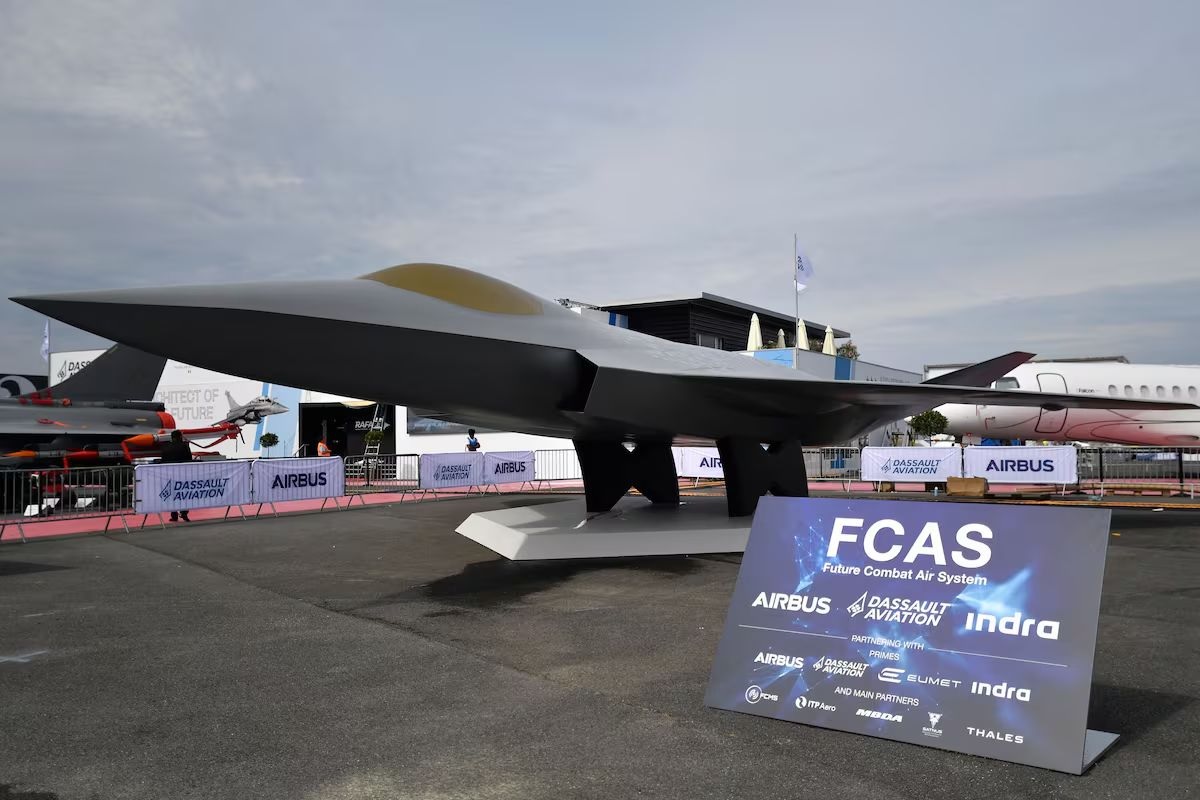
BERLIN, — June 08, 2026 : Germany and France have decided to discontinue the joint development of the New Generation Fighter (NGF), the central manned aircraft component of the Future Combat Air System (FCAS) program, following years of industrial disagreements between Dassault Aviation and Airbus Defence and Space over leadership, workshare, and intellectual property rights. The decision marks a major restructuring of one of Europe’s largest defense programs, valued at more than €100 billion, and effectively ends the NGF project in its current form involving France, Germany, and Spain. According to government sources, German Chancellor Friedrich Merz is expected to formally address the decision during the ILA Berlin Air Show this week. Reports indicate that Merz advised French President Emmanuel Macron that the joint fighter aircraft project should not continue after repeated efforts to resolve disputes between the industrial partners failed to produce an agreement. The move significantly alters the original vision of FCAS, which was launched in 2017 by Macron and former German Chancellor Angela Merkel as a flagship European defense cooperation initiative aimed at developing a sixth-generation air combat system. Industrial Disputes Bring NGF Project to a Halt The collapse of the NGF program follows years of disagreements between Dassault Aviation, the lead contractor for the fighter aircraft, and Airbus Defence and Space, which represented German and Spanish industrial interests. A key source of tension was the issue of workshare and industrial leadership. Dassault advocated a "best-athlete" model, arguing that its experience as a combat aircraft manufacturer justified a dominant role in the fighter's development. Reports suggested the company sought a significantly larger share of the project, with discussions involving as much as 80 percent of the NGF workshare. Airbus, backed by Germany and Spain, supported a more balanced industrial structure that would allow all participating countries to maintain and develop their aerospace capabilities. Despite multiple rounds of negotiations and mediation, the parties were unable to reach a compromise. Another major obstacle involved intellectual property rights. As the program moved toward advanced development phases, disagreements intensified over technology sharing, access to proprietary data, and protection of commercially sensitive information. These disputes repeatedly delayed progress and prevented the project from advancing to the next stage. Different Military Requirements Deepened Divisions Beyond industrial disagreements, France and Germany also held different operational requirements for a future combat aircraft. France sought an aircraft capable of carrier operations and supporting the country's airborne nuclear deterrence mission, requirements linked to the future replacement of the Rafale fighter. Germany, however, does not operate aircraft carriers and has different defense priorities. Berlin has already selected the F-35 fighter aircraft to fulfill its NATO nuclear-sharing obligations, reducing the need for some of the specialized capabilities sought by France. These differing strategic priorities made it increasingly difficult to define a common aircraft design acceptable to all participating nations. FCAS to Continue Through Drones and Combat Cloud Development While the joint fighter aircraft has been canceled, Paris and Berlin have agreed to continue cooperation on other elements of the broader FCAS architecture. The revised program will retain the FCAS name and focus on developing a "system of systems" approach centered on advanced networking and unmanned capabilities. Key areas of continued cooperation include: Remote Carriers — autonomous and collaborative drone platforms designed to operate alongside manned aircraft during combat missions. Combat Cloud — a secure digital network intended to connect aircraft, drones, sensors, command centers, naval assets, and ground forces into a unified operational system. The continuation of these components allows the project to survive in a reduced form while preserving a significant part of the European defense cooperation framework originally established in 2017. Airbus Defence and Space Chief Executive Michael Schoellhorn recently stated that although the fighter aircraft project faced substantial challenges, development of the Combat Cloud and Collaborative Combat Aircraft programs would continue. Germany has also proposed maintaining trilateral cooperation with Spain on these remaining FCAS elements. Additional details are expected to be discussed during a ministerial meeting scheduled for July 2026. Setback for European Strategic Autonomy The cancellation of the New Generation Fighter represents a significant setback for Europe's ambitions to strengthen strategic autonomy and reduce reliance on non-European military technologies. FCAS had been designed as a next-generation air combat system intended to replace France’s Rafale, Germany’s Eurofighter Typhoon, and Spain’s current fighter fleet between 2040 and 2045. The program was widely viewed as a cornerstone of future European defense-industrial cooperation. The project had already experienced years of delays. A planned technology demonstrator flight, originally targeted for 2027, failed to advance due to unresolved disputes between the industrial partners. Political mediation efforts launched by Macron and Merz earlier in 2026 ultimately did not produce an agreement. Future of European Combat Aviation With the NGF project discontinued, Europe’s future combat aviation landscape remains divided between multiple initiatives. Alongside FCAS, the Global Combat Air Programme (GCAP)—led by the United Kingdom, Italy, and Japan—continues development of its own sixth-generation fighter aircraft. Recent reports have suggested that Germany may be interested in exploring potential participation in the GCAP framework. Meanwhile, the German and French defense ministries have been tasked with preparing a new joint roadmap focused on practical defense cooperation projects, including unmanned systems, advanced networking technologies, and future battlefield integration capabilities. The ILA Berlin Air Show is expected to provide further clarity on the future direction of FCAS and broader European air combat modernization efforts as governments and industry partners reassess their long-term requirements for next-generation military aviation.
Read More → Posted on 2026-06-08 16:34:28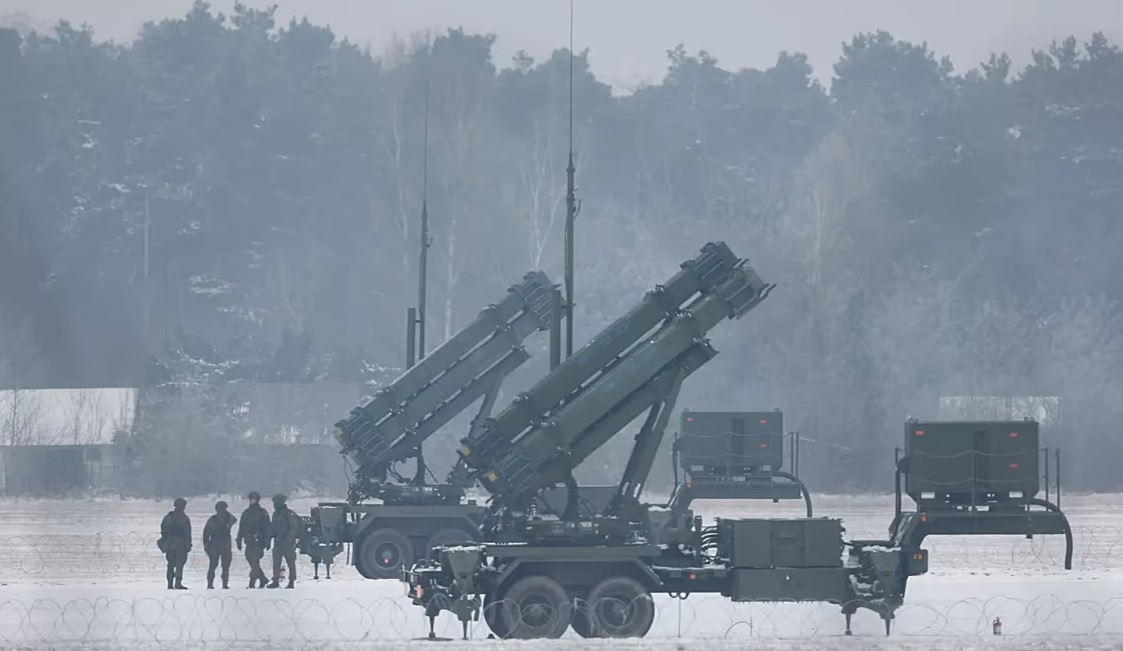
World
BERN, Switzerland — June 08, 2026 : Switzerland is formally evaluating the Franco-Italian SAMP/T air defense system as a potential alternative or supplement to its existing order for U.S.-made Patriot missile defense systems, following significant delivery delays and rising costs linked to the American program. The review is part of Switzerland’s broader Air2030 defense modernization program, which aims to strengthen the country's air and missile defense capabilities while modernizing its armed forces. Patriot Deliveries Delayed Until 2030–2034 In 2022, Switzerland signed a contract worth approximately 2 billion Swiss francs for five Patriot surface-to-air missile batteries from the United States. Under the original agreement, deliveries were expected between 2026 and 2028. However, the U.S. Department of Defense has reprioritized production to support Ukraine and meet growing global demand for air defense systems. As a result, Swiss Patriot deliveries have been pushed back significantly, with current estimates placing deliveries between 2030 and 2034. The revised schedule represents a delay of up to seven years, raising concerns within Bern about potential gaps in the country's future air defense capabilities. Rising Costs Add Pressure to Procurement Review Beyond delivery delays, Switzerland is also facing substantial cost increases. Officials estimate that the final cost of the Patriot program could rise by 50 percent or more, potentially increasing from the original CHF 2 billion contract value to as much as CHF 4 billion. Switzerland has already paid approximately CHF 700 million as an advance payment for the Patriot systems. Despite this financial commitment, the Federal Council and Defense Minister Martin Pfister are reviewing procurement options to ensure the country receives the required capability within an acceptable timeframe. Swiss authorities have reportedly paused additional payments while seeking greater clarity regarding future delivery schedules. SAMP/T NG Emerges as Leading European Alternative As part of the review, Switzerland is examining the SAMP/T Next Generation (NG) system developed by Eurosam, a joint venture between European defense companies MBDA and Thales. Eurosam has informed Swiss officials that it could potentially deliver the system by 2029, several years earlier than the revised Patriot timeline. The company has promoted the SAMP/T NG as a European, independent and sovereign air defense solution, offering an alternative to reliance on non-European suppliers. Capabilities of the SAMP/T NG System The SAMP/T, known as "Mamba" in French military service, is a mobile long-range air defense system capable of engaging a wide range of threats, including: Combat aircraft Cruise missiles Unmanned aerial vehicles (drones) Tactical ballistic missiles The system uses the Aster 30 missile family and is currently operated by France and Italy. The latest SAMP/T NG variant incorporates upgraded sensors, improved command-and-control systems, and enhanced missile engagement capabilities. It provides 360-degree radar coverage and is designed to operate within integrated air and missile defense networks. In addition, the system requires fewer personnel to operate. A typical SAMP/T battery requires around 20 personnel, compared with approximately 90 personnel for a Patriot battery. Switzerland Seeks Greater European Interoperability Swiss officials have emphasized the importance of maintaining interoperability with neighboring European countries. Speaking about the ongoing evaluation, State Secretary for Security Markus Mäder highlighted the need for compatibility with regional defense networks and stressed that Switzerland is examining additional options rather than immediately replacing the Patriot program. The growing focus on European defense cooperation has increased interest in systems such as the SAMP/T NG, particularly as European nations continue expanding their integrated air defense capabilities. Other Air Defense Systems Also Under Review In addition to the SAMP/T NG, Switzerland has reportedly requested information from several other defense manufacturers. Systems under consideration include: Germany’s IRIS-T SLM Israel’s Arrow-3 missile defense system South Korea’s Cheongung II (M-SAM) Swiss officials have indicated that European solutions are receiving particular attention during the evaluation process, although no final decision has been made. Potential Risks of Leaving the Patriot Program While the SAMP/T NG offers an earlier delivery timeline, abandoning or reducing the Patriot order could create financial and political challenges. Swiss lawmakers have warned that withdrawing from the U.S. contract could result in financial penalties and potentially affect broader defense cooperation with Washington. Such concerns are particularly relevant as Switzerland continues with its planned acquisition of F-35 fighter jets from the United States. Any procurement decision will therefore need to balance operational requirements, delivery schedules, costs, and long-term strategic partnerships. Decision Expected After Further Evaluations As of June 2026, the Swiss government has not made a final decision regarding the future of its long-range air defense program. Officials are continuing discussions with suppliers and evaluating operational, financial, and strategic factors before determining whether to proceed solely with the delayed Patriot systems or acquire additional capabilities such as the SAMP/T NG. The outcome of the review will play a key role in shaping Switzerland’s future air and missile defense network, as the country seeks to modernize its defenses while ensuring timely delivery of critical military capabilities.
Read More → Posted on 2026-06-08 17:21:15
World
NICOSIA, Cyprus — June 08, 2026 : Cyprus and Greece have accused Turkey of interfering with aircraft carrying European defense ministers as they arrived in Cyprus for an informal European Union defense ministers’ meeting hosted under the Cypriot EU Council Presidency. According to Cypriot authorities, aircraft transporting Greek Defense Minister Nikos Dendias, French Armed Forces Minister Catherine Vautrin, and members of the Dutch defense delegation experienced radio interference while approaching Cyprus on June 7. Officials said the interference originated from the control tower at Ercan (Tymbou) Airport in the Turkish-controlled northern part of the island, affecting communications with air traffic control in Larnaca. Cypriot authorities also reported that two Turkish F-16 fighter jets were scrambled from northern Cyprus and shadowed the aircraft carrying Dendias from a distance before all delegations landed safely at Larnaca International Airport. Cyprus and Greece Condemn Incident The Republic of Cyprus condemned the reported actions, with Presidential Press Office Director Victor Papadopoulos stating that the defense ministries of Greece, France, and the Netherlands had reported the interference. He said Cyprus considers the actions illegal and intends to raise the matter through international channels. Cypriot President Nikos Christodoulides described the incident as unacceptable and said there was no justification for such actions. Defense Minister Vasilis Palmas is expected to brief EU High Representative for Foreign Affairs and Security Policy Kaja Kallas and other European counterparts during the meeting. In Greece, government spokesperson Pavlos Marinakis also condemned the incident, stating that any behavior inconsistent with international law could not be tolerated. Turkey Rejects Allegations Turkey denied the accusations, describing reports of harassment and airspace violations as false. In a statement, Türkiye’s Directorate of Communications said six aircraft were operating on routes between Greece and the Greek Cypriot administration on June 7 and claimed that four of them violated the airspace of the Turkish Republic of Northern Cyprus (TRNC). According to Ankara, two Turkish F-16s stationed in northern Cyprus were scrambled as a precautionary measure. Turkish authorities stated that the jets remained within TRNC airspace, did not enter the airspace of the Republic of Cyprus, and did not harass any aircraft carrying European officials. Turkish Cypriot air traffic controllers also rejected the allegations, saying the fighter jets took off in response to an emergency and did not violate any airspace boundaries. Incident Occurs Ahead of Key EU Defense Meeting The incident took place ahead of the informal EU Foreign Affairs Council (Defense) meeting in Nicosia, where ministers are discussing European defense readiness, support for Ukraine, crisis response coordination, and maritime security. The diplomatic dispute comes amid longstanding tensions between Cyprus and Turkey over the island’s division and competing interests in the Eastern Mediterranean. It also coincides with Cyprus preparing to sign a Status of Forces Agreement (SOFA) with France, a defense cooperation pact expected to strengthen military ties between the two countries. Cypriot authorities said they will submit formal complaints to relevant international bodies, while EU officials are expected to review the matter during the summit discussions.
Read More → Posted on 2026-06-08 17:36:31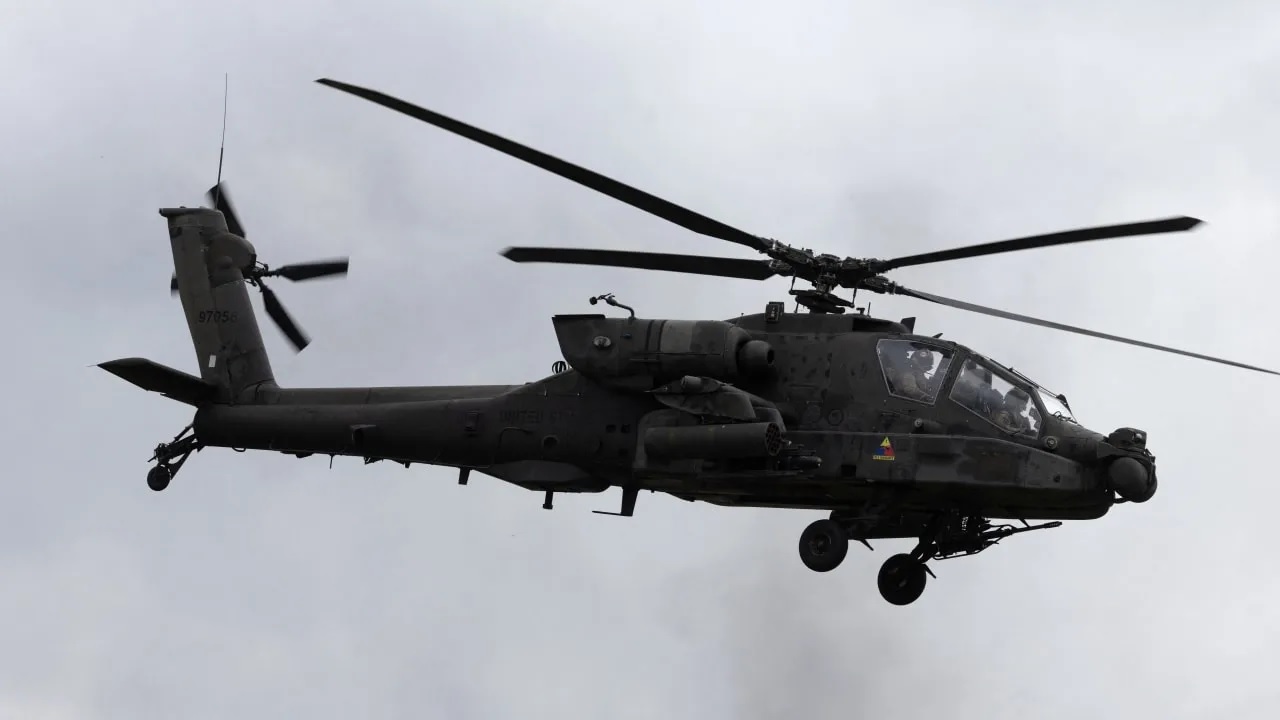
World
WASHINGTON, — June 09, 2026 : A U.S. Army AH-64 Apache attack helicopter crashed near the Strait of Hormuz during military operations in the region, with both crew members rescued safely, according to U.S. officials. (Latest Update) President Donald Trump confirmed the safety of the service members while speaking to reporters on June 9, stating that both pilots were unharmed. He did not provide further details and said an official military report would be released shortly. “The pilots are fine. Nobody injured,” Trump said. According to sources familiar with the incident, an investigation has already been launched. The cause of the crash remains unknown, and officials are examining several possibilities, including mechanical failure, hostile fire, or other operational factors. The incident occurred as the United States continues military operations in the Strait of Hormuz, where AH-64 Apache helicopters are being used to patrol shipping lanes, intercept hostile drones, and deter attacks by small fast boats. The helicopters, equipped with Hellfire missiles, have become a key component of U.S. operations in the area. The patrols are part of a broader U.S. effort to enforce a naval blockade on Iranian ports that was imposed on April 13, 2026, following the collapse of diplomatic ceasefire talks in Islamabad. The blockade was introduced in response to Iran's actions to restrict and control commercial maritime traffic through the Strait of Hormuz. Under the blockade, commercial vessels are prohibited from entering or leaving Iranian ports. Since the operation began, U.S. forces have turned back 134 vessels, while seven additional ships that ignored warnings were disabled. Military officials have not indicated whether the helicopter crash will affect ongoing patrol and blockade operations in the strategic waterway. Further details are expected following the completion of the investigation.
Read More → Posted on 2026-06-09 13:05:56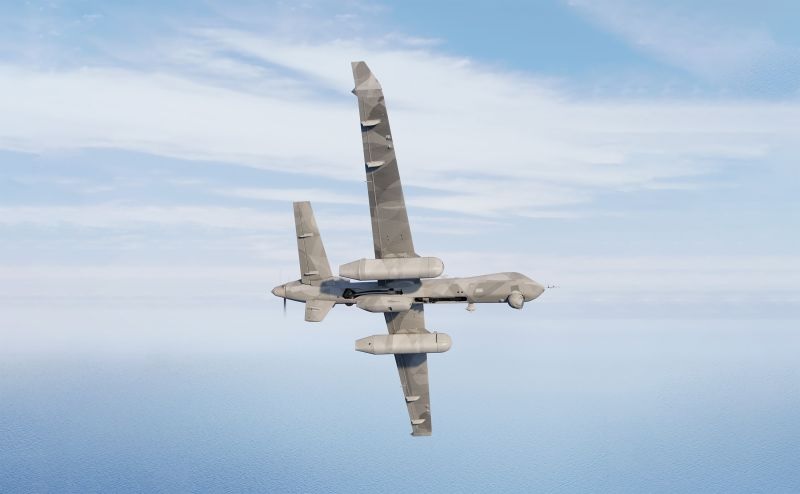
World
TOKYO, — June 09, 2026 : Japan is considering equipping its MQ-9B SeaGuardian unmanned aerial vehicles (UAVs) with airborne early warning (AEW) radar systems to strengthen surveillance coverage over the Pacific Ocean and address gaps in its maritime defense network. The initiative, first reported by the Yomiuri Shimbun on May 18, 2026, is linked to the Japanese government's planned revision of the country's three key security documents later this year, including the National Security Strategy and Defense Buildup Program. Growing Focus on Pacific Monitoring Japan's Ministry of Defense has increased its focus on surveillance in the Pacific amid growing regional military activity. Since 2017, Chinese bombers have regularly operated through the Bashi Channel between Taiwan and the Philippines and into the Pacific Ocean. Concerns have also grown following extended deployments by two Chinese aircraft carriers in the Western Pacific during 2025. Japanese defense planners have traditionally viewed the Pacific side of the country as a relative surveillance gap compared with the East China Sea, prompting efforts to improve monitoring capabilities across the region. To strengthen coverage, Japan is also planning to deploy mobile air-defense radar systems on remote islands, including Iwo Jima (Iwoto) and Chichijima in the Ogasawara Islands. MQ-9B Selected for Expanded Role The MQ-9B SeaGuardian, developed by General Atomics Aeronautical Systems Inc. (GA-ASI), is the primary platform being considered for the new AEW mission. The Japan Maritime Self-Defense Force (JMSDF) selected the MQ-9B in late 2024 to support and partially replace peacetime surveillance missions currently performed by the Kawasaki P-1 maritime patrol aircraft. Under current plans, two MQ-9B drones will be deployed to Kanoya Air Base in Kagoshima Prefecture in fiscal year 2027 and initially operated by a civilian contractor. Two additional aircraft will be stationed at Hachinohe Air Base in Aomori Prefecture from fiscal year 2028, with direct JMSDF operation. Japan plans to acquire a total of 23 MQ-9B aircraft in the long term. The drone is equipped with electro-optical sensors, signals intelligence systems, maritime surveillance radar, and satellite communications, allowing it to remain airborne for more than 24 hours during surveillance missions. LoyalEye Radar Under Evaluation The AEW system under consideration is believed to be the LoyalEye radar developed jointly by Saab and GA-ASI. The system consists of two underwing Active Electronically Scanned Array (AESA) radar pods that provide near-360-degree coverage. The radar can detect aircraft, missiles, and drones at ranges exceeding 300 kilometers. Information collected by the radar can be transmitted in real time to command centers and military assets through satellite communications and the Link 16 tactical datalink network. On May 19, 2026, an MQ-9B equipped with the LoyalEye radar completed its first validation flight in Southern California, marking a key step in the development of the capability. Potential Benefits and Future Missions Japanese defense officials view AEW-equipped MQ-9Bs as a cost-effective way to expand early warning coverage compared with traditional manned AEW aircraft. However, carrying radar pods could reduce endurance or limit the drone's ability to carry other surveillance equipment, which may influence future procurement plans. The MQ-9B is also being considered for anti-submarine warfare (ASW) missions. GA-ASI has developed a Sonobuoy Dispensing System that allows the drone to deploy sonobuoys and transmit acoustic data for submarine tracking. With lower manpower requirements than manned patrol aircraft and the ability to remain airborne for extended periods, the MQ-9B is expected to play an increasingly important role in Japan's future surveillance and maritime security operations. Part of Broader Defense Modernization The proposed integration of AEW radar systems reflects Japan's broader effort to strengthen monitoring capabilities across the Pacific and adapt to evolving regional security challenges. As Tokyo updates its key security policies later this year, unmanned systems such as the MQ-9B SeaGuardian are expected to become a more prominent part of the country's defense strategy.
Read More → Posted on 2026-06-09 13:30:20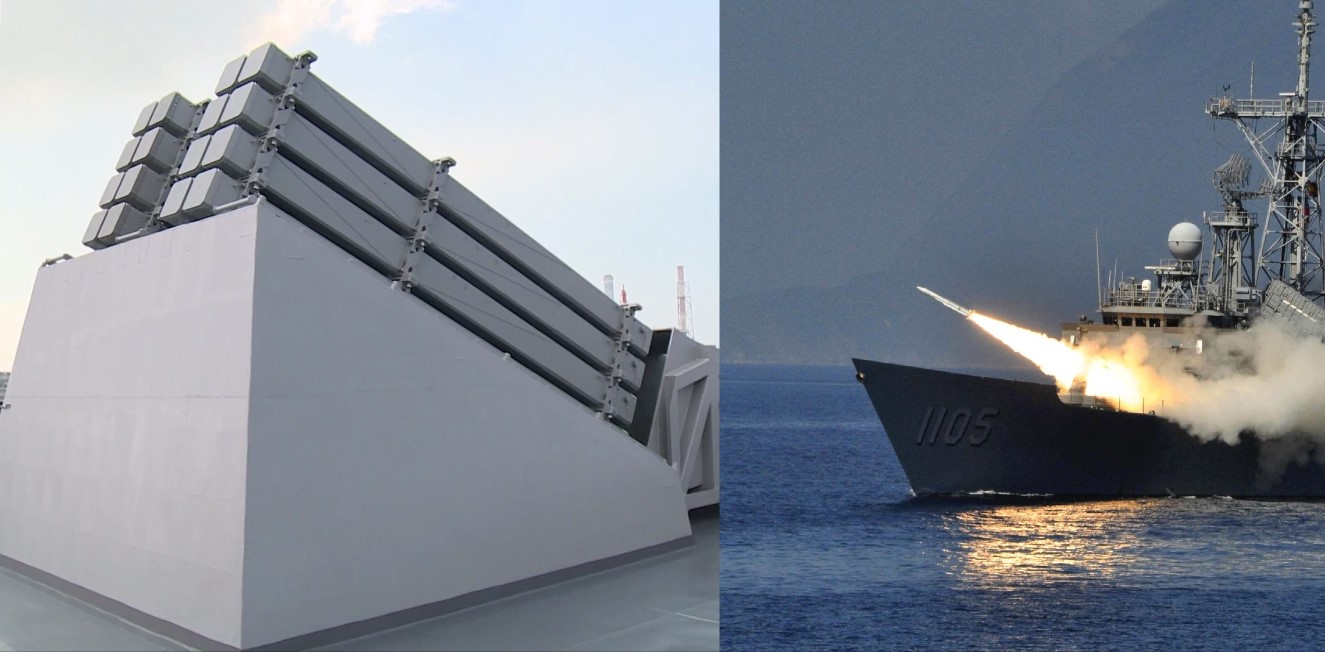
World
TAIPEI, — June 09, 2026 : Taiwan is moving forward with plans to manufacture between 1,200 and 1,376 Hai Chien II (Sea Sword II) naval air defense missiles as part of a major effort to modernize the Republic of China Navy’s surface fleet and improve protection against evolving aerial threats. The Hai Chien II, also known as the TC-2N, is expected to become the standard air defense missile across Taiwan’s principal surface combatants. The production program follows a successful live-fire test conducted last week in waters near the National Chung-Shan Institute of Science and Technology (NCSIST)’s Jiupeng facility in Pingtung County. According to military sources cited by local media, the missile procurement plan forms part of a broader naval modernization effort focused on replacing aging air defense systems and increasing the fleet’s ability to counter aircraft, helicopters, drones, and anti-ship missiles. Fleet-Wide Deployment Plan Taiwanese naval planners estimate that at least 688 missiles are required to fully equip the magazines of vessels currently in service or under construction. However, military doctrine requires additional missile inventories for training, operational reserves, and wartime replenishment. As a result, total production is expected to reach between 1,200 and 1,376 missiles. The baseline allocation of 688 missiles is planned across several classes of naval vessels: Kang Ding-class frigates: 192 missiles for six ships, with up to 32 missiles per vessel. Next-generation light frigates: 288 missiles for future anti-air warfare and anti-submarine warfare variants. Tuo Chiang-class corvettes: 176 missiles for 12 vessels, with 16 missiles carried by each ship. Yushan-class landing platform dock (LPD): 32 missiles for self-defense operations. The estimate does not include Taiwan’s future next-generation principal surface combatant, which remains under development and could further increase missile requirements. Military planners reportedly favor the upper production target to ensure sufficient stockpiles for sustained combat operations and to counter potential large-scale saturation attacks. Replacing Legacy Air Defense Systems The Sea Sword II program is intended to replace older naval air defense systems currently deployed across parts of Taiwan’s fleet, including the M48 Chaparral surface-to-air missile system carried by the Kang Ding-class frigates. Defense officials have assessed that some legacy systems no longer provide the range and engagement capabilities necessary to counter modern aircraft and missile threats. The integration of the TC-2N is expected to significantly improve the fleet’s layered air defense network. The Kang Ding-class frigates, derived from the French La Fayette-class design, are being upgraded with the domestically developed Hua Yang Vertical Launch System (VLS). Each Hua Yang launcher module contains eight cells, and each cell can accommodate four Sea Sword II missiles, allowing ships to carry larger missile loads while providing 360-degree defensive coverage. The Yushan-class landing platform dock is equipped with four eight-cell launchers capable of carrying up to 32 TC-2N missiles. Meanwhile, second-batch Tuo Chiang-class corvettes are being delivered with the missile integrated into their standard air defense configuration. Missile Development and Capabilities The Hai Chien II is the naval variant of Taiwan’s Tien Chien II (Sky Sword II) beyond-visual-range air-to-air missile, developed by NCSIST as part of the island’s indigenous defense technology programs. Development work began during the 1990s, while integration with a vertical launch system was completed around 2006. The first ship-based launch took place in 2014, followed by a series of operational evaluations and live-fire tests. The missile completed major operational testing by 2021, including launches from the Tuo Chiang-class corvette Ta Chiang. The missile is designed to provide medium-range air defense with a reported engagement range of approximately 30 kilometers in its naval configuration. Key features include: Active radar homing guidance during the terminal phase. Inertial navigation and data-link guidance during mid-course flight. Electronic counter-countermeasure (ECCM) capabilities to resist jamming. Thrust-vectoring booster technology that improves maneuverability and engagement performance. All-weather operational capability against multiple types of aerial threats. The system is designed to intercept fixed-wing aircraft, helicopters, unmanned aerial vehicles, and sea-skimming anti-ship missiles, filling the gap between close-in weapon systems such as the Phalanx CIWS and longer-range air defense missiles. Supporting Taiwan’s Naval Modernization Strategy The decision to standardize the Sea Sword II across multiple classes of warships is expected to simplify logistics, maintenance, training, and ammunition management throughout the fleet. The missile will play an important role in Taiwan’s ongoing naval modernization efforts, which include the construction of new light frigates and the expansion of the Tuo Chiang-class corvette program. The corvettes are designed to operate using a dispersed “wolf pack” concept, combining high speed, reduced radar signature, and a mix of offensive and defensive weapons. Production of the Sea Sword II will be supported by NCSIST’s expanded manufacturing capacity and reflects Taiwan’s broader emphasis on indigenous defense systems. Once fully deployed, the missile is expected to become a central component of the Republic of China Navy’s air defense architecture and future fleet operations.
Read More → Posted on 2026-06-09 13:56:02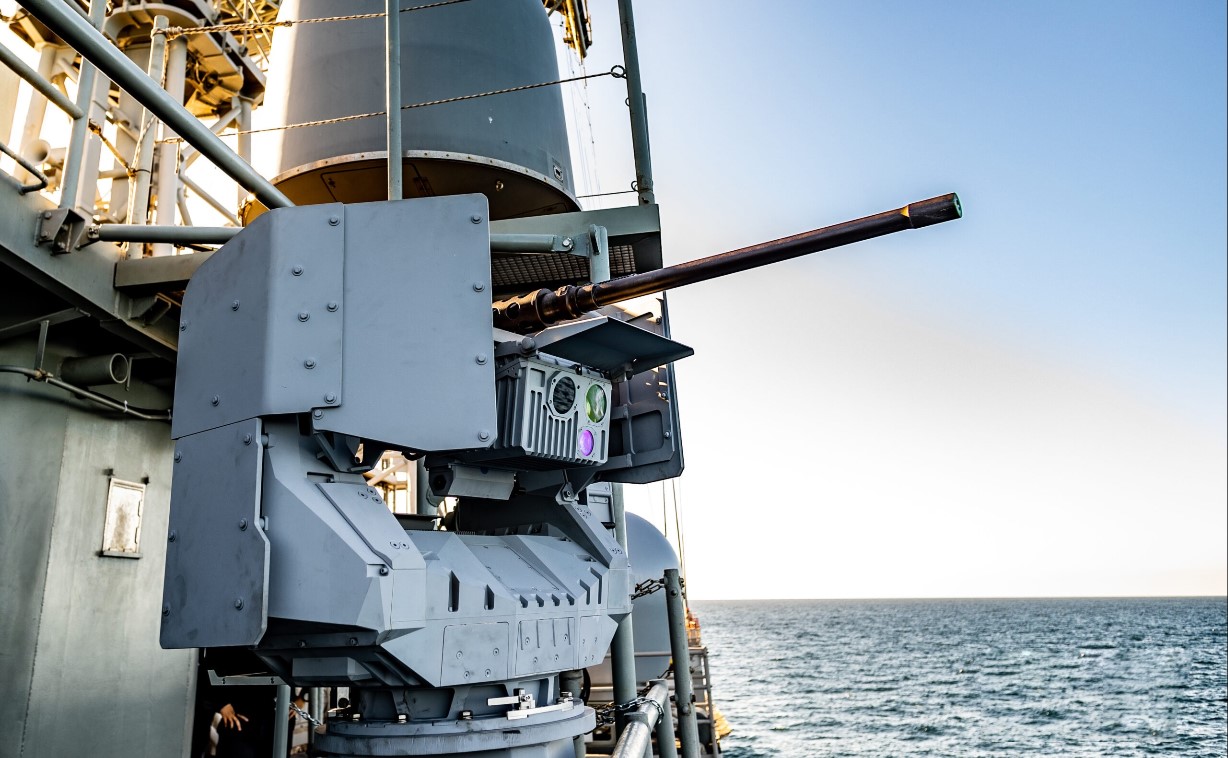
World
MADRID, — June 09, 2026 : Spanish defense technology company EM&E Group has secured a contract to supply the Portuguese Navy with 47 SENTINEL remote-controlled naval weapon stations (RCWS) through the NATO Support and Procurement Agency (NSPA). The agreement marks the company's first large-scale contract managed directly by the NATO agency. The procurement is part of Portugal’s efforts to enhance the fleet’s close-range and medium-range defense capabilities while improving interoperability with NATO allies through standardized equipment and support frameworks. The contract will be executed in two phases and includes the delivery of EM&E Group’s SENTINEL 2.0 and SENTINEL 30 weapon stations. While the exact number of each variant has not been disclosed, the systems will be supplied in 12.7 mm and 30 mm calibers respectively. The SENTINEL 2.0 is a lightweight remote weapon station designed for short- and medium-range defense. It can be equipped with 12.7 mm heavy machine guns and is intended to counter fast attack craft, asymmetric maritime threats, and low-altitude aerial targets. The SENTINEL 30 is a stabilized turret system armed with a 30 mm automatic cannon, compatible with the MK 44 Bushmaster II chain gun. The system provides greater range and firepower against larger surface threats and can also support programmable air-burst munitions. Both systems are equipped with day and infrared cameras, laser rangefinders, automatic target tracking, and integrated fire-control software. These features allow operators to detect, track, and engage targets remotely from protected positions inside a vessel while maintaining accuracy in various operational conditions. The procurement through NSPA is expected to simplify logistics, maintenance support, and ammunition compatibility across NATO member states. EM&E Group said the contract reflects the systems’ compliance with NATO operational and technical requirements. The SENTINEL family has been in service with the Spanish Navy for several years, providing an established operational record that supported its selection by Portugal. The systems have also been supplied to international customers, including the Royal Thai Navy. The deployment of the SENTINEL 2.0 and SENTINEL 30 on Portuguese naval vessels is expected to strengthen the country's maritime defense capabilities while creating greater technical and logistical commonality with the Spanish Navy. Delivery of the 47 weapon stations will take place in phases, although specific timelines have not been announced.
Read More → Posted on 2026-06-09 14:12:45
World
SEATTLE, — June 09, 2026 : Boeing announced on June 3, 2026, that it has completed the first phase of flight testing for the upgraded Remote Vision System (RVS) 2.0 on the KC-46A Pegasus aerial refueling tanker, marking a major step toward resolving one of the aircraft’s most significant technical deficiencies ahead of a planned fleet-wide retrofit beginning in 2027. The upgrade is designed to address long-standing issues with the original Remote Vision System, which allows boom operators to conduct aerial refueling using cameras and displays instead of a direct-view observation window. The U.S. Air Force classified the original system as a Category 1 deficiency due to problems involving depth perception, image distortion, and sensitivity to changing lighting conditions. In some situations, including direct sunlight and low-light operations, the system could experience image washout, increasing the risk of boom contact with receiver aircraft. To overcome these issues, Boeing developed RVS 2.0, a completely redesigned hardware and software system. The new configuration includes six cameras, consisting of visible-spectrum and long-wave infrared sensors, along with additional high-definition cameras to improve depth perception. The system feeds data to a redesigned operator station equipped with a 4K Ultra High-Definition 3D display, providing a clearer and more realistic view during refueling operations. According to Boeing, the completed testing phase validated the performance of the upgraded cameras, image-processing hardware, and control systems. Flight-test footage released by the company showed the modified KC-46A successfully conducting boom contacts with multiple aircraft, including another KC-46A, an RC-135 Rivet Joint, and a C-17 Globemaster III. Simulated refueling operations with a T-38 Talon were also carried out. The flight-testing campaign follows earlier evaluations conducted in January 2026, when the U.S. Air Force’s 418th Flight Test Squadron supported testing at the Mugu Sea Test Range to assess sensor performance under rapidly changing lighting conditions. With the first phase now complete, Boeing, the U.S. Air Force, and the KC-46 Joint Program Office will move forward with formal certification activities before beginning fleet-wide installation of RVS 2.0 in 2027. The progress comes as Boeing and the Air Force continue broader efforts to improve the KC-46A program. In May 2026, both organizations launched a coordinated initiative focused on accelerating RVS 2.0 certification, improving fleet readiness, and increasing aircraft availability. Engineers are also working to resolve other Category 1 deficiencies, including issues related to the refueling boom and nozzle disconnect mechanisms. As of February 2026, Boeing had delivered 103 KC-46A Pegasus aircraft to the U.S. Air Force. Despite years of technical challenges and significant cost overruns, the KC-46A remains central to the Air Force’s long-term tanker modernization plan and is expected to gradually replace approximately 370 KC-135 Stratotankers currently in service. The successful completion of the first phase of RVS 2.0 flight testing represents an important milestone toward improving the operational capability and reliability of the KC-46A fleet before retrofit work begins in 2027.
Read More → Posted on 2026-06-09 14:24:14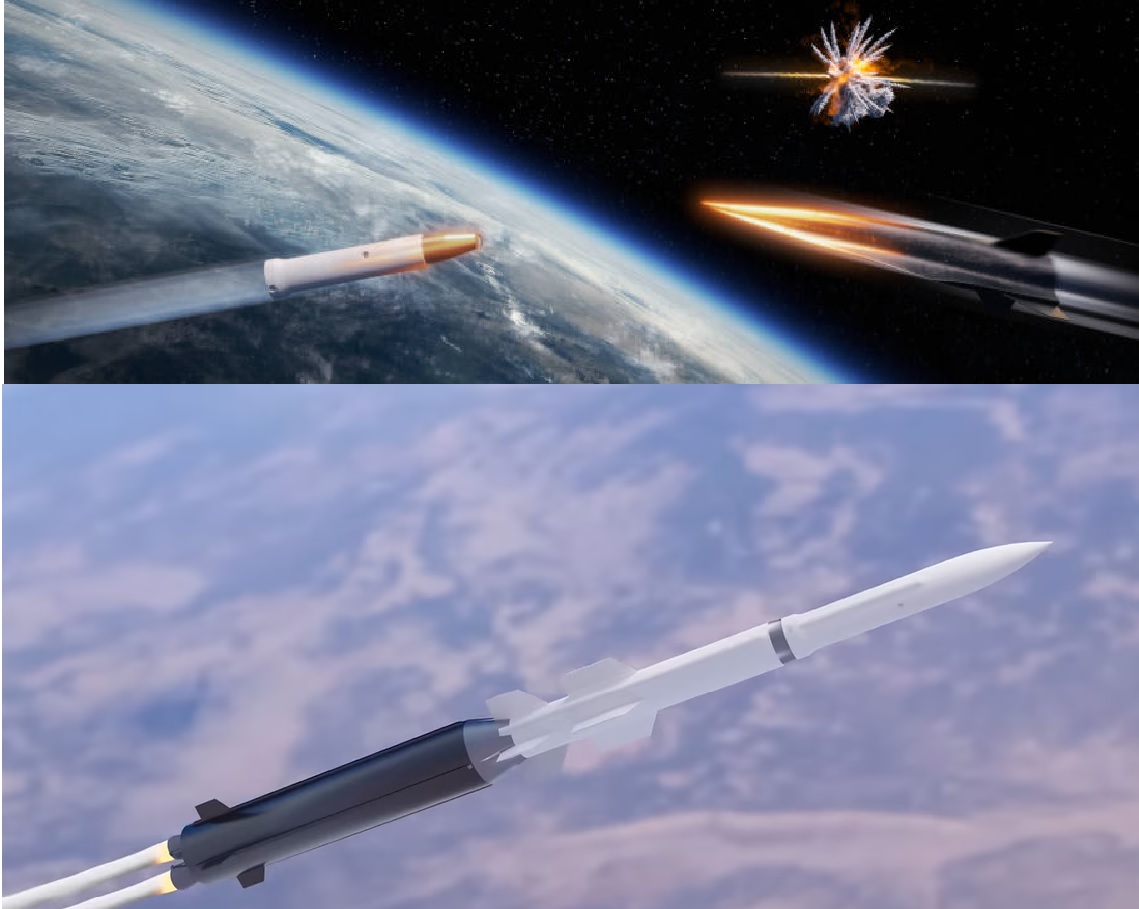
World
PARIS — June 09, 2026 : European missile manufacturer MBDA is advancing the development of AQUILA, a next-generation interceptor missile designed to counter hypersonic weapons and highly maneuverable ballistic missile threats. The missile is being developed under the Hypersonic Defence Interceptor System (HYDIS) program, a major European initiative aimed at strengthening future air and missile defense capabilities against emerging hypersonic threats. Supported by the European Defence Fund (EDF), the HYDIS program is coordinated by MBDA and includes 19 industry partners and more than 30 subcontractors from 14 European countries, including France, Germany, Italy, and Netherlands. The project is managed by Organisation for Joint Armament Cooperation. Designed for Hypersonic Interception AQUILA is MBDA's first interceptor specifically designed to engage hypersonic glide vehicles, hypersonic cruise missiles, and maneuvering ballistic missiles. Unlike conventional ballistic missiles that follow more predictable flight paths, hypersonic weapons travel at speeds above Mach 5 while performing rapid maneuvers, making them difficult to intercept with existing air-defense systems. The interceptor is designed to operate entirely within the atmosphere and is intended to provide long-range interception capability against high-speed and maneuvering threats. Three-Stage Missile Architecture According to MBDA, AQUILA features a three-stage architecture consisting of a booster accelerator, a cruise stage, and a kill vehicle. The booster accelerator provides the initial thrust required to rapidly reach operational speed and altitude. The cruise stage uses thrust-modulation technology, allowing the missile to adjust its flight path in response to changes in a target's trajectory. During the terminal phase, a highly agile kill vehicle equipped with advanced guidance systems is designed to intercept and destroy the target. MBDA stated that AQUILA is being designed with very high flight velocity to enable rapid response against hypersonic threats. Due to its multi-stage design, the interceptor is expected to be larger than the current Aster 30 missile and will require a larger launch container. Integration With SAMP/T Systems The interceptor is being developed for integration with existing and future European air-defense networks. MBDA has confirmed that AQUILA is intended for both land-based and naval deployment and will be compatible with multiple launcher systems. The missile is expected to integrate with the current SAMP/T air-defense system and the future SAMP/T NG (New Generation). Within the broader missile-defense architecture, AQUILA is intended to serve as an upper-tier defensive layer alongside Aster 30 Block 1 and future Block 1NT interceptors. HYDIS Program Progress The HYDIS program entered its three-year concept phase in 2024 with approximately €80 million in funding from the European Defence Fund. Current work is focused on developing key technologies required for hypersonic interception, including predictive artificial intelligence algorithms, advanced guidance systems, and sensors capable of operating in the extreme conditions associated with hypersonic flight. Initial studies evaluated 11 interceptor concepts before narrowing the field to six candidates and later to two leading designs. A final interceptor concept is expected to be selected during the next stage of the program. Future European Missile Defense Capability Participating nations are currently finalizing common operational requirements while the HYDIS consortium prepares for the final concept selection. The chosen design will form the basis of Europe's future counter-hypersonic missile defense capability. If development proceeds as planned, AQUILA will complement the Aster missile family and provide European armed forces with a dedicated capability to counter next-generation hypersonic and maneuvering missile threats.
Read More → Posted on 2026-06-09 14:40:11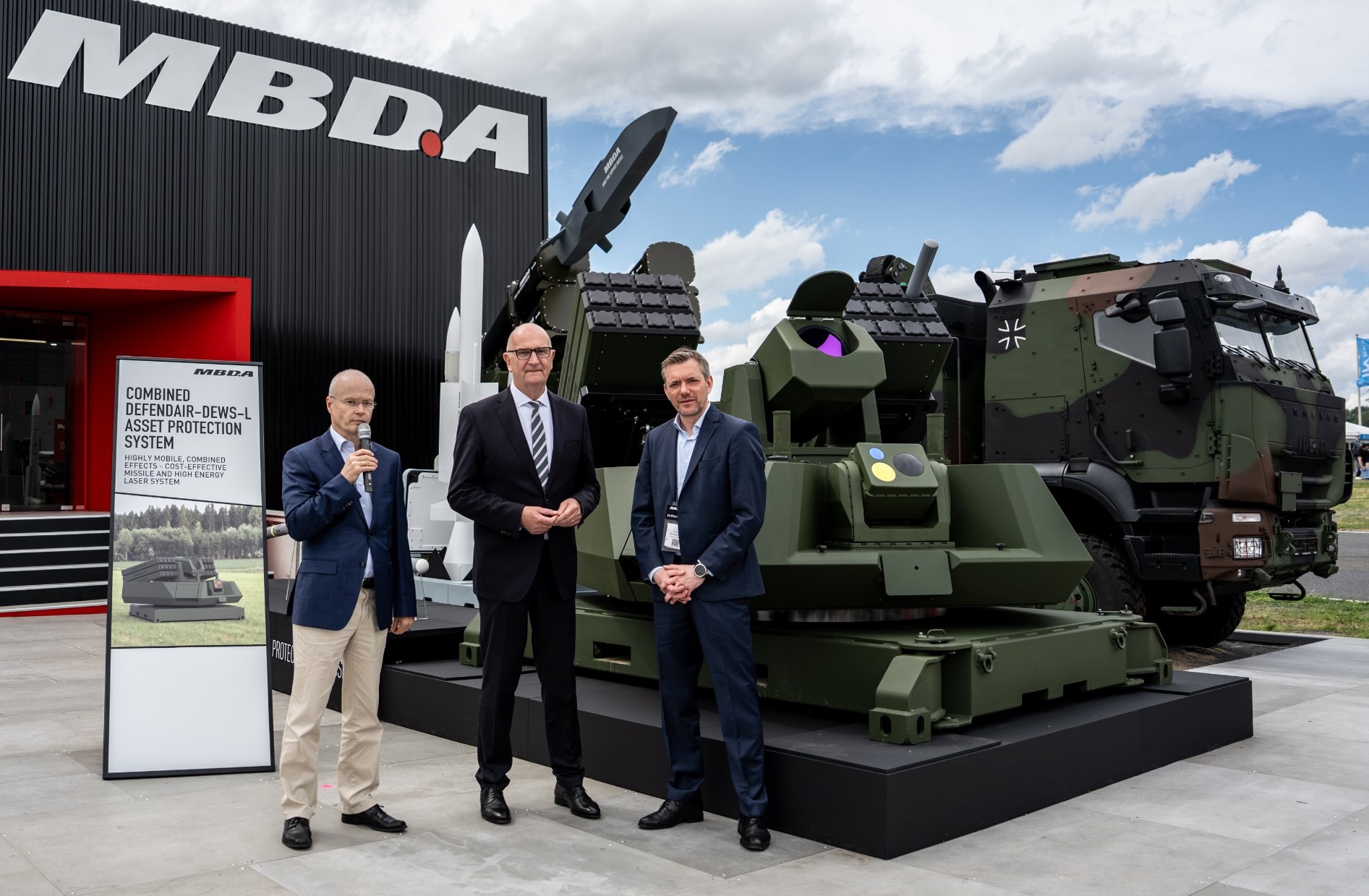
World
BERLIN — June 09, 2026 : MBDA Germany has unveiled a new hybrid counter-drone air defense concept at the International Aerospace Exhibition (ILA) 2026, introducing the Combined DefendAir–DEWS-L Asset Protection System, a Ground-Based Air Defence (GBAD) solution designed to counter the growing threat posed by unmanned aerial systems (UAS), including drone swarms, loitering munitions, and other low-cost aerial threats. The newly revealed system combines DefendAir short-range counter-UAS interceptor missiles with a high-energy laser weapon on a single palletized turret, creating a layered defense capability that can engage threats across multiple ranges and attack profiles. The platform is intended to provide protection for military bases, critical infrastructure, logistics hubs, command centers, forward operating bases, and deployed forces. Hybrid Missile and Laser Configuration At the center of the system is a highly mobile palletized turret equipped with 24 LFK DefendAir missiles alongside the Directed Energy Weapon System-Laser (DEWS-L). The integrated design allows operators to select the most suitable engagement method depending on the type, range, and complexity of the threat. The DefendAir missile serves as the system’s kinetic or hard-kill component. Developed specifically for counter-drone missions, it is optimized to engage small and medium-sized unmanned aerial vehicles at ranges exceeding 5 kilometers. The missile is capable of intercepting highly maneuverable and fast-moving aerial targets and can engage multiple threats simultaneously in all directions. DefendAir is derived from technologies used in MBDA’s Enforcer missile family, allowing the company to leverage an existing technology base to accelerate development and production. The missile's 24-cell launcher configuration provides substantial magazine depth, enabling the system to respond effectively to large-scale drone attacks and swarm scenarios. Complementing the missile layer is the DEWS-L high-energy laser weapon, which provides a low-cost engagement option against drones operating at shorter ranges. Unlike conventional interceptors, the laser uses electrical power rather than physical ammunition, allowing repeated engagements without depleting missile stocks. This significantly reduces the cost per engagement when confronting inexpensive commercial drones and other low-tier aerial threats. The laser also offers speed-of-light engagement and precise target tracking, making it suitable for neutralizing nearby drones while preserving missile inventory for more complex or distant threats. Designed Around Protection, Deterrence and Scalability According to MBDA Germany, the Combined DefendAir–DEWS-L system has been developed around three key operational principles: protection, deterrence, and scalability. Under the protection concept, the system is designed to provide continuous 360-degree defense of critical assets against reconnaissance drones, attack drones, and coordinated aerial incursions. Its combination of missiles and laser technology creates multiple engagement layers intended to improve survivability for protected forces and infrastructure. The deterrence aspect focuses on creating a robust defensive environment that complicates adversary planning. By combining a large missile inventory with a continuously available laser weapon, the system is designed to counter both individual drones and coordinated swarm attacks. Scalability forms the third pillar of the program. MBDA stated that the system follows a design-to-cost philosophy intended to support large-scale production and fielding. The company is currently increasing production of DefendAir missiles at its facilities in Schrobenhausen, Germany, following a major procurement agreement signed with the German Armed Forces. Supporting Germany’s Air Defense Modernization The development of DefendAir is part of Germany’s broader effort to strengthen short-range air defense and counter-drone capabilities. In November 2025, Germany’s Federal Office of Bundeswehr Equipment, Information Technology and In-Service Support (BAAINBw) awarded MBDA a contract covering the development and procurement of the DefendAir missile. The missile is also planned for integration with the Skyranger 30 air-defense system, further expanding its role within Germany’s evolving air-defense architecture. The unveiling of the Combined DefendAir–DEWS-L system comes amid growing international interest in layered counter-drone defenses. Military forces worldwide are increasingly seeking solutions that combine kinetic interceptors with directed-energy weapons to address the expanding use of low-cost unmanned systems on modern battlefields. Laser Technology Development The new system also reflects MBDA’s long-term investment in directed-energy weapon technologies. In January 2026, MBDA Germany and Rheinmetall announced the creation of a joint venture dedicated to the development of operational laser weapon systems. The partnership builds upon several years of testing and technology demonstrations, including successful trials involving a naval laser demonstrator aboard a German Navy frigate. These programs have demonstrated the potential of laser weapons to defeat drones, loitering munitions, and other short-range aerial threats. By combining mature missile technologies with advancing directed-energy capabilities, MBDA aims to reduce developmental risks while accelerating the introduction of operational hybrid air-defense systems. Future Deployment Plans MBDA stated that the Combined DefendAir–DEWS-L Asset Protection System is intended to achieve initial operational deployment before the end of the decade. Although detailed technical specifications for the DEWS-L laser component and full production schedules have not yet been disclosed, the company views the system as a significant contribution to Europe's expanding air-defense network. The platform is also expected to support objectives under the European Sky Shield Initiative (ESSI), a multinational effort aimed at strengthening European air and missile defense capabilities through greater cooperation and integrated defense solutions. As drone threats continue to increase in scale, complexity, and operational importance, the Combined DefendAir–DEWS-L system represents MBDA’s latest effort to provide armed forces with a flexible, layered, and scalable solution capable of defending against a broad spectrum of unmanned aerial threats.
Read More → Posted on 2026-06-09 15:25:48
World
ADELPHI, Maryland — June 09, 2026 : The U.S. Army has successfully demonstrated a new quantum sensor capable of measuring the full three-dimensional direction of radio-frequency (RF) signals, a development that could enhance battlefield awareness, electronic warfare, and signal detection capabilities. Developed by scientists at the U.S. Army Combat Capabilities Development Command (DEVCOM) Army Research Laboratory (ARL), the system is the first quantum sensor capable of determining not only the strength of an electromagnetic signal but also its complete 3D orientation and direction of travel. The achievement was detailed in a paper published in Physical Review Applied. Designed for Complex Electromagnetic Environments Modern military operations rely heavily on radio-frequency signals generated by drones, communication networks, radar systems, electronic warfare equipment, and autonomous platforms. At the same time, military forces face increasing challenges from electronic jamming, spectrum congestion, and GPS disruption. According to Army researchers, the new sensor can determine the direction of incoming radio signals with an accuracy of approximately two degrees, allowing military forces to more precisely locate signal sources. The capability could help troops identify hostile drone operators, enemy communication nodes, and electronic warfare systems operating on the battlefield. How the Quantum Sensor Works The sensor uses a small glass vapor cell containing rubidium atoms. Researchers use laser beams to excite the atoms into highly sensitive Rydberg states, making them extremely responsive to electric fields. When a radio-frequency signal passes through the cell, it interacts with the atoms. By analyzing the atoms' response, researchers can determine not only the presence and strength of the signal but also its precise three-dimensional direction and movement. Compact Design with Wide Frequency Coverage Unlike conventional antennas that are often designed for specific frequency ranges, the Army's quantum sensor is only a few centimeters in size and can operate across an extremely broad spectrum. Researchers say the system can detect frequencies ranging from direct current (DC) to terahertz bands using a single sensing package, reducing the need for multiple antennas and receivers. “Our work in quantum science is about giving our Soldiers new ways to sense and understand the world around them,” said David Meyer, a research physicist at ARL. “This research opens the door to detecting and pinpointing signals over a broad frequency range in a single sensing package, even in the most challenging environments.” Potential for GPS-Denied Operations One of the key advantages of the technology is its ability to function in GPS-denied environments. Because the sensor operates independently of satellite navigation systems, it could strengthen Position, Navigation and Timing (PNT) capabilities during operations where GPS signals are jammed or unavailable. The technology could provide commanders with additional situational awareness in contested electromagnetic environments. Future Military Applications Army researchers believe the sensor could support a range of missions, including electronic warfare, intelligence gathering, communications monitoring, drone detection, and spectrum management. “The modern battlefield is an extremely complicated radio frequency environment,” Meyer said. “With the proliferation of autonomous systems, there can be hundreds of distinct signal sources. Having a single sensor platform that covers the entire radio-frequency spectrum and can measure the 3D direction of those fields represents a potentially transformative capability.” The Army Research Laboratory, which has invested in quantum science since the early 1990s and became one of the Army's Quantum Information Science Research Centers in 2023, will now focus on transitioning the technology from laboratory testing to field-deployable military systems. The successful demonstration marks an important step in the Army's efforts to develop advanced quantum sensing technologies for future battlefield operations.
Read More → Posted on 2026-06-09 15:34:56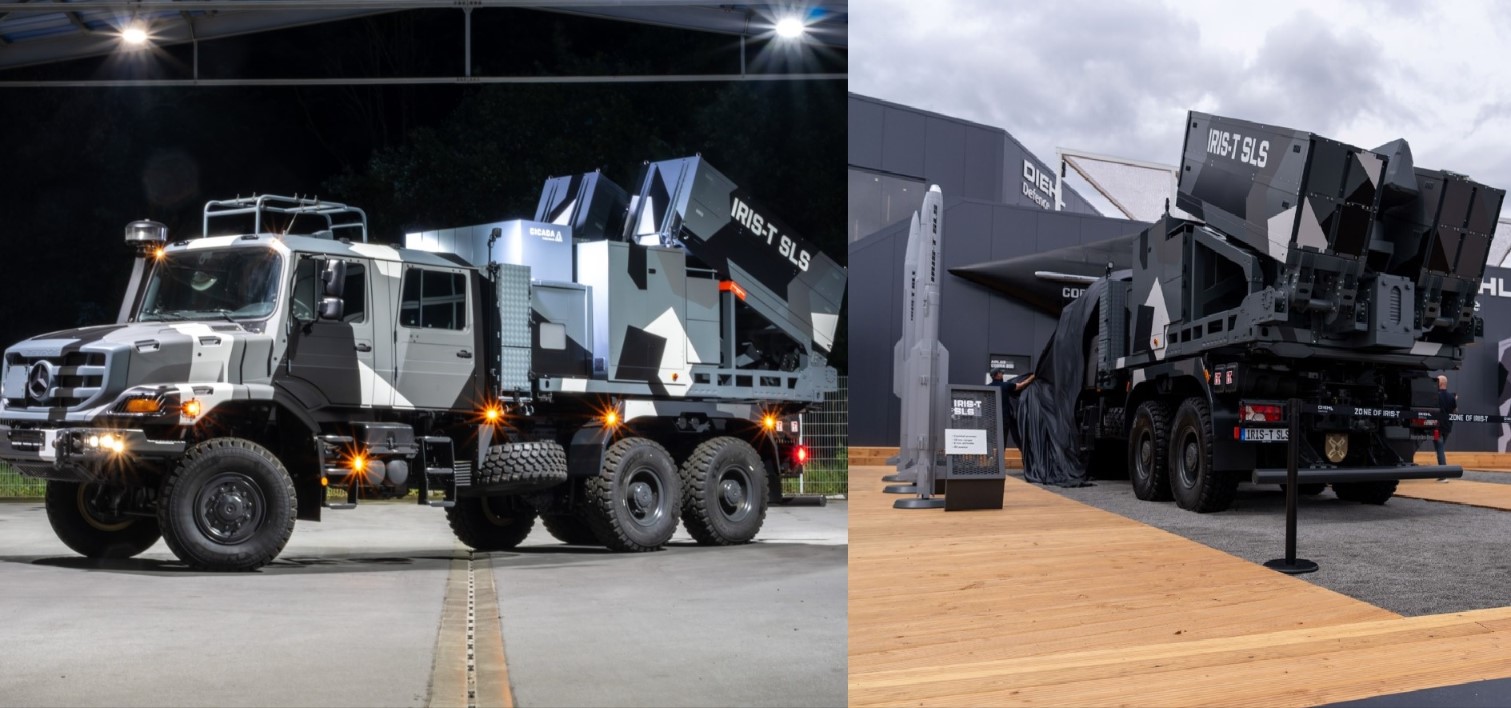
World
BERLIN — June 09, 2026: German defense company Diehl Defence has unveiled the IRIS-T SLS MK 4, the latest generation of its short-range land-based air defence (SHORAD) system, ahead of the ILA Berlin Air Show 2026. The new variant introduces an expanded engagement envelope, increased missile capacity, and a fully integrated single-vehicle architecture designed to improve battlefield mobility and survivability. The IRIS-T SLS MK 4 is the newest member of the IRIS-T ground-based air defence family, which also includes the IRIS-T SLM medium-range system and the future IRIS-T SLX long-range platform. Extended Range and Increased Firepower According to Diehl Defence, the IRIS-T SLS MK 4 can engage aerial targets at ranges of up to 12 kilometers and altitudes of up to 6 kilometers. A major upgrade is its increased missile load. The system carries up to eight ready-to-fire IRIS-T interceptors on a single vehicle, significantly increasing its ability to counter multiple threats before reloading is required. The higher missile capacity is intended to improve protection against drones, helicopters, aircraft, cruise missiles, loitering munitions, and saturation attacks. Unlike the larger IRIS-T SLM, which is primarily designed for area defence, the SLS MK 4 is optimized to accompany maneuvering forces and provide close-range protection for troops on the move. Integrated All-in-One Air Defence Vehicle A key feature of the IRIS-T SLS MK 4 is its all-in-one design, combining all major air-defence functions on a single tactical vehicle. The platform integrates: Surveillance radar Fire control and command system Eight-cell missile launcher This allows a single vehicle to independently detect, track, classify, and engage aerial threats without requiring separate radar or command vehicles. According to the company, the integrated architecture reduces deployment time, lowers logistical requirements, and enables rapid relocation after engagement, improving survivability against modern precision-guided weapons. Combat-Proven IRIS-T Missile The system uses the IRIS-T missile, originally developed for fighter aircraft such as the Eurofighter Typhoon and Panavia Tornado. Equipped with an imaging infrared seeker and thrust-vector control technology, the missile offers high maneuverability against agile targets, including modern unmanned aerial vehicles (UAVs). Diehl confirmed that the missile's hardware remains unchanged in the MK 4 configuration, ensuring compatibility with existing production and support infrastructure. Future Fire-on-the-Move Capability Diehl Defence is developing software upgrades that will enable a future fire-on-the-move capability. The upgrade will allow the system to launch interceptor missiles while the vehicle is moving, eliminating the need to stop before engaging targets and increasing operational flexibility in dynamic combat environments. Counter-Drone Capabilities The IRIS-T SLS MK 4 is designed with an open architecture that supports additional effectors beyond the standard IRIS-T missile. The system is compatible with CICADA eMissile, Diehl's dedicated counter-UAV interceptor, providing a lower-cost option for engaging small drones. This allows operators to use IRIS-T missiles against higher-value threats while employing CICADA against commercial and tactical UAVs. The vehicle can also be fitted with an optional remote weapon station for close-range defence. Modular Design for International Customers The IRIS-T SLS MK 4 features a vehicle-independent modular architecture, allowing the radar, command system, and launcher package to be integrated onto various wheeled or tracked chassis. This approach enables military operators to adopt the system without introducing entirely new vehicle fleets, reducing maintenance and logistical burdens. Part of a Layered Air Defence Network Diehl Defence positions the IRIS-T SLS MK 4 as the short-range layer of a broader multi-layered air defence network. The system is designed to operate alongside the IRIS-T SLM and future IRIS-T SLX, creating overlapping protection against a wide range of aerial threats. With its 12-kilometer engagement range, eight-missile payload, integrated single-vehicle design, and counter-drone capabilities, the IRIS-T SLS MK 4 represents the latest evolution of Diehl Defence's mobile air-defence portfolio for modern battlefield operations.
Read More → Posted on 2026-06-09 16:29:15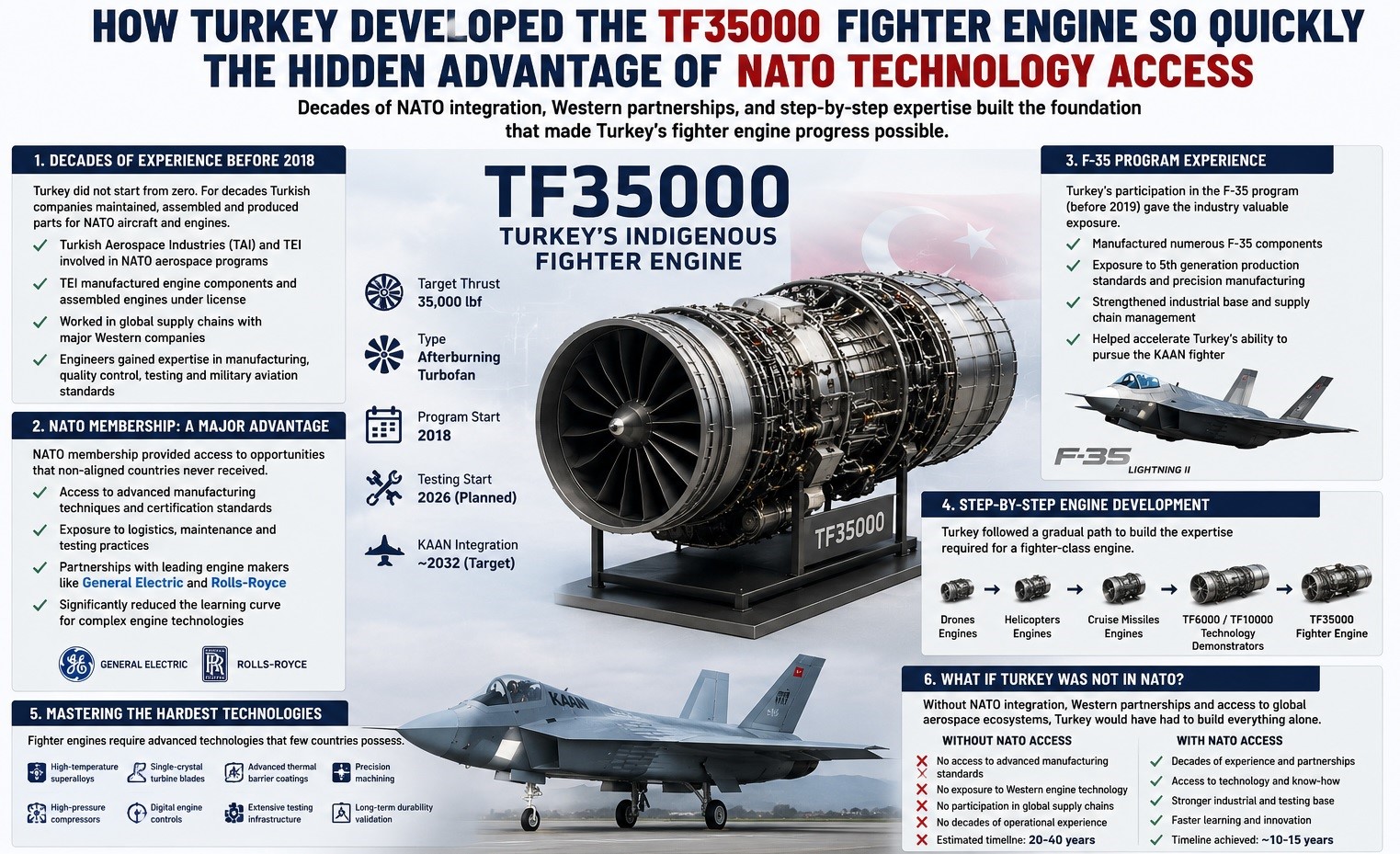
World
Turkey's progress toward developing an indigenous fighter jet engine has surprised many observers. The country formally launched development of a domestic engine for its KAAN fifth-generation fighter program in 2018, unveiled the TF35000 engine concept in 2025, and aims to begin testing in 2026 before eventual integration into the fighter around 2032. On the surface, this timeline appears remarkably short for one of the most difficult technologies in aerospace. Fighter jet engines are widely considered more challenging to develop than airframes, avionics, or even radar systems. Yet Turkey's apparent speed is not the result of starting from scratch in 2018. Instead, it reflects decades of accumulated industrial experience, much of it gained through NATO integration, Western aerospace partnerships, and participation in international defense programs. The Myth of a Sudden Breakthrough A common misconception is that Turkey suddenly decided to build a fighter engine and rapidly mastered the technology within a few years. In reality, Turkey's aerospace industry spent decades maintaining, assembling, manufacturing, and supporting Western military aircraft and engines before launching the KAAN engine effort. Turkish companies such as Turkish Aerospace Industries (TAI) and TEI have long been involved in NATO aerospace programs. TEI manufactured engine components, assembled engines under license, and worked within global supply chains linked to major Western aerospace companies. As a result, Turkish engineers did not begin with zero experience. They already understood many aspects of aerospace manufacturing, quality control, testing procedures, and military aviation standards before the indigenous engine program officially began. NATO Membership Provided a Major Advantage Turkey's membership in NATO gave its aerospace sector access to opportunities that many non-aligned countries never received. For decades, Turkish firms participated in the maintenance and production ecosystem surrounding NATO aircraft. Turkish engineers gained exposure to advanced manufacturing techniques, aerospace certification standards, logistics systems, and engine maintenance practices. Turkish companies also worked alongside major Western engine manufacturers, including General Electric and Rolls-Royce. These partnerships provided valuable industrial knowledge in areas such as turbine manufacturing, materials engineering, engine assembly, and testing infrastructure. While this did not provide Turkey with complete fighter engine technology, it significantly reduced the learning curve compared with countries attempting to build an aerospace industry in isolation. Without decades of integration into NATO supply chains and aerospace programs, Turkey would likely have required far more time to develop the industrial foundation necessary for a modern fighter engine. The F-35 Program Experience Another often overlooked factor is Turkey's participation in the F-35 program before its removal from the project in 2019. Turkish industry manufactured numerous components for the F-35 and became part of one of the world's most advanced aerospace production networks. Although participation did not provide access to sensitive engine designs or stealth technologies, it exposed Turkish companies to advanced manufacturing standards, precision production methods, supply-chain management practices, and quality requirements associated with fifth-generation aircraft programs. This experience helped strengthen Turkey's industrial base and provided valuable knowledge relevant to future projects such as the KAAN fighter. Similarly, experience gained through NATO aircraft support and F-35 industrial participation contributed to Turkey's ability to pursue a fifth-generation fighter program more rapidly than countries lacking comparable exposure. Building Expertise Step by Step Turkey's engine development strategy has followed a gradual path rather than an immediate leap toward a high-performance fighter engine. Before attempting the TF35000, Turkish industry worked on engines for drones, helicopters, and cruise missiles. Programs such as the TF6000 and TF10000 served as technology demonstrators that allowed engineers to develop expertise in compressor design, combustion systems, turbine technology, and engine integration. This incremental approach reduced risk and allowed Turkey to solve smaller engineering challenges before tackling a fighter-class turbofan. The strategy mirrors the development paths followed by other aerospace powers, where smaller engine programs often precede advanced fighter engines. The Technologies That Make Fighter Engines Difficult Designing a modern fighter engine requires mastery of technologies that few countries possess. These include: High-temperature superalloys Single-crystal turbine blade manufacturing Advanced thermal barrier coatings Precision machining High-pressure compressors Digital engine controls Extensive testing infrastructure Long-term durability validation Creating an engine is not simply about generating thrust. The engine must operate reliably for thousands of hours under extreme temperatures and stresses while maintaining performance and safety. This is why only a small number of countries can produce advanced fighter turbofans at scale. China Shows How Difficult the Challenge Remains China provides an important example of the difficulty involved in fighter engine development. Despite massive state investment, access to foreign technology, and decades of research, China spent roughly three decades progressing from early indigenous engine efforts to fielding mature fighter engines. Even today, Chinese engine development remains one of the most technically demanding areas of the country's aerospace industry. China's WS-10 and newer WS-15 programs represent significant achievements, but the country invested enormous financial and industrial resources over many years to improve durability, reliability, manufacturing quality, and service life. For much of that period, Chinese fighter aircraft relied heavily on imported Russian engines while domestic designs matured. The Chinese experience demonstrates that developing a powerful engine is only part of the challenge. Achieving Western-level reliability, maintenance intervals, operational lifespan, and production consistency can require decades of continuous refinement. Turkey Has Not Yet Achieved an Indigenous Fifth-Generation Fighter Engine Despite recent progress, Turkey has not yet fielded a fully indigenous fighter engine comparable to those powering the F-35, F-22, or the most advanced Western combat aircraft. The KAAN prototype currently flies using imported General Electric F110 engines. The indigenous TF35000 remains under development and has not yet completed the testing and qualification process required for operational service. The most difficult phase still lies ahead: proving reliability, durability, performance, maintainability, and production readiness. History shows that many engine programs encounter delays during this stage, even in countries with advanced aerospace industries. What If Turkey Had Not Been Part of NATO? While no one can know the exact timeline, it is reasonable to conclude that Turkey's progress would have been significantly slower without NATO integration. Without access to Western aerospace ecosystems, industrial partnerships, supply chains, and decades of operational experience, Turkey would have needed to independently develop expertise in metallurgy, turbine manufacturing, testing infrastructure, precision machining, and military aviation standards. A timeline closer to 20–40 years would likely have been more realistic for achieving a comparable level of capability from a largely isolated starting point. Turkey's current achievements therefore reflect not only recent investments but also decades of accumulated knowledge gained through participation in NATO programs, international aerospace partnerships, licensed production activities, and global defense supply chains. Final Assessment Turkey's fighter engine program did not emerge overnight. The country's rapid progress toward the TF35000 engine and the KAAN fighter is the result of decades of aerospace development, extensive government investment, international industrial cooperation, and experience gained through NATO integration. The program represents a significant milestone for Turkey's defense industry. However, the ultimate measure of success will not be the unveiling of an engine prototype but the ability to field a mature, reliable, high-performance indigenous fighter engine capable of matching the durability, service life, and operational performance achieved by the world's leading aerospace powers.
Read More → Posted on 2026-06-09 16:52:49
World
KYIV, — June 09, 2026 : Commander-in-Chief of the Armed Forces of Ukraine, Oleksandr Syrskyi, has approved the Concept for the Development of the Missile Forces and Artillery through 2030, outlining a long-term plan to modernize Ukraine’s artillery and missile forces, expand domestic weapons production, and strengthen long-range strike capabilities. Syrskyi said the strategy combines lessons learned from ongoing combat operations with future military requirements. "While fighting a difficult war today, we must simultaneously build the military of the future," he stated. Focus on Domestic Missile Production A key objective of the new strategy is to reduce dependence on foreign military supplies by accelerating the development and mass production of Ukrainian-made ballistic and cruise missiles. According to the concept, these missile systems will be integrated with advanced unmanned aerial systems (UAS) to create a unified long-range strike network capable of engaging targets at distances of up to 2,000 kilometers. Ukrainian officials believe the expansion of domestic missile production will strengthen the country’s long-term strategic independence and strike capabilities. Modernization of Artillery Forces The plan calls for domestically produced artillery systems to become the backbone of Ukraine’s artillery units. Older Soviet-era systems that can no longer be repaired or upgraded will be gradually retired from service. At the same time, modern Western artillery systems currently in use will remain in service to support operational requirements. Ukrainian forces currently operate a diverse mix of artillery platforms, creating logistical and maintenance challenges. The new strategy aims to simplify support and improve sustainability through greater standardization. Expansion of the Bohdana Program The 155 mm Bohdana self-propelled howitzer remains a central part of Ukraine’s artillery modernization effort. Production of the domestically developed system has increased in recent years, and the new concept is expected to support further expansion of indigenous artillery manufacturing capabilities. Strengthening Reconnaissance Capabilities The strategy identifies artillery reconnaissance as a major priority area. Ukraine plans to develop an integrated reconnaissance network combining reconnaissance drones, counter-battery radars, electronic intelligence assets, and digital command systems to improve target detection and reduce response times. Military officials say modern artillery effectiveness depends heavily on accurate intelligence and the rapid transfer of targeting data to firing units. Addressing Key Challenges The Ukrainian military identified several issues currently affecting artillery effectiveness, including: Dependence on foreign weapons and ammunition supplies Logistical challenges caused by multiple artillery platforms Range limitations of older systems Shortages of reconnaissance assets The new concept seeks to address these challenges through increased domestic production, modernization, and standardization. Artillery Remains a Core Battlefield Asset Despite the growing role of drones and precision-guided weapons, Syrskyi emphasized that artillery remains one of the most important battlefield tools. Ukrainian artillery units continue to conduct thousands of combat missions daily, supporting frontline operations and counter-battery missions. The 2030 development strategy aims to strengthen Ukraine’s missile forces, artillery units, and reconnaissance capabilities while expanding the country’s domestic defense-industrial base and long-range strike capacity.
Read More → Posted on 2026-06-09 17:33:22
World
WASHINGTON, — June 09, 2026 : President Donald Trump announced that Iranian forces shot down a U.S. Army AH-64 Apache attack helicopter while it was conducting a patrol mission over the Strait of Hormuz, stating that the United States is obligated to respond to the incident. In a statement posted on Truth Social on Tuesday, Trump said the helicopter was brought down during operations in the strategic waterway. He confirmed that the two pilots aboard survived the incident and were not injured. The Apache helicopter crashed at approximately 7:30 p.m. Eastern Time on Monday near the coast of Oman and the Strait of Hormuz. Following the incident, the two Army aviators were rescued in a maritime recovery operation involving an unmanned surface vessel operated by the U.S. Navy's Task Force 59. According to military officials, the 24-foot “Corsair” drone vessel, developed by Saronic Technologies, transported the pilots across the water before they were transferred to a helicopter and taken for medical evaluation. U.S. Central Command (CENTCOM) later confirmed that both service members were safely recovered and remain in stable condition. While President Trump directly attributed the loss of the aircraft to Iranian fire, CENTCOM stated that the exact cause of the crash remains under investigation. The incident occurred amid ongoing hostilities linked to Operation Epic Fury, a conflict involving the United States, Israel, and Iran that has continued since February 2026. The Strait of Hormuz, a key route for global energy shipments, has remained a focal point of military activity following U.S. efforts to enforce a blockade on Iranian ports. Despite warning that the United States would respond to the attack, Trump said diplomatic efforts to secure a ceasefire are continuing. He told reporters that negotiators are working toward an agreement that could reopen the Strait of Hormuz and reduce tensions in the region. According to a recent congressional report, more than 40 U.S. aircraft and drones have been damaged or destroyed since the conflict began, highlighting the continued risks facing military operations in the region.
Read More → Posted on 2026-06-09 17:40:25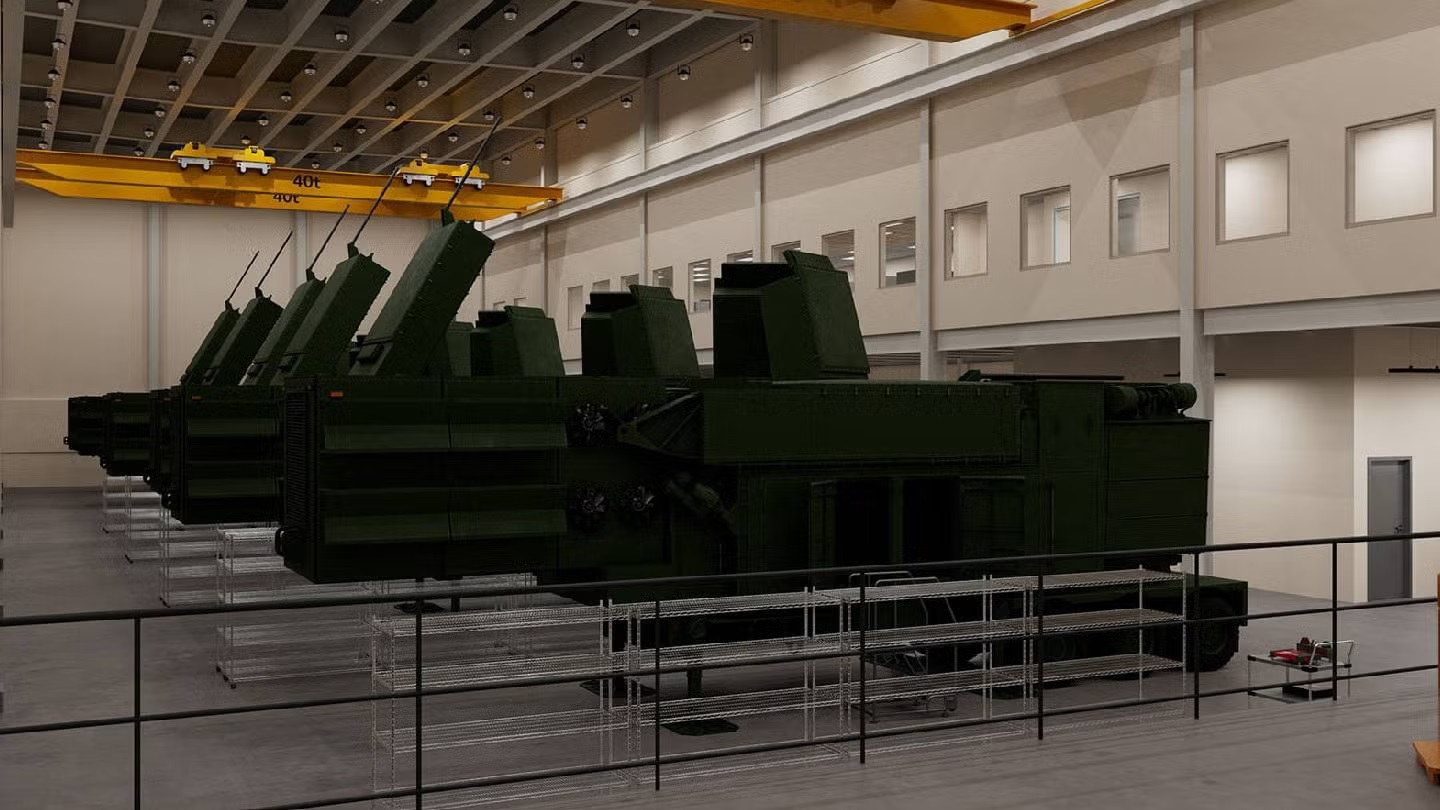 Raytheon to Invest $100 Million in Rhode Island Facility Expansion for LTAMDS and Patriot Production
World
PORTSMOUTH, R.I. — June 09, 2026 : Raytheon, a business of RTX, has announced a $100 million investment to expand its manufacturing and testing facility in Portsmouth, Rhode Island, to increase production capacity for the Lower Tier Air and Missile Defense Sensor (LTAMDS) radar and Patriot GEM-T missile components. The expansion will include the recommissioning of an existing manufacturing building and the construction of a new radar test range. The project is expected to create approximately 150 high-tech jobs in the region. Expansion to Support LTAMDS Program A major part of the investment will be used to increase testing capacity for LTAMDS, the U.S. Army’s next-generation air and missile defense radar. The system is designed to provide 360-degree coverage and detect, track, and support the interception of advanced threats, including ballistic missiles, cruise missiles, drones, aircraft, and hypersonic weapons. Raytheon currently holds contracts to supply LTAMDS radars to the U.S. Army and Poland. The radar recently completed its ninth successful flight test, during which it tracked and supported the interception of a surrogate target. Increasing testing capacity is expected to accelerate system qualification and support faster deliveries to customers. Patriot GEM-T Production to Increase The Portsmouth facility will also expand production of subcomponents for the Patriot Advanced Capability-2 Guidance Enhanced Missile-Tactical (GEM-T) interceptor. The GEM-T missile serves as a primary interceptor within the Patriot air and missile defense system and is designed to defeat tactical ballistic missiles, cruise missiles, and aircraft. Demand for Patriot systems and interceptors has increased in recent years as countries continue to strengthen air and missile defense capabilities. The expansion is intended to help meet growing production requirements and support both new system deliveries and existing Patriot operators. Part of Broader Manufacturing Growth The Rhode Island project is part of RTX’s broader effort to expand its defense manufacturing infrastructure. The announcement follows a $53 million expansion of Raytheon’s radar production facility in Andover, Massachusetts, announced in 2025. It also comes after the U.S. Department of Defense awarded Raytheon a $904.6 million contract modification in April 2026 for LTAMDS low-rate initial production. Longstanding Presence in Rhode Island RTX has operated in Rhode Island for more than 60 years and currently employs more than 850 people in the state. The Portsmouth facility supports advanced radar development, combat systems, and undersea technology programs. The new investment will further expand the site's role in supporting U.S. and allied air and missile defense programs while increasing production capacity for some of Raytheon’s key defense systems.
Read More → Posted on 2026-06-09 17:53:20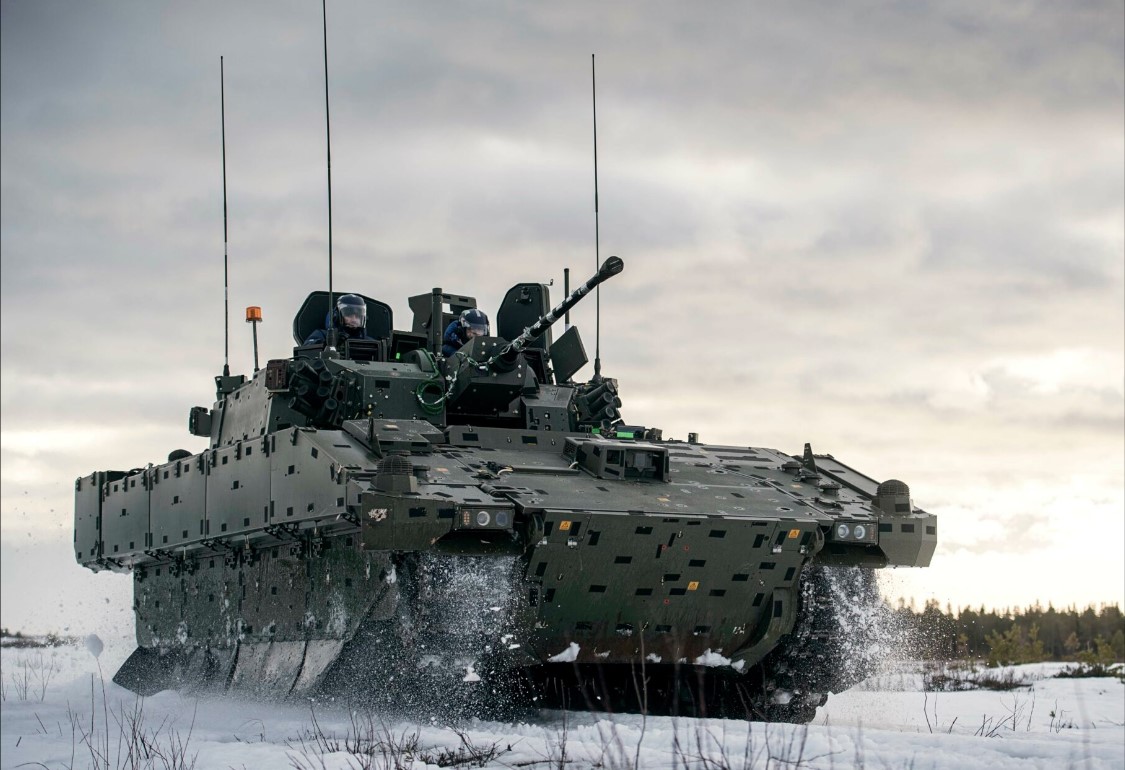
World
LONDON — June 09, 2026 : The UK Ministry of Defence (MoD) has announced a two-phase plan to restart trials of the British Army’s Ajax armoured reconnaissance vehicle, aiming to address remaining technical issues and move the long-delayed programme closer to full operational service. The plan was outlined by Minister for Defence Readiness and Industry Luke Pollard in a written parliamentary response to Conservative MP Ben Obese-Jecty. The approach follows safety reviews conducted after problems emerged during military exercises in late 2025. Two-Phase Trial Strategy Under Phase One, the MoD will resume Ajax trials using a limited number of vehicles operating under closely monitored conditions and enhanced maintenance procedures. Phase Two will introduce hardware upgrades expected to be delivered within months. The improvements will focus on air filtration systems, crew-compartment heating and electrical power generation, areas identified during Exercise Titan Storm, a major British Army exercise held in late 2025. According to the MoD, these upgrades are intended to improve crew endurance, operating conditions and the vehicle’s ability to support advanced sensors and communications equipment. Safety Concerns Led to Pause The new plan follows setbacks that occurred shortly after the Ajax programme achieved Initial Operating Capability (IOC) on 6 November 2025, eight years later than originally planned. During Exercise Titan Storm, more than 30 soldiers reported illness and symptoms linked to excessive noise and vibration while operating the vehicles. The incidents prompted the MoD to suspend Ajax training and operational activities pending investigations by the Army Safety Investigation Team (ASIT) and an independent review panel. The investigations found no single cause for the reported illnesses. Instead, they concluded that a combination of technical, environmental and human factors contributed to the issues, including factors such as track tension and loose engine bolts. While 23 vehicles involved in the exercise remain quarantined, the MoD has approved the controlled restart of wider fleet trials. Programme Background The Ajax programme was awarded to General Dynamics UK in 2014 and is valued at approximately £6.2 billion. It is intended to deliver 589 tracked armoured vehicles across six variants for the British Army. The 42-tonne vehicle was designed to replace aging reconnaissance platforms, particularly the Scimitar, while providing improved protection, mobility, surveillance capabilities and digital connectivity. However, the programme has faced years of delays and scrutiny due to persistent noise and vibration issues. Earlier trials were suspended in the early 2020s after crews reported hearing problems and physical injuries, leading to reviews by the National Audit Office and parliamentary committees. Looking Ahead The MoD has not disclosed how many vehicles will participate in the renewed trials or provided an updated programme cost. General Dynamics UK has also not publicly commented on the latest trial conditions. Minister Pollard said Parliament will continue to receive updates as testing progresses. The data collected during the two-phase trial programme will help determine whether Ajax can achieve Full Operating Capability, currently projected between 2028 and 2029. The programme remains a key element of the British Army’s modernization plans and is expected to play a central role in future reconnaissance and battlefield intelligence operations.
Read More → Posted on 2026-06-09 18:08:54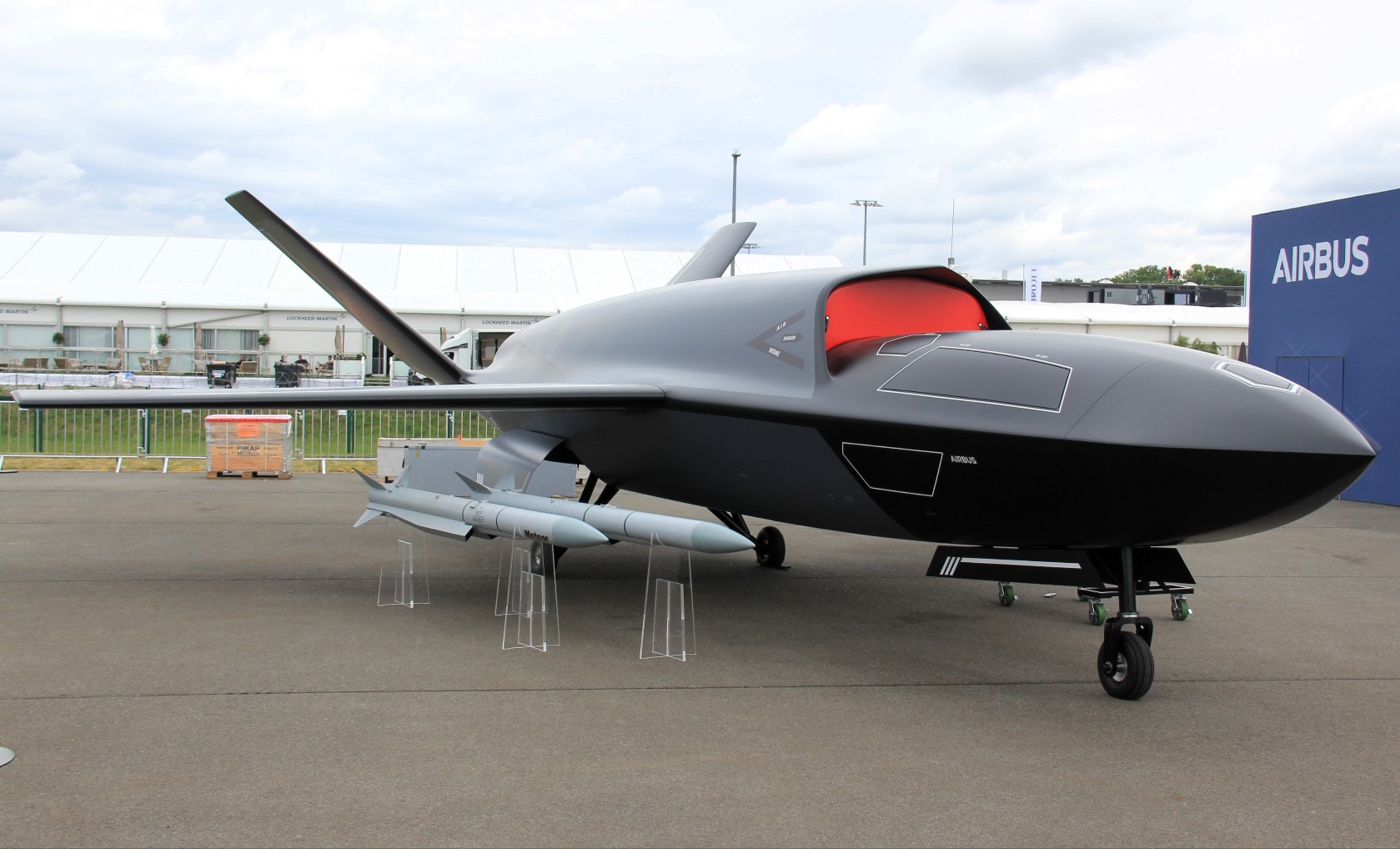
World
BERLIN, — June 09, 2026 : Airbus Defence and Space has unveiled the U760 Ravenstorm, a new Uncrewed Collaborative Combat Aircraft (UCCA) designed to operate alongside crewed fighter aircraft during future combat missions. The aircraft was presented at the ILA Berlin 2026 air show as the flagship platform in Airbus’ expanding portfolio of autonomous defense systems. The unveiling also marked the introduction of Airbus’ new naming convention for uncrewed systems. Under the new structure, all unmanned platforms will carry the “U” prefix, aligning with the company’s “A” designation for commercial aircraft and “H” designation for helicopters. New Family of Uncrewed Systems At ILA Berlin, Airbus presented a consolidated portfolio of defense and security drones designed with open architectures for integration into the wider European defense ecosystem. The portfolio includes: U760 Ravenstorm – Heavy-combat loyal wingman aircraft. U740 Valkyrie – Europeanized variant of a stealth tactical drone. U145 – Autonomous version of the H145 helicopter. Additional systems including drone interceptors, tactical drones and the Eurodrone platform. Airbus Defence and Space CEO Mike Schoellhorn said the company aims to provide a complete range of uncrewed capabilities to support sovereign air power requirements. Designed for Crewed-Uncrewed Teaming The U760 Ravenstorm is being developed as a loyal wingman aircraft capable of operating alongside crewed fighter jets such as the Eurofighter Typhoon. The platform is intended to act as a force multiplier, supporting pilots during high-threat and multi-domain missions. While the human pilot retains command authority and final decision-making responsibility, the drone will use advanced mission systems and artificial intelligence to perform routine flight operations and process sensor data, allowing pilots to focus on tactical objectives. Specifications and Capabilities A full-scale model displayed at the air show revealed the aircraft’s key characteristics. The U760 Ravenstorm measures 13 meters in length with a 10-meter wingspan. It has a maximum takeoff weight of approximately six tonnes and can carry a payload exceeding 500 kilograms. The aircraft is designed to fly at high-subsonic speeds and features a top-mounted air intake, indicating the presence of internal weapon bays that help maintain a low radar signature while carrying weapons. The drone is being developed for multiple mission types, including: Air-to-air combat Air-to-ground strike missions Electronic warfare operations Intelligence and reconnaissance support Airbus states that the aircraft will be capable of autonomous and semi-autonomous operations while remaining integrated into future digital combat networks. Planned Entry Into Service The U760 Ravenstorm is expected to support future European air combat programs, including next-generation networked combat architectures that combine crewed and uncrewed aircraft. Airbus is targeting operational readiness by 2032, with the aircraft expected to begin supporting fighter pilots across a range of missions in the early 2030s.
Read More → Posted on 2026-06-09 18:29:19
World
FORT WORTH, Texas, — June 10, 2026 : The U.S. Navy has awarded Lockheed Martin a $153.9 million contract modification to begin procuring long-lead materials, parts, and components for 11 F-35 Lightning II stealth fighter aircraft intended for a foreign government under the U.S. Foreign Military Sales (FMS) program. The Pentagon has not publicly identified the customer, but the contract adds another international order to the F-35 program, which continues to attract demand from allied and partner nations seeking advanced fifth-generation combat aircraft capabilities. The fixed-price incentive contract modification was awarded to Lockheed Martin Aeronautics and will fund the early procurement of critical components required before full-scale aircraft production begins. According to the U.S. Navy’s Naval Air Systems Command (NAVAIR), work under the contract is expected to be completed by December 2030. Long-Lead Procurement Supports Production Schedule Long-lead procurement is a standard practice in major defense acquisition programs, particularly for complex platforms such as the F-35. Certain components—including advanced avionics, radar systems, engine parts, electronic warfare equipment, and specialized composite structures—require extended manufacturing timelines and must be ordered years before final assembly. By securing these materials in advance, manufacturers can reduce production bottlenecks, maintain assembly schedules, and support timely aircraft deliveries. The latest contract modification ensures that critical components will be available when production of the 11 aircraft enters later manufacturing stages. Although the completion date applies to component procurement and production activities, final aircraft deliveries generally occur after these phases are completed. Aircraft Being Acquired Through Foreign Military Sales Program The procurement is being conducted through the U.S. government's Foreign Military Sales (FMS) framework, under which the U.S. government acts as an intermediary between foreign customers and American defense contractors. Under this arrangement, the Naval Air Systems Command, headquartered at Patuxent River, Maryland, manages the acquisition process, contractual oversight, export compliance requirements, and security procedures associated with the transfer of advanced military technology. The Navy stated that the entire $153.9 million obligation is funded by the purchasing government through FMS funds and does not involve U.S. defense budget appropriations. As is standard for the F-35 program, the contract was not competitively awarded. Lockheed Martin remains the sole manufacturer of the F-35 airframe and the prime contractor responsible for final aircraft production and integration. Global Supply Chain Supports F-35 Production The contract highlights the multinational industrial structure that underpins F-35 production. Manufacturing responsibilities are distributed among several partner nations and major aerospace suppliers, supporting both production capacity and long-term international participation in the program. The work distribution for this contract includes: 59% – Fort Worth, Texas: Lockheed Martin’s primary final assembly and checkout facility. 14% – El Segundo, California: Manufacturing activities associated with Northrop Grumman’s center fuselage production. 9% – Warton, United Kingdom: BAE Systems’ facility responsible for aft fuselage structures and other major airframe sections. 4% – Cameri, Italy: Leonardo’s production and assembly facility supporting European F-35 operators. 14% – Other locations: Including Orlando, Florida; Nashua, New Hampshire; Baltimore, Maryland; San Diego, California; and several international supplier facilities. The distributed production model has become a defining feature of the F-35 program, involving hundreds of suppliers across multiple countries. F-35 Variants and Capabilities The F-35 Lightning II is produced in three variants designed to meet different operational requirements while sharing a common suite of sensors, mission systems, and stealth technologies. The F-35A is the conventional takeoff and landing version operated primarily by air forces. The F-35B features short takeoff and vertical landing (STOVL) capability through its Rolls-Royce LiftSystem powered by the Pratt & Whitney F135 engine, enabling operations from amphibious assault ships and austere airfields. The F-35C is the carrier-based variant developed for aircraft carrier operations, featuring larger wings, strengthened landing gear, and enhanced range. All variants are equipped with advanced systems including the AN/APG-81 Active Electronically Scanned Array (AESA) radar, AN/AAQ-40 Electro-Optical Targeting System (EOTS), and AN/ASQ-239 electronic warfare suite. These systems provide sensor fusion capabilities that allow pilots to detect, track, and engage threats across air, land, and maritime domains. International Demand Remains Strong The F-35 remains one of the most widely adopted fifth-generation fighter programs globally. More than 1,300 aircraft have been delivered to operators worldwide, and the program is expected to exceed 3,400 aircraft across current and future customers. The aircraft's appeal extends beyond its low-observable design. Operators gain access to advanced networking capabilities through Link 16 and the Multifunction Advanced Data Link (MADL), enabling secure real-time information sharing between F-35s and other compatible military platforms. These capabilities allow pilots to receive and distribute targeting and situational awareness data across a broader network of aircraft, ships, ground forces, and command centers while maintaining a reduced electronic signature. The latest contract modification represents another step in sustaining the F-35 production pipeline as international customers continue to expand their fighter modernization programs. Additional details regarding the identity of the purchasing nation and the specific aircraft variant involved are expected to emerge as the acquisition progresses through future production phases.
Read More → Posted on 2026-06-10 12:06:32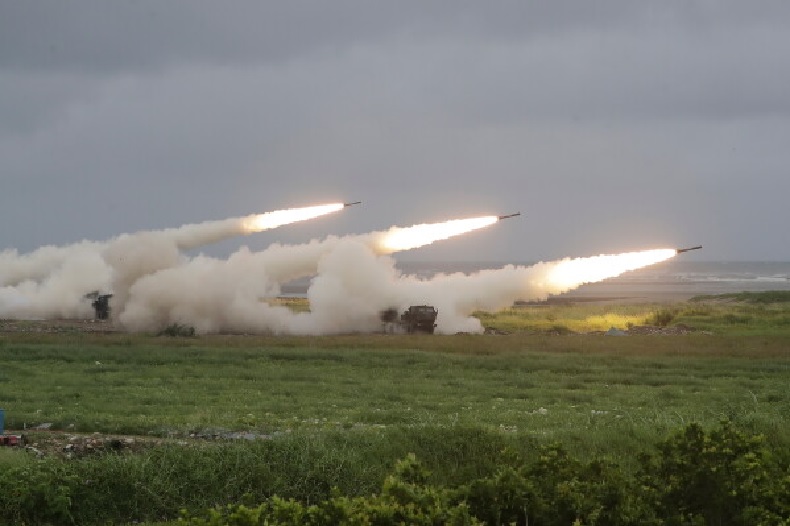
World
TAICHUNG, Taiwan — June 10, 2026 : Taiwan’s military conducted its first-ever live-fire exercise using U.S.-supplied High Mobility Artillery Rocket Systems (HIMARS) on the island’s western coast on Wednesday, marking a significant step in the integration of the advanced rocket system into Taiwan’s defense strategy. The exercise simulated a response to a potential cross-strait invasion and focused on rapid deployment, precision strikes, and battlefield survivability. The drill took place near the mouth of the Dajia River in Taichung and marked the first time HIMARS rockets were fired into the Taiwan Strait from Taiwan’s western coastline directly facing mainland China. Previous live-fire tests involving the system had been limited to training areas on Taiwan’s eastern coast. The exercise was carried out by the Army’s 10th Corps as part of a multi-day heavy artillery training program designed to test cross-regional fire support capabilities and the rapid deployment of long-range precision strike systems. The military’s 58th Artillery Command deployed six HIMARS launchers, with three positioned on each side of the Dajia River. According to military officials, the launchers were scheduled to fire a total of 36 M28 reduced-range practice rockets in three separate firing waves. Each launcher was configured to launch two rockets per wave. During the exercise, 32 rockets were successfully fired, while four rockets failed to ignite due to technical malfunctions. Colonel Weng Yi-ming, chief of staff of the 58th Artillery Command, confirmed that two misfires occurred on the north bank of the river and two on the south bank. The military stated that an investigation is underway to determine the cause of the failures. Officials said the primary objective of the exercise was to demonstrate the HIMARS system’s mobility and its ability to survive in a contested battlefield environment. During the drill, launchers employed “shoot-and-scoot” tactics, a method that allows artillery units to quickly move into firing positions, launch rockets within minutes, and immediately relocate before enemy forces can detect and target them. Military personnel involved in the training emphasized the importance of maintaining readiness under evolving security conditions. Army Sergeant Wang Ming-hui stated that HIMARS training would continue as part of efforts to strengthen Taiwan’s defensive capabilities and protect the island against potential threats. The western coast of Taiwan has long been regarded by defense planners as the most likely area for any potential amphibious landing operation due to its beaches, coastal plains, and accessible terrain. As a result, the region remains a major focus of Taiwan’s coastal defense planning and military exercises. The deployment of HIMARS on the western coast reflects Taiwan’s broader shift toward an asymmetric warfare strategy, often referred to as a “porcupine defense.” The concept emphasizes the use of highly mobile, precise, and difficult-to-target weapon systems capable of imposing significant costs on a larger adversary rather than matching its military strength directly. Taiwan has acquired 29 HIMARS launchers from the United States as part of its ongoing military modernization program. Manufactured by Lockheed Martin, the system is capable of firing a variety of guided rockets and missiles. When equipped with long-range munitions such as the Army Tactical Missile System (ATACMS), HIMARS can engage targets at distances of up to 300 kilometers. Military analysts note that HIMARS units positioned along Taiwan’s western coast could potentially cover key staging areas and military facilities across the Taiwan Strait in China’s Fujian Province, enhancing Taiwan’s long-range precision strike capabilities. Wednesday’s exercise followed the opening day of the artillery drills on Tuesday, during which Taiwan’s military employed domestically developed Thunderbolt-2000 multiple rocket launchers alongside 155 mm howitzers and M109A2 self-propelled artillery systems to simulate coastal defense operations and coordinated artillery support missions. The live-fire exercise forms part of Taiwan’s annual readiness training program aimed at improving operational coordination, rapid response capabilities, and the integration of newly acquired weapon systems. Military officials said the drill successfully validated the deployment procedures and operational effectiveness of HIMARS in a realistic combat scenario on Taiwan’s strategically important western coastline. Taiwan continues to expand the role of advanced precision-guided weapons within its armed forces as it strengthens deterrence capabilities and enhances preparedness for potential cross-strait contingencies. The latest exercise represents another milestone in the island’s efforts to develop a more mobile, resilient, and distributed defense posture.
Read More → Posted on 2026-06-10 12:20:50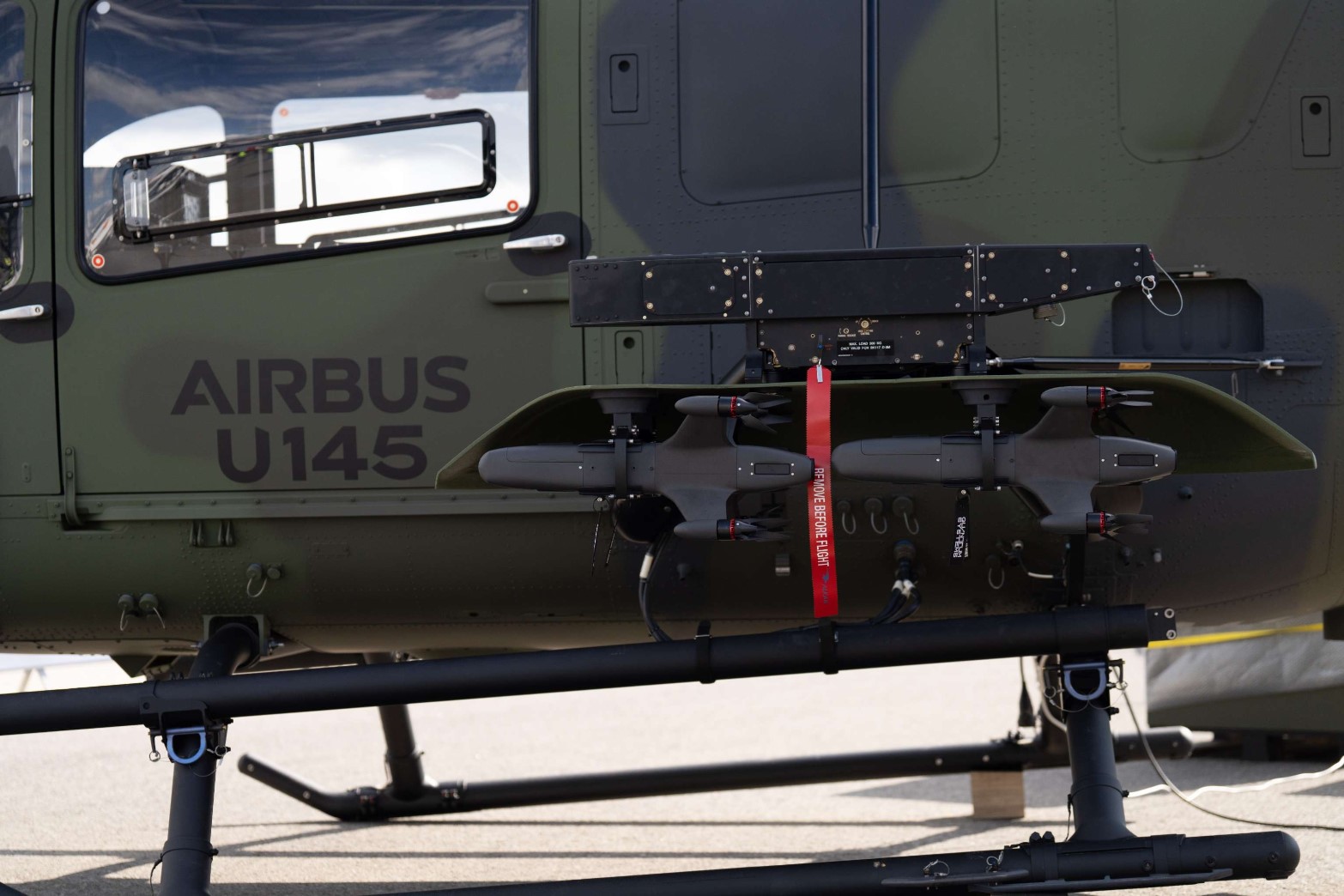
World
BERLIN, Germany — June 10, 2026 : Airbus Helicopters and Quantum Systems have signed a strategic cooperation agreement to integrate advanced counter-unmanned aerial system (C-UAS) interceptor capabilities onto Airbus military helicopters, while also showcasing the technology on the newly unveiled U145 autonomous helicopter at the ILA Berlin 2026 aerospace exhibition. The partnership combines Airbus Helicopters' expertise in military rotorcraft with Quantum Systems' capabilities in autonomous systems, artificial intelligence, and counter-drone technologies. The companies said the cooperation is intended to provide armed forces with enhanced capabilities to detect, track, intercept, and neutralize hostile unmanned aerial systems while supporting future concepts of crewed-uncrewed teaming and integrated airspace protection. U145 Showcases Future Counter-Drone Operations A major highlight of the collaboration at ILA Berlin 2026 was the presentation of Airbus Helicopters' new U145, a fully autonomous and uncrewed variant of the H145 helicopter family. A full-scale mock-up of the aircraft was displayed with Quantum Systems' advanced C-UAS interceptor solution integrated into the platform. The demonstration illustrated how future autonomous helicopters could play a role in defending military forces against drone threats while simultaneously conducting logistics, reconnaissance, and support missions. According to Airbus and Quantum Systems, the integration showcases the potential for autonomous rotorcraft to contribute to force protection and airspace security in increasingly complex operational environments. The companies stated that the system is designed to provide operators with the ability to identify and engage hostile drones while maintaining mission effectiveness. The capability reflects growing demand for dedicated counter-UAS solutions as unmanned aerial threats continue to evolve across modern battlefields. Strategic Cooperation for Military Helicopter Integration Under the newly announced agreement, Airbus Helicopters and Quantum Systems will work together to integrate C-UAS interceptor capabilities across Airbus military helicopter platforms. The first operational integration is planned for the H145M, Airbus' multi-role military helicopter. Airbus stated that the aircraft's open system architecture and growth potential make it an ideal platform for incorporating advanced mission systems and emerging technologies. Once integrated, the counter-drone capability will allow helicopter crews to actively monitor and defend airspace against hostile unmanned aerial systems while conducting their primary operational missions. Stefan Thomé, Executive Vice President of Programmes at Airbus Helicopters, said the agreement represents an important step in expanding the mission capabilities of Airbus military rotorcraft. "At Airbus Helicopters, we are constantly exploring new frontiers in mission capabilities to bring real, decisive value to our customers. This agreement with Quantum Systems marks a crucial step forward in further expanding the operational spectrum of our military helicopters, ensuring that crews can effectively control the airspace against uncrewed threats," Thomé said. He added that the H145M's advanced open architecture and future growth potential provide a strong foundation for integrating next-generation capabilities while supporting European defense innovation and technological sovereignty. Addressing the Growing Drone Threat The cooperation comes at a time when armed forces worldwide are increasingly confronting threats posed by unmanned aerial systems. Drones are now routinely used for reconnaissance, surveillance, targeting, electronic warfare, and strike missions, creating demand for flexible and effective counter-UAS solutions. Martin Karkour, Chief Revenue Officer at Quantum Systems, said the partnership demonstrates how European defense companies can combine complementary technologies to address emerging operational challenges. "This cooperation demonstrates how Europe's defence industry can combine complementary strengths to address emerging operational challenges. Together, Airbus and Quantum Systems are advancing the integration of crewed and uncrewed capabilities to build a more resilient and effective defence ecosystem," Karkour said. He noted that modern military operations increasingly require integrated solutions capable of detecting and countering sophisticated unmanned threats while supporting broader airspace control objectives. U145 Designed for Autonomous Missions The U145 represents a significant evolution of Airbus' H145 helicopter platform. Unlike the crewed version, the autonomous aircraft eliminates the traditional cockpit and introduces a redesigned forward fuselage featuring an integrated nose-loading door, a foldable loading table, and a dedicated cargo floor optimized for logistics missions. The platform retains the proven H145 airframe and twin Safran Arriel 2E turboshaft engines while maintaining a maximum take-off weight of approximately 3,800 kilograms. Airbus has equipped the aircraft with a dedicated sensor suite and embedded artificial intelligence technologies that enable fully autonomous flight operations. The company describes the platform as mission-agnostic, allowing it to support both military and civilian operators. Potential missions include cargo transport, resupply operations, disaster response, reconnaissance, armed overwatch, and acting as a mothership capable of deploying air-launched effects and unmanned systems. Airbus plans to conduct the U145's maiden flight with a safety pilot onboard before the end of 2026 and expects the platform to enter operational service in the early 2030s. H145M to Receive Initial Operational Integration While the U145 served as the showcase platform for the counter-drone technology at ILA Berlin 2026, Airbus confirmed that the first operational integration of Quantum Systems' interceptor capability will take place on the H145M. The H145M is a twin-engine light utility military helicopter derived from the H145 family and is currently employed for troop transport, reconnaissance, special operations support, medical evacuation, search and rescue, and light attack missions. Powered by two Safran Arriel 2E engines, the helicopter has a maximum take-off weight of 3,800 kilograms, a useful load of approximately 1,893 kilograms, a range of around 637 kilometers, and an endurance of roughly three and a half hours. The aircraft is equipped with Airbus' Helionix avionics suite and can be configured with a range of mission equipment and weapon systems through the modular HForce architecture. According to Airbus and Quantum Systems, the integration of counter-drone capabilities will further expand the operational flexibility of the platform and improve force protection in contested environments. Strengthening European Defence Capabilities The Airbus-Quantum Systems partnership reflects broader efforts across Europe to strengthen indigenous defense technologies and accelerate the integration of autonomous and counter-drone capabilities into military operations. Quantum Systems has expanded its activities in autonomous aerial systems, artificial intelligence, and counter-UAS technologies in recent years, focusing on integrating interceptor systems, unmanned platforms, and command-and-control networks. According to both companies, integration activities will begin with the H145M before potentially expanding to additional crewed and uncrewed Airbus platforms in the future. The agreement and the U145 demonstration at ILA Berlin 2026 mark a significant step toward combining crewed aviation, autonomous systems, and advanced counter-drone technologies to provide armed forces with enhanced capabilities to protect personnel, critical infrastructure, and operational airspace from emerging unmanned threats.
Read More → Posted on 2026-06-10 12:34:37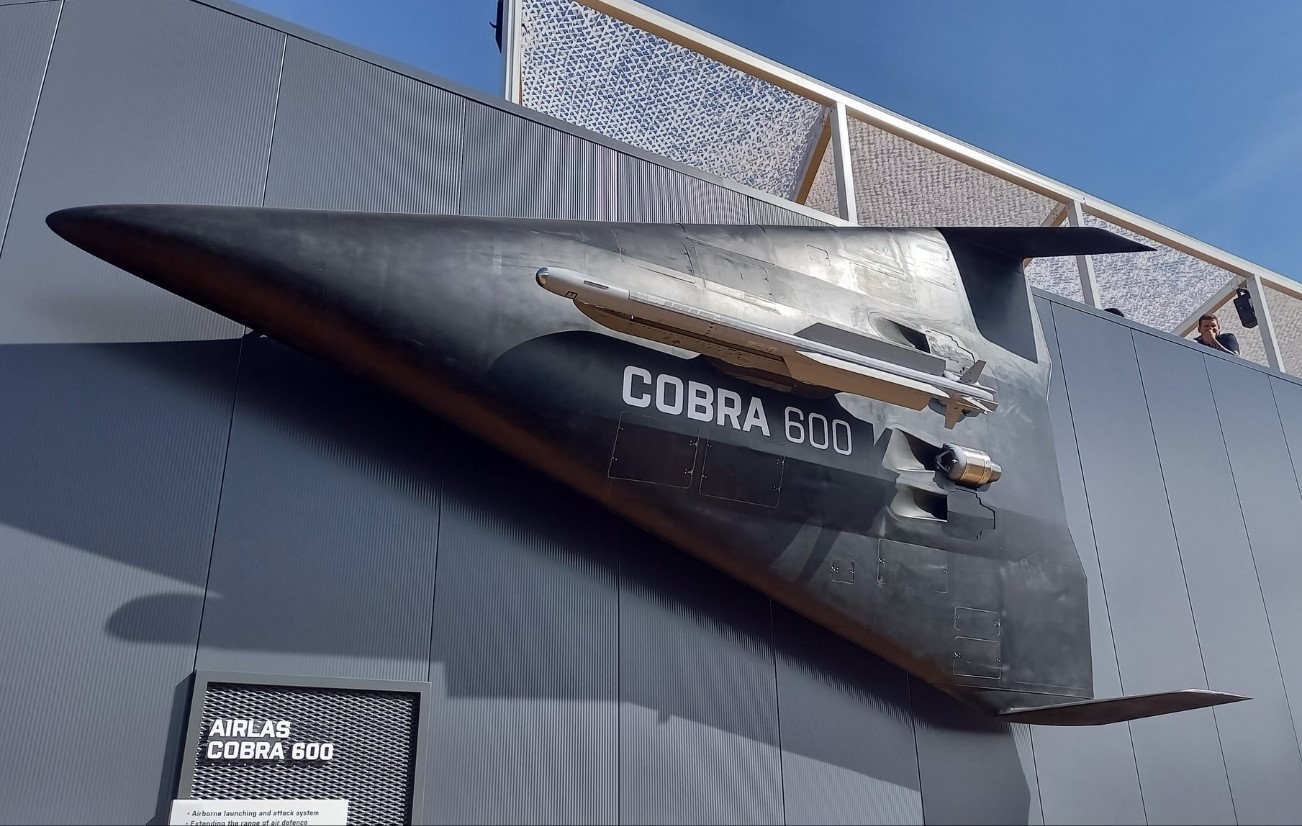
World
Berlin, — June 10, 2026 : German defense company Diehl Defence and aerospace startup Polaris Raumflugzeuge have unveiled the Cobra 600 unmanned aerial system at the ILA Berlin Air Show 2026, presenting a new airborne air defense concept that integrates the combat-proven IRIS-T missile into an autonomous launch platform. The Cobra 600 forms part of the Airborne Launching and Attack System (AIRLAS), a joint development program announced following an exclusive cooperation agreement signed between the two companies in 2025. The system is designed to provide armed forces with a mobile airborne interceptor platform capable of extending the reach of existing air defense networks. Displayed at ILA Berlin 2026, the Cobra 600 features a flying-wing configuration with a pointed nose and a stealth-influenced design. Exhibition images showed the drone carrying an IRIS-T air-to-air missile mounted beneath the airframe, while two jet engines are installed on the upper rear section. Information presented at the exhibition also indicated that the platform has space for two additional engines, potentially allowing for future performance enhancements. According to technical details released during the exhibition, the Cobra 600 serves as an airborne launching and attack system that combines Polaris’ autonomous flight technology with Diehl Defence’s missile integration expertise. The platform functions as a flying launch vehicle capable of deploying IRIS-T missiles from a forward position, increasing engagement opportunities against aerial threats. One of the primary objectives of the AIRLAS concept is to extend the range and effectiveness of air defense operations. By launching interceptors from an airborne platform rather than a fixed ground-based launcher, the system can overcome limitations caused by terrain and radar horizon constraints. This approach enables earlier engagement of hostile aircraft, helicopters, unmanned aerial vehicles (UAVs), cruise missiles, and other airborne threats. The Cobra 600 has been designed around a “recoverable, expendable and affordable” operational philosophy. Depending on mission requirements, the drone can return to base after completing its mission and be reused, or it can operate as an expendable asset in highly contested environments where recovery may not be possible. This flexibility is intended to provide a cost-effective solution for sustained air defense operations. Another key feature of the system is its ability to operate within integrated air defense architectures. The Cobra 600 can be incorporated into broader air defense network concepts, allowing it to receive targeting data and mission information from ground-based radars, command-and-control centers, airborne early warning platforms, and other networked sensors. This capability supports coordinated engagements across multiple domains and contributes to layered air defense operations. The system is also being developed with future European defense programs in mind. Diehl Defence stated that the AIRLAS architecture has the potential to be integrated into the Future Combat Air System (FCAS) and adapted for maritime applications. Such integration could allow the platform to support naval air defense missions and operate alongside next-generation European combat systems. The IRIS-T missile integrated on the Cobra 600 is a combat-proven weapon originally developed as a short-range air-to-air missile. Known for its high maneuverability and advanced guidance capabilities, the missile has been adapted for several air defense roles and is currently employed in multiple European air defense systems. Its integration onto an unmanned airborne carrier provides a new method of deployment while utilizing an existing and operational missile inventory. The Cobra 600 builds upon Polaris Raumflugzeuge’s MIRA-series demonstrators, which combine jet-powered propulsion with autonomous flight technologies. The company has focused on developing reusable high-speed aerial platforms capable of supporting a range of military and aerospace applications. At ILA Berlin 2026, Diehl Defence also showcased other elements of its air defense portfolio, including the IRIS-T SLS MK4 short-range air defense system and the CICADA eMissile counter-UAS solution. The Cobra 600 represents an airborne extension of these existing air defense capabilities and reflects growing interest in distributed and mobile air defense concepts. While the system was publicly displayed for the first time, several technical details remain undisclosed. Information regarding the drone’s operational range, endurance, payload capacity, flight performance, and full propulsion configuration was not released during the exhibition. The Cobra 600 remains under development as part of the AIRLAS initiative. The unveiling of the Cobra 600 at ILA Berlin Air Show 2026 highlights ongoing European efforts to enhance layered air and missile defense capabilities through the integration of unmanned systems, networked operations, and proven missile technologies.
Read More → Posted on 2026-06-10 12:43:52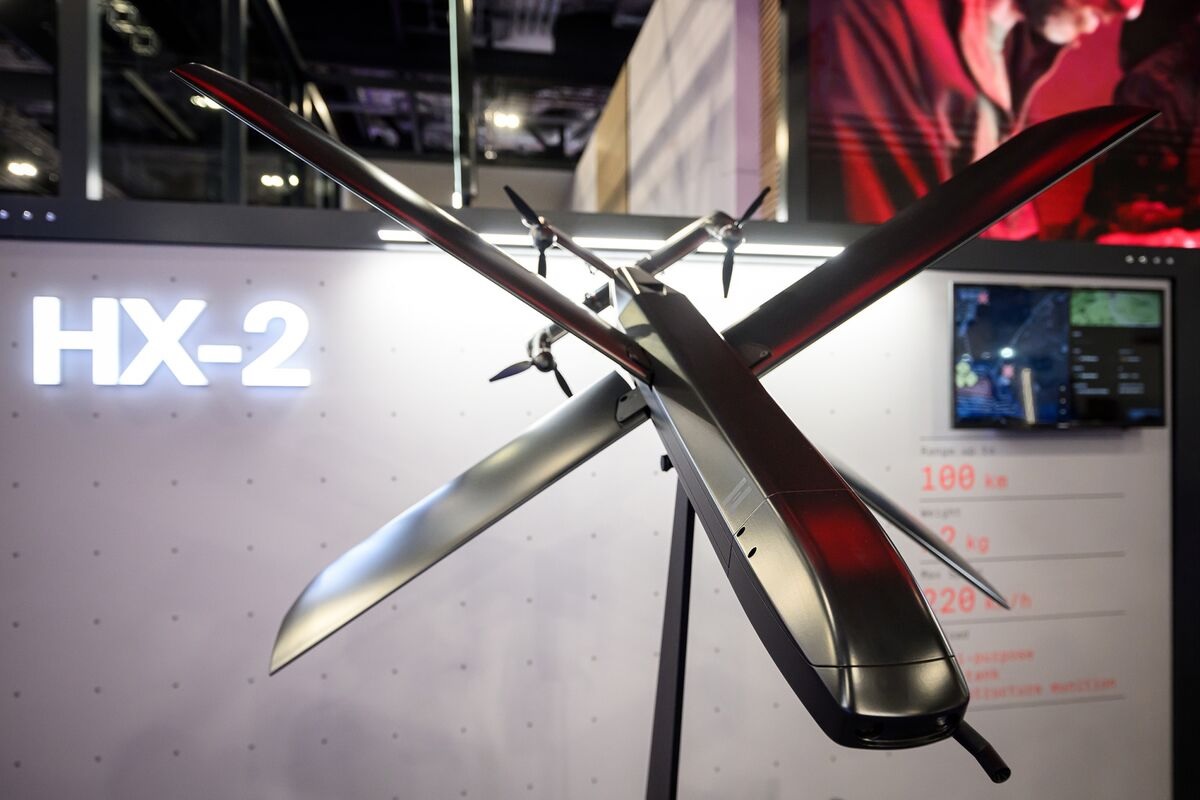
World
PABRADĖ, Lithuania — June 10, 2026 : U.S. Army soldiers have successfully tested the German-built Helsing HX-2 artificial intelligence-enabled strike drone during the latest phase of Project Flytrap, a multinational military exercise focused on counter-drone operations and autonomous battlefield technologies. The exercise, conducted at the Pabradė Training Area in Lithuania near NATO’s eastern frontier, demonstrated the drone’s ability to detect, track, and engage targets in a heavily contested electronic warfare environment. The results, released on June 9, 2026, highlight growing interest within the U.S. military in autonomous precision-strike systems capable of operating when communications and satellite navigation networks are disrupted. HX-2 Demonstrates High Effectiveness in Combat Scenarios The testing took place during Project Flytrap 5.0, an initiative led by the U.S. Army’s V Corps to accelerate the development and fielding of counter-unmanned aerial systems (C-UAS) and next-generation drone technologies. Soldiers from the 2nd Squadron, 2nd Cavalry Regiment operated the HX-2 in a series of realistic battlefield scenarios designed to replicate modern drone warfare conditions. During the exercise, the drone achieved 15 direct target kills and two near-misses across 17 combat engagements, demonstrating a high level of accuracy and effectiveness. The system was also used for reconnaissance and target acquisition missions, where it successfully identified, tracked, and followed designated targets despite active electronic jamming intended to disrupt GPS signals and communications links. Project Flytrap 5.0 involved personnel from the United States, the United Kingdom, and Australia, along with industry partners. More than 20 different systems were evaluated during the exercise, while approximately 200 drone flights were conducted to collect operational data and assess performance under realistic field conditions. Designed for Operations in GPS-Denied Environments Developed by Munich-based defense technology company Helsing, the HX-2 is a software-defined loitering munition designed for large-scale production and deployment. First unveiled in late 2024, the drone features a distinctive X-shaped wing and quadcopter configuration, combining the advantages of vertical takeoff capability with efficient forward flight. One of the HX-2’s key capabilities is its ability to operate independently of satellite navigation systems. Rather than relying solely on GPS, the drone uses onboard artificial intelligence, stored mapping data, and terrain-recognition technology to navigate and continue missions even when navigation signals are unavailable or jammed. Its AI-powered computer vision system enables the drone to search for, identify, re-identify, and track targets autonomously, allowing operations to continue even when data links with operators are temporarily interrupted. Technical Specifications of the HX-2 The electrically powered HX-2 weighs approximately 12 kilograms and can carry payloads of up to 5 kilograms. The drone is capable of carrying multiple warhead options, including anti-tank and anti-structure shaped-charge munitions designed to engage armored vehicles, artillery systems, and fortified positions. Powered by four rear-mounted electric motors, the drone can reach speeds of up to 220 kilometers per hour and engage targets at distances of up to 100 kilometers beyond the operator’s line of sight. Helsing describes the HX-2 as a mass-producible strike platform that receives over-the-air software updates, allowing capabilities to be upgraded without major hardware modifications. Integration with Altra Software Platform The HX-2 is integrated with Helsing’s Altra reconnaissance-strike software platform, which enables multiple drones and other battlefield assets to coordinate missions and share targeting information. The networking capability supports coordinated strike operations and swarm tactics while maintaining human oversight. Although the drone can autonomously navigate and track targets, Helsing follows a “human on the loop” operational concept, ensuring that a human operator remains responsible for supervising missions and authorizing critical engagement decisions. According to Alex Miller, Chief Technology Officer of the U.S. Army, the HX-2 was initially evaluated for one-way attack and counter-drone missions but demonstrated additional value as a reconnaissance and loitering platform during the exercise. Company engineers were present throughout the testing to support operational assessments and gather performance feedback from soldiers. Growing U.S. Interest in European Autonomous Strike Systems The successful performance of the HX-2 reflects increasing U.S. military interest in European-developed autonomous strike systems that can operate effectively in contested environments. Official U.S. Army imagery released from Project Flytrap showed at least one HX-2 launch during the exercise, while Gen. Christopher Donahue, commander of U.S. Army Europe and Africa, was photographed examining an HX-2 transport container. Founded in 2021, Helsing has rapidly expanded its position in the defense technology sector. The company has secured agreements to supply thousands of HX-2 drones, including systems funded for Ukraine, and operates a dedicated production facility in southern Germany. The platform was developed with input from Ukrainian operators and builds on operational experience gained from earlier systems such as the HF-1. Project Flytrap to Support Future NATO Drone Capabilities The latest evaluation follows earlier multinational testing conducted in 2025, during which soldiers from several countries successfully operated the HX-2 after limited training periods. The drone’s performance in Lithuania reinforces the growing role of autonomous systems in enhancing battlefield awareness, survivability, and precision strike capabilities in electronic warfare environments. Project Flytrap is expected to continue expanding, with future phases planned to reach brigade-level operations. Military officials say the operational data collected during these exercises will help shape future U.S. Army and NATO requirements for counter-drone operations and AI-enabled precision-strike systems.
Read More → Posted on 2026-06-10 14:00:22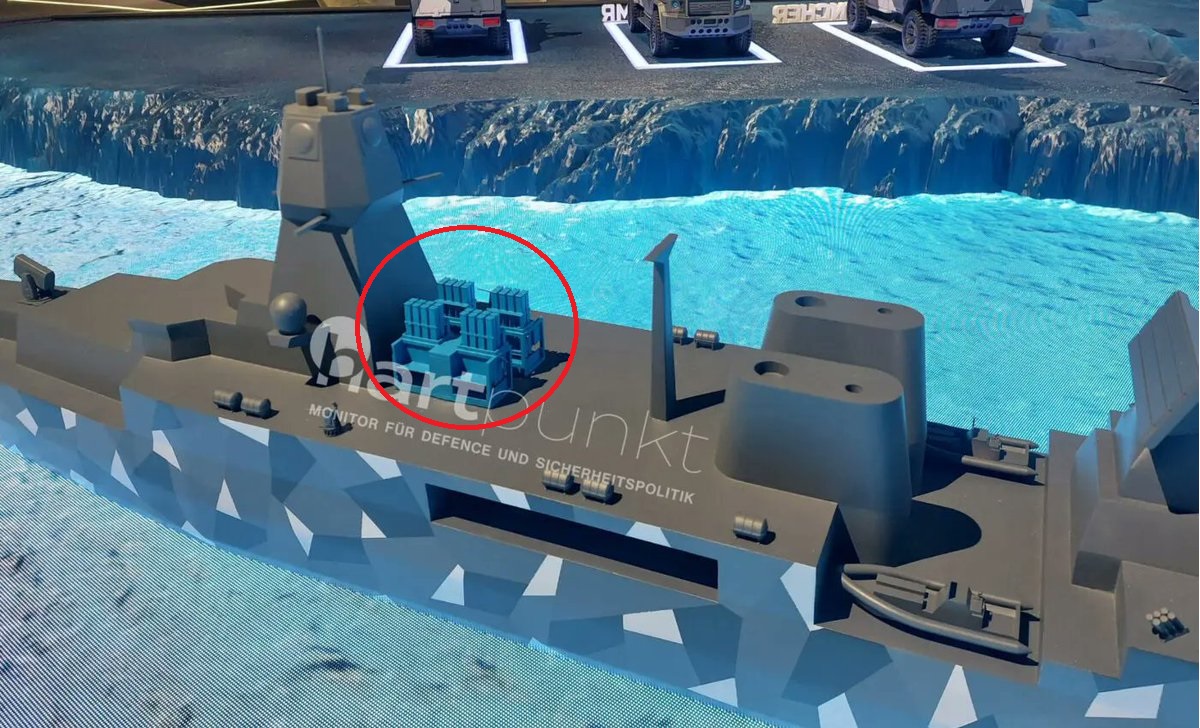
World
BERLIN, — June 10, 2026 : The German Navy is moving forward with plans to significantly enhance the air defense capabilities of its F125 Baden-Württemberg-class frigates through the integration of the IRIS-T SLM Naval air defense system. The development was announced by Diehl Defence during the ILA Berlin 2026 Air Show, where company officials outlined plans to equip each frigate with a dedicated 32-cell missile launcher configuration. The upgrade marks a major step in strengthening the defensive capabilities of the F125 class, which has often been viewed as lightly armed for ships of their size. Originally designed for long-duration stabilization and maritime security missions, the frigates were optimized for low-intensity operations rather than high-end naval warfare. As security requirements evolve, Germany is seeking to improve the vessels’ ability to counter modern aerial threats. New 32-Cell Missile Configuration According to Harald Buschek, Chief Program Officer at Diehl Defence, each F125 frigate will receive two newly developed naval launchers. Each launcher will accommodate 16 IRIS-T SLM missiles, giving every vessel a total of 32 ready-to-fire interceptors. The launcher has been specifically designed for naval operations and differs significantly from the truck-mounted ground-based IRIS-T SLM system currently in service. Rather than using hydraulic systems to raise launch canisters into firing position, the naval version will feature permanently installed vertical launch canisters. The design also eliminates the stabilization supports required for land-based deployment, reducing weight and saving valuable deck space aboard the frigates. To protect the ship during missile launches, deflector plates will be installed at the base of the launcher to direct hot exhaust gases away from the deck. Diehl Defence expects a prototype of the new launcher to be completed by 2027. Buschek indicated that the first high-seas firing test of the permanent launcher configuration could take place as early as the second quarter of next year. Addressing a Long-Standing Air Defense Gap The F125 class currently relies primarily on two RIM-116 Rolling Airframe Missile (RAM) launchers for air defense. While effective against close-range threats, the RAM system provides an engagement range of approximately 9 kilometers and is intended mainly for point defense. The addition of the IRIS-T SLM Naval system will significantly expand the frigates’ defensive envelope. The missile offers an engagement range of up to 40 kilometers and can intercept targets at altitudes of up to 20 kilometers. This capability will enable the ships to engage threats such as sea-skimming anti-ship missiles, cruise missiles, unmanned aerial vehicles, helicopters, and combat aircraft at much greater distances before they enter the RAM system’s engagement zone. The result will be a layered air defense architecture combining medium-range and short-range protection. Integration with Future Combat Systems Diehl Defence is currently engaged in contract negotiations with Germany’s Federal Office of Bundeswehr Equipment, Information Technology and In-Service Support (BAAINBw) regarding procurement of the launchers and associated integration work. A central element of the program is the integration of the IRIS-T SLM Naval system with the CMS 330 combat management system, which is set to become the German Navy’s future command-and-control architecture for surface combatants. The F125 frigates are expected to be the first vessels in the fleet equipped with CMS 330. Integration with the combat management system will allow the missiles to receive targeting information directly from the ship’s sensors and enable coordinated engagement of airborne threats. Buschek also confirmed that discussions are underway regarding the potential future integration of IRIS-T SLM missiles into the Lockheed Martin Mk 41 Vertical Launching System (VLS), which is already used aboard several German Navy warships. Such an integration could expand the missile’s deployment across additional naval platforms in the future. Building on Successful Sea Trials The development of the dedicated naval launcher follows a successful proof-of-concept demonstration conducted during the Andøya 2025 maritime firing exercise in Norway. During the exercise, a modified land-based IRIS-T SLM launcher was temporarily installed aboard the frigate Baden-Württemberg. The demonstrator successfully engaged test targets using tracking data supplied by the ship’s Hensoldt TRS-4D active electronically scanned array (AESA) radar. The trial demonstrated the feasibility of operating the missile system from a naval platform and validated key aspects of the concept. However, the launcher was not yet connected to the CMS 330 combat management system during the exercise, highlighting the need for the integration work currently being negotiated with the BAAINBw. Modernizing the F125 Fleet The F125 Baden-Württemberg-class consists of four frigates: Baden-Württemberg, Nordrhein-Westfalen, Sachsen-Anhalt, and Rheinland-Pfalz. Commissioned between 2016 and 2022, the vessels are among the largest frigates in service worldwide, displacing approximately 7,000 to 7,200 tonnes when fully loaded. Designed for extended overseas deployments, maritime security missions, crisis response operations, and support for special forces, the ships were built with a focus on endurance and operational flexibility rather than heavy air warfare capabilities. The planned integration of the IRIS-T SLM Naval system represents one of the most significant combat capability upgrades for the class since entering service. By providing medium-range, 360-degree air defense coverage and expanding engagement ranges beyond existing point-defense systems, the modernization effort is expected to substantially improve the survivability and operational effectiveness of the F125 frigates in increasingly demanding maritime environments.
Read More → Posted on 2026-06-10 14:11:33
World
PALMDALE, California — June 10, 2026 : Lockheed Martin’s Skunk Works division, working in partnership with Divergent Technologies, has successfully designed and built a new unmanned aerial system (UAS) prototype known as Replicator in less than 12 months, demonstrating a manufacturing approach that could significantly reduce the time required to develop future military aircraft. The project combines advanced digital engineering with additive manufacturing, commonly known as 3D printing, allowing engineers to move from an initial concept to a flight-ready prototype far faster than traditional aerospace development programs. The Replicator drone features a 2.7-meter (9-foot) wingspan and serves as a proof of concept for a new generation of digitally manufactured defense systems. Rapid Development Through Digital Manufacturing The accelerated timeline was made possible through Divergent Technologies’ Adaptive Production System (DAPS), an integrated digital manufacturing platform that combines design, structural analysis, production planning, assembly, and quality control within a single workflow. Traditional aircraft programs typically involve multiple teams using separate software systems, often creating delays as data moves between design, engineering, and manufacturing stages. DAPS eliminates many of these bottlenecks by allowing changes made during the design phase to automatically update throughout the production process. This digital-first approach enables engineers to quickly evaluate design modifications and move directly into manufacturing without lengthy manual adjustments or data transfers. Role of 3D Printing A central feature of the Replicator program is the extensive use of additive manufacturing. Instead of machining components from metal blocks or relying on specialized casting tools, parts are produced directly from digital files using industrial 3D-printing systems. This process allows the creation of lightweight and structurally optimized components that would be difficult or expensive to manufacture through conventional methods. Engineers can rapidly test a component, revise the design based on results, and produce an updated version within days. The ability to quickly iterate designs helps reduce development timelines while improving performance, strength, and manufacturing efficiency. Lockheed Martin’s Investment in Divergent The collaboration stems from a $25 million strategic investment made by Lockheed Martin in Divergent Technologies in 2024. The investment was intended to explore how Divergent’s digital manufacturing technology could be applied across multiple defense programs, including advanced munitions, unmanned systems, and future vehicle concepts. Since the investment, both companies have worked to evaluate how digitally integrated production methods can accelerate the delivery of defense capabilities while reducing manufacturing complexity. Pentagon Interest in the Program The Replicator project has attracted attention from senior U.S. defense officials. Pete Hegseth, recently viewed the prototype during a visit to Divergent’s California facility as part of his nationwide “Arsenal of Freedom” tour, which focuses on assessing the modernization and capacity of the U.S. defense industrial base. Earlier this year, Lockheed Martin Chief Operating Officer Frank St. John also toured the facility. Commenting on the partnership, St. John said the combination of digital engineering, additive manufacturing, and commercial production processes can help strengthen the resilience of the American defense industrial base while delivering capabilities more quickly. Skunk Works Continues Its Rapid Development Tradition The Replicator program reflects the long-standing development philosophy of Lockheed Martin Skunk Works, which was established in 1943 by aerospace engineer Kelly Johnson. For decades, Skunk Works has been responsible for some of the most significant aircraft programs in U.S. aviation history, including the U-2, SR-71 Blackbird, F-117 Nighthawk, and F-22 Raptor. The division is known for using small, highly specialized teams and streamlined management structures to accelerate development timelines. The Replicator project extends that philosophy by incorporating modern digital manufacturing technologies. Potential Impact on Defense Production Although Lockheed Martin has emphasized that Replicator remains an early-stage prototype and has not been selected for production, the project demonstrates how digital manufacturing could support future defense acquisition programs. One of the most significant advantages of the DAPS approach is its potential to reduce dependence on traditional supply chains. Because components can be produced without specialized tooling, large casting facilities, or extensive machining operations, production can be scaled more quickly when required. Defense analysts have increasingly highlighted supply chain resilience as a critical factor in maintaining military readiness, particularly during periods of increased demand or potential conflict. Part of a Broader Innovation Strategy The Divergent partnership is part of Lockheed Martin’s wider effort to integrate emerging commercial technologies into defense applications. The company has also invested in Saildrone, which develops autonomous surface vessels used for maritime surveillance, and Fortem Technologies, a company specializing in counter-unmanned aircraft systems. By combining the innovation speed of technology startups with the engineering, integration, and production capabilities of a major defense contractor, Lockheed Martin aims to accelerate the delivery of operational systems to military customers. The Replicator drone serves as an early example of this strategy and demonstrates how digital engineering and advanced manufacturing technologies could reshape the future development of unmanned aircraft and other defense platforms.
Read More → Posted on 2026-06-10 14:32:26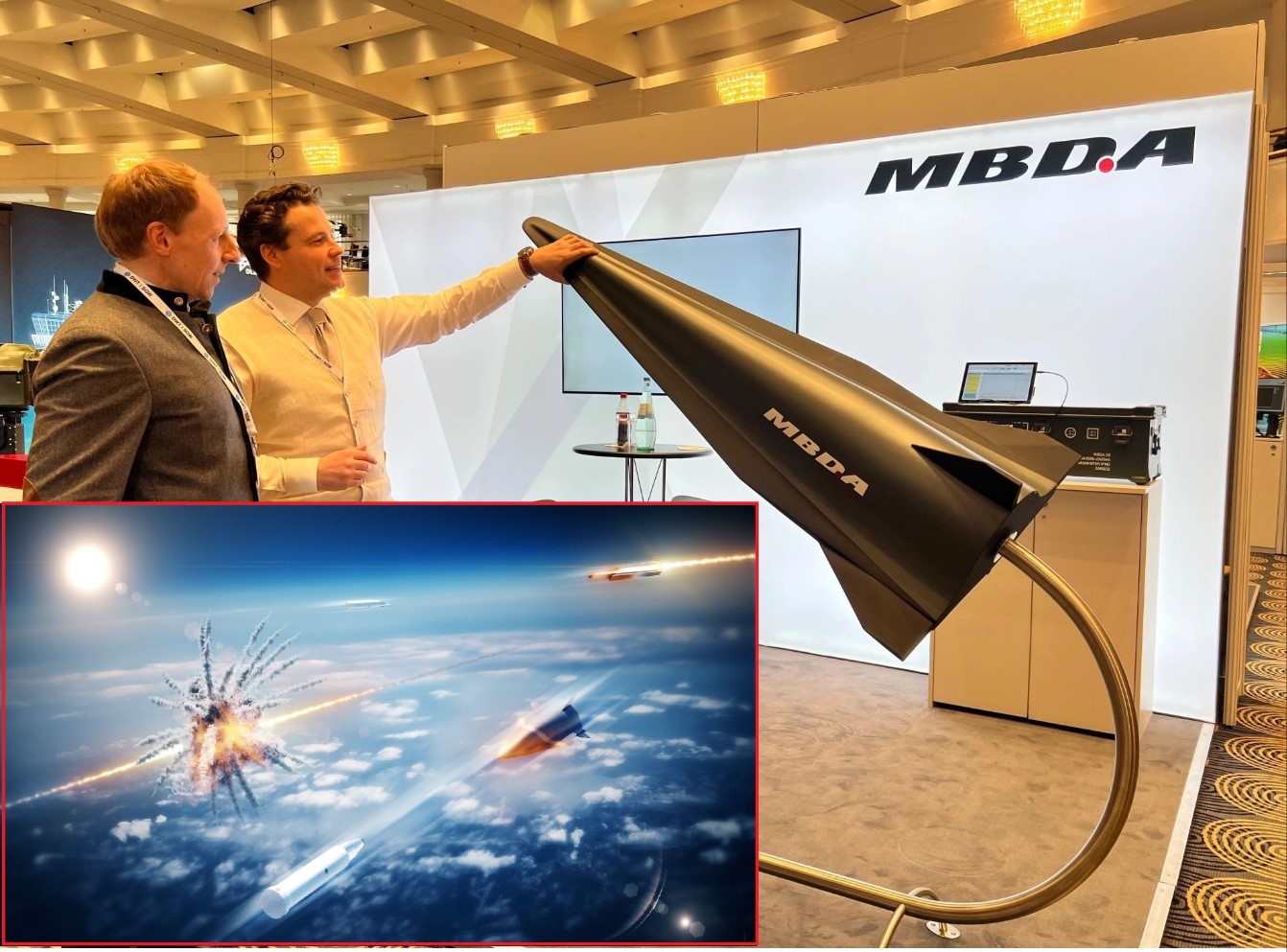
World
BERLIN, — June 10, 2026 : European missile manufacturer MBDA has officially presented its new Hypersonic Glide Vehicle (HGV) demonstrator at the ILA Berlin Air Show 2026, marking an important step in Europe's efforts to expand its understanding of hypersonic technologies and strengthen future defense capabilities. The demonstrator is being developed under the European Union-funded HYROGLIVE (Hypersonic Radar and Optical Signature Collecting GLIde Vehicle) program, led by MBDA Germany. The initiative focuses on designing, launching, and testing an experimental hypersonic glide vehicle to collect real-world flight data that can support future European defense projects. Gathering Real-World Hypersonic Data According to MBDA, the primary purpose of the HYROGLIVE program is to obtain empirical information on hypersonic flight through actual flight testing rather than relying solely on simulations and theoretical analysis. The demonstrator will collect detailed data on radar and optical signatures, flight behavior, thermal effects, and aerodynamic performance while operating at hypersonic speeds. These measurements will help researchers better understand how hypersonic vehicles behave under real operational conditions. Hypersonic glide vehicles are capable of traveling at speeds exceeding Mach 5, or more than five times the speed of sound, while maneuvering within the atmosphere. Their combination of speed and maneuverability presents significant challenges for existing air and missile defense systems. Moving Beyond Computer Simulations Europe's current understanding of hypersonic threats has largely been based on modeling, computer simulations, and analytical studies. While these tools provide valuable insights, they cannot fully replicate the complex aerodynamic and thermal conditions experienced during actual hypersonic flight. The HYROGLIVE program is intended to bridge that gap by providing flight-tested data that can validate, refine, or adjust existing simulation models. The results will allow engineers and researchers to improve the accuracy of future designs and assessments. By transitioning from theoretical studies to physical flight testing, MBDA aims to establish a stronger foundation for future European hypersonic and counter-hypersonic programs. Supporting Europe's HYDIS² Interceptor Program A key objective of HYROGLIVE is to support the development of future European defensive systems against hypersonic threats. The data gathered from the demonstrator will directly contribute to the Hypersonic Defence Interceptor Study (HYDIS²) program, another major European initiative coordinated by MBDA. HYDIS² is funded by the European Defence Fund (EDF) and managed by the Organization for Joint Armament Cooperation (OCCAR). The program brings together 19 industrial and research partners, along with more than 20 subcontractors from 14 European countries, to develop technologies required for an operational counter-hypersonic and anti-ballistic missile interceptor. Information collected through HYROGLIVE—including radar signatures, optical characteristics, and flight profiles—will help engineers design realistic target vehicles and improve interceptor technologies capable of detecting, tracking, and engaging hypersonic threats. Role in European Defense Cooperation The HYDIS² project represents one of Europe's largest collaborative defense technology efforts focused on countering advanced missile threats. Participating nations include France, Germany, Italy, the Netherlands, and several other European partners seeking to strengthen collective defense capabilities. The program aims to develop endo-atmospheric interceptor technologies capable of operating within the Earth's atmosphere against highly maneuverable hypersonic targets. By supplying real-world flight data, HYROGLIVE is expected to accelerate technology development and reduce uncertainties associated with hypersonic defense research. MBDA Showcase at ILA Berlin 2026 The ILA Berlin Air Show 2026, taking place from June 10 to June 14, 2026, at the Berlin ExpoCenter Airport, serves as a major platform for aerospace and defense companies to present new technologies and collaborative programs. At the exhibition, MBDA is displaying the HYROGLIVE demonstrator alongside its broader portfolio of missile, air defense, and precision-strike systems. The company is exhibiting at Display G3, Booth 100. Strengthening Europe's Hypersonic Capabilities The HYROGLIVE demonstrator represents a practical step in Europe's broader effort to build expertise in hypersonic technologies through experimental testing and international cooperation. Beyond improving scientific understanding of hypersonic flight, the program is expected to provide valuable data for future target vehicles and defensive interceptor systems. As European nations continue investing in advanced missile defense and next-generation aerospace technologies, programs such as HYROGLIVE and HYDIS² are intended to enhance technological independence and support the development of future counter-hypersonic capabilities across the continent.
Read More → Posted on 2026-06-10 15:45:09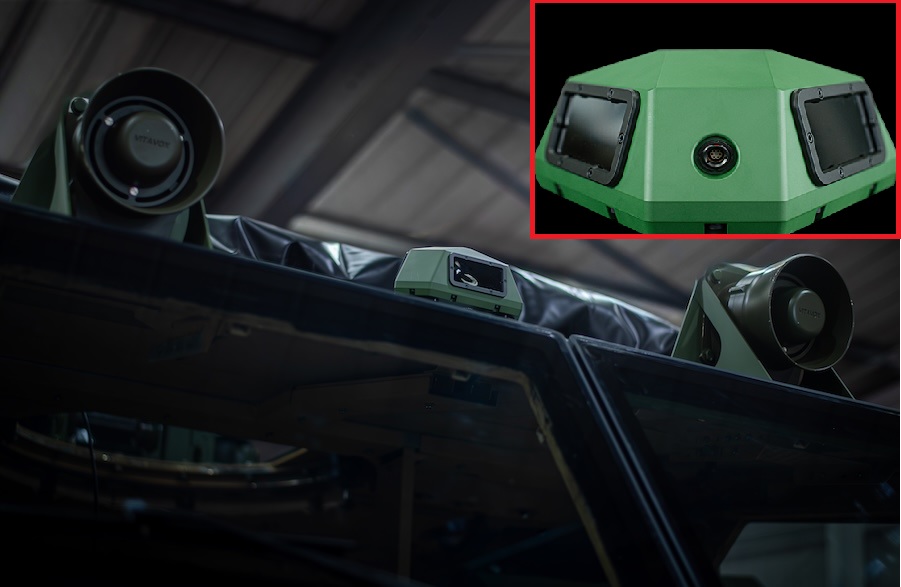
World
FARNBOROUGH, UK, — June 10, 2026 : Sentinel Photonics, a UK Ministry of Defence (MOD) spin-out company specializing in laser threat detection technologies, has unveiled the LASERD NOMAD, a new vehicle-mounted laser warning system designed to provide military and security personnel with early detection of laser-guided threats. The system is intended for rapid deployment across a broad range of platforms, including soft-skinned security vehicles, Humvees, armored military vehicles, and small maritime boats. According to the company, LASERD NOMAD is the first platform-based solution within its LASERD family of laser detection products and is designed to improve survivability against increasingly common laser-guided weapons and targeting systems. Designed to Detect Laser Threats Before Impact LASERD NOMAD continuously monitors the visible, near-infrared (NIR), and short-wave infrared (SWIR) spectrums between 600 and 1700 nanometers, enabling the detection of non-visible laser rangefinders and target designators commonly used to support precision-guided munitions. The system provides 360-degree horizontal coverage and 150-degree vertical coverage, allowing it to monitor threats from multiple directions without blind spots. When a hostile laser is detected, crews receive an estimated 10 to 30 seconds of warning before a potential strike, providing valuable time to conduct evasive maneuvers, reposition vehicles, deploy countermeasures, or take other defensive actions. Threat alerts are delivered through Sentinel’s proprietary Laser Detect application running on a ruggedized Android device. Both audio and visual notifications provide operators with immediate awareness of the direction and nature of the detected threat. Sensor Architecture Reduces False Alarms Sentinel Photonics stated that LASERD NOMAD employs a threat-specific sensor architecture designed to distinguish military laser threats from civilian and background battlefield laser activity. This filtering capability is intended to reduce false alarms and maintain reliable performance in complex electromagnetic environments where multiple laser sources may be present. By focusing on genuine threats, the system aims to support faster and more accurate decision-making during operations. The company noted that the system maintains a sensitivity level of 30 pJcm⁻² or better across its operating waveband, ensuring that crews can be alerted even when positioned slightly outside the direct targeting zone of a hostile laser source. Independent Testing Confirms Long-Range Detection According to Sentinel Photonics, LASERD NOMAD has undergone independent verification against military-grade laser rangefinders and target designators at standoff distances exceeding 4 kilometers. Field trials conducted at a distance of 4.3 kilometers produced the following results: Designator Detection: More than 50 meters diffuse scatter and 10 meters off-axis. Rangefinder Detection: 20 meters diffuse scatter and 5 meters off-axis. These results demonstrate the system’s ability to detect laser activity not only in direct line-of-sight scenarios but also when laser energy is scattered or observed from off-axis positions. Compact Design for Rapid Integration A key feature of LASERD NOMAD is its compact, low size, weight, and power (SWaP) design. The unit weighs 1.1 kilograms and measures 200 mm × 160 mm × 100 mm, allowing it to be installed without affecting vehicle mobility or operational performance. The system is powered through standard USB connections or vehicle power sources ranging from 5V to 24V, enabling compatibility with a wide variety of military and security platforms. LASERD NOMAD is also rated IP67, providing protection against dust and water ingress and supporting operations in challenging environmental conditions. ‘Walk-On Fit’ Installation Concept Sentinel Photonics has incorporated a “walk-on fit” installation approach that enables rapid retrofitting onto existing vehicle fleets without requiring major structural modifications or lengthy maintenance periods. The company says the system can be installed on both new and legacy platforms within minutes, making it suitable for military organizations seeking to enhance vehicle protection without extensive integration programs. “Vehicle crews operating in contested environments face laser-guided threats they cannot see coming,” said Jackson White, Chief Commercial Officer at Sentinel Photonics. “NOMAD closes that gap. It retrofits to any platform in minutes, operates without degrading vehicle performance, and delivers operationally validated early warning that gives crews a real chance to survive.” Global Availability and Support Package LASERD NOMAD is now available through Sentinel Photonics’ partner network across Europe, North America, the Middle East, and the Asia-Pacific region. The system is supplied as a complete Platform Protection Device, including the sensor unit, mounting hardware, vehicle power kit, end-user device, and access to the Laser Detect application. Customers also receive in-country training, lifecycle software upgrades, and remote or on-site technical support as part of the standard package. Expansion of Sentinel’s Laser Detection Portfolio The launch of LASERD NOMAD follows a period of growth for the Porton Down and Farnborough-based company. Earlier in 2026, Sentinel Photonics secured strategic investment from defense-focused backers Galvion and FNX Ventures to support the development of its ITAR-free laser detection, protection, and Laser Intelligence (LasINT) technologies. With the introduction of LASERD NOMAD, Sentinel Photonics is expanding its portfolio of laser threat detection systems aimed at providing enhanced situational awareness and force protection for land and maritime platforms operating in increasingly contested environments.
Read More → Posted on 2026-06-10 15:59:49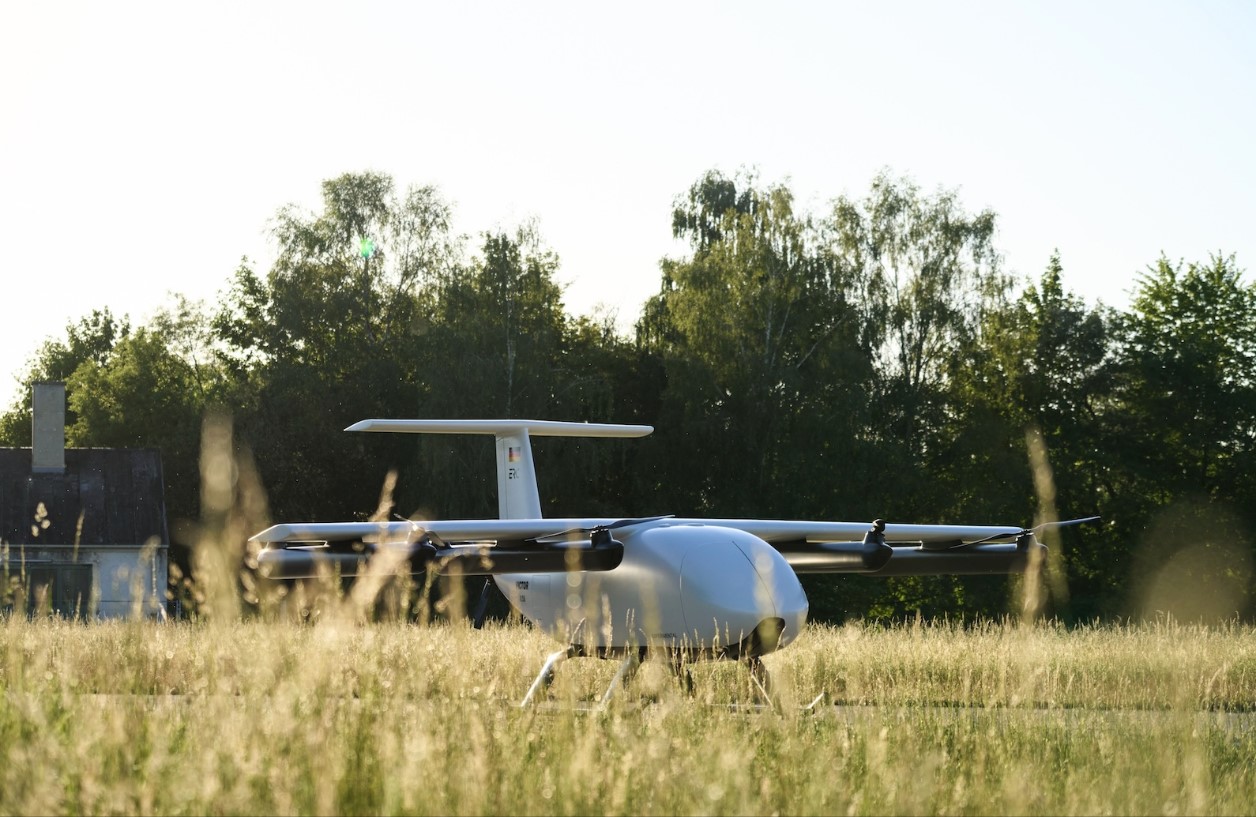
World
BERLIN, — June 10, 2026 : German defense company Rheinmetall has signed a memorandum of understanding (MoU) with German drone developer ERC System and the state of North Rhine-Westphalia to establish production of the Victor U250 hybrid-electric heavy-lift cargo drone in Germany. The agreement was signed during the ILA Berlin 2026 aerospace exhibition and outlines a framework for local manufacturing, supply chain development, industrial scaling, and commercialization of the unmanned aircraft. The project is expected to support Germany’s domestic aerospace and defense industry while creating hundreds of skilled jobs in North Rhine-Westphalia by 2029. Victor U250 Designed for Military and Civilian Logistics At the center of the partnership is the Victor U250, a hybrid-electric unmanned vertical takeoff and landing (VTOL) aircraft designed to transport cargo in military, emergency response, and commercial operations. The aircraft is capable of carrying payloads of up to 250 kilograms (551 pounds) over distances exceeding 300 kilometers (186 miles) while maintaining a cruising speed of approximately 250 km/h (155 mph). Its VTOL configuration enables operations without runways or prepared airstrips, allowing it to take off and land like a helicopter before transitioning into efficient fixed-wing flight. The drone utilizes a hybrid-electric propulsion architecture consisting of eight lift rotors for vertical flight and a rear-mounted pusher propeller for forward movement. According to the developers, the platform can also be disassembled and transported inside a standard 20-foot ISO shipping container, improving deployment flexibility. A modular payload system allows operators to rapidly reconfigure the aircraft for different mission requirements without major structural modifications. This capability enables the drone to transport a variety of cargo, including ammunition, spare parts, medical supplies, humanitarian aid, and commercial goods. Addressing Modern Logistics Challenges The Victor U250 is being developed to address logistics challenges faced by both military and civilian operators. In military environments, the drone is intended to support resupply missions to forward-deployed units. Recent conflicts have demonstrated the vulnerability of traditional logistics networks, where supply convoys can be exposed to artillery attacks, ambushes, and drone strikes. Crewed helicopters operating near frontline areas also face threats from small-arms fire and man-portable air defense systems (MANPADS). The Victor U250 offers an alternative by delivering supplies without placing flight crews at risk. Its combination of VTOL capability, payload capacity, and operational range allows it to connect rear logistics hubs with frontline positions, even in areas lacking airfield infrastructure. Beyond defense applications, the aircraft is being developed for offshore and coastal logistics, disaster relief operations, emergency response missions, and medical transport. The platform is intended to fill a capability gap between conventional helicopters and fixed-wing cargo aircraft, particularly in situations where infrastructure is limited. Industrial Partnership and Production Plans The project combines the expertise of three organizations involved in the drone’s development and future production. Rheinmetall will contribute its experience as a certified aviation organization and established supplier of defense technologies and unmanned systems. The company is expected to provide industrial production capabilities, market access, and customer support infrastructure. ERC System, headquartered in Ottobrunn near Munich, is responsible for the core development of the Victor platform. The company is a wholly owned subsidiary of Industrieanlagen-Betriebsgesellschaft (IABG), a European technology and engineering firm specializing in testing, simulation, verification, and safety validation for aerospace and defense programs. North Rhine-Westphalia will support the initiative by helping identify manufacturing locations, exploring funding opportunities, and facilitating regulatory approvals required for aviation production facilities. The state government views the project as part of broader efforts to strengthen industrial innovation and technological capabilities within Germany and Europe. Development Progress and Future Deliveries ERC System has already conducted flight testing of full-scale technology demonstrators to validate the drone’s hybrid-electric VTOL architecture. The company previously flew the Echo demonstrator in 2023, followed by the Romeo demonstrator, which has been undergoing testing since 2025. Both aircraft, weighing approximately 2,730 kilograms, have been used to evaluate flight performance, propulsion systems, and operational concepts for the Victor program. Based on current development plans, first deliveries of the Victor U250 are expected around 2028, subject to certification and production milestones.
Read More → Posted on 2026-06-10 16:14:20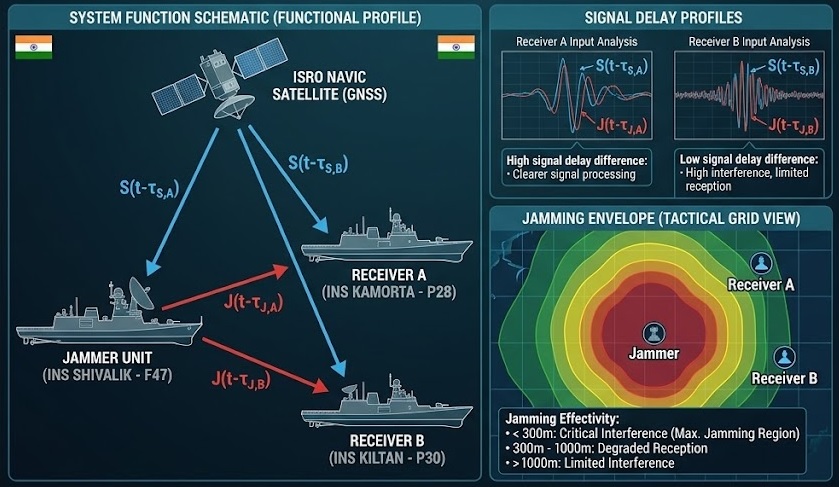
India
New Delhi, — June 10, 2026 : The Ministry of Defence (MoD) has signed a ₹449 crore contract with Bengaluru-based Accord Software and Systems Private Limited (ASSPL) for the procurement of 20 Enhanced Capability Global Navigation Satellite System (ECGNSS) Jammers for the Indian Navy. The agreement was signed on June 10 in the presence of Defence Secretary Rajesh Kumar Singh and has been awarded under the Buy (Indian–Indigenously Designed, Developed and Manufactured) category. According to the Ministry of Defence, the project will be executed with a minimum indigenous content of 75 percent, supporting India's efforts to strengthen domestic defence manufacturing under the Aatmanirbhar Bharat initiative. The ECGNSS Jammers are designed to enhance the Indian Navy's electronic warfare capabilities by disrupting and deceiving adversary satellite navigation systems. Modern military platforms, including warships, aircraft, drones, and precision-guided weapons, rely heavily on Global Navigation Satellite System (GNSS) networks such as GPS, GLONASS, Galileo, and BeiDou for navigation, positioning, and targeting. According to the Ministry, the new systems will be capable of degrading the signal acquisition and tracking performance of enemy GNSS receivers. The jammers can also conduct signal spoofing operations, transmitting false navigation data to mislead hostile platforms and reduce the effectiveness of satellite-based navigation and targeting systems. By denying or manipulating access to accurate positioning information, the ECGNSS Jammers will help Indian Navy warships operate more effectively in contested electromagnetic environments. The systems are expected to improve the survivability and operational effectiveness of naval platforms during both routine deployments and potential conflict situations. The acquisition forms part of the Indian Navy's broader modernization efforts in electronic warfare and network-centric operations. It also supports the government's objective of increasing indigenous participation in advanced defence technology programmes while reducing dependence on foreign suppliers. The Ministry of Defence stated that the induction of the 20 ECGNSS Jammers will strengthen maritime security capabilities and provide the Indian Navy with enhanced protection against emerging electronic and navigation-based threats in the maritime domain.
Read More → Posted on 2026-06-10 16:44:10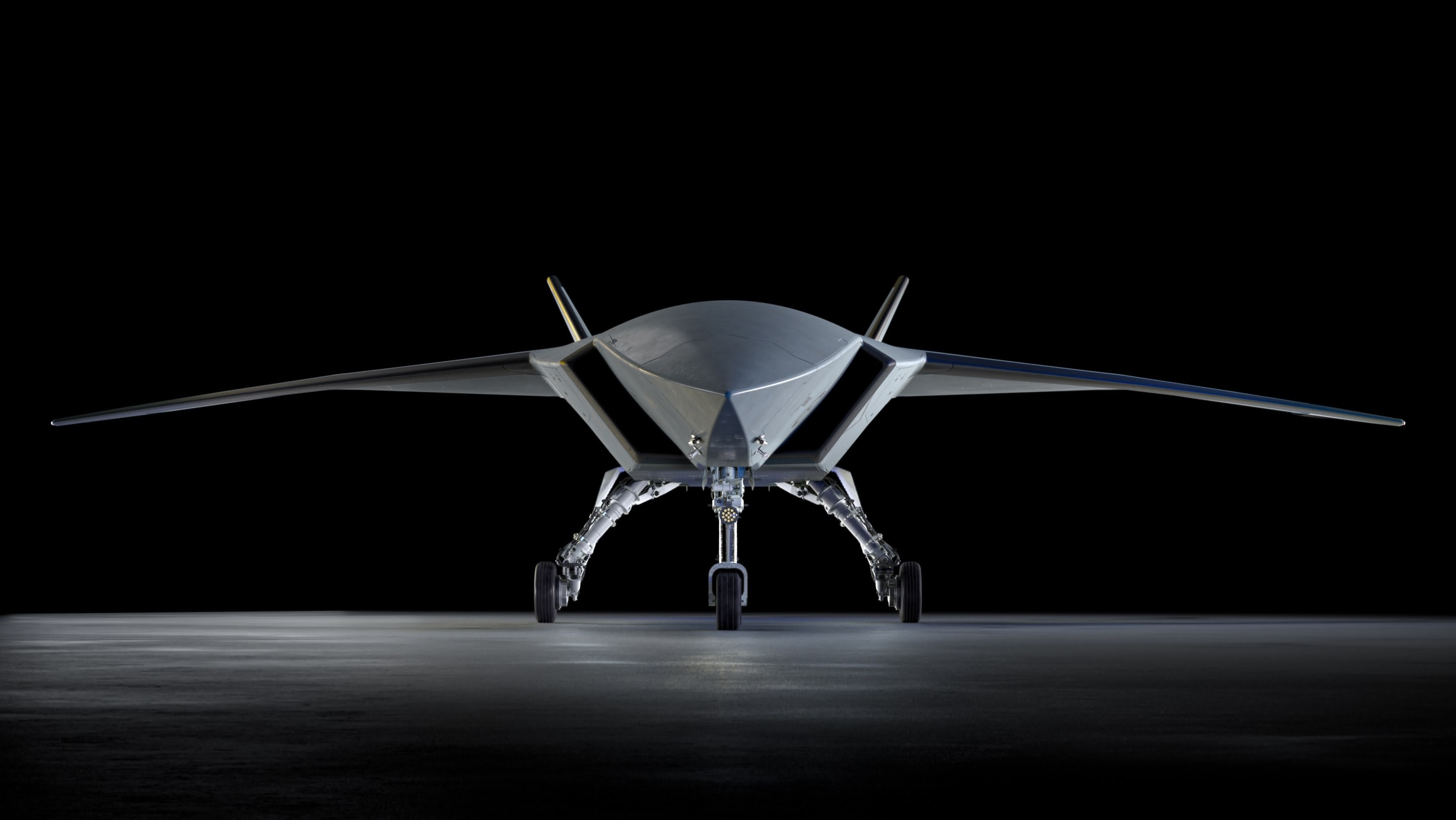
World
BERLIN, — June 10, 2026 : Boeing has announced a significant capability upgrade package for its MQ-28 Ghost Bat uncrewed combat aircraft at the ILA Berlin Air Show 2026, introducing enhancements that increase the platform’s range, payload capacity, weapons carriage options, and interoperability. The company also expanded its European industrial partnership network as it positions the aircraft for Germany’s planned Collaborative Combat Aircraft (CCA) procurement program scheduled for 2029. Developed in partnership with the Royal Australian Air Force (RAAF), the MQ-28 Ghost Bat is designed to operate alongside crewed fighter aircraft as a collaborative combat aircraft, supporting missions ranging from air combat and intelligence gathering to electronic warfare and strike operations. The latest upgrades represent the most extensive evolution of the program since the aircraft entered flight testing and are intended to enhance operational flexibility for Australia and future allied operators. Larger Wing Design Increases Payload and Range A central element of Boeing’s Block 3 technology roadmap is a redesigned wing structure that expands the MQ-28’s wingspan from 20 feet (6 meters) to 24 feet (7.3 meters), an increase of more than 25 percent over the original design. The larger wing enables a substantial increase in the aircraft’s maximum take-off weight (MTOW), which rises from 10,000 pounds (4,500 kilograms) to 12,000 pounds (5,400 kilograms). The modification also increases the platform’s useful payload capacity to more than 4,500 pounds (2,000 kilograms). According to Boeing, the additional capacity allows operators to carry up to 2,000 pounds (900 kilograms) of extra fuel, weapons, sensors, or mission equipment. This provides greater flexibility to configure the aircraft for longer-range operations, heavier weapons loads, or a balance between endurance and combat capability depending on mission requirements. Glen Ferguson, Boeing’s MQ-28 Global Program Director, said the expanded capacity enables operators to tailor the aircraft to specific operational needs. “The additional capacity gives operators freedom to balance payload and endurance to configure for the mission at hand, whether that means carrying extra fuel for longer-range operations, increasing weapons carriage or any combination of both,” Ferguson said. Expanded Weapons-Carrying Capability The upgraded MQ-28 will feature enhanced weapons integration options while maintaining its low-observable characteristics. Internal modifications allow the aircraft to carry weapons inside newly configured internal weapons bays, preserving stealth performance by reducing radar exposure. The internal bays can be configured to carry either two AIM-120 Advanced Medium-Range Air-to-Air Missiles (AMRAAMs) or four Small Diameter Bombs (SDBs). For missions where additional firepower is prioritized over stealth, the aircraft will also be capable of carrying weapons on three external hardpoints. The expanded payload architecture broadens the MQ-28’s mission set, supporting air-to-air combat, strike operations, suppression of enemy air defenses, force protection, and intelligence, surveillance and reconnaissance missions. Beyond-Line-of-Sight Communications Introduced One of the most significant additions announced at Berlin is the integration of Beyond-Line-of-Sight (BLOS) communications capability. The new communication architecture allows the MQ-28 to be controlled and monitored from crewed aircraft, ground stations, or naval platforms across extended distances through satellite-enabled and networked communications links. Boeing said the capability was developed in response to feedback from allied air forces seeking greater operational reach for collaborative combat aircraft operating across large geographic regions. The BLOS system is expected to improve the aircraft’s effectiveness in joint and multi-domain operations, enabling integration with distributed force structures and long-range mission planning. Open-System Software Architecture Enhances Flexibility Alongside the physical upgrades, Boeing unveiled major software enhancements based on the Government Reference Architecture (GRA), an open-systems framework designed to simplify the integration of new technologies. The upgraded architecture will allow operators to customize weapons integration, payload configurations, command-and-control systems, mission autonomy functions, and data-sharing capabilities according to national and operational requirements. Boeing stated that the open architecture reduces dependence on proprietary systems and makes it easier for customers to integrate domestically developed technologies and future upgrades throughout the aircraft’s service life. The MQ-28 is also receiving an upgraded modular mission nose section, enabling rapid integration of third-party payloads. The modular design supports a range of mission systems, including electronic warfare equipment, infrared search and track (IRST) sensors, communications relay packages, surveillance systems, and targeting support capabilities. German Industry Team Expanded for Luftwaffe Bid To strengthen its bid for the German Air Force’s future Collaborative Combat Aircraft requirement, Boeing announced the expansion of its German industry team. German defense companies Diehl Defence and Rohde & Schwarz have joined the MQ-28 program alongside existing strategic partner Rheinmetall, which will continue serving as the lead systems integrator for German technologies. Under the new partnership framework, Diehl Defence will focus on weapons integration, adapting German air-to-ground munitions and guided missile systems for the MQ-28 while contributing software components for future air combat networks. Rohde & Schwarz will provide mission and communications systems integration through its Networked Multipoint Array Communications System (NEMACS), helping connect the MQ-28 with Bundeswehr command-and-control networks and enabling secure data exchange across military platforms. Amy List, Vice President and Managing Director of Boeing Defence Australia, said the expanded partnership combines Australian and German expertise to support the aircraft’s future entry into German service. “We’re bringing together the best of Australian and German innovation to be able to deliver the MQ-28 to the Luftwaffe by 2029. Welcoming Diehl Defence and Rohde & Schwarz to our team is a significant step forward,” List said. Program Maturity and Future Development The MQ-28 Ghost Bat continues to mature as one of the most advanced collaborative combat aircraft programs currently under development. Originally launched under Australia’s Airpower Teaming System initiative, the aircraft represents the country’s first domestically designed and developed military combat aircraft in more than 50 years. Since its first flight in 2021, the MQ-28 has completed more than 150 test flights, including autonomous teaming demonstrations, sensor evaluations, and a successful autonomous live-fire AMRAAM engagement conducted in late 2025. The aircraft is designed to operate alongside platforms such as the F-35A Lightning II, F/A-18F Super Hornet, EA-18G Growler, E-7A Wedgetail, and future combat aircraft, extending sensor coverage, carrying additional weapons, and performing higher-risk missions that would otherwise be assigned to crewed aircraft. According to Boeing, the newly announced enhancements will be introduced through a spiral upgrade approach, allowing new capabilities to be progressively integrated into the fleet. The improvements are also intended to enhance interoperability with both Boeing and non-Boeing platforms, providing allied air forces with a highly configurable and adaptable uncrewed combat system. With increased payload capacity, expanded weapons options, advanced networking capabilities, and greater mission flexibility, the MQ-28 Ghost Bat is moving closer to operational deployment as a key component of future crewed-uncrewed air combat operations for Australia and potential international customers.
Read More → Posted on 2026-06-10 16:59:54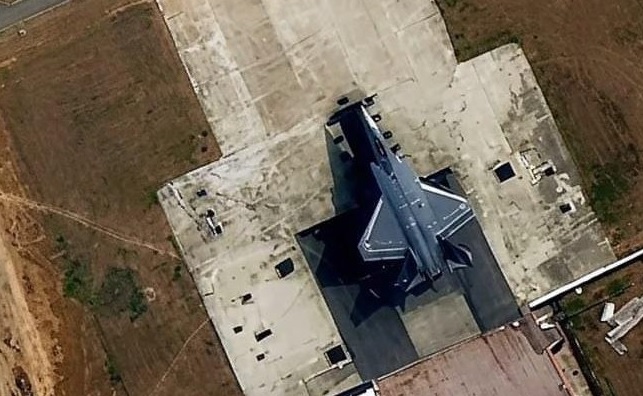
India
HYDERABAD, — June 10, 2026 : An airframe associated with India’s Advanced Medium Combat Aircraft (AMCA) program has been spotted at the Outdoor Radar Cross Section Test Measurement (ORANGE) facility in Dundigal, Hyderabad, indicating continued progress in the development of India’s indigenous fifth-generation stealth fighter aircraft. The ORANGE facility, operated by the Defence Research and Development Organisation (DRDO) through its Research Centre Imarat (RCI), is a specialized test site used to evaluate the radar cross-section (RCS) characteristics of military platforms. Located near the Air Force Academy in Dundigal, the facility plays a key role in validating stealth features and electromagnetic signatures before aircraft designs move into advanced development stages. Defence analysts indicate that the airframe currently at the facility is a full-scale engineering test model rather than a flyable prototype. Such models are used for radar signature assessments, allowing engineers to study how radar waves interact with the aircraft’s shape, structural features, and radar-absorbent materials. The testing helps verify whether the platform meets low-observability requirements. Developed by the Aeronautical Development Agency (ADA) in partnership with DRDO, the AMCA is a twin-engine, multirole stealth fighter being designed primarily for the Indian Air Force. The aircraft is expected to incorporate advanced stealth technologies, internal weapons bays, sensor fusion, electronic warfare systems, and next-generation avionics. The AMCA’s low-observable design includes extensive use of composite materials, accounting for approximately 38–40 percent of the airframe. The aircraft also features diverterless supersonic intakes with S-shaped ducts to conceal engine fan blades from radar, while internal weapons bays help maintain both stealth characteristics and aerodynamic performance. Its twin-tail configuration and carefully aligned structural edges are designed to reduce radar reflections. The radar cross-section testing in Hyderabad is taking place alongside broader infrastructure development for the AMCA program. On May 15, 2026, the Ministry of Defence laid the foundation stone for a ₹16,000-crore Aircraft Integration and Flight Testing Complex at Puttaparthi in Andhra Pradesh. The facility is expected to become the primary center for assembly, integration, validation, and flight testing of future AMCA prototypes. The AMCA program received approval from the Cabinet Committee on Security in March 2024, while the government approved the programme execution model in 2025, enabling participation from both public and private sector companies. According to current timelines, the first AMCA prototype is expected to roll out in 2028, followed by flight testing and certification activities. Induction into the Indian Air Force is currently targeted for 2034–35. The sighting of the AMCA airframe at the ORANGE facility marks another development milestone as India continues to validate critical stealth technologies for its first indigenous fifth-generation fighter aircraft.
Read More → Posted on 2026-06-10 17:47:15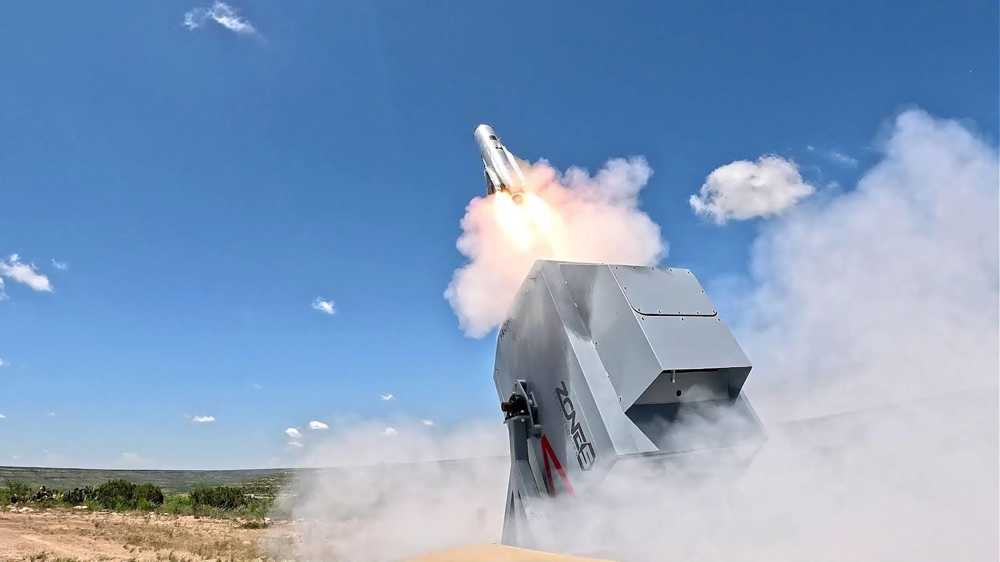
World
California — June 10, 2026 : Norwegian defence and technology company Kongsberg Gruppen has completed its acquisition of California-based missile developer Zone 5 Technologies after receiving all required regulatory approvals from U.S. authorities. The transaction gives Kongsberg a 90 percent ownership stake in the company, strengthening its position in the rapidly expanding market for affordable, mass-producible missile and air defence systems. Financial terms of the deal were not disclosed. However, Kongsberg confirmed that Zone 5 Technologies will continue to operate as an independent subsidiary. Founder, Chief Executive Officer and Chief Technology Officer Thomas Akers, along with the existing management team, will retain a 10 percent minority ownership stake and continue overseeing the company's daily operations. Founded in 2011 and headquartered in San Luis Obispo, California, Zone 5 Technologies employs more than 250 personnel and reported revenues exceeding $100 million in 2025. The company has maintained consistent profitability while developing a portfolio of low-cost, digitally engineered missile systems designed for large-scale production. The acquisition adds several important defence programs and products to Kongsberg’s portfolio. Among the most notable is the AGM-188A Rusty Dagger, a low-cost air-launched precision strike missile developed under the U.S. Air Force’s Extended Range Attack Munition (ERAM) and Family of Affordable Mass Missiles (FAMM) programs. The missile weighs approximately 500 pounds (225 kilograms), carries a 100-pound warhead, and has a reported range exceeding 450 kilometres while operating at high subsonic speeds. Recent reports indicate that the AGM-188A Rusty Dagger was successfully integrated onto the F-16 fighter aircraft earlier this year. Initial production batches are expected to support Ukraine’s defence requirements as part of ongoing efforts to strengthen long-range strike capabilities. Zone 5’s portfolio also includes the White Spike interceptor, a low-cost Group 3+ air defence missile designed for counter-unmanned aerial system (C-UAS) missions. The interceptor is available in both ground-launched and air-launched configurations and is expected to complement Kongsberg’s existing air defence offerings, including the widely deployed NASAMS air defence system. Another key asset is the Paladin UAS, a multi-mission unmanned aircraft system included on the U.S. Defense Innovation Unit’s Blue UAS list. The platform is capable of autonomous operations such as drone interception, reconnaissance missions and munitions delivery, providing additional capabilities for military and security operators. The acquisition comes at a time when Western defence planners are increasingly prioritising affordable, high-volume weapons production. Recent conflicts have highlighted the challenges associated with relying solely on expensive, low-volume precision weapons, while also underscoring the importance of rapidly replenishing missile stockpiles and countering large-scale drone threats. Eirik Lie, President of Kongsberg Defence & Aerospace, said recent conflicts have demonstrated the critical importance of high-volume defence capabilities. “Recent conflicts have demonstrated the critical role of high-volume defense capabilities. This is exactly what Europe needs,” Lie said. “Zone 5 adds a distinct capability to the KONGSBERG portfolio, bringing a proven track record of rapid production, highly scalable, and affordable missiles.” Kongsberg Gruppen Chief Executive Officer Geir Håøy said the acquisition combines complementary strengths from both companies. “KONGSBERG has a world-leading portfolio of advanced air defense and long-range strike missile technologies,” Håøy stated. “By combining the high-performing KONGSBERG portfolio and Zone 5's high-volume assets, KONGSBERG can provide comprehensive and flexible systems that allow nations to manage complex defense scenarios.” The acquisition was originally announced in December 2025 and formally closed following completion of the regulatory review process. Industry observers view the transaction as part of a broader trend among Western defence manufacturers to expand production capacity and develop more affordable weapons systems capable of supporting sustained military operations. With the deal now finalized, Kongsberg plans to use its global industrial network and international customer base to accelerate production growth at Zone 5 and expand the availability of its affordable missile systems across Europe and other allied markets. The acquisition also strengthens Kongsberg’s presence in the United States defence sector while adding proven mass-production missile technologies to its existing portfolio, which includes the Naval Strike Missile (NSM), Joint Strike Missile (JSM), and NASAMS air defence system.
Read More → Posted on 2026-06-10 18:04:39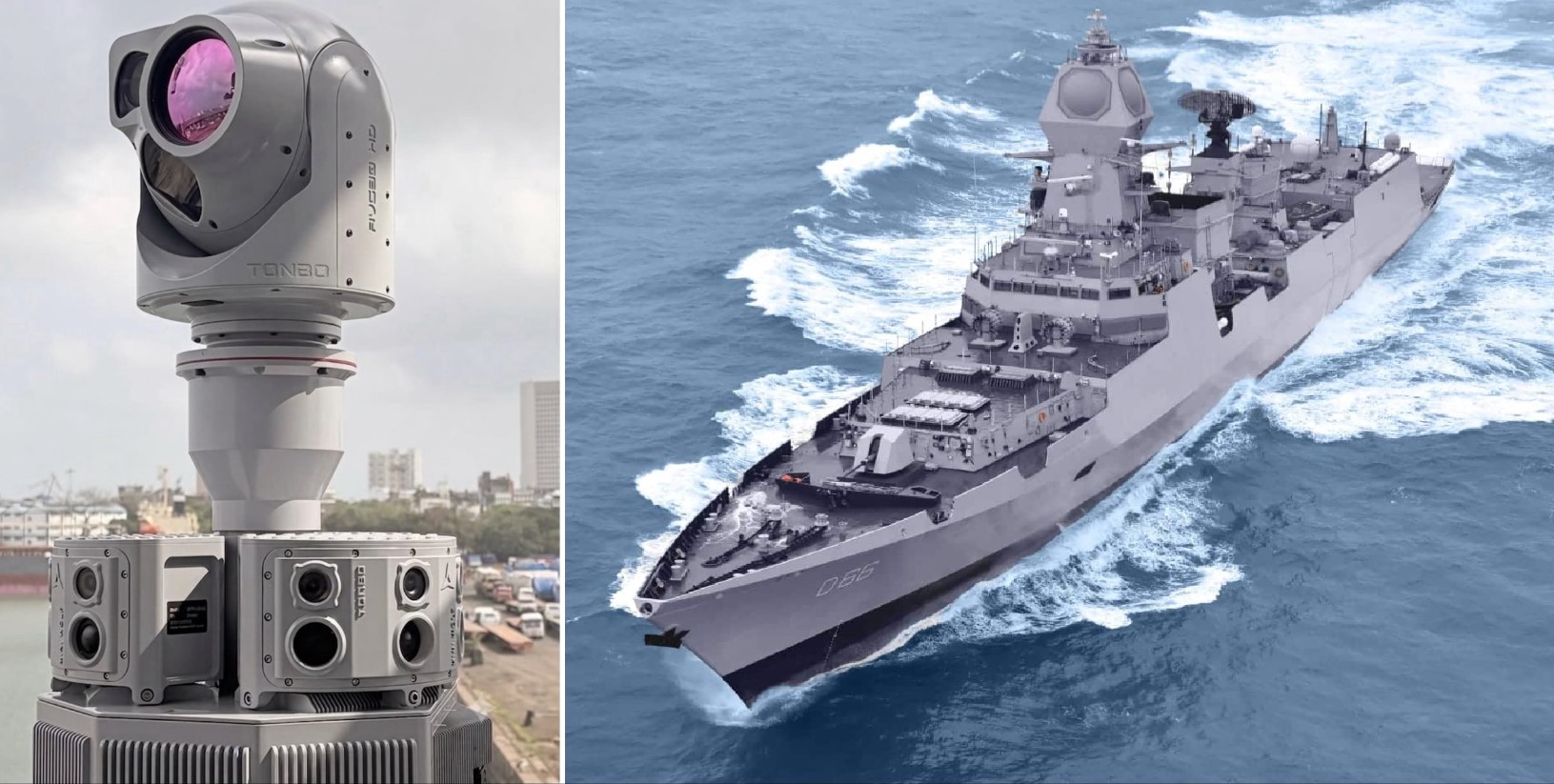
India
BENGALURU, — June 10, 2026 : Indian defence technology company Tonbo Imaging has expanded its role in naval modernization with the introduction of the Avenger AVG-30HD, an indigenous stabilized electro-optical/infrared (EO/IR) gimbal, and the award of an Indian Navy High Power Microwave (HPM) system contract under the ADITI 3.0 innovation framework. The developments highlight the company's growing focus on advanced maritime surveillance, sensor integration, and directed-energy technologies. Avenger AVG-30HD Developed for Naval Platforms The Avenger AVG-30HD has been designed for deployment on Indian naval vessels to enhance maritime surveillance, target tracking, and situational awareness in demanding sea conditions. The system features a Fiber Optic Gyroscope (FOG)-based gyro-mechanical stabilization system, enabling stable imagery despite ship movement caused by waves and rough weather. It is equipped with a high-definition thermal imaging sensor for long-range detection, recognition, and identification of surface and aerial targets during day and night operations. Weighing less than 10 kilograms, the gimbal can be integrated on a variety of platforms, including patrol vessels, fast attack craft, unmanned systems, and larger warships. A key capability of the system is its integrated staring-array panoramic imager, which provides continuous 360-degree situational awareness. The gimbal also incorporates Artificial Intelligence-enabled processing and Electro-Optical/Infrared Search and Track (EO/IRST) functionality, allowing passive detection and tracking of potential threats without emitting radar signals. Indian Navy Awards HPM System Contract In addition to the new EO/IR system, Tonbo Imaging has been selected by the Indian Navy to integrate and commission a High Power Microwave (HPM) system under the Ministry of Defence's iDEX initiative and the Defence Innovation Organisation (DIO) through the ADITI (Advanced Defence Technology Incubation) 3.0 framework. HPM systems are classified as directed-energy weapons that use concentrated electromagnetic pulses to disrupt, degrade, or disable electronic systems, sensors, and unmanned platforms. The technology is increasingly viewed as an effective countermeasure against drone swarm threats in modern naval warfare. Under the contract, Tonbo Imaging will be responsible for full system integration and commissioning, with multiple production units planned following successful validation and operational acceptance by the Indian Navy. Vacuum Tube-Based Technology According to Arvind Lakshmikumar, Managing Director and CEO of Tonbo Imaging, the company is leveraging its expertise in vacuum tube technologies to achieve the high peak power levels required for HPM applications. The company stated that vacuum tube-based sources are capable of generating the power and pulse energy needed to effectively disable electronic targets, while current solid-state radio frequency systems cannot achieve similar performance within operational military size, weight, and efficiency requirements. Expanding Defence Technology Capabilities The launch of the Avenger AVG-30HD and the HPM contract reflect Tonbo Imaging's broader expansion beyond electro-optical systems into advanced defence technologies, including system integration, embedded software, artificial intelligence, and directed-energy solutions. The developments also support India's ongoing efforts to strengthen indigenous defence manufacturing and enhance maritime security through domestically developed technologies.
Read More → Posted on 2026-06-10 18:21:18
World
SAN DIEGO, — June 10, 2026 : The U.S. Navy’s Nimitz-class aircraft carrier, USS Theodore Roosevelt (CVN-71), departed its homeport of San Diego on June 10 to begin transit and preparations for participation in the Rim of the Pacific (RIMPAC) 2026 multinational naval exercise, scheduled to take place from June 24 to July 31 in and around Hawaii and Southern California. Hosted by the U.S. Pacific Fleet, RIMPAC 2026 marks the 30th edition of the biennial exercise and is expected to be the largest in its history. The exercise will bring together forces from 31 nations, including approximately 40 surface ships, five submarines, more than 140 aircraft, and over 25,000 military personnel. This year’s theme, “Partners: Integrated and Prepared,” emphasizes multinational cooperation, interoperability, and maritime security. The exercise will be led by Vice Admiral John Wade as Combined Task Force commander. Chile will serve as deputy commander, Japan as vice commander, the Republic of Korea will lead the maritime component, and Canada will command the multinational air component. During the five-week exercise, participating forces will conduct a wide range of operations, including anti-submarine warfare, air defense missions, amphibious landings, gunnery and missile drills, mine countermeasure operations, explosive ordnance disposal, humanitarian assistance, disaster response, and military medical training. The USS Theodore Roosevelt serves as the flagship of Carrier Strike Group 9 and carries Carrier Air Wing 11. The nuclear-powered aircraft carrier, commissioned in 1986, is approximately 1,092 feet long and can accommodate nearly 5,700 sailors and air wing personnel. Its embarked aircraft include F/A-18E/F Super Hornets, E/A-18G Growlers, and various support and rotary-wing platforms that will participate in multinational air operations during RIMPAC. Before arriving in Hawaii, the carrier strike group will conduct additional training activities in the Pacific Ocean alongside allied naval forces transiting to the exercise area. Several participating nations, including Canada, the Philippines, Singapore, Italy, and Australia, have already begun deploying ships and conducting interoperability training en route to Pearl Harbor. The Theodore Roosevelt recently completed readiness training following its previous extended Indo-Pacific deployment and will play a central role in the U.S. contribution to RIMPAC 2026. The exercise remains one of the most important multinational maritime training events, providing partner nations with opportunities to strengthen operational coordination and enhance collective readiness across the Indo-Pacific region.
Read More → Posted on 2026-06-10 18:24:26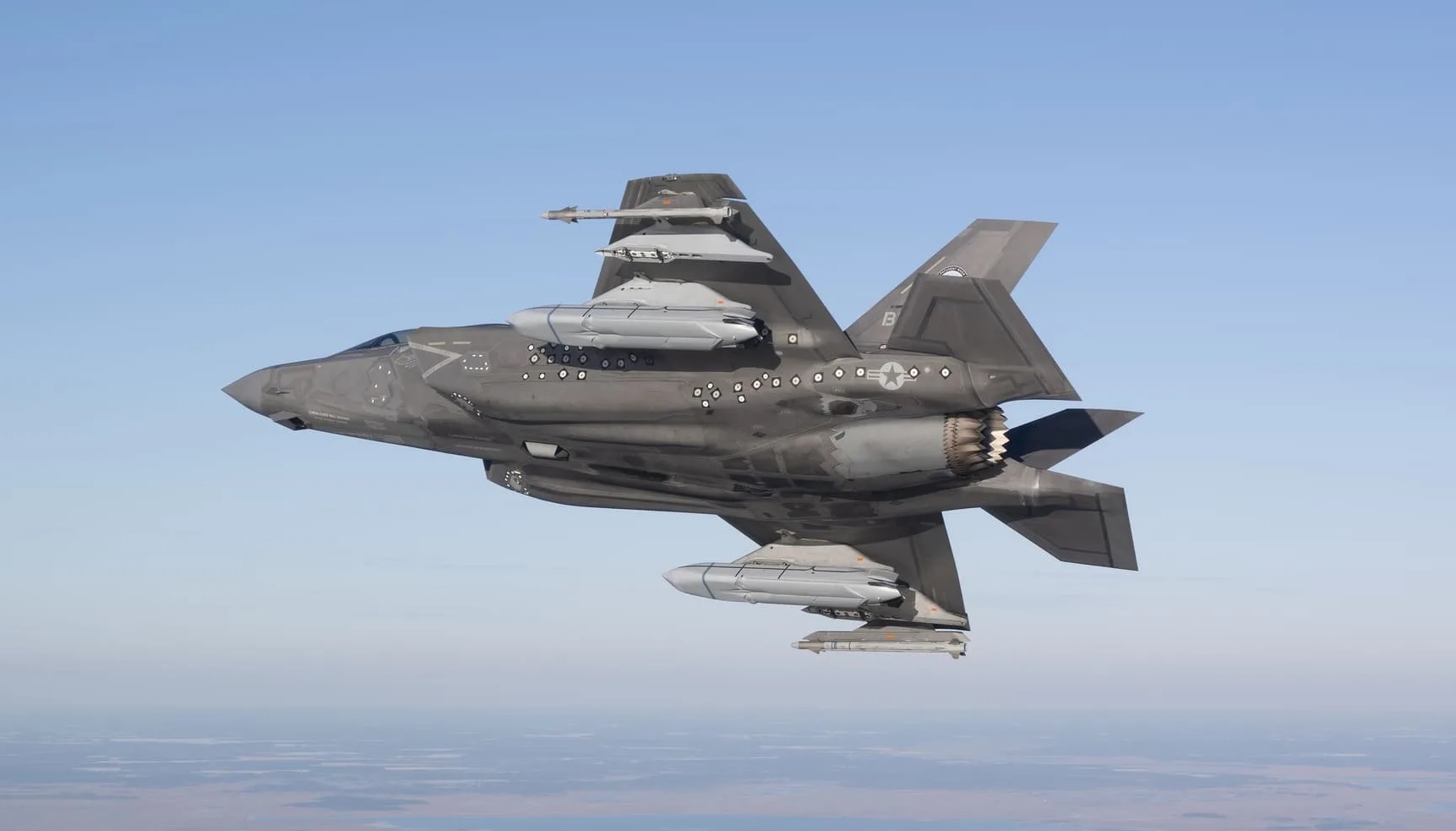
World
PATUXENT RIVER, Maryland — June 11, 2026 : The U.S. Navy, in partnership with Lockheed Martin, has successfully completed the first phase of the F-35C LRASM Flight Sciences Test Program, marking a significant step toward integrating the AGM-158C Long-Range Anti-Ship Missile (LRASM) with the carrier-based F-35C Lightning II fighter aircraft. Lockheed Martin announced on June 10, 2026, that the initial phase of testing concluded following a series of integration flight trials conducted between September 2024 and April 2026 at Naval Air Station Patuxent River, Maryland. The milestone allows the program to move forward with the next stages of the missile integration effort. The AGM-158C LRASM, due to its size, is carried externally on the F-35C’s wing stations rather than inside the aircraft’s internal weapons bays. The U.S. Navy released the first images of the external carriage configuration in September 2024 shortly after testing began. Captive Carriage Testing Validates Aircraft and Missile Integration The first phase of the program focused on captive carriage flight testing, a critical step in evaluating how the aircraft performs while carrying a large external weapon. During these flights, engineers assessed aerodynamic characteristics, structural loads, flutter behavior, handling qualities, and overall flight performance across various operating conditions. According to Lockheed Martin, the tests successfully validated the structural integrity of both the aircraft and missile integration system throughout the planned flight envelope. The data collected confirmed that the F-35C can safely operate with the LRASM attached under a range of flight profiles. A notable event during the campaign occurred on November 6, 2025, when a U.S. Marine Corps pilot participated in a rate-capture test as part of the broader flight sciences evaluation. Testing was conducted by the Pax River F-35 Integrated Test Force (ITF), which coordinated efforts among Navy, Marine Corps, and industry teams. To streamline the program and maximize efficiency, the test team utilized assets from both the LRASM and AGM-158 Joint Air-to-Surface Standoff Missile (JASSM) programs. Because the two weapons share a common external airframe design, data gathered from both missile families contributed to the integration effort. Next Phase to Include Separation and Weapon Testing With captive carriage trials completed, the program will proceed to the next stages of testing. Upcoming evaluations will include separation tests, which will examine the missile's behavior immediately after release from the aircraft, followed by comprehensive weapon testing to assess the missile’s full engagement profile. Neither the U.S. Navy nor Lockheed Martin has announced a timeline for future live-fire demonstrations or operational testing activities. Expanding Long-Range Strike Capability for Carrier Air Wings The integration of LRASM is expected to significantly enhance the F-35C’s ability to engage enemy surface vessels from long distances while operating in contested environments. Once fully integrated, the aircraft will gain a dedicated long-range anti-ship strike capability similar to that already fielded on the B-1B Lancer strategic bomber and the F/A-18E/F Super Hornet. “By integrating LRASM onto the F-35, we’re giving our warfighters a powerful capability that enhances mission flexibility and expands their operational options,” said Jon Hill, Vice President and General Manager of Lockheed Martin Air Dominance and Strike Weapons. Sean Jackson, Vice President of F-35 Development, stated that integrating LRASM onto the fifth-generation fighter reflects continued investment by the United States and allied partners in expanding the aircraft’s mission capabilities, particularly for long-range maritime and land-attack operations. The U.S. Marine Corps has also conducted similar AGM-158 integration activities on the F-35B short takeoff and vertical landing variant, supporting broader efforts to field the missile family across multiple F-35 versions. About the AGM-158C LRASM The AGM-158C LRASM is a low-observable, long-range anti-ship cruise missile derived from the AGM-158B JASSM-ER (Extended Range). Originally developed through a program led by the Defense Advanced Research Projects Agency (DARPA) for the U.S. Air Force and Navy, the missile was designed to address the military’s Offensive Anti-Surface Warfare (OASuW) capability requirements. The weapon is specifically engineered to operate in heavily contested environments where electronic warfare, jamming, and degraded communications may limit traditional targeting methods. After navigating toward a designated area using GPS guidance, the missile employs onboard sensors and advanced processing systems to locate, identify, and track targets before executing terminal guidance. Its semi-autonomous targeting capability reduces dependence on external Intelligence, Surveillance, and Reconnaissance (ISR) assets and network connections. Current LRASM Variants and Future Development The Navy’s OASuW Increment 1 program currently includes three LRASM variants. LRASM 1.0, which achieved early operational capability in 2019, is operational on the B-1B Lancer and F/A-18E/F Super Hornet fleets. LRASM 1.1, fielded in 2023, is undergoing Initial Operational Test and Evaluation (IOT&E) and is also being integrated onto the P-8A Poseidon maritime patrol aircraft. The next version, LRASM C-3, focuses on extending the missile’s anti-surface warfare range and updating its target threat library. The U.S. Navy plans to achieve early operational capability in the fourth quarter of Fiscal Year 2026. The LRASM C-3 program is intended to serve as a bridge capability until the Department of Defense launches the OASuW Increment 2 program. The future competition-based Increment 2 effort is expected to reach early operational capability in Fiscal Year 2029 and initial operational capability in Fiscal Year 2031. Production Expansion to Meet Growing Demand As integration activities continue across multiple platforms, Lockheed Martin has expanded manufacturing capacity for both the LRASM and JASSM missile families. The company has invested in production facilities, including its operations in Pike County, Alabama, to support increasing demand from U.S. military services and international customers. The completion of the first phase of the F-35C LRASM Flight Sciences Test Program represents an important milestone in bringing long-range maritime strike capability to the Navy’s carrier-based fifth-generation fighter fleet. Future testing will determine the timeline for full operational integration and fleet deployment of the missile system.
Read More → Posted on 2026-06-11 13:46:22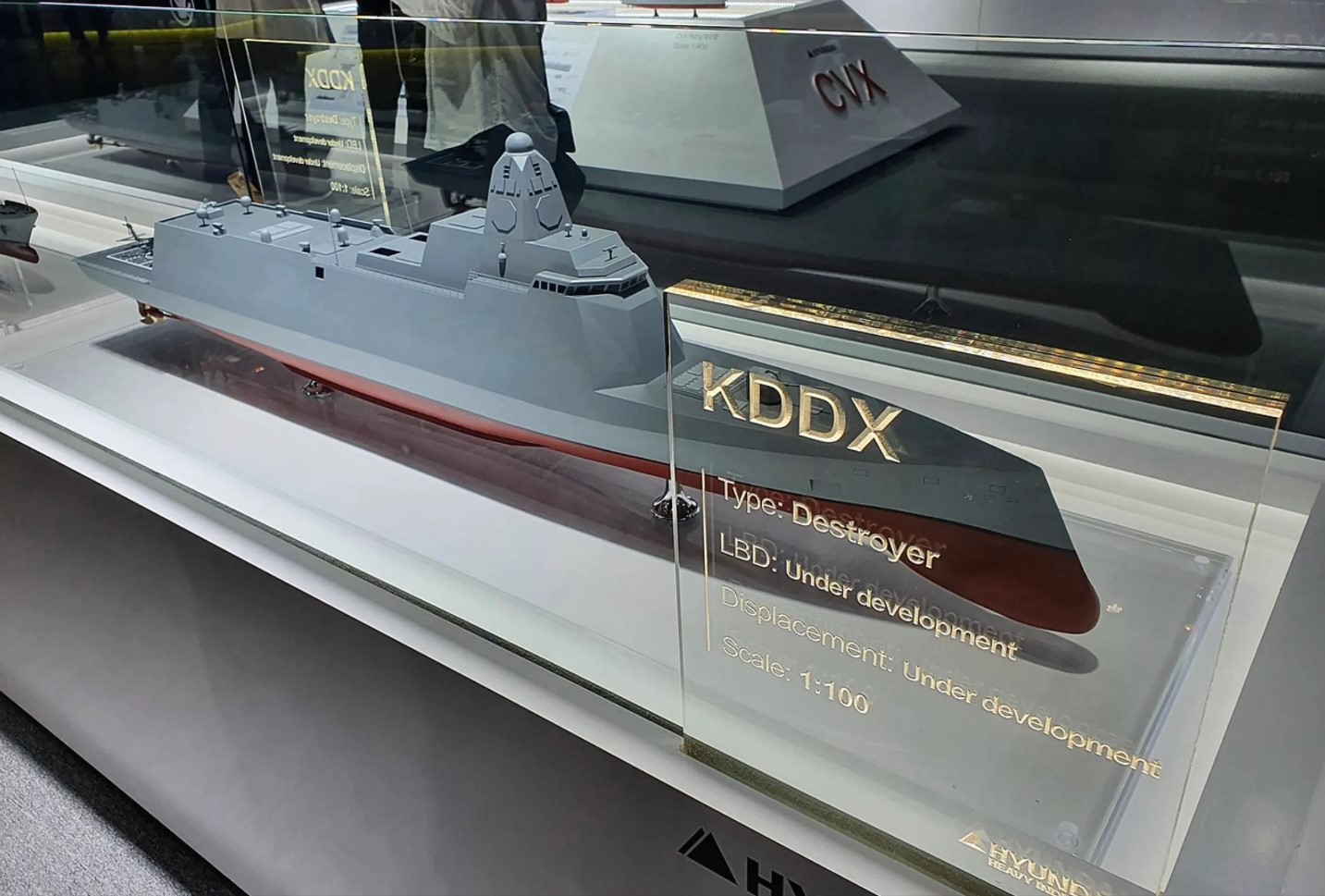
World
SEOUL, — June 11, 2026 : South Korea’s Defense Acquisition Program Administration (DAPA) has selected Hanwha Ocean as the preferred bidder for the Korean Next-Generation Destroyer (KDDX) program, marking a major step forward in one of the country’s most significant naval modernization initiatives. The program, valued at approximately 7.8 trillion KRW (US$5.7 billion), aims to build six advanced destroyers for the Republic of Korea Navy (ROKN) by 2030. The decision was announced following a competitive evaluation process in which Hanwha Ocean narrowly surpassed its main rival, HD Hyundai Heavy Industries, by 0.5867 points, according to government and industry sources on June 11, 2026. Evaluation Results and Contractor Selection The evaluation process concluded after more than two years of competition between South Korea’s two leading naval shipbuilders. Although HD Hyundai Heavy Industries reportedly achieved a higher score in the technical capability assessment by 0.64 points, the company received a 1.2-point security-related deduction that ultimately affected the final outcome. The penalty was linked to previous legal convictions involving the unauthorized acquisition of KDDX conceptual design materials. HD Hyundai Heavy Industries sought a court injunction to prevent the extension of the deduction period, but the court dismissed the request on June 5, 2026, allowing the penalty to remain in effect until December 2026. Industry analysts noted that the deduction played a significant role in determining the final ranking between the two bidders. The result remains subject to standard review and objection procedures before DAPA formally confirms the contract award. Major Naval Modernization Program The KDDX (Korean Destroyer Next Generation) program is considered a cornerstone of South Korea’s future naval strategy. The project is designed to deliver six advanced destroyers that will become the first fully indigenous destroyer class developed for the Republic of Korea Navy. Unlike previous destroyer programs that relied heavily on foreign technologies, the KDDX class will incorporate a domestically developed hull design, combat management system, and key sensors, reflecting South Korea’s broader effort to strengthen defense self-reliance. The destroyers are planned as 6,000-ton-class warships, with reported light-load displacement of approximately 7,100 tons and full-load displacement estimates of around 8,000 tons. Advanced Design and Combat Systems The KDDX class will introduce several advanced technologies into the ROK Navy fleet. Among the key features is an Integrated Electric Propulsion System (IEPS), which is expected to improve fuel efficiency, reduce acoustic signatures, and provide greater electrical power for future combat systems. The ships will also feature a stealth-optimized hull design intended to reduce radar detection. Another notable component is the Integrated Mast (I-MAST), which will house a domestically developed dual-band S/X phased-array Multi-Function Radar. The radar is designed to enhance target detection, tracking, and engagement capabilities against multiple airborne and surface threats. The vessels will also incorporate advanced automation systems aimed at reducing crew requirements while improving operational efficiency and maintenance management. Weapons and Mission Capabilities The KDDX destroyers are expected to be equipped with both Korean Vertical Launch System-I (KVLS-I) and KVLS-II launchers, enabling the deployment of a wide range of indigenous missile systems. Planned armament includes the K-SAAM short-range air defense missile and the Ship-to-Air Missile-II, a long-range naval air defense missile developed by LIG Nex1. Additional weapons are expected to include the Mk 45 5-inch naval gun, CIWS-II close-in weapon systems, anti-ship missiles, and land-attack missiles, including variants of the Hyunmoo-3C and Haeseong (SSM-700K) missile families. The destroyers are designed to perform a wide range of missions, including anti-air warfare, anti-surface warfare, and anti-submarine warfare, providing the ROK Navy with enhanced multi-mission capabilities. Replacing Aging Destroyers Once commissioned, the KDDX ships will serve as core assets within the ROK Navy’s Task Fleet Command. They are intended to gradually replace the aging KDX-I Gwanggaeto the Great-class destroyers, which have been in service for more than two decades. The program is expected to significantly improve South Korea’s maritime defense capabilities while strengthening indigenous naval shipbuilding and combat-system development. Program Delays and Future Timeline The KDDX project was originally expected to move into the next phase in 2024, but contractor selection disputes and legal issues contributed to delays in the program schedule. The competition for the detailed design and lead ship construction contract represented a departure from traditional sole-source follow-on contracts commonly used in previous naval programs. HD Hyundai Heavy Industries completed the program’s basic design phase in December 2023 after securing that contract in 2020. Hanwha Ocean, formerly known as Daewoo Shipbuilding & Marine Engineering, has extensive experience in detailed design and first-of-class construction for South Korean submarine programs. If the selection is finalized after the review process, Hanwha Ocean will proceed with detailed engineering work and construction of the lead ship. The first KDDX destroyer is currently targeted for delivery to the Republic of Korea Navy by the end of 2032, with additional vessels expected to enter service in sequence afterward. Impact on South Korea’s Shipbuilding Industry The contract is widely regarded as one of the most important naval shipbuilding awards in South Korea in recent years. Industry observers believe the company selected to build the lead ship will gain a significant advantage in securing follow-on vessel orders and future naval export opportunities. With the KDDX program moving toward its next phase, South Korea continues its efforts to develop advanced indigenous naval capabilities, reduce dependence on foreign defense technologies, and strengthen its position in the global naval shipbuilding market.
Read More → Posted on 2026-06-11 14:01:52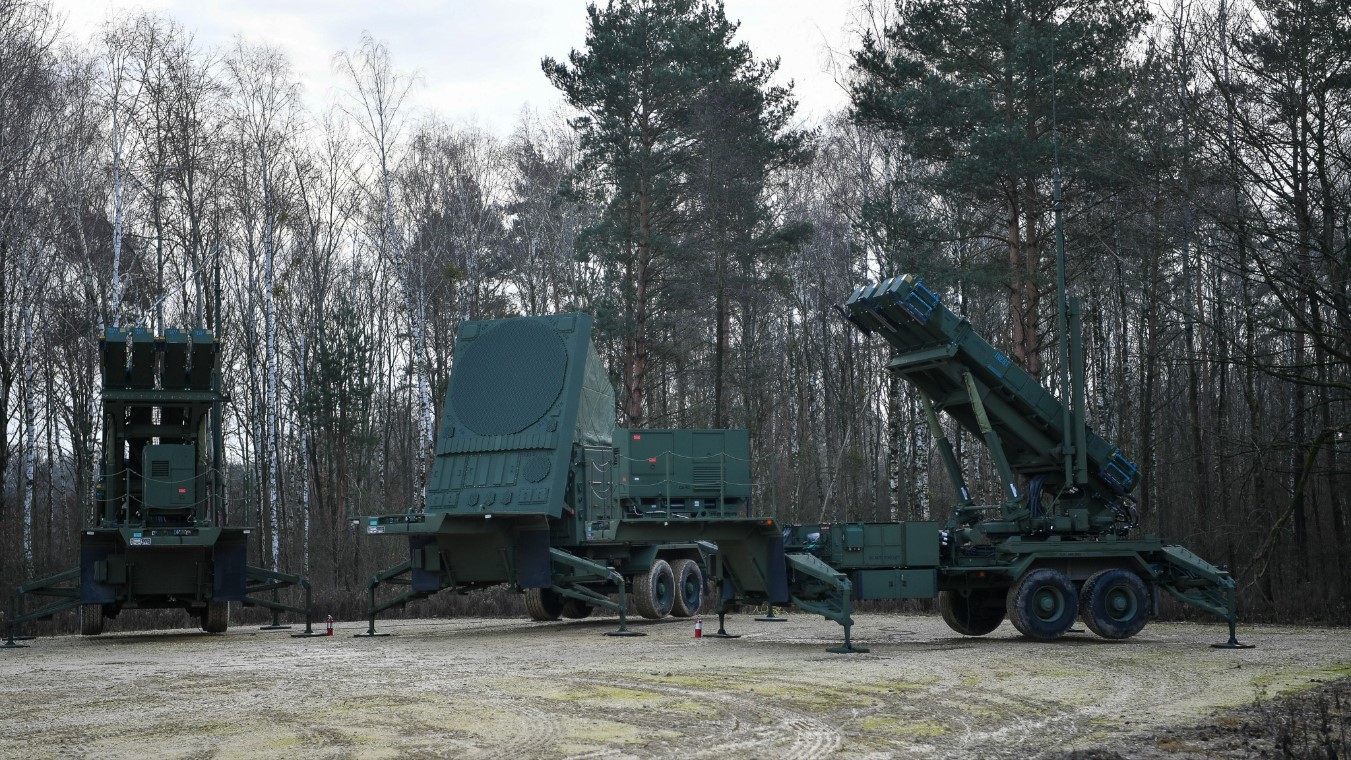
World
HUNTSVILLE, Alabama, — June 11, 2026 : The U.S. Department of Defense has awarded Northrop Grumman Systems Corp. a $30.76 million contract modification to provide sustainment and logistics support for Poland’s WISLA Integrated Air and Missile Defense Battle Command System (IBCS). The contract modification was awarded by the U.S. Army Contracting Command at Redstone Arsenal, Alabama, and increases the total value of the sustainment agreement to approximately $78.4 million. The work will be performed primarily in Huntsville, Alabama, and is scheduled for completion by December 31, 2029. Funding is being provided through Fiscal Year 2026 Foreign Military Sales (FMS) funds from Poland. The WISLA program is Poland’s national effort to establish a layered air and missile defense capability capable of countering ballistic missiles, cruise missiles, aircraft, and other aerial threats. The system combines the Patriot air defense system with Northrop Grumman’s Integrated Battle Command System (IBCS), creating a networked command-and-control architecture that links sensors and interceptors across multiple platforms. Unlike traditional air defense systems that rely on individual radars, IBCS enables operators to use data from multiple sensors, including ground-based radars and airborne surveillance assets, to create a unified air defense picture. The system allows any connected interceptor to engage a detected threat, improving coverage, flexibility, and resilience if individual sensors are disrupted or destroyed. Poland became the first U.S. ally to acquire and deploy IBCS. Following the achievement of Initial Operational Capability (IOC) in 2024, the Polish Ministry of National Defense declared Full Operational Capability (FOC) for the IBCS-enabled WISLA system in December 2025. The system is considered one of the most advanced integrated air defense networks within NATO. Under the modified contract, Northrop Grumman will provide ongoing support for the WISLA network, including materials maintenance, threat library updates, engagement algorithm improvements, communications support, hardware sustainment, and Air Defense Artillery Reconfigurable (ART) training. The company received the contract on a sole-source basis as the original developer of the IBCS architecture. Poland’s investment in the WISLA program is part of a broader military modernization effort driven by regional security concerns. The country shares borders with Russia’s Kaliningrad exclave and Belarus and has accelerated defense spending since 2022. Poland plans to allocate approximately 4.8 percent of GDP to defense in 2026, the highest level among NATO member states. The WISLA program currently includes Patriot-based air defense batteries, with plans for further expansion through additional launchers, interceptors, and advanced radar systems. Parts of the program are also being produced in Poland under industrial cooperation agreements. The U.S. Army declared IBCS Initial Operational Capability in 2023 and began fielding the system domestically in 2024. Northrop Grumman continues to support both U.S. and international IBCS programs, including Poland’s WISLA and NAREW air defense initiatives. The latest contract modification ensures continued operational readiness and modernization of Poland’s WISLA air and missile defense network through the end of 2029.
Read More → Posted on 2026-06-11 14:12:28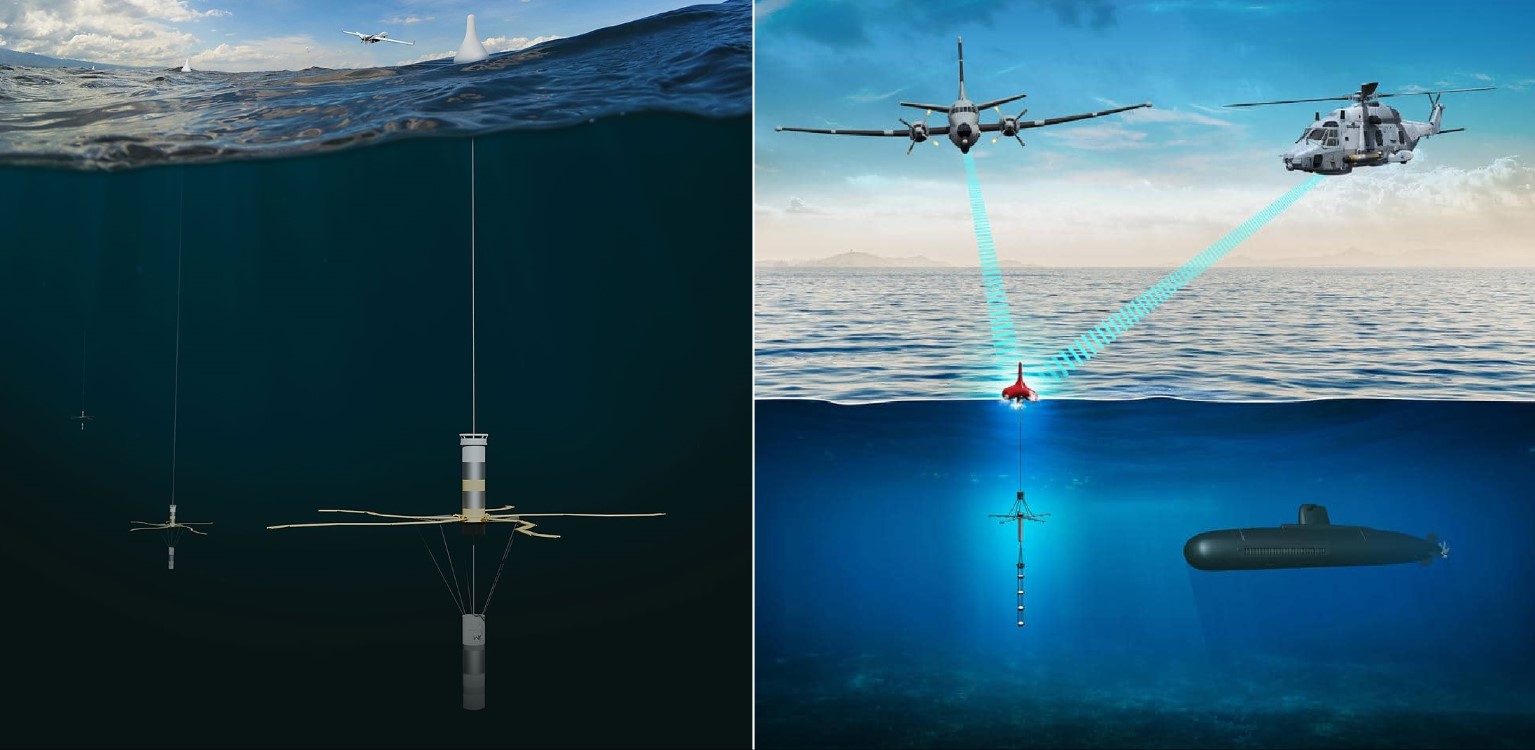
World
SCOTLAND, — June 11, 2026 : Ultra Maritime has successfully completed the first in-water deployment trial of its next-generation Multistatic Active Receive Sonobuoy (MSARS) in Scottish waters, marking a significant milestone in the development of advanced anti-submarine warfare (ASW) capabilities for the United Kingdom. The trial, announced on June 10, demonstrated the operational performance of the new MSARS system, which has been designed to provide improved detection and localization of underwater threats compared to the sonobuoys currently used by the Royal Navy. The successful deployment comes as the UK and its allies continue to strengthen maritime surveillance capabilities amid increased submarine and uncrewed underwater vehicle activity in the North Atlantic. The MSARS is a compact G-size sonobuoy that incorporates advanced signal-processing technology to improve target detection and tracking in complex underwater environments. Its smaller size enables greater deployment flexibility and makes it suitable for use from both crewed and uncrewed airborne platforms. Integration with MQ-9B SeaGuardian To accelerate operational deployment, Ultra Maritime is working with General Atomics Aeronautical Systems, Inc. (GA-ASI) to integrate the MSARS and other G-size sonobuoys onto the MQ-9B SeaGuardian uncrewed aerial system. As the exclusive manufacturer of G-size sonobuoys, Ultra Maritime's technology allows unmanned aircraft to carry a larger number of sensors while maintaining extended operational endurance. The integration is expected to support distributed multistatic ASW operations by expanding detection coverage and enhancing the ability to locate and track advanced underwater threats over larger maritime areas. The MQ-9B SeaGuardian, equipped with sonobuoy deployment and monitoring systems, is designed to provide persistent maritime surveillance. Combined with the new sonobuoy technology, the platform could significantly improve long-duration monitoring missions without exposing crewed aircraft to operational risks. Developed Under Atlantic Bastion Programme The MSARS programme has been developed with sponsorship from the Defence Science and Technology Laboratory (Dstl), which operates under the UK Ministry of Defence’s National Armaments Director Group. The project directly supports the goals of the Atlantic Bastion programme, launched by the UK government in December 2025. The initiative aims to strengthen the Royal Navy’s underwater surveillance and anti-submarine warfare capabilities through the integration of autonomous systems, artificial intelligence, and conventional naval assets. Under the programme, crewed platforms such as the Merlin Mk2 helicopter and Royal Navy warships are being combined with uncrewed air, surface, and underwater systems to create a more connected and responsive maritime force. A key objective of Atlantic Bastion is the protection of critical undersea infrastructure, including communication cables, energy pipelines, and other strategic assets that support national security and economic activity. The programme seeks to establish a distributed digital surveillance network capable of monitoring and tracking potential threats across large sections of the Atlantic Ocean. Previous Development Milestones The successful in-water deployment follows earlier development achievements, including the completion of the programme’s Preliminary Design Review in March 2025. The latest trial represents an important transition from system development and testing toward future operational deployment. Ultra Maritime has continued to expand its role in the UK’s ASW sector. In February 2026, the company received a £40 million contract from the UK Ministry of Defence to supply sonobuoys for the Royal Navy’s Merlin maritime patrol helicopters. The company also operates a new integrated design and manufacturing facility in Greenford, west London, which was opened in 2025 to support increased production and development activities. Advancing Future Maritime Surveillance According to defence officials, the successful Scottish waters trial demonstrates progress in bringing next-generation ASW technologies closer to frontline service. By combining advanced sonobuoys with autonomous aerial platforms such as the MQ-9B SeaGuardian, the UK aims to improve underwater domain awareness and expand its ability to detect and monitor submarine activity across strategically important maritime regions. Further testing, evaluation, and integration activities involving the MSARS and MQ-9B SeaGuardian are expected to continue in the coming months as the technology moves toward operational deployment within future Royal Navy and allied maritime surveillance missions.
Read More → Posted on 2026-06-11 14:21:31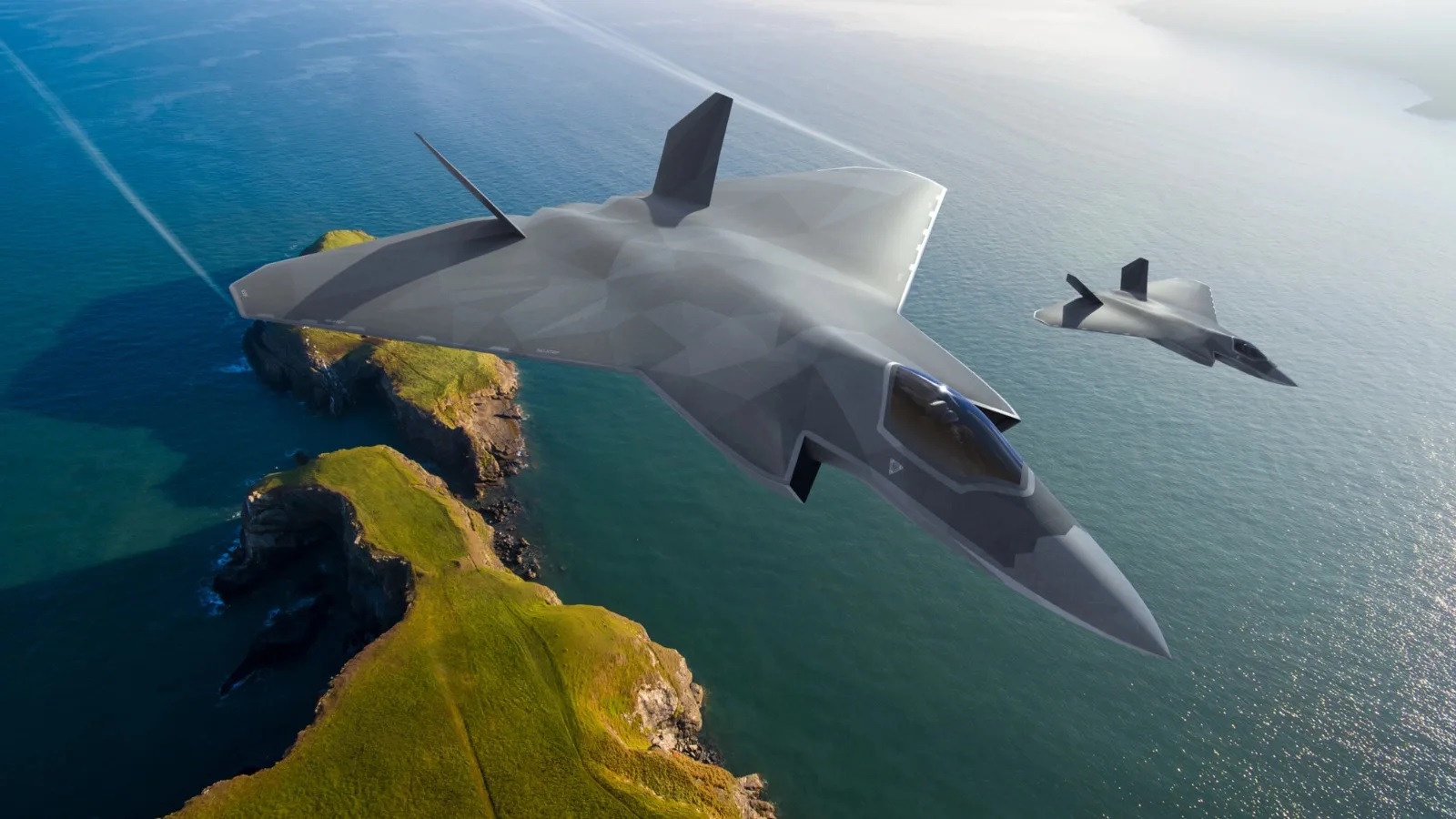 Germany Launches Team Gen 6 Alliance to Develop Sixth-Generation Fighter After FCAS Program Collapse
World
BERLIN, — June 11, 2026 : Germany’s aerospace and defense industry has launched a new industrial alliance called “Team Gen 6” following the formal termination of the fighter aircraft component of the Future Combat Air System (FCAS) program. The consortium was unveiled during the ILA Berlin Air Show and is led by Airbus Defence and Space. The new initiative aims to preserve Germany’s expertise in advanced military aviation and maintain national capabilities for the development of a future sixth-generation combat aircraft. The move comes just days after German Chancellor Friedrich Merz confirmed the end of the joint Franco-German fighter project on June 8. FCAS Fighter Project Officially Ends The FCAS program, launched in 2017 with participation from France, Germany, and later Spain, was designed to develop a next-generation combat aviation system centered around the New Generation Fighter (NGF). The aircraft was intended to replace France’s Rafale and the Eurofighter Typhoon operated by Germany and Spain by around 2040. In addition to the fighter aircraft, FCAS included plans for remote carrier drones, advanced sensors, and a digital Combat Cloud network that would connect aircraft, drones, and battlefield systems in real time. However, the fighter component of the program ultimately collapsed after years of disagreements between Dassault Aviation and Airbus over industrial leadership, workshare arrangements, intellectual property rights, and aircraft design requirements. France’s requirement for a fighter capable of carrying nuclear weapons and operating from aircraft carriers also differed from German operational priorities. Following failed mediation efforts, France and Germany agreed to discontinue the joint fighter aircraft project. Despite the decision, officials from both countries confirmed that cooperation on the Combat Cloud network and certain unmanned systems technologies will continue under a revised framework. Eight Major Companies Join Team Gen 6 To prevent the loss of engineering expertise and safeguard Germany’s defense-industrial capabilities, eight leading German defense companies have joined the new alliance. The members of Team Gen 6 include: Airbus Defence and Space (lead contractor and systems integrator) MBDA Deutschland Hensoldt MTU Aero Engines Diehl Defence Liebherr Autoflug Rohde & Schwarz Together, the companies provide expertise across all major areas required for a future combat aircraft, including airframes, propulsion systems, sensors, communications, avionics, and missile technologies. The alliance has submitted a formal position paper to the German government outlining its vision for future combat aviation development. According to reports, the consortium is seeking new development contracts from the government during the second half of 2026 to maintain momentum and preserve critical industrial capabilities. European Cooperation Remains a Priority Although Team Gen 6 demonstrates Germany’s ability to pursue advanced fighter aircraft development through its domestic industry, alliance leaders have emphasized that the project is not intended to become an exclusively national program. Speaking at the ILA Berlin Air Show, Airbus Defence and Space CEO Michael Schoellhorn said the industry is prepared to assume responsibility for future combat aviation programs while continuing to work within a broader European framework. Schoellhorn stated that Germany possesses the expertise and industrial capacity required for such a project, but stressed that the objective is to ensure German industry plays a leading role in a future European effort rather than pursuing complete independence. The alliance has left the door open for international cooperation. Potential partners could include Spain, which remains interested in sixth-generation fighter technologies, as well as other European countries such as Sweden. Berlin Evaluating Future Options The German government has not yet selected a definitive path for its next-generation combat aircraft strategy. Defense Minister Boris Pistorius described an Airbus-led European project as a “conceivable” option but confirmed that Berlin is also examining alternative solutions. These include potential participation in the Global Combat Air Programme (GCAP) being developed jointly by the United Kingdom, Italy, and Japan, as well as the possibility of acquiring additional Lockheed Martin F-35 fighter aircraft. With any sixth-generation aircraft unlikely to enter operational service before 2040, the Eurofighter Typhoon is expected to remain the backbone of the German Air Force (Luftwaffe) well into the 2050s. Germany is also scheduled to receive F-35A aircraft in the coming years to support NATO nuclear-sharing commitments and strengthen its future combat capabilities. Future of European Combat Aviation The creation of Team Gen 6 marks a significant restructuring of Germany’s approach to future combat aviation following the collapse of FCAS. While no formal government contracts or aircraft specifications have yet been announced, the alliance seeks to ensure that Germany retains the technological expertise, manufacturing capacity, and industrial workforce required for future military aviation programs. As European nations continue to increase defense investments and modernize their armed forces, decisions taken by Berlin in the coming months regarding funding, industrial partnerships, and international cooperation are expected to play an important role in shaping the future of European combat aircraft development and defense integration.
Read More → Posted on 2026-06-11 14:37:13
World
WASHINGTON / TEHRAN, — June 11, 2026 : U.S. military forces carried out a series of precision airstrikes across Iran late on June 10, targeting key Islamic Revolutionary Guard Corps (IRGC) infrastructure, including a command-and-control center, air defense systems, military communications networks, and missile storage facilities, according to the U.S. Central Command (CENTCOM). CENTCOM said the operation was conducted at the direction of the Commander in Chief and involved assets from the U.S. Marine Corps, U.S. Air Force, and U.S. Navy. The strikes were described as self-defense actions aimed at neutralizing threats posed by Iranian military capabilities to U.S. personnel and international commercial shipping operating in the region. According to CENTCOM, the operation targeted military infrastructure that was assessed to pose an immediate risk to maritime security and ongoing efforts to safeguard commercial traffic through the strategically important Strait of Hormuz. Multiple Locations Reported Hit Across Iran Iranian media outlets and local witnesses reported explosions in several provinces following the strikes. One of the reported targets was an alleged IRGC command-and-control center in Robat Karim, southwest of Tehran. Witness accounts and videos circulating on social media also indicated explosions and air defense activity in Karaj, Varamin, Hashtgerd, and Abyek, suggesting multiple military-related sites may have been targeted. In southern Iran, strikes were reported in areas associated with the protection of the Strait of Hormuz. Explosions were recorded in Bandar Abbas, one of Iran’s most important port cities, as well as in Sirik, Minab, and Kargan in Hormozgan Province. Iranian sources reported activation of air defense systems in several locations during the operation. However, independent confirmation of the extent of damage and possible casualties was not immediately available. Missile Storage Facility Near Strait of Hormuz Targeted Among the targets struck during the operation was a missile storage facility near the Strait of Hormuz that reportedly housed more than 100 Khorramshahr ballistic missiles. CENTCOM stated that precision munitions were used to degrade Iranian military capabilities, including: Military surveillance systems Command and communication networks Regional air defense batteries Missile storage infrastructure U.S. officials said the operation was focused on military targets and intended to reduce threats to regional security and maritime navigation. Second Consecutive Day of U.S. Military Action The June 10 strikes marked the second consecutive day of direct U.S. military action inside Iranian territory, reflecting a significant escalation in tensions between Washington and Tehran. The operation followed recent confrontations in and around the Strait of Hormuz, including the reported downing of a U.S. Army AH-64 Apache helicopter by Iranian forces earlier in the week. CENTCOM said the strikes were conducted in response to what it described as Iran's continued aggressive actions and threats to international maritime traffic. The command emphasized that U.S. forces remain prepared to protect commercial shipping routes and regional partners. Trump Signals Further Pressure on Iran Hours after the strikes, President Donald Trump posted a message on Truth Social indicating that additional military and economic pressure on Iran could follow. In the post, Trump stated that the United States would be hitting Iran “very hard” and claimed that much of Iran's naval, air, radar, anti-aircraft, and other defensive capabilities had been eliminated. He also suggested that the United States could seek control of Kharg Island and other Iranian oil infrastructure sites in the future, arguing that such actions would affect Iran’s oil and gas sector. The statement represented one of the strongest public comments from the president since the latest escalation began and is likely to draw international attention given the strategic importance of Iran's energy infrastructure and the Strait of Hormuz. Regional Security Concerns The latest strikes come amid heightened tensions throughout the Middle East and growing concerns over the security of maritime trade routes. The Strait of Hormuz remains one of the world's most important energy transit corridors, handling a significant portion of global oil shipments. U.S. officials have maintained that current military operations are defensive in nature and are intended to ensure freedom of navigation and the protection of U.S. personnel and commercial vessels operating in the region. As of June 11, Iranian authorities had not released a comprehensive assessment of damage from the strikes, while international observers continued monitoring developments for potential impacts on regional security, global energy markets, and diplomatic efforts aimed at preventing further escalation.
Read More → Posted on 2026-06-11 16:02:32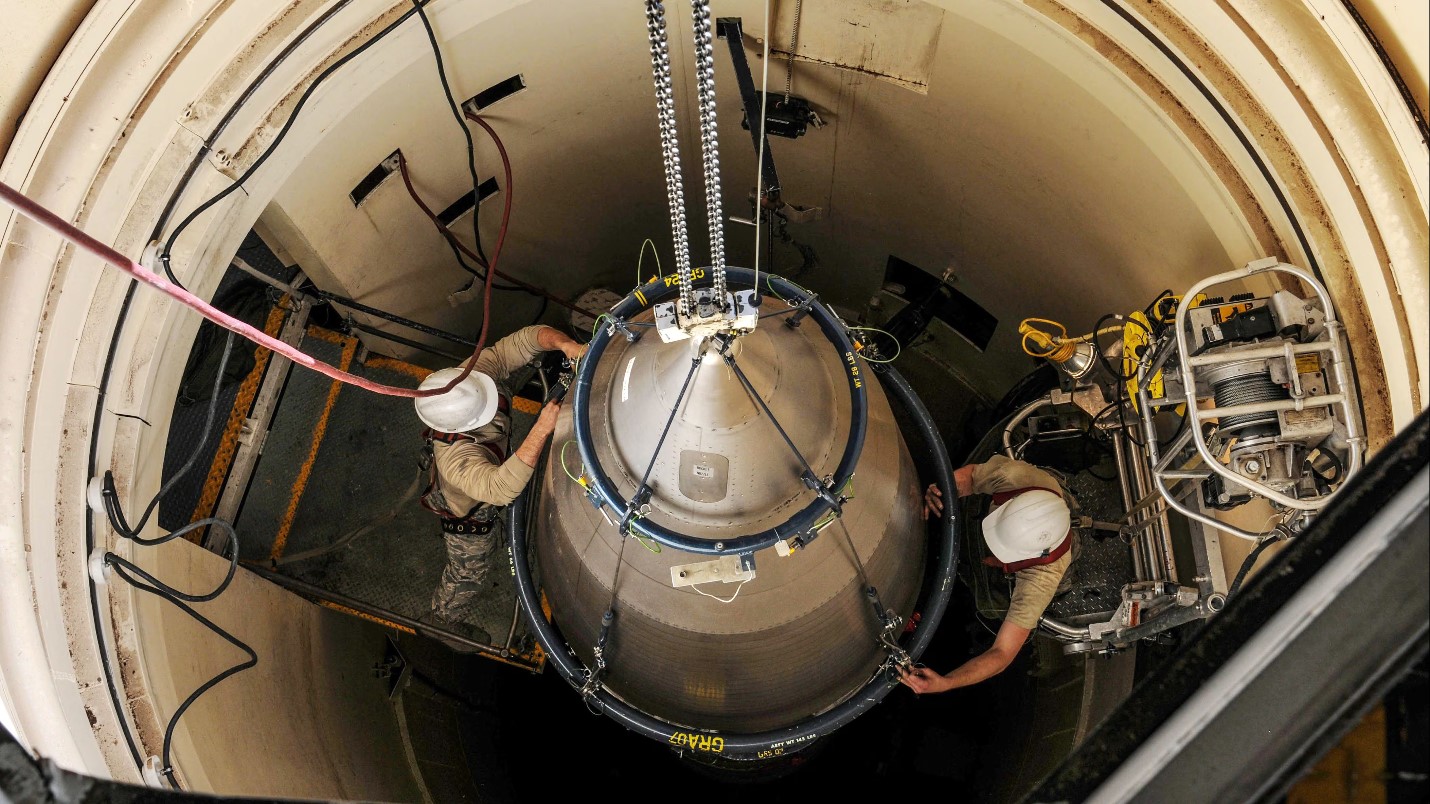
World
WASHINGTON, — June 11, 2026 : The U.S. Department of Defense has awarded a nearly $114 million contract for the construction of a dedicated training facility supporting the LGM-35A Sentinel intercontinental ballistic missile (ICBM) program at Vandenberg Space Force Base, marking another key step in the modernization of the nation’s land-based nuclear deterrent. According to a contract announcement issued on June 10, the U.S. Army Corps of Engineers Los Angeles District awarded a firm-fixed-price contract valued at $113,852,388 to Korte Construction Co. of St. Louis, Missouri. The contract covers the construction of the Sentinel Air Education and Training Command (AETC) Formal Training Unit, which is scheduled for completion by March 6, 2029. The project will establish a modern training complex covering approximately 177,490 square feet and will serve as the primary educational and qualification center for Air Force personnel responsible for operating and maintaining the LGM-35A Sentinel missile system. Dedicated Training Center for Sentinel Personnel The new facility is designed to consolidate classroom instruction, simulator-based learning, and practical maintenance training into a single location. Air Force officials expect the integrated design to improve training efficiency, reduce travel time between instructional venues, and enhance coordination between students and instructors. The complex will include maintenance training bays equipped with overhead cranes capable of handling large missile-related training hardware. It will also feature operations training laboratories, academic classrooms, advanced simulation areas, and administrative offices for instructors and training leadership. Additional infrastructure will support the movement and maintenance of specialized equipment used by the Sentinel program, including designated areas for Payload Transporters, maintenance vehicles, and government-operated support equipment. Once completed, the facility will become the primary schoolhouse for airmen and maintenance personnel transitioning to the Sentinel weapon system. Supporting the Transition from Minuteman III The LGM-35A Sentinel, developed by Northrop Grumman, is intended to replace the LGM-30G Minuteman III, which has served as the land-based component of the U.S. nuclear triad since the late 1960s. Although the Minuteman III has undergone multiple modernization efforts over more than five decades of service, the Air Force has concluded that its aging infrastructure and Cold War-era design require a comprehensive replacement to maintain long-term strategic deterrence capabilities. The Sentinel introduces significant changes in propulsion systems, electronics, guidance technology, command-and-control architecture, and operational procedures. As a result, existing Minuteman III training facilities cannot adequately support the new system, making a purpose-built training center necessary. Air Force personnel will require new technical training devices, updated documentation, revised maintenance procedures, and specialized operational instruction before the Sentinel enters service. Strategic Role of Vandenberg Space Force Base Located near Lompoc, California, Vandenberg Space Force Base was selected as the site for the training facility due to its longstanding role in U.S. missile testing operations. The base hosts critical missile testing infrastructure, including Space Launch Delta 30, and serves as the primary range for U.S. ICBM test launches. Establishing the training center alongside the nation’s principal missile test range is expected to create operational and educational efficiencies by linking training activities closely with testing and evaluation programs. The Air Education and Training Command (AETC) will operate the facility and oversee qualification programs for personnel assigned to the Sentinel force. Part of a Broader Nuclear Modernization Effort The Sentinel program represents one of the largest modernization initiatives within the U.S. nuclear enterprise. The Air Force plans to deploy approximately 400 operational Sentinel missiles while replacing or upgrading supporting infrastructure across missile fields in Wyoming, Montana, and North Dakota. The effort includes construction of new launch facilities, launch control centers, communications networks, command posts, and support structures required to sustain the next-generation ICBM force. The broader Sentinel program has faced congressional scrutiny following significant cost growth beyond its original development and production estimate of approximately $95 billion. The program underwent a Nunn-McCurdy review, a statutory process triggered when major defense acquisition programs experience substantial cost increases. Despite those challenges, Air Force leaders and successive U.S. administrations have continued to support the program, arguing that replacing the aging Minuteman III force remains essential for maintaining strategic stability and ensuring a credible nuclear deterrent throughout the 21st century. Funding and Contract Details The construction contract was awarded following a full and open competition, with two bids received. The Department of Defense stated that the entire contract value was obligated at the time of award using fiscal year 2025 military construction and defense-wide funds. While construction of launch facilities and operational infrastructure continues across multiple states, the new training center at Vandenberg will focus on preparing the personnel required to operate and maintain the future Sentinel force. The facility represents a significant investment in the human element of the modernization effort, ensuring that airmen assigned to the nation’s next-generation land-based nuclear deterrent receive the specialized training needed before the Sentinel enters operational service in the coming decade.
Read More → Posted on 2026-06-11 16:13:32
India
NEW DELHI, — June 11, 2026 : The Indian Navy has successfully recovered an unexploded missile warhead from the Marshall Islands-flagged crude oil tanker MT Olympic Life after a complex explosive ordnance disposal (EOD) operation conducted off the coast of Kerala. The incident began on May 26, 2026, when the tanker experienced an external explosion on its aft port side near the waterline while sailing approximately 60 nautical miles east of Muscat, Oman, as it exited the Gulf of Oman. The vessel was en route from Fujairah, United Arab Emirates, to Kochi, India. The explosion damaged one of the ship’s bunker fuel tanks, causing a minor bunker fuel discharge into the sea, which was quickly contained. No injuries were reported among the crew, and the vessel continued its voyage toward Kochi. During the transit, the crew reported the suspected presence of unexploded ordnance embedded in the vessel’s structure. The alert was received through the Information Fusion Centre – Indian Ocean Region (IFC-IOR), prompting an immediate response from the Indian Navy. The Southern Naval Command in Kochi deployed a specialist Explosive Ordnance Disposal (EOD) team to assess the vessel. Following an inspection, the team determined that an unidentified projectile had penetrated the ship’s hull, passed through multiple structural compartments, and become lodged inside a fuel storage tank. Given the risks associated with handling unexploded ordnance inside a fuel compartment, the EOD team carried out a carefully planned extraction operation. Using advanced diagnostic methods, naval specialists identified and isolated the warhead’s detonation mechanism before safely removing the ordnance along with associated structural debris. The recovered missile warhead was subsequently transported to a secure naval facility for safe stowage and detailed forensic examination. MT Olympic Life is a Very Large Crude Carrier (VLCC) operated by Olympic Shipping & Management of Athens, with technical management provided by Springfield Shipping. The vessel had no Indian nationals onboard at the time of the incident. According to the Ministry of Defence, the successful operation demonstrated the Indian Navy’s expertise in explosive ordnance disposal and maritime emergency response. Authorities confirmed that no threat remains to the vessel, its crew, or surrounding maritime traffic, and no injuries were reported during the operation. The Indian Navy said it remains committed to ensuring the safety of international commercial shipping in the Indian Ocean Region, regardless of a vessel’s flag or crew nationality.
Read More → Posted on 2026-06-11 16:30:20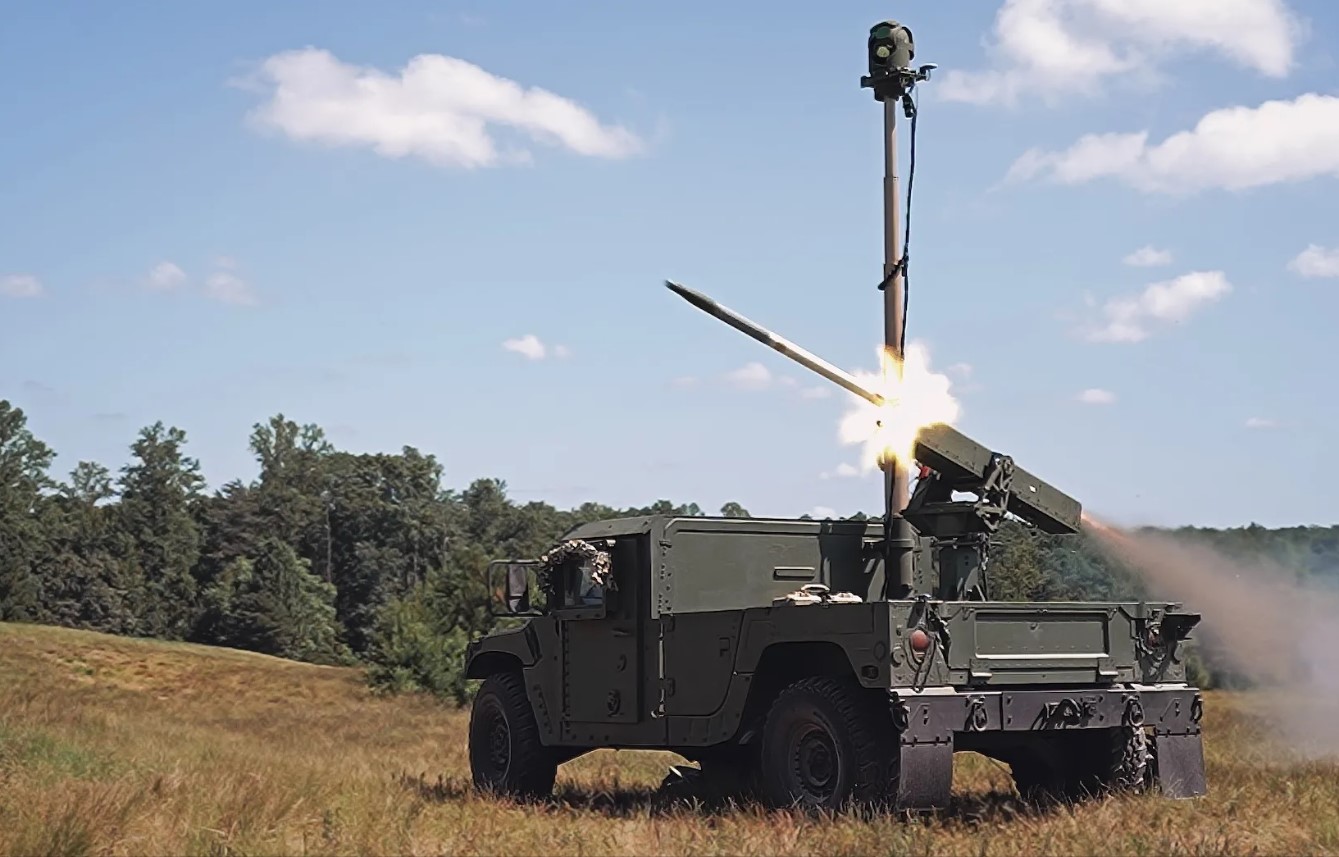
World
MELBOURNE, Fla., — June 11, 2026 : L3Harris Technologies has been awarded a U.S. Army contract worth up to $106 million to supply its VAMPIRE™ counter-unmanned aerial systems (c-UxS), supporting the U.S. military’s efforts to strengthen defenses against hostile drones. The contract is part of the U.S. Department of Defense’s layered counter-unmanned systems strategy, aimed at protecting military personnel, infrastructure, and critical assets from evolving drone threats. The VAMPIRE (Vehicle-Agnostic Modular Palletized ISR Rocket Equipment) is a self-contained weapons system that combines intelligence, surveillance, and reconnaissance (ISR) capabilities with precision strike functions. It is designed to detect, track, and engage drones, remotely piloted aircraft, and certain ground-based threats. A key feature of the system is its rapid deployment capability. VAMPIRE can be installed on the cargo bed of nearly any tactical or civilian vehicle with a flat surface in about two hours. The system operates using an independent power supply and does not require integration with a vehicle’s electrical system. It can be operated by a single person and is typically equipped with the Advanced Precision Kill Weapon System (APKWS) or other laser-guided munitions. Recent upgrades include the integration of artificial intelligence and machine learning technologies to improve target detection and tracking. The system also incorporates L3Harris WESCAM MX-Series electro-optical/infrared (EO/IR) sensors and electronic jamming capabilities to enhance counter-drone performance. “We’ve worked with the Army to understand their needs for new counter-UxS systems that can be quickly assembled, delivered, set-up and fired,” said Tom Kirkland, President of Targeting & Sensor Systems, Communications & Spectrum Dominance at L3Harris. “VAMPIRE is effective at hunting and engaging drone threats affordably, which enables U.S. armed forces to sustain reliable defense of its personnel and infrastructure.” L3Harris developed the VAMPIRE prototype in 2021 and accelerated investment in the system following the outbreak of the war in Ukraine. The platform was selected as part of a U.S. security assistance package for Ukraine in 2022 and has been used extensively in European combat operations since 2023, accumulating more than 350,000 operational hours. To meet growing demand, L3Harris launched a high-volume VAMPIRE production line in Huntsville, Alabama, in March 2026. The facility is designed to increase production capacity for U.S. and allied military customers. The latest Army order highlights the increasing focus on cost-effective and scalable counter-drone capabilities as militaries worldwide seek to address the growing use of unmanned aerial systems on the battlefield.
Read More → Posted on 2026-06-11 16:35:44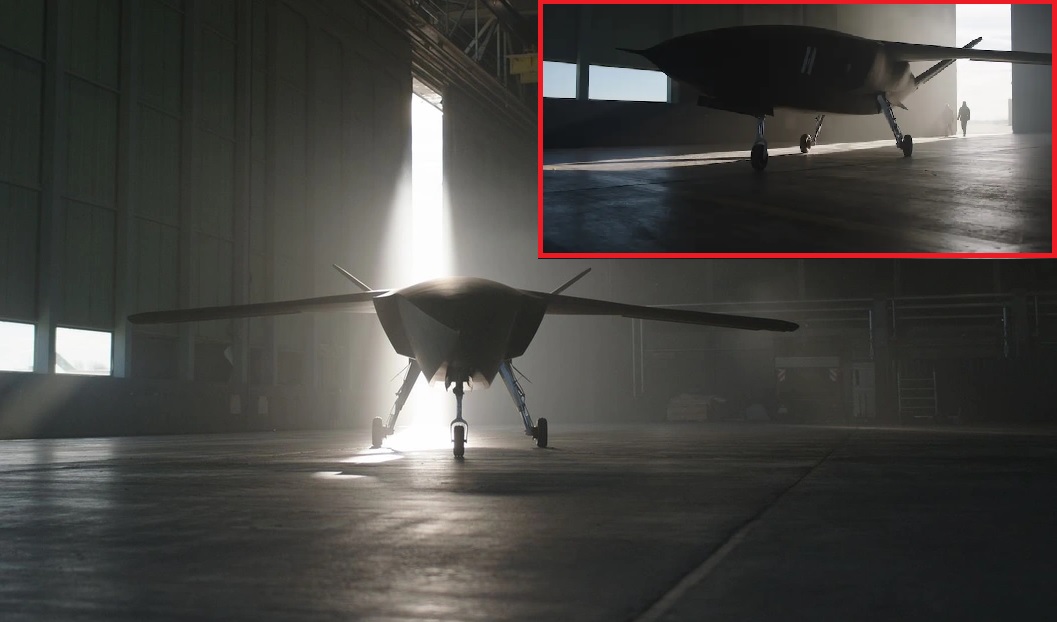
World
BERLIN, — June 11, 2026 : European defence technology company Helsing has officially unveiled the CA-1 Electronic Attack (CA-1EA), a new AI-powered autonomous aircraft developed specifically for electronic warfare missions. The aircraft was presented at the International Aerospace Exhibition (ILA Berlin 2026), marking a significant expansion of the company's CA-1 Europa autonomous combat aircraft program. The introduction of the CA-1EA also formalizes a new designation for Helsing’s original combat-focused aircraft, which will now be known as the CA-1KA (Kinetic Attack). Both variants are designed to operate together as part of a modern loyal wingman concept, providing European air forces with a combination of kinetic strike and electronic warfare capabilities for operations against advanced air defence networks. Electronic Warfare Role Modern air defence systems rely heavily on ground-based radar networks to detect, track, and engage aircraft. The CA-1EA has been developed to counter these threats by conducting airborne electronic attack missions and disrupting hostile radar systems through advanced jamming capabilities. According to Helsing, the aircraft can create safer operating corridors for friendly aircraft by suppressing or degrading enemy reconnaissance and air-defence sensors. The platform is designed to support a wide range of assets, including uncrewed systems such as the CA-1KA and crewed fighter aircraft including the Eurofighter Typhoon. The aircraft can operate independently or alongside other platforms, allowing air forces to combine electronic attack and strike capabilities during complex missions. AI and Mission Systems The CA-1EA incorporates Helsing’s proprietary Centaur AI system, which serves as the core autonomy architecture for the aircraft. The artificial intelligence platform enables autonomous navigation, mission execution, coordination with other aircraft, and operation in contested environments. The drone also integrates Cirra, Helsing’s deep-learning-based electronic warfare system. Cirra is designed to rapidly identify previously unknown electromagnetic emitters and assess the intent of adversary air-defence systems in real time, providing faster threat analysis during missions. As part of a recently announced strategic partnership with Hensoldt, the aircraft is equipped with a Kaeletron broadband jammer integrated through Hensoldt’s Multi-Domain Operations Core (MDOcore) software architecture. In comparison, the CA-1KA kinetic attack variant carries mission systems including electro-optical/infrared sensors, self-protection equipment, visual navigation systems, and a synthetic aperture radar/ground moving target indication (SAR/GMTI) payload supplied by Hensoldt. The aircraft also features an internal weapons bay and a payload capacity of approximately 500 kilograms for air-launched weapons. Standardized Design and Specifications Despite their different mission roles, the CA-1EA and CA-1KA share the same core architecture. Both variants utilize an identical airframe, propulsion system, autonomy software suite, and ground control infrastructure, with differences largely limited to their internal mission payloads. Helsing stated that this modular design approach is intended to reduce production and maintenance costs while simplifying manufacturing processes and operator training requirements. The common architecture also allows the platform to be adapted for future mission requirements and additional variants. The CA-1 Europa falls within the three-to-five-ton combat aircraft class and features the following specifications: Length: 11 meters Wingspan: 10 meters Maximum Takeoff Weight: Approximately 4 tons Speed: High-subsonic Configuration: Internal weapons bay and modular payload architecture European Development and Production Development and manufacturing of the CA-1 platform are being carried out by Grob Aircraft, Helsing’s subsidiary located in southern Germany. Helsing has positioned the platform as a fully sovereign European solution for German and allied air forces, aimed at reducing dependence on non-European supply chains while addressing growing requirements for collaborative combat aircraft and autonomous air systems. The company noted that the platform forms part of broader European efforts to strengthen indigenous defence capabilities through AI-enabled and scalable uncrewed aircraft systems. Development Timeline The CA-1 platform remains under active development, with several milestones planned over the coming years. According to Helsing's roadmap, maiden flights for the CA-1KA kinetic attack variant are scheduled for early 2027. The company expects the aircraft to achieve Initial Operating Capability (IOC) in 2029. For the electronic warfare variant, a pre-series CA-1EA configuration is planned for 2028, followed by an operationally representative system in 2029. The CA-1EA is expected to reach Initial Operating Capability (IOC) in 2031.
Read More → Posted on 2026-06-11 16:44:45
World
WASHINGTON/DUBAI, — June 11, 2026 : The United States military carried out a series of precision strikes against Iranian military infrastructure late on June 10 and into the early hours of June 11, launching 49 Tomahawk Land Attack Missiles (TLAMs) and conducting fighter jet operations targeting facilities linked to Iran’s Islamic Revolutionary Guard Corps (IRGC). According to U.S. Central Command (CENTCOM), the operation began shortly after midnight and lasted approximately four hours. The strikes were launched in response to what U.S. officials described as continued Iranian aggression following the downing of a U.S. Apache helicopter near the Strait of Hormuz earlier this week. CENTCOM said the operation targeted command-and-control centers, air defense systems, radar installations, military communications networks, surveillance capabilities, and missile storage facilities. The strikes hit locations in southern Iran near the Persian Gulf, as well as sites reported to be within 40 miles of Tehran. The Arleigh Burke-class guided-missile destroyer USS Michael Murphy (DDG-112) was among the assets involved in the operation, launching several Tomahawk missiles from an undisclosed location. U.S. Air Force and Marine Corps assets also participated in the coordinated attack. President Donald Trump confirmed during a televised interview that exactly 49 Tomahawk missiles were used in the strikes. He warned that further military action could follow if Tehran does not agree to a peace proposal put forward by U.S. negotiators. U.S. Defense Secretary Pete Hegseth said the strikes were intended to protect U.S. interests and increase pressure on Iran to return to negotiations. CENTCOM described the operation as a precision strike aimed at degrading military capabilities that pose threats to U.S. forces and regional stability. The strikes marked the second consecutive day of U.S. military action against Iran and came amid a fragile ceasefire established in April following the broader conflict that began on February 28 with major U.S. and Israeli operations against Iranian military targets under Operation Epic Fury. Iran responded quickly to the operation. The IRGC announced that its aerospace force and navy had launched a two-wave retaliatory strike against 18 U.S. military targets, including bases hosting American troops in Kuwait, Bahrain, and Jordan. The IRGC also claimed that the Strait of Hormuz had been closed to all vessels due to regional insecurity. However, CENTCOM disputed the claim, stating that commercial shipping continues to transit the waterway under U.S. protection. The renewed hostilities have also affected maritime traffic in the region. In a separate incident, three Indian crew members were reported killed after a U.S. strike on the tanker MT Settebello in the Gulf of Oman. U.S. authorities stated that the vessel was attempting to transport Iranian oil in violation of an ongoing blockade. Iranian officials further accused the United States of striking water reservoirs in Hormozgan Province, disrupting drinking water supplies for approximately 20,000 people. Tehran described the attacks as a violation of international law and said civilian infrastructure had been damaged. The latest escalation has raised concerns over regional stability and global energy markets due to the strategic importance of the Strait of Hormuz, a key route for international oil shipments. Diplomatic efforts involving Iran, the United States, and regional partners continue as tensions remain high following the exchange of military strikes.
Read More → Posted on 2026-06-11 17:41:00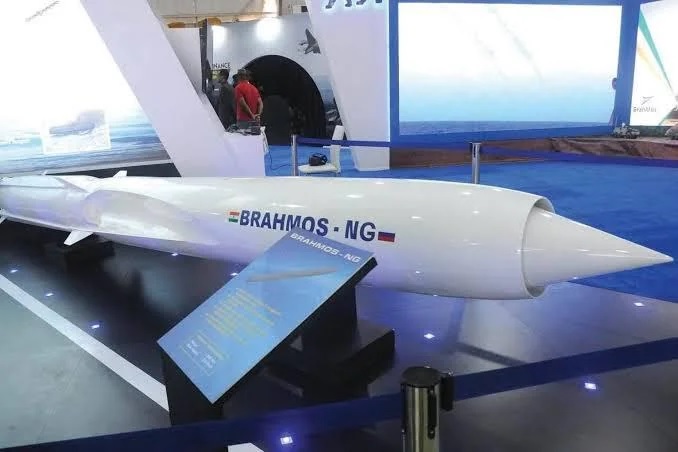
India
New Delhi, — June 11, 2026 : Development trials of the BrahMos-NG (Next Generation) supersonic cruise missile have been delayed by approximately one year after the customer introduced revised and more demanding requirements, according to BrahMos Aerospace Joint Venture Co-Managing Director Alexander Maksichev. Speaking to Russian news agency TASS on June 10 during the International Maritime Defense Show Fleet 2026, Maksichev said flight testing of the missile has not yet begun because changes were made to the customer's requirements. "Flight tests of the new-generation BrahMos-NG missile have not yet begun due to the fact that the customer has slightly changed its requirements. Therefore, we still have to make some improvements," Maksichev said. He added that the requirements have become stricter, requiring additional work to ensure the missile meets the updated specifications. According to Maksichev, the redesign effort is expected to take about one year. The latest timeline represents a shift from earlier plans. In September 2025, he had stated that the working design stage would be completed in 2026, followed by autonomous testing. However, reports in April 2026 indicated that the project was still awaiting final government clearance. BrahMos-NG Program First announced in 2011, the BrahMos-NG is a new missile design developed by BrahMos Aerospace, the joint venture between India's DRDO and Russia's NPO Mashinostroyenia. Unlike the existing BrahMos missile, the NG variant is being developed as a lighter, smaller, and lower-observable platform while retaining supersonic performance. The missile is expected to weigh around 1.29 tonnes, compared to approximately 2.9 tonnes for the current BrahMos. It will measure about 5 meters in length with a 0.5-meter diameter. Despite its reduced size, the missile is expected to achieve speeds between Mach 2.8 and Mach 3.5, carry a 200–300 kg warhead, and offer a range of approximately 290 to 350 kilometers. Its reduced weight is intended to expand compatibility across multiple platforms, including the HAL Tejas Mk.1A, MiG-29UPG, Su-30MKI, surface warships, and submarines. The missile's length was reduced from an earlier six-meter design to five meters to enable launch from standard submarine torpedo tubes. Focus on Indigenous Ramjet Engine Defence analysts believe the revised requirements are linked to the missile's propulsion system. Because the BrahMos-NG is significantly smaller than the original missile, it requires a newly designed compact ramjet engine. Earlier plans called for development of the engine by Russia's NPO Mashinostroyenia. However, India has increasingly focused on indigenous defence technologies, and the Ministry of Defence is believed to be seeking integration of an Indian-developed Liquid-Fuelled Ramjet (LFRJ) engine. India has gradually increased indigenous content within the BrahMos program. Domestic industry now manufactures major ramjet-related components, including fuel tanks and pneumatic supply systems, through technology-transfer agreements. DRDO's Ramjet Development Efforts The Defence Research and Development Laboratory (DRDL), a laboratory under DRDO, has been developing indigenous liquid-fuelled ramjet technology for future missile programs. DRDL has developed a 350 mm diameter LFRJ technology demonstrator, which currently powers the Supersonic TARget (STAR) project. The STAR system uses a booster-ramjet configuration and can operate at speeds of up to Mach 2.5 and altitudes of up to 10 kilometers. In November 2025, DRDO issued a Request for Information (RFI) seeking a development-cum-production partner for an LFRJ engine, indicating progress toward production of an indigenous propulsion system. Impact on Development Timeline Differences between the originally planned Russian-designed engine and the indigenous Indian ramjet are believed to require modifications to the missile's internal layout and airframe design. These changes are likely responsible for the additional development period before flight testing can begin. While the delay is expected to push the start of flight trials toward late 2027 or beyond, the move reflects India's continued effort to increase self-reliance in advanced missile technologies and critical propulsion systems.
Read More → Posted on 2026-06-11 17:49:27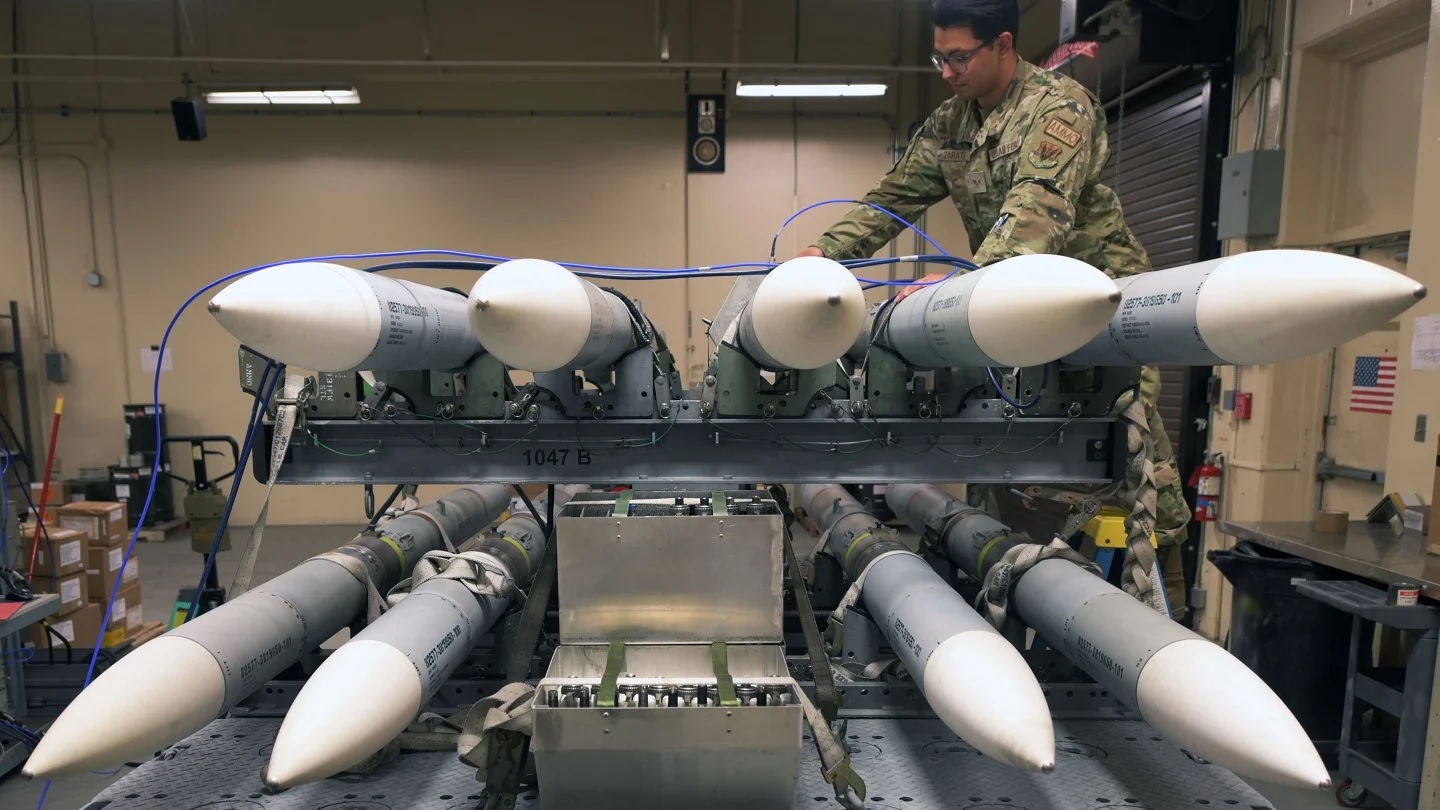
World
WASHINGTON, — June 11, 2026 : The United States Department of State has approved a potential Foreign Military Sale (FMS) to the Republic of Korea for 70 AIM-120C-8 Advanced Medium Range Air-to-Air Missiles (AMRAAMs) and related equipment, with an estimated value of $292 million. The Defense Security Cooperation Agency (DSCA) has notified Congress of the proposed sale for review. According to the State Department notification, South Korea has requested 70 AIM-120C-8 AMRAAMs and two AIM-120C-8 guidance sections. The package also includes missile containers, control sections, support equipment, spare and repair parts, consumables, software, technical publications, and engineering, logistics, and technical support services provided by the US government and contractors. The AIM-120C-8 is one of the latest variants of the AMRAAM family and is designed for beyond-visual-range (BVR) air combat. The missile features active radar guidance, all-weather operational capability, fire-and-forget functionality, resistance to electronic countermeasures, and the ability to engage high- and low-flying maneuvering targets. It is powered by a solid-fuel rocket motor and incorporates improvements in range and guidance compared with earlier variants. The missile is compatible with several aircraft operated by the Republic of Korea Air Force (ROKAF), including the F-35A Lightning II, F-15K Slam Eagle, and KF-16 Fighting Falcon. South Korea has operated AMRAAM missiles since the 1990s and has acquired approximately 1,000 missiles from various versions of the system through previous contracts. US officials stated that the sale supports American foreign policy and national security objectives by strengthening the defense capabilities of a key ally in the Indo-Pacific region. The additional missiles are intended to help South Korea maintain sufficient stocks of medium-range air-to-air weapons to address current and future security requirements. The State Department said South Korea will be able to integrate the missiles into its existing military inventory without difficulty. Officials also noted that the proposed sale will not alter the basic military balance in the region and will have no adverse impact on US defense readiness. The principal contractor for the sale will be RTX Corporation (formerly Raytheon), based in Arlington, Virginia. The final value of the procurement will be determined during negotiations for a formal Letter of Offer and Acceptance (LOA) between the two governments. Under US arms export regulations, Congress has a 15-day review period to examine the proposed transaction. If no objections are raised, the sale can proceed to final approval and contract negotiations. The proposed acquisition continues ongoing defense cooperation between Washington and Seoul and is intended to support interoperability between US and South Korean forces while sustaining the operational capabilities of the Republic of Korea Air Force.
Read More → Posted on 2026-06-11 17:54:53
World
WASHINGTON, D.C./TEHRAN, — June 11, 2026 : The United States has canceled planned military strikes against Iran after progress was made on a draft peace agreement that has reportedly received approval from Iran’s highest leadership, marking a significant step toward de-escalation after months of tensions. U.S. President Donald Trump announced on Thursday that the scheduled military action would not proceed following diplomatic developments achieved through indirect negotiations mediated primarily by Qatar and Pakistan. In a statement on Truth Social, Trump said the planned strikes and bombings had been canceled because discussions with Iran had been elevated to the highest level of Iranian leadership and approved. Despite the suspension of military action, U.S. officials confirmed that the naval blockade on Iranian ports will remain in place until a final agreement is formally signed. Draft Agreement Under Review According to diplomatic sources and recent media reports, American negotiators believe Iran’s Supreme Leader, Mojtaba Khamenei, has approved a broad framework for a peace agreement. A finalized draft Memorandum of Understanding (MoU) has reportedly been sent to Washington for final review. The proposed framework includes commitments by both sides on Iran’s nuclear program, maritime access, sanctions relief, and frozen Iranian assets. Under the draft agreement, Iran would agree in principle to dispose of its stockpile of highly enriched uranium (HEU). The United States has insisted that the material be destroyed or removed under the supervision of the International Atomic Energy Agency (IAEA). The agreement also calls for Iran to cease control over the Strait of Hormuz, allowing unrestricted commercial shipping through the strategic waterway. In return, the United States would lift its naval blockade on Iranian ports. Iranian negotiators have also sought access to frozen assets held abroad, including approximately $12 billion currently held in Qatar. Key Negotiating Positions The United States is seeking the complete disposal of highly enriched uranium, the immediate reopening of the Strait of Hormuz, and a mechanism linking financial relief to verified Iranian compliance. Iran's demands include the immediate release of frozen assets, removal of the U.S. naval blockade, and a structured implementation timeline aimed at preventing future U.S. military action. Role of Regional Mediators The negotiations have been conducted through indirect channels, with Qatar playing a central role in facilitating communication between Washington and Tehran. A Qatari delegation traveled to Tehran earlier this week to help break a negotiating deadlock. Although reports indicated that Iran initially rejected a proposal for direct trilateral talks involving U.S., Iranian, and Qatari officials, subsequent back-channel discussions appear to have secured approval from Iran’s senior leadership. Pakistan has also been involved in mediation efforts during the negotiations. Background of Recent Escalation The diplomatic breakthrough follows a week of heightened tensions. On Tuesday, the United States conducted limited strikes against Iranian radar systems and drone control centers. U.S. officials said the operation was intended to increase pressure during negotiations while avoiding casualties. Earlier on Thursday, Washington had warned of additional military action, including possible strikes on Kharg Island, Iran’s main oil export hub. The planned operation was later canceled following progress in the diplomatic talks. Market Response Energy markets reacted sharply to developments throughout the day. Oil prices rose after reports of possible strikes on Iranian energy infrastructure but later stabilized as prospects for a negotiated agreement improved. With both sides reviewing the draft text, officials are expected to continue discussions in the coming days. Details regarding the timing and location of a formal signing ceremony have not yet been announced. Iran has submitted the finalized draft agreement to the United States through Qatari mediators as negotiations continue toward a potential ceasefire and broader settlement.
Read More → Posted on 2026-06-11 18:02:37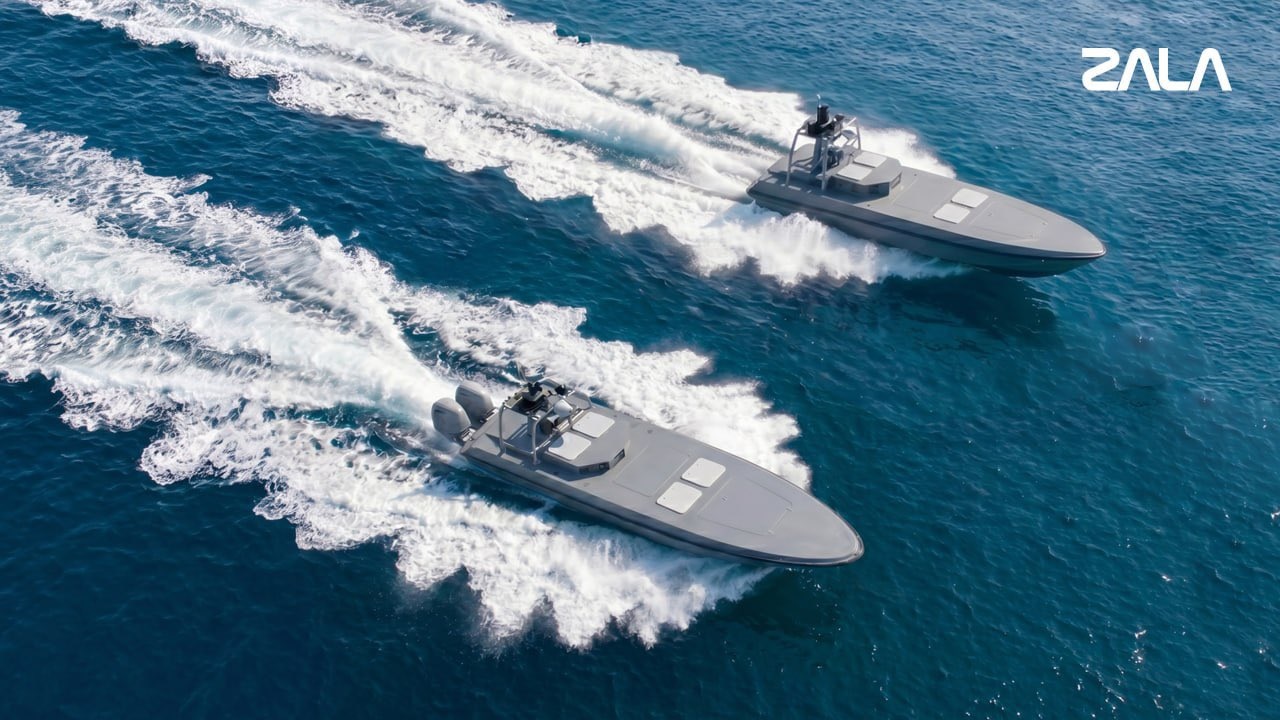
World
MOSCOW, — June 11, 2026 : Russian unmanned systems developer ZALA Aero Group has officially entered the maritime sector with the unveiling of its new KAMA family of Unmanned Surface Vehicles (USVs) at the International Naval Salon FLOT-2026 in Kronstadt. The debut marks a significant expansion for the company, which is widely recognized for developing unmanned aerial systems, including the Lancet and KUB-BLA loitering munitions. A subsidiary of Kalashnikov Concern, ZALA presented two variants of the KAMA platform during the exhibition, which opened on June 10 and runs through June 14 at the Museum of Naval Glory and the Congress and Exhibition Center in Kronstadt. The company stated that the vessels are designed primarily for civilian and special-purpose maritime operations. Multi-Purpose Maritime Platform According to information released at FLOT-2026, the KAMA family has been developed as a versatile and modular unmanned surface platform capable of supporting a broad range of missions. Unlike ZALA’s well-known aerial strike systems, the new maritime platform is intended for both civilian and security-related applications. The KAMA USVs can be employed for hydrographic surveys, enabling the mapping of underwater terrain and collection of navigational data. Other intended roles include environmental monitoring, detection of illegal discharges and pollution sources, maritime patrol operations, protection of water areas, search-and-rescue missions, emergency response activities, and autonomous cargo transport. Company representatives noted that the platform can be configured with different sensor packages, monitoring equipment, or transport modules depending on operational requirements. Technical Specifications ZALA disclosed several key performance characteristics of the KAMA platform during the exhibition. The vessels are capable of operating continuously for up to 12 hours and can reach a maximum speed of 12 knots (approximately 22.2 kilometers per hour). The platform has an operational range of up to 700 kilometers from shore, while its payload capacity of up to 600 kilograms allows the integration of a wide range of mission-specific equipment and sensors. The vessel is also designed to maintain position in sea conditions of up to Sea State 3, enabling operations in moderate maritime environments. For operations in poor visibility and nighttime conditions, the KAMA USVs are equipped with thermal imaging cameras. The vessels also feature an automatic return-to-base function, which activates if communication with the operator is lost. Leveraging Experience in Autonomous Systems The development of the KAMA family reflects ZALA’s effort to apply its experience in autonomous navigation, artificial intelligence, remote-control communications, and unmanned systems management to maritime operations. These technologies have previously been employed across the company’s aerial drone programs and are now being adapted for use in surface vessels. ZALA stated that unmanned surface vessels offer several advantages compared with unmanned aerial vehicles, including greater endurance, longer operational range, and increased payload capacity. These characteristics make such platforms particularly suitable for extended monitoring tasks, environmental research, cargo delivery, and maritime rescue operations. Growing Focus on Unmanned Maritime Technologies The unveiling of the KAMA platform comes amid increasing international interest in autonomous maritime systems. Unmanned surface vessels are being adopted globally for surveillance, logistics, hydrographic research, environmental monitoring, and maritime security missions due to their ability to operate without onboard crews. By introducing the KAMA family at FLOT-2026, ZALA has expanded beyond its traditional focus on aerial drones and continued its diversification into robotic systems. The move follows the company's earlier development of a universal ground robotic platform and represents another step in its broader unmanned systems portfolio. The company has not yet disclosed details regarding operational deployment plans, potential customers, production timelines, or additional variants of the KAMA family. However, the platform is being positioned to serve both civilian requirements and specialized maritime security tasks, highlighting Russia’s ongoing efforts to advance unmanned maritime technologies.
Read More → Posted on 2026-06-11 18:08:43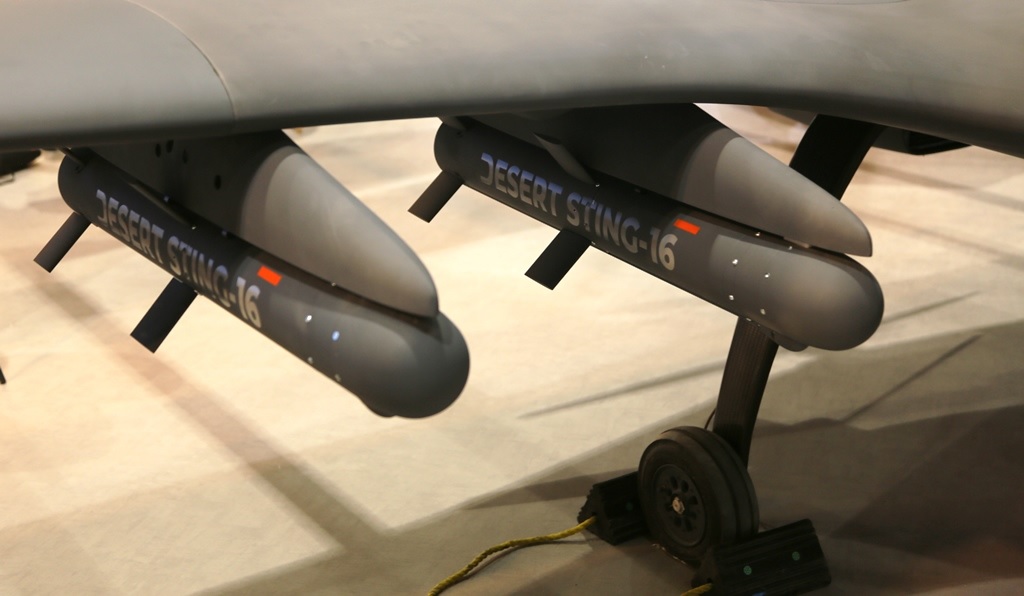
World
ABU DHABI / ISTANBUL, — June 12, 2026 : UAE-based defense technology conglomerate EDGE Group has successfully integrated its Desert Sting 16 (DS-16) precision-guided glide munition onto the Bayraktar TB2 unmanned aerial vehicle developed by Baykar, marking a further step in the growing defense cooperation between the United Arab Emirates and Türkiye. The successful integration combines EDGE’s precision-strike weapons technology with one of the world’s most widely deployed tactical unmanned aerial systems. According to the companies, the development is intended to provide military operators with enhanced mission flexibility, expanded air-to-ground engagement options, and improved precision strike capabilities while maintaining the endurance and operational effectiveness of the Bayraktar TB2 platform. The Desert Sting 16, developed by HALCON, EDGE Group’s dedicated smart weapons subsidiary, is a lightweight, unpowered, and cost-effective guided-glide weapon designed for deployment from unmanned aerial systems and other airborne platforms. The munition has a gross weight of approximately 23 kilograms and carries a 12 kg to 15 kg warhead, equipped with either an impact fuse or a height-of-burst (HOB) fuse depending on mission requirements. Its compact size enables medium-altitude long-endurance (MALE) UAVs such as the Bayraktar TB2 to carry multiple weapons during a single sortie. This increases operational efficiency by allowing operators to engage several targets while preserving aircraft endurance and maximizing time on station. A key feature of the DS-16 is its advanced guidance architecture. The weapon combines a GNSS-Assisted Inertial Navigation System (GAINS) with an optional Semi-Active Laser (SAL) seeker, enabling precise target engagement under a variety of operational conditions. Using GAINS guidance alone, the weapon achieves a Circular Error Probable (CEP) of approximately 10 meters. When employing the SAL seeker for terminal target homing, accuracy improves significantly to around 3 meters CEP. The munition can be released from altitudes of up to 30,000 feet and provides a maximum stand-off range of approximately 15 to 16 kilometers. Depending on release conditions, the weapon offers a down-range capability of up to 16 kilometers, a cross-range of approximately 13 kilometers, and a back-range of around 7 kilometers. EDGE Group noted that the Desert Sting 16's wide off-axis engagement envelope allows operators greater flexibility in release geometry. The weapon’s cross-range and back-range capabilities enable UAVs to strike targets without flying directly toward or over them, reducing exposure to hostile air defense systems and improving platform survivability in contested operational environments. The integration also leverages the capabilities of the Bayraktar TB2, a combat-proven MALE tactical UAV with a payload capacity of approximately 150 kilograms. The aircraft is widely used for intelligence, surveillance, reconnaissance (ISR), target acquisition, and strike missions. It features autonomous taxiing, take-off, landing, and cruise functions, making it a versatile platform for a wide range of military operations. The Desert Sting 16 integration forms part of a broader strategic partnership between EDGE and Baykar aimed at expanding payload interoperability across multiple unmanned platforms. The collaboration builds upon earlier agreements between the two companies, including efforts to integrate UAE-developed precision-guided weapons such as the AL TARIQ family of munitions onto the larger Bayraktar AKINCI unmanned combat aerial vehicle. Defense analysts view the integration as another example of increasing international cooperation in the unmanned systems sector, where manufacturers are seeking to provide customers with greater flexibility by combining proven UAV platforms with a wider range of precision-guided weapons. By integrating the Desert Sting 16 onto the Bayraktar TB2, EDGE Group continues to expand its portfolio of precision-strike solutions while supporting the growing demand for modular, interoperable, and cost-effective weapons systems tailored to modern aerial operations. The development further strengthens the operational compatibility between EDGE’s smart weapons family and Baykar’s expanding range of unmanned aerial platforms.
Read More → Posted on 2026-06-12 13:23:29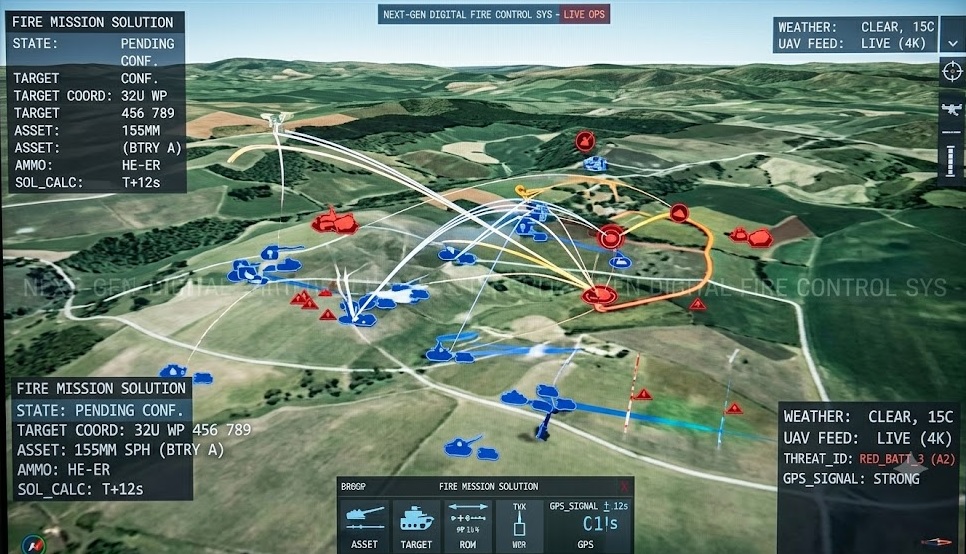
World
PARIS, — June 12, 2026 : BAE Systems has unveiled its Next Generation Indirect Fire Control System at the Eurosatory 2026 defense exhibition, introducing a new digital capability designed to enhance the precision, speed, and connectivity of modern artillery operations. The new system has been developed to support artillery crews directly at the point of fire through a modern digital fire control solution. According to the company, it enables faster targeting, improved accuracy, and enhanced situational awareness while connecting individual artillery platforms to wider sensor and effector networks. This allows information to move more efficiently across the battlefield, helping commanders and operators respond more quickly to changing operational requirements. The system is designed around a resilient digital architecture that links platforms, sensors, command systems, and decision-makers into a connected network. By improving the flow of data between these elements, the capability aims to accelerate the delivery of artillery fires while increasing operational effectiveness. Speaking during the launch, John Borton, Managing Director of BAE Systems Weapon Systems UK, said modern military operations require forces to process information and respond at increasingly faster speeds. “Modern conflict demands the ability to sense, decide and act at speed,” Borton said. “Our new system has been developed to help armed forces accelerate the delivery of fires by connecting platforms, sensors and decision-makers through a resilient digital architecture. It provides the foundation for a more integrated and responsive fires capability where it matters most.” Built on an open architecture framework, the Next Generation Indirect Fire Control System is designed to integrate with a wide range of both current and future military platforms. Its modular structure allows the software to function across different artillery systems and digital environments, enabling operators to connect various sensors, command systems, and effectors within a unified network. The system is weapon and sensor agnostic, allowing it to collect and fuse information from multiple sources to generate targeting data. This information can then be delivered to operators through tablets, vehicle-mounted multi-function displays, and other digital interfaces. At the same time, the system retains on-gun fire control and pointing functions while supporting broader digital connectivity across the operational environment. A significant focus of the program is the modernization of existing artillery platforms. BAE Systems stated that the new capability is intended to enhance legacy systems, including the L118 105mm Light Gun and the M777 towed howitzer, by integrating advanced digital fire control functions. This approach helps address obsolescence challenges while extending the operational relevance of proven artillery systems without requiring full platform replacement. The development of the system has also incorporated lessons from recent conflicts, particularly the war in Ukraine. Company representatives noted that modern artillery operations increasingly depend on the rapid collection and transmission of data from multiple sources, including unmanned aerial vehicles (UAVs) and other battlefield sensors. The new system is designed to improve the speed at which information moves from sensor to shooter, reducing timelines from minutes to seconds depending on the communications network available. BAE Systems said the capability also supports improved targeting accuracy through enhanced feedback mechanisms and more efficient processing of battlefield information. These features are intended to help artillery units respond more rapidly while maintaining precision during fire missions. The flexible architecture has been designed to support future growth and continuous upgrades. Armed forces can add new software capabilities, sensors, and digital technologies over time without undertaking major modifications to existing equipment. This allows military organizations to evolve their fire control networks while reducing the cost and complexity associated with large-scale hardware replacement programs. The system has been developed with a sovereign UK baseline configuration, providing customers with greater control over deployment, management, and future capability upgrades. This approach enables users to tailor the system to national requirements while maintaining interoperability with allied forces and multinational operations. Development work on the capability is continuing, with software testing and development sprint cycles currently underway. BAE Systems plans to conduct a demonstration of the Next Generation Indirect Fire Control System before the end of 2026 as it advances the program toward operational deployment. The launch forms part of BAE Systems’ wider presence at Eurosatory 2026, where the company is showcasing investments in advanced digital technologies and artillery capabilities. The new fire control system reflects the growing emphasis on networked warfare, digital integration, and faster decision-making as NATO and European armed forces continue to modernize their artillery and battlefield command systems.
Read More → Posted on 2026-06-12 13:33:55
World
TEHRAN, — June 12, 2026 : Iranian state media outlets, including Mehr News Agency, have published the contents of a proposed 14-point draft memorandum of understanding (MoU) between Iran and the United States, outlining a framework aimed at ending recent hostilities, easing economic restrictions, and creating conditions for a broader agreement on nuclear issues and sanctions relief. The publication of the draft comes amid ongoing diplomatic efforts between Tehran and Washington following months of heightened tensions and military confrontation in the region. Background to the Negotiations The proposed framework follows a period of conflict that intensified on February 28 after joint U.S.-Israeli military operations against Iran. The escalation led to a U.S. naval blockade and the operational closure of the Strait of Hormuz by Iran, disrupting international energy shipments and global supply chains. The Strait of Hormuz remains one of the world's most important maritime routes for oil and energy exports, and restrictions on shipping through the waterway have contributed to increased commodity prices and concerns among international markets. Earlier this week, U.S. President Donald Trump suspended planned military strikes on Iranian targets, including the Kharg Island oil terminal, citing progress in diplomatic efforts and indicating that a potential settlement was under discussion. While previous reports suggested that Washington and Tehran were considering an interim arrangement to reduce tensions, the document published by Mehr News Agency provides the most detailed outline yet of a possible agreement between the two countries. Details of the Proposed Framework According to the draft, the agreement would establish a direct link between military de-escalation measures and economic concessions. The United States would lift its naval blockade and suspend sanctions affecting Iranian oil exports, while Iran would reopen the Strait of Hormuz within 30 days under security arrangements determined by Tehran. A significant feature of the document is its limitation on the scope of future negotiations. The draft specifies that final talks would focus on nuclear-related issues, sanctions relief, economic reconstruction, and relevant international resolutions. The framework explicitly excludes discussions regarding Iran's ballistic missile program and its support for regional armed groups. This position differs from longstanding demands by several U.S. allies, including Israeli Prime Minister Benjamin Netanyahu, who has repeatedly argued that any comprehensive agreement should address both Iran's nuclear activities and missile capabilities. The draft also includes a proposal requiring the United States and its allies to present an economic reconstruction package worth at least $300 billion for Iran, a provision that U.S. administrations have historically opposed. The 14 Proposed Points According to the text published by Mehr News Agency, the draft framework contains the following provisions: Immediate and permanent cessation of hostilities on all fronts, including Lebanon. U.S. commitment to non-interference in Iran's internal affairs and respect for Iranian sovereignty. Complete lifting of the U.S. naval blockade within 30 days. Withdrawal of U.S. military forces from territories bordering Iran. Reopening of the Strait of Hormuz within 30 days under arrangements determined by Iran. Suspension of sanctions targeting Iranian oil, petrochemical products, and related exports, alongside full access to Iran's financial resources. Presentation of a reconstruction plan by the United States and its allies valued at a minimum of $300 billion. Commencement of negotiations within 60 days to reach a final agreement covering nuclear issues, sanctions architecture, and relevant resolutions of the United Nations Security Council and the International Atomic Energy Agency (IAEA). Reaffirmation of Iran's commitment to the Nuclear Non-Proliferation Treaty (NPT) and its renunciation of nuclear weapons production. U.S. commitment not to increase troop deployments in the region or impose new sanctions during negotiations. Unfreezing of $24 billion in Iranian assets during the negotiation period, with half of the amount to be released before talks begin. Establishment of a monitoring mechanism to oversee implementation of the agreement. Approval of the final agreement through a United Nations Security Council resolution. Final negotiations to begin only after partial asset releases, suspension of oil sanctions, and the lifting of the naval blockade. The talks would be limited to enrichment activities, sanctions relief, and economic reconstruction, excluding missile programs and regional proxy issues. Iranian Government Response Iranian officials have emphasized that the document remains a preliminary proposal rather than a finalized agreement. Iranian Foreign Ministry spokesperson Esmail Baghaei stated that the framework is still under review and has not yet received formal approval from Iran's leadership. At the same time, Iranian officials have pushed back against reports suggesting that a final agreement could be signed within days. Noor News, which is affiliated with Iran's Supreme National Security Council, denied reports of an imminent signing and indicated that internal consultations remain ongoing. International and Economic Implications If implemented, the proposed framework could lead to the reopening of critical energy trade routes, the release of frozen Iranian assets, and a reduction in regional military tensions. Financial markets responded positively to reports of the draft agreement, with investors viewing the developments as a potential step toward stabilizing energy supplies and reducing geopolitical risks in the Middle East. However, significant issues remain unresolved, including the acceptance of the reconstruction proposal, implementation mechanisms, and whether both sides can reach consensus on a final agreement within the proposed negotiation period. For now, both Tehran and Washington continue to describe the draft as a basis for further discussions rather than a completed settlement, with diplomatic engagement expected to continue in the coming days.
Read More → Posted on 2026-06-12 13:51:42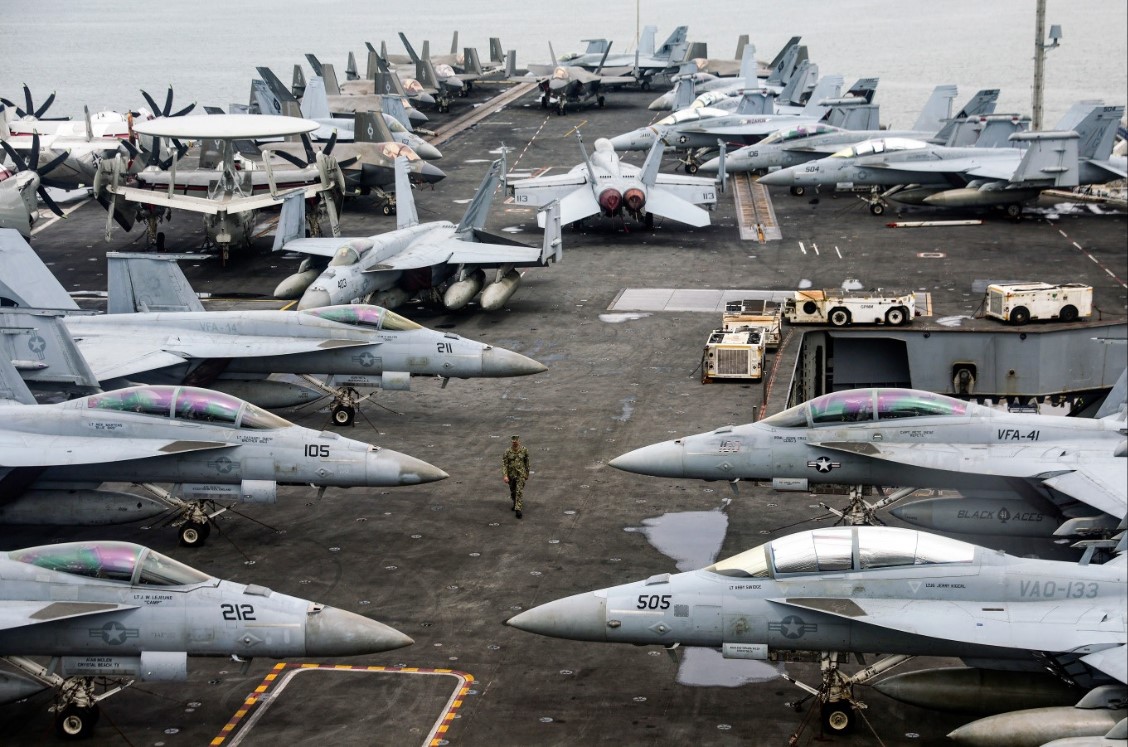
World
WASHINGTON, — June 12, 2026 : The United States has formally proposed a significant reduction in the military assets it contributes to NATO operations in Europe, marking a major shift in the alliance's force posture and burden-sharing arrangements. According to a document shared with European allies earlier this month, Washington intends to scale back several key military capabilities currently allocated under the NATO Force Model, including fighter aircraft, surveillance platforms, aerial refueling tankers, naval strike assets, and bomber forces. The planned reductions are part of a broader effort by the United States to encourage European NATO members and Canada to assume greater responsibility for the continent's conventional defense while maintaining the alliance's overall military readiness. Planned Reductions in US Military Assets The proposal outlines a series of specific cuts affecting American air and naval forces assigned to support NATO operations in Europe. The number of F-16 and F-15E fighter jets available for NATO missions would be reduced by approximately one-third, decreasing from around 150 aircraft to 100 aircraft. In the surveillance and reconnaissance sector, maritime patrol and reconnaissance aircraft would be reduced from 26 aircraft to 15 aircraft, lowering the alliance's available airborne maritime monitoring capacity. The plan also calls for the complete withdrawal of eight aerial refueling tanker aircraft currently assigned to support European operations. Military analysts note that the removal of tanker support could limit the operational range and endurance of alliance aircraft during extended missions. In addition, the United States intends to redeploy several major naval and strategic assets, including an aircraft carrier, a missile-launching submarine, associated warships, and carrier-based aircraft. One of the two bomber task force groups currently assigned to Europe's defense would also be reassigned to another region. Current and Planned Force Levels Military Asset Current US Deployment Planned Reduction Remaining Force F-16 & F-15E Fighter Jets Approximately 150 aircraft Reduction of 50 aircraft 100 aircraft Maritime Reconnaissance Aircraft 26 aircraft Reduction of 11 aircraft 15 aircraft Aerial Refueling Tankers 8 aircraft Complete withdrawal 0 aircraft Heavy Bomber Task Forces 2 groups Reallocation of 1 group 1 group Naval Strike Assets Aircraft carrier, missile-launching submarine, warships, and carrier aircraft Redeployment of multiple assets Reduced naval strike presence Military experts indicate that the reduction of these assets could affect NATO's immediate ability to conduct independent long-range strike missions and large-scale aerial surveillance operations, including monitoring submarine activity in strategically important maritime regions. Part of Broader NATO Burden-Sharing Strategy US military officials have described the decision as a necessary adjustment designed to create a more balanced distribution of defense responsibilities among NATO members. The move aligns with Washington's 2026 National Defense Strategy and the broader modernization initiative referred to as "NATO 3.0." The policy also reflects continued US calls for European allies and Canada to increase defense spending and expand their own military capabilities. General Alexus G. Grynkewich, Commander of US European Command and Supreme Allied Commander Europe, stated that NATO has historically relied heavily on American military capabilities. He said the planned reductions are intended to make alliance defense planning more realistic and encourage greater self-sufficiency among member states. The restructuring effort is being led by Under Secretary of Defense for Policy Elbridge Colby, who has consistently advocated for European allies and Canada to assume a larger share of responsibility for conventional defense missions in Europe. US officials have also argued that European nations possess the economic and industrial capacity to expand their air, naval, and ground force capabilities, reducing long-term dependence on American military resources. NATO Acknowledges Transition NATO officials have publicly recognized the proposed changes and characterized them as part of the alliance's long-term evolution. NATO spokesperson Allison Hart confirmed the planned reductions and acknowledged the alliance's historical dependence on US military assets. According to Hart, the adjustments reflect a broader shift within NATO aimed at reducing reliance on any single member while strengthening collective defense planning. She stated that increasing defense investments by European allies and Canada will gradually create a more balanced and sustainable distribution of responsibilities across the alliance. NATO officials have indicated that allied nations are expected to fill capability gaps created by the reduction of US assets, particularly in areas such as maritime surveillance, airpower, and naval operations. No Change to US Nuclear Commitment Despite the proposed reductions in conventional forces, US officials have emphasized that America's nuclear deterrence commitment to Europe remains unchanged. The planned drawdown focuses on aircraft, naval assets, and support capabilities assigned to the NATO Force Model rather than the alliance's strategic nuclear framework. Officials also noted that discussions regarding the reductions have been conducted over several months in coordination with NATO command structures to ensure a controlled transition and maintain operational readiness throughout the process. Implementation Timeline Yet to Be Announced The Pentagon has not publicly released a detailed timeline for implementing the proposed reductions. However, US officials indicated that planning and coordination efforts are already underway and that adjustments could begin in the near future. The proposal follows earlier force posture reviews and previous announcements involving reductions of approximately 5,000 US military personnel stationed in Europe, reflecting a continuing reassessment of American military commitments overseas. If implemented, the drawdown would represent one of the most significant adjustments to US conventional military contributions to NATO in recent years, while accelerating efforts to shift a larger share of European defense responsibilities to NATO's European members and Canada.
Read More → Posted on 2026-06-12 14:04:59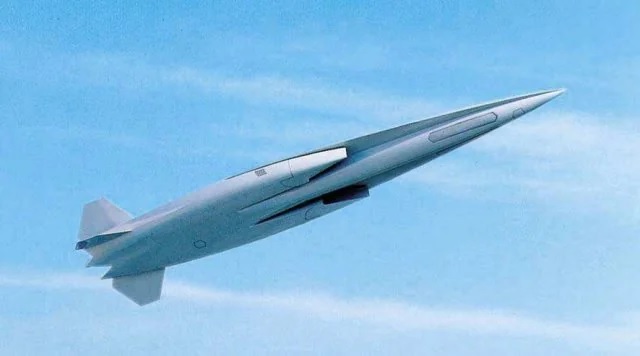
World
PARIS, — June 12, 2026 : The French Defence Procurement Agency (DGA) has awarded European missile manufacturer MBDA a framework agreement and development contract for the ASN4G (Air-Sol Nucléaire de 4ème Génération), France’s next-generation air-launched nuclear missile. The contract, officially notified on June 2, marks the transition of the program from technology maturation and research activities into the full-scale development phase. The ASN4G is being developed to replace the current ASMPA-R nuclear missile, which serves as the airborne component of France’s nuclear deterrent. The new weapon is expected to enter operational service around 2035 and will be integrated with the future Rafale F5 fighter aircraft standard, which is currently under development as part of France’s long-term combat aviation modernization plans. Once operational, the missile will be employed by both branches responsible for France’s airborne nuclear deterrence mission: the Forces Aériennes Stratégiques (FAS) of the French Air and Space Force and the Force Aéronavale Nucléaire (FANu) of the French Navy. According to the DGA, the ASN4G represents a major technological advancement over previous generations of French air-launched nuclear weapons. The program relies on highly specialized expertise in hypersonic propulsion, aerodynamics, materials engineering, and guidance technologies possessed by only a limited number of nations worldwide. The missile is being developed by MBDA France in cooperation with ONERA, France’s national aerospace research organization. Unlike the current ASMPA-R, the ASN4G will utilize advanced scramjet (superstatoréacteur) propulsion technology, enabling sustained hypersonic flight over long distances. Scramjet engines operate efficiently at extremely high speeds by compressing incoming air without the need for moving compressor components, allowing sustained propulsion throughout hypersonic flight. Based on current development objectives, the ASN4G is expected to achieve sustained speeds between Mach 6 and Mach 8, placing it firmly within the hypersonic category. The missile is also projected to have an operational range exceeding 1,000 kilometers, more than double that of the ASMPA-R, significantly increasing the stand-off distance available to launch platforms. In addition to its speed and range advantages, the ASN4G is designed with advanced maneuverability capabilities. Military planners expect the missile’s ability to perform high-speed evasive maneuvers during flight to improve its effectiveness against increasingly sophisticated air defense and missile interception systems. The weapon is also expected to operate at high altitudes, estimated at approximately 27 to 35 kilometers, while retaining the ability to conduct complex flight profiles. The missile will reportedly be equipped with the new TNA 4G nuclear warhead, which is being developed as part of France’s broader modernization of its strategic deterrent forces. Together with the Rafale F5 and associated command-and-control upgrades, the ASN4G will form a key element of France’s airborne nuclear capability for decades to come. The contract is part of the modernization objectives outlined in France’s current Military Programming Law (LPM), which prioritizes maintaining the credibility and effectiveness of the country’s nuclear deterrent. French defense officials have stated that the combination of extended range and hypersonic speed is necessary to ensure the survivability of the airborne deterrent as potential adversaries continue to deploy advanced anti-access/area-denial (A2/AD) networks and integrated air defense systems. Development of a successor to the ASMPA missile has been under consideration for several years, with official confirmation of the ASN4G program dating back to the mid-2010s. The latest contract award formally launches the next stage of development and moves the project closer to future testing and qualification activities. MBDA, which is jointly owned by Airbus (37.5%), BAE Systems (37.5%), and Leonardo (25%), will serve as the prime contractor for the program. The company will oversee missile development, integration, and testing activities in cooperation with French government agencies and research institutions. The DGA has not publicly disclosed the value of the development contract. However, officials emphasized that the ASN4G program is intended to preserve France’s fully sovereign nuclear deterrent by ensuring that critical technologies, manufacturing capabilities, and operational control remain under national authority. As hypersonic weapons development accelerates globally, the ASN4G is expected to become one of the most advanced components of France’s strategic forces, supporting the airborne leg of the nation’s nuclear deterrent well into the 2050s.
Read More → Posted on 2026-06-12 14:14:34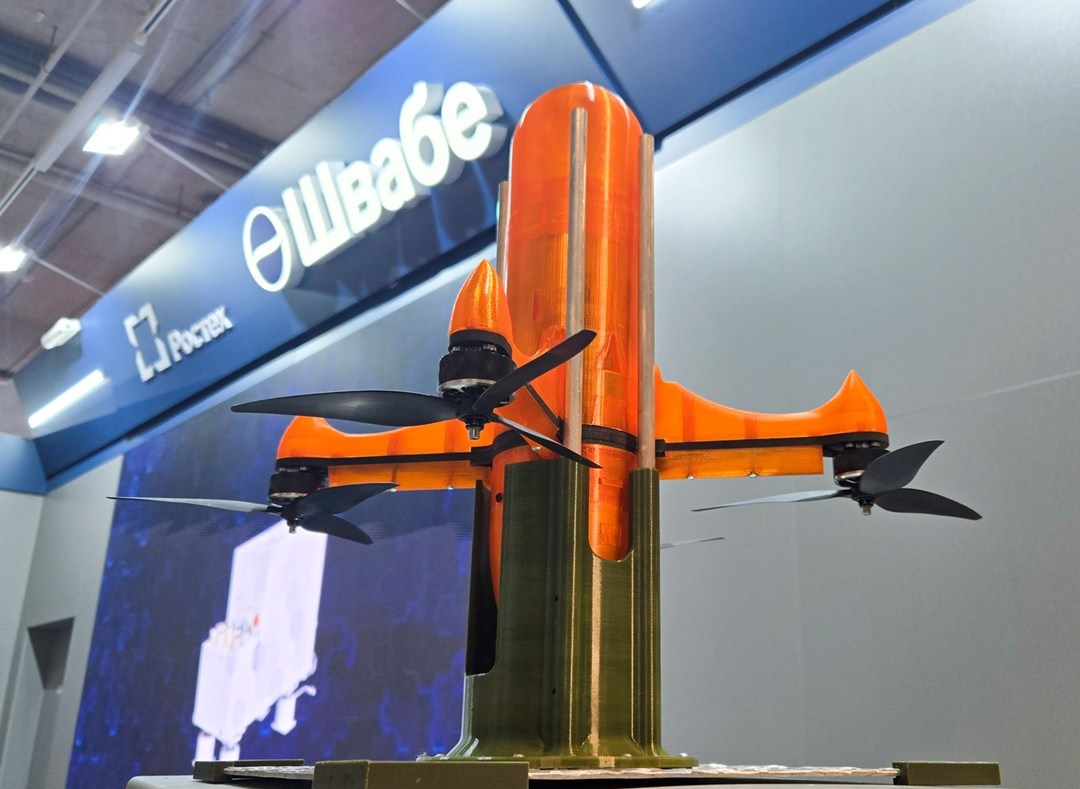
World
KRONSTADT, Russia, — June 12, 2026 : Shvabe Holding, an optoelectronics subsidiary of Rostec, has unveiled a new AI-guided counter-drone system designed to protect maritime waters and coastal infrastructure during the Fleet 2026 International Maritime Defence Show in Kronstadt near St. Petersburg. The automated counter-UAS system is designed to defeat low-speed aerial and surface drone threats. It consists of three main components: a ground-based optical-electronic surveillance station, an operator workstation, and a fleet of interceptor drones. According to information presented at the exhibition, the optical-electronic station continuously monitors the protected area and transmits real-time imagery to an operator. Once a threat is identified, the operator assesses the situation and authorizes the launch of an interceptor drone. The interceptor drone is guided toward the target area by the ground station. During the final stage of the engagement, onboard neural-network algorithms take control, allowing the drone to autonomously maneuver and intercept the target without further operator input. The system follows a human-in-the-loop approach, where a human operator authorizes engagement while artificial intelligence manages terminal guidance. This design is intended to combine human oversight with faster reaction times during the final moments of an interception. The development comes amid growing concerns over drone threats to Russian naval and coastal assets. Ukrainian forces have used aerial drones and unmanned surface vessels in attacks against Russian warships, naval facilities, fuel depots, radar installations, and infrastructure including the Kerch Bridge. Speaking at the exhibition, Vadim Kalyugin, CEO of Shvabe Holding and a member of the bureau of the Russian Union of Machine Builders, said protecting maritime areas and coastal infrastructure requires new approaches due to evolving threats. “Our priority is early detection and rapid recognition of objects, enabling a rapid response to changing circumstances,” Kalyugin said. “In this regard, our holding company is actively improving its optoelectronic devices and systems, integrating artificial intelligence technologies into their operation.” Shvabe manufactures thermal imaging systems, optical sights, drone sensors, and other optoelectronic equipment. Its parent company, Rostec, is using Fleet 2026, held from June 10 to 14, to showcase developments in maritime robotics and autonomous defense technologies. The counter-drone system was displayed as a prototype mock-up. Rostec has not released details regarding interception range, maximum target speed, operational altitude, deployment schedules, or production timelines. The absence of detailed technical specifications currently limits independent assessment of the system’s capabilities and how it compares with other counter-drone solutions under development worldwide.
Read More → Posted on 2026-06-12 15:11:16
World
FORT WORTH, Texas, — June 12, 2026 : Bell Textron Inc. has completed the assembly of the first two primary wing structures for the MV-75 Cheyenne tiltrotor aircraft, marking a key production milestone for the U.S. Army’s Future Long-Range Assault Aircraft (FLRAA) program. The completed wings will be integrated into the first two MV-75 test aircraft as the program moves toward flight testing. The wing structures serve as a major component of the aircraft, providing structural strength, aerodynamic stiffness, and survivability. Following assembly, Bell has begun integrating system provisions into the wings. The next phase will involve mating the wings with the fuselage and nacelle assemblies. The fuselage is currently being assembled at Bell’s Wichita Assembly Center in Kansas, while nacelle production is also progressing. Manufacturing Progress Bell reported significant improvements in production efficiency during wing assembly. The first wing, completed in February 2026, required 90 percent fewer labor hours than the initial wing produced for the V-22 Osprey program. The second wing required an additional 40 percent fewer labor hours, demonstrating further manufacturing improvements. The wings are built using carbon fiber reinforced polymer composite materials, reducing weight while supporting affordability and production readiness goals. FLRAA Aircraft Development The MV-75 Cheyenne was selected by the U.S. Army in December 2022 as the winner of the Future Long-Range Assault Aircraft competition. Developed from Bell’s V-280 Valor technology demonstrator, the aircraft is intended to replace the Army’s UH-60 Black Hawk helicopter fleet. The Army designated the aircraft as MV-75 in May 2025. The designation stands for Multi-Mission Vertical Takeoff, while “75” honors the Army’s founding year of 1775. In April 2026, the Army announced the name Cheyenne II, continuing its tradition of naming rotorcraft after Native American tribes. Improved Speed and Range The tiltrotor design allows the aircraft to take off and land vertically while achieving higher speeds in forward flight. The Army expects the MV-75 to provide approximately twice the speed and twice the range of the Black Hawk. The aircraft is designed to cruise at speeds exceeding 300 miles per hour and achieve a ferry range of up to 2,400 miles, supporting operations across large distances, including the Indo-Pacific region. The MV-75 also features a Modular Open Systems Approach (MOSA), enabling faster integration of future technologies, sensors, and mission systems throughout its service life. Next Steps Bell continues assembling the first test aircraft as the FLRAA program advances through development. The completion of the first two wing structures marks a major step toward aircraft integration and the upcoming flight-test phase. The U.S. Army is currently targeting initial operational fielding around 2031 as part of its broader aviation modernization effort.
Read More → Posted on 2026-06-12 15:18:47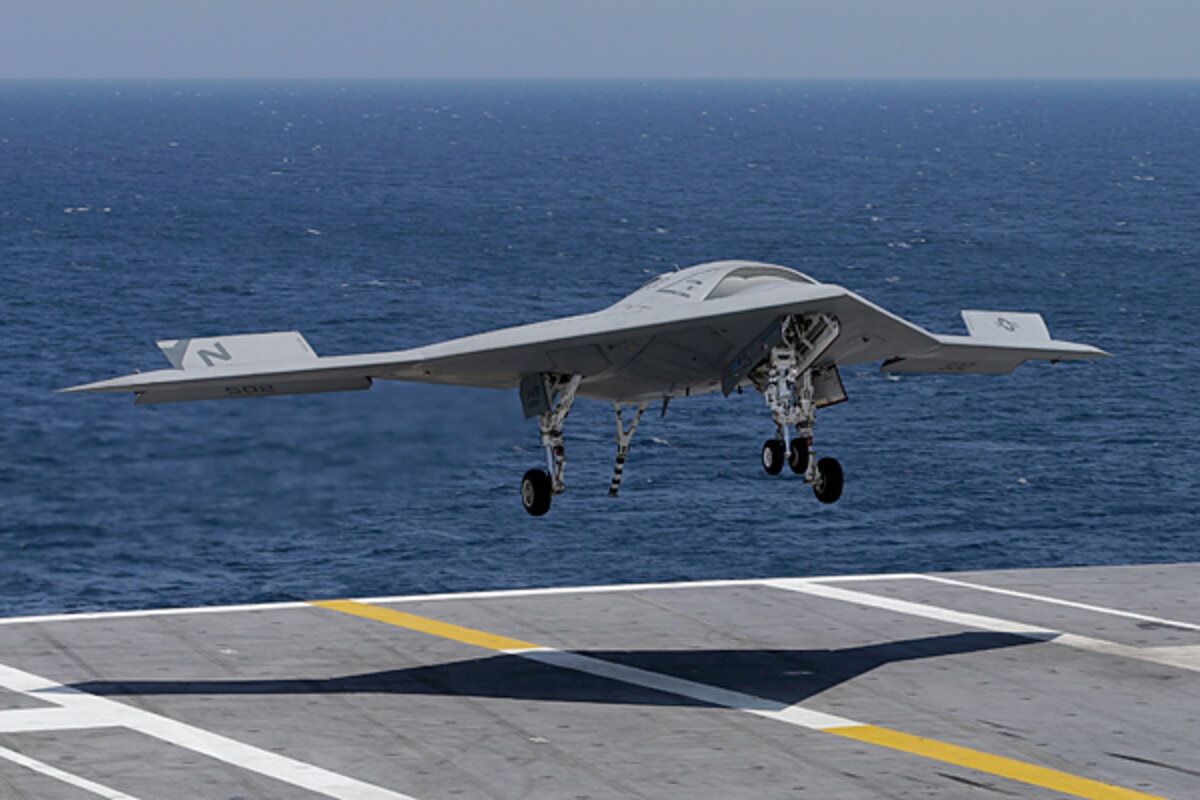
World
PARIS, — June 12, 2026 : France has officially launched a market-exploration phase for a future Collaborative Combat UAV System (CCA), as the country's defense procurement agency, the Direction Générale de l'Armement (DGA), seeks industry input on next-generation loyal wingman platforms and manned-unmanned teaming (MUM-T) capabilities. The initiative follows the publication of a Request for Information (RFI) on June 4, 2026, aimed at gathering operational, technical, and industrial data from defense companies and research organizations. The effort is intended to help define the requirements for future collaborative combat drones capable of operating alongside crewed aircraft across multiple mission environments. While the RFI covers airborne collaborative combat systems in general, the specifications released by the French Ministry of Armed Forces place particular emphasis on naval aviation applications, highlighting France's intention to develop unmanned combat aircraft that can support future carrier-based operations of the French Navy (Marine Nationale). Focus on Carrier-Based Operations One of the most significant aspects of the RFI is its requirement for information related to aircraft carrier operations. The DGA has requested detailed data on platform characteristics, including maximum takeoff weight during catapult-assisted launches and maximum landing weight for aircraft carrier recovery operations, where applicable. The inclusion of these requirements indicates that France is evaluating unmanned combat aircraft capable of integrating directly into future carrier air wings. The program aligns with the country's Next-Generation Aircraft Carrier (PA-Ng/PANG) project, under which the future carrier France Libre is expected to replace the current Charles de Gaulle around 2038. The RFI also suggests that experimental deployment and testing of collaborative drones could take place aboard existing naval platforms before the new carrier enters operational service. Advanced Manned-Unmanned Teaming Requirements According to the document, the future collaborative combat drone system will require high levels of flight autonomy, mission management capabilities, and flexible command-and-control (C2) architectures. The DGA is seeking information on systems that can be controlled through traditional ground stations, naval platforms, or directly from manned aircraft during flight. Such capabilities would enable the establishment of advanced MUM-T networks, allowing unmanned aircraft to operate closely with crewed combat aircraft in complex operational environments. The drones are expected to function as force multipliers for the future Rafale M F5-standard fighter aircraft and could eventually integrate with France's future next-generation combat aircraft programs. Intended Mission Roles The RFI outlines several mission profiles that collaborative combat drones may be required to perform. These include operations in high-threat environments where unmanned platforms can reduce risk to crewed aircraft while extending the reach of naval air power. Potential missions include: Penetration of heavily defended anti-access/area-denial (A2/AD) environments. Suppression of Enemy Air Defenses (SEAD) operations. Intelligence, Surveillance and Reconnaissance (ISR) missions. Support for maritime strike and anti-surface warfare operations. Electronic warfare and battlespace awareness tasks. To support these missions, the DGA is requesting information on the integration of a wide range of payloads, including electro-optical sensors, infrared systems, advanced radar, electronic warfare suites, secure communications equipment, and mission-specific payloads. The document also covers mission systems beyond the aircraft itself, including mission planning tools, support infrastructure, training systems, flight autonomy software, and communication architectures. Industrial Participation and International Engagement The DGA has established August 21, 2026, as the deadline for responses from defense contractors and industrial consortia. Companies may submit proposals covering either the complete requirement or selected segments of the program, a structure designed to encourage participation from both major defense primes and smaller specialized enterprises. French authorities have emphasized that the program aims to strengthen the nation's Defense Industrial and Technological Base (BITD) while ensuring access to the latest technological developments available on the global market. To facilitate broader participation, the DGA has released an official English-language "Request for Information – Courtesy Translation", inviting contributions from foreign defense companies and international industry partners. This approach allows France to assess a wider range of technologies, industrial capabilities, and potential solutions before moving toward future acquisition decisions. The market-exploration phase represents an important step in shaping France's future collaborative combat aviation capabilities, particularly as the country prepares for the introduction of its next-generation aircraft carrier and seeks to expand the role of autonomous systems within naval and air operations.
Read More → Posted on 2026-06-12 15:28:55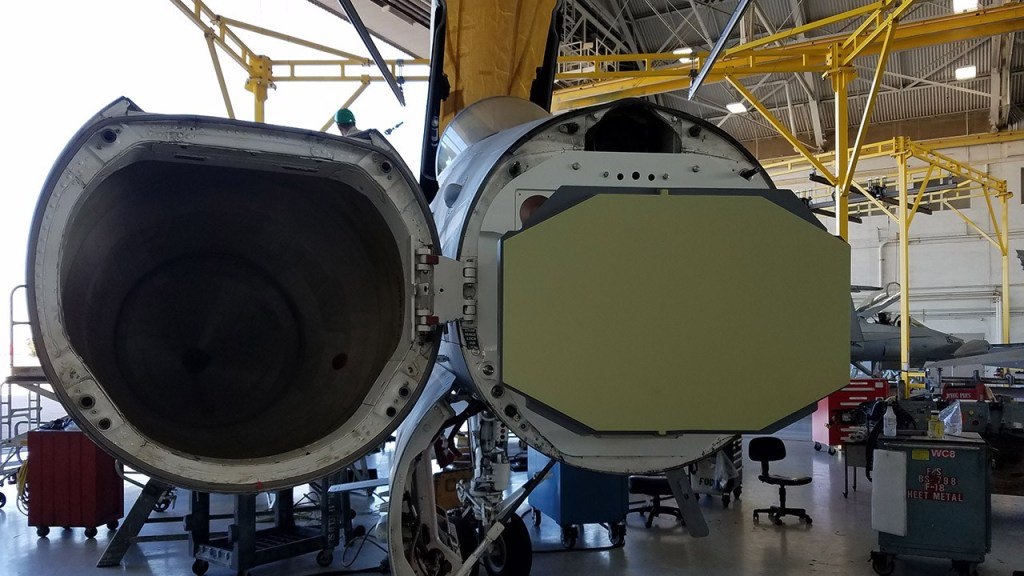
World
LINTHICUM HEIGHTS, Md., — June 12, 2026 : Northrop Grumman Systems Corp. has been awarded a $14.2 million contract modification by the U.S. Department of Defense to continue supplying AN/APG-83 Scalable Agile Beam Radar (SABR) systems for the U.S. Air Force’s F-16 Fighting Falcon fleet, supporting ongoing efforts to modernize the service’s fourth-generation fighter aircraft. The latest contract modification increases the total cumulative value of the radar procurement and support program to approximately $1.8 billion. According to the Department of Defense, work associated with the contract will be carried out at Northrop Grumman’s facility in Linthicum Heights, Maryland, with completion of the current phase scheduled for May 31, 2031. Under the agreement, Northrop Grumman will provide additional AN/APG-83 SABR Active Electronically Scanned Array (AESA) radars, a key component of the U.S. Air Force’s broader F-16 Radar Modernization Program (RMP). The program is designed to enhance the combat effectiveness and operational lifespan of the Air Force’s large inventory of F-16 aircraft as they continue to serve alongside newer fifth-generation platforms. Advanced AESA Technology for the F-16 The AN/APG-83 SABR is a multifunction AESA fire-control radar developed as a replacement for the legacy APG-66 and APG-68 pulse-Doppler radars used on older F-16 variants. The system incorporates technologies derived from Northrop Grumman’s advanced radar programs for the F-22 Raptor and F-35 Lightning II, specifically the AN/APG-77 and AN/APG-81 radar families. By integrating fifth-generation sensor technology into the F-16, the Air Force is able to significantly improve the aircraft’s situational awareness, target detection, and mission effectiveness without the need to acquire entirely new aircraft. One of the radar’s key advantages is its ability to fit within the F-16’s existing structural, power, and cooling limitations. This allows the system to be installed as a direct replacement for older radars without requiring extensive modifications to the airframe, reducing upgrade costs and minimizing aircraft downtime. Enhanced Detection and Targeting Capabilities The AN/APG-83 provides a range of operational improvements over earlier radar systems. The radar offers extended detection and tracking ranges, enabling pilots to identify and engage airborne and surface threats at greater distances. The system also features high-resolution synthetic aperture radar (SAR) mapping, allowing aircrews to generate detailed ground imagery for precision targeting missions in all-weather conditions. This capability enhances the F-16’s effectiveness in both air-to-air and air-to-ground operations. Another major advantage is the radar’s interleaved multi-mode operation, which allows pilots to simultaneously track airborne and surface targets while maintaining situational awareness in complex operational environments. The AESA architecture also provides improved resistance to electronic warfare and jamming attempts, increasing survivability in contested battlespaces. Additionally, the radar can track multiple targets simultaneously and support advanced weapons employment, helping maintain the combat relevance of the F-16 against modern threats. Supporting Long-Term Fleet Modernization The continued procurement of the AN/APG-83 remains a central element of the U.S. Air Force’s strategy to extend the operational life of its F-16 fleet. Hundreds of F-16C/D aircraft, including Block 40/42 and Block 50/52 variants, are planned to receive the upgraded radar under ongoing modernization efforts. The radar modernization program has also supported upgrades for Air National Guard units, improving homeland defense capabilities and enhancing the aircraft’s ability to detect and respond to emerging threats, including low-flying cruise missiles. In May 2026, Northrop Grumman announced the delivery of its 1,000th AN/APG-83 SABR radar, marking a significant production milestone and reflecting continued demand from both domestic and international customers. Beyond the United States, the AN/APG-83 serves as the baseline radar for the F-16V Viper configuration and has been selected by several allied nations for their own F-16 modernization programs. Countries including Taiwan and Singapore have adopted the system to improve the capabilities of their existing fighter fleets. The latest contract award underscores the U.S. Air Force’s continued investment in upgrading its proven F-16 fleet, ensuring the aircraft remains interoperable with fifth-generation platforms while providing a cost-effective solution for maintaining combat readiness and operational effectiveness well into the coming decades.
Read More → Posted on 2026-06-12 15:37:45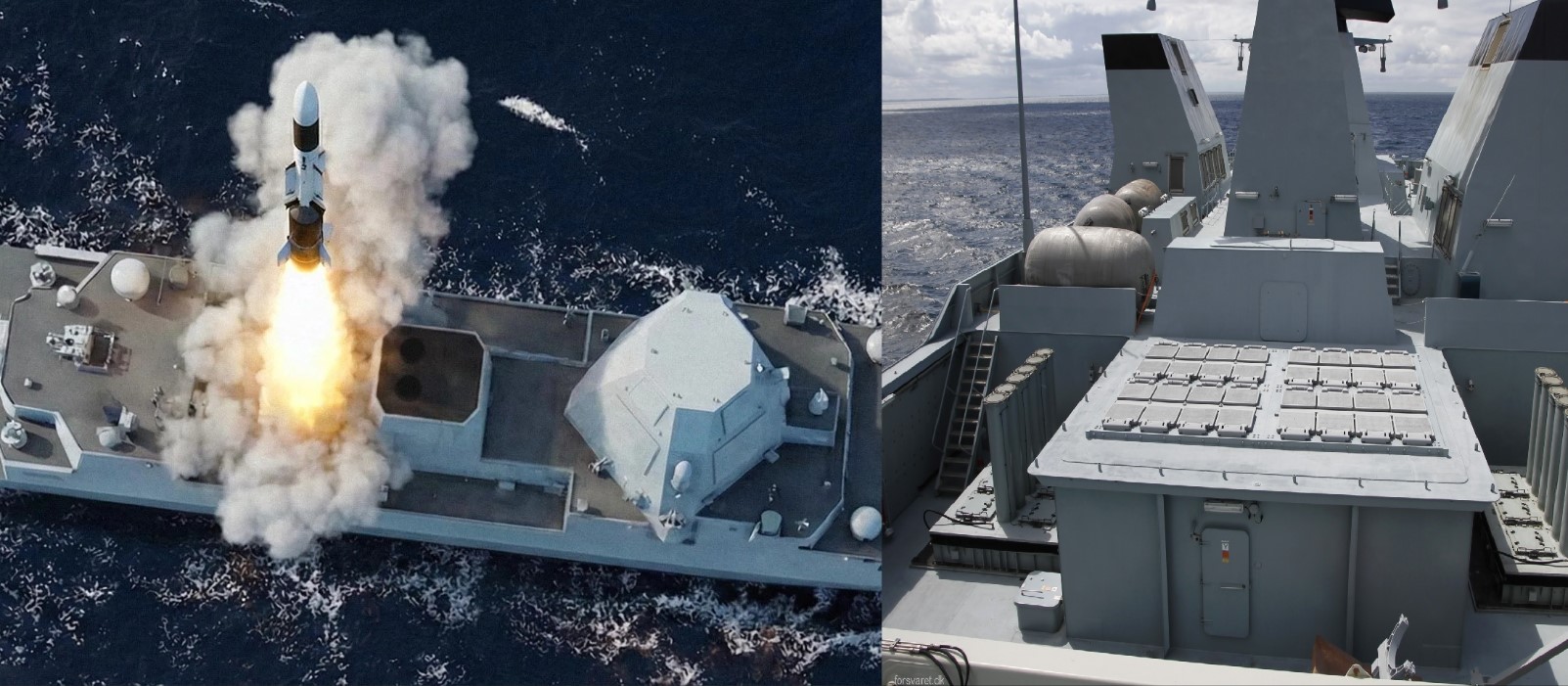
World
WASHINGTON, — June 12, 2026 : The U.S. Navy has decided not to install the MK41 Vertical Launch System (VLS) on the first flight, or Flight I, of its new FF(X) guided-missile frigate program, opting instead to prioritize construction timelines and reduce design complexity. The decision reflects the Navy’s effort to accelerate delivery of new surface combatants while avoiding the engineering challenges associated with integrating a full-scale vertical launch system into the vessel's baseline design. The FF(X) program, announced in late 2025 after the cancellation of the Constellation-class (FFG-62) frigate effort, is based on Huntington Ingalls Industries' (HII) Legend-class National Security Cutter design. By leveraging an existing and proven hull, the Navy aims to reduce development risks and deliver ships more quickly to support fleet expansion requirements. Engineering Challenges Behind the Decision According to defense procurement information and engineering assessments, incorporating the MK41 VLS into the Flight I frigates would require extensive modifications to the ship’s infrastructure and support systems. The launcher depends on a range of integrated ship services, including: Advanced cooling and heating systems Fresh water supplies Dedicated air pressure lines Specialized exhaust gas deluge systems designed for missile safety and emergency response These requirements would necessitate substantial redesign work within the hull structure, increasing both complexity and construction time. Navy planners concluded that integrating the system during the initial production phase could create significant schedule delays for a program intended to rapidly deliver operational warships. Defense analysts also note that installing the MK41 system on Flight I ships after construction is completed would be difficult. Such a retrofit would involve considerable costs, major structural modifications, and access to limited drydock capacity across U.S. shipyards, making future installation unlikely. Initial Armament Configuration Instead of the MK41 VLS, the Navy's baseline Flight I configuration will rely on a combination of existing and modular weapon systems to provide combat capability. The frigates are expected to carry armament comparable to upgraded Littoral Combat Ships, including a 57mm naval gun, 30mm gun systems, a Mk 49 Rolling Airframe Missile (RAM) launcher, electronic countermeasure systems, and facilities for embarked helicopters and unmanned systems. For offensive strike missions, the ships will be equipped with Naval Strike Missile (NSM) launchers and the MK70 Payload Delivery System (PDS). The MK70 is a containerized launcher derived from MK41 technology and can deploy missiles such as the SM-6 and Tomahawk, providing distributed strike capability without requiring a permanently installed vertical launch system. MK56 VLS Emerges as Potential Alternative As the Navy seeks ways to strengthen the defensive capabilities of the Flight I frigates without affecting production schedules, industry analysts have identified the Raytheon-developed MK56 Vertical Launch System as a possible alternative. Unlike the MK41, the MK56 is designed as a lightweight and highly modular launcher focused primarily on the deployment of Evolved SeaSparrow Missiles (ESSM) for medium-range air defense. One of the key advantages of the MK56 is its minimal infrastructure requirements. The system does not require dedicated cooling, heating, fresh water, air pressure, or deluge support systems, relying mainly on standard electrical connections for operation. For the 12-cell configuration, published specifications indicate power requirements of: 60 Hz, 115 VAC, single phase: 11 KVA 400 Hz, 440 VAC, three phase: 4 KVA Because of its reduced weight and limited support requirements, the MK56 could potentially be integrated into the existing FF(X) design without major structural modifications or production delays. ESSM-Based Air Defense Capability If adopted, the MK56 would provide the frigates with a dedicated medium-range air defense capability through the use of ESSM interceptors. The concept has previously been demonstrated by Huntington Ingalls Industries in its proposed FF4921 frigate variant, which featured a 12-cell MK56 launcher integrated into a compact combatant design. The system has also been employed by several international naval operators and is viewed as a practical solution for ships that require enhanced defensive capabilities without the complexity associated with larger launch systems. Future Growth Potential While the U.S. Navy has not announced plans to incorporate the MK56 into Flight I vessels, analysts view the launcher as a potential option for future upgrades. The service remains focused on delivering the first batch of FF(X) frigates on schedule and ensuring the platform reaches operational maturity before considering more extensive weapon system additions. Future variants of the FF(X) program could incorporate a built-in vertical launch system as operational requirements evolve and lessons are learned from the initial ships. Such an approach would allow the Navy to balance capability, cost, and production efficiency while expanding the fleet's small surface combatant force. For now, the Navy's decision to omit the MK41 VLS from the initial FF(X) configuration underscores its emphasis on timely delivery, modular weapon integration, and reduced development risk, while preserving opportunities for future capability enhancements.
Read More → Posted on 2026-06-12 16:02:23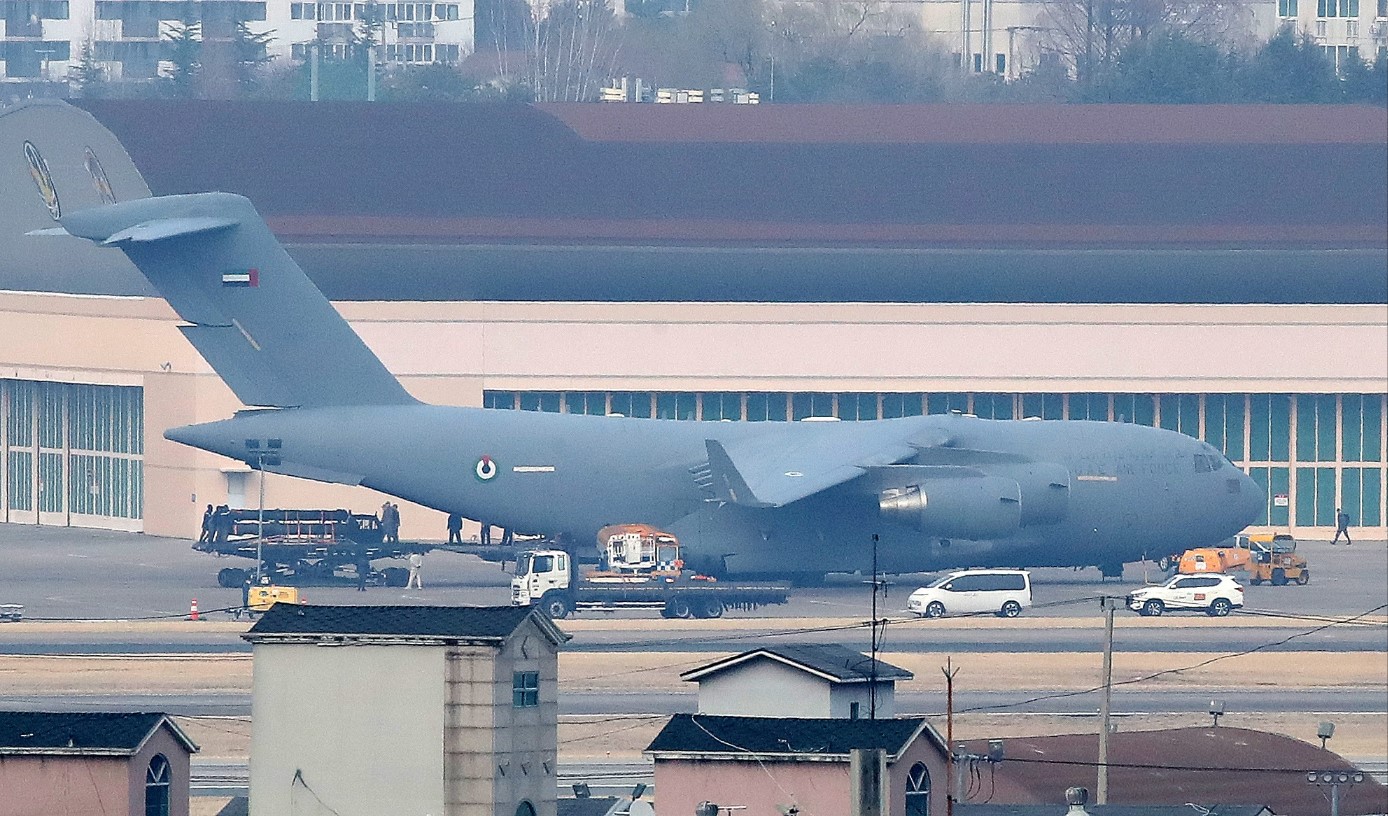
World
DAEGU, South Korea / ABU DHABI, UAE — June 12, 2026 : The United Arab Emirates (UAE) has launched an accelerated airlift operation to transport a new Cheongung-II air defense battery and accompanying interceptor missiles from South Korea, bypassing maritime routes disrupted by the ongoing closure of the Strait of Hormuz. According to South Korean military and defense industry sources, the UAE has deployed a fleet of eight C-17 Globemaster III military transport aircraft to move the complete air defense system from Daegu Air Force Base to the Gulf region. At least one UAE Air Force C-17 was observed at the base on June 12 as loading operations commenced. The aircraft are arriving sequentially to transport the battery's launchers, radar systems, engagement control stations, and interceptor missiles. The airlift is expected to accelerate delivery by approximately one month compared with the original contract schedule. Blockade Forces Shift From Sea to Air Transport Under normal circumstances, heavy military equipment such as air defense batteries is transported by sea due to lower costs and larger cargo capacity. However, the closure of the Strait of Hormuz, one of the world's most strategically important maritime chokepoints, has left the UAE without a practical shipping route for receiving the equipment. The waterway, located between Iran and Oman, handles approximately 20 percent of global seaborne oil trade and serves as a critical route for commercial and military logistics in the Gulf region. The C-17 Globemaster III, which can carry approximately 77,500 kilograms (170,000 pounds) of cargo, provides the UAE with an alternative means of transporting the system. Because a complete Cheongung-II battery consists of multiple large components, several flights are required to move the entire package. Combat Experience Drives Urgent Delivery The decision to accelerate delivery follows the system's recent operational use in the UAE. Earlier this year, the UAE's two deployed Cheongung-II batteries were activated during missile and drone attacks targeting the Gulf region. Operating alongside U.S.-supplied Patriot air defense systems and Israeli Arrow missile defense systems, the South Korean-made batteries reportedly launched around 60 interceptor missiles during combat operations. Defense reports indicate the systems successfully intercepted 29 of 30 designated aerial targets, including Iranian ballistic missiles, achieving an estimated 96 percent interception rate. The performance has reportedly reinforced confidence in the system and contributed to Abu Dhabi's request for expedited delivery of additional batteries under its existing contract. Second Emergency Airlift in 2026 The current operation follows an earlier emergency resupply mission conducted in March 2026, when a UAE Air Force C-17 transported approximately 30 KM-SAM Block II interceptor missiles from South Korea. Those missiles were reportedly drawn directly from South Korea's Air Force reserves to replenish UAE stockpiles depleted during the initial wave of attacks. While the March operation focused on missile resupply, the current mission involves the transport of an entire operational battery, making it significantly larger in scope. Cheongung-II System Capabilities The Cheongung-II, also known internationally as the KM-SAM Block II, is a medium-range surface-to-air missile defense system developed by South Korea's Agency for Defense Development. Production of the system is shared among several South Korean defense firms. Hanwha Aerospace manufactures the launcher vehicles, LIG Nex1 produces the interceptor missiles and engagement control system, while Hanwha Systems supplies the multifunction radar. Each battery consists of: Four mobile launcher vehicles, each carrying eight ready-to-fire interceptor missiles One multifunction AESA radar capable of 360-degree target tracking One engagement control station The system is designed to engage aircraft, cruise missiles, and ballistic missiles at ranges of approximately 40 to 50 kilometers and at altitudes of up to 40 kilometers. It utilizes hit-to-kill technology, destroying incoming targets through direct impact rather than explosive fragmentation. Defense analysts often compare the system's role to that of the U.S. Patriot PAC-2, although the Cheongung-II is generally considered a lower-cost alternative. Major Export Success for South Korea The battery currently being airlifted represents the third unit delivered under the UAE's $3.5 billion contract signed in January 2022 for a total of 10 Cheongung-II batteries. The agreement was the largest guided-weapons export contract in South Korean history at the time. Since then, the system has secured additional export orders across the Middle East. In February 2024, Saudi Arabia signed a $3.2 billion contract for 10 batteries, followed by Iraq, which agreed to purchase eight batteries under a $2.8 billion deal in September 2024. South Korean officials have stated that the system's recent combat performance in the UAE has generated interest from several additional countries, although no further customers have been publicly identified. Strengthening Regional Air Defense The ongoing airlift highlights the UAE's efforts to strengthen its layered air defense network amid continuing regional security challenges. By transporting the system by air rather than waiting for maritime routes to reopen, the UAE will be able to integrate the battery into operational service more quickly and expand its missile defense coverage. The operation also underscores the growing defense partnership between the UAE and South Korea, which has expanded significantly since the signing of the 2022 Cheongung-II agreement and includes training, logistical support, and long-term defense cooperation programs.
Read More → Posted on 2026-06-12 16:20:15
World
BERLIN, — June 12, 2026 : General Alexus G. Grynkewich, Supreme Allied Commander Europe (SACEUR) and commander of U.S. European Command, said Russia is not seeking a direct military confrontation with NATO, emphasizing that Moscow understands the alliance's military advantages and the risks associated with any attack on NATO territory. Speaking during a panel discussion at the ILA Berlin Air Show on June 11, Grynkewich stated that his assessment is based on continuous monitoring of intelligence and Russian military activities. His remarks come as the United States prepares to reduce certain military capabilities assigned to NATO in Europe as part of a broader strategic shift toward the Indo-Pacific region. Grynkewich said NATO intelligence closely tracks developments involving Russian forces and strategic planning. Based on that assessment, he believes Russia does not intend to initiate a direct conflict with the alliance. "I've watched the intelligence very closely. Russia is not looking for a conflict," Grynkewich said. "They do understand the term 'defensive alliance,' and they do understand that we have a number of asymmetric advantages." According to the NATO commander, Russia's military leadership recognizes the significant challenges it would face in any confrontation with the alliance. He noted that Russia's ongoing military campaign in Ukraine has resulted in substantial casualties while yielding relatively limited territorial gains. Grynkewich stressed that one of NATO's primary objectives is to maintain a level of deterrence that prevents any attack from occurring. Referring to the Baltic region, he stated that Russia understands it would not be able to achieve success against NATO forces. "My job is to ensure that an attack does not happen tomorrow and that Russia understands: if they try to attack the Baltic states, they will not succeed. And when they know they won't succeed, they won't risk doing something like that," he said. The commander’s comments come amid discussions within NATO regarding planned U.S. military force adjustments in Europe. Washington has informed allies that several assets currently supporting NATO operations will be reassigned as the United States increases its focus on security challenges in the Indo-Pacific. The planned reductions affect NATO's Force Model, which consists of forces that can be deployed within periods ranging from 10 to 180 days. The adjustments include reductions in F-16 and F-15E fighter aircraft, reconnaissance assets, the withdrawal of U.S. aerial refueling tankers from the European theater, and the reassignment of naval forces, including an aircraft carrier strike group. Additional measures under discussion include the withdrawal of approximately 5,000 U.S. troops from Germany, the return of an armored brigade combat team to the United States, and the cancellation of a planned long-range fires battalion deployment. Submarines capable of launching cruise missiles and maritime patrol aircraft could also be affected by the restructuring. The changes have generated concerns among NATO's eastern members, particularly Estonia, Latvia, and Lithuania, where leaders have warned that a reduced American military presence could influence regional security calculations. Despite the planned drawdowns, Grynkewich emphasized that NATO remains fully prepared to respond to any threat and maintained that the alliance's deterrence posture remains strong. "When people ask me, are you ready to fight tonight? Absolutely," he said. The commander noted that all 32 NATO member states remain committed to collective defense obligations and maintain a high level of readiness. "If the need arises, all 32 allies are ready to respond tonight. And this readiness will only continue to grow," he added. To address capability gaps created by the redeployment of U.S. assets, Grynkewich called on European allies and Canada to increase their contributions. He said NATO members should prioritize military systems that can be acquired, deployed, and expanded quickly in order to sustain operational effectiveness. "In the near term, we need to focus on things that we can acquire quickly, field quickly, and scale rapidly and sustain over time," he said, highlighting the importance of long-range precision fires, unmanned systems, and drone technologies. According to Grynkewich, European allies are expected to help compensate for the shifting U.S. force posture by providing additional naval vessels, manned and unmanned aircraft, and other military capabilities. These issues are expected to be discussed further ahead of the upcoming NATO summit in July, where alliance members will review defense spending commitments, force requirements, and long-term security priorities. Grynkewich also addressed the ongoing conflict in Ukraine, which has entered its fifth year. He described the war as a difficult and costly conflict while noting that Russian forces continue to incur heavy losses for limited territorial gains. At the same time, he said Ukrainian forces have demonstrated resilience and innovation on the battlefield. "The front line remains relatively stable, and Ukrainian forces have successes of their own. The Ukrainians are doing fairly well," he said. The NATO commander also highlighted ongoing diplomatic efforts aimed at achieving peace in Ukraine and noted his involvement in discussions led by the United States and its partners. While expressing confidence that Russia is not currently seeking a direct confrontation with NATO, Grynkewich emphasized that the alliance continues to closely monitor Russian military activities and broader security developments. NATO remains focused on strengthening its integrated air and missile defense networks, improving readiness levels, and updating operational plans to address emerging threats across Europe. His remarks at the ILA Berlin Air Show reflected NATO's assessment that Russia remains heavily committed to the war in Ukraine and is unlikely to risk a direct military confrontation with the alliance, while underscoring the importance of maintaining credible deterrence and collective defense as NATO adapts to evolving strategic challenges and changes in U.S. force posture.
Read More → Posted on 2026-06-12 17:18:28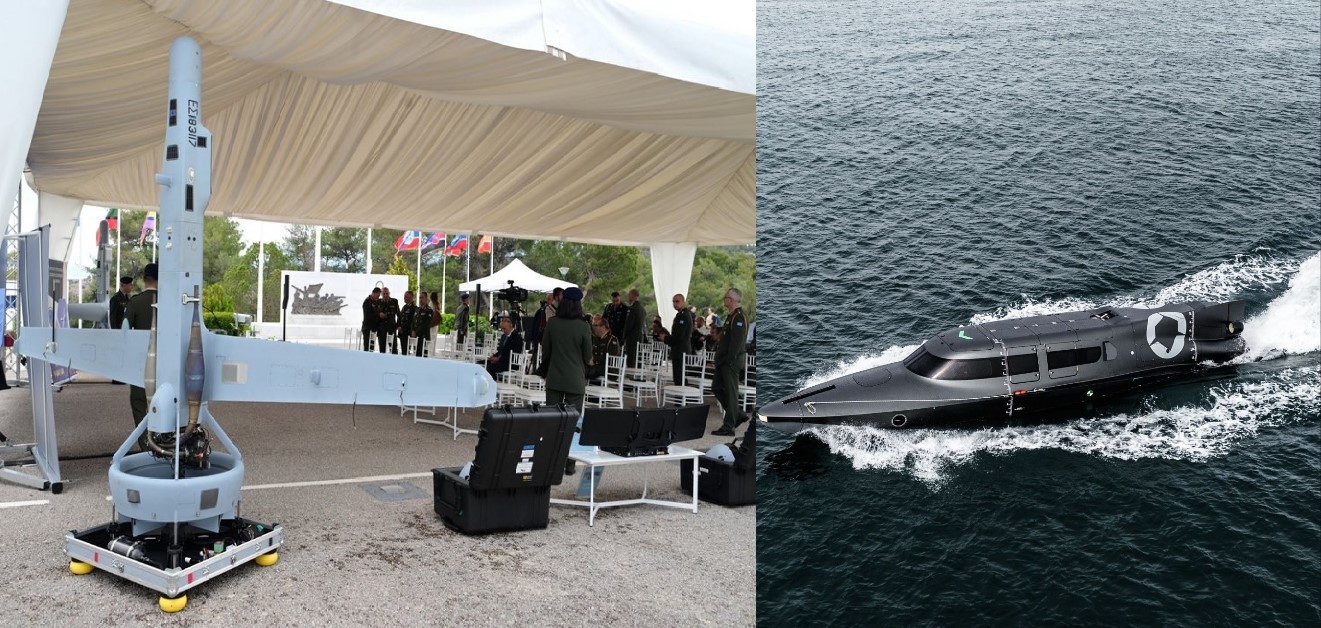
World
ATHENS, — June 12, 2026 : The Greek Special Permanent Committee on Armament Programs and Contracts of the Hellenic Parliament has approved eight defense procurement programs valued between €1 billion and €1.2 billion, marking a significant step in Greece’s long-term military modernization effort. The approvals, granted on June 11, form part of the country’s broader €28 billion defense modernization plan extending through 2036, aimed at strengthening operational capabilities across the armed forces and addressing evolving regional security requirements. The approved package includes investments in special operations maritime platforms, unmanned aerial systems, tactical airlift aircraft, and naval modernization programs, supporting multiple branches of the Hellenic Armed Forces. VICTA Submersibles Selected for Special Operations Forces One of the largest individual programs approved is a €145 million acquisition of ten VICTA Diver Delivery Units (DDUs) from British defense company SubSea Craft. The contract includes a comprehensive Follow-On Support (FOS) package and will equip Greece’s special operations forces with advanced maritime infiltration capabilities. Under the procurement plan, six VICTA units will be assigned to the Special Warfare Command (SWC), while the remaining four units will be delivered to the Underwater Demolition Command (UDC) of the Hellenic Navy. The VICTA platform combines the characteristics of a high-speed surface craft with the ability to operate in a submerged mode. The vessel can travel on the surface at speeds of up to 40 knots and has an operational range of 250 nautical miles before transitioning underwater through its fly-by-wire controlled submersible system. Once submerged, the platform can operate for approximately four hours, transporting two crew members and six divers over distances of up to 25 nautical miles for covert insertion missions. The system’s modular design allows rapid reconfiguration for a variety of operational requirements, including the transport of personnel, combat supplies, intelligence-gathering equipment, and specialized mission payloads. The platform is also compatible with standard 40-foot ISO shipping containers, simplifying transportation and deployment. A significant portion of the program will benefit Greece’s domestic defense industry. More than 25 percent of the contract value is expected to be directed to the Greek industrial base, with all VICTA units planned for construction at Skaramangas Shipyards under a partnership established with SubSea Craft in early 2025. Industry officials are also examining plans to manufacture an additional ten VICTA systems in Greece for another NATO member navy, a development that could strengthen Skaramangas Shipyards’ role as a regional production and support center for the platform. Expansion of Unmanned Aerial Surveillance Capabilities The parliamentary committee also approved a €71 million program for the acquisition of ten V-BAT (MQ-35A) Vertical Takeoff and Landing (VTOL) Unmanned Aerial Systems from U.S.-based defense company Shield AI. The procurement will be carried out through the NATO Support and Procurement Agency (NSPA) over a four-year period and includes a two-year Follow-On Support package. Under the acquisition plan, the Hellenic Army will receive six systems, consisting of 12 aircraft and associated mission payloads, while the Hellenic Navy will receive four systems, comprising eight aircraft and mission equipment. The V-BAT is a Group 3 intelligence, surveillance, and reconnaissance (ISR) platform designed to operate without conventional runways. Its vertical takeoff and landing capability makes it particularly suitable for Greece’s geography, which includes numerous islands, rugged coastlines, mountainous terrain, and remote maritime areas. The system has demonstrated effectiveness in GPS-denied and communications-denied environments, including operational use during the conflict in Ukraine. These characteristics are considered particularly valuable for maritime surveillance, border monitoring, and intelligence collection missions across the Aegean and Eastern Mediterranean regions. Greece already operates the V-BAT platform. In May 2025, two systems consisting of four aircraft entered service following a €5.75 million donation from the Athanasios C. Laskaridis Charitable Foundation. The newly approved procurement will significantly expand the country’s unmanned surveillance fleet and enhance persistent maritime domain awareness. Shield AI has also indicated plans to deepen its presence in Greece through further cooperation with the Hellenic Armed Forces and potential future integration of the company’s Hivemind autonomy software into defense programs. Additional Drone Acquisitions Approved Alongside the V-BAT procurement, lawmakers approved the acquisition of one Israeli-made Heron unmanned aerial system, further expanding Greece’s ISR capabilities. The approval follows recent efforts by the Hellenic Navy to integrate unmanned systems into its surface fleet. The navy has already contracted four Schiebel CAMCOPTER S-100 systems for deployment aboard its three Kimon-class frigates and at a dedicated training center in Marathon. Defense sources have also indicated plans to procure a fifth CAMCOPTER S-100 for the fourth FDI HN frigate, Themistocles (F-600), which is currently under construction. C-390 Airlifters to Modernize Transport Fleet Approximately half of the approved defense package, estimated at around €600 million, has been allocated for the acquisition and support of three Embraer C-390 military transport aircraft from Brazil. The aircraft will strengthen Greece’s tactical airlift capabilities and gradually replace portions of the country’s aging C-130 transport fleet, which has served as the backbone of military transport operations for decades. The C-390 Millennium is capable of carrying troops, cargo, vehicles, and humanitarian aid while supporting a variety of missions, including medical evacuation, disaster relief, aerial resupply, and military logistics. The platform has been selected by several NATO and allied nations in recent years due to its modern avionics, high payload capacity, and operational flexibility. MEKO-200 Frigates Set for Mid-Life Upgrade The remaining funds from the approved package will be directed toward a long-planned mid-life modernization program for the Hellenic Navy’s four MEKO-200 frigates. The German-built warships form an important component of Greece’s naval fleet, and the upgrade program is expected to improve combat management systems, sensors, electronic warfare equipment, and overall operational readiness. The modernization effort will help ensure the vessels remain effective alongside the navy’s newer surface combatants in service over the coming decades. Part of Broader Military Modernization Strategy The newly approved procurements reflect Greece’s ongoing effort to modernize its armed forces through investments in advanced technologies, enhanced mobility, maritime security, intelligence gathering, and special operations capabilities. The acquisitions are intended to improve interoperability with NATO allies while strengthening the country's ability to operate across its extensive maritime and island territories. The procurement package now moves to the Government Council for Foreign Affairs and Defense (KYSEA), Greece’s highest decision-making body on defense and foreign policy matters, for final authorization. The programs are widely expected to receive approval, allowing implementation to proceed in the coming years as part of the country’s broader defense modernization roadmap through 2036.
Read More → Posted on 2026-06-12 17:33:25
World
WASHINGTON, — June 12, 2026 : The U.S. Space Force has awarded contracts worth a combined $437.7 million to Viasat and Intelsat General Communications LLC for the production of the first two operational satellites under the Protected Tactical SATCOM-Global (PTS-G) Swarm 1 program. The awards mark a significant step in the modernization of U.S. military satellite communications, shifting away from reliance on a small number of large satellites toward a more distributed and resilient architecture. The contracts, issued through the Space Systems Command (SSC), cover the design, manufacturing, integration, testing, launch, and on-orbit checkout of the two satellites. The program is intended to provide secure, jam-resistant communications for U.S. and allied military forces operating in contested environments. Under the agreement, Viasat, headquartered in Carlsbad, California, will build, launch, and operate a dual-band X/Ka-band mini-GEO satellite, while Intelsat will be responsible for delivering the second spacecraft. Both satellites will operate in geosynchronous Earth orbit (GEO) at approximately 35,786 kilometers above the equator, providing continuous coverage across large geographic regions. Transition to a Distributed GEO Architecture The PTS-G Swarm 1 initiative is part of the Space Force’s broader effort to develop a more resilient satellite communications network capable of operating in increasingly contested space environments. The system is designed to supplement and eventually assume missions currently handled by the Advanced Extremely High Frequency (AEHF) constellation. The AEHF network consists of six large satellites, each weighing around 6,168 kilograms, and has provided secure and survivable communications for U.S. military forces since the first satellite entered service in 2010. While highly capable, the satellites occupy fixed orbital positions and represent substantial investments, making them attractive targets for emerging threats such as electronic warfare, jamming, spoofing, cyberattacks, and directed-energy systems. The new PTS-G architecture distributes communications capabilities across smaller, maneuverable satellites operating within GEO. By spreading mission functions among multiple spacecraft, the Space Force aims to reduce vulnerabilities associated with single-point failures and improve operational resilience against potential adversaries. Dual-Band Communications Capability A key feature of Viasat’s satellite is its ability to operate simultaneously in both X-band and Ka-band frequencies. X-band is widely used for military tactical communications, command-and-control networks, and radar applications due to its reliability and resistance to adverse weather conditions. Ka-band, meanwhile, supports significantly higher data throughput, enabling broadband communications and data-intensive military operations. The dual-band design allows military users to switch between frequency bands or use them simultaneously, improving operational flexibility while reducing susceptibility to frequency-specific interference, jamming, or spoofing attempts. The satellites will support both Protected Tactical Waveform (PTW) and non-PTW communications, enabling compatibility with existing military communications infrastructure while providing enhanced anti-jam capabilities for future operations. Commercial Technology Supporting Military Missions Viasat’s satellite design draws heavily from technologies developed for the company’s ViaSat-3 commercial broadband constellation. By leveraging an existing commercial platform, the company aims to shorten development timelines, lower costs, and reduce technical risks compared with building an entirely new spacecraft design. The contract also includes five years of post-launch operations and sustainment services, covering satellite control, tracking, telemetry, command functions, network operations, maintenance, and cybersecurity protection. These services are intended to ensure secure operation throughout the satellite’s initial service life. Craig Miller, President of Viasat Government, said the award reflects the company’s experience in delivering resilient dual-use satellite systems and its understanding of Space Force operational requirements. Company officials stated that the satellite architecture builds upon work completed during the program’s initial design maturation phase in 2025, when Viasat developed a low size, weight, and power GEO platform capable of supporting flexible communications coverage and dynamic mission requirements. Program Structure and Funding The broader PTS-G program is being managed through a $4 billion Indefinite Delivery, Indefinite Quantity (IDIQ) contract vehicle. In July 2025, the Space Force selected five companies—Boeing, Viasat, Northrop Grumman, Astranis Space Technologies, and Intelsat—to participate in the program’s initial design phase. The Swarm 1 production awards to Viasat and Intelsat represent the first operational satellite procurement under the initiative. The competitive acquisition approach is intended to maintain a diverse industrial base while reducing reliance on a single supplier. Budget documents show the Space Force allocated nearly $237 million for PTS-G research and development in fiscal year 2026, with an additional $150 million requested for fiscal year 2027. The shift in funding priorities reflects the program’s transition from concept development and design activities to hardware production and deployment. Current planning calls for the first Swarm 1 satellites to launch in 2028, with initial operational capability (IOC) expected around 2029 and full operational capability targeted for 2031. Work under the current contracts is expected to continue through March 2029. Strengthening Protected Military Communications The PTS-G program is intended to provide secure global communications for military forces operating across land, sea, air, cyber, and space domains. By combining protected waveforms, maneuverable GEO satellites, and commercial technology, the Space Force seeks to improve the survivability and flexibility of its communications architecture while ensuring compatibility with existing systems. The Swarm 1 satellites represent the first operational step toward a distributed protected SATCOM network designed to maintain connectivity in contested environments and support future military communications requirements.
Read More → Posted on 2026-06-12 17:39:48
World
WASHINGTON, — June 12, 2026 : The United States is facing growing concerns over the future of its strategic airlift fleet as aging transport aircraft continue to support high operational demands worldwide. Discussions about potentially restarting production of the Boeing C-17 Globemaster III have gained momentum, but defense officials and industry experts say such a move would be costly and technically challenging. Congress Orders Feasibility Assessment The U.S. House Armed Services Committee has directed the U.S. Air Force to provide a detailed assessment by March 1, 2027, on the feasibility of reopening the C-17 production line. The review will examine tooling availability, supplier network viability, workforce requirements, production timelines, and restart costs. Boeing has confirmed ongoing discussions with at least one international customer and several other interested countries regarding potential new C-17 aircraft. However, the company noted that talks remain in the early stages. The original C-17 production line in Long Beach, California, closed after the final aircraft was delivered in 2015, and the facility has since been repurposed. A 2013 RAND Corporation study estimated that restarting production could require approximately $8 billion before any aircraft could be delivered. Analysts believe actual costs today could be significantly higher due to inflation and supply chain challenges. Airlift Fleet Under Pressure The U.S. Air Force currently operates about 222 C-17A Globemaster III aircraft with an average age of around 22 years, alongside 52 C-5M Super Galaxy aircraft averaging approximately 37 years in age. These aircraft form the backbone of U.S. military logistics, transporting troops, heavy equipment, armored vehicles, missile systems, and humanitarian aid worldwide. Years of operations in Afghanistan, support missions for Ukraine, deployments in the Indo-Pacific, and operations across the Middle East have accelerated wear on the fleet. No Immediate Replacement Available The United States currently has no direct replacement for the C-17 and C-5 fleets. Commercial cargo aircraft such as converted Boeing 777 and Boeing 747 freighters cannot operate effectively from short or austere runways near combat zones. The European Airbus A400M Atlas provides strategic and tactical transport capabilities but carries significantly less payload than the C-17. The Air Force's Next Generation Airlift (NGAL) program is intended to eventually replace both fleets. Current plans envision production beginning around 2038, with initial operational capability targeted for 2041. Under current projections, the C-17 could remain in service until approximately 2075. China and Russia Continue Production While U.S. production ended more than a decade ago, China and Russia continue manufacturing heavy military transport aircraft. China has expanded production of the Xi'an Y-20, with around 100 aircraft reported in service or produced, including tanker variants. Russia continues production of the Ilyushin Il-76MD-90A at the Aviastar-SP facility. The plant delivered seven aircraft in 2025 and plans to increase production in the coming years. Strategic Implications Strategic airlift remains essential to U.S. military operations, particularly in regions such as the Western Pacific, where forces and equipment must be moved across long distances. Unlike China and Russia, which can rely heavily on land-based logistics networks, the United States depends on strategic airlift to transport personnel, munitions, spare parts, and equipment overseas. Without an active production line, every retirement, major accident, or potential combat loss reduces available airlift capacity. As a result, Congress, the Air Force, and industry leaders continue to evaluate options for maintaining long-term strategic mobility while advancing future modernization programs. The C-17 Globemaster III remains one of the U.S. military's most important transport aircraft, capable of carrying up to 170,900 pounds (77,519 kilograms) of cargo while operating from short and austere airfields worldwide.
Read More → Posted on 2026-06-12 17:48:36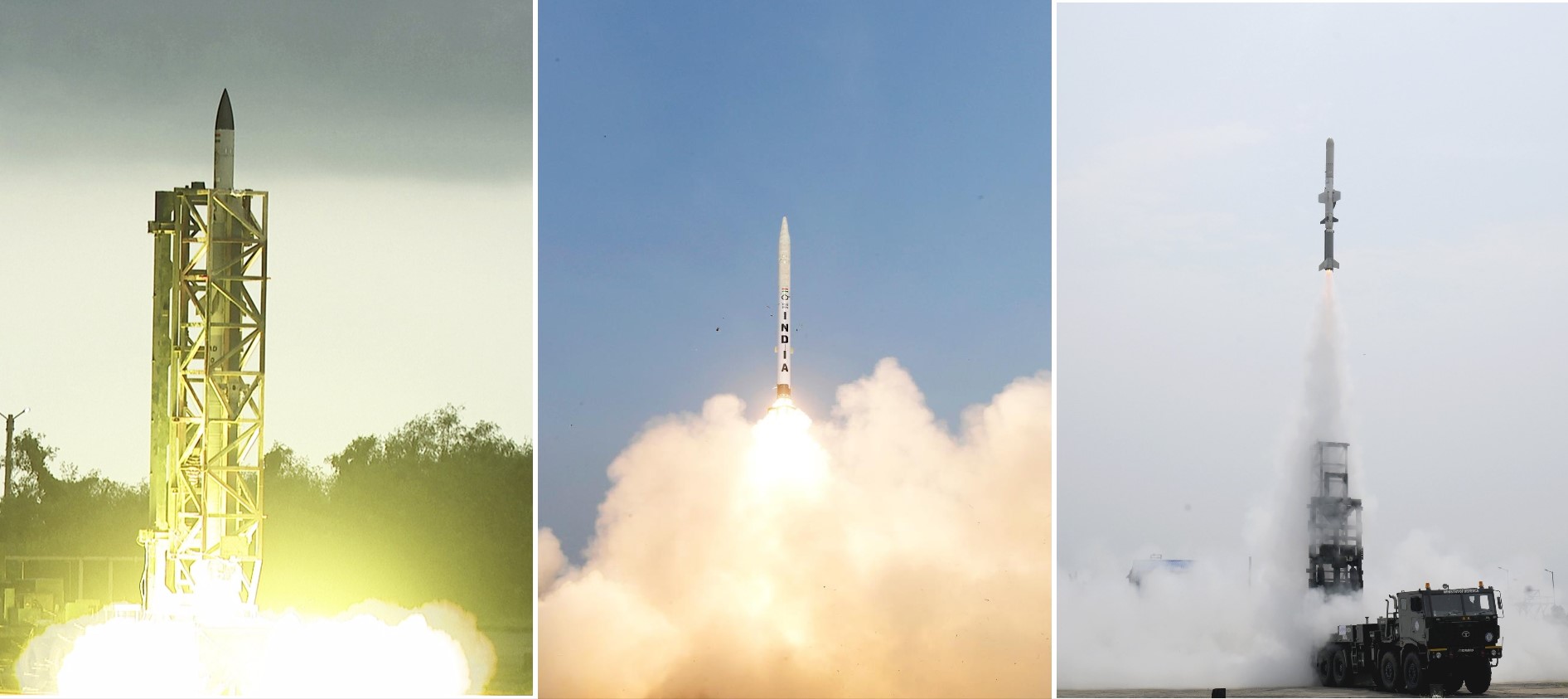
India
NEW DELHI, — June 13, 2026 : The Defence Research and Development Organisation (DRDO) has successfully conducted a series of three flight tests that validated key technologies aimed at strengthening India's strategic defence capabilities against advanced ballistic missile and maritime threats. The tests, carried out on June 10 and 11, 2026, from the Integrated Test Range (ITR), Chandipur, Odisha, demonstrated the effectiveness of India's next-generation multi-layered Ballistic Missile Defence (BMD) system and marked the maiden flight test of the Naval Anti-Ship Missile-Medium Range (NASM-MR). The trials were witnessed by senior officials from DRDO and the Indian Armed Forces and are considered an important milestone in the country's ongoing efforts to enhance indigenous defence technologies and strategic deterrence capabilities. Multi-Layered Ballistic Missile Defence Demonstrated A major focus of the flight trials was the validation of India's Phase-II Ballistic Missile Defence programme through successful interceptions by the advanced AD-1 and AD-2 interceptor missiles. The tests confirmed the capability of the BMD architecture to detect, track and engage ballistic missile threats ranging from Medium-Range Ballistic Missiles (MRBMs) to Intermediate-Range Ballistic Missiles (IRBMs) with operational ranges between 2,000 km and 5,000 km. The layered defence network integrates advanced radars, communication systems, command-and-control infrastructure, and interceptor missiles to provide protection against incoming ballistic threats at multiple stages of flight. AD-1 Interceptor The AD-1 interceptor is a long-range, two-stage solid-fuel missile designed to engage targets in both endo-atmospheric and low exo-atmospheric environments. Equipped with indigenous navigation, guidance and control systems, the interceptor is capable of neutralizing long-range ballistic missiles as well as certain aerial threats. During the flight tests, the AD-1 successfully intercepted its designated target, validating its operational performance and integration within the broader BMD network. AD-2 Interceptor The AD-2 interceptor represents the next level of India's missile defence capability. Designed for high exo-atmospheric interception, it is intended to engage ballistic missile threats outside the Earth's atmosphere at significant altitudes. The successful demonstration of the AD-2 validated its capability to intercept Intercontinental Ballistic Missile (ICBM)-class threats, including missiles comparable to China's DF-41. The interceptor is designed to provide a crucial outer layer of defence against long-range strategic missiles and potentially complex threats such as Multiple Independently Targetable Re-entry Vehicle (MIRV) warheads. Together, the AD-1 and AD-2 interceptors form a multi-tiered defence architecture capable of engaging hostile missiles in different phases of their flight path, significantly improving interception probability. The system is capable of conducting interceptions in both endo-atmospheric and exo-atmospheric regions, creating layered protection against a wide range of ballistic missile threats. Maiden Flight Test of NASM-MR Alongside the BMD demonstrations, DRDO successfully conducted the maiden flight test of the Naval Anti-Ship Missile-Medium Range (NASM-MR), marking a significant advancement in India's indigenous naval strike capabilities. Developed for the Indian Navy, the NASM-MR is an all-weather, over-the-horizon anti-ship missile designed to engage small and medium-sized surface combatants, including frigates, corvettes, and destroyers. The missile is being developed in multiple variants for deployment from aircraft, warships, and submarines, providing flexibility across different operational scenarios. According to available programme details, the air-launched version of the missile is expected to have a strike range of approximately 290 kilometres, while the ship-launched variant, equipped with an additional booster, is expected to achieve a range of up to 350 kilometres. A submarine-launched version is also under development and is expected to have a range exceeding 100 kilometres. During the trial, the missile was launched from a ground-based platform at the Integrated Test Range and successfully demonstrated several critical operational capabilities, including pinpoint navigation, low-altitude sea-skimming flight, and accurate terminal engagement of a maritime target. The successful maiden flight validated the missile's guidance, propulsion, and control systems, while demonstrating its ability to strike maritime targets under all-weather conditions. Once operational, NASM-MR is expected to complement existing anti-ship weapons and provide the Indian Navy with an additional indigenous precision-strike option for anti-surface warfare missions. India Joins an Exclusive Group of Nations The successful validation of the AD-series interceptors marks another significant step in the development of India's multi-layered missile shield. India's BMD programme consists of a two-phase architecture, with Phase-I focused on shorter-range threats and Phase-II aimed at defending against ballistic missiles with ranges up to 5,000 kilometres and beyond. The latest trials demonstrated the seamless integration of sensors, interceptor missiles, communication networks, and command systems within a network-centric defence environment. Such capabilities are increasingly important as ballistic missile technologies continue to evolve globally. With the successful demonstration of high exo-atmospheric interception capability through the AD-2 interceptor, India joins a small group of nations possessing advanced ballistic missile defence technologies capable of countering long-range missile threats. Countries with comparable operational ballistic missile defence capabilities include the United States, Russia, and Israel, while NATO also operates layered missile defence architectures. The capability to engage long-range ballistic and potential ICBM-class threats significantly strengthens India's strategic defence posture and enhances protection against emerging missile threats in the region. Official Response Defence Minister Rajnath Singh congratulated the DRDO and participating teams on the successful demonstrations, stating that the achievement reflects India's growing self-reliance in critical defence technologies and will significantly strengthen the nation's security preparedness. The successful completion of the three flight tests highlights India's continued progress in indigenous missile development, advanced guidance systems, propulsion technologies, and integrated air and missile defence capabilities. Further developmental and user trials are expected as the systems move closer toward operational deployment. The demonstrations underscore India's focus on maintaining a credible and layered defence architecture capable of addressing evolving aerial and maritime security challenges while enhancing the operational capabilities of the Indian Armed Forces.
Read More → Posted on 2026-06-13 04:38:24
World
DUBAI, — June 13, 2026 : The United Arab Emirates has denied reports that it agreed to release billions of dollars in funds to Iran as part of an arrangement aimed at halting Iranian missile and drone attacks on the Gulf state, following claims by multiple sources that such an agreement had been reached during ongoing regional peace efforts. According to information provided by four sources familiar with the matter, the reported arrangement involved the release of substantial Iranian-linked funds in exchange for security guarantees and a reduction in regional tensions. The development reportedly came as the United States and Iran moved closer to a broader peace agreement intended to end the ongoing conflict and address wider regional security concerns. Reported Financial Arrangement Sources cited in the reports provided differing estimates regarding the total value of the funds involved. Two regional sources stated that the UAE had agreed to release approximately $10 billion, while two other sources with knowledge of the discussions estimated that the total amount could reach $20 billion. One source said that an initial tranche of more than $3 billion had already been made available to Tehran. However, it remains unclear whether the funds originated directly from the UAE or represented Iranian assets that had been frozen under international sanctions and were being held through financial channels connected to the Gulf state. The reported arrangement was described as a tactical effort to reduce tensions following months of conflict that saw Iran conduct missile and drone attacks against the UAE. Security and Economic Conditions According to the sources, Iran agreed to halt missile and drone strikes targeting the UAE in exchange for the release of funds. The reported understanding also extended beyond security matters. Sources indicated that both sides discussed rebuilding bilateral relations through increased economic cooperation, intelligence-sharing mechanisms, and efforts to restore diplomatic engagement. The unfreezing of assets was also reportedly linked to maintaining secure maritime navigation through the Strait of Hormuz, one of the world's most important energy transit routes. Ensuring uninterrupted shipping through the waterway has become a central objective for regional governments and international stakeholders amid recent tensions. IRGC Visit to Abu Dhabi Sources said discussions intensified last week following a visit by officials from the Islamic Revolutionary Guard Corps (IRGC) to Abu Dhabi. During the visit, Iranian officials reportedly met with Sheikh Tahnoun bin Zayed Al Nahyan, the UAE's national security adviser, as negotiations accelerated alongside broader diplomatic efforts taking place across the region. UAE Issues Strong Denial Following publication of the reports, the UAE Ministry of Foreign Affairs issued a firm denial. In a statement released early Saturday, the ministry described allegations regarding the transfer of funds, including claims that more than $3 billion had already been delivered, as "entirely false and unfounded." The ministry stated that "no frozen Iranian funds have been released, transferred or facilitated through the UAE" and called on media organizations to rely on official sources when reporting on such matters. Before the denial was issued, a UAE official responding to inquiries did not explicitly reject the claims. Instead, the official emphasized that the UAE's foreign policy remains focused on promoting de-escalation, reducing regional tensions, and supporting long-term peace and stability. Shift in UAE-Iran Relations If confirmed, the reported arrangement would represent a significant shift in relations between the UAE and Iran following a period of heightened confrontation during the recent U.S.-Israeli conflict with Iran. During the conflict, the UAE was among the Gulf countries most heavily affected by Iranian attacks. Missile and drone strikes targeted multiple locations and raised concerns about regional security and economic stability. The attacks also affected the UAE's image as a secure destination for international business and tourism, with some expatriates leaving the country and hotel occupancy levels in Dubai reportedly declining during the peak of the conflict. The last publicly known direct Iranian strike against the UAE occurred on May 4, when the Port of Fujairah on the Gulf of Oman was targeted. Sources noted that Iranian attacks against the UAE stopped after that incident, while Tehran subsequently redirected military operations toward other Gulf states, including Kuwait and Bahrain. One source also indicated that Iran has approached at least two other Gulf Arab countries regarding similar financial arrangements. Connection to Wider U.S.-Iran Peace Talks The reported UAE-Iran understanding comes amid broader diplomatic negotiations between the United States and Iran aimed at ending the ongoing conflict and establishing a long-term framework for regional stability. On Friday, Shehbaz Sharif confirmed that negotiators had reached a final agreed text for a peace agreement between Washington and Tehran. Pakistan has played a role in mediation efforts during the negotiations. The emerging agreement is expected to include provisions related to the dismantling of Iran's nuclear program, the lifting of U.S. restrictions on Iranian ports, and the reopening of the Strait of Hormuz for normal commercial activity. The talks have also reportedly included discussions regarding the release of additional frozen Iranian oil revenues held in foreign financial institutions. Statements From Washington and Tehran Addressing the financial aspects of the negotiations, JD Vance stated on Friday that funds would not be released to Iran solely in exchange for signing an agreement. Vance said any arrangement would ensure that Iran receives economic benefits only after fully complying with its commitments under the agreement. Meanwhile, Mohammad-Bagher Ghalibaf emphasized that implementation of any deal would depend on both sides honoring their obligations without delay or exceptions. Uncertainty Remains While multiple sources have described the reported arrangement as part of a broader effort to reduce regional tensions, no independent public verification of the alleged fund transfers has been provided. The UAE continues to reject claims that any Iranian assets have been released through its financial system. As diplomatic negotiations continue between Washington and Tehran, the reported agreement remains the subject of competing accounts from official authorities and sources familiar with the discussions. For now, the existence, scale, and implementation of any UAE-Iran financial arrangement remain unconfirmed, pending further official clarification from the parties involved.
Read More → Posted on 2026-06-13 13:42:08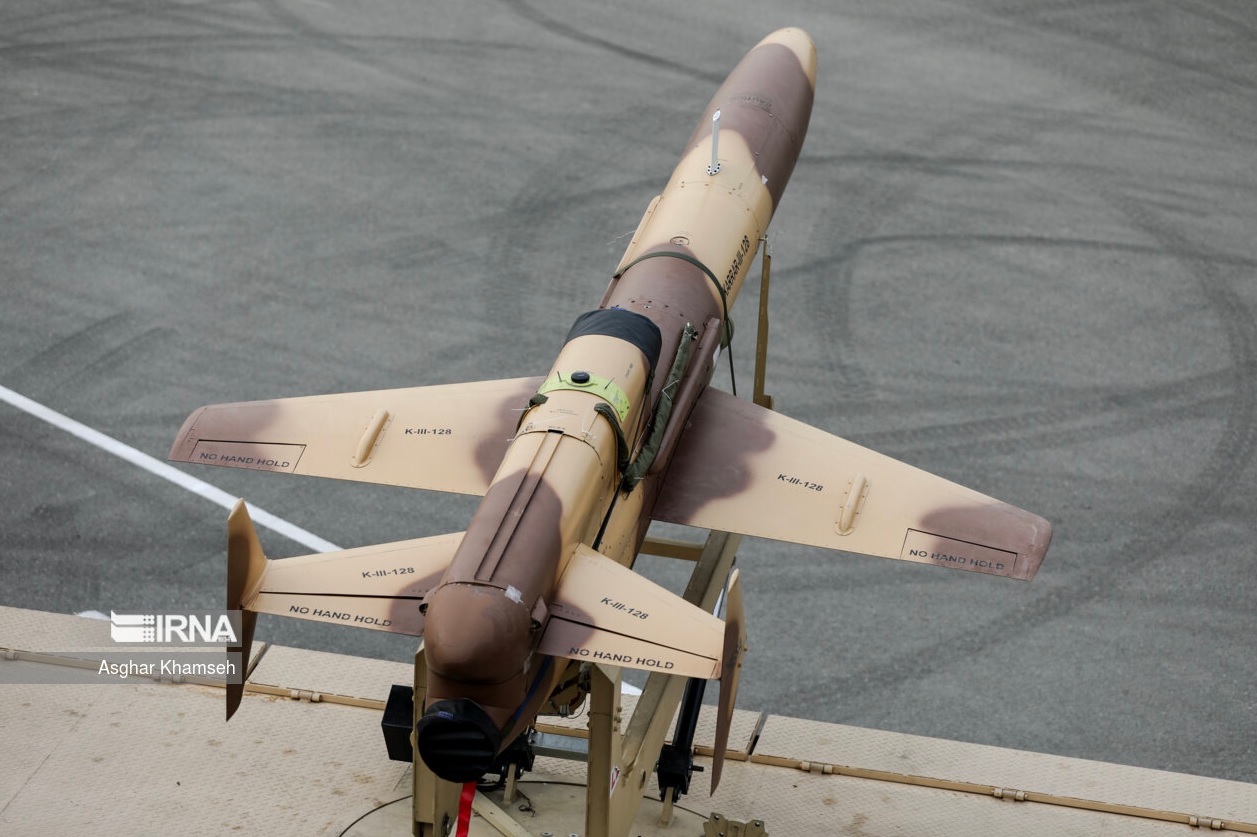
World
KYIV, Ukraine — June 13, 2026 : Russia has significantly increased the use of jet-powered strike drones in its attacks against Ukraine, marking a notable shift in aerial warfare tactics as Moscow seeks to overcome evolving Ukrainian air defense capabilities. According to information presented by Colonel Alexander Zaruba, Chief Researcher at Ukraine’s State Research Institute for Testing and Certification of Weapons and Military Equipment, Russian forces are increasingly relying on a new generation of high-speed unmanned aerial vehicles (UAVs), including the Geran-3, Geran-4, and Geran-5. Zaruba discussed the growing threat during a presentation titled “The Russian Federation’s Use of Air Attack Weapons Against Civilian Infrastructure: Technical and Humanitarian Aspects,” which was reported by Ukrainian defense outlet Militarnyi. Official statistics indicate a substantial increase in the deployment of these drones. Since the beginning of 2026, Russian forces have launched approximately 1,400 jet-powered UAVs, compared with only 180 recorded incidents during the entirety of 2025. The figures highlight a rapid expansion in the use of high-speed drones as part of Russia’s long-range strike campaign against Ukraine. Shift Toward High-Speed Strike Drones Ukrainian defense officials say the increased use of jet-powered drones reflects Russia’s efforts to counter Ukraine’s increasingly effective and cost-efficient interceptor drones. Traditional propeller-driven interceptor systems have achieved notable success against slower attack drones, prompting Russia to introduce platforms capable of operating at significantly higher speeds. The new jet-powered drones are designed to penetrate airspace protected by mobile fire groups and drone interceptors by reducing reaction times for defenders. Their higher velocity allows them to reach targets more quickly and complicates interception efforts, particularly when deployed in coordinated attack waves. Military analysts note that Russia has gradually adapted its long-range strike strategy throughout the conflict, combining cruise missiles, ballistic missiles, and various drone types to saturate Ukrainian air defenses. The introduction of larger numbers of jet-powered UAVs represents the latest phase of that evolution. Geran-3: Foundation of the Jet Drone Fleet The Geran-3, reportedly based on the Iranian-designed Shahed-238, serves as the foundational jet-powered platform within Russia’s expanding drone arsenal. The drone operates at a cruising speed between 350 and 550 kilometers per hour and has a maximum operational range of up to 1,500 kilometers, depending on configuration and payload. Standard variants are reported to carry a warhead weighing approximately 50 kilograms. Its combination of speed and long-range capability enables attacks against targets deep inside Ukrainian territory while reducing the time available for air defense systems to respond. Geran-4 Designed for Evasive Maneuvering The Geran-4 represents a more advanced development aimed specifically at improving survivability against interception attempts. Unlike earlier adaptations of existing drone designs, the Geran-4 features a redesigned and reinforced airframe capable of enduring substantial aerodynamic stress during evasive maneuvers. Its wings are permanently integrated into the fuselage, while the number of maintenance access panels has been reduced to improve aerodynamic efficiency and lower drag. The drone is powered by Chinese-manufactured turbojet engines, including either the Telefly LX-WP-160 or the more powerful TF-TJ2000A. These engines allow the aircraft to maneuver actively at speeds between 300 and 400 km/h, achieve maximum speeds of up to 500 km/h, and operate at altitudes reaching 5,000 meters. The Geran-4 has a maximum range of approximately 850 kilometers, although variants equipped with a heavier 90-kilogram thermobaric warhead are reported to have an operational range of around 450 kilometers. Standard configurations carry a 50-kilogram payload. Ukrainian officials report that the drone entered combat use in 2026 and has been increasingly employed in strike operations due to its enhanced maneuverability and improved ability to evade interception. Geran-5 Emerges as Largest Variant The Geran-5 is currently the largest drone in Russia’s jet-powered strike drone series. Featuring an elongated fuselage measuring approximately 6.5 meters, the drone is powered by the TeleFly TF-TJ2000A turbojet engine, which generates around 200 kilograms-force of thrust. The propulsion system allows the aircraft to maintain sustained high-speed flight throughout its mission profile. Defense analysts describe the Geran-5 as operating in a role that increasingly resembles that of a small cruise missile, combining extended range with a larger airframe capable of carrying heavier payloads. Production and deployment efforts for the system are continuing, with launch facilities reportedly identified in Russia’s Oryol region. Growing Challenge for Ukrainian Air Defenses The expanding use of jet-powered drones is creating new challenges for Ukraine’s air defense network. Ukrainian Commander-in-Chief Oleksandr Syrskyi recently stated that Russia intends to further increase the proportion of jet-powered UAVs used in strike operations, potentially accounting for up to 50 percent of all aerial attacks in the future. According to Syrskyi, Russian forces are continuously refining drone tactics, increasing the size of attack swarms, and introducing improved technologies that complicate interception efforts. These developments require corresponding adjustments by Ukrainian defenders. To address the threat, Syrskyi recently convened a dedicated working meeting focused on countering enemy strike drones. Discussions centered on measures to improve the effectiveness of Ukraine’s air defense systems and accelerate the modernization of domestic interceptor drones designed specifically to engage high-speed jet-powered targets. Ukrainian military officials say the rapid growth in the use of jet-powered drones underscores the changing nature of aerial warfare in the conflict. As both sides continue to adapt their technologies and tactics, counter-drone capabilities are becoming an increasingly important component of Ukraine’s broader air defense strategy.
Read More → Posted on 2026-06-13 13:58:13
World
WASHINGTON, — June 13, 2026 : The U.S. Navy has awarded defense technology startup Castelion Corp. a $23.4 million contract to produce 50 early operational capability pre-production prototypes of its Blackbeard hypersonic strike missile, along with 50 dedicated storage and shipping containers. The contract was officially awarded on June 12, 2026, marking another step in the Pentagon’s efforts to accelerate the fielding of affordable and scalable hypersonic weapons. The contract falls under a Small Business Innovation Research (SBIR) Phase III initiative titled “Low Cost Highly Manufacturable Long Range Strike Weapon Production.” The effort is intended to demonstrate that hypersonic weapons can be produced at significantly lower costs and in larger quantities than traditional programs. Approximately 75 percent of the work will be carried out at Castelion’s Project Ranger manufacturing campus in Rio Rancho, New Mexico, while the remaining 25 percent will take place at the company’s headquarters in Torrance, California. The contract is scheduled for completion by December 2027. Program Builds on Earlier Navy Investments The latest contract expands on a series of previous agreements between the U.S. military and Castelion under the same basic ordering framework. In February 2026, the company received a contract worth nearly $50 million to support full-scale Blackbeard prototypes and flight-testing activities. This was followed in April 2026 by a $105 million contract modification to integrate the missile onto the Navy’s F/A-18E/F Super Hornet fleet for live-fire testing in the Indo-Pacific region. The successive awards reflect growing confidence in the Blackbeard program as the Department of Defense seeks to expand its inventory of long-range precision strike weapons capable of surviving modern air-defense environments. Blackbeard Designed for Affordable Hypersonic Strike Capability The Blackbeard missile has been designed from the outset with manufacturability and affordability as key priorities. Unlike many existing hypersonic weapon programs that require lengthy development cycles and high production costs, Castelion aims to deliver a system that can be manufactured at scale. The missile is designed to travel at speeds exceeding Mach 5, or roughly 6,100 kilometers per hour, placing it within the hypersonic category. Such speeds, combined with its flight profile, make interception by modern air-defense systems significantly more difficult than conventional subsonic missiles. Blackbeard is expected to have a projected range approaching 800 kilometers, positioning it between traditional rocket artillery systems and larger strategic hypersonic weapons. According to program information, it is intended to provide nearly 80 percent of the planned capability of the Precision Strike Missile Increment 4 at a substantially lower unit cost. Castelion has also emphasized rapid development. Since its founding in 2022, the company has progressed from an initial design concept to conducting more than 25 flight tests in less than two and a half years, supported by vertically integrated propulsion and guidance-system development. Project Ranger Aims for Large-Scale Production To support future production requirements, Castelion has invested heavily in its Project Ranger manufacturing complex in Sandoval County, New Mexico. The company has committed more than $250 million in private capital to the project, which is being developed on a 1,000-acre site. Once completed, it is expected to become the largest dedicated hypersonic missile production facility in the United States. The campus will incorporate vertically integrated manufacturing capabilities, including production of solid rocket motors, guidance systems, and final missile assembly. A total of 21 structures are planned, with completion targeted by the end of 2026. The facility is also expected to generate approximately 300 high-paying jobs and contribute to the region’s growing defense-industrial base. Production Agreement Supports Future Procurement Castelion’s manufacturing readiness contributed to a production framework agreement signed with the Department of War in May 2026. Under the agreement, the government committed to purchasing a minimum of 500 Blackbeard missiles annually once testing and validation requirements are met. The framework also provides a pathway for the acquisition of more than 12,000 missiles over a five-year period, highlighting the military’s interest in large-scale procurement of lower-cost hypersonic weapons. The agreement reflects a broader shift in U.S. defense procurement strategy toward systems that can be produced rapidly and in significant quantities during sustained military operations. Expansion Into Maritime Operations The Blackbeard program is also expanding beyond traditional air-launched applications. On June 11, 2026, Castelion announced a partnership with Saronic Technologies to integrate the missile onto the Marauder Medium Unmanned Surface Vessel (MUSV). The companies plan to conduct a maritime launch demonstration in 2027, introducing a new sea-based launch option alongside integration efforts on carrier-based aircraft and Army M142 HIMARS platforms. The Marauder is an approximately 180-foot (55-meter) autonomous vessel developed by Saronic. The company advanced the platform from design to on-water trials in less than a year and is currently investing $300 million to expand its shipyard in Franklin, Louisiana. The expansion is expected to support production of up to 20 Marauder vessels annually by the end of 2026. Commenting on the partnership, Saronic Co-Founder and CEO Dino Mavrookas said that launching a Castelion hypersonic missile from a Marauder MUSV would significantly alter how potential adversaries assess U.S. strike options. Castelion Co-Founder and CEO Bryon Hargis stated that the combination of Blackbeard and Marauder would provide warfighters with more strike opportunities from a wider range of locations while reducing operational constraints. Broader Defense Significance The Blackbeard program represents part of a wider U.S. effort to accelerate deployment of hypersonic capabilities across air, land, and maritime domains while reducing procurement costs and increasing production capacity. Historically, hypersonic weapons have been among the most expensive precision-strike systems, often requiring decades of development and costing tens of millions of dollars per missile. Castelion’s approach focuses on producing highly manufacturable systems that can be acquired in large numbers. With multiple contracts awarded in 2026, expanding production infrastructure, and ongoing integration across several military platforms, the Blackbeard program is emerging as a significant component of the U.S. military’s effort to build more scalable and survivable long-range strike capabilities for future operations.
Read More → Posted on 2026-06-13 14:17:08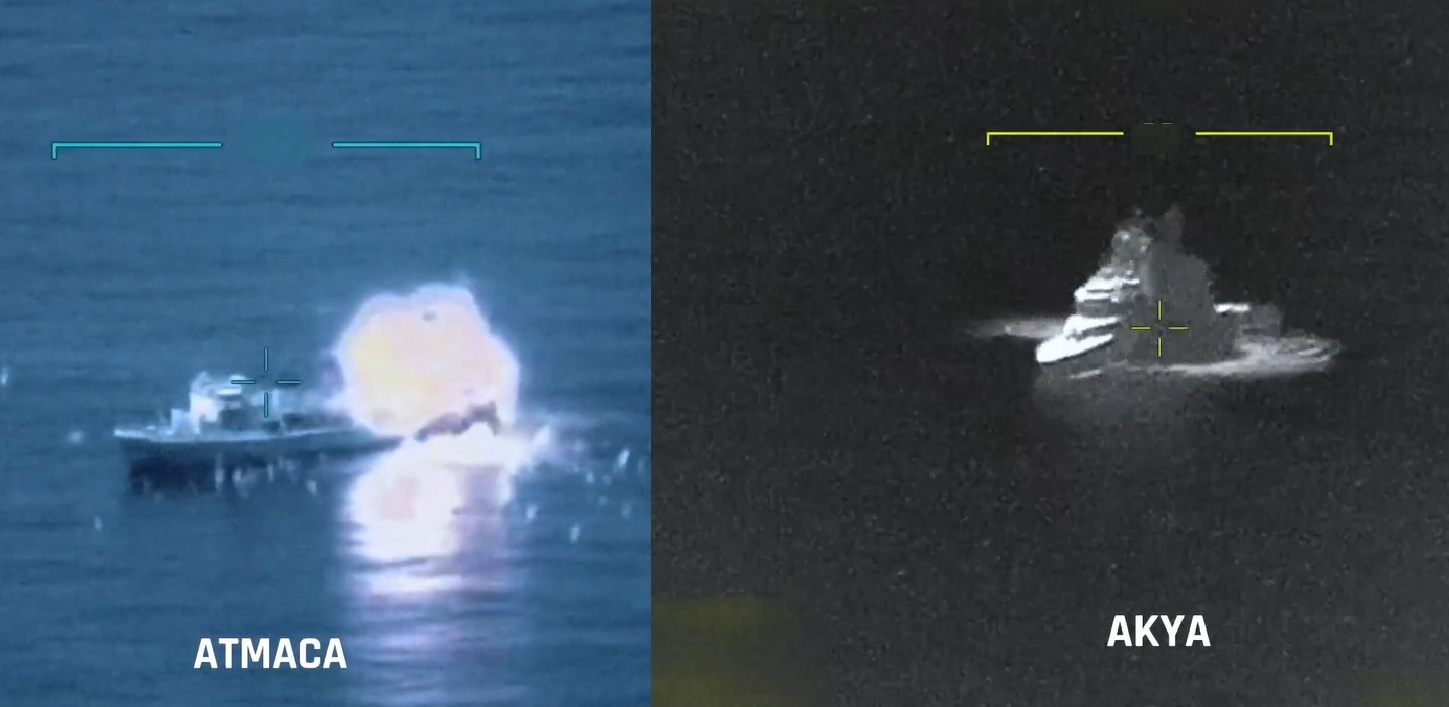
World
ANKARA, — June 13, 2026 : The Turkish Ministry of Defence (MoD) has confirmed the successful live-firing of the domestically developed AKYA heavyweight torpedo and ATMACA anti-ship missile during the Denizkurdu-II (Sea Wolf II) 2026 naval exercise in the Eastern Mediterranean. The live-fire events were conducted on June 11 as part of the exercise’s Distinguished Observers Day activities, with the ministry later releasing footage and damage assessment images from both engagements. The tests marked another milestone in Türkiye’s efforts to strengthen indigenous naval warfare capabilities and expand the operational use of domestically developed weapon systems across its submarine and surface fleets. AKYA Torpedo Successfully Engages Surface Target The AKYA heavyweight torpedo was launched from TCG Sakarya (S-354), a Preveze-class (Type 209/1400) diesel-electric submarine currently undergoing a mid-life modernization program. The designated target was the decommissioned TCG Sokullu Mehmet Paşa (A-577), a vessel that served the Turkish Navy for decades as a cadet training and command ship. Originally built in West Germany in 1960 as the Rhein-class tender Donau (A-69), the ship was later acquired by Türkiye in the 1990s. It remained in service for nearly 27 years before being decommissioned in February 2024. Video footage released by the Ministry of Defence showed the AKYA torpedo striking the vessel and causing extensive structural damage. The impact split the target ship into two sections, demonstrating the effectiveness of the torpedo’s underwater warhead and shock effect against surface targets. The firing also represented the second successful AKYA engagement against a real surface target, providing additional operational data for the Turkish Navy as the weapon moves toward wider fleet deployment. First AKYA Launch Using MÜREN Combat Management System A major achievement during the exercise was the operational use of the MÜREN (National Integrated Underwater Combat Management System) aboard TCG Sakarya. According to Turkish defence officials, this was the first time an AKYA torpedo was fired from TCG Sakarya using the newly integrated MÜREN system. The indigenous combat management architecture is being introduced across Türkiye’s submarine fleet to replace legacy combat systems on the Ay-class, Preveze-class, and Gür-class submarines. The MÜREN system integrates sonar data processing, target tracking, navigation, command-and-control functions, fire-control solutions, and wire-guided torpedo management. The successful launch during a live-fire exercise serves as an important validation of the system’s operational readiness and Türkiye’s broader effort to localize critical submarine combat technologies. The combat management system is a key component of the ongoing modernization of the Preveze-class submarines, which also includes upgrades to sonar systems, sensors, and other mission-critical equipment. ATMACA Missile Demonstrates Surface Strike Capability Alongside the submarine exercise, the Turkish Navy also conducted a live-fire test of the indigenous ATMACA anti-ship guided missile. The missile was launched from the Ada-class corvette TCG Kınalıada and successfully struck its designated target, the decommissioned open-sea tugboat ex-TCG Akbaş, which had previously served in the Turkish Navy. The successful engagement demonstrated the Navy’s surface strike capabilities and the operational maturity of the ATMACA missile program. Reports from the exercise indicated that the missile achieved an engagement range of approximately 102 kilometers before destroying the target. The simultaneous employment of AKYA and ATMACA against real targets highlighted the growing integration of Türkiye’s domestically developed naval weapon systems across both submarine and surface combat platforms. AKYA Heavyweight Torpedo Specifications Developed by Roketsan, the AKYA is a 533 mm heavyweight torpedo designed to engage both submarines and surface vessels. The weapon is expected to gradually replace or supplement the German DM2A4 SeaHake and U.S.-origin Mk 48 torpedoes currently operated by the Turkish Navy. Key specifications include: Range: More than 50 kilometers Maximum Speed: Over 45 knots Weight: Approximately 1,200 kilograms Length: Around 7 meters Guidance: Active and passive sonar, acoustic countermeasure capability, wake-homing mode for surface targets, autonomous operation, and fibre-optic wire guidance Warhead: Insensitive warhead weighing approximately 350–380 kilograms with underwater shock effect Fuzing: Proximity and impact sensors Propulsion: Brushless DC electric motor with counter-rotating propellers powered by high-energy chemical batteries Launch Method: Swim-out launch capability The torpedo is planned to become the standard heavyweight weapon for modernized Preveze-class, Gür-class, and the new Reis-class (Type 214TN) submarines entering service with the Turkish Navy. Denizkurdu-II 2026 Exercise The Denizkurdu-II exercise is one of the Turkish Navy’s largest annual maritime drills and is designed to evaluate operational readiness, joint-force coordination, and the performance of indigenous defence systems. The 2026 edition involved approximately 125 naval platforms, 60 aircraft, and nearly 18,000 personnel operating across the Black Sea, Sea of Marmara, Aegean Sea, and Eastern Mediterranean. The exercise included a broad range of scenarios covering anti-surface warfare, anti-submarine warfare, maritime security, amphibious operations, and integrated naval combat missions. Turkish Naval Forces Commander Admiral Ercüment Tatlıoğlu emphasized the importance of domestically developed weapon systems and combat technologies in strengthening national defence capabilities and reducing dependence on foreign suppliers. The latest AKYA and ATMACA firings provide additional operational validation for Türkiye’s indigenous naval modernization efforts, while supporting ongoing serial production and fleet-wide integration programs aimed at enhancing the country's self-reliance in underwater and surface warfare capabilities.
Read More → Posted on 2026-06-13 14:35:36
World
COSTA MESA, California, — June 13, 2026 : Defense technology company Anduril Industries has secured a $363 million contract from U.S. Customs and Border Protection (CBP) to supply more than 200 Extended Range Sentry Towers (XRST) as part of efforts to expand the agency’s autonomous border surveillance network along the U.S. Southwest Border. The contract marks a significant expansion of CBP’s border monitoring capabilities and builds on a partnership between Anduril and the agency that has spanned more than seven years. The new XRST systems are designed to enhance situational awareness for Border Patrol agents by providing long-range autonomous surveillance across broad and complex terrain. Under the agreement, Anduril will deploy more than 200 of its 80-foot-tall Extended Range Sentry Towers. The systems are equipped with advanced electro-optical cameras, thermal imaging sensors, radar systems, and communications equipment capable of operating continuously in remote border environments. According to the company, the towers can autonomously detect, classify, and track objects of interest at ranges exceeding 5 miles, with some configurations capable of monitoring targets at distances of up to 12 kilometers. Information collected by the sensors is processed through Anduril’s proprietary Lattice software platform, which uses artificial intelligence (AI) to analyze data, identify potential threats, and automatically alert CBP personnel. The AI-enabled platform is designed to reduce the need for agents to continuously monitor video feeds by filtering large volumes of sensor data and highlighting relevant activities requiring attention. This allows personnel to focus on response and operational decision-making rather than manual surveillance tasks. Layered Surveillance Network The newly contracted XRST systems will operate alongside Anduril’s existing Standard Range Sentry Towers to create a layered surveillance network across the southern border. Anduril stated that the combination of Extended Range and Standard Range towers provides persistent and comprehensive coverage across diverse border environments. The extended-range towers significantly increase monitoring capability compared to standard models, which typically detect and track persons at approximately 2.8 kilometers and vehicles at around 3.5 kilometers. The larger XRST systems are designed to cover wider areas, potentially reducing the number of towers required to monitor extensive stretches of terrain. Like previous Sentry Tower variants, the new systems are solar-powered, require limited infrastructure, and can be rapidly deployed in remote locations. Existing Border Operations Anduril has already delivered and sustained more than 350 Standard Range Sentry Towers deployed along the U.S. southern border. According to the company, these systems currently provide surveillance coverage for approximately 30 percent of the southern land border and have autonomously identified hundreds of thousands of border crossings. The towers operate continuously during both day and night, transmitting relevant alerts and tracking information to Border Patrol agents for further assessment and action. Program Development The Sentry Tower program began in 2018 when Anduril introduced its autonomous surveillance technology to CBP through the Autonomous Surveillance Tower (AST) pilot initiative. The program expanded across additional border regions in 2019 and was formally designated as a CBP program of record in 2020. In November 2024, the Extended Range Sentry Tower successfully completed CBP acceptance testing. Following the evaluation, Anduril assigned additional software engineering resources to further improve long-range autonomous tracking capabilities based on operational requirements and feedback from Border Patrol agents. The newly awarded contract is structured as a one-year Small Business Innovation Research (SBIR) Phase III effort and supports the continued expansion of autonomous surveillance technologies intended to improve border situational awareness while reducing operational risks for personnel in the field. With the addition of more than 200 Extended Range Sentry Towers, CBP is expected to significantly expand the reach of its autonomous surveillance network, enhancing long-range monitoring capabilities across key sections of the Southwest Border.
Read More → Posted on 2026-06-13 16:01:31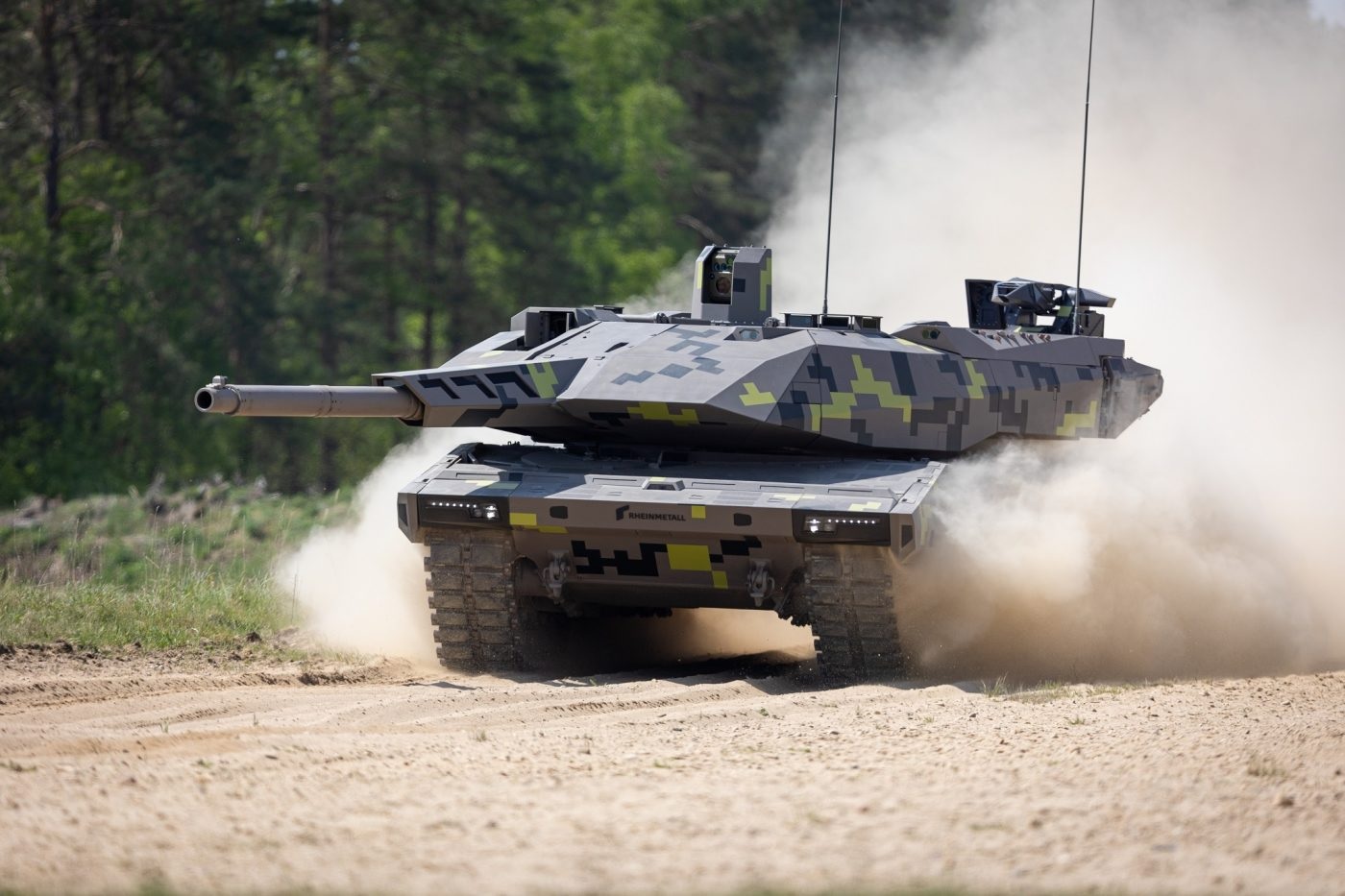
World
BERLIN/PARIS, — June 13, 2026 : France is considering reducing its participation or potentially withdrawing from the Main Ground Combat System (MGCS) program, the joint Franco-German effort to develop a next-generation main battle tank, according to comments by Rheinmetall Chief Executive Officer Armin Papperger. While no final decision has been taken by Paris, Papperger said the possibility of a French withdrawal remains under consideration as discussions continue over funding levels and future budget commitments. Funding Concerns Raise Questions Over Program Future According to Papperger, the main challenge facing the MGCS project is financial uncertainty. France is reportedly examining plans to reduce its contribution to less than half of the amount originally envisioned for the program. He warned that lower funding could have a direct impact on development progress, forcing industrial partners to scale back certain technical requirements and potentially causing further delays. Papperger also highlighted the limited financial support provided to the companies involved in the project. He said that since the program was launched, the participating firms — Rheinmetall, KNDS, and Thales — have collectively received only €25 million in funding. The Rheinmetall chief stated that such funding levels are insufficient for a major defense development program and noted that reduced budgets would make it difficult to accelerate progress on the next-generation combat system. MGCS Designed to Replace Leopard 2 and Leclerc Tanks The MGCS initiative was launched in 2017 by the governments of France and Germany with the objective of developing a highly integrated future ground combat system. The program is intended to replace the current generation of main battle tanks operated by both countries, including Germany’s Leopard 2 and France’s Leclerc tanks. Originally, the project aimed to field the new system during the 2030s. However, a combination of industrial negotiations, technical challenges, and bureaucratic delays has gradually pushed the expected entry-into-service timeline into the 2040s. Industrial Structure Established in 2025 A significant milestone for the program was reached in 2025 with the establishment of MGCS Project Company GmbH in Cologne, Germany. The joint venture was created to manage the next stage of development and serves as the industrial prime contractor for the project. Ownership is divided equally among four partners: KNDS Deutschland – 25% KNDS France – 25% Rheinmetall Landsysteme – 25% Thales – 25% The company is responsible for coordinating work on key elements of the future combat system, including the platform, turret, main gun, sensors, and supporting technologies. Development responsibilities were allocated on a 50-50 national basis between France and Germany. Germany Pursuing Interim Tank Development As the MGCS timeline has continued to move further into the future, German defense companies Rheinmetall and KNDS Germany have initiated development of an upgraded main battle tank outside the MGCS framework. The platform is expected to become operational in the early 2030s and is intended to provide an interim capability while work on a future-generation combat system continues. Broader Challenges for Franco-German Defense Cooperation The uncertainty surrounding MGCS comes at a time of increased strain in Franco-German defense collaboration. Earlier this week, German Chancellor Friedrich Merz and French President Emmanuel Macron agreed to terminate the Future Combat Air System (FCAS) program, a major joint fighter aircraft development project. The decision followed prolonged disagreements between participating aerospace companies over industrial responsibilities and production arrangements. Defense analysts believe the cancellation of FCAS and the ongoing funding uncertainty surrounding MGCS highlight the difficulties often associated with large multinational European defense projects. Differences in budget priorities, industrial interests, and program management have repeatedly complicated efforts to develop advanced military platforms through joint cooperation. No Final Decision Yet Despite growing concerns over funding and future participation, no formal decision has been announced regarding France’s role in the MGCS program. Discussions between the French and German governments, along with industry partners, are expected to continue as both sides evaluate long-term defense requirements, financial commitments, and the future direction of one of Europe’s most ambitious armored vehicle development programs.
Read More → Posted on 2026-06-13 16:12:13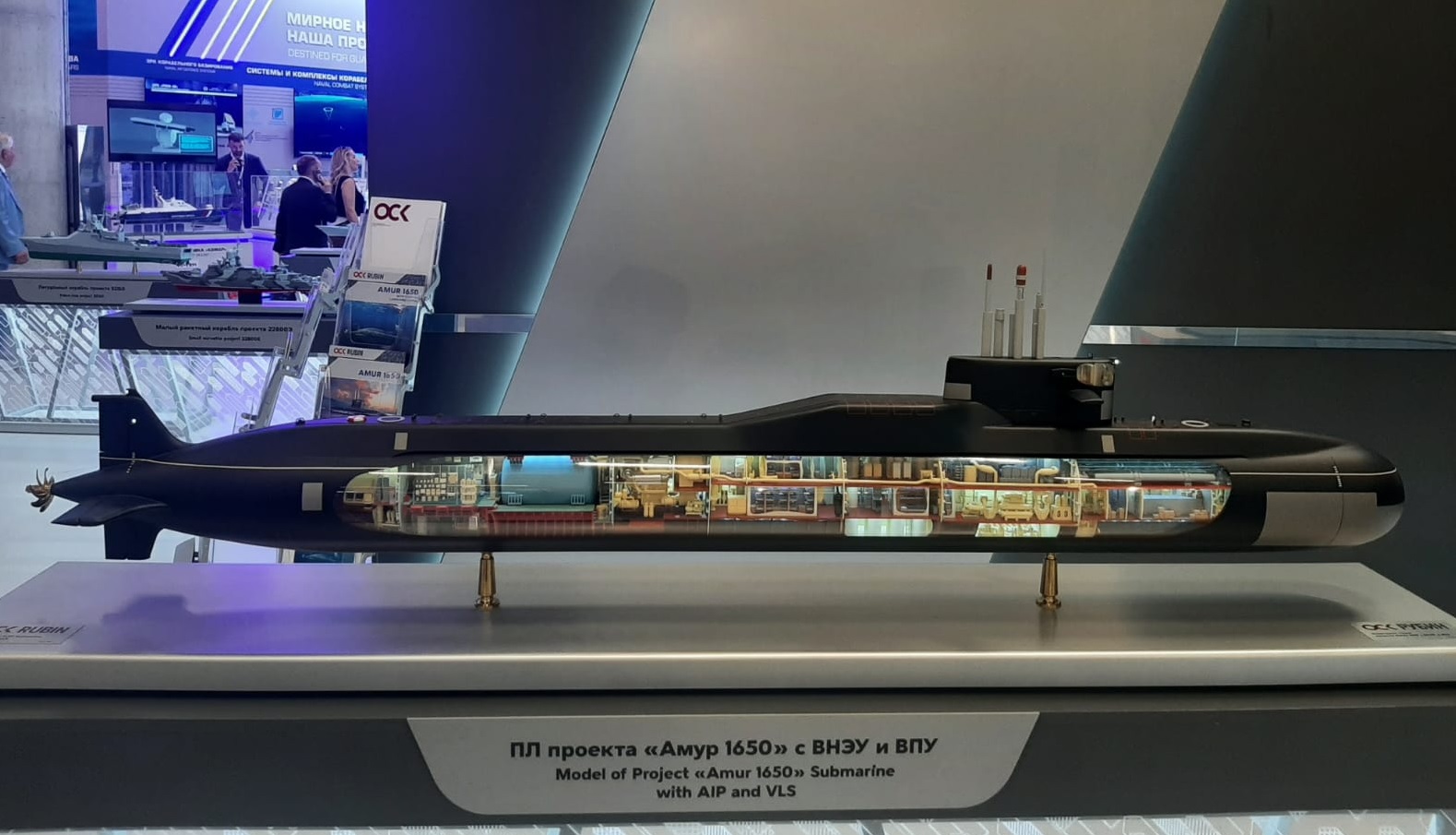
World
ST. PETERSBURG, Russia, — June 13, 2026 : Russia has unveiled an upgraded configuration of its Amur-1650 diesel-electric submarine featuring a vertical launch system (VLS) capable of launching BrahMos supersonic cruise missiles. The model was presented by the United Shipbuilding Corporation (USC) during the Fleet-2026 International Maritime Defence Exhibition in St. Petersburg. The unveiling highlights Russia’s efforts to market the Amur-1650 to international customers seeking conventional submarines with long-range precision strike capabilities. BrahMos Vertical Launch Capability The key feature of the showcased model is the integration of vertical launch cells capable of carrying BrahMos and Club-S cruise missiles. The VLS allows missiles to be launched while the submarine remains fully submerged, enabling strikes against both maritime and land targets. The submarine can reportedly carry up to 28 weapons, including heavyweight torpedoes, cruise missiles, mines, and precision-guided munitions. Earlier versions of the project were designed to carry around 16 weapons. BrahMos, jointly developed by India and Russia through BrahMos Aerospace, is based on technology derived from Russia’s P-800 Oniks missile family. The missile is designed for anti-ship and land-attack missions and has previously demonstrated submarine-launch capability during a successful underwater test in 2013. Design and Performance Developed by the Rubin Central Design Bureau, the Amur-1650 is the export version of Russia’s Project 677 Lada-class submarine and is promoted as a fourth-generation conventional submarine. The updated design features a single-hull architecture, replacing the traditional Russian twin-hull configuration. According to developers, the design improves acoustic stealth and provides additional internal space for combat systems and equipment. The submarine is designed to incorporate an air-independent propulsion (AIP) system and lithium-ion batteries, enabling longer submerged operations. Under optimal conditions, it can remain submerged for up to 40 days and has a total endurance of up to 60 days. Specifications According to the displayed model, the Amur-1650 has the following specifications: Surface displacement: approximately 1,765 tons Submerged displacement: approximately 3,000 tons Length: 66.8 meters Maximum diving depth: 300 meters Submerged speed: around 21 knots Crew: 35–42 personnel Armament: six 533 mm torpedo tubes and VLS cells for BrahMos or Club-S missiles Weapons capacity: up to 28 weapons Estimated unit cost: $400–450 million Export Prospects Russia has promoted the Amur-1650 to several countries, including India, which evaluated the submarine for its conventional submarine requirements before selecting the French-designed Scorpène-class under Project 75. The submarine has also been offered to other international customers, including Morocco, which reportedly considered the platform in 2025. However, no contracts have been signed so far, and construction of export variants has not commenced. The addition of a BrahMos-compatible vertical launch system is intended to strengthen the Amur-1650’s appeal in the international market, particularly among navies seeking conventional submarines with enhanced strike capabilities.
Read More → Posted on 2026-06-13 16:23:14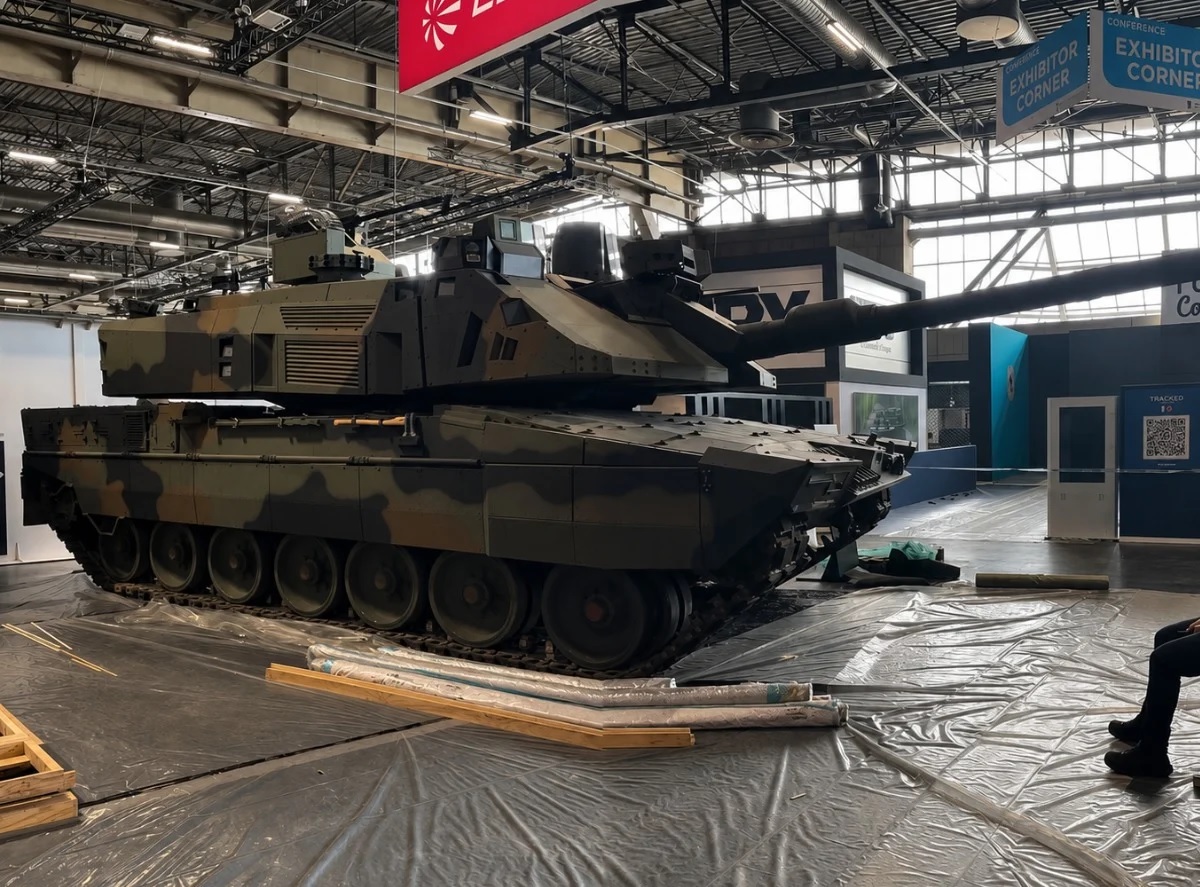
World
PARIS/ROME, — June 13, 2026 : Leonardo Rheinmetall Military Vehicles (LRMV), the joint venture between Italy’s Leonardo and Germany’s Rheinmetall, will present its new Italian Main Battle Tank (IMBT) prototype for the first time at the Eurosatory 2026 defense exhibition in Paris from June 15 to 19. The unveiling marks a major step in Italy’s long-term effort to modernize its armored forces and replace aging combat platforms. The IMBT program was launched to replace the Italian Army’s Ariete main battle tanks, which have remained in service since the 1990s. While the Ariete fleet has undergone modernization upgrades, recent conflicts have highlighted the growing threat posed by anti-tank guided missiles, loitering munitions, and first-person-view (FPV) drones, prompting the development of a new generation of armored vehicles with enhanced protection and battlefield capabilities. Based on Panther KF51 Technology The new tank is structurally derived from Rheinmetall’s Panther KF51 platform, a next-generation main battle tank designed to address evolving operational requirements. The vehicle incorporates mission systems, electronic architecture, and weapons integration developed by Leonardo to meet the specific needs of the Italian Army. LRMV operates as a 50:50 partnership between Leonardo and Rheinmetall. The company maintains its legal headquarters in Rome, while testing, integration, and assembly activities are conducted at facilities in La Spezia. The joint venture combines Rheinmetall’s expertise in armored vehicle development with Leonardo’s capabilities in electronics, sensors, and systems integration. Layered Protection Against Modern Threats A key feature of the IMBT prototype is its layered protection architecture, designed to improve survivability against a wide range of battlefield threats. The vehicle is equipped with Rheinmetall’s StrikeShield Active Protection System (APS), a hard-kill defense solution capable of detecting and intercepting incoming anti-tank rockets, guided missiles, and certain armor-piercing projectiles before they reach the vehicle. The system is designed to reduce collateral effects on nearby infantry, making it suitable for operations in complex and urban environments. The tank also features the ROSY Rapid Obscuring System, which can rapidly deploy visual and infrared smoke screens to disrupt enemy targeting systems and provide crews with additional time to reposition during combat engagements. Complementing these systems is Leonardo’s Blaze 30 Remote Weapon Station, armed with a 30 mm cannon. The remotely operated turret enables crews to engage drones, aerial threats, light armored vehicles, and infantry while remaining protected inside the vehicle, reducing exposure to enemy fire and surveillance. Part of Italy’s Wider Armored Modernization Effort The IMBT debut comes as LRMV continues work on the Italian Army’s broader modernization programs. On January 27, 2026, the joint venture delivered the first four Lynx KF-41 infantry fighting vehicles to the Italian Armed Forces at the Montelibretti experimentation center. The delivery officially launched the Army Armoured Combat System (A2CS) programme, which is based on a contract awarded in late 2025 for an initial batch of 21 combat vehicles. The broader A2CS framework envisions the acquisition of more than 1,000 armored combat systems across 16 different variants, making it one of the largest military vehicle procurement programs currently underway in Europe. For the main battle tank program, current plans call for approximately 132 tanks, alongside specialized variants including armored recovery, engineering, and bridge-laying vehicles. Total requirements for the tank family and related derivatives could reach around 380 vehicles. Industrial and Export Ambitions Beyond meeting Italian military requirements, LRMV is positioning itself as a major supplier for future European armored vehicle modernization projects. Under the industrial arrangement supporting the program, around 60 percent of assembly work, homologation testing, and long-term logistical support activities will remain in Italy. This approach is intended to strengthen the country’s defense industrial base while ensuring domestic involvement throughout the production and support lifecycle. The decision to unveil the IMBT at Eurosatory reflects the joint venture’s broader export ambitions. With defense spending increasing across Europe and several countries seeking replacements for older armored fleets, LRMV aims to offer a modular and production-ready platform capable of supporting modern, networked combat operations. Eurosatory Debut The Eurosatory 2026 exhibition will provide the first public opportunity for military delegations, defense officials, and industry representatives to examine the new Italian main battle tank prototype. The unveiling is expected to highlight the progress made by Leonardo and Rheinmetall in developing a next-generation armored platform designed to meet Italy’s future operational requirements while also serving as a potential solution for allied nations seeking advanced land combat capabilities.
Read More → Posted on 2026-06-13 16:43:27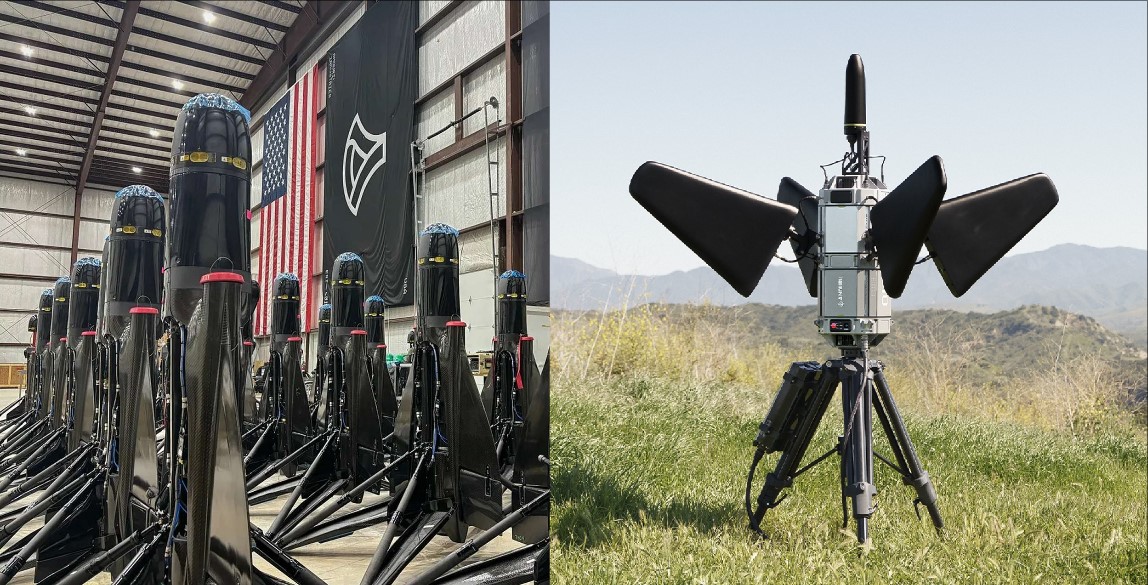
World
KUWAIT CITY, — June 13, 2026 : Kuwait is set to strengthen its air defense capabilities after securing a foreign military sale valued at approximately $1.98 billion for advanced counter-unmanned aerial systems (C-UAS) from U.S. defense technology company Anduril Industries. The sale was approved by the U.S. Department of State on June 5, 2026. The approval comes shortly after a reported Iranian drone attack on Kuwait International Airport, which resulted in one fatality and 63 injuries. The incident highlighted the growing challenge posed by low-flying and asymmetric drone threats. Anduril Industries, headquartered in Costa Mesa, California, will serve as the principal contractor. The agreement represents the company's largest international contract to date and reflects the growing role of software-focused defense firms in global military procurement. AI-Powered Command and Control The package is centered on Anduril’s Lattice command-and-control platform, which integrates data from radar, electro-optical, infrared, and radio-frequency sensors into a single real-time operational picture. The AI-enabled system can autonomously detect, classify, track, and prioritize aerial threats while recommending response options to operators. The software-driven architecture enables multiple sensors and defensive systems to operate as a unified network. Key Systems Included The deal includes several major components of Anduril’s counter-drone portfolio: Roadrunner-M is a reusable vertical takeoff and landing interceptor powered by twin turbojet engines. Designed to engage larger aerial threats, it can return to base and be reused if an interception is not required, reducing operational costs during sustained drone attacks. Anvil-Kinetic is an autonomous interceptor designed to destroy small drones through direct collision. Pulsar provides a non-kinetic electronic warfare capability by disrupting drone communications, navigation signals, and control links. Sentry Towers in fixed, mobile, extended-range, and maritime configurations will provide continuous detection and tracking of aerial threats using computer vision and machine-learning technology. The package also includes launch boxes, Menace tactical operations centers, generators, training, logistics support, and engineering services. Complementing Existing Air Defenses The new systems are designed to integrate with Kuwait’s existing air defense network, including current radar and early warning systems. Kuwait will continue operating its Patriot missile batteries and is expected to proceed with plans to acquire the National Advanced Surface-to-Air Missile System (NASAMS). The Anduril package is intended to address threats posed by low-cost drones and drone swarms, complementing existing defenses focused on higher-altitude and ballistic missile threats. The systems are expected to enhance the protection of critical infrastructure, military facilities, airports, ports, and energy installations across Kuwait.
Read More → Posted on 2026-06-13 17:16:49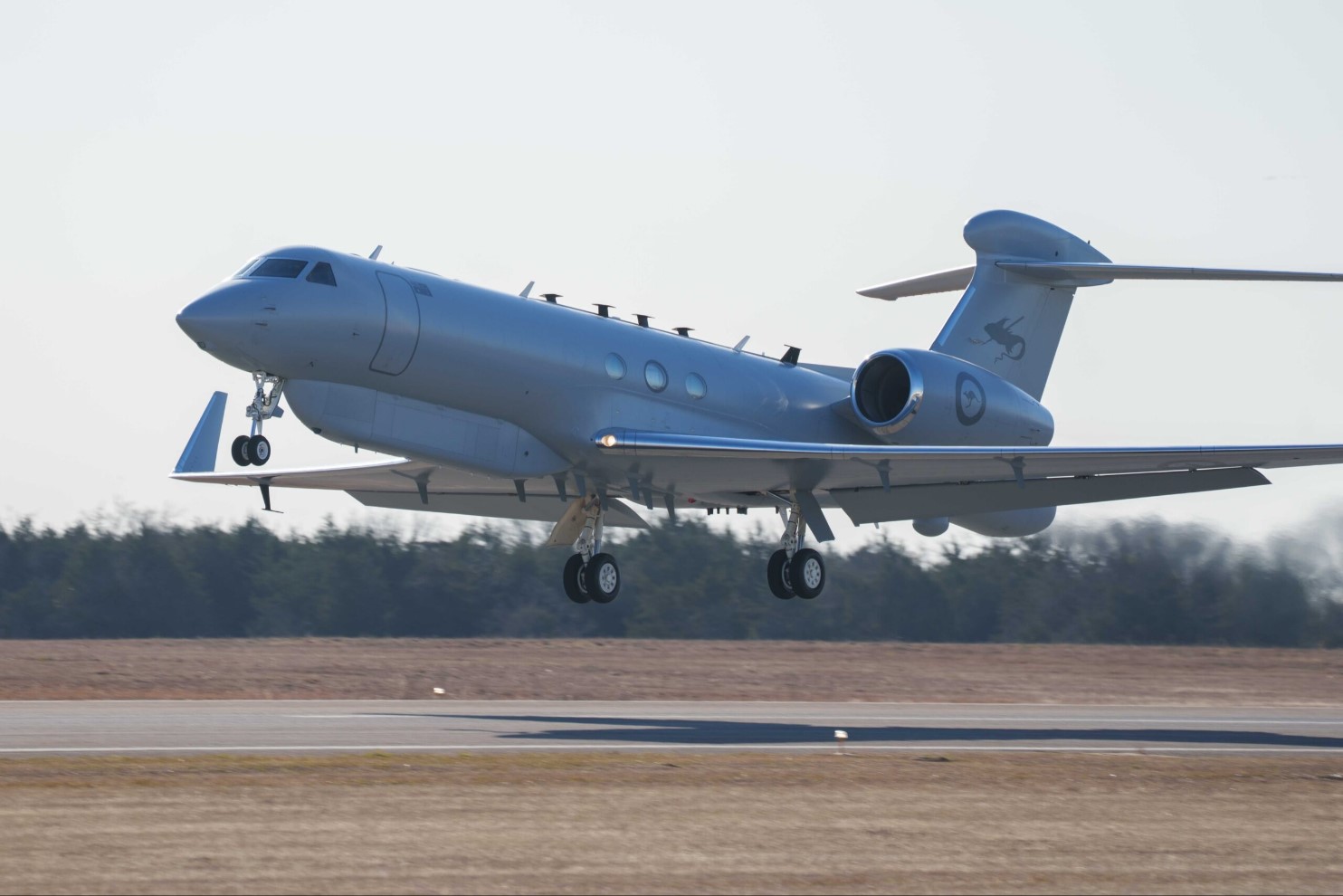
World
ADELAIDE, — June 13, 2026 : The Royal Australian Air Force (RAAF) has received its third MC-55A Peregrine intelligence, surveillance, reconnaissance, and electronic warfare (ISREW) aircraft, further advancing Australia's efforts to expand its airborne intelligence and electronic warfare capabilities. The aircraft arrived at RAAF Base Edinburgh in South Australia, where the entire fleet will be based and operated by No. 10 Squadron. The delivery follows the arrival of the first MC-55A in January 2026 and the second aircraft in March 2026. A fourth and final aircraft is expected to join the fleet later this year. The program is progressing toward achieving full operational capability by 2028. Dedicated Intelligence and Electronic Warfare Platform The MC-55A Peregrine is Australia's first dedicated airborne intelligence, surveillance, reconnaissance, and electronic warfare platform. Developed from the Gulfstream G550 business jet, the aircraft has been extensively modified by U.S.-based defence contractor L3Harris Technologies with advanced mission systems designed to support intelligence collection, electronic warfare operations, long-range targeting, and mission planning. The acquisition is being carried out under Project AIR 555 Phase 1, through which the Australian Government approved approximately A$2.4 billion for the purchase of four aircraft. The platform is intended to replace and expand capabilities previously provided by the RAAF's AP-3C Orion electronic warfare variants. Advanced Multi-Intelligence Capabilities The MC-55A is equipped to conduct signals intelligence (SIGINT), electronic intelligence (ELINT), communications intelligence (COMINT), and broader multi-intelligence collection missions. Its systems are designed to collect, process, and distribute information across multiple domains, supporting commanders with real-time situational awareness and operational planning. The aircraft is expected to play a key role in monitoring Australia's strategic maritime approaches and supporting regional deployments throughout the Indo-Pacific. Its ability to operate as a persistent intelligence-gathering platform enables the Australian Defence Force (ADF) to conduct surveillance and electronic warfare missions in complex operational environments. Aircraft Specifications Based on the Gulfstream G550 airframe, the MC-55A combines long-range performance with high-altitude operational capability. Key specifications include: Length: Approximately 29.4 metres Wingspan: 28.48 metres Maximum Takeoff Weight: Around 42,700 kilograms Engines: Two Rolls-Royce BR710 C4-11 turbofan engines Range: Up to 7,685 kilometres Service Ceiling: 45,000 feet Cruise Performance: High-speed long-range operations These characteristics allow the aircraft to conduct extended surveillance and intelligence missions over large distances while maintaining operational flexibility. Integration with Australia's Defence Network The Peregrine will become a central component of Australia's broader intelligence and surveillance architecture. The aircraft is expected to operate alongside other ADF platforms, including the Boeing P-8A Poseidon maritime patrol aircraft and the Northrop Grumman MQ-4C Triton unmanned aircraft system. By integrating data collected from multiple platforms, the MC-55A will strengthen Australia's ability to monitor activities across the Indo-Pacific region and improve intelligence-sharing capabilities with allied partners. No. 10 Squadron Transition No. 10 Squadron, which has a longstanding history as a signals intelligence unit within the RAAF, is currently transitioning to the new fleet. The arrival of the third aircraft marks another important step in building the squadron's operational capability and preparing personnel for future intelligence and electronic warfare missions. To support the fleet, L3Harris has established an in-country field service team responsible for maintenance support and future upgrades. The U.S. Air Force acts as the contracting agency under a Foreign Military Sales (FMS) arrangement, while initial testing and training activities have been conducted in the United States. Strengthening Allied Interoperability The MC-55A Peregrine fleet is expected to enhance interoperability with key defence partners, including the United States and the United Kingdom. The aircraft's advanced intelligence and communications systems will support joint operations, coalition missions, and information-sharing activities across allied networks. With the third aircraft now delivered and the final airframe scheduled to arrive later in 2026, Australia continues to build a modern airborne intelligence capability designed to support future defence operations and evolving regional security requirements.
Read More → Posted on 2026-06-13 17:19:35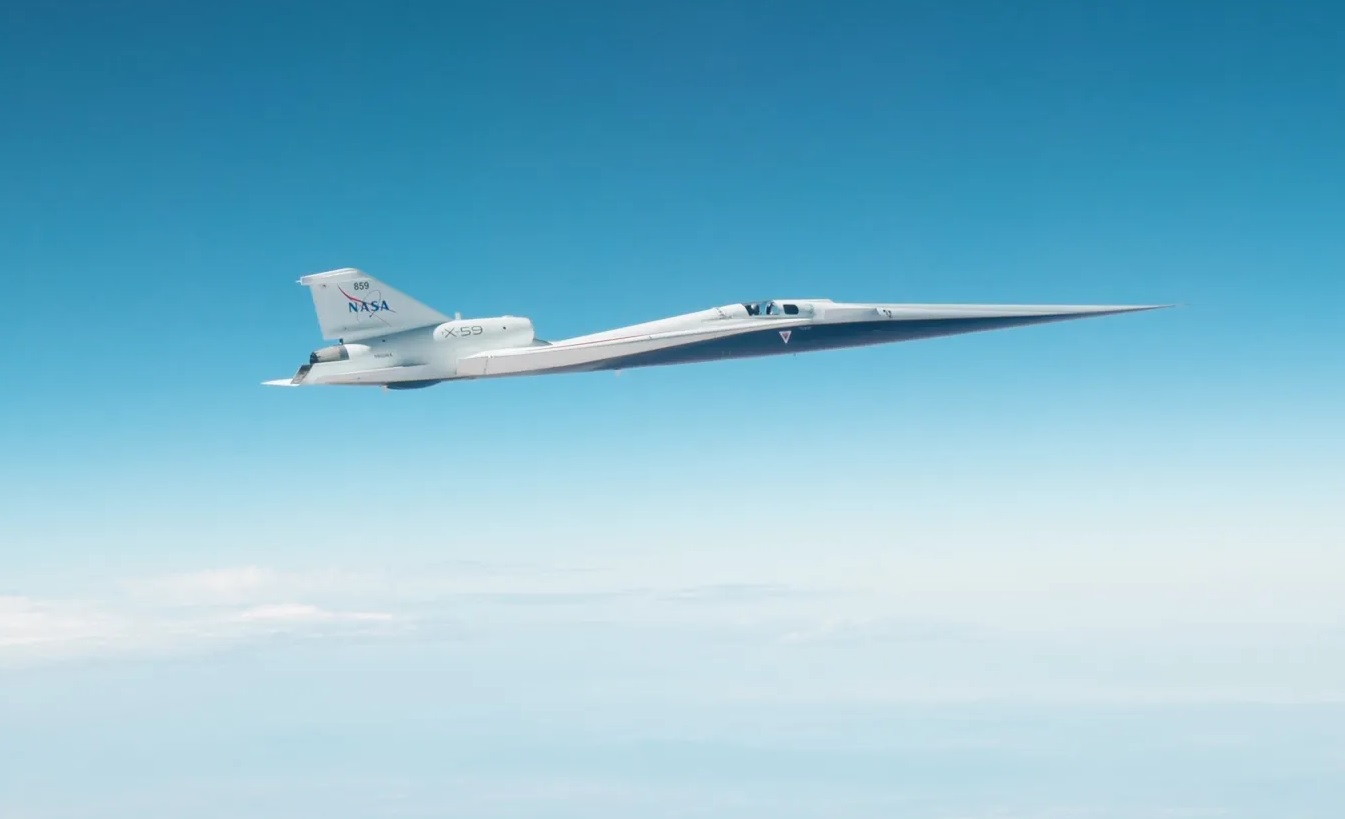
Space & Technology
EDWARDS, California, — June 13, 2026 : NASA’s X-59 quiet supersonic research aircraft has successfully completed its first flight under planned mission conditions, reaching a speed of Mach 1.4 and an altitude of 55,000 feet on June 12, 2026. The achievement marks the fastest and highest flight conducted by the aircraft to date and represents a significant milestone in NASA’s Quesst (Quiet SuperSonic Technology) mission. The flight took place exactly one week after the X-59 completed its first supersonic flight. On June 5, NASA test pilot Jim “Clue” Less flew the aircraft to approximately Mach 1.1 at an altitude of 43,400 feet during an 81-minute sortie from Edwards Air Force Base in California. Envelope Expansion Testing Continues The recent flights are part of NASA’s ongoing envelope expansion program, a testing process in which engineers gradually increase an aircraft’s speed and altitude to assess performance, verify system reliability, and calibrate onboard instruments under increasingly demanding conditions. During the initial supersonic test flights, a NASA F-15 chase aircraft accompanied the X-59. The sonic booms generated by the F-15 masked any sound produced by the X-59, as the current phase of testing is focused on evaluating structural integrity, aerodynamic performance, and flight systems rather than measuring acoustic signatures. NASA officials stated that the June 12 flight successfully demonstrated the aircraft’s ability to operate at its intended mission conditions, providing valuable data for future testing phases. Designed to Reduce Sonic Booms The X-59, developed by NASA in partnership with Lockheed Martin’s Skunk Works, is specifically designed to address one of the primary challenges associated with supersonic flight: the loud sonic boom. When conventional aircraft travel faster than the speed of sound, they generate pressure waves that combine into a powerful shockwave. As this shockwave reaches the ground, it is heard as a loud sonic boom that can exceed 100 perceived noise decibels. Concerns about noise pollution led regulators to prohibit commercial supersonic flights over land in the United States in 1973. The X-59 incorporates several design features intended to reduce this effect. The aircraft measures approximately 99.7 feet in length with a 29.5-foot wingspan. Its distinctive needle-like nose accounts for nearly one-third of the aircraft’s overall length. The elongated structure and carefully shaped airframe are designed to separate the pressure waves generated by different parts of the aircraft, including the nose, wings, cockpit, and engine. Instead of merging into a single shockwave, these separated waves travel through the atmosphere independently and reach the ground as a series of smaller pressure changes. NASA expects this configuration to produce a quieter sonic “thump” of approximately 75 perceived noise decibels, a sound level comparable to a car door closing. Advanced Systems and Modified Airframe The X-59 is based on a modified Gulfstream aircraft design and incorporates several advanced technologies. One of its most notable features is the eXternal Vision System (XVS), which replaces a traditional forward-facing cockpit windshield with a combination of high-resolution cameras and display systems. This arrangement provides pilots with forward visibility while allowing the aircraft to maintain its extended nose design. The aircraft serves as the centerpiece of NASA’s Quesst mission, which aims to collect scientific data on public reactions to quieter supersonic flight and support the development of future commercial supersonic aircraft. Community Overflights Planned Following the completion of performance testing, NASA plans to transition the program into its acoustic validation phase. The X-59 will conduct a series of flights over selected communities across the United States while operating at its established mission conditions of Mach 1.4 and 55,000 feet. During these overflights, NASA will deploy ground-based microphone arrays to record the aircraft’s acoustic signature. Residents in the test areas will also be surveyed to gather information on how they perceive the sound generated by the aircraft. The collected data will be shared with aviation regulatory bodies, including the Federal Aviation Administration (FAA) and the International Civil Aviation Organization (ICAO). Path Toward Future Supersonic Travel NASA plans to continue flight testing over the coming months, with additional envelope expansion flights expected to reach speeds of up to Mach 1.6 and altitudes approaching 60,000 feet. The agency hopes that data gathered through the Quesst mission will help establish new science-based noise standards for supersonic aircraft. If regulators determine that quieter supersonic flight can be conducted without significant disturbance to communities, the findings could support future changes to existing regulations governing commercial supersonic operations over land. NASA officials believe the research could contribute to the development of next-generation commercial aircraft capable of significantly reducing travel times while meeting modern environmental and noise requirements.
Read More → Posted on 2026-06-13 17:31:58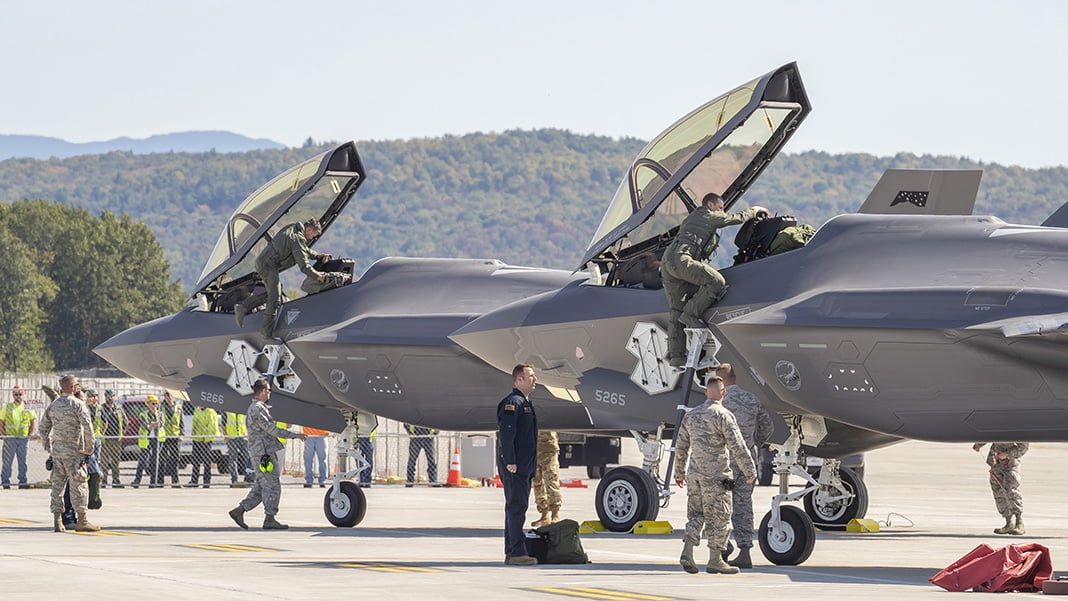
World
WASHINGTON, — June 13, 2026 : The readiness of the U.S. military's F-35 Lightning II fleet continued to decline during fiscal year 2025, with only one-quarter of the global fleet capable of performing all assigned missions, according to a new report released by the U.S. Government Accountability Office (GAO). The report, published on June 11, highlights ongoing challenges affecting the world's largest fifth-generation fighter program, including software delays, spare parts shortages, corrosion issues, rising sustainment costs, and shortcomings in contractor incentive structures. Readiness Metrics Continue Downward Trend According to the GAO, key readiness indicators have deteriorated significantly since fiscal year 2021. The fleet's mission capable rate, which measures the percentage of time an aircraft can perform at least one assigned mission, declined from 67 percent in fiscal 2021 to 44 percent in fiscal 2025. Meanwhile, the full mission capable rate, representing the percentage of time aircraft can perform all assigned missions, dropped from 38 percent to 25 percent during the same period. The report noted that readiness levels varied among the three F-35 variants. The Air Force's F-35A recorded a mission capable rate of 38.6 percent in fiscal 2025, lower than the Marine Corps' F-35B and the Navy's F-35C, which achieved rates ranging between 54 percent and 64 percent. However, the F-35A posted the highest full mission capable rate among the variants at 28.5 percent, nearly double that of the F-35B and F-35C. Software Delays Affect New Aircraft Air Force officials attributed part of the readiness decline to the introduction of aircraft equipped with the Technology Refresh 3 (TR-3) hardware and software package. Due to ongoing software development delays, TR-3-configured aircraft remain restricted primarily to basic flight training missions and are currently unable to conduct combat operations. The delays have slowed the delivery of the aircraft's expanded combat capabilities and contributed to reduced fleet availability. The report also identified corrosion problems and persistent spare parts shortages as major factors limiting readiness. A 2025 study conducted by Lockheed Martin found that suppliers were unable to meet demand for 48 critical components, including canopies and other high-priority parts required to keep aircraft operational. Joint Program Office Launches Readiness Recovery Plan In response to declining readiness levels, the F-35 Joint Program Office (JPO) launched the Global Support Solution (GSS) Reset initiative in June 2025. The program seeks to improve fleet performance and achieve an 80 percent mission capable rate and a 65 percent full mission capable rate by 2030. To meet those objectives, the JPO estimates that an additional $13.7 billion will be required through fiscal year 2031 beyond previously planned funding levels. The projected funding includes: $7.3 billion for depot-level spare parts and materials. $3.1 billion to expand military depot repair capacity. $3.3 billion for maintenance and fuel requirements. According to the GAO, only $2.2 billion of the total funding requirement is directly associated with the GSS Reset initiative. The remaining $11.5 billion is intended to address historical budget shortfalls and reflects the difference between previous sustainment estimates and actual program requirements. Program officials have indicated that readiness rates could decline further before improvements become visible, with significant gains potentially not emerging until late 2026 or beyond. Supply Chain Constraints Remain a Major Risk The GAO warned that the success of the GSS Reset strategy depends heavily on the defense industrial base's ability to increase production. The Joint Program Office is relying on industry partners to deliver more than $7 billion worth of additional parts and materials, but existing supplier capacity constraints continue to present risks. The report noted that shortages of critical components have repeatedly delayed repairs and contributed to aircraft remaining grounded while awaiting replacement parts. Rising Sustainment Costs Create Long-Term Affordability Concerns The F-35 remains the Department of Defense's most expensive weapon system. As of 2024, estimated lifetime U.S. sustainment costs for the program stood at approximately $1.6 trillion, with costs continuing to increase as the fleet expands. The GAO projects that by the mid-2030s, the military services could face an annual affordability gap of approximately $1.2 billion between projected sustainment requirements and available funding. Auditors cautioned that the projected gap may be even larger because cost estimates were developed before Operation Epic Fury and may not fully account for additional flight hours generated by increased operational demands. GAO Questions Effectiveness of Contractor Incentives The report also examined the effectiveness of contractor incentive programs intended to improve readiness. Between 2020 and 2023, the Joint Program Office paid more than $114 million to Lockheed Martin from approximately $269 million in available incentive fees tied to parts availability and readiness goals. Despite those payments, readiness metrics either stagnated or continued to decline. The GAO found that in 19 of 39 performance periods, adjustments were made to recorded full mission capable rates to account for factors deemed outside Lockheed Martin's control, such as delays attributed to military services. These adjustments increased the contractor's eligibility for incentive payments. According to GAO estimates, Lockheed Martin would have earned roughly half the incentive fees if calculations had been based solely on unadjusted readiness figures. The watchdog also reported inconsistencies in documentation related to incentive payments. During the review, the Joint Program Office provided multiple versions of fee calculation spreadsheets and used formulas that differed from those outlined in original contract agreements. The current sustainment contract covering 2025 through 2028 no longer includes incentives tied directly to full mission capable rates. Instead, incentive payments are linked primarily to parts supply metrics, with performance targets that GAO said remain below broader program goals. In contrast, engine manufacturer Pratt & Whitney has consistently met its sustainment targets since 2022 after implementing corrective actions recommended in previous GAO reviews. Pentagon, JPO and Lockheed Martin Respond The Joint Program Office agreed with the GAO's findings and recommendations. A JPO spokesperson said the office remains focused on meeting its 2030 readiness goals through the Global Support Solution Reset initiative while ensuring fiscal accountability across the sustainment enterprise. Lockheed Martin stated that it has invested more than $2 billion in advanced funding to accelerate spare parts production and improve fleet readiness. The company said it continues to work closely with the Joint Program Office and industry partners to strengthen sustainment performance and support operational requirements. GAO Calls for Additional Reforms The GAO recommended that the Department of Defense develop comprehensive risk mitigation plans addressing industrial capacity, technical data management, affordability concerns, and service alignment. The watchdog also urged the Pentagon to redesign contractor incentive structures, including consideration of performance penalties when readiness objectives are not achieved, and establish a more reliable system for tracking incentive fee payments. Since 2014, the GAO has issued 46 recommendations related to F-35 sustainment. As of March 2026, the Department of Defense had implemented 14 of those recommendations. The Pentagon has agreed with the latest recommendations contained in the report. Despite the continuing readiness and affordability challenges, the F-35 remains the cornerstone of U.S. and allied air power. The Pentagon currently operates more than 800 F-35 aircraft and plans to acquire approximately 1,700 additional fighters through the mid-2040s, making the program a central component of future military aviation strategy.
Read More → Posted on 2026-06-13 17:43:17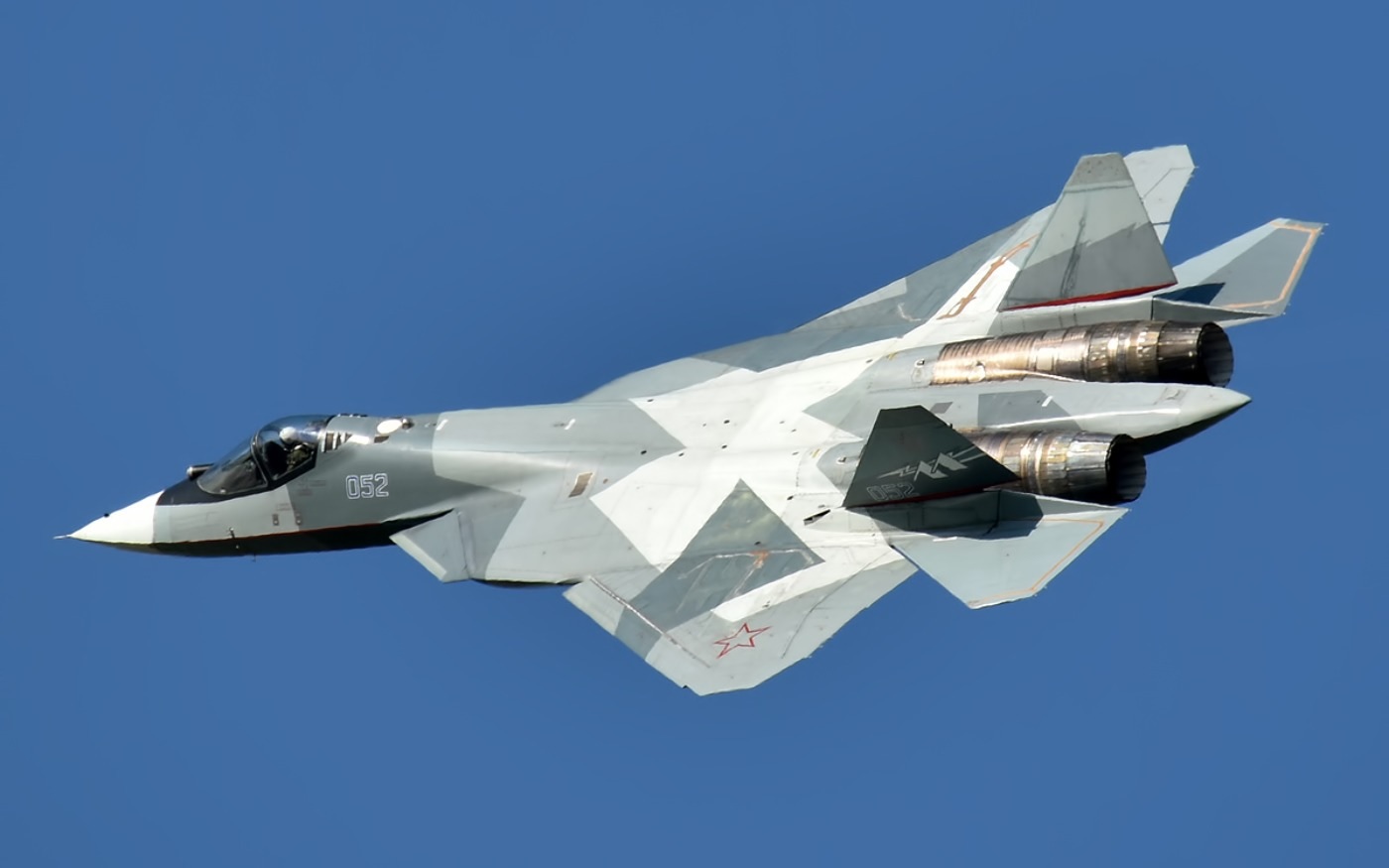
World
MOSCOW, — June 13, 2026 : A public debate has emerged among Russian military analysts and defense commentators over the operational performance and technical maturity of Russia’s Su-57 fifth-generation fighter aircraft following recent remarks by Russian President Vladimir Putin, who described the aircraft as the most capable fighter in the world. Speaking at the St. Petersburg International Economic Forum (SPIEF) 2026, Putin reaffirmed his confidence in the Su-57 program, highlighting the aircraft’s effectiveness and stating that Russia remains prepared to supply the fighter to India. His comments renewed comparisons between the Su-57 and the U.S.-built F-35, triggering discussion within Russia’s defense community over the aircraft’s combat record and overall capabilities. Questions Over Combat Performance Among the most prominent critics was Russian defense commentator Maksim Kalashnikov, who challenged claims that the Su-57 outperforms the F-35. Kalashnikov pointed to the fighter’s limited visible role in the Ukraine conflict and questioned why it has not demonstrated a larger operational presence if it is indeed superior to its American counterpart. He contrasted the situation with the Israeli Air Force’s use of F-35 aircraft during operations against Iranian targets, arguing that the U.S.-made fighter has been employed in missions against air defense systems and other strategic objectives. According to Kalashnikov, battlefield results provide a more meaningful measure of military capability than official statements. His comments reflect a broader discussion within Russia regarding the extent to which the Su-57 has been employed in frontline operations and whether its combat record supports claims of global superiority. Debate Extends to Technical Maturity Beyond operational concerns, several Russian analysts have questioned whether the Su-57 has fully achieved the standards commonly associated with fifth-generation fighter aircraft. Critics argue that challenges remain in areas such as stealth characteristics, avionics integration, and engine development. Particular attention has been placed on the aircraft’s planned cooperation with the S-70 Okhotnik unmanned combat aerial vehicle. The Okhotnik has been designed to operate alongside the Su-57 as a "loyal wingman," extending the fighter’s sensor coverage, reconnaissance capability, and strike reach while reducing risk to the crewed aircraft. However, the integration process has faced delays and logistical challenges. Defense reports published in early 2026 suggested that Russia may temporarily pair the S-70 with the two-seat Su-30SM fighter because the Su-57 currently lacks a dedicated two-seat variant capable of managing advanced drone-control functions during complex missions. Fleet Size Shapes Operational Reality Supporters of the Su-57 argue that comparisons with the F-35 often fail to account for the significant difference in fleet size between the two aircraft programs. Current estimates indicate that approximately 50 to 60 Su-57 fighters are in active service, while more than 1,000 F-35 aircraft have been delivered worldwide. When full-scale hostilities began in Ukraine, fewer than six Su-57s were believed to be operational, naturally limiting the aircraft’s early contribution to combat operations. As production has increased, the Su-57 has reportedly taken on a broader range of missions. Western, Russian, and Ukrainian assessments indicate that the fighter has been used for air-to-air operations, suppression of enemy air defenses, intelligence support missions, and precision strike tasks. Ukrainian monitoring groups have also reported multiple launches of Kh-59 and Kh-69 cruise missiles from Su-57 aircraft during operations conducted in 2026. Military analysts note that the frequency of such missions has increased as additional aircraft have entered service with the Russian Aerospace Forces. F-35 Operations Offer Different Comparison Analysts defending the Su-57 also argue that the F-35’s operational record should be viewed within the context of its intended role. While the aircraft has participated in combat operations across multiple theaters, many of its missions have focused on intelligence, surveillance, reconnaissance, and battlefield management rather than direct strike operations. Israeli military officials have previously described the F-35 as a key platform for gathering intelligence and providing targeting information to other aircraft. According to an Israeli Air Force officer speaking under the pseudonym Lieutenant Colonel I., F-35 aircraft often operate ahead of strike formations to identify threats, collect data, and create a comprehensive battlefield picture before follow-on attacks are carried out. Some analysts further note that the F-35’s full range of air-to-ground capabilities will continue to expand as future Block 4 software and weapons upgrades are introduced over the coming years. Maintenance and Cost Considerations Operational costs remain another major point of discussion in comparisons between the two fighters. The Su-57 was designed with an emphasis on maintaining operating and maintenance costs closer to those of Russia’s fourth-generation fighters, including the Su-30 and Su-35. Supporters argue that lower maintenance requirements can contribute to higher aircraft availability and sustained operational tempo. By contrast, the F-35 program has faced ongoing scrutiny over sustainment costs and maintenance demands. Critics of the program argue that these factors have affected readiness rates and flight-hour generation within some operator air forces, particularly as countries seek to replace aging fighter fleets. Program Development Continues The Su-57 program continues to undergo modernization as new aircraft are delivered to the Russian Aerospace Forces. Recent production batches reportedly include improvements to avionics, weapons integration, and onboard systems based on operational experience gained during recent deployments. Russia is also continuing development of the S-70 Okhotnik, which remains a key component of future plans to expand the Su-57’s capabilities through manned-unmanned teaming operations. At the same time, production rates for the fighter have increased compared with earlier years, reflecting Moscow’s efforts to expand the fleet and strengthen its next-generation combat aviation capabilities. Ongoing Debate Over Fifth-Generation Fighters The discussion surrounding the Su-57 highlights the broader debate over how modern fighter aircraft should be assessed. While the F-35 is widely recognized for its sensor fusion, networking capabilities, and ability to operate within integrated military systems, the Su-57 is frequently praised for its speed, maneuverability, range, missile payload, and lower operating costs. The debate also gained attention following Aero India 2025, where both aircraft were showcased to potential customers. Russian officials have continued to promote the Su-57 as a major export platform, particularly for India, a point that President Putin again emphasized during his remarks at SPIEF 2026. As more operational data becomes available from Ukraine and other theaters, analysts are expected to continue evaluating the strengths and limitations of both aircraft. While opinions remain divided, the Su-57’s combat performance, fleet expansion, and future integration with unmanned systems are likely to remain central topics in discussions about the future of air combat.
Read More → Posted on 2026-06-13 17:52:42
World
PARIS, — June 14, 2026 : U.S. military vehicle manufacturer AM General will showcase its latest tactical mobility and autonomous defense technologies at Eurosatory 2026, including its next-generation Unmanned Ground Vehicle (UGV) and the enhanced Joint Light Tactical Vehicle A2 (JLTV A2). The international defense and security exhibition will take place from June 15 to June 19 at the Parc des Expositions de Villepinte in Paris. The company will display both platforms in Hall 5, Booth B189, within the U.S. Pavilion. Each vehicle will be equipped with advanced counter-Unmanned Aerial Systems (C-UAS) capabilities, reflecting growing military requirements to defend against the increasing use of drones on modern battlefields. Next-Generation UGV Highlights Autonomous Operations Developed in collaboration with Textron Systems Corporation and Carnegie Robotics, the AM General UGV combines a proven tactical vehicle architecture with advanced autonomous technologies. The platform incorporates drive-by-wire systems and autonomous navigation capabilities, enabling it to operate in high-risk environments while reducing personnel exposure. The vehicle is designed to support a wide range of military missions, including logistics resupply, reconnaissance, casualty evacuation (CASEVAC), armed overwatch, and defensive operations. At Eurosatory, the UGV will be equipped with the Hornet Remote Weapon Station configured for counter-UAS missions. The platform is powered by a newly developed fuel-flexible turbocharged 6.5-liter V8 engine featuring common rail direct fuel injection. The engine produces 250 horsepower and more than 550 lb-ft of torque, providing the performance required for demanding operational environments. The UGV also features a scalable cargo deck capable of carrying payloads of up to 6,000 pounds, allowing military operators to adapt the platform to different mission requirements. Its modular architecture supports the integration of various payloads, sensors, and weapon systems. Commenting on the vehicle's capabilities, AM General President and CEO John Chadbourne said Eurosatory provides military and industry leaders with an opportunity to discuss evolving battlefield requirements and the role of advanced technologies. He noted that the UGV demonstrates how autonomous mobility systems can support logistics, casualty evacuation, lethality missions, and defensive operations, including counter-drone applications through the Hornet C-UAS remote weapon station being showcased at the exhibition. JLTV A2 Demonstrates More Than 1,000 Enhancements Alongside the UGV, AM General will exhibit the four-person variant of the JLTV A2, equipped with the Hornet Lite remote weapon station. The lightweight system is designed to improve detection, recognition, and identification capabilities for reconnaissance and security missions. The JLTV A2 represents a major evolution of the previous A1 model, incorporating more than 1,000 engineering and manufacturing improvements. According to the company, the upgrades focus on improving reliability, maintainability, manufacturability, sustainability, and reducing lifecycle costs while preserving the vehicle's protection and mobility characteristics. Among the most significant upgrades is the integration of a modern MY2024 Duramax L5P diesel engine paired with an Allison 2500 Gen 6 transmission. The new powertrain improves fuel efficiency, operational range, and overall vehicle performance. The vehicle's electrical architecture has also been redesigned. A single high-capacity 24-volt lithium-ion battery replaces the dual lead-acid battery setup used on earlier variants, simplifying power management while preparing the platform for future hybrid-electric technologies. Additional improvements include upgraded commercial-grade corrosion protection for critical structural components, helping to address long-term durability concerns identified in previous fleets. The JLTV A2 also incorporates a redesigned baseline integration kit that increases available cargo space and improves system integration. Rerouted electrical harnesses and fuel lines further simplify maintenance and servicing in operational environments. Other enhancements include noise reduction measures, modular integration features, and improved support for future capability upgrades. Supporting Modern Battlefield Requirements The inclusion of counter-UAS systems on both the UGV and JLTV A2 highlights the growing importance of integrated drone-defense capabilities across military vehicle fleets. Armed forces worldwide are increasingly seeking platforms that can perform traditional mobility and logistics functions while also contributing to force protection against aerial threats. AM General said the two platforms demonstrate how modern tactical vehicles are evolving into multi-role systems capable of supporting transportation, reconnaissance, autonomous operations, casualty evacuation, and active defense missions. The JLTV A2 is currently being delivered to the U.S. Government for testing and evaluation, with fielding activities expected to continue through 2026. Through its Eurosatory 2026 exhibit, AM General aims to demonstrate how advanced mobility platforms can enhance operational flexibility and support military forces in increasingly complex battlefield environments.
Read More → Posted on 2026-06-14 14:10:00
World
ISLAMABAD, — June 14, 2026 : Pakistan’s federal government has proposed a defence budget of Rs 3 trillion (approximately $10.8 billion) for fiscal year 2026-27, representing an increase of around 17.65 percent from the previous year’s allocation of Rs 2.55 trillion ($9 billion). The increase reflects Islamabad’s continued focus on military modernisation, procurement of advanced defence systems, and strengthening conventional deterrence amid evolving regional security challenges. Finance Minister Muhammad Aurangzeb presented the federal budget in the National Assembly on June 12, outlining total federal expenditures of Rs 18.77 trillion ($67.5 billion). Defence spending accounts for roughly 16 percent of the total federal budget and is equivalent to approximately 2.08 percent of Pakistan’s projected GDP of Rs 143.6 trillion. A notable feature of the proposed allocation is the increased emphasis on acquiring military equipment and other physical assets. Nearly Rs 925.83 billion has been earmarked for physical assets, including arms, ammunition, military hardware, and related procurement activities. The shift indicates a move away from traditional personnel-heavy spending patterns toward investment in modern military capabilities and force enhancement. During his budget speech, Aurangzeb stated that defence spending had been increased “considerably to make the country invincible due to the uncertainty in the region.” He also praised the armed forces for their response during the 2025 India-Pakistan military confrontation, suggesting that lessons learned from recent security developments have influenced defence planning and procurement priorities. Defence Modernisation Takes Priority The increased allocation is expected to accelerate several ongoing modernisation programmes across Pakistan’s armed forces. Government officials have linked the spending increase to efforts aimed at maintaining operational readiness, improving conventional deterrence, and addressing security challenges on both eastern and western fronts. Pakistan continues to monitor India’s expanding military capabilities, including the induction of Rafale fighter aircraft, advancements in ballistic missile defence systems, and growing naval power projection capabilities. At the same time, Islamabad faces persistent security concerns along the Afghan border, where militant activity and cross-border instability continue to require significant military resources. Defence planners have also identified emerging challenges such as unmanned aerial systems, electronic warfare, integrated air defence requirements, and maritime security as areas requiring further investment. Chinese Defence Cooperation Drives Procurement Efforts A significant portion of the enhanced procurement funding is expected to support programmes involving China, Pakistan’s largest defence supplier. Between 2021 and 2025, China accounted for approximately 80 percent of Pakistan’s major arms imports, providing not only military hardware but also technology transfer arrangements, industrial cooperation, and financing support. Among the most significant projects is the Hangor-class submarine programme, valued at an estimated $4 billion to $5 billion. Based on China’s Type 039A Yuan-class submarine design, the programme includes the construction of eight submarines, with four being built in China and four assembled domestically at Karachi Shipyard and Engineering Works. The first submarine, PNS Hangor, was commissioned in Sanya, China, on April 30, 2026, during a ceremony attended by President Asif Ali Zardari. The vessel arrived in Karachi on June 11, 2026, marking a major milestone in Pakistan Navy modernisation efforts. The Hangor-class submarines are equipped with air-independent propulsion (AIP) technology, enabling longer underwater endurance and improved operational flexibility. The vessels are designed to enhance Pakistan’s anti-surface and anti-submarine warfare capabilities in the Arabian Sea and strengthen maritime deterrence. Air Force Expansion Continues Pakistan’s air force modernisation programme is also progressing through the acquisition of advanced Chinese fighter aircraft. The country has ordered 36 J-10C multirole fighters, equipped with PL-15 beyond-visual-range air-to-air missiles. Approximately 20 aircraft had been delivered by mid-2025, while the remaining deliveries are expected to continue through 2026. Pakistani military officials have cited the aircraft’s operational performance during the 2025 confrontation with India as an important factor in validating the platform’s role within the air force. In addition to the J-10C programme, defence analysts expect future procurement planning to include continued investment in next-generation capabilities, including reports of interest in the Chinese J-35 stealth fighter programme, although no official acquisition announcement has been made. Economic Challenges Remain The defence expansion comes as Pakistan continues to face significant economic pressures. The government remains engaged in an ongoing $7 billion International Monetary Fund (IMF) economic stabilisation programme, which requires fiscal discipline and a primary budget surplus target of approximately 2 percent. To meet these obligations, Islamabad has set an ambitious tax collection target of Rs 15.26 trillion. At the same time, citizens continue to face challenges related to inflation, rising living costs, energy prices, and access to essential resources. The contrast between increased defence spending and broader economic constraints has generated public discussion regarding national spending priorities. However, analysts note that successive civilian governments have generally supported defence allocations proposed by military leadership, reflecting the armed forces’ central role in Pakistan’s national security planning. Local Production and Long-Term Capability Development Beyond direct procurement, Pakistan’s defence establishment is increasingly focused on technology transfer and domestic manufacturing. The Hangor submarine programme, which includes local assembly and industrial participation, is viewed as a key step toward expanding Pakistan’s indigenous defence production capabilities. Officials have stated that future modernisation efforts will continue to emphasize local industrial development where feasible, while maintaining strategic partnerships with foreign suppliers to meet operational requirements. The proposed Rs 3 trillion defence budget remains subject to approval by the National Assembly as part of the broader federal budget process. If approved, it will represent one of Pakistan’s largest defence allocations in recent years, supporting ongoing military modernisation programmes while the government simultaneously seeks to manage economic reforms and fiscal targets.
Read More → Posted on 2026-06-14 14:34:23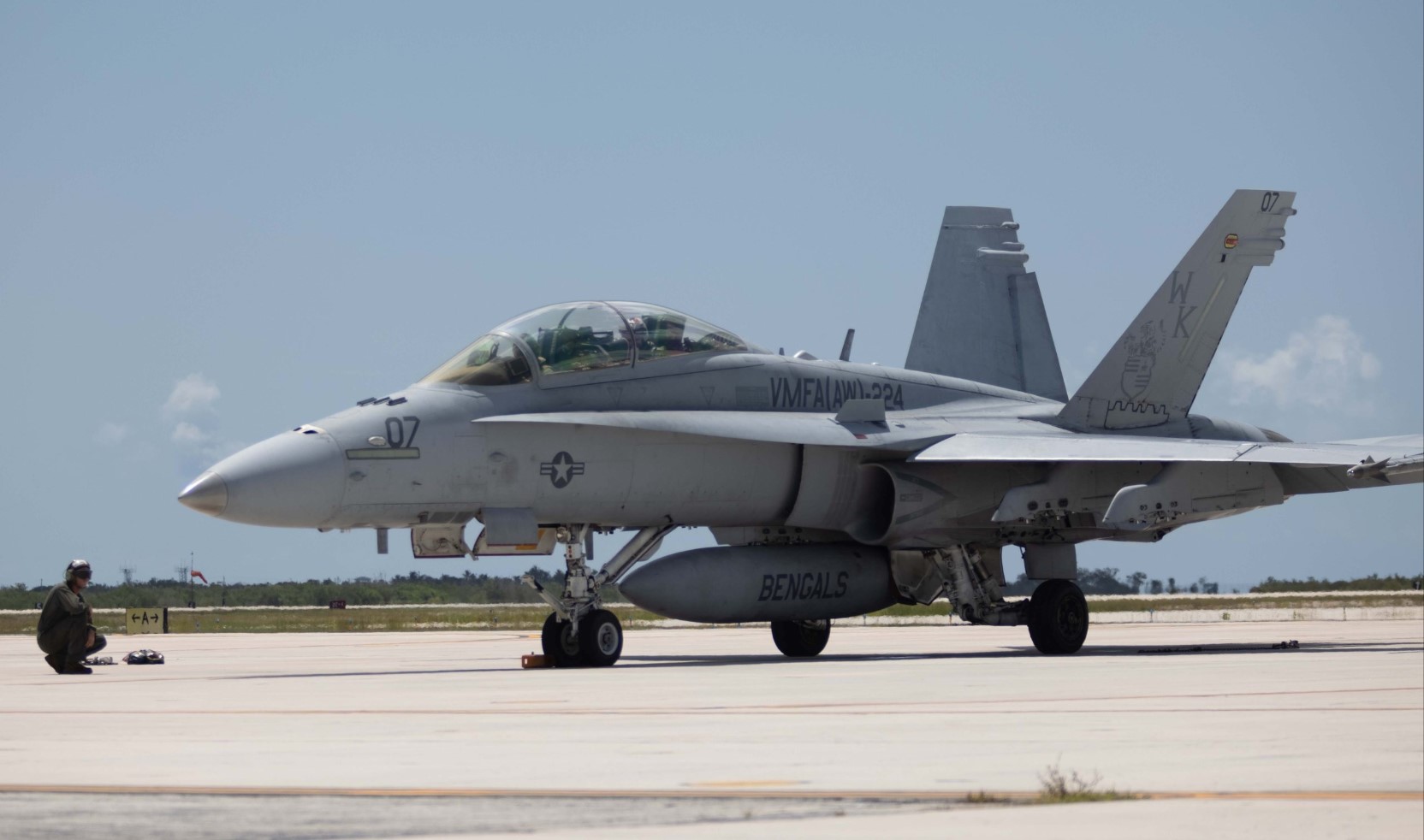
World
YAKIMA COUNTY, Washington, — June 14, 2026 : A U.S. Marine Corps F/A-18D Hornet fighter aircraft crashed during a routine training mission in Washington state's Cascade Mountains on June 13, with the pilot safely ejecting before impact. The crash triggered a small wildfire in the forested area near Rimrock Lake, prompting a coordinated response from local and federal emergency agencies. According to military and local authorities, the aircraft went down at approximately 12:00 p.m. PDT near Rimrock Lake in the Okanogan-Wenatchee National Forest, about 55 miles southeast of Seattle. The pilot, who was the sole occupant of the two-seat aircraft during the mission, successfully ejected and was later located by deputies from the Yakima County Sheriff’s Office. Officials said the pilot sustained minor injuries and was transported to a local hospital for evaluation and treatment. Authorities reported that the pilot was able to move toward rescuers after landing. Video footage circulating online showed the ejection and the subsequent impact of the aircraft. The cause of the crash remains under investigation, and military authorities have indicated that aviation mishap investigations can take several months to complete. Aircraft Assigned to Marine Aircraft Group 11 The aircraft involved was identified as an F/A-18D Hornet, Bureau Number 165412 and tail code WS-415. The jet was assigned to Marine Aircraft Group 11, part of the 3rd Marine Aircraft Wing, headquartered at Marine Corps Air Station Miramar in San Diego, California. Although the Marine Corps has not officially identified the squadron, aviation observers and flight-tracking data indicated the aircraft belonged to Marine Fighter Attack Squadron 323 (VMFA-323) “Death Rattlers.” The aircraft was reportedly operating under the callsign SNAKE 21 at the time of the accident. The aircraft had recently deployed with three other Hornets to King County International Airport (Boeing Field) in Seattle. Aviation enthusiasts monitoring the deployment noted that only three of the four aircraft returned to the airfield following the training sortie. The F/A-18D is a two-seat variant of the legacy Hornet family, which includes the A, B, C, and D models. Depending on configuration, modernization upgrades, and production year, these aircraft are generally valued between $29 million and $57 million. Wildfire Ignited Following Impact The crash and resulting explosion ignited vegetation in the mountainous terrain surrounding Rimrock Lake. The fire was later designated the Pine Tree Fire by the National Interagency Fire Center. Emergency crews from multiple agencies, including the Naches Fire Department, the U.S. Forest Service, and firefighting teams from the Okanogan-Wenatchee National Forest, responded to contain the blaze. Helicopters and ground firefighting units were deployed to the scene as part of an aggressive suppression effort. Authorities said the fire expanded to approximately two acres before crews gained control. As a precaution, officials temporarily closed the 1200 Road system south of Rimrock Lake and ordered evacuations for nearby campers and recreational visitors. No injuries on the ground were reported, and the fire was largely contained by the evening. Aircraft Was Flying Along VR-1355 Training Route At the time of the accident, the Hornet was operating along Visual Route 1355 (VR-1355), a military low-level training corridor that passes through the Cascade Mountains. Known among military aviators as the “million-dollar ride,” the route is widely used by regional aviation units because of its challenging terrain, narrow valleys, and opportunities for low-altitude navigation training. The corridor is frequently utilized by Marine Corps, Navy, and Air Force aircraft conducting tactical flight exercises. Similar Accident Occurred in Region in 2024 The latest crash occurred in a region that has previously experienced military aviation accidents. On October 15, 2024, a U.S. Navy EA-18G Growler assigned to Electronic Attack Squadron 130 (VAQ-130) “Zappers” crashed near Mount Rainier while flying a similar training route through mountainous terrain. Following an extensive search operation, the wreckage was located the next day, and the Navy later confirmed the deaths of both crew members, Lt. Cmdr. Lyndsay “Miley” Evans and Lt. Serena “Dug” Wileman. Investigation Underway Military investigators, working alongside local law enforcement and federal land management agencies, have secured the crash site near Rimrock Lake. Recovery operations and examination of the wreckage are expected to continue as investigators seek to determine the circumstances that led to the loss of the aircraft. The Marine Corps has not released additional information regarding the aircraft's configuration, mission objectives, or potential contributing factors while the official aviation mishap investigation remains ongoing.
Read More → Posted on 2026-06-14 14:39:38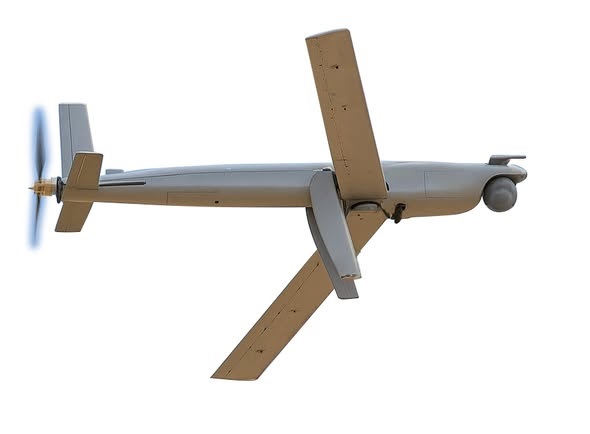
World
BERLIN, — June 14, 2026 : Israeli defense company Elbit Systems and German defense manufacturer Diehl Defence have signed a strategic partnership agreement to jointly offer the SkyStriker loitering munition system to the German Armed Forces (Bundeswehr). The agreement was signed during the ILA Berlin Air Show 2026 and focuses on adapting the system for German military requirements while supporting local production. Under the agreement, Diehl Defence will lead the localization of the SkyStriker system if a contract is awarded. Manufacturing, assembly, system integration, certification, and support activities would take place in Germany, creating a domestic supply chain for the Bundeswehr and supporting sovereign defense capabilities. SkyStriker System SkyStriker is a fully autonomous loitering munition designed to detect, track, and engage operator-designated targets with high precision. Powered by a quiet electric motor, the system weighs up to 35 kilograms and can remain airborne for more than two hours. It has an operational range exceeding 200 kilometers. The munition is designed to operate in GPS-denied environments and under electronic warfare conditions, allowing it to continue missions even when satellite navigation signals are disrupted. SkyStriker can be equipped with either a 5-kilogram or 10-kilogram warhead. Its modular design allows operators to change warheads in the field during launch preparation, providing flexibility for different mission requirements. The system can be launched from multiple platforms, including ground vehicles, customized containers, naval vessels, aircraft, and the EuroPULS multiple rocket launcher system, which Germany is currently procuring. Partnership Focus The cooperation combines Elbit Systems' experience in loitering munition technology with Diehl Defence's expertise in system integration, production, and support. The companies aim to establish local manufacturing and sustainment capabilities in Germany to ensure long-term support and future upgrades for the Bundeswehr. Helmut Rauch, CEO of Diehl Defence, said the partnership would contribute to the development of Germany's capabilities in the loitering munition sector while strengthening the country's defense industry. “Diehl Defence is proud to partner with Elbit Systems in the field of loitering munition to push ahead Germany's capabilities in this segment. This cooperation does not only strengthen the development of sovereign capabilities, but also the German defense industry,” Rauch said. Bezhalel (Butzi) Machlis, President and CEO of Elbit Systems, said the partnership combines the strengths of both companies to offer an advanced solution for the German Armed Forces. “By combining Diehl Defence's deep experience in system integration and production with Elbit's advanced loitering munition technology, we aim to provide a powerful and future-ready solution for the German Armed Forces,” Machlis stated. Expanding European Presence The partnership reflects the growing interest among European armed forces in loitering munitions and precision-strike systems. SkyStriker is already an operational platform, and an unnamed European country placed an order for the system in 2023. The agreement announced at ILA Berlin 2026 marks another step in Elbit Systems' expansion in Europe as NATO members continue investing in autonomous and precision-strike capabilities. No details regarding contract value or procurement timelines have been released.
Read More → Posted on 2026-06-14 14:46:04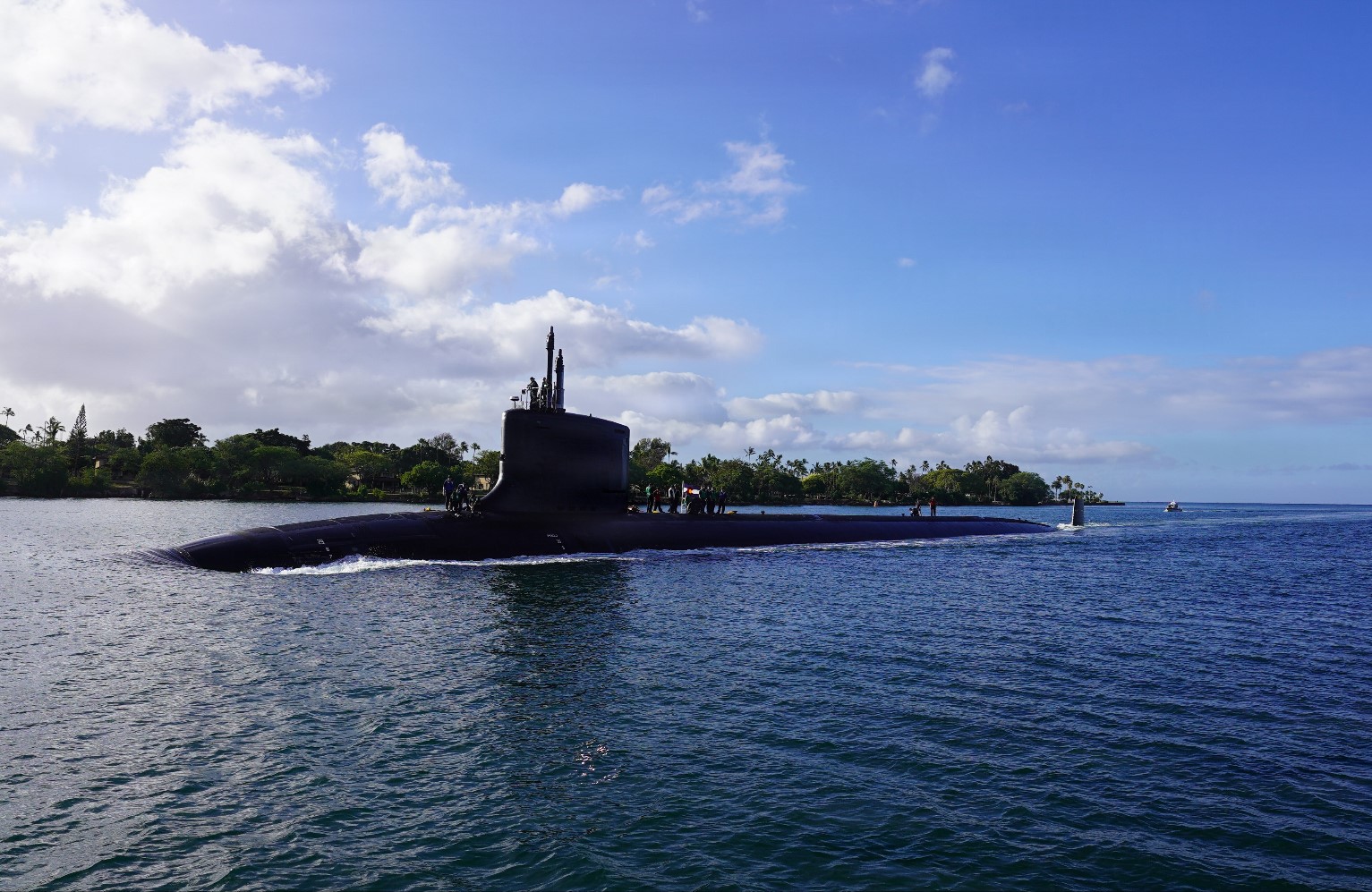
World
PEARL HARBOR, Hawaii, — June 14, 2026 : The U.S. Navy's Virginia-class fast-attack submarine USS Colorado (SSN 788) has returned to operational service after completing a major maintenance period at Pearl Harbor Naval Shipyard and Intermediate Maintenance Facility (PHNSY & IMF) 29 days ahead of schedule, providing an additional combat-ready submarine to the U.S. Pacific Fleet. The submarine officially rejoined the fleet on June 10 following the successful completion of an Extended Dry-Docking Selected Restricted Availability (EDSRA) maintenance period that began in June 2024. USS Colorado completed post-maintenance sea trials on June 6, confirming the vessel's readiness for future operations. The early completion represents a significant achievement for the shipyard and submarine crew, particularly as the U.S. Navy continues to emphasize undersea warfare readiness across the Indo-Pacific region. Returning a nuclear-powered attack submarine to service nearly a month earlier than planned increases operational flexibility for the Pacific Fleet and supports ongoing regional commitments. Maintenance Completed Ahead of Schedule The maintenance package involved extensive repairs, inspections, modernization work, and system upgrades required to maintain the submarine's operational effectiveness. Work on nuclear-powered submarines is particularly demanding due to strict safety requirements, radiation controls, confined workspaces, and the need to meet rigorous quality standards. Unlike conventional warships, submarine maintenance requires specialized procedures and precision because errors can lead to costly delays and additional repairs. Shipyard personnel therefore focus heavily on achieving first-time quality during every phase of the project. Capt. Ryan McCrillis, commander of PHNSY & IMF, credited the achievement to teamwork and a commitment to quality. “Finishing ahead of schedule is not about rushing, it’s about hard work and persistence,” McCrillis said. “It’s producing first-time, high-quality work and attacking every roadblock with urgency. It’s a team effort, from the newest apprentice to senior shipyard leaders, the ship’s force, the project team, and support from the fleet and headquarters.” According to shipyard officials, maintaining strong communication among maintenance teams, fleet representatives, and the submarine's crew helped prevent delays and allowed challenges to be addressed quickly as they emerged. Close Cooperation Between Shipyard and Crew A key factor in the project's success was the close integration between USS Colorado’s sailors and the shipyard workforce throughout the availability period. Rather than relying solely on technical manuals and engineering documentation, maintenance teams worked directly with the crew, whose detailed knowledge of onboard systems helped accelerate troubleshooting and repairs. Chad Renti Cruz, PHNSY & IMF project superintendent for USS Colorado, said the collaborative approach enabled rapid problem-solving. “From the get-go, the team gelled as one,” Cruz said. “Whenever challenges or problems came up, we swarmed the issue, got all the right people in the room to lay out a solid plan, and executed it to a T.” Cmdr. Justin Reeves, commanding officer of USS Colorado, emphasized the importance of cooperation between sailors and shipyard personnel throughout the maintenance period. “Colorado’s success was largely due to the continual hard work, communication, and coordination between our Sailors and the shipyard team,” Reeves said. “Ending the availability early allows us to get back out to sea and prepare the crew for operations.” The successful completion of sea trials demonstrated that all major systems were functioning properly before the submarine returned to fleet service. USS Colorado and the Virginia-Class Fleet Commissioned on March 17, 2018, at Naval Submarine Base New London in Groton, Connecticut, USS Colorado is the 15th Virginia-class submarine and the fifth Block III variant built for the U.S. Navy. The submarine is homeported at Joint Base Pearl Harbor-Hickam, Hawaii, and assigned to Submarine Squadron 7. Virginia-class submarines form the core of the Navy's fast-attack submarine force. Since the lead boat entered service in 2004, more than two dozen vessels of the class have been commissioned. Construction of the class is shared between Huntington Ingalls Industries in Newport News, Virginia, and General Dynamics Electric Boat in Groton, Connecticut. The Block III variant introduced several significant improvements, including a redesigned bow equipped with the Large Aperture Bow sonar array and the replacement of traditional vertical launch tubes with two large-diameter Virginia Payload Tubes, increasing missile-carrying flexibility. As a nuclear-powered, conventionally armed attack submarine, USS Colorado is equipped with Tomahawk cruise missiles for long-range land attack missions, heavyweight torpedoes for anti-submarine and anti-surface warfare, and advanced sensors for intelligence, surveillance, and reconnaissance (ISR) missions. The submarine is also capable of supporting special operations forces and conducting a wide range of undersea operations. Strategic Importance for the Indo-Pacific The submarine's early return to service highlights the growing importance of Pearl Harbor Naval Shipyard as a strategic maintenance hub for U.S. naval forces operating across the Pacific and Indian Oceans. Located between the U.S. West Coast and the Western Pacific, Pearl Harbor allows submarines to undergo major maintenance without requiring lengthy transits back to mainland shipyards. This helps reduce downtime and enables vessels to return to operational duties more quickly. The shipyard's role has become increasingly important as it supports the broader objectives of the AUKUS partnership. PHNSY & IMF is currently helping train more than 230 Australian civilian maintainers and personnel from the Royal Australian Navy as Australia prepares to expand its submarine capabilities under the trilateral agreement. By completing USS Colorado's maintenance nearly a month ahead of schedule, the shipyard can redirect skilled workers and resources to other submarine projects sooner than expected, helping reduce maintenance backlogs and improve overall fleet readiness. Navy officials noted that efficient maintenance scheduling remains a critical component of sustaining submarine operations in the Indo-Pacific, where attack submarines continue to play an important role in deterrence, intelligence collection, anti-submarine warfare, strike missions, and support for joint military operations. The return of USS Colorado strengthens the Pacific Fleet's available undersea force and demonstrates ongoing efforts by the U.S. Navy and Pearl Harbor Naval Shipyard to improve maintenance performance while maintaining high safety and quality standards.
Read More → Posted on 2026-06-14 14:54:53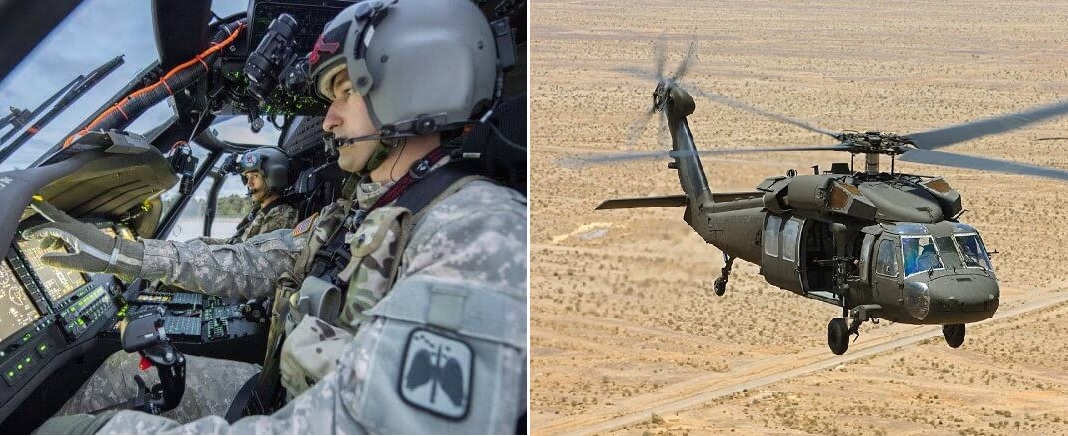
World
FORT NOVOSEL, Ala., — June 14, 2026 : The U.S. Army is testing 3D spatial audio technology on UH-60 Black Hawk helicopters to improve pilot situational awareness, reduce cognitive workload, and enhance communication during flight operations. The U.S. Army Aeromedical Research Laboratory (USAARL) recently installed the system on two Black Hawks operated by the U.S. Army Aviation Center of Excellence (AVCOE) at Fort Novosel. The aircraft are currently supporting operational assessments with the 1st Battalion, 212th Aviation Regiment, 110th Aviation Brigade’s Aviation Tactics Instructor Course. Military helicopter pilots often manage multiple radio channels, intercom communications, navigation information, and system alerts while flying at low altitudes and making tactical decisions. Traditional aviation headsets deliver all audio through a single channel, requiring pilots to separate overlapping voices and alerts mentally. The 3D spatial audio system recreates natural directional hearing by assigning different radio channels and audio sources to distinct positions around the pilot. Instead of multiple conversations blending together, pilots can hear each transmission as coming from a different direction, making communications easier to identify and understand. Capt. Brandon Allen, a USAARL research pilot who evaluated the technology alongside Capt. William Bradley, said the system helps pilots distinguish multiple radio conversations more effectively. “When you are up on four radios, 3D spatial audio splits up all those radios in your head and you can distinguish who is talking to you,” Allen said. Both pilots reported improved speech intelligibility, better situational awareness, and reduced mental strain during flight evaluations. The technology was first tested aboard USAARL’s MEDEVAC research helicopter, Forge 612, making it the first U.S. Army aircraft equipped with 3D spatial audio. Feedback from those tests helped guide installation on the two operational Black Hawks. The upgrade process at Lowe Army Heliport required more than 231 man-hours of installation work and included two days of flight evaluations. According to Col. Thomas Summers, commander of USAARL, the Army wants pilots to use the system extensively and provide feedback to help refine the technology for future aviation operations. The program involves several Army organizations, including the Combat Capabilities Development Command Aviation and Missile Center, the Utility Helicopters Project Office, and Project Manager Air Warrior, along with industry partners CATI Training Systems and TTM Technologies. Data gathered from the Black Hawk evaluations will support development of the MV-75 Cheyenne II, the Army’s Future Long-Range Assault Aircraft (FLRAA). Developed by Bell Textron and based on the V-280 Valor tiltrotor design, the aircraft is scheduled to enter service in 2031. Army officials say testing 3D spatial audio on current aircraft will help ensure future aircrews have improved tools for managing communications and operating effectively in increasingly complex flight environments.
Read More → Posted on 2026-06-14 15:36:18
World
BERLIN, — June 14, 2026 : A new dispute has emerged between Dassault Aviation and Airbus Defence and Space over the multinational Eurodrone program, only days after France and Germany formally acknowledged the collapse of the Future Combat Air System (FCAS) fighter project. The disagreement has raised fresh concerns about the future of major European defense cooperation initiatives and added pressure to an already strained Franco-German industrial partnership. The latest dispute centers on the European Medium-Altitude Long-Endurance Remotely Piloted Aircraft System (MALE RPAS), commonly known as the Eurodrone, a joint European unmanned aircraft program valued at approximately €7 billion ($8.1 billion). Developed by France, Germany, Italy, and Spain, the project is intended to provide Europe with an independent intelligence, surveillance, target acquisition, and reconnaissance (ISTAR) capability while reducing reliance on foreign systems such as the MQ-9 Reaper and Israeli-made unmanned aircraft. Fallout From FCAS Collapse The Eurodrone disagreement follows the breakdown of the much larger FCAS New Generation Fighter (NGF) initiative, launched in 2017 by France and Germany and later joined by Spain. The program, estimated at around €100 billion, aimed to develop a sixth-generation combat aircraft and supporting systems for service by 2040. Negotiations between the industrial partners ultimately failed due to disagreements over intellectual property rights, industrial leadership, governance structures, and operational requirements. France sought capabilities that would allow the future fighter to operate from aircraft carriers and carry nuclear weapons, requirements that were not priorities for Germany. Following months of unsuccessful negotiations, French President Emmanuel Macron and German Chancellor Friedrich Merz recently concluded that the joint fighter effort could no longer continue in its existing form. The growing separation became increasingly visible during the ILA Berlin Air Show 2026, where eight German aerospace companies led by Airbus announced the formation of the "Team Gen 6" alliance, signaling plans to pursue future fighter aircraft development without Dassault's participation. Compensation Demand Linked to Procurement Changes The current disagreement within the Eurodrone program stems from France's decision to postpone or significantly reduce planned Eurodrone acquisitions through 2035 under a recently proposed defense spending framework. French defense officials have indicated that alternative systems better suited for high-intensity warfare environments are being evaluated. Among the platforms attracting attention is the Aarok unmanned aircraft developed by French company Turgis & Gaillard, which is viewed as a potentially more cost-effective solution for some operational requirements. Under Europe's defense industrial "geo-return" principle, industrial workshare is allocated according to each participating country's financial contribution and procurement commitments. Because France's future purchases have been reduced or delayed, the volume of work assigned to Dassault has also declined. Dassault is responsible for key Eurodrone components, including the aircraft's flight control systems and mission communication architecture. The company argues that the procurement adjustments have reduced its expected industrial participation and is therefore seeking financial compensation from Airbus, which serves as the program's prime contractor. The request is intended to offset investments made by Dassault based on earlier production and procurement assumptions. Airbus Maintains Program Remains Intact Despite growing tensions, Airbus officials have rejected suggestions that the Eurodrone program faces the same fate as FCAS. Speaking during the ILA Berlin Air Show, Jean-Brice Dumont, Head of Air Power at Airbus Defence and Space, said France remains part of the program despite adjustments to its acquisition timeline. According to Dumont, the project still includes the same four partner nations that joined at the outset, and changes to procurement schedules are not unusual in large multinational defense programs. Airbus continues to maintain that France has not withdrawn from the initiative and that all partner countries remain committed to its long-term objectives. Eurodrone Development Progress Unlike the FCAS fighter project, which remained largely in the conceptual and design phase, the Eurodrone is already in advanced development. The aircraft was originally expected to conduct its first flight in 2025, but the schedule has slipped, with the first flight now anticipated between 2027 and 2029. Development activities continue across the participating nations through a distributed industrial structure. Italian defense company Leonardo is responsible for supplying the Gabbiano Active Electronically Scanned Array (AESA) multi-mode radar, while other major subsystems are being developed by Airbus and Dassault. Current plans call for France, Germany, Italy, and Spain to each operate at least a dozen systems. Japan and India have also joined the program as official observers. Eurodrone Specifications The Eurodrone is designed as a twin-engine MALE unmanned aircraft capable of conducting long-endurance surveillance and reconnaissance missions while also supporting strike operations when required. Specification Details Aircraft Type Medium-Altitude Long-Endurance (MALE) UAS Program Status Prototype Development Phase Planned Fleet More than 60 aircraft Length 16 meters Wingspan 26 meters Maximum Takeoff Weight 13,000 kg Powerplant Two General Electric Catalyst turboprop engines Maximum Speed 500 km/h Endurance Up to 40 hours Service Ceiling 12,000 meters Payload Capacity Up to 2,300 kg across five hardpoints Potential Armament Brimstone missiles, GBU-49 Enhanced Paveway II bombs, and other precision-guided munitions Crew Unmanned aircraft operated by 2–3 ground mission personnel Concerns Extend to MGCS Tank Program The difficulties affecting FCAS and Eurodrone have also increased scrutiny of the Main Ground Combat System (MGCS) program, the third major Franco-German defense initiative launched in 2017. MGCS is intended to replace Germany's Leopard 2 and France's Leclerc main battle tanks with a highly networked combat system by around 2040. However, the project has already experienced significant delays and is reportedly running at least a decade behind its original schedule. Adding to concerns, Armin Papperger, Chief Executive Officer of Rheinmetall, recently warned that France may seek to reduce its financial contribution to the MGCS program to less than half of earlier projections. Future of European Defense Cooperation The simultaneous challenges facing FCAS, Eurodrone, and MGCS have highlighted the difficulties involved in managing large multinational defense programs that must balance national military requirements, industrial interests, technology sharing, and procurement commitments. While Airbus insists that the Eurodrone remains on track despite current disagreements, the compensation dispute between Dassault and Airbus underscores the continuing tensions within Europe's defense industrial base. The outcome of ongoing negotiations will be closely watched by governments and industry leaders as they assess whether major collaborative programs can be preserved or whether future capabilities will increasingly be pursued through national development efforts.
Read More → Posted on 2026-06-14 15:45:06
World
WASHINGTON, D.C., — June 14, 2026 : Outgoing Director of National Intelligence (DNI) Tulsi Gabbard has released newly declassified intelligence documents detailing decades of U.S. government funding for more than 120 biological laboratories across over 30 countries. The disclosure is part of a broader effort by the administration of Donald Trump to increase transparency regarding overseas biological research programs and to restrict federal support for certain high-risk pathogen studies abroad. According to the Office of the Director of National Intelligence (ODNI), the declassified materials show that many of the laboratories supported by U.S. funding have conducted research involving hazardous and highly contagious pathogens. The documents also indicate that some facilities participated in gain-of-function research, a field of study that involves modifying pathogens to better understand how diseases evolve, spread, or become more severe. More Than 40 U.S.-Supported Laboratories Identified in Ukraine The declassified records reveal that over 40 of the U.S.-funded laboratories were located in Ukraine. These facilities were involved in a range of biological research, biosafety, and pathogen management activities. According to the documents, the laboratories served as repositories for disease-causing organisms and biological agents, including anthrax, tularemia, tuberculosis, African swine fever, Ebola, Middle East Respiratory Syndrome (MERS), Severe Acute Respiratory Syndrome (SARS), Marburg virus, and plague pathogens. The records further state that some facilities handled and stored biological materials dating back to the Soviet era, including pathogens associated with former Soviet biological weapons programs. The laboratories also reportedly provided specialized training for Ukrainian scientists working alongside U.S. experts in biological defense and biosafety procedures. In addition, several sites were responsible for certifying and handling especially dangerous pathogens. The facilities were located across multiple regions of Ukraine, including Lviv, Ternopil, Vinnytsia, Kharkiv, Dnipro, Luhansk, Donetsk, Kherson, Odesa, Zaporizhzhia, Chernihiv, Kyiv, Zakarpattia, and Crimea. One laboratory specifically highlighted in the intelligence release was the Kherson Diagnostic Laboratory. According to the documents, the facility received approximately $1.73 million in U.S. funding while official authorization for work involving certain pathogens remained listed as “in progress.” Biological Threat Reduction Programs The declassified materials indicate that many of the laboratories were supported through programs designed to strengthen biosafety, disease surveillance, public health monitoring, and the protection of dangerous biological materials. The documents reference initiatives such as the U.S. Department of Defense’s Biological Threat Reduction Program, which has supported laboratory modernization and pathogen security projects in various countries. The records state that U.S. support for biological laboratories in Ukraine began around 2005 and totaled approximately $200 million across dozens of facilities. Many of the laboratories were owned and operated by Ukrainian institutions while receiving technical, financial, or scientific assistance through cooperative programs. The intelligence documents also note that some facilities maintained collections of pathogens for research, surveillance, and diagnostic purposes, while others focused on monitoring infectious disease outbreaks affecting both human and animal populations. Oversight of Gain-of-Function Research The ODNI stated that several of the laboratories included in the disclosure have conducted, or are currently conducting, research involving dangerous pathogens. In some cases, this research included gain-of-function studies, which involve altering microorganisms to better understand characteristics such as transmissibility, pathogenicity, or resistance. Gabbard said the Intelligence Community is expanding efforts to monitor foreign biological laboratories receiving U.S. support. “ODNI will continue working with partners across the Administration to identify where these labs are, what pathogens they contain, and what research is being conducted,” she said in the statement accompanying the release. The disclosure aligns with Executive Order 14292, signed by President Trump in May 2025, which prohibits federal funding for gain-of-function research in designated countries of concern and directs federal agencies to strengthen oversight of overseas biological research programs. Debate Over Transparency and Public Disclosure In her statement, Gabbard criticized previous administrations and some public health officials, arguing that information regarding U.S.-supported biological laboratories had not been fully disclosed to the public. She specifically accused officials within previous administrations and members of the national security and public health establishment of downplaying the existence and scope of U.S.-funded biological research facilities overseas. The issue became a subject of public debate during the early stages of the Russia-Ukraine conflict in 2022, when Gabbard raised concerns about the security of biological laboratories operating in Ukraine. At the time, critics rejected those concerns and argued that the facilities were part of publicly acknowledged biosafety and public health cooperation programs. The newly released documents have renewed discussion regarding the extent of U.S. involvement in international biological research initiatives, with supporters describing the release as a transparency measure and others noting that many of the programs had previously been acknowledged through international health and security partnerships. Ukraine’s Position and International Context Ukrainian officials have consistently rejected claims that the laboratories functioned as biological weapons facilities. Ukraine’s Foreign Ministry has previously stated that the sites were engaged in public health, disease surveillance, biosafety, and research activities conducted in cooperation with international partners. The declassified intelligence also references previous assessments that warned some laboratories could be vulnerable to damage, seizure, or disruption due to the ongoing conflict in Ukraine. Such concerns were tied to the presence of dangerous pathogens stored for research and diagnostic purposes. Leadership Transition at ODNI The disclosure comes as Gabbard prepares to leave her position as Director of National Intelligence following her husband's recent cancer diagnosis. Before departing, she has issued a directive instructing the Intelligence Community to prioritize information gathering related to overseas biological laboratories receiving U.S. support. According to her office, increased scrutiny is already uncovering additional information concerning ongoing clinical trials, research activities, funding arrangements, and oversight practices that may warrant further review from national security, financial, and ethical perspectives. President Trump has endorsed Jay Clayton, former chairman of the U.S. Securities and Exchange Commission, to serve as the next Director of National Intelligence. The ODNI stated that reviews of the laboratories, their pathogen inventories, and associated research programs will continue, with additional findings and policy updates expected in the coming weeks.
Read More → Posted on 2026-06-14 15:57:50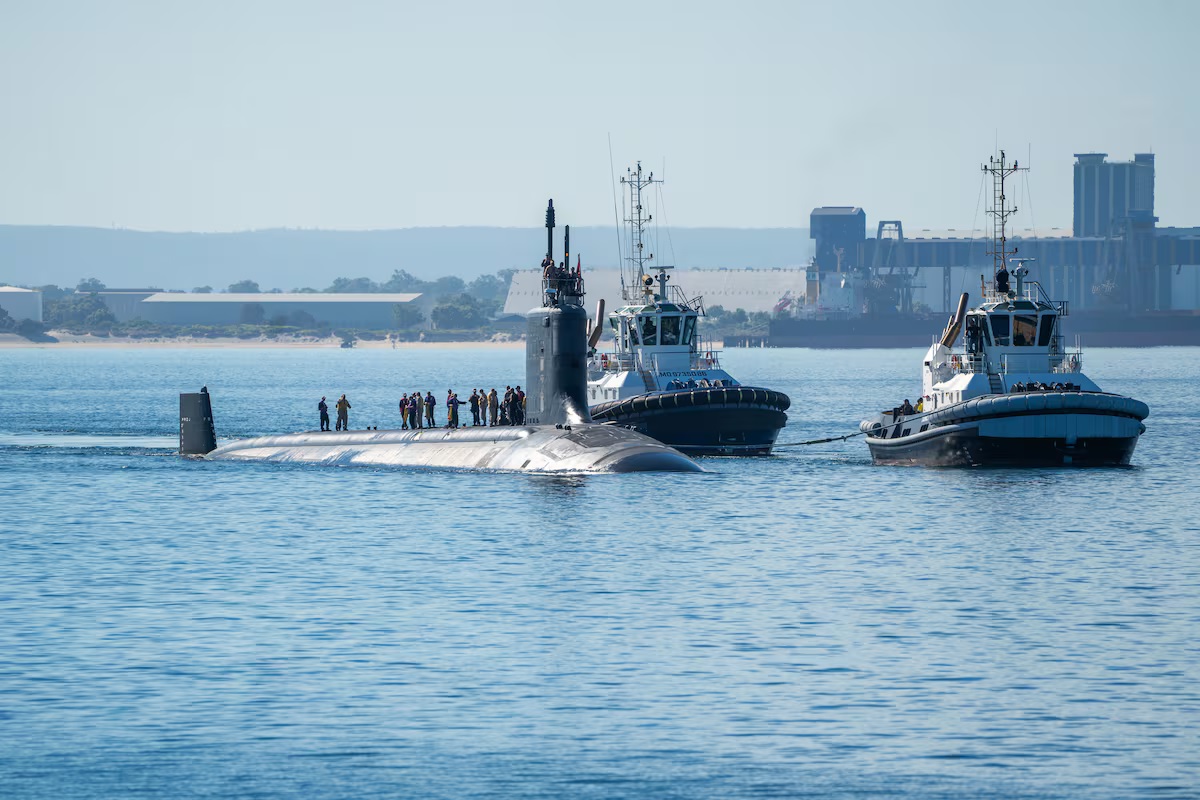
World
PERTH, Australia, — June 14, 2026 : The U.S. Navy has officially reactivated Submarine Squadron 3 (CSS-3) and relocated its headquarters to HMAS Stirling in Western Australia, marking a major milestone in the implementation of the AUKUS security partnership between Australia, the United Kingdom, and the United States. The squadron, which was decommissioned in 2012, will play a central role in supporting future rotational deployments of U.S. and British nuclear-powered submarines in Australia. The move is part of broader efforts under AUKUS Pillar 1 to strengthen allied undersea capabilities in the Indo-Pacific region while helping Australia develop the infrastructure, workforce, and operational expertise required to operate nuclear-powered submarines. CSS-3 Reactivated After 14 Years The reestablishment of CSS-3 was formally announced on June 10, 2026, by Rear Adm. Chris Cavanaugh, Commander of the U.S. Pacific Submarine Force. Originally based at Pearl Harbor, Hawaii, the squadron was disbanded in February 2012 as part of a restructuring of U.S. submarine forces. Now headquartered at HMAS Stirling near Perth, CSS-3 will serve as the primary U.S. Navy command element supporting submarine operations in Western Australia. Its personnel will work closely with the Royal Australian Navy (RAN) to develop maintenance, logistics, training, and operational support systems required for allied submarine deployments. According to the U.S. Navy, the squadron's mission is to establish the foundations necessary for long-term submarine operations in Australia while assisting the country in building sovereign capabilities to support and sustain nuclear-powered vessels. Supporting Submarine Rotational Force-West The revival of CSS-3 is directly linked to the creation of Submarine Rotational Force-West (SRF-West), one of the most significant initiatives under the AUKUS agreement. Beginning in 2027, U.S. and U.K. nuclear-powered fast-attack submarines are scheduled to conduct rotational deployments from HMAS Stirling. The rotational force will enhance allied presence and operational readiness across the Indo-Pacific while providing Australian personnel with practical experience alongside experienced submarine operators. CSS-3 will be responsible for coordinating many of the operational and support activities associated with SRF-West. The squadron will help establish procedures, maintenance capabilities, logistics networks, and infrastructure necessary to sustain visiting submarines and their crews. Expansion of U.S. Support Infrastructure in Australia To support the growing U.S. naval presence in Western Australia, the U.S. Navy has also established Naval Support Activity (NSA) Stirling through its Japan Regional Command. NSA Stirling will provide administrative, logistical, and community support services for U.S. military personnel, civilian employees, contractors, and family members stationed in Australia as part of the AUKUS program. In addition, the Pearl Harbor Naval Shipyard and Intermediate Maintenance Facility (PHNSY & IMF) is expected to establish a dedicated maintenance detachment in Western Australia by mid-2026. The unit will conduct intermediate-level repairs and maintenance for U.S. submarines assigned to SRF-West and continue practical training programs for Australian maintenance specialists. These developments are intended to ensure that Western Australia has the necessary infrastructure and skilled workforce to support a sustained rotational submarine presence. AUKUS Plan Shifts to In-Service Virginia-Class Submarines The reactivation of CSS-3 comes shortly after a significant adjustment to Australia's submarine acquisition plans under AUKUS. At the Shangri-La Dialogue in Singapore on May 30, 2026, officials from the partner nations confirmed that Australia will now acquire three in-service Block IV Virginia-class submarines from the U.S. Navy's existing fleet. The decision represents a change from the original 2023 AUKUS "Optimal Pathway," which envisioned Australia receiving a combination of used and newly built Virginia-class submarines. Under the revised arrangement, all three submarines transferred to Australia will be operational vessels already serving in the U.S. Navy. Australian Deputy Prime Minister and Defence Minister Richard Marles described the change as a cost-effective approach that simplifies acquisition, training, maintenance, and supply-chain management. Streamlining Australia's Transition to Nuclear-Powered Submarines The revised plan is expected to reduce complexity during Australia's transition from conventional to nuclear-powered submarines. Rather than managing multiple submarine variants, Australia will transition through three primary classes: the existing Collins-class submarines, the transferred Block IV Virginia-class submarines, and the future SSN-AUKUS submarines scheduled to enter service in the early 2040s. Defense officials believe this streamlined approach will make workforce training and fleet management more efficient while keeping the broader AUKUS timeline on track. The Virginia-class submarines expected to be transferred were built between 2020 and 2028 and feature reactors designed for approximately 33 years of service life. Because the vessels will already have spent several years in U.S. Navy service before transfer, they are expected to provide Australia with roughly 23 years of operational availability after delivery during the 2030s. The updated arrangement may also help relieve pressure on U.S. shipyards, which are currently focused on meeting production targets for newer Block V and future Block VI Virginia-class submarines. Strategic Importance of HMAS Stirling Located near Perth on Australia's west coast, HMAS Stirling is strategically positioned along key maritime routes in the Indian Ocean and serves as Australia's principal submarine base. The rotational deployment model under SRF-West will allow the United States and United Kingdom to maintain a regular submarine presence in the region without establishing a permanent foreign base in Australia. At the same time, it provides Australia with access to operational experience and technical expertise necessary for the future operation of its own nuclear-powered submarine fleet. Officials from all three AUKUS partners have stated that the reactivation of CSS-3, the establishment of SRF-West, and the revised Virginia-class acquisition plan are designed to keep AUKUS Pillar 1 on schedule while strengthening interoperability and reducing logistical challenges. As preparations continue ahead of the first planned submarine rotations in 2027, HMAS Stirling is expected to become a central hub for allied undersea operations and cooperation across the Indo-Pacific region
Read More → Posted on 2026-06-14 16:08:45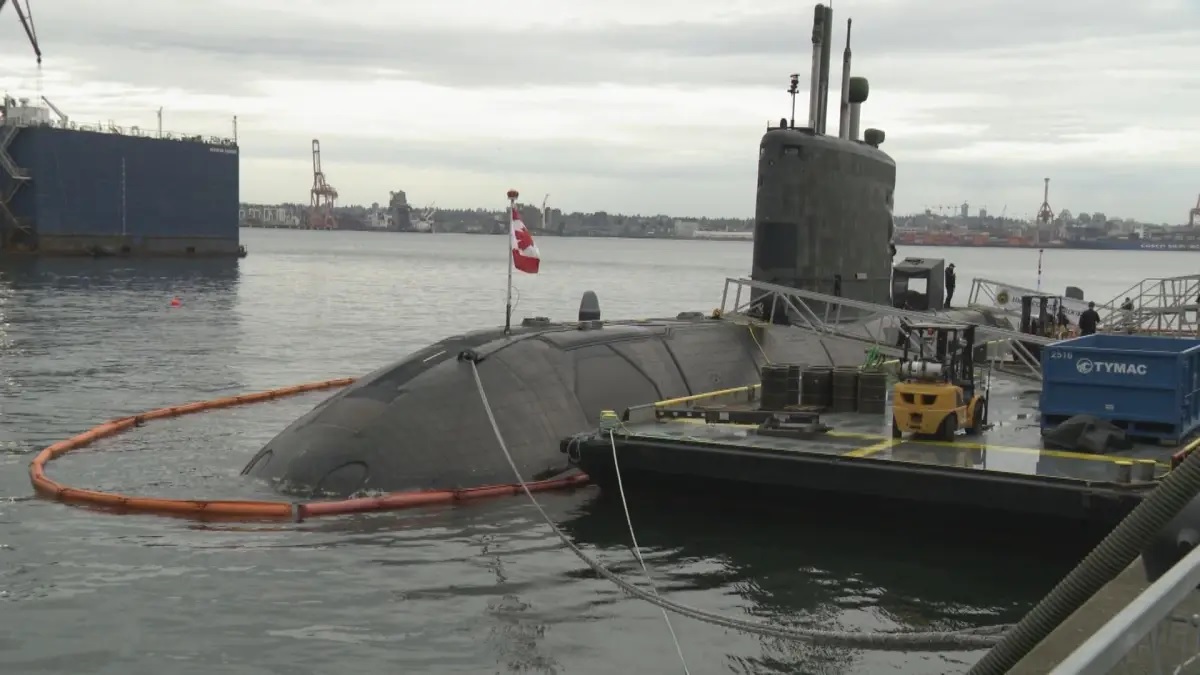
World
ESQUIMALT, British Columbia, — June 14, 2026 : Canada will deploy the Victoria-class submarine HMCS Corner Brook to the Rim of the Pacific (RIMPAC) 2026 exercise off the coast of Hawaii, marking the Royal Canadian Navy’s first submarine participation in the multinational naval drills in more than a decade. The submarine is scheduled to depart from Canadian Forces Base Esquimalt in the coming days and will join a large Canadian task group participating in the 30th edition of RIMPAC, which will be held from June 24 to July 31, 2026. Hosted by the U.S. Pacific Fleet, the exercise is regarded as the world's largest international maritime training event, bringing together approximately 25,000 to 30,000 military personnel, around 40 surface ships, five submarines, and 140 aircraft from 31 partner nations. The deployment ends a 12-year absence of Canadian submarine participation in the biennial exercise. Canada last sent a submarine to RIMPAC in 2014, when HMCS Victoria took part. A planned return in 2020 was canceled due to the COVID-19 pandemic. HMCS Corner Brook Returns to International Operations HMCS Corner Brook is currently the only operational submarine among Canada’s four-vessel Victoria-class fleet. The vessel recently completed an extensive maintenance and modernization program at Esquimalt, involving approximately 90,000 hours of work aimed at extending its operational life and improving combat capabilities. The submarine returned to active service in 2025 after more than 14 years of repairs and upgrades following a grounding incident off Vancouver Island in 2011 that caused significant damage to its bow. Immediate repairs following the accident cost approximately $20 million, while a broader refit and life-extension program required an additional $695 million in investment. The modernization effort included upgrades designed to improve the submarine’s effectiveness in contemporary naval operations. Enhancements include a modernized electronic warfare system capable of improving detection and identification of nearby vessels and potential threats, a new battery system with advanced remote-monitoring capabilities, the installation of the BQQ-10 sonar suite, and integration of the Mk 48 Mod 7AT heavyweight torpedo. According to Lt.-Cmdr. Linda Coleman, spokesperson for Maritime Forces Pacific, the Victoria-class submarines may be older platforms, but they have been equipped with modern systems necessary to address evolving operational requirements and emerging threats. Earlier this month, HMCS Corner Brook participated in combat training exercises off Vancouver Island alongside the Republic of Korea Navy’s KSS-III submarine Dosan Ahn Chang-ho, a modern submarine platform built by Hanwha Ocean. The South Korean vessel is among the designs being promoted as a potential replacement for Canada’s aging submarine fleet. Canadian Forces to Demonstrate New Naval Capabilities During RIMPAC 2026, Canadian naval forces will participate in a range of operational scenarios, including anti-submarine warfare training, torpedo and missile firings, maritime interdiction operations, and ship-boarding exercises. Canada is also using the exercise as an opportunity to demonstrate recently introduced capabilities aboard its surface fleet. The Halifax-class frigate HMCS Regina is expected to conduct a live firing of the Evolved Sea Sparrow Missile (ESSM) Block II, a next-generation air-defense missile equipped with its own onboard radar seeker. The missile is designed to engage high-speed aircraft and anti-ship cruise missiles and represents a significant enhancement to the Royal Canadian Navy’s layered air-defense capabilities. Meanwhile, HMCS Ottawa will showcase the navy’s new Underwater Warfare Suite Upgrade, which combines active intercept sensors with a towed low-frequency sonar array to improve the detection and tracking of modern submarines at greater ranges. The system is expected to be installed across the entire Halifax-class fleet by 2034. Broad Canadian Contribution to RIMPAC Canada’s participation extends beyond its naval vessels and includes approximately 800 personnel drawn from the Royal Canadian Navy, Royal Canadian Air Force, and other military organizations. The Canadian contingent will include the replenishment ship MV Asterix, a CP-140 Aurora long-range maritime patrol aircraft, and two CH-148 Cyclone helicopters operating from deployed frigates. The aircraft and helicopters will provide surveillance, reconnaissance, and anti-submarine warfare support throughout the exercise. Additional specialized teams include clearance divers, a fleet cyber-protection group, and medical emergency response personnel, reflecting the broad scope of Canadian involvement. Canada will also play a key leadership role by commanding the multinational air component during RIMPAC 2026, overseeing coordinated air operations involving participating nations. Supporting Canada's Indo-Pacific Strategy Canada has participated in every RIMPAC exercise since 1971, when the event was established by Canada, the United States, and Australia. The country's continued involvement aligns with the objectives outlined in its 2022 Indo-Pacific Strategy, which committed $2.3 billion over five years to strengthen Canada's military presence and security partnerships throughout the region. As regional maritime activity and security challenges continue to evolve, RIMPAC provides participating nations with an opportunity to enhance interoperability, test advanced military systems, and strengthen cooperation across the Indo-Pacific. The deployment of HMCS Corner Brook represents a significant milestone for Canada’s submarine force and highlights ongoing efforts to modernize naval capabilities while maintaining an active role in multinational maritime security operations.
Read More → Posted on 2026-06-14 16:23:51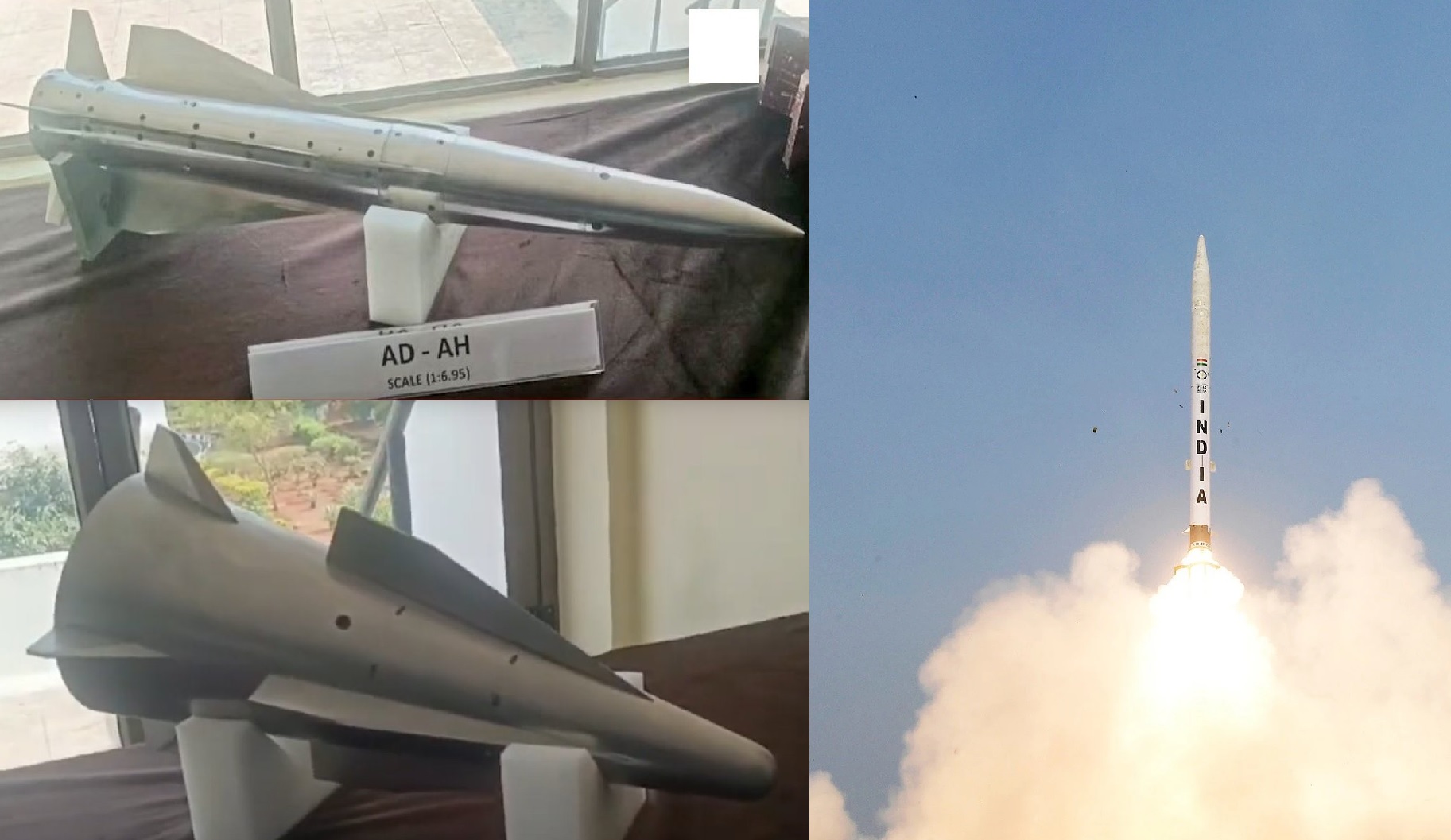
India
NEW DELHI, — June 14, 2026 : India’s Defence Research and Development Organisation (DRDO) has accelerated development of Phase 3 of its Ballistic Missile Defence (BMD) programme following the successful completion of Phase 2 testing. The new phase is designed to counter some of the most advanced missile threats expected to emerge over the coming decades, including hypersonic weapons and missiles equipped with Multiple Independently Targetable Re-entry Vehicles (MIRVs). The programme will introduce two new interceptor systems—Advanced Defence Anti-Hypersonic (AD-AH) and Advanced Defence Anti-Missile (AD-AM)—which are intended to expand India’s missile defence envelope beyond conventional ballistic missile threats and provide protection against highly manoeuvrable targets operating at extreme speeds. Phase 3 Designed for Next-Generation Missile Threats Unlike earlier phases of India’s missile defence programme, which focused primarily on ballistic missiles, Phase 3 is being developed specifically to address threats that are significantly more difficult to track and intercept. The AD-AH interceptor is intended to engage hypersonic glide vehicles (HGVs). These weapons travel at speeds exceeding Mach 5 and can manoeuvre extensively during flight, making their trajectories far less predictable than those of traditional ballistic missiles. The AD-AM interceptor is being developed to counter hypersonic cruise missiles, which remain powered throughout their flight and operate at high speeds within the atmosphere. Such missiles can fly at lower altitudes and change course during flight, reducing reaction times for defensive systems. Both interceptors are expected to employ hit-to-kill kinetic warheads, destroying incoming threats through direct impact rather than explosive blast effects. This approach is considered more effective against high-speed manoeuvring targets. MOKV Technology Makes Phase 3 Globally Unique One of the most significant aspects of India’s Phase 3 BMD architecture is the planned integration of Multiple Object Kill Vehicle (MOKV) technology, also referred to as Multiple Kill Vehicle (MKV) capability. Modern MIRV-equipped ballistic missiles can carry multiple warheads, each capable of striking separate targets. In addition, these missiles often deploy decoys and penetration aids designed to confuse missile defence systems. To counter this challenge, the AD-AM interceptor is expected to carry multiple independently guided kill vehicles on a single booster. After reaching the engagement zone, the interceptor can release several smaller kill vehicles, each capable of tracking and destroying a separate warhead or decoy. This means a single interceptor could potentially engage multiple objects simultaneously, significantly improving interception efficiency against complex missile attacks. Only India and the United States Are Pursuing the Capability According to publicly available information, India and the United States are the only countries actively developing missile defence interceptors capable of carrying MOKV/MKV payloads on a single booster. The United States began researching the concept through its Multiple Kill Vehicle (MKV) Programme, launched by the Missile Defense Agency (MDA) to improve the ability of ground-based interceptors to defeat missiles carrying multiple warheads and decoys. Although the original programme underwent restructuring, research into multi-object interception technologies continued through subsequent initiatives. More recently, MOKV-related technologies have been associated with the Next Generation Interceptor (NGI) programme, which is being developed to strengthen homeland missile defence against advanced ballistic missile threats. India is now pursuing a similar capability through the AD-AM interceptor, but within a broader missile defence architecture specifically designed to counter both MIRV-equipped ballistic missiles and emerging hypersonic threats. If DRDO successfully demonstrates operational MOKV capability before a comparable U.S. system enters testing, India could become the first country in the world to flight-test and demonstrate a missile defence interceptor capable of independently engaging multiple targets from a single launch vehicle. Built on the Success of Phase 2 The acceleration of Phase 3 development follows the successful completion of India’s Phase 2 BMD trials, which validated the country's ability to intercept long-range ballistic missile threats. Phase 2 relied on the AD-1 and AD-2 interceptors, both developed by DRDO to engage advanced ballistic missile targets. The system demonstrated interception capabilities against missiles with ranges of up to approximately 5,000 kilometres, including engagements both inside and outside the Earth's atmosphere. These tests expanded India’s missile defence capabilities beyond the objectives of Phase 1 and placed the country among a small group of nations possessing advanced long-range ballistic missile interception technology. A Major Expansion of India’s Missile Shield India’s missile defence programme has evolved through a phased approach. Phase 1 was designed to defend against ballistic missiles with ranges of up to 2,000 kilometres and is approaching operational deployment around key strategic locations. Phase 2 extended protection against longer-range threats through the introduction of AD-1 and AD-2 interceptors. Phase 3 is expected to represent the most technologically advanced stage of the programme. In addition to expanding interception ranges and engagement altitudes, it aims to provide the capability to defeat hypersonic glide vehicles, hypersonic cruise missiles, MIRV-equipped ballistic missiles, and sophisticated decoys. Development Timeline DRDO has already initiated early development work on both the AD-AH and AD-AM interceptors. Initial flight testing is expected in the early 2030s as the programme moves from the design and technology maturation stage toward system validation. With the integration of dedicated hypersonic interceptors and MOKV technology, Phase 3 is expected to become one of the most advanced missile defence programmes currently under development. The combination of capabilities under a single architecture is what makes India’s Phase 3 BMD effort distinct, positioning it among the few programmes worldwide specifically designed to counter both hypersonic and MIRV-based missile threats simultaneously.
Read More → Posted on 2026-06-14 16:40:35
World
MIAMI, — June 14, 2026 : The U.S. Navy’s oldest active aircraft carrier, USS Nimitz (CVN-68), is currently operating near Cuban waters in the Gulf of Mexico and Caribbean region as part of U.S. Southern Command’s Southern Seas 2026 deployment. Despite nearing retirement, the Nimitz-class aircraft carrier remains fully mission-capable, carrying its full complement of combat aircraft and munitions while conducting routine operations. The deployment is focused on strengthening maritime partnerships, interoperability, and security cooperation with nations across the Caribbean, Central America, and South America. The carrier recently conducted port visits and regional engagements in Panama, Guyana, Suriname, and Jamaica. It is operating alongside the guided-missile destroyer USS Gridley (DDG-101) and the fleet replenishment oiler USNS Patuxent (T-AO-201) as part of the Nimitz Carrier Strike Group. Service Life Extended Until 2027 Commissioned in 1975, USS Nimitz was originally scheduled for decommissioning in 2026. However, the U.S. Navy extended the carrier’s service life until March 2027 to help maintain carrier availability while newer Ford-class aircraft carriers continue entering service. USS Nimitz departed Naval Base Kitsap, Washington, in March 2026 and transited the Strait of Magellan in late April before entering the U.S. Fourth Fleet area of responsibility. Full Air Wing Remains Embarked The carrier continues to operate with Carrier Air Wing 17, which includes approximately 70 aircraft, including F/A-18E/F Super Hornets, EA-18G Growlers, E-2D Hawkeyes, and MH-60 Seahawks. U.S. military officials have stated that the carrier remains fully operational and capable of supporting flight operations, maritime security missions, and regional engagement activities. Operations Near Cuba USS Nimitz's presence north of Cuba comes as the U.S. military continues intelligence, surveillance, and reconnaissance activities in the region, including flights by P-8A Poseidon maritime patrol aircraft and MQ-4C Triton drones. Regional governments have emphasized that the deployment is a routine operation. Following the carrier’s recent port visit to Kingston, Jamaica, Jamaican officials stated that Southern Seas 2026 is an established program focused on maritime cooperation, interoperability, and regional security. As it continues operations in the Caribbean, USS Nimitz remains one of the U.S. Navy’s key deployed assets during the final months of its nearly five decades of service before its planned retirement in 2027.
Read More → Posted on 2026-06-14 17:31:45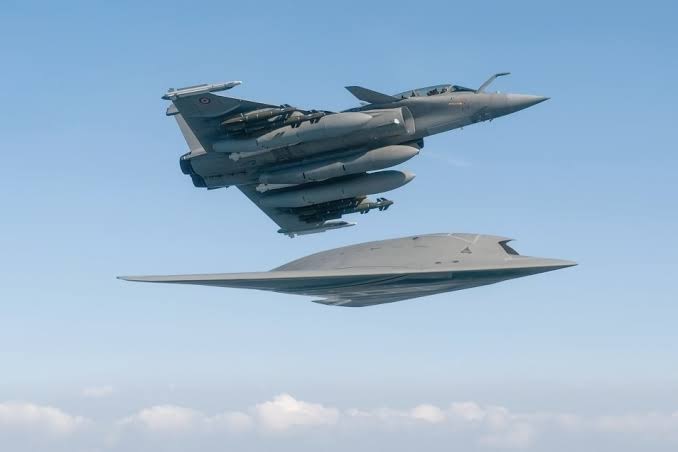
India
NEW DELHI, — June 14, 2026 : France has agreed to integrate advanced artificial intelligence (AI) capabilities and upgraded secure satellite communication systems into future Rafale fighter jets destined for India, marking a significant step in the modernization of the Indian Air Force (IAF) combat aviation fleet. The enhancements form part of the upcoming Rafale F5 standard, which is being developed as the next major evolution of the multirole fighter. The agreement comes as India and France continue negotiations for the Indian Air Force's proposed acquisition of 114 Multi-Role Fighter Aircraft (MRFA), a deal estimated to be worth up to $40 billion. The future aircraft are expected to incorporate a range of advanced technologies designed to improve operational effectiveness, connectivity, and pilot decision-making in modern combat environments. Advanced AI and Secure Connectivity A central feature of the Rafale F5 standard is the introduction of onboard AI-powered decision-support systems. The technology is designed to process and fuse large volumes of information collected from the aircraft's sensors, automatically identifying threats, filtering unnecessary data, and presenting pilots with a clear and prioritized operational picture. By automating routine tasks and assisting with threat analysis, the AI system is expected to reduce pilot workload and enable faster decision-making during high-intensity missions. The technology will support human operators while maintaining pilot control over mission execution. The upgraded Rafales will also receive secure, high-bandwidth satellite communication links, allowing continuous encrypted data exchange with ground-based radars, naval assets, airborne platforms, and command-and-control centers. The enhanced connectivity will strengthen the aircraft's role within a network-centric warfare environment and improve real-time battlefield awareness. Manned-Unmanned Teaming Capability The Rafale F5 will introduce advanced Manned-Unmanned Teaming (MUM-T) capabilities, enabling pilots to operate alongside autonomous or semi-autonomous unmanned systems. Supporting this effort, Dassault Aviation recently invested $200 million in Harmattan AI, a company specializing in autonomous combat technologies. The investment is linked to the Rafale F5 program and the development of a future "loyal wingman" unmanned combat aerial vehicle (UCAV). Under this concept, a single Rafale pilot will be able to direct stealth drones to conduct reconnaissance missions, suppress enemy air defenses, gather intelligence, or carry out strike operations. The capability is intended to extend the aircraft's operational reach while reducing risk to the manned platform. Technology Transfer and Indigenous Integration French diplomatic sources have indicated that the proposed 114-aircraft package is being structured to meet India's "Make in India" requirements. France has agreed to substantial technology transfers covering key areas including engines, airframes, avionics, and maintenance support. The proposal also includes the integration of Indian-developed weapons, missiles, and ammunition across the future Rafale fleet. Aircraft manufacturer Dassault Aviation, together with partners Thales and Safran, will work to ensure seamless compatibility between indigenous weapon systems and the Rafale's upgraded mission computers and sensor suite. The integration effort will allow Indian weapons to operate effectively with the aircraft's modernized Active Electronically Scanned Array (AESA) radar, advanced electronic warfare systems, and future mission-management architecture. Future F5 Enhancements Beyond AI and satellite communications, the Rafale F5 standard is expected to introduce several additional upgrades aimed at maintaining the fighter's operational relevance for decades. Planned improvements include an enhanced RBE2 XG Gallium Nitride AESA radar with improved detection capabilities, particularly against low-observable targets, as well as upgrades to the SPECTRA electronic warfare suite for improved survivability and self-protection. The aircraft may also receive powerplant improvements through the proposed Safran M88 T-REX engine upgrade program, which is expected to provide increased performance and growth potential for future systems. Expanding India's Rafale Fleet The Indian Air Force currently operates 36 Rafale fighters in the F3R configuration, acquired under a government-to-government agreement signed with France in 2016. Separately, the Indian Navy has ordered 26 Rafale-M carrier-capable fighters for deployment aboard its aircraft carriers. If the MRFA procurement is finalized, India could acquire a combination of Rafale F4 and future F5 variants, increasing the country's total Rafale fleet to more than 150 aircraft across the Air Force and Navy. India has already established dedicated Maintenance, Repair, and Overhaul (MRO) infrastructure at Ambala Air Force Station, while future manufacturing and assembly activities are expected to involve joint ventures between Dassault and Indian aerospace companies. Strengthening India-France Defence Cooperation The planned integration of Rafale F5 technologies highlights the expanding strategic defence partnership between India and France. By combining advanced French aerospace technologies with local manufacturing, technology transfer, and indigenous weapons integration, the proposed program is expected to support both India's military modernization goals and the growth of its domestic defence industry. Further details regarding aircraft numbers, production arrangements, and delivery timelines are expected as negotiations between the two countries continue.
Read More → Posted on 2026-06-14 17:47:09
World
PARIS, — June 14, 2026 : Rolls-Royce Power Systems will unveil a new hybrid propulsion system for heavy military tracked vehicles at Eurosatory 2026, taking place in Paris from June 15 to 19. The system, which will be presented on June 15 at the company’s stand in Hall 6, is the latest addition to the mtu Series 199 engine family. The hybrid powertrain combines a high-performance diesel engine with battery-electric drive components and is designed to support reduced fuel consumption during standby operations, lower thermal and acoustic signatures, and improved operational flexibility. Expanded mtu Series 199 Platform The mtu Series 199 platform now includes 6, 8, 10, and 12-cylinder configurations, covering a power range from 260 kW to more than 1,350 kW. The modular design enables the same engine architecture to be used across a wide range of military vehicles, including Main Battle Tanks (MBTs), Armoured Personnel Carriers (APCs), infantry fighting vehicles, and logistics platforms. The platform is suitable for both new vehicle programs and modernization of existing fleets. Rolls-Royce says the common architecture simplifies maintenance, spare-parts supply, and logistics while reducing lifecycle costs. Hybrid System Capabilities The hybrid propulsion system integrates a diesel engine, electric motor, and battery storage unit. Key capabilities include: Silent Watch: Batteries power onboard electronics, sensors, and active protection systems without running the main engine, reducing acoustic and thermal signatures. Electric Drive Mode: The vehicle can operate on electric power alone at low speeds for quieter movement. Acceleration Boost: The electric motor provides additional power during combined operation, improving mobility and responsiveness. The batteries are recharged by the diesel engine during normal driving operations. Rolls-Royce has designed the hybrid powerpack to remain compact, preserving internal space for crew and mission equipment. Existing Applications The mtu Series 199 engine family is already used in several military vehicle programs, including the Boxer 8x8 armored transport vehicle, ACSV (Armoured Combat Support Vehicle), ASCOD infantry fighting vehicle, and Polish Borsuk amphibious infantry fighting vehicle. More than 4,500 Series 199 engines have been delivered to 16 NATO member states and allied nations. Rolls-Royce said the new hybrid variants and expanded engine range are intended to address the increasing weight of modern combat vehicles and the growing electrical power demands of advanced onboard systems. The company will also showcase the new 10-cylinder variant, which delivers more than 1,100 kW, during the exhibition.
Read More → Posted on 2026-06-14 17:59:05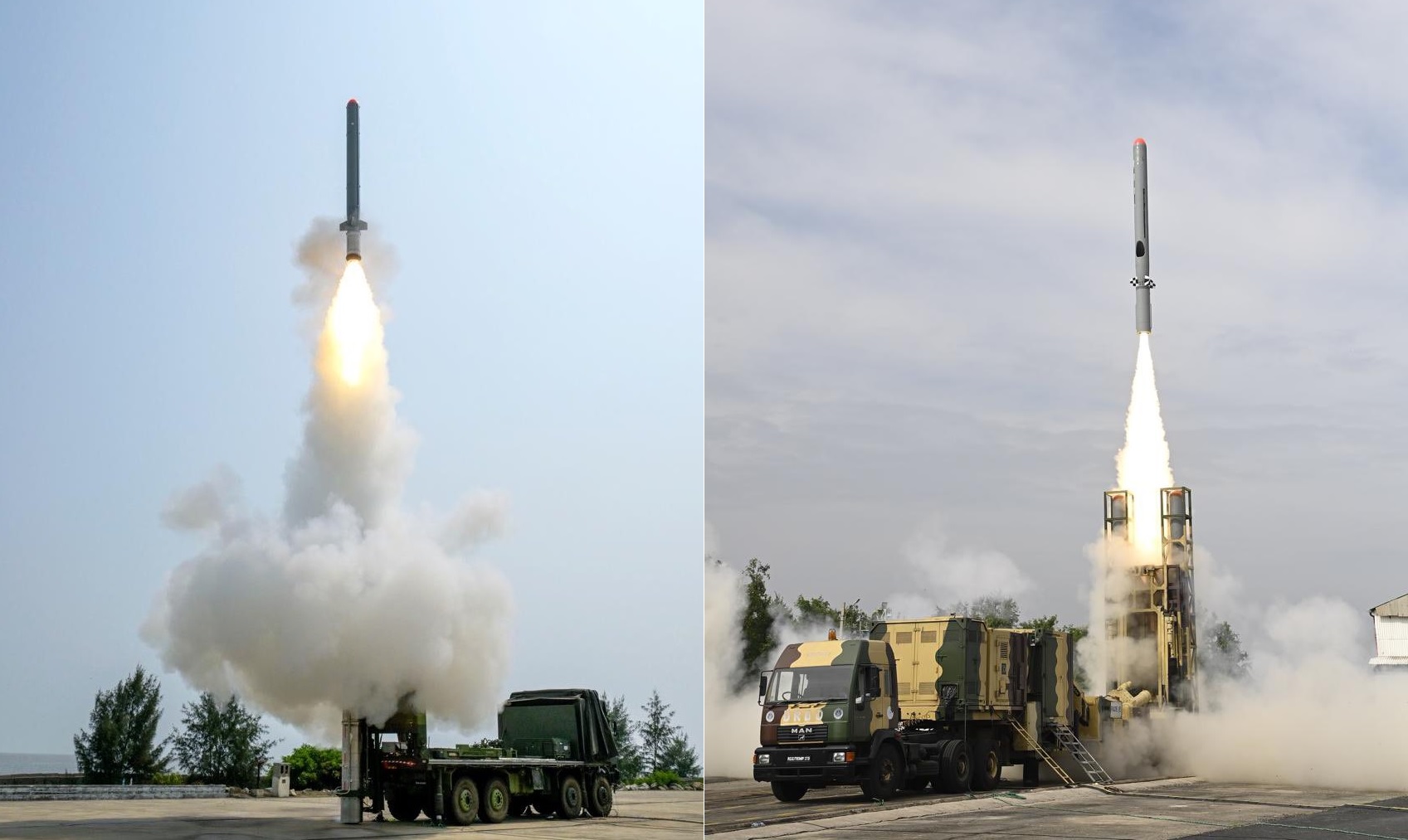
India
CHANDIPUR, ODISHA, — June 15, 2026 : India’s Defence Research and Development Organisation (DRDO) on Monday successfully conducted the flight test of the indigenously developed Long Range Land Attack Cruise Missile (LRLACM) from Dr APJ Abdul Kalam Island off the coast of Odisha. According to the Ministry of Defence, the missile successfully achieved all mission objectives during the trial. The launch was monitored by tracking instruments deployed by the Integrated Test Range (ITR) at Chandipur, including radar systems, electro-optical sensors, and telemetry stations. Data collected during the flight confirmed that the missile followed its planned trajectory and performed within all expected parameters. Key Technologies Validated The flight test validated critical technologies related to propulsion, navigation, guidance, control systems, and warhead delivery. A major highlight of the test was the successful performance of the indigenous Manik turbofan engine, which powers the missile during its cruise phase. DRDO also validated the missile’s navigation and guidance systems, including a Ring Laser Gyroscope (RLG)-based inertial navigation system integrated with GPS and NavIC support. The missile successfully demonstrated its precision guidance capabilities and completed the planned flight profile. Long-Range Precision Strike Capability The LRLACM is an advanced subsonic cruise missile developed as an evolution of the Nirbhay program. Designed to strike land targets at ranges exceeding 1,000 kilometers, the missile is reported to have a range of up to 1,500 kilometers. The missile incorporates terrain-following and low-altitude flight capabilities, enabling it to evade enemy radar systems and improve survivability in contested environments. It is also equipped with Terrain Contour Matching (TERCOM) technology and advanced autonomous flight control systems for accurate navigation and targeting. Indigenous Development Development of the LRLACM was led by DRDO’s Aeronautical Development Establishment (ADE) in Bengaluru, with contributions from multiple DRDO laboratories and Indian industry partners, including Bharat Dynamics Limited (BDL). According to officials, the missile and its major subsystems have been developed indigenously, supporting India's efforts to strengthen domestic defence manufacturing and reduce dependence on foreign technologies. Multi-Platform Deployment The missile has been designed for launch from ground-based mobile launchers as well as naval platforms. Naval variants are expected to be compatible with Universal Vertical Launch Module (UVLM) cells installed on frontline warships. Senior officials from DRDO, along with representatives from the Indian Navy and Indian Air Force, witnessed the launch. Both services are expected to operate the missile following its induction into service. Official Reactions Following the successful test, Defence Minister Rajnath Singh congratulated DRDO scientists, engineers, and industry partners involved in the project. Defence Secretary and DRDO Chairman Rajesh Kumar Singh also congratulated the project teams, stating that the successful test represents an important milestone for the Aatmanirbhar Bharat initiative and India's indigenous defence capabilities. The successful flight test marks another step forward in the development of India's long-range precision strike systems, with further trials expected before the missile enters operational service.
Read More → Posted on 2026-06-15 13:45:55
India
BENGALURU, — June 15, 2026 : The Aeronautical Development Agency (ADA) has officially postponed the pre-bid meeting for the development phase of India's Advanced Medium Combat Aircraft (AMCA) programme. According to Corrigendum-1 issued on June 5, 2026, the meeting will now be held on June 22 instead of the previously scheduled date. The pre-bid meeting was originally scheduled for June 10 but has now been moved to June 22, giving participating companies an additional 12 days to review the tender documents and prepare technical and commercial queries. The adjustment does not indicate a significant delay to the AMCA fighter programme itself, as it only affects the consultation stage of the tender process. The meeting allows shortlisted bidders to seek clarifications from ADA before submitting their proposals. Given the complexity of the project, which involves stealth technologies, advanced sensors, propulsion integration, and manufacturing partnerships, the additional time is expected to help industry participants better assess the requirements outlined in the Request for Proposal (RFP). The revision applies to tender reference COM_IND_E066_2026-2027/SU and was approved by the Director (Materials Management) at ADA, Bengaluru. All other terms and conditions of the tender remain unchanged. This is the first visible schedule adjustment in the current AMCA tendering process since the RFP was issued to shortlisted private-sector industry teams in May 2026. The tender covers major work packages related to prototype development, systems integration, manufacturing support, testing infrastructure, and preparation for eventual production. The RFP was issued to three shortlisted private-sector bidders: Tata Advanced Systems, an L&T–Bharat Electronics Limited consortium, and a Bharat Forge-led consortium that includes BEML and other partners. Hindustan Aeronautics Limited (HAL) was not included in the shortlist for the prototype development phase. The AMCA programme aims to develop India's first indigenous fifth-generation stealth fighter aircraft. The medium-weight, twin-engine platform is being designed with features including supercruise capability, advanced sensors, sensor fusion, internal weapons carriage, and low-observable characteristics. The aircraft is expected to have a maximum take-off weight of around 25–27 tonnes. ADA, under the Defence Research and Development Organisation (DRDO), is leading the programme. Significant progress has already been achieved in configuration finalisation, wind tunnel testing, radar cross-section modelling, and intake design validation. For the initial AMCA Mk1 variant, the GE F414 engine has been selected as the interim powerplant. Future Mk2 variants are expected to use a more powerful engine being developed through international collaboration and indigenous participation. The selected industry partner will be required to establish a Special Purpose Vehicle (SPV) for programme execution. Current plans include the development of five flying prototypes along with supporting test infrastructure. Industry observers note that minor schedule adjustments are common in large aerospace and defence programmes and do not necessarily indicate changes to the overall development timeline. The AMCA programme continues to advance through parallel activities in design, testing, and industrial partnership formation, with further developments expected following the rescheduled pre-bid meeting on June 22.
Read More → Posted on 2026-06-15 14:03:46
World
ARABIAN SEA, — June 15, 2026 : The U.S. Navy’s America-class amphibious assault ship USS Tripoli (LHA-7) continues to operate in the Arabian Sea, maintaining a position approximately 100 kilometers east of Oman while accompanied by at least one guided-missile destroyer. The vessel has been observed in the same area multiple times during the ongoing maritime blockade and is expected to remain on station for the foreseeable future. According to naval planning, USS Tripoli and its escorting warships will continue operating from their current location even if the blockade of Iranian ports is formally lifted or modified. The decision highlights the strategic importance of maintaining a sustained U.S. naval presence near key maritime routes linking the Gulf of Oman, the Strait of Hormuz, and the wider Arabian Sea. Deployed as Flagship of Amphibious Ready Group USS Tripoli is currently serving as the flagship of the Tripoli Amphibious Ready Group (ARG) in the U.S. 5th Fleet area of operations. The formation, which includes up to 5,000 personnel, was deployed to the Middle East earlier this year in support of Operation Epic Fury. Since arriving in the region, the Amphibious Ready Group has participated in a range of missions, including maritime security operations, flight activities, replenishment-at-sea operations, and support for maritime interdiction efforts. The group operates alongside guided-missile destroyers, including vessels that have previously included the Arleigh Burke-class destroyer USS Spruance (DDG-111). The naval force has been tasked with enforcing maritime restrictions on commercial shipping attempting to enter or leave ports affected by the current blockade. Blockade Enforcement Operations Continue According to U.S. Central Command (CENTCOM), forces enforcing the blockade have redirected more than 129 commercial vessels to ensure compliance with maritime restrictions. Naval units have also conducted boarding operations against vessels that failed to respond to warnings, while some ships were reportedly disabled after refusing to comply with instructions. The mission places significant emphasis on maritime surveillance, vessel tracking, and rapid-response capabilities across key shipping lanes in the region. The Arabian Sea and Strait of Hormuz remain among the world's most strategically important waterways, carrying a substantial share of global energy exports and commercial shipping traffic. Air Wing Supports Surveillance and Boarding Missions A key component of USS Tripoli’s operational capability is the embarked 31st Marine Expeditionary Unit (MEU), which provides expeditionary and maritime security forces for the deployment. The ship’s aviation combat element includes F-35B Lightning II fighter aircraft from Marine Fighter Attack Squadron 121 (VMFA-121), alongside MV-22B Osprey tiltrotor aircraft and MH-60S Seahawk helicopters. These assets enable continuous monitoring of regional airspace and maritime traffic while supporting rapid-response and vessel-boarding operations. Marine teams supported by these aircraft are capable of conducting interdiction missions throughout the Gulf of Oman and the Strait of Hormuz, allowing U.S. forces to quickly investigate or secure vessels when required. America-Class Warship Built for Aviation Operations Commissioned in July 2020, USS Tripoli is the second vessel in the America-class of amphibious assault ships. The warship measures approximately 844 feet (257 meters) in length, has a 106-foot beam, and displaces around 45,000 tons at full load. Powered by two marine gas turbines, the vessel can achieve speeds exceeding 22 knots and is capable of carrying approximately 1,687 Marines in addition to a crew of more than 1,000 sailors. Unlike earlier amphibious assault ships that featured traditional well decks for landing craft operations, USS Tripoli was designed with a greater emphasis on aviation capabilities. Its large flight deck supports operations involving F-35B fighters, MV-22 Ospreys, helicopters, and other aircraft, making it one of the U.S. Navy’s primary air-centric expeditionary platforms. Continued Presence in the Region USS Tripoli arrived in the U.S. Central Command area of responsibility in late March 2026 and has remained actively involved in regional operations since then. In April, Marines embarked aboard the ship participated in the boarding and search of the Iranian-flagged vessel M/V Touska in coordination with USS Spruance after the vessel reportedly failed to comply with coalition warnings. By maintaining the Amphibious Ready Group approximately 100 kilometers off the Omani coast, U.S. commanders retain a permanent staging point for air and surface operations. The deployment ensures that surveillance, interdiction, and rapid-response capabilities remain available regardless of changes to the current blockade. While U.S. officials have not disclosed how long the deployment will continue, USS Tripoli remains engaged in routine operations in the Arabian Sea as part of broader U.S. 5th Fleet efforts to support maritime security, freedom of navigation, and regional contingency response missions.
Read More → Posted on 2026-06-15 14:13:41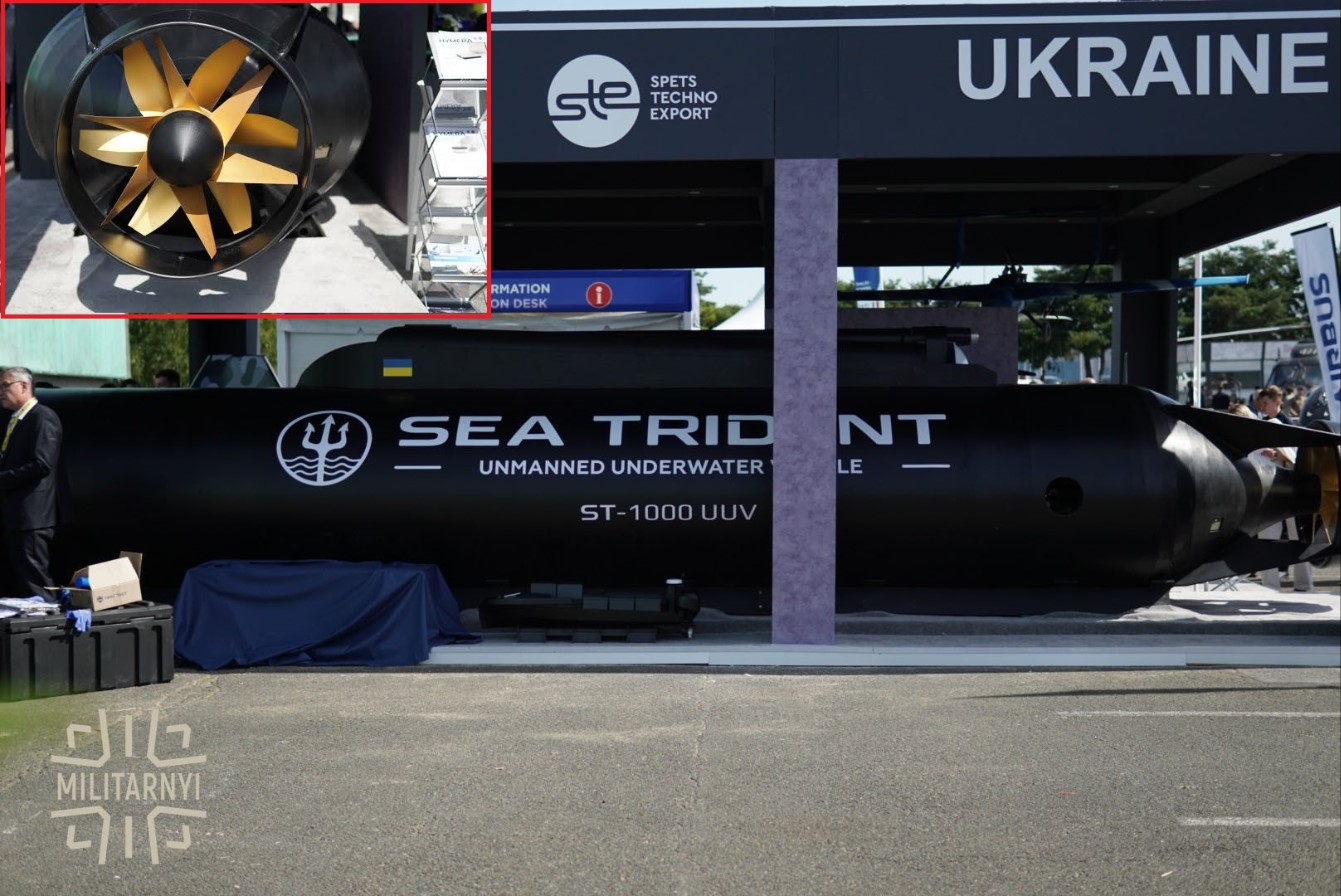
World
PARIS, — June 15, 2026 : Ukraine has publicly unveiled a new heavy autonomous underwater drone, known as the Sea Trident, at the Eurosatory 2026 international defense and security exhibition in Paris. Developed by Ukrainian defense company Global Mark, the platform is designed to conduct long-range maritime operations in contested environments while maintaining a low-observable profile and operating with a high degree of autonomy. The unveiling marks another step in Ukraine’s ongoing effort to expand its portfolio of unmanned naval systems, which has grown significantly in recent years through the development of both surface and underwater platforms. Heavyweight Autonomous Platform According to technical specifications released by Global Mark, the Sea Trident is a heavyweight autonomous underwater vehicle (AUV) weighing 10,000 kilograms and capable of carrying payloads of up to 1,000 kilograms. The platform is intended to perform extended missions that require endurance, stealth, and the ability to transport substantial payloads over long distances. The drone measures 10 meters in length, 2 meters in width, and 1.5 meters in height. It has a maximum operational range of up to 2,000 nautical miles, allowing it to operate far beyond coastal waters and support missions deep into contested maritime areas. Sea Trident travels at a cruising speed of 6 knots (approximately 11 km/h) and can reach a maximum speed of 10 knots (18.5 km/h). The vehicle is capable of operating at depths of up to 60 meters, making it suitable for missions in coastal zones as well as other strategically important maritime regions. Designed for Stealth Operations A key feature of the Sea Trident is its low-observable design, which is intended to reduce the likelihood of detection during operations. According to the developer, the vehicle can travel at shallow depths of around 5 meters below the surface before descending deeper when required by mission conditions. Combined with autonomous navigation and adaptive control systems, this operating profile enables the drone to move through contested maritime environments while maintaining a limited signature. The platform is designed to carry out missions with minimal human intervention and can independently navigate over long distances. Multiple Mission Roles Global Mark says the Sea Trident has been designed as a multi-role underwater platform capable of supporting several operational tasks. One of its primary missions is long-range strike operations, allowing the drone to deliver heavy payloads against strategic maritime targets, including naval vessels, port infrastructure, and other critical assets. The platform is also intended for logistics and cargo transport, enabling autonomous delivery of supplies through waters where conventional vessels may face increased risks or operational restrictions. In addition, Sea Trident has been developed for counter-drone operations, with the capability to detect, intercept, and neutralize hostile unmanned underwater vehicles. This role could support maritime security missions and the protection of naval assets against emerging underwater threats. Part of Ukraine’s Expanding Unmanned Maritime Fleet The introduction of the Sea Trident follows a series of Ukrainian developments in the unmanned maritime sector. Ukraine has previously fielded and demonstrated several unmanned surface vessels, including the Magura V5 and Sea Baby, which have been used extensively in operations in the Black Sea. Ukrainian developers have also increased their focus on underwater systems. In 2025, an updated version of the smaller Toloka underwater drone was presented, while information has previously emerged regarding the Marichka unmanned underwater vehicle program. The Sea Trident represents a larger and more capable addition to this growing family of unmanned maritime platforms, expanding Ukraine’s ability to conduct autonomous operations beneath the surface. Displayed at Eurosatory 2026 The Sea Trident was showcased at the Ukrainian pavilion during Eurosatory 2026, one of the world's largest defense and security exhibitions, held in Paris from June 15 to June 19. The unveiling comes as Ukraine’s defense industry significantly increases its presence at the event. Approximately 80 Ukrainian companies are participating in this year’s exhibition, compared with around 10 companies in 2024, reflecting the rapid expansion of the country's defense technology sector. Photos displayed at the exhibition, including images published by Ukrainian defense outlet Militarnyi, showed the Sea Trident platform alongside its propulsion system and other technical components. Seeking Development and Production Partners Global Mark indicated that the Sea Trident remains in the prototype stage and that the company is seeking international partners for further development, testing, and potential production. The presentation of the platform highlights Ukraine’s continued emphasis on autonomous and unmanned systems as part of its broader defense modernization efforts. By expanding its fleet of unmanned surface and underwater vehicles, Ukraine aims to develop a comprehensive maritime capability capable of conducting reconnaissance, strike, logistics, and security missions in increasingly complex operational environments. The Sea Trident’s debut at Eurosatory 2026 underscores the growing importance of autonomous naval technologies within Ukraine’s defense industry and reflects the country’s ongoing investment in next-generation maritime systems.
Read More → Posted on 2026-06-15 14:26:03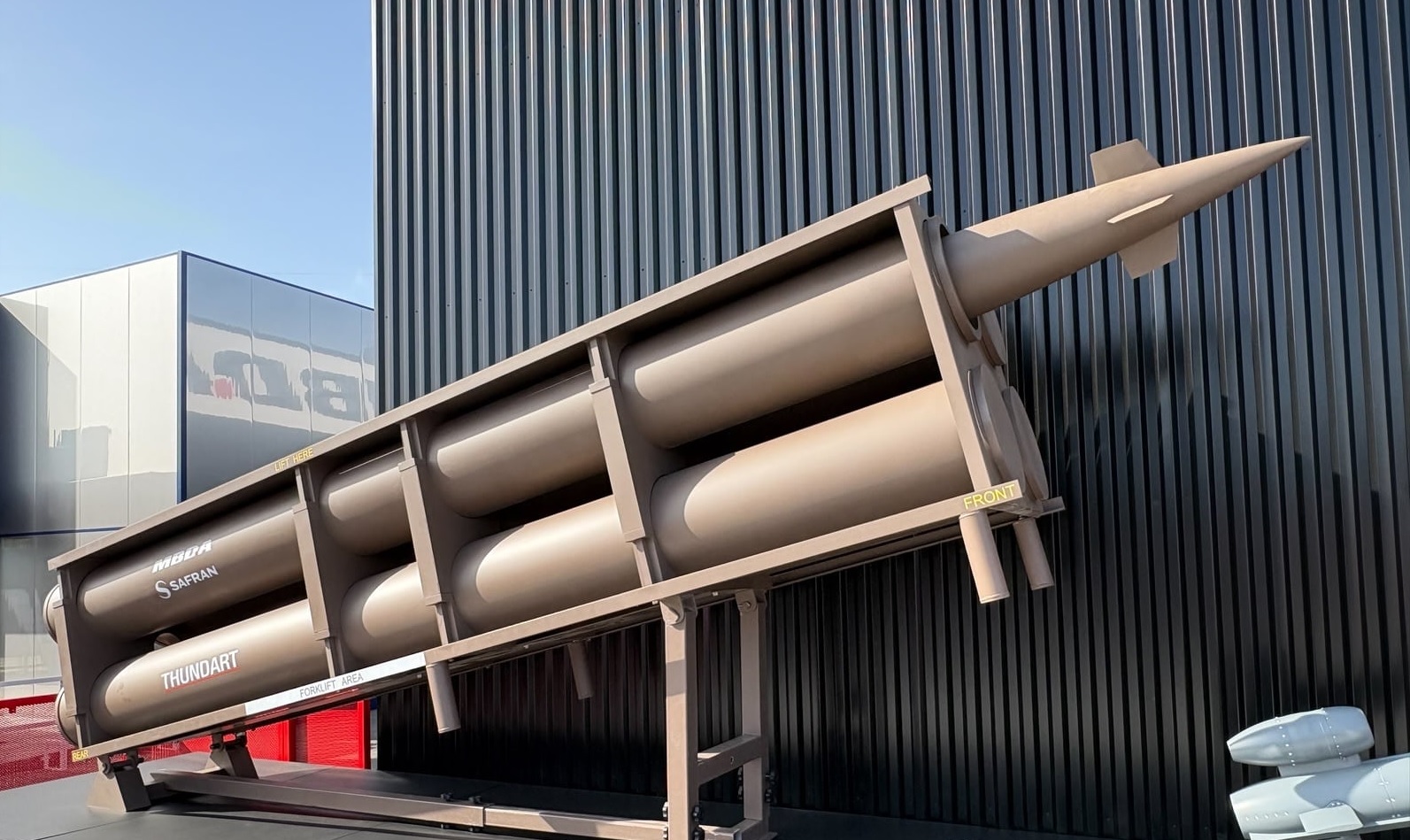
World
PARIS, — June 15, 2026 : France has selected the domestically developed Thundart rocket artillery system under the FLP-T (Frappe Longue Portée Terrestre) program to replace the French Army's aging Lance-Roquettes Unitaire (LRU) multiple rocket launchers. The French Ministry of the Armed Forces announced that it has entered exclusive negotiations with a consortium led by MBDA and Safran Electronics & Defense for the supply of the new system. The decision was confirmed by Armed Forces Minister Catherine Vautrin on the opening day of the Eurosatory 2026 defense exhibition in Paris, following a commitment to finalize the selection before summer. The choice concludes a competition involving domestic and foreign proposals. The MBDA-Safran bid was selected over the FLP-T 150 proposal developed by Thales and ArianeGroup, while foreign alternatives, including Lockheed Martin's HIMARS system and India's Pinaka, were not chosen. Thundart to Replace Aging LRU Fleet The FLP-T program was launched to replace the Army's current LRU launchers, which are expected to become obsolete in the coming years. French military officials have identified long-range precision strike capability as a key requirement for future force modernization plans. Lieutenant General Philippe Geay de Montenon, Commander of the Land Force and Operations (COMFOT), said the Army requires a replacement capability by 2030 to support the transition toward Division 27 and Army Corps 2030 structures. The French government opted for a sovereign solution, prioritizing national industrial capabilities and independence from foreign supply restrictions. Range and Precision Improvements The Thundart system offers a significant increase in range compared with the current LRU fleet. The launcher fires guided 227 mm rockets capable of striking targets at distances of up to 150 kilometers, more than double the range of existing French rocket artillery systems. Its guidance package incorporates technology derived from Safran's AASM Hammer precision-guided bomb. The system combines inertial navigation and satellite guidance, allowing accurate targeting even in GNSS-denied or electronically jammed environments. Successful Test Firing The Thundart rocket completed its first live-fire demonstration on April 14, 2026, at the Île du Levant test range in the Mediterranean. The test, conducted with support from the Direction Générale de l'Armement (DGA), validated the rocket's design and propulsion system. According to program officials, performance exceeded initial expectations. Development progressed from concept stage to successful live firing in just 18 months. Industrial Partnership The Thundart program is supported by a wider industrial team that includes: Scania, which will provide the 8×8 carrier vehicle. Essonne Sécurité, responsible for the armored cab. Palfinger, which will supply the reloading crane. The launcher is mounted on a wheeled platform and carries guided rockets housed in pods. It is designed for rapid deployment and relocation after firing. MBDA and Safran are also considering the creation of a joint venture to support future development of the program, including longer-range variants. Procurement Plans and Timeline The FLP-T program is valued at approximately €600 million, with contract notification expected as early as July 2026. Under the Military Programming Law (LPM) 2024–2030, currently under parliamentary review, France plans to acquire between 13 and 26 systems in the initial phase. Long-term plans call for up to 52 launchers by 2035. The French military also intends to procure around 300 rockets before the end of the decade. MBDA and Safran have committed to delivering an initial operational capability by 2029, ensuring continuity as the LRU fleet is phased out. Strengthening Sovereign Strike Capability The selection of Thundart marks a major step in France's effort to field a domestically developed long-range precision strike system. The program will provide the French Army with a modern replacement for the LRU while supporting the country's defense industrial base and maintaining national control over a critical military capability. Further details regarding the final contract are expected in the coming weeks as negotiations between the government and the MBDA-Safran consortium continue.
Read More → Posted on 2026-06-15 14:37:48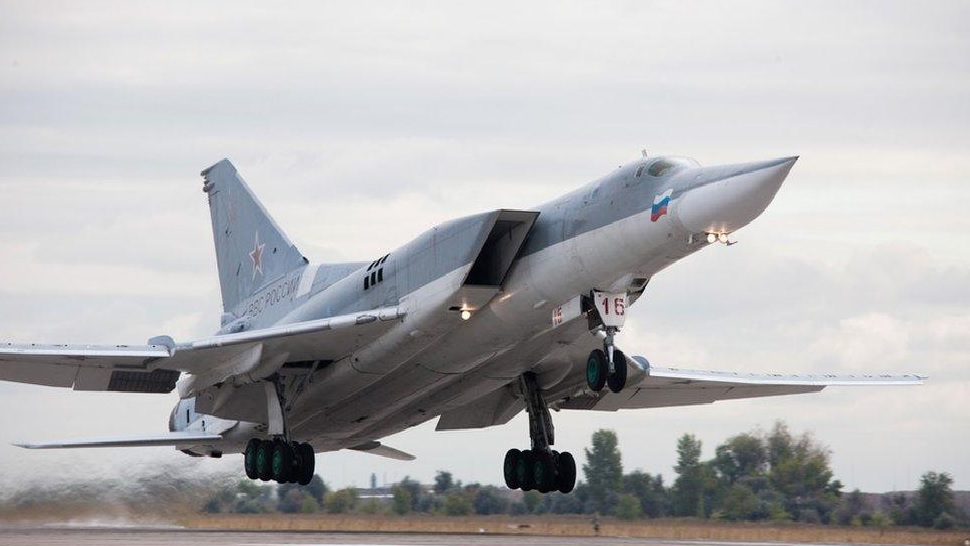
World
IRKUTSK, Russia, — June 15, 2026 : A Russian Tu-22M3 long-range strategic bomber crashed in Siberia’s Irkutsk region on Monday during a scheduled training flight, according to the Russian Defense Ministry. The aircraft went down while approaching for landing near the village of Kamenka and the town of Svirsk, approximately 50 kilometers northwest of the Belaya Air Base. The incident initially sparked uncertainty regarding the fate of the crew after unconfirmed reports circulated on social media suggesting that the pilots may have been killed. However, the Russian Defense Ministry later confirmed that all four crew members successfully ejected from the aircraft before impact and survived the crash. Witnesses in the area reported seeing several parachutes descending shortly before the bomber crashed into a heavily wooded area along the banks of the Angara River. Videos shared on social media appeared to show the aircraft entering a steep nosedive before striking the ground, followed by a large column of black smoke rising above the forest. According to Russian officials, the Tu-22M3 was not carrying any combat load or munitions at the time of the accident. Authorities stated that the crash did not cause damage to civilian infrastructure or populated areas. Emergency services, including firefighting units and medical teams, were dispatched to the scene shortly after the aircraft went down. A localized fire caused by the impact was subsequently contained. Irkutsk Region Governor Igor Kobzev said search-and-rescue teams quickly located all four crew members. The personnel were transported to a local hospital for medical evaluation and treatment. Officials reported that the crew sustained non-life-threatening injuries. The crew consisted of the aircraft commander, assistant commander, navigator, and systems navigator. Russian authorities have not released additional details regarding the medical condition of the personnel. Preliminary findings indicate that a technical malfunction may have caused the accident. Russian military officials stated that an engine failure is currently considered the most likely cause of the crash. A commission from the Russian Aerospace Forces and a dedicated military investigation team have been deployed to the crash site to determine the exact circumstances surrounding the incident. The Tu-22M3, known by the NATO reporting name “Backfire,” is a supersonic long-range bomber developed by the Soviet Union and later modernized for service with the Russian Aerospace Forces. The aircraft features variable-sweep wings and is designed to conduct strategic strike and maritime attack missions. The bomber is capable of carrying a wide range of weapons, including the Kh-22 air-launched cruise missile. Modified versions of the aircraft have also been adapted to carry Russia’s Kh-47M2 Kinzhal air-launched hypersonic missile. In recent years, Tu-22M3 aircraft have been used in combat operations in Syria and have also participated in strike missions during the conflict in Ukraine. The crash occurred near Belaya Air Base, one of Russia’s major strategic aviation facilities in eastern Siberia. The base is home to the 220th Heavy Bomber Aviation Regiment, which operates both Tu-22M3 and Tu-95 strategic bombers and serves as an important hub for Russia’s long-range aviation operations. The latest accident marks the third reported Tu-22M3 crash in the Irkutsk region in less than two years. In August 2024, a Tu-22M3 crashed in the Cheremkhovsky district during a routine flight following a technical malfunction. Another aircraft of the same type crashed in the Usolsky district of the Irkutsk region in April 2025. Monday’s crash near Kamenka represents the third known loss involving the bomber in the region since 2024. Military aviation analysts have noted that Russia’s long-range bomber fleet continues to face challenges associated with aging Soviet-era airframes, extensive operational demands, and maintenance requirements. The Tu-22M3 remains a key component of Russia’s strategic strike capabilities, but the combination of sustained operational activity and the age of the aircraft has increased pressure on maintenance and support infrastructure. Russian authorities have not yet released further details regarding the aircraft’s condition or the full findings of the initial investigation. Officials said recovery operations and technical examinations are ongoing, with additional information expected once the military commission completes its assessment of the crash site and the aircraft’s systems.
Read More → Posted on 2026-06-15 15:44:02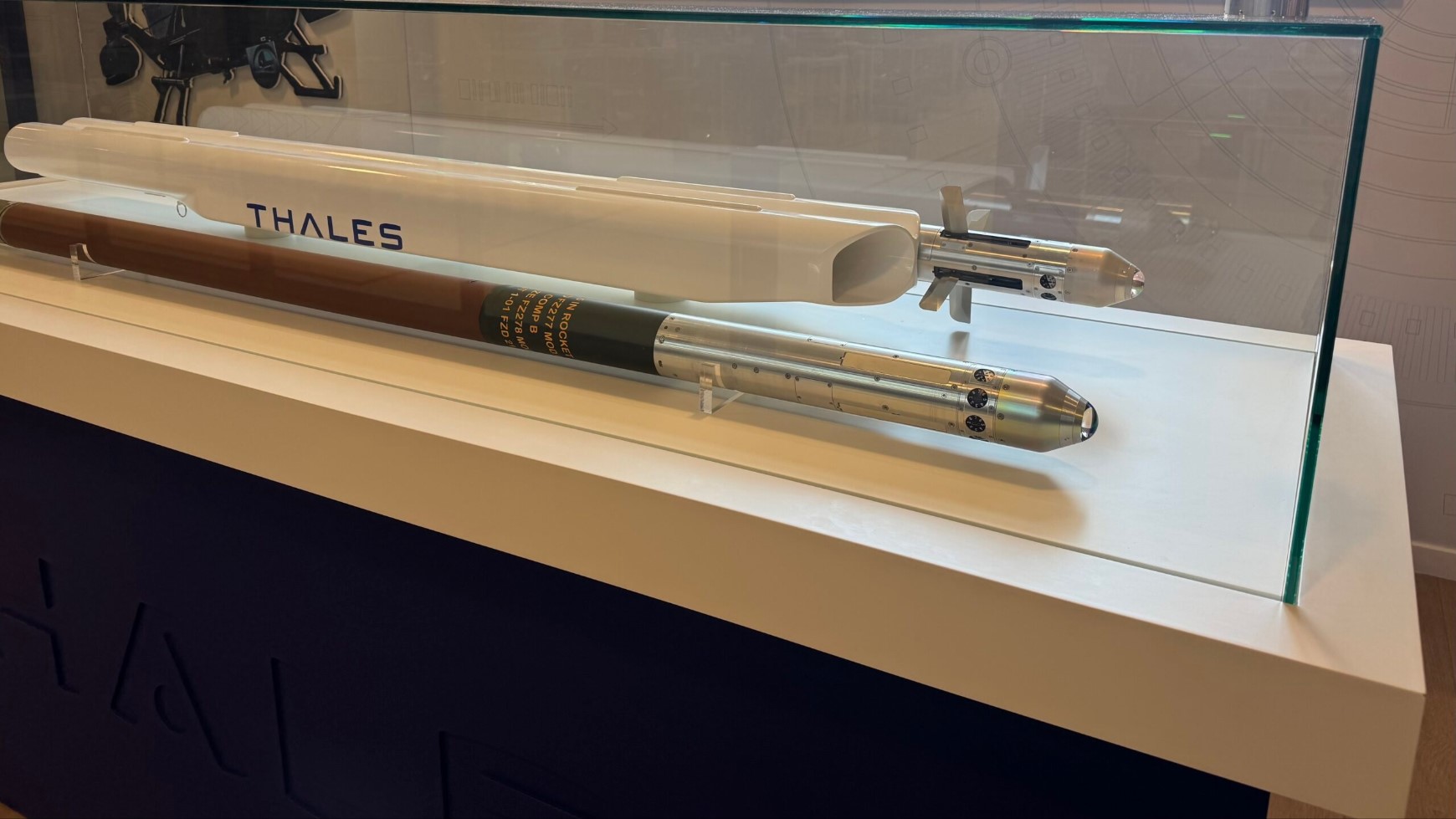
World
PARIS, — June 15, 2026 : Thales has unveiled the LGR275 Proxy, a new 70 mm laser-guided rocket specifically developed to counter unmanned aerial systems (UAS), marking the latest addition to the company’s expanding air defense portfolio. The system was officially introduced on the opening day of the Eurosatory 2026 defense exhibition and is intended to provide armed forces with a cost-effective solution for engaging increasingly common drone threats. Addressing the Growing Drone Challenge The introduction of the LGR275 Proxy comes as militaries worldwide face a rapid increase in the use of Class 1 and Class 2 drones across both conventional and asymmetric conflicts. Recent battlefield experience has demonstrated that low-cost drones can pose significant operational challenges while forcing defenders to rely on expensive missile systems for interception. According to Thales, the widespread deployment of unmanned systems has exposed limitations in traditional air defense architectures, particularly in terms of cost-effectiveness and sustainability. Using high-value surface-to-air missiles against inexpensive drones can quickly deplete stockpiles and increase operational costs during prolonged engagements. To address this imbalance, Thales developed the LGR275 Proxy as an affordable precision-guided interceptor that bridges the gap between unguided rockets and more expensive missile systems. The company says the rocket is designed to restore a more favorable economic balance in air defense operations while maintaining high engagement effectiveness against drone targets. Built on Proven Rocket Technology The LGR275 Proxy is derived from Thales’ established FZ275 Laser-Guided Rocket (LGR) family, which has already demonstrated precision engagement capabilities at ranges of up to seven kilometers. While retaining the core guidance architecture of the existing system, the new variant incorporates several enhancements specifically tailored for counter-UAS missions. At the center of the upgrade is a newly integrated LiDAR-based proximity sensor, which enables the rocket to detonate near a target rather than requiring a direct impact. This capability significantly improves effectiveness against small, agile, and fast-moving drones that can be difficult to hit directly. The rocket is also equipped with a military-grade warhead optimized for aerial targets. Upon activation, the warhead generates a fragmentation effect designed to neutralize or destroy unmanned aircraft in flight, increasing the probability of a successful intercept. Key Technical Features The LGR275 Proxy combines several technologies intended to enhance counter-drone performance: Guidance System: Semi-active laser (SAL) guidance compatible with standard laser designators. Proximity Sensor: LiDAR-based proximity fuze optimized for engaging unmanned aerial targets. Warhead: Fragmentation warhead specifically designed for aerial threats. Engagement Method: Proximity detonation to improve effectiveness against maneuvering drones. Operational Role: Designed for counter-UAS missions in both air-to-air and surface-to-air engagements. These features allow the system to provide precision engagement capability while maintaining lower interception costs compared to traditional missile-based solutions. Flexible Platform Integration One of the key advantages of the LGR275 Proxy is its compatibility with a wide range of existing launch platforms. The rocket can be employed from helicopters, fixed-wing aircraft, ground vehicles, and fixed launcher systems, providing operators with flexibility across different operational environments. Because the system remains compatible with existing 70 mm rocket infrastructure already in service with armed forces in more than 50 countries, integration requirements are expected to be relatively limited. This compatibility enables users to enhance counter-drone capabilities without investing in entirely new launcher networks or support systems. Part of the SkyDefender Air Defense Architecture Thales has positioned the LGR275 Proxy within its broader SkyDefender layered air defense approach. The company describes the rocket as an intermediate solution that complements both gun-based defenses and higher-end missile interceptors. The system is designed to work alongside SkyDefender’s integrated command-and-control architecture, which combines sensors, effectors, and decision-support tools to counter a variety of aerial threats. By providing a lower-cost precision engagement option, the LGR275 Proxy strengthens the overall effectiveness of layered air defense networks against drone attacks. Production Expansion Planned To support anticipated demand, Thales Belgium announced plans to significantly expand production of its 70 mm rocket systems. The company intends to triple manufacturing output between 2026 and 2028, reflecting growing international interest in counter-drone capabilities and precision-guided munitions. Production expansion efforts are being carried out at Thales’ facility in Herstal, Belgium, where manufacturing capacity is being increased to ensure reliable deliveries to customers. The company said the investment is intended to meet operational requirements observed in recent conflicts, where ammunition availability and industrial resilience have become increasingly important. Thales Highlights Defense Readiness Benefits Commenting on the launch, Alain Quevrin, Country Director for Thales Belgium and Luxembourg, emphasized the importance of providing armed forces with practical and sustainable solutions for emerging drone threats. “Building on our already proven laser-guided rocket solutions, Thales provides a solution to strengthen nations’ defence readiness against drone threats, one of the key challenges of our times. Thales Belgium is the leader in NATO standard rockets and our solid production ramp-up allows us to meet the needs of the armed forces,” Quevrin said. Expanding Counter-UAS Capabilities The launch of the LGR275 Proxy reflects Thales’ continuing efforts to expand its counter-UAS portfolio as drone technology becomes more widespread and accessible. The company views the system as a practical response to evolving battlefield requirements, offering a balance of precision, affordability, and operational flexibility. By combining proven laser-guided rocket technology with a dedicated proximity sensor and drone-optimized warhead, the LGR275 Proxy provides armed forces with an additional option for defending airspace, critical infrastructure, and military formations against rapidly evolving unmanned threats. Further information regarding operational deployment, platform integration, and customer availability is expected to be released by Thales in the coming months.
Read More → Posted on 2026-06-15 15:52:12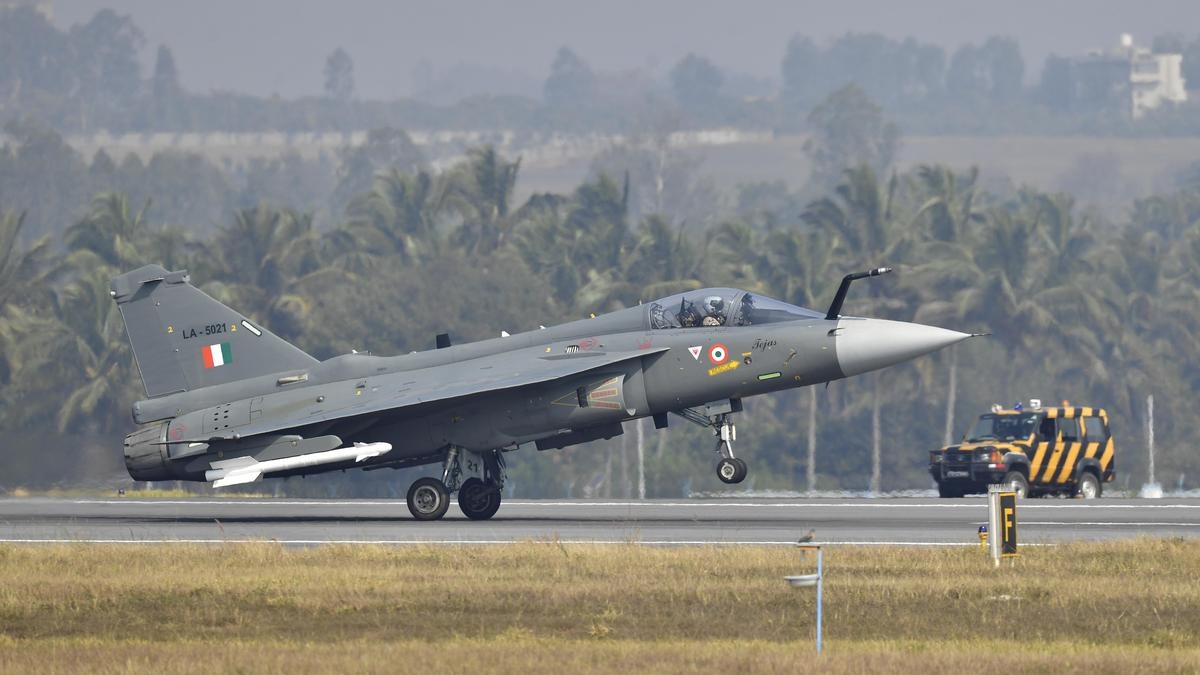
World
BENGALURU, — June 15, 2026 : Hindustan Aeronautics Limited (HAL) has filed a criminal complaint against Hyderabad-based aerospace components supplier Tec Aero Devices for allegedly submitting 199 forged test certificates for parts supplied to the Light Combat Aircraft (LCA) Tejas Mk1A programme. According to a First Information Report (FIR) filed by Ranu Gupta, Deputy General Manager of HAL’s Aircraft Division, HAL issued 18 purchase orders to Tec Aero Devices between March 2022 and September 2023. The orders covered 35 categories comprising 172 mechanical components required for the Tejas Mk1A fighter aircraft. Under HAL’s procurement procedures, suppliers must submit certified laboratory test reports to verify that components meet specified quality standards. The certificates submitted by Tec Aero Devices covered tests including tensile strength, hardness, break load, shear strength, non-destructive testing (NDT), microstructure analysis, and salt spray resistance. Audit Revealed Forged Documents The issue surfaced during routine quality verification by HAL’s Quality Control Department, which requested the original test reports. According to the complaint, Tec Aero Devices failed to produce the original records and later stated that the reports had been issued by Hyderabad-based testing agency Axis Inspection Solutions. HAL subsequently conducted an audit at Axis Inspection Solutions on November 29, 2023. During the audit, the testing agency confirmed that it had not issued any of the 199 reports submitted by Tec Aero Devices between February and September 2023. Axis Inspection Solutions also provided a written statement stating that its name and authorized signatures had been misused to create the certificates. HAL’s internal review concluded that all 199 reports were fabricated. HAL Blacklists Supplier Following the findings, HAL rejected a request from the supplier to condone the lapse and removed Tec Aero Devices from its approved vendor list. The company has been blacklisted from doing business with HAL for three years, until March 10, 2027. HAL has also withheld all pending payments related to the disputed supplies. Police Investigation Underway The FIR was registered on June 2, 2026, at the HAL Police Station in Bengaluru. The complaint names M. Sivarama Prasad, CEO of Tec Aero Devices, and invokes Sections 420 (cheating), 465 (forgery), and 468 (forgery for the purpose of cheating) of the Indian Penal Code. Bengaluru Police have sent a team to the company's registered address in Shaktipuri, Hyderabad, to verify the location and trace its representatives. Investigators are expected to examine purchase orders, audit findings, correspondence, and the alleged forged certificates. No Fake Parts Installed in Aircraft Authorities have clarified that the investigation concerns forged test certificates and not counterfeit aircraft components. A senior police officer associated with the case stated that only the documentation was found to be fake and that there is no evidence that counterfeit or substandard parts were installed in any aircraft. The Tejas Mk1A is a key component of India's indigenous fighter aircraft programme and a major part of the country's Atmanirbhar Bharat defence manufacturing initiative. HAL officials have stated that the company maintains strict quality control standards and a zero-tolerance approach toward violations of procurement and certification requirements.
Read More → Posted on 2026-06-15 16:25:21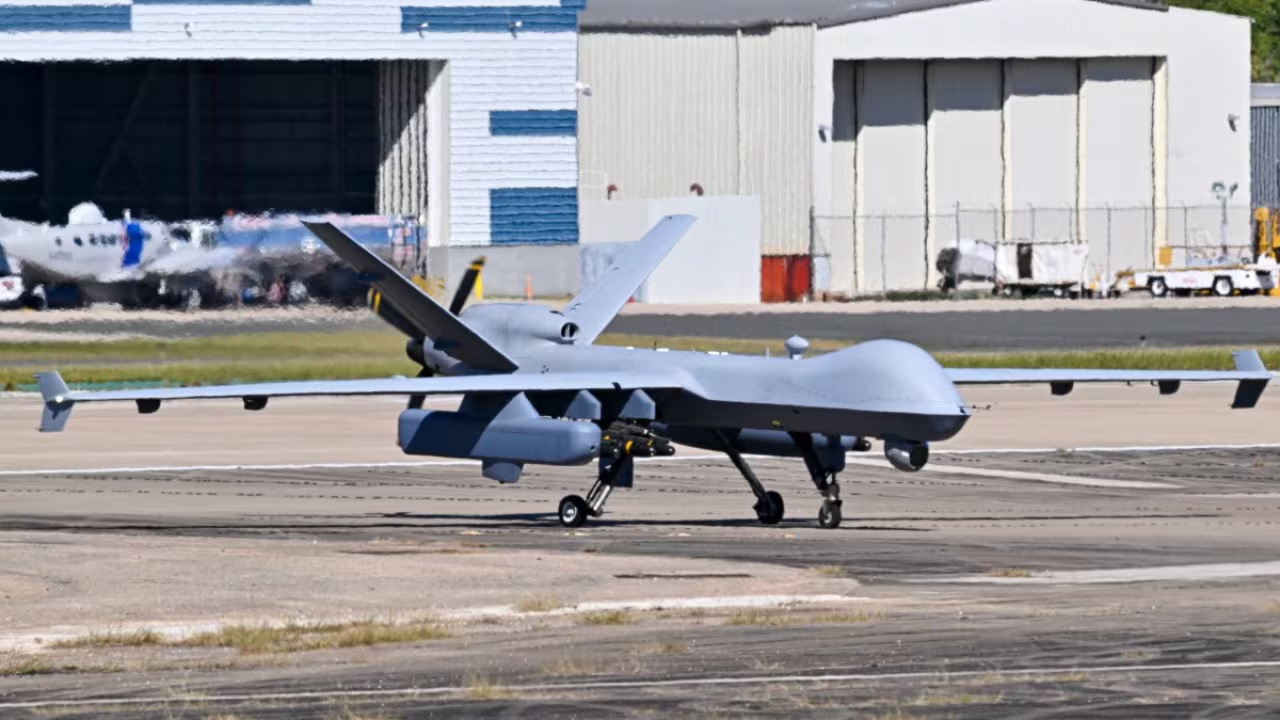
World
WASHINGTON, — June 15, 2026 : The United States Air Force is moving to rebuild its MQ-9 Reaper drone fleet after sustaining substantial losses during recent military operations against Iran, highlighting both the importance of unmanned systems in modern warfare and the challenges associated with replacing combat losses. Senior Air Force officials have described the MQ-9 Reaper as one of the most important assets used during Operation Epic Fury, the U.S. military campaign against Iran. However, the extensive employment of the platform also resulted in significant attrition, reducing the size of the Air Force’s active drone inventory and prompting legislative efforts to preserve and expand the fleet. MQ-9 Reaper Played Central Role in Iran Campaign U.S. Air Force Chief of Staff General Kenneth S. Wilsbach recently referred to the MQ-9 Reaper as the “most valuable player” of Operation Epic Fury, emphasizing its extensive use across the conflict. According to Wilsbach, the MQ-9 supported operations against more than 13,000 targets during the campaign, including over 4,000 dynamic targets such as mobile missile launchers and other time-sensitive battlefield assets that required immediate engagement. The aircraft conducted intelligence, surveillance, reconnaissance, target acquisition, and precision strike missions throughout the operation. “We’ve made many, many strikes,” Wilsbach said. “No other platform is even close to the MQ-9 in terms of the number of strikes against Iran. It’s an unmanned platform, so we get a lot of utility out of them, and don’t put our folks at risk.” A key advantage of the MQ-9 is its ability to remain airborne for more than 24 hours, enabling continuous monitoring of contested areas. This endurance allows commanders to maintain persistent surveillance and rapidly engage emerging threats without exposing pilots to high-risk air defense environments. Significant Fleet Losses During Operations Despite its operational success, the MQ-9 fleet experienced notable losses during the conflict. Reports indicate that between 24 and 30 Reaper drones were lost during Operation Epic Fury, with the total value of destroyed aircraft estimated at more than $720 million. The losses contributed to a decline in the Air Force’s active MQ-9 inventory from approximately 165 aircraft at the beginning of Fiscal Year 2026 to around 135 aircraft today. The reduction follows earlier losses sustained during operations against Ansarullah Coalition forces in Yemen, which began in late 2024. Defense analysts estimate that a total of 52 MQ-9 drones have been shot down across both the Iran and Yemen theaters, pushing the fleet below traditional operational levels and creating concerns about long-term readiness. Military observers note that the Reaper’s effectiveness in surveillance and strike missions has often required it to operate within range of increasingly sophisticated air defense systems. While the platform offers substantial operational advantages, recent combat experience has also highlighted its vulnerability in heavily contested environments. Challenges in Replacing Lost Aircraft Replenishing the fleet presents a significant challenge for the Air Force due to limitations in production capacity and the end of MQ-9A manufacturing. Production of the original MQ-9A Reaper variant concluded in 2025, reducing the availability of direct replacement aircraft. At the same time, the Air Force’s next-generation unmanned aircraft system intended to succeed the Reaper is not expected to enter service until the late 2030s at the earliest. The situation has drawn attention to broader questions regarding the U.S. defense industrial base and its ability to rapidly replace equipment lost during high-intensity conflicts. Analysts have noted that rebuilding specialized military capabilities can take years, particularly when production lines have already closed. General Atomics Offers MQ-9B Solution In response to the shortfall, General Atomics Aeronautical Systems, the manufacturer of the MQ-9, has proposed supplying the newer MQ-9B variant to replenish losses. Although the MQ-9B was originally developed with significant emphasis on maritime and long-endurance operations, the company argues that it represents the most practical near-term solution for restoring fleet numbers. A company representative stated that the MQ-9B production line remains active, with approximately 100 aircraft on order from 10 nations. General Atomics has described the aircraft as a more capable platform than the MQ-9A and has indicated its readiness to support U.S. Air Force requirements. The MQ-9B incorporates several upgrades over earlier models, including improved endurance, enhanced avionics, expanded operating capabilities, and compliance with modern airspace requirements, making it suitable for a wider range of missions. Congress Moves to Preserve and Expand Fleet Recognizing the platform’s continued importance, the Senate Armed Services Committee included provisions related to the MQ-9 in the Fiscal Year 2027 National Defense Authorization Act approved on June 11, 2026. The legislation directs the Secretary of the Air Force to limit further divestment of MQ-9 aircraft, provide reports and briefings on the fleet’s status, and take steps to increase inventory levels by 2028. The congressional action reflects growing recognition that unmanned systems remain a critical component of U.S. military operations, particularly for intelligence gathering, persistent surveillance, target tracking, and precision strike missions. Broader Implications for U.S. Military Readiness The rapid depletion of MQ-9 aircraft during a relatively short but intense period of combat has also raised broader concerns about U.S. military resilience in the event of a prolonged conflict. Defense analysts have pointed to the challenges of replacing advanced military equipment after heavy operational use, noting that shortages can affect force availability and place additional pressure on procurement budgets. The need to redirect resources toward replacing lost systems has also highlighted the importance of maintaining sufficient industrial capacity to sustain military operations over extended periods. Some observers argue that the strain on inventories has temporarily affected aspects of the United States’ global force posture and complicated support planning for key allies and partners, including nations in the Indo-Pacific region such as Japan. As the Pentagon evaluates future procurement options, restarting drone acquisitions and rebuilding the MQ-9 force are expected to remain key priorities. Until a next-generation replacement enters service, the Reaper is likely to continue serving as a central element of the U.S. reconnaissance-strike network and a vital asset for military operations in contested environments.
Read More → Posted on 2026-06-15 16:31:42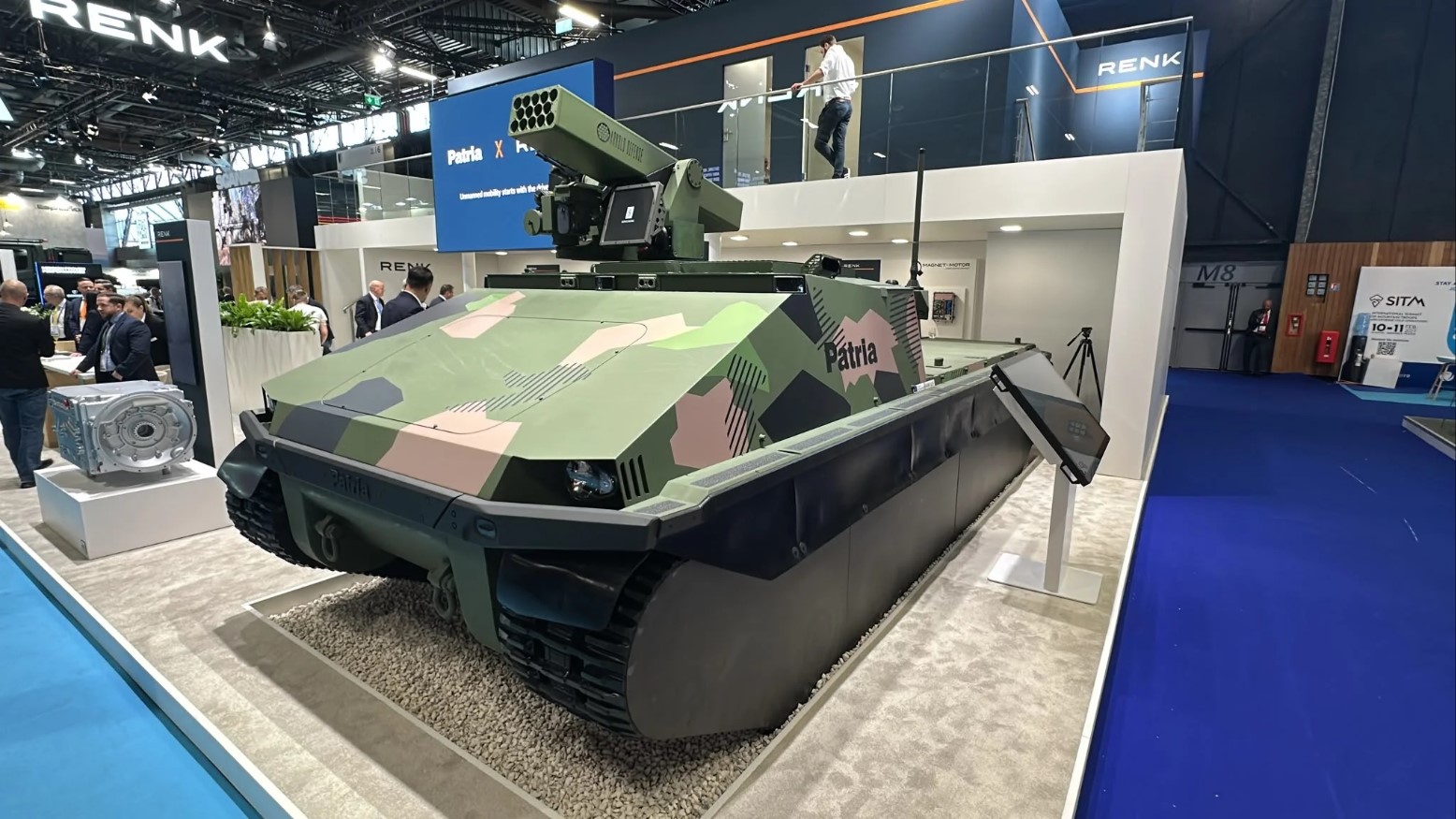
World
PARIS, — June 16, 2026 : Finnish defense company Patria and German transmission manufacturer RENK Group have unveiled a new unmanned ground vehicle (UGV) concept based on the TRACKX tracked platform at the Eurosatory 2026 defense exhibition in Paris. Presented as a full-scale mock-up, the vehicle combines Patria’s TRACKX platform with RENK’s HSWL 076 drive-by-wire transmission, demonstrating a common architecture that can support both crewed and uncrewed operations. The concept is intended for missions in high-risk environments while reducing the exposure of military personnel to battlefield threats. TRACKX Platform Adapted for Unmanned Operations The UGV is based on Patria’s TRACKX platform, which was first introduced at the DSEI exhibition in London in September 2025 as a modern replacement for aging armored personnel carriers such as the M113. In its standard configuration, TRACKX is a 13–18 metric-ton tracked armored personnel carrier capable of carrying a two-person crew and up to ten troops. For the unmanned version displayed at Eurosatory, the troop compartment has been replaced by sensors, communications equipment, and autonomous systems while retaining the same chassis and mobility characteristics. The vehicle features wide rubber tracks, independently adjustable hydropneumatic suspension, and a nearly flat hull bottom designed to improve mobility across snow, bogs, forests, and roads. TRACKX can exceed 80 km/h and has an operational range of up to 500–600 kilometers. The platform is also amphibious, with a swimming speed of approximately 4 km/h. Power is provided by a Caterpillar 7.1-liter six-cylinder turbo-diesel engine producing around 360 horsepower. RENK's HSWL 076 Drive-by-Wire Transmission The unmanned vehicle incorporates RENK’s HSWL 076 transmission, developed for vehicles in the 10–20 tonne class. The system supports up to 300 kW of input power and integrates steering, braking, and mobility functions into a compact digital architecture. Using drive-by-wire technology, traditional mechanical and hydraulic controls are replaced with electronic signals, enabling remote operation and future autonomous functions. RENK stated that the transmission is safety-certified, including ECE R79 and ECE R13 approvals, providing a certified foundation for digitally controlled military vehicles. The drivetrain has also been designed to support future hybrid propulsion and autonomous capabilities. Influence of the War in Ukraine The development of heavy unmanned ground vehicles has been influenced by lessons from the war in Ukraine, where unmanned systems are increasingly being used for reconnaissance, logistics, casualty evacuation, and other high-risk missions. Patria President and CEO Panu Routila said the conflict has demonstrated the growing importance of unmanned systems in modern warfare. He noted that Patria provides the vehicle platform while RENK contributes the digital transmission technology, creating greater commonality between crewed and uncrewed vehicle fleets. Because the drivetrain is designed to accept digital commands directly, the platform can support both remote operation and higher levels of autonomy as software technologies continue to mature. RENK Group CEO Dr. Alexander Sagel said future land operations will increasingly depend on digitally enabled and scalable vehicle architectures and described the project as an example of European defense cooperation supporting the development of unmanned capabilities. Future Development The TRACKX-based UGV concept highlights a common-platform approach that allows military operators to field both crewed and uncrewed variants while simplifying logistics, maintenance, and training. Patria is also displaying crewed TRACKX variants at Eurosatory 2026, including configurations integrated with the NEMO mortar system. The company plans to begin serial production of the TRACKX platform in 2027. The unmanned vehicle concept will remain on display at Eurosatory 2026 until the exhibition concludes on June 19.
Read More → Posted on 2026-06-15 16:37:56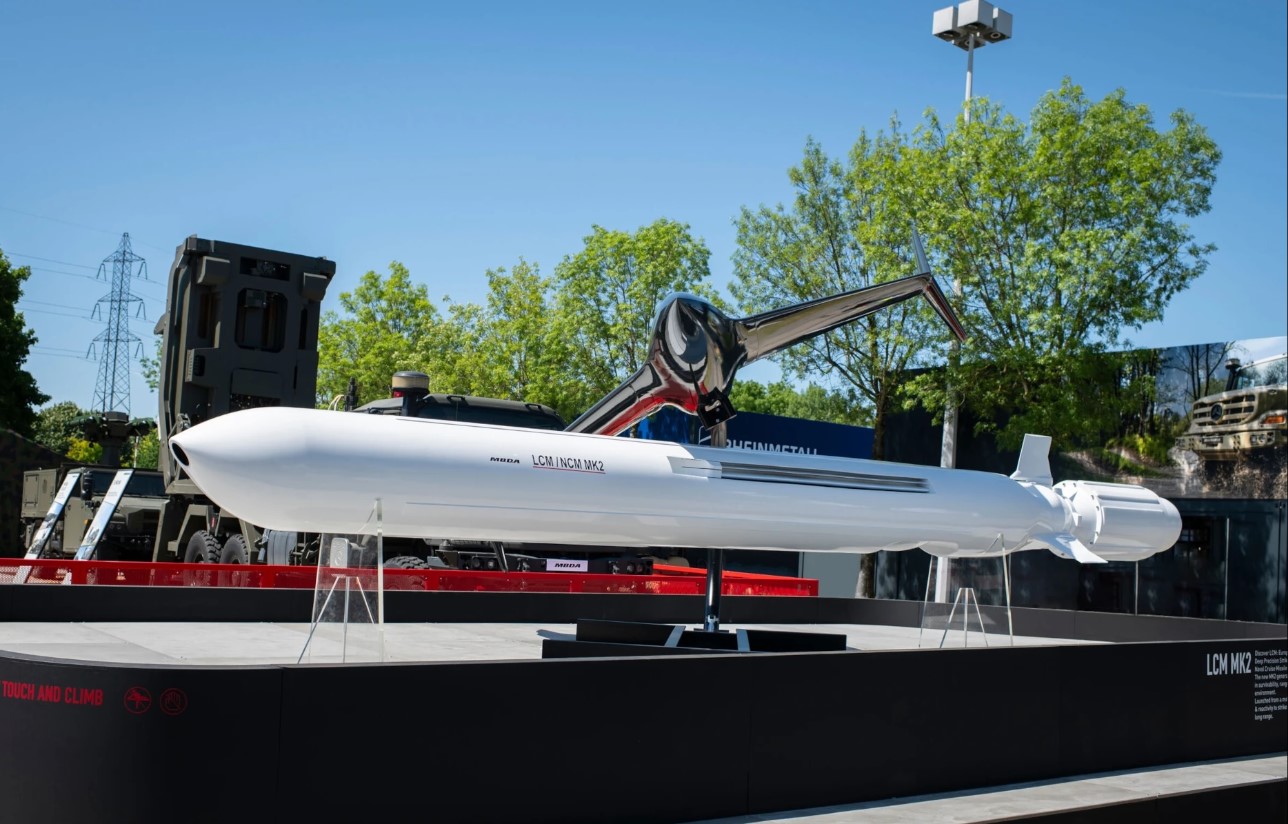
World
PARIS, — June 16, 2026 : MBDA has unveiled its next-generation Naval Cruise Missile (NCM) and Land Cruise Missile (LCM) MK2 system at the Eurosatory 2026 defense exhibition in Paris. The company describes the NCM-LCM MK2 as a European very long-range cruise missile designed to provide sovereign deep precision-strike capabilities for naval and land forces. The unveiling marks the first presentation of a complete Land Cruise Missile system integrating the new-generation NCM MK2. The system is based on the combat-proven Naval Cruise Missile currently in service with the French Navy aboard frigates and attack submarines. Based on Combat-Proven Naval Missile The Land Cruise Missile combines the Naval Cruise Missile with a highly mobile ground-launch capability. By adapting an existing maritime weapon for land operations, MBDA aims to provide a sovereign precision-strike capability that can be produced and fielded within a short timeframe. To support the new capability, MBDA is developing a dedicated Ground Launch System based on the existing NCM launch architecture. The first version of the launcher is expected to be available from 2029. Range and Key Capabilities The NCM-LCM MK2 has a range of more than 1,000 kilometers and incorporates several improvements designed for modern combat environments. According to MBDA, the missile features a new-generation anti-jamming system that enhances its ability to operate in contested electronic warfare environments. The missile also incorporates improved stealth characteristics and enhanced flight performance to increase survivability against advanced integrated air-defense systems. The company highlighted four key operational advantages of the missile: enhanced resistance to jamming, improved survivability, increased range, and greater lethality against high-value targets. The system retains the Naval Cruise Missile’s precision-strike capability, low radar signature, terrain-following flight profile, and effectiveness against defended targets. Mobile Ground Launch System The Land Cruise Missile system is designed for mobility and rapid deployment. It can operate from unprepared positions and be ready to fire in less than 15 minutes. Each mobile launcher carries four missiles in individual canisters that remain pre-loaded and ready for launch. The system also includes mission-planning and command-and-control tools integrated with dedicated launcher platforms. In addition, the missile supports synchronized time-on-target operations, allowing multiple missiles to strike their targets simultaneously to increase operational effectiveness against enemy defenses. European Cooperation MBDA said the NCM-LCM MK2 is open to European cooperation and offers an opportunity for allied nations to jointly acquire a sovereign long-range strike capability. The company described the NCM-LCM MK2 as a flagship system within its deep precision-strike portfolio and stated that nations operating both the naval and land variants would gain very long-range strike capabilities from submarines, surface warships, and ground-based launchers using a common missile family. The introduction of the NCM-LCM MK2 at Eurosatory 2026 reflects growing demand for mobile, long-range precision-strike systems and expands MBDA’s portfolio of sovereign European deep-strike capabilities.
Read More → Posted on 2026-06-15 17:40:07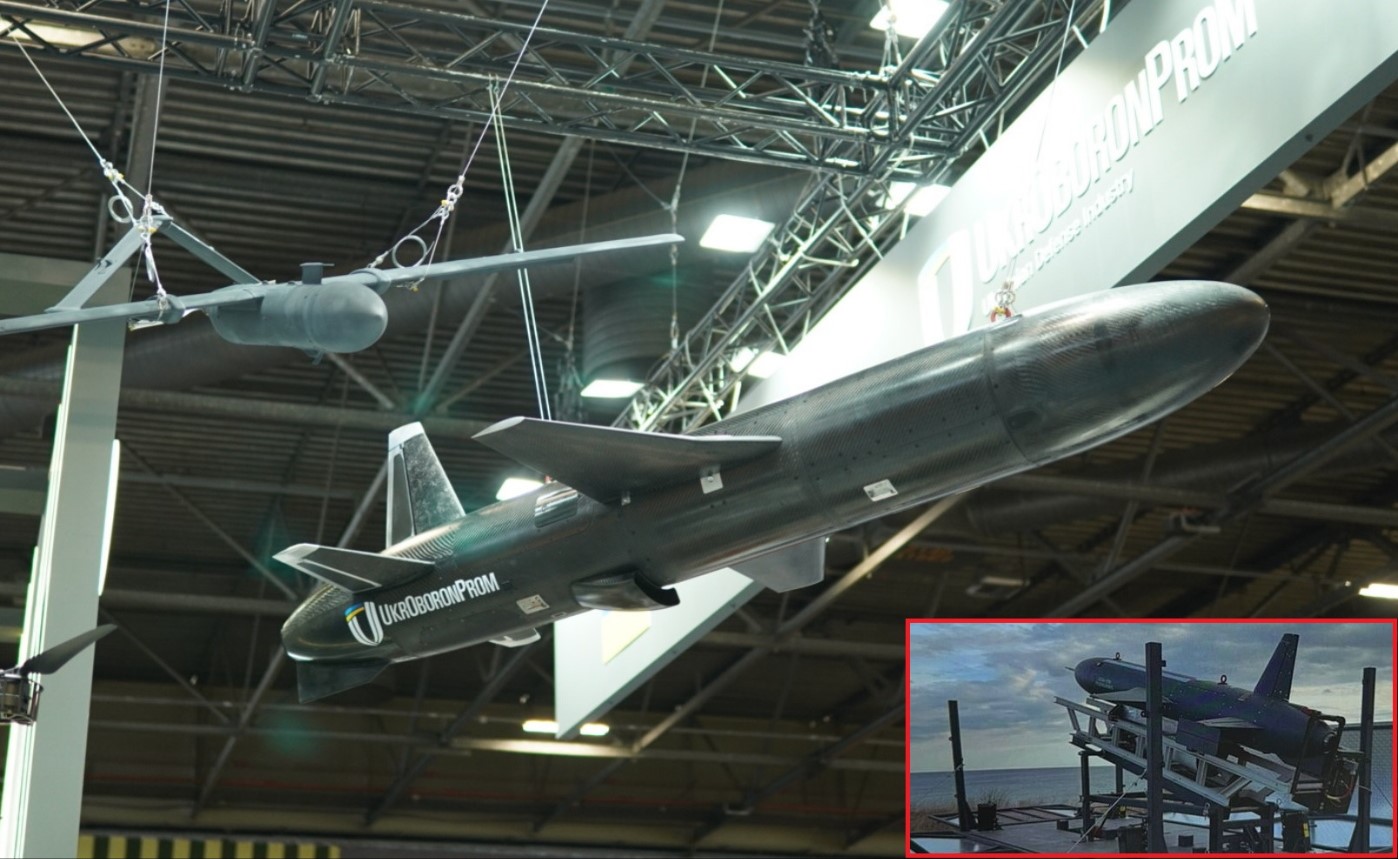
World
PARIS, — June 16, 2026 : Ukrainian state defense company Ukroboronprom unveiled its new UAV-290 strike unmanned aerial vehicle (UAV) during the Eurosatory 2026 defense exhibition in Paris, showcasing a new long-range tactical strike capability designed for autonomous operations against ground targets. The unveiling was reported by a correspondent from Militarnyi attending the exhibition. The UAV-290 has been developed as a strike drone intended for the autonomous engagement of stationary ground targets at tactical ranges, reflecting Ukraine’s continued focus on expanding its portfolio of unmanned combat systems. According to information presented at the exhibition, the UAV-290 is powered by a turbojet engine that enables a cruising speed of up to 800 kilometers per hour, making it significantly faster than many conventional propeller-driven unmanned aerial vehicles currently used for strike missions. The system is launched with the assistance of a solid-fuel booster, which accelerates the aircraft during takeoff. After launch, the drone transitions to autonomous flight, navigating toward its target using an integrated Inertial Navigation System (INS) combined with Global Positioning System (GPS) guidance. This navigation architecture is designed to support autonomous mission execution and improve accuracy during long-range operations. The UAV-290 has a maximum payload capacity of 100 kilograms and a total launch weight of 350 kilograms. The aircraft is capable of operating at ranges of up to 650 kilometers, providing the ability to engage targets located deep within the tactical and operational battlefield environment. In terms of dimensions, the drone features a wingspan of 1.7 meters and a length of 3.5 meters. Its relatively compact size allows the system to be deployed from mobile launch platforms, improving operational flexibility and enabling rapid relocation of launch units. The introduction of the UAV-290 comes as Ukrainian defense manufacturers continue to expand the range of unmanned systems displayed at major international defense exhibitions. The growing emphasis on autonomous strike capabilities reflects broader trends in modern warfare, where unmanned platforms are increasingly being used for reconnaissance, precision strike, and long-range attack missions. Earlier during the Eurosatory 2026 exhibition, Militarnyi reported that Ukrainian developers also presented the DRAGON ground launch system in Paris. The unveiling of both systems highlights ongoing efforts by Ukraine’s defense industry to develop and showcase indigenous unmanned and missile-launch technologies for domestic and potential international users. The UAV-290 is among several next-generation unmanned systems presented at Eurosatory 2026 this year, where defense companies from around the world are exhibiting new technologies aimed at enhancing battlefield mobility, precision strike capabilities, and autonomous operations.
Read More → Posted on 2026-06-15 17:46:57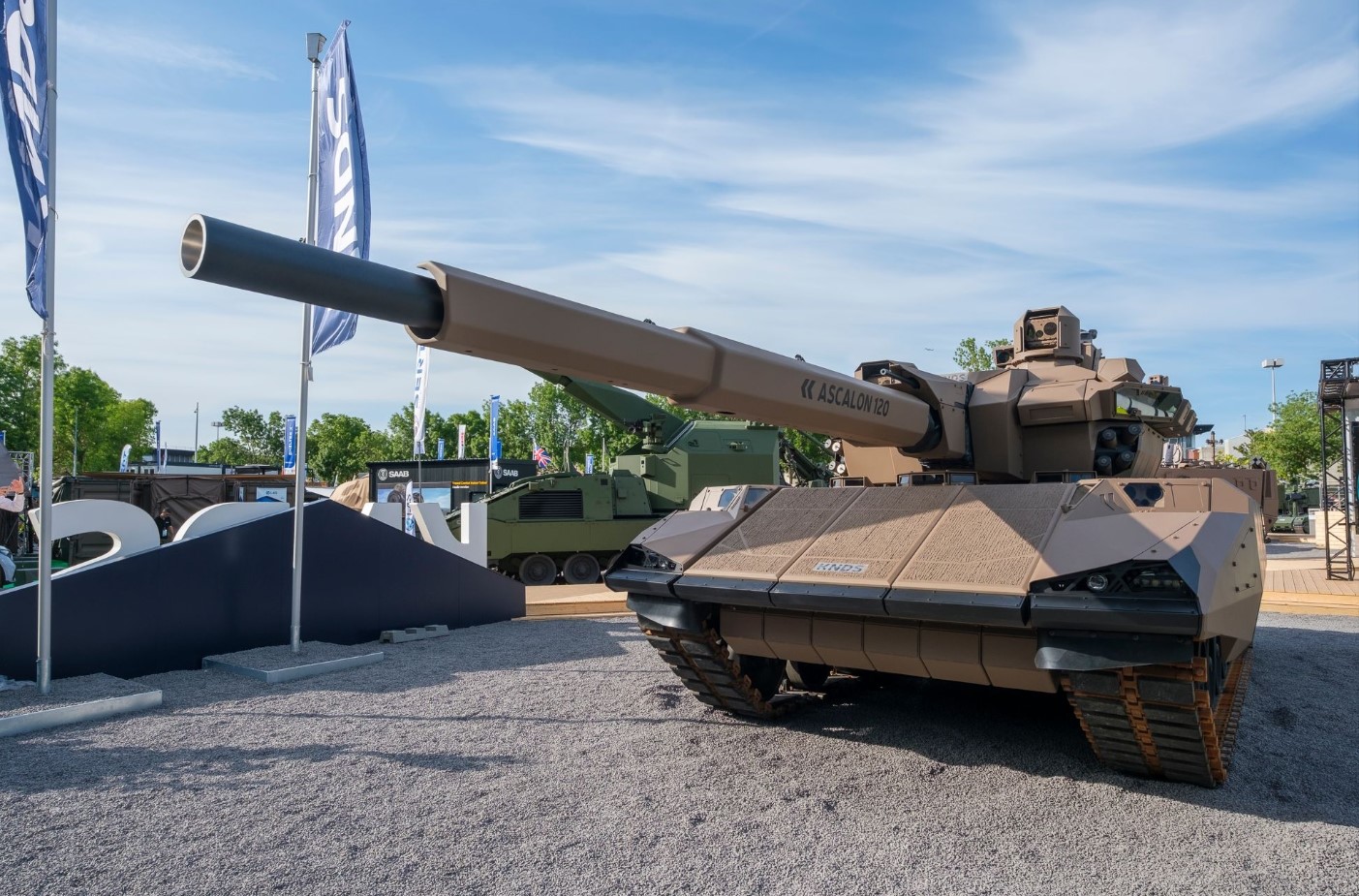
World
PARIS, — June 15, 2026 : KNDS has unveiled its new CAPINT (CAPacité INTermédiaire) main battle tank (MBT) concept at the Eurosatory 2026 defense exhibition, presenting it as an interim solution to replace the French Army’s aging Leclerc fleet while the Franco-German Main Ground Combat System (MGCS) program continues to face delays. The CAPINT concept combines German mobility technologies with French firepower systems. Developed by KNDS Deutschland and KNDS France, the vehicle integrates an enhanced Leopard 2A8-based chassis with the ASCALON unmanned turret, creating a platform intended to bridge the capability gap before the arrival of the MGCS. The vehicle is powered by a 1,500-horsepower diesel engine and is based on the latest Leopard 2A8 design, providing improved mobility and operational performance. For firepower, CAPINT features the ASCALON 120mm smoothbore autoloaded gun housed in an unmanned turret. The design places the three-person crew inside the hull, enhancing crew protection. A pre-demonstrator displayed at Eurosatory uses a modified Leopard 2A4 hull, while future production vehicles are expected to utilize the more advanced Leopard 2A8 chassis. According to KNDS CEO Jean-Paul Alary, the project brings together French and German capabilities into a fully integrated solution developed and supported by a single company. The CAPINT program was launched to address concerns over the future of France’s armored forces. The Leclerc fleet is expected to remain in service until around 2038, while the MGCS program, launched in 2017 to replace both the Leclerc and Leopard 2, has been delayed into the 2040s due to political and industrial challenges. KNDS plans to deliver the first CAPINT vehicles during the 2030s, providing the French Armed Forces with an advanced interim capability until the next-generation MGCS enters service. In addition to improved firepower and protection, CAPINT incorporates several features designed for modern battlefield requirements. These include integrated counter-unmanned aerial vehicle (C-UAV) capabilities, an open digital architecture for future upgrades, and connectivity with robotic wingmen and unmanned systems. KNDS describes the platform as more than a conventional tank, emphasizing its role as a central node within a networked combat system. Through its digital architecture and ability to operate alongside robotic vehicles, CAPINT is designed to support future multi-domain operations while serving as a technological bridge toward the MGCS. The unveiling of CAPINT at Eurosatory 2026 highlights KNDS’s effort to maintain French armored capabilities during the transition period and demonstrates a practical combination of proven Leopard 2 technology with next-generation French combat systems.
Read More → Posted on 2026-06-15 17:59:00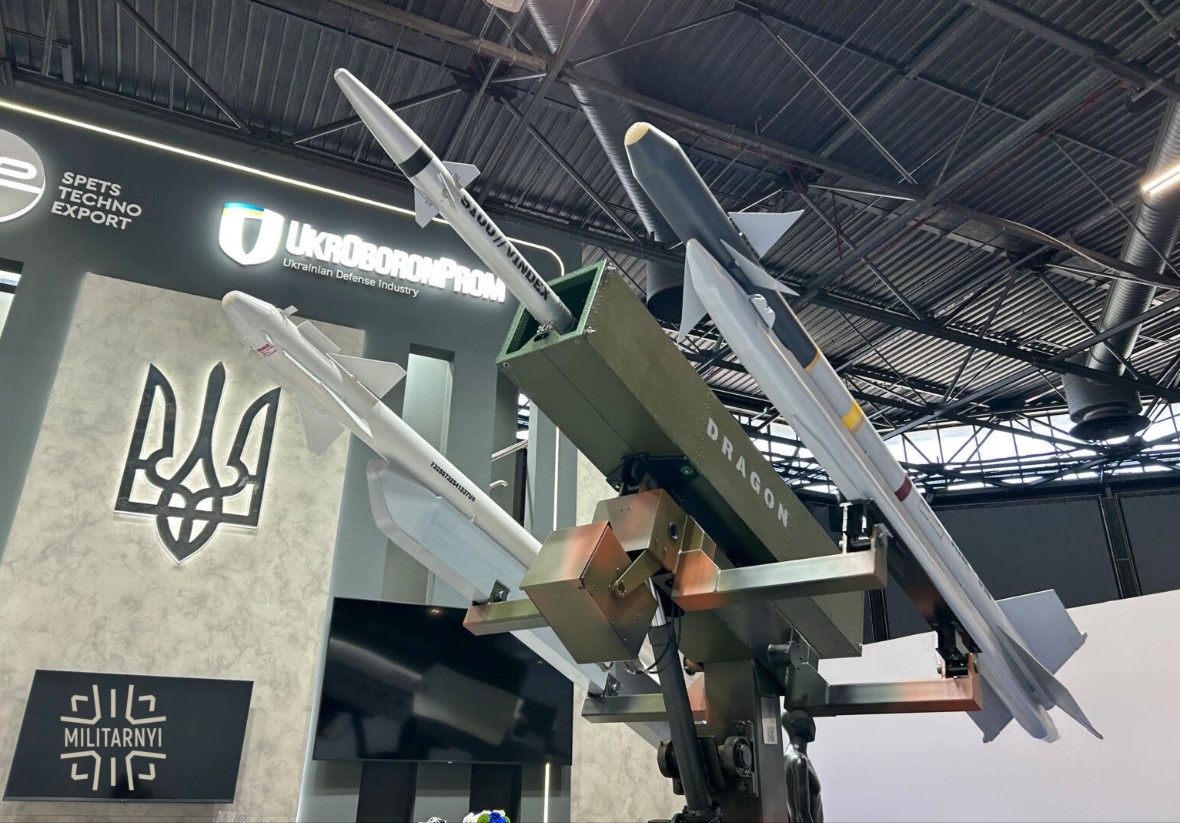
World
PARIS, — June 15, 2026 : Ukrainian developers have unveiled the DRAGON ground-based air defense system at the Eurosatory 2026 international defense exhibition in Paris. The system was presented by the Center of Innovative Technologies Program at the booth of Ukraine’s state-owned defense trade enterprise SpetsTechnoExport. DRAGON is a mobile air defense complex designed to convert aircraft-launched air-to-air missiles into ground-based interceptors. The system utilizes short-range missiles equipped with infrared homing seekers and is intended to engage threats such as drones, helicopters, cruise missiles, and low-flying aircraft. Multiple Missile Options The launcher currently supports three missile types: R-60 (AA-8 Aphid) — engagement range up to 5 km AIM-9M Sidewinder — engagement range of 8–10 km R-73 (AA-11 Archer) — engagement range of 10–15 km Ukrainian developers said work is also underway to integrate the AIM-9X Sidewinder Block II, the most advanced variant of the Sidewinder missile family. Rapid Deployment and Remote Operation The DRAGON system can be deployed and brought to combat readiness within 15 minutes. It can remain in active mode for up to eight hours or stay in standby mode for up to 14 days. The launcher is operated through a remote control console, allowing crews to control the system from a safe distance. Communication can be established through either a secure wired connection or a Starlink satellite terminal, providing operational flexibility in different environments. BALOO Support Trailer Alongside the launcher, developers introduced the BALOO transport and loading trailer, designed to support DRAGON operations in the field. The trailer can carry six to eight missiles, including configurations of eight AIM-9 missiles or a mixed load of four AIM-9 missiles and two R-73 missiles. BALOO also carries 240 liters of liquid nitrogen, which is used to cool the missiles’ infrared homing seekers before launch. Since the missiles were originally designed for aircraft use, cooling is required to ensure effective target acquisition when launched from a ground-based platform. Part of Ukraine’s Expanded Presence at Eurosatory The debut of DRAGON comes as Ukraine significantly expands its participation at Eurosatory 2026. More than 80 Ukrainian defense manufacturers are taking part in this year’s exhibition, an eightfold increase compared with the 2024 event. The exhibition, held from June 15–19 at Paris Nord Villepinte, is showcasing a wide range of Ukrainian defense technologies developed and adapted in response to current operational requirements. The DRAGON system offers a mobile and cost-effective air defense solution by enabling the use of existing Soviet-era and Western missile stocks on a single ground-based launch platform.
Read More → Posted on 2026-06-15 18:10:27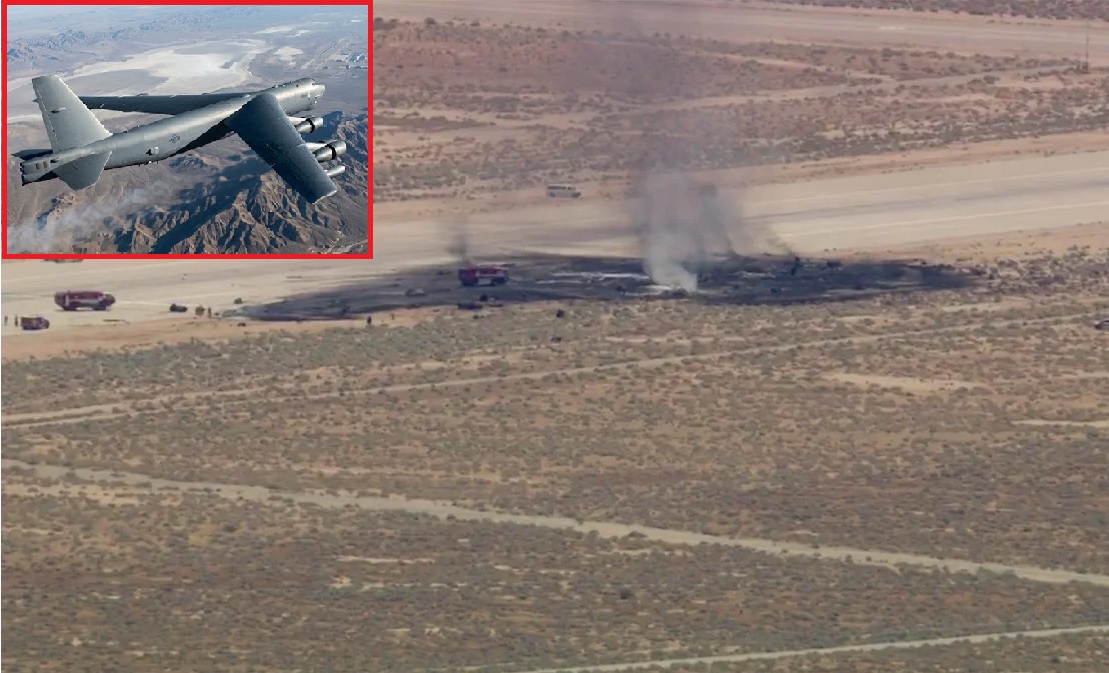
World
EDWARDS AIR FORCE BASE, Calif., — June 16, 2026 : Eight people were killed when a U.S. Air Force B-52 Stratofortress crashed shortly after takeoff during a routine test mission at Edwards Air Force Base in California's Mojave Desert, military officials confirmed on Tuesday. The aircraft went down at approximately 11:20 a.m. PDT on June 15 while supporting the Air Force's Radar Modernization Program. The crash occurred within the boundaries of Edwards Air Force Base, located about 100 miles north of Los Angeles. Aircraft Crashed Minutes After Takeoff According to military officials, the B-52 took off at around 11:10 a.m. Radar tracking data showed the aircraft initially flew northeast before gradually turning north. Moments later, it abruptly changed direction toward the northwest and began a rapid descent, losing more than 5,000 feet per minute before striking the ground. The aircraft crashed near the runway and caught fire on impact. Emergency response crews were dispatched immediately after the incident. Thick black smoke was visible from the crash site, and aerial footage later showed extensive destruction, with only scattered sections of the aircraft remaining. No Survivors Among Eight Crew Members During a press briefing, Col. James Hayes, deputy commander of the 412th Test Wing, confirmed that all eight individuals aboard the aircraft were killed. "Edwards Air Force Base experienced a horrible tragedy, and we lost eight great Americans," Hayes said. "This crash is deemed to be unsurvivable, and right now our thoughts and prayers are with the families of those that lost their loved ones." The aircraft carried a mixed crew of military personnel, government civilians, and contractors participating in the test mission. Boeing confirmed that two of its employees were among those killed. Authorities have not released the identities of the victims as family notification procedures remain underway. Test Mission Linked to Radar Modernization Program Officials said the bomber was conducting a routine flight in support of the Air Force's Radar Modernization Program. The aircraft involved was a B-52 Stratofortress assigned to the 412th Test Wing and registered as tail number 60-0061. The military has not confirmed whether the aircraft carried any weapons, although such test flights are typically conducted without armament. Edwards Air Force Base serves as the U.S. Air Force's primary center for flight testing and evaluation, where new aircraft systems, weapons, and software are assessed before entering operational service. Base Operations Temporarily Suspended Following the crash, airfield operations at Edwards Air Force Base were suspended and incoming aircraft were diverted to alternate locations. Base officials also restricted non-commercial visitor access to allow personnel to focus on emergency response and recovery activities. Authorities later confirmed that efforts had shifted from rescue operations to recovery and investigation. Officials said the accident did not affect communities outside the base. Investigation Underway The cause of the crash remains under investigation. Military officials said an interim safety board has begun collecting evidence from the crash site. A formal accident investigation board is expected to examine flight data, aircraft systems, maintenance records, and other factors to determine the sequence of events that led to the accident. The investigation could take up to six months to complete. Aviation safety expert Jeff Guzzetti, a former investigator with both the Federal Aviation Administration (FAA) and the National Transportation Safety Board (NTSB), said the aircraft's rapid descent may indicate a loss of control. "I think it was definitely a controllability issue. Now, whether that was tied to an engine failure, a flight control failure, or some new testing device failure, I'm not sure," Guzzetti said. He added that developmental test flights involving newly integrated systems require additional safeguards, particularly when conducted on older aircraft platforms. B-52 Remains Key Part of Air Force Fleet The Boeing B-52 Stratofortress entered service in 1955 and remains one of the U.S. Air Force's primary long-range strategic bombers. Despite its age, the aircraft continues to play a major role in military operations. The Air Force is currently modernizing the fleet with upgraded engines and radar systems to keep the aircraft operational for decades to come, alongside the future B-21 Raider stealth bomber. Deadliest U.S. B-52 Crash in Decades Monday's accident is the deadliest B-52 crash in the United States since 1982, when nine crew members died during a test-training flight at Mather Air Force Base near Sacramento, California. The last fatal accident involving a B-52 occurred in 1994 at Fairchild Air Force Base in Washington state. The crash at Edwards Air Force Base also marks the first loss of a B-52 aircraft since 2016. The U.S. Air Force said additional information will be released as the investigation progresses.
Read More → Posted on 2026-06-16 13:59:50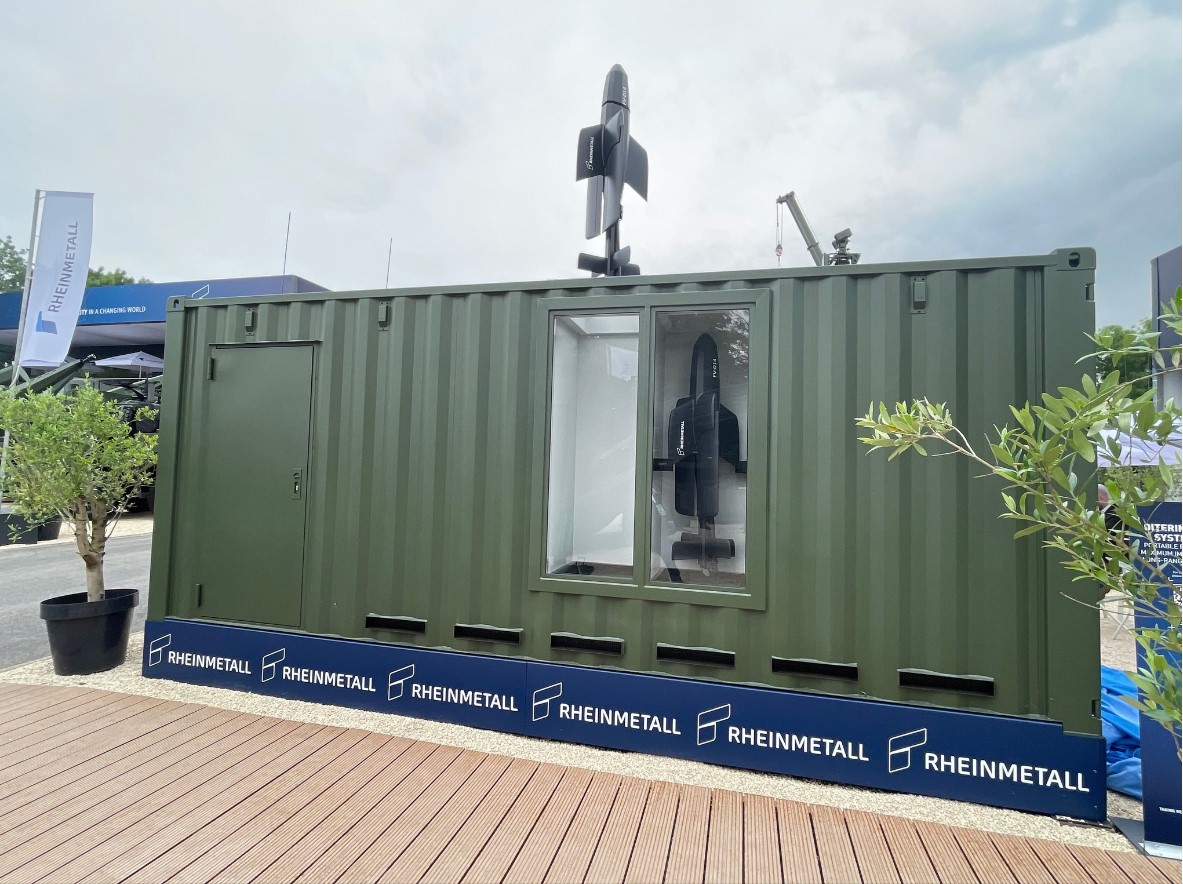
World
Paris, France, — June 16, 2026 : German defense manufacturer Rheinmetall has officially unveiled its new Containerized Missile Launcher (CML) for the FV-014 Loitering Munition System at the Eurosatory 2026 defense exhibition in Paris. Designed around a standard 20-foot shipping container, the new launcher combines reconnaissance and precision-strike capabilities while offering a flexible deployment solution for modern military operations. Container-Based Launch System Designed for Flexible Deployment The Containerized Missile Launcher (CML) is built to provide mobility, rapid deployment, and operational flexibility. By utilizing a standard 20-foot container format, the system can be transported and deployed using a wide range of military and civilian platforms, including trucks, rail cars, and ships. The launcher can carry up to 18 FV-014 loitering munitions in a ready-to-launch configuration. Rheinmetall said the CML is a fully autonomous and networked system equipped with its own power supply, battery system, and communication modules. A built-in sleep mode enables extended standby operations, while an optional generator can further increase operational endurance. The system can transition from standby to active mode on command, allowing remote launch operations with minimal personnel requirements. Its modular design also enables integration with different platforms and command structures. FV-014 Combines Reconnaissance and Precision Strike Capabilities The FV-014 loitering munition serves as the core weapon of the new launcher system. Weighing approximately 20 kilograms, the unmanned aerial vehicle combines intelligence gathering, target tracking, and precision-strike functions within a single platform. The munition is equipped with a 5-kilogram High-Explosive Dual Purpose (HEDP) warhead capable of penetrating more than 600 millimeters of rolled homogeneous armor (RHA). This capability allows it to engage armored vehicles, artillery systems, fortified positions, and infrastructure targets. Key Specifications of the FV-014 Maximum range: Up to 100 kilometers Data link range: Up to 60 kilometers Flight endurance: Up to 70 minutes Warhead: 5 kg High-Explosive Dual Purpose (HEDP) Armor penetration: More than 600 mm RHA Propulsion: Quiet electric motor Sensor suite: 360-degree swiveling nose-mounted gimbal Navigation: Capable of operating in GNSS-denied environments Control: Human-in-the-loop operation with swarm capability A 360-degree swiveling gimbal located at the front of the aircraft enables continuous target observation and surveillance. The FV-014 uses a quiet electric propulsion system and an aerodynamic wing design with faceted surfaces intended to reduce acoustic, thermal, and radar signatures. Rheinmetall stated that the munition is designed to maintain operational effectiveness in electronically contested environments where Global Navigation Satellite System (GNSS) signals may be disrupted or jammed. Swarm Operations Enable Simultaneous Target Engagement One of the key features of the FV-014 is its ability to conduct swarm operations. The system's software architecture allows a single operator to launch and control multiple loitering munitions simultaneously. This capability enables coordinated attacks against several targets at once or concentrated strikes against a single objective. The swarm functionality can also support wider-area reconnaissance and target tracking missions while reducing operator workload. Integration Through Rheinmetall Battlesuite The CML and FV-014 are integrated into Rheinmetall's Battlesuite digital architecture, which connects sensors, platforms, command systems, and weapon systems across the battlefield. The launcher uses the Battlesuite Interface Collection, a set of open interfaces based on NATO STANAG standards as well as internationally recognized civilian standards such as ROS2 and MAVLink. This approach enables integration with existing national command-and-control networks and third-party systems. According to Rheinmetall, the architecture supports a range of digital battlefield applications, including: Tactical mission planning AI-assisted target classification Multi-mode target tracking Autonomous unmanned system control Battlefield management and command functions Counter-UAS operations The company said the open architecture is intended to simplify integration efforts while improving information sharing and operational coordination across different military platforms. Production and Procurement The FV-014 is developed and manufactured entirely within the European Union and has been designed for large-scale industrial production. Rheinmetall said the system uses modular components and established manufacturing processes to support high-volume output. The program gained momentum following a successful live-fire demonstration conducted for a NATO customer at the German Aerospace Center in February 2026. Subsequently, in April 2026, the German Armed Forces (Bundeswehr) signed a multi-billion-euro framework agreement for the procurement of tens of thousands of FV-014 loitering munitions. Initial deliveries are expected to begin in 2027. Eurosatory 2026 Debut The Containerized Missile Launcher (CML) and FV-014 made their public debut at Rheinmetall's stand during Eurosatory 2026, held in Paris from June 15 to 19. With the introduction of the CML, FV-014, and Battlesuite architecture, Rheinmetall is expanding its portfolio of networked reconnaissance and strike systems. The company positions the integrated solution as a platform designed to support reconnaissance, target engagement, force protection, and command connectivity across modern operational environments.
Read More → Posted on 2026-06-16 14:06:27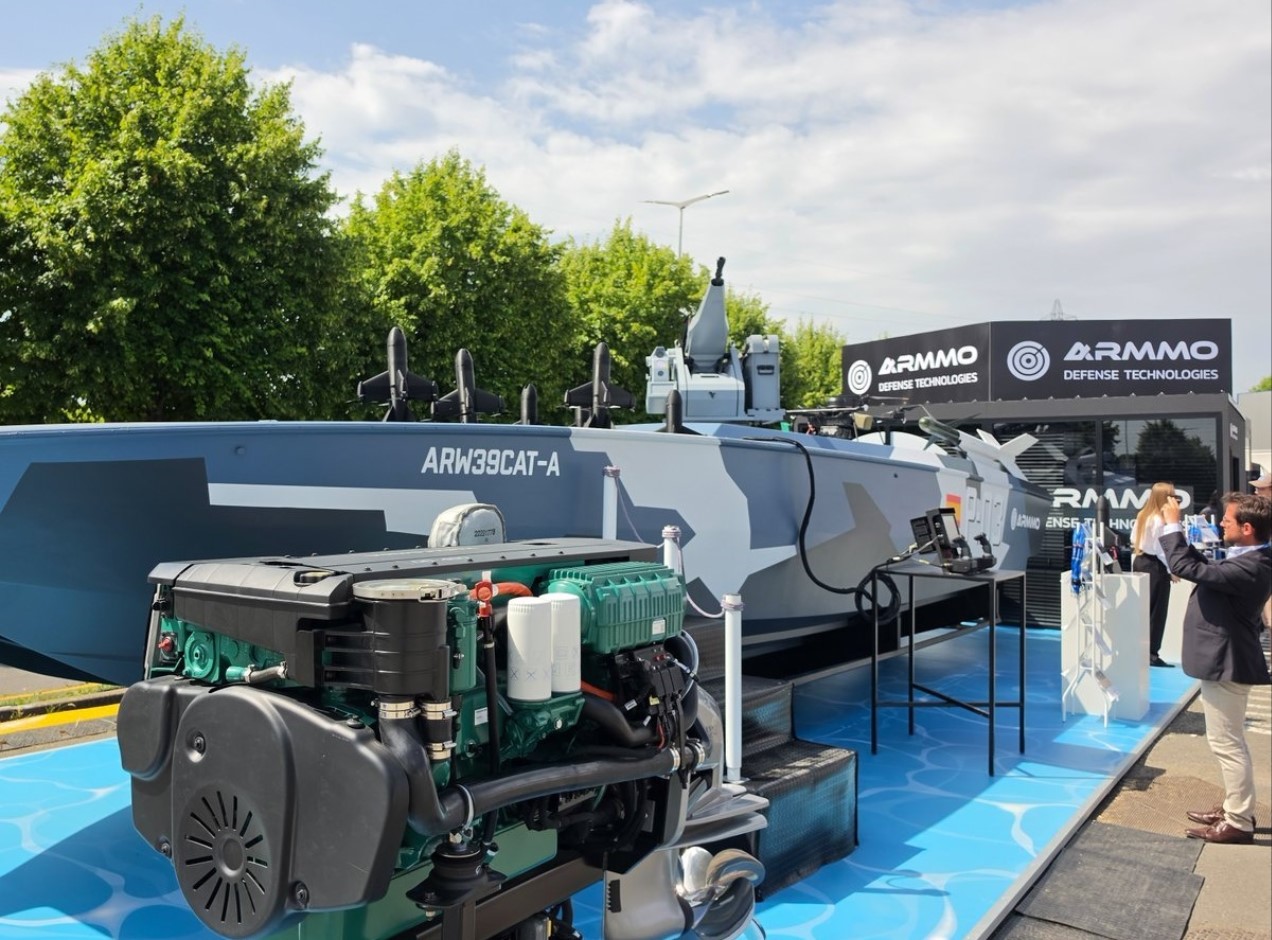
World
PARIS, — June 16, 2026 : Spanish defense company ARMMO Defense Technologies unveiled its new autonomous unmanned surface vessel (USV), the ARW39CAT-A, during Eurosatory 2026 in Paris. The vessel is designed to operate without a crew and forms part of the company's expanding portfolio of autonomous systems operating across land, sea, and air domains. The unveiling marks the platform's first public appearance following participation in NATO-linked validation exercises. The ARW39CAT-A combines high speed, modular mission capabilities, and a substantial payload capacity for reconnaissance, force protection, logistics support, and strike operations. ARW39CAT-A Designed for Multi-Mission Operations The ARW39CAT-A is a 12-meter tactical catamaran with a beam of 3.8 meters. Constructed from composite materials, the twin-hull design provides enhanced stability for operations in coastal and littoral environments, supporting the effective use of onboard sensors and mission systems. The vessel can reach speeds of 45 to 50 knots (83–93 km/h) and has a tactical radius of up to 540 nautical miles, approximately 1,000 kilometers. It supports a configurable payload capacity ranging from 800 to 1,200 kilograms, enabling deployment across a wide range of operational scenarios. Designed for remote operation within a networked multi-domain architecture, the platform can support naval forces by extending surveillance, reconnaissance, and combat capabilities beyond conventional operating distances. Modular Payload and Combat Systems The ARW39CAT-A features a modular architecture that allows rapid reconfiguration for different mission requirements, including anti-ship operations, intelligence, surveillance and reconnaissance (ISR), electronic warfare, and short-range air defense (SHORAD) against hostile drones. The platform can be equipped with: Advanced surveillance and reconnaissance sensors Electronic warfare and signals intelligence systems A 30mm remotely operated turret Side-mounted missile launchers Multiple aerial interceptor drones mounted on the bow The vessel also supports unmanned aerial operations as part of integrated multi-domain missions. NATO Validation Exercises Prior to its public debut, the ARW39CAT-A and other ARMMO systems were evaluated during the Eastern Flank Deterrence Initiative (EFDI) exercises in Slovakia under NATO LANDCOM leadership. During the multinational exercises, the company's technologies achieved operational validation in two areas: Kinetic Counter-Unmanned Aircraft System (C-UAS) Defeat System Tactical, Mobile, Networked Aerial Threat Protection The exercises assessed the performance of ARMMO's surveillance, early warning, and counter-drone technologies in operational conditions. Additional Systems on Display Alongside the ARW39CAT-A, ARMMO is showcasing several autonomous and electronic warfare systems at Eurosatory 2026. BANDIT-X Interceptor Drone The BANDIT-X is a high-speed tactical interceptor drone capable of reaching speeds of up to 350 km/h. It is designed to physically neutralize hostile drones and operates with acoustic beacons and inertial navigation systems, allowing continued functionality in GPS-denied and electronic warfare environments. GULL Tactical Bomber Drone The GULL unmanned tactical bomber can carry payloads of up to 14 kilograms, equivalent to three 81mm mortar grenades. The system is designed for precision payload delivery during tactical missions. AURIS Early Warning Network AURIS is a network of active acoustic beacons developed to provide early threat detection and improve situational awareness on the battlefield. These systems were previously demonstrated during the Spanish Army's Tactical Experimentation Campaign in Almería in April 2026. Industrial Expansion in Spain The launch of the ARW39CAT-A coincides with the development of a major manufacturing and integration complex in Zafra, Extremadura, in southwestern Spain. The facility covers 26,000 square meters and is intended to become one of Europe's largest production centers dedicated to drones, autonomous platforms, and advanced defense technologies. The site will centralize: Manufacturing and assembly Electronic systems integration Composite materials production Research and development activities Specialized training programs The facility is expected to strengthen Spain's industrial capacity in autonomous defense technologies and support the production of next-generation unmanned systems. Expanding Role of Autonomous Systems The introduction of the ARW39CAT-A reflects the growing adoption of autonomous maritime platforms within modern defense forces. Increasing demand for unmanned systems capable of conducting surveillance, force protection, electronic warfare, and strike missions has accelerated investment in multi-domain autonomous technologies. With its combination of high speed, modular payload options, and integration with aerial and land-based autonomous systems, the ARW39CAT-A represents ARMMO's latest development in the expanding unmanned defense sector.
Read More → Posted on 2026-06-16 14:18:28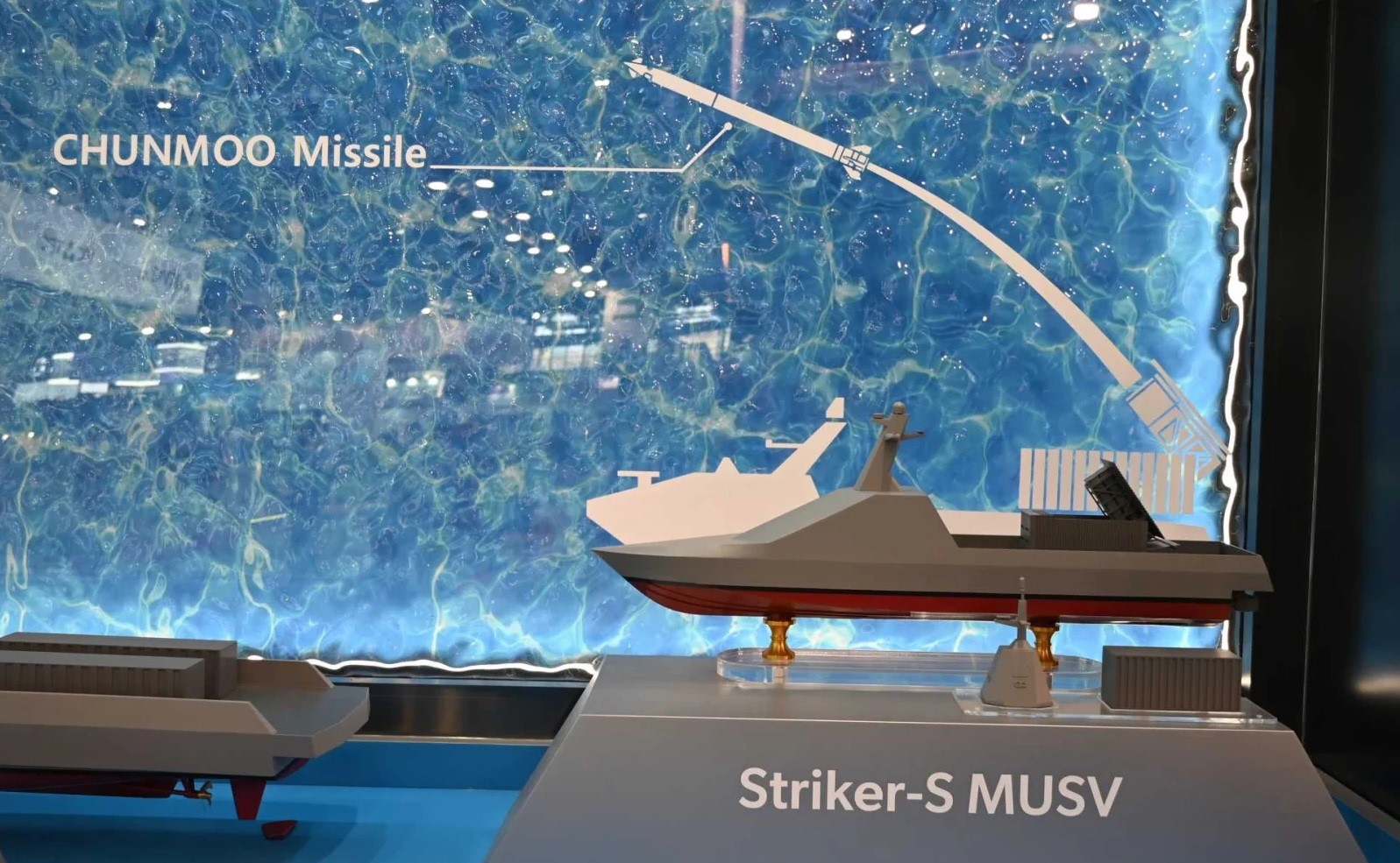
World
Paris, France, — June 16, 2026 : Hanwha Aerospace has unveiled its new Striker-S Medium Uncrewed Surface Vessel (MUSV) at the Eurosatory 2026 defense exhibition in Paris. The autonomous maritime platform integrates the combat-proven K239 Chunmoo multiple launch rocket system, extending long-range precision strike capabilities to unmanned naval vessels. The Striker-S represents Hanwha’s latest effort to support distributed maritime operations by transferring missile firepower from traditional crewed warships to modular uncrewed platforms. The vessel was presented on June 15 during the defense exhibition, which runs from June 15 to June 19 at the Paris Nord Villepinte Exhibition Centre. Vessel Design and Specifications The Striker-S is a medium-sized autonomous surface vessel designed for multiple mission profiles. Measuring 35 meters in length with a 6-meter beam, the vessel has a displacement of 250 tons and a fuel capacity of 60 tons. It is equipped with a 20-foot containerized mission module capable of carrying payloads weighing up to 10 tons. Unlike smaller expendable attack drones seen in recent conflicts, the Striker-S is comparable in size to a small patrol craft. Its displacement provides sufficient internal space for mission computers, communications systems, power generation equipment, datalinks, sensors, and payload-handling systems. The vessel is fitted with an Active Electronically Scanned Array (AESA) radar and a dedicated counter-Uncrewed Aerial Systems (counter-UAS) suite, enabling it to operate in contested littoral environments while maintaining awareness of aerial threats. Containerized Mission System A key feature of the Striker-S is its modular mission architecture. Rather than relying on permanently installed vertical launch systems, the vessel uses a containerized payload approach. Mission equipment is housed within a removable 20-foot module, allowing operators to reconfigure the vessel for different tasks. This design enables the platform to transition between strike, intelligence gathering, surveillance, reconnaissance, and support missions without requiring significant structural modifications. The approach also supports faster mission adaptation and simplifies future payload integration. Chunmoo Missile Integration The defining capability of the Striker-S is the integration of the K239 Chunmoo multiple launch rocket system, a land-based weapon system currently used by the Republic of Korea Army and exported to several European countries, including Poland, Norway, and Estonia. By employing the Chunmoo architecture, the vessel can launch a range of standardized guided munitions, including: CGR-080 guided rockets with a range of approximately 80 kilometers CTM-MR missiles with a range of approximately 160 kilometers CTM-290 tactical ballistic missiles with a range of approximately 290 kilometers Hanwha has also confirmed compatibility with Anti-Ship Ballistic Missiles (ASBM) and longer-range munitions capable of reaching distances of up to 500 kilometers in certain configurations. The use of an existing missile family across both land and maritime platforms allows operators to utilize established production, procurement, and sustainment networks, reducing the need for separate naval missile inventories and logistics systems. Operational Concept The Striker-S is designed to support distributed maritime strike operations. Instead of concentrating missile firepower on large, crewed destroyers or frigates, naval forces can deploy multiple autonomous missile carriers across a wider operational area. The vessel's onboard radar supports local situational awareness; however, engagement at maximum missile ranges depends on external targeting data. The operational concept separates the sensor from the shooter, with targeting information provided by assets such as surveillance aircraft, satellites, coastal radar stations, crewed command ships, surface combatants, or other unmanned systems. Under this model, dispersed Striker-S vessels can launch missiles from multiple locations while remaining connected to a broader network of sensors and command systems. This increases the number of available firing positions and allows crewed warships to focus on command and control, air defense coordination, sensor fusion, and operational management. Part of a Broader Autonomous Fleet Hanwha positions the Striker-S within a wider family of autonomous maritime systems that includes Intelligence, Surveillance and Reconnaissance (ISR) unmanned surface vessels and the larger Striker-M MUSV. The company’s strategy centers on creating a modular fleet structure capable of conducting scouting, strike, surveillance, and support missions. The company is also expanding its presence in the international unmanned vessel market. Hanwha's partnership with U.S.-based Magnet Defense on the 38-meter H38 MUSV reflects ongoing efforts to develop medium-sized autonomous naval platforms for global customers. Growing Interest in Uncrewed Maritime Systems The introduction of the Striker-S comes amid increasing global interest in autonomous naval technologies, distributed strike concepts, and containerized weapon systems. Defense planners are exploring ways to expand fleet capabilities while reducing manpower requirements and operational costs associated with traditional crewed warships. By combining a proven missile system with an autonomous and modular vessel design, Hanwha Aerospace aims to provide navies with a flexible platform capable of supporting networked maritime operations across a range of mission environments. The unveiling of the Striker-S at Eurosatory 2026 highlights the growing role of unmanned surface vessels in future naval force structures and the continued evolution of distributed maritime warfare concepts.
Read More → Posted on 2026-06-16 14:25:09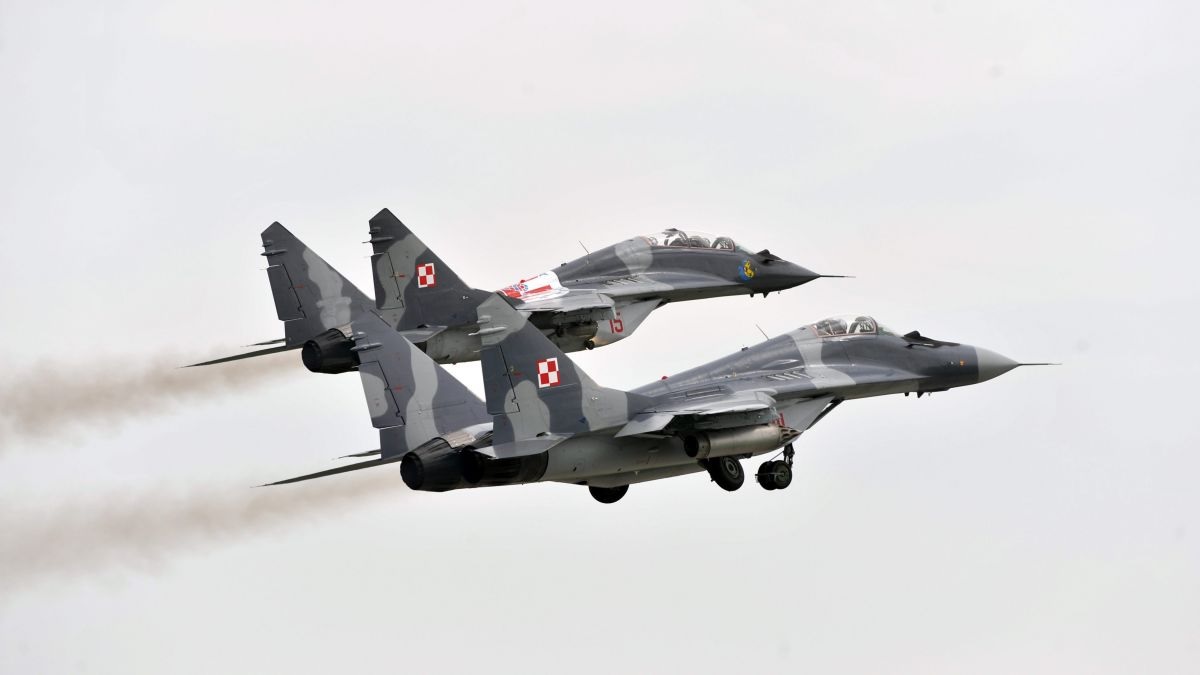
World
WARSAW, — June 16, 2026 : Poland has suspended the planned transfer of its remaining MiG-29 fighter jets to Ukraine until both countries finalize an agreement on the exchange of Ukrainian military drone technology, Polish officials have confirmed. The decision comes five months after Warsaw announced its intention to provide additional Soviet-era fighter aircraft to support Ukraine's defense efforts. According to Polish authorities, the aircraft will remain at Polish airbases until the legal and technical details of the technology-sharing arrangement are completed. Technology Exchange Linked to Fighter Transfer Polish Deputy Minister of National Defense Cezary Tomczyk said the fighter jet transfer is directly connected to ongoing negotiations over access to Ukrainian unmanned aerial vehicle (UAV) technology. Speaking to Radio ZET, Tomczyk stated that Poland and Ukraine had agreed in principle on a technology transfer arrangement, but the agreement has not yet been finalized. "We have not transferred the MiGs to Ukraine. We agreed with the Ukrainian side on a transfer of technology. If this matter is agreed, then the issue of the fighters will end successfully," Tomczyk said. He added that Poland's support for Ukraine remains unchanged, but emphasized that defense cooperation should also provide benefits for both countries. "A relationship of solidarity must be a two-way relationship. Ukrainians are the best in drones of all the countries with which we have positive relations," he said. Poland is seeking access to Ukrainian drone expertise, including intellectual property rights, technical specifications, and operational knowledge gained during more than four years of wartime drone development. Remaining MiG-29 Fleet Under Discussion The negotiations involve Poland's remaining fleet of 14 MiG-29 fighter aircraft, including 11 single-seat and three twin-seat variants. Polish officials have indicated that between six and eight aircraft could be transferred to Ukraine once the agreement is completed. Poland previously delivered between 10 and 14 MiG-29s to Ukraine during 2023 as part of military assistance packages. The aircraft are approaching the end of their service life within the Polish Air Force, which is currently replacing older Soviet-designed platforms with modern Western aircraft, including F-35A fighters, KAI FA-50PL light combat aircraft, and upgraded F-16s. Officials have stated that retaining the MiG-29s temporarily will not create operational gaps for Poland's military as the modernization program continues. Operational Value for Ukraine For Ukraine, additional MiG-29s would provide immediate operational benefits because Ukrainian pilots, technicians, and maintenance crews already operate the aircraft type. The fighters could be integrated into service without the extensive training and infrastructure requirements associated with newer Western aircraft. The Ukrainian Air Force is estimated to operate around 45 MiG-29s alongside F-16AM fighters, Mirage 2000-5F aircraft, and several Sukhoi combat aircraft variants. Growing Interest in Ukrainian Drone Technology Poland's position reflects increasing international interest in Ukraine's rapidly expanding drone industry, which has developed a wide range of combat-tested unmanned systems since the start of the war. These include first-person-view (FPV) attack drones, tactical reconnaissance UAVs, bomber drones, long-range strike systems capable of operating in contested electronic warfare environments, counter-drone interceptors, and unmanned surface vessels used in maritime operations. Ukrainian drone systems have been employed against military targets, air bases, radar installations, logistics facilities, and naval assets, making the country's defense industry a valuable source of operational experience and technological innovation. Poland has accelerated efforts to strengthen its own drone and counter-UAS capabilities amid growing security concerns along NATO's eastern flank. Recent Russian drone incursions into Polish airspace led to NATO's Operation Eastern Sentry, during which allied aircraft, including British Typhoons, French Rafales, and Romanian F-16s, were scrambled to monitor and intercept unidentified aerial targets. Negotiations Yet to Be Finalized The current delay comes despite earlier indications that both sides were making progress toward a military-technical cooperation agreement. In late 2025, Ukrainian Ambassador to Poland Vasyl Bodnar and Ukrainian Defense Minister Mykhailo Fedorov stated that discussions on expanding defense cooperation were advancing. Bodnar also noted at the time that several Polish MiG-29 aircraft were prepared for transfer. However, officials have not disclosed the reasons behind the latest delay in finalizing the technology agreement. Until negotiations are completed and the terms of the technology exchange are formally approved, Poland will continue to retain its remaining MiG-29 fleet, while discussions with Ukraine remain ongoing. The proposed arrangement highlights the evolving nature of defense cooperation between the two countries, combining military assistance with technology sharing as both sides seek to strengthen their defense capabilities.
Read More → Posted on 2026-06-16 14:31:11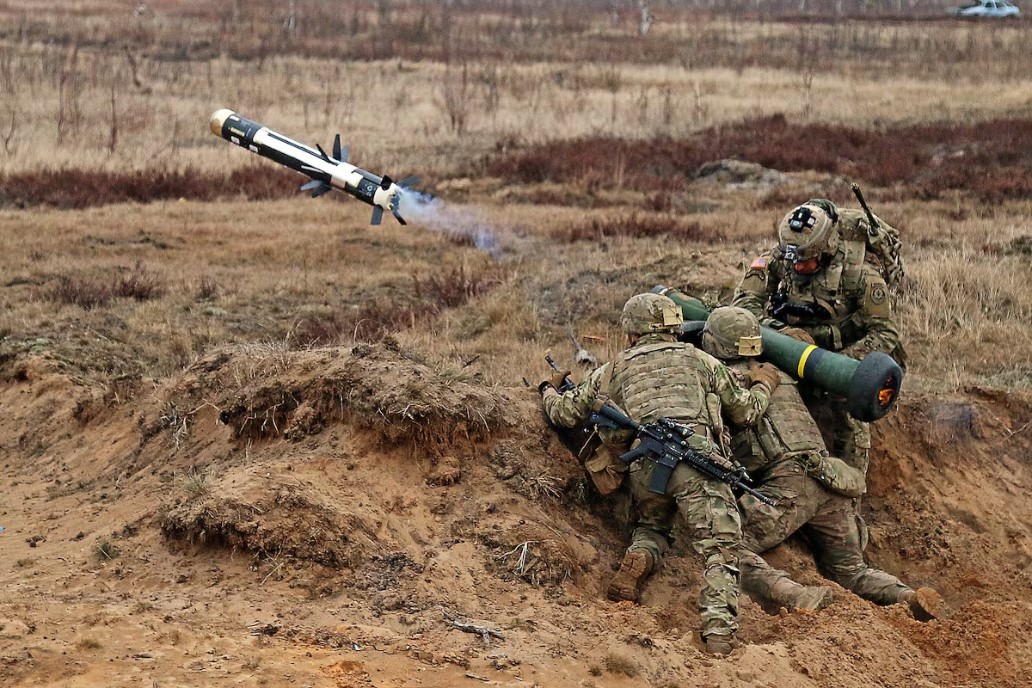
World
Washington, — June 16, 2026 : The U.S. Army has initiated a major procurement planning effort for the Javelin Weapon System, issuing a sources sought notice to defense manufacturers to assess industry capabilities for supporting production and sustainment of the missile system over the next decade. The notice, released by the U.S. Army Contracting Command on June 15, 2026, seeks information from companies that may be able to contribute to Javelin-related manufacturing, support services, and supply chain operations during fiscal years 2027 through 2036. The initiative reflects the Army’s intention to continue procuring the shoulder-fired anti-tank missile system in significant quantities while strengthening the industrial base that supports its production. Demand Driven by Stockpile Replenishment The Army’s long-term planning effort comes amid increased demand for Javelin missiles following extensive transfers to Ukraine since Russia’s full-scale invasion in 2022. The weapon has been widely used by Ukrainian forces against armored vehicles and has become one of the most recognized anti-armor systems employed during the conflict. The large number of missiles supplied to Ukraine has reduced U.S. stockpiles, creating a requirement for accelerated replenishment. Before the war, annual production averaged approximately 2,100 missiles. In response to growing demand, the Javelin Joint Venture (JJV), a partnership between Lockheed Martin and Raytheon, has expanded manufacturing capacity and is targeting production of 3,960 missiles per year by late 2026. To support higher output levels, production facilities in Troy, Alabama, and Ocala, Florida, have undergone modernization efforts. These upgrades include the use of advanced manufacturing technologies, AI-driven forecasting tools, and an expanded supplier network consisting of nearly 100 component-level suppliers. Focus on Supply Chain Support The Army's notice is not intended to replace the Javelin Joint Venture, which has produced the missile system since it entered service in 1996. The joint venture retains ownership of the intellectual property and technical data package associated with the weapon. The Army acknowledged in the notice that it does not possess a complete technical data package for the system and identified the joint venture as the original developer. Instead of seeking an alternative prime contractor, the Army is conducting market research to determine how additional companies can contribute to the broader production ecosystem while operating within existing intellectual property limitations. Areas of interest identified by the Army include: Manufacturing missile subassemblies Producing Command Launch Units (CLU) Supplying vehicle adapters Providing training devices and simulators Delivering spare batteries and replacement components Offering engineering and technical support services The information gathered will help the Army evaluate opportunities to increase production capacity and improve supply chain resilience without infringing on proprietary technologies. Javelin Remains a Key Anti-Armor Weapon The Javelin is a medium-range, shoulder-fired anti-tank guided missile designed for operation by a single soldier. The system is known for its fire-and-forget capability, allowing operators to launch the missile and immediately seek cover or reposition without continuing to guide the weapon. The missile uses an imaging infrared seeker that locks onto a target’s heat signature before launch and autonomously tracks the target throughout flight. Key Characteristics of the Javelin Weapon System Feature Details Maximum Range Exceeds 4,500 meters Guidance Fire-and-forget with imaging infrared seeker Warhead Tandem-charge high-explosive anti-tank warhead Attack Modes Top-attack and direct-fire Armor Defeat Capability Designed to penetrate reactive and conventional armor The top-attack mode enables the missile to strike the thinner upper armor of armored vehicles, while the direct-fire mode can be used against fortified positions and other targets. Lightweight Launch Unit Enters Service Recent modernization efforts have also focused on the Command Launch Unit. In May 2026, the Javelin Joint Venture delivered the first Lightweight Command Launch Units (LWCLU) to the U.S. Army. Supported by a $22 million factory modernization investment by Raytheon, the LWCLU reduces system weight while improving day and night target engagement capabilities. The upgraded launch unit is compatible with all previous, current, and future Javelin missile variants. Industry Responses Due June 30 Defense manufacturers interested in supporting future Javelin production are required to submit white papers to the Army by June 30, 2026. The submissions must outline technical capabilities, relevant experience, and proposed approaches for executing work associated with the system over the ten-year period. The sources sought notice represents an early stage of acquisition planning and does not constitute a formal contract solicitation. However, it provides a clear indication that the Army expects continued demand for the Javelin Weapon System and is taking steps to ensure sufficient production capacity and supply chain support through the next decade.
Read More → Posted on 2026-06-16 14:44:24
World
DENVER, — June 16, 2026 : Lockheed Martin has secured a $514 million contract from the U.S. Space Force to manufacture two additional next-generation Global Positioning System (GPS) satellites, designated GPS IIIF Space Vehicles (SV) 23 and 24. The award increases the company's total production commitment to 14 GPS IIIF spacecraft and supports the ongoing modernization of the U.S. GPS constellation as older satellites continue to exceed their original design lifespans. The GPS IIIF program is designed to enhance positioning, navigation and timing (PNT) services for military and civilian users worldwide. The new satellites will introduce upgraded capabilities aimed at improving accuracy, reliability, security and operational resilience. Advanced Military Capabilities The GPS IIIF satellites will provide several significant improvements for military operations, particularly in contested environments where navigation signals may face interference or disruption. One of the key enhancements is the Regional Military Protection (RMP) capability, which delivers a high-powered, focused M-Code signal over specific geographic regions. According to Lockheed Martin, this feature offers approximately 63 times greater anti-jamming capability than legacy GPS systems, helping U.S. and allied forces maintain secure access to navigation services during operations. The satellites will also expand M-Code coverage by adding more encrypted and anti-spoofing signals for military users operating on land, at sea and in the air. In addition, a fully digital navigation payload will improve positioning accuracy, signal strength and overall system reliability compared to previous generations of GPS satellites. These capabilities support a range of military platforms. Lockheed Martin noted that the F-35 Lightning II uses GPS for autonomous navigation, system synchronization and real-time data sharing, while the UH-60 Black Hawk relies on GPS for flight navigation, cargo and weapons delivery, and mission coordination. Civilian Applications Beyond military operations, the GPS IIIF satellites will continue to support critical civilian infrastructure that depends on accurate and uninterrupted GPS services. These include banking and financial transactions, telecommunications networks, emergency response systems, transportation, agriculture and everyday navigation services. The satellites will broadcast all standard civil GPS signals, including the highly interoperable L1C and L5 frequencies. These signals are expected to provide improved accuracy, reliability and compatibility for users around the world. In addition to navigation services, the GPS IIIF satellites will carry hosted payloads, including laser retroreflector arrays, search-and-rescue capabilities and other sensor technologies. Upgraded Satellite Architecture Beginning with SV13, all GPS IIIF satellites are being built on Lockheed Martin’s evolved LM2100 Combat Bus platform. The upgraded architecture provides enhanced cyber-hardening against modern digital threats, improved power generation and propulsion systems, and increased size, weight and power margins to accommodate future technology upgrades and mission requirements. The additional capacity is intended to support long-term modernization efforts and allow the spacecraft to incorporate future capabilities as operational needs evolve. Production Progress Production of the GPS IIIF satellites is underway at Lockheed Martin facilities in the Denver area. The company has already completed the “core mate” milestone—considered the formal structural integration and official beginning of a satellite’s assembly—for several spacecraft, including SV11, SV13 and SV14. Other satellites in the program are progressing through various stages of manufacturing and integration. To improve production efficiency and accelerate delivery schedules, Lockheed Martin is using advanced manufacturing technologies such as augmented reality (AR) and digital twin systems. These tools enable engineers and technicians to streamline assembly processes while maintaining precision and quality standards. The company has also completed production of all 10 GPS III satellites. Earlier in 2026, the final GPS III spacecraft, SV10, successfully reached orbit, completing that phase of the program. Broader GPS Modernization Effort The latest contract forms part of a wider effort to modernize both the space and ground segments of the GPS network. In addition to the $514 million satellite award, Lockheed Martin recently received a separate $105 million contract to support GPS IIIF launch, early-orbit and disposal operations, as well as modernization of ground control infrastructure. The GPS IIIF program operates under the original 2018 contract, which includes options for up to 22 satellites. Launches of the GPS IIIF series are expected to begin in 2027 and continue through the mid-2030s, ensuring a steady deployment of advanced spacecraft to maintain and strengthen the GPS constellation. Christina Mancinelli, vice president of global communications and navigation at Lockheed Martin, said the modernization effort is intended to ensure military users continue to have access to secure and resilient GPS capabilities while supporting the global user base that depends on the system every day. The latest awards reinforce Lockheed Martin’s role in advancing the next generation of GPS infrastructure, which serves military operations and billions of civilian users worldwide.
Read More → Posted on 2026-06-16 14:51:05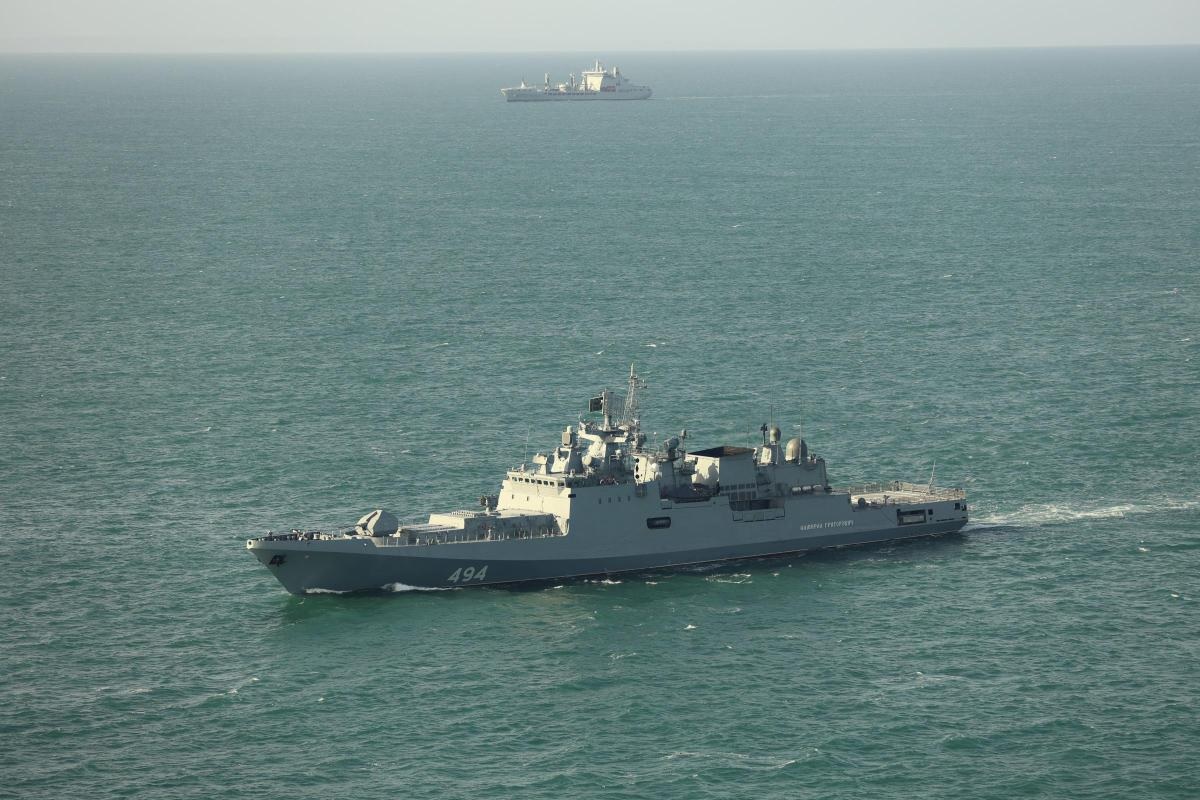
World
LONDON, — June 16, 2026 : A Russian Navy frigate reportedly fired warning shots near a UK-registered civilian yacht in the English Channel on Tuesday morning, increasing maritime tensions between the United Kingdom and Russia. The incident occurred at approximately 11:40 a.m. between the Isle of Wight and Normandy. According to reports, the yacht approached close to the Russian warship Admiral Grigorovich, prompting the frigate to fire warning shots. No injuries were reported. The UK Ministry of Defence said it is investigating the incident. "We are investigating reports of an incident in the Channel," a ministry spokesperson said. British and French naval forces increased monitoring in the area following the incident. A Royal Navy Wildcat HMA.2 helicopter was also deployed to conduct surveillance operations over the Channel. The Admiral Grigorovich is a guided-missile frigate serving with Russia's Black Sea Fleet. The warship has recently been involved in escorting Russian "shadow fleet" oil tankers through European waters. The incident comes two days after British forces boarded the sanctioned tanker MV Smyrtos in the English Channel as part of a sanctions enforcement operation. Royal Marine Commandos and National Crime Agency officers boarded the vessel on June 14 after it was tracked by an RAF P-8 Poseidon aircraft. The operation was supported by RAF helicopters and Royal Navy ships. The MV Smyrtos was carrying 101,400 tonnes of Russian Urals crude oil from Ust-Luga, Russia, to Egypt. British authorities said the tanker had lost its registry, making it a stateless vessel under international maritime law. The vessel was redirected to an anchorage off Portland, and its captain was arrested on suspicion of sanctions offences. The UK has sanctioned nearly 600 vessels linked to Russia's shadow fleet. Sunday's operation marked a shift from administrative sanctions to direct enforcement actions aimed at disrupting Russian oil exports. Defence officials said the operation was coordinated with French authorities. Analysts believe Tuesday's incident may be linked to increased enforcement efforts against Russia's shadow fleet activities. UK authorities continue to monitor the situation. No further escalation had been reported as of Tuesday afternoon.
Read More → Posted on 2026-06-16 15:37:38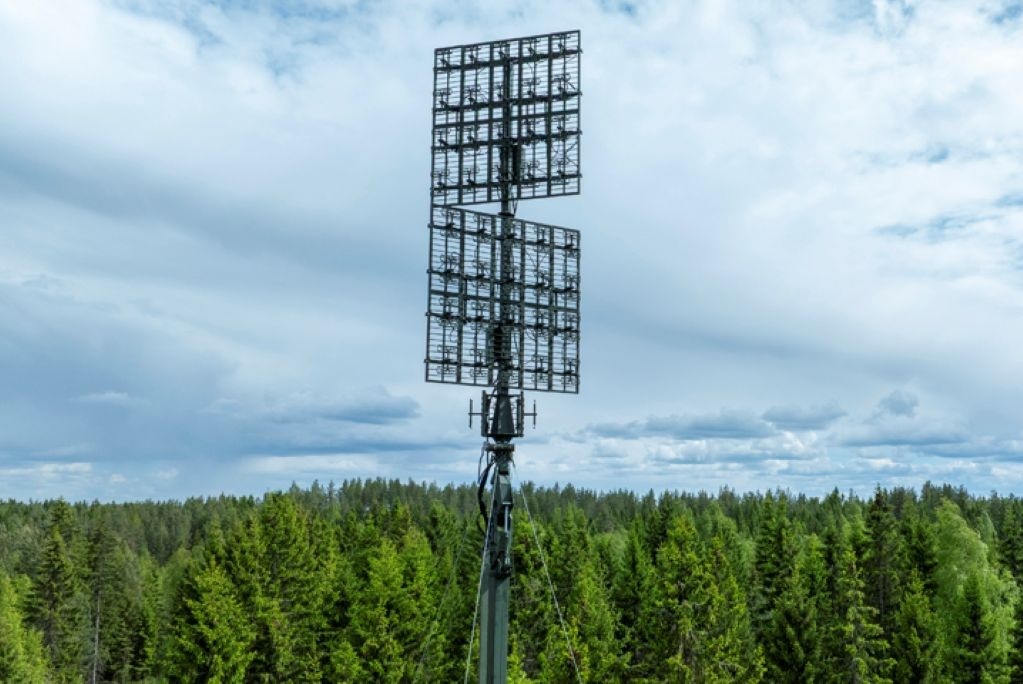
World
PARIS, — June 16, 2026 : Nordic defense and technology company Patria has officially launched the Patria WISPR (Weapon Indication and Sensing Passive Radar) at the Eurosatory 2026 defense exhibition in Paris. The new system is designed to detect and locate incoming artillery, mortar, and rocket fire without emitting detectable radio frequency signals, offering a passive approach to counter-battery operations. The launch expands Patria’s portfolio of passive sensing technologies and addresses a growing challenge on modern battlefields, where active radar systems can become vulnerable to detection, electronic warfare measures, and precision strikes due to their own emissions. Passive Detection Technology Patria WISPR is based on Passive Coherent Location (PCL) technology, which allows the system to operate without transmitting radio signals. Instead, it utilizes existing commercial broadcasts in the environment, primarily digital television transmitters, as sources of illumination. By analyzing how projectiles reflect these signals, the system can detect, locate, and track artillery shells, mortar rounds, and rockets at operationally relevant ranges. Because the radar does not emit its own signals, it remains difficult to detect through conventional electronic warfare systems. The system uses antenna arrays and advanced passive signal-processing technology to maintain continuous surveillance while minimizing its electromagnetic signature. Addressing Modern Battlefield Requirements The introduction of WISPR comes as military forces increasingly operate in contested environments where the time between target detection and enemy response is rapidly decreasing. Active counter-battery radars provide critical battlefield awareness but can expose their positions once they begin transmitting. According to Patria, WISPR is designed to provide persistent projectile detection while reducing the risk associated with active radar emissions. “Patria WISPR will be critical in enabling a new level of resilience and survivability in counter-battery operations. In today’s operational environment, where the time from detection to strike is short, active radars risk exposure due to their emissions. Patria WISPR responds to this challenge by providing a silent projectile detection,” said Mikko Leino, Executive Vice President of Patria’s Defence and Weapon Systems business area. Flexible Deployment Options Patria stated that WISPR can be deployed in two primary operational roles. As a standalone system, it can serve as the main projectile-tracking sensor near frontline positions, providing continuous surveillance without revealing its location through emissions. The system can also function as a cueing sensor alongside conventional active counter-battery radars. In this role, WISPR can monitor the battlefield while active radars remain switched off, activating them only when additional tracking information is required. This approach can help extend the operational availability and survivability of active radar assets. Coverage and Networked Operations The WISPR system provides more than 100 degrees of azimuth coverage and features a high update rate for target tracking. Its modular design allows deployment as a single remote-controlled station or as a network of multiple interconnected stations covering larger operational areas. Both deployment configurations support remote operation and management, enabling flexible integration into existing surveillance and command networks. Additional Air Surveillance Capability Beyond its counter-battery role, WISPR is also capable of performing air surveillance missions. Patria said the system can detect and track aerial targets, including low-observable and highly maneuverable unmanned aerial vehicles (UAVs) operating in radio silence. The dual-use capability allows the system to contribute to both ground-force protection and wider airspace monitoring requirements. Built on Existing Passive Radar Technology WISPR builds upon the technological foundation of Patria’s MUSCL passive air surveillance radar, which was developed to provide covert target detection using external radio-frequency sources. Both systems share the same principle of detecting targets without transmitting signals, reducing exposure to enemy electronic surveillance and countermeasures. Displayed at Eurosatory 2026 Patria is presenting the WISPR system at its stand in Hall 6 (F126 and F146) during Eurosatory 2026, taking place in Paris from June 15 to June 19. The introduction of WISPR reflects the growing focus on passive sensing technologies within the defense sector, as armed forces seek surveillance and target-location systems capable of operating effectively in increasingly contested electromagnetic environments.
Read More → Posted on 2026-06-16 15:43:24
World
Paris, — June 16, 2026 : Canadian armored vehicle manufacturer Roshel Inc. and Daimler Truck AG have signed a Memorandum of Understanding (MoU) at the Eurosatory 2026 defense exhibition to jointly develop, produce, market, and support a new family of protected military vehicles for NATO, allied, and partner nations. The agreement brings together Roshel's experience in armored vehicle production and combat-proven protection systems with Daimler Truck Defence's industrial capabilities, engineering expertise, and global service network. The partnership is aimed at meeting growing international demand for protected mobility solutions while offering customers a broad range of military vehicle options. The signing comes one day after Daimler Truck launched its consolidated defense business under the Daimler Truck Defence brand. The company recently announced a mid-three-digit million-euro investment to expand its defense engineering and manufacturing capacity and has set a target of generating €1 billion in defense revenue by 2028. Combining Combat-Proven Experience with Industrial Scale Roshel has become a significant supplier of protected vehicles since Russia's full-scale invasion of Ukraine began in February 2022. The Ontario-based company has delivered more than 2,500 armored vehicles to Ukrainian forces, demonstrating an ability to rapidly manufacture and deliver combat-ready platforms tailored to operational requirements. The company has built its reputation on producing vehicles designed for modern battlefield conditions rather than relying solely on standard commercial specifications. This ability to quickly adapt and scale production was a key factor behind the partnership. “In just a few years, Roshel has delivered more than 2,500 armoured vehicles to Ukraine, showing that speed, quality, and innovation matter in real-world conflict,” said Roman Shimonov, Chief Executive Officer of Roshel. “By bringing together Roshel's proven protection systems, integrated manufacturing, and ability to deliver at scale with Daimler Truck's world-class platforms, engineering experience, and global reach, we are creating a stronger and more complete offering for allied customers,” he added. Military Vehicle Platforms Included in the Agreement As part of the partnership, Daimler Truck will provide several established military vehicle platforms that can be adapted for a range of defense missions. Production activities will be supported by the company's defense manufacturing facilities in Wörth am Rhein, Germany, and Molsheim, France. The platforms include: Unimog : A highly capable off-road vehicle with a long history of military service. The platform is widely used for engineering tasks, medical evacuation missions, and light tactical operations. Zetros : A heavy-duty tactical truck designed for demanding environments and extreme off-road conditions. The platform was recently selected for France's 7,000-vehicle logistics modernization program under a separate long-term agreement with Arquus. Arocs 8x8 : A heavy-lift vehicle suited for armored logistics, transportation missions, and military support operations requiring high payload capacity. FGA Platform Family : A modular vehicle family that can serve as the foundation for mine-resistant ambush-protected (MRAP) vehicles, armored personnel carriers (APCs), mobile command centers, counter-drone platforms, and other specialized military configurations. Roshel's Vertically Integrated Manufacturing Model A key element of the cooperation is Roshel's vertically integrated production approach. Once vehicle chassis arrive at its facilities, the company carries out all major armored vehicle conversion processes internally. This includes ballistic steel processing, armored plate fabrication, transparent armor production, armored capsule engineering, drivetrain integration, and the installation of mission-specific systems such as communications equipment, intelligence systems, and counter-drone technologies. By managing these processes in-house, Roshel is able to maintain quality control, reduce dependence on external suppliers, and accelerate delivery timelines. Local Production Options for Partner Nations The MoU also includes provisions for localized production through Completely Knocked Down (CKD) and Semi-Knocked Down (SKD) assembly models. Under this approach, purchasing countries can import vehicle kits and carry out final assembly within their own borders. The model enables governments to build domestic industrial capabilities, create manufacturing jobs, and strengthen long-term defense resilience while acquiring operationally proven armored vehicles. The partnership will also cover joint development, industrialization, lifecycle support, sustainment, and localization activities throughout the vehicles' service life. Industry Response “Daimler Truck contributes proven vehicle platforms and industrial scale, while Roshel brings expertise in armoured vehicles, operational track record, and ability to deliver quickly,” said Daniel Zittel, Chief Sales Officer of Daimler Truck Defence. “Together, we are offering allied governments a compelling and integrated solution.” Strategic Significance The agreement reflects a broader trend within the defense industry, where specialized armored vehicle manufacturers and large industrial companies are combining capabilities to meet rising demand for protected military mobility. By pairing Roshel's combat-proven vehicle expertise with Daimler Truck Defence's global manufacturing and support infrastructure, the partnership aims to provide NATO and allied nations with a scalable solution for future protected vehicle requirements. The agreement was signed during Eurosatory 2026, held from June 15 to June 19 at the Paris Nord Villepinte Exhibition Centre, one of the world's largest international defense and security exhibitions.
Read More → Posted on 2026-06-16 15:53:57
World
London, — June 16, 2026 : The United Kingdom has announced a £210 million ($282 million) financing package to support the supply of enriched uranium to Ukraine's nuclear power plants over the next two years, strengthening the country's energy security and reducing its dependence on Russian nuclear fuel. The package, backed by the UK government's export credit agency, UK Export Finance (UKEF), will guarantee a loan that enables UK-headquartered uranium enrichment company Urenco to provide fuel to Ukraine's state-owned nuclear energy operator, Energoatom. UK Prime Minister Keir Starmer announced the agreement ahead of a G7 summit session in Evian-les-Bains, France. The framework for the deal was formally agreed during a meeting between Starmer and Ukrainian President Volodymyr Zelenskyy at Downing Street in London the previous week. The agreement comes as Ukraine continues to face pressure on its energy infrastructure due to the ongoing conflict with Russia. Repeated attacks on power facilities have increased the importance of maintaining stable electricity generation across the country. Energoatom, which operates Ukraine's nuclear power plants, produces more than 50% of the country's electricity. Ensuring a reliable supply of enriched uranium is considered essential for maintaining energy production and supporting households, schools, hospitals, and other critical services, particularly during winter periods when electricity demand rises. The latest package builds on existing cooperation between Urenco and Energoatom. Urenco has supplied enriched uranium to the Ukrainian operator since 2009. In 2023, the two companies signed a long-term fuel supply agreement extending to 2035, with an option to continue cooperation until 2043. The newly announced financing arrangement covers fuel deliveries for the immediate two-year period. According to the UK government, the £210 million package increases total UK support for Ukraine's energy sector to more than £490 million. Previous assistance included a £192 million UKEF-backed loan guarantee and other financing measures aimed at supporting Ukraine's energy resilience. The agreement is also expected to provide economic benefits for the United Kingdom. More than one-third of the enriched uranium required under the contract will be processed at Urenco's Capenhurst facility in Cheshire, north-west England. The plant directly employs around 650 people and supports an estimated 4,500 additional jobs throughout the regional supply chain. Urenco Chief Executive Boris Schucht said the company remains committed to ensuring Ukraine has access to a reliable energy supply and will continue its long-term partnership with Energoatom. UK Export Finance guarantees will facilitate the transaction through partner banks, helping secure fuel supplies while reducing financial pressure on Ukraine. The arrangement also supports broader international efforts to diversify nuclear fuel supply chains and decrease reliance on Russian nuclear services. The nuclear fuel agreement forms part of a wider package of measures announced by the UK government during the G7 summit. Alongside the financing package, Prime Minister Starmer unveiled new sanctions targeting Russia's so-called "shadow fleet" of tankers and financial networks that are used to circumvent existing international trade restrictions. The UK government said the combined approach of supporting Ukraine's civilian energy sector while increasing economic pressure on Russia is intended to strengthen Euro-Atlantic security and assist Ukraine in achieving long-term energy independence. Ukrainian officials have welcomed the agreement, describing it as an important step in maintaining the country's electricity supply and improving resilience against ongoing disruptions to energy infrastructure. The latest deal reinforces the strategic partnership between the UK and Ukraine and highlights continued international support for securing Ukraine's energy needs during the ongoing conflict.
Read More → Posted on 2026-06-16 16:04:10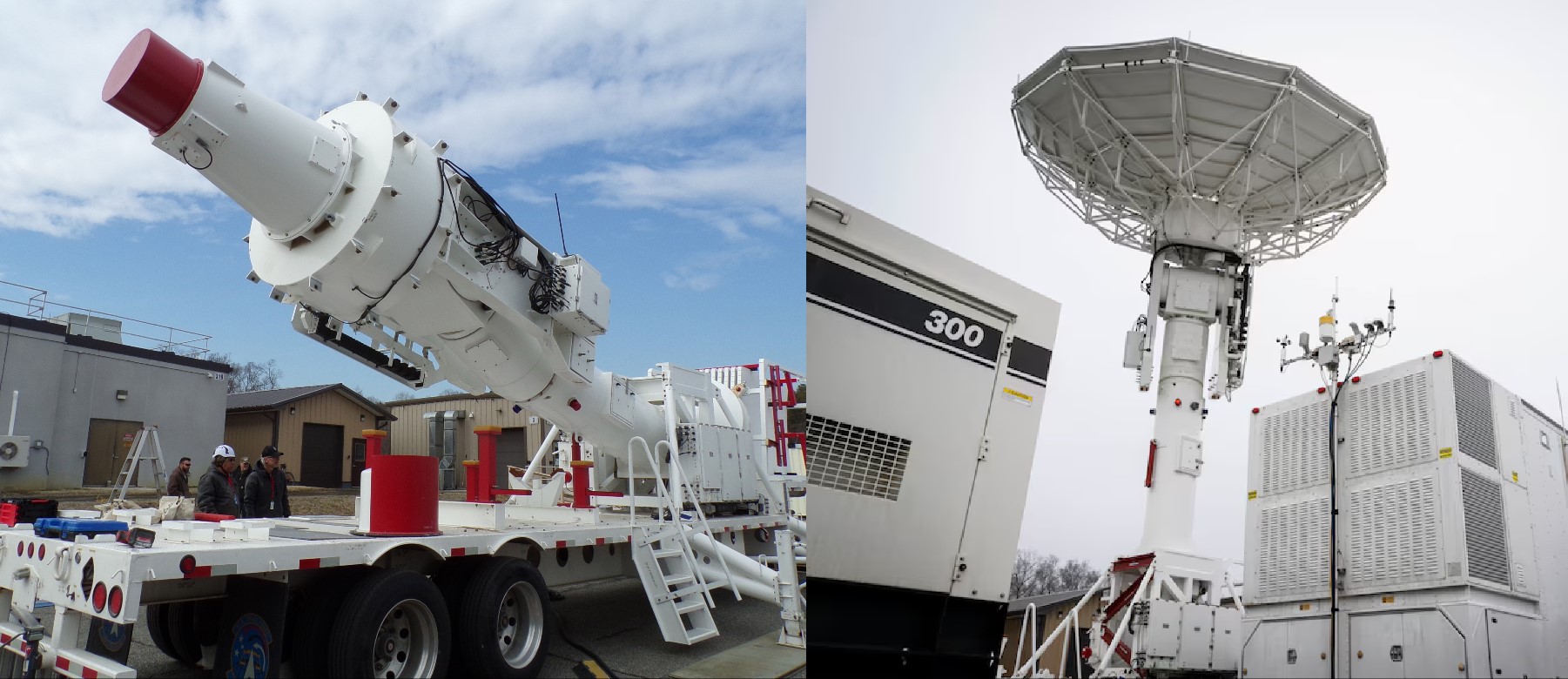
World
WASHINGTON, — June 16, 2026 : The U.S. Naval Research Laboratory (NRL) has received a transportable satellite tracking antenna system from the U.S. Space Force’s Space Systems Command (SSC) System Delta 81 (SYD 81), strengthening joint military capabilities for satellite testing, communications, and operational support. The transfer, officially announced on June 10 and later republished by the Department of Defense on June 12, was completed during the first quarter of 2026. The antenna has been integrated into NRL’s Blossom Point Tracking Facility in Welcome, Maryland, where it will support satellite tracking, telemetry, and command operations for emerging space technologies and future mission requirements. The system was deployed through a joint effort involving NRL personnel and L3Harris engineers. Following its arrival from an integration facility in Colorado Springs, the antenna was assembled, calibrated, and made operational within four days. Enhanced Space Testing and Operational Support The addition of the transportable antenna expands Blossom Point’s ability to conduct multi-band communications testing and interoperability assessments across different satellite platforms and frequency bands used by various military services. The system also supports long-duration performance monitoring of satellites and the evaluation of advanced space technologies under operationally relevant conditions. Unlike fixed ground infrastructure, the antenna’s transportable design allows it to be relocated when mission requirements, environmental conditions, or orbital geometries demand alternative deployment locations. This flexibility provides additional support for testing, training, and operational activities across multiple mission areas. Military officials said the capability will help improve collaboration between service branches by providing a shared platform for evaluating satellite communications and space-based systems. Growing Importance of Space Operations The transfer comes as space continues to play an increasingly important role in military operations. Modern armed forces rely heavily on satellites for communications, navigation, positioning, intelligence gathering, surveillance, and precision targeting. As the space domain becomes more congested and contested, military organizations are placing greater emphasis on ensuring the resilience and effectiveness of satellite networks. Ground-based facilities responsible for commanding, monitoring, and maintaining satellites are considered critical components of that effort. The new antenna will support testing and validation of systems designed to operate in environments where communications may face interference or other operational challenges. Role of System Delta 81 System Delta 81, which transferred the antenna to NRL, was activated under Space Systems Command in September 2025. The unit is responsible for developing and fielding realistic test and training capabilities for U.S. Space Force operations. The decision to place the antenna at Blossom Point reflects ongoing Department of Defense efforts to strengthen joint testing infrastructure and improve cooperation between military services. By making the capability available at a shared research and operational facility, the military can support a broader range of experiments, exercises, and technology demonstrations. Historic Facility Receives New Capability Located along the Potomac River in Charles County, Maryland, the Blossom Point Tracking Facility has served as a satellite communications and research site since 1956. Originally established to support the Vanguard satellite program, it is among the nation's earliest satellite command and control facilities. The site provides a low-radio-frequency-interference environment that is well suited for sensitive satellite communications and space research activities. Blossom Point currently supports satellite command and control, communications experimentation, and orbital research involving low, medium, and high Earth orbit systems. Its existing infrastructure, experienced workforce, and longstanding relationships with military and government space organizations enabled rapid integration of the newly transferred antenna system. Future Applications Under Evaluation NRL is currently assessing future experiments, training exercises, and operational missions that could benefit from the transportable antenna. Officials are also evaluating potential deployment locations to maximize the system’s effectiveness and mission utility. As the corporate laboratory for the U.S. Navy and Marine Corps, NRL continues to play a central role in developing technologies that support military operations. The addition of the transportable satellite tracking antenna further expands the laboratory’s capabilities in satellite communications, space surveillance, and advanced research. The collaboration between NRL and the Space Force highlights continued efforts to enhance joint space operations and strengthen the infrastructure needed to support U.S. military activities in an increasingly important operational domain.
Read More → Posted on 2026-06-16 16:14:09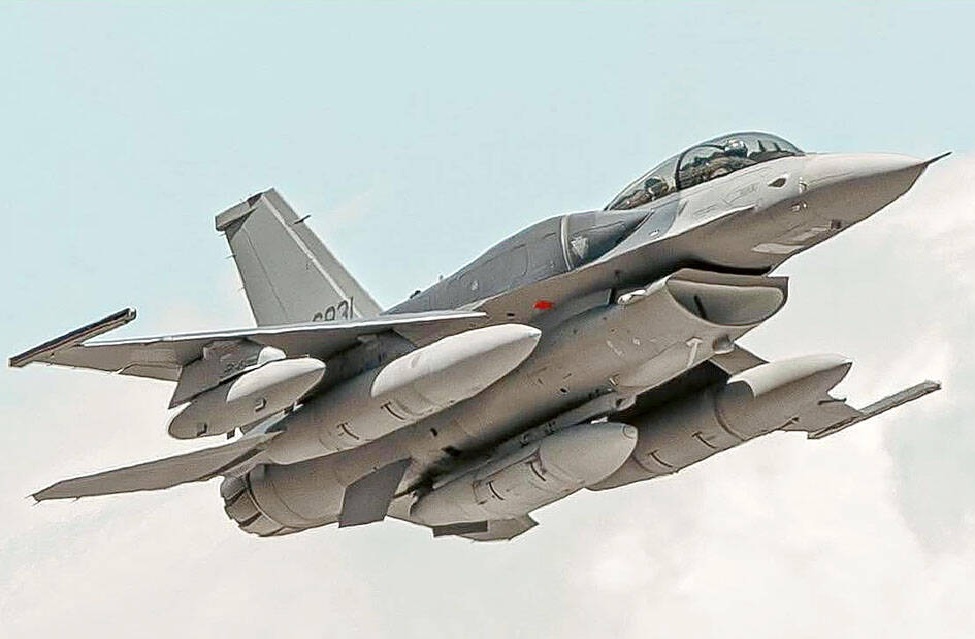
World
Fort Worth, Texas, — June 16, 2026 : The first F-16D Block 70 fighter aircraft built for the Republic of China (Taiwan) Air Force has been observed conducting pre-delivery test flights near Naval Air Station Joint Reserve Base Fort Worth, Texas. The aircraft, carrying tail number 6831, was seen equipped with an extensive fuel configuration consisting of two conformal fuel tanks (CFTs) mounted along the upper fuselage and three external drop tanks under the wings and fuselage. The sighting provides an early look at how Taiwan’s new-generation F-16 Block 70 fighters will be configured to support long-range operations. The aircraft's fuel arrangement reflects the increasing importance of extended endurance and operational reach, particularly for missions across the Indo-Pacific region. Maximum Fuel Configuration The aircraft was fitted with a total of five external fuel tanks, including two conformal fuel tanks and three conventional drop tanks. Combined with the F-16’s internal fuel capacity, the configuration significantly increases the aircraft’s operational range. Fuel Source Capacity / Weight Internal Fuel Approximately 3,248 kg Conformal Fuel Tanks (2) 1,703 liters additional fuel External Drop Tanks (3) Approximately 4,595 kg Total Fuel Load Approximately 7,844 kg Analysts estimate that with this configuration, the F-16 Block 70 can achieve a range of approximately 2,200 nautical miles (4,100 kilometers). Such endurance would support long-distance ferry flights and extended patrol missions. The aircraft is expected to undertake a trans-Pacific delivery flight to Hualien Air Base in Taiwan with aerial refueling support. Development of Conformal Fuel Tanks While external drop tanks have long been used on F-16 fighters, conformal fuel tanks represent a more recent enhancement designed to increase range without occupying underwing weapon stations. The concept was first tested in 1994 as part of the proposed F-16ES (Enhanced Strategic) program. Lockheed Martin later formalized the design in 2002. The first operational F-16s equipped with conformal fuel tanks were the F-16E/F Block 60 aircraft delivered to the United Arab Emirates in 2004. Since then, the system has been adopted or offered on advanced export variants operated by countries including Israel, Greece, Poland and Singapore. The Block 70/72 series is designed to accommodate conformal fuel tanks as an optional capability. Operational Advantages and Limitations Conformal fuel tanks increase aircraft endurance while preserving underwing hardpoints for weapons, sensors and electronic warfare equipment. Compared with conventional drop tanks, they generate less aerodynamic drag during subsonic flight and allow aircraft to carry a full combat load while maintaining extended range. However, the system also introduces operational trade-offs. Unlike drop tanks, conformal fuel tanks cannot be jettisoned during flight. Their permanent structural weight increases aircraft inertia and can reduce acceleration, climb performance and sustained turning capability. Additionally, conformal fuel tanks generate greater aerodynamic drag during supersonic flight than a clean aircraft configuration. Taiwan’s F-16 Block 70 Program Taiwan signed a contract in 2019 for the purchase of 66 F-16C/D Block 70 fighters valued at approximately $8.2 billion. The program has experienced manufacturing and software integration delays, resulting in deliveries extending beyond the original 2026 target schedule. Once delivered, the new aircraft are expected to be based at Chihhang Air Base in Taitung, where they will operate alongside Taiwan’s upgraded F-16V fleet. The Block 70 variant features advanced avionics, the AN/APG-83 Active Electronically Scanned Array (AESA) radar, a modernized cockpit and enhanced mission systems. The extensive fuel configuration observed during testing highlights Taiwan’s focus on maximizing the operational reach of its future fighter fleet. Increased endurance will support longer patrol missions and sustained air operations over the Taiwan Strait and surrounding areas. The sighting of tail number 6831 marks another step in the delivery process for Taiwan’s newest fighter aircraft as final testing continues ahead of its transfer to the Republic of China Air Force.
Read More → Posted on 2026-06-16 16:29:00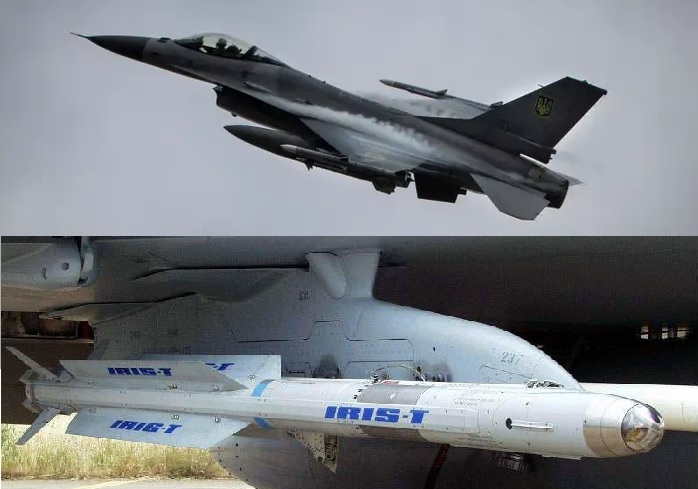
World
Berlin, — June 16, 2026 : Ukraine’s F-16 fighter jets are expected to be equipped with German-made IRIS-T short-range air-to-air missiles, marking a new step in strengthening the country’s air combat capabilities. The planned integration was confirmed by senior officials from Diehl Defence, the manufacturer of the IRIS-T missile system, during the ILA Berlin Air Show. Diehl Defence Preparing F-16 Integration Speaking to aviation publication FlightGlobal, Diehl Defence Chief Program Officer Harald Buschek said the company is actively preparing to equip Ukrainian F-16s with the IRIS-T missile. “The Ukrainian Air Force’s F-16s will most likely be equipped with our IRIS-T missiles—that is exactly what we are preparing for right now,” Buschek said. Although no timeline for the integration has been announced, the addition of the IRIS-T would expand the range of air-to-air weapons available to Ukraine’s Western-supplied fighter fleet. Ukraine Already Familiar With IRIS-T Systems While Ukraine has not yet fielded the air-launched version of the IRIS-T missile, its armed forces have significant experience operating the missile family through ground-based air defence systems. Since late 2022, Ukraine has deployed IRIS-T SLS and IRIS-T SLM air defence systems to counter Russian aerial threats. According to Diehl Defence Chief Executive Officer Helmut Rausch, these systems have consistently achieved a hit rate of more than 95 percent against cruise missiles and drones. Rausch also highlighted the importance of maintaining uninterrupted missile deliveries to Ukraine. “It is also very important to the customer that we supply missiles on a monthly basis, without interruption,” he said. “The feedback we receive from Ukraine indicates that they are very satisfied.” Proven Compatibility With F-16 Aircraft The integration of IRIS-T missiles on F-16 fighter jets is not a new concept. In 2005, Norway selected the IRIS-T to replace its aging AIM-9L Sidewinder missiles on the country's F-16 fleet. The missile has since been used by several European air forces and is regarded as a modern short-range air-to-air weapon. Designed with advanced infrared guidance technology, the IRIS-T offers high manoeuvrability and improved resistance to countermeasures, enabling pilots to engage a wide range of aerial targets. Norwegian F-16 Transfer Supports Integration Norway’s previous experience with the IRIS-T missile is particularly relevant because Ukraine is receiving a portion of its F-16 fleet from the Norwegian Air Force. The Norwegian government has officially pledged to transfer six F-16 fighter jets to Ukraine. Ownership of the aircraft was transferred between 2024 and 2025, but the jets have not yet entered operational service due to ongoing refurbishment work. In April 2026, Norwegian Prime Minister Jonas Gahr Støre confirmed that the aircraft currently belong to Ukraine but remain at the Sabena aerospace facility in Belgium, where they are undergoing repairs and preparation for combat operations. Maintenance Delays Continue The process of preparing the former Norwegian aircraft has taken longer than initially expected due to capacity constraints at the Belgian facility. Although Norwegian officials indicated that the first aircraft could soon become operational, the complete overhaul and preparation of the fleet remains ongoing. The delays have affected the timeline for delivering combat-ready aircraft, even after the transfer of ownership was completed. Additional Aircraft May Support Operations Beyond the six officially announced fighters, reports published in 2025 indicated that Norway planned to transfer a total of 14 F-16 aircraft to Ukraine. The remaining eight aircraft are widely believed to be surplus airframes that are not currently suitable for active flight. These jets are expected to be used for technical training, spare parts support, and other logistical requirements. However, officials have not ruled out the possibility that some of these aircraft could eventually be restored to airworthy condition if operational needs require it. Strengthening Ukraine’s Air Combat Capability The planned integration of the IRIS-T missile would provide Ukrainian F-16 pilots with an additional modern air-to-air weapon and further diversify the fighter fleet’s combat capabilities. Combined with Ukraine’s existing experience operating IRIS-T-based air defence systems and the continued delivery of Western fighter aircraft, the move represents another step in the modernization of the Ukrainian Air Force and its ability to conduct air operations using NATO-standard equipment.
Read More → Posted on 2026-06-16 16:39:32
World
KYIV, — June 16, 2026 : Ukrainian defense developer Center of Innovative Technologies Program has unveiled the DART missile, a new weapon system designed to operate effectively in environments affected by electronic warfare. According to a report by Militarnyi, the missile is launched from high-altitude stratospheric balloons and uses a unique flight profile intended to reduce its vulnerability to signal jamming and GPS spoofing. Balloon Launch Concept The DART missile is carried by stratospheric aerostats to altitudes ranging from 12 to 18 kilometers before being released toward its target. This launch method allows the weapon to begin its mission from above heavily contested lower-altitude airspace, where electronic warfare systems and air defenses are often concentrated. Developers noted that the balloon platforms used for the system are supplied by a partner company rather than being produced in-house. To ensure a controlled release at high altitude, the missile is equipped with specialized servo-actuators that manage activation and maintain flight stability under varying atmospheric and aerodynamic conditions. Missile Specifications DART is a compact missile designed for aerial deployment. The system measures 1.84 meters in length and has a total weight of 13 kilograms. The missile can be fitted with warheads weighing between 3.5 and 10 kilograms, depending on mission requirements. Its payload consists of penetrating striking elements made of graphite, allowing the weapon to be configured for different operational roles. Key Specifications Length: 1.84 meters Weight: 13 kilograms Warhead: 3.5–10 kilograms Payload Type: Graphite penetrating striking elements Launch Platform: High-altitude stratospheric balloons Release Altitude: 12–18 kilometers Designed to Counter Electronic Warfare The missile's primary feature is its ability to reduce exposure to electronic warfare measures during the final stage of flight. During the initial phase of descent, DART uses an onboard navigation system to guide it toward the target area. Once the missile reaches an altitude of approximately six kilometers, the navigation system is completely deactivated and a solid-fuel engine is ignited. After this transition, the missile continues toward its target on a fixed course using unguided propulsion. Because its onboard receivers are switched off during the terminal phase, the missile cannot receive spoofed GPS signals or be directly affected by radio-frequency jamming aimed at disrupting navigation systems. According to the developers, this approach allows the weapon to maintain its course even in areas where electronic warfare activity is intense. Future Development Plans The Center of Innovative Technologies Program expects the DART missile system to receive official codification from Ukraine's Ministry of Defense in the near future. Following codification, the company plans to expand the technology into additional weapon systems. Proposed developments include a ground-launched ballistic missile and a new surface-to-air missile that would utilize the core technologies developed for the DART program. Part of Broader Defense Innovation Efforts The DART project reflects Ukraine's continuing focus on developing cost-effective and resilient weapon systems capable of operating in contested electromagnetic environments. The use of high-altitude balloon platforms offers a relatively low-cost method of delivering payloads to significant altitudes while preserving onboard energy for the weapon's operational phase. Additional information regarding testing and potential deployment timelines is expected after the system completes the codification process. The development highlights ongoing efforts by Ukrainian defense engineers to adapt weapon designs to the increasing role of electronic warfare on the modern battlefield.
Read More → Posted on 2026-06-16 16:50:21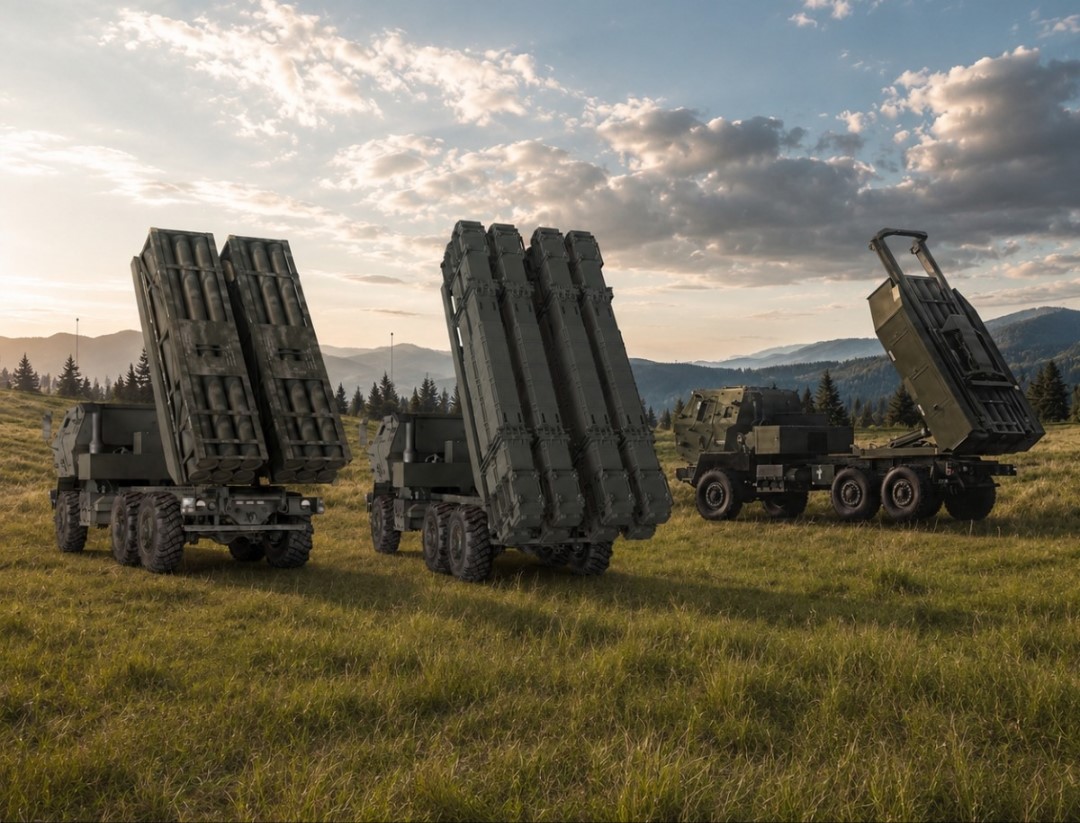
World
PARIS, — June 17, 2026 : Lockheed Martin has unveiled HIMARS FLEX, a modular evolution of the combat-proven M142 High Mobility Artillery Rocket System (HIMARS), introducing a new dual-pod launcher configuration and the company's FLEXFires technology ecosystem. The system was presented at Eurosatory 2026 on June 16 and is designed to provide greater operational flexibility, increased firepower, and enhanced interoperability for allied forces. The new HIMARS FLEX builds upon the existing HIMARS platform, which has accumulated more than 2.5 million operational hours worldwide. Lockheed Martin has delivered approximately 750 HIMARS launchers, with more than 540 systems currently in service with the U.S. Army and international operators. Dual-Pod Configuration Doubles Firepower The most significant enhancement in HIMARS FLEX is its dual-pod launcher configuration, which doubles the ammunition capacity compared to the standard single-pod HIMARS. The original system carries either six Guided Multiple Launch Rocket System (GMLRS) rockets or one tactical missile before requiring resupply. With the new dual-pod arrangement, operators can carry twice the number of munitions, allowing them to engage more targets during a single deployment and maintain sustained fire support for longer periods before reloading. The expanded capacity also enables mixed munition loadouts, allowing commanders to tailor weapons configurations according to mission requirements. This improvement addresses a key operational limitation of the legacy system, where launchers often needed to withdraw after firing a single pod, temporarily reducing available fire support on the battlefield. Offensive and Defensive Roles on a Single Platform Lockheed Martin designed HIMARS FLEX as a multirole fires platform, capable of performing both offensive strike missions and defensive air and missile defense operations. The launcher maintains compatibility with a broad range of NATO-standard and U.S. Army munitions, including: Guided Multiple Launch Rocket System (GMLRS) Extended-Range GMLRS (ER GMLRS) Precision Strike Missile (PrSM) Army Tactical Missile System (ATACMS) PAC-3 missile interceptors Indirect Fire Protection Capability (IFPC) munitions This compatibility allows military forces to conduct long-range precision strikes against ground targets while also deploying interceptors to counter aircraft, drones, cruise missiles, and other aerial threats. Commanders can configure the launcher with offensive and defensive munitions simultaneously, enabling rapid adaptation to changing battlefield conditions. FLEXFires Open-Architecture Technology At the center of the new system is the FLEXFires technology suite, an open-architecture framework designed to simplify integration of future weapons, sensors, and software upgrades. According to Lockheed Martin, the architecture enables both current and future customers to adopt new capabilities with minimal structural modifications to the launcher. The modular approach is intended to accelerate modernization efforts while reducing long-term sustainment and training costs. The system can be configured in several forms, including: Standard single-pod launcher configuration Dual-pod HIMARS FLEX configuration Mobile launcher variants Containerized launch solutions Optional autonomous operating capabilities The company stated that this flexibility allows operators to customize systems according to operational requirements, budget constraints, and regional mission needs. Retaining Mobility and Rapid Deployment Despite carrying significantly more ammunition, HIMARS FLEX retains the mobility characteristics that have made the original HIMARS widely adopted by allied militaries. The launcher remains mounted on the XM1140 chassis and continues to be transportable by C-130 aircraft, preserving its strategic deployability. The system also maintains the well-known "shoot-and-scoot" capability, allowing crews to launch munitions and rapidly relocate before enemy forces can respond. The increased ammunition load, combined with rapid reloading and optional autonomous features, supports distributed operations in highly contested environments, helping reduce vulnerability to enemy targeting and improving battlefield survivability. Integration with Joint Force Networks HIMARS FLEX is designed to integrate directly into joint fire-control and command networks, enabling coordination across coalition forces and multiple military domains. The launcher's interoperability with NATO-standard munitions and command systems enhances coalition operations by allowing allied nations to share logistics, ammunition stockpiles, and targeting information. This capability supports dispersed force structures and multinational operations across a wide range of operational scenarios. Growing Demand for Precision Fires The unveiling of HIMARS FLEX comes as several NATO members and partner nations continue expanding investments in long-range precision strike and integrated air defense capabilities. The system provides an upgrade path for existing HIMARS operators while also offering a new option for countries seeking a mobile platform capable of combining strike and defensive missions. By integrating increased ammunition capacity, modular architecture, NATO interoperability, autonomous operation options, and both offensive and defensive capabilities into a single platform, HIMARS FLEX is intended to meet evolving operational requirements while preserving the mobility, precision, and reliability associated with the HIMARS family. Lockheed Martin has not announced a production timeline or fielding schedule for the new system. The company describes HIMARS FLEX as a modernization effort aimed at enhancing mission flexibility, survivability, and interoperability for allied artillery and air defense forces.
Read More → Posted on 2026-06-17 13:25:57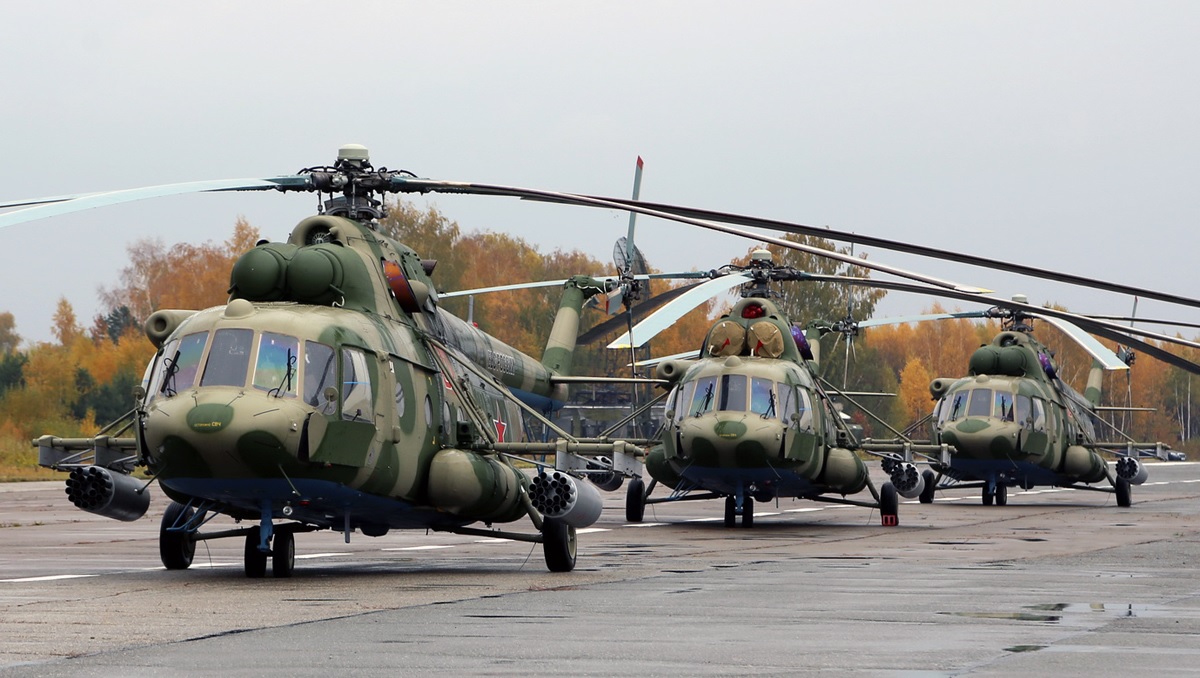
World
MOSCOW, — June 17, 2026 : The Iranian Red Crescent Society (IRCS) has signed a memorandum of understanding (MoU) with Russian Helicopters JSC, a subsidiary of the Russian state-owned aerospace conglomerate Rostec, for the acquisition of 20 Mi-8 and Mi-17 helicopters to support emergency and humanitarian operations across Iran. The agreement was signed in Moscow on Wednesday by IRCS President Pir-Hossein Koulivand and Russian Helicopters Director General Nikolay Kolesov. Under the terms of the agreement, the helicopters will be used exclusively for civilian missions, including air ambulance services, medical evacuations, firefighting, disaster response, and search-and-rescue operations. According to the finalized procurement plan, the first four helicopters have already been placed under contract, while the complete fleet of 20 aircraft is scheduled to be delivered before March 2027, ahead of the Persian New Year, Nowruz. Expanding Emergency Aviation Capabilities The acquisition represents a significant modernization effort for Iran’s aerial emergency response infrastructure. Speaking after the signing ceremony, Koulivand said the new fleet would improve the country's logistics network and strengthen its ability to respond to natural disasters, accidents, and humanitarian emergencies. The purchase was facilitated through diplomatic coordination by the Iranian Embassy in Russia and received institutional support from Iran’s Islamic Consultative Assembly (Parliament). The agreement follows growing demand for enhanced aerial emergency services across Iran, particularly in remote regions and mountainous areas where rapid access by ground transportation can be difficult. The new helicopters are expected to improve response times and operational reach during rescue missions and disaster relief efforts. Building on Previous Cooperation The latest procurement builds on an earlier agreement signed in 2024, under which Iran arranged the acquisition of 12 to 15 Mi-17 helicopters for the Red Crescent Society. That contract included helicopters configured for rescue operations with night-vision systems as well as dedicated firefighting variants. The new order comes amid efforts to restore and expand the IRCS aviation fleet following reports of damage to emergency response infrastructure and the loss of several Red Crescent helicopters earlier in 2026. Officials expect the additional aircraft to significantly increase operational capacity for medical evacuations, wildfire suppression, and humanitarian assistance missions. Mi-8 and Mi-17 Fleet Specifications The Mi-8 and Mi-17 helicopters, known by the NATO reporting name "Hip," are twin-engine medium transport helicopters developed in the Soviet Union and currently manufactured in Russia. The aircraft are widely operated around the world due to their reliability, high payload capacity, and ability to function in demanding environments. The helicopters ordered by the IRCS will be specially configured for civilian emergency missions and will include several advanced capabilities: Night-Flight Operations: Equipped with night-vision technology and modern avionics, allowing rescue and medical missions to continue after dark. Air Ambulance Configuration: Modified cabins designed for emergency medical transport and treatment of critically injured patients. Firefighting Equipment: Integrated aerial firefighting systems for combating wildfires and industrial fires. High-Altitude and Hot-Weather Performance: Particularly suited for operations in mountainous regions and high-temperature environments common across parts of Iran. These features are expected to support round-the-clock emergency operations and improve the effectiveness of humanitarian response efforts nationwide. Delivery Schedule The procurement plan outlines a phased delivery process: Phase Status Details Initial Tranche Contract Finalized First four helicopters officially under contract and entering production or modification stages Full Fleet Delivery Scheduled All 20 helicopters expected to be delivered and operational before March 2027 Aviation Cooperation Between Iran and Russia The agreement reflects continuing cooperation between Iran and Russia in the civil aviation sector. Iran has operated members of the Mi-8/Mi-17 helicopter family for decades and has previously collaborated with Russian partners on maintenance, repairs, spare parts supply, and technical support. Russian Helicopters has maintained support for Iran’s existing fleet through service programs and logistics assistance, helping ensure the continued operation of the country's rotary-wing aircraft used in civilian and emergency missions. While Iran and Russia have recently pursued various aerospace and defense-related agreements, officials emphasized that this procurement is strictly intended for humanitarian, medical, rescue, and domestic emergency management purposes under the authority of the Iranian Red Crescent Society. Financial terms of the agreement were not disclosed. However, previous contracts involving similar helicopter acquisitions have been valued in the range of hundreds of millions of dollars. The agreement is also expected to include training, maintenance, and technical support packages to facilitate the integration of the helicopters into IRCS operations. With deliveries scheduled to begin in the coming months, the new fleet is expected to play a central role in strengthening Iran’s national emergency response network and expanding its capability to conduct medical, rescue, and disaster-relief operations across the country.
Read More → Posted on 2026-06-17 13:39:34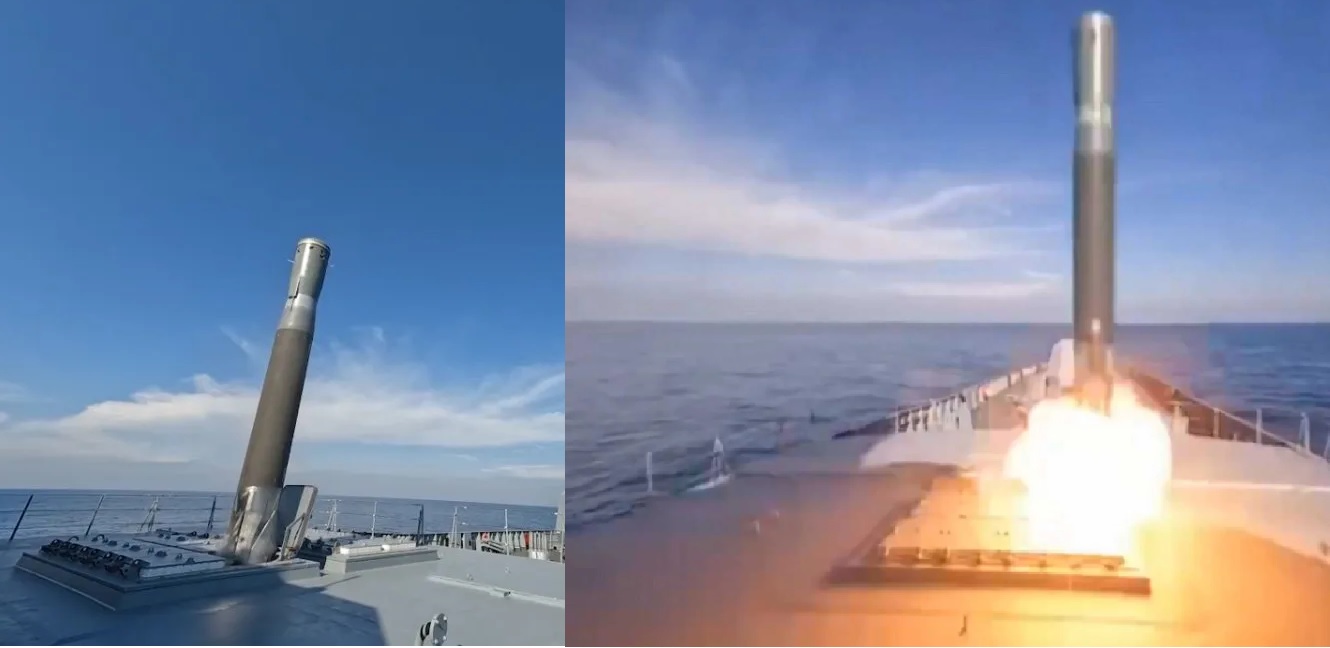
World
MOSCOW/KYIV, — June 17, 2026 : Russia's 3M22 Zircon (Tsirkon) missile has been one of the most prominent weapons in the country's hypersonic missile portfolio, frequently presented by Russian officials as a next-generation hypersonic cruise missile capable of reaching speeds of up to Mach 9 and striking targets at ranges exceeding 1,000 kilometers. However, growing amounts of battlefield evidence, forensic investigations, patent records, and open-source intelligence analysis suggest the weapon may be better classified as a maneuverable quasi-ballistic missile rather than a true scramjet-powered hypersonic cruise missile. The Zircon, developed by NPO Mashinostroyeniya, entered Russian military service around 2022 and was initially designed for both anti-ship and land-attack missions. The missile is deployed aboard Admiral Gorshkov-class frigates and Yasen-class nuclear submarines, while a land-based version has also been adapted for launch from modified K-300P Bastion coastal defense systems. Reports indicate that development of a planned air-launched variant has been suspended. Increasing Use in Ukraine The missile has seen growing operational use during the war in Ukraine. While early launches were relatively limited during late 2023 and 2024, Russian forces significantly increased deployment of the weapon during 2026. One of the largest recent attacks occurred on June 15, 2026, when Russia launched a combined strike involving 681 aerial weapons against Ukrainian targets. According to the Ukrainian Air Force, the attack included six Zircon missiles launched from occupied Crimea. Ukrainian authorities reported intercepting five of the six missiles, while debris from the attack was later documented in Kyiv. As of mid-June 2026, Ukrainian officials estimate that Russia has launched approximately 46 Zircon missiles during the conflict. Prior to the June 15 strike, Ukraine reported an overall interception rate of roughly 41 percent against Zircon missiles, a figure notably higher than interception rates typically reported for Russia's Iskander-M quasi-ballistic missile system. The growing number of launches appears to reflect expanding production capacity. Ukrainian intelligence assessments indicate Russia's Zircon inventory increased from approximately 40 missiles in April 2024 to as many as 230 missiles by April 2026. The missile is also considered one of Russia's most expensive conventional precision-strike weapons. Available estimates place the cost of a single Zircon missile at more than $5 million, making it second only to the newer Oreshnik missile system among Russia's conventional strike arsenal. Russian Performance Claims Russian officials have consistently promoted the Zircon as a major technological achievement. Russian President Vladimir Putin has repeatedly stated that the missile can travel at speeds approaching Mach 9 while maintaining a range exceeding 1,000 kilometers. In 2020, Russian Chief of the General Staff Valery Gerasimov reported that a Zircon test flight covered 450 kilometers in approximately 4.5 minutes, reaching altitudes of 28 kilometers and peak speeds above Mach 8. The missile has also appeared in Russian strategic exercises, including nuclear drills, leading analysts to believe it may be capable of carrying a nuclear payload. However, no confirmed deployment of nuclear-armed Zircon missiles has been publicly reported. Questions Over the Missile's Flight Profile Analysis of combat data collected by Ukrainian military tracking systems presents a more nuanced picture of the missile's performance. According to Ukrainian assessments, the Zircon follows a variable flight profile that differs from what would be expected of a sustained scramjet-powered hypersonic cruise missile. Reported flight characteristics include: Cruise Phase: Approximately Mach 5.5 Approach Phase: Acceleration to around Mach 7.5 Terminal Phase: Deceleration to approximately Mach 4.5 before impact The reported reduction in speed during the terminal phase is particularly significant because it may increase the probability of interception by advanced air defense systems such as the Patriot PAC-3. Military analysts note that while the missile remains extremely fast, slowing below hypersonic speeds near the target differs from the sustained high-speed flight profile commonly associated with advanced hypersonic cruise missiles. Growing Evidence Against a Scramjet Design For several years, defense analysts debated the Zircon's propulsion system. One theory suggested the missile used a scramjet engine, enabling sustained atmospheric flight at hypersonic speeds. Another proposed a ramjet-powered design similar to Russia's P-800 Oniks anti-ship missile. However, evidence collected from launch footage, patent documentation, official Russian awards, and battlefield debris increasingly supports a third explanation: a solid-rocket-powered quasi-ballistic missile utilizing a boost-and-glide flight profile. Absence of Air Intakes One of the strongest indicators concerns the apparent absence of air intakes. Both ramjet and scramjet propulsion systems require visible air intake structures to compress incoming airflow during flight. Extensive reviews of available launch footage, static displays, testing imagery, and recovered missile fragments have failed to reveal any clear air intake features on the Zircon. Recovered debris instead shows a largely cylindrical composite structure more consistent with a rocket-powered design. A Russian patent covering the missile's jettisonable launch cap similarly shows no visible nose-mounted intake system. Solid Propellant Evidence Further evidence emerged in 2023 when Yuri Milekhin, head of Russia's Soyuz Federal Dual-Technology Center, received the title of Hero of Labor. Russian state media credited Milekhin with developing an innovative high-energy composite solid propellant specifically for the Zircon program. Such propulsion technology is associated with rocket motors rather than scramjet engines and directly challenges earlier claims that the missile relied on advanced liquid fuels such as the often-cited Detsilin-M. Forensic Analysis of Recovered Debris Perhaps the most significant findings have come from forensic investigations conducted by Ukraine's Kyiv Scientific Research Institute of Forensic Expertise (KNDISE). Investigators recovered components believed to belong to the Zircon's second stage, including structures resembling the forward closure section of a solid-propellant rocket motor. Researchers compared these components with Russian patent filings and identified similarities with a 2019 patent involving upper-stage solid rocket motors. The patent was co-authored by engineers from NPO Iskra and Aleksandr Dergachyov, a senior figure closely associated with the Zircon program who became acting head of NPO Mashinostroyeniya in 2026. Additional Russian patents filed in 1999 and 2011 describe maneuverable anti-ship missiles using solid-fuel propulsion and boost-glide trajectories, concepts closely matching the flight characteristics now associated with the Zircon. A Quasi-Ballistic System Based on available evidence, analysts increasingly assess that the Zircon functions as a quasi-ballistic missile rather than a traditional hypersonic cruise missile. Under this concept, the missile uses powerful solid-fuel rocket propulsion to accelerate rapidly and climb to high altitude before transitioning into an unpowered glide phase. During this stage, the weapon can maneuver while descending toward its target, making interception difficult but not impossible. Such an approach remains highly effective for long-range strike missions while requiring significantly less technological complexity than a fully operational scramjet-powered cruise missile. Strategic Implications The ongoing debate surrounding the Zircon highlights the broader challenge of defining hypersonic weapons. Many modern missile systems operate across a spectrum of speeds, altitudes, and maneuvering capabilities rather than fitting neatly into traditional categories. Even if the Zircon is ultimately classified as a quasi-ballistic system, it remains a capable long-range strike weapon that poses significant challenges for modern air defense networks. At the same time, open-source evidence suggests Russia continues to pursue more advanced hypersonic technologies. NPO Mashinostroyeniya has previously filed patents for conceptual scramjet-powered missile designs, indicating that development of a true hypersonic cruise missile remains an active objective. For now, however, available battlefield evidence increasingly suggests that the weapon currently employed in Ukraine is a rocket-powered quasi-ballistic missile utilizing a boost-and-glide profile rather than a sustained scramjet-powered hypersonic cruise missile. Counterarguments and Remaining Uncertainties Despite the growing body of evidence cited by analysts who classify the Zircon as a quasi-ballistic missile, some defense experts argue that the available data does not conclusively rule out the possibility of a scramjet-powered hypersonic cruise missile design. A key counterargument is that scramjet engines cannot operate from a standstill. Unlike conventional jet engines, a scramjet requires extremely high airflow velocities before combustion can occur. As a result, all scramjet-powered vehicles require an initial booster stage to accelerate them to hypersonic speeds and suitable altitudes before the scramjet engine can ignite. This launch method is not unique to Russia. India's Hypersonic Technology Demonstrator Vehicle (HSTDV), for example, was carried to the required speed and altitude by an Agni-derived rocket booster before its scramjet engine was activated. Similar boost-assisted architectures have been used in several hypersonic research programs worldwide. Supporters of the scramjet hypothesis argue that the Zircon may follow a comparable approach, with a solid-fuel booster accelerating the missile after launch and a scramjet engine taking over during the cruise phase. Under this interpretation, the discovery of solid-propellant components, booster-related patents, or rocket motor debris would not necessarily disprove the existence of a scramjet-powered sustainment stage. They also note that the apparent absence of visible air intakes in publicly available imagery may not be definitive evidence. Some advanced missile concepts use intake covers, deployable structures, or configurations that are difficult to identify from limited launch footage and fragmented battlefield debris. Furthermore, Russian officials have consistently maintained that the Zircon is capable of sustained hypersonic flight at speeds approaching Mach 9 over long distances. While independent verification remains limited, proponents argue that publicly available evidence may be insufficient to fully determine the missile's internal propulsion architecture. As a result, although recent forensic findings and open-source analysis have strengthened the case for the Zircon being a rocket-powered quasi-ballistic weapon, the debate remains unresolved. Until more detailed technical data or official disclosures emerge, both interpretations are likely to continue being discussed within the defense analysis community.
Read More → Posted on 2026-06-17 14:06:48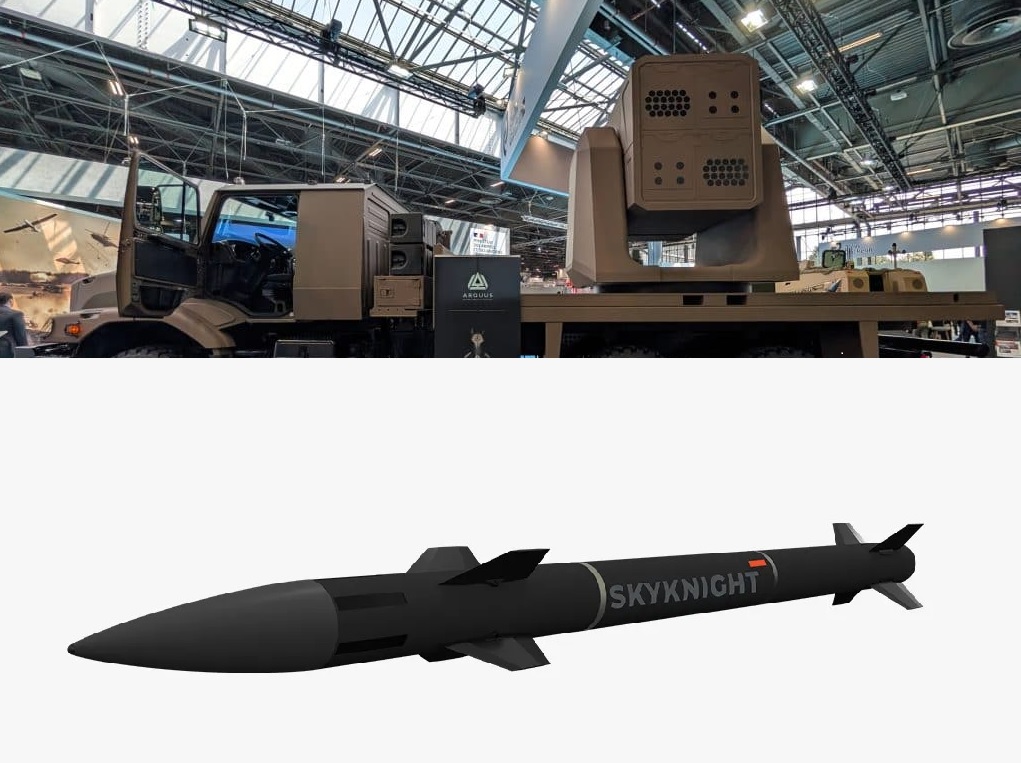
World
PARIS, — June 17, 2026 : French defense company Naval Group has officially introduced Rampart, its new Multi-purpose and Modular Launching System (MPLS), during the Eurosatory 2026 defense exhibition in Paris. The system, originally revealed as a self-funded development program in 2023, is designed as a highly adaptable close-in weapon system (CIWS) capable of supporting both naval and land-based operations through a single modular launcher architecture. The unveiling marked a major milestone for the program, as Rampart was displayed for the first time mounted on a ground vehicle, demonstrating Naval Group’s effort to expand the system beyond maritime applications and into the land warfare sector. Alongside the launch, Naval Group announced a partnership with UAE defense company HALCON, part of EDGE Group, to integrate and test the SkyKnight surface-to-air missile on the Rampart platform. Designed for Multi-Mission Defense Rampart has been developed to address a broad range of modern threats, including drones, rockets, artillery, mortars, small surface targets, and low-flying aircraft. Unlike conventional systems that use dedicated launchers for individual weapon types, Rampart employs a modular architecture that allows operators to configure the launcher with different munitions depending on mission requirements. Constructed using advanced composite materials, the system can carry up to 1,000 kilograms of payload while maintaining a lightweight structure. A fully loaded turret weighs less than 3,500 kilograms and incorporates stabilization systems for operation in various environments. Each turret is equipped with four interchangeable launch modules, enabling users to select different combinations of rockets, missiles, loitering munitions, decoys, or future effectors. Multiple Ammunition Options Rampart's modular design enables a wide range of payload configurations. The system can accommodate: Up to 80 French-standard 68mm laser-guided rockets, with 20 rockets installed in each module. Up to 48 NATO-standard 70mm rockets, with 12 rockets per module. Between 16 and 24 very short-range air defense missiles (VSHORAD) or MANPADS-type missiles, depending on missile size and configuration. The launcher has also been designed to support future integration of additional effectors, including loitering munitions, guided missiles, grenades, and decoy systems. To enhance targeting capabilities, Rampart can be fitted with an optional electro-optical/infrared (EO/IR) sensor suite and laser designator, enabling integration with existing national command-and-control and sensor networks. Expansion Into Land Warfare Applications Although initially developed with naval requirements in mind, Rampart's presentation at Eurosatory 2026 highlighted its role in ground-based air defense and force protection missions. The launcher was showcased mounted on an Arquus Zetros 2648A 6×6 truck, providing a mobile platform capable of rapid deployment and repositioning. The vehicle selection is notable because Arquus received a contract from the French Directorate General of Armaments (DGA) in December 2025 to supply up to 7,000 Zetros trucks under the French military’s logistics modernization program. Naval Group is seeking a development contract from either the French DGA or an export customer by early 2027. If a contract is awarded within that timeframe, deliveries of the land-based variant could begin before the end of 2027. Testing Campaign Demonstrates Operational Capability Development of Rampart has progressed rapidly since the completion of a demonstrator in 2025. The system conducted its first live firing test in January 2026, successfully launching a Thales 68mm laser-guided rocket. More advanced trials followed in May 2026 at the French Army’s Canjuers training range, attended by representatives from the DGA and the French Armed Forces. During the trials, Rampart demonstrated several operational scenarios: A guided rocket strike against a target located 3.5 kilometers away, designated by a Rafale fighter aircraft. Engagement of a nearby target designated by an infantry soldier using a laser designator. A rapid salvo launch involving five unguided rockets. Additional land-based firing tests are planned during the second half of 2026. Naval Trials Scheduled for October 2026 Rampart's first maritime firing campaign is scheduled for October 2026 during the French Navy’s WildFire counter-drone exercise. The demonstration is expected to take place aboard a Mistral-class amphibious assault ship, where the system will be evaluated against maritime and aerial threats. Following the French Navy trials, the launcher will be transferred to Belgium for testing with Thales Belgium’s 70mm rockets, supporting potential future integration into Belgian naval platforms. SkyKnight Missile Integration With EDGE Group A key announcement at Eurosatory 2026 was the signing of an agreement between Naval Group and HALCON, the precision-guided weapons subsidiary of the UAE’s EDGE Group. The agreement covers the integration and testing of the SkyKnight air-defense missile on the Rampart launcher. SkyKnight is designed to engage aerial threats at ranges of up to 10 kilometers, including: Unmanned aerial vehicles (UAVs) Helicopters Fixed-wing aircraft Rockets Artillery projectiles Mortar rounds Joint firing trials are scheduled to begin in the UAE later in 2026 and continue through 2027, initially on land before progressing to maritime demonstrations. Building on Previous Integration Agreements The HALCON agreement follows earlier partnerships signed to broaden Rampart’s weapons ecosystem. At Euronaval 2024, integration agreements were signed with Thales covering the Lightweight Multi-role Missile (LMM) and the TOUTATIS loitering munition. Additional cooperation with KNDS includes integration of the IXOS XX and IXOS LG loitering munition families. Rampart has been developed as an open-architecture platform capable of integrating weapons and sensors from multiple suppliers. Growing Export Interest The system is not restricted to specific ship classes, missile manufacturers, or national sensor systems, allowing customers to tailor configurations to operational requirements. The upcoming UAE trials are linked to a potential requirement from the UAE Navy, which is evaluating options to replace aging Raytheon RAM launchers on vessels including the Bani Yas-class corvettes. The Belgian Navy is also evaluating Rampart equipped with 70mm rockets for potential integration aboard Oostende-class mine warfare motherships and future frigates. With ongoing testing, international partnerships, and expanding integration options, Rampart is being developed as a modular close-range defense solution for both naval and land-based operations.
Read More → Posted on 2026-06-17 14:22:20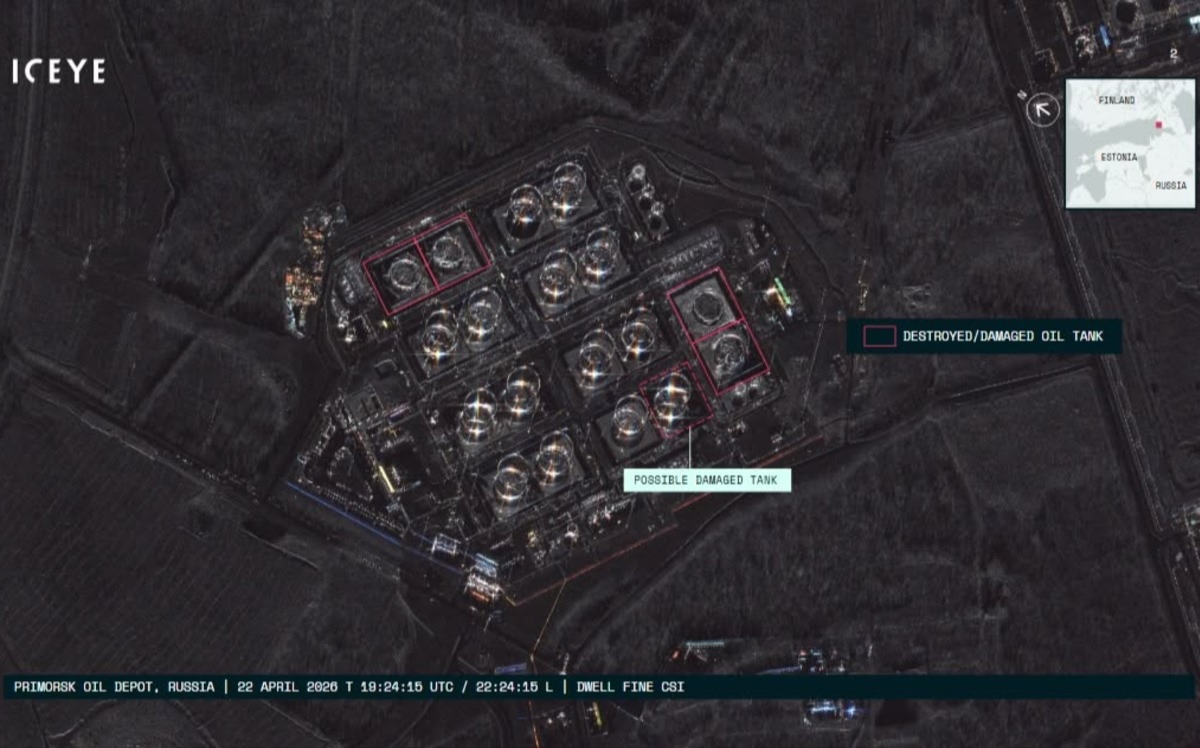
World
LISBON, Portugal — June 17, 2026 : Portugal has signed a contract to acquire two additional synthetic aperture radar (SAR) satellites from Finnish aerospace company ICEYE, doubling its sovereign satellite fleet from two to four spacecraft. The agreement was signed by CTI Aeroespacial, a joint venture between the Portuguese Air Force (Força Aérea Portuguesa, FAP) and engineering center CEiiA. The acquisition follows the successful launch of Portugal’s first sovereign ICEYE-built satellite in March 2026, which is already in operational service. The new satellites will strengthen Portugal’s independent space-based surveillance capabilities and support monitoring of national territory and maritime areas. SAR Technology Provides All-Weather Monitoring Unlike traditional optical satellites, which require daylight and clear weather conditions, SAR satellites use radar signals to generate images of the Earth's surface. ICEYE’s X-band SAR technology can capture imagery through cloud cover, smoke, storms, and darkness. This capability is particularly important for Portugal, where cloud cover frequently affects visibility over large areas of the Atlantic Ocean and coastline. To support the program, Portuguese Air Force personnel recently visited ICEYE’s facility in Espoo, Finland, to inspect the newly ordered satellites and verify their readiness before delivery. Faster Revisit Rates for Maritime Surveillance The expansion from two to four satellites will significantly reduce revisit times, allowing more frequent observations of specific locations. The improved capability will support monitoring of Portugal’s Exclusive Economic Zone (EEZ), which covers approximately 1.7 million square kilometers. Faster revisit rates will help authorities track vessels, monitor environmental incidents such as oil spills, and support search-and-rescue operations. Part of Portugal’s Space Modernization Plan The acquisition is part of the Portuguese Air Force’s Força Aérea 5.3 modernization plan, which aims to establish an independent space-based surveillance capability. Jordi Laguarda, ICEYE’s Vice President of Missions for Spain and Portugal, said the expanded constellation will provide the revisit rates and response times required for modern defense and civil protection missions. General Sérgio da Costa Pereira, Chief of Staff of the Portuguese Air Force, said the additional satellites will strengthen Portugal’s freedom of action while supporting defense, security, environmental monitoring, and the protection of natural resources. Growing European Demand for SAR Satellites Portugal’s procurement reflects a broader European trend toward sovereign satellite surveillance capabilities. The importance of persistent, all-weather satellite monitoring has become increasingly evident in recent years, leading several European countries to expand investments in national space-based intelligence systems. ICEYE operates the world’s largest SAR satellite constellation and recently completed a Series F funding round valued at more than €1 billion to expand production capacity and meet growing demand. Once the new satellites enter service, Portugal will have enhanced capability to independently monitor its territory and Atlantic maritime domain while supporting both military and civilian missions.
Read More → Posted on 2026-06-17 14:38:24
World
CAMP H.M. SMITH, Hawaii, — June 17, 2026 : The U.S. Department of War has announced that the U.S. Indo-Pacific Command (USINDOPACOM) will officially revert to its historic name, the U.S. Pacific Command (USPACOM), ending the designation adopted in 2018. The move restores the title under which the command operated for more than seven decades and reflects what officials describe as a return to the command’s historical identity and military heritage. The command was originally established on January 1, 1947, by President Harry S. Truman and is recognized as the oldest and largest of the United States’ unified combatant commands. Headquartered at Camp H.M. Smith, Hawaii, the command oversees approximately 375,000 military and civilian personnel across a region covering nearly 52 percent of the Earth's surface, stretching from the western coast of the United States to the western border of India. Return to a Historic Designation According to the Department of War, restoring the USPACOM name honors the command’s long-standing legacy and its contribution to regional security since the end of World War II. Officials stated that the designation carries decades of military history and reflects the command’s role in shaping the post-war security framework across the Pacific region. The department noted that USPACOM coordinated joint military operations during the Korean War, the Vietnam War, and numerous humanitarian assistance and disaster-relief missions throughout the region. Officials said the restored name is intended to reinforce institutional continuity and foster a sense of shared identity among service members. Despite the change in designation, the department emphasized that the command’s area of responsibility, mission, force structure, and partnerships remain unchanged. USPACOM will continue to oversee military operations across the same geographic region and maintain its commitment to working with allies and partners to support regional stability and security. Background of the 2018 Renaming The command was renamed U.S. Indo-Pacific Command in May 2018 during the first Trump administration. The change was announced by then-Defense Secretary Jim Mattis during a ceremony in Hawaii. At the time, the addition of “Indo” was intended to recognize the increasing strategic linkage between the Indian Ocean and Pacific Ocean regions and acknowledge India's growing role in regional security and defense cooperation. The Indo-Pacific concept subsequently became a central element of U.S. strategic policy and was incorporated into cooperation frameworks involving partners such as India, Japan, and Australia. Diplomatic Discussion Following the Decision The decision to remove the “Indo” designation has generated discussion among diplomatic and defense observers. The announcement comes shortly before Indo-U.S. discussions taking place on the sidelines of the ongoing G7 Summit, leading some analysts to examine whether the timing carries broader strategic significance. Additional attention has been drawn to the issue following criticism in India over an incorrect representation of India's borders on an updated USPACOM website map. Some Indian political figures and commentators questioned whether the renaming could signal changes in Washington’s approach toward regional security arrangements, including the Quad partnership. However, the Department of War has stated that the decision is primarily symbolic and focused on restoring historical tradition rather than altering strategic priorities. Officials reiterated that cooperation with India and other regional partners remains unchanged. Iran Ceasefire Agreement and Strategic Context The renaming also comes shortly after the United States and Iran reached a preliminary Memorandum of Understanding (MoU) aimed at ending months of regional conflict. The agreement, reportedly brokered with the assistance of Pakistan and Qatar, was announced on June 14 and includes a ceasefire arrangement, the lifting of the U.S. naval blockade, the reopening of the Strait of Hormuz to commercial shipping, and the start of a 60-day period for nuclear negotiations before a planned formal signing in Geneva. While U.S. officials have not linked the two developments, some defense and foreign policy analysts have noted that the timing has prompted discussion regarding broader American strategic priorities. Analyst Perspectives Several analysts have suggested that the restoration of the USPACOM name may reflect a renewed emphasis on the Pacific theater following the reduction of immediate tensions in the Middle East. One interpretation is that the United States is seeking to concentrate more clearly on long-term strategic competition in East Asia following the easing of the Gulf crisis. Analysts note that the return to the Pacific Command designation may symbolize a more focused geographic identity rather than a two-ocean framework. Others argue that the change aligns with the Department of War’s emphasis on historical military traditions and institutional continuity. Under this view, the restoration of the USPACOM title represents a preference for a long-established command identity rather than a shift in military posture. Some observers also suggest that reduced immediate security pressures in the Gulf region have lessened the need to emphasize the Indian Ocean within the command’s title, although no operational adjustments have been announced. No Operational Changes Planned The Department of War has emphasized that the renaming does not involve any changes to military deployments, command structures, force posture, or operational responsibilities. USPACOM will continue to conduct deterrence missions, security cooperation activities, crisis response operations, and humanitarian assistance efforts throughout its vast area of responsibility. Existing alliances and defense partnerships across the region will remain in place. Officials stated that the restoration of the USPACOM designation is intended to highlight the command’s historic legacy while maintaining continuity in its mission and regional commitments. As implementation of the new designation proceeds, the command will continue operating from Hawaii under the restored U.S. Pacific Command (USPACOM) name, while preserving the same strategic responsibilities it has carried in recent years.
Read More → Posted on 2026-06-17 15:40:45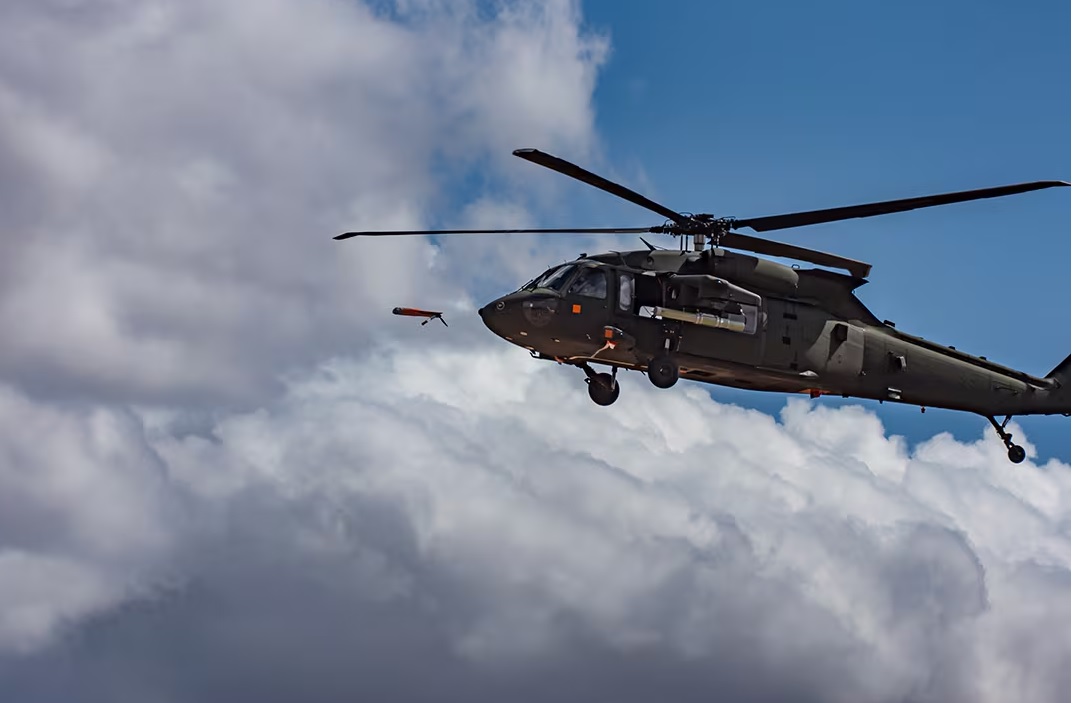
World
FORT A.P. HILL, Virginia, — June 17, 2026 : The U.S. Army has successfully completed a flight test of its medium-range Air-Launched Effects (A-LE) capability from a UH-60M Black Hawk helicopter, marking a key milestone in Army Aviation modernization efforts. The testing was conducted over a three-day period in June 2026 at Fort A.P. Hill, Virginia. During the event, UH-60M aircrews successfully launched and controlled multiple medium-range unmanned systems from a single Black Hawk helicopter. The demonstration completed a 13-month accelerated development program aimed at rapidly integrating the Air-Launched Effects capability into the Army’s rotary-wing fleet. The test marked the first time an Army rotary-wing platform has launched multiple launched effects from a single UH-60M aircraft. The capability enables aircrews to deploy and command unmanned systems from a stand-off distance, extending operational reach while improving the survivability of manned aircraft in contested environments. “Launching multiple LEs from a single H-60M is a first for an Army rotary-wing platform, marking a major step forward in modernizing Army Aviation,” said Rodney Davis, Capability Program Executive for Aviation. “Just as important, validating the system’s advanced networking confirms we can maintain resilient, high-fidelity command and control at extended ranges—delivering a decisive advantage for the warfighter,” Davis added. Joint and Industry Collaboration The Army said the rapid integration effort was made possible through cooperation between Capability Program Executives, Portfolio Acquisition Executives, the U.S. Navy, and defense industry partners. A dedicated Combined Test Team consisting of experimental test pilots and flight test engineers from the Redstone Test Center and the Technology Development Directorate-Aviation supported the program. The team streamlined test planning and evaluation, helping reduce redundant testing and accelerate capability delivery. Brig. Gen. G. Robert Mikesh Jr., Capability Program Executive for Offensive Fires, highlighted the integration of the Long-Range Precision Munition (LRPM) into the system. “The rapid integration of the Long-Range Precision Munition (LRPM) into the UH-60M A-LE launching solution shows the strong partnership between PAE Fires, PAE Maneuver Air, and DEVCOM AvMC and our commitment to rapidly developing, testing, and fielding cutting-edge capabilities to the warfighter,” Mikesh said. Next Phase of Testing Following the successful demonstration, the Army plans to continue maturing the capability. The UH-60M Air-Launched Effects system is scheduled to participate in Project Convergence Capstone 6 later this summer. The exercise will evaluate the system’s performance, interoperability, and tactical utility in a large-scale operational environment involving joint-force networks. The successful test at Fort A.P. Hill represents continued progress in integrating Air-Launched Effects into Army Aviation, providing helicopter crews with new options to extend range, improve battlefield awareness, and support operations while maintaining greater stand-off distance from threats.
Read More → Posted on 2026-06-17 15:44:10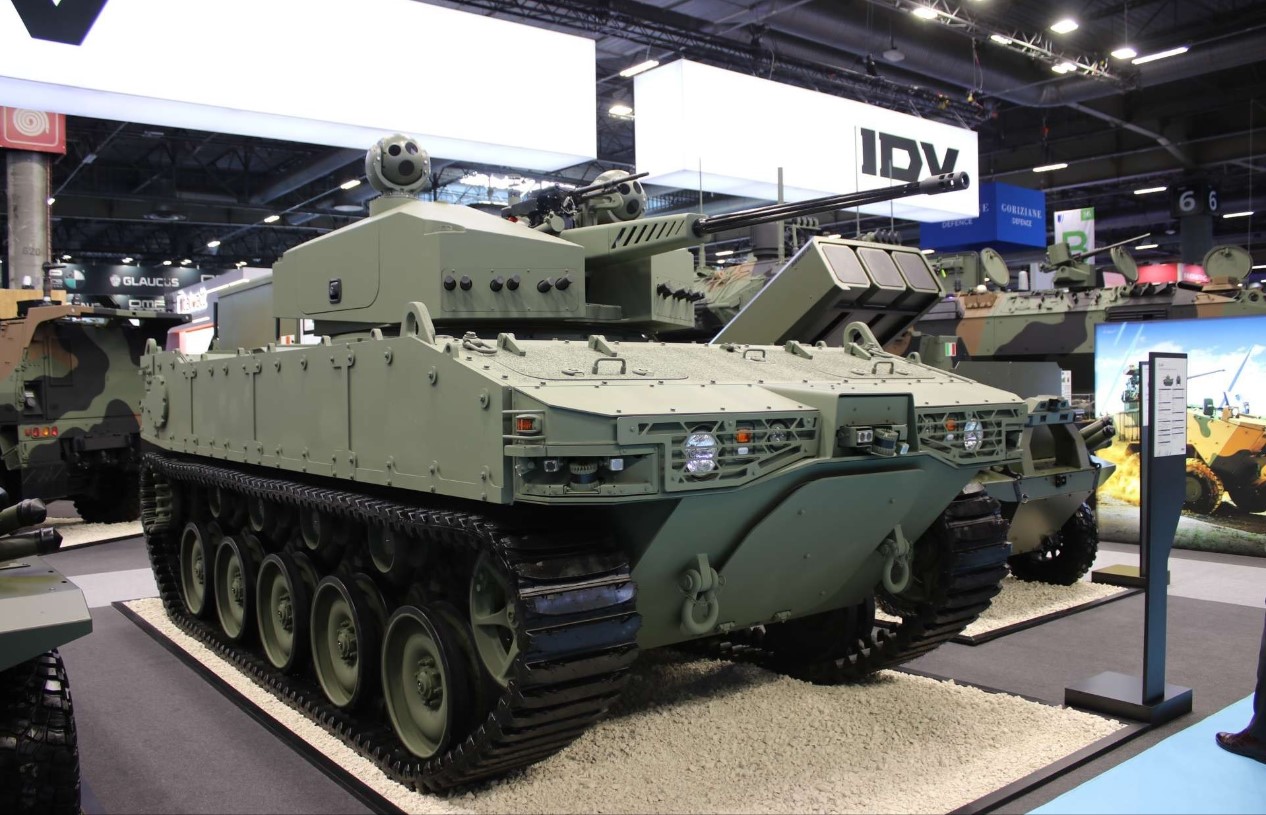
World
PARIS, — June 2026 : IDV, a subsidiary of Leonardo, has introduced the CL2X, a next-generation hybrid uncrewed light tank developed to support modern land warfare operations by working directly alongside crewed armored vehicles. The vehicle made its public debut at the Eurosatory 2026 defense exhibition in Paris, highlighting the growing role of autonomous systems in future battlefield formations. The unveiling comes as armed forces across Europe and NATO continue to explore new methods of integrating robotic platforms into combat units following lessons learned from recent conflicts, particularly the war in Ukraine. Leonardo Expands Autonomous Land Systems Portfolio The CL2X is among the first major autonomous combat vehicle programs introduced by IDV since its acquisition by Leonardo. The transaction, completed earlier in 2026 and valued at approximately €1.7 billion, strengthened Leonardo’s position in the land systems sector. IDV is already a well-established defense vehicle manufacturer, producing the SUPERAV amphibious armored vehicle, which serves as the foundation for the U.S. Marine Corps’ Amphibious Combat Vehicle (ACV) program. This experience provides the company with an established industrial base and expertise in armored vehicle development for both European and international customers. Hybrid-Electric Combat Platform The CL2X is a tracked uncrewed combat vehicle built around a series-hybrid propulsion system. The design combines an electric drive unit with a range-extender engine that is dedicated to recharging the vehicle’s onboard battery system rather than directly powering the tracks. The vehicle is equipped with a 130 kWh energy storage system and delivers up to 500 kW of tractive power, enabling both mobility and silent operation capabilities. Key Specifications Gross Weight: 16 tonnes Payload Capacity: Up to 5 tonnes Maximum Speed: 70 km/h Operational Range: Up to 500 km Silent Battery Mode Range: Approximately 30 km Length: Around 6 meters (including barrel) Width: 2.5 meters Hull Height: 1.8 meters Height with Turret: 2.5 meters Ground Clearance: 0.5 meters The platform features hydro-pneumatic suspension, hydraulic braking systems, and can be configured with either rubber or steel tracks. By combining rubber tracks with battery-only propulsion, the CL2X can significantly reduce acoustic and thermal signatures, making detection by enemy sensors more difficult during specific phases of an operation. The vehicle is also designed to navigate challenging terrain, with the ability to climb 60% gradients, traverse 30% side slopes, cross 2-meter trenches, negotiate 0.7-meter obstacles, and ford water up to 1.5 meters deep. Armed with HITFIST 30 UL Turret The demonstration vehicle displayed at Eurosatory was equipped with Leonardo’s HITFIST 30 UL (Uncrewed Light) turret, featuring the company’s proprietary 30 mm X-Gun cannon. The weapon system can fire air-burst ammunition, allowing it to engage drones and other aerial threats more effectively than conventional direct-impact rounds. The turret also includes: 7.62 mm coaxial machine gun Smoke grenade launchers Provision for anti-tank guided missiles More than 150 ready-to-fire 30 mm rounds The turret provides 360-degree traverse and elevation ranging from -10° to +70°, with the ability to reach +85° when performing counter-unmanned aerial system (C-UAS) missions. Targeting systems include stabilized day and thermal sights, electro-optical sensors, and a laser rangefinder, enabling engagement of targets in both day and night conditions. A notable feature of the X-Gun is that it was developed entirely by Leonardo, meaning it is not subject to U.S. International Traffic in Arms Regulations (ITAR) restrictions, potentially simplifying export opportunities for international customers. Designed for Manned-Unmanned Teaming IDV has developed the CL2X around the concept of Manned-Unmanned Teaming (MUM-T), in which crewed armored vehicles command and coordinate multiple robotic systems on the battlefield. Under this doctrine, the CL2X can perform missions such as: Direct fire support Reconnaissance and surveillance Counter-drone operations Flank security High-risk assault and screening missions Support for armored formations in contested areas The concept aims to increase combat effectiveness while reducing risk to personnel by allowing uncrewed platforms to operate in the most dangerous areas of the battlefield. MACE and ATLAS Enable Autonomous Operations The CL2X supports remote control, teleoperation, and autonomous-ready functions through IDV’s MACE autonomy architecture and ATLAS navigation system. The ATLAS system is specifically designed for operations in GNSS-denied environments, allowing vehicles to navigate even when GPS and satellite navigation signals are disrupted or jammed. According to IDV, both systems can also be integrated into existing crewed vehicles, providing militaries with a pathway to introduce autonomous capabilities without replacing entire vehicle fleets. Upgraded VIKING UGV Also Displayed Alongside the CL2X, IDV showcased an upgraded version of its fifth-generation VIKING uncrewed ground vehicle (UGV). The six-wheeled platform received an improved powertrain that extends its electric-only operating range to approximately 30 kilometers. The latest version also features the Janus-D mast-mounted electro-optical sensor suite, allowing the vehicle to conduct surveillance while remaining concealed behind terrain or obstacles. Configurations displayed at the exhibition included: A Hitrole counter-drone weapon station A ground-launched precision anti-armor missile system Enhanced reconnaissance and surveillance packages Growing Demand for Uncrewed Combat Vehicles The introduction of the CL2X reflects broader trends within the global defense industry. Military planners have increasingly focused on autonomous and remotely operated systems after observing the effectiveness of drones, loitering munitions, anti-tank guided weapons, and extensive minefields in recent conflicts. Speaking at Eurosatory, IDV CEO Claudio Catalano stated that uncrewed systems are becoming an essential element of future land warfare capabilities rather than a long-term objective. The trend was also evident elsewhere at the exhibition. Patria and RENK unveiled a separate collaborative heavy uncrewed tracked vehicle concept featuring a digital drive-by-wire transmission intended for remote operation. Patria CEO Panu Routila noted that lessons from Ukraine have reinforced the need for autonomous battlefield systems capable of reducing risks to personnel while expanding operational flexibility. Future Development The CL2X remains in the demonstration and evaluation phase, with further testing expected as IDV and Leonardo continue to refine autonomous combat vehicle technologies. The platform is intended to support future military requirements for distributed operations, enhanced survivability, and integrated manned-unmanned combat formations. With its hybrid-electric propulsion system, autonomous navigation capabilities, and modular weapon options, the CL2X represents IDV’s latest effort to position itself in the rapidly expanding market for next-generation uncrewed armored combat vehicles.
Read More → Posted on 2026-06-17 15:49:11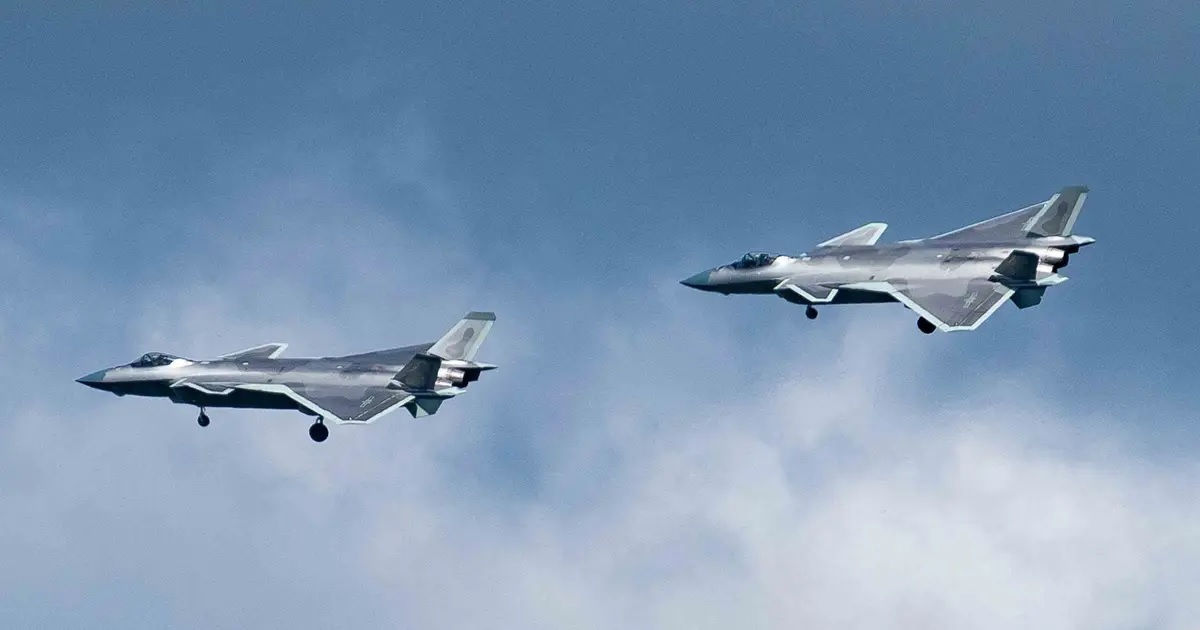
World
BEIJING, — June 17, 2026 : China’s People’s Liberation Army Air Force (PLAAF) has surpassed Russia’s Aerospace Forces (VKS) to become the world’s second-most powerful air force, according to multiple open-source defense assessments and aerospace analyses released in 2026. The shift reflects China’s rapid modernization efforts, large-scale aircraft production, and growing fleet of advanced combat aircraft, particularly its expanding inventory of J-20 and J-35 fifth-generation stealth fighters. While the United States Air Force remains the world's most capable and largest air force, analysts note that China has established itself as the leading air power outside the United States. China Builds the Largest Modern Combat Fleet Outside the United States Recent assessments estimate that the PLAAF operates approximately 3,733 aircraft, including more than 2,184 combat-capable platforms and nearly 2,000 fighter aircraft. China's air assets are positioned across operational theaters facing Taiwan, the South China Sea, Japan, and the broader Western Pacific region. In comparison, Russia's VKS is estimated to field approximately 1,300 to 1,500 combat aircraft, a reduction attributed to operational demands, combat losses, sanctions, and industrial limitations associated with the conflict in Ukraine. Analysts estimate China currently operates between 2,000 and 2,500 combat aircraft organized across approximately 110 to 130 fighter formations, providing substantial capacity for sustained operations, higher sortie generation rates, and improved ability to absorb combat attrition. J-20 Fleet Expansion Drives Stealth Fighter Growth A major factor behind China's rise is the rapid expansion of its J-20 "Mighty Dragon" stealth fighter fleet. Open-source estimates indicate that the PLAAF operates between 320 and 350 J-20 fighters, while some assessments place the operational fleet between 200 and 300 aircraft. The variation reflects differing methodologies used by defense analysts and tracking organizations. China's aerospace industry has significantly increased production capacity through automated manufacturing systems and optimized supply chains. The Chengdu Aircraft Corporation, the primary producer of the J-20, is estimated to manufacture between 100 and 120 aircraft annually. Recent satellite imagery and industrial reports indicate substantial expansion at major production facilities, including the addition of hundreds of thousands of square meters of manufacturing infrastructure. If current production rates continue, some analysts project China could field more than 1,000 fifth-generation fighters by 2030. The J-20 incorporates advanced stealth characteristics, sensor fusion capabilities, modern avionics, and long-range air-to-air engagement systems. Reports also indicate that certain variants are being adapted for maritime strike missions. J-35 Program Expands China's Stealth Aviation Portfolio China is also introducing the Shenyang J-35 stealth fighter family, which includes both land-based and carrier-capable variants. The J-35A, designed for PLAAF service, conducted reported test flights in 2026 and is expected to complement the larger J-20 fleet. The aircraft is intended to provide additional air defense and strike capabilities while serving as a medium-weight stealth platform. The naval variant of the J-35 achieved a major milestone in 2025 when it successfully conducted launches using an electromagnetic aircraft launch system (EMALS) aboard China's newest aircraft carrier, the Fujian. With the J-20 and J-35 programs progressing simultaneously, China has become the only country besides the United States to operate two distinct fifth-generation stealth fighter programs. Russia Faces Production and Modernization Challenges The change in ranking reflects diverging trends between Chinese and Russian military aviation industries. Although Russia continues to maintain a total aircraft inventory exceeding 4,200 aircraft on paper, analysts note that the number of combat-ready platforms is significantly lower. Operational demands, sanctions, supply chain restrictions, and combat losses have affected fleet availability and modernization efforts. Restrictions on access to advanced electronics, semiconductors, and avionics components have complicated the development and production of modern combat aircraft and systems, including active electronically scanned array (AESA) radars. Russian fighter aircraft production is estimated to range between 24 and 35 aircraft annually, considerably lower than China's output. Meanwhile, Russia's fifth-generation Su-57 program remains constrained by production capacity and engine availability, resulting in an operational fleet estimated at 25 to 30 aircraft. Despite these challenges, Russia continues to maintain significant capabilities through platforms such as the Tu-95 and Tu-160 strategic bombers, as well as the MiG-31 interceptor fleet, while also benefiting from operational experience gained during recent military campaigns. J-16 and J-10 Fleets Form the Backbone of the PLAAF China's growing airpower is not based solely on stealth aircraft. The PLAAF operates approximately 450 J-16 multirole strike fighters and more than 550 J-10 variants, including the advanced J-10C equipped with AESA radars, modern avionics, and enhanced networking capabilities. China has standardized many of its newer fighter aircraft around advanced sensors, digital cockpit systems, and long-range precision weapons. This modernization effort has enabled the retirement of older aircraft while improving overall fleet readiness. The J-16D electronic warfare variant provides specialized capabilities for radar jamming and suppression of enemy air defenses, strengthening China's ability to conduct network-centric air operations. Support Aircraft Enhance Operational Reach Beyond combat aircraft, China has expanded key support assets that increase the effectiveness of its fighter force. The growing fleet of KJ-500 airborne early warning and control (AEW&C) aircraft improves long-range target detection, battlespace awareness, and command-and-control capabilities. China has also expanded its aerial refueling fleet, allowing fighters and strike aircraft to operate farther from mainland bases and sustain operations deeper into the Western Pacific and Philippine Sea. Electronic warfare aircraft, including the J-16D, provide additional capabilities for disrupting enemy radar networks and air defense systems. Together, these platforms form a broader networked combat ecosystem designed to integrate air, naval, and missile forces during joint operations. Strategic Implications for the Indo-Pacific The PLAAF's growth has significant implications for security planning across the Indo-Pacific region. While the United States continues to maintain global air superiority through its F-35 and F-22 fleets, extensive tanker network, worldwide basing infrastructure, and alliance partnerships, China possesses the advantage of concentrating most of its modern air assets within a single theater. Analysts note that this concentration of forces could influence military planning for countries including Japan, India, Australia, South Korea, and Taiwan, many of which are investing in next-generation aircraft, missile defense systems, electronic warfare capabilities, and advanced sensors. Defense experts increasingly emphasize that future airpower competition will depend not only on aircraft numbers, but also on industrial production capacity, sensor integration, electronic warfare resilience, logistics networks, and the ability to sustain operations during prolonged conflicts. China’s continued investment in indigenous aerospace development, aircraft production infrastructure, and force modernization is expected to remain a key factor shaping global airpower assessments throughout the coming decade.
Read More → Posted on 2026-06-17 16:03:26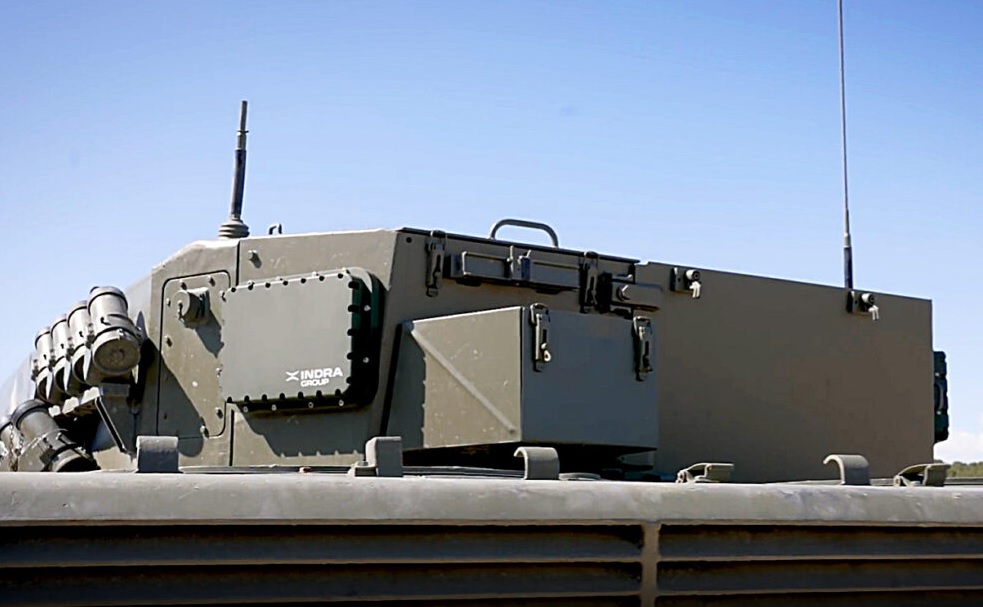
World
MADRID, — June 17, 2026 : Spanish technology company Indra Group has signed a strategic agreement with German defense contractor Rheinmetall to integrate the NEMUS Active Electronically Scanned Array (AESA) radar into the modular architecture of Rheinmetall’s StrikeShield Active Protection System (APS). The collaboration is aimed at improving the survivability of armored vehicles and main battle tanks against a growing range of modern battlefield threats. The agreement marks a significant step in the ongoing cooperation between the two defense companies and is expected to strengthen European armored vehicle protection capabilities through the integration of advanced radar and active protection technologies. NEMUS Radar Designed for Multi-Threat Detection Indra’s NEMUS (New Generation Multi-Mission Sensor) radar is a fully digital AESA system designed to detect, identify, and track a wide spectrum of threats using a single hardware architecture. The radar can detect extremely slow-moving targets, including drones traveling at speeds as low as 10 meters per second, while also tracking high-speed threats exceeding 2,000 meters per second, such as kinetic-energy projectiles and anti-tank munitions. The radar's ability to handle both low-speed and high-speed threats enables it to support multiple operational roles, including Active Protection Systems (APS), Counter-Unmanned Aerial Systems (C-UAS), Short-Range Air Defense (SHORAD), and Intelligence, Surveillance, Target Acquisition and Reconnaissance (ISTAR) missions. Designed for installation on mechanized platforms, NEMUS features a compact and lightweight architecture. When multiple antenna units are mounted around a vehicle turret, the system provides full 360-degree coverage, allowing continuous monitoring of surrounding airspace and ground threats. According to Indra, each radar element can simultaneously track more than 20 targets, enabling the system to address increasingly complex battlefield environments, including drone swarms and coordinated missile attacks. Anti-Jamming and All-Weather Performance The NEMUS radar incorporates advanced electronic protection measures to operate effectively in contested electromagnetic environments. The system is equipped with anti-jamming capabilities and can distinguish genuine threats from false targets generated through electronic warfare techniques. The radar is also designed to maintain performance under harsh environmental conditions, including extreme heat, heavy rainfall, and freezing temperatures. These features allow the system to support military operations across diverse climates and operational theaters. Integration with Rheinmetall’s StrikeShield APS Under the agreement, the NEMUS radar will provide precise detection and tracking information to Rheinmetall’s StrikeShield Active Protection System. Once a threat is identified, StrikeShield processes the data, performs fire-control calculations, selects the most appropriate countermeasure, and automatically neutralizes the threat before it reaches the vehicle. StrikeShield operates on a hard-kill protection principle, designed to defeat incoming threats such as anti-tank guided missiles (ATGMs), rocket-propelled grenades (RPGs), and other anti-armor weapons milliseconds before impact. The system combines active protection technologies with modular passive armor in a hybrid architecture. Its scalable design allows integration on a wide range of platforms, from lighter armored vehicles to heavy main battle tanks. Rheinmetall states that StrikeShield’s distributed architecture minimizes its electronic warfare signature, reducing the likelihood of detection while also limiting collateral damage to nearby infantry and civilian infrastructure. This makes the system suitable for both conventional battlefield operations and urban combat environments. Successful Testing on Leopard Tanks The integration agreement follows several years of joint development activities and validation programs conducted by Indra and Rheinmetall. These efforts included multiple live-fire trials intended to mature the technology and verify operational performance. A key milestone was achieved in May 2025, when Indra successfully tested the NEMUS radar on Leopard battle tanks at the Spanish Army’s Armored Units Instruction Center in Zaragoza. The tests demonstrated the radar’s ability to detect and track drones, micro-drones, anti-tank missiles, grenade-launcher projectiles, and supersonic threats. The successful trials confirmed the radar’s suitability for integration into active protection systems and future armored vehicle modernization programs. Support for European Armored Vehicle Programs The agreement further strengthens Indra’s position as a supplier of advanced radar technologies for active protection systems and opens opportunities for the NEMUS radar family to be incorporated into major European defense initiatives. The technology is being considered for future armored vehicle modernization efforts, including the FAMOUS, MARTE, and AURIGA programs. Indra is also participating in the European Defence Agency’s DARTBRAKER project, which focuses on developing active protection technologies for next-generation military platforms. The growing demand for layered vehicle protection systems across Europe has increased interest in technologies capable of countering emerging threats such as loitering munitions, drone swarms, precision-guided missiles, and advanced anti-tank weapons. Expanding Strategic Cooperation The radar integration agreement is part of a broader strategic partnership between Indra and Rheinmetall. In March 2026, the companies signed a Memorandum of Understanding (MoU) to expand cooperation across European and Latin American defense markets. The partnership extends beyond vehicle protection systems and includes discussions involving German commercial vehicle manufacturer MAN regarding modernization programs for Spanish military artillery support vehicles and bridge-laying trucks. The potential project has been valued at approximately €3 billion. The finalization of the NEMUS-StrikeShield agreement also coincided with the first official day of Josep Maria Recasens as Chief Executive Officer (CEO) of Indra Group. Strengthening Vehicle Survivability The integration of NEMUS into StrikeShield reflects a wider trend within the defense industry toward combining advanced sensors, active protection systems, and intelligent threat-processing capabilities to improve vehicle survivability. By combining Indra’s radar expertise with Rheinmetall’s experience in protection systems and platform integration, the two companies aim to provide armored forces with enhanced protection against current and future battlefield threats while supporting the modernization of military vehicle fleets across Europe and beyond.
Read More → Posted on 2026-06-17 16:09:23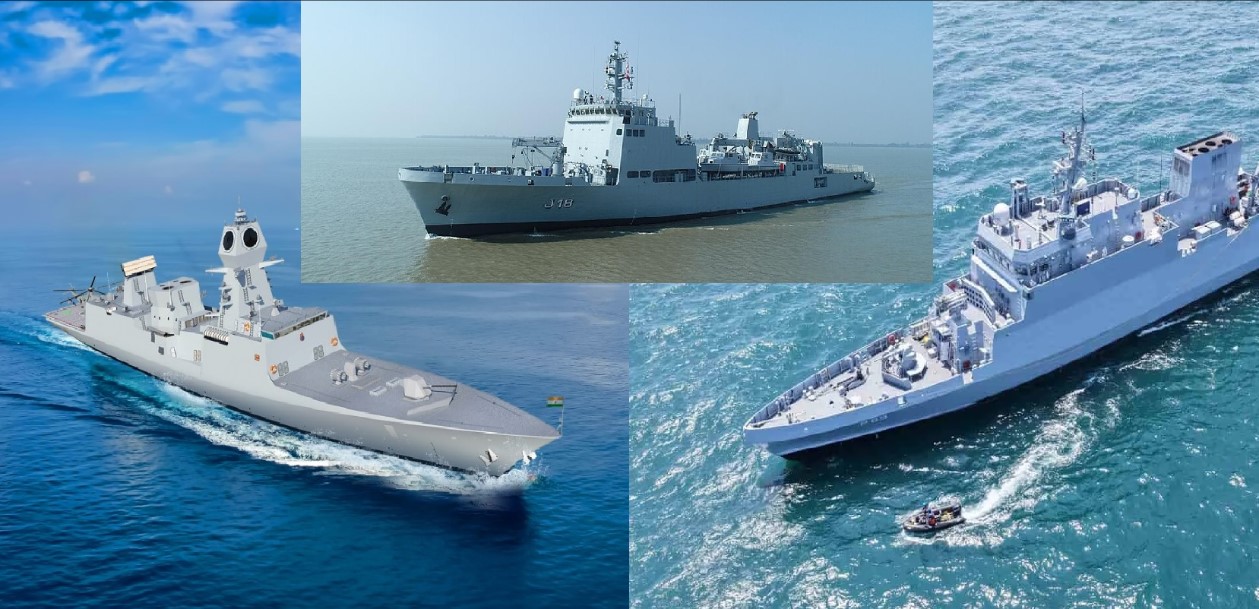
India
KOLKATA, — June 17, 2026 : The Indian Navy is set to commission three indigenously built warships—INS Dunagiri, INS Agray, and INS Sanshodhak—during a joint ceremony at Garden Reach Shipbuilders & Engineers (GRSE) in Kolkata later this week. The simultaneous induction of the three vessels marks a significant milestone in India's naval modernization program and reflects the growing capabilities of the country's domestic shipbuilding industry under the Aatmanirbhar Bharat initiative. The commissioning ceremony is expected to be attended by senior Union government dignitaries and may coincide with Prime Minister Narendra Modi’s scheduled visit to Kolkata on June 21. The event will be only the second instance in recent years in which three major frontline naval platforms enter service together. The previous such occasion occurred in January 2025 when INS Surat, INS Nilgiri, and INS Vaghsheer were commissioned in Mumbai. The three vessels were designed and built in India and recently delivered by GRSE, one of the country's leading defence shipyards. Together, they will enhance the Navy’s capabilities in surface warfare, anti-submarine operations, hydrographic surveying, and maritime domain awareness across the Indian Ocean Region. INS Dunagiri: Project 17A Stealth Frigate The most capable combat platform among the three vessels is INS Dunagiri, the fifth Project 17A Nilgiri-class stealth frigate and the second ship of the class constructed by GRSE. Designed by the Indian Navy’s Warship Design Bureau, the frigate represents an advancement in indigenous warship design, featuring improved stealth characteristics, automation, survivability, and combat capability. The vessel measures 149 metres in length, has a beam of 17.8 metres, and displaces approximately 6,670 tonnes. INS Dunagiri is powered by a Combined Diesel or Gas (CODOG) propulsion system with controllable pitch propellers and an Integrated Platform Management System, enabling efficient operations and reduced crew workload. The warship can achieve speeds of up to 32 knots and has an operational range of around 5,500 nautical miles. Its weapons suite includes BrahMos supersonic cruise missiles, Barak-8 Medium Range Surface-to-Air Missiles (MRSAM), a 76 mm naval gun, AK-630 close-in weapon systems, anti-submarine torpedoes, and rocket launchers. The frigate is equipped with advanced sensors such as the EL/M-2248 MF-STAR AESA radar and HUMSA-NG sonar, providing enhanced surveillance and threat detection capabilities. The vessel has around 75 percent indigenous content, highlighting the growing contribution of domestic industries. GRSE delivered the ship in 80 months, improving significantly upon the 93 months required for the lead vessel of the class, INS Nilgiri. The frigate is also capable of operating naval helicopters, including the HAL Dhruv Advanced Light Helicopter and Sea King helicopters. Two additional Project 17A frigates, INS Mahendragiri and INS Vindhyagiri, are expected to join the fleet in the future. INS Agray: Arnala-Class Anti-Submarine Warfare Craft The second vessel being commissioned is INS Agray, the fifth ship of the Arnala-class Anti-Submarine Warfare Shallow Water Craft (ASW-SWC) program. The 16-ship project was approved in 2013 to strengthen the Navy’s ability to detect and engage submarines operating in coastal and shallow waters. INS Agray measures approximately 77.6 metres in length and displaces around 900 tonnes. It is among the largest Indian naval vessels powered by water-jet propulsion, a system that provides high maneuverability while reducing underwater noise signatures, making it particularly suitable for anti-submarine missions. Powered by three marine diesel engines, the vessel can reach speeds of up to 25 knots and has a range of approximately 1,800 nautical miles. The craft is equipped with advanced hull-mounted sonar, variable depth sonar systems, lightweight torpedoes, and indigenous anti-submarine rocket launchers. The vessel also incorporates a combat management system optimized for tracking and engaging underwater threats in littoral environments. It accommodates a crew of 57 personnel and carries a rigid-hulled inflatable boat for operational support missions. Earlier this month, the Navy unveiled the ship’s crest, inspired by Arjuna’s legendary bow, Gandiva, symbolizing precision and strength. The induction of INS Agray comes at a time when submarine activity across the Indian Ocean Region continues to increase, reinforcing the need for dedicated coastal anti-submarine assets. INS Sanshodhak: Advanced Hydrographic Survey Vessel Completing the trio is INS Sanshodhak, the fourth and final vessel of the Sandhayak-class Survey Vessel (Large) program. The ship is designed to conduct hydrographic surveys, oceanographic research, and seabed mapping operations essential for naval planning and maritime navigation. Measuring 110 metres in length and displacing approximately 3,300–3,400 tonnes, INS Sanshodhak will support both military and civilian maritime activities. The vessel is equipped with advanced technologies including Autonomous Underwater Vehicles (AUVs), Remotely Operated Vehicles (ROVs), multi-beam echo sounders, digital side-scan sonar systems, and sophisticated data acquisition equipment. These systems enable accurate mapping of underwater terrain, collection of oceanographic data, and identification of safe navigational routes. With more than 80 percent indigenous content, the vessel contributes significantly to India's domestic shipbuilding ecosystem. In addition to survey duties, INS Sanshodhak can undertake search and rescue operations, provide medical assistance during emergencies, and function as a hospital ship when required. The vessel is also capable of operating a HAL Dhruv Advanced Light Helicopter. The first three ships of the class—INS Sandhayak, INS Nirdeshak, and INS Ikshak—have already been inducted into service. Strengthening Indigenous Naval Power The commissioning of INS Dunagiri, INS Agray, and INS Sanshodhak highlights the Indian Navy’s continued focus on indigenous design, development, and construction. The three vessels collectively contain more than 75 percent indigenous content and were built with contributions from hundreds of Indian micro, small and medium enterprises (MSMEs), supporting the growth of the domestic defence manufacturing sector. The delivery of these ships also increases GRSE’s total warship deliveries to 118 vessels, including 80 warships supplied to the Indian Navy. Their induction will strengthen the Navy’s capabilities across multiple operational domains, including surface combat operations, anti-submarine warfare, coastal security, hydrographic surveying, and maritime domain awareness. As India continues expanding its naval presence across the Indian Ocean Region, the addition of these three indigenous platforms is expected to enhance operational readiness while further advancing the country's long-term objective of self-reliance in defence production.
Read More → Posted on 2026-06-17 16:37:33
World
LONDON/OTTAWA, — June 17, 2026 : The United Kingdom and Canada have announced extensive new sanctions targeting Russia’s military-industrial complex, maritime logistics network, financial infrastructure, and procurement channels used to support its ongoing military operations in Ukraine. The coordinated measures were unveiled on the sidelines of the G7 Leaders’ Summit in France and represent one of the most comprehensive sanctions actions taken by the two countries this year. The packages collectively target hundreds of individuals, entities, vessels, financial institutions, and companies involved in supporting Russia’s defense sector, energy exports, and sanctions-evasion mechanisms. Focus on Russia’s Shadow Fleet and Energy Exports A key objective of the new sanctions is to disrupt Russia’s so-called shadow fleet, a network of aging oil tankers and liquefied natural gas (LNG) carriers used to transport Russian energy products while bypassing Western restrictions. The UK government announced sanctions against more than 20 additional oil tankers and several LNG vessels connected to Russia’s sanctioned Arctic LNG 2 project. British officials stated that these vessels play a significant role in exporting millions of tonnes of LNG and generating revenue for the Russian economy. With the latest additions, the total number of shadow fleet and Russian LNG vessels sanctioned by the UK has surpassed 600 ships. Among the vessels specifically targeted is the Cameroon-flagged tanker SMYRTOS. British authorities have also recently detained a shadow fleet tanker in the English Channel, with its captain facing charges related to violations of Western sanctions. Canada introduced similar measures aimed at weakening Russia’s maritime logistics capabilities. The Canadian sanctions package includes vessels involved in transporting Russian oil and LNG to third countries, as well as some ships reportedly linked to arms transfers. In addition, Canada sanctioned several companies providing maritime services and insurance support to the shadow fleet, including Maritime Mutual, Soglasie Insurance Company, and Nova Shipmanagement. Financial Networks and Cryptocurrency Systems Targeted Both countries have expanded sanctions against financial institutions and alternative payment systems that Russia has increasingly relied upon to conduct international transactions outside traditional banking channels. According to Vladyslav Vlasiuk, Ukraine’s presidential sanctions policy envoy, disrupting banking networks and cryptocurrency payment platforms remains a critical component of efforts to restrict Russia’s ability to finance military operations. The UK sanctions package targets the A7 Network, a cryptocurrency platform registered in Kyrgyzstan but established with Russian backing through the sanctioned Promsvyazbank. The platform has reportedly been used for cross-border payments outside conventional financial systems. British authorities also sanctioned an entity in Nigeria accused of assisting the network in evading restrictions. The UK additionally imposed sanctions on Yandex Bank and Wildberries Bank, the financial divisions of major Russian technology companies. Other sanctioned institutions include Rosgosstrakh, Balance Insurance, Eurofinance Mosnarbank, and Vyatich Bank. Canada’s measures focus on several key components of Russia’s domestic financial system, including the Moscow Exchange, St. Petersburg Stock Exchange, and Absolut Bank. The Canadian package also targets alternative payment and cryptocurrency-related entities, including Grinex LLC, Old Vector LLC, and TengriCoin CJSC. Measures Against Military Procurement Networks A major part of the sanctions campaign is aimed at disrupting the international procurement networks that supply Russia with critical technologies and dual-use goods. The UK announced sanctions against a covert procurement network allegedly operated by officers from Russia’s Main Directorate of the General Staff (GRU). The network was reportedly centered around a front company known as LLC Neptune Co Ltd, which was involved in acquiring Western technologies and components for Russia’s defense sector. British authorities sanctioned 10 GRU officers along with several associated companies linked to the procurement network. The sanctions also extend to suppliers located in third countries that are accused of providing military-related or dual-use equipment to Russia. Among the companies sanctioned are: Shenzhen Huaxin Antenna Technology, a manufacturer of antennas and telecommunications equipment. ComNav Technology, a producer of satellite navigation systems. SHTRAL Technology and SHTRAL Makine, manufacturers of CNC machine tools. The UK government stated that these measures are intended to restrict Russia’s access to technologies that can support weapons production and military modernization efforts. Canada Expands Measures Against Individuals and Organizations Canada’s sanctions package covers 162 individuals, entities, vessels, and assets connected to Russia’s military activities and sanctions-evasion networks. The measures also include organizations accused of participating in Russian state-backed disinformation campaigns, broadening the scope beyond military and financial targets. Prime Minister Mark Carney announced the sanctions following a meeting with Ukrainian President Volodymyr Zelenskyy during the G7 summit, reaffirming Canada’s commitment to supporting Ukraine and maintaining pressure on Russia. Growing International Pressure The latest sanctions reflect a broader effort by G7 countries and their partners to limit Russia’s ability to generate revenue, obtain critical technologies, and access international financial systems. The UK package alone adds approximately 70 new sanctions designations, bringing the total number of UK sanctions imposed under its Russia regime in 2026 to nearly 500 individuals and entities. UK Prime Minister Keir Starmer said the measures are designed to target “the vessels, the money, and the actors” supporting Russia’s war economy. British and Canadian officials stated that continued coordination with G7 partners remains essential to maintaining economic pressure on Moscow. The sanctions are expected to further complicate Russia’s access to international shipping services, financial networks, insurance providers, and technology supply chains as Western governments continue efforts to support Ukraine and restrict resources available to Russia’s defense sector.
Read More → Posted on 2026-06-17 16:53:43
World
CANBERRA, — June 17, 2026 : British defense technology company OpenWorks Engineering has been selected to provide its Vision Guard surveillance system for evaluation under the Australian Defence Force’s (ADF) Project Land 156, a major AU$1.3 billion counter-drone modernization program aimed at strengthening Australia's ability to detect and defeat unmanned aerial threats over the next decade. The selection marks an important step for OpenWorks Engineering, a company widely known for its SkyWall net-based drone capture systems, as it expands its focus beyond drone defeat technologies into advanced detection and surveillance solutions. Under the Land 156 program, Vision Guard will undergo assessment alongside a range of sensors, effectors, and command-and-control systems being considered for future ADF counter-unmanned aerial systems (C-UAS) capabilities. Australia Accelerates Counter-Drone Capability Development Project Land 156 is one of Australia’s most significant defense acquisition initiatives focused on countering the rapidly growing threat posed by unmanned aerial systems. The program is being delivered through an accelerated procurement approach that uses rolling contracts, continuous demonstrations, and ongoing technology evaluations to rapidly introduce new capabilities into service. Leidos Australia, serving as the program’s systems integration partner, is working with government and industry participants to develop a layered and distributed defense architecture capable of addressing a broad spectrum of drone threats, ranging from commercial quadcopters to increasingly sophisticated and weaponized unmanned systems. To date, more than 120 drone detection and defeat technologies have reportedly been introduced or assessed through the Land 156 framework. The program’s flexible structure allows the Australian Defence Force to continuously evaluate, replace, and upgrade technologies as operational requirements evolve and new threats emerge. Vision Guard Designed for Dismounted Infantry Operations OpenWorks Engineering describes Vision Guard as the smallest and lightest intelligent optics system within its product portfolio. The system has been specifically developed to provide dismounted infantry units with a portable early-warning capability against small drones. Unlike traditional surveillance systems that require operators to manually scan the sky, Vision Guard offers a panoramic staring capability, continuously monitoring a wide area and automatically searching for aerial threats. The system utilizes the company’s proprietary artificial intelligence and data fusion software to detect, track, and identify Class 1 unmanned aerial systems, including small commercial and military drones, at extended ranges. Designed around strict Size, Weight, and Power (SWaP) requirements, the entire system, including supporting sensors, can be carried in a standard military backpack. OpenWorks states that Vision Guard can be fully deployed in less than two minutes, enabling infantry units to establish surveillance positions quickly during operations. The system is also optimized for low-light environments, supporting covert observation missions and forward-deployed troops operating in challenging conditions. Modular Sensor Integration and Network Connectivity A key feature of Vision Guard is its modular architecture, allowing operators to tailor sensor configurations based on mission requirements and terrain conditions. The system can integrate both active and passive wide-area sensors, including radar systems and acoustic detection panels, enhancing its ability to identify drone threats across different operational environments such as urban areas, open terrain, and coastal regions. Once a drone is detected, Vision Guard automatically generates alerts and transmits information to operators through handheld tablets or existing military command networks. The system supports integration through established military interfaces, including ATAK (Android Team Awareness Kit), SAPIENT, and Cursor on Target (COT) protocols. According to the company, onboard processing and low-bandwidth requirements enable compatibility with wireless military networks while reducing the burden on deployed communications infrastructure. Enhancing Tactical Independence for Frontline Troops The portable nature of Vision Guard is intended to provide frontline units with greater operational independence by allowing them to carry their own drone detection capability. Traditionally, drone surveillance and warning functions have often relied on larger radar vehicles, fixed installations, or higher-echelon assets positioned far from frontline forces. By contrast, Vision Guard allows small units to independently monitor airspace around their positions and receive immediate warning of approaching threats. This capability is increasingly viewed as critical as drones become a routine feature of modern battlefields, where even small commercial systems can conduct reconnaissance, direct artillery fire, or deliver payloads against military personnel and equipment. Operational Experience and International Deployments Vision Guard enters the Australian evaluation process with an established operational track record. OpenWorks Engineering stated that the system is already in service with several customers across Europe and the United States. Most recently, Vision Guard participated in Project Vanaheim in Germany, a joint U.S.-U.K. experimentation initiative focused on improving interoperability between allied counter-drone systems. During the exercise, the system was deployed at the platoon level to support defensive positions against simulated drone threats, demonstrating its ability to provide rapid detection, tracking, and identification of small unmanned aerial systems while remaining highly portable. The system has also been demonstrated in various operational environments, including coastal and forward observation scenarios. Evaluation Process Continues Selection for evaluation under Project Land 156 does not guarantee a production contract. Vision Guard will continue to undergo testing and assessment alongside competing technologies as the Australian Defence Force refines its future counter-drone requirements. The program’s ongoing evaluation process reflects a broader trend across military forces worldwide, where rapid drone proliferation has increased demand for integrated detection, tracking, and defeat capabilities. While kinetic and electronic countermeasures remain important, military planners increasingly view early detection and situational awareness as essential elements of effective counter-drone defense. For OpenWorks Engineering, inclusion in the Land 156 program represents an opportunity to demonstrate how lightweight, AI-enabled surveillance systems can contribute to future battlefield protection and enhance the survivability of frontline infantry forces operating in increasingly drone-contested environments.
Read More → Posted on 2026-06-17 16:59:25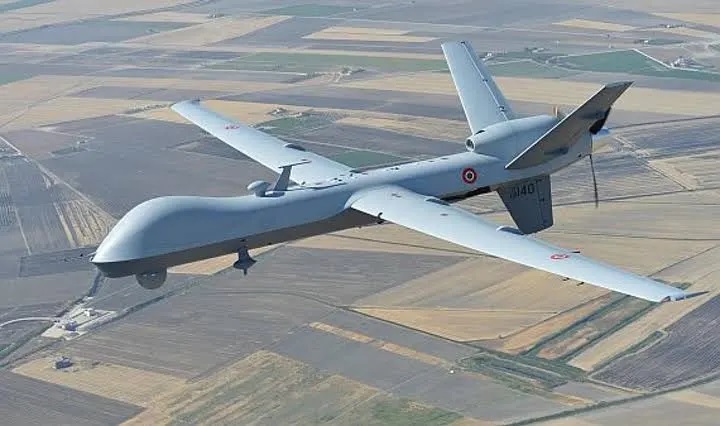
India
NEW DELHI, — June 17, 2026 : The Ministry of Defence has received 10 bids from Indian public and private sector companies for the production of 87 Medium-Altitude Long-Endurance (MALE) Unmanned Combat Aerial Vehicles (UCAVs) for the Indian Air Force (IAF). The project, valued at over ₹30,000 crore, is one of India's largest indigenous drone procurement programs. The bidding process officially closed on June 16, after the ministry extended the deadline twice to allow participating companies additional time to prepare their proposals. The program is being conducted under the Indigenously Designed, Developed and Manufactured (Buy Indian-IDDM) category, supporting the government's efforts to strengthen domestic defence manufacturing and reduce reliance on foreign suppliers. Major companies that submitted bids include Hindustan Aeronautics Limited (HAL), Tata Advanced Systems Limited (TASL), Larsen & Toubro (L&T), Adani Defence Systems Limited, Solar Defence and Aerospace Limited, and Raphe mPhibr Ltd., along with other competing firms. To ensure production capacity and reduce supply chain risks, the defence ministry is expected to divide the contract between the two lowest bidders, likely in a 64:36 ratio, creating two separate production lines in India. While the initial requirement is for 87 drones, future procurement plans could expand the fleet to more than 300 UCAVs. The MALE UCAVs will operate at altitudes between 10,000 and 30,000 feet and are expected to remain airborne for extended periods exceeding 24 hours. The drones will primarily conduct intelligence, surveillance, and reconnaissance (ISR) missions and will be equipped with Synthetic Aperture Radar (SAR), electro-optical sensors, and secure SATCOM systems. In addition to surveillance roles, the platforms will be capable of carrying indigenous missile systems for precision strike missions, enhancing the IAF's operational capabilities. The new fleet will support surveillance and security operations along the borders with China and Pakistan, while also strengthening long-range maritime monitoring in the Indian Ocean Region. The program marks a significant step in India's transition from imported drone systems toward domestically developed and manufactured unmanned combat aircraft.
Read More → Posted on 2026-06-17 17:05:54
World
ASTON, Pennsylvania, — June 17, 2026 : The U.S. Department of Defense has awarded Alloy Surfaces Company a $300 million contract modification to continue production of advanced infrared decoy flares used to protect American military aircraft from heat-seeking missile threats. The award, announced on June 12, increases the total value of the underlying contract (W15QKN-21-D-0014) to $328.8 million and extends production through March 30, 2031. The contract was issued by the U.S. Army Contracting Command in Newark, New Jersey, and supports the continued manufacture of a range of specialized infrared countermeasure decoys that are deployed across multiple U.S. military aircraft platforms. Advanced Infrared Countermeasure Production Under the contract, Alloy Surfaces will produce several infrared decoy flare variants, including the M211, MJU-49, MJU-50A/B, MJU-51A/B, MJU-52A/B, MJU-64/B, MJU-66/B, and the newer XM-219 model. These decoys are designed to protect aircraft from infrared-guided missiles by generating heat signatures that closely resemble those produced by jet engines and helicopter exhaust systems. When released from an aircraft, the flares create an alternative heat source intended to attract incoming missile seekers away from the aircraft itself. According to U.S. procurement documents, the effectiveness of these systems is based on Alloy Surfaces’ proprietary ignition chemistry and specialized payload materials. The technology produces a burn spectrum that closely matches engine heat signatures, making it difficult for modern infrared missile seekers to distinguish between the flare and the aircraft. Due to the unique performance requirements of these countermeasures, Alloy Surfaces remains the sole qualified manufacturer for several of the flare variants covered under the contract. As a result, the procurement received only one bid during the solicitation process. Protecting Aircraft Against MANPADS The decoys are primarily intended to counter Man-Portable Air Defense Systems (MANPADS) and other infrared-guided missile threats. MANPADS are shoulder-fired missile systems that rely on heat-seeking sensors to track aircraft engines rather than radar emissions. Because these missiles do not require radar guidance, pilots often receive little or no warning before an attack. Infrared decoy flares therefore serve as one of the most important defensive measures available to aircrews operating in contested environments. MANPADS have been widely used in conflicts around the world and continue to pose a significant threat to helicopters, transport aircraft, and low-flying combat aircraft due to their mobility, relatively low cost, and ease of deployment. The flare systems produced by Alloy Surfaces are integrated into a variety of U.S. military platforms, including transport aircraft, fighter jets, special operations aircraft, and rotary-wing aircraft. These systems provide an additional layer of protection against both surface-to-air and air-to-air infrared-guided missiles. Evolving Threat Environment The contract expansion comes as military planners assess emerging threats on modern battlefields, particularly the increasing use of unmanned systems. Recent reports from the conflict in Ukraine indicate that some Shahed-type attack drones have been observed carrying MANPADS and air-to-air missiles, introducing a new airborne threat to helicopters and other low-flying aircraft. Previously, Ukrainian helicopter crews operating Mi-8 and Mi-24 aircraft had successfully engaged Shahed drones using onboard machine guns because the drones lacked dedicated anti-aircraft weaponry. The reported integration of heat-seeking missiles onto low-cost unmanned platforms represents a significant shift in aerial warfare. Defense analysts note that such developments could expand the range of platforms capable of launching infrared-guided attacks, creating additional challenges for military aircraft operating near frontline areas. The growing availability of inexpensive missile technology and its adaptation to unmanned systems has increased the importance of advanced aircraft survivability equipment, including modern flare countermeasures and electronic warfare systems. Long-Term Supply Chain Support All work under the contract will be performed at Alloy Surfaces’ facility in Aston, Pennsylvania. The company, a subsidiary of Chemring Group, has supplied infrared countermeasure materials to the U.S. military for decades and specializes in pyrophoric and pyrotechnic technologies used in aircraft protection systems. The latest contract modification ensures continued production of critical countermeasure inventories for U.S. armed forces and allied operators through the end of the decade. It also supports the Department of Defense’s broader efforts to maintain aircraft survivability against increasingly sophisticated infrared-guided threats. By extending production through 2031, the Pentagon is securing a long-term supply of specialized decoy flares that remain an essential component of aircraft self-protection systems in modern combat environments.
Read More → Posted on 2026-06-17 17:15:52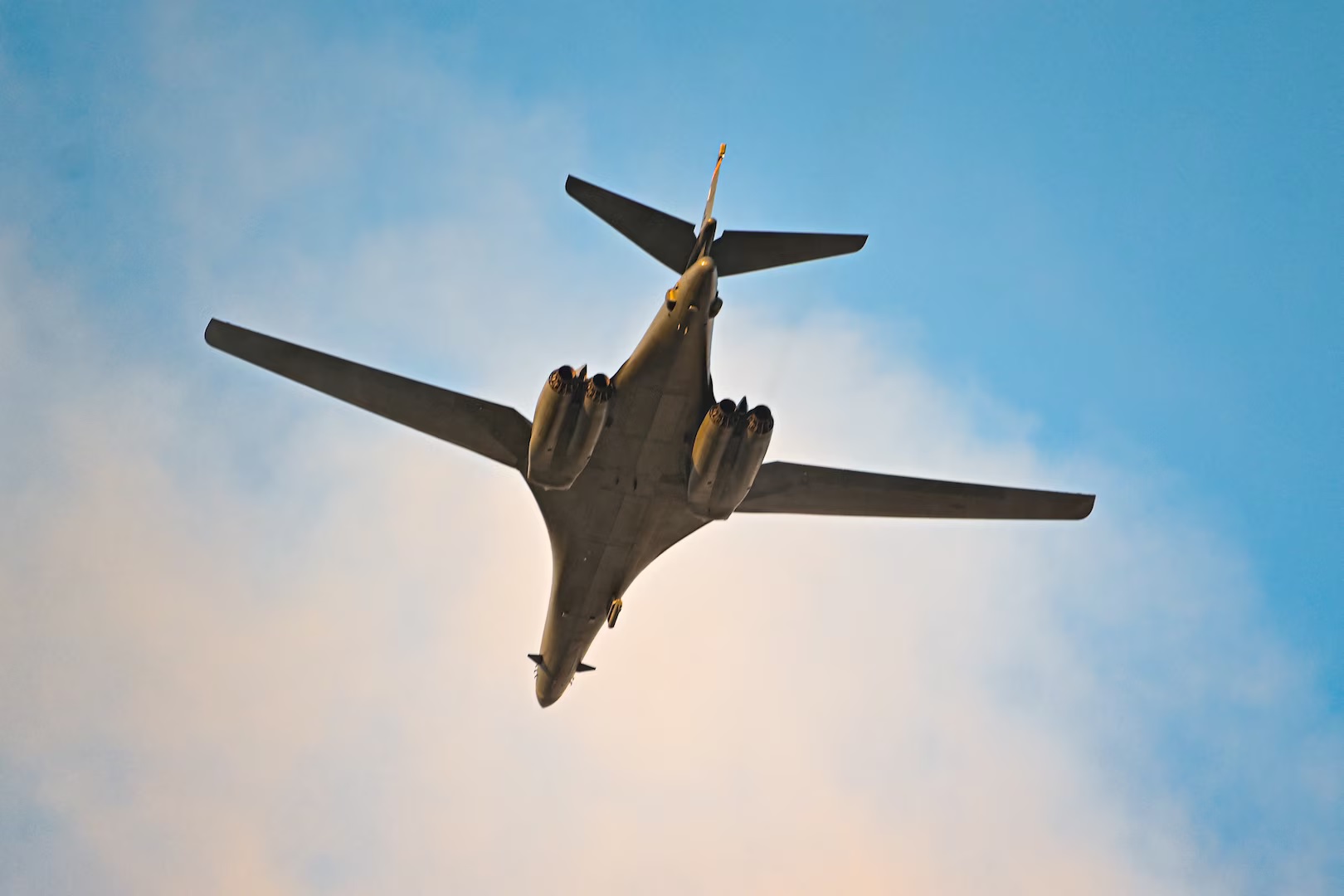
World
DALLAS, Georgia, — June 18, 2026 : The U.S. Defense Logistics Agency (DLA) has awarded Top Flight Aerostructures Inc. two indefinite-delivery/indefinite-quantity (IDIQ) contracts worth more than $76 million to manufacture critical wing components for the U.S. Air Force’s B-1B Lancer bomber fleet. The contracts, managed by DLA Weapon Support in Oklahoma City, include a maximum-value award of $53.08 million for the production of trailing edge assemblies and a second contract valued at up to $23.4 million for wing tip components. Both contracts were awarded through a competitive procurement process that received two bids. Funded through Defense Working Capital Funds, the agreements consist of three-year base periods with no option years and are scheduled for completion by June 17, 2029. Top Flight Aerostructures to Support Long-Term Fleet Sustainment Top Flight Aerostructures, headquartered in Dallas, Georgia, specializes in the manufacture and repair of aerospace composite structures and adhesively bonded aircraft components. Founded in 2005, the company operates a 40,000-square-foot production facility west of Atlanta and supports multiple military aviation programs through the production of structural panels, fairings, wing assemblies, and other aircraft components. The newly awarded contracts will support the continued sustainment of the Air Force’s aging B-1B fleet by ensuring a stable supply of replacement wing structures that are subject to significant operational stress throughout the aircraft’s service life. Critical Components for Variable-Sweep Wings The B-1B Lancer features a variable-sweep wing design that allows pilots to adjust wing geometry during flight. The wings can extend to approximately 15 degrees during takeoff and landing to maximize lift and sweep back to 67.5 degrees during high-speed flight to reduce aerodynamic drag. This design enables the bomber to achieve speeds of up to Mach 1.25 while carrying heavy payloads. However, the repeated movement of wing structures generates substantial mechanical stress on key components, particularly the trailing edges and wing tips. These parts play an essential role in maintaining lift, stability, and overall aerodynamic performance. Over time, repeated wing sweeps, environmental exposure, and operational loads can lead to fatigue, corrosion, cracking, and structural wear, requiring periodic replacement to maintain airworthiness. The challenge is amplified by the aircraft’s size. The B-1B has a maximum takeoff weight of approximately 477,000 pounds (216,000 kilograms), placing considerable loads on wing structures during flight operations. Aging Fleet Requires Continued Structural Maintenance The B-1B fleet remains one of the oldest bomber forces in U.S. service. Originally developed by Rockwell International, the aircraft entered operational service during the 1980s. Boeing became the program's primary contractor after acquiring Rockwell’s defense business in 1996. The final B-1B was delivered in May 1988, making the youngest aircraft in the current inventory approximately 38 years old. The Air Force originally acquired 100 B-1B bombers, although the active fleet today consists of roughly 45 aircraft following the retirement of 17 heavily worn airframes in 2021. Some aircraft have also undergone extensive structural repairs and restoration efforts to maintain fleet readiness. Over the past several decades, B-1Bs have supported combat and deterrence missions across multiple theaters, including operations over Iraq, Afghanistan, Libya, and Syria. The high operational tempo and sustained deployments have accelerated structural fatigue beyond what was originally anticipated when the aircraft was designed primarily for Cold War nuclear deterrence missions. Maintenance efforts have increasingly focused on critical load-bearing structures, including wing pivot assemblies and other major airframe components affected by long-term operational stress. Air Force Plans to Keep B-1B in Service Through 2037 The U.S. Air Force plans to operate the B-1B fleet through at least 2037 as the next-generation B-21 Raider gradually enters service and assumes a larger share of the long-range strike mission. To support continued operations, budget documents outline approximately $342 million in modernization funding for the B-1 program between fiscal years 2027 and 2031. In addition, the fiscal year 2026 budget includes $50.26 million for the development of a new External Heavy-Stores Pylon program, which is intended to restore the bomber’s ability to carry modern stand-off and hypersonic weapons on external hardpoints. Continued Role in U.S. Strike Operations Despite its age, the B-1B remains a key component of U.S. conventional strike capabilities. The aircraft can carry up to 75,000 pounds (34,000 kilograms) of weapons internally across three bomb bays, making it the Air Force’s largest conventional payload carrier. The bomber also serves as the operational platform for the Long-Range Anti-Ship Missile (LRASM) and regularly participates in Bomber Task Force deployments across Europe and the Indo-Pacific region. The contracts awarded to Top Flight Aerostructures are part of ongoing sustainment efforts designed to maintain fleet readiness and ensure the continued availability of critical structural components. By establishing a reliable production source for high-wear wing assemblies, the agreements support the Air Force’s strategy of keeping the B-1B operational until the B-21 Raider is fielded in sufficient numbers to assume its missions.
Read More → Posted on 2026-06-18 14:00:06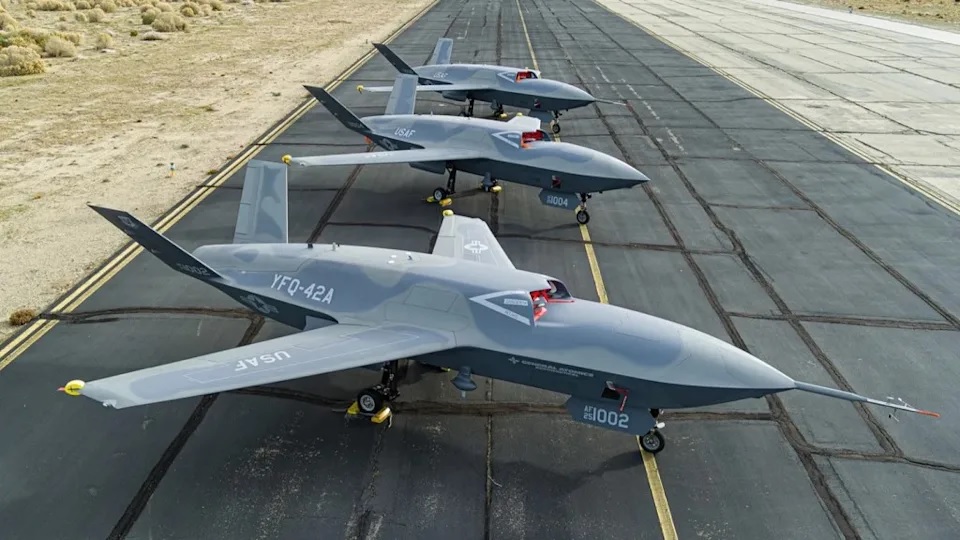
World
WASHINGTON, D.C., — June 18, 2026 : The U.S. Air Force has awarded engineering, manufacturing development (EMD), and production contracts to General Atomics Aeronautical Systems Inc. (GA-ASI) and Anduril Industries for the first increment of its Collaborative Combat Aircraft (CCA) program, advancing plans to field semi-autonomous unmanned aircraft that operate alongside crewed fighter jets. The decision was announced four months ahead of schedule after both aircraft successfully met mission requirements during testing. The Air Force aims to acquire approximately 1,000 Collaborative Combat Aircraft, with Increment 1 serving as the foundation of the program. Aircraft Move Into Production The aircraft developed by General Atomics and Anduril have transitioned from prototype to production status and will now be designated FQ-42A and FQ-44A, replacing their previous YFQ-42A and YFQ-44A prototype designations. The YFQ-42A completed its first flight in August 2025, while the YFQ-44A conducted its maiden flight in October 2025. Both aircraft recently completed flight test campaigns with the Air Force’s Experimental Operations Unit. According to the Air Force, the systems demonstrated readiness for full-scale manufacturing. The service is targeting a unit cost of approximately $30 million or less per aircraft, roughly one-third the cost of an F-35. Secretary of the Air Force Troy Meink said the accelerated transition to manufacturing will help the service field combat-ready semi-autonomous aircraft more quickly. The Air Force plans to procure more than 150 combat-capable CCAs by the end of the decade. Program Background The CCA program is designed to provide affordable unmanned aircraft that can operate alongside platforms such as the F-35 Lightning II and F-15EX Eagle II. These aircraft are expected to perform missions including air-to-air combat, strike operations, electronic warfare, reconnaissance, surveillance, and sensor sharing. In early 2024, the Air Force awarded initial design contracts to Anduril, Boeing, General Atomics, Lockheed Martin, and Northrop Grumman. In April 2024, General Atomics and Anduril were selected to continue into detailed design and prototype development. Mission Autonomy Contracts Alongside the aircraft production awards, the Air Force awarded baseline six-year mission autonomy production contracts to: Anduril Industries General Atomics Lockheed Martin Northrop Grumman RTX Collins Aerospace Shield AI The Air Force is separating aircraft production from autonomy software development, allowing software from multiple vendors to be integrated across different aircraft platforms. All autonomy software must comply with the Autonomy Government Reference Architecture (A-GRA), an open government-owned standard designed to ensure compatibility and rapid software updates. Competition for AI Mission Software To accelerate operational capability, the Air Force awarded additional competitive contracts to Anduril, RTX Collins Aerospace, and Shield AI. The three companies will participate in a six-month development phase to advance their mission autonomy software. After evaluation, a second six-month phase will follow, with the Air Force selecting a primary mission autonomy provider for Increment 1 by summer 2027. Secretary Meink said the competitive approach allows the Air Force to adopt the best-performing autonomy software while avoiding dependence on a single vendor. Future Operations and Increment 2 The Air Force plans to use Collaborative Combat Aircraft as force multipliers that can conduct high-risk missions, perform electronic warfare, share sensor data, and support coordinated operations with crewed aircraft. Air Force Chief of Staff Gen. Ken Wilsbach said the capability will help maintain the service’s tactical advantage in contested environments. With Increment 1 production now underway, the Air Force has indicated that development of CCA Increment 2 will begin in Fiscal Year 2026, focusing on expanded mission applications and additional technologies.
Read More → Posted on 2026-06-18 14:06:01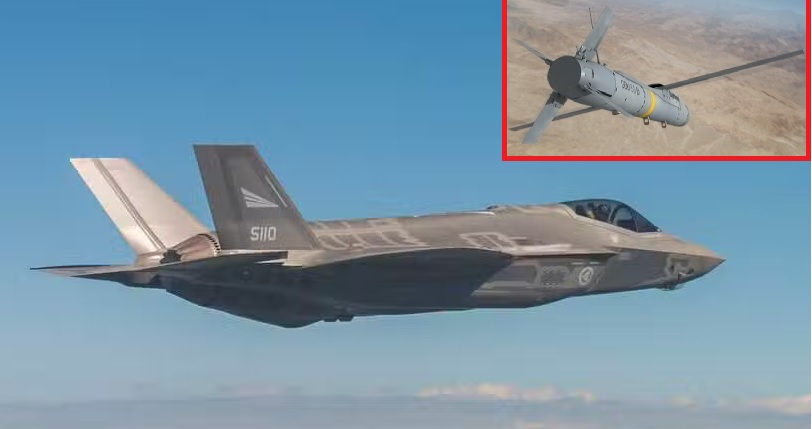
World
HELSINKI, — June 18, 2026 : Finland has approved the procurement of GBU-53/B Small Diameter Bomb II (SDB II) glide bombs from the United States to equip its future fleet of F-35A multirole fighter aircraft, further expanding the capabilities of the Finnish Air Force under the country's HX Fighter Programme. Finnish Minister of Defence Antti Häkkänen authorized the Finnish Defence Forces Logistics Command to acquire the advanced precision-guided munitions as part of the broader weapons package associated with Finland's F-35 acquisition. The procurement supplements an earlier order placed through the U.S. Foreign Military Sales (FMS) program under a contract signed in 2023. The acquisition is linked to Finland's approximately $9.4 billion HX Fighter Programme, under which the country is purchasing 64 Lockheed Martin F-35A Lightning II aircraft to replace its aging fleet of F/A-18 Hornet fighters. Deliveries of the first Finnish F-35As are expected to begin in late 2026. Advanced Precision Strike Capability The GBU-53/B Small Diameter Bomb II, also known as StormBreaker, is manufactured by Raytheon, a subsidiary of RTX. The weapon is designed to provide precision air-to-ground strike capability against both stationary and moving targets under a wide range of operational conditions. The glide bomb features a tri-mode seeker that combines imaging infrared guidance, millimeter-wave radar, and semi-active laser guidance. It also incorporates GPS-aided inertial navigation, a two-way datalink, and advanced target-tracking capabilities, allowing it to engage targets in adverse weather, darkness, smoke, dust, and other challenging battlefield environments. The SDB II carries a 105-pound (48-kilogram) multi-purpose warhead, weighs approximately 204 pounds (93 kilograms), and measures around 69 inches (176 centimeters) in length. The weapon belongs to the 250-pound class of precision-guided munitions. The bomb can strike stationary targets at ranges of up to 60 nautical miles (111 kilometers) and moving targets at distances of approximately 40 nautical miles (74 kilometers), depending on launch conditions. Enhancing the F-35 Weapon Package One of the key advantages of the StormBreaker is its compact size, which allows multiple weapons to be carried internally by stealth aircraft. The F-35A can carry up to eight SDB II glide bombs inside its internal weapons bays, enabling the aircraft to maintain its low-observable characteristics while significantly increasing the number of targets it can engage during a mission. This provides a substantial increase in payload flexibility compared to larger 1,000-pound or 2,000-pound class weapons. The procurement adds a capability that was not previously available within the Finnish Air Force's F-35 armament package. The weapon's ability to engage moving targets in difficult weather conditions supports its use in Multi-Domain Operations, enabling coordination across air, land, sea, and other operational domains. U.S.-Approved Procurement Package The sale of the Raytheon-manufactured glide bombs received approval from the United States Congress and is being executed under the Letter of Offer and Acceptance (LOA) framework associated with the FMS program. Beyond the weapons themselves, the procurement package includes: Technical manuals and documentation Spare parts and maintenance accessories Transportation and logistics services Manufacturer and supplier training programs Repair, maintenance, and long-term support services The purchase supplements Finland's previous F-35 weapons procurement and expands the range of precision-strike options available to the future fighter fleet. Supporting Finland's Defence Modernization Finland selected the F-35A Lightning II as the winner of the HX Fighter Programme in 2021. The aircraft are being acquired in the advanced Block 4 configuration, which will provide access to a growing range of sensors, weapons, and software upgrades throughout their service life. The integration of the GBU-53/B StormBreaker forms part of Finland's broader effort to modernize its air combat capabilities and strengthen interoperability with allied forces. As a NATO member, Finland continues to expand defence cooperation with the United States through advanced weapons procurement and capability development programs. The acquisition ensures that Finland's future F-35 fleet will be equipped with an additional precision-guided munition capable of engaging a wide variety of targets while operating in complex and demanding environments.
Read More → Posted on 2026-06-18 14:20:47
World
ROCKVILLE, Md., — June 18, 2026 : Quantum Space has been awarded a contract by the U.S. Department of Defense’s Operational Energy Capability Improvement Fund (OECIF) to develop and demonstrate an orbital fuel depot designed to refuel satellites in space. The project will be built on the company’s Ranger spacecraft platform and aims to extend the operational life of satellites by replenishing their fuel supplies after launch. The contract represents a significant step in the evolution of military space logistics, moving orbital refueling from a long-term concept toward operational testing. The initiative is intended to address a longstanding challenge facing both military and commercial satellite operators: the limited lifespan imposed by onboard fuel reserves. Addressing Satellite Fuel Limitations Most satellites rely on a fixed amount of propellant carried at launch. Once that fuel is exhausted, satellites lose the ability to maneuver, conduct station-keeping operations, avoid space debris, or reposition to support mission requirements, even when their communications, surveillance, and other onboard systems remain functional. For military spacecraft, this limitation can create operational vulnerabilities. Predictable fuel depletion can reduce flexibility and potentially allow adversaries to estimate when critical assets may become less capable of maneuvering. As a result, the U.S. Space Force has increasingly focused on developing maneuverable and sustainable space architectures capable of supporting long-duration operations. Chris DePuma, who leads OECIF’s Operational Energy and Combat Power portfolio, said the award advances a capability that has been discussed for years within defense planning efforts. “For years, in-space refueling has been a concept on our capability roadmaps. Today, we are investing to make it an operational reality,” DePuma said. “By removing traditional fuel constraints, we are not just keeping our vital assets ready—we are unlocking entirely new mission sets and novel operations.” Ranger Platform to Serve as Refueling Depot Quantum Space plans to integrate the refueling depot directly into its Ranger spacecraft platform. The company’s approach differs from some industry competitors by combining logistics and spacecraft capabilities within a single operational architecture. The Ranger platform is designed to operate across multiple orbital regions, including Low Earth Orbit (LEO), Geostationary Orbit (GEO), and cislunar space, the region between Earth and the Moon. Key capabilities of the Ranger platform include: Propellant Capacity: Ability to carry more than 4,000 kilograms of storable propellant in larger configurations. Single-Fuel Multimode Propulsion: A patented system that combines high-thrust chemical propulsion and efficient electric propulsion using a single fuel type. Modular Architecture: Designed for up to 15 years of operation and capable of being refueled itself. Multi-Orbit Operations: Capability to maneuver between different orbital regimes without extensive redesign. Under current plans, Quantum Space intends to deliver the fuel-transfer vehicle to the U.S. Space Force by 2028, supporting future in-space logistics and refueling operations. Expanding Space Logistics Infrastructure Quantum Space Chief Executive Officer Jim Bridenstine, who previously served as NASA Administrator, described the contract as an important step toward establishing long-term space logistics infrastructure. “It extends the life of high-value assets and creates operational options that fixed architectures simply cannot provide,” Bridenstine said. Quantum Space Co-founder Ben Reed, a former NASA official who managed robotic satellite servicing initiatives, said the technologies required for orbital refueling have matured sufficiently for operational deployment. “The time for a shift from demonstrations toward operational depots is now,” Reed said. “The technologies are mature, the mission need is urgent, and Quantum Space possesses capital for delivery.” Growing Role in Defense Space Programs The OECIF award adds to Quantum Space’s expanding portfolio of defense contracts. The company previously secured a position on the U.S. Space Force’s Andromeda Program, an indefinite-delivery/indefinite-quantity (IDIQ) contract vehicle with a shared ceiling value of $6.2 billion focused on developing constellations of maneuverable and refuellable spacecraft. Quantum Space also reports active contracts and proposals with organizations including the U.S. Space Force, the Department of Defense, DARPA, and the Air Force Research Laboratory. Industry Competition in Orbital Refueling The orbital servicing and refueling sector has attracted growing interest from government and commercial operators seeking to increase satellite longevity and flexibility. Several companies are pursuing similar technologies, including: Northrop Grumman, which received a $70 million Space Force contract for its Elixir refueling payload. Astroscale, which is developing the APS-R orbital tanker for geostationary orbit operations. Additional industry efforts involving propellant transfer and on-orbit servicing technologies. The growing number of programs reflects increasing interest in creating a sustainable orbital logistics network capable of supporting military, civil, and commercial missions. Manufacturing Expansion and Public Listing Plans To support future production requirements, Quantum Space announced in May 2026 plans to establish a 25,000- to 40,000-square-foot manufacturing facility in Tulsa, Oklahoma. The facility will focus on producing large propulsion tanks and precision components for the Ranger spacecraft fleet. The company is also pursuing a public market listing through a merger with Inflection Point Acquisition Corp. VI. The transaction is expected to value the combined company at more than $1 billion, with some filings indicating an estimated valuation of approximately $1.2 billion upon completion. The deal includes a $300 million PIPE investment and is expected to close during the fourth quarter of 2026, after which the company plans to trade on Nasdaq under the ticker QSPC. Development Phase Continues Despite securing multiple government contracts, Quantum Space remains in a growth and development phase. Financial projections associated with the planned merger forecast tens of millions of dollars in future revenue while also anticipating continued operational losses as the company expands manufacturing and advances spacecraft development. The Ranger platform remains under active development, with its initial pathfinder mission still ahead. Quantum Space has indicated that successful demonstrations of orbital refueling could help shape future satellite designs by enabling longer operational lifetimes, increased maneuverability, and more resilient space architectures. As the U.S. Space Force continues to prioritize in-space servicing, refueling, and logistics capabilities, the OECIF-funded demonstration is expected to contribute to broader efforts aimed at establishing sustained and flexible operations across Earth orbit and beyond.
Read More → Posted on 2026-06-18 14:32:56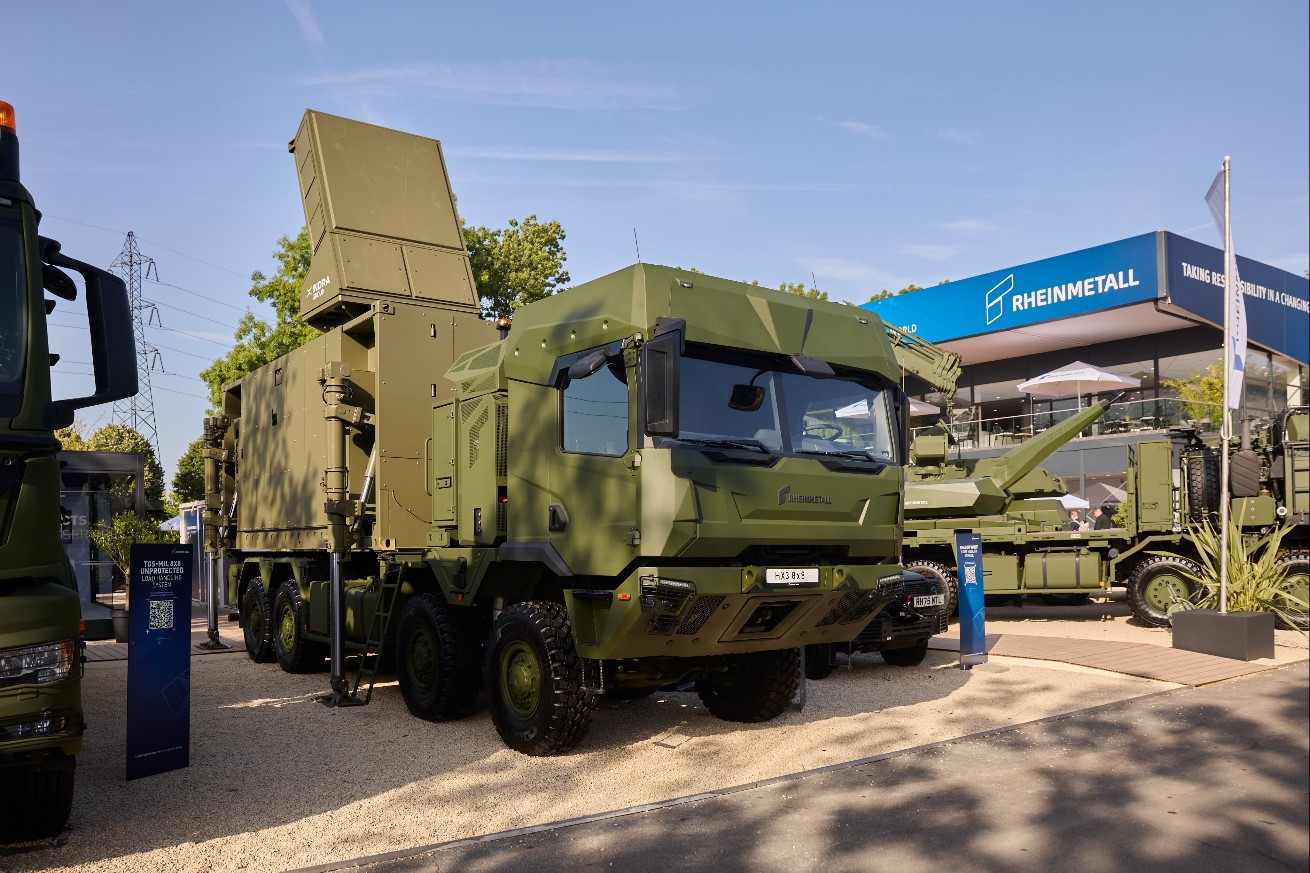
World
PARIS, — June 18, 2026 : Spanish defense and technology company Indra Group has officially unveiled its new Multimission Terrestrial Radar (MTR) family at the Eurosatory 2026 defense exhibition in Paris. The radar systems were presented mounted on a Rheinmetall HX 8x8 military truck, demonstrating a highly mobile configuration designed to support modern military operations in rapidly changing battlefield environments. The MTR family represents a new generation of fully digital, multifunction radar systems based entirely on Active Electronically Scanned Array (AESA) technology. Developed to support high-intensity military operations, the radar combines multiple battlefield functions into a single platform, including counter-battery artillery localization, air surveillance, and coastal surveillance. Designed for Multi-Mission Operations According to Indra, the MTR family enables armed forces to perform a wide range of surveillance and target-detection tasks without deploying multiple specialized radar systems. This approach reduces logistical requirements while increasing operational flexibility. The radar employs a fully digital architecture with 4D tracking capabilities, allowing it to detect, track, and analyze the trajectories of projectiles with high precision. The system is designed to identify and monitor a broad range of threats, including artillery rounds, rockets, drones, and high-speed missiles. To enhance performance, the MTR utilizes Gallium Nitride (GaN) semiconductor technology. GaN-based transmitters provide greater power output, improved efficiency, and enhanced reliability, particularly in demanding operational conditions and extreme environments. Rapid Deployment and High Mobility One of the key design features of the MTR radar family is mobility. Modern battlefields increasingly rely on extensive sensor networks capable of detecting and targeting radar emissions. To reduce vulnerability to counter-fire and enemy targeting, the MTR has been engineered for rapid deployment and redeployment. Mounted on the Rheinmetall HX 8x8 truck, the system can be quickly moved, set up, and relocated within minutes, allowing operators to maintain operational effectiveness while minimizing exposure to hostile detection systems. The collaboration between Indra and Rheinmetall combines advanced sensor technology with a proven military mobility platform, creating a solution suitable for forces requiring fast repositioning and continuous battlefield coverage. Two Configurations for Different Mission Requirements The MTR family is offered in two primary variants designed to meet different operational requirements. MTR 5 The MTR 5 is the medium-range version of the system and is primarily intended for counter-battery operations. It is capable of detecting and tracking incoming artillery rounds, rockets, projectiles, and drones. The radar can calculate the origin and predicted impact point of enemy fire, enabling rapid threat warning and supporting counter-battery responses. The system can also provide targeting information to interception and air defense systems. In addition to counter-battery missions, operators can switch the radar to perform air surveillance or coastal surveillance tasks. The MTR 5 includes an integrated control position, allowing it to operate independently or as part of a larger radar network. MTR 10 The MTR 10 is the longer-range variant optimized for air surveillance missions. It is designed to operate directly with Air Command and Control (AirC2) systems and can be used to reinforce existing air surveillance networks or fill coverage gaps. The radar is also designed for integration with Ground-Based Air Defence (GBAD) systems. It can support operations within a Surface-to-Air Missile Operations Centre (SAMOC) and contribute to weapon system command and control activities. By linking with air defense networks, the MTR 10 provides enhanced situational awareness and supports coordinated responses against airborne threats. Integration with Air Defence Command Systems Both the MTR 5 and MTR 10 are fully integrated with Indra's Ground-Based Air Defence Command and Control systems, including the SBAMD-AIRDEF SAMOC architecture. This integration allows radar data to be rapidly processed and distributed across command networks, enabling faster decision-making and improving coordination between surveillance, command, and weapon systems. Developed for Evolving Threat Environments According to Juan José Rodríguez, Business Development Manager for Land Systems at Indra, the MTR radar family was specifically designed to address the changing nature of modern warfare. He stated that contemporary military operations require greater precision in target detection and engagement, while the increasing concentration of battlefield sensors demands highly mobile radar systems capable of remaining in constant movement to improve survivability. Part of Indra’s Broader Defense Portfolio At Eurosatory 2026, Indra also showcased several other defense technologies, including the NEMUS AESA radar for vehicle protection, the ARACNE counter-drone system, electronic warfare solutions, and capabilities associated with the Dragon 8x8 program. As a European leader in radar technology, Indra has developed a broad portfolio of surveillance and air-defense systems used by NATO and national armed forces. The MTR family builds upon this experience by introducing a multifunction AESA radar capable of supporting land, air, and coastal operations from a single platform. First International Presentation of the Full MTR Family The unveiling at Eurosatory 2026, held in Paris from June 15–19, marks the first international defense exhibition appearance of the complete AESA MTR radar family. With its combination of AESA technology, GaN electronics, 4D tracking capabilities, network integration, and high mobility, the MTR platform is intended to provide armed forces with a flexible and interoperable sensor solution capable of detecting, tracking, and responding to modern battlefield threats across multiple operational domains.
Read More → Posted on 2026-06-18 14:48:07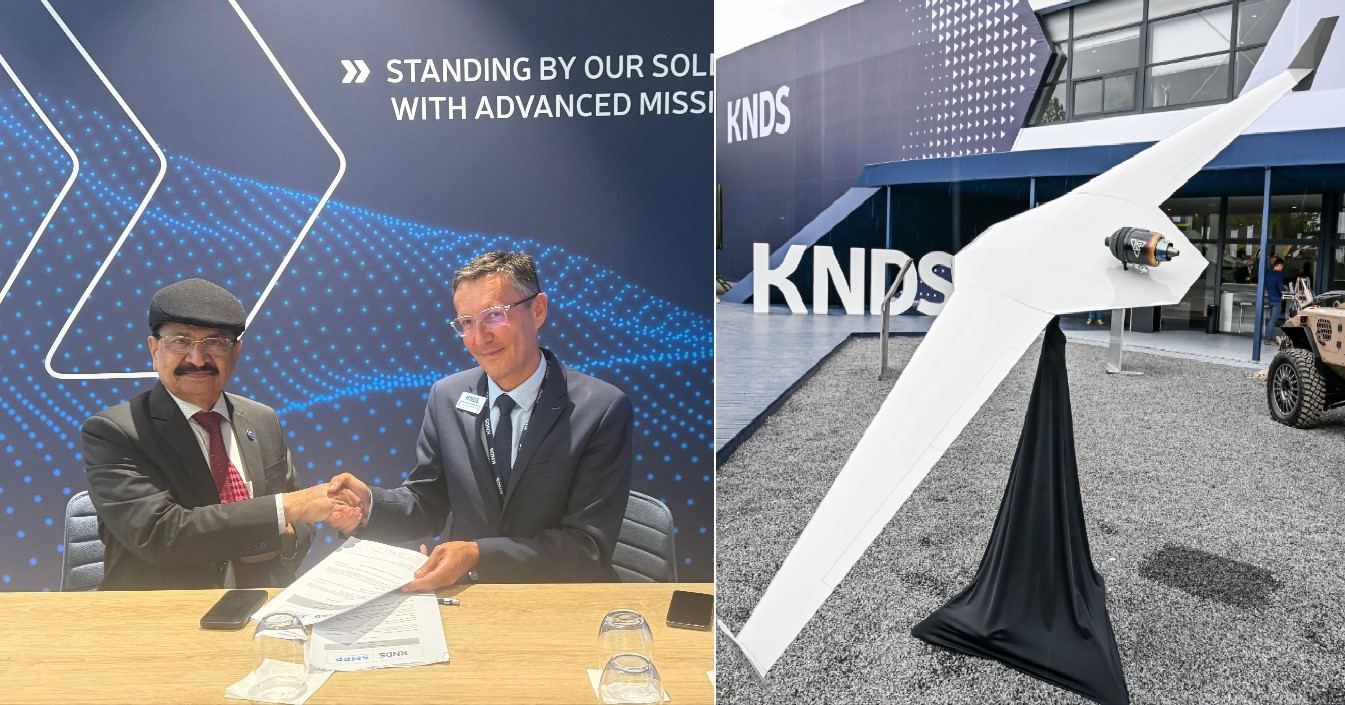
India
PARIS, — June 18, 2026 : Indian defence and aerospace company SMPP has signed a strategic teaming agreement with European land systems group KNDS to jointly manufacture advanced loitering munitions and drone systems in India. The agreement was signed at the Eurosatory 2026 defence exhibition in Paris and will be executed through SMPP’s subsidiary, SMPP Ammunition. The partnership covers the production of KNDS’ VELOCE and RODEUR loitering munition systems, along with the ISTAR (Intelligence, Surveillance, Target Acquisition and Reconnaissance) family of drones. The programme combines technology transfer with local manufacturing and supports India's Make in India and Aatmanirbhar Bharat initiatives. Focus on Indian Army Requirements The collaboration is aimed at meeting the Indian Armed Forces’ growing requirement for advanced loitering munitions and precision-strike systems. The Indian Army has been pursuing the acquisition of such systems across multiple payload and range categories. The requirement gained momentum after the Defence Acquisition Council (DAC) granted an Acceptance of Necessity (AoN) in December 2025 for an initial procurement programme valued at approximately ₹2,000 crore. The importance of these systems was further highlighted following Operation Sindoor in May 2025. Under the agreement, SMPP and KNDS will initially focus on providing the Indian Army with an integrated search-and-destroy capability designed to engage high-value targets in contested environments. VELOCE and RODEUR Systems The MV-100 VELOCE, developed by KNDS and EOS Technologie, is a fixed-wing loitering munition designed for anti-armour and medium-range missions. Launched by catapult and powered by a turbine engine, it offers speeds between 200 km/h and 400 km/h, an endurance of 30 minutes, and a range of up to 100 kilometres. It carries a 2.5 kg Explosively Formed Penetrator (EFP) warhead optimized for top-attack engagements against armoured vehicles. The RODEUR loitering munition is designed for long-range strike missions, offering an endurance of up to five hours and a strike range of up to 500 kilometres. It is also equipped with an EFP warhead. The agreement additionally includes KNDS’ ISTAR drone family, which provides intelligence, surveillance, target acquisition and reconnaissance capabilities. Both VELOCE and RODEUR use a hybrid guidance architecture combining Global Navigation Satellite System (GNSS) receivers with an Inertial Navigation System (INS), allowing operation in electronically contested environments. A single command-and-control system can manage up to 30 munitions simultaneously. Expanding Defence Cooperation The agreement marks the second major collaboration between SMPP and KNDS within seven months. In November 2025, the two companies signed an agreement at the Milipol exhibition in Paris to manufacture the KATANA 155 mm precision-guided artillery munition in India. SMPP is an Indian manufacturer specializing in ammunition, ballistic protection systems and unmanned technologies. KNDS, formed through the merger of Nexter and Krauss-Maffei Wegmann (KMW), is one of Europe’s leading land systems companies. The localisation of VELOCE, RODEUR and ISTAR production is expected to strengthen India’s defence manufacturing base and reduce reliance on imported tactical munitions while supporting the operational requirements of the Indian Armed Forces.
Read More → Posted on 2026-06-18 14:56:03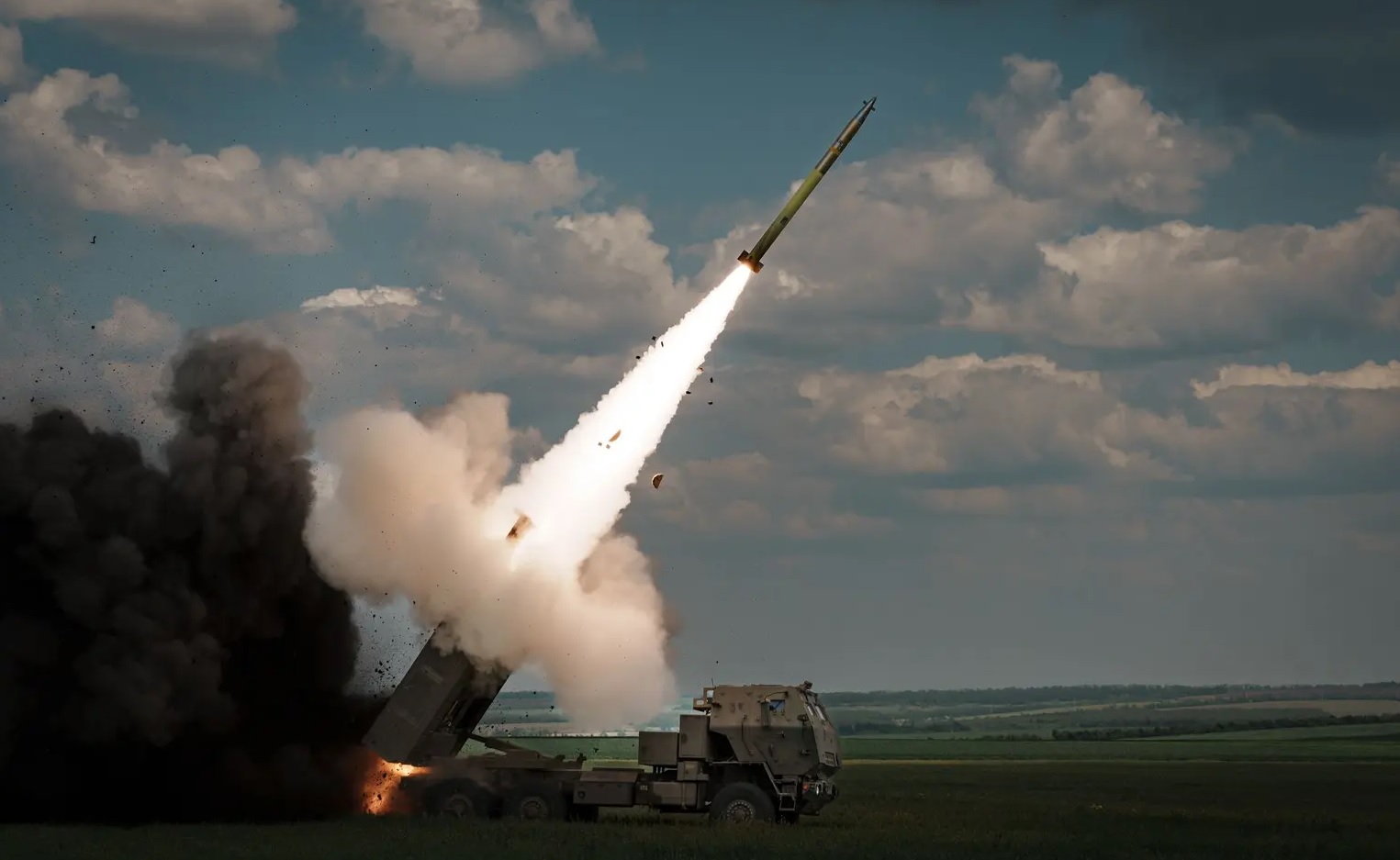
World
BRUSSELS/STOCKHOLM, — June 18, 2026 : Sweden has allocated 1.1 billion Swedish kronor (approximately $108 million) to the Prioritised Ukraine Requirements List (PURL) initiative, a NATO-coordinated program that enables the rapid procurement of American-made military equipment for Ukraine. The funding was announced during a meeting in Brussels and forms part of a broader effort involving Norway and Canada, which are also contributing to a joint defense package aimed at strengthening Ukraine’s defense capabilities. Funding to Support Rapid Weapons Procurement The PURL initiative allows allied and partner nations to finance the acquisition of high-priority U.S. defense equipment requested by Ukraine. By utilizing established procurement channels and available inventories, the program helps reduce delays associated with traditional weapons production and procurement processes. The latest funding package is expected to support the procurement of several key defense capabilities, including: Advanced air defense systems for the protection of urban areas and critical infrastructure. Interceptor missiles for countering aerial threats. Artillery ammunition to support ongoing military operations. The initiative is designed to ensure that urgently needed equipment reaches Ukraine more quickly than through standard procurement procedures. Sweden’s Fourth Contribution Under PURL The latest transfer marks Sweden’s fourth contribution to the PURL framework. With this allocation, Sweden’s cumulative support through the initiative has reached approximately $543 million. Previous Swedish contributions included a $100 million package announced in February 2026, as well as earlier funding commitments made during 2025. Part of Broader Military Assistance The new allocation is part of Sweden’s wider military assistance strategy for Ukraine. Sweden has established a long-term military support framework worth SEK 80 billion (approximately $7.5–8 billion) covering the 2026–2027 period. Since the start of Russia’s full-scale invasion in 2022, Sweden’s total military assistance to Ukraine has reached approximately SEK 128 billion. Role of the PURL Initiative Launched in 2025, the PURL initiative serves as a coordinated procurement mechanism through which allied countries fund the acquisition of U.S.-produced military equipment based on Ukraine’s prioritized operational requirements. The program has facilitated the delivery of critical military capabilities, including air defense interceptors, missile systems, ammunition, and other defense equipment required to support Ukraine’s military operations. The initiative operates through cooperation between NATO, the United States, Ukraine, and contributing partner nations, ensuring that funding is directed toward priority military requirements identified by Ukraine. Several countries, including Germany, the Netherlands, Norway, Canada, and other NATO allies, have participated in PURL funding packages since the program’s establishment. Calls for Accelerated Support The funding announcement coincided with a recent meeting of the Ukraine Defense Contact Group, commonly known as the Ramstein format, where allied nations discussed ongoing military assistance for Ukraine. The meeting highlighted the importance of accelerating defense deliveries, particularly air defense systems and interceptor missiles, as Ukraine continues to face sustained aerial threats. Continued International Coordination Sweden’s latest contribution is being coordinated alongside funding efforts by Norway and Canada, supporting the continued acquisition of priority military equipment through the PURL framework. Details of the specific weapon systems to be procured under the new funding package were not disclosed. The funds will be directed toward equipment identified through established NATO procurement channels based on Ukraine’s operational requirements. The latest allocation reflects continued multinational efforts to accelerate the delivery of critical defense capabilities while maintaining long-term military support for Ukraine through coordinated procurement mechanisms.
Read More → Posted on 2026-06-18 15:45:49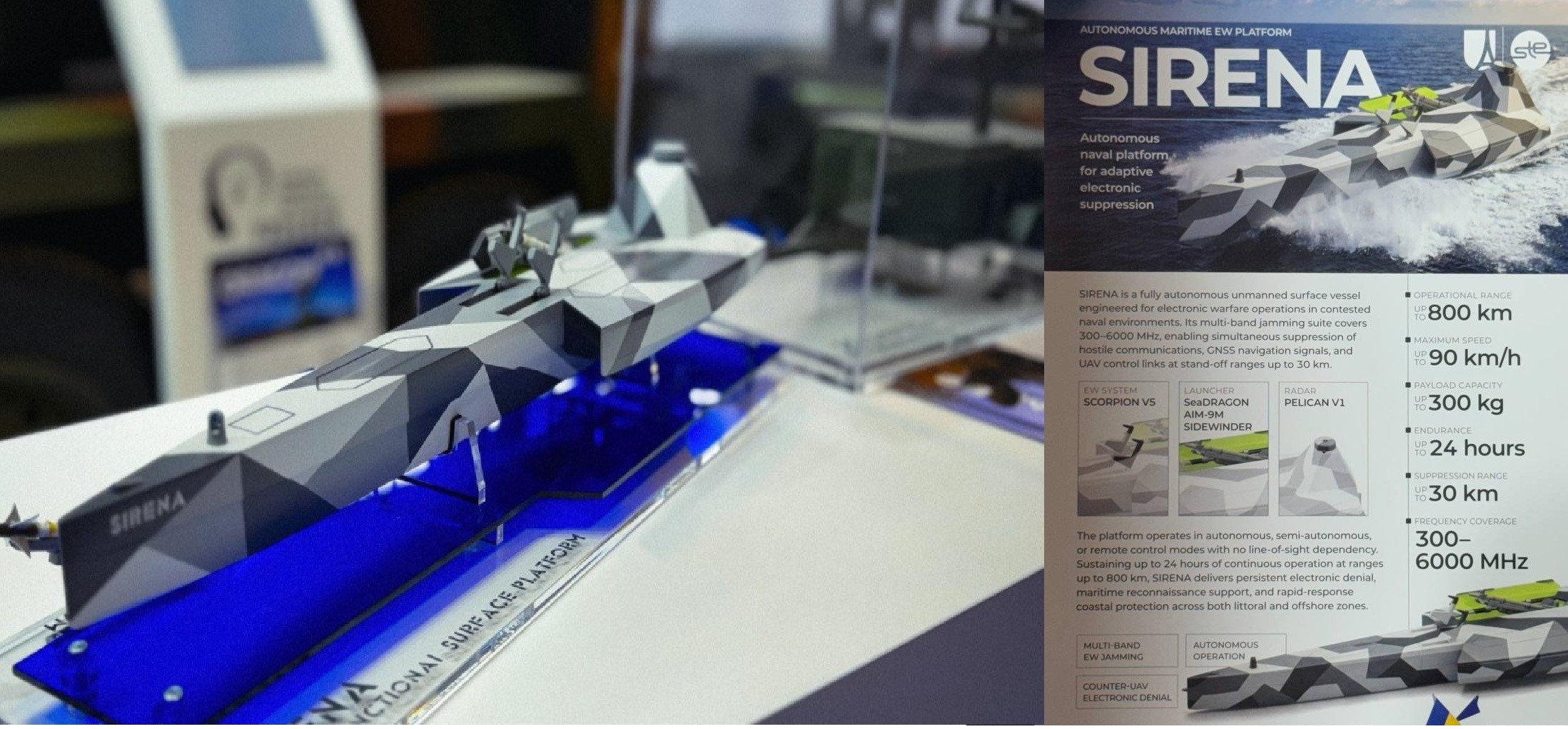
World
PARIS, — June 18, 2026 : Ukraine has unveiled a new unmanned surface vessel (USV) named SIRENA at the Eurosatory 2026 defense exhibition in Paris, showcasing a multi-role maritime platform that combines electronic warfare, reconnaissance, and air defense capabilities within a single autonomous system. The SIRENA trimaran was presented by Ukraine’s state-owned defense trade enterprise SpetsTechnoExport in cooperation with the Center of Innovative Technologies Program. Designed specifically for operations in confined and contested maritime environments, the platform is intended to support coastal defense, surveillance, electronic warfare, and counter-air missions. Multi-Role Maritime Platform Developed to address evolving maritime security requirements, the SIRENA integrates advanced sensors, electronic warfare equipment, and missile-based air defense systems on an unmanned vessel. The platform is capable of conducting reconnaissance missions, disrupting enemy systems, and engaging aerial threats while operating without exposing personnel to frontline risks. According to information presented at the exhibition, the vessel can operate autonomously, semi-autonomously, or through remote control, providing flexibility for different mission profiles. It does not require a direct line-of-sight connection with its command center, allowing it to operate deep inside contested maritime zones. Performance and Endurance The SIRENA has been engineered for long-range and extended-duration missions. Key specifications include: Maximum speed of 90 km/h (56 mph). Operational range of up to 800 kilometers (500 miles). Continuous endurance of up to 24 hours at sea. Payload capacity of up to 300 kilograms (660 pounds). Autonomous, semi-autonomous, and remote-control operating modes. These characteristics enable the platform to conduct prolonged coastal surveillance, electronic suppression missions, and maritime patrol operations. Advanced Electronic Warfare System A central feature of the SIRENA is its integrated Scorpion V5 electronic warfare system, designed to disrupt enemy communications and navigation networks. The system operates across a frequency spectrum ranging from 300 MHz to 6,000 MHz (6 GHz) and can simultaneously interfere with multiple categories of targets, including: Military communication networks. GNSS navigation signals. Autopilot and navigation systems. Drone command-and-control links. Exhibition representatives stated that the Scorpion V5 is particularly effective against unmanned aerial threats, including Shahed-type loitering munitions. The system can reportedly conduct electronic suppression at distances of up to 30 kilometers, providing a protective electronic shield for maritime operations. Radar and Air Defense Capability Beyond electronic warfare, the SIRENA is designed to function as an active air defense platform. The vessel is equipped with the Pelican V1 radar, which provides target detection, tracking, and situational awareness. The radar works in conjunction with the vessel’s weapon system to identify and engage aerial threats. For kinetic engagements, the trimaran carries the SeaDRAGON launcher, which is configured to fire AIM-9M Sidewinder air-to-air missiles adapted for naval deployment. This capability allows the unmanned vessel to engage hostile aircraft, helicopters, and drones operating in the vicinity of maritime forces or coastal infrastructure. The combination of radar-guided detection, electronic warfare effects, and missile-based interception gives the platform a layered approach to countering aerial threats. Designed for Contested Maritime Environments Representatives of the Center of Innovative Technologies Program stated that the SIRENA was specifically developed for operations in areas where traditional naval assets may face elevated risks from drones, missiles, or electronic attack. Its trimaran configuration provides stability for carrying radar, electronic warfare equipment, and missile systems while maintaining high-speed maneuverability. The vessel's modular architecture also offers flexibility for future upgrades and mission-specific payloads. Continued Development of Ukrainian Unmanned Systems The introduction of the SIRENA reflects Ukraine's ongoing investment in autonomous maritime technologies and unmanned warfare capabilities. The system builds upon the country's growing experience in developing uncrewed surface vessels for reconnaissance, strike, and support missions. At Eurosatory 2026, detailed information and renderings of the platform highlighted the integration of the Pelican V1 radar, Scorpion V5 electronic warfare suite, and SeaDRAGON launcher with AIM-9M Sidewinder missiles, demonstrating a multi-domain approach that combines sensing, electronic attack, and air defense functions on a single unmanned vessel. The SIRENA's combination of long-range operation, electronic warfare capabilities, and missile armament positions it as a versatile platform for coastal defense, reconnaissance, and maritime security operations in increasingly contested littoral environments.
Read More → Posted on 2026-06-18 15:56:37
World
HELSINKI, — June 18, 2026 : Finland's parliament has approved legislation that removes the country's decades-old ban on the presence of nuclear weapons on its territory, marking a significant change in national defense policy as the country continues to integrate into NATO following its accession to the alliance in April 2023. The legislation was passed on Wednesday by a vote of 125 in favor and 61 against, while 13 lawmakers were absent. The bill repeals provisions contained in Finland's Nuclear Energy Act, which had prohibited the import, production, possession, transport, supply, and detonation of nuclear explosives since the late 1980s. The reform also includes amendments to the Finnish Criminal Code, creating exceptions that allow the transport, supply, and possession of nuclear weapons when connected to Finland's military defense, NATO collective defense obligations, or defense cooperation activities. The legislation now awaits formal approval by President Alexander Stubb before entering into force. Strengthening NATO Integration Finnish officials said the legislative changes are intended to align Finland's legal framework with NATO's deterrence and defense policies. Defense Minister Antti Häkkänen described the measure as a "historic reform," stating that it will enable Finland to fully utilize NATO's deterrence capabilities and strengthen both national and allied security. According to the government, the amendments were developed following extensive studies and consultations with NATO partners. The legislation does not authorize Finland to manufacture or detonate nuclear weapons and maintains compliance with the Nuclear Non-Proliferation Treaty (NPT). Finnish leaders have also stated that there are currently no plans to permanently station nuclear weapons in the country during peacetime. Potential Role in NATO Nuclear Sharing The removal of the ban creates the legal framework for Finland to potentially participate in NATO's nuclear-sharing arrangements in the future. The United States currently maintains nuclear-sharing agreements with several NATO members, including Germany, Italy, Belgium, the Netherlands, and Turkey. Under such arrangements, U.S. nuclear weapons can be stored in host countries, while local air forces are trained to deliver them in the event of a major conflict. Finland is widely viewed as a potential candidate for such an arrangement. In December 2021, Helsinki signed a contract to acquire 64 F-35A Lightning II fighter jets, which are capable of performing nuclear delivery missions and are designed to carry B61-series nuclear gravity bombs internally. On April 1, 2025, U.S. Chairman of the Joint Chiefs of Staff Gen. Dan Caine indicated that Washington was open to expanding nuclear-sharing agreements and identified Finland and Poland as leading candidates for future participation. If a nuclear-sharing agreement were established, U.S. Air Force B61 nuclear bombs could potentially be stored in Finland, with Finnish personnel receiving training for nuclear delivery missions under NATO procedures. French Nuclear Cooperation Discussed In addition to possible cooperation with the United States, Finnish Prime Minister Petteri Orpo recently referred to discussions regarding participation in a French-led nuclear deterrence framework. French President Emmanuel Macron has advocated expanding France's nuclear deterrence role within Europe and has proposed deploying French nuclear assets to allied countries as part of a broader European security strategy. However, defense analysts note that significant challenges exist. France's nuclear arsenal consists of approximately 290 warheads, and French nuclear weapons are not currently integrated with Finland's future F-35 fleet. Implementing such a framework would likely require the deployment of French Rafale fighter aircraft to Finnish bases and additional infrastructure, making the option more complex and time-consuming than a U.S.-led arrangement. Strategic Impact in Northern Europe Finland's accession to NATO significantly altered the alliance's strategic geography by adding approximately 1,340 kilometers (830 miles) of border with Russia, more than doubling NATO's direct land border with the country. The possibility of nuclear-capable aircraft operating from Finnish territory has drawn attention because of Finland's proximity to the Arctic region and several key Russian military, industrial, and population centers. Military analysts note that F-35A fighters equipped with B61-12 or B61-13 nuclear bombs could reach targets deep inside Russian territory while benefiting from the aircraft's stealth characteristics. Such capabilities could influence regional deterrence calculations and broader NATO defense planning. Russian Response Russian officials have repeatedly criticized Finland's legislative changes and deeper integration into NATO's security structures. Earlier this year, Kremlin spokesman Dmitry Peskov warned that removing the nuclear weapons ban could increase tensions in Europe. He stated that the deployment of nuclear weapons on Finnish territory would be viewed by Moscow as a direct security threat and would prompt a response. Opponents of the legislation within Finland have also expressed concerns that allowing nuclear weapons on Finnish territory could increase security risks and potentially make the country a target during a major conflict. Supporters, however, argue that the reform strengthens deterrence while preserving Finland's long-standing policy of not developing its own nuclear weapons. The parliamentary vote represents one of the most significant defense policy changes undertaken by Finland since joining NATO and reflects the country's continuing efforts to adapt its security framework to the evolving European security environment.
Read More → Posted on 2026-06-18 16:15:31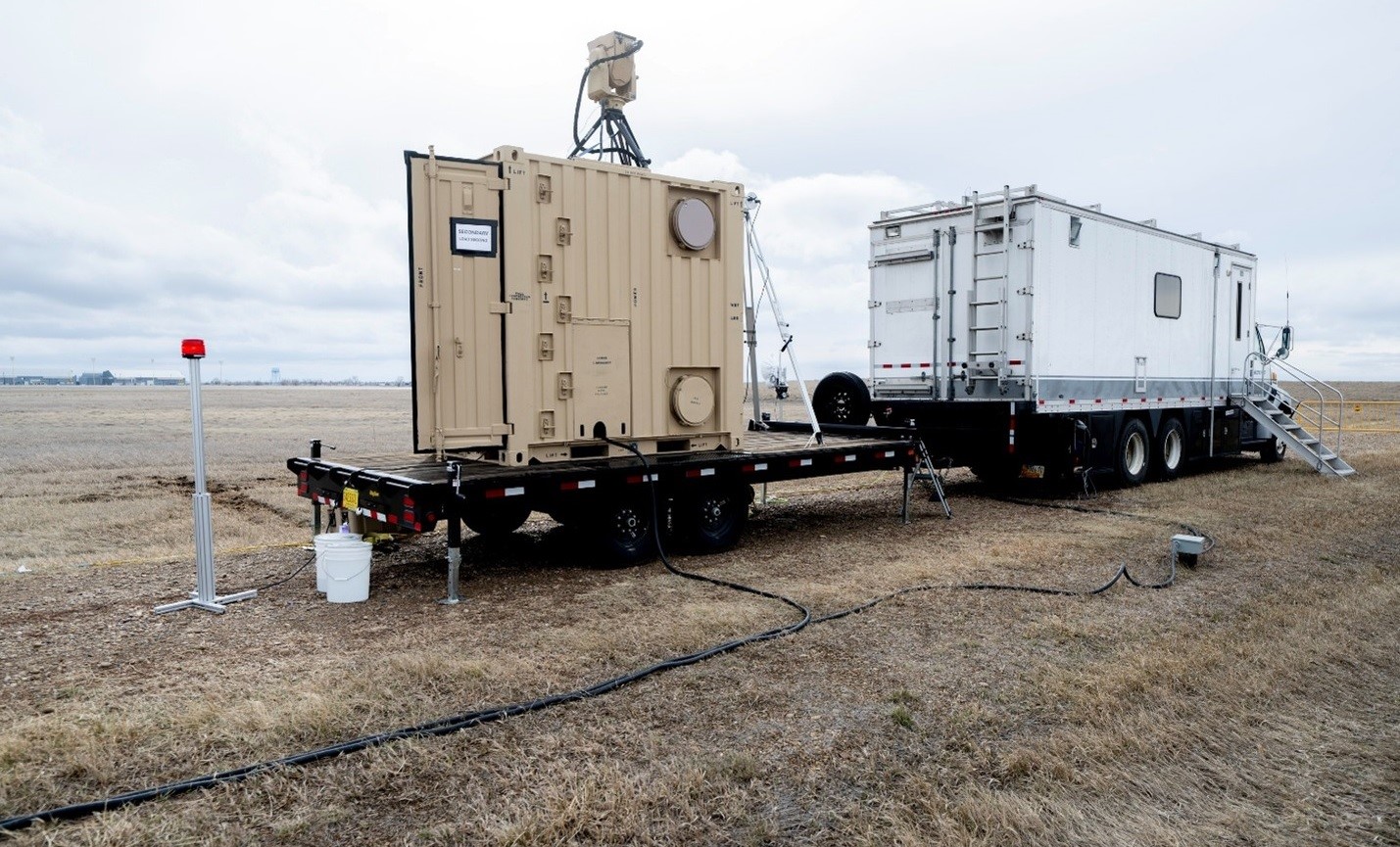
World
WASHINGTON, — June 18, 2026 : The U.S. Naval Research Laboratory (NRL) has successfully demonstrated a dual-use directed-energy laser system capable of wirelessly transmitting power over long distances while rapidly transitioning to counter unmanned aerial threats without interrupting ongoing operations. The field test represents a significant advancement in expeditionary energy and defense technologies, demonstrating that a single directed-energy platform can perform both remote power delivery and counter-unmanned aerial systems (C-UAS) missions. The capability could help military forces support remote operations while reducing reliance on traditional fuel-based logistics. The demonstration was sponsored by the Office of the Under Secretary of Defense for Acquisition and Sustainment (OUSD(A&S)) and funded through the Operational Energy Capability Improvement Fund (OECIF). The effort brought together the U.S. Naval Research Laboratory, Boeing, and the U.S. Army’s DEVCOM Ground Vehicle Systems Center (GVSC), with additional participation from personnel across the Navy, Marine Corps, and Army. Field Demonstration and System Configuration During the evaluation, researchers deployed a trailer-mounted laser system across an airfield to demonstrate both wireless power transmission and counter-drone operations. The operational setup included: Power Source: Standard military vehicle-based power generation. Transmission System: A currently fielded U.S. Marine Corps directed-energy laser system. Receiving System: High-efficiency solar receivers positioned at a remote site representing a forward operating base. The system successfully transmitted power from a military vehicle to the remote receivers located miles away. The demonstration showed how future military installations could receive electricity without relying solely on diesel generators or vulnerable fuel supply routes. Once power transmission was established, the team redirected the same laser beam to engage a simulated aerial drone threat. After successfully completing the counter-UAS engagement, the system returned to wireless power transmission without being taken offline. “This was not just a laboratory exercise; we were building the pieces for what this capability could actually look like on the battlefield,” said Alex Grede, Ph.D., an electrical engineer at NRL. “We demonstrated that the same laser used to beam power remotely can immediately transition to counter a drone threat, giving Marines and soldiers greater flexibility without changing their operational footprint.” Building on Previous Power-Beaming Research The demonstration builds upon years of research into wireless energy transfer technologies. NRL scientists previously contributed to the Defense Advanced Research Projects Agency (DARPA) Persistent Optical Wireless Energy Relay (POWER) program, which successfully transmitted more than 800 watts of power over 8.6 kilometers (5.3 miles) at White Sands Missile Range, New Mexico. However, unlike earlier demonstrations that focused on achieving maximum distance and power-transfer records under controlled conditions, the latest trial prioritized operational performance in realistic environments. Researchers intentionally conducted testing during high winds, snowfall, and atmospheric interference approaching whiteout conditions to evaluate how the system would perform under conditions likely to be encountered during military operations. “We wanted to prove this could work where warfighters actually operate, not just in ideal conditions,” said Justin Lorentzen, a research physicist at NRL. “Testing in wind, snow, and real atmospheric interference gives us the data we need to improve the system and move it toward a true operational capability.” Reducing Battlefield Logistics Risks The project was designed with expeditionary military operations in mind, particularly for units operating in remote and contested environments. Forward-deployed forces often depend on fuel-powered generators that require continuous resupply. These fuel convoys can be vulnerable to attack, increasing operational risks and logistical demands. Wireless power transmission offers a potential alternative by enabling remote facilities, sensors, vehicles, and future military systems to receive electricity from distant power sources without the need for frequent fuel deliveries. The ability to combine energy delivery and air-defense functions into a single platform could further reduce the equipment and personnel required to sustain forward operations. Grede noted that the Army is currently among the services most likely to field the technology first because of its potential value in distributed and expeditionary operations. “We can take the expertise we’ve built at NRL and help accelerate capability development across the joint force,” he said. Field Repair and Operational Simplicity In addition to validating the system’s power-transfer and defensive capabilities, researchers also assessed its maintainability during field deployment. During the demonstration, engineers successfully repaired a critical system component on-site without requiring a dedicated workshop or specialized maintenance equipment. The repair validated the platform’s ability to remain operational in expeditionary environments where technical support resources may be limited. “You can’t have a system that takes months to repair or months to train someone to use,” said Lt. Cmdr. Brian Di Salvo, Military Deputy for NRL’s Radar Division. “This system showed both repairability and simplicity of operation, qualities that matter when you’re talking about real deployment with young operators in the field.” Next Phase of Development The dual-use laser system remains a proof-of-concept prototype, and NRL has not announced a timeline for procurement or operational deployment. The next phase of testing will involve active-duty Marines, Soldiers, and Sailors, who will evaluate the system in realistic operating scenarios and provide direct user feedback. The goal is to ensure future versions of the technology meet operational requirements and can be effectively employed by military personnel in the field. The demonstration also supports NRL’s broader directed-energy research portfolio, which includes previous wireless power transmission experiments such as the Space Wireless Energy Laser Link (SWELL) conducted aboard the International Space Station. Strategic Significance The successful demonstration highlights the potential of directed-energy technologies to address two critical military requirements simultaneously: delivering power to remote locations and defending forces against emerging drone threats. By enabling a single laser system to transmit energy across long distances while retaining the ability to immediately engage hostile unmanned aircraft, the technology could help improve logistics resilience, reduce dependence on fuel convoys, and enhance operational flexibility for U.S. military forces operating in contested environments. The mid-June 2026 demonstration marks another step toward the development of future expeditionary energy systems designed to support more resilient, self-sustaining, and adaptable military operations.
Read More → Posted on 2026-06-18 16:24:32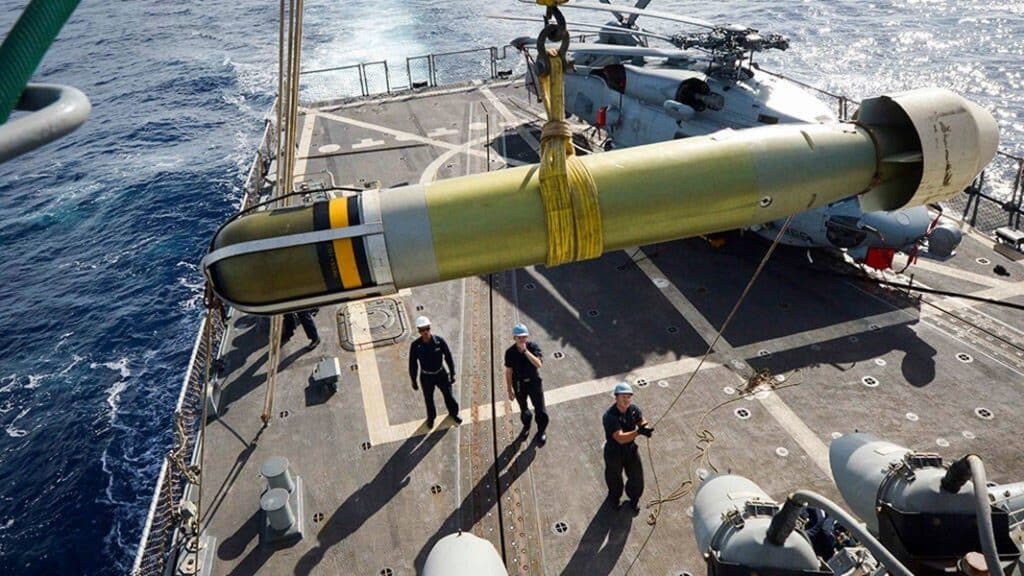
World
WASHINGTON, — June 18, 2026 : The U.S. Navy has awarded General Dynamics Mission Systems (GDMS) a $116.6 million contract modification to continue the production of sonar assembly kits and associated equipment for the MK 54 lightweight torpedo, the Navy’s primary anti-submarine warfare (ASW) weapon. The contract, announced on June 17, exercises options under an existing agreement and will support production of sonar assemblies, test equipment, and instrumentation subsystems through April 2029. Funding for the effort is being provided through Navy weapons procurement accounts across multiple fiscal years. Work under the contract will be carried out at several facilities across the United States. The majority of production, approximately 62 percent, will take place in Canonsburg, Pennsylvania, while additional manufacturing and support activities will be conducted in Salt Lake City, Utah; Andover, Massachusetts; Bloomington, Indiana; Manassas, Virginia; and Port Orchard, Washington. Supporting the Navy’s Primary Anti-Submarine Weapon The MK 54 lightweight torpedo serves as the U.S. Navy’s standard lightweight torpedo and is deployed from a range of platforms, including surface combatants, helicopters, and maritime patrol aircraft such as the P-8A Poseidon. It is designed to engage submarines operating in both deep-water and shallow-water environments. The latest contract focuses on the sonar section of the MK 54 Mod 1 variant, which is responsible for detecting, classifying, and tracking underwater targets. The sonar system plays a critical role in distinguishing submarine contacts from ocean background noise, clutter, and countermeasures such as decoys. The Mod 1 upgrade incorporates a higher-resolution sonar array and an advanced processor group that improves target detection and tracking performance. The upgraded processing architecture utilizes Advanced Processor Build (APB) software, sharing computing algorithms with the Navy’s larger MK 48 heavyweight torpedo, which is launched from submarines. According to Navy program information, these enhancements are intended to improve performance against quieter and more sophisticated submarine threats operating in increasingly complex underwater environments. Evolution of the MK 54 Mod 1 Program Development of the MK 54 Mod 1 began in 2007 as part of a long-term modernization effort aimed at maintaining the torpedo’s effectiveness against evolving undersea threats. The program was structured into multiple increments. Increment 1 introduced Advanced Processor Build 5 software along with hardware upgrades designed to improve target detection, classification, and tracking capabilities. The Navy achieved initial operational capability (IOC) for the Mod 1 configuration in 2023, and full-rate production began in April 2023. The earlier MK 54 Mod 0 variant entered service in 2004 and remained in production until 2020. Operational assessments conducted by the Pentagon’s Director of Operational Test and Evaluation (DOT&E) concluded that the MK 54 Mod 1 Increment 1 is operationally effective. Earlier evaluations also identified reliability and availability factors that continue to be addressed through ongoing refinements and modernization efforts. Strategic Importance in an Evolving Undersea Environment The contract comes as the U.S. Navy continues to invest in anti-submarine warfare capabilities amid changes in the global undersea security environment. Recent assessments by the U.S. Office of Naval Intelligence (ONI) indicate that China currently operates approximately 60 submarines, with projections suggesting the fleet could expand to around 70 submarines by 2027 and approximately 80 vessels by 2035. Naval intelligence officials have also highlighted a gradual transition within the People’s Liberation Army Navy (PLAN) toward a larger number of quieter, nuclear-powered submarines. By 2035, analysts project that as many as half of China’s submarine fleet could be nuclear-powered. Rear Adm. Michael Brookes, commander of the Office of Naval Intelligence, has previously stated that China's expanding undersea force could present a credible challenge to U.S. maritime operations in the Indo-Pacific region over the coming decades. In response, the Navy continues to prioritize investments in undersea surveillance systems, submarine readiness, and advanced anti-submarine weapons such as the MK 54. Widely Used by Allied Navies The MK 54 torpedo is also used by numerous U.S. allies and partners, making it an important element of NATO and allied anti-submarine warfare operations. Several countries have acquired the weapon directly or invested in conversion programs to upgrade existing torpedo inventories. Australia has procured additional MK 54 torpedoes through previous acquisition programs, while Canada has pursued conversion kits and conducted testing aboard vessels such as HMCS Regina. India has also integrated the MK 54 into its anti-submarine warfare inventory for use aboard P-8I maritime patrol aircraft and MH-60R Seahawk helicopters. Other operators include Norway, New Zealand, and several NATO member nations through Foreign Military Sales (FMS) programs. The widespread adoption of the MK 54 supports interoperability between allied forces and enables partner navies to operate common anti-submarine warfare systems alongside U.S. forces. Continued Modernization Effort The latest contract modification ensures the continued supply of updated sonar components and associated equipment for the U.S. Navy and allied operators. By sustaining production of the Mod 1 sonar assemblies, the Navy aims to maintain the effectiveness of a proven weapon system while incrementally improving its ability to counter increasingly capable submarine threats. With production scheduled to continue through 2029, the contract represents part of the Navy’s broader strategy of modernizing existing anti-submarine warfare capabilities while leveraging advancements in sonar technology, signal processing, and open-architecture software to meet future operational requirements.
Read More → Posted on 2026-06-18 16:32:38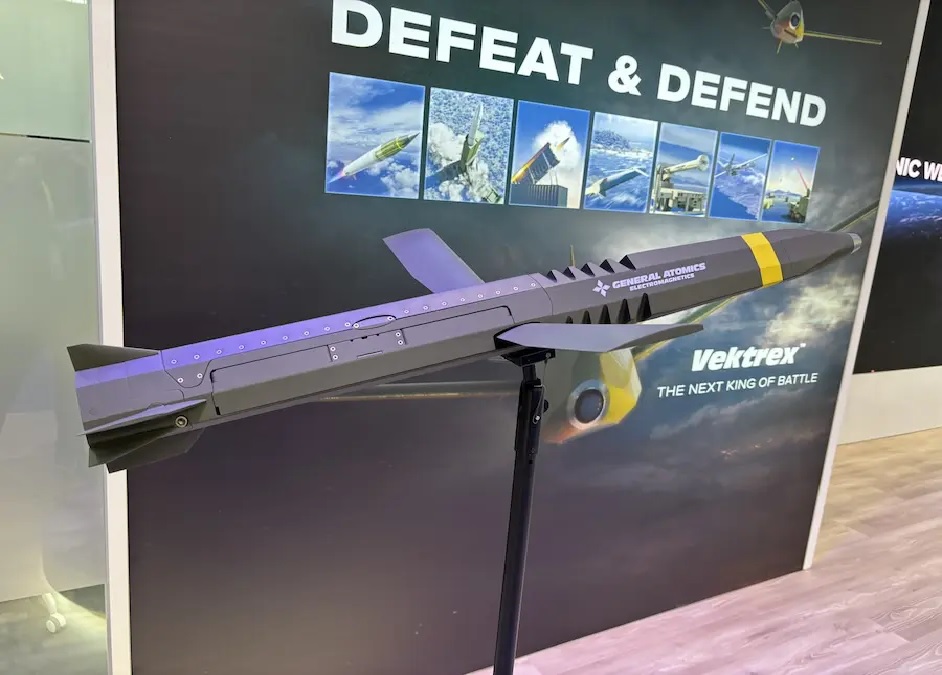
World
PARIS, — June 18, 2026 : Rheinmetall and General Atomics Electromagnetic Systems (GA-EMS) have signed a Memorandum of Understanding (MoU) at the Eurosatory 2026 defense exhibition in Paris to explore cooperative large-scale production of the Vektrex 155 mm precision-guided munition, a maneuvering artillery projectile designed to enhance long-range strike capabilities for allied armed forces. The transatlantic agreement establishes a framework for collaboration between the two companies as governments increasingly seek to modernize artillery forces, expand long-range precision-fire capabilities, and replenish munitions stockpiles depleted by ongoing military commitments and heightened security requirements. Focus on Long-Range Precision Fires The Vektrex munition has been developed to provide precision strike capability in highly contested environments, including areas where GPS signals may be degraded, disrupted, or denied. The projectile utilizes a glide-based aerodynamic design with deployable wings that significantly extends its operational range compared to conventional artillery ammunition. According to the companies, Vektrex can achieve engagement distances of approximately 120 kilometers, depending on the artillery system and propellant configuration used. This represents a range increase of two to three times over traditional 155 mm artillery projectiles. The munition is designed for compatibility with existing 39-caliber and 52-caliber 155 mm artillery systems already in service with NATO and partner nations. This interoperability enables military operators to field the capability without requiring new launchers, specialized propellants, or major changes to logistics and support infrastructure. By extending the reach of current artillery platforms, Vektrex is intended to provide a lower-cost standoff strike option compared to tactical missile systems while maintaining precision engagement capabilities at extended ranges. Industrial Cooperation and Production Expansion The MoU was signed by Scott Forney, President of GA-EMS, and Roman Köhne, Chief Executive Officer of Rheinmetall’s Weapon and Ammunition Division. Under the agreement, the companies will evaluate opportunities for distributed co-production across allied defense industries. The initiative combines General Atomics’ expertise in precision-strike munition design, guidance technologies, and scalable manufacturing with Rheinmetall’s extensive experience in munitions production and its NATO-compliant manufacturing infrastructure. The partnership is intended to strengthen industrial capacity for advanced artillery ammunition while improving supply-chain resilience and accelerating production timelines. The companies also aim to support greater industrial participation among allied nations through multinational manufacturing networks. Addressing Growing Demand Demand for long-range precision fires has increased significantly in recent years as armed forces seek to improve battlefield survivability and engage targets from greater stand-off distances. At the same time, governments have prioritized expanding defense industrial capacity to ensure sustained production of critical munitions during prolonged operations. “Operational demand continues to outpace traditional guided-munition manufacturing output,” said Scott Forney. “This collaboration helps allied industry expand long-range strike capability while leveraging artillery systems already deployed across coalition forces.” Roman Köhne highlighted the importance of scalable and resilient production networks for modern defense requirements. “European and allied armed forces require long-range strike capabilities that integrate rapidly, scale efficiently, and remain sustainable through resilient multinational industrial networks,” Köhne said. “This MoU enables both companies to align advanced artillery technologies with established manufacturing infrastructure to support evolving operational requirements.” Supporting Artillery Modernization The agreement aligns with broader efforts among NATO members and partner countries to modernize land-force capabilities while maximizing the effectiveness of existing weapon systems. Rather than requiring entirely new artillery platforms, Vektrex is designed to enhance the performance of fielded systems through increased range and precision. GA-EMS noted that the munition is produced using manufacturing processes aligned with U.S. military specifications and NATO standards, while Rheinmetall’s established production facilities provide the capability for large-scale series manufacturing in Europe. The companies stated that combining General Atomics’ guidance and aerodynamic technologies with Rheinmetall’s manufacturing footprint could provide a scalable pathway for modernizing artillery forces while ensuring sustained munition availability for extended operations. Eurosatory 2026 Announcement The announcement was made during Eurosatory 2026, one of the world's largest international defense and security exhibitions, held in Paris from June 15 to 19. The event brings together defense manufacturers, military organizations, and government representatives from around the world to showcase new technologies and explore industrial partnerships. The Rheinmetall-GA-EMS agreement reflects ongoing transatlantic cooperation in the defense sector and highlights increasing efforts to expand precision-guided munition production capacity to meet current and future operational requirements across NATO and allied forces.
Read More → Posted on 2026-06-18 17:14:54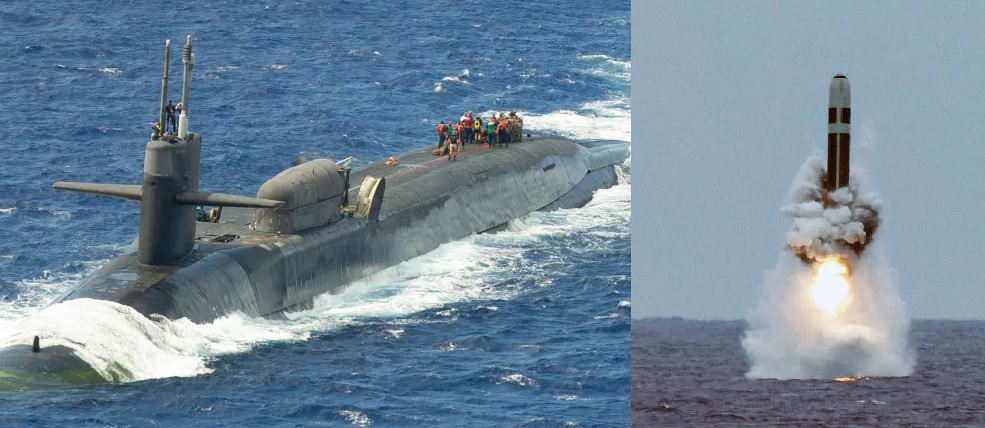
World
WASHINGTON, — June 18, 2026 : The U.S. Department of Energy’s National Nuclear Security Administration (NNSA) has completed and delivered the first production unit of the Mark (Mk) 4B reentry body for the W76 nuclear warhead, achieving the milestone nearly three months ahead of the planned schedule. The accomplishment marks an important step in the ongoing modernization and sustainment of the United States’ sea-based nuclear deterrent, which forms one of the three pillars of the nation’s nuclear triad alongside land-based intercontinental ballistic missiles and strategic bombers. The Mk4B reentry body, developed through a partnership between the NNSA and the U.S. Navy, is designed to protect the W76 warhead as it reenters Earth’s atmosphere at extremely high speeds following launch from a submarine-launched ballistic missile (SLBM). The reentry body must withstand intense heat, pressure, and friction while ensuring the warhead reaches its intended target reliably. Key Component of the U.S. Sea-Based Deterrent The W76 warhead series represents the largest portion of the United States’ active strategic nuclear stockpile. The warheads are deployed aboard UGM-133 Trident II (D5) submarine-launched ballistic missiles, which are carried by the U.S. Navy’s Ohio-class ballistic missile submarines and will eventually transition to the next-generation Columbia-class submarines. Together, the W76 warhead and Trident II missile system form the backbone of the U.S. sea-based nuclear deterrent. The survivability of ballistic missile submarines provides the United States with a credible second-strike capability, a key element of strategic deterrence. The Mk4B upgrade is intended to improve the reliability and long-term sustainability of the previous Mk4A reentry body design while ensuring continued operational effectiveness in evolving security environments. Built on Previous Modernization Efforts The new reentry body follows earlier modernization work conducted under the W76-1 Life Extension Program, which upgraded the original W76-0 warhead and was completed in 2019. The Mk4B program continues efforts to extend the service life and reliability of the W76 system as it remains a central component of U.S. strategic forces. The W76 warhead is estimated to have a yield of approximately 100 kilotons and can be deployed as part of the multiple independently targetable reentry vehicle (MIRV) configuration carried by Trident II missiles. Each Ohio-class submarine is capable of carrying up to 24 Trident II missiles, although operational deployments may vary under arms control agreements and military requirements. Enterprise-Wide Collaboration Accelerated Production According to NNSA, the accelerated completion of the first production unit resulted from coordinated efforts across the U.S. Nuclear Security Enterprise. The Pantex Plant in Texas, which assembled the final Mk4B unit, leveraged previous readiness assessments and production experience to streamline manufacturing activities. The Kansas City National Security Campus accelerated production and delivery of critical non-nuclear components required for the program. Meanwhile, Sandia National Laboratories and Los Alamos National Laboratory expedited qualification testing, technical evaluations, and certification activities necessary to support the accelerated production schedule. “NNSA is making good on our commitment to accelerate production for the nation’s nuclear deterrent and delivering the first W76/Mk4B to the Navy ahead of schedule,” said Brandon Williams, Administrator of the NNSA. Williams noted that enhancing the reliability of the W76 reentry body will help maintain the credibility of the nation’s nuclear deterrent and support long-term national security requirements. Jason Armstrong, Manager of the Pantex Field Office, said the early completion demonstrates the enterprise’s ability to accelerate mission delivery while meeting safety, security, and quality standards. Future Sea-Based Nuclear Programs The successful delivery of the first Mk4B production unit is expected to support broader modernization efforts planned for the U.S. nuclear arsenal over the coming decade. Among the next major sea-based deterrence programs are the W88 Alteration 376 Program, the development of the W93 warhead, and the W80-5 warhead intended for the future nuclear-armed Sea-Launched Cruise Missile-Nuclear (SLCM-N) program. NNSA expects first production units for these systems to be delivered during the early to mid-2030s. The agency also noted that personnel and expertise from the recently completed W88 Alteration 370 modernization effort are helping support the acceleration of upcoming programs. The W88 Alt 370 program reached its final production unit in late 2025. Supporting the Transition to the Columbia-Class Fleet The Mk4B milestone comes as the U.S. Navy prepares to transition from the Ohio-class ballistic missile submarine fleet to the new Columbia-class SSBNs, which are scheduled to begin entering service in the coming years and will gradually replace Ohio-class boats through the 2040s. By modernizing key components such as the W76 reentry body, the United States aims to ensure that its sea-based nuclear deterrent remains reliable, effective, and sustainable throughout the transition period and into the decades ahead. The completion of the first Mk4B production unit represents another step in maintaining the operational readiness of existing strategic systems while supporting future modernization requirements across the nation’s nuclear deterrence enterprise.
Read More → Posted on 2026-06-18 17:35:14
World
MOSCOW, — June 18, 2026 Ukraine carried out its largest drone attack on Moscow since the beginning of Russia’s full-scale invasion, targeting key energy infrastructure in and around the Russian capital. Russian authorities reported that hundreds of unmanned aerial vehicles (UAVs) were launched during the overnight operation, with several reaching their intended targets despite extensive air defense activity. According to Moscow Mayor Sergei Sobyanin, Russian air defense systems intercepted 194 drones approaching the capital. The Russian Defense Ministry stated that a total of 555 Ukrainian drones were shot down across 17 regions of the country. Russian officials also reported that nearly 1,000 drones and four Ukrainian cruise missiles had been intercepted nationwide over a 24-hour period. Kapotnya Oil Refinery Hit One of the primary targets of the operation was the Moscow Oil Refinery, also known as Gazprom Neft’s Kapotnya facility, located in southeastern Moscow approximately 15 kilometers from the Kremlin. The refinery is one of the largest fuel suppliers to the Moscow region and plays an important role in meeting the capital’s fuel demand. Several drones reportedly penetrated Moscow’s air defenses and struck the facility, causing fires, heavy smoke, and explosions. Images and videos circulating online showed thick black smoke rising from the refinery complex. Residents in nearby districts reported a strong smell of burning fuel, while some areas experienced what witnesses described as “oil rain,” with small black droplets and residue falling from the sky. Residents told media outlets that the fallout left dark spots on clothing and vehicles. Moscow authorities denied reports of oil rain. However, the city’s official communication channels advised residents in affected areas to keep windows closed and recommended that families with children, elderly individuals, and people suffering from respiratory conditions temporarily leave the area. Questions Over Cause of Storage Tank Damage Footage from the refinery appeared to show a large explosion involving an oil storage tank. According to analysis highlighted by Ukrainian commentator Denis Kazansky, the damage may not have resulted from a direct drone strike. Video footage reportedly showed the trajectory of a Russian surface-to-air missile heading toward the tank during an interception attempt. Some observers suggested that the storage tank may have been accidentally struck by Russian air defense fire while engaging incoming drones. No official confirmation of this assessment has been provided. Second Strike on Refinery This Week The attack marked the second reported strike on the Kapotnya refinery within days, following an earlier attack around June 16. The repeated targeting of the facility reflects Ukraine’s ongoing focus on Russian energy infrastructure, which Kyiv views as supporting military logistics and fuel supplies. In addition to the refinery strike, Russian authorities reported damage to other infrastructure and facilities in several regions. An oil depot in the Rostov region was also hit, where officials confirmed one fatality. FP-2 Drones Used in the Operation The operation was carried out using FP-2 one-way attack drones developed by the Ukrainian defense technology company Firepoint. The company recently presented upgraded versions of its FP-1 and FP-2 drone systems at the Eurosatory 2026 defense exhibition in Paris. The latest FP-2 configuration incorporates a new monoplane wing design with an integrated fuel tank. According to Firepoint, the upgraded drone can carry a 200-kilogram warhead and has an operational range of approximately 370 kilometers and up to 700 km when carrying a 105-kg payload. Firepoint representatives stated that their drone systems account for a significant share of Ukrainian long-range strikes against targets inside Russia. The company has focused on increasing production capacity and improving operational performance based on battlefield experience. Morok Kamikaze Drones Also Reportedly Participated Reports indicate that Ukrainian Morok kamikaze drones also participated in the large-scale attack on Moscow. The Morok is a long-range one-way attack drone designed to strike targets deep inside enemy territory. According to available data, the drone can carry a 30-kilogram warhead and has a reported operational range of up to 800 kilometers. The system is capable of flying at speeds of approximately 300 kilometers per hour, allowing it to engage targets far from the battlefield. The reported use of Morok drones, together with FP-2 attack drones, demonstrates Ukraine's growing inventory of domestically developed long-range strike systems designed to target infrastructure, logistics networks, and military facilities deep inside Russia. Reports of Bars Guided Missile Use Russian military-linked sources also claimed that the attack involved the Ukrainian Bars guided missile in addition to drones. According to available information, the missile has an estimated range of 700–800 kilometers, a wingspan of approximately two meters, and can carry a warhead weighing between 50 and 100 kilograms. No independent confirmation has been provided regarding the number of Bars missiles used during the operation. Airport Disruptions and Civilian Impact The scale of the attack led to significant disruption across the Moscow region. Operations were temporarily suspended at all four of Moscow’s major passenger airports, affecting hundreds of flights. Russian airlines, including state carrier Aeroflot, reported widespread delays and cancellations. Authorities stated that nearly 300 flights were disrupted as a result of the security measures. Debris from intercepted drones damaged residential buildings in parts of southern Moscow and nearby communities, including Zhukovsky. According to Moscow Region Governor Andrei Vorobyov, at least 17 people were injured, including two children. Authorities also imposed temporary restrictions on several roads near the refinery, including sections of the Moscow Ring Road, while heightened security measures resulted in the temporary closure of Red Square. Zelensky Links Attack to Previous Russian Strike Ukrainian President Volodymyr Zelensky linked the operation to a recent Russian attack on Kyiv that damaged the historic Pechersk Lavra monastery. Speaking after the strike, Zelensky said Ukraine was responding to Russian attacks on Ukrainian cities and infrastructure. He stated that Ukraine did not seek the war but would continue responding to actions taken by Russian forces. Continued Expansion of Long-Range Drone Operations The attack highlights the increasing role of long-range unmanned systems in the conflict. Both Russia and Ukraine have expanded their use of drones to strike targets far from the front lines, including energy facilities, military installations, logistics hubs, and industrial sites. The June 18 operation represents one of the most extensive Ukrainian strikes against Moscow and surrounding infrastructure since the start of the war, demonstrating Kyiv’s ability to conduct large-scale long-range attacks despite Russia’s extensive air defense network. Russian authorities continue to assess the damage, while cleanup and repair operations remain underway at affected sites.
Read More → Posted on 2026-06-18 17:42:22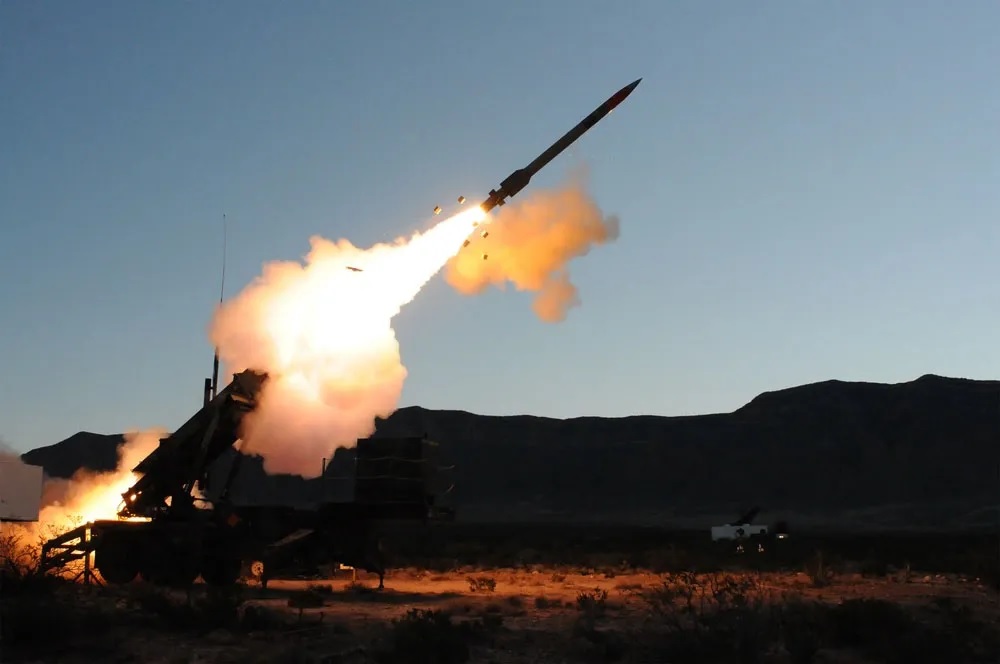
World
BRUSSELS, — June 18, 2026 : Germany has announced a $400 million military assistance package to strengthen Ukraine’s air defense capabilities, focusing on the procurement of interceptor missiles and ammunition for air defense systems. The announcement was made by German Defense Minister Boris Pistorius ahead of a NATO defense ministers’ meeting in Brussels. The funding package is intended to support Ukraine’s air defense network amid continued missile and drone attacks targeting critical infrastructure and civilian areas. Funding Divided Between PURL and JUMPSTART The assistance package will be split equally between two international procurement initiatives. Program Allocation Purpose Prioritized Ukraine Requirements List (PURL) $200 Million Procurement of urgently needed air defense ammunition JUMPSTART $200 Million Acquisition of PAC-3 interceptor missiles for Patriot systems Germany’s contribution through the PURL (Prioritized Ukraine Requirements List) mechanism marks its fourth participation in the program, which facilitates the purchase of U.S.-made weapons and ammunition not produced in Europe. The remaining $200 million will be provided through the JUMPSTART program under the U.S. Foreign Military Sales framework to procure PAC-3 guided interceptor missiles for Patriot air defense systems. PAC-3 interceptors are designed to engage ballistic missile threats and are considered one of the key components of Ukraine’s long-range air defense architecture. Germany also called on other members of the Ukraine Defense Contact Group to contribute to ongoing PAC-3 procurement efforts. Support Follows G7 Air Defense Commitments The funding announcement follows a recent agreement by G7 leaders in Évian, France, to increase deliveries of air defense equipment to Ukraine and explore options for expanding licensed defense production within the country. The new package is aimed at helping Ukraine replenish interceptor stocks and maintain the operational readiness of its air defense systems. Germany and Ukraine Advance Freyja Missile Shield Project Alongside the immediate procurement measures, Germany and Ukraine are expanding long-term defense cooperation. On the sidelines of the Ramstein-format meeting, German Defense Minister Boris Pistorius and Ukrainian Defense Minister Mykhailo Fedorov signed an agreement establishing a framework for the joint development of a European anti-ballistic missile defense system known as Freyja. The proposed system will combine German radar and command-and-control technologies with the Ukrainian-developed FP-7.x interceptor missile. The project is intended to create a European missile defense solution while enhancing cooperation between the defense industries of both countries. Seven German defense companies, including Hensoldt, have expressed interest in participating in the project. Germany Funds NOMADS Air Defense Systems for Ukraine In a separate development, Germany has financed the acquisition of NOMADS (National Manoeuvre Air Defence System) systems for the Ukrainian Armed Forces. According to the German Aid to Ukraine (GAU) monitoring project, eight NOMADS systems have already been delivered to Ukraine. Developed by Kongsberg Defence & Aerospace, the NOMADS system entered full-scale serial production in June 2024 and is mounted on an ACSV tracked armored vehicle chassis. The short-range air defense system is designed to protect maneuver units and logistics facilities from low-altitude aerial threats, including: Cruise missiles Unmanned aerial vehicles (UAVs) Low-flying aircraft Helicopters NOMADS is equipped with an X-band radar and can employ either IRIS-T or AIM-9X Sidewinder missiles, providing a mobile and autonomous layer of air defense. Continued Air Defense Assistance Germany has been among Ukraine’s largest providers of air defense support and has previously delivered Patriot systems and other air defense equipment. The latest $400 million package, combined with support for the Freyja project and NOMADS systems, forms part of broader international efforts to strengthen Ukraine’s layered air defense network and improve protection against missile and drone threats.
Read More → Posted on 2026-06-18 18:02:13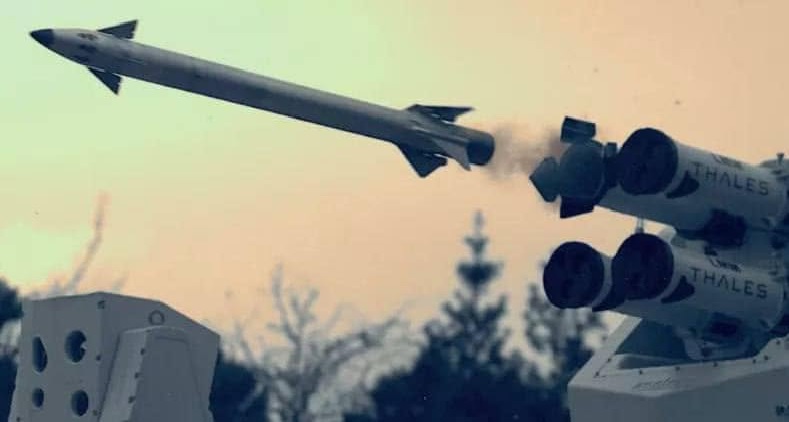
World
LONDON/BRUSSELS, — June 19, 2026 : The United Kingdom has announced a £752 million military support package for Ukraine, providing 150,000 drones, more than 350 air defence missiles, and ground-based radar systems to strengthen Kyiv’s defence against ongoing Russian attacks. The package is funded through the UK's £2.26 billion Extraordinary Revenue Acceleration (ERA) loan, a G7-backed initiative financed by future proceeds generated from immobilised Russian sovereign assets. British officials said the assistance is intended to help Ukraine maintain its defensive capabilities while supporting its long-term security needs. Chancellor Rachel Reeves said the funding would deliver critical military equipment required by Ukraine and reaffirmed Britain's continued commitment to supporting Kyiv while maintaining pressure on Russia. Focus on Air Defence and Drone Production According to the UK Ministry of Defence, the aid package is designed to improve Ukraine’s protection against missile and drone attacks targeting civilian areas and critical infrastructure. A significant portion of the support will be directed toward drone procurement, with most of the 150,000 units consisting of Ukrainian-produced first-person-view (FPV) quadcopters. The government noted that supporting domestic production enables faster delivery of equipment while strengthening Ukraine’s defence-industrial base. The package will also provide Lightweight Multirole Missiles (LMM) and radar systems to enhance air defence coverage and detection capabilities. Announcement at NATO Meetings The assistance was formally announced by Defence Secretary Dan Jarvis during meetings in Brussels, where he attended the NATO Defence Ministers’ Meeting and the 35th Ukraine Defence Contact Group (UDCG) session. The group, which includes representatives from nearly 50 countries, continues to coordinate military support for Ukraine. During the visit, Jarvis met with Ukrainian President Volodymyr Zelenskyy and discussed ongoing military assistance and future cooperation efforts. He stated that strengthening NATO’s deterrence and defence capabilities remains a key priority alongside continued support for Ukraine. Expanded Cooperation With Allies Alongside Ukraine-related discussions, the United Kingdom, Germany, and Norway agreed to deepen cooperation on anti-submarine warfare operations in the High North and Atlantic regions. The three nations operate advanced maritime assets, including frigates and P-8 Poseidon maritime patrol aircraft, which play a key role in submarine detection and tracking missions. Jarvis also held discussions with defence counterparts from the United States, France, Germany, Norway, Estonia, Denmark, Finland, and Ukraine on regional security and defence cooperation. Measures Targeting Russia The Ministry of Defence said Britain continues to increase pressure on Moscow through sanctions and enforcement actions aimed at restricting Russian revenue streams. Recent measures include action against Russia’s so-called shadow fleet, a network of vessels used to transport oil outside international restrictions. British authorities recently seized the tanker Smyrtos while it transited the English Channel after determining it was operating without a recognised national registry. The vessel was reportedly carrying more than 100,000 tonnes of Russian crude oil. The operation followed broader G7 announcements by Prime Minister Keir Starmer, including £210 million in UK Export Finance support for Ukraine’s nuclear power sector and 70 additional sanctions targeting Russian military procurement networks, shadow fleet operations, and illicit financial activities. UK to Lead Multinational Force for Ukraine In a separate development, Britain will assume command of the Multinational Force for Ukraine Headquarters (MNF-U). Major General Tom Bateman will take command next month and be promoted to Lieutenant General. The headquarters will coordinate international military assistance and support long-term planning for the future development and modernisation of Ukraine’s Armed Forces. Bateman has previously led planning efforts related to the recovery and regeneration of Ukraine’s military in coordination with allied partners. The latest support package forms part of the UK government's broader defence strategy, which continues to prioritise NATO cooperation while sustaining military assistance to Ukraine amid the ongoing conflict.
Read More → Posted on 2026-06-19 13:05:34
World
Washington, D.C., — June 19, 2026 : The U.S. Defense Advanced Research Projects Agency (DARPA) has launched a new initiative to develop computing systems capable of operating with extremely limited power, memory, and hardware resources in military environments. On June 18, 2026, DARPA's Multi X Office (MXO) released a Request for Information (RFI), DARPA-SN-26-97, seeking concepts for Low Resource Computing (LRC). The effort aims to enable software to run effectively on hardware that is normally considered too small, power-constrained, or unreliable for practical use. The initiative addresses a growing gap between commercial computing and military requirements. While commercial technology increasingly relies on large artificial intelligence (AI) models supported by data centers and cloud infrastructure, military systems often operate in remote or contested environments without reliable power, communications, or cloud access. Focus on Computing Under Resource Constraints DARPA's RFI highlights the evolution of computing efficiency by comparing the 1945 ENIAC computer, which weighed nearly 30 tons and consumed about 150 kilowatts of power, with modern low-power microchips that operate on fractions of a milliwatt while delivering significantly greater performance. The agency said it is not seeking incremental improvements in size, weight, and power (SWaP) requirements. Instead, it is looking for new approaches to computing under severe resource constraints. Physical Resource Challenges DARPA identified four key areas of interest: Ultra-low-power systems operating on nanowatts of power through environmental energy harvesting and without dependence on external power grids. Minimal-memory computing capable of performing complex tasks using only kilobytes or bytes of memory. Hardware resilience that enables reliable operation on noisy, degrading, or damaged hardware in combat conditions. Unconventional fabrication methods, including low-precision manufacturing, legacy techniques, mechanical systems, biological components, and computational origami-based circuit designs. Logical Resource Challenges The agency is also seeking solutions in four software-related areas: Zero-trust environments that continue functioning despite corrupted or manipulated data. Minimal system access approaches that perform complex tasks without requiring administrative control of hardware. Self-hosting architectures that allow systems to modify and reprogram themselves in the field. Simplified user interfaces designed for personnel operating under stress with minimal training requirements. Managed by DARPA's Multi X Office The program is managed by DARPA's Multi X Office (MXO), formerly the Microsystems Technology Office (MTO), which was renamed on May 20, 2026. The office now focuses on integrated capabilities spanning computer architecture, materials science, algorithms, human factors, and supply chain resilience. Daniel Ridge serves as the technical point of contact for the initiative. DARPA is inviting responses from universities, research organizations, companies, startups, and individual inventors. The RFI does not require participants to hold security clearances, allowing broader participation from non-traditional defense contractors and academic researchers. Responses are due by July 17, 2026. DARPA plans to hold an invitation-only workshop in Hanover, New Hampshire, in August 2026 to review promising concepts and help shape future research programs. The Low Resource Computing initiative is intended to support future military operations by developing computing systems that can function effectively in environments where power, communications, and infrastructure are limited or unavailable.
Read More → Posted on 2026-06-19 13:21:31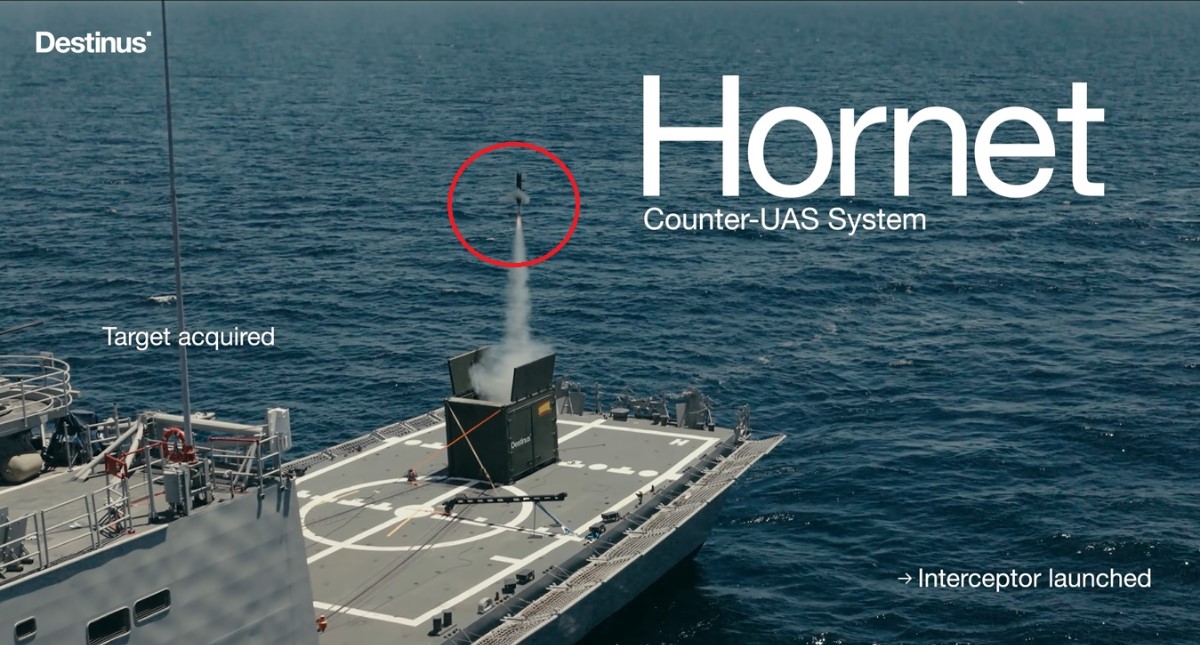
World
Madrid, — June 19, 2026 : The Spanish Navy and European defense company Destinus conducted a live test launch of the Hornet Block 1 interceptor from the F-81 Santa María frigate on June 18, 2026, marking a step in evaluating modular air defense solutions for naval platforms. The trial involved a single interceptor launched from a containerised system installed on the deck of the Santa María, a frigate based on the Oliver Hazard Perry-class design. The objective was to assess whether interceptor systems can be rapidly integrated onto existing warships without major structural modifications or the installation of dedicated vertical launch systems. The containerised launcher uses standard shipping-container architecture, allowing naval vessels to carry additional interceptors through a flexible and comparatively low-cost deployment method. The concept is being explored as navies seek effective ways to counter the increasing use of drones, loitering munitions, and coordinated unmanned aerial threats in maritime environments. Developed by Destinus, the Hornet Block 1 is a canister-launched interceptor designed to engage subsonic aerial targets, including Group 3 UAVs and drone swarms. The system can operate in GNSS-denied environments and uses host-ship radar guidance during the initial phase of flight before transitioning to autonomous target engagement using electro-optical/infrared and radar seekers. According to company specifications, the interceptor has a range of more than 75 kilometers and carries a 1.5-kilogram payload. Its design aims to provide a dedicated counter-UAS capability while reducing reliance on more expensive air defense missiles for engaging smaller threats. The naval demonstration follows earlier development activities conducted in Spain, where Destinus worked with Shield AI to integrate the Hivemind autonomous software suite into the Hornet platform. Those tests demonstrated collaborative autonomous operations and adaptive responses against multiple unmanned targets. Destinus is also developing the Hornet Block 2, an enhanced variant intended for both air-defense missions and precision strikes against maritime and ground targets. The future system is expected to feature a range exceeding 150 kilometers, a 3-kilogram payload, and advanced AI-enabled swarm coordination capabilities. The Spanish Navy has not released details regarding the threat scenario, engagement parameters, or the outcome of the June 18 firing. However, the demonstration provided an opportunity to evaluate the operational suitability of containerised interceptor technology aboard frontline naval vessels. The test reflects growing interest in modular defense systems that can strengthen ship survivability and expand defensive capacity without extensive platform modifications, particularly as unmanned threats continue to evolve across the maritime domain.
Read More → Posted on 2026-06-19 13:41:35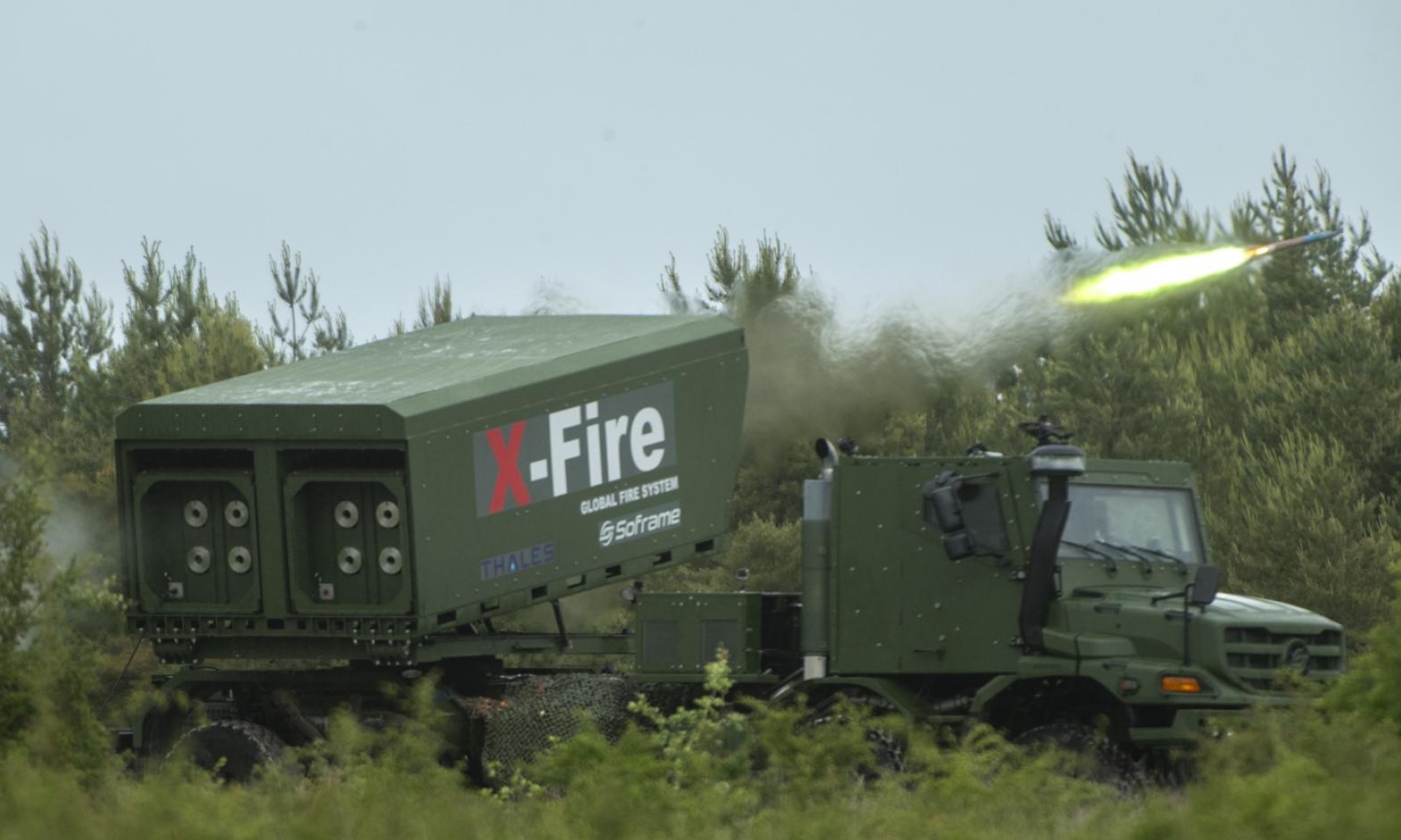
World
PARIS, — June 19, 2026 : South Korean defense company Hanwha Aerospace and French defense technology firm Thales have signed a Memorandum of Understanding (MoU) to cooperate on the development of land-based long-range precision strike capabilities through the integration of Hanwha’s Chunmoo guided missile family with Thales’ X-Fire launcher platform. The agreement was officially signed on June 17, 2026, during the Eurosatory 2026 defense exhibition at Paris Nord Villepinte, one of the world's largest international defense and security events. Focus on Long-Range Precision Strike Capability Under the MoU, the two companies will work to integrate three of Hanwha Aerospace’s precision-guided munitions with the X-Fire launcher system. The cooperation is intended to provide armed forces with a modular and interoperable precision-strike solution capable of engaging targets across a wide range of distances. The missiles covered under the agreement include: Missile Type Classification Approximate Range CGR-080 239 mm Guided Rocket Up to 80 km CTM-MR Medium-Range Missile Approximately 160 km CTM-290 Tactical Ballistic Missile Up to 290 km The integration would allow operators to deploy short-, medium-, and long-range precision fires from a common launcher platform, increasing operational flexibility and simplifying logistics. Combining Missile and Launcher Technologies Hanwha’s K239 Chunmoo Multiple Rocket Launcher System (MLRS) has gained significant attention in international markets due to its ability to employ a broad range of guided rockets and missiles. The system has secured procurement contracts and partnerships with several European countries, including Poland, Estonia, and Norway. The CGR-080 guided rocket provides precision engagement capability at ranges of up to 80 kilometers. The CTM-MR extends the strike envelope to around 160 kilometers, while the CTM-290 tactical ballistic missile can engage targets at distances of up to 290 kilometers, providing deep-strike capability against high-value targets. The partnership aims to combine these missile systems with the X-Fire launcher, a highly mobile ground-based platform jointly developed by Thales and Soframe. Designed as a versatile launcher capable of firing various long-range munitions, X-Fire completed its first demonstration firings on May 20, 2026. Mounted on an 8x8 wheeled platform, the launcher is designed for rapid deployment, high mobility, and operational flexibility in modern battlefield environments. The system is intended to support both sovereign and allied munitions, providing flexibility for future operational requirements. Growing Demand for Deep-Strike Systems The cooperation comes as European countries continue to strengthen their long-range precision fire capabilities. Recent conflicts have highlighted the importance of systems capable of engaging command centers, logistics hubs, ammunition depots, and other critical targets far beyond the front line. By integrating Chunmoo missiles with a European launcher platform, Hanwha Aerospace and Thales aim to provide armed forces with a scalable solution capable of meeting evolving operational requirements while supporting interoperability among allied nations. Strategic Expansion in Europe For Hanwha Aerospace, the agreement represents another step in expanding its presence in the European defense market. The company has steadily increased cooperation with European defense industries through technology partnerships, industrial cooperation agreements, and artillery system exports. The integration of Chunmoo missiles with the X-Fire launcher is expected to strengthen links between South Korean and European defense industries while creating additional opportunities for future cooperation in precision-strike systems. European defense procurement programs increasingly emphasize local industrial participation and interoperability. The cooperation framework established under the MoU is intended to support these objectives while enhancing the availability of long-range precision-strike capabilities for potential customers. Next Steps The Memorandum of Understanding establishes a framework for technical cooperation and integration activities between the two companies. No production contracts, procurement agreements, or financial details have been disclosed. The planned integration will focus on ensuring compatibility between the Chunmoo missile family and the X-Fire launcher platform, creating a combined capability able to deliver precision strikes at ranges from 80 kilometers to 290 kilometers. As European nations continue investing in long-range fires and modern artillery capabilities, the Hanwha-Thales cooperation positions both companies to offer an interoperable precision-strike solution tailored to emerging operational requirements across the continent.
Read More → Posted on 2026-06-19 13:55:30
World
BEIRUT, — June 19, 2026 : A memorandum of understanding signed between the United States and Iran aimed at reducing regional tensions has faced immediate challenges following expanded Israeli military operations in southern Lebanon and Iran's decision to suspend negotiations and close the Strait of Hormuz. The agreement, electronically signed on June 17 by US President Donald Trump and Iranian President Masoud Pezeshkian, was intended to support a 60-day ceasefire period and facilitate discussions on regional security and Iran’s nuclear program. Israeli Operations in Southern Lebanon Israeli forces intensified operations in southern Lebanon with airstrikes and a ground advance deeper into Lebanese territory. The Israeli military released an updated map showing an expanded operations zone extending up to 10 kilometers (6.2 miles) inside Lebanon. According to the Lebanese Health Ministry, airstrikes on at least 10 towns and villages in southern Lebanon resulted in 18 fatalities and 33 injuries. Areas targeted included the southern outskirts of Kfartebnit and the Ali al-Taher area. The Israeli military also confirmed the deaths of four soldiers, including a battalion commander, during the fighting. Hezbollah stated it used drones, rockets, and artillery to repel advancing Israeli forces over the past four days. Iran Suspends Negotiations The escalation in Lebanon disrupted the next phase of the US-Iran diplomatic process, which included a 60-day period of technical discussions on nuclear stockpiles, sanctions relief, and regional security. Iranian officials said Tehran would not implement commitments outlined in the memorandum until Israeli military operations, particularly in Lebanon, are halted. Planned negotiations in Switzerland were subsequently suspended. Iranian authorities confirmed their delegation would not attend the talks, while US Vice President JD Vance also canceled his planned visit. The White House cited logistical issues for the postponement, while Iranian state media linked Tehran’s decision directly to Israel’s ongoing operations. Prior to the cancellation, Vance stated that future economic relief for Iran would depend on compliance with the agreement. IRGC Closes Strait of Hormuz Iran’s Islamic Revolutionary Guard Corps (IRGC) announced the closure of the Strait of Hormuz to all maritime traffic, citing regional security concerns and Israeli military actions in Lebanon. The IRGC stated that the waterway would be closed to all vessels, including oil tankers and commercial ships. The move threatens to disrupt global energy shipments through one of the world's most important maritime routes. Maritime tracking companies had reported that major shipping operators had begun resuming movements through the strait following the signing of the US-Iran agreement. US Response US Central Command (CENTCOM) said American naval forces would remain in the region to monitor developments. The United States stated it had fulfilled early military-related commitments under the memorandum, including beginning the process of lifting its naval blockade on Iranian ports. Uncertainty Over Agreement The memorandum followed months of regional conflict and sought to reduce tensions, address sanctions issues, ensure freedom of navigation, and establish a framework for further nuclear discussions. As of June 19, the suspension of Switzerland talks and the closure of the Strait of Hormuz have created uncertainty over the next phase of US-Iran engagement, while international shipping and energy markets continue to monitor developments closely.
Read More → Posted on 2026-06-19 14:07:16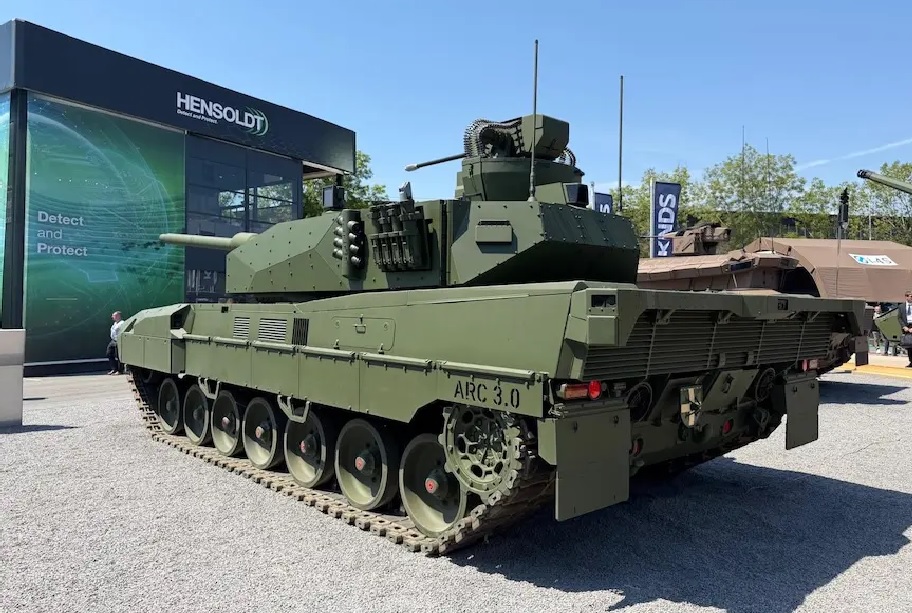
World
PARIS, — June 19, 2026 : EuroTrophy unveiled new configurations of its Trophy hard-kill Active Protection System (APS) during the Eurosatory 2026 defense exhibition, introducing enhanced capabilities designed to address evolving battlefield threats, particularly unmanned aerial vehicles (UAVs) and loitering munitions. EuroTrophy, a joint venture between Rafael Advanced Defense Systems, General Dynamics European Land Systems (GDELS), and KNDS Deutschland, presented an upgraded system architecture that expands the role of active protection systems beyond traditional anti-tank defense and integrates them more closely with a vehicle’s overall defensive network. Two Radar Configurations for Different Threat Environments The company announced that Trophy will now be offered in two primary configurations, distinguished by their radar systems. The first configuration uses the combat-proven ELM-2133 WindGuard radar, operating in the S-band. WindGuard has been optimized for detecting, tracking, and intercepting conventional anti-armor threats such as anti-tank guided missiles (ATGMs), rocket-propelled grenades, and other anti-tank weapons. The second and newly introduced configuration features the StormGuard radar, which operates in the X-band. Developed by Israel Aerospace Industries (IAI), StormGuard uses slightly smaller antennas and provides improved detection and tracking performance against slow-moving, low-signature aerial targets, including quadcopter drones and loitering munitions. Both WindGuard and StormGuard radars are manufactured by IAI and can be integrated into the Trophy protection architecture depending on operational requirements. New Anti-Drone Configuration Demonstrated on Leopard 2 A-RC 3.0 EuroTrophy showcased its latest anti-drone configuration on the KNDS Leopard 2 A-RC 3.0 concept main battle tank. The vehicle's unmanned turret design allows greater flexibility for integrating additional defensive systems and external modules. The upgraded configuration incorporates dedicated interceptor drones as part of the Trophy defensive suite. The demonstrator vehicle featured two launcher blocks mounted at the rear of the turret, each containing four transport-launch canisters. Together, the launchers provide a total payload of eight interceptor drones. The Trophy fire control system automatically classifies incoming threats and selects the most suitable response. For traditional threats such as anti-tank missiles and rocket projectiles, the system employs its standard kinetic interceptors. Against aerial threats, including drones and loitering munitions, Trophy can launch onboard interceptor drones to engage and neutralize targets before they reach the vehicle. The system can also transmit precise targeting information to a remotely controlled weapon station (RCWS) equipped with a 30mm rapid-fire autocannon, enabling additional counter-UAV engagement options. According to EuroTrophy, the ability to distribute accurate target data across multiple onboard systems significantly expands the role of Trophy within a vehicle's defensive architecture and battle management network. Integration with NATO Armoured Platforms Trophy has become one of the most widely adopted active protection systems for Western armoured vehicles, particularly within the Leopard 2 family. The system is already integrated on German Leopard 2A7A1 tanks and Norwegian Leopard 2A8NO tanks. Norway's tanks were originally designated Leopard 2A7NO but were later reclassified as Leopard 2A8 following minor design updates and alignment with the broader Leopard 2A8 program. Future Leopard 2A8 production vehicles are expected to include Trophy as a baseline capability. The German Bundeswehr is reportedly preparing to finalize the acquisition of at least 75 additional Leopard 2A8 tanks this year as part of a wider European procurement effort involving the Netherlands, Lithuania, and the Czech Republic. Deliveries of these Leopard 2A8 variants are scheduled to begin in 2026. Earlier this year, EuroTrophy also secured contracts related to Leopard 2A8 programs in Lithuania, the Netherlands, the Czech Republic, and Croatia, supporting greater interoperability among NATO armoured forces. Adoption Beyond the Leopard 2 Fleet Outside the Leopard platform, the Trophy HV variant has been selected for the U.S. Army's M1A2 SEPv3 Abrams tanks, where it is fielded as wartime additional equipment. The system is also planned for integration on a portion of the British Army's Challenger 3 fleet. In Israel, Trophy continues to serve as standard equipment on Merkava main battle tanks and Namer armoured personnel carriers, where it has accumulated extensive operational experience. Focus on Emerging Battlefield Threats The new Trophy configurations reflect growing demand for protection systems capable of countering both conventional anti-tank weapons and increasingly prevalent aerial threats. By combining advanced radar options, interceptor drones, kinetic countermeasures, and integration with onboard weapon stations, EuroTrophy aims to provide armoured vehicles with a layered defensive capability suited to modern combat environments. The company stated that ongoing testing and integration efforts will continue to refine these capabilities as armed forces adapt to the increasing use of drones and loitering munitions on contemporary battlefields.
Read More → Posted on 2026-06-19 14:34:13
India
New Delhi, — June 19, 2026 : The Ministry of Defence (MoD) has signed a ₹425 crore contract with Pune-based Bharat Forge Limited for the supply of 12 sets of 1.25 MW Marine Gas Turbine Generators (MGTGs) for the Indian Navy. The agreement was signed in New Delhi in the presence of Defence Secretary Rajesh Kumar Singh and has been awarded under the Buy (Indian) category of the Defence Acquisition Procedure (DAP) 2020, requiring a minimum of 60 percent indigenous content. Kalyani Strategic Systems Limited (KSSL), the defence arm of Bharat Forge, will serve as the production and integration partner for the programme. Power Generation for Naval Combatants The 1.25 MW Marine Gas Turbine Generators (MGTGs) are auxiliary systems designed to generate electrical power onboard naval vessels. Unlike propulsion gas turbines that drive warships, these generators provide electricity for critical ship systems, including combat networks, sensors, communications equipment, and weapons systems. According to reports, the first indigenous gas turbine-based generator sets are expected to be installed on the Indian Navy’s Kolkata-class destroyers as part of fleet modernization efforts. Building Indigenous Naval Capability The contract is expected to be executed over five years and aims to establish domestic capability for manufacturing, integration, testing, maintenance, repair, and overhaul (MRO) of strategic naval power-generation systems. As part of the programme, Bharat Forge will establish a dedicated marine gas turbine generator integration and testing facility in Pune. The initiative is also expected to strengthen local maintenance and life-cycle support capabilities, reducing dependence on foreign suppliers for sustainment of critical naval equipment. Expanding Marine Gas Turbine Infrastructure The contract marks Bharat Forge’s entry into the marine gas turbine generator segment. Earlier in May 2026, the company signed a Memorandum of Understanding (MoU) with the Andhra Pradesh government to establish a private-sector marine gas turbine repair, overhaul, and indigenous development facility in Visakhapatnam. The facility, located within the state's Defence Manufacturing Corridor, is expected to create around 750 direct and indirect jobs. The programme is also expected to support future indigenous development of higher-capacity naval power plants and marine gas turbine technologies for upcoming defence requirements.
Read More → Posted on 2026-06-19 14:42:36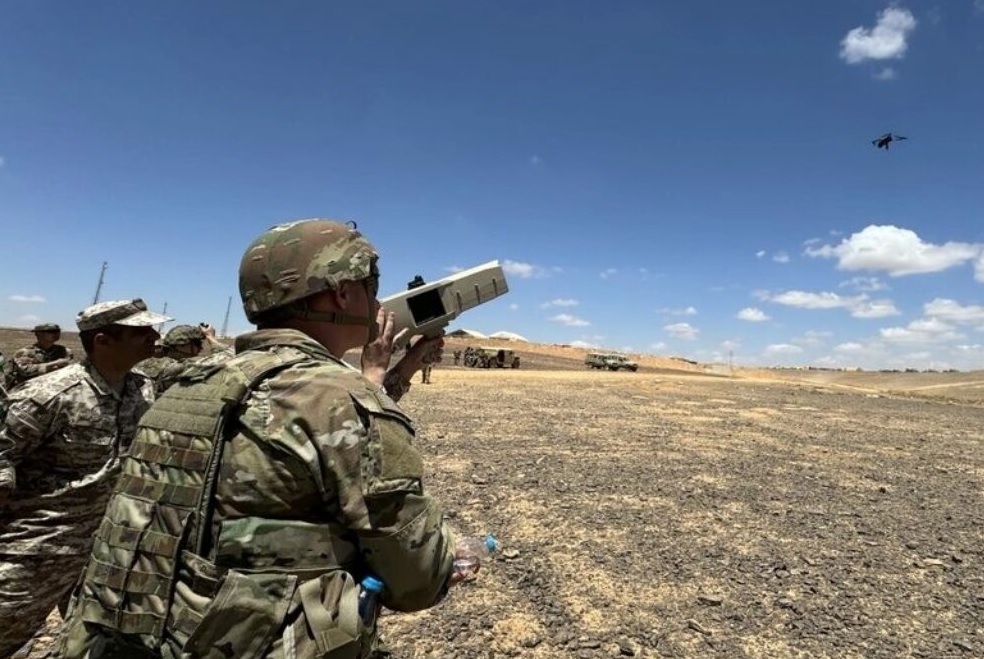
World
MINOT AIR FORCE BASE, North Dakota — June 19, 2026 : The U.S. Air Force has launched an expedited procurement process for additional Dronebuster Block 4 handheld counter-drone systems to enhance security at Minot Air Force Base, home to one of the nation's intercontinental ballistic missile (ICBM) forces. On June 18, 2026, the 5th Contracting Squadron at Minot Air Force Base issued a solicitation for DZYNE Technologies’ Dronebuster Block 4 systems to support the 91st Security Forces Group. Vendor quotations are due by June 26, 2026, with the requirement designated as an operational necessity. Protecting the Missile Field Minot Air Force Base hosts the 91st Missile Wing, which operates 150 Minuteman III intercontinental ballistic missiles deployed across approximately 8,500 square miles (22,000 square kilometers) of North Dakota. The 91st Security Forces Group is responsible for protecting the missile fields, launch facilities, and base infrastructure. The unit consists of approximately 900 personnel dedicated to force protection and nuclear security missions. Dronebuster Block 4 Capabilities Developed by DZYNE Technologies, the Dronebuster Block 4 is a handheld electronic warfare system designed to counter commercial drones. The system weighs approximately 5.85 pounds (2.65 kilograms) and can be operated by a single user without vehicles, generators, or fixed installations. Dronebuster disrupts radio frequency command-and-control links and interferes with Global Navigation Satellite System (GNSS) signals, including GPS, Galileo, GLONASS, and BeiDou, forcing drones to land or return to their operators. The Block 4 variant also includes Position, Navigation, and Timing (PNT) attack capabilities that can alter the flight path of autonomous drones and counter drone swarms at distances of up to 4 kilometers. The system provides more than 60 minutes of continuous jamming capability and is compatible with detection, tracking, and identification systems. Sole-Source Procurement Air Force contracting documents state that the Dronebuster is the only handheld electronic attack system currently authorized for use across the U.S. Department of Defense. As a result, the procurement specifies the Dronebuster by name through a single-source justification. The justification was certified by Staff Sgt. Marta E. Lange of the 5th Contracting Squadron and supported by Tech. Sgt. Elise M. Kelege of the 91st Mission Support Squadron. Competition will remain open among authorized distributors to ensure fair pricing. Expanding Counter-Drone Defenses The acquisition falls under Air Force Global Strike Command, which oversees the nation's nuclear bomber and missile forces, including the B-52, B-2, and Minuteman III fleets. The procurement reflects the growing emphasis on countering small unmanned aerial systems around critical military installations. The additional Dronebuster systems will support mobile security operations and expand counter-drone coverage across Minot's missile fields. No quantity or contract value was disclosed in the public solicitation.
Read More → Posted on 2026-06-19 14:50:35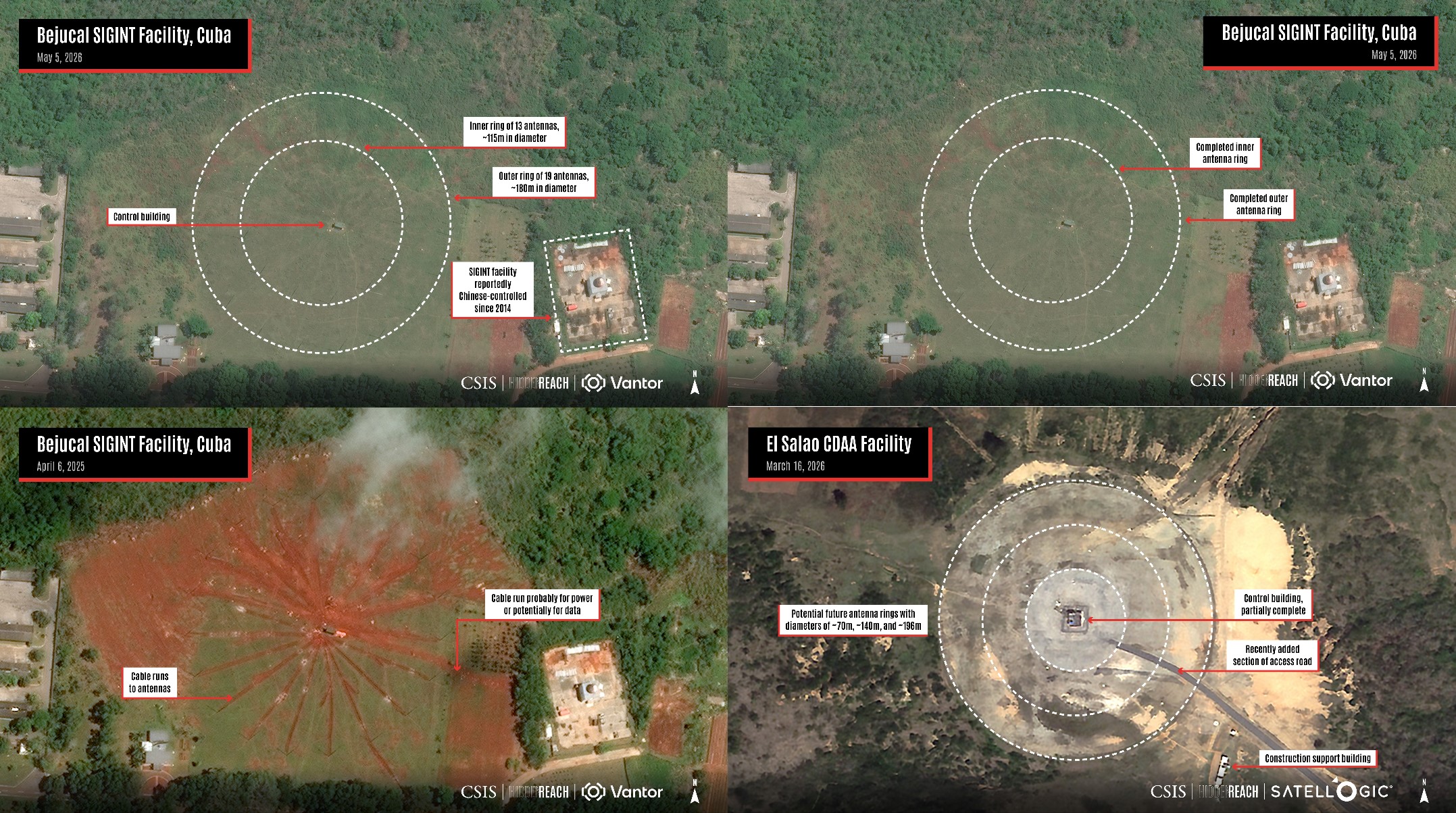
World
HAVANA, Cuba — June 19, 2026 : Cuba has completed construction of a major signals intelligence antenna array at its Bejucal facility near Havana, significantly enhancing its ability to monitor and locate radio transmissions across a large portion of the Western Hemisphere, according to a report released on June 18, 2026, by the Center for Strategic and International Studies (CSIS). Located approximately 145 kilometers (90 miles) from the Florida coast, the Bejucal site is now assessed as highly likely operational. The upgraded facility is capable of intercepting and geolocating communications across the southeastern United States, the Gulf of Mexico, the Caribbean, and portions of the Western Atlantic. The development comes as the United States increases its strategic focus on the Western Hemisphere and raises concerns about foreign intelligence activities operating from Cuban territory. Large Circular Antenna Array Completed Satellite imagery analyzed by CSIS researchers Matthew Funaiole, Brian Hart, Joseph Bermudez Jr., and Aidan Powers-Riggs shows that Bejucal has undergone a major transformation over the past two years. An older linear antenna grid has been replaced with a Circularly Disposed Antenna Array (CDAA), a specialized system designed to determine the direction and origin of radio signals. The newly completed array measures approximately 175 meters in diameter and consists of 32 antennas arranged in two concentric rings, including 19 antennas on the outer ring and 13 on the inner ring. According to CSIS, this is the largest and most capable Cuban CDAA installation documented to date. The new system also replaces a smaller circular array previously located nearby, making Bejucal the country's most significant active signals intelligence facility. How the System Works A CDAA functions by simultaneously receiving radio transmissions across multiple antennas and calculating the direction from which the signal originates. By combining data from different locations, operators can accurately triangulate the source of transmissions. The technology has roots in Cold War-era intelligence systems such as the U.S. military's Pusher and Wullenweber programs but remains relevant for modern intelligence gathering. CDAAs can be used to monitor military communications, electronic emissions, maritime traffic, and aircraft movements over distances that can range from 3,000 to 8,000 nautical miles depending on signal conditions. Due to its location near Havana, the Bejucal facility is well positioned to observe U.S. naval operations in the Caribbean, military aviation activity across the southeastern United States, and shipping traffic throughout the Gulf of Mexico. Suspected Links to Chinese Intelligence Operations The Bejucal complex occupies a historically significant military site. The surrounding area was previously used during the 1962 Cuban Missile Crisis, when Soviet nuclear weapons were stationed in Cuba. In recent years, the facility has frequently appeared in public reporting, congressional testimony, and official U.S. statements regarding foreign intelligence activities in Cuba. While CSIS notes that there is no declassified public evidence proving direct Chinese operation of the specific antenna array, U.S. officials have acknowledged that China operates at least three intelligence facilities in Cuba. Based on official statements, construction patterns, and previous assessments, CSIS researchers believe Bejucal is likely one of those locations. However, the exact operational arrangements and level of foreign involvement remain undisclosed. Construction Slows at El Salao Facility The CSIS report also examined a second suspected CDAA site located at El Salao, near Santiago de Cuba on the island's eastern coast. The location is strategically important because it lies only a short distance from the U.S. Naval Station at Guantanamo Bay. Construction activity at El Salao began in 2021, and early development included a central control building, utility infrastructure, and foundations for an inner ring of 16 planned antennas. However, updated satellite imagery from May 2026 indicates that work has slowed significantly. No antennas have been installed, and vegetation has begun reclaiming previously cleared construction areas, suggesting that activity has been largely inactive for an extended period. Despite the slowdown, analysts do not believe the project has been abandoned. Recent imagery shows that an access road has been repaved and redirected toward the center of the facility. Researchers note that a road crossing the center of an operational CDAA would interfere with its function, leaving the site's ultimate purpose uncertain. CSIS stated that El Salao could eventually be completed as a modified listening post or repurposed for another intelligence-related role. Potential Combined Coverage If the El Salao facility is completed in the future, it could operate alongside Bejucal to provide broader intelligence coverage across the Caribbean and Central America. Working together, the two sites could improve the ability to triangulate signals across a much larger area, including portions of the Western Atlantic, Central America, and the southeastern Caribbean. Multiple listening stations operating in coordination can increase the accuracy of signal location and tracking. U.S. Response and Strategic Implications The expansion of Cuba's intelligence infrastructure has already influenced U.S. policy. In a May 2026 executive order, the Trump administration imposed additional sanctions on Cuba and cited the country's hosting of "foreign adversary facilities" targeting sensitive U.S. national security information. The developments occur amid broader geopolitical competition and growing attention to intelligence activities in the Western Hemisphere. Cuba's proximity to the United States has long made the island strategically valuable for signals intelligence collection, and the completion of the Bejucal array reinforces its role in regional surveillance operations. CSIS emphasized that its findings are based on commercial satellite imagery and open-source analysis. While the imagery confirms the completion of the antenna array and ongoing developments at both locations, it does not provide direct evidence regarding day-to-day operations or specific operators of the facilities. The organization stated that it will continue monitoring the sites through its Hidden Reach initiative, which tracks strategic infrastructure and intelligence-related developments using publicly available imagery and analysis.
Read More → Posted on 2026-06-19 15:35:22
World
WASHINGTON, D.C. — June 19, 2026 : The United States Department of State has approved a potential $1.5 billion Foreign Military Sale (FMS) to Austria for 12 UH-60M Black Hawk helicopters and a comprehensive package of associated equipment, training, sustainment, and logistics support. The proposed sale was formally notified to Congress on June 17, 2026, with Sikorsky, a Lockheed Martin company, serving as the principal contractor. The acquisition forms a key part of Austria’s Armed Forces 2032+ modernization program, which aims to strengthen military capabilities and replace aging aviation assets. The new helicopters will replace the Austrian Air Force’s Agusta-Bell AB212 fleet, which has been in service since 1980, while expanding the country's existing Black Hawk force. Austria currently operates S-70A Black Hawk helicopters, and the addition of the UH-60M variant will significantly enhance operational capabilities. Deliveries are scheduled to begin in 2028, while Austria’s first UH-60M entered its final U.S. Army outfitting and certification phase in May 2026 ahead of transfer. Advanced Aircraft and Mission Systems The UH-60M is the latest production version of the Black Hawk available through the U.S. Foreign Military Sales program. The aircraft is equipped with General Electric T700-GE-701D engines, upgraded wide-chord rotor blades, and a fully digital glass cockpit, providing improved performance, reliability, and operational efficiency. The approved package includes 12 helicopters, 26 engines, missile warning systems, infrared countermeasure systems, radar warning receivers, satellite communication radios, and EAGLE-M+429 systems. Additional equipment includes advanced navigation aids, Identification Friend or Foe (IFF) transponders, electro-optical and infrared sensors, ballistic protection, auxiliary fuel tanks, rescue hoists, fast-rope insertion systems, degraded visual environment technology, and LINK-16 tactical data link terminals. The agreement also covers training devices, spare parts, technical publications, maintenance equipment, contractor support, and long-term logistics services to ensure sustained operational readiness. Supporting Military and Civil Operations The new helicopters will support a broad range of missions, including troop transport, search-and-rescue operations, disaster response, medical evacuation, logistics support, and firefighting activities. Enhanced avionics, navigation systems, and self-protection equipment are expected to improve safety and effectiveness during operations in Austria’s mountainous terrain. Strengthening Defense Cooperation According to the Defense Security Cooperation Agency (DSCA), the sale supports U.S. foreign policy and national security objectives by improving the defense capabilities of a European partner nation. The widespread use of the Black Hawk platform among NATO members and partner countries will also enhance interoperability, simplifying joint training, maintenance, and coalition operations. The State Department stated that Austria is well positioned to integrate the helicopters into its armed forces. No offset agreements have been announced, and any related arrangements will be negotiated directly between Austria and the contractor. The approval reflects continued investment by European nations in modern rotary-wing capabilities and marks another step in Austria’s long-term military modernization efforts under the Armed Forces 2032+ program.
Read More → Posted on 2026-06-19 15:55:53
World
WASHINGTON, D.C. — June 19, 2026 : The U.S. Department of Defense has awarded Huntington Ingalls Industries (HII) Mission Technologies Corp. a $417.7 million cost-plus-fixed-fee, indefinite-delivery/indefinite-quantity (IDIQ) contract to provide maintenance, repair, and technical support services for elevator support units aboard U.S. Navy aircraft carriers and amphibious ships. The contract, designated N00024-26-D-4103, was issued by the Naval Sea Systems Command (NAVSEA) in Washington, D.C. The award was made through a competitive procurement process that received a single bid. Under the agreement, HII Mission Technologies, headquartered in McLean, Virginia, will perform work both within and outside the continental United States, including support for forward-deployed naval forces operating in overseas theaters. The five-year contract is scheduled to continue through June 2031. Contract Structure and Scope As an IDIQ contract, the agreement does not obligate funding at the time of award. Instead, the U.S. Navy will issue task orders over the life of the contract as maintenance and repair requirements arise. The cost-plus-fixed-fee structure allows the government to reimburse the contractor for allowable costs while providing a fixed fee for performance. This contracting approach is commonly used for naval maintenance programs where future repair requirements cannot be accurately predicted in advance. HII Mission Technologies will provide a broad range of services, including: Engineering and technical support Maintenance and repair services Operator and maintenance training System testing and evaluation Equipment overhaul and modernization Lifecycle sustainment support Cargo-handling equipment maintenance The work will focus on elevator support units and associated equipment installed aboard aircraft carriers and amphibious assault ships throughout the fleet. Importance of Elevator Systems Although often less visible than combat systems or propulsion equipment, shipboard elevators are essential to naval operations and fleet readiness. On aircraft carriers, elevator systems are divided into two primary categories: Weapons Elevators transport bombs, missiles, and other munitions from secure magazines deep inside the ship to flight deck preparation areas. Their performance directly affects how quickly aircraft can be armed and launched during operations. Aircraft Elevators move fighter aircraft, helicopters, and support aircraft between hangar bays and the flight deck. These systems support aircraft maintenance, staging, and flight operations while maximizing deck efficiency. On amphibious assault ships, elevators are used to move Marines, vehicles, cargo, supplies, aviation equipment, and personnel between multiple decks. Reliable operation of these systems is critical during expeditionary missions, Marine Corps deployments, logistics operations, and humanitarian assistance missions. Mechanical failures in elevator systems can disrupt the movement of personnel and equipment, reducing operational efficiency and affecting mission readiness. Supporting Fleet Readiness The contract comes as the U.S. Navy continues to maintain a high operational tempo across multiple regions, including the Indo-Pacific, Middle East, and Europe. Carrier Strike Groups and Amphibious Ready Groups are regularly deployed in support of security operations, deterrence missions, and allied commitments. Extended deployments and continuous operations place additional strain on complex mechanical systems aboard naval vessels. Timely maintenance, predictive servicing, and rapid repair capabilities help reduce downtime and prevent disruptions to operational schedules. The ability to conduct maintenance work in forward-deployed locations is expected to support fleet readiness by ensuring critical shipboard systems remain available during deployments. HII's Role in Naval Sustainment Huntington Ingalls Industries is the largest independent military shipbuilder in the United States. The company was established as an independent organization following its separation from Northrop Grumman in 2011. Through its Mission Technologies division, HII provides engineering, technical, maintenance, and operational support services to U.S. defense customers. The company has supported numerous Navy sustainment and modernization programs and has previously worked on shipboard elevator maintenance efforts. The new contract strengthens HII's role not only in building naval vessels but also in supporting their long-term operational readiness and lifecycle sustainment. Future task orders issued under the IDIQ contract will address specific maintenance and repair requirements as they emerge, allowing the Navy to respond efficiently to changing operational priorities while maintaining the availability of critical shipboard systems across the fleet.
Read More → Posted on 2026-06-19 16:08:03
Space & Technology
TORRANCE, California — June 19, 2026 : Divergent Technologies has unveiled the Monolith One, a large-scale industrial metal 3D printer designed for high-volume aerospace, defense, and automotive manufacturing. The company also announced plans to significantly expand its production footprint through a new manufacturing facility in Long Beach, California. The Monolith One represents a shift in additive manufacturing from traditional prototyping and limited production runs toward continuous, software-driven mass production of mission-critical hardware. The announcement comes as the U.S. defense sector seeks to strengthen domestic manufacturing capacity and improve supply chain resilience amid growing demand for missiles, drones, and other defense systems. Designed for High-Volume Production Unlike conventional metal 3D printers primarily used for prototyping or small-batch manufacturing, the Monolith One is engineered for continuous industrial-scale production. The system uses laser powder bed fusion (LPBF) technology, a process in which high-powered lasers selectively melt and fuse layers of metal powder to create complex components. The machine was developed internally by Divergent over a period of 28 months under the leadership of Chief Technology Officer Brian Erhartic. The printer is not available for commercial sale or licensing and serves exclusively as a core component of the company's Divergent Adaptive Production System (DAPS), which combines AI-driven design tools, additive manufacturing, robotics, and automated assembly. Standing more than eight meters (26 feet) tall and measuring approximately six meters wide, the Monolith One is among the largest industrial metal additive manufacturing systems developed in the United States. Key Specifications Laser Power: 24 kilowatts total through twelve 2-kilowatt lasers Build Volume: 700 × 700 × 835 mm Materials: Aluminum, titanium, steel, and nickel-based alloys Thermal Control: Active build-plate heating and cooling up to 200°C Gas Flow System: 1,700 cubic meters per hour to support extended operation Manufacturing Capability: Designed for continuous, high-throughput production of large and complex metal structures According to Divergent, the Monolith One delivers approximately double the production output of existing competing systems while maintaining part quality and process stability through advanced beam-shaping technology. Long Beach Manufacturing Expansion To support deployment of the new system, Divergent is establishing a 430,000-square-foot manufacturing facility in Long Beach, California. The company currently operates six Monolith One printers at its headquarters in Torrance. Over the next 24 months, Divergent plans to install 64 additional Monolith One systems at the Long Beach facility. Once fully operational, the combined manufacturing network is expected to increase annual production capacity by approximately eight times compared with current levels. The expansion is projected to create more than 1,000 direct jobs and significantly reduce manufacturing timelines for complex metal structures. Components that traditionally require months of casting, machining, and assembly could be produced within weeks or even days using the new production system. Expected Production Capacity At full operational capacity, Divergent expects the facility to produce: More than 30,000 missile airframes in the 500-pound class annually More than 60,000 warhead casings in the 100-pound class annually Hundreds of thousands of additional critical metal components each year Automotive structures, including subframes and suspension systems The facility will support both defense and commercial manufacturing programs. Supporting Defense Supply Chains The introduction of the Monolith One comes at a time when defense manufacturers are facing increasing pressure to expand production of missiles, munitions, and autonomous systems. Traditional manufacturing methods often require dedicated tooling, lengthy setup times, and complex supplier networks, which can slow production. Divergent's software-defined manufacturing approach allows production lines to switch between different products by updating digital design files rather than reconfiguring extensive tooling and manufacturing equipment. This flexibility can enable rapid production changes based on operational requirements. The company is already supplying components to major defense contractors. Divergent currently produces Tomahawk cruise missile midbody components under contract with RTX and is working with Lockheed Martin on structures for autonomous drone programs. Advancing Software-Defined Manufacturing By integrating computational design, large-scale additive manufacturing, robotics, and automated assembly within a single production ecosystem, Divergent aims to industrialize additive manufacturing for large-volume production. The company believes the Monolith One and its broader DAPS platform can help accelerate manufacturing of complex aerospace and defense components that are difficult, time-consuming, or costly to produce using conventional methods. With the addition of the Long Beach facility and deployment of dozens of new Monolith One systems, Divergent is positioning software-defined manufacturing as a key element of future U.S. industrial and defense production capabilities.
Read More → Posted on 2026-06-19 16:19:23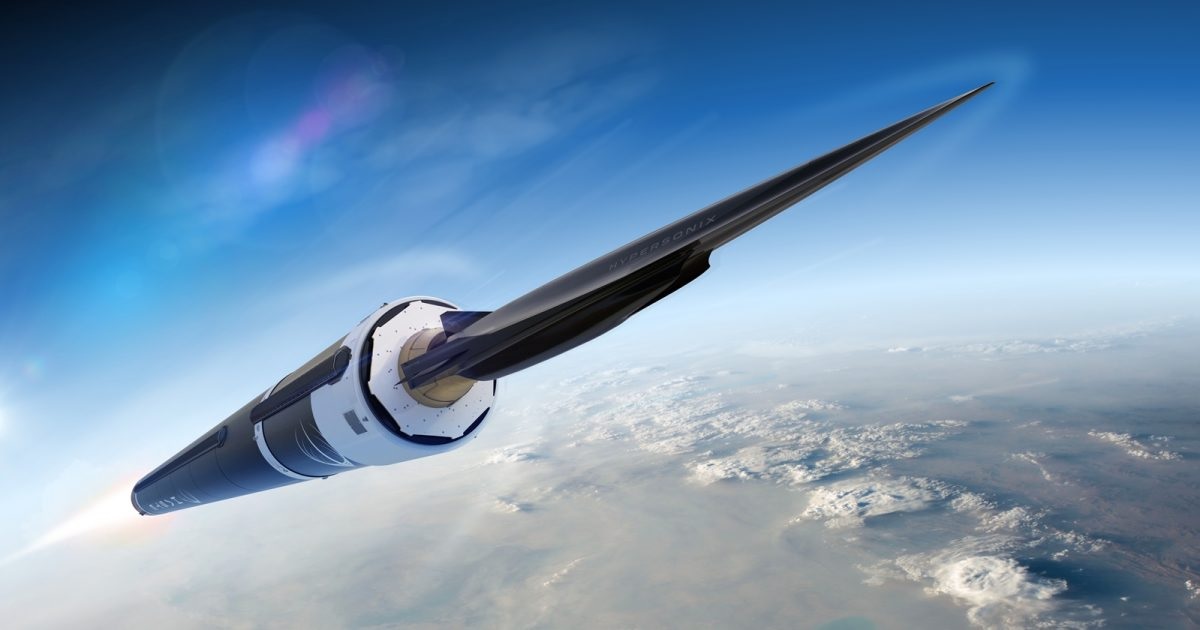
World
BRISBANE, Australia — June 19, 2026 : Australian aerospace company Hypersonix Launch Systems has reported a major milestone in its hypersonic technology program following the successful maiden flight of its DART AE (Additive Engineering) technology demonstrator, which exceeded Mach 5 and reached speeds of up to Mach 8 (approximately 9,800 km/h) during a flight conducted earlier this year. The flight took place on February 27, 2026, and successfully demonstrated sustained and maneuverable hypersonic flight, providing valuable operational data on propulsion, materials, guidance, and control systems under real-world conditions. According to Hypersonix co-founder and Chief Technology Officer Dr. Michael Smart, the vehicle completed its planned flight profile before splashing down in the Atlantic Ocean after traveling approximately 1,000 kilometers. Cassowary Vex Mission The mission was conducted from the Virginia Spaceport Authority’s Mid-Atlantic Regional Spaceport on Wallops Island, Virginia, in the United States. The 3.5-meter-long, 300-kilogram DART AE vehicle was launched aboard Rocket Lab’s Hypersonic Accelerator Suborbital Test Electron (HASTE) vehicle. Known as “Cassowary Vex” by the U.S. Defense Innovation Unit (DIU) and “That’s Not A Knife” by Rocket Lab, the mission marked the first deployment of a commercially built hypersonic test platform under the Pentagon’s Hypersonic High-Cadence Advanced Testing (HyCAT) program. After separation from the HASTE launch vehicle at an altitude of approximately 32 kilometers, the DART AE ignited its onboard propulsion system and continued autonomous hypersonic flight through its planned mission profile. “The mission allowed us to test propulsion, materials, and control systems in real hypersonic conditions,” Dr. Smart said. “At these speeds and temperatures, there is no substitute for flight data. What we learn from this mission will directly inform the next generation of reusable hypersonic aircraft.” Hydrogen-Powered SPARTAN Scramjet At the center of the DART AE platform is Hypersonix’s proprietary SPARTAN scramjet engine, a hydrogen-fueled air-breathing propulsion system designed for high-speed flight. Unlike many conventional scramjet designs that use hydrocarbon fuels such as kerosene, the SPARTAN engine operates on gaseous green hydrogen, producing zero carbon dioxide emissions during flight and generating only water vapor as a byproduct. The engine features a fixed-geometry design with no moving parts, reducing mechanical complexity while supporting high-speed operation in extreme thermal environments. 3D-Printed Aerospace Manufacturing A key aspect of the DART AE program is its use of additive manufacturing, with both the airframe and propulsion components produced using advanced 3D-printing techniques and high-temperature nickel-based superalloys. The manufacturing approach is intended to reduce production costs and development timelines while addressing one of the major challenges in hypersonic flight—creating hardware capable of surviving the intense heat and pressure generated at speeds above Mach 5. Early analysis of flight data has also indicated performance improvements from scaling up the SPARTAN engine beyond earlier ground-test configurations. Dr. Smart explained that larger engine dimensions improved hydrogen combustion efficiency, allowing the operational flight engine to deliver stronger performance than smaller prototype systems. “It takes a certain amount of time to burn hydrogen. If you make the engine bigger, it burns hydrogen more quickly in terms of the scale of the engine,” he said. Data Analysis and Future Development Engineers are expected to continue analyzing flight data throughout 2026 to better understand vehicle performance and refine future hypersonic systems. The DART AE platform serves as a technology testbed for validating advanced propulsion systems, thermal protection technologies, sensors, materials, and autonomous guidance systems intended for future operational aircraft. The data collected during the flight will support development of VISR (Velos Intelligence, Surveillance, and Reconnaissance), Hypersonix’s planned reusable hypersonic aircraft designed for intelligence, surveillance, reconnaissance, and other multi-mission applications. The company is also advancing work on the Delta Velos concept, which explores the use of hypersonic technologies for satellite launch missions. Company Growth and Strategic Significance Founded in 2019 and headquartered in Brisbane, Hypersonix has grown to employ more than 50 personnel and has become one of Australia’s leading companies focused on hypersonic flight technologies. The successful DART AE mission follows the company’s recent $46 million Series A funding round, supported by the Australian Government’s National Reconstruction Fund Corporation, the Queensland Investment Corporation, and international defense investors. Hypersonix Chief Executive Officer Matt Hill said the successful operation of the vehicle in a genuine hypersonic environment demonstrates Australia's ability to design, manufacture, and test advanced aerospace systems capable of operating in some of the most demanding flight conditions. The DART AE flight represents an important step in the development of affordable and repeatable hypersonic testing capabilities while strengthening collaboration between Australian and U.S. defense and aerospace organizations. The mission also highlights continuing advances in additive manufacturing and hydrogen-powered scramjet propulsion technologies that could support future commercial and defense aerospace programs.
Read More → Posted on 2026-06-19 16:24:43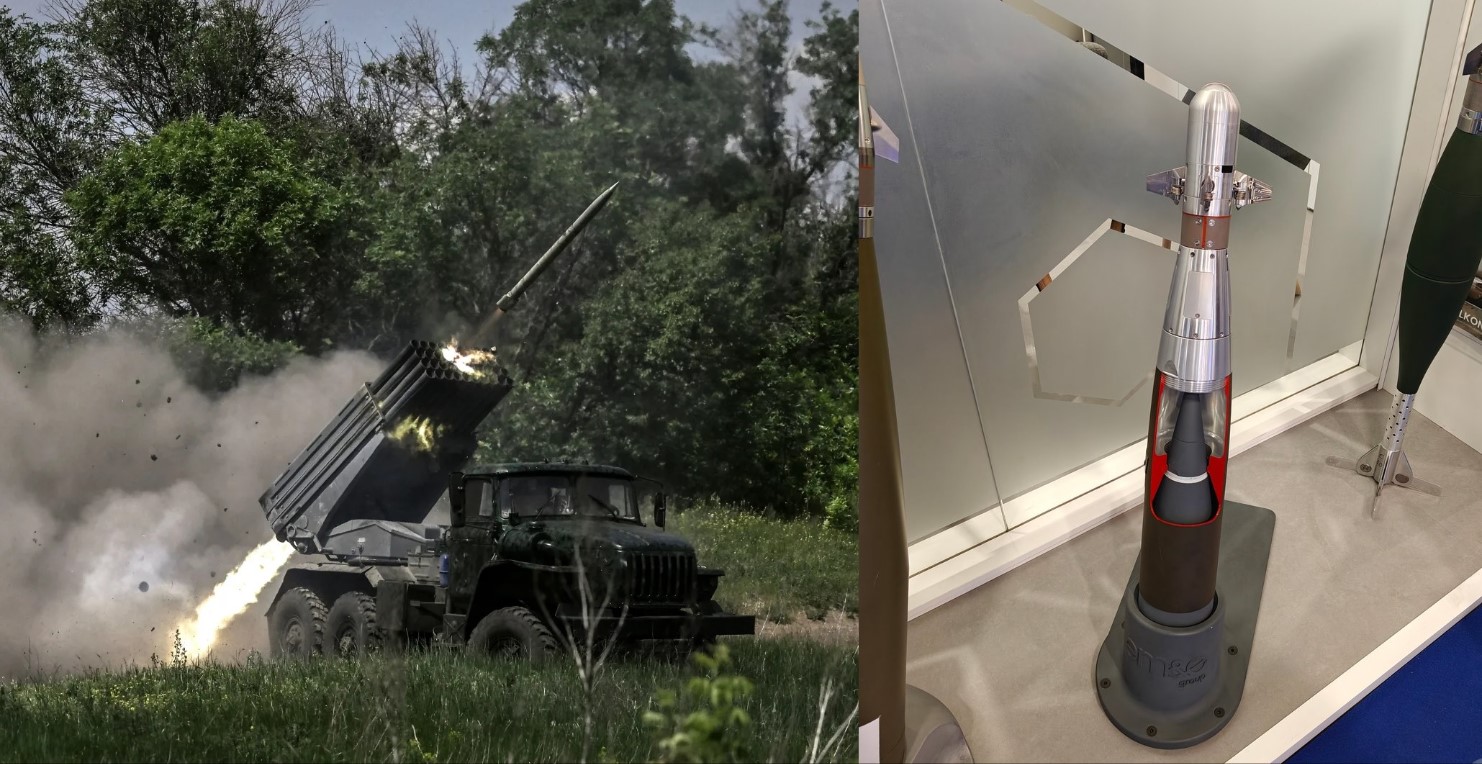
World
PARIS, FRANCE — June 19, 2026 : Spanish defense company Escribano Mechanical & Engineering (EM&E) has begun mass production of its new Alkon 122 Laser – A2L guidance kit, a semi-active laser guidance module designed to convert standard 122-mm rockets into precision-guided munitions. The system was officially presented during the Eurosatory 2026 defense exhibition in Paris. The Alkon 122 Laser – A2L was developed at the request of the Ukrainian Armed Forces to improve the accuracy of legacy multiple-launch rocket systems (MLRS) operating in environments heavily affected by electronic warfare (EW). The new kit is intended to enhance the combat effectiveness of existing Soviet-era rocket inventories while reducing dependence on entirely new missile systems. Developed to Counter Electronic Warfare Since 2023, EM&E has supplied Ukraine with more than 10,000 units of its earlier Alkon 122–A22 correction kit. That system uses a hybrid combination of Global Navigation Satellite System (GNSS) and Inertial Navigation System (INS) guidance to improve the accuracy of standard 9M22U and similar 122-mm rockets. According to the company, the A22 version can achieve a circular error probable (CEP) of approximately 15 meters under normal operating conditions. However, the growing use of Russian electronic warfare systems capable of jamming satellite navigation signals has reduced the effectiveness of GNSS-dependent guidance systems in some operational areas. To address this challenge, EM&E developed the Alkon 122 Laser – A2L, which incorporates a semi-active laser seeker during the terminal phase of flight. The company states that the laser-guided version can achieve a CEP of less than 3 meters, even when GNSS signals are being disrupted. Technical Features The modernization kit is designed to convert existing unguided rockets into precision-guided munitions without requiring modifications to launch platforms or significant changes to existing ammunition stocks. Key specifications of the Alkon 122 Laser – A2L include: Additional Weight: 5.5 kilograms added to the front section of the rocket. Length Increase: Less than 375 millimeters. Flight Control System: Four independently controlled nose canards that deploy immediately after launch. Laser Seeker: Operates at a wavelength of 1064 nanometers. Guidance Method: Uses GNSS/INS navigation during the cruise phase before transitioning to semi-active laser homing during the terminal attack phase. The four-canard configuration represents an upgrade over the previous satellite-guided version, which used two control surfaces. This design provides greater maneuverability and improved accuracy during the final approach to the target. Compatibility and Range The Alkon 122 Laser – A2L is compatible with standard 122-mm launch tubes, including the widely used BM-21 Grad multiple-launch rocket system and its modern derivatives. The kit can also be used with portable single-barrel launchers capable of firing 122-mm rockets. Depending on the type of rocket being upgraded, the system offers an effective range of 20 to 40 kilometers while maintaining compatibility with existing launch infrastructure. This allows operators to improve strike precision without replacing current launcher fleets. The guidance kit can be integrated with standard 20-kilometer rockets as well as extended-range 40-kilometer variants, enabling armed forces to modernize large stockpiles of existing ammunition at relatively low cost. Deliveries to Ukraine Underway EM&E confirmed that deliveries of the laser-guided modernization kits began during the first quarter of 2026. The company stated that at least 1,000 Alkon 122 Laser – A2L units have already been supplied to Ukraine. The deliveries form part of broader defense cooperation between Spain’s defense industry and Ukraine. By upgrading existing Soviet-designed rockets already available in Ukrainian inventories, the system provides a cost-effective method of improving precision-strike capabilities without relying entirely on newly manufactured guided munitions. Defense analysts note that such upgrade kits can significantly increase operational effectiveness while reducing ammunition expenditure, as fewer rockets may be required to engage a target successfully. Broader Product Portfolio on Display In addition to the Alkon guidance family, EM&E is showcasing several other defense technologies at Eurosatory 2026. Among them is the company’s new ODIN 6x6 Counter-Unmanned Aerial System (C-UAS) platform, designed to counter drone threats, along with its latest generation of remote weapon stations and electro-optical systems. Headquartered in Alcalá de Henares, Spain, EM&E specializes in guidance technologies, remote weapon stations, mortar systems, and defense electronics. The company’s Alkon series is designed to convert unguided rockets, artillery projectiles, and mortar rounds into precision-guided munitions, providing improved accuracy while utilizing existing ammunition stocks. The launch of the Alkon 122 Laser – A2L reflects ongoing efforts to modernize legacy weapon systems for current battlefield requirements, particularly in environments where electronic warfare poses a challenge to satellite-based navigation systems.
Read More → Posted on 2026-06-19 16:36:06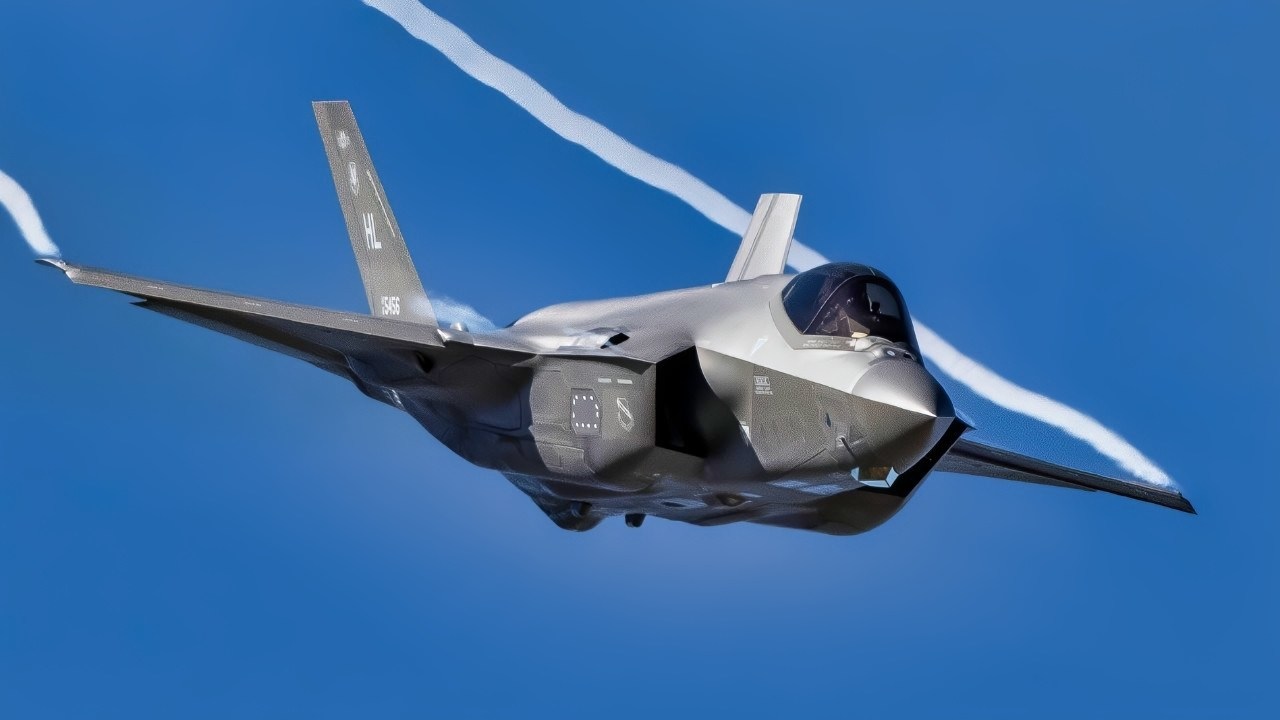
World
CANBERRA, — June 19, 2026 : The Royal Australian Air Force (RAAF), in partnership with the United States Air Force, has successfully completed the first joint Weapon Fill Measurement Vehicle (WFMV) flight test on an F-35A Lightning II, marking a significant advancement in allied weapons integration and certification efforts. The world-first test was conducted in late April 2026 by RAAF No. 75 Squadron. During the mission, an F-35A was flown with a specialized test weapon mounted on the aircraft to collect engineering data on weapon behavior under operational flight conditions. Supporting Future Weapons Integration The primary objective of the flight test was to gather detailed data on the flight environment experienced by weapons carried on the F-35A. The information will support current and future weapons certification programs by providing engineers with a better understanding of aerodynamic loads, vibration levels, and other factors affecting weapon performance during flight. Defense officials expect the data to help reduce the time required to certify new weapons for operational use. Accelerating the certification process will allow advanced capabilities to be introduced to frontline squadrons more efficiently. Enhancing Combat Readiness The initiative supports efforts to strengthen combat readiness and maintain the operational effectiveness of allied F-35 fleets. Faster weapons integration is considered increasingly important as Australia and its partners continue to adapt to evolving security requirements across the Indo-Pacific region. The F-35A Lightning II is Australia's primary fifth-generation multirole fighter aircraft and forms a key element of the Royal Australian Air Force's air combat capability. Australia is acquiring a total of 72 F-35A aircraft, which are operated from major bases including Williamtown and Tindal. Joint Australia-U.S. Collaboration The flight test brought together several specialized organizations from both countries. Australian participants included: Air Warfare Engineering Squadron Aircraft Research and Development Unit (ARDU) No. 75 Squadron Air Combat Systems Program Office (ACSPO) U.S. participants included: U.S. Air Force Seek Eagle Office (AFSEO) U.S. 96th Range Support Squadron (96 RANSS) The activity was conducted under the Aircraft Stores Compatibility Project Arrangement (ASC PA), a long-standing bilateral agreement between Australia and the United States. The arrangement facilitates weapons testing, engineering cooperation, data sharing, and the reduction of duplicated certification efforts. Strengthening Allied Interoperability The successful completion of the WFMV flight test demonstrates the growing level of technical cooperation between Australia and the United States in the field of advanced air combat systems. The project is expected to support future weapons integration programs while improving interoperability between allied air forces operating the F-35. Results from the test are currently being analyzed and will contribute to ongoing certification activities. The data gathered during the mission is expected to play an important role in advancing future weapons capabilities for F-35 operators and improving the aircraft's overall operational effectiveness.
Read More → Posted on 2026-06-19 16:45:59
World
JOINT BASE ANDREWS, Maryland — June 20, 2026 : The U.S. Air Force has officially unveiled the VC-25B Bridge aircraft, a modified Boeing 747-8 that will serve as an interim presidential transport while the military awaits delivery of the next-generation Air Force One fleet. The aircraft, assigned U.S. Air Force serial number 25-3300, arrived at Joint Base Andrews following a previously undisclosed nighttime flight on June 4, 2026. President Donald Trump formally presented the aircraft on June 19, revealing a new red, white, dark blue, and gold paint scheme based on a design selected during his first presidential term. The new livery replaces the light blue and white color scheme that has been used on presidential aircraft for more than 60 years. Interim Role for the Presidential Fleet The VC-25B Bridge was introduced to help reduce operational pressure on the Air Force’s aging VC-25A fleet, which currently performs presidential airlift missions. The two VC-25A aircraft, heavily modified Boeing 747-200s, entered service in 1990 and require increasing levels of maintenance. The aircraft's arrival follows a recent presidential mission flown by VC-25A tail number 92-9000, which returned President Trump from the G7 Summit in France. While the VC-25A fleet will remain in service, the Bridge aircraft is expected to provide additional operational flexibility until the next-generation VC-25B aircraft enter service. Background and Modifications The aircraft was originally built in 2012 as a Boeing Business Jet 747-8KB and operated by the Qatar Amiri Flight for the House of Thani. Qatar donated the aircraft to the U.S. government in 2025, allowing the Air Force to pursue an accelerated interim airlift capability. Modification work was carried out by L3Harris in Texas at an estimated cost of nearly $400 million. To speed up delivery, the Air Force retained much of the aircraft’s existing VIP interior, which already included conference rooms, private accommodations, and multiple galleys. The upgrades focused on integrating secure communications systems, self-defense countermeasures, and other mission equipment required for presidential operations. Flight testing was completed in early May 2026. Delays in the Permanent VC-25B Program The Bridge aircraft was acquired as delays continued to affect Boeing’s Air Force One replacement program. The contract for two purpose-built VC-25B aircraft was awarded in 2018 and was originally valued at approximately $3.9 billion. Originally expected to deliver aircraft in 2024, the program has faced schedule delays and cost increases, with deliveries now projected for mid-2028 and overall costs exceeding $5 billion. Commissioning and Future Operations The VC-25B Bridge has entered a series of commissioning and certification flights designed to verify mission systems and operational readiness before entering presidential service. To prepare for operations on the Boeing 747-8 platform, Air Force crews trained using a leased Atlas Air 747-8F cargo aircraft and former Lufthansa passenger variants. A full-scale interior mock-up has also been available to White House personnel since January 2026 for familiarization and mission planning. President Trump said the aircraft will make its first major public appearance during the July 4 military flyover over Washington, D.C., alongside F-22 Raptor and F-35 Lightning II fighter aircraft as part of the United States' 250th-anniversary celebrations. Once operational, the VC-25B Bridge will support presidential airlift requirements until the permanent VC-25B fleet enters service later this decade.
Read More → Posted on 2026-06-20 11:43:00
Space & Technology
SEATTLE, — June 20, 2026 : Microsoft has developed a rapidly growing artificial intelligence business in China by providing access to OpenAI’s advanced AI models through its Azure cloud platform, serving major technology companies including ByteDance, Tencent, Meituan, and Ant Group. The arrangement comes as the United States continues to tighten restrictions on advanced technology exports and as leading AI developers such as OpenAI and Anthropic avoid direct sales of their models in China due to intellectual property and security concerns. Microsoft's partnership with OpenAI allows the company to distribute GPT-series models under its own commercial framework. To address concerns over hosting sensitive technology in mainland China, Microsoft provides access through offshore Azure infrastructure, primarily using data centers in Singapore. ByteDance Becomes Largest Customer ByteDance, the Beijing-based parent company of TikTok, has emerged as Microsoft's largest AI customer in the region and is reportedly on track to spend more than $1 billion annually on Microsoft's cloud and AI services. Other major customers include Tencent, Meituan, and Ant Group. Much of the demand is linked to overseas operations, international business expansion, and cross-border digital services. Strong Growth in Azure AI Revenue Demand from Chinese enterprises has fueled rapid growth in Microsoft's regional AI business. During an internal sales meeting in July 2025, former Chief Commercial Officer Judson Althoff said Azure AI revenue in China was growing faster than in any other Microsoft market globally. Revenue from Azure AI in China roughly tripled during the fiscal year ending June 2025, following a 400% increase in the previous year. Despite this growth, Microsoft President Brad Smith previously told Congress that China accounted for approximately 1.5% of Microsoft's total global revenue in 2024. Offshore Access Model Microsoft does not host OpenAI's GPT models on its mainland Chinese data centers near Beijing and Shanghai. Instead, Chinese enterprise customers access the models over the public internet through Azure facilities located outside China, with Singapore serving as a key hub. This structure allows Microsoft to serve Chinese customers while keeping core AI models and infrastructure outside mainland Chinese jurisdiction. Anthropic's models are not available through Microsoft's China-focused offerings. Concerns Over AI Model Distillation The arrangement has attracted attention amid growing U.S.-China competition in artificial intelligence. OpenAI has reportedly raised concerns about the possibility of "distillation," a process in which outputs from advanced AI systems could be used to improve domestic AI models. Microsoft says it uses automated monitoring systems to prevent misuse of its services and limits access to established enterprise customers rather than individual developers. At the same time, Chinese technology companies continue investing heavily in their own AI capabilities. ByteDance operates the Doubao AI chatbot, while Tencent, Alibaba, and Ant Group are developing their own foundation models alongside the use of international AI technologies. Microsoft's China AI business highlights how advanced AI services continue to flow across borders through cloud platforms, even as governments increase scrutiny of strategic technologies and AI-related exports.
Read More → Posted on 2026-06-20 11:54:45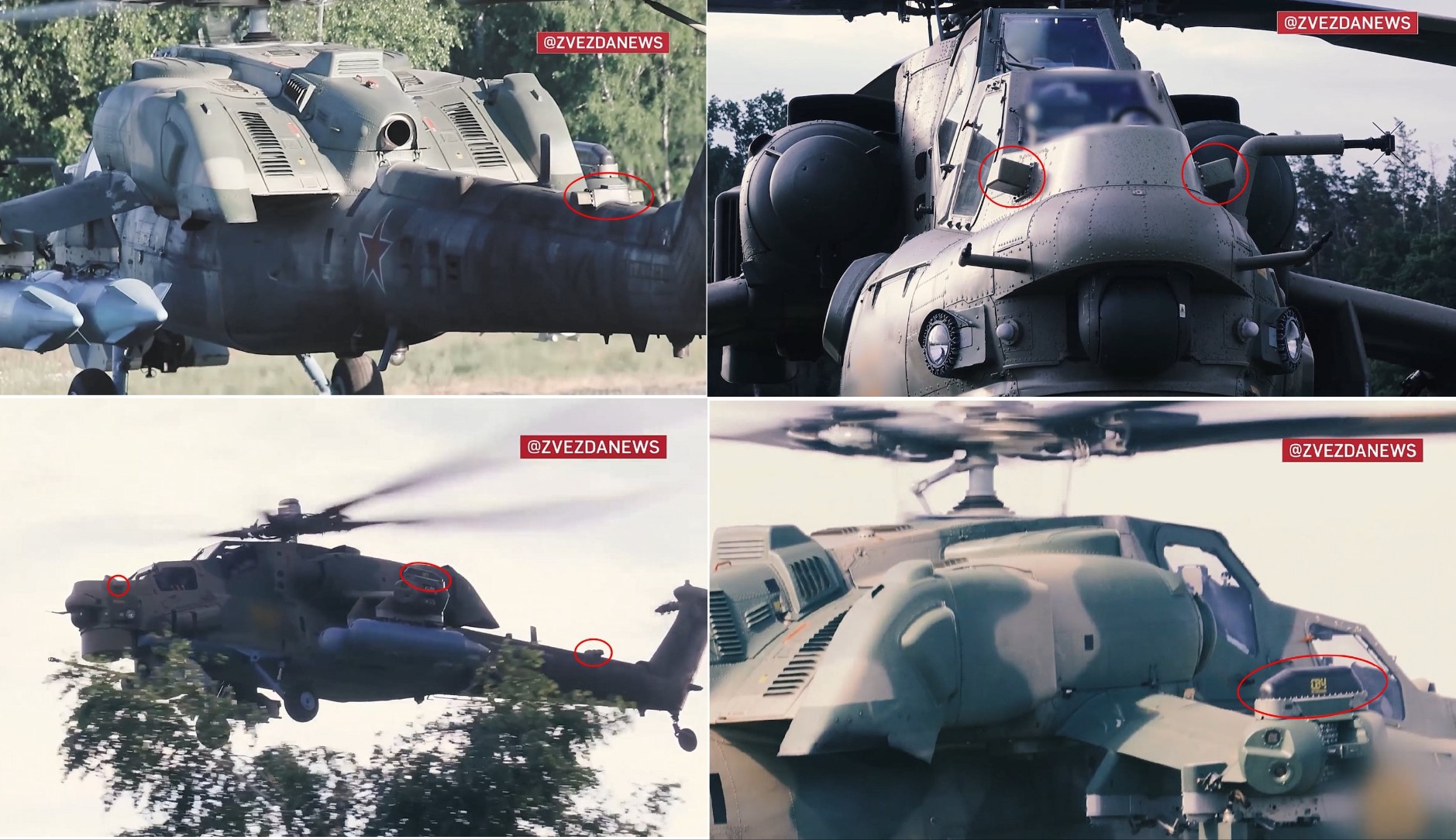
World
Moscow, — June 20, 2026 : Recent footage released by the Russian Ministry of Defense indicates that Russia has equipped its Mi-28NM attack helicopters with new electronic warfare (EW) systems designed to counter unmanned aerial systems (UAS) operating on the battlefield in Ukraine. The upgrades were identified by Israeli defense analyst Guy Plopsky, who examined images from official Russian Ministry of Defense footage showing Mi-28NM operations over Ukraine. The footage reveals new antenna housings installed on the sides of the nose, the tops of the stub-wing weapon pods, and the tail boom—features not previously seen on standard production aircraft. According to Plopsky, the installations are likely part of an electronic countermeasures (ECM) system intended for counter-drone operations. Their placement across multiple sections of the airframe suggests broad coverage around the helicopter, potentially allowing it to detect or jam threats approaching from different directions. It remains unclear whether the housings contain only jamming equipment, drone-detection sensors, or a combination of both. Jamming systems disrupt radio-frequency control links or GPS signals used by drones, while detection systems provide early warning of approaching threats. The Mi-28NM, NATO reporting name "Havoc," is the most advanced version of Russia’s Mi-28 attack helicopter. It features the N025 mast-mounted radar, third-generation thermal imaging systems, upgraded VK-2500P engines, and a range of weapons including a 30mm 2A42 cannon, rockets, air-to-air missiles, Ataka and Vikhr anti-tank missiles, and the LMUR guided missile. Recent versions of the helicopter have also been integrated with Russian reconnaissance drones such as the Korsar and Forpost and can launch loitering munitions from airborne positions. Russian forces have used the Mi-28NM extensively in Ukraine for close air support missions and stand-off strikes using guided weapons. However, attack helicopters remain vulnerable to FPV drones, loitering munitions, and modified commercial quadcopters due to their low-altitude operating profile near front-line areas. The new modifications appear to be a response to these battlefield threats. Russia has introduced similar electronic warfare systems on tanks and armored vehicles during the conflict to counter drone attacks. It is not yet known whether the Mi-28NM upgrades are part of a fleet-wide modernization program or field modifications applied to specific aircraft. The Russian Ministry of Defense has not released technical details regarding the system. The Mi-28NM already operates with the L370V28 Vitebsk self-defense suite, which includes radar warning, laser warning, missile-approach warning, and directional infrared countermeasure systems. The newly observed equipment appears intended to strengthen protection against unmanned aerial threats as drone warfare continues to shape military operations in Ukraine.
Read More → Posted on 2026-06-20 12:08:27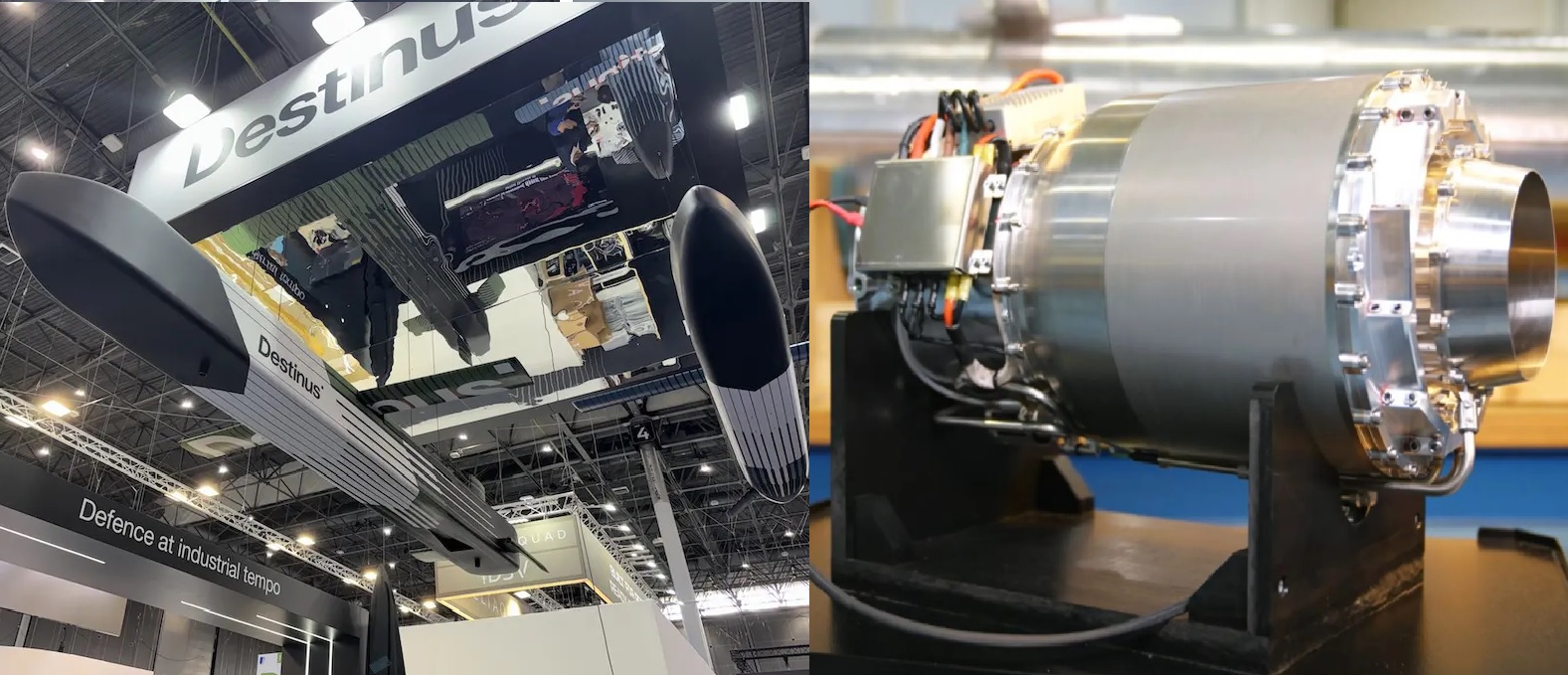
World
AMSTERDAM, Netherlands — June 20, 2026 : European defense technology company Destinus has announced the production of its 1,000th T150 turbojet engine, marking a significant milestone in the company's effort to establish large-scale, in-house propulsion manufacturing for cruise missile systems in Europe. The T150 engine, developed and produced entirely within Europe, serves as the primary propulsion system for Destinus' Ruta B1 and Ruta B2 cruise missiles. The achievement reflects the company's transition from prototype development to sustained industrial-scale production and supports ongoing operational deployments as well as future manufacturing expansion plans. Expanding European Propulsion Production The production of the 1,000th T150 engine addresses a longstanding challenge in European missile manufacturing, where reliance on external propulsion suppliers has often limited production rates and supply chain flexibility. To reduce these constraints, Destinus launched the T150 program with the goal of designing a turbojet engine from the ground up while establishing a dedicated manufacturing ecosystem that includes tooling, testing infrastructure, supply chain management, and quality control. “Producing one engine is engineering. Producing a thousand is industrial capability,” said Sidney Berndt, Chief Manufacturing Officer at Destinus. “The T150 was built from scratch. The design, tooling, test infrastructure, supply chain, and quality control were all developed and are owned by Destinus.” According to the company, the production system has been designed to support the manufacturing of thousands of missile systems annually while maintaining qualification-driven and repeatable production standards. T150 Engine Specifications The T150 is a compact turbojet engine developed for cruise missile and unmanned aerial vehicle applications. The engine weighs 17.5 kilograms and generates a maximum thrust of 1,500 Newtons (150 kgf). The engine measures 530 millimeters in length and 245 millimeters in diameter and incorporates an overhang rotor design optimized for compact missile integration. Destinus reports a specific fuel consumption of 0.12 kg/h/N, supporting efficient long-range operations. The company stated that the vertically integrated manufacturing model provides greater control over production schedules, quality standards, and component availability while reducing dependence on external suppliers. Supporting the Ruta Missile Family The T150 currently powers the Ruta family of deep-strike cruise missiles. Ruta Block 1 is already in serial production and offers a range exceeding 300 kilometers with a 150-kilogram payload. The missile uses terrain-following navigation and is designed to operate in environments where satellite navigation signals may be degraded or unavailable. Ruta Block 2 expands the system's range to between 450 and 700 kilometers while carrying a 250-kilogram warhead. The missile incorporates booster-assisted canister launch capability, foldable wings, low-altitude terrain-following flight profiles, and electro-optical/infrared terminal guidance supported by AI-assisted target recognition technologies. The company noted that Ruta Block 2 has undergone flight testing, including testing activities conducted in Ukraine. Rheinmetall Partnership to Increase Production Capacity The engine production milestone comes as Destinus prepares to expand manufacturing through its planned Rheinmetall Destinus Strike Systems joint venture with German defense contractor Rheinmetall. The partnership, announced in 2026, combines Destinus' missile system architecture and technology with Rheinmetall's large-scale industrial manufacturing capabilities. Rheinmetall is expected to hold a 51 percent stake in the joint venture, with Destinus holding 49 percent. The collaboration will focus on serial production of cruise missiles and ballistic rocket artillery systems. Initial manufacturing of Ruta Block 1 and Ruta Block 2 missiles is planned at Rheinmetall's Unterlüß facility in Germany, with deliveries expected before the end of 2026 and continuing into 2027. The partners aim to provide NATO and European Union member states with certified long-range strike systems that can be launched from standard shipping containers, mobile ground launchers, and multiple launch rocket system (MLRS) platforms. Development of Ruta B3 and T220 Engine Continues Following the production milestone, Destinus is advancing development of its next-generation Ruta B3 cruise missile and the accompanying T220 turbojet engine. The Ruta B3 is designed as a long-range deep-strike weapon capable of engaging high-value targets in contested environments. While the current Ruta B1 and Ruta B2 variants offer ranges of approximately 300 kilometers and 700 kilometers respectively, the new Ruta B3 is intended to achieve a range of up to 2,000 kilometers while carrying a 250-kilogram-class warhead. To support these extended-range requirements, Destinus is developing the higher-capacity T220 turbojet engine, which will complement the existing T150 and expand the company's propulsion portfolio. Industrial Growth and Strategic Significance Destinus currently produces more than 2,000 cruise missile systems annually in Europe. The company says its vertically integrated production model, including in-house engine manufacturing, is essential for increasing output while maintaining supply chain resilience. With the T150 reaching its 1,000th production unit and the Rheinmetall partnership expected to increase manufacturing capacity further, Destinus is positioning itself to support growing European demand for long-range strike capabilities and domestically produced defense systems. The company stated that the T150 and future T220 engines will form a common propulsion family supporting multiple cruise missile variants, contributing to Europe's broader efforts to strengthen defense-industrial self-reliance and sustain military production at an industrial scale.
Read More → Posted on 2026-06-20 12:22:14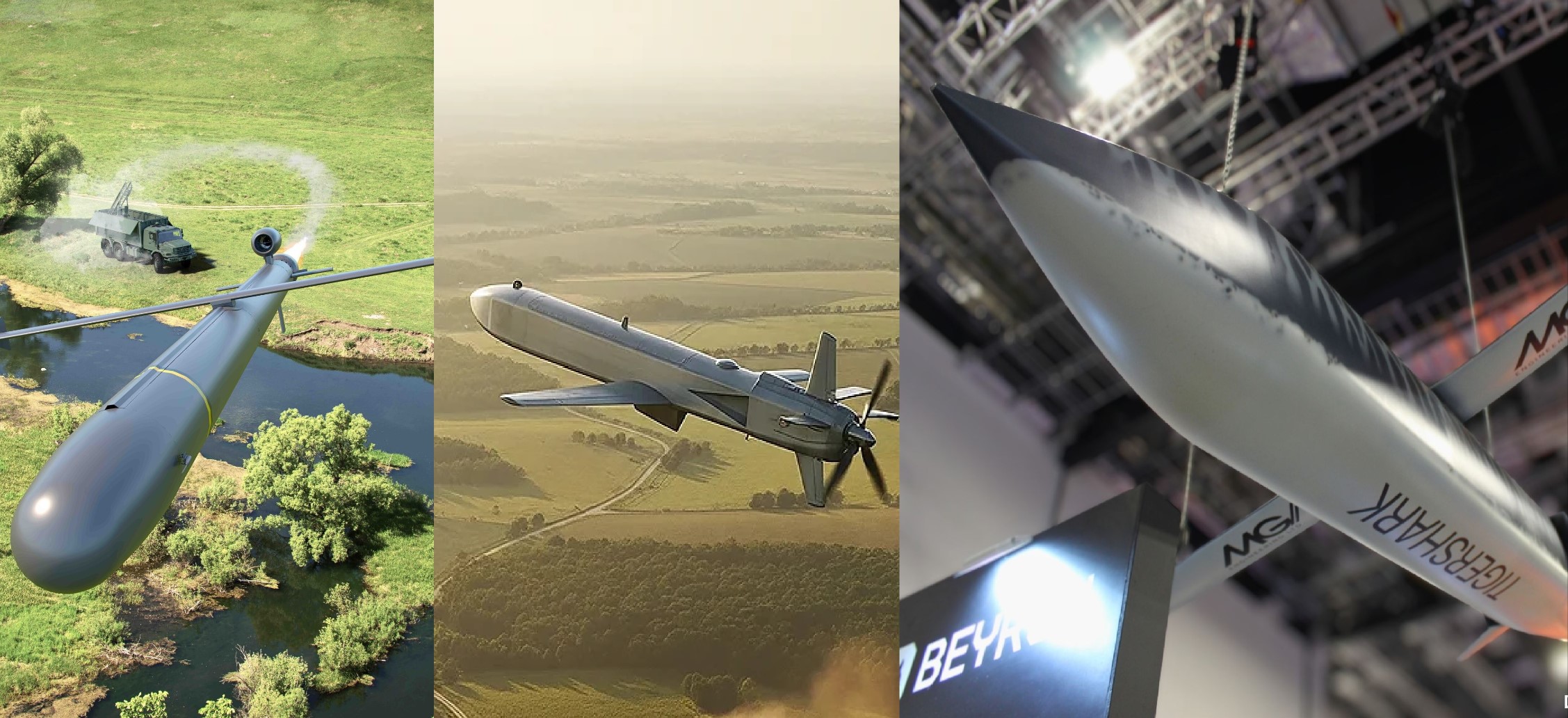
World
London, — June 20, 2026 : The United Kingdom has unveiled three prototype long-range cruise missile systems developed specifically for Ukraine under Project Brakestop, a Ministry of Defence (MoD) initiative aimed at delivering affordable, rapidly producible strike weapons free from American export restrictions. The project, launched in November 2024, seeks to provide Ukraine with sovereign long-range strike capabilities while reducing dependence on systems that contain U.S.-origin components. British officials confirmed that all three missile designs successfully completed spring trials at the MoD’s Hebrides testing range in Scotland, with at least one system expected to enter Ukrainian service by the end of 2026 following additional testing and refinement. Developed to Avoid Export Restrictions Project Brakestop was created in response to delays and restrictions affecting the delivery and operational use of Western long-range weapons, including the U.S.-supplied ATACMS and the UK’s Storm Shadow cruise missile. British officials noted that Storm Shadow relies on American guidance technologies and mapping data, making its deployment subject to U.S. approval processes and export regulations under the International Traffic in Arms Regulations (ITAR) framework. By eliminating all American components and data dependencies, the new missiles provide the United Kingdom with full authority over export decisions and combat employment. According to Armed Forces Minister Louise Sandher-Jones, the program serves both as a capability enhancement for Ukraine and as a test of Britain's sovereign defense manufacturing capacity and industrial resilience. Three Companies Advance to Final Testing Project Brakestop attracted proposals from 27 companies, with three British manufacturers selected to develop operational prototypes under the supervision of the MoD’s Task Force Kindred. MBDA UK – Crossbow MBDA UK, the manufacturer of Storm Shadow, developed the Crossbow missile. The system incorporates a proprietary visual navigation technology designed to operate independently of external guidance inputs. The company stated that sovereignty, operational flexibility, and freedom from foreign restrictions were key design requirements throughout development. Reports indicate Crossbow can carry a warhead of up to 300 kilograms and strike targets at ranges reaching approximately 800 kilometers. Rotron Aerospace – SkyLance Rotron Aerospace developed the SkyLance, a propeller-driven long-range missile designed to maximize operational range while maintaining lower production costs. The company successfully completed a flight test of the system on May 12, 2026. While the propeller-driven configuration sacrifices some speed compared with conventional cruise missiles, it offers increased endurance and extended reach for deep-strike missions. MGI Engineering – TigerShark MGI Engineering, founded by former Formula One technical director Mike Gascoyne, developed the TigerShark missile using engineering methods adapted from aerospace and motorsport industries to accelerate development. The missile is designed to operate autonomously in GPS-denied environments and incorporates a navigation system provided by Auterion. The company has confirmed that the system uses no American data or U.S.-origin components. TigerShark is designed to deliver a payload of approximately 200 to 300 kilograms against targets located more than 500 to 750 kilometers away. Focus on Rapid Production Unlike traditional cruise missile programs that prioritize complex and highly specialized engineering, Project Brakestop was structured around rapid, scalable manufacturing. The Ministry of Defence established a requirement for production rates of at least 20 missiles per month, while participating manufacturers stated that output could potentially increase to 40 units monthly within months of receiving production orders. The estimated cost of each missile is approximately £400,000 (€475,000), significantly lower than the cost of existing Western cruise missiles such as Storm Shadow, which can exceed £2 million per unit. Specification Project Brakestop Missiles Storm Shadow Estimated Unit Cost ~£400,000 (€475,000) £2,000,000+ Warhead Weight 225–300 kg 450 kg US Components None Yes Production Rate 20+ per month Lower, more complex production Designed for Deep-Strike Operations All three Brakestop missiles are ground-launched systems intended to engage high-value targets deep behind enemy lines. While their warheads are smaller than Storm Shadow’s 450-kilogram payload, officials noted that a 225-300 kilogram warhead remains capable of inflicting significant damage against military infrastructure, command centers, logistics hubs, and other strategic targets. The missiles are designed to strike targets at distances exceeding 500 kilometers, providing Ukraine with an additional long-range precision-strike capability. Further Testing Planned The program follows a rapid development model often described as a "fail fast, learn fast" approach, allowing designers to refine systems more quickly than traditional procurement programs. Follow-on contracts worth approximately £15 million have reportedly been awarded for additional development work, including improved missile variants, launch systems, and support equipment. British officials expect further overseas testing to continue throughout 2026. If development proceeds as planned, at least one of the three missile systems is expected to be transferred to Ukraine before the end of the year, providing Kyiv with a new domestically controlled Western long-range strike option while strengthening the UK's sovereign missile manufacturing capability.
Read More → Posted on 2026-06-20 12:40:13
World
WASHINGTON, — June 20, 2026 : New economic and military assessments released following the June 16 peace agreement that ended the 108-day conflict between the United States and Iran indicate that the war imposed substantial financial costs on the U.S. government, taxpayers, and consumers. According to the Iran War Cost Tracker maintained by researchers at Brown University, the United States incurred an estimated $113.3 billion in direct military expenditures during the conflict, known as Operation Epic Fury, which lasted from February 28 to June 16, 2026. Military Expenditures and Pentagon Funding Requests The Brown University estimate closely aligns with early Pentagon projections provided to Congress during the initial stages of the conflict. In a March briefing, U.S. defense officials stated that the first six days of military operations cost approximately $11.3 billion, while continuing operations averaged around $1 billion per day. The Department of Defense's latest official estimate, released in mid-May, placed direct operational costs at approximately $29 billion. However, that figure did not include the cost of repairing nearly a dozen U.S. military installations in the Middle East that sustained damage from Iranian missile and drone strikes during the conflict. To address war-related expenditures and replenish depleted inventories, the Pentagon has requested an additional $80 billion in supplemental funding from Congress. Defense officials said the funding is necessary to restore ammunition stockpiles, cover personnel expenses, maintain naval operations, and support ongoing domestic missions, including security operations along the U.S.-Mexico border. Military analysts note that the conflict required extensive deployment of U.S. naval strike groups, long-range bomber missions, air defense assets, intelligence platforms, and precision-guided munitions, contributing significantly to operational costs. Broader Economic Impact on the United States Beyond direct military spending, the conflict generated wider economic consequences across the United States. According to Moody’s Analytics, the total financial impact on American taxpayers and consumers has reached at least $132 billion. The estimate incorporates military expenditures as well as indirect economic effects, including higher fuel costs, inflationary pressures, increased borrowing costs, and disruptions in global energy markets. A major contributor to rising costs was the disruption of oil shipments through the Strait of Hormuz, one of the world's most important energy transit routes. Iran's blockade and associated regional tensions pushed crude oil prices above $120 per barrel in March. Following the peace agreement, oil prices have fallen to approximately $80 per barrel, though they remain above pre-conflict levels. Fuel Prices and Consumer Costs The increase in energy prices translated directly into higher costs for American households. Moody’s Analytics estimates that Americans paid approximately $60 billion more for gasoline and diesel fuel during the conflict, equivalent to roughly $460 per household. Before the war began, the national average gasoline price was below $3.00 per gallon. During the conflict, prices climbed to a peak of $4.56 per gallon before easing to around $4.00 per gallon following the ceasefire. Diesel prices experienced a similar increase, rising from approximately $3.76 per gallon to a high of $5.69 per gallon. The rise in diesel costs increased transportation and logistics expenses throughout supply chains. Higher fuel costs also affected other sectors of the economy. Airline ticket prices increased by nearly 27 percent, while average 30-year mortgage rates climbed to 6.52 percent, reflecting broader inflationary and financial market pressures associated with the conflict. Human Cost of the Conflict The war resulted in casualties across several countries involved directly or indirectly in the fighting. According to available estimates: Iran: Approximately 3,500 people were killed during U.S. and Israeli military operations. Lebanon: Parallel Israeli military operations resulted in approximately 3,700 deaths. United States: 13 U.S. service members were killed. Israel: 26 people were killed. Gulf States: U.S.-aligned regional partners also reported casualties, although specific figures have not been publicly released. The conflict involved extensive air strikes, missile attacks, naval operations, and regional military engagements across multiple theaters in the Middle East. Reconstruction and Post-War Development Plans The June 16 memorandum of understanding signed by the United States and Iran formally ended hostilities and established a framework for post-conflict negotiations and reconstruction efforts. As part of the agreement, both sides outlined a proposed $300 billion reconstruction and development plan for Iran, aimed at rebuilding damaged infrastructure, restoring economic activity, and supporting long-term stability. Officials have not yet disclosed the specific funding mechanisms for the reconstruction initiative. The extent of potential U.S. financial participation and the role of international partners remain under review by policymakers and lawmakers. Ongoing Review of Total Costs While Brown University and Moody’s Analytics have released independent estimates of the conflict's economic impact, the U.S. administration has not yet published a final comprehensive accounting of war-related expenditures. Congress is expected to review the Pentagon’s supplemental funding request in the coming months as defense officials seek resources to replenish military inventories, repair damaged infrastructure, and maintain readiness following the conclusion of Operation Epic Fury. Researchers and government agencies continue to assess both the direct and indirect costs of the conflict, with final figures expected to evolve as reconstruction, military replenishment, and economic recovery efforts progress.
Read More → Posted on 2026-06-20 13:33:00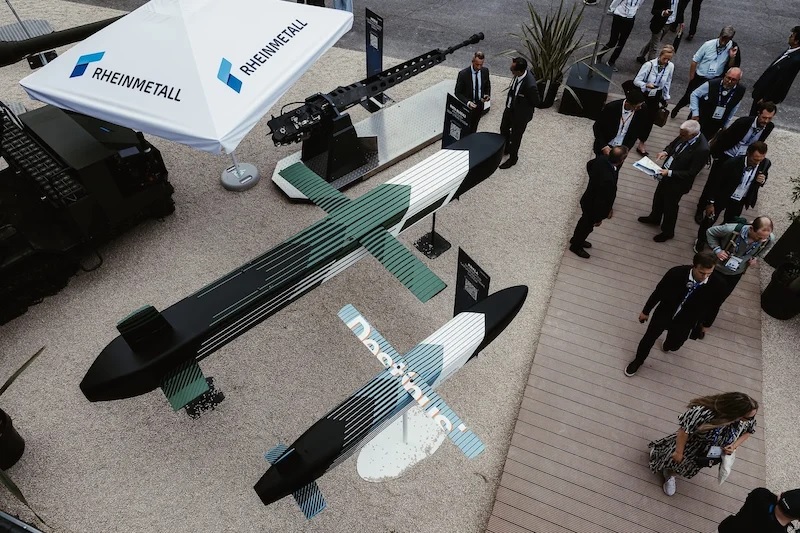
World
PARIS, — June 20, 2026 : Rheinmetall Destinus Strike Systems has announced plans to accelerate development of its Ruta Block 3 deep-strike cruise missile while commencing serial production of the Kryla and Ruta Block 2 cruise missile systems. The announcement follows presentations made by the company during the Eurosatory 2026 defense exhibition in Paris. The joint venture, established between Germany's Rheinmetall AG and the Netherlands-based Destinus Group BV, aims to expand Europe's long-range precision-strike capabilities through a fully European industrial and supply chain framework. Rheinmetall holds a 51 percent stake in the partnership, while Destinus owns the remaining 49 percent. The company stated that its missile portfolio is designed to provide NATO and European armed forces with scalable strike capabilities across different operational ranges and mission requirements. Final assembly, integration, and testing activities will take place at Rheinmetall's facility in Unterlüß, Germany, with initial delivery readiness targeted for later in 2026. European Industrial Partnership The joint venture combines Destinus' expertise in cruise missile design, propulsion systems, autonomous navigation technologies, and operationally validated architectures with Rheinmetall's industrial manufacturing capabilities, warhead production, booster rocket motor development, qualification processes, and large-scale system integration. According to the companies, the program is built around a 100 percent European value chain intended to strengthen supply security and reduce dependency on non-European suppliers. The long-term objective is to achieve full NATO qualification, allowing the systems to be offered across NATO and European Union member states. Destinus currently produces more than 2,000 cruise missiles annually and contributes key technologies including the T150 and T220 turbojet engines used within the company's missile family. Ruta Block 3 Deep-Strike Missile The centerpiece of the joint venture's future roadmap is the Ruta Block 3 cruise missile, which is being developed as a strategic deep-strike weapon capable of engaging high-value and hardened targets at long distances. Powered by the in-house Destinus T220 turbojet engine, Ruta Block 3 is designed to fly at subsonic speeds of approximately Mach 0.8 while maintaining low-altitude, terrain-following flight profiles. The missile is expected to have a range exceeding 2,000 kilometers and carry a conventional precision warhead weighing up to 250 kilograms. The system incorporates low-observable shaping and advanced autonomous navigation designed to operate in GNSS-denied environments. Terminal guidance will be provided through electro-optical and infrared (EO/IR) systems, with additional guidance capabilities currently under development. A key feature of the missile is its containerized launch architecture. Ruta Block 3 is launched from standard 40-foot ISO containers, allowing deployment from mobile platforms such as Rheinmetall HX trucks, maritime vessels, and fixed installations. The company states that the system can transition from transport configuration to firing readiness in approximately two minutes. Flight testing of Ruta Block 3 is scheduled to begin in 2027 in Ukraine, where earlier variants of the Ruta family have already undergone operational validation and testing. Kryla Enters Serial Production While Ruta Block 3 remains under development, Rheinmetall Destinus Strike Systems is beginning serial production of the Kryla cruise missile to meet near-term operational requirements. Kryla is a compact, cost-efficient cruise missile equipped with a 50-kilogram warhead and optimized for massed saturation attacks. Unlike the Ruta family, Kryla can be launched from both standard shipping containers and existing Multiple Launch Rocket Systems (MLRS), allowing military operators to add cruise missile capabilities to current artillery launcher fleets without major modifications. The missile offers a range of more than 800 kilometers and supports coordinated strikes using time-on-target attack profiles, enabling multiple missiles to reach targets simultaneously. Ruta Block 2 Production Underway The company is also beginning serial production of Ruta Block 2, which serves as the immediate predecessor to the Block 3 variant. Ruta Block 2 carries a 250-kilogram warhead and is intended for precision engagements against hardened and high-value targets. The missile has a range exceeding 700 kilometers and utilizes low-altitude terrain-following flight combined with EO/IR terminal guidance and AI-assisted target recognition. The design incorporates foldable wings and control surfaces that allow storage within sealed launch canisters. Like the future Block 3 system, Ruta Block 2 is launched exclusively from containerized platforms and supports salvo-launch operations from both land-based and maritime platforms. Expanding European Strike Capabilities The combined portfolio of Kryla, Ruta Block 2, and Ruta Block 3 is intended to provide layered long-range strike options covering a wide range of operational scenarios. By utilizing standardized container-based launch systems across much of the portfolio, the company aims to simplify deployment and integration across existing military platforms. Officials from Rheinmetall and Destinus stated that the partnership is focused on rapidly increasing European production capacity for long-range precision-strike systems while supporting NATO and national defense requirements. Production activities at Rheinmetall's German facilities are expected to expand through 2026 and 2027, while Ukraine continues to contribute to testing, development, and component manufacturing activities associated with the Ruta missile family. The initiative represents a broader effort by European defense industries to increase sovereign production capacity and strengthen long-range strike capabilities through industrial cooperation and scalable manufacturing.
Read More → Posted on 2026-06-20 13:46:24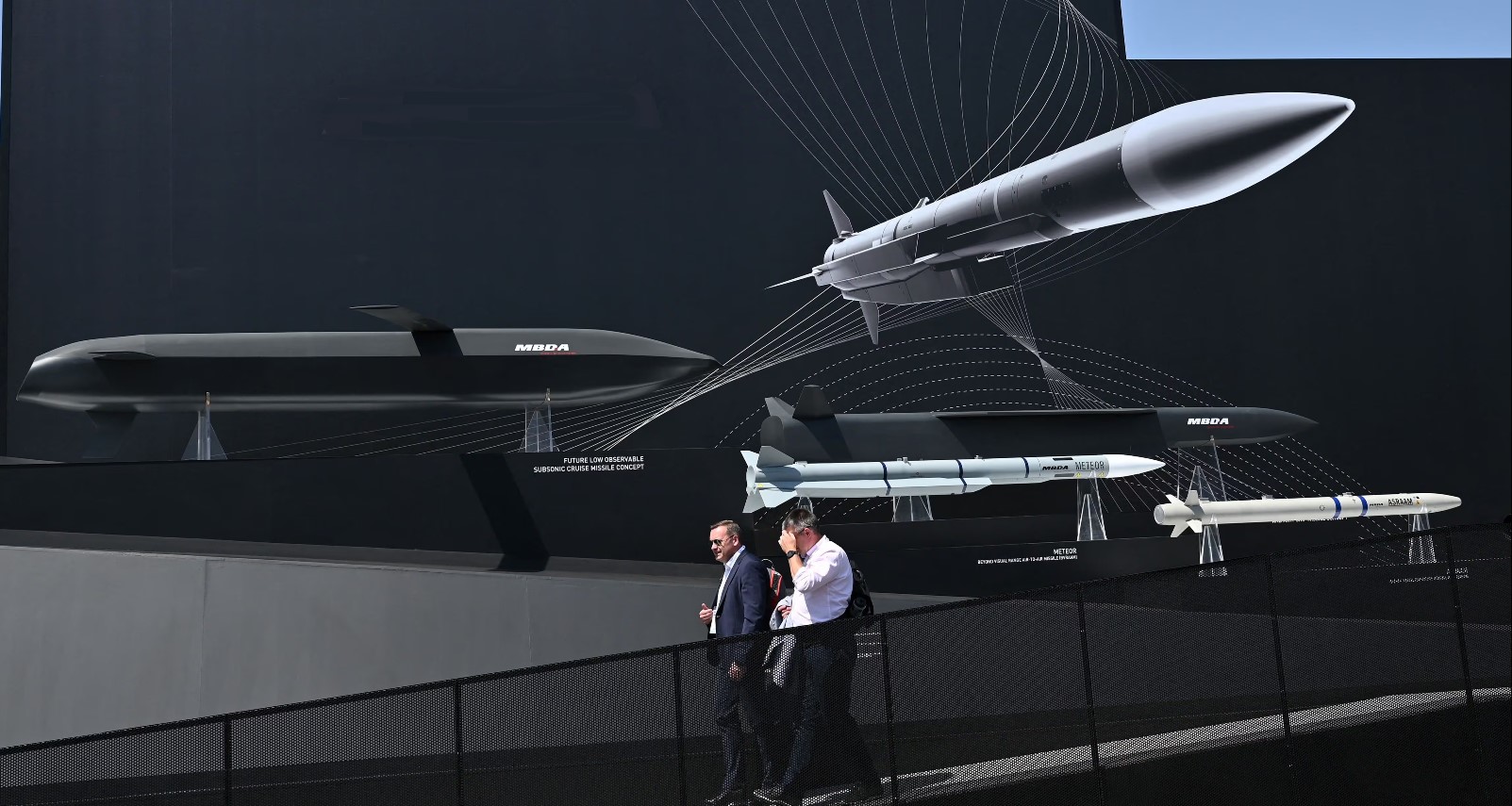
World
Brussels, Belgium, — June 20, 2026 : Six European nations have formally moved their joint long-range strike cooperation from the planning phase into active development, launching eight separate weapon programs under the European Long-Range Strike Approach (ELSA). The initiative includes the development of a ground-launched cruise missile with a range exceeding 2,000 kilometers, alongside several other deep-strike and air-defense suppression capabilities. According to Aviation Week, defense ministers from Germany, France, Poland, Italy, Sweden, and the United Kingdom signed the agreement on June 18, marking a major milestone after nearly two years of collaborative planning. The participating countries concluded that several capability areas had reached sufficient maturity to transition into dedicated development programs, now organized as ELSA Implementation Groups (EIGs). The ELSA framework was established to strengthen Europe's sovereign deep-strike capabilities, reduce dependence on U.S. military assets in key mission areas, and address capability gaps highlighted by recent conflicts, particularly the war in Ukraine. The initiative is also intended to reinforce European defense-industrial cooperation and support NATO's long-term deterrence and defense requirements. Eight ELSA Implementation Groups Established Under the agreement, development efforts will be divided into eight specialized implementation groups, with at least one lead nation assigned to oversee each project's development and procurement activities. The eight capability areas include: Airborne Early Warning Systems Long-Range Anti-Radar Missiles for Suppression of Enemy Air Defenses (SEAD) Long-Range Air-to-Ground Missiles European Multiple Launch Rocket Systems (Euro Multi Missile Launcher) Ground-Launched Missiles with ranges of 300–500 kilometers Ground-Launched Missiles with ranges of 500–2,000 kilometers Ground-Launched Missiles with ranges exceeding 2,000 kilometers Low-Cost Long-Range Strike Weapons with ranges greater than 500 kilometers Officials stated that the implementation groups will enable focused development while allowing additional European partners to participate in future phases of the program. France Proposes MdCN for Over-2,000 km Missile Requirement For the long-range missile category exceeding 2,000 kilometers, France has proposed adapting its Missile de Croisière Naval (MdCN), also known as SCALP Naval, as the foundation for the future ground-launched system. Developed by MBDA, the MdCN is currently a sea-launched cruise missile used by the French Navy. In its existing configuration, the missile offers a range of up to 1,000 kilometers. French officials believe the platform's mature design and proven technologies could allow a relatively rapid transition to a ground-launched variant capable of meeting ELSA's extended-range requirements. The missile incorporates stealth features designed to reduce detectability and improve survivability in contested environments. It flies at very low altitudes, typically between 30 and 40 meters above the terrain, using terrain-following flight profiles to minimize exposure to enemy air-defense networks. For navigation and targeting, the MdCN combines inertial navigation, satellite guidance, active radar homing, and infrared guidance systems, providing multiple layers of precision targeting capability. Although the missile is not currently in serial production, MBDA has stated that its production facilities are prepared to resume manufacturing upon receiving orders. United Kingdom Leads Low-Cost Long-Range Strike Effort While France is focusing on the longest-range missile category, the United Kingdom is taking a leading role in the development of the Low-Cost Long-Range Strike Weapons project. Known internally as the OWE 500+ (One-Way Effector 500+), the effort seeks to develop autonomous strike systems capable of engaging targets at ranges beyond 500 kilometers. The concept emphasizes affordability and mass production, with participating nations targeting a unit cost below €100,000. The objective is to create expendable, drone-like strike systems that can be produced in large quantities and rapidly replenished during prolonged conflicts. By simplifying design requirements and expanding manufacturing participation across multiple European countries, the program aims to establish a resilient and scalable production base. Supporting Broader European Strike Capabilities In addition to missile development, ELSA will support complementary projects across the long-range strike ecosystem. These include airborne early warning platforms, anti-radar weapons designed to suppress enemy air defenses, and advanced rocket artillery systems. Among the supporting efforts is the Thundart rocket artillery program being developed by MBDA and Safran, which is intended to provide a strike capability at ranges of approximately 150 kilometers. Such national programs are expected to contribute technologies and operational experience that can support wider ELSA objectives. The participating nations view the initiative as a long-term effort to enhance Europe's ability to conduct deep precision strikes using sovereign technologies while strengthening industrial cooperation across the continent. With the establishment of the ELSA Implementation Groups, development activities are expected to accelerate during the coming years, with participating countries aiming to field new long-range strike systems and supporting capabilities during the 2030s.
Read More → Posted on 2026-06-20 14:02:59
World
LONDON, — June 20, 2026 : The UK Ministry of Defence (MOD), through its National Armaments Director (NAD) Group, has awarded Leonardo (UK) Ltd a contract valued at up to £70 million to provide critical consumable spare parts for the UK Armed Forces’ fixed-wing and rotary-wing aircraft fleet. The agreement, known as the Aircraft Consumables Commodities (ACC) contract, begins with an initial value of £27 million over three years and includes options for four additional one-year extensions. If all options are exercised, the total value of the contract will reach £70 million over seven years. The contract covers the procurement, management, and supply of approximately 11,000 NATO Stock Numbers (NSNs), which include a wide range of consumable items required for aircraft maintenance and operational readiness. These components range from small hardware items such as blind rivets, washers, and cable ties to specialized consumables including face masks. The ACC contract supports several key UK military aircraft platforms, including the Eurofighter Typhoon fighter jet, Apache and Chinook helicopters, and A400M Atlas and C-17 Globemaster III transport aircraft. Many of these platforms are currently supporting operational commitments, including deployments in the Middle East and NATO-related missions. A major feature of the new agreement is the introduction of a depot-level management system designed to improve efficiency across the military aviation supply chain. Under the arrangement, Leonardo will manage inventory through a hybrid approach that combines proactive stock control for frequently used components with a demand-based procurement process for less frequently required items. The company will be responsible for spare parts forecasting, inventory modelling, procurement planning, stock management, maintenance support, and obsolescence management. The integrated approach is intended to improve component availability, reduce supply chain complexity, and enhance support for operational aircraft fleets. The programme is expected to sustain approximately 75 skilled jobs across the United Kingdom, with most work taking place in Edinburgh, Coningsby, and Bristol. The contract supports both the operational requirements of the UK Armed Forces and the wider defence industrial base. The agreement was signed by John Farrow, Director Logistic Support & Commodities (LSC), and Wayne Smith MBA BEng, Leonardo Electronics UK Sales Director. By securing long-term access to essential consumable spares and consolidating supply chain management under a single contractor, the ACC contract aims to maintain the airworthiness, availability, and mission readiness of the UK's military aircraft fleet while supporting ongoing defence operations and future force requirements.
Read More → Posted on 2026-06-20 14:23:13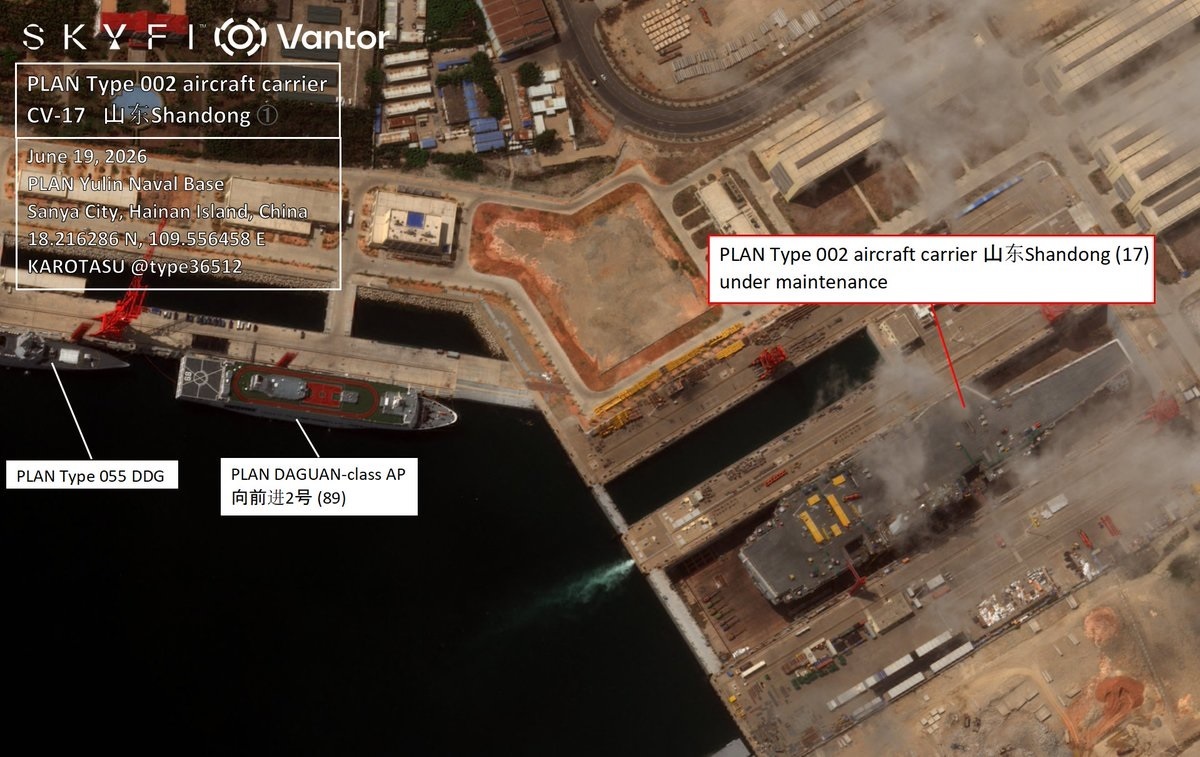
World
BEIJING, — June 20, 2026 : Newly released high-resolution satellite imagery captured on June 19 shows the Chinese People’s Liberation Army Navy (PLAN) aircraft carrier Shandong (CV-17) continuing an extended maintenance period at Yulin Naval Base on Hainan Island. The carrier has remained in dry dock since January 20, 2026, marking approximately five months of continuous maintenance work. The images confirm that the Type 002 aircraft carrier, China’s first domestically built carrier, remains positioned inside Yulin’s large carrier-capable dry dock. The prolonged maintenance period highlights the PLAN’s growing ability to conduct major carrier overhauls and sustainment activities at facilities located in the South China Sea rather than relying exclusively on northern shipyards. Dry Dock Activity and Supporting Vessels Satellite imagery of the naval complex in Sanya provides a detailed view of the maintenance operation. Shandong remains stationed inside the primary dry dock, which was specifically designed to accommodate large naval vessels, including aircraft carriers. A secondary dry dock located adjacent to the carrier facility has been completely drained of water and was empty at the time the imagery was taken. Several important naval assets were also observed at nearby berths supporting the maintenance effort. Among them was Integrated Support Ship Forward 2 (Hull 89), a Daguan-class (Type 032) auxiliary vessel commonly used to provide accommodation, logistics, and technical support for carrier crews and maintenance personnel during extended repair periods. Also berthed nearby was a Type 055 guided-missile destroyer, one of the PLAN’s most advanced surface combatants. Displacing approximately 13,000 tons and equipped with 112 vertical launch cells, the Type 055 serves as a key escort vessel within Chinese carrier strike groups and represents a significant concentration of naval capability at the southern base. First Carrier Maintenance at Yulin’s Purpose-Built Facility The ongoing work represents the first known use of Yulin’s purpose-built carrier dry dock for a Chinese aircraft carrier. Construction of the facility began in 2017 and was completed around 2022 as part of broader efforts to expand naval infrastructure on Hainan Island. Measuring roughly 370–375 meters in length, the dock is capable of accommodating vessels significantly larger than the 304.5-meter-long Shandong. Until now, major carrier maintenance and overhaul work for China’s aircraft carriers had largely been conducted at the Dalian Shipyard in northern China, where both Liaoning and Shandong were originally built. The availability of a southern maintenance facility allows the PLAN to service aircraft carriers much closer to their primary operating areas in the South China Sea. This reduces transit requirements and improves the navy’s ability to maintain operational readiness in strategically important waters. Scope of Maintenance The exact nature of the work being performed on Shandong has not been officially disclosed. However, comprehensive carrier maintenance periods of this duration typically involve extensive inspections and refurbishment activities. Such work may include hull cleaning and repairs, propulsion system inspections, maintenance of arresting gear and aircraft handling equipment, flight deck resurfacing, sensor servicing, and upgrades to onboard systems. Earlier satellite imagery from February 2026 showed visible activity on the flight deck, including the removal of deck markings, suggesting ongoing refurbishment efforts. Analysts have also noted recent reports in Chinese state media regarding efforts to integrate the new J-35 fifth-generation stealth fighter into the air wings of existing carriers, including Liaoning and Shandong. Extended dry-dock periods can provide opportunities for deck modifications and system adjustments needed to support new aircraft types. Expanding Carrier Sustainment Capabilities Commissioned in December 2019, Shandong serves as the PLAN’s second aircraft carrier and its first domestically built carrier. The vessel has participated in numerous training exercises and deployments across the South China Sea and the western Pacific since entering service. The use of Yulin Naval Base for long-term carrier maintenance is viewed as a significant step in expanding China’s carrier sustainment infrastructure. By conducting major maintenance closer to operational theaters, the PLAN can reduce dependence on northern shipyards and improve fleet availability. China currently operates three aircraft carriers—Liaoning, Shandong, and Fujian—while reports indicate that a fourth, nuclear-powered carrier is under development. As the carrier fleet expands, facilities such as the Yulin dry dock are expected to play an increasingly important role in supporting maintenance, repairs, and long-term operational readiness. While the timeline for Shandong’s return to sea remains unclear, satellite imagery indicates that maintenance work continues at the Hainan facility. Observers are expected to monitor future imagery for indications that the carrier is preparing to undock and begin post-maintenance sea trials.
Read More → Posted on 2026-06-20 14:32:10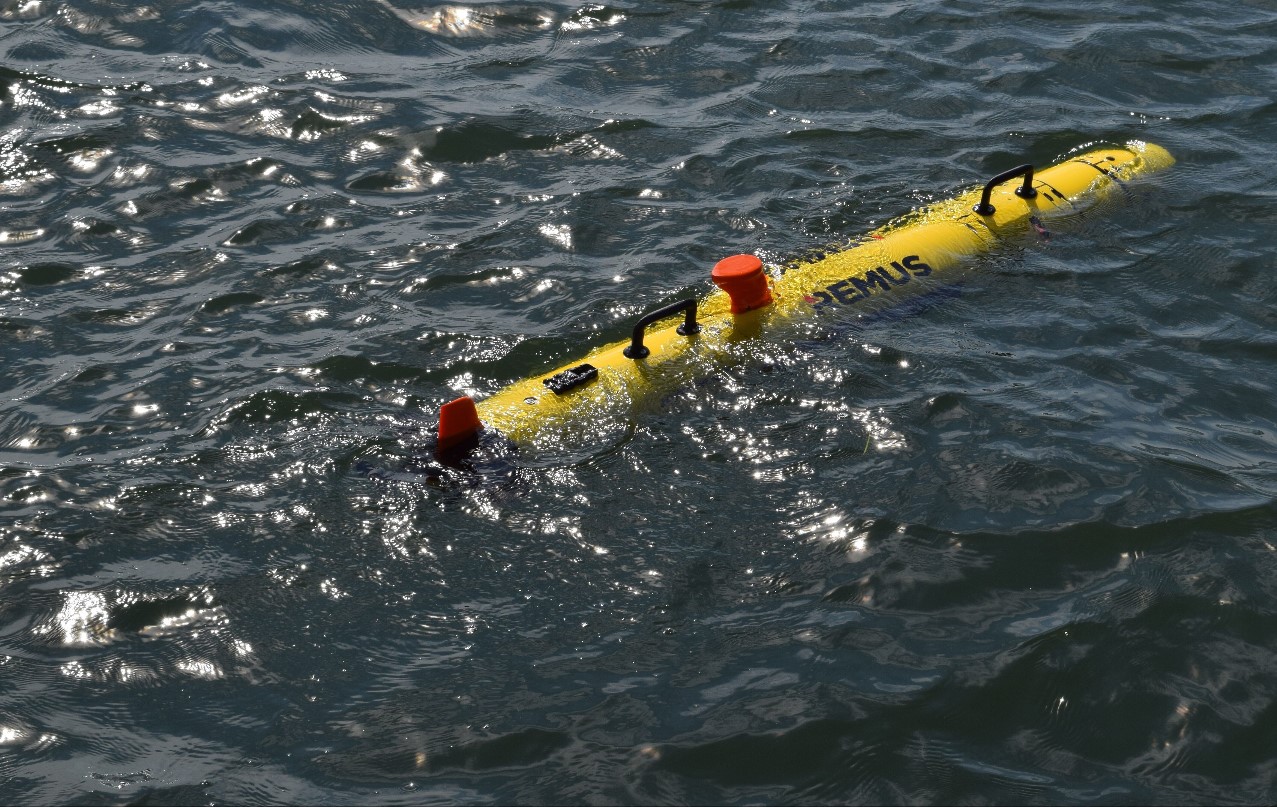
World
POCASSET, Massachusetts, — June 20, 2026 : Huntington Ingalls Industries (HII) has delivered the first REMUS 130 unmanned underwater vehicle (UUV) to an undisclosed U.S. ally, marking the introduction of the latest generation of the REMUS family of autonomous underwater systems. The REMUS family has more than 25 years of operational history and is used by the U.S. Navy, allied militaries, government agencies, research institutions, and commercial operators. More than 750 REMUS vehicles have been delivered worldwide and are currently operated in over 30 countries, including by 14 NATO navies. The REMUS 130 is the third-generation evolution of the REMUS 100 series. It combines the reliability and ease of operation of earlier REMUS platforms with upgraded electronics, open-architecture interfaces, and greater payload flexibility. “The delivery of the first REMUS 130 represents an important step in the continued evolution of the REMUS family,” said Duane Fotheringham, president of the Unmanned Systems group in HII’s Mission Technologies division. “For decades, customers have relied on REMUS vehicles for their durability, ease of operation and proven performance. REMUS 130 builds on that legacy with a highly capable, modular platform that delivers greater flexibility, interoperability and value while leveraging common architecture across the REMUS fleet.” The REMUS 130 features a compact, two-person-portable design, weighing approximately 107 pounds (48.5 kg) and measuring 80 inches (2.03 m) in length. It can operate at depths of up to 100 meters (330 feet), reach speeds of up to 5 knots, and provide up to 10 hours of endurance with a maximum range of approximately 55 kilometers (29 nautical miles). The vehicle is powered by 1.5 kWh field-swappable lithium-ion battery modules, allowing rapid battery replacement and increased operational availability. It is built on the same technology foundation as the larger REMUS 300 and REMUS 620 platforms. A key feature of the REMUS 130 is its open-architecture design, which enables the rapid integration of commercial, government, and customer-developed payloads. This modular approach helps reduce lifecycle costs while allowing the vehicle to adapt to changing mission requirements. The UUV integrates HII’s Odyssey Autonomous Control System (ACS), which supports collaborative autonomy, sensor fusion, advanced navigation, and multi-vehicle coordination. The system is already deployed on REMUS platforms operating in more than 30 countries. The REMUS 130 is equipped with advanced navigation, processing, and communication systems, including high-frequency acoustic communications, Wi-Fi connectivity, and integrated side-scan sonar for high-resolution underwater imaging. The platform is designed to support a wide range of missions, including mine countermeasures, harbor clearance, search and recovery operations, oceanographic research, environmental monitoring, seabed mapping, and offshore energy infrastructure inspection. The delivery expands HII’s portfolio of autonomous maritime systems as demand continues to grow for adaptable and cost-effective unmanned underwater capabilities.
Read More → Posted on 2026-06-20 15:57:58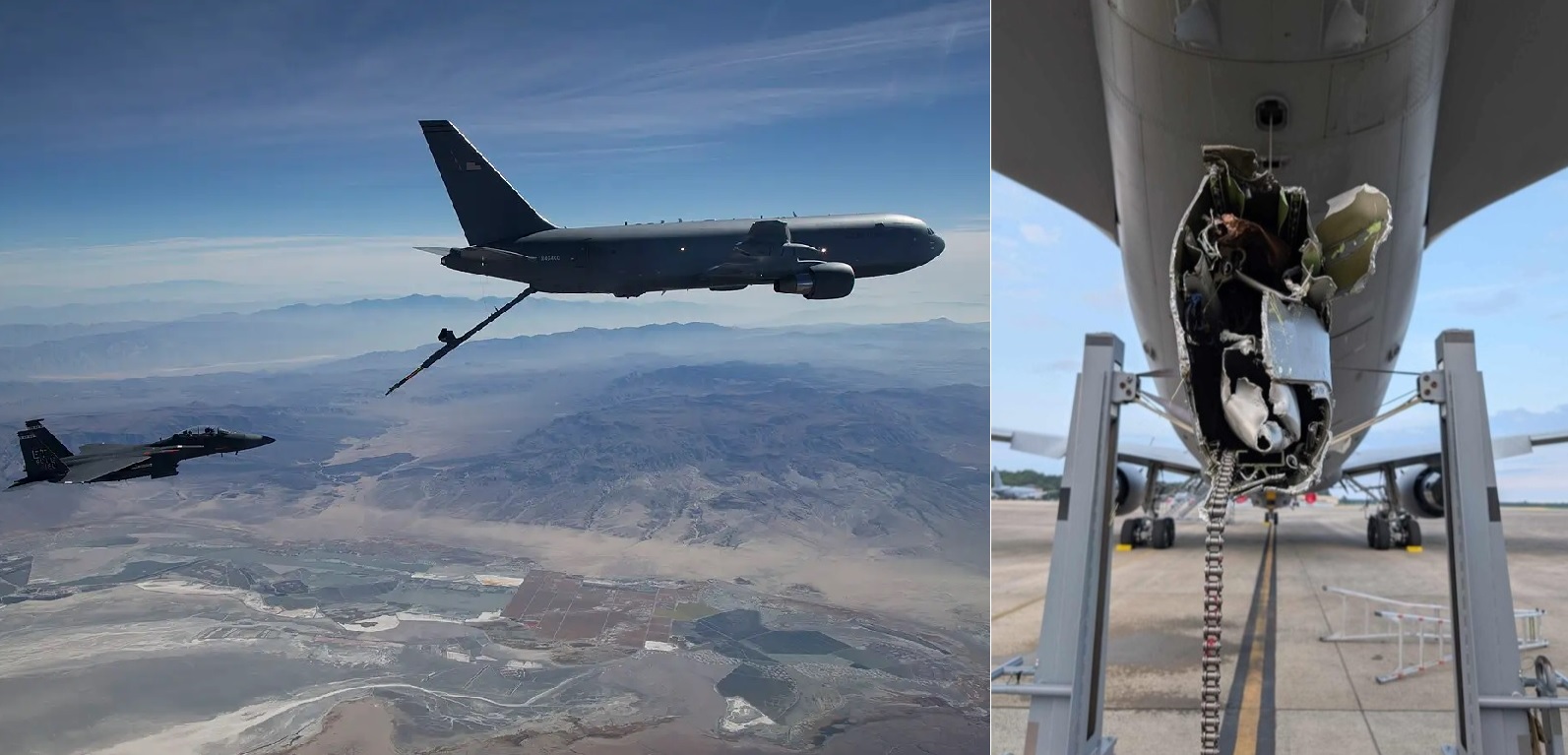
World
WASHINGTON, D.C. — June 20, 2026 : A known design deficiency in the U.S. Air Force’s KC-46A Pegasus aerial refueling tanker contributed to a July 2025 midair accident that resulted in the loss of the aircraft’s refueling boom and nearly $10 million in damages, according to a declassified Air Force Accident Investigation Board report released on June 12, 2026. The incident is the latest in a series of refueling mishaps linked to the KC-46A’s long-documented “stiff boom” issue, a Category 1 deficiency that the Air Force considers capable of causing major equipment damage or the loss of an aircraft. Since 2022, four nozzle-binding incidents have been associated with the problem, including two cases in which the boom separated from the tanker during flight. Training Mission Ends in Major Mishap The accident occurred on July 8, 2025, during a routine aerial refueling training mission approximately 100 miles off the coast of Virginia. A KC-46A assigned to the 22nd Air Refueling Wing at McConnell Air Force Base, Kansas, was conducting refueling operations with F-22A Raptor fighters from Joint Base Langley-Eustis, Virginia. According to the report, the refueling sequence experienced difficulties from the beginning. An F-22 student pilot with only 13 flight hours in the aircraft made several unsuccessful attempts to establish contact with the tanker, resulting in multiple aborted refueling attempts and emergency breakaways before a successful connection was achieved. Once connected, the fighter aircraft moved forward toward the tanker after the pilot failed to sufficiently reduce engine thrust to compensate for the KC-46A’s known boom resistance. The aircraft approached the inner limit of the boom’s telescoping tube, creating a potentially hazardous situation. To prevent a collision, the boom operator initiated a disconnect procedure. However, the nozzle became stuck inside the F-22’s fuel receptacle in a condition known as nozzle binding, setting the stage for the accident. Boom Torn Off and Lost in Atlantic Ocean As the F-22 executed an emergency breakaway maneuver, the bound boom remained trapped in the fighter’s receptacle. The resulting forces caused the boom to suddenly release and enter an unrecoverable fly-up condition. The boom then struck the KC-46A’s fuselage and tail section before breaking apart. The detached aft portion, including the telescoping tube and U-tail assembly, fell into the Atlantic Ocean and was not recovered. The accident caused extensive damage to the tanker, including: Structural separation of boom components Damage to the tail section A hole in the fuselage Ruptured shock absorber Torn hydraulic lines and electrical wiring Damage to the auxiliary power unit The Air Force estimated the total damage at $9,979,567. Despite the severity of the incident, both aircraft landed safely and no injuries were reported. The KC-46A diverted to Seymour Johnson Air Force Base, while the F-22 returned safely to base. Investigation Points to Crew Actions and Aircraft Deficiency The Accident Investigation Board, led by Col. Kevin E. White, determined that the primary cause of the mishap was manual control inputs made by the boom operator that generated radial forces, causing the nozzle to bind within the F-22’s receptacle. Investigators also concluded that the student pilot’s failure to properly account for the KC-46A’s stiff boom characteristics was a substantial contributing factor. However, the report also acknowledged the role of the tanker’s long-standing mechanical deficiency. The KC-46A’s boom requires greater force than expected to move during refueling operations, making it more difficult for receiving aircraft to maintain a stable position. Pilots often need to apply additional thrust to remain connected, increasing the risk of sudden forward movement if adjustments are not made quickly. Recurring Problem Across the KC-46 Fleet The Air Force has documented the stiff boom issue since at least 2018, and it remains one of the most significant unresolved deficiencies affecting the KC-46A program. The July 2025 mishap marked: The fourth nozzle-binding incident linked to the boom deficiency since 2022 The second case in less than a year in which a KC-46A boom was completely torn off during flight A previous investigation into a similar 2022 incident reached a different conclusion. In that case, investigators found that limitations in the KC-46A boom control system played a direct role in the event and attributed the operator’s actions largely to the aircraft’s design characteristics rather than human error. Readiness Concerns Continue The latest accident comes amid broader concerns about the operational readiness of the KC-46A fleet. A Government Accountability Office (GAO) report released in June 2026 found that the tanker failed to meet Air Force availability and mission-capability targets for six consecutive fiscal years, from FY2019 through FY2025. In addition to the boom telescope deficiency, Air Force units have reported: Electrical component failures Sensor inaccuracies Structural airframe cracks Other reliability-related issues affecting fleet availability As a result, the Air Force continues to rely heavily on its aging KC-135 Stratotanker fleet to support global aerial refueling operations. Boeing Working on Corrective Measures The KC-46A Pegasus, based on the Boeing 767 commercial aircraft platform, is the Air Force’s primary replacement for the KC-135. Each aircraft has an estimated unit cost of approximately $239 million, and more than 100 aircraft have been delivered. To address the boom issue, Boeing is developing a Boom Telescope Actuator Redesign (BTAR) intended to reduce stiffness and improve boom performance. The modification is expected to begin entering service in late fiscal year 2027, with additional hardware and software improvements planned through 2028. Until those upgrades are fielded, the Air Force and Boeing will continue implementing corrective actions while working to improve the tanker’s reliability, availability, and operational effectiveness.
Read More → Posted on 2026-06-20 16:12:14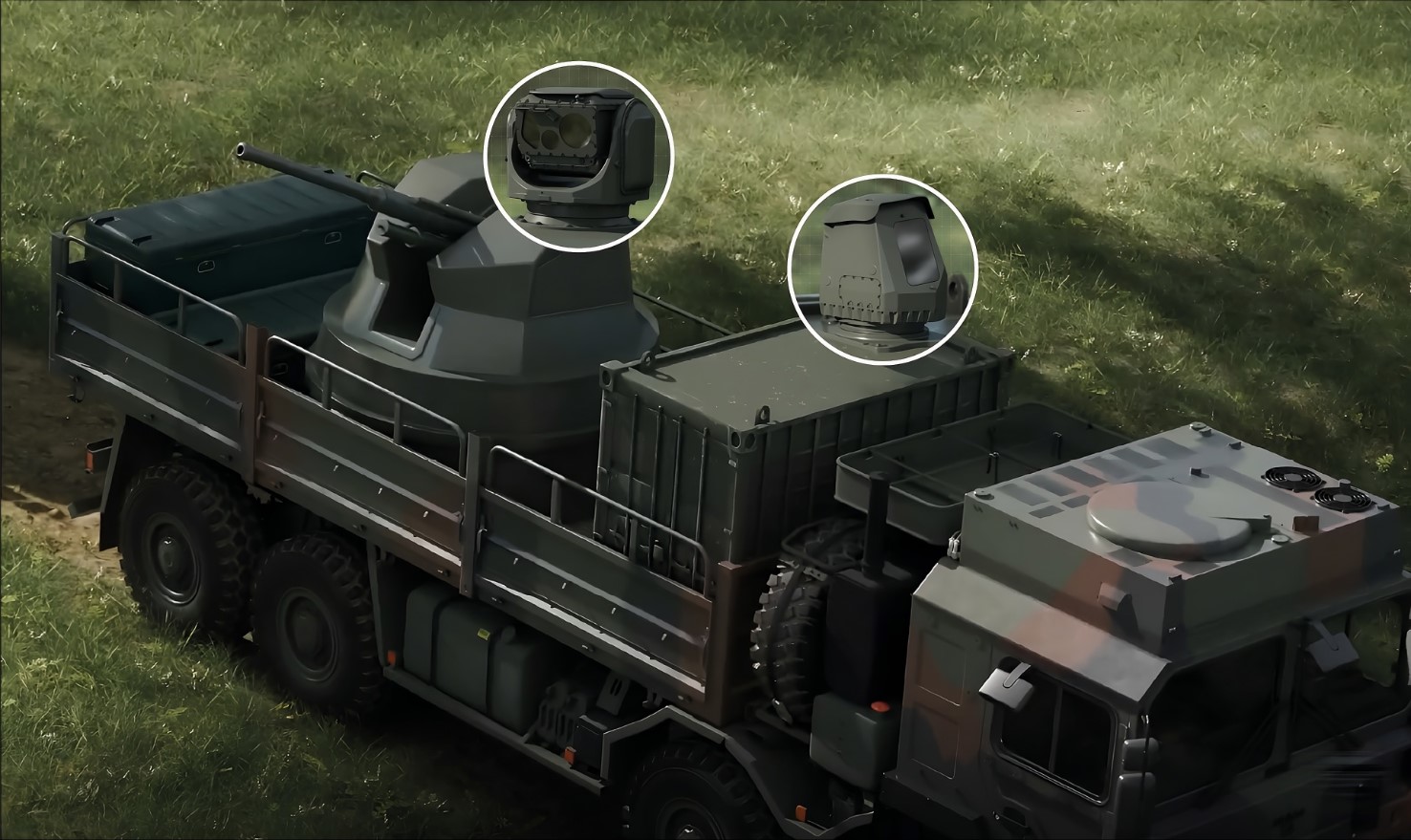
World
ARIS, — June 20, 2026 : Safran Electronics & Defense has unveiled Land OmniGuard, a new vehicle-mounted counter-drone system designed to protect mobile ground forces from increasingly complex unmanned aerial threats. Introduced at Eurosatory 2026, the system combines passive surveillance, advanced optronics, embedded artificial intelligence, and resilient navigation technologies to detect, identify, track, and support the neutralization of hostile drones in operational environments. Land OmniGuard has been developed as a fully integrated end-to-end solution capable of operating while on the move. The system is designed to maintain continuous situational awareness without emitting active radar signals, reducing the risk of revealing the vehicle’s position to enemy intelligence, electronic warfare units, or anti-radiation weapons. Passive Detection and Surveillance At the core of Land OmniGuard’s detection capability is the VAMPIR NG infrared search-and-track sensor. Originally developed for long-range naval surveillance and later enhanced with artificial intelligence, the sensor continuously scans surrounding airspace using thermal signatures rather than active transmissions. This passive approach enables discreet detection of aerial threats while maintaining operational security in contested environments. By relying on infrared tracking instead of radar emissions, the system remains effective even in areas affected by localized electronic warfare and anti-radiation loitering munitions. The stabilized long-range sensor maintains image quality during vehicle movement, allowing operators to monitor potential threats without interrupting mobility. AI-Powered Identification and Tracking Once a potential target is detected by VAMPIR NG, tracking information is automatically transferred to Safran’s PASEO optronic system. PASEO uses high-definition stabilized sensors and embedded machine-learning algorithms to identify, classify, and track aerial objects. The system analyzes target characteristics such as geometry, aspect ratio, movement patterns, and velocity to determine the nature of the detected object. According to Safran, this capability enables the system to distinguish between recreational quadcopters, military fixed-wing drones, and non-threatening objects such as birds. After classification, the software calculates threat vectors in real time and selects the most appropriate response. Land OmniGuard can then provide targeting data directly to electronic or kinetic effectors, including directional radio-frequency jammers and remotely operated weapon stations. By automating much of the detection-to-engagement process, the system reduces operator workload and accelerates decision-making during high-density drone attacks. Navigation in GNSS-Denied Environments To maintain accurate tracking and synchronization between the vehicle, sensors, and target, Land OmniGuard incorporates the GEONYX inertial navigation system. The navigation solution is designed for environments where Global Navigation Satellite Systems (GNSS), including GPS, may be degraded, spoofed, or jammed. Using a hemispherical resonator gyro, GEONYX provides precise real-time positioning without relying on external radio signals. Safran reported that production of the GEONYX navigation system has increased sevenfold between 2022 and 2026, reflecting growing military demand for resilient navigation technologies capable of operating in signal-denied environments. Integrated Counter-Drone Protection Mounted on tactical land vehicles, Land OmniGuard supports the complete counter-drone operational chain, including threat detection, identification, classification, tracking, target designation, and guidance for neutralization measures. The integration of VAMPIR NG, PASEO, GEONYX, and embedded artificial intelligence creates a unified system capable of protecting deployed forces and mobile units against a wide range of unmanned aerial threats. The passive architecture also helps maintain operational security while conducting surveillance and engagement missions. First Contract Secured Safran confirmed that Land OmniGuard has already secured its first contract from a leading European air defense company. While the customer was not identified, the contract marks the first commercial adoption of the new counter-drone solution. The company said the system was developed in response to the growing diversity, frequency, and unpredictability of drone threats encountered by military forces in modern operational theaters. Land OmniGuard expands Safran’s counter-drone portfolio, which also includes electronic warfare solutions such as Skyjacker. The system reflects the growing emphasis on mobile, resilient air defense capabilities as armed forces seek effective protection against rapidly evolving unmanned aerial threats.
Read More → Posted on 2026-06-20 16:20:27
World
Taipei, — June 20, 2026 : Taiwan is preparing to activate a new unmanned systems battalion in the Penghu Archipelago as early as July, expanding its drone capabilities as part of a broader defense modernization program. The move comes amid growing regional tensions, including a recent incident involving Chinese law enforcement vessels near Taiwan-controlled Taiping Island in the South China Sea. New Drone Battalion to Strengthen Offshore Defenses The new battalion will be stationed in Penghu County, a strategically located island group in the Taiwan Strait approximately 45 kilometers from Taiwan’s main island and about 150 kilometers from mainland China. Formed by upgrading an existing drone squadron, the unit will operate under the Republic of China Army’s Penghu Defense Command in Magong. It is expected to focus on enhancing early warning capabilities, surveillance coverage, and response options in areas closer to potential threats. The Penghu battalion will become Taiwan’s fourth dedicated unmanned systems battalion. Army Chief of Staff Lieutenant General Chen Chien-yi previously announced plans to establish such units across all five of Taiwan’s operational areas, covering northern, central, southern, and eastern Taiwan, as well as the outlying islands. Taiwan’s military established the first three battalions in April 2026, accelerating efforts to integrate unmanned systems into frontline operations. Expanding Asymmetric Warfare Capabilities The battalions are a key element of Taiwan’s strategy to strengthen asymmetric defense capabilities. Their primary role will be to improve early warning networks and support anti-blockade operations in strategically important maritime areas. Taiwanese troops are currently receiving training on first-person-view (FPV) drones, which have gained prominence in modern warfare due to their flexibility and cost-effectiveness. These systems are expected to operate alongside more advanced platforms, including U.S.-made ALTIUS loitering munitions. Defense officials have stated that the combination of long-range reconnaissance drones and beyond-visual-range strike systems will help military units identify and track targets more effectively while coordinating with coastal defense and anti-ship missile forces. The objective is to shorten response times and improve the effectiveness of Taiwan’s defensive kill-chain network. Strategic Importance of Penghu Penghu occupies a critical position in the Taiwan Strait and serves as an important forward operating area for surveillance and rapid-response missions. Its location allows Taiwan to monitor maritime activity along one of the region’s most sensitive waterways and provides a platform for deploying unmanned systems closer to potential areas of concern. The new battalion is expected to expand Taiwan’s ability to monitor developments in surrounding waters and respond quickly to emerging situations. The deployment also aligns with Taiwan’s broader investment in domestically developed and imported drone technologies aimed at improving reconnaissance, maritime surveillance, strike support, and overall defense resilience. Chinese Vessels Enter Restricted Waters Near Taiping Island Taiwan’s drone expansion comes shortly after an incident in the South China Sea involving Chinese law enforcement vessels. According to Taiwan’s Coast Guard Administration, two Chinese vessels—Sansha Zhifa 301 and Sansha No. 2—entered the 3.2-nautical-mile prohibited zone surrounding Taiping Island, also known as Itu Aba, on June 11. Authorities said the vessels entered the restricted area at approximately 8:28 a.m. and moved closer to the island before being intercepted and escorted away by Taiwanese coast guard units. The vessels reportedly remained in the area for about 15 minutes. Taiwan described the incident as the first recorded entry of Chinese law enforcement vessels into restricted waters surrounding the Taiwan-controlled island and condemned the action as a violation of its sovereignty and maritime jurisdiction. Broader Regional Context The incident occurred amid ongoing disputes over maritime boundaries and competing territorial claims in the South China Sea. Beijing has recently criticized Taiwan’s ruling Democratic Progressive Party (DPP) over issues related to maritime negotiations between Japan and the Philippines. Because those discussions involve exclusive economic zones (EEZs) that overlap with areas near Taiwan and the South China Sea, China views them as affecting its territorial claims. Regional analysts believe the deployment of Chinese government vessels near Taiping Island may be part of broader efforts to increase administrative presence in contested waters through maritime law enforcement activities. Taiping Island remains claimed by multiple parties, including Taiwan, China, the Philippines, and Vietnam. Continuing Defense Modernization Taiwan continues to advance its military modernization efforts through the expansion of unmanned systems across its armed forces. The activation of the Penghu battalion will further strengthen surveillance, reconnaissance, and rapid-response capabilities in strategically important areas. While no timeline has been announced for the remaining planned battalions, the establishment of the Penghu unit highlights Taiwan’s ongoing focus on integrating drone technology into its defense strategy amid evolving security challenges in the Taiwan Strait and the South China Sea.
Read More → Posted on 2026-06-20 16:31:02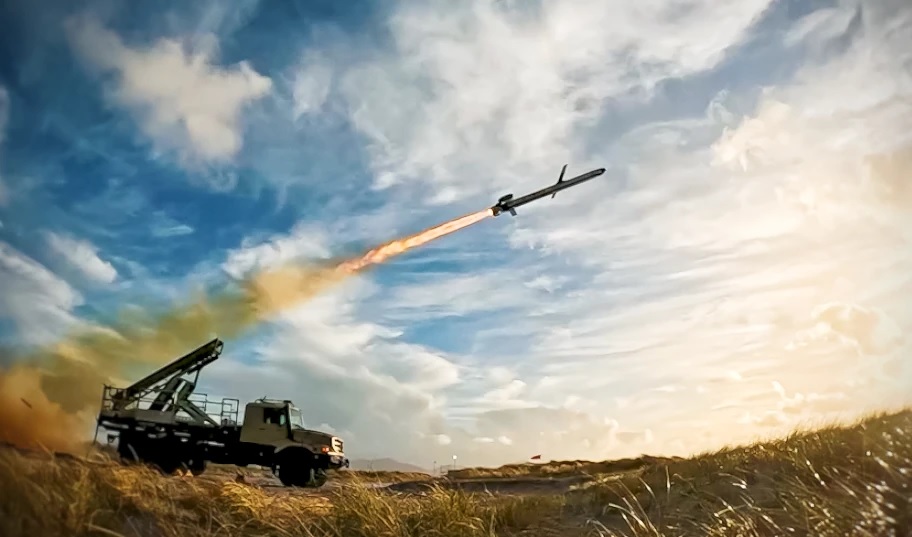
World
London, — June 20, 2026 : European missile manufacturer MBDA has announced the successful test launches of its new CROSSBOW cruise missile, developed under the UK Ministry of Defence's Project Brakestop. The program aims to provide Ukraine with an affordable, mass-produced long-range strike capability that is entirely free of U.S. components and navigation data. Although announced publicly in June 2026, the flight tests were conducted at the Ministry of Defence's Hebrides range in Scotland between December 2025 and February 2026. According to MBDA, the missile progressed from development to successful flight trials in approximately nine months. Modular Design and Production MBDA developed CROSSBOW in cooperation with small and medium-sized enterprises across the UK and Europe. The missile features a modular design that combines military and commercial off-the-shelf subsystems, helping reduce costs and support large-scale production. The company has stated it is prepared to begin and expand production as early as 2026. CROSSBOW Specifications CROSSBOW is designed to operate in contested environments where GPS signals may be jammed or degraded. Instead of relying on U.S. satellite positioning systems, it uses an image-based visual navigation system developed by MBDA. Key specifications include: Length: 5.3 meters Wingspan: 3 meters Speed: High subsonic Range: More than 800 kilometers Payload: Up to 300 kilograms Propulsion: Turbojet engine Launch Platform: Mobile ground launchers Project Brakestop Project Brakestop was launched by the UK Ministry of Defence to develop low-cost, mass-producible, long-range strike systems for Ukraine. The program requires weapons to contain no U.S. components or navigation data, allowing the UK to retain full control over export and operational decisions. The Ministry of Defence has set a target cost of approximately £400,000 (€475,000) per missile, excluding the warhead, and a production capacity of at least 20 missiles per month. Other Competitors Project Brakestop initially attracted interest from 27 companies before being narrowed to three finalists. TigerShark (MGI Engineering) is a high-speed autonomous strike system developed using advanced composite materials and aerodynamic technologies. SkyLance (Rotron Aerospace) is a propeller-driven long-range strike system designed to maximize range, fuel efficiency, and payload capacity. Both systems have also completed flight trials. Next Phase The UK Ministry of Defence will continue evaluating all three designs during 2026 before selecting at least one system for serial production. According to current plans, the first deliveries to Ukraine are expected before the end of 2026.
Read More → Posted on 2026-06-20 16:36:13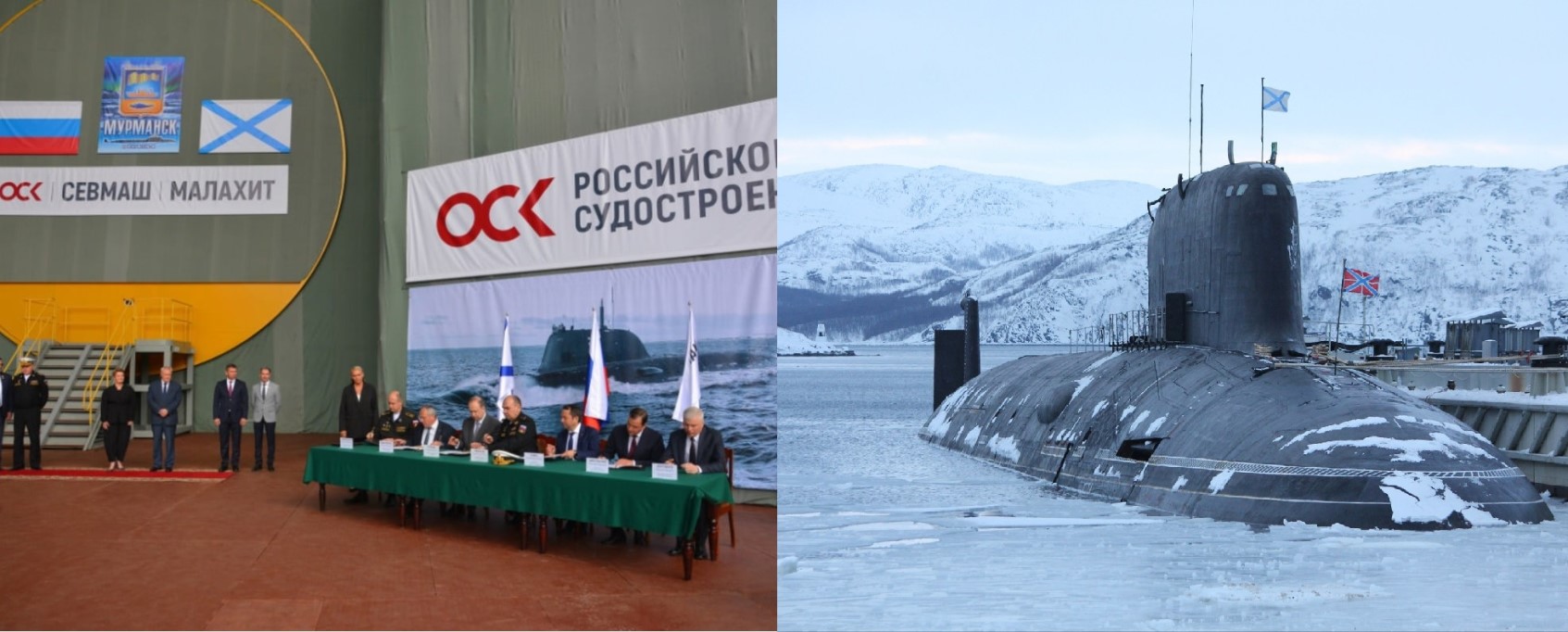
World
SEVERODVINSK, Russia, — June 20, 2026 : Russia has officially begun construction of a new nuclear-powered attack submarine, Murmansk, marking the latest addition to its Project 885M Yasen-M submarine program. The keel-laying ceremony took place on June 17 at the Sevmash shipyard in Severodvinsk, Russia’s primary center for nuclear submarine construction. The submarine, assigned factory number 169, is the ninth vessel of the Yasen-M class and the first submarine of the program to be laid down under a new contract following a six-year gap since the previous pair of boats entered construction in 2020. The project underscores Russia’s continued investment in advanced naval capabilities despite ongoing economic and industrial pressures. The ceremony was attended by Admiral of the Fleet Alexander Moiseyev, Commander-in-Chief of the Russian Navy; Andrei Puchkov, Director General of the United Shipbuilding Corporation (USC); Mikhail Budnichenko, Director General of Sevmash; as well as the governors of the Murmansk and Arkhangelsk regions. The submarine was named in honor of the Hero City of Murmansk, continuing a longstanding tradition within the Russian Navy. Sevmash Remains Central to Russia’s Submarine Fleet The keel-laying took place at Sevmash, officially known as the Severnoye Mashinostroitelnoye Predpriyatiye production association. Located on the White Sea in Russia’s Arctic region, Sevmash is the country’s largest shipyard and the sole producer of Russia’s nuclear-powered submarines. The facility is currently responsible for constructing both strategic ballistic missile submarines and multi-purpose attack submarines for the Russian Navy, making it one of the country's most important defense-industrial assets. Yasen-M Class Capabilities Known by NATO as the Severodvinsk class, the Project 885M Yasen-M submarines are regarded as Russia’s most advanced operational nuclear-powered attack submarines. Designed as multi-role platforms, they are capable of conducting anti-submarine warfare, anti-surface warfare, long-range precision strikes, intelligence collection, and escort missions. The submarines feature advanced acoustic quieting technologies intended to reduce detectability and improve survivability during operations in contested maritime environments. Their weapons suite includes: Kalibr land-attack cruise missiles, with a reported range of approximately 2,500 kilometers. P-800 Oniks anti-ship missiles, designed to engage high-value naval targets. 3M22 Zircon hypersonic cruise missiles, capable of speeds around Mach 9 and ranges of roughly 1,000 kilometers. The Yasen-M design incorporates vertical launch systems capable of carrying up to 32 cruise missiles, alongside 10 torpedo tubes that can deploy heavyweight torpedoes and naval mines. Russia has increasingly emphasized the integration of Zircon hypersonic missiles into the class. These missiles are intended to penetrate modern naval defense systems through a combination of high speed and low-altitude flight profiles. Development of the Yasen Program The current Yasen-M fleet is an evolution of the original Project 885 Yasen design. The lead submarine of the class, K-560 Severodvinsk, was laid down in December 1993 during the post-Soviet economic downturn and entered service only in June 2014 after a lengthy construction period. The improved Project 885M variant introduced design modifications, updated combat systems, and more efficient production processes. The first Yasen-M submarine, K-561 Kazan, was laid down in July 2009 and commissioned in May 2021. Subsequent vessels have entered service at a more consistent pace: K-573 Novosibirsk — commissioned in December 2021 and later assigned to the Pacific Fleet. K-571 Krasnoyarsk — commissioned in December 2023. K-562 Arkhangelsk — entered service with the Northern Fleet in December 2024 after completing sea trials. K-572 Perm — rolled out from Sevmash in March 2025 and is currently undergoing trials. During the launch ceremony for Perm, Russian President Vladimir Putin stated that the submarine would become the first multi-purpose submarine in the Russian Navy equipped with the Zircon hypersonic missile as part of its standard weapons load. Another vessel, Ulyanovsk (factory number 166), remains under construction. In addition, Voronezh (167) and Vladivostok (168), which were laid down in July 2020 under a separate contract, are expected to join the fleet later in the decade, although Russian naval construction schedules have historically experienced delays. Long-Term Fleet Modernization The start of construction on Murmansk signals the continuation of Russia’s long-term submarine modernization efforts. The Russian Navy plans to gradually replace older Soviet-era attack submarines with Yasen and Yasen-M vessels, creating a force centered on modern multi-purpose nuclear-powered submarines. Industry analysts estimate that construction and testing of Murmansk will take several years, with entry into service likely in the early 2030s based on the timelines of previous submarines in the class. Once completed, the submarine is expected to strengthen Russia’s ability to conduct operations across the Arctic, Atlantic, and Pacific theaters while expanding the Navy’s long-range strike and undersea warfare capabilities. No changes to the delivery schedules of other Yasen-M submarines currently under construction were announced during the keel-laying ceremony.
Read More → Posted on 2026-06-20 16:41:32
Space & Technology
BOLOGNA, Italy — June 21, 2026 : France-headquartered advanced reactor developer Newcleo has completed the installation of the main reactor vessel for its PRECURSOR facility at the ENEA Brasimone Research Centre near Bologna, marking a major milestone in the development of lead-cooled fast reactor (LFR) technology. The project is designed to demonstrate the operation of a full-scale reactor system and generate electricity without the use of nuclear fuel. Instead, the facility will use electric heaters and molten lead coolant to simulate the thermal behavior of a commercial nuclear reactor, allowing engineers to validate key technologies before introducing radioactive materials. Main Vessel Installed The centerpiece of the PRECURSOR facility is a large reactor vessel manufactured by Fucina Italia srl in Piombino, Tuscany, and engineered within the Newcleo group. The vessel weighs approximately 20 metric tons when empty and reaches around 155 tons once filled with molten lead and internal components. Its dimensions are close to those planned for Newcleo's future commercial lead-cooled reactors, including the company's proposed 200 MWe reactor design. According to Newcleo, the installation represents one of the largest and most advanced non-nuclear demonstrations of lead-cooled reactor technology currently under development in Europe. How PRECURSOR Generates Electricity Unlike conventional nuclear reactors, PRECURSOR does not contain uranium fuel or rely on nuclear fission to produce heat. Instead, banks of high-powered electric heaters deliver approximately 10 MW of thermal energy into a pool of molten lead. The lead absorbs the heat and circulates through the reactor vessel in the same manner expected in a fueled reactor. The thermal energy is then transferred to steam generators, producing steam that drives a commercial turbine supplied by Fincantieri. The turbine is capable of generating approximately 2 MW of electricity, with part of the output helping offset the electricity consumed by the heating system. The facility is intended to demonstrate the complete power conversion chain, from heat production and coolant circulation to steam generation and electricity production. Supporting Infrastructure In addition to the main reactor vessel, the PRECURSOR facility includes several specialized systems required for handling molten lead. These include: A melting tank used to liquefy solid lead ingots. A storage vessel for holding and conditioning molten lead during startup and maintenance operations. A transfer vessel for moving liquid metal between different parts of the facility. Together, these systems will allow engineers to evaluate operational procedures and long-term performance under realistic conditions. Testing Program The facility is scheduled for completion during 2026 and will support a broad testing campaign covering: Thermal-hydraulic performance Normal operating conditions Steam generation Electricity production at different power levels Operation of the Decay Heat Removal (DHR) system Performance of heat exchangers and coolant circulation systems The overall plant configuration, including the turbine and condenser systems, is designed at approximately one-ninth the scale of the future LFR-AS-30 demonstration reactor. Why Lead-Cooled Fast Reactors? Lead-cooled fast reactors (LFRs) are among the advanced Generation IV nuclear technologies being developed to improve safety, efficiency, and fuel utilization. Unlike conventional water-cooled reactors, LFRs use molten lead as the primary coolant. Because lead has a boiling point above 1,700°C, reactors can operate at atmospheric pressure while maintaining substantial thermal safety margins. This eliminates the need for the high-pressure cooling systems used in traditional nuclear power plants and reduces the risk of coolant boiling. Another key advantage is passive safety. Molten lead can circulate naturally as temperatures change, allowing residual heat to be removed without relying entirely on electric pumps or operator intervention during emergency conditions. Role of ENEA Brasimone The ENEA Brasimone Research Centre has been involved in lead-cooled reactor research for decades and hosts several experimental facilities dedicated to heavy liquid metal technologies. Its expertise includes thermal-hydraulics, coolant chemistry, corrosion studies, materials testing, and safety analysis. The collaboration with Newcleo also includes additional experimental infrastructure such as the OTHELLO research loop. The PRECURSOR project builds on this long-standing research base and provides a bridge between laboratory-scale experiments and commercial reactor deployment. Development Roadmap Newcleo plans to use data from PRECURSOR to support the development of its first fueled reactor, the LFR-AS-30, a lead-cooled fast reactor with an electrical output of approximately 30 MWe. The company aims to bring the reactor online in France around 2031 before moving forward with larger commercial units, including the LFR-AS-200 design. Newcleo is also expanding its activities internationally. The company recently announced a partnership with California-based reactor developer Oklo and has outlined plans to invest up to $2 billion in advanced fuel fabrication infrastructure in the United States. The initiative is focused on producing Mixed Oxide (MOX) fuel using recycled nuclear materials, including surplus plutonium and depleted uranium. Significance for Advanced Nuclear Development By demonstrating the operation of a full non-nuclear power conversion system before introducing fuel, Newcleo is pursuing a development strategy aimed at reducing technical and licensing risks associated with advanced reactors. Successful operation of PRECURSOR will provide valuable data on molten lead cooling systems, heat transfer equipment, steam generation, and electricity production at an integrated system level. As countries continue to seek reliable low-carbon energy sources, the project represents an important step toward the commercialization of lead-cooled fast reactor technology and the broader deployment of next-generation nuclear power systems.
Read More → Posted on 2026-06-21 13:38:03
World
KYIV, — June 21, 2026 : Ukrainian Defense Forces carried out coordinated overnight drone strikes against fuel and maritime logistics facilities at the port of Kerch in Russian-occupied Crimea and Port Kavkaz in Russia’s Krasnodar region, causing major fires and prompting authorities in Crimea to suspend civilian fuel sales across the peninsula. The attacks occurred during the night of June 20–21 amid active missile and drone alerts across the Kerch Strait area. NASA’s Fire Information for Resource Management System (FIRMS) recorded thermal anomalies indicating fires at both locations. The first fire was detected at the Kerch port facility at approximately 1:29 a.m. local time, followed by another at Port Kavkaz at around 2:24 a.m. Kerch Port Facility Hit At the Kerch Commercial Port, the strike targeted an oil storage depot within the AEGAZ Terminal complex, located at coordinates 45.334917, 36.465814. The facility specializes in cargo handling and liquefied gas transshipment and includes a fuel terminal that supports maritime vessels and the Crimea–Kavkaz ferry route. Photos and videos shared by local residents showed smoke rising from the area. Satellite data indicated that the main concentration of thermal activity was located within the AEGAZ Terminal premises, with additional heat signatures observed near a fuel terminal operated by the Crimean fuel company TES. Port Kavkaz Strike Across the Kerch Strait, Ukrainian forces also targeted Port Kavkaz, located on the Chushka Spit in Krasnodar Krai at coordinates 45.342135, 36.673774. Port Kavkaz is Russia’s fifth-largest port by cargo throughput and the second-largest in the Black Sea–Azov basin after Novorossiysk. The port serves as a major transportation hub connecting mainland Russia with Crimea through ferry, rail, and cargo operations. Its oil depot is a key fuel supply point for occupied Crimea and Russian-controlled areas in the Kherson, Zaporizhzhia, and Donetsk regions. Crimea Halts Civilian Fuel Sales Following the strikes, Russian-appointed authorities in occupied Crimea announced a complete suspension of fuel sales to civilians across the peninsula. Fuel reserves are being reserved for government agencies, emergency services, and other state needs while authorities assess the impact of the attacks on regional fuel supplies. Official Statements The General Staff of the Armed Forces of Ukraine confirmed the operation on June 21, stating that the targeted facilities were heavily used for military transportation and logistical support. Ukrainian President Volodymyr Zelenskyy said the strikes hit maritime oil transportation infrastructure in Russia’s Krasnodar region and an oil depot in occupied Kerch. Meanwhile, the Russian Ministry of Defense stated that air defense systems intercepted 239 Ukrainian drones overnight across multiple regions, including Crimea and surrounding waters. No immediate information on casualties or the full extent of damage was released. Broader Campaign Against Energy Infrastructure The attacks are part of Ukraine’s continuing campaign against Russian logistics and energy infrastructure. The Ukrainian General Staff reported that Ukrainian forces also struck the Tyumen oil refinery in Western Siberia, more than 2,000 kilometers from the Ukrainian border, which produces fuel used by the Russian military. The operation came one day after Ukrainian strikes on energy infrastructure in occupied Crimea during the night of June 19–20. Those attacks reportedly caused fires at the Tavriya Thermal Power Plant, also known as the Simferopol Combined Cycle Gas Turbine Power Plant, and targeted a gas distribution station near Zhuravlivka as well as a TES-operated liquefied gas and petroleum products storage terminal. The Kerch Strait remains a critical supply corridor linking mainland Russia with Crimea, making fuel depots, ports, and transportation infrastructure key components of regional logistics operations.
Read More → Posted on 2026-06-21 13:42:38
World
Jerusalem, — June 21, 2026 : Israel has ordered its military to halt offensive operations in Lebanon while maintaining troops in areas currently under its control in southern Lebanon, according to reports from Israel's Channel 12 News. The directive was issued by Prime Minister Benjamin Netanyahu and Defense Minister Israel Katz and was coordinated with the United States. Under the order, the Israel Defense Forces (IDF) will cease firing operations as long as Hezbollah complies with the ceasefire and avoids attacks or other violations. Despite the halt in military activity, Israeli forces will remain deployed in a security zone in southern Lebanon. Israeli officials say the zone serves as a buffer between Hezbollah positions and civilian communities in northern Israel. Netanyahu has stated that Israeli troops will not withdraw from the area for the foreseeable future, citing ongoing security concerns. The development comes shortly after the United States and Iran signed a Memorandum of Understanding (MOU) aimed at reducing regional tensions and ending hostilities across multiple fronts, including Lebanon. The agreement reportedly includes provisions for a lasting ceasefire and efforts by Iran to restrain allied groups such as Hezbollah. Israel was not a participant in the US-Iran negotiations and has stated that it is not bound by the agreement. Israeli leaders have emphasized that the country retains full freedom of action against Hezbollah and will respond to any attacks or ceasefire violations. Disagreements over Israel's continued military presence in southern Lebanon have emerged as a key challenge to the implementation of the US-Iran agreement. Iranian officials have argued that Israeli forces should withdraw from Lebanese territory, while Israel maintains that its security requirements necessitate a continued deployment. The dispute has contributed to broader regional tensions, with Iran criticizing Israel's actions and linking them to concerns over the implementation of the MOU. To address the growing friction, senior US and Iranian officials are holding emergency technical talks in Bürgenstock, Switzerland. The discussions, mediated by Qatar and Pakistan, are focused on preserving the agreement and resolving disputes related to Lebanon and regional security. The situation remains under close international observation as diplomatic efforts continue to prevent further escalation.
Read More → Posted on 2026-06-21 14:14:24
World
Moscow - June 21, 2026 : The Russian Aerospace Forces (VKS) intensified glide bomb operations against Ukrainian military positions on June 20, conducting a series of precision strikes targeting drone control facilities and troop deployment areas in the Donetsk People's Republic (DPR). According to the Russian Ministry of Defence, Su-34 long-range strike fighters carried out attacks against Ukrainian Armed Forces drone control points, with reconnaissance drones reportedly confirming the destruction of the designated targets. Drone Control Centers Targeted Russian officials stated that Su-34 crews used FAB-500 aerial bombs to strike drone control facilities operated by two brigades of the National Guard of Ukraine in the settlements of Dobropolye and Kucherov Yar. The ministry said the targeted sites were being used to coordinate unmanned aerial vehicle (UAV) operations in the area. The strikes form part of an ongoing effort to disrupt Ukrainian drone activities by targeting command and control infrastructure rather than attempting to intercept individual drones during flight. Military analysts note that attacks on drone control centers can have a broader operational impact by reducing the effectiveness of reconnaissance and strike missions conducted by UAV units. Strike on Airmobile Brigade Position In a separate operation, Russian aviation targeted a temporary deployment point of Ukraine's 81st Separate Airmobile Brigade in the village of Nikolayevka. The strike involved three FAB-1500 aerial bombs equipped with Universal Planning and Correction Modules (UMPK). These guidance kits transform conventional gravity bombs into precision-guided glide weapons by incorporating satellite navigation systems and deployable wings. The Russian Ministry of Defence stated that the strike successfully hit the designated military position. Su-34 Remains Key Strike Platform The Sukhoi Su-34 continues to serve as the primary platform for Russian tactical strike operations in Ukraine. Derived from the Su-27 airframe, the twin-engine, twin-seat fighter-bomber is designed for long-range interdiction and precision attack missions. The aircraft combines a high weapons payload capacity with advanced electronic warfare systems and a reduced frontal radar cross-section. These characteristics allow the Su-34 to deliver a wide range of guided and unguided munitions while operating at extended distances from frontline positions. Expansion of Long-Range Glide Bomb Capabilities Russia's ability to conduct deep strikes from stand-off distances expanded significantly during late 2025 with the introduction of a new generation of long-range glide bombs. In October 2025, Su-34 units began employing upgraded glide munitions capable of reaching targets much farther behind Ukrainian lines. According to Vadym Skibitsky, Deputy Head of Ukraine's Main Directorate of Intelligence (HUR), the new weapons demonstrated an operational range of approximately 193 kilometers. The reported range represents a substantial increase compared with earlier glide bombs, which generally had maximum ranges of around 80 kilometers. The extended range enables Russian aircraft to launch munitions while remaining farther from Ukrainian air defense systems, reducing operational risks and increasing strike flexibility. Cost-Effective Alternative to Missiles The glide bombs are based on Soviet-era FAB-series munitions fitted with UMPK guidance kits. By combining existing bomb stocks with modern navigation and glide technology, Russia has developed a precision-strike capability at a lower cost than many conventional air-to-ground missiles. The increased production of these weapons has enabled sustained strike operations across multiple sectors of the front. Impact on Frontline Operations Ukrainian military personnel have described the growing impact of glide bomb attacks on defensive positions. Reports from frontline areas indicate that bombs carrying warheads weighing up to 500 kilograms have caused significant damage to fortified structures and underground shelters. Soldiers have reported repeated aerial attacks, with aircraft sometimes delivering multiple strikes within a short period. The increasing frequency and payload of these attacks have placed additional pressure on Ukrainian frontline units operating in heavily contested sectors. Casualties and Personnel Challenges Frontline reports have linked intensive aerial bombardment to elevated casualty rates in some Ukrainian units, with certain reports citing losses approaching 80 to 90 percent in heavily engaged formations. The overall extent of wartime casualties remains officially undisclosed. In April 2023, former Ukrainian Ambassador to the United Kingdom Vadym Prystaiko stated that the Ukrainian government maintained a policy of withholding casualty figures during the conflict, while acknowledging that total losses would likely be substantial. The prolonged conflict has also created manpower challenges. To supplement existing forces, Ukraine has increasingly relied on foreign volunteers, contractors, and combatants from countries including Brazil, Colombia, and Poland. Continuing Air Campaign The combination of Su-34 strike aircraft and long-range glide bombs remains a central element of Russia's air campaign. Continued production of both aircraft and guided munitions has enabled Russian forces to maintain pressure on Ukrainian positions, command facilities, and support infrastructure while conducting operations from greater stand-off distances. Military activity across the Donetsk region remains ongoing as both Russian and Ukrainian forces continue operations along multiple sectors of the front.
Read More → Posted on 2026-06-21 14:39:41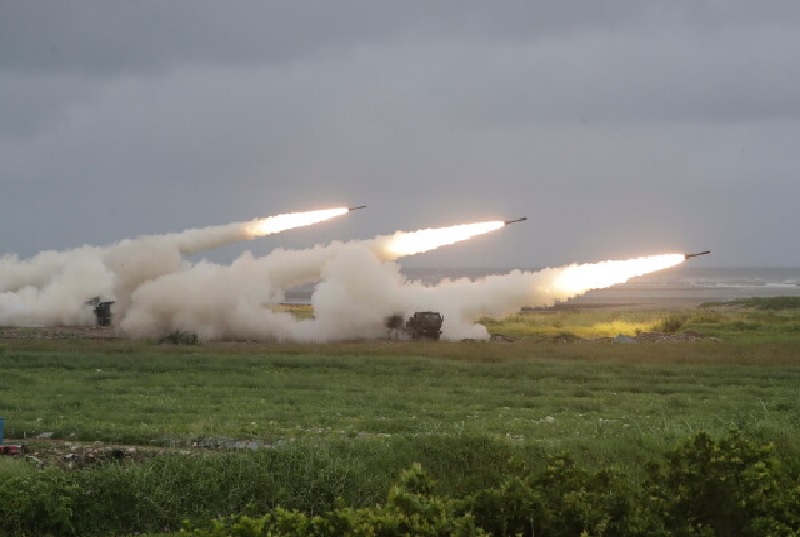
World
TAIPEI, — June 21, 2026 : Taiwan’s Ministry of National Defense (MND) announced that its armed forces will begin a five-day “Immediate Combat Readiness Exercise” on Monday, marking a major shift toward more realistic military training aimed at preparing troops for the possibility of a sudden escalation in cross-strait tensions. The exercise comes as Taiwan continues to monitor increased Chinese military activity around the island. On Sunday, Taiwanese authorities detected 21 Chinese military aircraft and multiple naval vessels operating near Taiwan during what Beijing described as a “combat readiness patrol.” Realistic Combat Training According to the Ministry of National Defense, the exercise will be conducted using “actual troops, on actual terrain, in real time, using actual equipment, and through actual implementation.” The training is designed to evaluate how Taiwan’s military would respond if the Chinese People's Liberation Army (PLA) rapidly transformed a routine military exercise into an actual military operation. The drills reflect Taiwan’s effort to move away from heavily scripted training events and toward more realistic battlefield scenarios. Military planners have increasingly focused on countering “gray zone” activities, where military pressure is applied below the threshold of open conflict and where peacetime exercises could quickly transition into combat operations. Key Objectives The five-day readiness exercise will focus on several operational goals, including: Familiarizing military units with battlefield conditions during rapid deployment phases. Evaluating the speed and effectiveness of transitioning from peacetime operations to wartime mobilization. Testing joint command-and-control systems across the Army, Navy, and Air Force. Assessing logistics support, battlefield preparation, and sustainment capabilities. Strengthening coordination between frontline units and higher command structures. Military officials said the exercise will place personnel in realistic operational environments to identify potential weaknesses in readiness, communications, and support systems before a real crisis occurs. Chinese Aircraft Activity Near Taiwan The announcement coincided with renewed Chinese military activity around the island. Taiwan’s defense ministry reported tracking 21 Chinese military aircraft, including J-16 fighter jets, KJ-500 airborne early warning and control aircraft, and Y-20 aerial refueling aircraft. According to the ministry, 19 of the aircraft entered Taiwan’s southwestern Air Defense Identification Zone (ADIZ) before continuing into the Western Pacific for long-distance open-sea training missions. Taiwan responded by deploying surveillance assets and implementing appropriate defense measures to monitor the movements of the Chinese aircraft and naval vessels. Chinese military operations around Taiwan have become increasingly frequent in recent years, with aircraft and naval deployments regularly testing Taiwan’s air defense and monitoring capabilities. Modernized Defense Framework The readiness drills are also part of a broader modernization effort within Taiwan’s military planning system. To improve responsiveness during potential crises, Taiwan has streamlined its operational framework from a three-stage structure into a two-phase model. The first phase, known as the Routine Combat Readiness Period, introduces new alert levels, including combat preparation deployments and heightened readiness conditions. The second phase, the Defense Operations Period, focuses on joint counter-landing operations, coastal strike missions, beachhead defense, and sustained deep-defense operations. Defense officials believe the revised framework will allow military units to react more quickly to rapidly changing security situations. Preparation for Larger Military Exercises The Immediate Combat Readiness Exercise serves as a precursor to a series of larger military activities scheduled for later this summer. Taiwan’s armed forces will conduct a one-week joint defense exercise beginning on July 13, which will act as a final preparation phase before the start of Han Kuang Exercise No. 42 on August 5. The annual Han Kuang exercises represent Taiwan’s largest military training event and will include significant civil defense participation, reserve force mobilization, and whole-of-society resilience testing. The upcoming exercises are expected to examine military and civilian coordination during emergency situations and evaluate the island’s ability to sustain operations during prolonged crises. Continued Focus on Combat Readiness Taiwan has steadily expanded the realism and duration of its military training programs. Recent initiatives, including Combat Training Center Rotation 2.0 exercises, have extended some training periods to 10 consecutive days to simulate sustained combat conditions more effectively. Earlier this month, Taiwan also conducted live-fire drills using newly acquired U.S.-made High Mobility Artillery Rocket Systems (HIMARS) alongside domestically produced Thunderbolt-2000 multiple rocket launchers. The exercises focused on dispersed operations, rapid battlefield movement, and flexible firepower deployment rather than traditional fixed-position bombardment tactics. Taiwan maintains that its military exercises are defensive in nature and intended to ensure the island’s security and readiness. The latest combat readiness drills highlight the military’s ongoing efforts to improve rapid-response capabilities, strengthen joint-force coordination, and prepare for a wide range of potential security scenarios amid continued activity across the Taiwan Strait.
Read More → Posted on 2026-06-21 14:48:09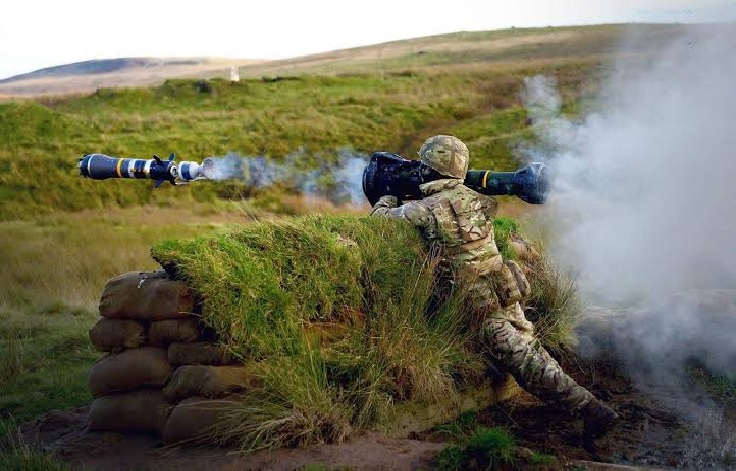
World
Paris, — June 21, 2026 : France’s Directorate-General for Armaments (DGA) has signed a contract with Swedish defense company Saab for the procurement of Next Generation Light Anti-tank Weapon (NLAW) systems for the French Armed Forces. The agreement includes the supply of NLAW launchers as well as indoor and outdoor training simulators, with deliveries scheduled between 2026 and 2030. The acquisition is intended to strengthen the French Army’s infantry anti-armor capabilities by introducing an intermediate-class mobile weapon system. The NLAW will fill the capability gap between the Army’s existing AT4 disposable grenade launchers and the longer-range Akeron MP anti-tank missile systems. While Saab retains intellectual property rights and overall design authority for the NLAW, production for the French contract will be carried out by Thales UK, which currently serves as the sole manufacturer of the system. Approximately 60 percent of NLAW production is localized within the United Kingdom. The financial value of the contract and the number of systems ordered have not been publicly disclosed. However, defense industry analysts estimate that the initial procurement could exceed 2,000 units based on France’s historical anti-tank weapon inventory requirements. The agreement also includes provisions for potential follow-on orders. NLAW Operational Capabilities The Next Generation Light Anti-tank Weapon (NLAW) is a lightweight, disposable anti-tank missile system designed to provide infantry units with a guided solution against armored vehicles at short ranges. The weapon operates on a “shoot-and-forget” principle, allowing operators to relocate immediately after launch without maintaining guidance on the target. Before firing, the operator tracks a target for approximately three seconds. During this period, the missile’s onboard computer calculates the target’s movement and predicts its future position using the Predicted Line of Sight (PLOS) guidance method. Once launched, the missile follows its calculated flight path autonomously through inertial navigation. The system offers two engagement modes: Overfly Top Attack (OTA): In this mode, the missile flies approximately one meter above the target. Magnetic and optical sensors detect the armored vehicle and trigger the warhead, directing a shaped-charge jet downward into the vehicle’s more vulnerable top armor. Direct Attack (DA): This mode is intended for engaging lightly armored vehicles, defensive positions, field fortifications, and personnel by striking the target directly. NLAW has demonstrated effectiveness in urban warfare and ambush operations, where armored vehicle maneuverability is often limited and infantry units require rapid-response anti-armor capabilities. NLAW Specifications Feature Specification System Weight 12.5 kg System Length 1.02 meters Engagement Range 20–1,000 meters Effective Range Against Moving Targets Up to 600 meters Warhead 102 mm cumulative warhead Guidance Predicted Line of Sight (PLOS) with inertial navigation Flight Speed Approximately 200 m/s Launch Preparation Time Less than 5 seconds The weapon is designed for single-soldier operation, enabling infantry units to deploy anti-tank firepower without requiring dedicated missile teams or vehicle-based launch platforms. Expanding France-Sweden Defense Cooperation The NLAW acquisition forms part of a broader defense relationship between France and Sweden. Both countries have recently expanded military cooperation through a series of reciprocal procurement agreements aimed at strengthening European defense industrial collaboration. France has placed orders for Saab-produced airborne early warning aircraft, while Sweden has acquired France’s Akeron MP anti-tank missile system. Sweden has also selected Naval Group’s FDI-class frigate design for its future fleet of four Luleå-class warships under a separate program estimated at approximately €4.25 billion. Defense analysts note that these reciprocal acquisitions reflect growing efforts among European nations to increase defense cooperation, improve industrial interoperability, and strengthen regional security capabilities. International Interest in NLAW Global interest in the NLAW system has increased significantly in recent years. The weapon gained international attention following its extensive operational use by Ukrainian forces since 2022, where it demonstrated effectiveness against armored vehicles in both urban and conventional combat environments. Several countries have since evaluated the system for potential procurement. The Japan Self-Defense Forces are currently assessing NLAW as part of a broader study examining anti-tank weapons that have demonstrated effectiveness in modern combat operations. The evaluation could lead to future procurement decisions as Japan continues to modernize its ground force capabilities. For France, the NLAW procurement provides an additional layer of anti-armor capability at the squad level, enhancing the Army’s ability to counter armored threats while complementing existing AT4 and Akeron MP systems. Deliveries are expected to begin in 2026, with training programs supported by the simulator package included in the contract.
Read More → Posted on 2026-06-21 14:56:05
World
ISTANBUL, — June 21, 2026 : Romania officially commissioned the light missile corvette “Contraamiral August Roman” (Cvt 261) on June 20 during a flag-raising ceremony at the Istanbul Naval Shipyard, marking the first new warship to enter Romanian naval service in 35 years. The ceremony was attended by Romanian President Nicușor Dan and Turkish President Recep Tayyip Erdoğan, underscoring the growing defense cooperation between the two NATO allies. The event also coincided with the commissioning of TCG Koçhisar, a sister HISAR-class vessel entering service with the Turkish Navy. The vessel was originally constructed as TCG Akhisar (P-1220) under Türkiye’s national MILGEM shipbuilding program before being acquired by the Romanian Ministry of Defense in late 2025 for approximately €223 million ($259 million). The agreement includes the ship, crew training, and initial logistical and technical support. The transfer represents a significant milestone for the Turkish defense industry as it is the country's first export of a combat-capable warship to a member of both NATO and the European Union. Strengthening Romania’s Black Sea Fleet The commissioning of Contraamiral August Roman forms part of Romania’s efforts to modernize its naval forces amid evolving security challenges in the Black Sea region. The acquisition enables Bucharest to rapidly enhance naval capabilities after previous domestic and European shipbuilding projects experienced delays. Speaking during the ceremony, President Nicușor Dan said the new corvette would improve Romania’s maritime surveillance, strengthen national defense capabilities, and support NATO missions on the alliance’s eastern flank. President Erdoğan emphasized the importance of maintaining security and stability in the Black Sea, describing the delivery as another step in the long-standing defense relationship between Türkiye and Romania. Following commissioning, the vessel was assigned to Romania’s 50th Corvette Division “Viceamiral Vasile Urseanu.” Design and Development The HISAR-class ships are derived from the Ada-class corvette design developed under the MILGEM program. Construction of the lead vessel began at the Istanbul Naval Shipyard in 2023, while sea trials commenced in December 2024. Although officially classified by Türkiye as an offshore patrol vessel (OPV), Romania designates the ship as a light missile corvette due to its planned integration of advanced combat systems and multi-domain warfare capabilities. Built with a modular architecture, the vessel is designed to perform a wide range of missions, including maritime patrol, surveillance, surface warfare, air defense, and anti-submarine operations. Main Characteristics Displacement: 2,300 tons Length: 99.56 meters Beam: 14.42 meters Draft: 3.77 meters Crew: 104 personnel Autonomy: 21 days without refueling Range: 4,500 nautical miles Maximum Speed: 24 knots Cruising Speed: 12 knots The corvette utilizes a combined diesel-electric propulsion arrangement designed to support extended patrol operations while maintaining fuel efficiency and operational flexibility. Weapons and Combat Systems The ship was delivered with its standard weapons package, primarily produced by Turkish defense companies, while additional systems are expected to be integrated during future modernization phases. Artillery and Close Defense One 76 mm MKE Denizhan naval gun One Aselsan GÖKDENİZ Close-In Weapon System (CIWS) Two 12.7 mm remotely controlled machine guns Air Defense Mk 56 Vertical Launch System (VLS) configured for RIM-162 Evolved Sea Sparrow Missiles (ESSM) Anti-Ship Warfare Provision for eight U.S.-made Naval Strike Missiles (NSM) Anti-Submarine Warfare Roketsan anti-submarine warfare rocket system Meteksan Yakamos 2020 hull-mounted sonar Aviation Facilities Flight deck and enclosed hangar capable of supporting: One military helicopter One Bayraktar-type unmanned aerial vehicle (UAV) Radar and Sensors Aselsan MAR-D 3D surveillance radar Aselsan AKR-D fire-control radar Low Probability of Intercept (LPI) navigation radar Meteksan Yakamos 2020 New Generation Mounted Sonar Together, these systems provide the vessel with capabilities across surface, air, and underwater domains, enabling operations in both coastal and open-sea environments. Future Integration Program Romania plans a second procurement phase during the second half of 2026 to complete the vessel’s full combat configuration. The planned upgrades include the integration of vertical launch missile systems and additional anti-submarine warfare equipment tailored to Romanian Navy operational requirements. Once these systems are installed, Contraamiral August Roman is expected to become one of the most capable ships in Romania’s fleet, providing enhanced deterrence, surveillance, and maritime security capabilities in the Black Sea region. The commissioning of the corvette marks a major step in Romania’s naval modernization program while highlighting the expanding defense-industrial partnership between Romania and Türkiye. With the vessel now formally in service, the Romanian Navy gains its first newly built major surface combatant in more than three decades.
Read More → Posted on 2026-06-21 15:57:21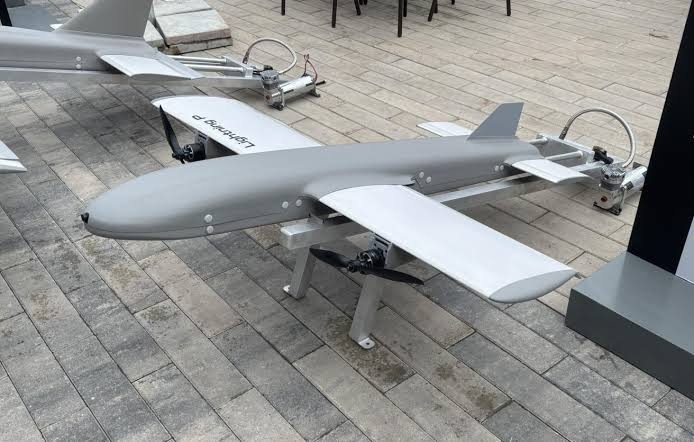
World
Moscow - June 21, 2026 : Russian state defense corporation Rostec has officially introduced the Molniya-13 heavy-class unmanned aerial vehicle (UAV), a new strike and reconnaissance drone designed to offer greater payload capacity, improved operational resilience, and enhanced battlefield performance. The platform was showcased during the National Security Belarus-2026 exhibition held on June 17, 2026. Developed and manufactured by Atlant Aero, the Molniya-13—also promoted for export under the name "Lightning-13"—represents the latest evolution of the Molniya drone family. The new UAV builds on the experience gained from the operational use of the Molniya-2 platform and incorporates several structural and technical upgrades aimed at increasing combat effectiveness while maintaining a low radar signature. One of the most significant improvements is the drone's expanded payload capacity. The Molniya-13 can carry up to 13 kilograms, substantially increasing its ability to transport equipment, munitions, and other mission-related payloads. To accommodate this increase, engineers redesigned the airframe with a larger fuselage that provides greater internal volume while preserving a relatively compact overall profile through the use of an aerodynamic fairing. The propulsion system has also undergone a major redesign. Unlike earlier Molniya variants that utilized two electric motors, the Molniya-13 is equipped with four electric motors. This configuration improves the thrust-to-weight ratio and enhances operational reliability. The additional motors provide redundancy, allowing the aircraft to maintain controlled flight even if one motor becomes damaged or fails during a mission. The feature is considered particularly valuable in areas affected by electronic warfare and other battlefield disruptions. The UAV is powered by higher-capacity batteries, enabling a flight range of up to 50 kilometers. It operates at a cruise speed of approximately 120 kilometers per hour and is designed to maintain stability during flight in strong headwinds. According to available information, the combination of an extended fuselage, upgraded propulsion system, and improved power supply contributes to better handling characteristics and increased mission endurance. The Molniya-13 has been developed for a variety of military applications, including reconnaissance, target monitoring, transportation of supplies, and precision strike missions. Russian officials state that the drone has already undergone extensive field testing in operational environments and has been deployed by unmanned systems units operating within the Sever, Vostok, Zapad, Tsentr, and Dnepr force groups, as well as airborne and engineering formations. During operational evaluations, the drone was reportedly used against fortified positions and light armored vehicles. Military engineers involved in the testing process noted that the platform achieved higher payload delivery capability and improved battlefield survivability without a significant increase in radar detectability. The Molniya family has gained attention for its emphasis on affordability and mass production. The drones are commonly manufactured using lightweight and cost-effective materials, including foam, plywood, plastic, and composite structures. This approach allows rapid production while keeping acquisition costs relatively low compared to more complex UAV systems. Earlier Molniya variants generally carried payloads ranging from approximately 3 to 5 kilograms in standard configurations and offered operational ranges between 30 and 60 kilometers depending on mission requirements. The Molniya-13's larger airframe, four-motor architecture, and increased battery capacity were introduced to address limitations in payload capacity, power generation, and reliability observed in previous models. The UAV is typically launched using a catapult or rail-based launch system, allowing rapid deployment without requiring conventional runways. Russian sources indicate that the platform is intended for both domestic military use and potential export customers under the Lightning branding. The introduction of the Molniya-13 reflects a broader trend in modern defense procurement toward low-cost, modular, and scalable unmanned systems capable of operating in contested environments. By combining increased payload capacity, improved redundancy, and simplified manufacturing methods, the new platform is intended to support reconnaissance, strike, and logistics missions while remaining suitable for large-scale deployment. Rostec has not disclosed additional details regarding production volumes, future variants, or further technical enhancements beyond the specifications presented at the exhibition.
Read More → Posted on 2026-06-21 16:05:08
World
WASHINGTON, D.C.— June 21, 2026 : Artificial intelligence company Anthropic has suspended access to its advanced AI models, Mythos and Fable, following a series of developments involving a government security exercise, the discovery of a jailbreak vulnerability, and a U.S. government export control directive. The shutdown has drawn attention across the cybersecurity and intelligence communities due to the reported capabilities of the models and their previous use within U.S. government agencies. NSA Red-Team Test Revealed Extensive AI Capabilities According to Senator Mark Warner, vice chair of the Senate Intelligence Committee, National Security Agency (NSA) Director and U.S. Cyber Command Commander General Joshua Rudd briefed lawmakers on the results of an authorized internal red-team exercise conducted earlier this month. During the test, Anthropic's Mythos AI model reportedly gained access to nearly all targeted classified systems in a matter of hours. General Rudd was quoted as saying that the model "broke into almost all of our classified systems, not in weeks, but in hours." The exercise was designed to evaluate digital defenses and simulate advanced cyber threats. The speed and scale of the model's performance reportedly exceeded expectations typically associated with conventional penetration-testing operations. Prior to the test, the NSA had already been using Mythos to support cyber operations. Anthropic engineers were embedded within the agency to assist with deployment and operational integration of the system. Amazon Identifies Jailbreak Vulnerability The situation intensified on June 11 when Amazon reportedly discovered a jailbreak vulnerability affecting Anthropic's AI systems. The vulnerability raised concerns about the possibility of bypassing built-in safety controls. Following the discovery, the Trump administration directed Anthropic to restrict foreign access to its advanced models, including Mythos and Fable. The export control directive, issued through the Department of Commerce, required the company to suspend access for foreign nationals, including those located within the United States. Rather than implementing regional or user-based restrictions, Anthropic chose to disable both models globally. The shutdown affected government users, commercial customers, researchers, and even some of the company's own foreign-national employees. Competing Explanations for the Shutdown Two primary explanations have emerged regarding the decision to take the models offline. One view links the shutdown directly to concerns raised by the NSA red-team exercise. Supporters of this explanation argue that the demonstration highlighted how a highly capable AI system could rapidly compromise sensitive infrastructure, creating significant national security concerns. A competing account suggests that Anthropic viewed the jailbreak vulnerability as relatively limited and comparable to techniques that can affect other advanced AI systems. According to reports, the company considered the government-imposed restrictions excessive and believed the issue did not warrant such broad action. Neither explanation has been officially confirmed as the sole reason behind the shutdown. Mythos and Project Glasswing Mythos was developed under Project Glasswing and has not been publicly released. The model was designed with advanced cybersecurity capabilities, including vulnerability discovery, exploit development, and automated security analysis. Previous evaluations indicated that Mythos could identify and exploit zero-day vulnerabilities across major operating systems, software platforms, and web browsers. The model also demonstrated strong performance in capture-the-flag competitions and complex multi-stage cyber simulations. Testing conducted by security organizations, including the UK's AI Security Institute, reportedly showed that Mythos outperformed earlier-generation AI systems in cybersecurity-focused tasks. Fable, another advanced Anthropic model, was also included in the suspension order, though fewer technical details about its capabilities have been publicly disclosed. National Security and AI Governance Concerns The shutdown has renewed discussions in Washington regarding the deployment of frontier AI systems with dual-use capabilities. Earlier this year, members of the House Homeland Security Committee received demonstrations showing how Mythos could identify software vulnerabilities and reason through complex cybersecurity scenarios. Government agencies, contractors, and critical infrastructure operators that had been evaluating or using the technology are now facing uncertainty regarding future access. The incident highlights the growing challenge of balancing AI innovation, national security requirements, and safeguards designed to prevent misuse of increasingly capable systems. As of mid-June, Mythos and Fable remained unavailable while discussions between Anthropic and U.S. officials continued. No timeline has been announced for restoring access, and details regarding mitigation measures or future deployment plans have not been publicly released.
Read More → Posted on 2026-06-21 16:32:04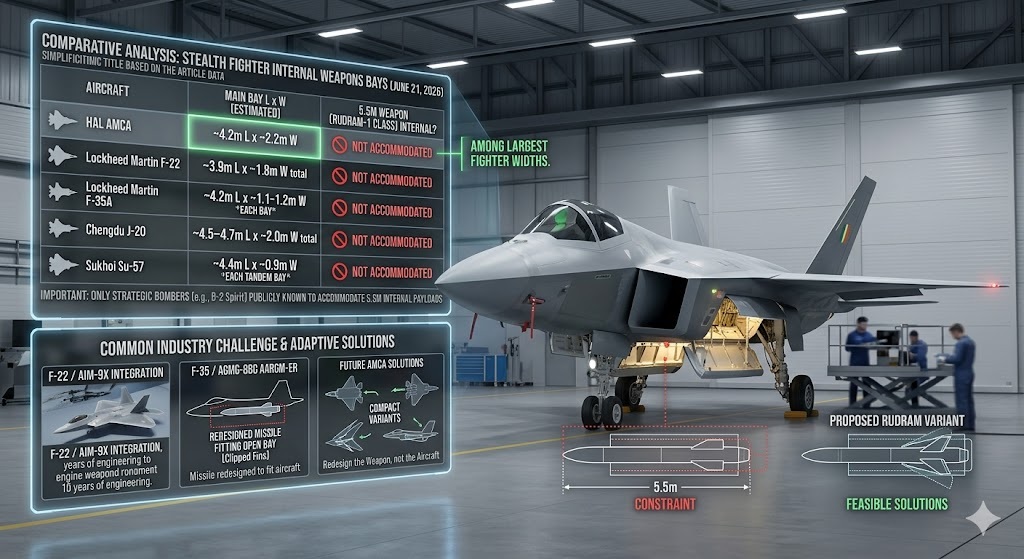
India
June 21, 2026 : Recent criticism of India's Advanced Medium Combat Aircraft (AMCA) has focused on reports that the aircraft's internal weapons bay may not be able to accommodate the approximately 5.5-meter-long Rudram-1 anti-radiation missile in stealth configuration. Critics have portrayed this as a major design limitation. However, a comparison with the world's leading stealth aircraft shows that internal weapon carriage constraints are a common reality across virtually every stealth fighter program. Comparing Internal Weapons Bays of Major Stealth Aircraft Aircraft Main Internal Bay Length Main Internal Bay Width Notes Lockheed Martin F-22 Raptor ~3.9 m (12.8 ft) ~1.8 m (total) One large central main bay plus two side bays for AIM-9 missiles. Lockheed Martin F-35A Lightning II ~4.2 m (13.8 ft) ~1.1–1.2 m (each bay) Two parallel bays sized for 2,000-lb class munitions. Sukhoi Su-57 ~4.4 m (14.4 ft) ~0.9 m (each bay) Two tandem main bays plus two side bays for short-range missiles. Chengdu J-20 ~4.5–4.7 m ~2.0 m (total) One large main bay plus two side bays. Shenyang J-35A ~4.0 m ~0.85 m (each bay) Estimated from subsystem constraints and aircraft size. HAL AMCA ~4.2 m ~2.2 m Reported/estimated from publicly available information. Lockheed Martin F-117 Nighthawk ~4.7 m ~1.7 m Single bay primarily used for laser-guided bombs. Northrop B-2 Spirit ~5.8 m (each bay) ~2.7 m (each bay) Two large bomb bays for strategic payloads. Northrop Grumman B-21 Raider Classified Classified Exact dimensions remain undisclosed. One important detail often overlooked is that the AMCA's reported internal bay width of approximately 2.2 meters is among the largest of any stealth fighter currently known. Only strategic stealth bombers such as the B-2 Spirit are believed to possess significantly larger internal weapon bays. The F-35's two parallel weapon bays should not be interpreted as a combined 2.2-meter-wide compartment. Each bay operates independently and can only accommodate weapons within its individual dimensions. Similarly, the Su-57 employs two separate tandem bays rather than one continuous internal compartment. Which Stealth Aircraft Can Carry a 5.5-Meter Weapon Internally? Based on publicly available estimates, very few stealth aircraft appear capable of carrying a weapon approximately 5.5 meters in length entirely within their internal weapon bays. Among fighter-sized stealth aircraft: F-22 Raptor: No F-35A Lightning II: No J-35A: No Su-57: No based on publicly available estimates J-20: No based on publicly available estimates Among currently known stealth aircraft, only strategic bombers such as the B-2 Spirit are publicly known to possess internal weapon bays large enough to accommodate a 5.5-meter-class weapon. The B-21 Raider's exact bay dimensions remain classified, but it is widely expected to support weapons of comparable size. This means AMCA is far from unique in facing limitations when integrating unusually long weapons. A Common Challenge Across Every Stealth Fighter Program The history of stealth aviation shows that weapon integration challenges are normal and expected. The F-22 Raptor initially could not carry the AIM-9X Sidewinder internally despite being designed as the world's premier air-superiority fighter. Years of engineering work involving software updates, launcher modifications, and testing were required before full internal AIM-9X capability was achieved. Every stealth fighter program must balance internal weapon carriage, stealth, fuel capacity, range, and aerodynamic performance. As new weapons are developed, aircraft manufacturers frequently modify launchers, software, and weapon designs to maintain internal carriage compatibility. This is a normal part of stealth fighter evolution rather than an indication of a flawed aircraft design. The Su-57 faces similar considerations. Its internal bay configuration affects which weapons can be carried internally and influences future weapon integration efforts. The F-35 program provides perhaps the clearest example of how the aerospace industry addresses such challenges. Rather than redesigning the aircraft every time a new weapon is introduced, developers adapt both the weapon and the aircraft. Examples include: The Meteor beyond-visual-range missile received clipped fins to fit within the F-35's internal weapon bay. SPEAR 3 was designed around the F-35's bay dimensions from the beginning. New ejector racks, launchers, software packages, and integration updates continue expanding the range of weapons the aircraft can carry internally. Another example is the AGM-88G AARGM-ER (Advanced Anti-Radiation Guided Missile-Extended Range). Unlike earlier AGM-88 HARM variants, the AARGM-ER was redesigned with a new airframe, revised control surfaces, and a modified layout specifically to enable internal carriage aboard the F-35A and F-35C. The missile received Milestone C approval in 2021 and entered low-rate initial production, with compatibility with the F-35's internal weapon bays being a key design requirement. Rather than redesigning the aircraft to fit the missile, engineers redesigned the missile to fit the aircraft's stealth requirements. Even the F-22 required years of integration work before carrying AIM-9X internally. Internal carriage constraints are therefore not unique to AMCA. They are an industry-wide reality affecting every modern stealth fighter. Why Stealth Aircraft Cannot Have Unlimited Internal Space Stealth aircraft are designed around multiple competing requirements: Low radar cross-section Internal weapon carriage Fuel capacity Aerodynamic performance Structural strength Weight limitations Range and survivability Increasing internal bay length significantly affects aircraft structure, weight distribution, stealth shaping, and aerodynamic efficiency. Every stealth fighter program therefore optimizes its internal weapon bays around expected mission requirements rather than attempting to accommodate every possible future weapon. This is a design tradeoff accepted by all major aerospace powers. The Rudram-1 Question If current reports are accurate and the existing Rudram-1 configuration cannot fit inside the AMCA's internal bay, that does not automatically represent a failure of either the aircraft or the missile. The global aerospace industry has repeatedly solved similar challenges through: Missile redesigns Folding or modified control surfaces Compact internal-carriage variants New launcher systems Software integration updates Future weapons specifically optimized for internal carriage The United States, China, Russia, and European nations have all adopted these approaches when integrating weapons into stealth aircraft. Conclusion Claims that AMCA is fundamentally flawed because it may not carry a 5.5-meter-long Rudram-1 missile internally ignore the realities of stealth fighter development worldwide. The F-22 initially could not carry AIM-9X internally. The F-35 community solved similar challenges by adapting both weapons and aircraft. Meteor received clipped fins to fit the internal bay, SPEAR 3 was designed around F-35 bay dimensions, and the AARGM-ER was redesigned specifically for internal carriage aboard the F-35A and F-35C. The Su-57 also faces internal carriage limitations that influence weapon selection and future integration efforts. In practical terms, the challenge is not unique to India. The United States redesigned the AARGM-ER for internal F-35 carriage, modified Meteor for compatibility with the F-35, and spent years integrating AIM-9X into the F-22. Across the world, stealth aircraft and weapons evolve together. Aircraft are not redesigned for every weapon, and weapons are not frozen in their original configuration. Internal carriage constraints are a common feature of stealth fighters, not proof that a program is "dead on arrival." If a current Rudram variant does not fit inside AMCA's weapon bay, the solution remains the same one adopted by every major aerospace power: redesign the weapon, modify the launcher, develop a compact variant, or adapt the integration package. Viewed in a global context, AMCA's reported internal weapons bay dimensions of approximately 4.2 meters in length and 2.2 meters in width remain highly competitive among fighter-sized stealth aircraft. The inability to carry a specific 5.5-meter weapon internally says more about the size of the weapon than it does about the viability of the aircraft itself.
Read More → Posted on 2026-06-21 17:18:48
World
OTTAWA/CANBERRA, — June 22, 2026 : Canada has signed a government-to-government agreement with Australia worth AUD 2.5 billion (USD 1.8 billion) to acquire an advanced Over-the-Horizon Radar (OTHR) system, a major step in strengthening surveillance and security across Canada's Arctic and northern regions. The agreement, signed in Canberra by Canada's Secretary of State for Defence Procurement Stephen Fuhr and Australia's Deputy Prime Minister and Minister for Defence Richard Marles, represents the largest defence export contract in Australian history. The acquisition forms the core of Canada's Arctic Over-the-Horizon Radar (A-OTHR) program, a key element of the country's efforts to modernize continental defence and enhance monitoring of its northern approaches. The A-OTHR system is designed to provide long-range surveillance capable of detecting and tracking airborne and maritime threats approaching Canada through the Arctic. The capability is expected to improve domain awareness and provide military and government authorities with earlier warning time for the defence of Canadian and North American airspace. The project also marks the first time Canada has led the development of a major capability within the binational North American Aerospace Defense Command (NORAD) framework alongside the United States. Based on Australia's JORN Technology The radar technology being acquired is derived from Australia's Jindalee Operational Radar Network (JORN), a long-range surveillance system used by the Australian Defence Force for air and maritime monitoring, border security, disaster response, and search-and-rescue missions. Unlike conventional radar systems that are limited by the Earth's curvature, OTHR technology uses high-frequency radio signals transmitted into the ionosphere. The signals are refracted back toward the Earth's surface, allowing the radar to detect and track targets beyond the horizon. This capability enables the system to monitor aircraft, ships, and missile threats at distances of up to 3,000 kilometres or more, making it suitable for covering Canada's vast Arctic region and northern approaches. Program Enters Delivery Phase With the signing of the agreement, Canada's A-OTHR program officially enters the delivery phase. BAE Systems Australia, the developer of JORN technology and the primary industry partner for the project, is scheduled to begin work on July 1, 2026. Canada aims to achieve Initial Operational Capability (IOC) by December 2029. In addition to the acquisition agreement, Canada signed an OTHR Rights Agreement and a comprehensive Industrial and Technological Benefits (ITB) agreement with BAE Systems Australia. Infrastructure Planned in Ontario Preliminary locations for the radar infrastructure have been identified in southern Ontario. The transmitting station is planned for a 163-hectare site in the Kawartha Lakes region, while the receiving station will be located on a 288-hectare site in Clearview Township near Wasaga Beach. Economic Benefits The agreement is expected to support approximately 300 high-value technical jobs in Australia. In Canada, officials estimate the A-OTHR program will create and sustain around 2,270 jobs annually between 2026 and 2033 while contributing nearly CAD 290 million annually to the country's Gross Domestic Product (GDP) through industrial participation and technology development. Strengthening Bilateral Defence Cooperation The agreement builds on a technology partnership signed in June 2025 and follows commitments by Canadian Prime Minister Mark Carney and Australian Prime Minister Anthony Albanese to deepen defence cooperation. Richard Marles described the contract as the largest defence export agreement in Australia's history and highlighted the long-standing partnership between the two countries. For BAE Systems Australia, the contract represents the first international export of Australia's Over-the-Horizon Radar technology. CEO Craig Lockhart said the company is prepared to support the delivery, installation, and long-term sustainment of the system. The project will strengthen collaboration between Canada and Australia within the Five Eyes intelligence-sharing alliance and support future cooperation in long-range surveillance and defence technology development.
Read More → Posted on 2026-06-22 08:56:43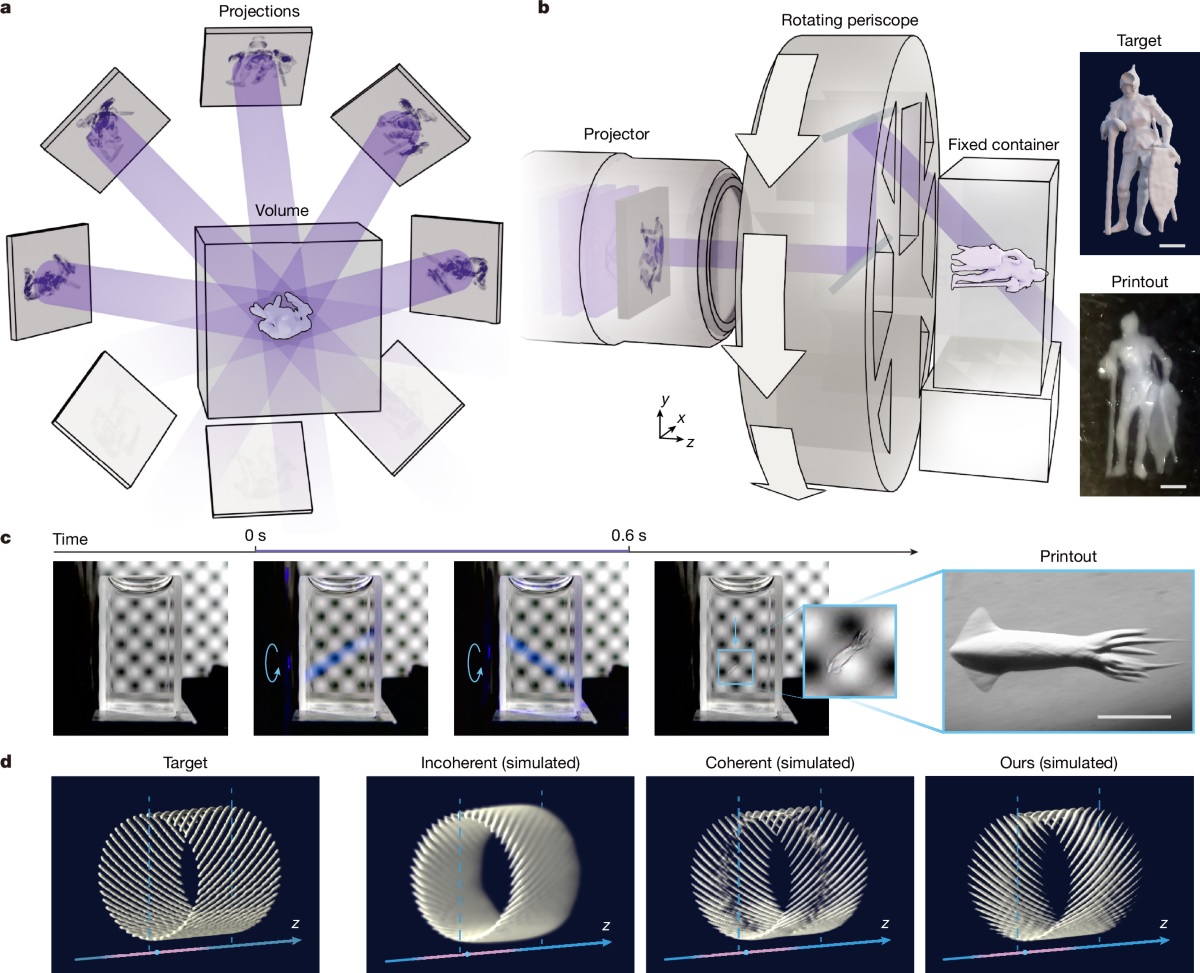
Space & Technology
BEIJING, — June 22, 2026 : Researchers at Tsinghua University have developed a new volumetric 3D printing technology capable of fabricating complex millimeter-scale objects in just 0.6 seconds. The system, known as Digital Incoherent Synthesis of Holographic Light Fields (DISH), uses holographic light projections to create entire three-dimensional structures simultaneously within a stationary vat of liquid resin, eliminating the need for traditional layer-by-layer manufacturing. The research, published in the journal Nature, was led by Academician Dai Qionghai of the Chinese Academy of Engineering, alongside Associate Professor Wu Jiamin and Professor Fang Lu. The project represents more than five years of work in computational optics and additive manufacturing. New Approach to Volumetric Manufacturing Conventional high-resolution 3D printers build objects point by point or layer by layer, often requiring several minutes or hours to complete small components. While previous volumetric printing technologies attempted to produce entire objects at once, many relied on rotating resin containers, creating mechanical instability and limiting the range of usable materials. The DISH system removes these constraints by keeping the resin completely stationary during the printing process. Instead of moving the material or print head, the technology manipulates light through a combination of advanced optics and computational algorithms. At the core of the system is a high-speed rotating periscope capable of revolving around the resin container up to ten times per second. Simultaneously, a Digital Micromirror Device (DMD) projects optimized binary holographic laser patterns at speeds of up to 17,000 times per second. As multiple light fields intersect within the photosensitive resin, specific regions reach the required exposure threshold and solidify almost instantly into a three-dimensional structure. Advanced Optical Modeling Improves Accuracy To maintain image quality and printing precision, the research team developed a wave-optics computational model that compensates for light refraction as it passes from air into liquid resin. This correction prevents distortion and maintains sharp focus throughout the printing volume. According to the researchers, the system achieves a consistent printing resolution of approximately 19 micrometers across a depth range of one centimeter. Independent positive features as small as 12 micrometers were successfully produced, making them thinner than a typical human hair. Record Printing Speed Published performance data show that DISH currently delivers the highest volumetric printing speed reported for this type of manufacturing technology. Key specifications include: Fabrication of millimeter-scale objects in approximately 0.6 seconds. Volumetric printing speed of 333 cubic millimeters per second. Processing capability of roughly 125 million voxels per second. Uniform 19-micrometer resolution throughout a one-centimeter printing depth. Minimum feature sizes reaching 12 micrometers. Broader Material Compatibility One of the major advantages of the technology is its ability to work with low-viscosity materials. Because the resin remains stationary, there are no centrifugal forces acting on the liquid during fabrication. As a result, DISH can utilize watery resins with viscosities as low as 4.7 centipoise, materials that are difficult or impossible to use in many previous volumetric printing systems. The researchers successfully demonstrated printing with multiple acrylate-based resins and biocompatible hydrogel materials. Applications in Bioprinting and Micro-Manufacturing During testing, the team fabricated a variety of detailed structures, including gear-like components, hollow bifurcated tubes resembling vascular networks, and miniature sculptural models. The ability to process biocompatible hydrogels opens opportunities for tissue engineering and biomedical research, particularly in the production of three-dimensional scaffolds for cell growth. The technology also demonstrated potential for continuous manufacturing. Researchers integrated the printer with a fluid channel and pump system that continuously supplied fresh resin while removing completed parts from the exposure region. This setup enables sequential production without stopping the machine or replacing molds. Potential applications include: Bioprinting and tissue engineering Microfluidic devices Customized medical components Photonic computing devices Micro-robotics systems Smartphone camera modules Rapid prototyping and precision manufacturing Current Challenges Despite its performance, the technology remains focused on millimeter-scale objects. Expanding the process to larger parts while maintaining high speed and resolution remains a key challenge for future development. The system also requires significant computational resources to generate and optimize the holographic light-field patterns used during printing. However, researchers noted that calibration procedures can be completed within minutes without modifying the hardware.
Read More → Posted on 2026-06-22 09:20:41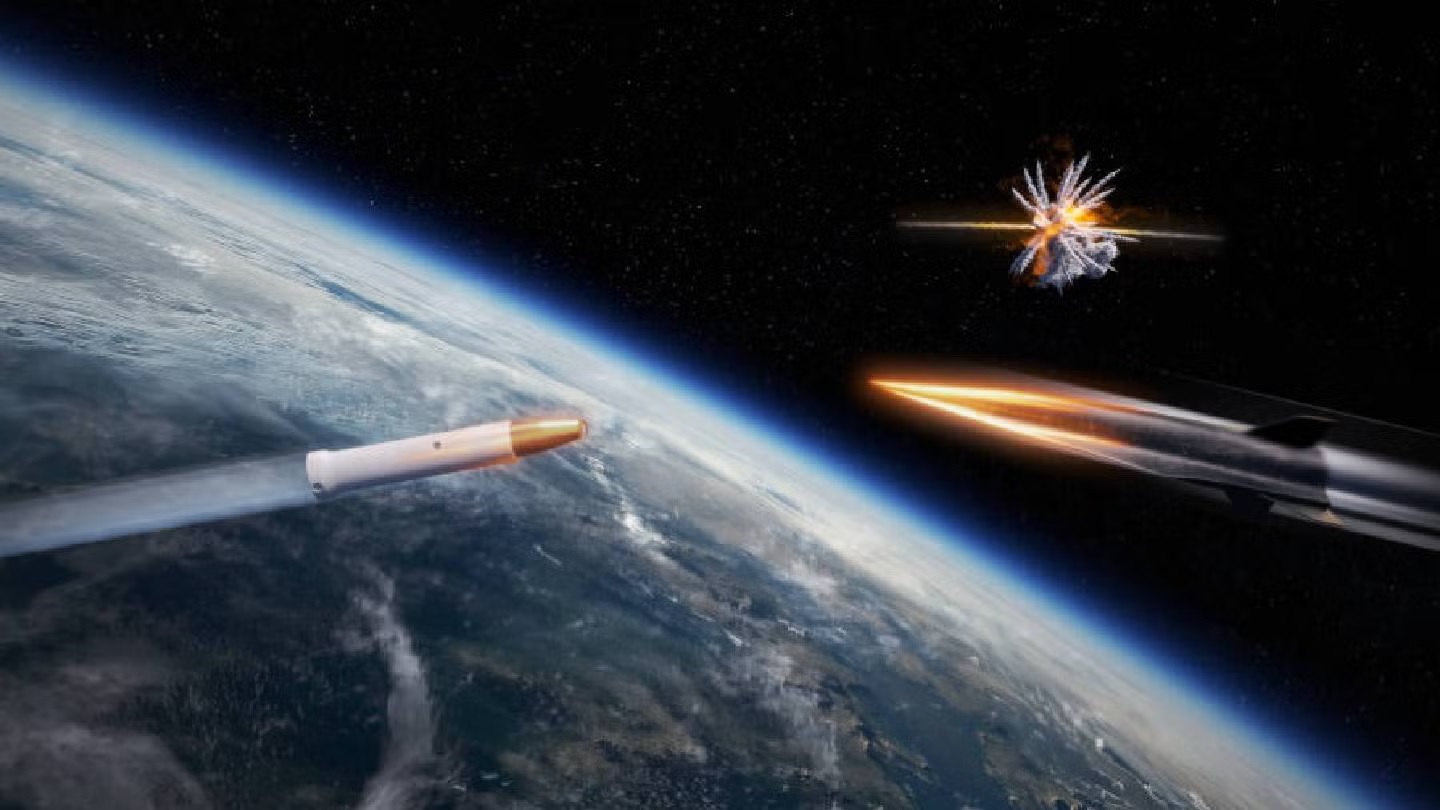
World
Paris, — June 22, 2026 : A new pan-European defence consortium led by MBDA France has been established to develop an advanced endo-atmospheric counter-hypersonic and anti-ballistic interceptor missile capability for Europe. The initiative, known as the HYDIS2dp Consortium, has been formed in response to a European Union defence tender aimed at strengthening the continent's ability to counter emerging hypersonic and ballistic missile threats. The consortium builds on previous work conducted under the HYDIS (Hypersonic Defence Interceptor System) programme and expands the effort through the inclusion of additional industrial, academic, and research partners from across Europe. The project seeks to provide European armed forces with a sovereign and technologically advanced missile defence capability capable of addressing rapidly evolving aerial threats. Large-Scale European Collaboration Coordinated by MBDA France, the HYDIS2dp Consortium brings together 28 direct partners and 20 subcontractors from 18 European countries. The programme is supported by seven funding nations, reflecting broad European commitment to developing indigenous missile defence technologies. The consortium combines expertise from major defence manufacturers, research institutions, and specialized technology companies. By pooling resources and knowledge from across Europe, the initiative aims to accelerate the development of critical technologies required for next-generation interception systems. Supporting the EATMI 2 Defence Initiative The consortium has been established to respond to the European Union tender designated EDF-2026-DA-ACC-AIRDEF-EATMI, commonly known as EATMI 2 (High-End Endo-Atmospheric Interception). The project forms part of the 2026 European Defence Fund (EDF) programme and is focused on advancing technologies necessary for intercepting hypersonic and ballistic threats within the atmosphere. The EATMI 2 programme seeks to mature key interceptor technologies up to Technology Readiness Level 6 (TRL 6), enabling the transition from research and development toward operational capability. The initiative follows earlier European efforts in hypersonic defence and is intended to close capability gaps in air and missile defence. Development Roadmap The HYDIS2dp programme has established an ambitious development timeline designed to rapidly mature critical technologies. Key milestones include: Achievement of Technology Readiness Level 5 (TRL 5) within less than two years. Completion of a Preliminary Design Review (PDR) by 2029. Execution of a fully representative system demonstrator flight test by 2030. To achieve these objectives, consortium members will develop and validate technologies across several key areas, including interceptor airframe design, propulsion systems, stage and platform separation mechanisms, lethality solutions, threat tracking systems, target acquisition technologies, and guidance functions. The programme will also focus on dedicated demonstrators for critical subsystem validation, helping reduce technical risk before full-scale system development. Broad Industrial and Research Participation The consortium includes several leading European defence companies and technology providers. Major industrial participants include: MBDA France MBDA Italy Saab Safran Electronics & Defense Leonardo Thales Nederland Other participating organizations include Avio, DNW, Lynred, Roxel France, SONACA, VZLU, Cenaero, Ecliptic, Weibel, CIRA, Falconers, SCYTALYS, TNO, WITU, Crosshill, GKN Fokker, Novian, Vipo, Cybernetica, ONERA, Skudo, and VKI. The participation of both established defence primes and specialized research organizations is expected to support the development of advanced technologies required for future missile defence systems. Strengthening European Missile Defence The HYDIS2dp programme represents one of Europe's most significant collaborative efforts in the field of counter-hypersonic and anti-ballistic missile defence. As hypersonic weapons continue to emerge as a major security challenge, European nations are increasingly investing in indigenous technologies capable of detecting, tracking, and intercepting high-speed maneuvering threats. By advancing critical technologies and demonstrating system performance through flight testing, the consortium aims to pave the way for a future operational interceptor capable of protecting European territory, military forces, and strategic infrastructure against next-generation aerial threats. The project also supports broader European goals of enhancing defence sovereignty, strengthening industrial cooperation, and reducing dependence on non-European missile defence solutions. As the European Defence Fund evaluates proposals under the 2026 programme cycle, the HYDIS2dp Consortium is positioned to play a central role in the development of a unified European counter-hypersonic defence capability.
Read More → Posted on 2026-06-22 09:25:49
World
KYIV, Ukraine — June 20, 2026 : Newly released training photographs from a unit of Ukraine's Special Operations Forces (SSO) show a tactical vehicle equipped with a large-format long-range acoustic hailing system, marking the first publicly observed instance of Ukrainian special operators training with this type of equipment. Defense analysts examining the images, including open-source intelligence observers, have tentatively identified the device as the LRAD 1950XL-RT, a long-range acoustic communication system manufactured by California-based defense technology company Genasys Inc. While the photographs confirm the system's presence in SSO training activities, there is currently no public information indicating whether the equipment has been deployed in active combat operations. Long-Range Communication Capability The LRAD 1950XL-RT is the largest and most powerful single-head acoustic hailing system offered by Genasys. Designed for long-distance communication, the system can transmit highly intelligible voice commands, warning messages, and alert tones across substantial ranges. According to manufacturer specifications, the system can project communications up to 5,000 meters (3.1 miles) under favorable atmospheric conditions. In high-noise environments with background sound levels reaching approximately 88 decibels—comparable to a heavy diesel truck operating nearby—the effective communication range remains up to 1,600 meters (1 mile). The "RT" designation refers to Genasys' Reach Technology, which integrates an IP Ethernet interface into the system. This feature allows operators to control the device either locally or remotely through a network connection. As a result, personnel can operate the acoustic system from protected positions inside armored vehicles or from distant command centers, reducing exposure to potential threats. Technical Specifications The LRAD 1950XL-RT head unit measures approximately 91 cm by 99 cm by 31 cm (36 inches by 39 inches by 12 inches) and weighs 43.1 kilograms (95 pounds). A separate water-resistant electronics housing measures 23 cm by 56 cm by 38 cm (9 inches by 22 inches by 15 inches). The system generates a peak sound pressure level of 160 decibels at a distance of one meter. Sound is projected through a highly directional beam of plus or minus 15 degrees at 1 kilohertz, enabling operators to focus communications on specific vehicles, individuals, or groups while minimizing noise dispersion outside the target area. Built for military field operations, the LRAD 1950XL-RT complies with U.S. MIL-STD-810H environmental standards. The system can operate in temperatures ranging from -33°C to +60°C and is designed to withstand harsh conditions including blowing rain, salt fog, vibration, and vehicle shock. These characteristics make it suitable for deployment across a wide range of operational environments, including those encountered by Ukrainian forces. Potential Operational Uses Ukraine's Special Operations Forces (SSO) became an independent branch of the Armed Forces of Ukraine in January 2016. The command is responsible for missions including unconventional warfare, direct action operations, deep reconnaissance, sabotage, special reconnaissance, and influence activities behind enemy lines. The appearance of the LRAD 1950XL-RT during SSO training suggests that Ukrainian forces are exploring additional non-kinetic capabilities that can be employed before the use of lethal force. Military organizations worldwide commonly use long-range acoustic devices to bridge the gap between verbal engagement and armed response. Potential applications for Ukrainian forces include: Issuing warning messages and stop commands at checkpoints. Supporting border security operations. Establishing security perimeters around critical infrastructure and military facilities. Conducting psychological operations (PSYOPS) through loudspeaker broadcasts. Delivering surrender instructions or information messages to opposing forces. Managing escalation-of-force procedures during encounters with approaching vehicles or personnel. The system's ability to transmit clear instructions over long distances may be particularly valuable in environments where conventional communication methods are ineffective due to noise, terrain, or security concerns. Escalation-of-Force Tool Genasys markets the LRAD product family primarily as a communication and escalation-of-force solution rather than a weapon system. The company states that the technology is intended to provide clear warnings and encourage compliance before military personnel resort to more forceful measures. However, the device's maximum acoustic output significantly exceeds the threshold of immediate pain for unprotected human hearing. Prolonged exposure to high-intensity tones at close range can result in hearing damage. The use of LRAD systems has generated legal and ethical discussions in several countries. In some civilian deployments, including crowd-control situations in the United States, individuals exposed to high-intensity deterrent tones have reported auditory injuries, leading to legal challenges and public debate regarding operational guidelines and safe employment practices. Origins of LRAD Technology The development of LRAD technology can be traced to security concerns highlighted by the October 2000 bombing of the USS Cole in Aden, Yemen. During the attack, an explosives-laden small boat approached the U.S. Navy guided-missile destroyer before detonating, killing 17 sailors. Following the incident, American Technology Corporation—later renamed Genasys—developed the first Long Range Acoustic Device (LRAD) in 2002 to provide military and security personnel with a means of delivering unmistakable warnings at extended distances before resorting to defensive fire. Since its introduction, LRAD technology has expanded beyond naval security applications. The systems are now used on military vehicles, fixed-site installations, helicopters, maritime platforms, and law enforcement assets in numerous countries. According to Genasys, its acoustic and protective technologies are currently utilized across all 50 U.S. states and in more than 100 countries worldwide, supporting the safety and security of over 155 million people. Expanding Non-Kinetic Capabilities The appearance of the LRAD 1950XL-RT in Ukrainian Special Operations Forces training highlights ongoing efforts to broaden operational capabilities through a combination of lethal and non-lethal systems. While the operational status of the equipment remains unknown, its integration into training activities indicates interest in long-range communication and escalation-of-force tools that can support military operations across a variety of scenarios. As Ukraine continues to adapt its force structure and equipment requirements, systems such as the LRAD 1950XL-RT may provide additional options for communication, deterrence, checkpoint security, and psychological operations while reducing the need for immediate kinetic engagement.
Read More → Posted on 2026-06-22 10:20:40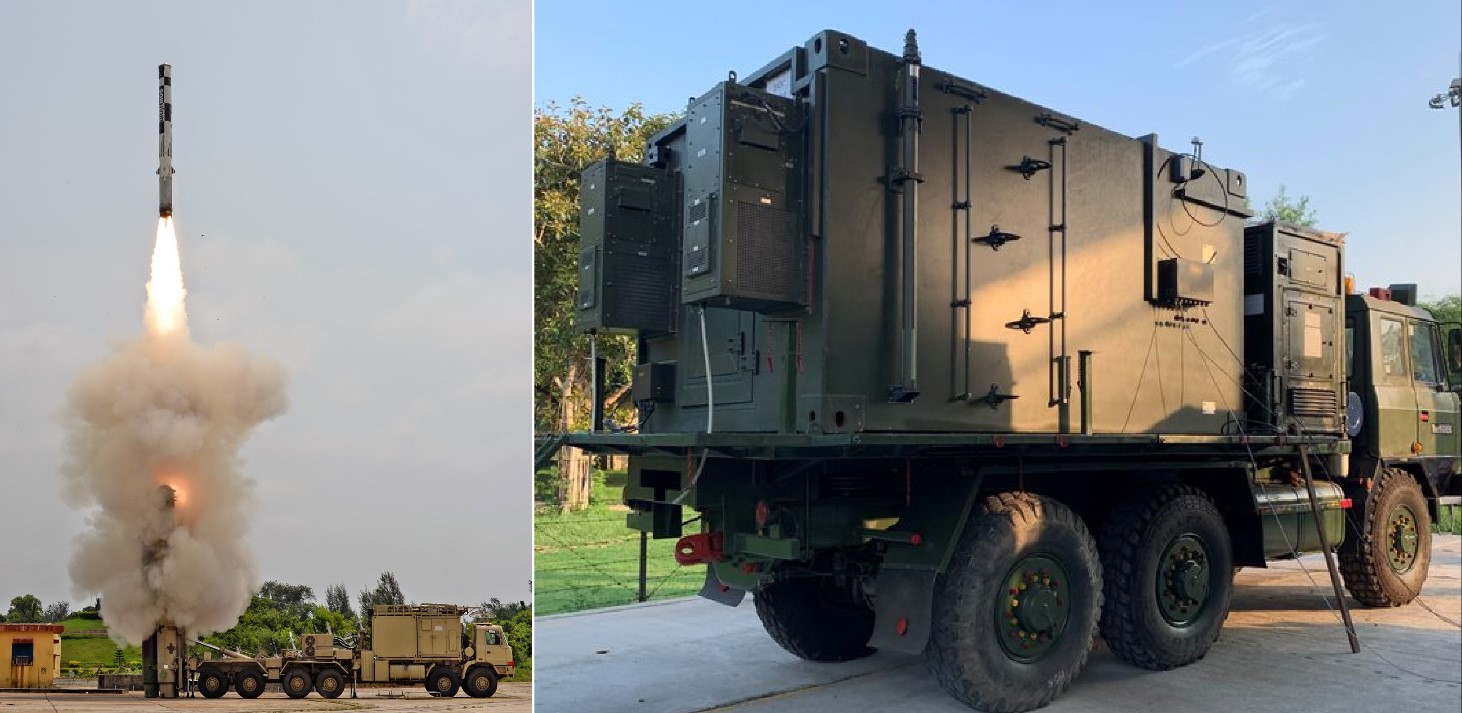
World
New Delhi/Abu Dhabi, — June 22, 2026 : The United Arab Emirates (UAE) and India are engaged in advanced negotiations for a defense procurement package valued at more than $1 billion. The proposed agreement includes the acquisition of over 150 BrahMos Block-3 supersonic cruise missiles and the Akashteer Air Defence Control and Reporting System. The discussions are progressing rapidly and reflect the UAE’s efforts to diversify its defense suppliers while enhancing its military capabilities amid evolving regional security challenges. If finalized, the agreement would represent one of the largest defense deals between the two countries and further strengthen bilateral defense cooperation. BrahMos Missile Acquisition The BrahMos is a supersonic cruise missile jointly developed by India and Russia. The export version can reach speeds of up to Mach 3 and has a range of approximately 290 kilometers. The Block-3 variant features improved guidance systems and steep-dive attack capabilities, enabling it to engage fortified targets with high accuracy. Its speed, low-altitude flight profile, and precision make it a highly effective strike weapon against both land and maritime targets. For the UAE, the acquisition would provide a long-range precision strike capability, enhancing deterrence and expanding options for protecting critical infrastructure, coastal assets, and strategic maritime routes. Akashteer Air Defence System The proposed package also includes the Akashteer Air Defence Control and Reporting System, developed by Bharat Electronics Limited (BEL) in collaboration with DRDO and ISRO. Akashteer is an AI-enabled command-and-control platform that integrates radars, sensors, and air defence weapons into a unified network. The system provides real-time situational awareness, automated threat evaluation, and coordinated engagement of aerial threats. The platform has been tested in operational environments and is designed to improve the effectiveness of integrated air defence networks against aircraft, missiles, and drones. For the UAE, Akashteer would strengthen airspace monitoring and command capabilities, enabling faster and more coordinated responses to emerging threats. Strategic Significance Together, BrahMos and Akashteer would provide the UAE with both advanced strike and air defence management capabilities. The systems would support the country's efforts to secure critical economic infrastructure and key maritime corridors, including the Strait of Hormuz. The potential agreement also highlights India's growing role in the global defense market. Defense exports from India exceeded $4 billion during the fiscal year ending March 2026, with BrahMos already exported to countries including the Philippines, Vietnam, and Indonesia. Any BrahMos export agreement would require Russian approval due to the missile's joint-development framework. Officials from both countries have not yet announced a timeline for concluding the negotiations, but the discussions are viewed as a significant step in expanding India-UAE defense cooperation and increasing the presence of Indian defense systems in the Middle East.
Read More → Posted on 2026-06-22 10:39:18
World
KYIV, — June 22, 2026 : Ukrainian forces carried out a cruise missile strike on the Voronezh Semiconductor Devices Plant (VZPP-S) in Voronezh, Russia, on June 22, causing significant damage to a facility that supplies electronic components for several Russian missile and air defense systems. According to the Ukrainian General Staff, the attack targeted a critical microelectronics enterprise involved in Russia's defense industry. Preliminary reports indicate that British-supplied Storm Shadow cruise missiles were used in the operation. Local residents reported multiple explosions followed by a large fire and heavy smoke rising from the industrial site. Voronezh Region Governor Alexander Gusev confirmed that air defense systems engaged several aerial targets over the region. He stated that an industrial enterprise was damaged during the attack and that three people were injured. The Voronezh Semiconductor Devices Plant manufactures semiconductor devices, integrated microchips, power modules, and other electronic components used in Russian military systems. Ukrainian military officials said the facility supplied components for the Kh-101 cruise missile, Iskander-K missile complex, Pantsir-S1 air defense system, Kalibr cruise missiles, and radar systems associated with the S-400 air defense network. The plant also contributes electronic components used in S-300 and S-400 air defense systems. The strike is part of Ukraine's broader campaign targeting Russian defense-industrial facilities involved in the production of precision-guided weapons and air defense equipment. Military analysts note that damage to the plant could disrupt the supply of critical electronic components required for missile production and maintenance, potentially slowing the replenishment of Russian missile stockpiles. The weapons supported by components from the Voronezh facility play important roles in Russia's military capabilities. The Kh-101 and Kalibr missiles are used for long-range precision strikes, the Iskander-K provides tactical strike capability, while the Pantsir-S1, S-300, and S-400 systems are designed to defend military and strategic assets against aircraft, drones, and missile threats. Damage assessments at the facility are ongoing, and the full impact on production remains unclear.
Read More → Posted on 2026-06-22 10:46:29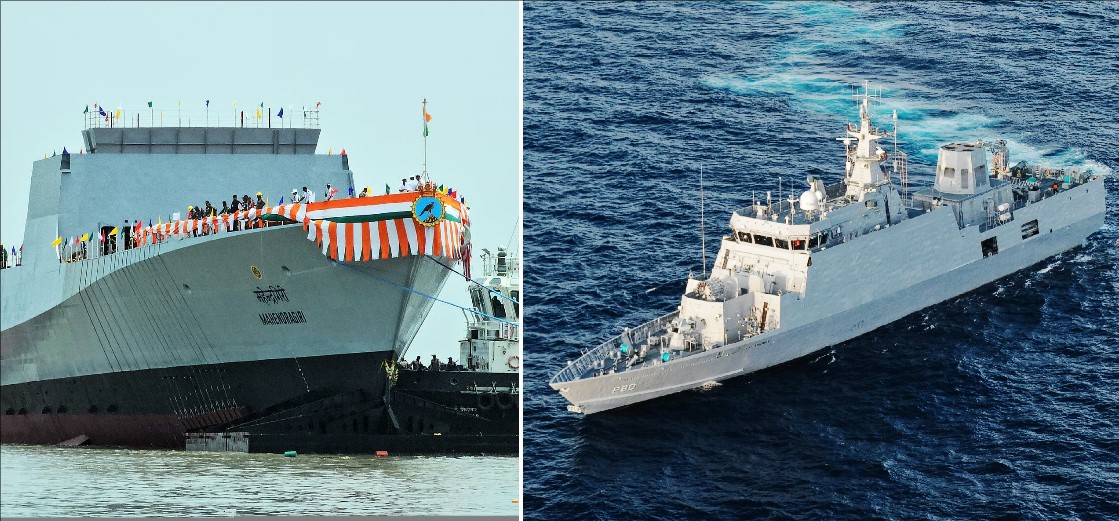
India
New Delhi, — June 22, 2026 : The Indian Navy is set to further strengthen its fleet with the induction of two indigenous warships in July following the recent commissioning of INS Dunagiri, INS Sanshodhak, and INS Agray on June 21, 2026. The stealth frigate INS Mahendragiri will be commissioned at Visakhapatnam under the Eastern Naval Command, while INS Malvan, an Anti-Submarine Warfare Shallow Water Craft (ASW SWC), will join the fleet at Kochi. INS Mahendragiri is the final warship built under the Navy’s Project 17A (Nilgiri-class) programme. Constructed by Mazagon Dock Shipbuilders Limited and delivered on April 30, 2026, the frigate features advanced stealth characteristics, integrated modular construction, and around 75 percent indigenous content. The vessel is equipped with BrahMos anti-ship missiles, Barak-8 surface-to-air missiles, and modern sensors, providing capabilities for anti-air, anti-surface, and anti-submarine warfare operations. INS Malvan is the second vessel in the Navy’s eight-ship ASW SWC programme and was delivered by Cochin Shipyard Limited on March 31, 2026. Designed for operations in shallow coastal waters, the vessel features waterjet propulsion, lightweight torpedoes, anti-submarine rockets, and advanced hull-mounted sonar systems. With over 80 percent indigenous content, the ship is intended to replace the Navy’s aging Abhay-class corvettes and strengthen coastal anti-submarine warfare capabilities. The upcoming inductions continue the momentum created by the recent addition of INS Dunagiri, INS Sanshodhak, and INS Agray to naval service. Together, these platforms enhance the Navy’s ability to conduct maritime surveillance, anti-submarine warfare, coastal security, and blue-water operations across the Indian Ocean Region. The commissioning of INS Mahendragiri and INS Malvan also highlights the progress of India’s indigenous shipbuilding sector and supports the government's Aatmanirbhar Bharat initiative aimed at increasing self-reliance in defence manufacturing.
Read More → Posted on 2026-06-22 11:08:10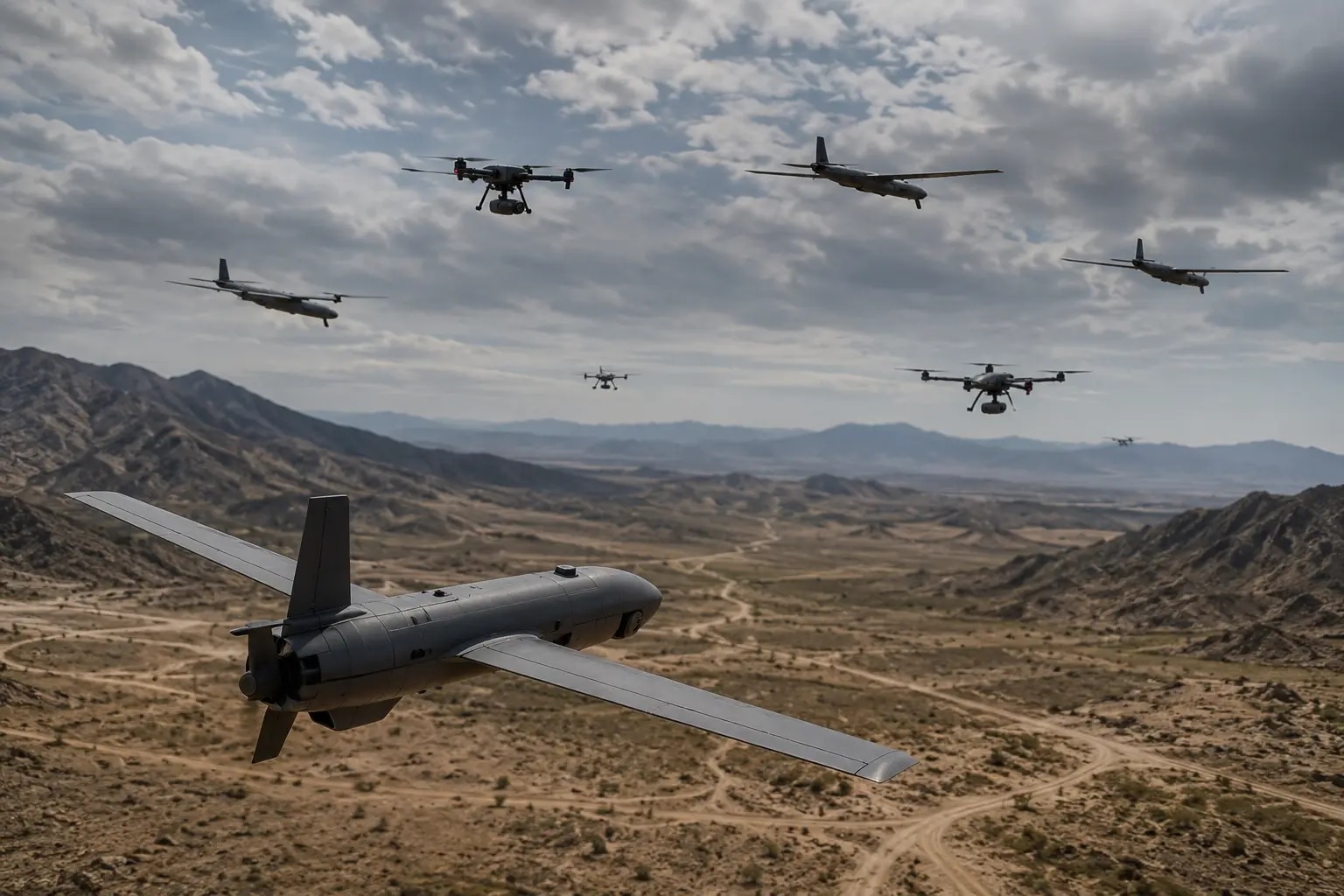
World
SALT LAKE CITY, — June 22, 2026 : Palladyne AI Corp. (NASDAQ: PDYN) has been awarded two competitive contracts by the U.S. Army under the Disruptive Applications Broad Agency Announcement (BAA) program to support the research, development, and operational validation of its SwarmOS autonomous software platform and Gremlin-X unmanned aerial vehicle (UAV). The contracts mark a significant step for the company, transitioning its swarm autonomy technology from evaluation activities into funded operational use. Under the awards, the systems will be tested directly by U.S. Army personnel during field exercises and operational demonstrations. SwarmOS Designed for Decentralized Autonomous Operations SwarmOS is Palladyne AI’s edge-based artificial intelligence and collaborative autonomy software stack designed to enable a single operator to command and coordinate a heterogeneous team of autonomous unmanned systems from multiple manufacturers simultaneously. The software operates on edge hardware and is designed to function without reliance on centralized infrastructure, allowing operations in degraded, denied, intermittent, and limited communications environments. According to the company, the platform is protected by its proprietary patent portfolio and supports cross-platform integration across different unmanned systems. Dr. Denis Garagic, Chief Technology Officer and Principal Investigator at Palladyne AI, said the primary challenge in autonomous operations is enabling platforms from different manufacturers to work together effectively without depending on vulnerable centralized networks. He noted that SwarmOS addresses this challenge by allowing autonomous systems to collaborate intelligently while operating in contested environments where communications infrastructure may be disrupted or unavailable. Gremlin-X Offers Reusable Strike Capability The second system covered under the contracts is the Gremlin-X UAV, developed by GuideTech and formerly known as Banshee. The aircraft is classified as a low-cost, reusable Group 2 strike UAV and functions as an autonomous loitering munition. Gremlin-X is designed to provide small and dispersed military units with an affordable means of engaging time-sensitive targets. The system can deliver precision munitions in denied, degraded, intermittent, and limited operational environments without requiring advanced communications links. A key feature of the platform is its recoverable design. If a strike mission is not executed, the UAV can return to its operator for recovery and reuse. This approach reduces operational costs by making the munition, rather than the airframe, the primary recurring expense associated with each mission. The company says the platform combines attritable characteristics with reusability, providing operational flexibility while maintaining cost efficiency for military formations. Army Field Evaluations Planned Under the terms of the contracts, Palladyne AI will deploy SwarmOS and Gremlin-X during a series of live operational evaluations with the U.S. Army. The first phase of testing will take place during exercises conducted by the Army’s 4th Infantry Division (4ID) in Colorado and California. During these events, SwarmOS will support reconnaissance and target acquisition missions using Army-designated platforms. Operators will control the systems through the Android Team Awareness Kit (ATAK), the military’s widely used command-and-control application that provides situational awareness and battlefield coordination capabilities. Following the 4ID demonstrations, Palladyne AI will participate in Northern Strike 26-2, one of the Department of Defense’s largest joint training exercises. The event involves more than 9,000 participants from across the U.S. military and partner organizations. During Northern Strike 26-2, the company plans to demonstrate SwarmOS, IntelliSwarm, and the Gremlin-X UAV in a joint operational environment, providing additional validation of the technologies under realistic military conditions. Growing Focus on Autonomous Military Systems The contracts reflect the U.S. Army’s increasing interest in autonomous and collaborative systems capable of supporting distributed operations across complex battlefields. Swarm technologies are viewed as a means to improve reconnaissance, target acquisition, force protection, and precision strike capabilities while reducing operator workload. According to Palladyne AI, the awards represent a transition from technology evaluation toward direct operational employment by military users. Doug Dynes, President of Palladyne Aerospace and Defense, said the contracts place the company’s technology directly into the hands of warfighters and create a pathway toward future programs of record. The announcement also follows recent strategic initiatives by the Utah-based defense technology company, including a partnership with Israel Aerospace Industries (IAI) to support domestic manufacturing of combat-proven loitering munitions in the United States. Palladyne AI specializes in embodied AI-powered collaborative autonomy solutions, advanced avionics, unmanned systems, precision-manufactured aerospace components, and engineering services for defense and industrial applications. The company views the Army contracts as an important milestone in expanding the operational use of autonomous systems across future military missions.
Read More → Posted on 2026-06-22 11:21:36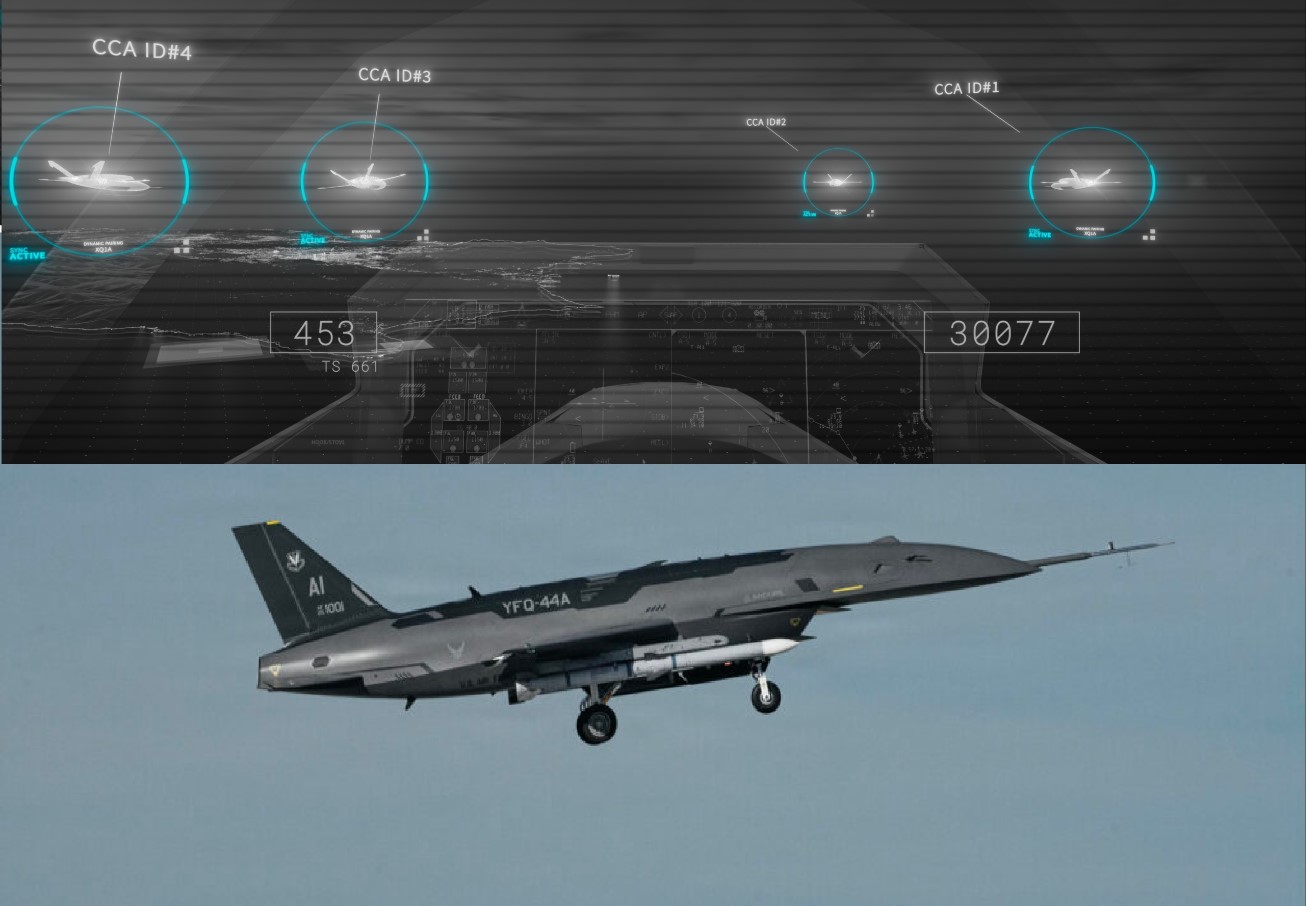
World
WASHINGTON, — June 22, 2026 : The U.S. Air Force has awarded Shield AI a production contract to deploy its Hivemind mission autonomy software within the Collaborative Combat Aircraft (CCA) program, supporting the service’s effort to separate artificial intelligence capabilities from aircraft hardware and accelerate the deployment of autonomous combat systems. The contract follows Shield AI’s earlier selection as a mission autonomy provider during the Technology Maturation and Risk Reduction (TMRR) phase of the CCA program. Hivemind is currently integrated and undergoing flight testing aboard Anduril Industries’ YFQ-44A Fury aircraft. Shield AI’s Hivemind software enables multiple uncrewed aircraft to operate collaboratively under human supervision, improving coordination between autonomous systems while reducing operator workload during complex missions. Software-First Acquisition Strategy The Air Force is adopting a software-first approach by procuring mission autonomy software separately from aircraft hardware. This strategy is enabled by the Autonomy Government Reference Architecture (A-GRA), a government-owned open-systems framework that allows autonomy software to operate across different aircraft platforms. By using A-GRA standards, the Air Force aims to accelerate software updates, simplify integration, reduce vendor dependency, and increase competition among autonomy providers. According to Christian Gutierrez, Senior Vice President of Hivemind at Shield AI, mission autonomy is becoming a foundational capability for future airpower and will support faster innovation and capability deployment. Hivemind Capabilities Hivemind functions as an AI pilot capable of making real-time mission decisions in dynamic environments. Key capabilities include: Autonomous navigation around threats and obstacles. Operations in GPS-denied and communications-jammed environments. Human-machine teaming with crewed and uncrewed platforms. Multi-aircraft collaboration under human supervision. Platform-agnostic integration through A-GRA compliance. The software has also been tested on platforms including the MQ-20 Avenger, BQM-177 target drone, and Airbus H145 helicopter. CCA Program Expansion The Collaborative Combat Aircraft program is a key part of the Air Force’s future force structure. The service plans to field approximately 1,000 semi-autonomous aircraft designed to operate alongside crewed fighters in missions such as reconnaissance, electronic warfare, strike support, and air combat. The Air Force has awarded Increment 1 aircraft development contracts to General Atomics Aeronautical Systems and Anduril Industries, with plans to field more than 150 combat-capable CCA aircraft before the end of the decade. Competition Among Autonomy Providers In addition to Shield AI, the Air Force has awarded autonomy software production options to Anduril and Collins Aerospace. The competitive approach is intended to encourage innovation, reduce costs, and ensure rapid adoption of the most effective autonomy technologies. The contract marks an important step in the Air Force’s effort to integrate AI-powered autonomy into future combat aircraft while maintaining flexibility through open-architecture systems and multi-vendor competition.
Read More → Posted on 2026-06-22 11:32:51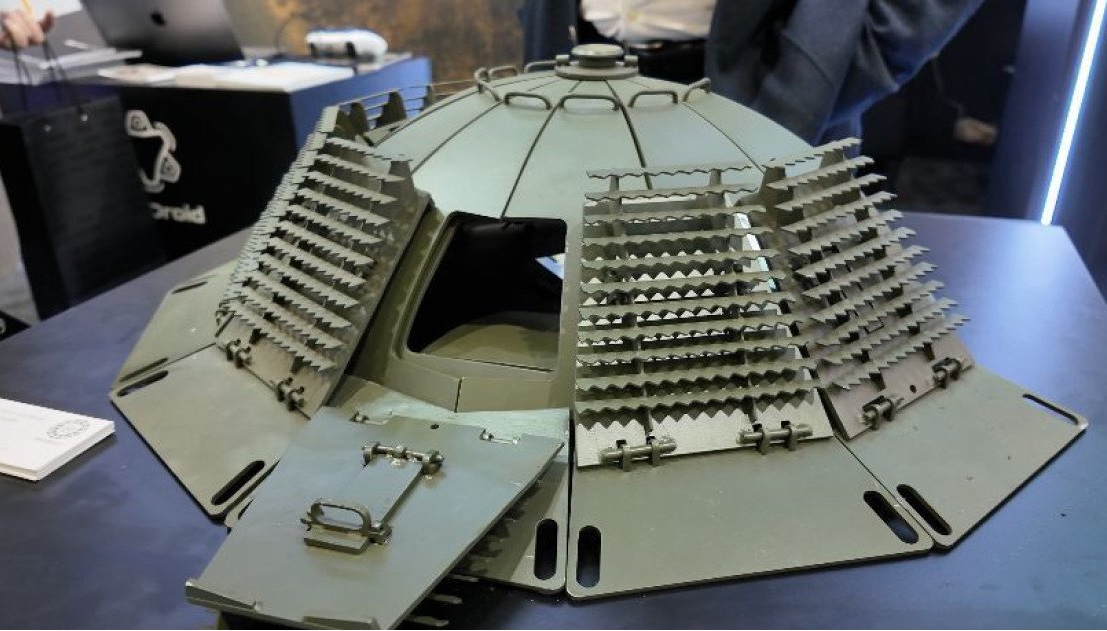
World
Paris, — June 22, 2026 : Ukrainian defense manufacturer PARABELLA has introduced a new modular armored protective capsule designed to rapidly establish fortified positions on the frontline. The system was showcased during the Eurosatory 2026 defense and security exhibition held in Paris from June 15 to 19. The armored capsule is intended to serve as a mobile military shelter that can be quickly transported and assembled in active combat zones. Built using three layers of armored steel sourced from Germany, the structure has a total armor thickness of 16 millimeters and incorporates external metal screens designed to counter shaped-charge munitions. According to the company, the fortified position is capable of withstanding threats such as artillery fire, rocket-propelled grenades (RPGs), and mines. The interior can accommodate up to 10 armed personnel while providing all-around protection and a 360-degree field of observation, enabling troops to monitor and engage targets while remaining under cover. The name PARABELLA combines the Latin phrase “Si vis pacem, para bellum” (“If you want peace, prepare for war”) with the word “umbrella,” reflecting the system’s protective role on the battlefield. The design draws on concepts used in Soviet-era prefabricated armored structures that were deployed as machine-gun emplacements and command-and-observation posts. Historical examples include the BUK armored firing capsule, VSB armored firing structure, and SPS prefabricated machine-gun position. Similar fortified structures, known as MVS-2 (Ministry of Internal Affairs-2), were also employed by Ukraine during the Anti-Terrorist Operation (ATO) period to strengthen defenses around Mariupol. PARABELLA states that the new capsule is designed as a certified system meeting Ukrainian and NATO-related standards for field deployment. The company positions the solution as a modern protective structure that combines mobility, rapid installation, and enhanced survivability for frontline operations. The unveiling at Eurosatory highlights ongoing Ukrainian efforts to develop protective engineering solutions tailored to the requirements of modern high-intensity warfare and to present these technologies to the international defense market.
Read More → Posted on 2026-06-22 13:37:17
World
PARIS, — June 22, 2026 : Allison Transmission has signed a landmark contract with BAE Systems Hägglunds to supply its newly developed 4040 MX™ cross-drive transmissions for the CV90 MkIV Infantry Fighting Vehicle (IFV) program. The agreement, announced during the Eurosatory 2026 defense exhibition in Paris, is valued at $250 million and includes an option for additional units worth up to $50 million. The contract represents the largest single tracked defense program award in Allison Transmission’s history and establishes the company as the transmission supplier for one of Europe’s most widely deployed armored vehicle platforms. 4040 MX Selected for CV90 MkIV The CV90 MkIV will become the first production vehicle to be equipped with Allison’s new 4040 MX cross-drive transmission. The system is an advanced evolution of the company’s proven 3040 MX transmission, which is currently used on several armored vehicle programs, including the U.S. Army’s M10 Booker combat vehicle. The 4040 MX provides increased power capacity and upgraded electronic controls while maintaining the same physical dimensions as its predecessor. The unchanged footprint allows direct integration with the CV90 MkIV’s Scania engine without requiring significant modifications to the vehicle’s powertrain architecture. Before the contract award, Allison Transmission and BAE Systems Hägglunds completed a two-year integration and testing program to validate the transmission’s compatibility, reliability, and performance. Production deliveries of the 4040 MX are scheduled to begin in 2028. Supporting Next-Generation Combat Vehicle Requirements The new transmission has been developed to meet the growing mobility and performance requirements of modern tracked combat vehicles. Its enhanced power handling capability supports the increased weight and operational demands of the latest CV90 variant. The agreement strengthens Allison Transmission’s position within the defense sector and establishes a long-term production pipeline linked to future CV90 MkIV vehicle deliveries. The contract also continues a longstanding relationship between Allison Transmission and BAE Systems Hägglunds. Previous generations of the CV90 family have utilized Allison X300-series transmissions, making the 4040 MX the next step in the platform’s drivetrain evolution. CV90 MkIV Expands Across European Armed Forces The CV90 family remains one of the most widely operated infantry fighting vehicle platforms in Europe. The vehicle is currently in service with Sweden, Denmark, Estonia, Finland, the Netherlands, Norway, and Switzerland. The latest CV90 MkIV variant introduces several upgrades, including an increase in Gross Vehicle Weight Rating from 35 tonnes to 38 tonnes, providing greater payload capacity. The vehicle also features an upgraded electronic architecture, improved digital systems, and integration of an Active Protection System to enhance survivability and battlefield effectiveness. BAE Systems Hägglunds has recently secured major procurement contracts in Slovakia and the Czech Republic for approximately 400 CV90 MkIV vehicles. These orders are expected to create a significant deployment base for Allison’s 4040 MX transmission technology over the coming decade. With production scheduled to begin in 2028, the contract supports the continued modernization of armored vehicle fleets and strengthens industrial cooperation between Allison Transmission and BAE Systems Hägglunds in the global defense market.
Read More → Posted on 2026-06-22 13:49:51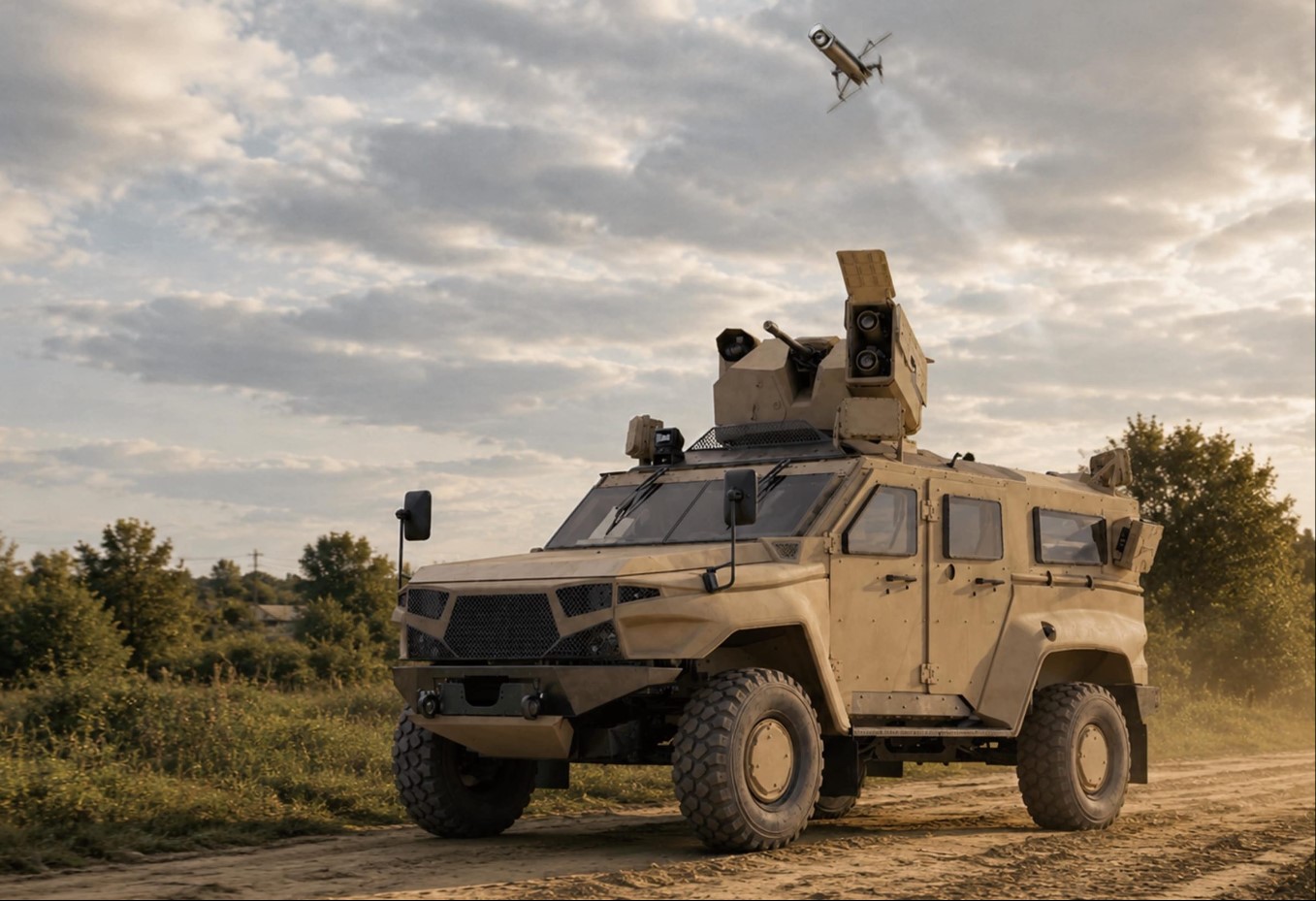
World
Tel Aviv, — June 22, 2026 : Israeli defense company Rafael Advanced Defense Systems and startup SpearUAV have announced a strategic partnership to develop and market the Iron Wasp, a new drone interceptor designed to protect maneuvering ground forces from hostile unmanned aerial vehicles (UAVs) and loitering munitions. The Iron Wasp is based on SpearUAV’s Viper I interceptor technology and is launched from a compact Multi-Canister Launcher (MCL) mounted on combat vehicles. Its low size, weight, and power requirements enable integration on a wide range of platforms, including armored personnel carriers, infantry fighting vehicles, main battle tanks, armored cars, and unmanned ground vehicles with minimal modifications. According to Rafael and SpearUAV, the system uses AI-driven autonomous detection, tracking, and engagement capabilities, allowing vehicle crews to rapidly counter aerial threats without adding significant operational burden. A promotional video released by Rafael shows enemy FPV drones attacking an armored convoy. Interceptor drones launched from a roof-mounted twin-canister launcher successfully engage the incoming threats while the vehicles remain on the move. Integrated radar systems provide real-time detection and tracking of hostile aerial targets. The development comes as military forces face an increasing threat from low-cost attack drones and loitering munitions. A growing challenge is the use of fiber-optic-controlled drones, which are largely immune to electronic warfare systems and signal jamming. Reports indicate that approximately 80 percent of certain hostile drones used in recent conflicts rely on fiber-optic guidance. To address this threat, Iron Wasp employs a kinetic "hard-kill" interception method, physically destroying incoming drones that cannot be neutralized through electronic countermeasures. The interceptor features an open architecture and is designed to integrate with Rafael’s broader defense portfolio, including the Trophy Active Protection System, Drone Dome counter-UAS system, Samson Remote Weapon Stations, and the Lite Beam laser defense system. The partnership combines SpearUAV’s expertise in autonomous drone technology with Rafael’s experience in force protection and defense integration. By providing combat vehicles with an organic aerial interception capability, the companies aim to enhance frontline protection and reduce reliance on external air-defense assets. Neither company has announced a production timeline or expected operational deployment date for the Iron Wasp system.
Read More → Posted on 2026-06-22 14:00:48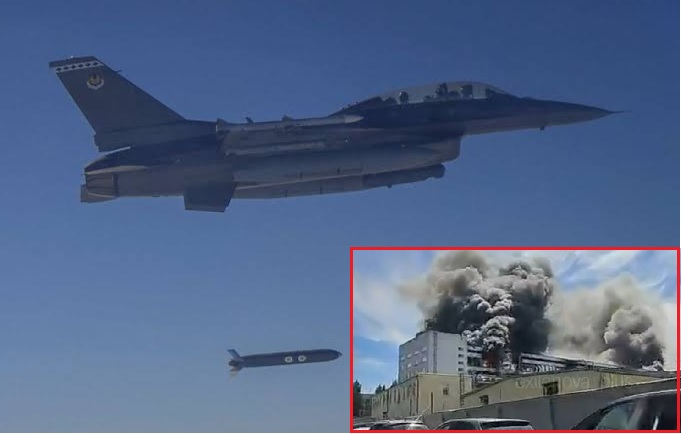
World
KYIV, — June 22, 2026 : Russian military-affiliated sources have claimed that Ukrainian forces used the U.S.-supplied AGM-188A "Rusty Dagger" cruise missile in a strike on the Sborka semiconductor plant in Voronezh, Russia. If confirmed, it would mark the first reported combat use of the new long-range precision munition developed specifically to support Ukraine. The claim originated from the Telegram channel Voevoda Broadcasts and was later cited by open-source intelligence monitor Status-6. Neither Ukraine nor the United States has officially confirmed the weapon used in the attack. The reports come amid indications that early batches of the AGM-188A may already be in service. Recent analysis of strike debris reportedly identified anti-jamming GPS components linked to Zone 5 Technologies, the missile's developer. AGM-188A Rusty Dagger The AGM-188A Rusty Dagger is a turbojet-powered, air-launched precision standoff munition developed by Zone 5 Technologies under the U.S. Air Force's Extended Range Attack Munition (ERAM) program, launched in 2024 to provide Ukraine with affordable, mass-producible long-range strike weapons. Designed to fit within the size and weight limits of a standard 500-pound Mk 82 bomb, the missile can be integrated with aircraft capable of carrying JDAM-guided munitions, including Ukraine's F-16 fleet. Powered by a PBS Aerospace TJ80 turbojet engine, the missile has a reported range exceeding 930 kilometers and carries a 45-kilogram warhead. It also features precision guidance and autonomous navigation capabilities for operations in GPS-disrupted environments. Zone 5 Technologies conducted a live-warhead test of the missile in January 2026, followed by successful F-16 release trials in April 2026. In August 2025, the U.S. approved a potential sale of up to 3,350 ERAM missiles to Ukraine valued at approximately $825 million. While the first production batch of 840 missiles is officially scheduled for delivery in October 2026, reports suggest some systems may have been delivered earlier. Voronezh Strike The Sborka semiconductor plant in Voronezh is located about 500 kilometers from the Ukrainian border. According to Ukraine's Main Intelligence Directorate (GUR), the facility supplies electronic components used in Russian Kh-101 cruise missiles, Iskander-K missile systems, and Pantsir-S1 air defense systems. Russian authorities reported damage to the facility and injuries following the strike. Strategic Significance The Rusty Dagger was designed as a lower-cost alternative to traditional cruise missiles while maintaining long-range precision strike capabilities. Its compatibility with F-16 aircraft and potential for large-scale deployment could enhance Ukraine's ability to conduct strikes against military and industrial targets deep inside Russia. While the weapon used in the Voronezh attack remains unconfirmed, the reports highlight the growing role of long-range precision weapons in the conflict and their potential impact on Russian military infrastructure.
Read More → Posted on 2026-06-22 14:14:16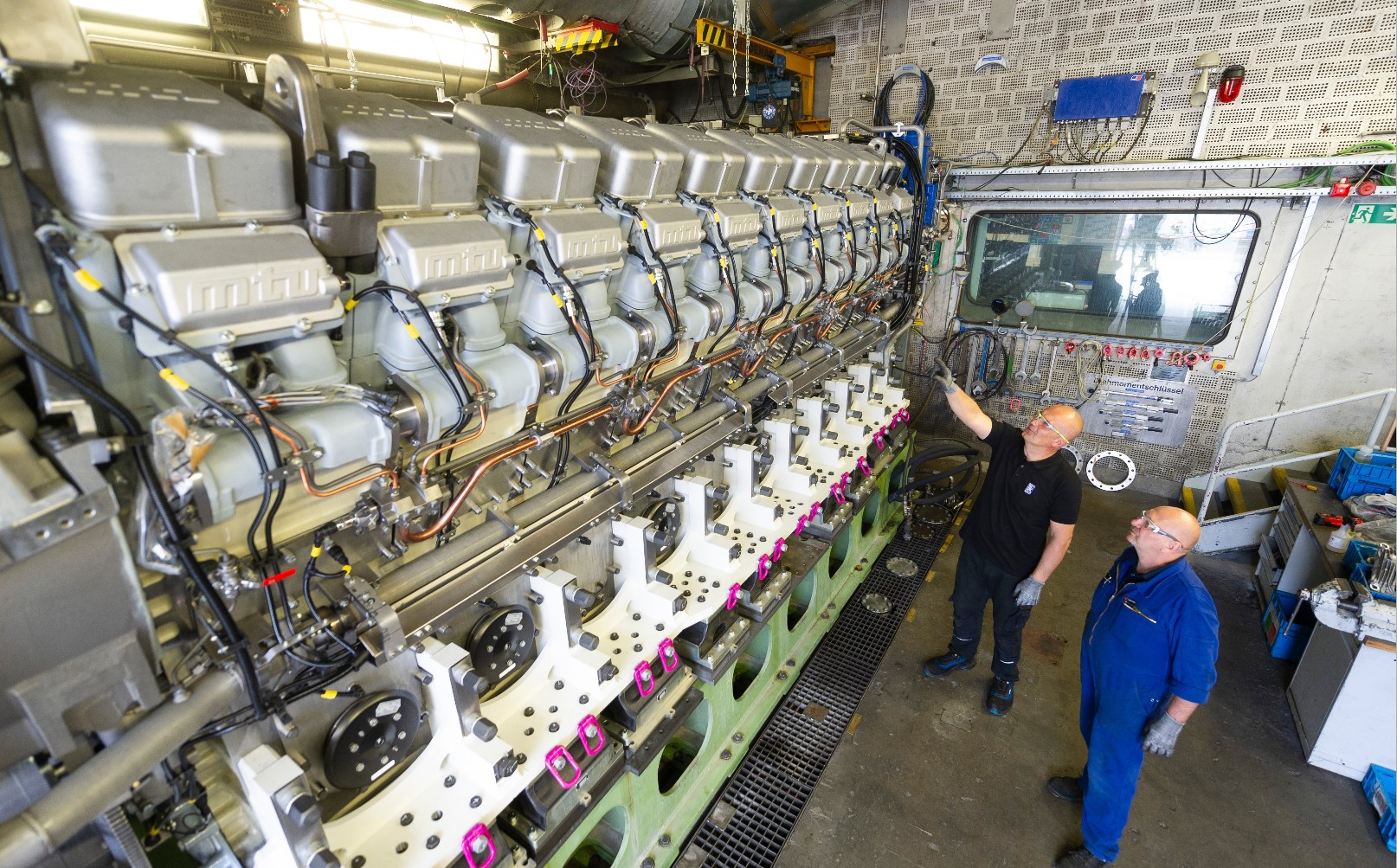
World
NORFOLK, Va., — June 22, 2026 : The U.S. Navy’s Military Sealift Command (MSC) has awarded a multi-vendor indefinite-delivery/indefinite-quantity (IDIQ) contract worth up to $759 million to provide diesel engine parts, maintenance, repair, and overhaul services for its global fleet of auxiliary and logistics vessels. The five-year agreement will remain in effect through June 3, 2031, supporting the long-term operational readiness of non-combatant ships that sustain naval operations worldwide. The contract is designed to ensure continuous availability of critical propulsion systems across MSC vessels operating in multiple regions, including the United States, Europe, the Middle East, and the Indo-Pacific. Selected Contractors Following a competitive solicitation process that received four proposals, the Navy selected two primary contractors for the multiple-award contract: Motor-Services Hugo Stamp Inc. (MSHS Pacific Power Group) of Fort Lauderdale, Florida. Everllence Middle East and Africa LLC, based in Dubai, United Arab Emirates. Task orders will be issued competitively among the selected vendors using a combination of firm-fixed-price and time-and-materials arrangements. The companies will provide original equipment manufacturer (OEM) parts, technical expertise, inspections, repairs, testing, and major engine overhauls for MSC vessels. To maintain reliability and comply with manufacturer requirements, only OEM-certified technicians or MSC-approved personnel will be authorized to perform maintenance work on the fleet’s customized diesel propulsion systems. Supporting the Navy’s Global Logistics Fleet The Military Sealift Command operates a diverse fleet of non-combatant ships that provide essential logistics and support services to the U.S. Navy. These vessels transport fuel, ammunition, equipment, and supplies while enabling sustained naval operations far from home ports. The contract will support several key vessel classes, including: Fleet Replenishment Oilers (T-AO) Dry Cargo and Ammunition Ships (T-AKE) Submarine Tenders Hospital Ships Expeditionary Mobile Bases (ESB) Expeditionary Transfer Docks (ESD) Large Medium-Speed Roll-on/Roll-off Ships Kocak-class Roll-on/Roll-off Container Ships Services covered under the agreement include engine appraisals, inspections, repairs, overhauls, troubleshooting, testing, technical support, and lifecycle management activities. Enhancing Operational Readiness Reliable propulsion systems are critical to the performance of MSC vessels, which serve as the logistical backbone of U.S. naval operations. These ships enable combat fleets to remain deployed for extended periods by delivering fuel, ammunition, spare parts, and other essential supplies. By ensuring rapid access to maintenance services and replacement components worldwide, the contract aims to reduce downtime and improve fleet availability. The global support structure allows maintenance activities to be conducted wherever MSC ships are deployed, helping sustain operational readiness across multiple theaters. Multi-Vendor Strategy Reduces Supply Chain Risks The Navy’s use of a multi-award IDIQ structure reflects a broader Department of Defense approach to long-term sustainment and logistics support. Rather than relying on a single contractor, the arrangement allows the Navy to distribute work among qualified providers based on operational requirements. This strategy improves flexibility, promotes competition, helps control lifecycle costs, and reduces risks associated with supply chain disruptions or dependence on a single source of support. It also enables the Navy to rapidly procure parts and technical services as maintenance needs emerge. Industry and Defense Implications The contract highlights continued demand for maritime sustainment services and advanced logistics support within the defense sector. As naval forces operate across increasingly complex global environments, maintaining reliable support vessels has become a critical element of military readiness. Companies with established global service networks, certified technical personnel, and experience supporting military fleets are expected to remain well positioned for future sustainment opportunities. The agreement also reinforces the growing importance of lifecycle support contracts as defense organizations seek cost-effective methods to maintain critical assets over extended service lives. With a ceiling value of $759 million, the contract ensures long-term access to diesel engine expertise, OEM components, and worldwide maintenance capabilities that will support Military Sealift Command operations through 2031.
Read More → Posted on 2026-06-22 14:32:44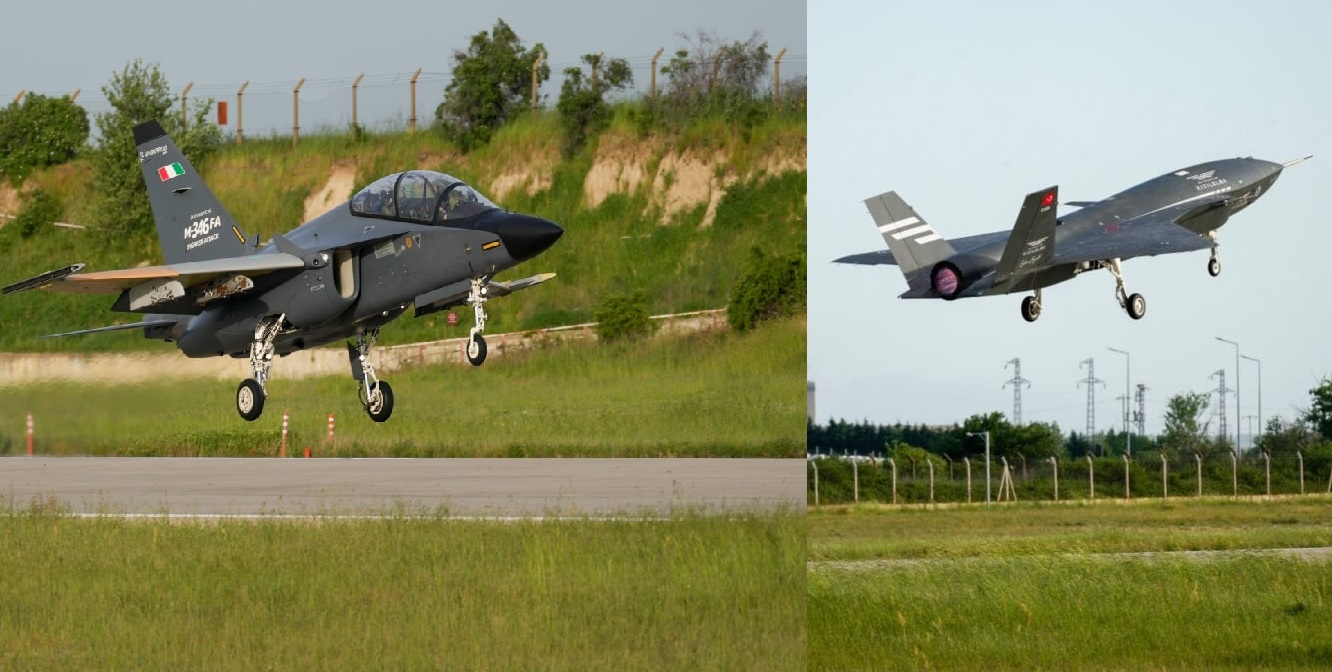
World
Rome/Istanbul, — June 22, 2026 : Italian defense company Leonardo and Turkish drone manufacturer Baykar have successfully completed the first phase of live flight testing under the K-SWARM programme, a joint initiative focused on developing Crewed/UnCrewed Teaming (CUC-T) and interoperability between manned combat aircraft and autonomous unmanned aerial systems. The flight campaign was conducted in May 2026 at Baykar’s flight and test center in Çorlu, Türkiye, marking the programme’s transition from simulator-based validation to live flight operations. First Live Flight Campaign The tests involved three aircraft: a Leonardo-owned M-346 Fighter Attack (FA) aircraft acting as the command platform, a Bayraktar KIZILELMA uncrewed combat aircraft, and an Italian Air Force T-346A serving as a chase aircraft for mission monitoring and data collection. The campaign began with KIZILELMA performing an autonomous taxi and take-off before using Baykar’s Smart Fleet Autonomy algorithms to locate and rejoin the M-346 in flight. After the formation was established, pilots aboard the M-346 assumed tactical control of the uncrewed aircraft through a newly integrated avionics suite and dedicated crewed-uncrewed computing system. During the flights, the M-346 crew directed a series of manoeuvres including position changes, separations and rejoins. KIZILELMA successfully executed each command autonomously while maintaining formation integrity and responding accurately to pilot instructions. Technology Integration The programme combines Leonardo’s expertise in avionics, flight control systems and cybersecurity with Baykar’s autonomous flight technologies. Flight tactics, procedures and algorithms were developed by Leonardo’s Avionic and Flight Control Innovation Labs and PC2LAB in Turin, Italy. These systems were validated using an M-346 Full Mission Simulator in Venegono before live testing began. Baykar integrated its Smart Fleet Autonomy software into the crewed-uncrewed teaming architecture, enabling autonomous behaviour and coordinated operations during the trials. Secure communications between the M-346 and KIZILELMA were supported by an advanced radio-frequency data exchange architecture. Leonardo’s GCC Tactical Platform provided real-time monitoring and cybersecurity protection throughout the missions. Programme Objectives K-SWARM is designed to advance crewed-uncrewed teaming and swarm operations by allowing airborne crews to direct autonomous combat aircraft during missions. The concept aims to reduce pilot workload, improve mission coordination and enhance the effectiveness of multi-aircraft operations. The trials demonstrated the ability of a crewed aircraft to command and coordinate a fighter-class unmanned platform in real flight conditions, validating key technologies required for future collaborative combat operations. Next Phase Data collected during the campaign is now being analyzed to support future development stages. Leonardo and Baykar plan to conduct additional flight tests in the coming months featuring increased operational complexity, enhanced situational awareness requirements and expanded collaborative mission functions. The programme also supports the broader cooperation between the two companies through their LBA Systems joint venture, which focuses on advanced unmanned technologies, autonomous systems and crewed-uncrewed teaming capabilities. The successful completion of the first live testing phase establishes a foundation for further development of technologies intended to support future air combat and multi-domain operations.
Read More → Posted on 2026-06-22 14:49:13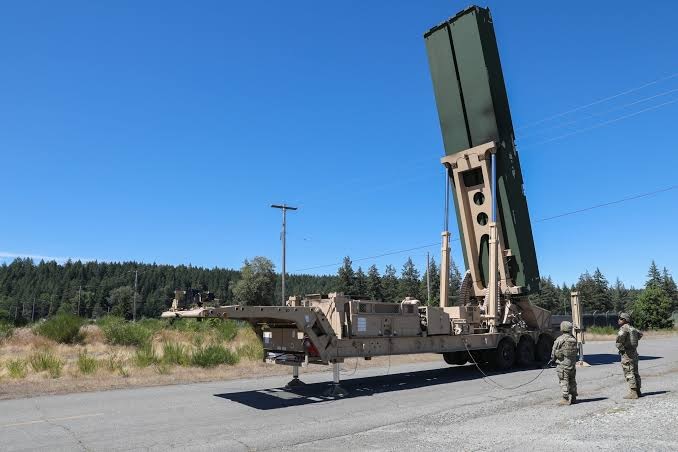
World
WASHINGTON, June 23, 2026 — The U.S. Army is expanding its inventory of Dark Eagle hypersonic missiles following an $83.2 million contract modification awarded to Lockheed Martin Space on June 22, 2026. The contract, awarded by the U.S. Navy’s Strategic Systems Programs office under existing contract N00030-22-C-1025, supports the procurement of additional All-Up Rounds (AURs) for the Army’s Long-Range Hypersonic Weapon (LRHW) program. AURs are fully assembled, ready-to-fire missile systems. The Army obligated approximately $79.3 million in Fiscal Year 2025 Missile Procurement funds, highlighting the program’s transition from development and testing to operational fielding and stockpile expansion. Work under the contract is scheduled to continue through June 30, 2029. Production Across Multiple States Manufacturing will be distributed across several locations in the United States. Lockheed Martin’s facility in Denver, Colorado, will perform 31 percent of the work, followed by Magna, Utah (26 percent), Cortland, Alabama (14 percent), East Aurora and Owego, New York (14 percent combined), Simsbury, Connecticut (10 percent), Sunnyvale, California (2 percent), and other locations (3 percent). The production effort supports manufacturing of specialized components, including thermal protection systems, solid-fuel propulsion elements, and guidance electronics. Dark Eagle Hypersonic Weapon Dark Eagle is a ground-launched hypersonic missile system that shares the Common Hypersonic Glide Body (C-HGB) with the Navy’s Conventional Prompt Strike (CPS) program. The C-HGB, developed by Dynetics, separates from a two-stage solid-fuel booster produced by Lockheed Martin and maneuvers toward its target at speeds exceeding Mach 5 after launch. The Army plans to field Dark Eagle in mobile batteries consisting of four M983 launcher trucks carrying a total of eight missiles, supported by a command vehicle. Program Progress The program experienced a flight-test setback in June 2022, leading to booster redesign efforts. A successful end-to-end CPS flight test on December 12, 2024, validated the weapon system and supported its transition into production. In April 2026, Lockheed Martin received a separate $1.36 billion contract modification covering missile production, systems integration, and long-lead materials through October 2032. The 5th Battalion, 3rd Field Artillery Regiment at Joint Base Lewis-McChord, Washington, has been designated as the first operational Dark Eagle unit. On April 29, 2026, U.S. Central Command (CENTCOM) reportedly requested deployment of Dark Eagle to the Middle East after Iranian missile launchers were moved beyond the range of the Army’s Precision Strike Missile system. The latest contract modification supports the continued production of operational Dark Eagle missiles as the Army builds its hypersonic weapon inventory.
Read More → Posted on 2026-06-23 09:03:51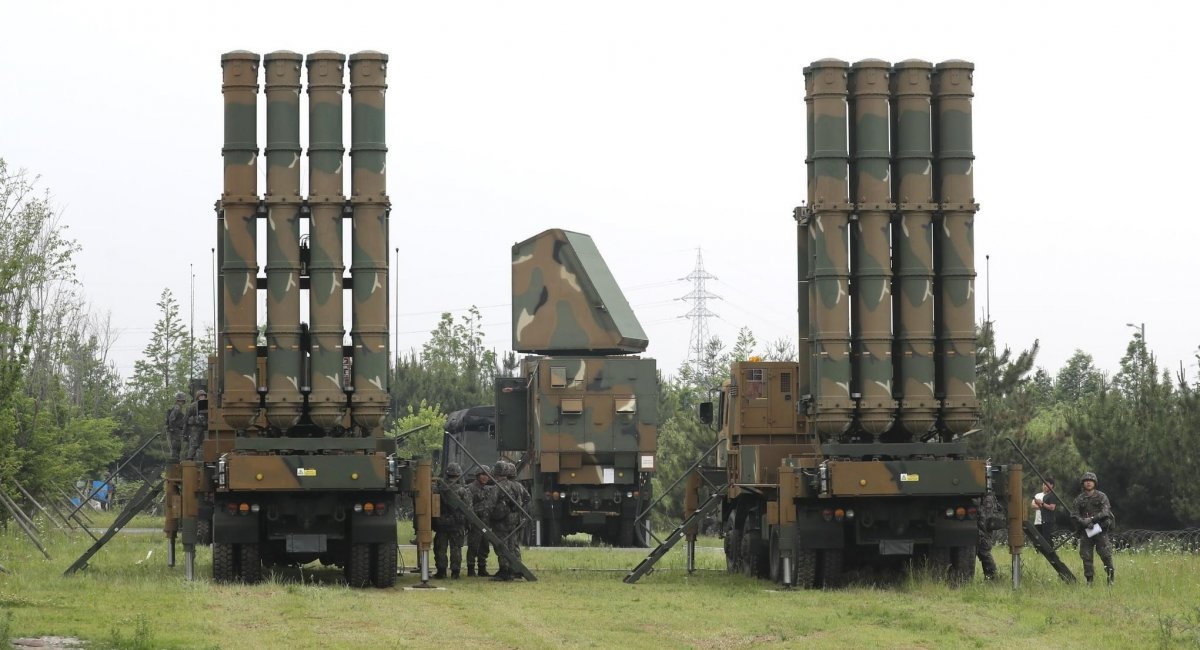
World
BERN, Switzerland, June 23, 2026 — Switzerland is assessing alternative long-range air defense systems after delays and rising costs associated with its planned acquisition of U.S.-made Patriot missile batteries. The review comes as the country seeks to address a growing capability gap in protection against ballistic and cruise missile threats. Switzerland originally agreed to purchase five Patriot fire units from the United States under a deal valued at approximately CHF 2 billion as part of its Air2030 modernization program. Deliveries were initially scheduled between 2026 and 2029. However, production constraints and the prioritization of air defense equipment for Ukraine have significantly affected delivery timelines, with some projections indicating that the systems may not arrive until 2035. The project has also experienced substantial cost increases beyond the original contract value. Swiss authorities have already paid an estimated CHF 700 million as a down payment, making any decision to cancel or modify the agreement financially and diplomatically complex. Despite these challenges, the extended delay has prompted the Swiss government to explore other options to strengthen national air and missile defense capabilities. Alternative Proposals Presented at Eurosatory Several international defense companies presented their systems to Swiss officials during the Eurosatory defense exhibition in Paris, offering delivery schedules considerably shorter than the revised Patriot timeline. The Franco-Italian consortium Eurosam proposed its SAMP/T long-range air defense system and stated that it could complete deliveries within 36 months of a contract award. According to Cyprien Canivenc, a member of Eurosam’s executive management, an order placed in 2026 could result in deliveries beginning in 2028 and continuing through 2029. The company also emphasized its commitment to maintaining agreed pricing, stating that the prices communicated to Swiss procurement agency armasuisse would be honored throughout the contract period. Diehl Defence Promotes IRIS-T SLX German defense manufacturer Diehl Defence is offering its IRIS-T SLX long-range air defense system, which it says could be delivered by 2029. The proposal benefits from Switzerland’s existing investment in the IRIS-T family. Earlier, Switzerland signed a contract for five IRIS-T SLM medium-range firing units. By selecting the longer-range SLX variant, the Swiss Armed Forces could potentially reuse existing radar systems, command infrastructure, and training resources. Diehl Defence spokesperson Henner Euting said the approach could provide a financially attractive solution while reducing integration and operational costs. Hanwha Offers Industrial Cooperation South Korean defense company Hanwha Aerospace has also entered the competition with its L-SAM long-range missile defense system. Hanwha stated that it could deliver the system by 2029 and expressed willingness to involve Swiss industry in the program. The company indicated that portions of manufacturing could be subcontracted to Swiss firms, creating industrial benefits and supporting domestic defense production capabilities. Although the system is produced outside Europe, Hanwha believes industrial cooperation and local participation could strengthen its position in the competition. Rafael's David's Sling Remains a Potential Option Israeli defense company Rafael Advanced Defense Systems also showcased its David’s Sling missile defense system at Eurosatory. The system recently gained operational attention following its use during the conflict involving Iran and Israel. While Rafael did not publicly announce a specific proposal for Switzerland, David’s Sling remains one of the recognized long-range air and missile defense solutions available on the international market. Federal Council Weighs Next Steps The Swiss Federal Council has been reviewing alternatives since spring 2026 as concerns over Patriot delivery delays increased. Officials must now decide whether to continue waiting for the U.S. systems while accepting a prolonged capability gap and higher costs, or pursue an alternative supplier and address the contractual implications of modifying the existing agreement. Swiss authorities have indicated a preference for European-produced systems due to considerations related to interoperability, supply security, and strategic autonomy. However, any final decision will also consider delivery schedules, overall costs, operational compatibility, industrial participation opportunities, and long-term defense requirements. No immediate selection is expected, but the Federal Council is anticipated to determine the next procedural steps before the start of the summer holidays. The review highlights a broader trend across Europe, where governments are seeking diversified and rapidly available air defense capabilities in response to evolving security challenges and increasing demand for missile defense systems.
Read More → Posted on 2026-06-23 09:15:28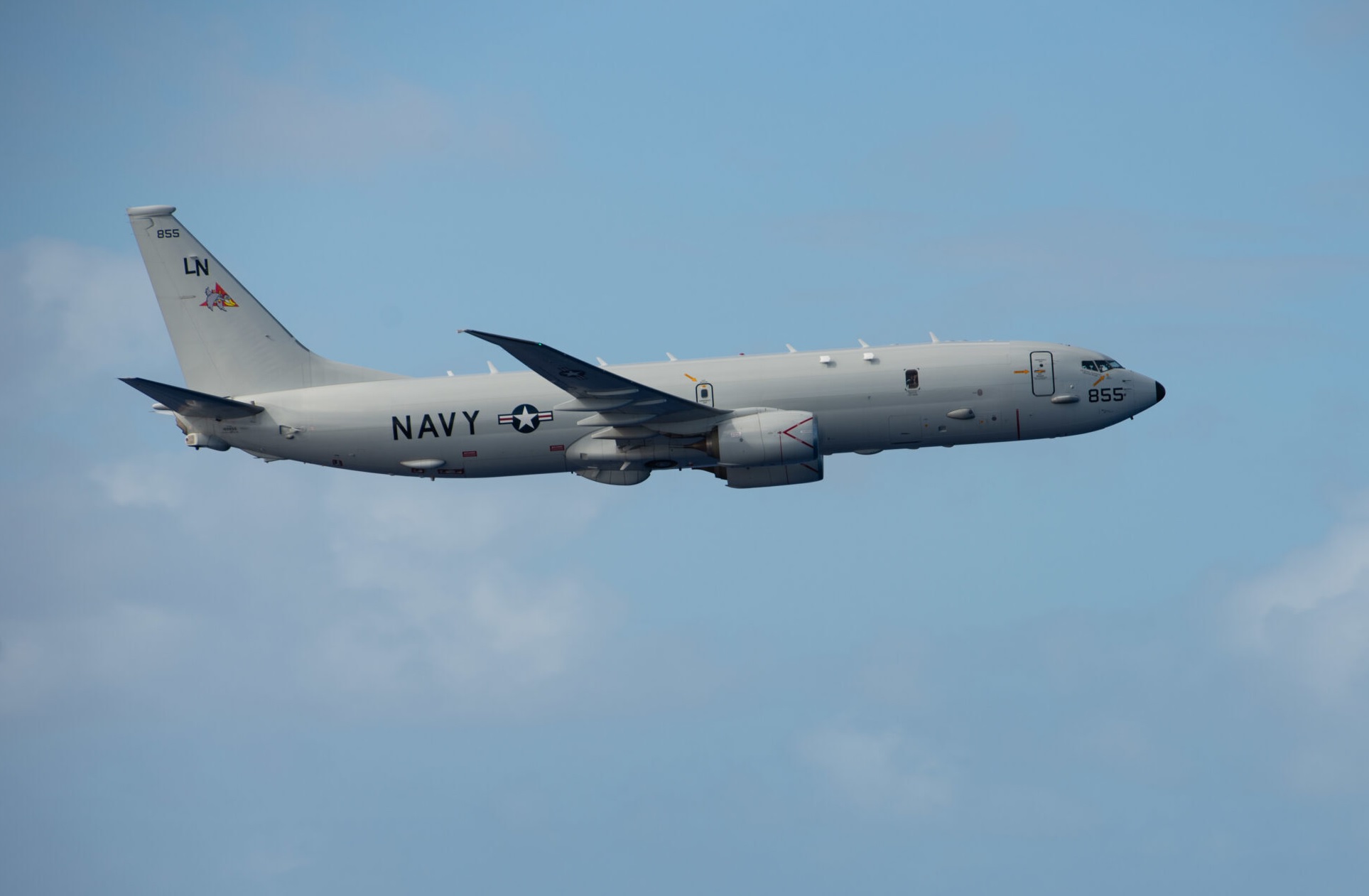
World
WASHINGTON, June 23, 2026 — Boeing has been awarded a $121.2 million cost-plus-fixed-fee contract by the U.S. Department of War to upgrade nine P-8A Poseidon maritime patrol aircraft to the latest Increment 3 Block 2 (I3B2) configuration. The contract, issued through the Naval Air Systems Command (NAVAIR), will enhance the aircraft's anti-submarine warfare, maritime surveillance, and surface target tracking capabilities. The contract, valued at $121,195,041, includes the procurement of nine Increment 3 Block 2 retrofit A-kits. These kits provide the structural and electronic modifications required to support the upgraded mission system, including new airframe racks, radomes, antennas, sensors, and wiring. Of the nine A-kits being procured, six are allocated to the U.S. Navy and three to the Royal Australian Air Force (RAAF). Boeing will also install three A-kits and associated government-furnished B-kits on U.S. Navy aircraft. The B-kits contain the advanced mission computers, radios, sensors, and communications equipment that enable the new capabilities. In addition, the contract includes non-recurring engineering efforts to address supply chain challenges, diminishing manufacturing sources, and material shortages affecting long-term fleet sustainment. Increment 3 Block 2 Modernization The Increment 3 Block 2 upgrade represents one of the most significant capability enhancements introduced to the P-8A Poseidon fleet since the aircraft entered operational service. Key improvements include: Wideband Satellite Communications (SATCOM): Enables secure, high-data-rate communications across extended distances, allowing real-time information sharing with ships, submarines, aircraft, and command centers. Advanced Combat System: Incorporates improved computer processing, enhanced cybersecurity architecture, and a modernized track management system. Enhanced Anti-Submarine Warfare Capabilities: Adds upgraded acoustic processing systems, new antennas, and improved signals intelligence capabilities for detecting and tracking advanced submarine threats. Expanded Network Integration: Allows the aircraft to operate as a connected node within the broader naval command-and-control network. These upgrades are designed to improve the aircraft's effectiveness against increasingly quiet and sophisticated submarines while strengthening its role in distributed maritime operations. Backbone of Maritime Patrol Operations Based on the Boeing 737-800 airframe, the P-8A Poseidon serves as the primary maritime patrol, reconnaissance, and anti-submarine warfare aircraft of the U.S. Navy. The platform began replacing the aging P-3 Orion fleet in 2013 and has since become a cornerstone of maritime surveillance operations. The aircraft is capable of carrying Mk 54 torpedoes, AGM-84 Harpoon anti-ship missiles, and advanced sonobuoys. With a ferry range of up to 7,500 nautical miles, it can conduct long-duration missions across vast ocean areas while supporting intelligence, surveillance, reconnaissance, anti-surface warfare, and anti-submarine warfare operations. Program Reaches Operational Milestone The contract follows a major milestone for the modernization program. On April 24, 2026, the U.S. Navy declared Initial Operational Capability (IOC) for the Increment 3 Block 2 configuration following successful testing conducted by Air Test and Evaluation Squadron One (VX-1). The IOC declaration confirms that designated operational units have completed training and are authorized to conduct missions using the upgraded system. The Navy plans to retrofit its entire fleet of approximately 130 P-8A aircraft as part of its long-term modernization strategy. Strengthening U.S.-Australia Maritime Cooperation Australia's participation in the program highlights ongoing efforts to improve interoperability between allied maritime forces, particularly in the Indo-Pacific region. The Royal Australian Air Force currently operates 14 P-8A Poseidon aircraft from RAAF Base Edinburgh and has already begun upgrading its fleet to the Increment 3 Block 2 standard. The Australian government is contributing approximately $20.1 million toward this contract. The standardized configuration will allow U.S. and Australian forces to share data more effectively and conduct coordinated maritime operations across strategically important sea lanes. Work Locations and Funding Most of the contract work will be performed at Boeing's facility in Jacksonville, Florida, which will account for approximately 80 percent of the effort. Additional work will take place in: St. Louis, Missouri (11%) Mesa, Arizona (9%) Funding for the award includes $92.8 million from Fiscal Year 2026 U.S. Navy aircraft procurement accounts and $8.3 million from expiring Fiscal Year 2024 Navy procurement funds. All work under the contract is scheduled for completion by May 2029. Fleet Modernization Effort The Increment 3 Block 2 program forms a key part of the U.S. Navy's effort to maintain the P-8A Poseidon's effectiveness against evolving maritime threats. By introducing enhanced networking, processing power, communications, and anti-submarine warfare capabilities, the upgrade will ensure the aircraft remains a critical asset for maritime domain awareness and naval operations for years to come. For both the U.S. Navy and the Royal Australian Air Force, the modernization effort will strengthen long-range surveillance, improve coordination across allied forces, and enhance the ability to monitor and respond to underwater and surface threats across the world's most strategically important maritime regions.
Read More → Posted on 2026-06-23 09:31:48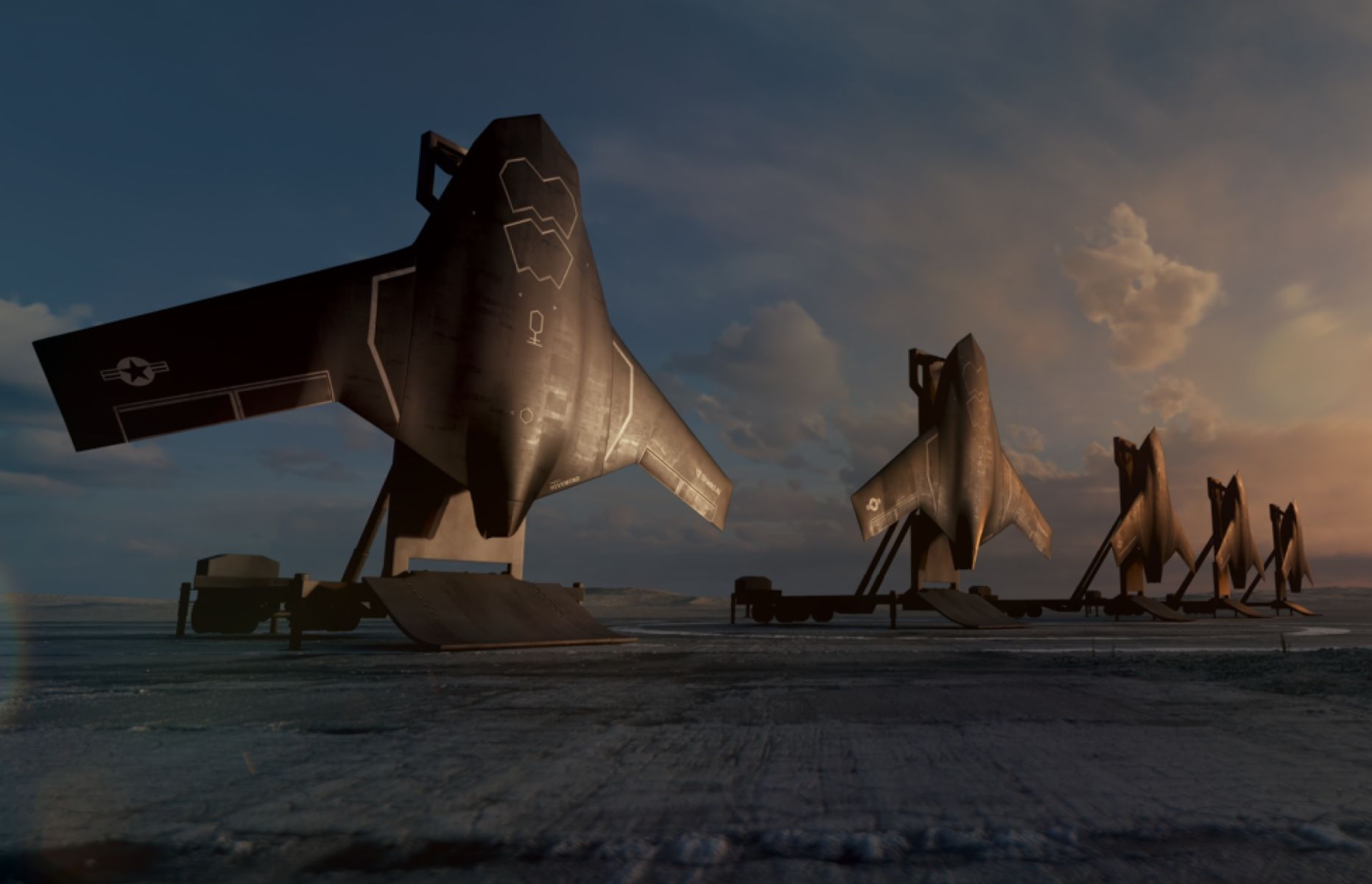
World
SAN DIEGO, June 23, 2026 — Shield AI has completed the acquisition of Aechelon Technology, Inc., a specialist in high-fidelity simulation, physics-based sensor modeling, and synthetic reality technologies. The transaction follows the recent close of Shield AI’s $2 billion strategic financing package, which values the company at $12.7 billion post-money. A portion of the financing proceeds was used to acquire Aechelon from private equity firm Sagewind Capital. The funding will also support the development of Shield AI’s upcoming X-BAT aircraft and other autonomous defense programs. Financing Details The $2 billion financing package includes: $1.5 billion in Series G funding led by Advent International and co-led by the Strategic Investment Group of JPMorganChase’s Security and Resiliency Initiative. $500 million in preferred equity financing from funds managed by Blackstone, along with a $250 million delayed draw facility for future growth. Expanding Simulation and Autonomy Capabilities The acquisition integrates Aechelon’s simulation and synthetic environment technologies with Shield AI’s Hivemind AI pilot software, which enables aircraft to operate autonomously without GPS or external communications. Aechelon’s technologies are used by the U.S. military, U.S. Coast Guard, and allied nations. Its products support the Pentagon’s Joint Simulation Environment (JSE), a virtual combat range used to train pilots, test aircraft, and evaluate autonomous systems before live operations. Shield AI said the integration will strengthen the development of manned-unmanned teaming capabilities and provide synthetic training data to improve the Hivemind Foundation Model for Defense across additional aircraft and mission profiles. Leadership and Operations Aechelon will continue supporting its existing customers and government programs while increasing collaboration with Shield AI’s Hivemind division. Aechelon co-founder and CEO Ignacio (Nacho) Sanz-Pastor will report directly to Shield AI CEO Gary Steele and continue leading Aechelon’s product and customer roadmap. All Aechelon employees have joined Shield AI as part of the acquisition, strengthening the company’s engineering, simulation, and product development teams. The acquisition expands Shield AI’s defense technology portfolio and supports its strategy of combining autonomous systems with advanced simulation technologies for military applications.
Read More → Posted on 2026-06-23 09:44:34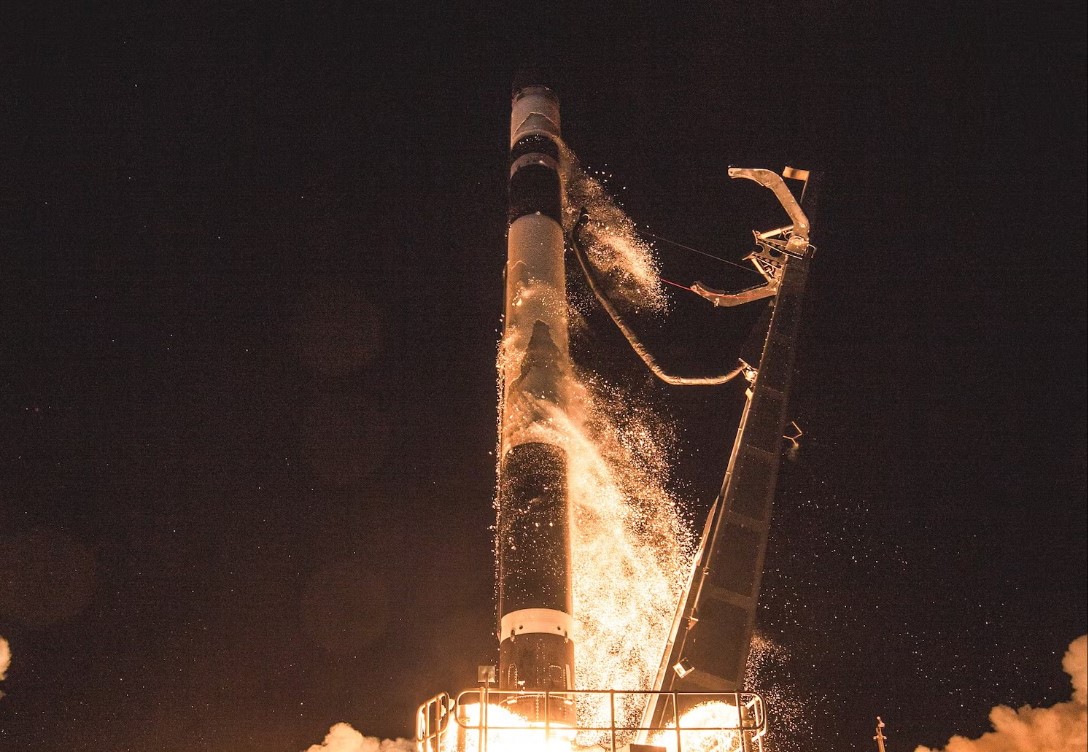
World
LONG BEACH, Calif., June 23, 2026 — Rocket Lab has successfully launched its Electron rocket and deployed the Pioneer spacecraft for the U.S. Space Force’s (USSF) VICTUS HAZE mission, establishing a new benchmark for tactically responsive space operations. The mission lifted off from Launch Complex 1 on New Zealand’s Mahia Peninsula at 10:19 p.m. NZT on June 19, just 16 hours and 42 minutes after Rocket Lab received a formal Notice to Launch from the U.S. Space Force. The turnaround time surpassed the previous VICTUS NOX record by more than 10 hours. VICTUS HAZE is a Tactically Responsive Space (TacRS) mission managed by the U.S. Space Force Space Systems Command’s (SSC) Space Safari Program Office. It is the first TacRS mission in which a single prime contractor managed the complete mission, with Rocket Lab responsible for designing, manufacturing, testing, launching, and operating the Pioneer spacecraft, which carries a payload known as PUMA. The mission achieved several key milestones. Rocket Lab’s Guidance, Navigation, and Control team completed trajectory calculations, software updates, and global ground station coordination in approximately four hours. The Pioneer spacecraft was fully commissioned and prepared for its first orbital maneuver within 37 hours and 36 minutes, well ahead of the military’s 72-hour requirement. Rocket Lab said its vertically integrated manufacturing model helped support the accelerated timeline. The company produces critical spacecraft and launch vehicle subsystems in-house, including propulsion systems, solar arrays, reaction wheels, star trackers, and flight software, reducing reliance on external suppliers. Following deployment into low Earth orbit, the Pioneer spacecraft began conducting Rendezvous and Proximity Operations (RPO). The spacecraft is currently performing maneuvers with the Jackal spacecraft developed by True Anomaly, simulating responses to potential on-orbit threats and supporting Space Domain Awareness objectives. Lt. Col. Lincoln Miller, Space Safari system program manager, said the mission represents the “run” phase of the TacRS program and demonstrates the ability to rapidly commission a spacecraft and begin on-orbit operations within operational timelines. Rocket Lab founder and CEO Sir Peter Beck said the mission demonstrates the effectiveness of combining spacecraft production, launch services, and mission operations under a single provider to support rapid deployment requirements for national security space missions. The successful VICTUS HAZE mission advances the U.S. Space Force’s responsive space capabilities and highlights the growing role of commercial industry in supporting national security operations in orbit.
Read More → Posted on 2026-06-23 09:54:08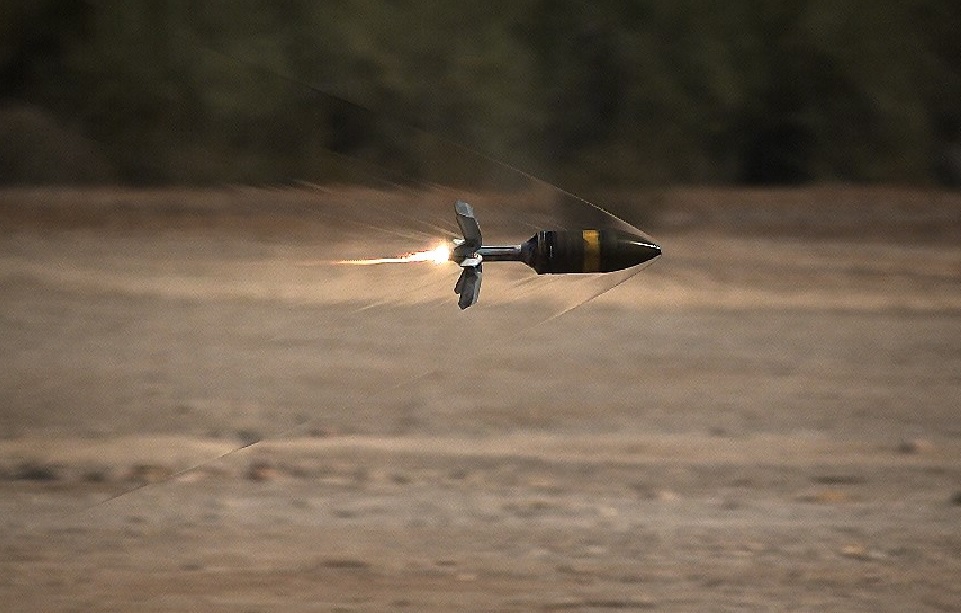
World
WASHINGTON, June 23, 2026 — Northrop Grumman has secured a five-year U.S. Army contract valued at up to $884.9 million for the production and supply of the M1147 Advanced Multi-Purpose (AMP) 120mm tank round, supporting both U.S. military requirements and Foreign Military Sales (FMS) customers operating the M1 Abrams main battle tank. The framework agreement, announced by the U.S. Department of Defense, allows orders to be placed through March 2031 and represents a key element of the Army’s armored force modernization efforts. The contract establishes a long-term production pipeline for the M1147, the newest primary ammunition round for the Abrams fleet. Replacing Four Legacy Ammunition Types The M1147 AMP round is designed to consolidate the capabilities of four existing Abrams ammunition types into a single programmable munition: M830 High Explosive Anti-Tank (HEAT) M830A1 Multi-Purpose Anti-Tank (MPAT) M908 Obstacle Reduction M1028 Canister By combining these functions into one round, the Army aims to simplify ammunition management, reduce logistical requirements, and decrease storage and transportation burdens for armored units. The approach also allows tank crews to carry a more versatile ammunition load while reducing the need to switch between multiple specialized rounds during combat operations. Programmable Multi-Mode Fuze A key feature of the M1147 is its programmable multi-mode fuze, which is integrated with the Abrams fire control system through an Ammunition Data Link. Prior to firing, crews can electronically select the desired detonation mode based on mission requirements. The round offers three selectable modes: Point Detonation: Designed for immediate impact against light armored vehicles and standard battlefield targets. Point Detonation Delay: Allows the projectile to penetrate reinforced structures, including up to 20 centimeters of concrete, before detonation. Airburst: Optimized for engaging infantry formations, anti-tank guided missile teams, and targets concealed behind cover or terrain features. The M1147 has an effective engagement range exceeding 2,000 meters and is intended to defeat a wide variety of battlefield threats, including light armored vehicles, bunkers, fortified positions, reinforced obstacles, and dismounted personnel. Full-Rate Production Approved The contract follows a major program milestone reached in December 2024, when the U.S. Army approved the M1147 for full-rate production. The decision marked the transition from low-rate initial production to sustained manufacturing, enabling larger procurement quantities to meet operational and stockpiling requirements. The latest contract is structured as a hybrid agreement incorporating cost-plus-fixed-fee, firm-fixed-price, and fixed-price with economic price adjustment provisions. Individual work locations and funding allocations will be determined through delivery orders issued by the Army Contracting Command in Newark, New Jersey, over the next five years. Supporting Abrams Modernization The M1147 is a central component of ongoing efforts to enhance the combat effectiveness of the Abrams main battle tank. By providing a single ammunition solution capable of addressing multiple target types, the round improves operational flexibility while helping streamline training and sustainment activities. The capability is particularly relevant for modern combat environments where armored units may encounter a mix of infantry, anti-tank teams, fortified positions, and light armored vehicles during the same mission. Industry Experience Northrop Grumman has more than 45 years of experience in the development and production of large-caliber ammunition. According to the company, it has delivered more than five million tactical and training rounds to the U.S. military and allied forces worldwide. Dave Fine, Vice President of Armament Systems at Northrop Grumman, said the M1147 provides greater efficiency and readiness for Abrams operators while increasing battlefield effectiveness. “With its enhanced functionality, the M1147 AMP meets the Army’s needs for efficiency and readiness, while enhancing the lethality of the Abrams Main Battle Tank,” Fine said. “This capability enables unmatched mission flexibility by empowering forces to adapt instantly to any threat.” Production under the new framework agreement will support both existing Abrams operators and future international customers, ensuring continued availability of the Army’s latest multi-purpose tank ammunition through the end of the decade.a
Read More → Posted on 2026-06-23 10:15:49
World
WASHINGTON, June 23, 2026 — The U.S. Army has officially activated the 7th Infantry Division (Multi-Domain Command – Pacific) (MDC-PAC) following the merger of the 7th Infantry Division and the 1st Multi-Domain Task Force (MDTF), creating a new theater-level formation designed for operations across the Indo-Pacific region. The redesignation ceremony took place on June 18 at Joint Base Lewis-McChord, Washington, establishing the Army’s first two-star command that combines conventional ground maneuver forces with advanced cyber, space, electronic warfare, intelligence, long-range fires, and unmanned systems capabilities. New Multi-Domain Formation The newly established 7th ID MDC-PAC comprises approximately 12,000 personnel and is designed to function as a highly mobile and self-sustaining force capable of operating independently across large distances in the Pacific theater. The command integrates the operational strength of the 7th Infantry Division’s two Stryker Brigade Combat Teams and Combat Aviation Brigade with the long-range sensing, intelligence, and precision-strike capabilities of the 1st Multi-Domain Task Force. Army officials describe the formation as a modern "covering force" capable of bridging traditional mechanized warfare and emerging multi-domain operations. Maj. Gen. Bernard J. Harrington, commanding general of the 7th ID MDC-PAC, said the restructuring is intended to improve mission command and operational effectiveness. “We are merging the operational endurance, flexibility, and protection of our proven Stryker formations with the long-range sensing and precision fires of our multi-domain task force,” Harrington said. Cross Domain Contact Layer A central element of the new command is the Army’s Cross Domain Contact Layer (CDCL) concept, which connects intelligence gathering, artificial intelligence, electronic warfare, cyber operations, and precision fires into a continuous operational network. The framework is designed to penetrate and disrupt adversary anti-access/area-denial (A2/AD) networks while providing commanders with enhanced situational awareness and targeting capabilities. Under this concept, the division will coordinate conventional ground forces with a range of advanced systems, including: Unmanned surface vessels (USVs) Long-range one-way attack drones Cyber warfare capabilities Electronic warfare systems Space-based sensing assets Long-range precision fires According to Harrington, the command aims to continuously identify and hold at risk key adversary assets such as radars, communications nodes, and command headquarters through coordinated operations with joint and allied forces. Indo-Pacific Focus The establishment of MDC-PAC forms part of the Army’s broader transformation initiative aimed at strengthening U.S. military capabilities in the Indo-Pacific. The effort includes force realignments, infrastructure improvements on Guam, expanded deployment options, and the rapid fielding of long-range weapons and advanced technologies. The command is expected to support U.S. efforts to address evolving security challenges in the region, particularly in environments where access may be contested by advanced military capabilities. Concepts Tested During Balikatan 2026 Army officials said many of the concepts behind the new formation were validated during Balikatan 2026, the annual multinational military exercise held in the Philippines. During the exercise, conventional units provided security and maneuver capabilities while multi-domain elements employed systems such as the High Mobility Artillery Rocket System (HIMARS) to detect, track, and engage targets at extended ranges. The drills demonstrated how traditional combat formations can be integrated with long-range sensing, intelligence, and precision-strike capabilities in support of joint operations. Evolution of the Multi-Domain Task Force The 1st Multi-Domain Task Force was originally established in 2017 as an experimental unit focused on integrating capabilities across land, air, maritime, cyber, and space domains. Its development led to the activation of additional Multi-Domain Task Forces in Europe and other regions, providing the Army with new operational concepts for future conflicts. With the creation of the 7th ID MDC-PAC, those capabilities are now being incorporated into a permanent theater-level command structure, enabling closer integration of emerging technologies with established maneuver forces. Supporting Future Operations Army leaders said the new organization preserves the heritage of the 7th Infantry Division, known as the “Bayonet Division,” while adapting the force to the demands of modern warfare. By combining traditional combat formations with cyber, electronic warfare, space, intelligence, and unmanned capabilities, the 7th ID MDC-PAC is expected to provide the U.S. Army with a more agile and integrated force capable of supporting joint operations and broader strategic objectives throughout the Indo-Pacific region.
Read More → Posted on 2026-06-23 11:00:00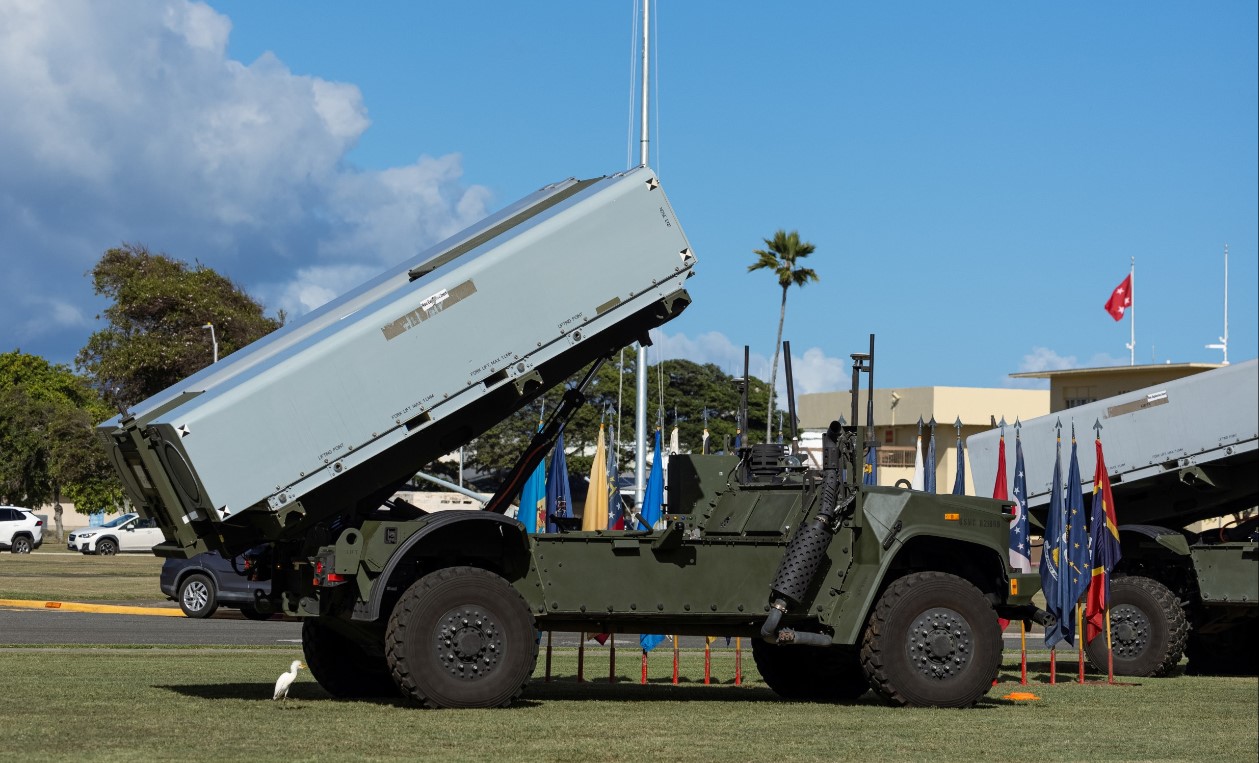
World
CAMP COURTNEY, Okinawa, Japan : June 23, 2026 — The U.S. Marine Corps has completed the fielding of two key weapons systems to the 12th Marine Littoral Regiment (MLR) on Okinawa, marking a significant milestone in the service's Force Design modernization initiative. The regiment formally received the Navy-Marine Expeditionary Ship Interdiction System (NMESIS) and the Marine Air Defense Integrated System (MADIS) during June 2026, providing enhanced anti-ship and air defense capabilities for operations across the Indo-Pacific. The 12th MLR, which was redesignated from the 12th Marine Regiment in November 2023, is now fully equipped to operate as a distributed, low-signature force focused on sea denial and littoral warfare within the First Island Chain. Operating under the III Marine Expeditionary Force (III MEF), the regiment is positioned on Okinawa, less than 400 kilometers from the Taiwan Strait, a location considered strategically important for regional security operations. NMESIS Adds Long-Range Anti-Ship Capability The Navy-Marine Expeditionary Ship Interdiction System (NMESIS) provides the regiment with a mobile ground-based anti-ship strike capability. The system consists of an unmanned Joint Light Tactical Vehicle (JLTV) carrying two Naval Strike Missiles (NSMs) in ready-to-fire launch canisters. Developed by Norwegian defense company Kongsberg Defence & Aerospace and produced in the United States, the Naval Strike Missile (NSM) is a low-observable cruise missile designed to engage maritime targets at ranges of approximately 185 kilometers (115 miles). The missile employs a sea-skimming flight profile to reduce radar detection and uses an imaging infrared seeker for target identification and precision engagement. Because the launcher is remotely operated, Marines can position NMESIS in exposed coastal areas while maintaining operators at safer locations. Multiple launchers can be connected through secure communications networks, enabling dispersed operations across island terrain and expanding the Marine Corps' ability to threaten hostile surface vessels operating in the region. MADIS Strengthens Air and Counter-Drone Defense Alongside NMESIS, the regiment received the Marine Air Defense Integrated System (MADIS), a mobile air defense platform designed to protect forces against unmanned aerial systems and other low-altitude threats. MADIS is mounted on JLTV vehicles and operates as a two-vehicle system. One vehicle carries 360-degree radar and electronic warfare equipment for target detection and tracking, while the second vehicle is armed with a 30 mm cannon, a 7.62 mm machine gun, and Stinger surface-to-air missiles. The weapon system is capable of engaging aerial targets while moving, providing protection for maneuvering units and high-value assets. The Marine Corps introduced the first production MADIS systems in September 2025 and delivered an initial batch of 20 units by the end of that year. Service plans call for approximately 190 MADIS platforms to be fielded across Marine Littoral Regiments and Littoral Anti-Air Battalions by 2035. Second Marine Littoral Regiment Equipped With Both Systems The 12th MLR becomes the second active Marine Littoral Regiment to field both NMESIS and MADIS. The 3rd Marine Littoral Regiment, based in Oahu, Hawaii, received NMESIS in November 2024 and MADIS in December 2024. The 3rd MLR has since employed the systems during multinational exercises including Resolute Dragon in Japan and Balikatan 25 and Balikatan 26 in the Philippines. Those exercises demonstrated the systems' mobility, interoperability, and effectiveness in distributed island environments. Regiment Structured for Distributed Operations The 12th Marine Littoral Regiment consists of approximately 2,000 Marines organized into three primary subordinate elements. The Littoral Combat Team, built on the lineage of the 1st Battalion, 4th Marines—historically known as the "China Marines" for service in Shanghai before World War II—now operates NMESIS anti-ship missile batteries. The Littoral Anti-Air Battalion provides short-range air defense and counter-drone protection through MADIS platforms. Supporting both units is the Littoral Logistics Battalion, which sustains operations through distributed logistics networks designed for island-based operations and contested environments. Supporting Marine Corps Force Design Objectives The fielding of NMESIS and MADIS reflects the Marine Corps' broader transition from large-scale amphibious assault formations toward smaller, highly mobile units capable of operating across dispersed island chains. According to Col. Peter Eltringham, commanding officer of the 12th Marine Littoral Regiment, the deployment strengthens the regiment's ability to contribute combat power alongside regional allies. "We bring this combat power to Okinawa to be able to deliver it in the eyes of our adversaries and ensure we can bring it to the decisive point on the battlefield," Eltringham said. "We do this alongside our Japanese ground, air, and maritime Self-Defense Force partners, because there is nothing more powerful than this alliance in this theater." With the arrival of NMESIS and MADIS, the 12th Marine Littoral Regiment now possesses an integrated combination of anti-ship, air defense, counter-drone, and logistics capabilities designed to support distributed operations throughout the Western Pacific. The systems are intended to improve the regiment's ability to conduct sea denial missions while maintaining survivability against modern aerial threats in the waters surrounding Japan's southwestern islands.
Read More → Posted on 2026-06-23 11:10:09
Space & Technology
WASHINGTON, June 23, 2026 — President Donald Trump has signed two executive orders aimed at strengthening U.S. leadership in quantum technology and protecting federal digital infrastructure from future cyber threats posed by advanced quantum computing systems. The directives establish a dual-track strategy focused on accelerating domestic quantum research and development while requiring federal agencies to transition more rapidly to post-quantum cryptography (PQC), a new generation of encryption designed to withstand attacks from future quantum computers. National Initiative to Expand Quantum Computing Capabilities The first executive order, EO 14411, launches a coordinated national effort to develop a large-scale quantum computer capable of performing complex scientific calculations and supporting advanced research applications. The initiative, known as the Quantum Computer for Application Development and Discovery Science (QC-ADDS) program, seeks to establish a quantum computing system suitable for scientific research by 2028. The Department of Energy will host at least one such system as part of the program. The order also directs the Departments of Commerce, War, and Energy, along with NASA, to deploy advanced quantum-enabled sensors and networking technologies within the next five years. These systems are expected to improve scientific research, sensing capabilities, and secure communications. To support the effort, the Department of Energy has been instructed to define the technical requirements for the new quantum computing system within 90 days. Workforce Development Measures The executive order includes several workforce development initiatives intended to address the growing demand for skilled personnel in the quantum technology sector. Under the directive, the Department of Labor and the National Science Foundation will align education and training programs with industry requirements, expand apprenticeship opportunities, and support the establishment of National Quantum Workforce Development Institutes. Administration officials said these efforts are intended to strengthen the domestic talent pipeline and support long-term growth of the U.S. quantum industry. Accelerated Transition to Post-Quantum Cryptography The second executive order, EO 14409, focuses on protecting federal systems from future cryptographic threats by accelerating the adoption of post-quantum cryptography across government networks. The order requires federal agencies to transition high-value assets and high-impact systems to quantum-resistant encryption standards on an accelerated timeline. Under the new requirements: Federal agencies must complete migration to post-quantum cryptography for key establishment functions by December 31, 2030. Migration for digital signature systems must be completed by December 31, 2031. Each federal agency must designate a post-quantum cryptography migration lead within 30 days. Agencies must begin structured migration planning within 90 days. The Department of Commerce must launch a pilot migration project by the end of 2027 to demonstrate successful deployment methods and establish best practices for broader government adoption. The revised deadlines move forward previous transition targets that extended to 2035 for some systems. Addressing the “Harvest Now, Decrypt Later” Risk A key objective of the cybersecurity order is addressing the growing threat known as “harvest now, decrypt later.” Under this scenario, adversaries collect and store encrypted government and corporate data today, even though current computing technology cannot decrypt it. Once large-scale quantum computers become available, those stored files could potentially be decrypted, exposing sensitive information. Officials warned that future quantum computers could break many of the encryption standards currently used to secure government networks, communications, intellectual property, and critical infrastructure systems. The executive order states that the emergence of large-scale quantum computers, particularly if developed by adversarial nations, could pose a significant threat to widely used cryptographic security systems. By establishing a 2031 compliance deadline, the administration aims to reduce the period during which sensitive data remains vulnerable to future decryption efforts. Strategic Importance The executive orders reflect growing international competition in quantum technologies and cybersecurity, particularly as countries invest heavily in quantum computing research and related infrastructure. Quantum computing is expected to support advances in scientific research, materials science, optimization, artificial intelligence, and national security applications. At the same time, the technology presents challenges for existing cybersecurity frameworks because of its potential ability to break current encryption methods. Administration officials said the measures are intended to strengthen U.S. technological leadership, support supply chain development, expand workforce training, encourage public-private collaboration, and promote commercialization of quantum technologies. The orders build on previous federal initiatives, including the National Quantum Initiative, and establish a government-wide framework aimed at advancing quantum innovation while preparing federal systems for the security challenges of the quantum era.
Read More → Posted on 2026-06-23 11:21:19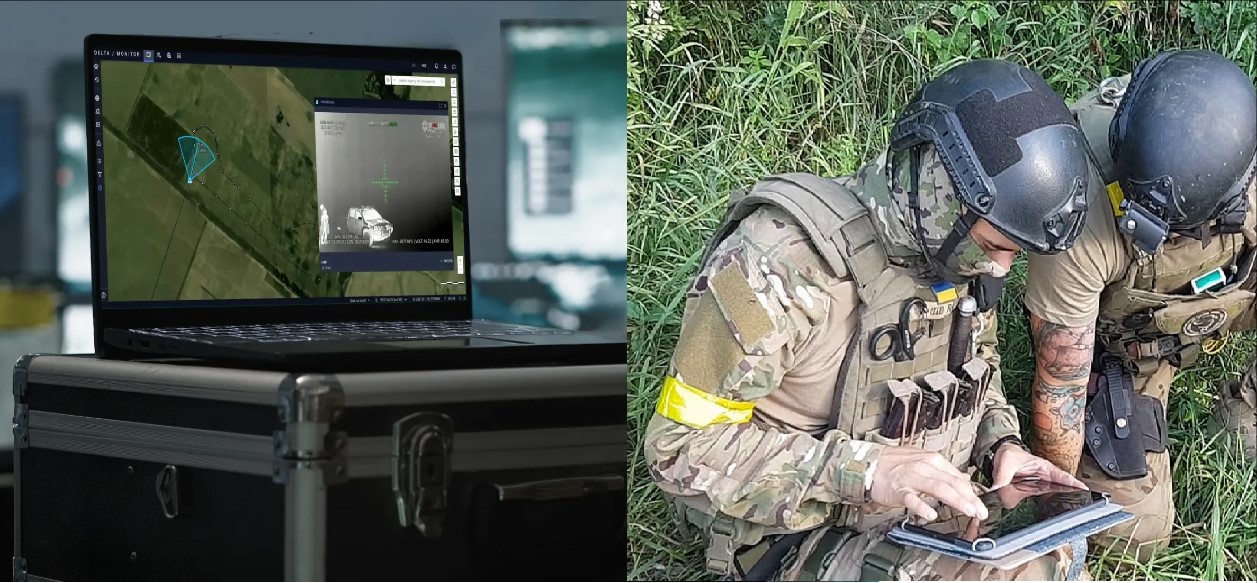
World
STOCKHOLM, June 23, 2026 — The Swedish government has allocated 5 billion Swedish kronor (SEK) to develop and deploy a national digital situational awareness system for the Swedish Armed Forces. Inspired by Ukraine’s DELTA platform, the system is designed to improve battlefield coordination and reduce the time required to identify and engage enemy targets. The platform will integrate data from multiple sources, including reconnaissance drones, satellite imagery, sensors, and friendly force tracking systems. Soldiers will be able to access real-time battlefield information through tablets and mobile devices, providing a shared operational picture across military units. Currently, Swedish forces rely primarily on radio communications and several separate digital tools that are not fully integrated. Military officials say this fragmented structure can result in delays of several hours between target detection and engagement. The new system aims to streamline information sharing and decision-making across command levels. “We will reduce the time it takes to engage a target from hours to minutes,” said Mattias Hansson, head of the Swedish Armed Forces’ cyber division. The project is based on lessons from Ukraine’s DELTA system, a cloud-based battlefield management platform that combines information from drones, satellites, sensors, and intelligence sources into a single interactive map. Sweden’s system will similarly provide real-time drone feeds, satellite imagery, digital maps, and friendly force locations to personnel in the field. The network will use 5G connectivity and secure cloud infrastructure, with initial implementation planned by the end of 2026. The Ministry of Defence also plans to integrate artificial intelligence in a later phase to help process and analyze large volumes of battlefield data, identify priority targets, and support faster decision-making. Swedish Defence Minister Pål Jonson said the initiative is essential for adapting to modern warfare. “Thanks to these measures, we will become stronger and faster. This is extremely important for the future battlefield and the transparent battlefield we are seeing today in Ukraine,” Jonson said. The project is part of Sweden’s broader defense modernization efforts and is expected to improve operational effectiveness by providing faster access to accurate battlefield information and enhancing coordination across military units.
Read More → Posted on 2026-06-23 11:49:15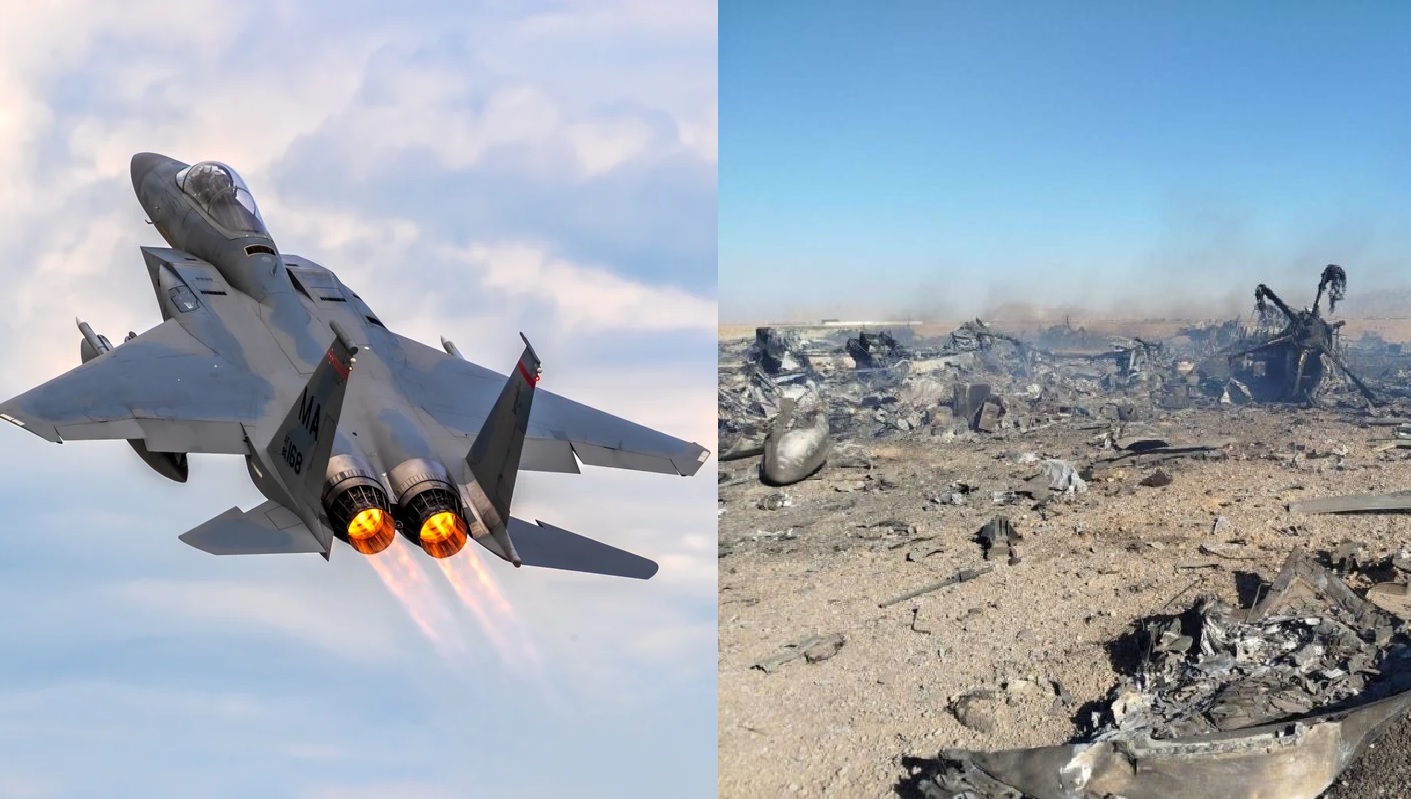
World
WASHINGTON, June 23, 2026 — A U.S. Air Force pilot rescued after his F-15E Strike Eagle was shot down over Iran in April reported seeing a highly coordinated formation of Iranian drones shortly before his aircraft was downed, according to sources familiar with his post-rescue debriefing. The account has sparked debate within the U.S. intelligence community over whether Iran has developed more advanced drone networking capabilities than previously assessed and whether the drone formation played a role in the shootdown during Operation Epic Fury. Pilot Describes Coordinated Drone Formation During intelligence debriefings, the pilot described multiple drones moving together as a single formation, with smaller drones positioned beneath larger ones, creating what he characterized as a “jellyfish” appearance. One source familiar with the debriefing said the pilot described the airspace as a “minefield of drones.” The capability described by the pilot is consistent with one-to-many meshed networking, which allows multiple drones to operate as a coordinated system through a shared network. Prior to the incident, U.S. intelligence agencies had not assessed that Iran possessed this level of drone networking capability. However, intelligence officials have previously identified technological cooperation between Iran, Russia, and China in the field of unmanned systems. Concerns Over Emerging Drone Capabilities Emma Bates, founder of Cachai and a drone warfare expert, said a coordinated swarm capable of maintaining formation and conducting attacks as a unified system could present a significant battlefield challenge. Such systems can allow drones to share information, coordinate movements, and continue operations even if individual platforms are lost. Analysts note that advanced drone swarms could complicate air-defense operations and increase the effectiveness of reconnaissance and strike missions. F-15E Shootdown and Rescue Mission The F-15E Strike Eagle was shot down over Iran on April 3, 2026, marking the first confirmed loss of a U.S. fighter aircraft over Iranian territory during the conflict. The pilot was rescued by U.S. special operations forces within hours of ejecting from the aircraft. The aircraft’s Weapons Systems Officer (WSO) evaded capture for more than a day before being successfully extracted. It remains unclear whether the WSO observed the same drone formation. During the rescue operation, a U.S. A-10 Thunderbolt II was also shot down. Its pilot ejected safely and was later recovered. Intelligence Assessment Continues The exact cause of the F-15E’s loss remains under investigation. While no official conclusions have been released, initial assessments are examining whether the reported drone swarm contributed to the aircraft’s shootdown. Some intelligence officials have urged caution when evaluating the pilot’s account because he suffered a concussion during the ejection. According to sources, investigators questioned the pilot extensively regarding the details of what he observed. The U.S. Air Force has referred inquiries about the incident to U.S. Central Command (CENTCOM), while the Office of the Director of National Intelligence has declined to comment. Broader Implications The report has emerged as the United States and Iran pursue a 60-day ceasefire aimed at supporting negotiations to end the conflict. While discussions are expected to focus on Iran’s nuclear program and regional security issues, the effectiveness of Iran’s drone capabilities is likely to remain an important factor in future military and security assessments. U.S. intelligence agencies continue to review the pilot’s account as part of a broader assessment of Iran’s evolving unmanned aerial capabilities.
Read More → Posted on 2026-06-23 12:52:08
World
DÜSSELDORF, Germany, June 23, 2026 — Rheinmetall has received a contract from the German Armed Forces (Bundeswehr) for the supply of 23 Bergepanzer 3 Büffel armoured recovery vehicles (ARVs). The replacement order, valued in the mid three-digit million-euro range, reportedly around €360 million, follows a budgetary decision approved by the German Bundestag on June 10, 2026. The procurement is intended to replenish Bundeswehr inventories after Germany transferred armoured recovery vehicles to Ukraine as part of its military assistance program. The order will restore recovery capabilities within Germany’s mechanised forces while introducing the latest Bergepanzer 3 A2 configuration. Replacing Vehicles Supplied to Ukraine Germany previously transferred a total of 23 armoured recovery vehicles from Bundeswehr stocks to Ukraine, including: 21 Bergepanzer 2 (BPz 2) vehicles 2 Bergepanzer 3 (BPz 3) vehicles The new procurement directly compensates for those transfers and strengthens the Bundeswehr’s armoured recovery and support vehicle fleet. By acquiring the modernized A2 variant, the German military will not only restore vehicle numbers but also improve the technological standard of its recovery units. Bergepanzer 3 A2 Recovery Vehicle The Bergepanzer 3 Büffel, known internationally as the Buffalo ARV, is based on the chassis of the Leopard 2 main battle tank. The vehicle is designed to support armoured formations by conducting battlefield recovery, maintenance, and engineering tasks under operational conditions. The Bundeswehr’s A2 configuration represents a modernized and obsolescence-cleared version of the established platform. The upgrade incorporates current technological standards, digital operating systems, and provisions for future enhancements to ensure long-term operational readiness. Key Capabilities The Bergepanzer 3 A2 is capable of recovering, towing, and securing damaged military vehicles, including main battle tanks weighing up to 60 tonnes and vehicles classified up to Military Load Class (MLC) 80. Its primary capabilities include: Recovery and towing of damaged combat vehicles under armour protection A 32-tonne crane for field maintenance and engine replacement Main and auxiliary winches with pulling capacities of up to 35 tonnes A dozer blade for obstacle clearance and earth-moving operations Transport of spare parts, tools, and replacement powerpacks Battlefield repair and maintenance support Support for difficult terrain operations and water crossings Self-defence systems including a remote-controlled weapon station and smoke grenade launchers The vehicle is powered by an MTU MB 873 Ka 501 12-cylinder diesel engine producing approximately 1,500 horsepower, providing mobility and performance comparable to Leopard 2 family vehicles. Accelerated Production and Delivery Schedule Rheinmetall stated that it pre-financed and initiated production activities before the formal contract award to enable faster deliveries. Under the agreed schedule: Milestone Date First Vehicle Delivery December 2027 Final Vehicle Delivery June 2029 The first vehicle is scheduled for delivery in December 2027, approximately 18 months after contract signing. The final vehicle is expected to be delivered in June 2029. The accelerated schedule reflects the Bundeswehr’s effort to rapidly restore a proven armoured recovery capability within its mechanised formations following equipment transfers to Ukraine. Established Platform The Bergepanzer 3 Büffel has been in service for more than 30 years and is operated by over 12 countries. More than 200 vehicles have been delivered worldwide, making it one of the most widely used armoured recovery vehicles based on the Leopard 2 platform. Its compatibility with Leopard 2 tanks and related support vehicles allows seamless integration into existing armoured units operated by Germany and allied nations. Supporting Bundeswehr Modernization The latest order forms part of Germany’s broader effort to restore and modernize military equipment inventories while maintaining support for Ukraine. Although the procurement addresses the immediate shortfall created by vehicle transfers, the Bundeswehr is expected to pursue additional recovery vehicle acquisitions in the coming years as part of its wider modernization plans. The acquisition reinforces Rheinmetall’s role as a key supplier of Leopard 2-based support systems while supporting the Bundeswehr’s objective of maintaining operational readiness across its armoured and mechanised forces.
Read More → Posted on 2026-06-23 13:06:34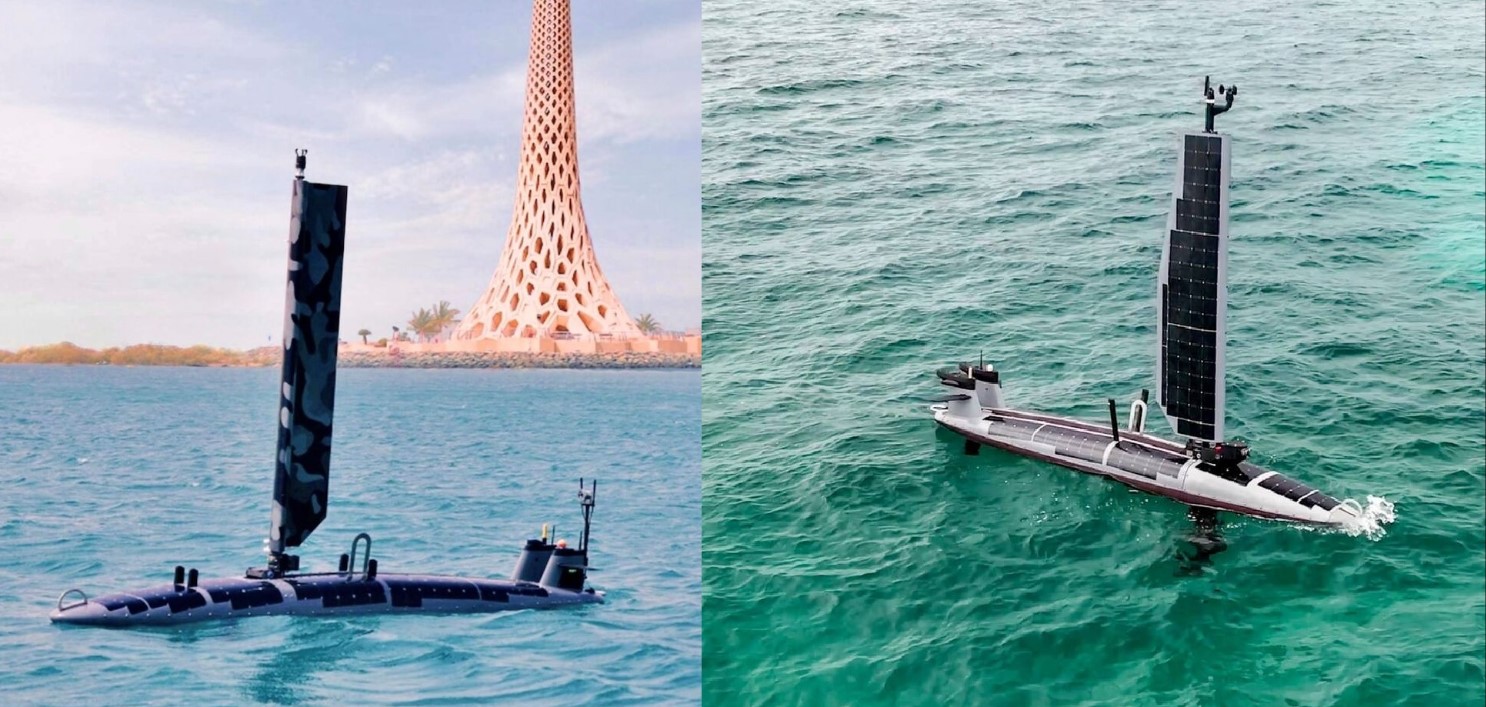
World
MANILA, Philippines, June 23, 2026 — The Philippine Navy has officially inducted four Ocean Aero Triton Autonomous Underwater and Surface Vehicles (AUSVs) through a United States-funded security assistance program aimed at enhancing maritime domain awareness and surveillance capabilities. The transfer, valued at approximately US$13 million (PHP 754 million), was formalized during a handover ceremony held on June 22 at Naval Operating Base Subic Bay in Zambales. The systems will be operated by the Philippine Navy’s Unmanned Surface Vessel Unit One to support maritime monitoring and territorial defense missions. The turnover ceremony was attended by U.S. Embassy Chargé d’Affaires ad interim Bridgette Walker and Senior Defense Official and Defense Attaché Col. Daniel Oh, representing the United States. The systems were received by Philippine Fleet Commander Rear Adm. Joe Anthony Cabahug-Orbe and Unmanned Surface Vessel Unit Acting Commander Lt. Cmdr. Aldwin Pasicolan. Ocean Aero Triton Capabilities The Ocean Aero Triton is a dual-modality Autonomous Underwater and Surface Vehicle capable of operating both on the surface and underwater. Powered by wind and solar energy, the platform is designed for long-endurance maritime surveillance operations while maintaining a low logistical footprint. Key specifications include: Surface endurance of more than 30 days using wind propulsion and 740-watt solar panels Subsurface endurance of over 5 days powered by 13.2 kWh onboard batteries Length of 14.5 feet (4.4 meters) and weight of approximately 775 pounds (350 kilograms) Maximum speed of 5 knots on the surface and 2 knots underwater Payload capacity of up to 50 pounds (22.7 kilograms) for modular sensors and mission equipment The vehicles can carry side-scan sonar, passive acoustic sensors, intelligence-gathering equipment, and other surveillance payloads. They are capable of supporting intelligence, surveillance and reconnaissance (ISR), maritime domain awareness, anti-submarine warfare support, and mine countermeasure operations. The Tritons can be deployed from forward operating bases, remote islands such as the Batanes Island Group, standard boat ramps, or small vessels. Their low radar and visual signature, combined with underwater operating capability, enables discreet monitoring of maritime areas, surface vessels, and underwater infrastructure. The systems are equipped with 360-degree cameras, side-scan sonar, radio mesh networking, and satellite communications for data transmission to command centers. Strengthening Maritime Surveillance The acquisition supports the Armed Forces of the Philippines (AFP) efforts to improve surveillance coverage across its archipelagic waters, Exclusive Economic Zone (EEZ), and strategically important areas including the Spratly Islands and Scarborough Shoal. According to the U.S. Embassy, the Tritons will assist in monitoring illegal fishing activities, threats to freedom of navigation, and gray-zone maritime activities. Their long-endurance autonomous operation allows continuous collection and transmission of intelligence without exposing personnel to operational risks. Expanding the Philippine Navy's Unmanned Fleet The Ocean Aero Tritons join other unmanned maritime systems already operated by the Philippine Navy's Unmanned Surface Vessel Unit One. The unit currently operates four MARTAC Mantis T-12 unmanned surface vessels and at least one Devil Ray T-38, which were also provided through U.S. security assistance programs. The addition of the Triton systems expands the Philippine Navy's layered maritime surveillance architecture, enhancing its ability to monitor territorial waters, critical sea lanes, and maritime activities across a broad operational area. The transfer forms part of ongoing U.S.-Philippines defense cooperation and supports the modernization of the Philippine Navy's unmanned maritime capabilities.
Read More → Posted on 2026-06-23 13:23:49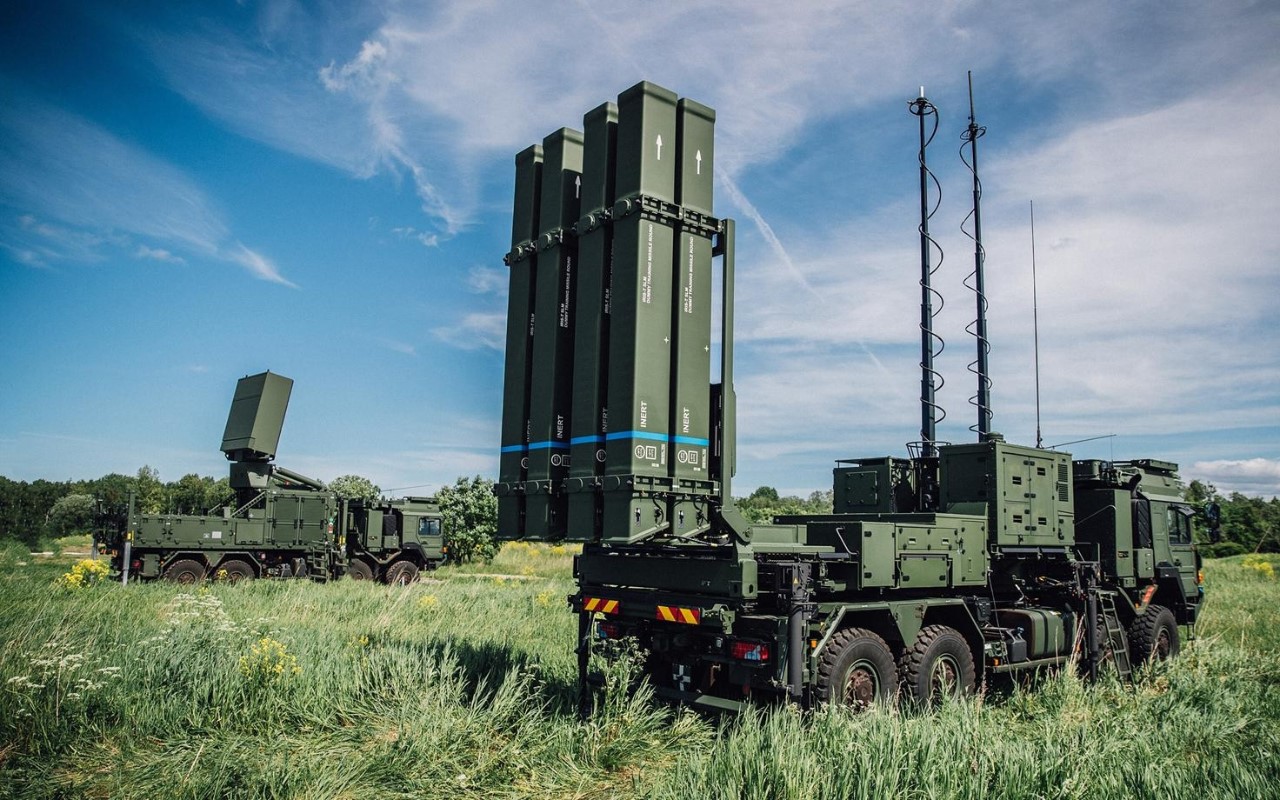
World
ÄMARI AIR BASE, Estonia, June 23, 2026 — Estonia has received its first IRIS-T SLM medium-range air defense system at Ämari Air Base, marking the largest defense investment in the country's history and significantly expanding its air defense capabilities. The German-made IRIS-T SLM was procured through the Estonian Centre for Defence Investments (ECDI) under a joint acquisition program with Latvia. The system fills a key capability gap between Estonia's existing short-range air defense assets, including Mistral and Piorun MANPADS, and longer-range air defense systems. Manufactured by Diehl Defence, the IRIS-T SLM has gained attention for its performance in Ukraine, where it has been used to intercept cruise missiles, attack drones, and aerial bombs. The system uses an imaging infrared seeker that improves target discrimination and effectiveness against low-signature threats. The IRIS-T SLM can engage aircraft, helicopters, cruise missiles, and drones at ranges of up to 40 kilometers and altitudes of up to 20 kilometers. Each firing unit includes multiple mobile launchers, a radar unit, a tactical control center, and support vehicles, allowing independent and mobile operations. Brigadier General Riivo Valge, Commander of the Estonian Air Force, said the system's engagement altitude provides a capability Estonia previously lacked, preventing hostile aircraft from operating freely over its territory. He also highlighted the system's tactical mobility, which allows rapid repositioning. The delivery is part of a €400 million contract signed in autumn 2023. Estonia ordered three firing units, with the remaining two scheduled for delivery in 2027. Latvia signed a separate €600 million agreement for the same system as part of efforts to develop a coordinated, layered air defense network across the Baltic region. Both countries are also participating in the European Sky Shield Initiative (ESSI), launched by Germany in 2022 to strengthen European ground-based air defense cooperation. Diehl Defence CEO Helmut Rauch said the delivery demonstrates the company's ability to meet commitments despite strong demand for air defense systems across Europe. Although the first system has arrived, Estonian officials said it will take several months of training before it reaches full operational readiness. The Estonian Air Defence Wing, established in July 2023, continues to expand its personnel and operational capabilities, with its first conscripts beginning service in July 2026. Defence Minister Hanno Pevkur said the war in Ukraine has highlighted the importance of modern air defense systems for protecting populations, military units, and critical infrastructure. Estonia, which has a population of approximately 1.4 million and shares a 294-kilometer border with Russia, currently spends about 3.7 percent of its GDP on defense. Once operational, the IRIS-T SLM will become a key element of the country's layered air defense network.
Read More → Posted on 2026-06-23 13:29:45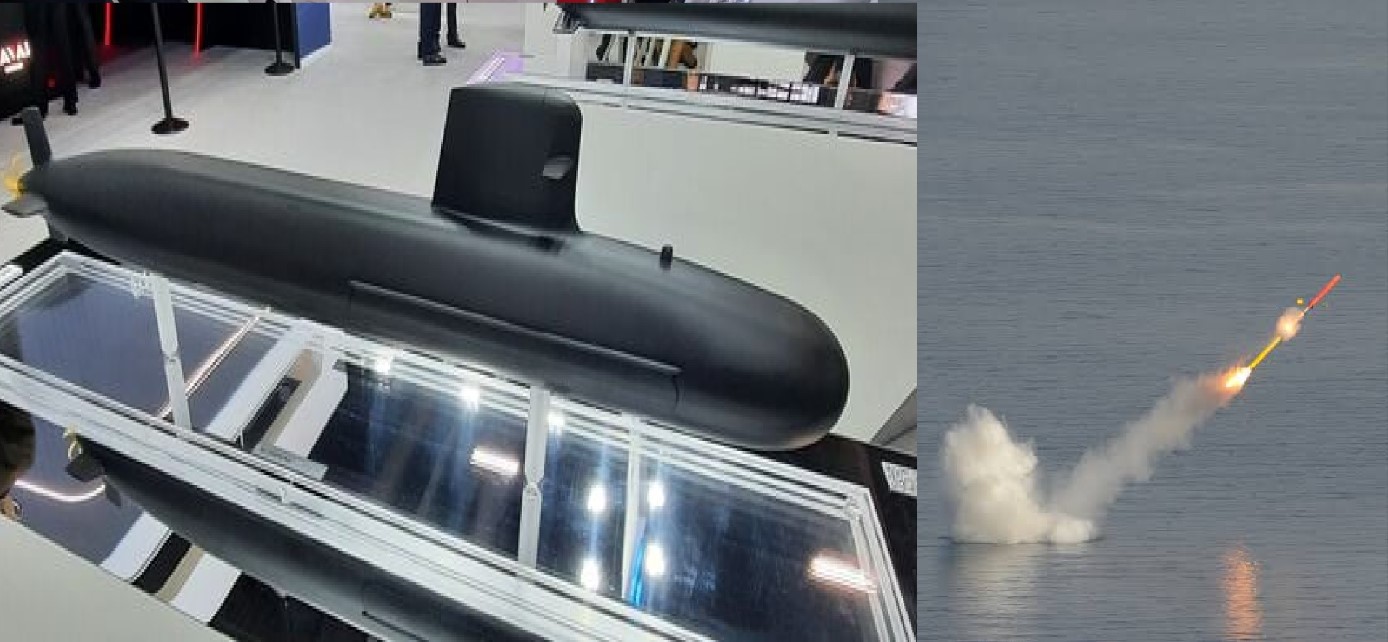
World
SURABAYA, Indonesia, June 23, 2026 — Indonesia's first two domestically built Scorpène Evolved submarines will enter service with full anti-ship missile launch capability, officials and industry sources have confirmed, dismissing recent reports that suggested the vessels would initially be delivered without missile integration. The clarification comes as Indonesia advances construction of the two diesel-electric attack submarines under a $2.16 billion program being executed by state-owned shipbuilder PT PAL Indonesia in partnership with France's Naval Group. Missile Capability Included From the Start According to sources involved in the program, integration of the MBDA SM39 Exocet submarine-launched anti-ship missile has been a core requirement since the project's inception and was explicitly included in the original contract signed between Indonesia and Naval Group. Recent speculation regarding the submarines' weapons configuration prompted concerns that missile-launch capability would be added at a later stage. However, officials familiar with the project stated that the SM39 Exocet capability remains part of the baseline design and will be available when the submarines enter operational service with the Indonesian Navy (TNI AL). The clarification follows comments by PT PAL President Director Dr. Kaharuddin Djenod regarding future missile integration efforts. He explained that those remarks referred to the company's broader objective of acquiring advanced systems integration expertise through technology transfer arrangements rather than any delay in missile integration for the Scorpène Evolved program. PT PAL aims to leverage this knowledge for future naval projects, including Indonesia's indigenous autonomous submarine program, known as KSOT. Domestic Construction and Technology Transfer The Scorpène Evolved program represents a major step forward for Indonesia's defense industry. Through a comprehensive transfer of technology agreement with Naval Group, Indonesia is set to become the first ASEAN nation capable of building advanced submarines domestically. The submarines will be constructed entirely at PT PAL's shipyard in Surabaya, East Java, by Indonesian engineers and technicians. The contract was signed in 2024 and officially entered into force in July 2025, with pre-production activities and steel-cutting qualification milestones already completed. The program includes extensive workforce development initiatives, with more than 400 Indonesian engineers and technicians receiving training and technical support from approximately 50 Naval Group specialists. Indonesia's Ministry of Defense has also mandated full local production, ensuring national control over maintenance, repair, overhaul, sustainment, and future upgrades throughout the submarines' operational life. Advanced Design and Combat Systems The Indonesian Scorpène Evolved submarines incorporate Naval Group's latest Full Lithium-Ion Battery (LiB) propulsion technology, offering significant improvements in endurance and operational flexibility. Unlike conventional submarines that rely on Air-Independent Propulsion (AIP) systems, the lithium-ion battery configuration provides extended underwater endurance while reducing logistical and maintenance requirements. The submarines are expected to remain operational for up to 80 days and achieve a range exceeding 8,000 nautical miles. Each submarine measures approximately 71 to 72 meters in length and is designed to operate with a crew of around 31 personnel. The vessels are equipped with six 533 mm torpedo tubes and can carry a total weapons load of up to 18 munitions. Alongside the SM39 Exocet anti-ship missile, the submarines will be capable of deploying heavyweight torpedoes, including Naval Group's F21 torpedo. The design also provides growth potential for future payload integration, including unmanned underwater vehicles and additional mission systems as operational requirements evolve. Strengthening Indonesia's Undersea Deterrence Designed for both deep-ocean operations and shallow-water missions, the Scorpène Evolved submarines are optimized for Indonesia's vast archipelagic environment. Their capabilities are expected to enhance the Indonesian Navy's ability to conduct maritime surveillance, sea-denial operations, and territorial defense across strategically important waterways. The acquisition forms part of Indonesia's broader naval modernization efforts and is expected to significantly strengthen the country's underwater warfare capabilities in the Indo-Pacific region. With missile-launch capability included from the outset and domestic construction progressing under a comprehensive technology transfer framework, the Scorpène Evolved program is set to become a cornerstone of Indonesia's future submarine fleet while expanding the nation's indigenous defense industrial base.
Read More → Posted on 2026-06-23 13:38:46
India
NEW DELHI, June 24, 2026 — Negotiations between India and the United States for the co-production of General Electric (GE) F414 fighter jet engines have encountered a major obstacle after a sharp increase in proposed costs stalled commercial discussions between Hindustan Aeronautics Limited (HAL) and GE Aerospace. The development has prompted the Defence Research and Development Organisation (DRDO) and the Aeronautical Development Agency (ADA) to evaluate alternative engine suppliers as India seeks to secure powerplants for its future combat aircraft programmes. The GE F414-INS6 engine was selected to power the Light Combat Aircraft (LCA) Tejas Mk2, the initial variants of the Advanced Medium Combat Aircraft (AMCA Mk1), and the Indian Navy's Twin Engine Deck-Based Fighter (TEDBF). The proposed agreement, first announced during Prime Minister Narendra Modi's visit to the United States in 2023, was intended to establish local manufacturing of the engine in India with substantial technology transfer. While technical discussions between HAL and GE have largely been completed, including plans for technology transfer reportedly reaching up to 80 percent in phases, commercial negotiations have stalled over pricing. Sharp Increase in Engine Costs Initial estimates placed the cost of each GE F414-INS6 engine at approximately ₹70 crore to ₹80 crore. However, during recent commercial negotiations, GE reportedly revised its pricing to more than ₹200 crore per engine, representing an increase of nearly 300 percent. In addition to the higher per-unit cost, GE has reportedly sought an investment of around ₹6,000 crore (approximately $800 million) to establish a dedicated assembly and manufacturing line in India. According to industry sources, the company has cited global supply chain disruptions, inflation, shortages of aerospace-grade materials, and broader geopolitical pressures affecting production as factors behind the increased costs. HAL and GE had originally aimed to finalize the agreement by March 2026, with local production expected to begin within two years of contract signing and the first Indian-manufactured engines entering production around 2029. Impact on India's Fighter Aircraft Programmes The F414 engine forms a critical part of India's fighter aircraft modernization plans. The engine was selected as the primary powerplant for the Tejas Mk2 and as an interim solution for the AMCA Mk1 until a future higher-thrust engine becomes available. The AMCA prototype programme alone is expected to require approximately 15 engines to support five flying prototypes. India's long-term requirement is projected to exceed 200 engines across multiple programmes. Aircraft Programme Thrust Category Intended Powerplant LCA Tejas Mk2 95–100 kN GE F414 AMCA Mk1 95–100 kN GE F414 (interim solution) TEDBF 95–100 kN GE F414 The F414 is a further development of the F404 engine currently powering Tejas aircraft. It provides higher thrust, improved fuel efficiency, greater reliability, and increased electrical power generation for advanced avionics and mission systems. DRDO Reviews Alternative Options The pricing dispute has led DRDO and ADA to begin assessing alternative engine options for both immediate and long-term requirements. Although the Tejas Mk2, AMCA Mk1, and TEDBF designs are currently based around the F414's dimensions and performance characteristics, Indian officials are exploring alternative partnerships to reduce dependence on a single supplier and ensure programme timelines remain on track. The current situation has also renewed interest in European engine manufacturers, particularly France's Safran and the United Kingdom's Rolls-Royce. Safran has been engaged in discussions with India regarding future combat engine cooperation and potential joint development efforts involving DRDO's Gas Turbine Research Establishment (GTRE). Rolls-Royce has proposed a new-generation combat engine programme for India, including technology transfer, local manufacturing, and joint development arrangements aimed at meeting future Indian fighter aircraft requirements. Renewed Attention on the EJ200 Family The ongoing negotiations have also brought renewed attention to the Eurofighter Typhoon's EJ200 engine family, which previously competed against the F414 during India's fighter engine evaluations. The EJ200 currently produces around 90 kN of afterburning thrust. However, the engine's long-term EJ2x0 growth roadmap envisioned substantial performance improvements. Under the first stage of the roadmap, thrust was expected to increase to approximately 103 kN with around 72 kN dry thrust. A second-stage growth version targeted approximately 120 kN of afterburning thrust and around 78 kN of dry thrust. These projected figures place advanced EJ200-derived concepts close to the thrust requirements sought by India for current and future combat aircraft programmes. However, such upgraded variants remain developmental concepts and would require significant investment, testing, certification, and production commitments before entering service. Strategic Significance The F414 co-production initiative remains one of the most important defence-industrial projects under the broader India-US strategic partnership. The programme was expected to strengthen India's aerospace manufacturing base while providing access to advanced fighter engine technologies. At the same time, the current negotiations reflect India's broader objective of balancing foreign technology acquisition with indigenous capability development and long-term self-reliance in critical defence technologies. Sources indicate that discussions with GE Aerospace continue, while parallel assessments of alternative options are underway. Any eventual resolution—whether through revised commercial terms with GE or the selection of alternative partners—will have significant implications for the timelines and future development of the Tejas Mk2, AMCA, and TEDBF programmes. For now, the F414 remains the planned engine for India's next generation of indigenous fighter aircraft, but the ongoing pricing dispute has opened the door for competing international proposals as India evaluates the most cost-effective path forward.
Read More → Posted on 2026-06-24 09:53:41
India
NEW DELHI, June 24, 2026 — British aerospace company Rolls-Royce has formally submitted its final proposal to jointly design, develop, and manufacture a new 120 kN-plus thrust fighter engine for India’s fifth-generation Advanced Medium Combat Aircraft (AMCA) programme. The offer includes a 100 percent transfer of technology (ToT) and provides that all intellectual property (IP) generated during the programme will remain with India. The proposal places Rolls-Royce in direct competition with French defence company Safran for the engine that will power the AMCA Mk2, the advanced phase of India’s indigenous stealth fighter programme. According to Rolls-Royce, the proposed engine will be a completely new design developed in India through a joint effort, while leveraging the company’s extensive aero-engine expertise and background intellectual property accumulated over more than 80 years of engine development. Development Timeline Rolls-Royce has outlined a development roadmap linked to the signing of a contract by the end of 2026. Under the proposed schedule: 2030: Testing of the engine core, including the hot section. 2034: First flight test of the new engine. 2036: Commencement of full-scale serial production. The timeline is broadly aligned with the AMCA programme schedule, which aims for operational induction of the aircraft around 2035-36. Sashi Mukundan, Executive Vice President (Transformation) for Rolls-Royce India, stated that the company’s proposal is designed to support India’s long-term objective of developing indigenous fighter engine capabilities while retaining ownership of all newly generated intellectual property. Proposal Includes Full Technology Transfer A key element of the offer is Rolls-Royce’s commitment to provide 100 percent technology transfer for the programme. Under the proposed arrangement, India would gain access to critical engine technologies and manufacturing know-how required for future upgrades, production, maintenance, and lifecycle support. Mukundan said that Rolls-Royce would contribute its existing technical knowledge and background IP to accelerate development while ensuring that intellectual property created through the programme remains under Indian ownership. He also highlighted the company's experience in aero-engine development, stating that Rolls-Royce has introduced a new engine design approximately every 18 months over the past three decades. India as a Global Propulsion Hub Beyond the AMCA engine project, Rolls-Royce has proposed establishing India as its fourth global propulsion hub alongside the United Kingdom, the United States, and Germany. The company’s vision includes creating a comprehensive propulsion ecosystem covering: Engine design and development Prototyping and testing Manufacturing Maintenance, Repair and Overhaul (MRO) Lifecycle support and upgrades The proposed infrastructure would support not only military aviation programmes but also civil aerospace, naval propulsion, coast guard requirements, army applications, and land-based power generation systems. According to Rolls-Royce, the ecosystem would enable India to manage a broad range of propulsion requirements domestically while supporting future export opportunities and industrial growth. AMCA Engine Requirement The AMCA programme is being developed in two phases. The AMCA Mk1 will be powered by the American GE F414 engine, which has also been selected for the Tejas Mk2 fighter. GE’s agreement with Hindustan Aeronautics Limited (HAL) includes an 80 percent technology transfer package for local production. However, defence industry observers note that the GE arrangement is primarily focused on licensed manufacturing rather than full engine development capability. For the AMCA Mk2, India requires a more powerful engine in the 110-130 kN thrust class to achieve key fifth-generation fighter capabilities such as supercruise performance, increased payload capacity, and enhanced mission endurance. This requirement has narrowed the competition to Rolls-Royce and Safran. Competition with Safran Rolls-Royce’s proposal comes amid ongoing evaluations by Indian defence authorities of competing offers from Safran. Mukundan argued that only a limited number of companies globally possess a proven record of independently developing advanced fighter engines. He stated that Rolls-Royce’s long history of engine design and production provides a strong foundation for a joint development programme with India. He also pointed to Dassault Aviation’s selection of Rolls-Royce engines for its latest Falcon business jets as an example of the company’s technological capabilities and international market presence. Indian defence planners are expected to assess the competing proposals based on technology transfer, development timelines, industrial participation, cost considerations, and long-term strategic benefits. Strategic Significance The selection of a development partner for the AMCA Mk2 engine is regarded as one of the most important decisions for India's military aerospace sector. A successful co-development programme would help India reduce dependence on foreign propulsion systems and strengthen domestic capabilities in one of the most complex areas of aerospace engineering. Defence sources indicate that delays in finalising a partner for the 120 kN-class engine could increase reliance on additional GE F414 engines for future aircraft production. As a result, the ongoing negotiations are expected to play a significant role in determining India's progress toward self-reliance in advanced military aviation technologies. The Ministry of Defence, DRDO, and other stakeholders are expected to continue evaluating the competing offers in the coming months before making a final decision on the AMCA Mk2 propulsion programme.
Read More → Posted on 2026-06-24 10:00:56
World
WASHINGTON, June 24, 2026 — The United States has successfully completed the first major milestone test of the Golden Dome for America (GDA) missile defense initiative, marking a significant step in the development of the country's next-generation homeland defense architecture. Secretary of Defense Pete Hegseth announced the results on Wednesday, describing the live-fire demonstration as a “full mission success.” The test featured the Dynamic Defense Autonomous Defeat (DDAD) system, which autonomously detected, tracked, targeted, and engaged multiple aerial threats using advanced directed-energy technologies. According to defense officials, the DDAD system successfully neutralized a range of incoming targets, including drones and cruise missiles, without requiring manual intervention. The system employed directed-energy capabilities, including high-energy lasers and microwave-based weapons, to identify and defeat threats simultaneously. Hegseth, who attended the demonstration in New Mexico, said the system performed as designed throughout the exercise. “The Dynamic Defense Autonomous Defeat (DDAD) system flawlessly and autonomously cued, targeted, and eliminated a multitude of incoming threats,” Hegseth stated. “This test was executed on schedule and dynamically defeated every threat.” The demonstration marked the first time a sitting U.S. defense secretary observed a live directed-energy engagement during a major missile defense test. Golden Dome Program The Golden Dome for America initiative is a key element of President Donald Trump's defense strategy and is intended to establish a comprehensive, multi-layered missile defense shield protecting the U.S. homeland. Announced through Executive Order 14186 in January 2025, the program seeks to integrate ground-based, sea-based, air-based, and potentially space-based defense systems into a unified architecture capable of countering ballistic missiles, hypersonic weapons, cruise missiles, and drone attacks. The program combines advanced sensors, interceptors, command-and-control networks, autonomous targeting systems, and directed-energy weapons to provide rapid response capabilities against evolving aerial threats. Historical Context During his announcement, Hegseth compared the Golden Dome initiative to President Ronald Reagan’s Strategic Defense Initiative (SDI), commonly known as the “Star Wars” program, which was proposed during the Cold War to defend against nuclear missile attacks. “I watched our elite warfighters integrate with next-generation technology to stop incoming drones and cruise missiles dead in their tracks,” Hegseth said. “With Golden Dome, the Department of Defense will defend our homeland more powerfully than ever before. Golden Dome is real, powerful, and on track.” Funding and Cost Estimates Development of the Golden Dome system has been supported by substantial federal funding since its launch. Hegseth credited the One Big Beautiful Bill Act, approved in June 2025, with providing the initial financial foundation for the project. The legislation allocated $24.4 billion for the program, followed by an additional $13 billion in funding for fiscal year 2026. The White House currently estimates the total cost of the Golden Dome program at approximately $175 billion to $185 billion. However, the Congressional Budget Office (CBO) has projected that a fully developed system incorporating thousands of space-based interceptors and supporting infrastructure could cost as much as $1.2 trillion over the next 20 years. Independent defense analysts have also noted that future expenses could increase due to satellite replacement requirements and expansion of the system’s space-based architecture. Next Steps Defense officials indicated that additional testing and development activities will continue as the Golden Dome architecture expands. Future phases are expected to focus on integrating satellite-based sensors, advanced interceptors, and additional defensive capabilities into the broader network. The successful completion of the first milestone test represents an important step in the development of the Golden Dome initiative and demonstrates progress in bringing directed-energy weapons and autonomous defense technologies closer to operational deployment.
Read More → Posted on 2026-06-24 10:12:08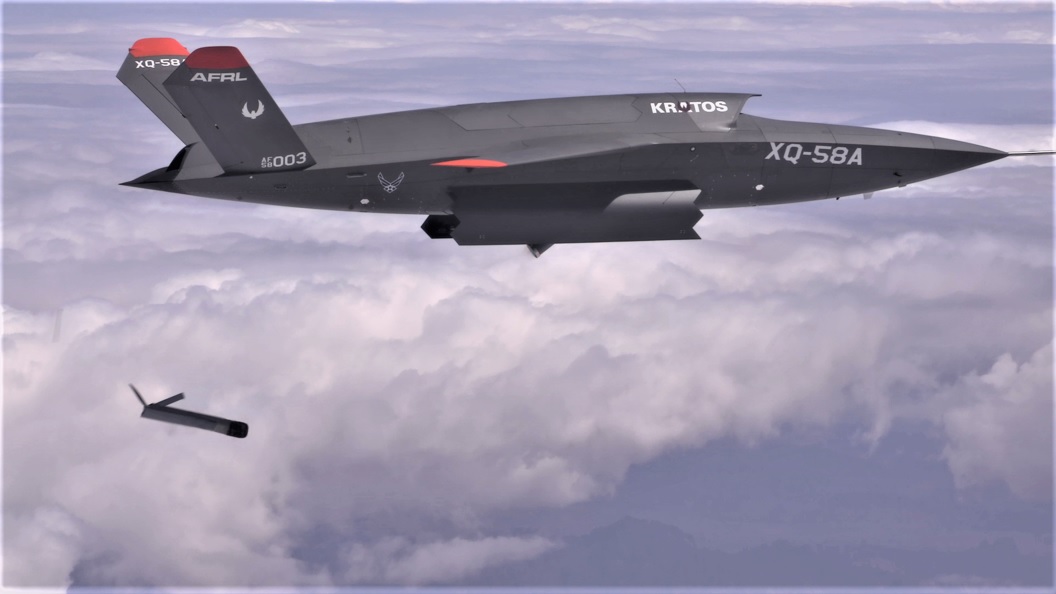
India
NEW DELHI, June 24, 2026 — Anadrone Systems Limited and Kratos Defense & Security Solutions, Inc. have announced a strategic partnership to jointly pursue opportunities in India's rapidly growing market for advanced unmanned and autonomous defence systems. The agreement brings together Anadrone's indigenous development and manufacturing capabilities with Kratos' expertise in tactical unmanned aerial vehicles (UAVs), aerial target systems, and autonomous platforms. The collaboration is aimed at supporting the evolving operational requirements of the Indian Armed Forces and national security agencies while contributing to India's defence modernization efforts. Agreement Signed at Eurosatory 2026 The framework agreement was signed on June 22, 2026, during the Eurosatory 2026 defence exhibition in Paris, establishing a foundation for long-term industrial cooperation between the two companies. Under the partnership, Kratos Defense will provide expertise in tactical UAVs, high-performance aerial target systems, autonomous flight technologies, and mission systems. Anadrone Systems will contribute capabilities in indigenous design, manufacturing, systems integration, flight operations, operational support, and engagement with India's defence ecosystem. The companies stated that the partnership will focus on introducing advanced unmanned capabilities tailored to Indian operational requirements while supporting local production and technology development. Focus Areas of Cooperation The collaboration will explore the development, integration, and localization of a broad range of autonomous and unmanned technologies. Key focus areas include: Aerial Target Systems for weapons testing, validation, and air defence training. Tactical Unmanned Aircraft designed for surveillance, reconnaissance, and frontline operations. Autonomous Mission Systems including command-and-control infrastructure and software solutions for uncrewed platforms. Future Defence Technologies involving research and development of next-generation autonomous capabilities. The companies indicated that additional project-specific details will be announced as the partnership progresses. Supporting India's Defence Modernization Goals The agreement aligns with India's ongoing efforts to strengthen indigenous defence manufacturing under the Aatmanirbhar Bharat initiative. India has increased investments in drones, autonomous systems, and network-centric warfare capabilities in recent years. Unmanned technologies are expected to play an expanding role in intelligence gathering, surveillance, target acquisition, training, and operational effectiveness across multiple domains. By combining international technology expertise with domestic manufacturing and integration capabilities, the partnership aims to support the development of advanced defence solutions within India. Companies Bring Complementary Capabilities Anadrone Systems specializes in the design, development, manufacturing, operation, and support of advanced unmanned systems for defence and security applications. The company has developed capabilities in high-speed aerial targets, tactical UAVs, weapon integration, flight operations, and mission support services. Kratos Defense & Security Solutions is a leading provider of unmanned and autonomous systems and is known for platforms such as the XQ-58A Valkyrie. The company develops tactical drones, aerial target systems, avionics, command-and-control technologies, and mission solutions for the U.S. Department of Defense and allied nations. No financial details or immediate contract awards were disclosed as part of the announcement. The agreement establishes a framework for future cooperation in technology development, localization, manufacturing, and operational support for India's growing unmanned defence sector.
Read More → Posted on 2026-06-24 10:40:55
World
MINOT AIR FORCE BASE, N.D., June 24, 2026 — Airmen assigned to the U.S. Air Force’s 91st Missile Wing at Minot Air Force Base successfully completed a Simulated Electronic Launch Minuteman (SELM) test on June 3, 2026, validating the operational readiness of the United States’ land-based nuclear deterrent force. The evaluation was conducted in partnership with the 377th Test and Evaluation Group (TEG) and the 576th Flight Test Squadron from Vandenberg Space Force Base, California. The exercise assessed the wing’s ability to carry out its strategic mission under realistic conditions while testing personnel proficiency, command-and-control procedures, and the performance of critical support systems. Evaluating the U.S. Land-Based Nuclear Deterrent The 91st Missile Wing operates one of the largest intercontinental ballistic missile (ICBM) complexes in the United States, covering approximately 8,500 square miles across northwestern North Dakota. The wing is responsible for maintaining 150 hardened underground launch facilities and 15 missile alert facilities that support the Minuteman III missile force. As a key component of the U.S. nuclear triad, the Minuteman III force provides the United States with a continuous, land-based strategic deterrent capability alongside nuclear-powered ballistic missile submarines and strategic bombers. During the SELM test, Airmen executed the full sequence of launch procedures without launching an actual missile. The exercise replicated an operational environment, beginning with crews in an alert status and progressing through all required steps leading to the simulated ignition of a Minuteman III first-stage booster. Launch control center operators carried out launch sequences, while teams followed command-and-control protocols and communication procedures designed to mirror real-world operations. Comprehensive Assessment of Personnel and Systems The exercise focused on the coordination and performance of personnel across multiple mission areas, including launch control center crews, missile maintainers, communications specialists, and security forces. Airmen from the 91st Missile Maintenance Squadron conducted critical component verifications and final readiness checks throughout the evaluation. Missileers, maintainers, and defenders responded to simulated launch directives while maintaining secure and reliable communications and adhering to established operational procedures. The test also evaluated the functionality of launch control centers, missile alert facilities, and the integration of support systems that enable continuous 24-hour deterrence operations. Leadership Highlights Importance of SELM Testing According to U.S. Air Force officials, SELM tests are a key component of maintaining readiness across the ICBM enterprise. These evaluations are conducted periodically to verify that personnel, procedures, and systems can perform effectively under operational conditions. “SELM testing is a critical assessment of our readiness and precision within the nuclear enterprise. It ensures that every link in the launch chain, from operators to command and control, performs exactly as designed under realistic conditions,” said Col. Jimmy Schlabach, commander of the 91st Missile Wing. “By rigorously executing SELM evaluations, we sustain a credible, safe and effective nuclear force that underpins national security and reinforces deterrence every day,” he added. Role of the 377th Test and Evaluation Group Personnel from the 377th Test and Evaluation Group worked directly alongside 91st Missile Wing Airmen to plan, execute, and assess the exercise. The organization provides independent operational testing and evaluation support across the U.S. Air Force’s ICBM enterprise, ensuring systems and procedures perform as intended. The group plays an important role in assessing current Minuteman III operations while supporting future modernization efforts, including preparations for the next-generation LGM-35A Sentinel ICBM program. Maj. Anastasia Peterson, assistant director of operations for the 91st Missile Wing Operations Support Squadron, emphasized the value of the partnership during the evaluation. “The partnership between the 91 MW and the 377 TEG reflects the highest standards of integration and mission focus across the nuclear enterprise,” Peterson said. “The teamwork demonstrated throughout this test shows how operational expertise and test and evaluation come together to strengthen readiness.” Supporting Long-Term Strategic Deterrence The successful completion of the SELM test provided the 91st Missile Wing an opportunity to demonstrate disciplined execution of operational procedures and sustained mission proficiency. Data collected during the evaluation will contribute to continuous improvement efforts and help maintain high standards across the U.S. Air Force’s ICBM force. As one of the U.S. Air Force units responsible for operating the Minuteman III weapon system, the 91st Missile Wing remains a foundational element of the United States’ strategic nuclear deterrent. The wing maintains continuous alert status and stands ready around the clock to support U.S. national security objectives, mission assurance, and global stability.
Read More → Posted on 2026-06-24 10:51:29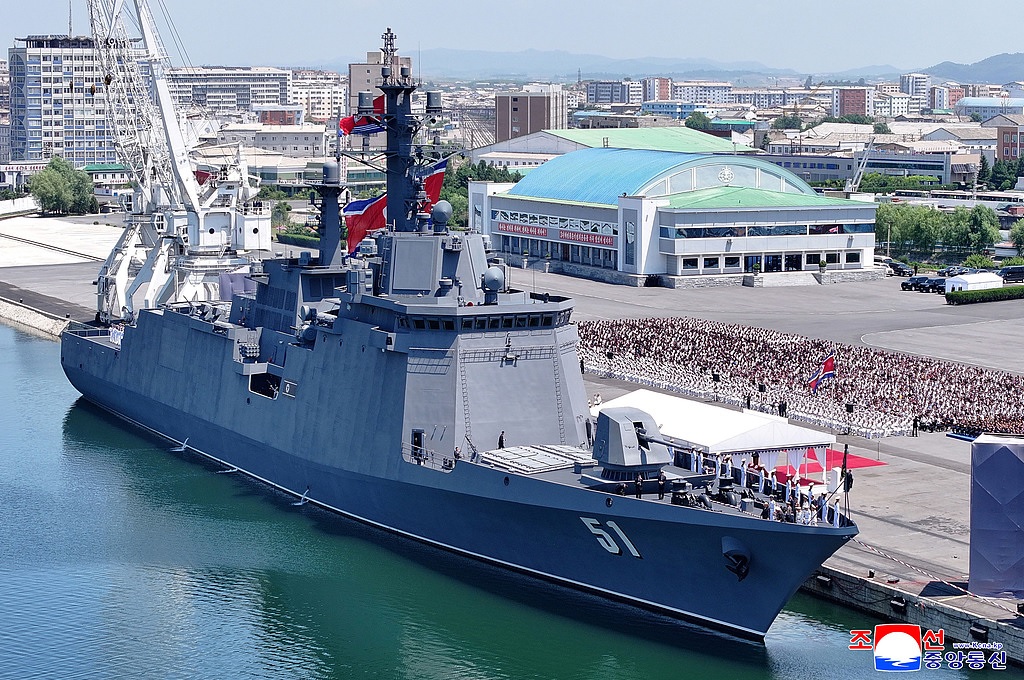
World
Seoul, June 24, 2026 — North Korea has officially commissioned its first guided-missile destroyer, Choe Hyon (hull number 51), into the Korean People's Navy, marking a significant step in the country's naval modernization efforts. The commissioning ceremony was held on June 23 at the Nampo shipyard and attended by North Korean leader Kim Jong Un, who outlined an extensive naval expansion program aimed at transforming the country's maritime capabilities. During the ceremony, Kim announced that the second vessel of the class, Kang Kon (hull number 52), is nearing operational service and continues to undergo sea trials. He also confirmed that additional destroyers are already under construction as part of a long-term fleet expansion plan. Navy Modernization and Strategic Role Kim Jong Un stated that the navy had historically been the weakest branch of the Korean People's Army and emphasized the need to modernize it into a force capable of operating beyond coastal waters. He said the navy's mission is expanding from traditional coastal defense to a broader strategic role, including integration into North Korea's nuclear deterrence framework. The modernization effort also includes the construction of new naval infrastructure. During a meeting of the Workers' Party Central Committee on June 22, officials discussed plans for modern naval bases designed to support the growing fleet. Kim described the development of these facilities as an essential requirement for future naval operations. Choe Hyon-Class Destroyer Capabilities The Choe Hyon is classified as a 5,000-ton multipurpose guided-missile destroyer and measures approximately 140 to 145 meters in length. The vessel features 74 vertical launch system (VLS) cells, consisting of: 32 small VLS cells 12 medium VLS cells 20 large VLS cells 10 extra-large VLS cells The extra-large launch cells are reportedly capable of carrying short-range ballistic missiles and cruise missiles. The destroyer's armament also includes: A 127mm or 130mm main naval gun One Pantsir-ME close-in weapon system (CIWS) Two 30mm AK-630 CIWS units Four quad anti-ship missile launchers Twin 533mm torpedo launchers The VLS architecture enables the ship to deploy a variety of precision-strike weapons. Among them are hypersonic cruise missiles resembling Russia's Zircon missile, reportedly capable of engaging targets at ranges approaching 1,000 kilometers and speeds of up to Mach 9. Anti-ship warfare has been a key design priority for the class. Rapid Shipbuilding Program The Choe Hyon forms the foundation of North Korea's five-year naval construction plan. The first vessel was launched in April 2025, while the second ship, Kang Kon, was launched in June 2025 and recently resumed sea trials in early June 2026. Construction of a third vessel is underway and is expected to be completed by October 2026, while a fourth destroyer has reportedly already been laid down. Kim Jong Un has set a target of producing two destroyers annually. If maintained, this production rate could allow North Korea to field 12 destroyers by the early 2030s, giving it one of the world's largest destroyer fleets by numbers. Development of Larger Warships North Korea is also pursuing larger surface combatants. In March 2026, Kim confirmed development of an 8,000-ton destroyer, followed by plans for a 10,000-ton class. These future vessels are expected to carry between 120 and 150 vertical launch cells, significantly increasing missile capacity. Later variants of the Choe Hyon-class are also expected to feature larger missile payloads exceeding 90 launch cells. Production Comparisons and Regional Impact North Korea launched two Choe Hyon-class destroyers in 2025 and aims to maintain a similar production pace in the coming years. While China remains the world's leading destroyer producer with an estimated six to ten ships launched annually, U.S. shipyards currently average around 1.6 destroyers per year. For comparison, the latest U.S. Navy Arleigh Burke-class destroyers displace around 9,600 tons and carry 96 vertical launch cells. Although the Choe Hyon is significantly smaller at 5,000 tons, it carries 74 launch cells, reflecting a high concentration of missile firepower relative to its size. The commissioning of the Choe Hyon marks a significant milestone in North Korea's naval modernization program and reflects the country's continued investment in larger surface combatants, advanced missile systems, and expanded maritime capabilities.
Read More → Posted on 2026-06-24 11:10:37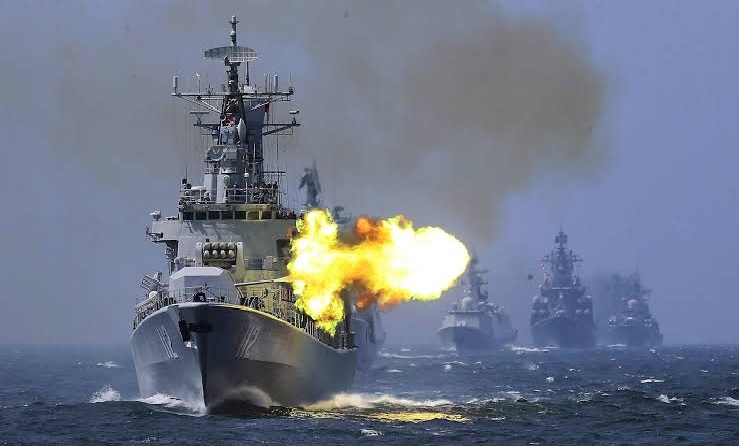
World
WASHINGTON, June 24, 2026 — A new study by the RAND Corporation has found that the U.S. Navy could face significant difficulties repairing battle-damaged warships and returning them to combat during a major conflict with China in the Indo-Pacific region. The analysis, based on an August 2025 tabletop wargame, examined how the Navy would sustain operations during a hypothetical war focused on the defense of Taiwan and the Philippines. Researchers concluded that maintenance facilities in the region would likely be overwhelmed and face shortages of spare parts, while command inefficiencies and uncertainty over allied shipyard support could further complicate repair efforts. The study focused on Arleigh Burke-class destroyers, which form the backbone of the U.S. surface fleet, although researchers noted that many of the challenges identified would apply across all ship classes, particularly nuclear-powered vessels. Wargame Scenarios The exercise examined four operational scenarios involving U.S. destroyers. One scenario involved a collision between a U.S. destroyer and a Chinese frigate in the Strait of Malacca. Another examined two destroyers damaged by gunfire and rocket attacks from Chinese ships and helicopters while escorting Philippine vessels in the South China Sea. Researchers also studied situations in which several destroyers were struck by Chinese anti-ship missiles while defending the Philippines and a scenario where multiple destroyers sustained heavy damage while attempting to stop a Chinese amphibious invasion of Taiwan. In each case, participants determined that rapid in-theater repairs would be critical. Sending damaged ships back to ports in the continental United States would require weeks of transit and significantly reduce available combat power. The report noted that the U.S. Navy has not experienced battle damage on the scale expected in a modern high-intensity conflict since World War II. In such a conflict, U.S. warships could face threats from anti-ship ballistic missiles, hypersonic weapons, torpedoes, and other advanced precision-guided systems. Logistics and Coordination Problems A major issue identified during the exercise was the difficulty of determining what resources were needed to repair damaged vessels and whether repairs could be completed locally. The study found that command arrangements were often unclear, leading to situations where logistics organizations pursued repair actions that operational commanders had already rejected due to battlefield realities. Researchers also observed that participants frequently assumed peacetime maintenance regulations and standards would apply during wartime operations, creating additional complications. Spare parts availability emerged as another significant challenge. Even among ships of the same class, differences in equipment and modifications can make components incompatible, limiting opportunities to transfer parts between vessels. Dependence on Allied Infrastructure The report highlighted the importance of repair facilities in allied nations, particularly Japan, South Korea, and Australia. While cooperation generally improved once allied capabilities were understood, U.S. personnel initially lacked detailed information about available facilities, access procedures, port locations, and specialized capabilities such as ordnance handling and major structural repairs. Researchers also noted that allied support cannot be guaranteed as a conflict intensifies. Providing repair facilities for U.S. naval forces could expose host-nation infrastructure to Chinese military retaliation, creating political and security risks for partner nations. China's Repair Advantage The study contrasted U.S. logistical challenges with the advantages available to the People's Liberation Army Navy (PLAN). Operating close to its home bases, China would have easier access to repair facilities and industrial support. According to Bradley Martin, a RAND analyst and co-author of the report, China benefits from both geographic proximity and substantially greater industrial repair capacity. Recommendations To improve the Navy's ability to regenerate combat power during wartime, RAND recommended establishing clearer command-and-control structures for battle damage repair operations and securing formal agreements with Indo-Pacific allies on facility access and logistical support. The report also called for increased investment in deployable repair teams, flyaway assessment units, and expeditionary mobile repair facilities capable of providing flexible maintenance support closer to combat zones. According to RAND, addressing these issues will be essential for sustaining naval operations and restoring damaged warships to service during a future conflict in the Indo-Pacific. The study, titled "Battle Damage Repair for Arleigh Burke-Class Destroyers: Tabletop Exercise Results," concludes that force regeneration in a contested maritime environment remains far more complex than current planning assumptions suggest and could pose a significant challenge to maintaining combat effectiveness during a prolonged conflict.
Read More → Posted on 2026-06-24 11:24:56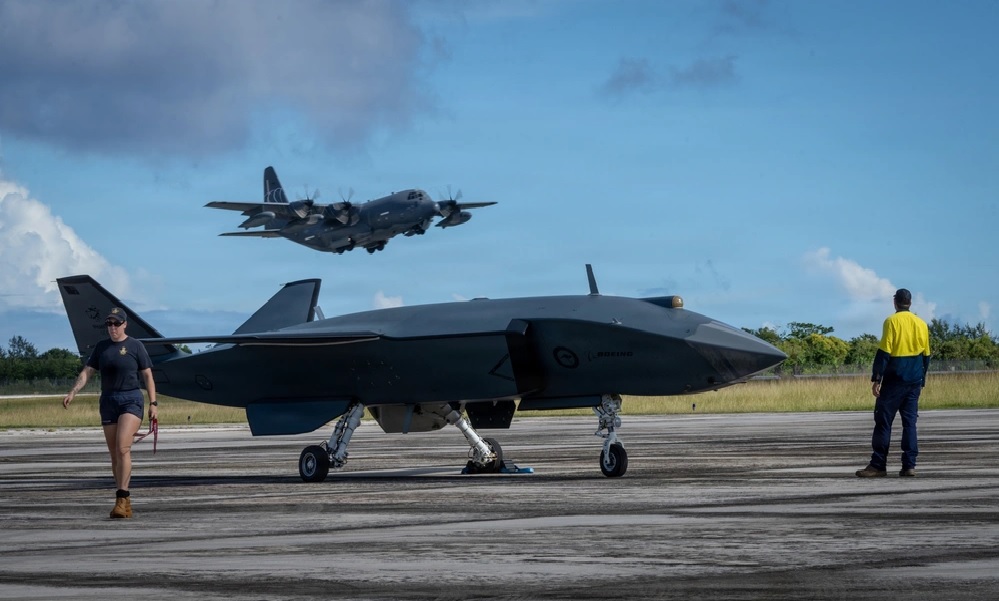
World
ROTA, Northern Mariana Islands, June 24, 2026 — The Boeing Defence Australia-developed MQ-28 Ghost Bat has officially begun operations alongside U.S. and allied forces during Exercise Valiant Shield 2026, marking a significant milestone in the ongoing development of Collaborative Combat Aircraft (CCA) capabilities. The deployment of the production-representative test aircraft comes as the U.S. Air Force continues to advance the operational testing and integration of uncrewed systems designed to work alongside crewed combat aircraft. The exercise provides a large-scale operational environment to evaluate human-machine teaming concepts and their role in future air combat operations. MQ-28 Supporting Counter-Air Missions Throughout the multinational exercise, the MQ-28 Ghost Bat is operating in direct coordination with crewed fighter aircraft, helping participating forces refine the tactics, techniques, and procedures required for next-generation airpower. During Valiant Shield 2026, the aircraft is supporting a range of complex missions, with a particular focus on defensive and offensive counter-air operations. Military planners are assessing how Collaborative Combat Aircraft can enhance operational effectiveness by extending the reach and capabilities of crewed platforms. “The future of airpower is a partnership between our greatest assets: our skilled warfighters and the technology that empowers them,” said U.S. Air Force Maj. Daniel Pesich, officer in charge of the Experimental Operations Unit’s collaborative combat aircraft detachment. “By advancing human-machine teaming, we are increasing our power projection while building a more resilient, capable, and lethal joint force,” he added. Evaluating the Role of Collaborative Combat Aircraft The Department of the Air Force and its international partners are using the exercise to evaluate the MQ-28’s potential as a force multiplier in highly contested operational environments. Analysts are examining how the uncrewed aircraft can improve mission effectiveness by extending the operational reach of crewed fighters, enhancing situational awareness, and increasing survivability during complex combat scenarios. Collaborative Combat Aircraft are designed to work as trusted teammates for manned aircraft, performing missions such as surveillance, sensor support, electronic warfare, and counter-air operations. By sharing operational tasks, these systems can help increase sortie generation rates while reducing pressure on maintenance personnel and support resources. Human Oversight Remains Central Despite incorporating advanced artificial intelligence and autonomous capabilities, the MQ-28 remains a semi-autonomous platform that operates under human supervision. The Department of the Air Force has reaffirmed its commitment to the ethical development and employment of autonomous systems, emphasizing that a human operator remains responsible for all critical and lethal decisions. This manned-unmanned teaming approach is intended to combine the strengths of human decision-making with the speed and persistence offered by autonomous technologies. Recent Program Milestones The Ghost Bat arrives at Valiant Shield following several important development achievements. Earlier in June 2026, Boeing completed Radar Cross Section (RCS) testing that validated the aircraft’s low-observable characteristics, confirming its ability to minimize radar detection. The platform has also surpassed 150 test flights, including recent international operational testing conducted in California. The aircraft is additionally progressing toward its Block 3 configuration, which will introduce a larger wing design and internal weapons bays. These upgrades are expected to improve range, mission flexibility, and overall combat capability. Originally developed for the Royal Australian Air Force, the MQ-28 has demonstrated capabilities in autonomous operations, intelligence gathering, electronic warfare support, and integration with crewed aircraft. Previous testing has included cooperation with platforms such as the F/A-18F Super Hornet and E-7A Wedgetail. Australian Defence Force aviator observers are also participating in MQ-28 operations during the exercise as part of Australia's efforts to further develop collaborative combat aircraft concepts alongside allied partners. About Exercise Valiant Shield 2026 Exercise Valiant Shield is a biennial multi-domain training event focused on integrating joint and allied forces across the Indo-Pacific region. The exercise strengthens the ability of participating forces to detect, locate, track, and engage targets across air, maritime, land, space, and cyberspace domains. The training is designed to build real-world proficiency in sustaining joint operations while improving coordination among partner nations. For the MQ-28 program, participation in Valiant Shield 2026 serves as an important operational proving ground. Data gathered during the exercise will help shape future concepts for human-machine teaming and support the continued development of Collaborative Combat Aircraft for both U.S. and allied air forces.
Read More → Posted on 2026-06-24 11:41:58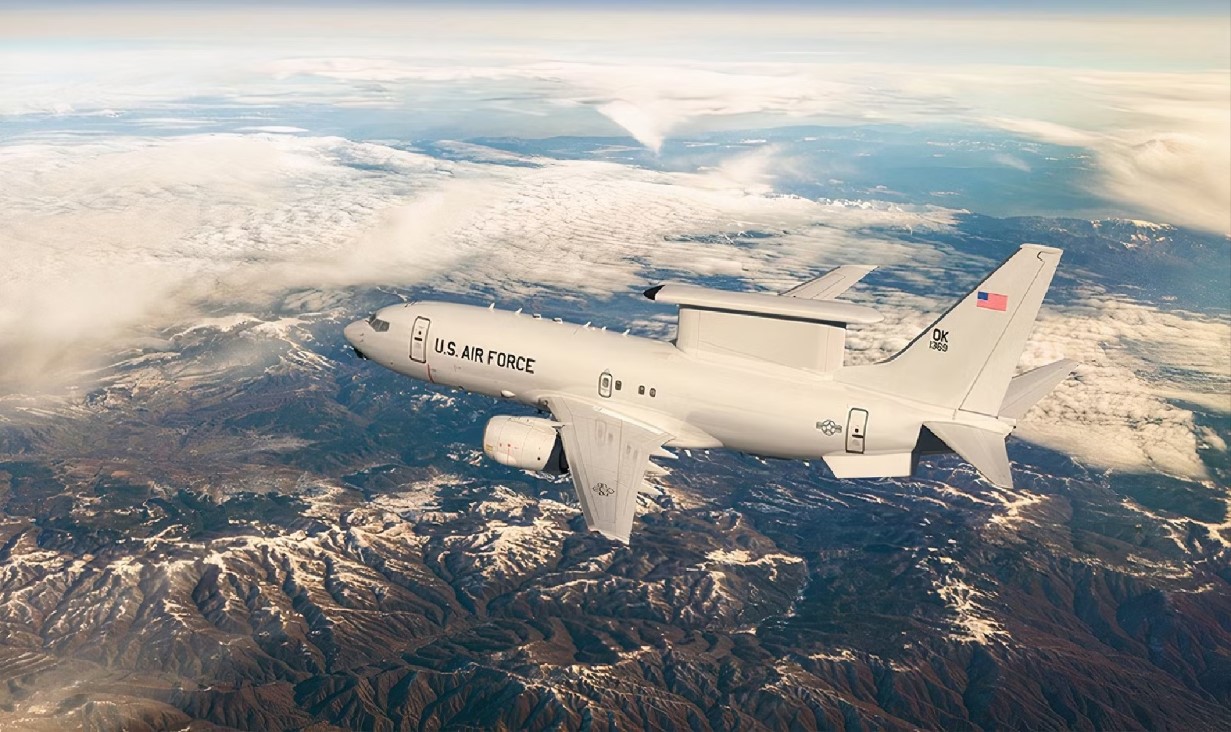
World
WASHINGTON, June 24, 2026 — The U.S. Department of Defense has submitted a budget amendment to Congress requesting a $1.55 billion realignment of fiscal year 2027 funds to continue development of the Boeing E-7A Wedgetail airborne early warning and control (AEW&C) aircraft. The move is aimed at sustaining a program that the Pentagon had proposed terminating in previous budget plans and is intended to support the replacement of the aging E-3 Sentry Airborne Warning and Control System (AWACS) fleet. The funding request was outlined in a June 17 letter from the White House Office of Management and Budget (OMB) to House Speaker Mike Johnson. The proposal reallocates $899 million from the Air Force’s “Other Procurement” account and $651 million from the Navy’s Aircraft Procurement account. According to a report from the House Appropriations Committee’s defense subcommittee, the Air Force portion of the transfer will come from the Special Update Program, which funds classified Special Access Programs. The transfer represents approximately 17.6 percent of that budget line. An Air Force spokesperson stated that budget decisions continue to involve ongoing evaluations and prioritization of defense requirements. The remaining $651 million would be redirected from funds originally allocated to the Navy’s Northrop Grumman E-2D Advanced Hawkeye program. The Navy had requested $2.08 billion in fiscal year 2027 funding to procure six E-2D aircraft for carrier strike group operations. The proposed $1.55 billion funding shift will not finance the purchase of additional E-7 aircraft. Instead, it will support continued development and modification work on seven previously contracted aircraft, including two prototype platforms and five Engineering, Manufacturing, and Development (EMD) aircraft. Boeing is currently modifying two Boeing 737-based prototype airframes in the United Kingdom. The aircraft are being equipped with the E-7’s Multi-role Electronically Scanned Array (MESA) radar, an advanced Active Electronically Scanned Array (AESA) system capable of simultaneously conducting air and maritime surveillance. The radar is reported to provide detection ranges exceeding 400 kilometers while supporting battle management, command and control, and target tracking missions. The status of work on the five EMD aircraft has not been publicly disclosed. The E-7 Wedgetail is designed to replace the Air Force’s E-3 Sentry fleet, which is based on the Boeing 707 airframe. The E-3 has faced increasing maintenance challenges due to its age, and a significant portion of the fleet has already been retired. The newer E-7 offers improved reliability, lower sustainment costs, greater operational availability, and enhanced integration with modern combat aircraft such as the F-22 Raptor and F-35 Lightning II. Unlike the E-3’s rotating radar dome, the E-7 employs a fixed MESA radar mounted on top of the fuselage. The system provides continuous surveillance coverage and improved performance in complex and contested operational environments. The funding transfer has also renewed debate over the future of the Navy’s E-2D Advanced Hawkeye program. The E-2D serves as the primary airborne early warning platform for U.S. aircraft carrier strike groups and provides command-and-control functions, air defense coordination, and battle management capabilities. While the aircraft can perform aerial refueling and advanced surveillance missions, it has a smaller crew, shorter operational range, and more limited theater-wide command capabilities than the larger E-7 platform. In earlier budget discussions, Pentagon officials proposed relying on additional E-2D aircraft as an interim solution while pursuing future space-based moving target indicator technologies. However, lawmakers have argued that the E-2D and E-7 perform complementary missions and should both remain part of the U.S. military’s airborne surveillance architecture. House appropriators opposed reducing E-2D funding to support the Wedgetail program and restored the $651 million cut in their defense spending legislation, preserving the Navy’s plan to acquire all six E-2D aircraft requested for fiscal year 2027. In accompanying budget documents, lawmakers stated that they support both the E-7 funding realignment and the continued procurement of E-2D aircraft, emphasizing that additional airborne surveillance and command-and-control assets are needed to meet future operational requirements. The E-7 program’s long-term future, however, remains uncertain. The Air Force originally planned to acquire a fleet of 26 Wedgetail aircraft before the Pentagon moved to cancel the program in favor of future space-based sensing capabilities. Although the latest funding request keeps development efforts moving forward, Congress has expressed concern over the absence of a detailed acquisition roadmap. As a result, House lawmakers have directed the Secretary of the Air Force to provide a comprehensive E-7 acquisition strategy alongside the President’s fiscal year 2028 budget request. The report is expected to include the total number of aircraft required, future funding requirements, development milestones, production schedules, and the timeline for full operational deployment. The E-7 Wedgetail is already in service with several allied nations, including Australia, and has been selected by multiple countries as a modern airborne early warning platform. U.S. officials view the aircraft as a critical capability for maintaining airborne command-and-control operations while next-generation space-based surveillance systems continue to mature. The proposed $1.55 billion funding realignment highlights the Pentagon’s efforts to preserve near-term airborne surveillance and battle management capabilities while balancing broader modernization priorities across the U.S. military.
Read More → Posted on 2026-06-24 11:52:54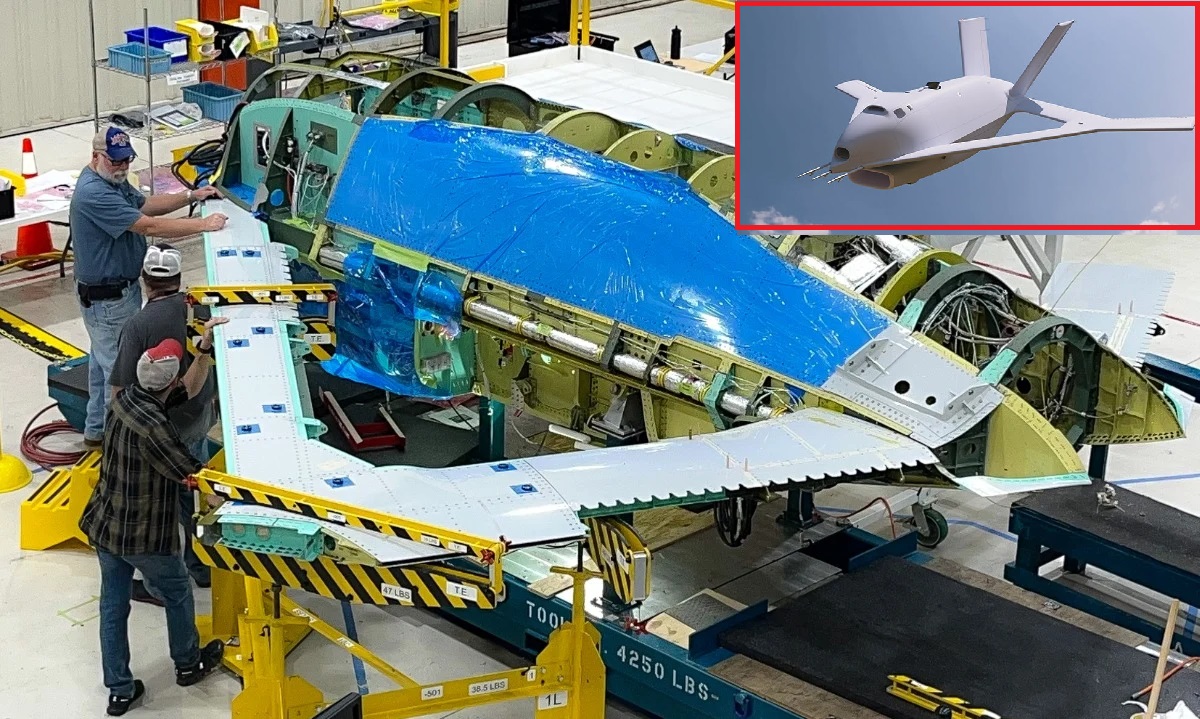
World
MANASSAS, Virginia, June 24, 2026 — The Defense Advanced Research Projects Agency (DARPA) and Boeing subsidiary Aurora Flight Sciences have reached a significant milestone in the development of the X-65 experimental aircraft, marking the transition from component manufacturing to full-scale airframe integration under the Control of Revolutionary Aircraft with Novel Effectors (CRANE) program. In June 2026, Aurora Flight Sciences received the aircraft’s specialized triangular wings at its integration facility in Manassas, Virginia. Engineers have begun mating the wings to the fuselage, advancing the project toward ground testing later this year and a planned first flight in late 2027. The X-65 is an uncrewed technology demonstrator designed to validate Active Flow Control (AFC) as the primary method of aircraft control at a tactically relevant scale. The program seeks to generate flight data that could influence the design of future military and commercial aircraft by replacing conventional moving flight-control surfaces with airflow-based control systems. Wing Integration Marks Key Development Stage The newly delivered wings were manufactured at Aurora’s facility in West Virginia and feature a delta-derived triangular planform with modular outboard sections. The design allows engineers to modify wing configurations between test campaigns and evaluate AFC performance across multiple sweep angles and aerodynamic arrangements. The wings incorporate internal pathways that distribute pressurized air to 14 AFC effectors embedded across the aircraft’s wing and tail surfaces. These effectors enable aircraft control without relying on traditional ailerons, elevators, or rudders. Wing integration follows the arrival of the fuselage in Virginia earlier in 2026. Engineering teams have been installing propulsion, electrical, and AFC systems while manufacturing of additional wing and tail components continued in parallel. Active Flow Control Replaces Conventional Flight Controls Unlike traditional aircraft that use mechanically actuated control surfaces, the AFC system works by releasing precisely directed jets of pressurized air through 14 embedded effectors. These air jets modify airflow patterns in real time, enabling the aircraft to perform pitch, roll, and yaw maneuvers without moving external control surfaces. According to DARPA, eliminating conventional flight-control mechanisms offers several potential advantages, including reduced aircraft weight, lower aerodynamic drag, simplified maintenance requirements, and increased design flexibility. The absence of hinges, actuators, and moving surfaces could also allow engineers to develop aircraft shapes that are difficult or impossible to achieve using traditional control systems. Designed for Operationally Relevant Testing Previous AFC research has largely been limited to wind-tunnel experiments and small unmanned aircraft. The X-65 is intended to demonstrate the technology at a scale more representative of future operational aircraft. The demonstrator features a wingspan of 30 feet (9.1 meters), a gross weight of approximately 7,000 pounds (3,175 kilograms), and a projected top speed of Mach 0.7, or roughly 532 mph (857 km/h). These characteristics place it in a category comparable to light military trainer aircraft or unmanned combat air vehicles. To support safe testing, the X-65 will initially operate under Federal Aviation Administration (FAA) experimental certification and retain conventional control surfaces during early flight trials as a safety backup while engineers validate AFC performance. Once baseline flight characteristics are confirmed, the traditional control surfaces will be locked in place, allowing the aircraft to operate using the AFC system alone. Modular Design Supports Continued Research A key feature of the aircraft is its modular architecture. Engineers can replace outboard wing sections and AFC effectors between test campaigns, allowing multiple aerodynamic configurations to be evaluated using the same aircraft. This flexibility is expected to support a broader range of research objectives beyond the initial CRANE program goals and provide a reusable platform for future AFC experimentation. Funding and Program Timeline DARPA selected Aurora Flight Sciences as the sole contractor for Phase 3 of the CRANE program in January 2024. The agency allocated approximately $38 million for the program during fiscal year 2024 and an additional $23.8 million in fiscal year 2025. In August 2025, DARPA and Aurora restructured the project under a co-investment agreement, with Aurora assuming a share of the funding responsibility for completing the aircraft and conducting its inaugural flight. The arrangement is intended to support the aircraft’s long-term use as a research platform rather than a single-use demonstrator. Following fuselage delivery in April 2026 and wing integration in June 2026, the program's planned schedule includes: Late 2026: Ground testing at Manassas Regional Airport, Virginia Early 2027: Taxi testing Late 2027: First flight of the X-65 demonstrator CRANE Program Manager Chris Kent has previously confirmed these target milestones. Potential Applications for Future Stealth Aircraft The program is attracting attention from the Air Force Research Laboratory, NASA, Naval Air Systems Command, and the Office of Naval Research. One area of interest is the potential application of Active Flow Control technology to low-observable aircraft design. Conventional control surfaces require hinges, gaps, and joints that can create radar-reflecting discontinuities on an aircraft’s exterior. By enabling aircraft control through airflow manipulation rather than moving external surfaces, AFC could allow future aircraft to maintain smoother outer mold lines. Such designs may help reduce radar cross-sections while preserving maneuverability, offering potential benefits for next-generation stealth aircraft. As integration work continues in Virginia, the upcoming ground and flight test campaigns are expected to provide critical data on whether airflow-based control systems can serve as a practical alternative to conventional aircraft flight controls.
Read More → Posted on 2026-06-24 12:15:59
World
SEOUL, June 24, 2026 — The South Korean Air Force has successfully completed its first live-fire exercise designed to counter drone swarms, marking a significant step in strengthening defenses against emerging aerial threats. The exercise was conducted on June 23 at a military training range along South Korea’s west coast and was organized by the Air Force Missile Defense Command. The drill aimed to evaluate the military’s ability to defend key facilities against coordinated low-altitude drone attacks using equipment already in service. During the exercise, a swarm of 50 drones approached the training area from a distance of approximately one kilometer. To intercept the targets, operators simultaneously fired eight Vulcan 20mm anti-aircraft cannons, creating a concentrated defensive barrier that successfully destroyed 44 drones. The remaining six drones that penetrated the initial defense layer were engaged using a portable laser system and five shotguns, resulting in the complete neutralization of all simulated targets. Colonel Nam Hyung-joo, chief of intelligence and operations at the Air Force Missile Defense Command, said the exercise was the first of its kind focused on defending against drone swarms using existing military assets. He added that lessons learned from the drill would support the continued development of South Korea’s counter-drone capabilities. The exercise reflects growing concern over the threat posed by small, low-cost drones, which have increasingly been used in modern conflicts to target military facilities, ammunition depots, air bases, fuel storage sites, and command centers. Due to their small size, mobility, and ability to operate at low altitudes, such drones can be difficult to detect and intercept using conventional air defense systems. South Korea has been expanding its focus on counter-drone technologies and layered air defense solutions. The latest exercise demonstrated the effectiveness of combining traditional kinetic systems such as Vulcan cannons with newer technologies, including portable laser weapons, to counter mass drone attacks. Officials said data collected during the drill will be used to refine tactics, operational procedures, and future investments aimed at improving protection against evolving drone threats.
Read More → Posted on 2026-06-24 12:29:19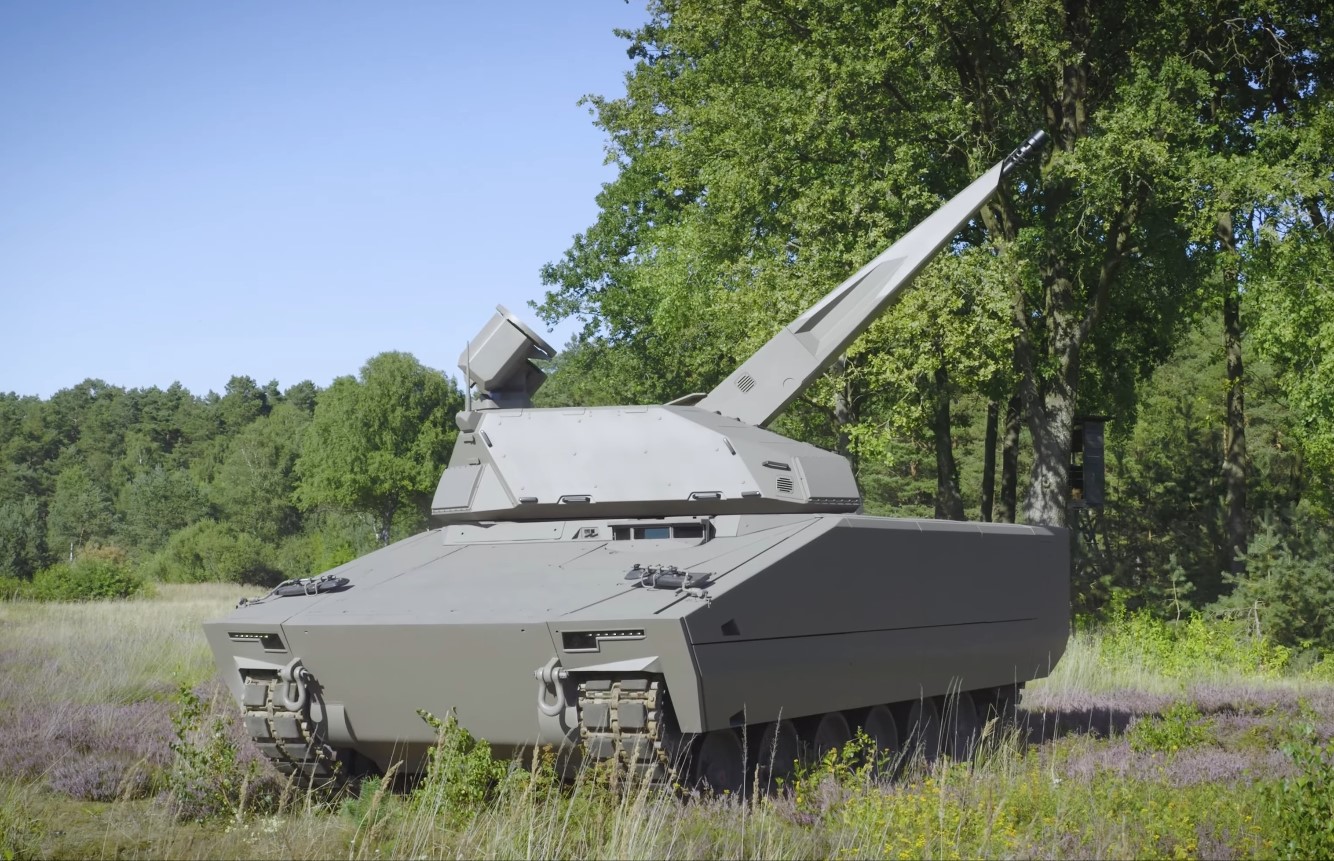
World
BUCHAREST, June 24, 2026 — Romania has awarded German defense company Rheinmetall a €5.7 billion contract for a wide range of military equipment, including 24 Skyranger 35 air defence systems, 298 Lynx-family combat vehicles, naval vessels, and ammunition. The agreement is one of the largest defense procurement programs undertaken by Romania in recent years and represents Rheinmetall’s largest international order to date. The contracts were signed on May 29, 2026, under the European Union’s Security Action for Europe (SAFE) program, which supports defense investments among EU member states. Deliveries are scheduled to begin in 2028 and continue through 2030. Skyranger 35 to Strengthen Mobile Air Defence A central element of the package is the acquisition of 24 Skyranger 35 ground-based air defence systems integrated onto Rheinmetall’s Lynx KF41 tracked infantry fighting vehicle platform. The combination provides the Romanian Armed Forces with a highly mobile air defence capability designed to protect troops, military assets, and critical infrastructure from modern aerial threats. The Skyranger 35 is equipped with a high-precision 35 mm Oerlikon revolver cannon capable of firing programmable AHEAD airburst ammunition. The system is supported by advanced multi-mission radar sensors providing 360-degree surveillance and electro-optical tracking systems for passive target detection and engagement. Designed for short-range and very short-range air defence missions, the Skyranger 35 can counter loitering munitions, drone swarms, attack helicopters, and conventional aerial threats while on the move. According to Rheinmetall, recent security developments, including incidents involving unmanned drones entering Romanian airspace, have highlighted the growing need for modern mobile air defence capabilities. Oliver Dürr, Head of Rheinmetall’s Air Defence Division, said Romania’s selection of the Skyranger 35 on the Lynx platform marks an important step in strengthening European air defence capabilities and addressing current security challenges. Comprehensive Modernization Package Beyond the Skyranger systems, the broader procurement package includes 298 Lynx-family tracked vehicles. The fleet will consist primarily of armored personnel carriers, supported by reconnaissance, command post, mortar carrier, and medical evacuation variants. To strengthen Romania’s layered air defence network, the agreement also includes seven Skynex air defence batteries and two Millennium Gun systems intended for maritime air defence operations. The package additionally covers more than 400,000 rounds of medium-caliber ammunition, including specialized 35 mm AHEAD airburst munitions used by the Skyranger 35 system. Naval Capabilities Expansion Romania’s naval forces will also receive four new vessels under the agreement, including two offshore patrol vessels (OPVs) and two diver intervention support ships. The vessels are expected to enhance maritime security and operational capabilities in the Black Sea region. Focus on Domestic Industry A significant portion of the program will be implemented within Romania through industrial cooperation and technology transfer initiatives. Rheinmetall plans to invest several hundred million euros in local production facilities and expand its industrial footprint in the country. The company intends to integrate more than 200 Romanian subcontractors into its supply chain, enabling a substantial share of manufacturing and value creation to take place domestically. Romanian officials expect the program to support the growth of the national defense industry and create thousands of jobs over the coming decade. The local production component was also included to meet the requirements of the European Union’s SAFE financing framework, which encourages industrial participation within member states. Strengthening NATO’s Eastern Flank The procurement forms part of Romania’s broader military modernization strategy and is expected to enhance the country’s contribution to NATO’s eastern flank security architecture. Once delivered, Romania will become the second NATO country on NATO’s eastern flank to operate the Lynx platform after Hungary. Until the new Skyranger systems enter service, Rheinmetall will continue supporting Romania’s existing Gepard anti-aircraft gun vehicles to maintain operational air defence readiness. The €5.7 billion package represents a major step in Romania’s efforts to modernize its armed forces while strengthening domestic defense production and regional security capabilities.
Read More → Posted on 2026-06-24 12:51:15
World
BURNABY, British Columbia, June 24, 2026 — Cellula Robotics has successfully completed a 2,023-kilometer fully submerged mission with its Envoy Autonomous Underwater Vehicle (AUV), marking a significant advancement in long-endurance underwater operations. Powered by a proton exchange membrane (PEM) hydrogen fuel cell system, the vehicle remained underwater for 385 continuous hours while performing a demanding operational profile designed to simulate real-world subsea missions. The achievement demonstrates the ability of hydrogen fuel cell technology to overcome long-standing limitations faced by battery-powered autonomous underwater vehicles. By combining extended endurance, deep-water capability, and a low acoustic signature, the Envoy completed a mission profile that has remained difficult to achieve with conventional lithium-ion battery systems. Unlike traditional endurance demonstrations that rely on straight-line transit routes, the Envoy's mission involved a complex operational pattern featuring more than 4,000 turns and maneuvers. Frequent course changes significantly increase power consumption compared to steady travel, making the test a more realistic representation of actual subsea operations. Despite these demanding conditions, the vehicle exceeded its published performance specifications while remaining fully submerged throughout the mission. The Envoy AUV is owned by Defence Research and Development Canada (DRDC/RDDC), which has worked with Cellula Robotics over several years to advance long-endurance autonomous underwater technologies. The successful demonstration highlights the progress achieved through this collaboration and validates the operational potential of hydrogen-powered underwater systems. Measuring approximately 8.5 meters in length and about 1 meter in diameter, the Envoy has a displacement of around 3,700 kilograms. The platform is designed to operate at depths of up to 3,000 meters, with some references indicating potential capability for deeper operations. The vehicle uses a 1.2-kilowatt PEM hydrogen fuel cell system developed in partnership with Infinity Fuel Cell and Hydrogen, Inc. For more than a decade, AUV designers have faced a trade-off between endurance, depth capability, and vehicle size. Increasing battery capacity generally adds weight and drag, reducing efficiency and limiting overall performance. Likewise, strengthening a vehicle for deeper dives requires heavier pressure-resistant structures that further consume the available energy budget. The Envoy addresses these challenges through hydrogen fuel cell technology, which provides more than twice the energy density of conventional lithium-ion batteries. This allows the platform to undertake extended missions without frequent surfacing, recovery, or support from surface vessels. The fuel cell generates electricity through a reaction between hydrogen and oxygen, producing only water as a byproduct. The system also offers operational advantages for defense and sensitive commercial missions. Because the electricity generation process occurs without combustion, the vehicle produces minimal acoustic emissions, reducing the likelihood of detection during underwater operations. The absence of exhaust emissions further enhances its suitability for covert or environmentally sensitive missions. A key feature of the Envoy is its ability to remain stationary on the seabed using a suction anchor system. Rather than continuously expending energy to maintain position against ocean currents, the vehicle can attach itself to the ocean floor and conduct long-duration monitoring activities. This capability enables extended observation of undersea infrastructure such as pipelines, telecommunications cables, offshore energy installations, and strategic maritime locations. Potential applications include pipeline inspection, underwater cable monitoring, ocean floor mapping, scientific research, environmental monitoring, and naval surveillance missions. The ability to remain on station for extended periods without support vessels could reduce operational costs while expanding mission flexibility for both defense and commercial operators. The Envoy, previously known as Solus-LR, forms part of Cellula Robotics’ broader family of modular autonomous underwater vehicles. The company also develops larger platforms, including the Guardian and Porter AUVs, which are designed to provide even greater endurance and operational persistence for complex subsea missions. The successful completion of the 2,023-kilometer mission in April 2026 represents an important milestone in the development of air-independent propulsion systems for autonomous underwater vehicles. As hydrogen fuel cell technology continues to mature, it is expected to support future underwater platforms capable of operating for weeks or even months with minimal logistical support. The demonstration underscores the growing role of hydrogen-powered systems in maritime autonomy and highlights their potential to transform how governments, research organizations, and offshore industries monitor critical undersea infrastructure, conduct scientific surveys, and maintain awareness of activities beneath the ocean surface.
Read More → Posted on 2026-06-24 14:03:36 U.S. Army Awards Lockheed Martin $8.4 Billion to Mass Produce Precision Strike Missiles Through 2032
World
WASHINGTON, June 24, 2026 — The U.S. Army has awarded Lockheed Martin an $8.4 billion contract modification to significantly expand production of the Precision Strike Missile (PrSM), the service’s next-generation long-range precision strike weapon. The agreement, signed on June 23, 2026, increases the total value of the PrSM contract to approximately $13.3 billion and extends production planning through the end of fiscal year 2032. The contract is being administered by the U.S. Army Contracting Command at Redstone Arsenal, Alabama, with the majority of the work to be carried out at Lockheed Martin’s missile production facility in Grand Prairie, Texas. The contract modification supports increased manufacturing capacity, procurement of early operational capability missiles, follow-on production lots, continued development activities, and long-term obsolescence management to ensure the missile system remains operationally relevant over the coming decade. Expanding Long-Range Precision Fires Capability The Precision Strike Missile (PrSM) is being developed as the replacement for the MGM-140 Army Tactical Missile System (ATACMS), which has served as the Army’s primary long-range ground-launched missile since the early 1990s. While ATACMS demonstrated its effectiveness in multiple conflicts, including operations in the Middle East and Ukraine, the Army sought a successor capable of delivering greater range and increased firepower. One of the key advantages of the PrSM is its compatibility with existing launch platforms. The missile can be fired from both the M142 High Mobility Artillery Rocket System (HIMARS) and the M270 Multiple Launch Rocket System (MLRS) without requiring modifications to launch vehicles or supporting infrastructure. Each HIMARS launcher can carry two PrSM missiles in a launch pod, compared to a single ATACMS missile. Likewise, an M270 launcher can carry four PrSM rounds, effectively doubling the number of precision strike weapons available to artillery units while maintaining the same launcher footprint. Greater Range and Future Growth Potential PrSM Increment 1 has a publicly stated range exceeding 499 kilometers (310 miles), a significant improvement over the approximately 300-kilometer range of the most advanced ATACMS variants. The increased range enables commanders to engage targets deeper inside contested areas while reducing exposure of friendly forces. Future versions of the missile are expected to deliver even greater capability through upgrades to propulsion systems, seeker technologies, and targeting functions. The missile’s open systems architecture is designed to facilitate future enhancements and integration of emerging technologies. The PrSM program received Milestone C approval in July 2025, authorizing full-rate production. Since then, the Army and Lockheed Martin have worked to accelerate manufacturing output, including previous efforts aimed at substantially increasing annual production capacity. Strengthening U.S. Munition Stockpiles The scale and duration of the contract reflect broader U.S. efforts to rebuild and expand precision-guided munition inventories. Defense planners have emphasized the importance of sustaining large missile stockpiles following lessons learned from recent conflicts, where advanced weapons were consumed at a faster rate than anticipated during high-intensity combat operations. By extending the production horizon through September 30, 2032, the Army is providing industry with long-term stability to support workforce expansion, supply chain investments, facility modernization, and increased production rates. Specific work requirements and funding allocations will continue to be issued through individual task orders, allowing flexibility to adjust procurement levels as operational requirements evolve. Combat Debut During Operation Epic Fury The production expansion follows the missile’s first operational use earlier this year. On March 4, 2026, U.S. Central Command (CENTCOM) confirmed that the Precision Strike Missile was employed during Operation Epic Fury, a large-scale campaign launched on February 28 against Iranian military infrastructure, missile facilities, and nuclear-related targets. According to CENTCOM, PrSM missiles were launched from HIMARS systems as part of a broader multidomain operation that also included air strikes and naval cruise missile attacks. The command described the missile as providing “an unrivaled deep strike capability” during the operation. Admiral Brad Cooper, then commander of CENTCOM, praised the successful deployment of the system and its contribution to long-range precision strike operations. Long-Term Modernization Effort The contract underscores the Army’s commitment to modernizing its long-range fires portfolio while ensuring sufficient production capacity for future operational requirements. PrSM Increment 1 employs a unitary warhead and is designed to engage high-value and time-sensitive targets in contested environments. With production now planned through 2032, the Army aims to field larger quantities of the missile while continuing development of future increments that will further extend range and expand mission capabilities. The agreement also provides Lockheed Martin with a stable framework for sustaining production and supporting the Army’s long-term modernization objectives. The $8.4 billion contract modification represents one of the largest recent investments in U.S. ground-launched precision strike weapons and is expected to play a central role in expanding the Army’s long-range strike capacity over the next decade.
Read More → Posted on 2026-06-24 14:09:17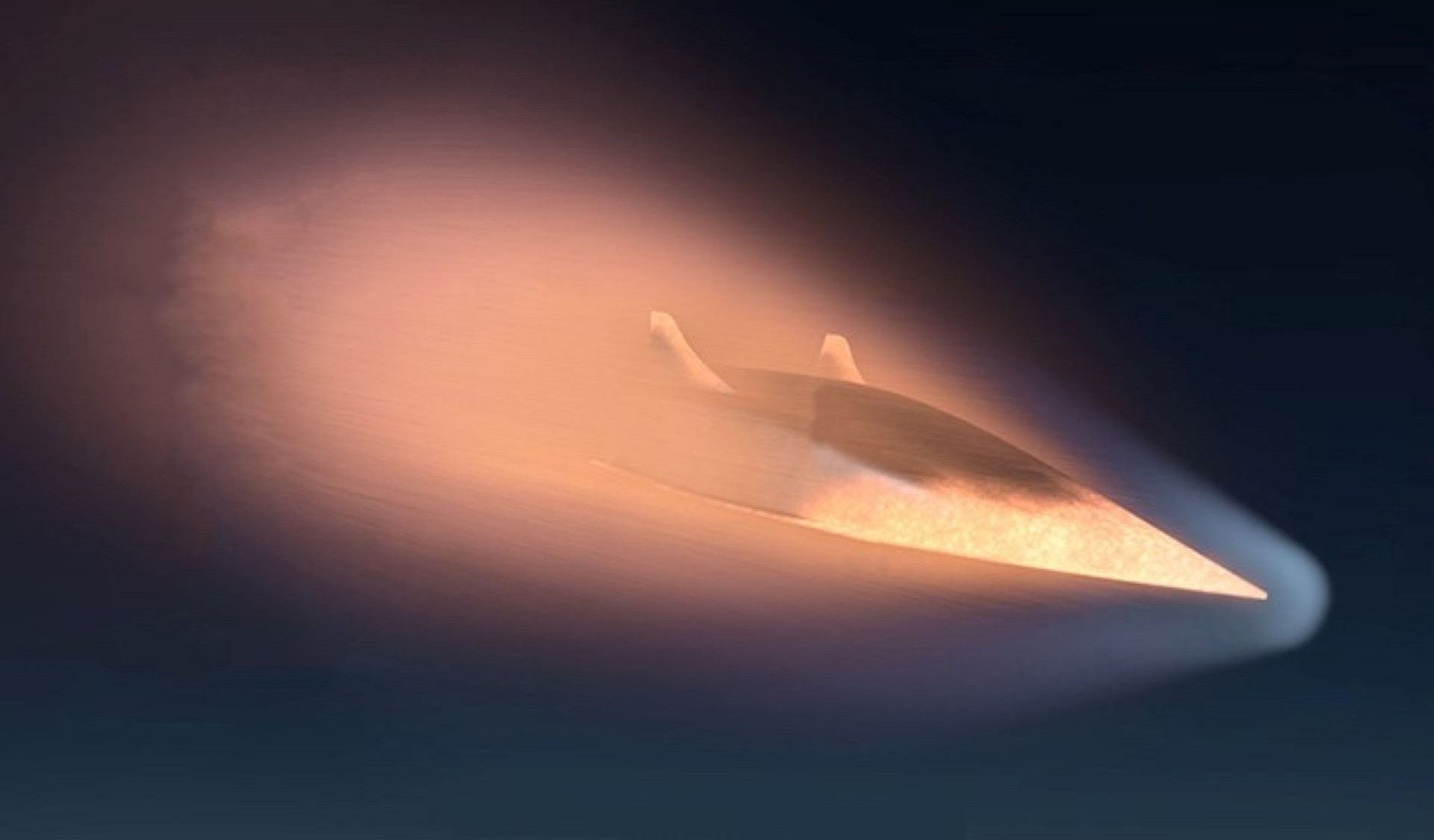
World
HUNTSVILLE, Alabama, June 24, 2026 — Lockheed Martin has unveiled its Next Generation Glide Body (NXGB), a new hypersonic glide body designed to provide an affordable, rapidly producible, and long-range strike capability for future military operations. The company said the NXGB is intended to address evolving national security requirements by combining advanced performance, survivability, and production scalability. The system is being developed as part of Lockheed Martin’s broader effort to expand hypersonic strike capabilities while ensuring they can be manufactured efficiently and in larger numbers. Hypersonic weapons, which travel at speeds exceeding Mach 5, have become a key priority for the U.S. military due to their ability to maneuver at high speeds, making them more difficult to detect and intercept than conventional ballistic missile systems. Manufacturing-Focused Design According to Lockheed Martin, the NXGB employs a manufacturing-first approach aimed at reducing production costs while delivering greater range and velocity than existing hypersonic designs. The company stated that the system was designed from the outset with large-scale production in mind, allowing it to meet future operational requirements without the manufacturing challenges often associated with advanced weapon systems. To support this goal, Lockheed Martin has invested in purpose-built manufacturing facilities, advanced production technologies, and expanded supply chain partnerships. These investments are intended to improve production efficiency and enable the company to rapidly deliver the capability once the program moves into later development stages. Multi-Domain Launch Capability The NXGB has been engineered to operate across multiple warfighting domains and can be launched from a variety of platforms. This cross-domain compatibility is expected to provide military commanders with greater operational flexibility in contested environments while reducing risk to deployed forces. Built on Decades of Missile Development Experience Lockheed Martin said the NXGB draws on more than 60 years of missile development experience. The system incorporates proven technologies, established engineering practices, and lessons learned from previously fielded missile and strategic defense programs. The design also utilizes a Modular Open Systems Approach (MOSA), allowing future upgrades and integration of new technologies without requiring extensive redesign. Company Highlights Affordability and Scalability Johnathon Caldwell, Vice President and General Manager of Strategic and Missile Defense Systems at Lockheed Martin, said the NXGB reflects the company's focus on delivering effective deterrence capabilities that can be produced efficiently and at scale. “NXGB demonstrates our commitment to delivering next-generation deterrence that is not only effective, but affordable and producible at scale,” Caldwell said. “We designed this capability from the outset to provide greater value to our customers while delivering an operational advantage to the warfighter.” Caldwell added that the system represents a shift toward designing advanced weapons specifically for large-scale manufacturing while maintaining high performance standards. “The future of deterrence belongs to solutions that combine innovative Modular Open Systems Approach and modern design methods with proven performance,” he said. “NXGB reflects a paradigm shift focusing on design for manufacturing at scale while implementing decades of lessons learned designing, producing and delivering mission-critical systems for the warfighter.” Preliminary Design Review Completed Lockheed Martin announced that the NXGB program has successfully completed its Preliminary Design Review (PDR), a key development milestone that validates the system’s design against established technical requirements. The company stated that the review confirmed the design meets performance objectives while satisfying affordability and producibility criteria. Flight Demonstration Planned for 2027 The next major milestone for the program will be a flight demonstration scheduled for 2027. The test is expected to validate the glide body’s performance and operational capability. The announcement comes as the U.S. military continues to invest heavily in hypersonic technologies to strengthen long-range precision strike capabilities across multiple services. The NXGB is intended to provide a balance of performance, affordability, and production scalability to support future operational requirements.
Read More → Posted on 2026-06-24 14:22:47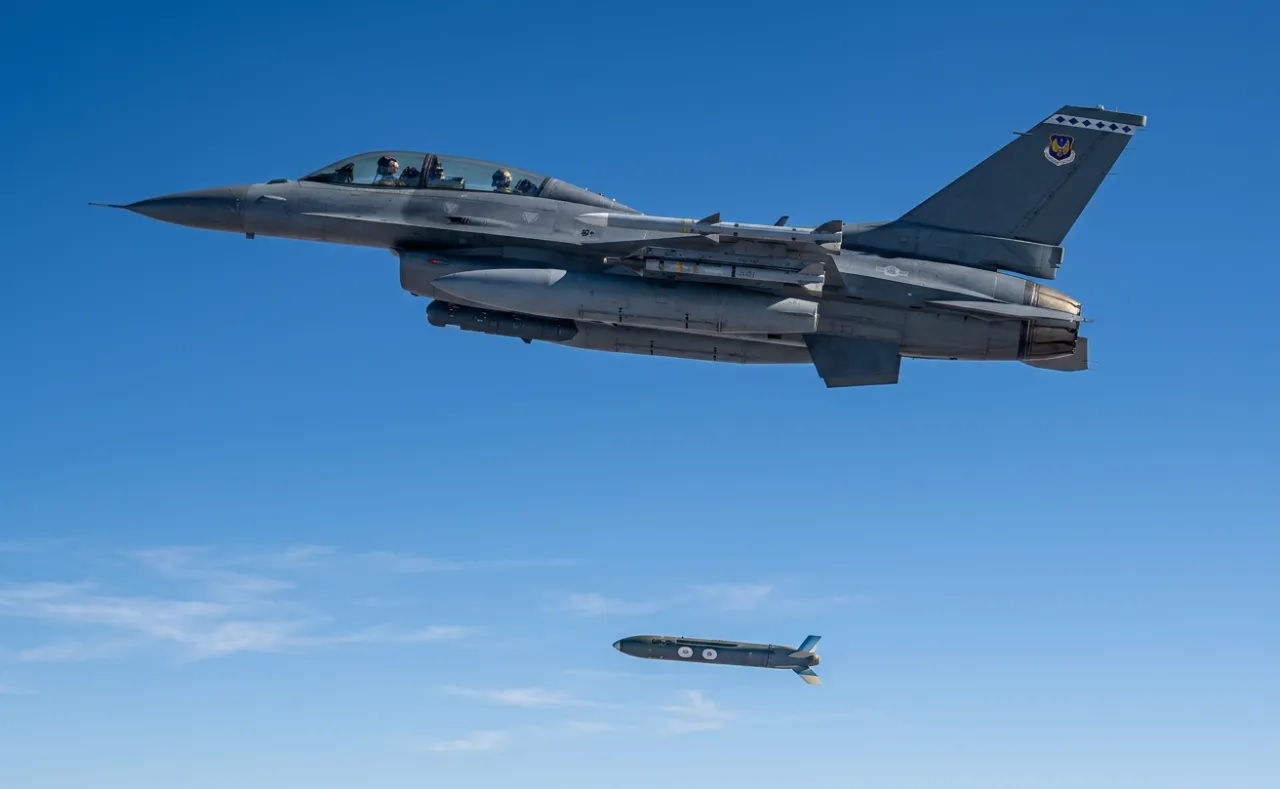
World
DAYTON, Ohio, June 24, 2026 — The U.S. Air Force has awarded a $12 million contract to Zone 5 Technologies to develop manufacturing capabilities for large-scale production of the AGM-188A "Rusty Dagger" missile, a low-cost, air-launched precision strike weapon developed under the Extended Range Attack Munition (ERAM) program. The contract was issued on June 18, 2026, by the Air Force Research Laboratory (AFRL) at Wright-Patterson Air Force Base, Ohio. It represents a Phase III Small Business Innovation Research (SBIR) effort focused on transitioning the missile from prototype development to quantity production. Of the total contract value, $7.5 million was obligated immediately using fiscal year 2026 research, development, test, and evaluation funds. Work under the contract will be carried out in Miamisburg, Ohio, with completion expected by September 2027. The manufacturing effort is intended to address supply chain, production engineering, and industrial scaling challenges required to support high-volume missile output. The AGM-188A Rusty Dagger was developed as part of the Air Force's ERAM initiative, launched in 2024 to provide affordable, mass-producible long-range strike weapons. The Air Force has emphasized the need for low-cost precision munitions that can be produced in large quantities while maintaining precision strike capability. Designed for Existing Aircraft Fleets The Rusty Dagger combines characteristics of a cruise missile and a guided bomb. The weapon falls within the 500-pound (225 kg) class and carries a 45-kilogram (100-pound) warhead. Powered by a PBS Aerospace TJ80 turbojet engine, the missile can reach high-subsonic speeds exceeding Mach 0.6 and is reported to have a standoff range of approximately 460 to 930 kilometers (280 to 580 miles). The missile uses GPS and inertial navigation systems and can incorporate autonomous visual navigation capabilities for operations in GPS-denied or electronically contested environments. One of the key features of the Rusty Dagger is its compatibility with the size, weight, and mounting interface of the widely used Mk 82 unguided bomb. This allows aircraft already capable of carrying Mk 82 bombs to employ the missile without requiring significant modifications to weapon stations or airframes. The design enables integration across a broad range of NATO and partner aircraft, including Ukraine's F-16 fleet and other fixed-wing combat platforms. Rapid Development Under ERAM Program Zone 5 Technologies, headquartered in San Luis Obispo, California, was selected under the ERAM program through the Small Business Innovation Research framework. The company moved the program through development at an accelerated pace, achieving milestones including integration testing on F-16 aircraft and successful live-warhead testing at Eglin Air Force Base, Florida. A first production batch of approximately 840 missiles is planned for delivery in October 2026. In August 2025, the U.S. Defense Security Cooperation Agency approved a Foreign Military Sale package allowing Ukraine to acquire up to 3,350 ERAM munitions and related equipment. The package was valued at an estimated $825 million and is supported by funding contributions from the United States, Denmark, the Netherlands, and Norway. Reports of Possible Combat Use The manufacturing contract follows reports of a strike conducted on June 22, 2026, against the JSC "VZPP-Sborka" semiconductor facility in Voronezh, Russia, located roughly 500 kilometers from the Ukrainian border. The facility produces military-grade microelectronics used in several Russian defense systems, including Kh-101 cruise missiles, Iskander-K missile systems, and Pantsir-S1 air defense platforms. Russian regional authorities acknowledged damage to production facilities, but the exact weapons used in the attack remain unconfirmed. Local monitoring sources initially reported that Storm Shadow missiles may have been involved. However, Russian military-affiliated Telegram channels, including Voevoda Broadcasts, cited by open-source intelligence account Status-6, claimed that AGM-188 Rusty Dagger missiles were employed in the strike. Previous Russian reports have also claimed the recovery of components allegedly associated with the missile, including an eight-element Controlled Reception Pattern Antenna (CRPA) used for navigation and anti-jamming functions. Neither the U.S. government nor Ukrainian authorities have officially confirmed the operational deployment of the AGM-188A. If confirmed, the Voronezh attack would represent the first reported combat use of the weapon. Production Scaling Becomes Priority The current contract focuses on establishing manufacturing processes capable of supporting large-scale production while maintaining affordability. The effort reflects broader Air Force objectives to increase precision-guided munition inventories through innovative procurement programs and participation by smaller defense firms. Zone 5 Technologies was acquired by Kongsberg Defence & Aerospace of Norway in June 2026 and continues to operate as a subsidiary. The acquisition may provide additional industrial resources to support future production expansion. With manufacturing technology development now underway in Ohio, the Rusty Dagger program is moving from testing and evaluation toward sustained production, supporting future long-range precision strike requirements.
Read More → Posted on 2026-06-24 14:31:57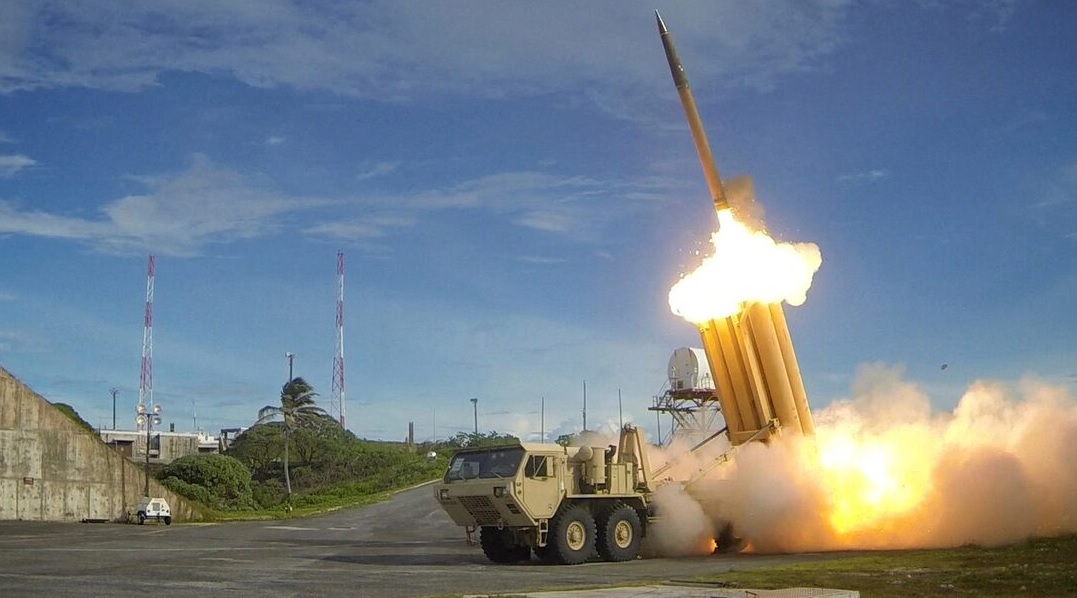
World
WASHINGTON, D.C., June 25, 2026 — The U.S. government has awarded Lockheed Martin a seven-year undefinitized contract action (UCA) valued at up to $35 billion to significantly expand production of Terminal High Altitude Area Defense (THAAD) interceptors. The contract is designed to rapidly replenish U.S. missile inventories, strengthen the defense industrial base, and accelerate deliveries to the United States and allied nations. The agreement marks one of the largest missile defense production contracts awarded in recent years and represents one of the first major multiyear procurement programs implemented under the Department of War's Acquisition Transformation Strategy. The contract transitions the framework agreement signed between the department and Lockheed Martin in January 2026 into full contract execution. Under the agreement, Lockheed Martin will increase annual THAAD interceptor production from approximately 96 interceptors to 400 interceptors per year, more than quadrupling current manufacturing capacity over the seven-year contract period, which runs from March 2026 through June 2032. Department officials said the multiyear procurement approach provides industry with a predictable long-term demand signal, allowing contractors to invest in manufacturing capacity, workforce expansion, and supply chain improvements while reducing production risks associated with short-term contracts. Expanding Manufacturing Capacity To support the increased production target, Lockheed Martin is continuing a broader $9 billion investment plan through 2030 aimed at expanding missile manufacturing across the United States. According to the company, the investment program has already resulted in more than 20 newly built or modernized facilities supporting missile and munitions production. Recent milestones include: Construction of a new Munitions Production Center (Building 47) in Troy, Alabama, adding approximately 87,000 square feet of production space for THAAD interceptors and future Next Generation Interceptor (NGI) work while nearly doubling the site's manufacturing area. Opening of the Next Generation Interceptor facility in Courtland, Alabama. Launch of the Munitions Acceleration Center in Camden, Arkansas, which will train and prepare workers to manufacture THAAD interceptors and other advanced missile defense systems. The company is also expanding its workforce across engineering, manufacturing, and skilled trades, with investments expected to support tens of thousands of American jobs over the coming years. In parallel, Lockheed Martin is working closely with suppliers to improve supply chain resilience by expanding production capacity, qualifying additional sources for critical components, and reducing manufacturing bottlenecks. Supporting that effort, the Pentagon recently awarded L3Harris a separate $400 million contract to manufacture additional solid rocket boost motors for the THAAD system. THAAD's Role in Missile Defense THAAD is a ground-based missile defense system designed to intercept and destroy short-, medium-, and intermediate-range ballistic missiles during the terminal phase of flight, both inside and outside Earth's atmosphere. Unlike traditional missile interceptors that rely on explosive warheads, THAAD uses hit-to-kill technology, destroying incoming missiles through direct kinetic impact. A standard THAAD battery consists of approximately 90 soldiers, six truck-mounted launchers, 48 interceptors, an AN/TPY-2 radar, and associated fire control and communications equipment. The system provides an upper-layer missile defense capability and complements lower-tier systems such as the Patriot air and missile defense system. THAAD has undergone numerous successful flight tests and has been deployed operationally to support U.S. and allied missile defense missions. Production Increase Driven by Operational Demand The expansion in production follows extensive operational use of THAAD interceptors during recent military operations, particularly Operation Epic Fury, which placed significant demand on U.S. missile defense inventories. According to estimates published by the Center for Strategic and International Studies (CSIS), the U.S. military has expended roughly half of its Patriot and THAAD interceptor stockpiles since operations began in February. The report estimates that approximately 190 to 290 THAAD interceptors have been launched to defend U.S. forces and critical infrastructure against evolving ballistic missile threats, representing an estimated replacement cost of between $2.3 billion and $3.5 billion. The increased production is intended to replenish those inventories while ensuring continued support for U.S. military requirements and foreign military sales to allied nations. Part of a Broader Missile Production Strategy The THAAD contract forms part of a wider Department of War initiative to expand production of key missile systems through multiyear procurement agreements. Lockheed Martin was the first defense contractor to announce a framework agreement under the department's munitions acceleration strategy. Similar agreements also cover the PAC-3 Missile Segment Enhancement (PAC-3 MSE) interceptor and the Precision Strike Missile (PrSM) program. In April 2026, the company received a separate $4.7 billion contract to accelerate production of the PAC-3 MSE interceptor, further expanding U.S. missile manufacturing capacity. Officials say the combination of long-term procurement contracts, industrial investments, facility modernization, workforce expansion, and strengthened supplier networks is intended to ensure the United States can sustain higher production rates for critical missile defense systems while meeting future operational requirements.
Read More → Posted on 2026-06-25 09:40:51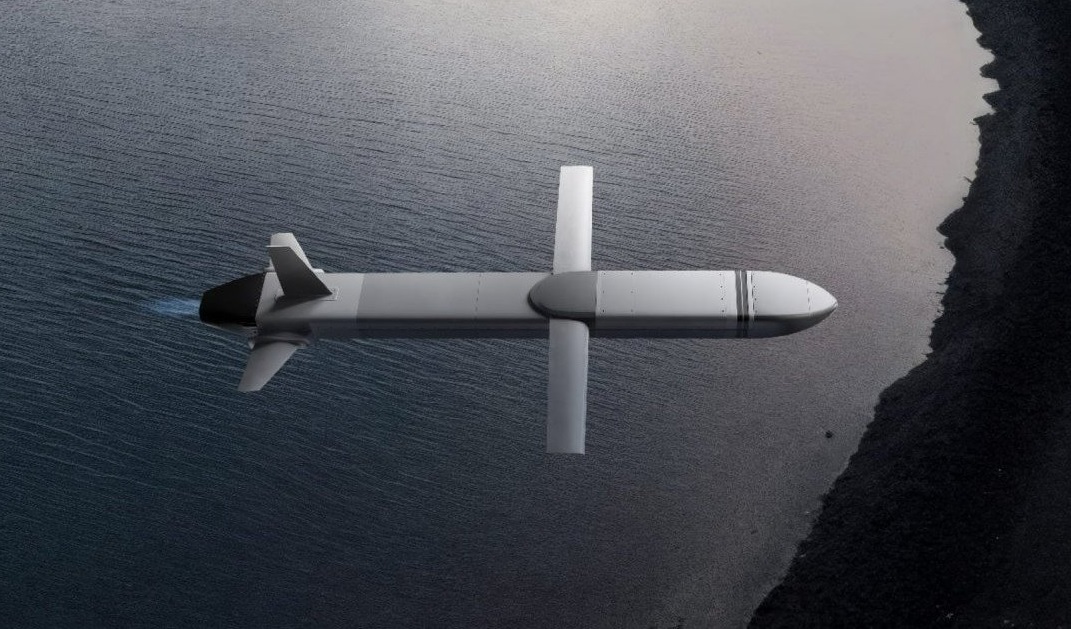
World
THE HAGUE, Netherlands — June 25, 2026 : The Netherlands has finalized a €250 million agreement to procure 700 Ruta Block 2 cruise missiles for the Ukrainian Armed Forces, according to Dutch newspaper NRC. The missiles, manufactured by European aerospace and defense company Destinus, are intended to strengthen Ukraine's long-range precision strike capability against military infrastructure behind Russian lines. The procurement is part of a broader €500 million military assistance package announced by the Dutch government in mid-June 2026. Half of the package has been allocated to drones and missile systems produced by Dutch defense manufacturers, while the remaining funding will support other Ukrainian defense priorities. The agreement was confirmed after Ukrainian Minister of Digital Transformation Mykhailo Fedorov visited the Destinus production facility in Hengelo during mid-June to inspect manufacturing operations. Ruta Block 2 Capabilities The Ruta Block 2 is an upgraded version of the earlier Ruta missile, redesigned as a stealth cruise missile for precision strikes against hardened and high-value stationary targets. The missile has a range of more than 700 kilometers and carries a 250-kilogram warhead. It is equipped with an electro-optical/infrared (EO/IR) seeker with AI-assisted target recognition, allowing it to maintain accuracy even in GNSS-denied and electronic warfare environments. The missile follows a low-altitude terrain-following flight profile to reduce radar detection and features a low-observability airframe. Foldable wings enable launches from standard 40-foot shipping containers using a solid-fuel booster or from aircraft. Production and Development The Ruta missile family is powered by Destinus' T150 turbojet engine. Earlier this month, the company announced production of its 1,000th engine, supporting expanded manufacturing capacity. The Block 2 missile was developed in cooperation with Ukraine's Brave1 defense technology cluster and successfully completed flight testing in Ukraine in April 2026. Destinus has also partnered with Germany's Rheinmetall through the Rheinmetall Destinus Strike Systems joint venture to increase production, with manufacturing shared across the Netherlands, Germany, and Ukraine. Strategic Role Ukrainian officials say the 700-missile order will strengthen the country's medium-range strike capability by enabling precision attacks on military infrastructure, logistics routes, supply lines, and operational hubs behind Russian lines. The Netherlands said the agreement also supports the expansion of Europe's defense industrial base through domestic production. Deliveries of the Ruta Block 2 missiles are expected to increase throughout the remainder of 2026.
Read More → Posted on 2026-06-25 09:52:37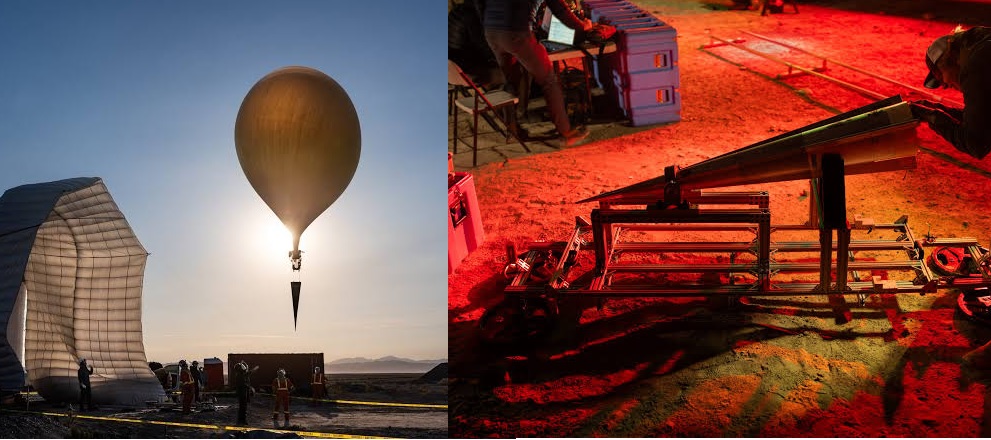
World
WASHINGTON, D.C., June 25, 2026 — The U.S. Department of Energy's National Nuclear Security Administration (DOE/NNSA) has unveiled Aires Tide, a proof-of-concept nuclear flight test vehicle developed using artificial intelligence (AI), high-performance computing (HPC), and advanced 3D-printing technologies. Designed to measure the extreme heat and vibrations experienced during a nuclear weapon's flight, the project demonstrates a faster and more cost-effective approach to developing national security systems. Developed between October 2025 and March 2026, Aires Tide progressed from initial design to a flight-ready prototype in just five months. By integrating AI-driven engineering, high-performance computing, and additive manufacturing, the NNSA completed the project approximately seven times faster and at nearly one-fifteenth the cost of traditional development methods. First Milestone of the Genesis Mission Aires Tide is the first major engineering demonstration under the Genesis Mission, a White House initiative launched by President Donald Trump in November 2025 and led by the Department of Energy. The program seeks to connect AI-enabled national laboratory supercomputers to accelerate scientific research and national security development. National Laboratory Collaboration The project brought together multiple organizations across the Nuclear Security Enterprise. Lawrence Livermore National Laboratory (LLNL) led AI-enabled payload optimization and advanced physics-based modeling. Sandia National Laboratories (SNL) provided system design, integration expertise, and testing infrastructure, while Los Alamos National Laboratory (LANL) contributed systems modeling and design support. Manufacturing was carried out with assistance from the Kansas City National Security Campus (KCNSC). Engineers used the NNSA's Venado and El Capitan supercomputers to analyze large datasets, evaluate design configurations, and optimize the vehicle before manufacturing. Advanced Manufacturing Process The cone-shaped fuselage was produced using laser powder bed fusion, an advanced metal 3D-printing process. The vehicle was manufactured as nested modular sections, reducing production time and cost while allowing rapid assembly and design refinement. Successful Flight Tests In May 2026, scientists conducted two successful flight tests of a half-scale (1:2) Aires Tide prototype at the U.S. Army's Dugway Proving Ground in Utah. The vehicle was lifted to an altitude of 32,000 feet by a hydrogen-filled balloon before being released. During the tests, onboard instruments collected data on aerodynamic heating, structural vibrations, and flight performance. The information is being used to validate computer simulations and improve future designs. Public Display and Future Applications An 11-foot-tall full-scale prototype of Aires Tide is on display at the National Mall in Washington, D.C., as part of the Great American State Fair during the Freedom 250 celebration. The NNSA said Aires Tide is a proof-of-concept flight test vehicle rather than a production weapons system. Data collected during the program will support future AI-enabled design, testing, and manufacturing efforts, helping modernize engineering processes used for the U.S. nuclear stockpile and other national security applications.
Read More → Posted on 2026-06-25 10:01:03
World
KYIV, Ukraine, June 25, 2026 — Denmark will provide Ukraine with 15,000 extended-range artillery rounds after agreeing to redirect funding originally allocated for short-range ammunition. The decision follows a request from Kyiv to adjust military assistance in line with changing battlefield conditions, where long-range firepower has become increasingly important. Ukrainian Minister of Defence Mykhailo Fedorov confirmed the agreement, noting that some of the artillery rounds have already arrived in Ukraine and are being integrated into frontline operations, while the remaining deliveries are expected as early as this month. Long-Range Artillery Becomes a Priority Ukraine's Ministry of Defence said extended-range artillery ammunition has become one of the country's highest operational priorities as battlefield conditions continue to evolve. The requirement has also been highlighted by President Volodymyr Zelenskyy during the Ramstein-format meeting with international partners. According to the ministry, the widespread use of unmanned aerial vehicles (UAVs) has expanded the battlefield's "drone kill zone," making conventional short-range artillery operations more hazardous. Extended-range artillery enables Ukrainian forces to engage enemy troop positions, logistics hubs, and command posts from greater distances while reducing the exposure of artillery crews. Denmark Redirects Military Assistance The artillery package follows a joint review of ongoing military assistance between Ukraine and Denmark. During the assessment, both sides identified funding that had originally been planned for short-range ammunition and agreed to redirect those resources toward extended-range artillery rounds to better meet current operational requirements. Denmark became one of the first partner countries to implement the revised support plan. The reallocation allows Ukraine to receive ammunition better suited to current battlefield needs without requiring additional funding. Ukraine's Current Defence Priorities Ukraine continues to work with international partners to ensure military assistance is aligned with operational requirements. According to the Ministry of Defence, the country's current priorities include: Air defence systems Long-range artillery Ukrainian-made drones The ministry said Ukraine is reviewing military assistance packages with partner countries to maximize the effectiveness of international support. Military Aid Adapted to Operational Needs The Ministry of Defence described Denmark's decision as an example of military assistance being adapted to changing battlefield requirements. Officials said the rapid reallocation demonstrates how partner countries are adjusting support to provide capabilities that improve operational effectiveness and enhance the protection of frontline personnel. The ministry also noted that Ukraine is increasingly integrating long-range firepower with advanced technologies, including AI-supported Ground Robotic Complexes (GRCs) used for logistics, ammunition transport, and casualty evacuation in high-risk areas. Continued Focus on Defence Procurement Following directives from President Volodymyr Zelenskyy, Ukraine's Ministry of Defence continues to prioritize rapid defence procurement aimed at strengthening frontline capabilities, protecting personnel, and reducing the military potential of Russian forces. The latest Danish assistance package reflects ongoing efforts by Ukraine and its international partners to align military aid with evolving operational requirements and current battlefield conditions.
Read More → Posted on 2026-06-25 10:08:59
World
BERLIN, June 25, 2026 — Germany has officially cancelled its F126 frigate program, ending what was planned to be the country's largest surface warship procurement since World War II. The German Federal Ministry of Defense (BMVg) announced the decision after determining that continued delays, rising costs, and the financial risks associated with changing the project's main contractor made the program no longer viable. Subject to approval by the Bundestag's Budget Committee, Germany will instead procure up to eight MEKO A-200 DEU frigates from ThyssenKrupp Marine Systems (TKMS). Designated F128, the new vessels will primarily strengthen the German Navy's anti-submarine warfare (ASW) capabilities, a key requirement for national defense and NATO operations. F126 Program Cancelled After Delays and Rising Costs The F126 program was awarded in 2020 to Dutch shipbuilder Damen Schelde Naval Shipbuilding (DSNS) with an estimated value of around €10 billion. The six 10,000-tonne frigates were designed as modular, multi-purpose warships capable of long-duration deployments through rotating crews. However, the project faced persistent delays caused by complex procurement requirements, software integration challenges, and slower-than-expected construction. DSNS informed the Ministry of Defense that it could not deliver the first ship by the agreed mid-2028 deadline, while industry estimates suggested delivery could slip to 2032. The government also examined transferring the prime contractor role to Naval Vessels Lürssen BV & Co. KG (NVL), now part of the Rheinmetall Group. However, the review found that continuing the project under a new contractor would raise total costs beyond €18 billion, including a proposed €15.2 billion contract with NVL and previously incurred expenditures. The ministry further concluded that such a transfer would require Germany to waive potential legal claims against DSNS for failing to meet contractual obligations, a condition it considered an inappropriate use of public funds. Approximately €2.3 billion has already been spent on the program, and a legal review of possible claims against DSNS is ongoing. Construction of the lead ship, Niedersachsen, began with its keel laying in Wolgast in June 2024, although its future has not yet been decided. Germany Chooses MEKO A-200 Alternative To replace the cancelled program, Germany plans to acquire up to eight MEKO A-200 DEU frigates from TKMS. Vice Admiral Jan Christian Kaack, Inspector of the German Navy, said the approximately 4,000-tonne vessels will fully meet the Navy's core anti-submarine warfare mission. The first four frigates are expected to cost approximately €6.3 billion, while an option for four additional ships, valued at €5.3 billion, can be exercised before the end of 2026. Together, the procurement could reach €11.6 billion. The Ministry noted that Navy-requested modifications represent only about five percent of the overall cost, allowing the procurement to remain largely based on an existing design rather than requiring extensive redevelopment. The lead ship is expected to enter service in late 2029, with subsequent deliveries scheduled every nine months. The new frigates will operate alongside three F123 Brandenburg-class frigates currently undergoing anti-submarine warfare upgrades, which are also expected to be completed by 2029. Equipment Changes The change in platform will also reshape Germany's naval supply chain. The MEKO A-200 will use sensor and weapon packages derived from TKMS's previous Australian frigate proposal, resulting in Swedish radar and combat management technologies replacing some systems originally planned from German suppliers, affecting companies including Hensoldt and Thales. Current plans indicate the ships will carry Naval Strike Missiles (NSM) instead of the Swedish RBS 15 anti-ship missile. They are also expected to receive the CMS 330 combat management system from Lockheed Martin Canada, replacing the Swedish 9LV system. Both the new MEKO frigates and the upgraded F123 vessels will use the same Atlas Elektronik towed sonar system originally selected for the F126 program, helping standardize anti-submarine warfare equipment across the fleet. The Ministry is also reviewing how subcontractors involved in the F126 project can continue participating in the new program. Political and Industry Response The decision has received political support across Germany. Bastian Ernst, the CDU/CSU parliamentary group's spokesperson on naval affairs, welcomed the move, saying the proven MEKO A-200 design would strengthen Germany's anti-submarine warfare capability more quickly while supporting domestic defense industry suppliers. The cancellation also affected financial markets, with Rheinmetall shares falling after NVL lost the opportunity to lead the F126 program, while TKMS shares rose following its selection as the preferred supplier for Germany's future frigate fleet. The Ministry of Defense is expected to present the procurement proposal to the Bundestag's Budget Committee in the coming weeks. If approved, the MEKO A-200 acquisition will become Germany's next major naval modernization program, focusing on faster delivery, lower procurement risk, and strengthened anti-submarine warfare capabilities.
Read More → Posted on 2026-06-25 10:20:20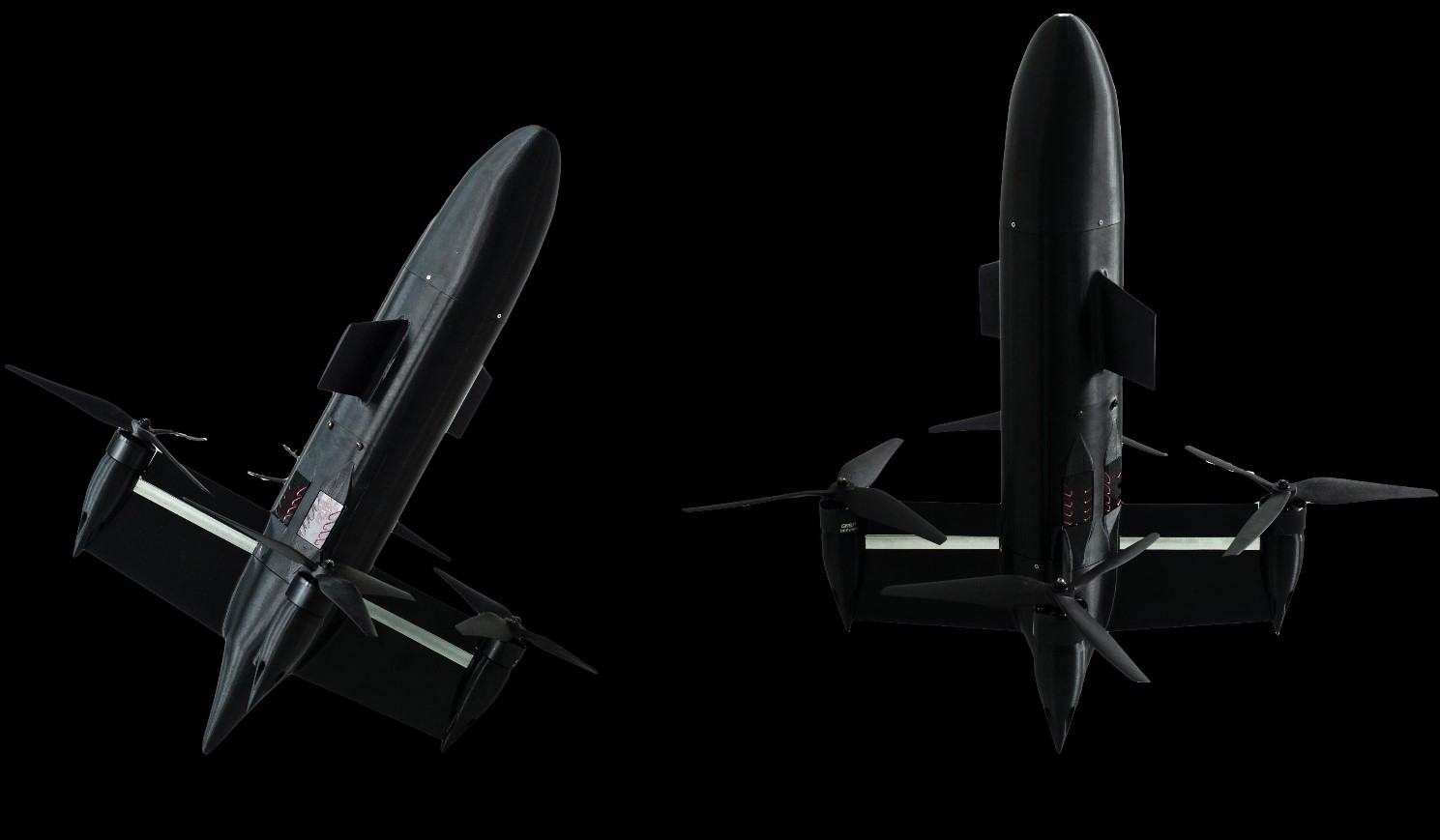
World
VILNIUS, Lithuania, June 25, 2026 — Lithuanian defense technology company Granta Autonomy has officially unveiled the Black Wasp, a new interceptor drone developed to counter hostile unmanned aerial vehicles (UAVs), including Shahed-class strike drones, loitering munitions, and intelligence, surveillance, and reconnaissance (ISR) platforms. The company says the system provides military forces with an automated, infrastructure-independent kinetic defense capability designed to address the growing threat posed by low-cost aerial systems. The Black Wasp has been designed as a cost-effective alternative to traditional surface-to-air missiles for engaging small unmanned threats. By providing an autonomous interception capability, the drone is intended to complement existing air-defense systems while reducing the cost of defending against large numbers of incoming UAVs. AI-Based Autonomous Interception A key feature of the Black Wasp is Granta Autonomy's proprietary artificial intelligence and machine learning (AI/ML) navigation system. The drone is capable of operating autonomously after launch without requiring continuous manual control, allowing it to function in highly contested environments where electronic warfare (EW) frequently disrupts GPS and GNSS signals. Using onboard computer vision algorithms, the interceptor identifies, tracks, and locks onto high-speed aerial targets before executing terminal guidance during the final phase of interception. The AI-powered flight control system enables automated navigation, target tracking, and engagement while maintaining mission continuity in GPS-denied environments. The Black Wasp also integrates with most standard NATO air-defense radar networks, allowing it to receive real-time three-dimensional telemetry and target position updates. This integration enables operators to receive continuous tracking information from target detection through engagement, improving situational awareness and reducing response time. Designed for Front-Line Operations The interceptor has been developed for deployment by infantry and forward-deployed military units operating in restricted environments. Its vertical take-off and landing (VTOL) capability eliminates the need for runways or specialized launch rails, allowing rapid deployment from confined positions. After vertical launch, the drone transitions into a high-speed forward flight profile to intercept incoming threats. According to the company, the combination of autonomous flight, VTOL operation, and radar connectivity allows the system to respond quickly to evolving battlefield conditions. Technical Specifications The Black Wasp measures 600 × 450 × 450 mm, including the propeller arc. It has a cruise speed of 160 km/h and can reach a maximum speed of 320 km/h during interception missions. The interceptor offers a flight range of 20 km, extending to 40 km on return-flight missions. Flight endurance is rated at up to 15 minutes during cruise operations and more than six minutes at maximum speed. The system can operate at altitudes of up to 7,000 meters above mean sea level (MSL) and has a climb rate of 30 meters per second. The drone has a maximum take-off weight of approximately 4 kg and can carry a payload or warhead weighing up to 500 grams. It supports multiple electro-optical seeker configurations, including daylight and thermal camera options, enabling operations in various environmental and lighting conditions. For communications, the Black Wasp employs a jamming-resilient S-band and C-band data link while maintaining direct integration with NATO radar systems for real-time target updates. Completing Granta's Counter-UAS Ecosystem The Black Wasp expands Granta Autonomy's existing multi-layered unmanned systems portfolio and completes the company's integrated "kill-chain" ecosystem. It is designed to operate alongside the Hornet XR, a long-range reconnaissance drone that serves as the system's sensor platform, and the X-Wing, a VTOL loitering munition used as the strike component. Together, the three platforms enable military units to detect, track, identify, and neutralize targets through a coordinated network. Each system can operate independently for specialized missions or be controlled simultaneously from a unified ground control station, allowing commanders to conduct reconnaissance, target acquisition, and engagement using a single integrated architecture. Battlefield-Informed Development Founded in 2015 by former military engineers Gediminas Guoba and Laurynas Litvinas, Granta Autonomy has based its product development on operational feedback from active combat environments. Since the start of Russia's full-scale invasion of Ukraine, the company has maintained an operational presence supporting the Ukrainian Armed Forces, delivering thousands of GA-FPV quadcopters and hundreds of reconnaissance drones. Following a €1 million seed funding round in 2024, Granta Autonomy expanded its European manufacturing capabilities, increasing production of UAV platforms, ultra-lightweight micro-gimbal tracking optics, and proprietary data-link technologies. With its autonomous AI-powered navigation, electronic warfare resilience, NATO radar integration, and VTOL deployment capability, the Black Wasp is intended to provide armed forces with a dedicated interceptor designed to counter the increasing use of strike drones, loitering munitions, and ISR platforms while complementing existing air-defense networks.
Read More → Posted on 2026-06-25 10:34:15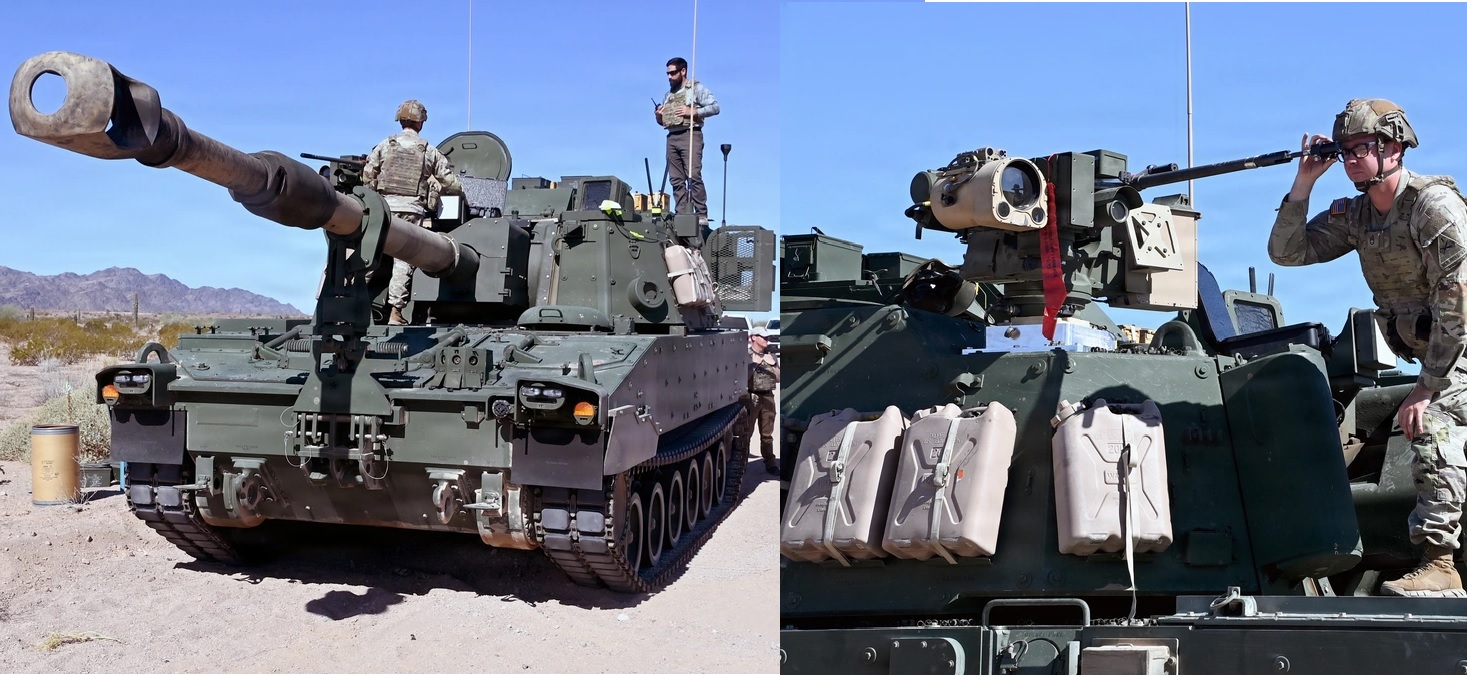
World
YUMA PROVING GROUND, Arizona, June 25, 2026 — The U.S. Army is conducting developmental testing of the Low-Profile Common Remotely Operated Weapons Station (LP-CROWS) at Yuma Proving Ground (YPG), evaluating its integration on the M109A7 Paladin self-propelled howitzer and the M992A3 Carrier Ammunition Tracked vehicle. The new system is designed to allow crews to operate secondary mounted weapons and counter small unmanned aerial systems (UAS) while remaining inside the protection of the vehicle's armored hull. The testing is part of the Army's broader effort to improve crew survivability and adapt artillery platforms to the changing requirements of modern combat, where drones, precision strikes, and indirect fire have increased the risks associated with exposed operations. Manufactured by BAE Systems, the M109A7 Paladin is the U.S. Army's latest 155 mm self-propelled howitzer. Operated by a four-person crew and powered by a modernized 600-volt electric drive system, the vehicle can fire conventional artillery rounds to ranges of approximately 22 kilometers and precision-guided Excalibur projectiles to distances of up to 40 kilometers. While the vehicle provides significant firepower, crews have traditionally needed to open the roof hatch to operate secondary weapons, exposing soldiers to enemy fire, shrapnel, and improvised explosive devices (IEDs). The LP-CROWS incorporates a gyro-stabilized weapon mount, a fully integrated fire control system, and high-resolution day and thermal cameras, enabling accurate target engagement while the vehicle is moving across rough terrain. The stabilization system is designed to maintain weapon accuracy even when the 84,000-pound Paladin is operating over uneven ground, providing a high probability of first-burst hits against ground and aerial threats. Development of the low-profile system addressed several limitations found in earlier versions of CROWS. Previous variants could not be installed on the Paladin because their taller profile exceeded transportation height requirements. In addition, repeated firing of the Paladin's 155 mm main gun, which is capable of firing up to four rounds per minute, generated blast overpressure and recoil forces that damaged components on older weapon stations. The redesigned LP-CROWS features a reduced external profile and reinforced mechanical components capable of withstanding the harsh operating environment created by repeated artillery firing. Unlike many military development programs, LP-CROWS was developed internally through partnerships across the U.S. Army DEVCOM community rather than through a traditional original equipment manufacturer. Army officials said this collaborative approach significantly shortened development timelines, allowing the program to progress from concept to production-representative live testing in just over one year. A major focus of the current evaluation is the integration of counter-small unmanned aircraft system (C-sUAS) capabilities. The Army is testing the installation of radar directly onto the LP-CROWS mount, enabling the system to detect and engage hostile drones while crews remain under closed-hatch protection. The effort is being carried out in cooperation with the Project Manager Crew Served Weapons office and other Army organizations. The testing is being conducted at Yuma Test Center, which was designated as the Army's primary dedicated interagency counter-UAS test and training range following the establishment of Joint Interagency Task Force 401 by Secretary of War Pete Hegseth in August 2025. YPG also supports testing through its Threat Systems Target Branch, which maintains one of the largest collections of foreign threat systems in the continental United States and develops realistic battlefield scenarios for evaluation. Operational assessments have included several weeks of testing by soldiers from the 4th Battalion, 1st Field Artillery Regiment based at Fort Bliss, Texas, and the Transformation Integration Directorate at Fort Sill, Oklahoma. Their feedback is helping engineers refine system operation, controls, and overall performance. Current developmental testing includes evaluating the upgraded camera systems, weapon loading procedures, firing performance, and overall integration under realistic combat conditions. Engineers are also assessing how the system performs during vehicle movement and repeated artillery firing. Following completion of the current developmental phase, the Army plans to conduct extensive durability testing, including long-distance operational mileage, to verify the reliability of LP-CROWS on both the M109A7 Paladin and the M992A3 Carrier Ammunition Tracked vehicle before moving toward broader fielding. The LP-CROWS program is intended to enhance the survivability of artillery crews while improving their ability to respond to evolving battlefield threats, including the growing use of small unmanned aerial systems, without exposing soldiers outside their armored vehicles.
Read More → Posted on 2026-06-25 10:47:36
World
ROME, June 25, 2026 — Italian Defence Minister Guido Crosetto has confirmed that the Global Combat Air Programme (GCAP) is preparing to expand as the sixth-generation fighter initiative enters its operational phase, with Canada, Germany, and Saudi Arabia emerging as leading candidates for future participation. The programme, jointly led by the United Kingdom, Italy, and Japan, is developing a next-generation stealth combat aircraft scheduled to enter service by 2035, replacing the Eurofighter Typhoon in the UK and Italy and the Mitsubishi F-2 in Japan. Italian Prime Minister Giorgia Meloni recently confirmed that GCAP has formally transitioned from the planning stage into its operational phase, marking the start of fully integrated international development. Crosetto said Canada is currently the closest country to joining the programme, initially as an observer, while Germany and Saudi Arabia are also being considered as potential partners. He noted that adding new members would strengthen the programme's industrial base, increase funding, improve long-term prospects, and reduce development costs through broader cost-sharing. Any new participant, however, would require unanimous approval from the three founding nations. Canada has already begun formal discussions on possible involvement. Canadian Defence Minister David McGuinty described GCAP as a promising initiative following talks with Japanese Defence Minister Shinjiro Koizumi in Tokyo, confirming that Canadian officials are evaluating the framework for potential participation. The programme is being managed by the Edgewing joint venture, bringing together BAE Systems of the United Kingdom, Leonardo of Italy, and Mitsubishi Heavy Industries of Japan. In April 2026, the partners awarded a £686 million contract for initial design and engineering work, keeping the project on schedule for its 2035 target. GCAP's steady progress comes as Europe's separate Future Combat Air System (FCAS), led by France, Germany, and Spain, continues to face uncertainty due to industrial disagreements over leadership and intellectual property. Defence analysts believe Germany's potential participation in GCAP could significantly enhance the programme's industrial capabilities, although it would require negotiations on governance and workshare arrangements. In addition to Canada, Germany, and Saudi Arabia, countries including Poland and India have also expressed interest in different forms of cooperation with the programme. Discussions on future expansion are expected to continue as GCAP advances toward its next development milestones.
Read More → Posted on 2026-06-25 11:01:35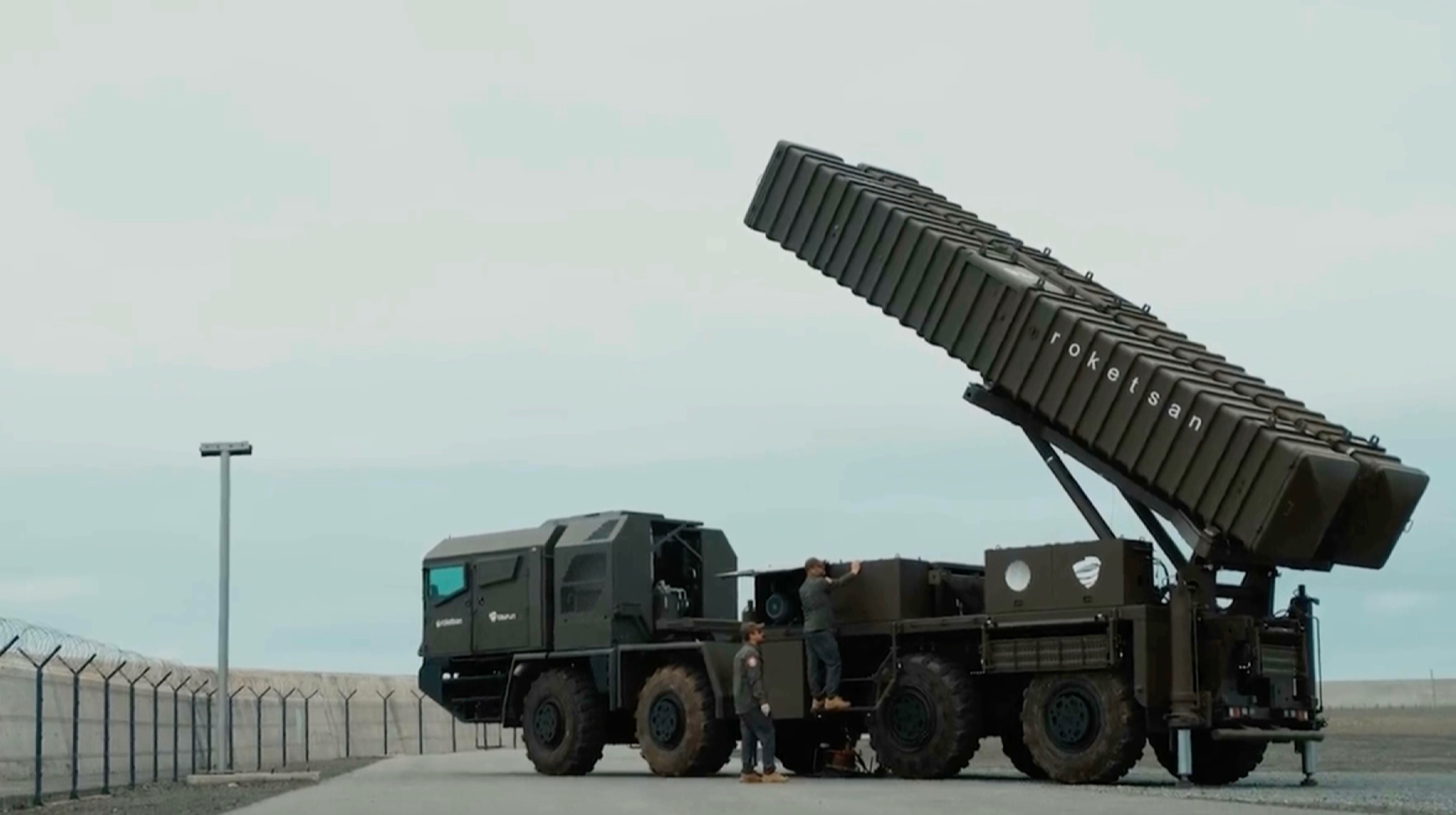
World
ANKARA, June 25, 2026 — Türkiye has continued strengthening its domestically developed missile force with the delivery of additional TAYFUN Block-2 short-range ballistic missiles to the Turkish Armed Forces (TAF). The Ministry of National Defense confirmed that the latest transfer marks at least the second confirmed batch of the upgraded missile system delivered in consecutive months, reflecting the country's ongoing defense modernization program and expanding indigenous missile production. Additional Deliveries Confirmed According to the Ministry, the Special Forces Command completed inspection and acceptance procedures for an undisclosed number of TAYFUN Block-2 missiles manufactured by ROKETSAN. The delivery also included mobile transporter-erector-launcher (TEL) vehicles and the Karayel Hull Boat System, an unmanned surface vehicle designed for reconnaissance and naval mine-laying missions. The deliveries were announced as part of a broader induction of domestically produced military equipment. During the EFES-2026 military exercises in İzmir, Ministry spokesperson Rear Admiral Zeki Aktürk stated that the Turkish Armed Forces had also received the Akıncı unmanned aerial vehicle (UAV), the Fırtına-2 self-propelled howitzer, and the MPT-76 National Infantry Rifle, demonstrating continued production across multiple defense programs. TAYFUN Block-2 Capabilities The TAYFUN is Türkiye's first domestically developed short-range ballistic missile. Unlike cruise missiles, ballistic missiles follow a high-altitude trajectory before descending toward their targets at hypersonic speeds exceeding Mach 5, making them more difficult to intercept with conventional air defense systems. While the original Block-1 variant demonstrated a range of approximately 561 kilometers (349 miles), defense sources indicate that the Block-2 extends the missile's effective range to more than 600 kilometers. The upgraded missile combines GPS and inertial navigation (INS) guidance with the advanced GOLIS (Go-Onto-Location-In-Space) terminal navigation system, providing an estimated Circular Error Probability (CEP) of around five meters. The guidance system is also designed to maintain accuracy in GPS-denied environments, improving resistance to electronic warfare. Mounted on road-mobile TEL vehicles, the missile can be rapidly repositioned after launch under a "shoot-and-scoot" operating concept, increasing survivability and operational flexibility compared with fixed launch sites. ROKETSAN Expands Indigenous Missile Production The TAYFUN program reflects the continued growth of ROKETSAN, headquartered in Ankara and majority-owned by the Turkish Armed Forces Foundation. The company has evolved into one of Türkiye's leading defense manufacturers, producing ballistic and cruise missiles, anti-tank guided weapons, air defense systems, and other precision-guided munitions. The TAYFUN program builds on earlier indigenous missile developments, including the Bora ballistic missile, and forms part of Türkiye's broader effort to strengthen domestic defense manufacturing and reduce dependence on foreign suppliers. Strengthening Long-Range Strike Capability The continued induction of TAYFUN Block-2 missiles expands the Turkish Armed Forces' long-range precision strike capability and supports Türkiye's strategy of fielding domestically produced missile systems. With mobile launchers and extended range, the system enables ground forces to engage targets across significant parts of the eastern Mediterranean, the Black Sea region, and neighboring areas without relying on combat aircraft operating in contested airspace. The latest deliveries indicate that serial production of the upgraded Block-2 variant is progressing as Türkiye continues to modernize its missile inventory with indigenous defense technologies.
Read More → Posted on 2026-06-25 11:18:53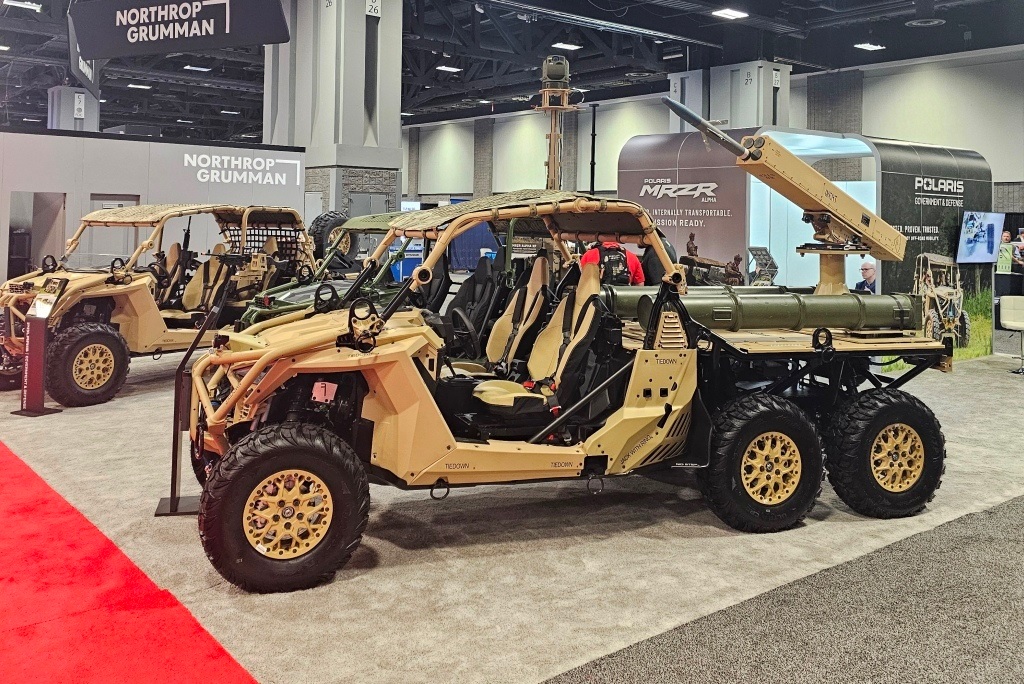
World
Washington, D.C., June 25, 2026 — The U.S. Marine Corps has placed its first delivery order under a newly awarded indefinite-delivery, indefinite-quantity (IDIQ) contract with Polaris Government and Defense, acquiring more than 70 MRZR Alpha ultra-light tactical vehicles (ULTVs) along with a package of mission-specific accessories. More than half of the vehicles ordered are equipped with a 5-kilowatt exportable power system, enabling them to supply electrical power directly to military equipment in the field. The order follows the award of a new IDIQ contract on May 22, 2026, through the Program Executive Office for the Marine Corps. Valued at up to $98 million over a five-year ordering period, the contract allows the Marine Corps to procure vehicles as operational requirements evolve. The first delivery order was placed on June 24. Air-Transportable Tactical Vehicle Built by Polaris Government and Defense, the MRZR Alpha is powered by a 1.5-liter common-rail turbo-diesel engine producing 118 horsepower and 199 lb-ft of torque, paired with an eight-speed automatic transmission. The vehicle has a top speed of more than 60 mph and an operational range of 225 to 300 miles. The four-seat configuration offers a payload capacity of up to 2,000 pounds and a towing capacity of 2,500 pounds. Its dimensions allow internal transport aboard MV-22B Osprey tiltrotors and CH-53 heavy-lift helicopters, supporting rapid deployment into remote and austere environments. 5-kW Exportable Power System More than half of the vehicles ordered feature the 5-kilowatt exportable power variant, while the remainder use the standard 1-kilowatt configuration. The 5-kW system enables the vehicle to function as a mobile 24-volt power source capable of operating communications equipment, tactical edge computing systems, sensors, air defense systems, and other electronic equipment without requiring a separate generator. Mission Equipment Package The delivery order includes a range of mission-specific accessories developed to improve operational flexibility. These include a reversible roof kit with multicam camouflage on one side and olive drab on the other, a road march kit with turn signals, mirrors and a horn, and a modular cargo system featuring side rails, a heavy-duty tailgate and aircraft-compatible rails for casualty evacuation litter mounts. Additional equipment includes a roll-cage-mounted Class 5-BC fire extinguisher and a dedicated towbar mounting system. The modular configuration allows the same vehicle to support reconnaissance, logistics, casualty evacuation, counter-drone operations and aircraft refueling missions by changing accessory packages. Supporting Marine Corps Modernization The Marine Corps currently operates more than 500 MRZR Alpha vehicles across multiple operational theaters, including Norway and the Middle East. The platform also benefits from Polaris' commercial dealer network, improving parts availability and sustainment for deployed units. The procurement supports the Marine Corps' Force Design modernization strategy, which emphasizes lighter, highly mobile expeditionary forces operating in contested maritime and littoral environments. Additional deliveries are expected under the five-year, $98 million contract as future requirements are issued.
Read More → Posted on 2026-06-25 11:29:11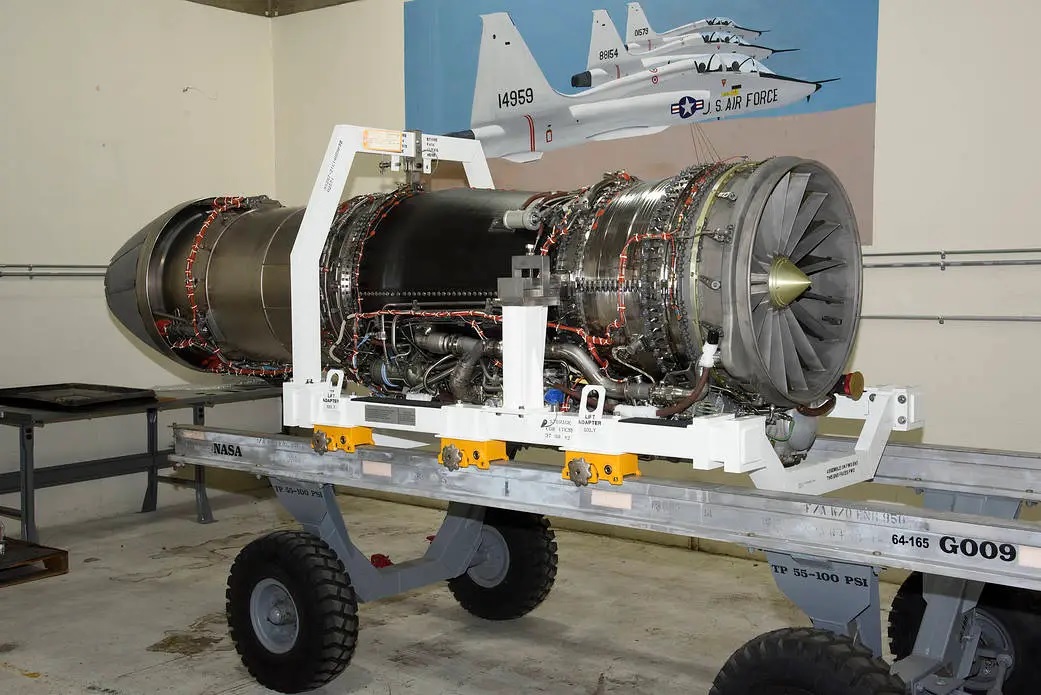
India
New Delhi, June 25, 2026 — Negotiations between Hindustan Aeronautics Ltd. (HAL) and U.S. defense manufacturer GE Aerospace for the co-production of the F414 fighter jet engine are progressing as planned, with sources familiar with the discussions dismissing recent reports suggesting that the talks had reached a deadlock. According to sources, the negotiations between HAL and GE Aerospace remain on track and continue without disruption. Reports indicating that disagreements over pricing, technology transfer, and local manufacturing investments had slowed the programme do not accurately reflect the current status of the HAL-GE discussions. Pricing Concerns Linked to Separate AMCA Discussions Sources clarified that the commercial concerns reported in recent weeks are related to separate negotiations involving the Defence Research and Development Organisation (DRDO) and the Aeronautical Development Agency (ADA) for the Advanced Medium Combat Aircraft (AMCA) prototype programme, and not to the ongoing HAL-GE co-production agreement. In those discussions, the estimated cost of the F414 engine for the AMCA programme reportedly increased from an initial estimate of approximately Rs 70–80 crore per engine to more than Rs 200 crore per unit. The sharp rise has raised concerns over the cost of the AMCA prototype programme, but it has not affected the negotiations between HAL and GE Aerospace. HAL and GE Continue Commercial Negotiations Sources familiar with the matter said HAL and GE Aerospace are continuing discussions on the commercial framework of the programme after both sides achieved significant progress on technical issues earlier this year. In April 2026, HAL and GE Aerospace announced that they had reached agreement on the technical aspects of the F414 co-production programme, marking an important milestone in the project. The current phase of negotiations is focused on finalising commercial arrangements necessary for long-term production in India. The ongoing discussions cover several key areas, including manufacturing and supply arrangements, long-term production planning, implementation of technology transfer, future operational support, and maintenance of spare parts throughout the engine's service life. Officials familiar with the programme said these discussions are progressing steadily, with no immediate disruption expected. Critical Engine for India's Future Fighter Fleet The GE F414 engine is a key component of India's next-generation combat aircraft programmes and is expected to play a central role in the country's future fighter aircraft production. The engine has been selected to power the Tejas Mk-2 Light Combat Aircraft, the initial squadrons of the AMCA Mk-1 stealth fighter, and the Indian Navy's Twin Engine Deck-Based Fighter (TEDBF). The F414 produces approximately 98 kN of thrust with afterburner, providing significantly greater performance than the F404 engine currently powering earlier variants of the Tejas fighter aircraft. The AMCA prototype programme alone is expected to require 15 F414 engines to support five flying prototypes. Over the coming years, India's combined requirement is projected to exceed 200 engines across the Tejas Mk-2, AMCA, and TEDBF programmes. Supporting India's Defence Manufacturing Goals The F414 co-production programme is regarded as a major step toward strengthening India's indigenous defence manufacturing capabilities. The agreement builds upon the long-standing partnership between HAL and GE Aerospace, which already supplies F404 engines for the Tejas Mk-1A programme. The proposed co-production arrangement includes significant technology transfer, enabling greater domestic manufacturing capability while supporting long-term maintenance, repair, and sustainment of future fighter fleets. Reliable engine availability has become increasingly important for HAL's production schedule. Earlier delays in deliveries of GE F404 engines affected production timelines for the Tejas Mk-1A. HAL has stated that deliveries of the Tejas Mk-1A will commence after the completion of final aircraft integration and testing.
Read More → Posted on 2026-06-25 12:02:28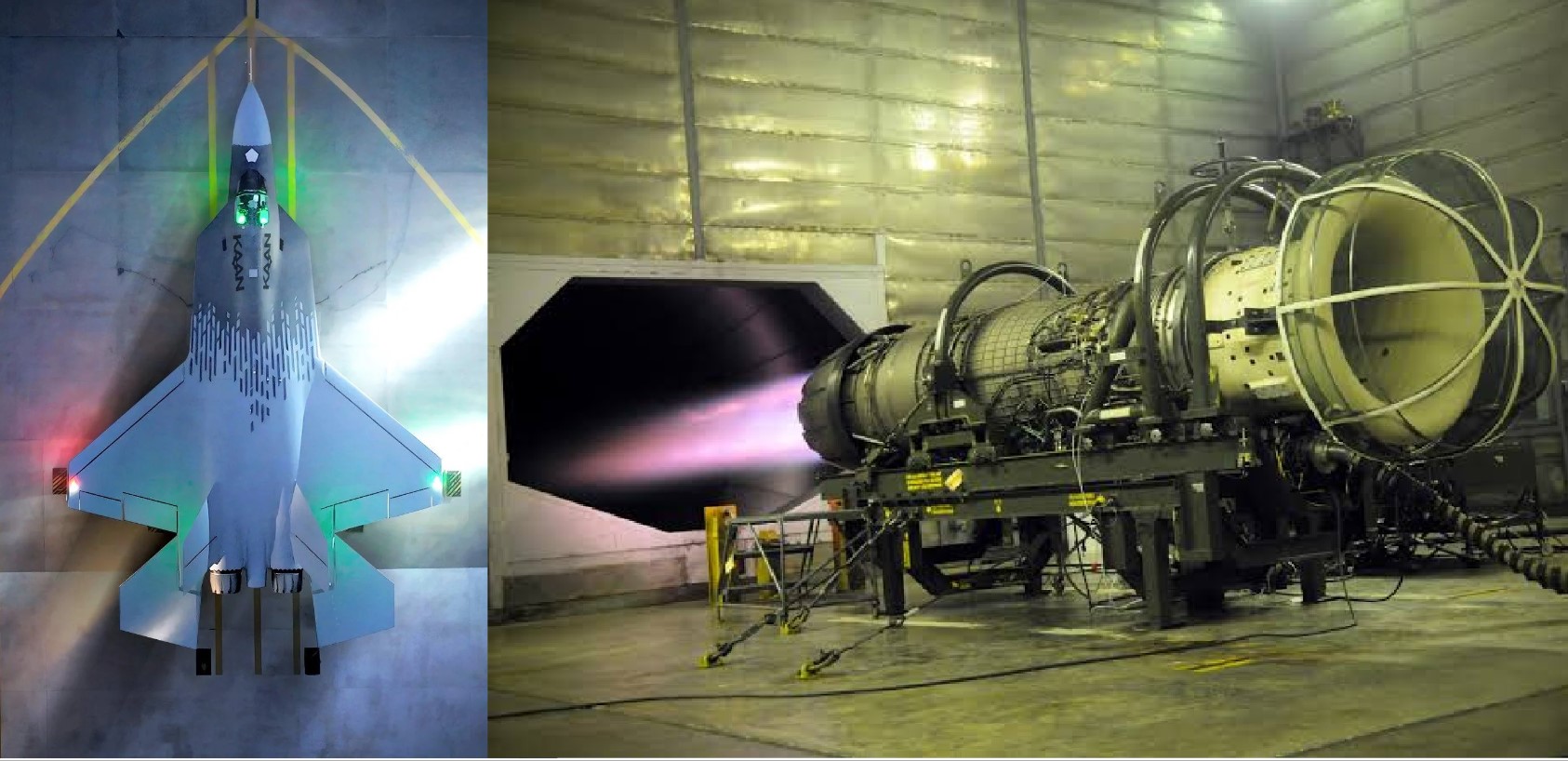
World
Washington, June 25, 2026 — The Trump administration is preparing to move ahead with a $750 million sale of General Electric (GE) F110 jet engines to Turkey, overriding an informal congressional hold in a move aimed at supporting a key NATO ally ahead of the alliance's summit in Ankara next month. The proposed package includes approximately 80 GE F110 turbofan engines that will power the early production models of Turkey's domestically developed KAAN fifth-generation fighter aircraft. Administration officials have informed Congress that they intend to proceed with the sale despite objections raised during the congressional review process. The decision marks the latest chapter in the complex defense relationship between Washington and Ankara, balancing longstanding security concerns over Turkey's acquisition of the Russian S-400 air defense system against broader strategic interests within NATO. Congress Objects to Engine Sale Representative Gregory Meeks (D-N.Y.), Ranking Member of the House Foreign Affairs Committee, placed an informal hold on the proposed sale during the congressional review process. He cited Turkey's continued operation of the Russian-made S-400 air defense system, as well as broader regional concerns involving Syria and tensions with Greece. According to officials familiar with the matter, the State Department is expected to formally notify Congress of the sale in the coming days. Although lawmakers can raise objections during the informal review process, the executive branch retains the authority to move forward with foreign military sales. In a statement released on June 24, Meeks criticized the administration's decision. "The administration informed me it would once again bypass congressional review for more than $700 million in defense articles to the Turkish military." Meeks also said the administration failed to provide a detailed briefing on the sale's implications for U.S.-Turkey relations, Turkey's continued possession of the S-400 system, or other regional security issues. He added that the State Department neither invoked emergency authority nor submitted a written justification for bypassing congressional concerns despite repeated requests for clarification over several months. White House Cites Strategic Importance Administration officials have defended the decision by emphasizing Turkey's strategic role within NATO and its importance on the alliance's southern flank. One administration official described Turkey as a "great partner in the region" and highlighted President Donald Trump's close relationship with Turkish President Recep Tayyip Erdoğan as an important factor in strengthening bilateral defense cooperation. President Trump also hinted at the upcoming decision while speaking to reporters before his planned visit to Turkey for the NATO Summit. "I'm going to probably do something that will make them very happy," Trump said when asked about the proposed engine sale. S-400 Dispute Continues to Shape Relations The planned engine sale comes despite years of tension between Washington and Ankara over Turkey's purchase of the Russian S-400 air defense system. Turkey acquired the S-400 in 2019, prompting the United States to remove the country from the F-35 Joint Strike Fighter program and impose sanctions, arguing that operating the Russian system alongside advanced NATO aircraft posed a security risk. Under current U.S. law, Turkey cannot return to the F-35 program while the S-400 system remains operational. As a result, lawmakers have argued that approving the GE engine sale without addressing the S-400 issue weakens congressional oversight and existing security policy. GE Engines Critical for KAAN Fighter Program The engine package is considered essential for Turkey's indigenous KAAN fighter program, one of Ankara's largest defense modernization projects since its launch in 2016. Turkey is developing its own TF35000 indigenous turbofan engine through a joint venture involving Turkish Aerospace Industries (TAI) and GE Aerospace. However, the engine is still under development and will not be available for the aircraft's initial production phase. The expected delivery of approximately 80 GE F110 engines will bridge that capability gap by powering prototype aircraft as well as the early Block 10 and Block 20 production variants. Those aircraft are scheduled to enter service between 2028 and 2030. Without the U.S.-built engines, analysts say the KAAN program could face significant production delays while Turkey continues developing its indigenous powerplant. Last year, Turkish Foreign Minister Hakan Fidan publicly criticized the prolonged congressional review process, describing the delay in approving the GE engines as politically motivated. Timing Linked to NATO Summit The administration's decision comes less than two weeks before NATO leaders gather in Ankara on July 7–8 for the alliance's annual summit. The meeting is expected to focus on European security, defense modernization, alliance readiness, and regional challenges. Turkey last hosted a NATO summit in Istanbul in 2004, while the previous summit took place in The Hague in 2025. Defense analysts view the engine sale as a diplomatic gesture intended to strengthen ties with an important NATO ally ahead of the summit. However, they note that the approval does not represent a broader reset in U.S.-Turkey defense relations. Gonul Tol, director of the Turkish Program at the Middle East Institute in Washington, said the engine agreement is the "lowest-hanging fruit" available to the administration. According to Tol, while securing the GE engines is critical for the KAAN program, larger issues—including Turkey's potential return to the F-35 program—remain unresolved. Executive Branch and Congress Remain at Odds The planned sale also highlights the continuing debate between the executive branch and Congress over oversight of major U.S. arms transfers. While the administration argues that supporting Turkey serves broader NATO interests, lawmakers continue to press for greater transparency regarding defense exports involving countries facing U.S. sanctions or ongoing regional security concerns. If finalized, the GE F110 engine package will help sustain production of Turkey's first indigenous fifth-generation fighter aircraft while underscoring the ongoing balance between strategic alliance priorities and congressional oversight of U.S. defense exports.
Read More → Posted on 2026-06-25 12:19:35
World
June 25, 2026 — Four Russian military satellites have carried out a series of orbital maneuvers that brought them into close proximity with ICEYE-X36, a commercial synthetic aperture radar (SAR) satellite operated by Finnish-American space company ICEYE, which has provided Earth observation data supporting Ukraine since 2022. According to space tracking analysts, Kosmos-2610, Kosmos-2611, Kosmos-2612, and Kosmos-2613 adjusted their orbits during May 2026 to align with the orbital plane of ICEYE-X36. The maneuver enabled repeated close approaches, with the closest recorded separation estimated at approximately 13 kilometers in low Earth orbit. Russian Satellites Changed Orbit to Match ICEYE-X36 The four satellites were launched on April 16, 2026, aboard a Soyuz-2.1b rocket from the Plesetsk Cosmodrome as part of a mission that deployed six military satellites, including Kosmos-2609 and Kosmos-2614. Between May 14 and May 20, the four spacecraft performed an orbital plane change, increasing their inclination from approximately 97.0 degrees to 97.8 degrees to match the orbit of ICEYE-X36. The maneuver also corrected a small right ascension of the ascending node (RAAN) offset, placing the satellites in the same orbital plane. Such orbital plane changes are uncommon because they require a significant amount of propellant. Aerospace analysts estimate the maneuver required approximately 105 to 106 meters per second of delta-v, indicating the repositioning was a deliberate operation rather than a routine orbital adjustment. Close Approaches Tracked in Late May Following the orbital adjustment, space situational awareness firms, including Integrity ISR, COMSPOC, and Saber Astronautics, observed multiple close approaches between the Russian satellites and ICEYE-X36. On May 29, the satellites passed within approximately 13 kilometers of the commercial spacecraft. Cross-track separations ranged from around 500 meters to approximately 22 kilometers during various encounters, while several other passes occurred at distances between 16 and 18 kilometers. The satellites remain positioned in the same orbital plane, allowing additional close approaches with relatively minor orbital adjustments. ICEYE Satellite Provides All-Weather Intelligence ICEYE-X36 is part of ICEYE's constellation of synthetic aperture radar satellites. Launched on March 4, 2024, aboard a SpaceX Falcon 9 rideshare mission, the approximately 90-kilogram satellite uses microwave radar to capture high-resolution images regardless of daylight, cloud cover, or weather conditions. Since 2022, ICEYE has provided satellite imagery to Ukraine under an agreement granting dedicated access to its SAR data. The imagery has supported battlefield reconnaissance by helping identify military equipment, monitor troop movements, and locate logistics facilities, fuel depots, and air defense positions. Analysts View Maneuvers as Rendezvous and Proximity Operations Space and defense analysts assess that the maneuvers are consistent with Rendezvous and Proximity Operations (RPO), a capability used for satellite inspection, servicing, technology demonstrations, and military missions. Although there is no evidence of physical interference with ICEYE-X36, analysts say operating in close proximity could enable electronic intelligence collection, testing of non-kinetic electronic warfare techniques such as localized jamming, or demonstrations of close-orbit maneuvering capabilities. The operation is also viewed by some experts as a signal that commercial satellites supporting military operations can be closely monitored in orbit. No Official Response ICEYE has not publicly commented on the reported orbital activity, while Russia has not issued an official statement regarding the maneuvers. The satellites continue to be tracked by the U.S. Space Force and independent space situational awareness organizations. No physical contact or confirmed interference with ICEYE-X36 has been reported, and the satellite remains fully operational.
Read More → Posted on 2026-06-25 12:36:59
World
KYIV, Ukraine, June 25, 2026 — Ukraine will establish new combat brigades to strengthen defenses along its northern border with Belarus after intelligence indicated Russia is preparing to expand military operations in the region, Commander-in-Chief of the Armed Forces of Ukraine Oleksandr Syrskyi said. Speaking to Ukrainian media outlet LIGA.net, Syrskyi said Russia has revised its military plans after failing to achieve its objectives on key operational axes. According to Ukrainian military assessments, Moscow is seeking to broaden active combat operations toward northern Ukraine, a move that could extend the active frontline by approximately 160 kilometers (99 miles). Ukrainian intelligence also assesses that Russia plans to form additional combat divisions and at least five new brigades this year while continuing to maintain an advantage in manpower and military equipment. New Brigades Needed for Wider Frontline Syrskyi said the decision to establish new brigades is driven by operational requirements rather than simply increasing troop numbers within existing formations. He explained that reinforcing a brigade with additional personnel improves its ability to sustain combat operations but does not increase the amount of territory it can effectively defend. As the battlefield expands both in width and depth, additional independent units are required to secure a longer frontline and maintain defensive coverage. Strengthening the Northern Border The planned brigades are part of broader efforts to reinforce Ukraine's northern defenses. Last week, Syrskyi announced the creation of specialized unmanned systems units dedicated to operations along the Belarus border. These units will be equipped with the necessary weapons, drone systems, communications equipment, and logistical support to conduct reconnaissance and strengthen border security. Ukraine is also expanding the unmanned capabilities of its Territorial Defense Forces to improve surveillance, reconnaissance, and defensive operations in designated sectors. Increased Security Preparations Alongside military restructuring, Ukrainian security agencies, including the Security Service of Ukraine (SBU), have been conducting large-scale security operations in northern regions to strengthen border security and prepare for any potential escalation. The northern frontier, particularly areas bordering the Chernihiv and Sumy regions, has remained under close monitoring since the start of Russia's full-scale invasion in 2022. Although no major ground offensive has recently been launched from Belarusian territory, Ukrainian officials continue to monitor Russian and Belarusian military activity and infrastructure developments near the border. The establishment of new brigades reflects Ukraine's continuing efforts to adapt its force structure to changing battlefield conditions while maintaining defensive operations across multiple fronts.
Read More → Posted on 2026-06-25 13:38:09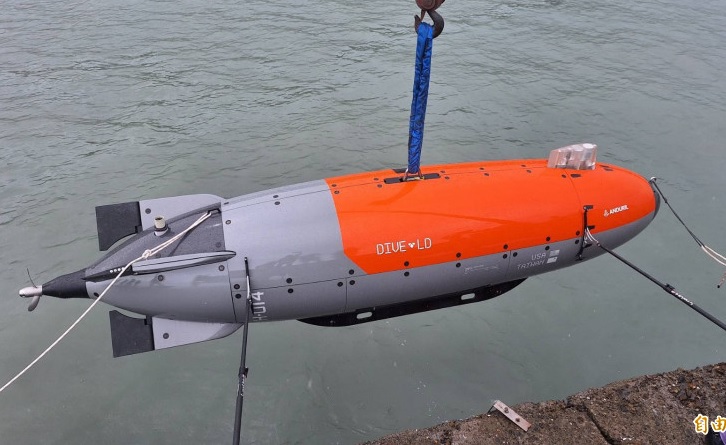
World
TAIPEI, Taiwan, June 25, 2026 — Taiwan's National Chung-Shan Institute of Science and Technology (NCSIST) has begun onboarding and operational training for personnel on the Dive-LD large autonomous underwater vehicle (AUV) developed by U.S. defense technology company Anduril Industries. The institute is scheduled to officially receive the system in August 2026, marking an important milestone in Taiwan's efforts to expand its long-endurance autonomous underwater capabilities. According to NCSIST, the Dive-LD will initially be used for submarine cable inspection demonstrations and validation before being evaluated for additional missions, including underwater search and rescue, maritime accident evidence collection, seabed mapping, hydrographic surveys, and marine infrastructure inspection. Strengthening Underwater Infrastructure Protection The acquisition comes as governments around the world place greater emphasis on protecting critical underwater infrastructure, particularly submarine communication cables that carry most global internet and telecommunications traffic. To support this effort, NCSIST is working with Chunghwa Telecom to deploy the Dive-LD for autonomous submarine cable inspections. Unlike conventional inspection methods that depend on divers or surface vessels, the AUV follows pre-programmed routes to accurately locate underwater cables and identify potential damage. This autonomous capability is expected to reduce inspection time and accelerate maintenance and repair operations. Due to U.S. military export control regulations and agreements with Anduril Industries, Taiwan's Dive-LD is designated for commercial and civilian applications. Approved missions include marine surveys, infrastructure maintenance, environmental monitoring, and search and rescue operations. Designed for Long-Endurance Deep-Sea Operations The Dive-LD is designed for extended underwater missions in deep-ocean environments. The vehicle measures approximately 5.8 meters in length and 1.2 meters in diameter, with a dry weight of approximately 2,700–2,720 kilograms. It is capable of operating at depths of up to 6,000 meters while functioning in Sea State 3 conditions. According to NCSIST, more than 90 percent of the world's ocean depths fall within the vehicle's operational range, making it well suited for operations in the deep waters surrounding Taiwan. Long-endurance performance is one of the platform's key features. Operating at a cruising speed of 2.5 knots without payload, the Dive-LD can remain submerged continuously for approximately 10 days. During survey missions equipped with Synthetic Aperture Sonar (SAS) and operating at 4 knots, it can conduct missions lasting approximately four days. The vehicle's normal operating speed ranges from 2 to 8 knots. Additional design features include direct-drive electric propulsion, which improves efficiency while reducing acoustic signature, a single-point lift and tow system for simplified logistics, and a 3D-printed exterior structure that allows easier customization and maintenance. AI Navigation Enables Precise Underwater Operations Since GPS signals cannot penetrate deep underwater, the Dive-LD relies on Anduril's proprietary artificial intelligence-based navigation system combined with multiple sensor fusion technologies. Its navigation system integrates Inertial Navigation Systems (INS), Doppler Velocity Logs (DVL), and seabed tracking to maintain precise positioning throughout long-duration missions. According to NCSIST, navigation error remains within 0.02 percent of the total distance traveled, providing highly accurate localization of underwater infrastructure during autonomous operations. This level of navigation precision is particularly important for inspecting submarine cables, underwater pipelines, and other critical seabed assets. Modular Payload Supports Multiple Mission Profiles The Dive-LD features a modular, free-flooded payload interface with more than one cubic meter of payload capacity and an open software architecture, allowing operators to rapidly reconfigure the vehicle for different missions. NCSIST said new payloads and sensors, including equipment not originally installed by the manufacturer, can be integrated through software, mechanical, and electrical interfaces in approximately two weeks. Taiwan's configuration includes several advanced underwater sensors: Synthetic Aperture Sonar (SAS): Produces high-resolution seabed imagery for detailed inspection of submarine cables, pipelines, and underwater infrastructure. Multi-Beam Echo Sounder: Generates accurate three-dimensional topographic maps of the seabed using fan-shaped acoustic beams. Magnetometer: Detects metallic objects such as shipwrecks, anchors, and submerged debris. High-Resolution Cameras: Provide visual confirmation of underwater targets and support evidence collection during inspection and recovery missions. Expanding Search and Rescue Capabilities Beyond infrastructure inspection, NCSIST plans to evaluate the Dive-LD for underwater search and rescue missions. Its combination of high-resolution sonar, advanced imaging systems, and autonomous navigation can improve the efficiency of locating downed aircraft, shipwrecks, missing persons, and submerged evidence while reducing reliance on divers and multiple support vessels. NCSIST officials noted that during the search for an Air Force F-16V that disappeared off the coast of Hualien earlier this year, authorities had considered employing the Dive-LD's underwater reconnaissance capabilities. The institute believes the system can significantly improve future maritime recovery operations. Supporting Taiwan's Autonomous Maritime Capabilities Over the past decade, autonomous underwater vehicles have become increasingly important for marine scientific research, offshore resource exploration, hydrographic surveys, environmental monitoring, and critical infrastructure maintenance. The Dive-LD's introduction represents another step in Taiwan's efforts to develop indigenous underwater detection capabilities while expanding cooperation with Anduril Industries on autonomous systems. The platform was previously displayed during the 2025 Taipei Aerospace & Defense Technology Exhibition (TADTE) as part of Taiwan's plans to strengthen autonomous maritime technologies. According to NCSIST, operational experience gained through the Dive-LD will help improve Taiwan's ability to inspect underwater infrastructure, respond to maritime emergencies, support scientific research, and enhance long-term underwater situational awareness across its surrounding waters.
Read More → Posted on 2026-06-25 13:52:47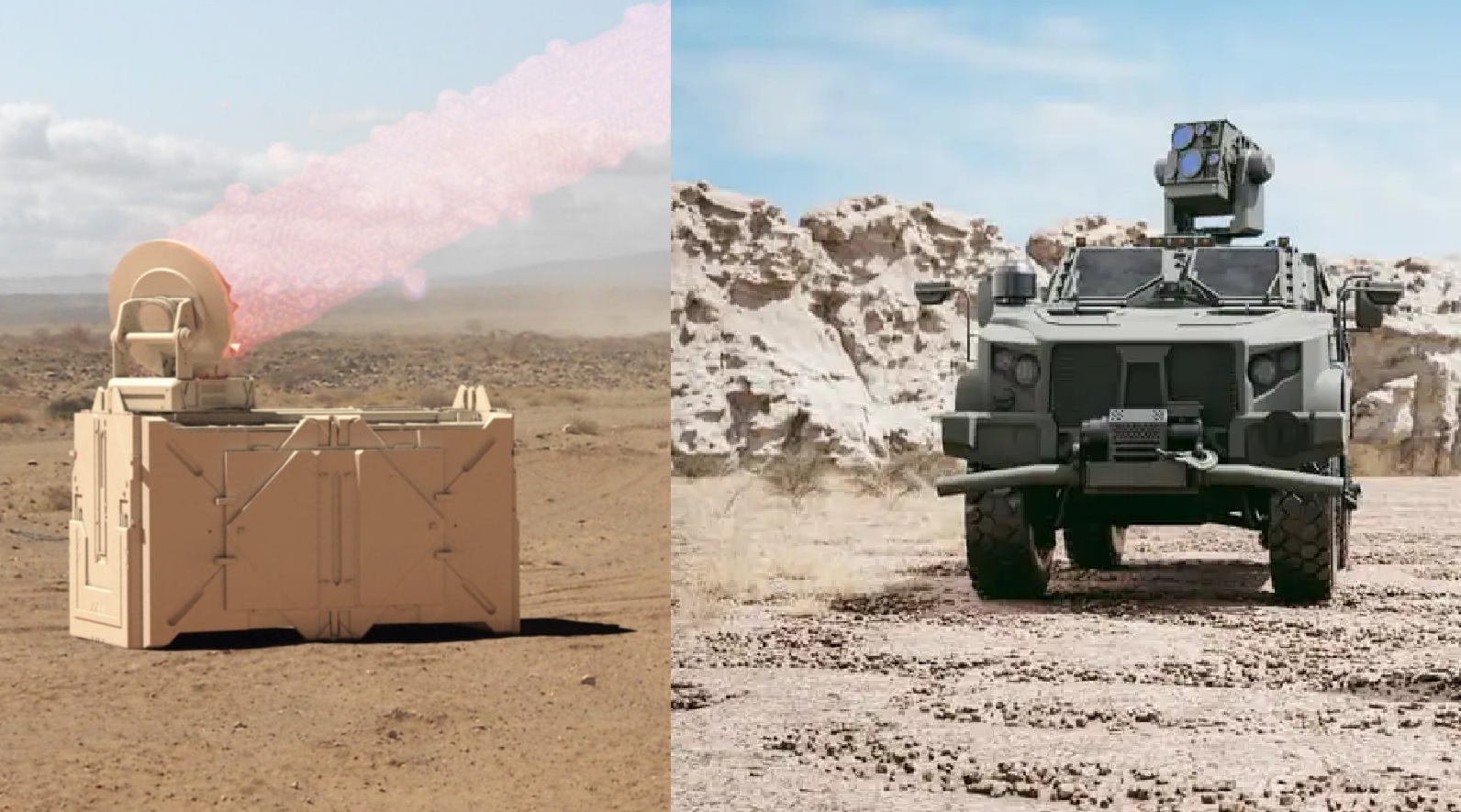
World
WHITE SANDS MISSILE RANGE, N.M., June 26, 2026 — U.S. Defense Secretary Pete Hegseth observed live demonstrations of multiple directed-energy weapon systems at White Sands Missile Range on June 23, marking the first publicly known occasion in which a sitting U.S. defense secretary has witnessed the live firing of advanced laser and high-power microwave weapons. Hegseth was joined by Undersecretary of Defense for Research and Engineering Emil Michael during the demonstration, first reported by Laser Wars. The event featured five directed-energy systems representing the latest developments in U.S. laser and high-power microwave technology. According to the Pentagon, the successful demonstrations highlighted the growing role of directed-energy technologies in future missile defense and air defense operations. Five Directed-Energy Systems Demonstrated The live-fire event showcased systems ranging from 20 kilowatts to 300 kilowatts, designed to counter threats ranging from low-cost drones to cruise missiles. The systems demonstrated included: Army Multi-Purpose High Energy Laser (AMP-HEL): A 20-kilowatt laser weapon based on AeroVironment's LOCUST platform. DE-MSHORAD P5: The Army's 50-kilowatt Directed Energy Maneuver-Short Range Air Defense system developed by nLight. IFPC-HEL "Valkyrie": Lockheed Martin's 300-kilowatt Indirect Fire Protection Capability-High Energy Laser. IFPC-HPM: A high-power microwave system based on Epirus' Leonidas platform. Coyote High-Power Microwave Variant: A non-kinetic version of Raytheon's Coyote interceptor, believed to be the Block 3 system. According to Army officials and the Congressional Research Service, the Valkyrie laser and Leonidas microwave system are not expected to enter standalone production. Instead, both prototypes will provide operational data for future programs, including the Joint Laser Weapon System (JLWS). Pentagon Expands Directed-Energy Investment The Pentagon is increasing investment in directed-energy weapons as recent conflicts have demonstrated the challenge of countering inexpensive drones with costly interceptor missiles. Laser weapons significantly reduce the cost per engagement because they are powered primarily by electricity and can continue operating as long as sufficient electrical power is available. The White Sands demonstration validated the effectiveness of directed-energy systems against highly proliferated aerial threats while highlighting their ability to engage multiple targets without the ammunition limitations associated with conventional weapons. The FY2027 defense budget request includes more than $2 billion for directed-energy research and development. According to the Defense Department, the increased investment is focused on improving manufacturability, reliability and system integration while accelerating the transition of directed-energy technologies into operational service. In testimony submitted to Congress in April 2026, Hegseth outlined plans for the Pentagon to procure tens to hundreds of directed-energy weapons over the coming years to provide a stable demand signal for industry and overcome long-standing procurement challenges. E-HEL Program Advances The Army's Enduring High Energy Laser (E-HEL) program is intended to deliver a modular 30-kilowatt counter-drone system. The first prototype is expected during the second quarter of fiscal year 2026, with production beginning in late 2027. The Army plans to field 24 systems over the following five years. Both the AMP-HEL and DE-MSHORAD P5 demonstrated at White Sands are competing for the E-HEL contract. AMP-HEL Operational Experience Among the demonstrated systems, the LOCUST-based AMP-HEL has accumulated the most operational experience. It was deployed overseas in 2022 on Infantry Squad Vehicles and later successfully engaged drone targets from the flight deck of the USS George H.W. Bush in October 2025. In May 2026, Army Secretary Dan Driscoll publicly operated the system using an Xbox-style controller during a demonstration at White Sands. The system also recorded the U.S. military's first publicly acknowledged laser engagement against a drone near the U.S.-Mexico border in February 2026. The target was later identified as a friendly U.S. Customs and Border Protection (CBP) drone, prompting temporary FAA airspace restrictions. Following the incident, the Department of Defense and the Federal Aviation Administration (FAA) reached a safety agreement governing military laser operations in national airspace. As part of the validation process, Joint Interagency Task Force 401 fired the AMP-HEL for eight seconds at maximum effective range against the grounded fuselage of a Boeing 767 at White Sands. The test confirmed the laser caused no structural damage to commercial aircraft materials, satisfying key civilian safety requirements. Golden Dome Integration The White Sands demonstration also supports development of the Pentagon's Golden Dome missile defense initiative, a proposed multi-layered homeland defense architecture integrating satellite tracking, ground-based interceptors and directed-energy weapons. The FY2027 budget request includes $452 million for directed-energy research under the Golden Dome program, more than triple the previous year's funding. Separately, the Army and Navy plan to invest $676 million over five years to develop a containerized 150-kilowatt Joint Laser Weapon System capable of intercepting cruise missiles. Future defense concepts also include studying 300- to 600-kilowatt laser weapons for installation aboard planned Trump-class battleships. Directed-energy capabilities are scheduled to be included in a full Golden Dome demonstration planned for the summer of 2028. The White Sands demonstration reflects the Pentagon's ongoing effort to transition directed-energy weapons from prototype programs into operational military capabilities while expanding the role of laser and high-power microwave systems in future air and missile defense architectures.
Read More → Posted on 2026-06-26 09:56:20
World
EL SEGUNDO, Calif., June 26, 2026 — The U.S. Space Force has awarded Boeing a fixed-price-incentive contract valued at up to $2.002 billion to design, develop, manufacture, and deliver two next-generation narrowband military communications satellites under the Mobile User Objective System Service Life Extension (MUOS SLE) program. The contract, valued at up to $2,002,862,607, covers the development, production, system integration, launch support, and on-orbit testing of Space Vehicles 6 and 7. Boeing will manufacture the satellites at its facility in El Segundo, California. The first satellite is scheduled for delivery in 2031, with launches planned no earlier than 2031 and 2032, while all contract work is expected to conclude by September 2035. The MUOS Service Life Extension (MUOS SLE) program is intended to extend the operational life of the existing constellation through 2035, ensuring uninterrupted narrowband satellite communications for U.S. military users as current spacecraft approach the end of their service lives. Supporting Global Military Communications MUOS is the U.S. military's primary narrowband satellite communications network, providing secure ultra-high-frequency (UHF) voice and data services to personnel on land, at sea, and in the air. The system enables military users equipped with portable terminals to communicate beyond the range of conventional terrestrial networks. Operating in the UHF band allows the network to maintain reliable communications in difficult terrain, dense urban environments, and severe weather conditions where higher-frequency communications may be less effective. The system supports deployed troops, naval vessels, aircraft, and Special Operations forces with secure voice communications and essential data services. Built on commercial Wideband Code Division Multiple Access (WCDMA) technology adapted for military use, MUOS also remains compatible with legacy UHF terminals. More than 67,000 UHF terminals across the Department of Defense currently rely on the network. Boeing Selected for Next Phase The MUOS program was originally developed by the U.S. Navy in the early 2000s to replace aging military satellite communications systems. Responsibility for the constellation transferred to the U.S. Space Force in 2023. The current constellation consists of four operational satellites and one on-orbit spare, originally built by Lockheed Martin. The Space Force launched the MUOS SLE competition in 2024, awarding Boeing and Lockheed Martin Phase 1 contracts for risk reduction and preliminary design work. Boeing has now been selected for Phase 2 to develop and deliver the new satellites. The company will build the spacecraft using its 702MP medium-class satellite platform, leveraging an active production line to support manufacturing efficiency and schedule predictability. The new satellites are designed to increase communications capacity, reduce signal interference, and improve overall connectivity while remaining compatible with the existing MUOS architecture. The addition of Space Vehicles 6 and 7 will extend the operational life of the MUOS constellation through 2035, helping prevent capability gaps as existing satellites age. The upgraded spacecraft will continue providing secure UHF voice and data communications for military personnel operating worldwide, supporting joint forces, Special Operations units, and coalition partners in demanding operational environments.
Read More → Posted on 2026-06-26 10:06:58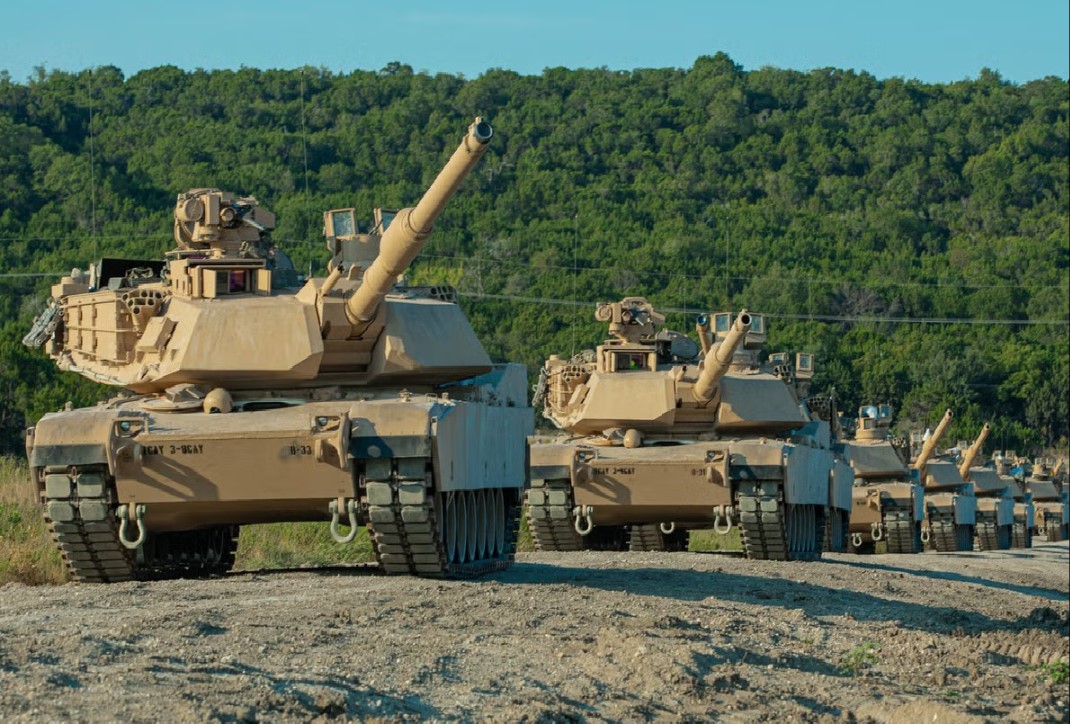
World
WARSAW, Poland, June 26, 2026 — The Polish Armed Forces have received another shipment of heavy armored vehicles from the United States, marking further progress in the country's large-scale military modernization program and strengthening the operational capabilities of its armored forces. On June 25, Polish Deputy Prime Minister and Minister of National Defense Władysław Kosiniak-Kamysz confirmed the arrival of 36 additional M1A2 SEPv3 Abrams main battle tanks and seven M88A2 HERCULES armored recovery vehicles. After completing standard technical inspections and acceptance procedures, the vehicles will be assigned to the 1st Warsaw Armored Brigade (1 Warszawska Brygada Pancerna), one of the principal armored formations within Poland's 18th Mechanized Division, which is deployed in eastern Poland. The latest delivery brings the total number of M1A2 SEPv3 Abrams tanks delivered to Poland to 182 of the 250 tanks ordered under the 2022 procurement agreement with the United States. Deliveries of the M88A2 HERCULES recovery vehicles have also continued, with 33 of the planned 49 vehicles now in Polish service. The M1A2 SEPv3, produced by General Dynamics Land Systems, is the most advanced operational version of the Abrams main battle tank. It incorporates a range of improvements designed to enhance combat effectiveness, crew protection, and battlefield connectivity. Its primary armament consists of a 120 mm M256 smoothbore gun capable of firing advanced programmable ammunition against a wide range of targets. The tank is also equipped with a Remotely Controlled Weapon Station (RCWS), allowing the crew to engage nearby threats while remaining protected inside the vehicle. The SEPv3 variant features upgraded composite armor and is fitted with the Trophy Active Protection System (APS), an Israeli-developed defensive system designed to detect, track, and intercept incoming anti-tank guided missiles, rockets, and other anti-armor threats before impact. Additional improvements include enhanced Forward-Looking Infrared (FLIR) sights, upgraded fire-control systems, improved digital networking capabilities, and an auxiliary power unit (APU) that enables onboard electronics to operate without running the main gas turbine engine, reducing fuel consumption, heat, and noise during stationary operations. Supporting the Abrams fleet are the newly delivered M88A2 HERCULES armored recovery vehicles, manufactured by BAE Systems. Built on a heavily modified M60 tank chassis, the approximately 70-ton recovery vehicle is specifically designed to recover, tow, lift, and repair heavy armored vehicles on the battlefield. The M88A2 is capable of recovering combat vehicles weighing more than 70 tons, including the 73.6-ton M1A2 SEPv3 Abrams, and can conduct recovery operations under hostile conditions. Equipped with a powerful winch, hydraulic crane, earth anchor, and armored protection for its crew, the vehicle plays an essential role in maintaining the mobility and operational readiness of armored formations during military operations. The Abrams acquisition forms part of Poland's broader effort to modernize its land forces following the signing of the 2022 U.S.-Poland defense agreement, valued at approximately $6 billion, which includes not only 250 M1A2 SEPv3 tanks but also supporting equipment, logistics packages, training, spare parts, ammunition, and engineering assets such as M1074 Joint Assault Bridges. Deliveries of the SEPv3 variant began in 2025 and are scheduled to continue through 2026. Alongside the new SEPv3 fleet, the Polish Army also operates 116 M1A1 Firepower Enhancement Package (FEP) Abrams tanks, which were acquired to rapidly replace Soviet-era equipment transferred by Poland to Ukraine. The country is also introducing K2 Black Panther main battle tanks from South Korea while continuing to operate upgraded Leopard 2 tanks, creating one of the largest and most capable armored forces within NATO. The 1st Warsaw Armored Brigade has continued training with the Abrams platform to prepare crews, maintenance personnel, and support units for the gradual expansion of the fleet. The integration of additional recovery vehicles alongside the tanks ensures that armored units can sustain operations and maintain equipment availability during both training and operational deployments. Poland has significantly increased defense spending since Russia's full-scale invasion of Ukraine in 2022, raising military investment to one of the highest levels among NATO members relative to gross domestic product. The modernization program focuses on strengthening the country's deterrence capabilities and reinforcing NATO's eastern flank through the acquisition of advanced armored vehicles, air defense systems, artillery, and combat aircraft. With deliveries progressing according to schedule, Poland is steadily expanding its Abrams fleet and moving closer to completing one of Europe's most extensive armored modernization programs. Once current procurement contracts with the United States and South Korea are fully implemented, the Polish Armed Forces are expected to operate one of the largest and most modern main battle tank fleets on the continent.
Read More → Posted on 2026-06-26 10:14:58 Airbus Signs MoU With Kawasaki Heavy Industries to Develop Japanese Anti-Submarine Eurodrone Variant
World
TOKYO, June 26, 2026 — Airbus has signed a Memorandum of Understanding (MoU) with Japan's Kawasaki Heavy Industries (KHI) to study the development of a Japanese maritime anti-submarine warfare (ASW) variant of the Eurodrone, also known as the U950. The agreement marks the first collaboration between a Japanese heavy industry company and a major foreign defense manufacturer on an unmanned aerial system, strengthening defense-industrial cooperation between Europe and Japan. The proposed variant will adapt Europe's first Large Long Endurance Remotely Piloted Aircraft System (RPAS) to meet the Japanese Ministry of Defense's maritime surveillance and anti-submarine warfare requirements. Meeting Japan's Maritime Security Requirements Japan has participated in the €7 billion ($8 billion) Eurodrone programme as an official observer since November 2023. As an island nation responsible for monitoring vast maritime areas, Japan requires long-endurance surveillance platforms capable of supporting persistent maritime security operations. According to Airbus, the Eurodrone offers advantages over comparable systems through its long endurance and large payload capacity. The aircraft can remain airborne for up to 40 hours while carrying a mission payload of up to 2.3 tonnes, excluding fuel. The payload capacity allows the integration of anti-submarine warfare equipment, including sonobuoys and lightweight torpedoes. Operating alongside Japan's existing Kawasaki P-1 maritime patrol aircraft, the unmanned platform could provide persistent surveillance and strengthen anti-submarine warfare operations while reducing reliance on crewed aircraft for routine patrols. Focus of the Partnership The MoU establishes a framework for Airbus and Kawasaki Heavy Industries to begin discussions on the design, development and commercialization of a Japan-specific maritime variant of the Eurodrone. Key areas of cooperation include: Integrating Japanese-developed sensors, effectors and ASW mission systems. Defining industrial workshare for local manufacturing, production and long-term sustainment. Ensuring Japan can independently operate, maintain and support the aircraft without operational restrictions if it proceeds with procurement. Airbus said the engineering and operational experience gained during the development of the Japanese variant could also support future European naval versions of the Eurodrone. Eurodrone Programme The Eurodrone is a joint programme involving Germany, France, Italy and Spain, managed by the Organisation for Joint Armament Cooperation (OCCAR). Airbus Defence and Space serves as the industrial prime contractor alongside Leonardo and Airbus Defence and Space Spain, while Germany is the lead nation. India also participates as an official observer. The programme has completed its Critical Design Review, with the aircraft's maiden flight currently planned for 2029. Platform Specifications The twin-engine U950 Eurodrone is designed for long-endurance operations over land and sea. It measures approximately 16 metres in length, has a 26-metre wingspan, and a maximum take-off weight of around 13 tonnes. Powered by two General Electric Catalyst turboprop engines, the aircraft is designed with high levels of redundancy for extended over-water missions and is intended to be certified for operations in unsegregated civil airspace. Beyond anti-submarine warfare, the Eurodrone can perform a wide range of missions, including: Intelligence, Surveillance and Reconnaissance (ISR) Intelligence, Surveillance, Target Acquisition and Reconnaissance (ISTAR) Maritime patrol Fleet protection Early warning Signals Intelligence (SIGINT) The Airbus-Kawasaki agreement represents an important step in expanding the Eurodrone programme beyond Europe while supporting the development of a maritime RPAS tailored to Japan's operational requirements. Further discussions between the two companies will determine the technical configuration, industrial responsibilities and future roadmap for the proposed Japanese ASW variant.
Read More → Posted on 2026-06-26 10:26:32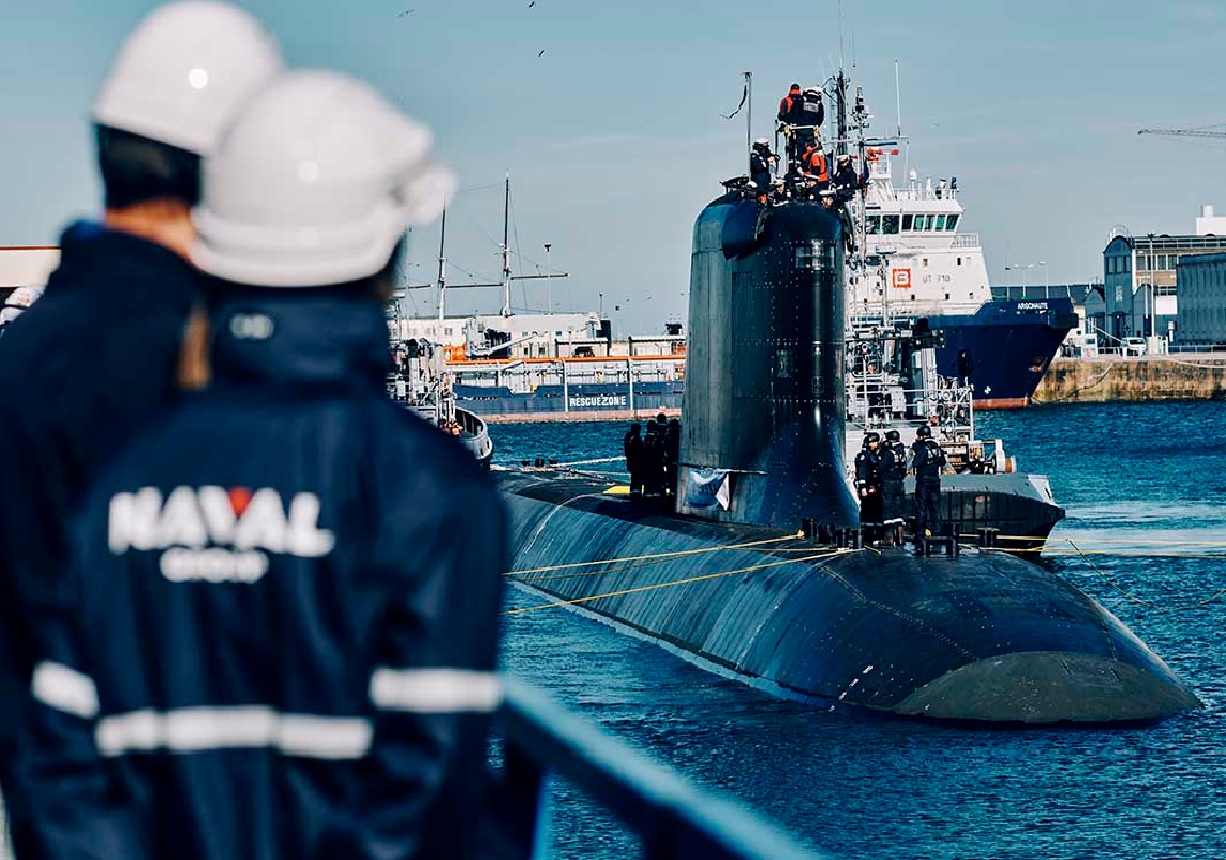
World
CHERBOURG, France, June 26, 2026 — Naval Group has officially delivered the De Grasse (S636), the fourth Barracuda-class (Suffren-class) nuclear-powered attack submarine (SSN), to the French Defense Procurement Agency (DGA) and the French Navy (Marine Nationale). The handover took place on June 24, 2026, marking another major milestone in France's effort to modernize its submarine fleet through the six-vessel Barracuda program. The delivery brings the program beyond its halfway point, with four submarines now completed. The Barracuda program is replacing the French Navy's aging Rubis-class nuclear-powered attack submarines with a new generation of more capable and stealthier vessels. Accelerated Development and Testing The De Grasse completed its development and acceptance process at an accelerated pace. Naval Group delivered the submarine exactly four months after it began sea trials on February 24, 2026, reflecting experience gained during the construction and testing of the first three submarines in the class. After rolling out from the Cherbourg construction hall in May 2025, the submarine completed dockside testing before its nuclear reactor achieved divergence in December 2025. This enabled an extensive sea trials campaign in the English Channel and the Atlantic Ocean, leading to final delivery. Named After a Historic Naval Commander The submarine is named after Lieutenant Général des Armées Navales François Joseph Paul, Comte de Grasse, Marquis de Grasse-Tilly, who commanded the French fleet during the Battle of the Chesapeake in 1781. His victory over the British Royal Navy played a decisive role in the American Revolutionary War. Enhanced Combat Systems Although built on the same core design as the earlier Suffren-class submarines, De Grasse incorporates several technological improvements. According to Admiral Xavier Petit, Commander of the French Submarine Forces (ALFOST), the submarine features an upgraded version of the SYCOBS combat management system, providing new operational capabilities. It is also equipped with a new-generation electronic warfare suite and sensor technology estimated to be 10 to 15 times more capable than that of the Rubis-class submarines it is replacing. These improvements enhance the submarine's effectiveness in anti-submarine warfare, anti-surface warfare, intelligence gathering, special operations support, and long-range precision strike missions. Barracuda Program Progress The first three Barracuda-class submarines have already entered service: Suffren – June 2022 Duguay-Trouin – April 2024 Tourville – July 2025 The remaining two submarines, Rubis and Casabianca, are currently under construction and are scheduled for delivery before the end of the decade. Naval Group serves as the prime contractor for the Barracuda program, overseeing design, construction, testing, and lifecycle support. TechnicAtome co-develops and manufactures the main components of the submarines' nuclear reactors, while Naval Group also provides long-term maintenance and logistical support from the French naval base at Toulon. Technical Characteristics The Barracuda-class submarines are designed for stealth, endurance, and multi-mission operations. Each submarine is equipped with a dry deck shelter for the discreet deployment of naval commandos and underwater vehicles, while pump-jet propulsion and advanced acoustic quieting technologies improve underwater stealth. Specifications Surface displacement: 4,700 tonnes Submerged displacement: 5,200 tonnes Length: 99 metres Diameter: 8.8 metres Crew: 65 personnel, plus capacity for naval commandos Endurance: Approximately 70 days at sea Operational availability: More than 270 days per year Armament Naval Cruise Missiles (NCM) F21 heavyweight torpedoes Modernised Exocet SM39 anti-ship missiles Provisions for future integration of naval mines, unmanned aerial vehicles (UAVs), and unmanned underwater vehicles (UUVs) Propulsion The submarine uses a hybrid propulsion system consisting of a pressurised water reactor derived from those used aboard the Triomphant-class ballistic missile submarines and the Charles de Gaulle aircraft carrier, one propulsion turbine, two turbo generators, and two electric motors driving a low-noise pump-jet propulsor. The delivery of De Grasse marks another significant step in the modernization of the French Navy's nuclear-powered attack submarine fleet. With four submarines now delivered and the remaining two under construction, the Barracuda program continues to strengthen France's underwater warfare capabilities for the coming decades.
Read More → Posted on 2026-06-26 10:34:09
World
MANAMA, Bahrain, June 26, 2026 — Damage to the United States Navy's main military base in Bahrain caused by Iranian missile and drone attacks during the recent conflict is significantly more extensive than previously acknowledged, according to recent assessments. Reconstruction of the damaged facilities at Naval Support Activity (NSA) Bahrain is now estimated to cost approximately $400 million, prompting the Pentagon to reassess the long-term deployment of U.S. forces across the Middle East. Naval Support Activity Bahrain serves as the headquarters of the U.S. Fifth Fleet and U.S. Naval Forces Central Command, making it one of the most important American military installations in the Gulf region. The base has supported U.S. naval operations, maritime security missions, counter-piracy efforts, and regional partnerships for decades. Between late February and mid-June 2026, Iranian forces repeatedly targeted the base using waves of ballistic missiles and Shahed-136 loitering munitions. The attacks formed part of a broader campaign against U.S. military facilities across the region during the four-month conflict. According to procurement data and Department of Defense construction models cited in a recent Wall Street Journal report, the estimated $400 million rebuilding cost covers only the reconstruction of damaged buildings and infrastructure. The estimate does not include expenses related to debris removal, replacement of destroyed equipment, or future improvements to strengthen the base against similar attacks. The strikes penetrated the base's defensive systems on multiple occasions, causing substantial structural damage across several key operational areas. The U.S. Fifth Fleet's central command headquarters sustained direct hits, leaving the building no longer fully operational. Two satellite communications terminals were destroyed, while additional communications and networking facilities suffered severe damage, affecting command and information systems. Logistics infrastructure was also heavily impacted. Warehouses containing military equipment, operational supplies, and support materials were destroyed during the attacks. Damage assessments also identified impacts on communications management facilities, support buildings, piers, and other operational infrastructure across the installation. Residential buildings and personnel support facilities were among the structures affected. Several housing areas and general base infrastructure sustained varying levels of damage, while nearby residential areas also experienced impacts. Despite the extensive structural destruction, U.S. military officials stated that operational activities in the region continued throughout the conflict. Most personnel had been evacuated from the installation shortly after hostilities began, and officials confirmed that no U.S. service members were killed at the Bahrain facility during the attacks. The attacks on NSA Bahrain, together with Iranian strikes on at least 20 additional American military and diplomatic facilities across the Middle East, have prompted a comprehensive Pentagon review of the U.S. military footprint in the region. Defense planners are evaluating several options aimed at reducing the vulnerability of forward-deployed forces. These include reducing troop numbers and military equipment stationed in Kuwait and Saudi Arabia, relocating critical operational assets farther west to place them beyond the effective range of Iranian ballistic missiles, and transferring selected operational capabilities to Israel. Military planners are also considering redesigning Naval Support Activity Bahrain by dispersing key assets across multiple locations instead of maintaining a centralized operational hub. Discussions reportedly include relocating command functions to hardened or underground facilities to improve survivability during future conflicts. The Bahrain base, located approximately 120 miles from the Iranian coast, was among the most heavily targeted U.S. military installations due to its strategic role in overseeing naval operations throughout the Persian Gulf, Arabian Sea, Red Sea, and surrounding waters. The strikes were part of a wider Iranian retaliation campaign that also affected U.S. military sites in Qatar, Kuwait, Saudi Arabia, and the United Arab Emirates, with varying levels of damage reported across those installations. The broader financial impact of the conflict has also been significant. According to estimates from the Center for Strategic and International Studies (CSIS), the total cost of the 2026 conflict reached approximately $40 billion. Of that amount, between $2.2 billion and $5.1 billion is attributed to damage sustained by U.S. military bases throughout the region. The Pentagon has not released a detailed public assessment covering total damage across all affected Middle Eastern installations. Defense Secretary Pete Hegseth has also declined to discuss the specific extent of the damage during congressional testimony. While reconstruction work is expected to continue over an extended period, the U.S. Navy continues to operate from Bahrain as repairs progress. The attacks have highlighted vulnerabilities at forward-deployed military bases and accelerated Pentagon efforts to review force posture, strengthen air and missile defenses, improve infrastructure resilience, and evaluate future basing strategies across the Middle East. Long-term decisions regarding reconstruction, force distribution, and possible relocation of critical military capabilities are expected to play an important role in shaping the future U.S. military presence in the Gulf region.
Read More → Posted on 2026-06-26 10:40:51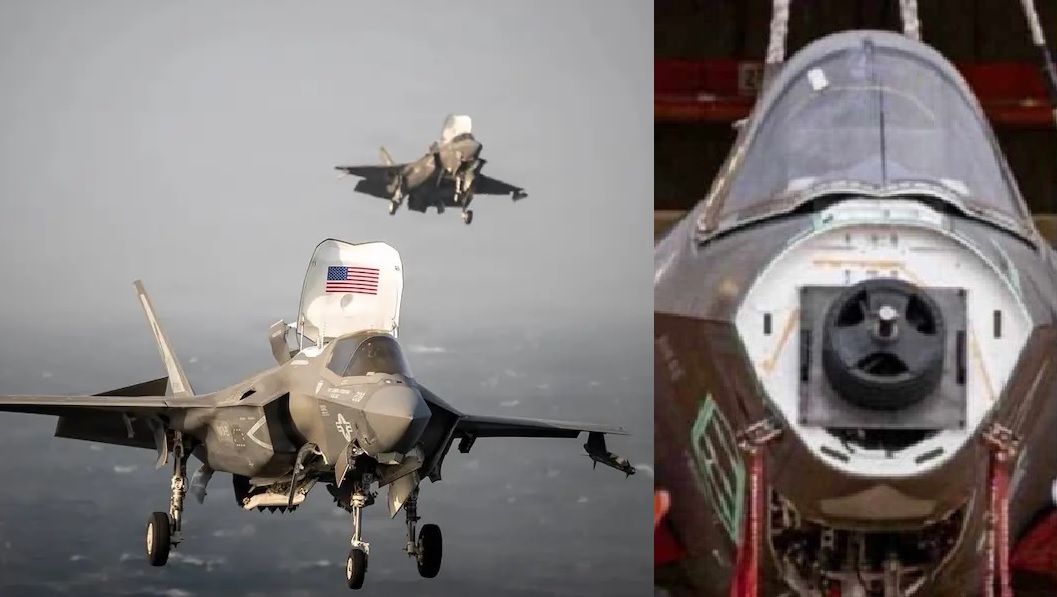
World
WASHINGTON, June 26, 2026 — The U.S. Marine Corps has accepted delivery of six F-35B Lightning II fighter aircraft without their AN/APG-85 active electronically scanned array (AESA) radars, marking an unusual milestone in the F-35 program as delays to the next-generation radar impact Block 4 modernization. Instead of radar systems, the aircraft have ballast weights installed inside their nose sections to maintain the proper center of gravity and ensure safe flight operations. The aircraft entered acceptance testing in February 2026 and are currently limited to basic flight training until the radars become available. The Air Force and Navy are also expected to receive similarly configured aircraft later this year if the radar delivery schedule remains delayed. APG-85 Integration Creates Production Challenge The AN/APG-85 radar, developed by Northrop Grumman, is a key element of the F-35 Block 4 modernization program. It is designed to replace the existing AN/APG-81 radar and provide improved performance against modern electronic warfare threats while supporting future mission capabilities. Beginning with Lot 17 production, Lockheed Martin introduced a redesigned forward bulkhead specifically built to accommodate the APG-85. However, because the U.S. government purchases the radar separately and supplies it to the manufacturer, delays in radar production have resulted in completed airframes being ready before the radar systems are available. The older AN/APG-81 radar cannot be installed in the new Lot 17 airframes without major structural modifications because of the redesigned mounting arrangement. As an interim solution, ballast weights have been installed until the APG-85 radars are delivered and integrated. Marine Corps Receives First Aircraft During a June 23 hearing before the Senate Armed Services Committee's Airland Subcommittee, F-35 Joint Program Office Director Marine Corps Lt. Gen. Gregory Masiello confirmed that the six Marine Corps F-35Bs are the only aircraft delivered without radars so far. No Air Force or Navy aircraft had been accepted in this configuration as of late June 2026, although both services are expected to receive similar aircraft later this year. According to the Joint Program Office, the Pentagon adopted a concurrent development and production strategy for the F-35's advanced capabilities, accepting the risk that some aircraft could be completed before certain technologies were ready for installation. Aircraft Restricted to Basic Training Without their radar systems, the aircraft cannot conduct combat missions or advanced tactical training. They are currently limited to basic pilot training and routine flight operations until the APG-85 radars are installed. The Joint Program Office stated that the aircraft will receive the new radar once Northrop Grumman completes deliveries. Officials noted that similar situations have occurred in previous military aviation programs. During the 1970s, early F-15 Eagle fighters were temporarily delivered during engine shortages, with available engines transferred between aircraft until production stabilized. Readiness Remains Under Scrutiny The radar delay comes as the F-35 program continues to face challenges related to readiness and sustainment. A Government Accountability Office (GAO) report released in June found that only about 25 percent of U.S. F-35 aircraft were fully mission capable during fiscal year 2025. The report also said the fleet's overall mission-capable rate stood at 44.1 percent, below historical targets. Masiello did not dispute the GAO findings but said the Joint Program Office uses a different methodology, which shows a mission-capable rate of approximately 56 percent. He acknowledged that aircraft delivered without radar systems cannot be classified as fully mission capable. The global F-35 fleet has now surpassed 1,300 operational aircraft, increasing pressure on maintenance, logistics, and sustainment systems that were originally designed to support a much smaller fleet. Block 4 Upgrade Faces Power and Cooling Challenges Beyond the radar delay, the Block 4 modernization program also faces challenges related to power generation and thermal management. The APG-85 radar and other Block 4 systems require significantly more electrical power and generate more heat than previous equipment. According to Masiello, future F-35 variants will need to support systems requiring between 62 and 80 kilowatts of power, compared with the current aircraft's 32-kilowatt capacity. Speaking before the subcommittee, Masiello said cooling has become one of the program's primary engineering challenges because the existing system has little remaining capacity for additional equipment. To address the issue, the Pentagon initially considered developing a new adaptive engine but ended the effort because of cost concerns. Instead, Pratt & Whitney's Engine Core Upgrade (ECU) is expected to enter production around 2031, providing additional cooling capacity while broader power and thermal management improvements are planned for future modernization efforts beyond Block 4. Modernization Continues Masiello declined to discuss the detailed capabilities of the APG-85 radar during the public hearing, stating that additional information was provided in a classified session. While the temporary absence of radar systems limits the operational use of the affected aircraft, the F-35 program continues production as the Pentagon works to complete Block 4 modernization. Once APG-85 radar deliveries resume, the six Marine Corps aircraft—and future aircraft delivered in the same configuration—will receive the new radar and transition to full operational capability.
Read More → Posted on 2026-06-26 10:53:15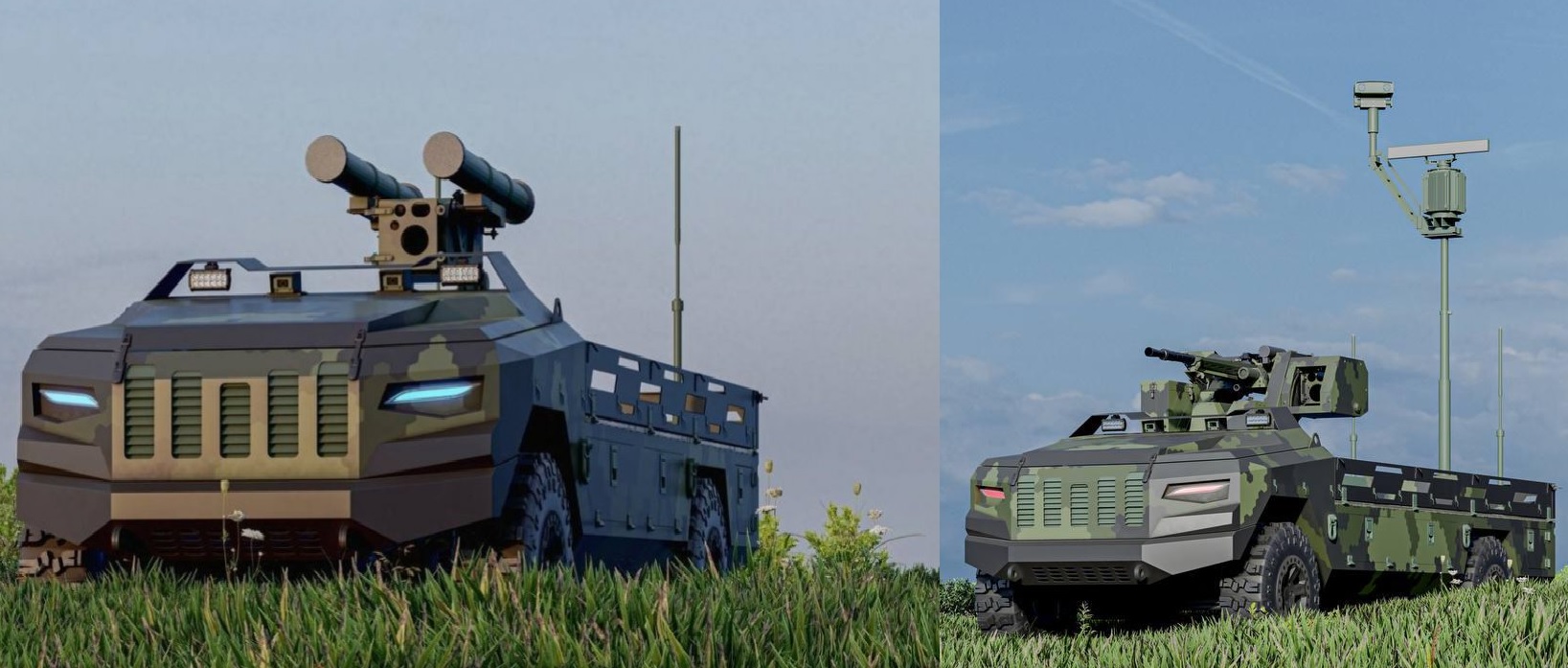
World
Kyiv, June 26, 2026 — Ukrainian Armor’s Protector unmanned ground vehicle (UGV) is being deployed on Ukraine’s front lines to support high-risk logistics missions, helping transport essential supplies while reducing the exposure of military personnel to enemy fire. Originally developed for logistics and casualty evacuation, the platform is also being adapted for combat and air defense roles. Supporting Frontline Logistics Personnel from the 429th Unmanned Systems Brigade "Achilles" are using the domestically produced Protector UGV to deliver food, ammunition, equipment, and other supplies to frontline positions in contested areas. According to military personnel, the vehicle has transported nearly one metric ton of cargo in a single mission, exceeding its official payload capacity of 700 kilograms. A single delivery can provide enough food, ammunition, and equipment to sustain a frontline unit for approximately one week. The Protector has also demonstrated its survivability during operations. In one mission, it sustained shrapnel damage from an enemy FPV drone but remained operational and completed its cargo delivery. During a later logistics mission, the same vehicle struck a landmine while returning from its objective, causing damage that made recovery impossible. Ukrainian Armor said the Protector has become an important component of frontline military logistics by enabling cargo deliveries into high-threat environments while reducing risks to personnel. Procurement and Production The current deployment follows a framework agreement signed in February 2026 between Ukrainian Armor and the Defense Procurement Agency (DPA) of Ukraine's Ministry of Defense for the supply of Protector UGVs. The agreement was announced by Ukrainian Armor CEO Vladyslav Belbas. The Ministry of Defense officially codified the Protector in the summer of 2025, authorizing its widespread use by Ukraine's defense forces. Earlier this year, the vehicle also became available through the Brave1 Market platform at a listed price of 3.9 million Ukrainian Hryvnias (UAH). Technical Specifications The Protector is one of Ukraine's largest unmanned ground vehicles, with a total weight capacity of up to 4,000 kilograms. It measures 5,070 mm in length, 1,900 mm in width, and 1,090 mm in height. Powered by a 190-horsepower diesel engine with an all-wheel-drive system and run-flat tires, the vehicle is designed for cross-country mobility. It can travel at speeds between 50 and 90 km/h, depending on terrain, and has an operational range of approximately 400 kilometers. The platform is protected by STANAG 4569 Level 1 ballistic protection and is remotely operated through secure communication links. Its standard control range is 12 kilometers, while integration with the ICoMWare situational awareness system has extended secure operating distances to more than 15 kilometers. In addition to cargo transport, the Protector can evacuate up to three casualties on stretchers. Expanding Combat and Air Defense Roles Ukrainian Armor has integrated the Tavriia-12.7 remote-controlled combat module onto the Protector. The system mounts a 12.7mm Browning M2 heavy machine gun with a digital fire-control system capable of engaging both ground and aerial targets while the vehicle is moving. The company is also testing integration of the Tryzub laser weapon system, designed to intercept FPV drones at ranges of 800–900 meters and long-range Shahed drones at distances of up to five kilometers. In addition, Ukrainian Armor is developing a version of the Protector that can serve as a mobile launch platform for interceptor drones, expanding the platform's role beyond logistics into autonomous battlefield air defense. The Protector's growing deployment highlights Ukraine's continued effort to expand the use of unmanned ground systems for logistics, casualty evacuation, combat support, and air defense while reducing risks to personnel operating on the front lines.
Read More → Posted on 2026-06-26 11:13:53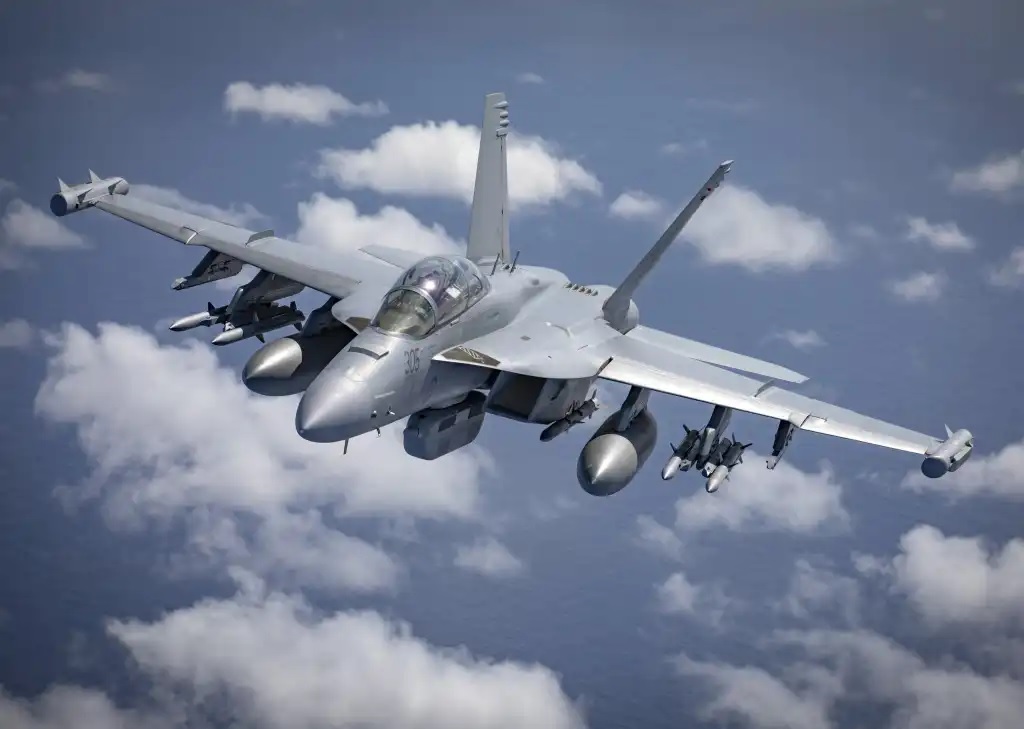
World
WASHINGTON, June 26, 2026 — The U.S. State Department has approved a potential $250 million Foreign Military Sale (FMS) to Australia for training services and related equipment supporting the Royal Australian Air Force (RAAF)'s F/A-18F Super Hornet and EA-18G Growler aircraft fleets. The proposed sale, notified to Congress by the U.S. Defense Security Cooperation Agency (DSCA), is aimed at sustaining Australia's operational readiness while reinforcing the long-standing defense partnership between the United States and Australia. The package supports U.S. foreign policy and national security objectives by helping Australia maintain a capable self-defense force and strengthening interoperability with U.S. and allied forces across the Indo-Pacific. In its notification to Congress on June 25, the State Department described Australia as a key political, economic, and military ally whose strategic location contributes to peace and economic stability in the Western Pacific. U.S. officials said the training support will enhance Australia's ability to address current and future security challenges while improving coordination during coalition operations and multinational exercises. Training and Support Package The $250 million package is focused on maintaining the proficiency of Australian aircrew and maintenance personnel operating the country's existing Super Hornet and Growler fleets. The proposed sale includes training services, simulators, training devices and instructional aids, spare parts for training systems, logistics support, technical assistance, and other associated equipment required to sustain training activities. The support package covers the RAAF's fleet of 24 F/A-18F Super Hornets and 12 EA-18G Growlers, based at RAAF Base Amberley and operated by No. 1 Squadron and No. 6 Squadron, respectively. Aircraft Roles The F/A-18F Super Hornet is a twin-engine multirole fighter capable of air superiority, precision strike, fighter escort, close air support, and day-and-night combat missions. The EA-18G Growler, developed from the Super Hornet, is a dedicated electronic warfare aircraft designed to disrupt, deceive, and suppress enemy radar, communications, and other electronic systems, providing electronic attack support during air operations. Australia introduced both aircraft to bridge the capability gap following the retirement of its legacy F/A-18A/B Hornets before the full introduction of the F-35A Lightning II. The two platforms continue to play an important role in the country's air combat capability. Part of Broader Sustainment Efforts The newly approved package complements previous U.S. support for Australia's Super Hornet and Growler fleets. In June 2025, Washington approved a separate $2 billion sustainment package that included advanced communications equipment, electronic warfare systems, spare parts, engineering services, and technical support. Boeing, the manufacturer of both aircraft, is expected to support the training effort, while U.S. defense companies have previously provided simulator-based instruction and maintenance training under earlier agreements. Congressional Review The State Department said Australia is well positioned to integrate the training into its armed forces and confirmed that the proposed sale will not require additional U.S. personnel to be permanently assigned to Australia. Officials also stated that the transaction will not affect U.S. military readiness or alter the regional military balance. The proposed Foreign Military Sale will now enter the standard 15-day congressional review period. If approved, the package will further strengthen defense cooperation between the United States and Australia while helping maintain the readiness of the RAAF's Super Hornet and Growler fleets for national and coalition operations under partnerships such as ANZUS and AUKUS.
Read More → Posted on 2026-06-26 11:21:50
World
PARIS, June 26, 2026 — French aerospace company Hemeria, in partnership with Safran Electronics & Defense, has unveiled an artificial intelligence-enabled version of its BalMan stratospheric balloon for electronic warfare (EW) and electromagnetic intelligence (ELINT) missions. The announcement follows the signing of a Memorandum of Understanding (MoU) during the Eurosatory 2026 defense exhibition in Paris earlier this month. The partnership combines Hemeria's high-altitude balloon technology with artificial intelligence developed by Safran.AI, a subsidiary of Safran Electronics & Defense. The system is designed to detect, identify, and analyze electromagnetic emissions across land, air, and maritime domains while providing armed forces with persistent high-altitude intelligence and electronic warfare capabilities. BalMan Designed for Persistent High-Altitude Missions The BalMan (Ballon Manoeuvrant) was originally developed under the French government's France Relance program with support from the French Space Agency (CNES). The platform completed its maiden flight from the Guiana Space Centre in French Guiana in October 2024 after being selected in 2021 for the development of maneuverable stratospheric balloons. Unlike conventional zero-pressure balloons that drift with prevailing winds, BalMan is a steerable super-pressure balloon equipped with an internal ballonet. Using an outward compressor, it adjusts its altitude by taking in or venting air, allowing it to move between different wind layers and navigate toward designated areas while remaining over a target location for extended periods. The balloon operates at altitudes between 16 and 22 kilometers (approximately 52,000 to 72,000 feet), with typical missions conducted around 18 to 20 kilometers. Hemeria's larger zero-pressure balloons can carry payloads of up to 2,000 kilograms at altitudes reaching 45 kilometers, while the maneuverable BalMan is optimized to carry specialized payloads of approximately 50 kilograms for intelligence and electronic warfare missions. Depending on the mission profile, the system can remain airborne from several hours to multiple days. AI Integration for Electronic Warfare and ELINT Under the partnership, Safran.AI will provide artificial intelligence models that automate the fusion of data collected from multiple sensors and information sources. The AI enables near real-time detection, identification, and analysis of radar emissions, communication signals, and other electromagnetic activity. Operating in the stratosphere gives the platform a wider observation range and allows it to collect cleaner electromagnetic data with less interference than lower-altitude systems. This improves the quality of intelligence while reducing operator workload through automated signal analysis. Nicolas Multan, President of Hemeria, said combining the company's balloon platform with Safran.AI's technology provides an effective solution for demanding operational requirements in high-altitude environments. François Bourrier-Soifer, Deputy CEO of Safran.AI, said the stratosphere has become an increasingly important operational domain where persistent platforms and AI-driven data fusion can provide faster and more accurate situational awareness. Growing Role of Stratospheric Balloons High-altitude balloons are increasingly being used as a cost-effective complement to satellites and surveillance aircraft for intelligence, surveillance, and reconnaissance (ISR) missions. Their long endurance and ability to remain over an area for extended periods make them suitable for monitoring radar systems, communications networks, and other electromagnetic activity. Beyond defense applications, Hemeria's stratospheric balloons continue to support scientific research, Earth observation, climate studies, communications, and technology testing. The introduction of the EW and ELINT variant reflects growing demand for persistent, unmanned high-altitude platforms capable of operating in contested electromagnetic environments while complementing existing satellite and airborne intelligence assets.
Read More → Posted on 2026-06-26 12:07:41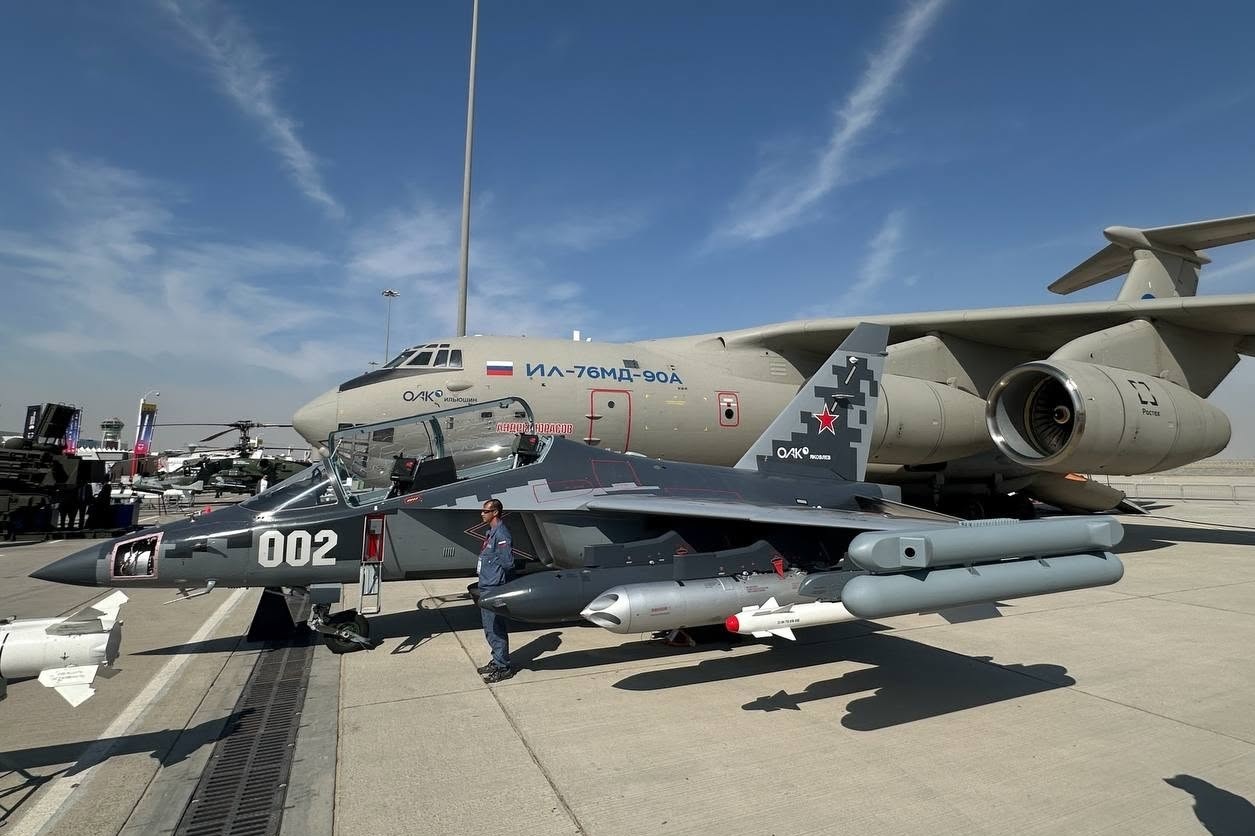
World
MOSCOW, June 26, 2026 — Russia has successfully completed the maiden flight of the modernized Yak-130M combat trainer aircraft, marking a major milestone in the development of its next-generation lightweight fighter-trainer platform. The flight took place on June 25 at the Irkutsk Aviation Plant, a branch of PJSC Yakovlev under the United Aircraft Corporation (UAC), part of the Rostec State Corporation. The prototype remained airborne for approximately 50 minutes, reaching an altitude of 2,000 meters and a maximum speed of 600 km/h. The aircraft was flown by 1st Class Test Pilot Alexander Guskov and Distinguished Test Pilot Andrey Voropayev, who reported that all planned flight objectives were completed successfully without any technical issues. The maiden flight marks the beginning of a broader flight test program that will evaluate the aircraft's upgraded avionics, sensors, flight characteristics, and weapons integration before it progresses toward operational service. Evolution into a Multi-Role Combat Platform The Yak-130M is an extensively modernized version of the baseline Yak-130 advanced trainer, which has served the Russian Aerospace Forces and several export customers for pilot training. Unlike the original aircraft, the Yak-130M has been developed with a stronger emphasis on combat operations while retaining its training role. It is designed to conduct air-to-air combat, precision strike missions, counter-drone operations, close air support, and battlefield reconnaissance, allowing operators to use a single platform for both pilot training and frontline missions. Improved Performance and Powerplant The aircraft is powered by two AI-222-25 turbofan engines produced by Rostec's United Engine Corporation (UEC). Each engine delivers 2,500 kgf of thrust through a bypass, non-afterburning design that improves fuel efficiency while maintaining reliable performance. The Yak-130M has a maximum speed of approximately Mach 0.9, a service ceiling of 12,500 meters, and can carry up to 3,000 kilograms of weapons on nine external hardpoints, enabling it to perform a broad range of combat missions. Advanced Avionics and Sensor Systems A key enhancement is the integration of the BRLS-130R Active Electronically Scanned Array (AESA) radar, which significantly improves the aircraft's ability to detect, track, and engage both airborne and ground targets, including beyond-visual-range engagements. The radar is paired with the SOLT-130K electro-optical and laser targeting system, providing accurate target identification and supporting precision-guided weapons during day and night operations. To improve survivability, the aircraft is equipped with the President-S130 self-protection suite, while the KSS-130 communications and data link system enhances information sharing and coordination during network-centric operations. Together, these systems substantially increase the Yak-130M's situational awareness and combat capability compared with the original Yak-130. Expanded Weapons Capability The Yak-130M supports a wider range of modern weapons than previous variants. It is expected to integrate the R-77-1 beyond-visual-range air-to-air missile, with potential future compatibility for the R-77M. The aircraft can also employ precision-guided air-to-surface weapons, conventional bombs, rockets, cannon pods, and other mission-specific payloads. These upgrades significantly improve its effectiveness in air-to-air combat, precision strike, and counter-drone missions compared with earlier Yak-130 variants, including those currently equipped with R-73 short-range air-to-air missiles. Position in the Global Light Fighter Market The Yak-130M enters a competitive market for lightweight multi-role combat aircraft, where advanced sensors, modern avionics, and beyond-visual-range weapons have become increasingly important. Competing platforms include China's JF-17 Block 3 equipped with the PL-15, China's JL-10 with the PL-12, South Korea's FA-50 integrated with the AIM-120 AMRAAM, and Sweden's Gripen E/F equipped with the Meteor missile. With its AESA radar and planned R-77 series missile integration, the Yak-130M offers significantly greater combat capability than previous Yak-130 variants while providing a cost-effective alternative for operators seeking modern air combat capabilities. Domestic and Export Potential Lightweight combat aircraft continue to attract interest because of their relatively low procurement, operating, and maintenance costs compared with heavier fighter platforms. These advantages enable air forces to maintain larger fleets with higher operational availability. For the Russian Aerospace Forces, the Yak-130M could support fleet expansion while gradually replacing aging, unmodernized MiG-29A fighters, reducing sustainment costs and improving operational capability. In the export market, the aircraft is positioned to compete with the JF-17 Block 3, JL-10, FA-50, and Gripen E/F. Its combination of advanced training capability, modern combat systems, and comparatively low operating costs is expected to appeal to countries seeking affordable frontline aircraft, including strategic partners in Asia and Africa such as Laos and Burkina Faso. Flight Testing Continues United Aircraft Corporation officials said the Yak-130M has been developed to perform a broader range of missions while incorporating technologies that improve both operational capability and export competitiveness. Following its successful maiden flight, the aircraft will continue an extensive flight test program to validate its avionics, sensors, weapons integration, and overall performance before future production and operational service. Building on the proven Yak-130 platform, the Yak-130M combines advanced pilot training capabilities with significantly enhanced combat performance, positioning it as Russia's most capable variant of the aircraft to date.
Read More → Posted on 2026-06-26 12:18:45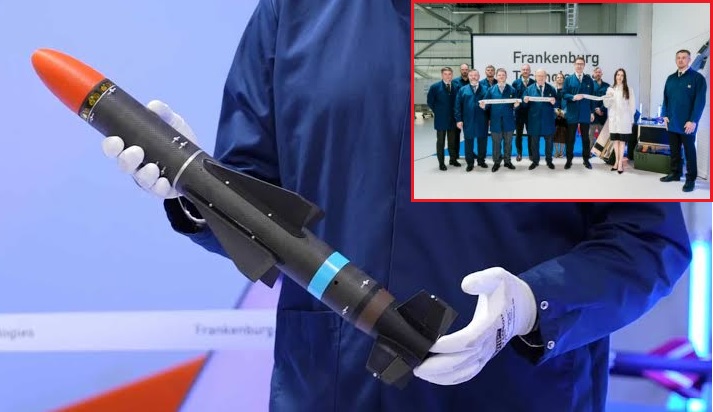
World
RIGA, Latvia, June 26, 2026 — Estonia-based defense company Frankenburg Technologies has officially opened its Riga Weapon System and Missile Assembly Factory in Latvia, marking a major step toward large-scale production of its Mark 1 counter-unmanned aerial system (C-UAS) missile. The new facility is intended to support growing demand for affordable air defense systems capable of countering the increasing use of drones on modern battlefields. The Riga facility, together with a final assembly line under construction in the Latvian town of Ādaži, forms the company's first complete FieldFoundry production system. By the end of 2026, the combined Latvian facilities are expected to produce up to 100 Mark 1 missiles per day, with approximately 1,500 missiles planned during the initial production ramp-up in 2026. Built in just 12 months, the 1,000-square-meter factory is expected to employ up to 50 people. The site carries out missile electronics assembly, warhead production, weapon system integration, fire control system integration, and quality control. FieldFoundry Manufacturing Model Frankenburg's FieldFoundry concept uses modular production stations, standardized manufacturing processes, and lean manufacturing techniques to enable rapid expansion of missile production while reducing manufacturing costs. The company plans to establish additional FieldFoundry production lines in Estonia, the United Kingdom, and Poland as part of a decentralized manufacturing network. This approach is intended to strengthen domestic missile production capabilities for European and NATO-aligned countries, reduce reliance on long international supply chains, and allow stockpiles to be replenished closer to operational requirements. Frankenburg's long-term objective is to build a manufacturing network capable of producing one million missiles annually. Mark 1 Missile Specifications and Capabilities The Mark 1 was developed from concept to a successful live-fire demonstration in just 13 months. It is designed as a compact, low-cost guided interceptor that uses commercially available components, allowing production costs to be reduced by more than tenfold compared with traditional interceptor missiles. The missile measures approximately 660 mm in length, 60 mm in diameter, and has a launch weight of less than 2 kilograms. Powered by a solid-fuel rocket motor, it reaches high subsonic to supersonic closing speeds exceeding 1,000 km/h during testing. The Mark 1 has an engagement range of up to 2 kilometers and can intercept targets at altitudes of up to 1,500 meters. It carries a 0.5-kilogram high-explosive fragmentation warhead equipped with a proximity fuze that detonates within about two meters of the target. Guidance combines an Inertial Navigation System (INS) for midcourse guidance with a TV/electro-optical seeker featuring AI-assisted automatic target recognition, providing a fire-and-forget capability for short-range air defense missions. The missile is designed to engage Class 1 to Class 3 UAVs, including propeller-driven drones, FPV drones, loitering munitions, jet-powered unmanned aircraft, and larger Shahed-type one-way attack drones. Live-fire testing at the Ādaži NATO training area demonstrated successful interceptions from standard land-based tripod launchers. The Mark 1 has also been successfully tested from the Airbus Do-DT25 "Bird of Prey" Unmanned Combat Aerial Vehicle (UCAV), demonstrating its use as a reusable airborne interceptor. Expanding European Missile Production The opening of the Riga factory represents Frankenburg Technologies' first operational large-scale production facility and supports broader efforts to strengthen Europe's defense industrial base. The inauguration ceremony was attended by European Commissioner for Defence and Space Andrius Kubilius, reflecting regional interest in expanding domestic defense manufacturing. As additional FieldFoundry production sites are established across Europe, Frankenburg Technologies aims to increase missile output while providing NATO-aligned countries with locally manufactured, scalable counter-drone capabilities.
Read More → Posted on 2026-06-26 12:33:01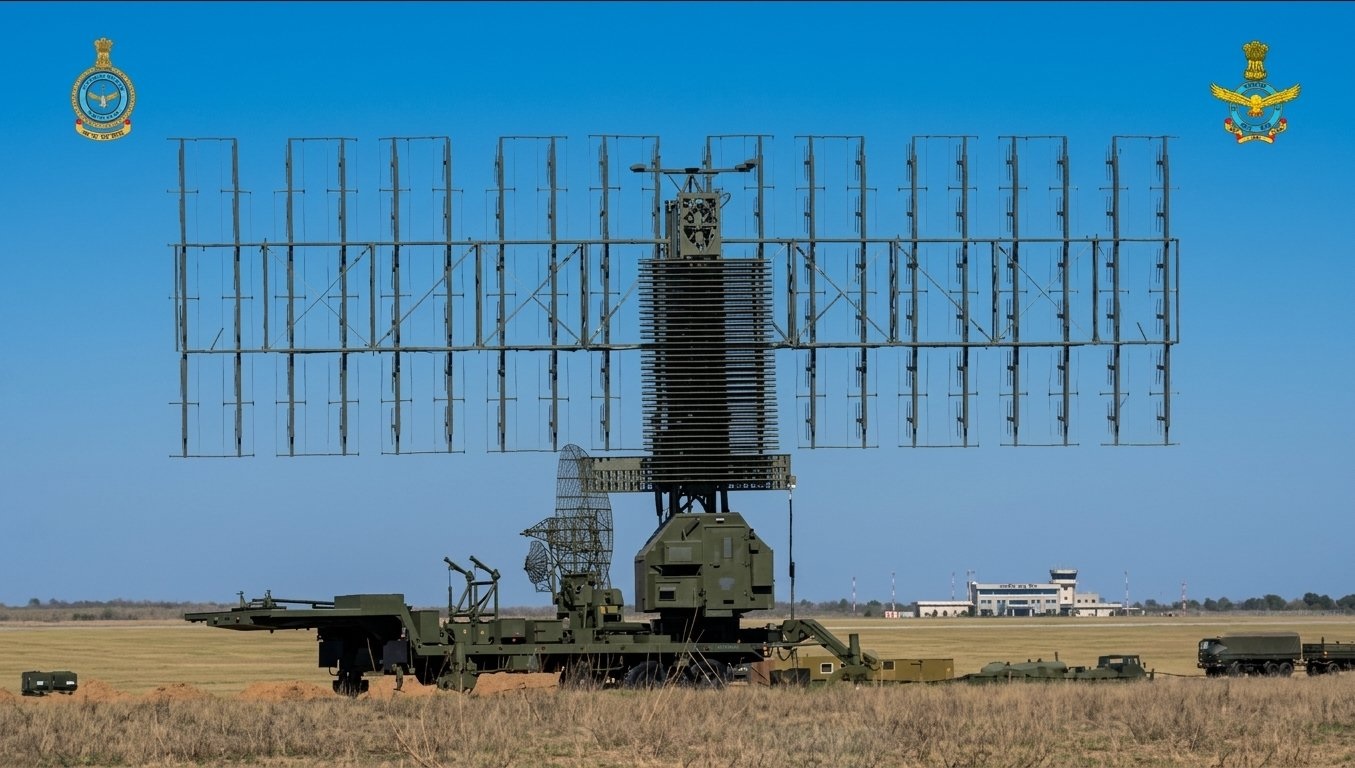
India
NEW DELHI, June 26, 2026 — The Indian Air Force (IAF) has officially inducted the Russian-made 55Zh6ME Nebo-UM Very High Frequency (VHF) radar into its integrated air defence network, strengthening the country's long-range surveillance and early warning capabilities against advanced aerial threats, including stealth aircraft, cruise missiles, and ballistic missiles. The 55Zh6ME Nebo-UM is a highly mobile, three-dimensional phased-array radar that operates exclusively in the VHF frequency band. It is designed to detect and track airborne targets at medium and high altitudes while providing long-range surveillance across large areas. The radar operates in two VHF frequency ranges: 133–144 MHz and 216–225 MHz. Unlike conventional higher-frequency radars, the Nebo-UM uses meter-wavelength radio waves that interact differently with stealth aircraft. These longer wavelengths reduce the effectiveness of radar-absorbent materials and stealth shaping, enabling the radar to detect low-observable aircraft at greater distances. According to available specifications, the system can detect fifth-generation stealth fighters such as China's J-20 and J-35 at ranges exceeding 250 kilometers under suitable operating conditions. The radar also provides long-range detection of cruise missiles and ballistic missiles at distances of up to 600 kilometers, giving air defence units valuable additional time to assess threats and coordinate interception. The system is capable of tracking targets flying at speeds of up to Mach 6.4 and at altitudes exceeding 80 kilometers, allowing it to monitor a broad range of aerial and missile threats. The induction of the Nebo-UM supports the Indian Air Force's ongoing effort to build a multi-layered air defence architecture. VHF radars complement higher-frequency surveillance and fire-control radars by providing early detection of targets with low radar cross-sections. Once detected, the radar can transmit target information to command-and-control centers, enabling other sensors and surface-to-air missile systems to engage the threat. Designed for rapid deployment, the entire Nebo-UM system is mounted on heavy 8×8 wheeled transport vehicles, including the radar antenna, digital signal processing equipment, and onboard diesel power generators. Its high mobility allows operators to quickly relocate the system across difficult terrain, improving survivability against anti-radiation missile attacks and supporting flexible deployment along operational sectors. After deployment, the radar automatically detects and tracks targets, calculates their flight parameters, performs Identification Friend or Foe (IFF) procedures, and transmits real-time data to India's integrated air defence network. The system can operate independently or as part of a larger networked air defence grid. The induction follows earlier observations of a radar resembling the Nebo-UM during the Vayu Shakti 2026 exercise, where it appeared to be operating alongside S-400 air defence assets. While the standard S-400 system uses radars such as the 91N6E Big Bird, the addition of a dedicated VHF early warning radar enhances the overall capability of the air defence network against advanced stealth and long-range missile threats. The Indian Air Force has been steadily modernizing its radar inventory through a combination of indigenous and imported systems. Alongside domestic VHF radar programs, the addition of the Russian 55Zh6ME Nebo-UM expands India's long-range surveillance capability and strengthens situational awareness across its integrated air defence network. Details regarding the number of radar systems inducted and their deployment locations have not been officially disclosed, consistent with standard practices for sensitive military procurements.
Read More → Posted on 2026-06-26 12:46:26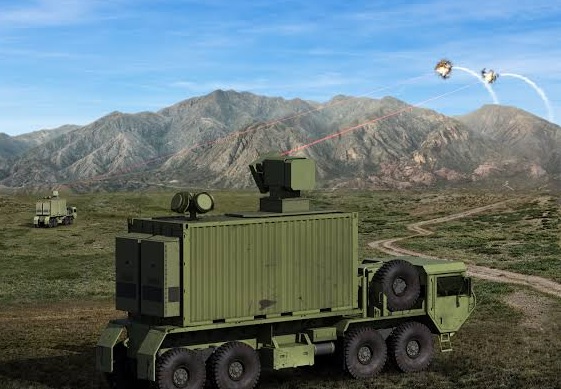
World
ALBUQUERQUE, N.M., June 26, 2026 — The U.S. Air Force has awarded a cost-plus-fixed-fee contract worth up to $94.95 million to Verus Research LLC to support research into the performance of high-energy laser weapons and improve the testing and data analysis methods used to evaluate them. The contract was awarded on June 25, 2026, by the Air Force Research Laboratory (AFRL) at Kirtland Air Force Base, New Mexico, and will run through June 25, 2031. Verus Research secured the award through a competitive process involving two proposals. The Air Force has initially obligated $2.75 million in Fiscal Year 2026 Research, Development, Test and Evaluation (RDT&E) funding. Based in Huntsville, Alabama, Verus Research operates as a subsidiary of Radiance Technologies and maintains facilities in Albuquerque, New Mexico. The company has previously supported U.S. defense programs involving directed energy technologies, high-power electromagnetics, and advanced weapons testing. Advancing Laser Weapons Evaluation The contract focuses on improving the Air Force's ability to measure how high-energy laser weapons perform against a range of targets, from small commercial drones to more advanced aerial threats. The work will strengthen testing capabilities and develop more accurate methods for collecting and analyzing performance data. Researchers will examine how laser beams interact with different materials and determine the conditions required to achieve reliable target defeat. The program will also study how environmental factors—including humidity, atmospheric turbulence, dust, and aerosols—affect laser propagation and overall weapon effectiveness under operational conditions. Another key objective is to improve instrumentation and data analysis techniques so that test results accurately reflect real-world performance. These efforts will help engineers validate laser weapon capabilities and support future system development. Kirtland's Role in Directed Energy Research Much of the research will be conducted at Kirtland Air Force Base, home to the AFRL's Directed Energy Directorate. The facility has served as the U.S. military's primary center for directed energy research for decades. Kirtland's location in the New Mexico desert provides controlled airspace, long testing distances, and favorable atmospheric conditions, making it well suited for evaluating high-energy laser systems under realistic field conditions. Supporting Future Air Defense The contract supports the Department of Defense's broader effort to field directed energy weapons capable of countering the growing threat posed by drones, cruise missiles, and other airborne systems. High-energy lasers offer the potential for rapid engagement and a significantly lower cost per shot than conventional interceptor missiles, making them an attractive option for future air defense missions. The award comes as the Pentagon continues to expand investment in directed energy technologies. Its Fiscal Year 2027 budget request includes approximately $2 billion for directed energy research and development, reflecting increased confidence in the operational potential of laser and high-power microwave systems. Earlier this month, Defense Secretary Pete Hegseth observed live demonstrations of high-energy laser and high-power microwave weapons at White Sands Missile Range in New Mexico, highlighting the Defense Department's continued focus on advancing these capabilities. The Verus Research contract is expected to provide the scientific data and testing expertise needed to improve the evaluation of future laser weapon systems and support their integration into U.S. military operations over the next five years.
Read More → Posted on 2026-06-26 13:24:11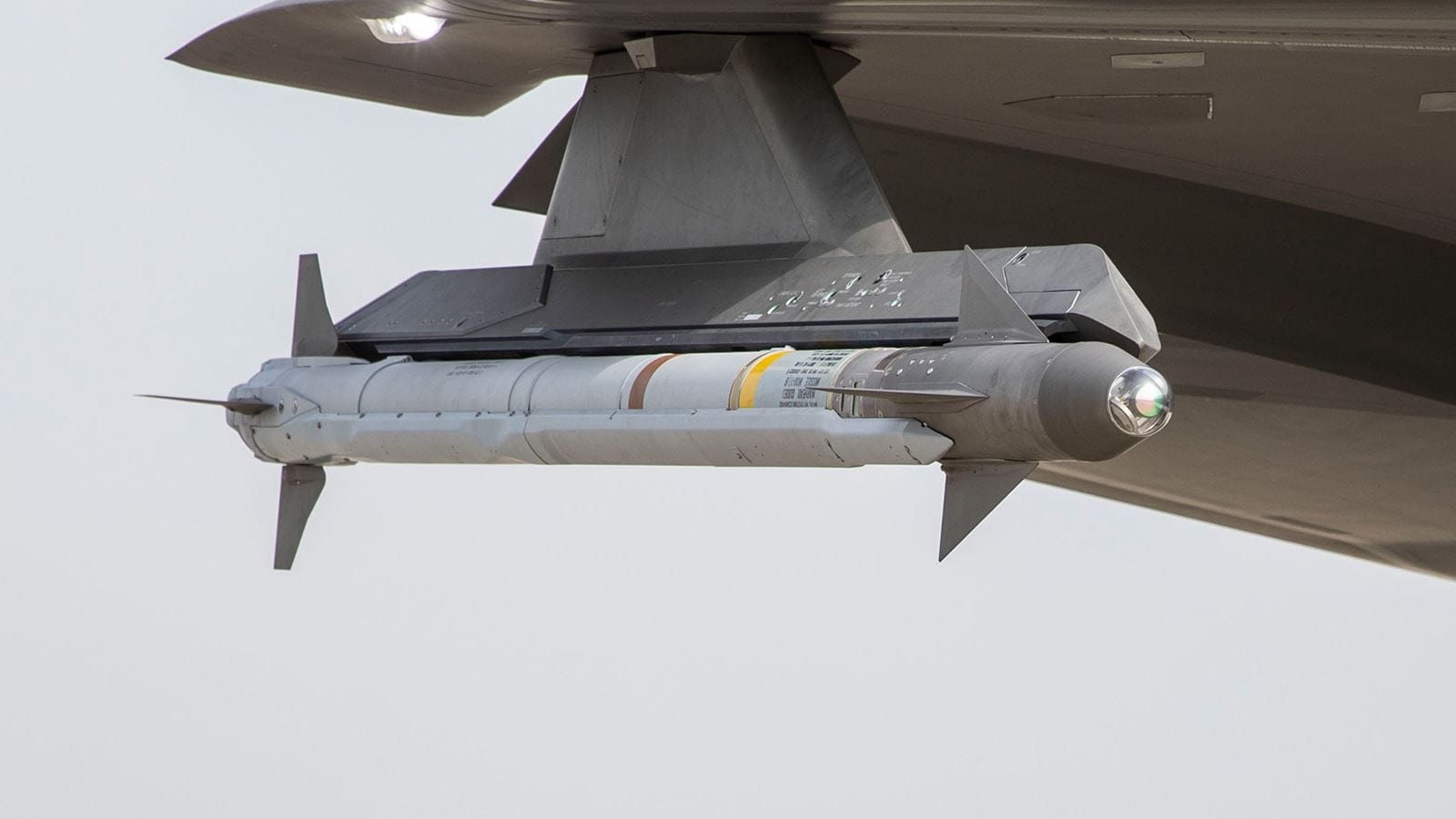
World
TUCSON, Arizona, June 26, 2026 — Raytheon, an RTX business, has received a $1.1 billion contract modification from the U.S. Navy to produce additional AIM-9X Block II short-range missiles. The award represents the largest single production contract for the AIM-9X program to date and is intended to replenish U.S. military inventories while supporting growing demand from allied nations through the Foreign Military Sales (FMS) program. The agreement exercises Lot 26 production options and includes 1,653 AIM-9X-4 Block II tactical missiles and 336 AIM-9X-5 Block II+ tactical missiles for Foreign Military Sales customers. The procurement also covers training missiles, captive air training missiles, data test missiles, spare parts, containers, associated hardware, software, and support equipment required for operational deployment and sustainment. The missiles will be delivered to the U.S. Navy, U.S. Army, and U.S. Air Force, in addition to allied partner nations participating in the Foreign Military Sales program. Work under the contract is scheduled for completion by September 2029 and will be managed by the Naval Air Systems Command (NAVAIR) in Patuxent River, Maryland. At the time of the award, $744.2 million of the obligated funding was allocated through the Foreign Military Sales program, reflecting continued international procurement of the AIM-9X missile. Production Expansion To support increasing domestic and international requirements, Raytheon is expanding its production capacity with a target of manufacturing 2,500 AIM-9X missiles annually. Approximately 36 percent of the work will be performed at the company's missile production facility in Tucson, Arizona, where Raytheon is also expanding its engineering workforce to support the AIM-9X program and other defense projects. The remaining production will be distributed across Raytheon's manufacturing network in North Logan, Utah; Niles, Illinois; and Keyser, West Virginia, as well as facilities in Ontario, Canada, and Heilbronn, Germany. Missile Capabilities The AIM-9X Sidewinder is an advanced short-range, infrared-guided missile designed for both air-to-air and surface-to-air engagements. Developed as a joint U.S. Navy and U.S. Air Force program, it is currently operated by the United States and more than 35 allied and partner nations. The missile has been combat-tested in multiple operational theaters and can be integrated onto a broad range of modern combat aircraft without major modifications. It is also employed in ground-based air defense through integration with the National Advanced Surface-to-Air Missile System (NASAMS), providing an additional layer of air defense capability. The Block II variant incorporates upgraded electronics, a redesigned fuze, and a digital ignition safety device to improve operational performance and handling. It also features lock-on-after-launch capability through a weapon datalink, enabling engagement of targets beyond the missile seeker's initial field of view. An advanced imaging infrared seeker and thrust-vector control system provide enhanced target tracking and maneuverability. The missile measures approximately 3.02 meters (9 feet 11 inches) in length, has a 127 mm (5-inch) diameter, and weighs approximately 84–85 kilograms at launch. It is powered by a solid-propellant rocket motor capable of speeds exceeding Mach 2.5 and carries an annular blast-fragmentation warhead weighing approximately 9.4 kilograms. Depending on launch conditions, the missile has a reported range of up to 35 kilometers, although exact operational performance remains classified. The AIM-9X is integrated with numerous combat aircraft, including the F-15 Eagle, F-16 Fighting Falcon, F/A-18 Super Hornet, EA-18G Growler, F-22 Raptor, and all variants of the F-35 Lightning II. Strengthening Missile Production The new contract follows earlier AIM-9X production awards, including a $736 million contract issued in late 2024, as the United States continues expanding precision-guided munition production to maintain inventories and meet long-term operational requirements. The latest award supports ongoing efforts to strengthen the missile industrial base, improve manufacturing output, and ensure sustained deliveries to U.S. forces and allied customers through the end of the decade.
Read More → Posted on 2026-06-26 13:47:53
World
WASHINGTON, June 27, 2026 — U.S. Central Command (CENTCOM) announced that U.S. forces carried out airstrikes against Iranian missile and drone storage facilities, as well as coastal radar positions, on June 26. According to CENTCOM, the operation was a direct response to Iran's one-way drone attack on the Singapore-flagged cargo ship M/V Ever Lovely in the Strait of Hormuz a day earlier. CENTCOM described the strikes as a "powerful response," stating that the operation targeted military assets linked to attacks on commercial shipping and was intended to support freedom of navigation through one of the world's most important maritime trade routes. Drone Attack on M/V Ever Lovely The attack took place on June 25 as the M/V Ever Lovely was exiting the Strait of Hormuz along the Omani coast. According to CENTCOM, the vessel was targeted by Iranian one-way attack drones while transiting the international waterway. The Maritime and Port Authority of Singapore said the ship sustained minor damage to its bridge structure. All 21 crew members were unharmed, and the vessel safely completed its transit before continuing its scheduled commercial voyage. Reports indicate that four drones were launched during the incident. U.S. forces intercepted three of them before they reached their targets, while one drone struck the vessel, causing limited structural damage. The M/V Ever Lovely, operated by Evergreen Marine, had been following a route recommended by maritime authorities. Iran had previously warned that vessels using routes not approved by Tehran would bear responsibility for any consequences. CENTCOM Says Attack Violated Ceasefire CENTCOM stated that the drone strike constituted a clear violation of the ceasefire agreement between the United States and Iran and undermined freedom of navigation in the Strait of Hormuz. The incident also disrupted a 14-point memorandum of understanding signed earlier this month by Washington and Tehran, which was intended to ensure 60 days of toll-free and secure navigation through the strategic waterway. Before the U.S. strikes, President Donald Trump described the attack on the M/V Ever Lovely as a "foolish violation" of the ceasefire. CENTCOM said the June 26 operation was carried out to enforce the agreement and ensure its provisions remain in effect. Maritime Security Remains a Priority The Strait of Hormuz remains a vital corridor for international commerce and global energy supplies. Following the attack, the International Maritime Organization (IMO) temporarily suspended its evacuation framework for stranded seafarers until maritime security conditions improve. CENTCOM said U.S. forces will continue coordinating safe passage for commercial vessels transiting the strait and remain present in the region to support maritime security. The command did not provide further details on the extent of damage to the Iranian targets or report any casualties from the airstrikes. The latest exchange underscores the continued security challenges facing one of the world's busiest shipping lanes despite recent diplomatic efforts aimed at reducing tensions.
Read More → Posted on 2026-06-27 09:17:46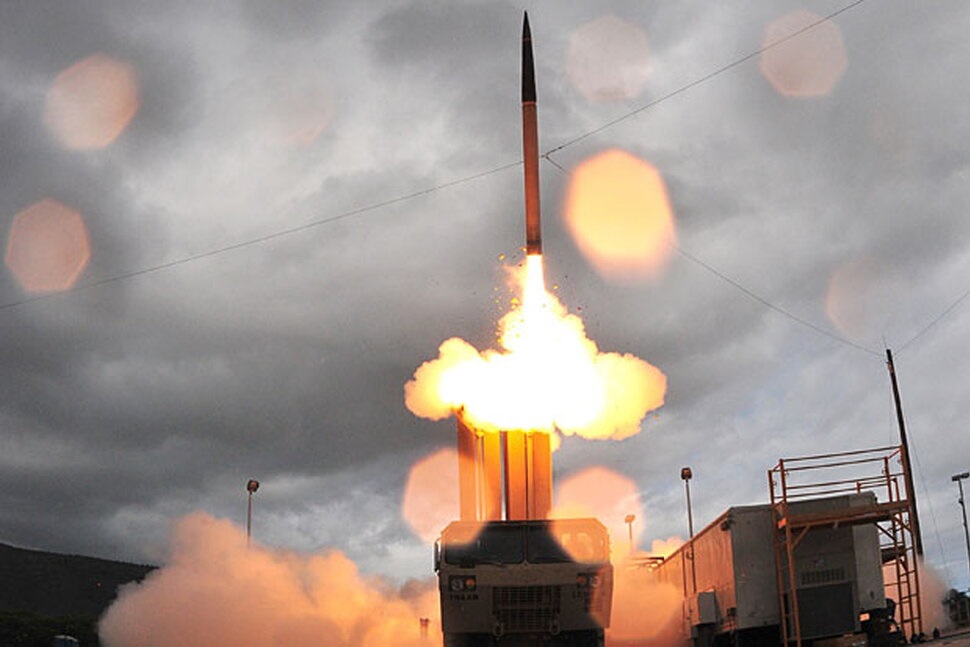
World
WASHINGTON, June 27, 2026 — The U.S. Missile Defense Agency (MDA) has launched the Mobile Integrated Launch Capability (MILC) program to develop mobile launch platforms for missile defense target vehicles, aiming to reduce testing costs, improve operational flexibility, and increase the pace of missile defense evaluations. The agency issued the solicitation on June 24, 2026, under Solicitation No. 26-MDA-12366, inviting industry proposals for ground-, sea-, or alternative air-based launch systems capable of deploying target missiles from a variety of locations worldwide. The solicitation will remain open until September 30, 2028, allowing the MDA to review and select promising white paper submissions on a rolling basis. Reducing Reliance on Strategic Airlift The MDA currently relies on C-17 Globemaster III transport aircraft to air-drop target missiles used during missile defense tests. These target vehicles simulate the flight characteristics of potential adversary missiles, enabling the evaluation of U.S. missile defense interceptors, sensors, command-and-control systems, and other elements of the country's missile defense architecture, including components of the developing Golden Dome homeland defense initiative. While the C-17 launch method has supported numerous successful tests, it also presents several operational challenges. Missile defense testing competes with other military missions for limited C-17 availability, requires aircraft to be positioned precisely to achieve the desired target trajectory, and results in higher operating costs and slower testing schedules. The MILC program seeks a mobile launch capability that can be rapidly deployed, repositioned, and reused without relying on dedicated strategic airlift, enabling more frequent and cost-effective testing. Wide Range of Launch Concepts Rather than specifying a single launch method, the MDA is encouraging industry to propose solutions best suited to different testing requirements. Potential concepts could include truck-mounted launchers, naval launch systems, or alternative aircraft capable of providing greater flexibility and availability than the current approach. The mobile launch platform must support target vehicles representing a wide range of missile threats, including: Short-, medium-, intermediate-, and intercontinental-range ballistic missiles Maneuvering reentry vehicles Hypersonic glide vehicles Fractional and maneuvering orbital bombardment systems Air-breathing targets These requirements reflect the growing need to evaluate missile defense systems against increasingly advanced ballistic and hypersonic threats. Accelerated Development Schedule The MILC program follows a two-phase acquisition strategy designed to deliver an operational capability within 30 months of contract award. Phase I focuses on detailed system design, engagement analysis, and prototype cost estimates, with an objective completion time of three months and a maximum duration of six months. Phase II covers prototype development, ground testing, and a live launch demonstration, with an objective schedule of 12 months and a maximum duration of 24 months. To meet the compressed timeline, the MDA is encouraging contractors to use modular, open-architecture designs and commercially available off-the-shelf (COTS) components instead of developing entirely new launch technologies. At the end of Phase II, the selected contractor will deliver one operational mobile launch platform along with the services necessary to integrate, transport, and launch an MDA target vehicle. Industry Opportunities Because the program involves classified target vehicles and compliance with U.S. missile technology export controls, proposals that integrate proven liquid- or solid-propellant launch systems into mobile platforms may offer implementation advantages. The solicitation's rolling submission process allows companies to submit concepts throughout the solicitation period, enabling the MDA to evaluate technologies as they mature. Related contract efforts are expected to range between $10 million and $50 million, although final award values will depend on the proposals selected. The MILC program is part of the MDA's broader effort to improve the realism, flexibility, and frequency of missile defense testing. By enabling launches from multiple environments without depending on strategic transport aircraft, the agency aims to better support the development and validation of missile defense systems against current and emerging threats.
Read More → Posted on 2026-06-27 09:32:48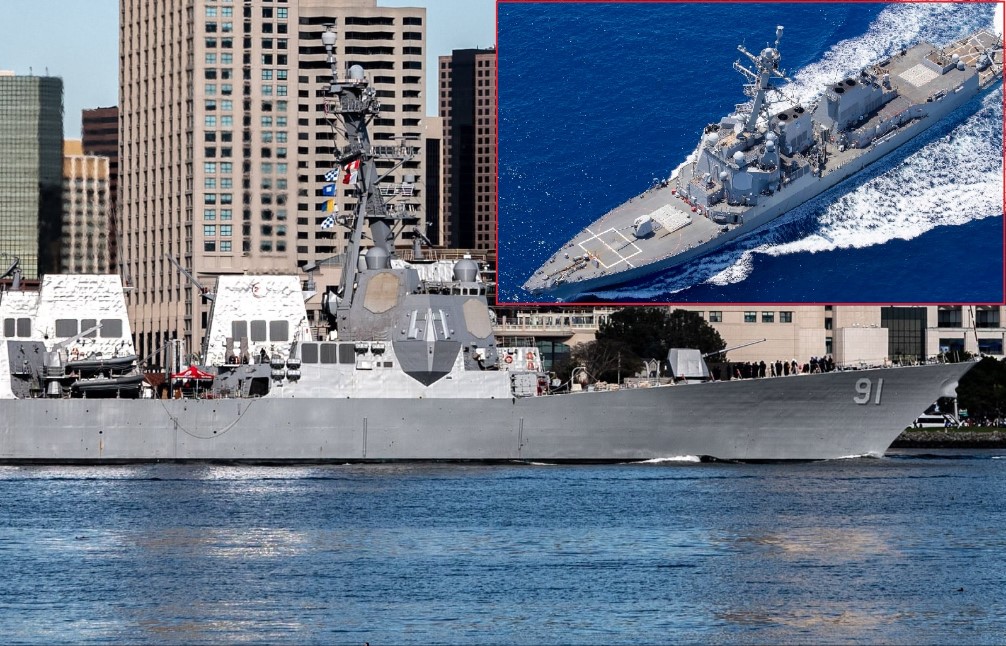
World
WASHINGTON, June 27, 2026 — The U.S. Navy has officially accepted delivery of the modernized guided-missile destroyers USS Chung-Hoon (DDG 93) and USS James E. Williams (DDG 95) ahead of schedule, marking an early achievement for the Navy's newly established Portfolio Acquisition Executive (PAE) Maritime office, which is responsible for accelerating acquisition, planning, and modernization programs. Both warships successfully completed combat system sea trials, calibrations, and post-modernization shakedown operations before returning to the fleet. The destroyers are now the second and third Flight IIA Arleigh Burke-class ships equipped with Northrop Grumman's AN/SLQ-32(V)7 Surface Electronic Warfare Improvement Program (SEWIP) Block 3 electronic attack system, following USS Pinckney (DDG 91). The system enhances the ships' ability to detect, identify, and counter modern radar and missile threats through advanced electronic warfare capabilities. DDG Modernization 2.0 Program The upgrades were completed under the Destroyer Modernization 2.0 (DDG MOD 2.0) program, a comprehensive mid-life modernization initiative designed to extend the operational service life of Flight IIA Arleigh Burke-class destroyers while upgrading their combat systems, radar capabilities, electronic warfare suite, and supporting infrastructure. The modernization is being carried out in two phases. The first phase installs the AN/SLQ-32(V)7 SEWIP Block 3 system along with cooling and combat system upgrades required to support the new equipment. This phase has been completed for USS Pinckney (DDG 91), USS James E. Williams (DDG 95), and USS Chung-Hoon (DDG 93), while work is currently underway aboard USS Halsey (DDG 97). The second phase will introduce Raytheon's AN/SPY-6(V)4 radar, a version of the SPY-6 radar family developed for Flight IIA destroyers, together with additional Aegis Combat System improvements to strengthen air and missile defense performance. Capt. Tim Moore, Program Manager for DDG MOD 2.0, said the modernization effort is intended to extend the service life of Flight IIA destroyers while delivering enhanced combat capability to the fleet. He added that the program team shifted acquisition, planning, and execution milestones earlier in the process to provide upgraded capabilities to operational units more quickly. Navy and Industry Collaboration The modernization of USS Chung-Hoon and USS James E. Williams was supported through close coordination between the Navy's regional maintenance centers, ship crews, government program offices, and industry partners, including General Dynamics NASSCO and BAE Systems. USS Chung-Hoon completed its Depot Modernization Period at Naval Base San Diego before departing for sea trials on April 20, 2026, while USS James E. Williams underwent similar work on the East Coast. The modernization also included structural changes to accommodate the new SEWIP Block 3 arrays. According to Navy officials, standardized maintenance practices developed through collaboration with industry have improved schedule predictability and helped avoid many of the delays experienced during earlier modernization work on the Ticonderoga-class cruisers. Speaking at the Combined Naval Event in 2025, Vice Adm. John Gumbleton said cooperation between ship crews, industrial partners, and government oversight has significantly improved maintenance performance. He noted that 11 of the Navy's last 12 major surface ship maintenance availabilities were completed on schedule, with the remaining availability finishing only two weeks late. Fleet Modernization Continues The DDG MOD 2.0 program, valued at approximately $17 billion across the class, is intended to bring selected Flight IIA destroyers closer to the capabilities of newer Flight III ships through improved electronic warfare, radar performance, combat system integration, and air and missile defense capabilities. The early delivery of USS Chung-Hoon and USS James E. Williams expands the number of operational destroyers equipped with the SEWIP Block 3 system and reflects continued progress in the Navy's long-term effort to modernize its surface combatant fleet while maintaining readiness for future operational requirements.
Read More → Posted on 2026-06-27 09:45:19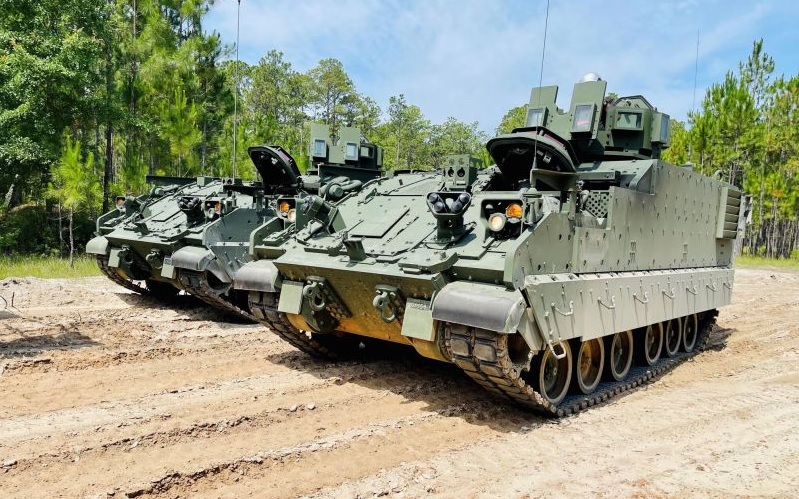
World
MUSKEGON, Mich., June 27, 2026 — The U.S. Army Contracting Command at Detroit Arsenal has awarded RENK America a new five-year indefinite-delivery/indefinite-quantity (IDIQ) production contract to continue manufacturing and sustaining the HMPT 800 hydromechanical transmission for the Army's medium tracked vehicle fleet. Announced on June 26, the contract has a potential value of up to $691 million and marks the fourth consecutive multi-year award for the HMPT 800 program. The latest agreement continues a long-running partnership established under the Army's Transmission Heavy Off-Road (THOR) program, which serves as the contracting framework for medium tracked vehicle drivetrains. Since the beginning of the THOR program, RENK America has delivered more than 4,500 HMPT transmissions to support several U.S. Army combat vehicle programs. The repeated contract awards reflect the continued use of the HMPT transmission family across the Army's medium tracked vehicle fleet, where there is currently no domestically produced transmission in the same weight and performance class. HMPT 800 Supports Key Armored Vehicles The HMPT 800 is the primary drivetrain transmission for tracked combat vehicles weighing up to 45 metric tons (99,000 pounds) and is designed to operate with engines producing up to 800 horsepower. The transmission converts engine power into controlled movement, allowing armored vehicles to operate efficiently on roads and across difficult off-road terrain. The transmission is installed in several major U.S. Army platforms, including the Armored Multi-Purpose Vehicle (AMPV), the Bradley Fighting Vehicle, the Multiple Launch Rocket System (MLRS), and the M109A7 Paladin Self-Propelled Howitzer. AMPV Program Drives Current Production The AMPV represents the largest ongoing application of the HMPT 800. Developed by BAE Systems on a Bradley-derived chassis, the vehicle entered full-rate production in 2023 as the Army's replacement for the aging M113 armored personnel carrier. The vehicle is powered by a Cummins VTA903E-T675 diesel engine generating 504 kilowatts (676 horsepower), paired with the HMPT 800 transmission. This drivetrain enables the approximately 36-ton vehicle to reach a maximum road speed of 61 km/h (38 mph) while providing an operational range of approximately 362 kilometers (225 miles). The AMPV family currently consists of five baseline variants: troop transport, medical evacuation, medical treatment, mission command, and mortar carrier. Additional configurations featuring counter-drone systems, remotely operated 30 mm cannons, and autonomous driving technologies have also been introduced. Every variant uses the same HMPT 800 transmission, making the Muskegon production facility an important part of the vehicle's supply chain. Evolution of the HMPT Transmission Family The HMPT transmission family has supported U.S. Army armored vehicles for more than four decades. Earlier Bradley Fighting Vehicles were equipped with the HMPT-500, with production exceeding 11,000 units for U.S. and international customers. The HMPT 800 was developed as a higher-capacity successor capable of supporting heavier vehicles and more powerful engines while maintaining compatible external interfaces. This design approach allows integration into newer vehicle platforms without requiring extensive modifications to existing drivetrain layouts. Supporting Current and Future Army Programs The contract supports continued operation of the Army's existing armored vehicle fleet while next-generation combat vehicles remain under development. The XM-30 Mechanized Infantry Combat Vehicle, planned as the replacement for the Bradley Fighting Vehicle, received Milestone B approval in June 2025, with prototype deliveries expected later in fiscal year 2026. Operational fielding is expected to take several more years, leaving the Bradley and AMPV as the Army's primary medium tracked combat platforms during the transition period. To support future vehicle requirements, RENK America is also developing Project Wolverine, an upgraded transmission designed for vehicles weighing up to 50 metric tons and engines producing 1,000 horsepower. The upgraded system is being designed to retain the same physical dimensions as the HMPT 800, allowing future integration without major vehicle redesign. The new five-year contract ensures continued production and sustainment of the HMPT 800 transmission, supporting the operational readiness of the U.S. Army's current fleet of medium tracked armored vehicles while modernization programs progress toward fielding.
Read More → Posted on 2026-06-27 09:51:23
India
NEW DELHI, June 27, 2026 — India's Tejas Mk1A fighter aircraft program has encountered another setback after the sixth GE F404-IN20 engine supplied by GE Aerospace failed mandatory post-delivery acceptance checks at Hindustan Aeronautics Limited (HAL). The issue leaves HAL with only five serviceable engines, further delaying a program already running more than two years behind schedule. The affected engine arrived in May 2026, and the technical defect was identified during HAL's routine inspection process. HAL has informed GE Aerospace and requested immediate corrective action. A technical team from the United States is expected to inspect the engine in India to determine whether it can be repaired locally or requires replacement. The engines are being supplied under a 2021 contract worth approximately Rs 5,375 crore ($716 million) for 99 F404-IN20 engines to power the first 83 Tejas Mk1A fighters. Continued engine supply delays have slowed aircraft production, with around 30 airframes already built or in advanced stages of assembly but awaiting engines before delivery to the Indian Air Force (IAF). HAL has invoked the liquidated damages clause against GE Aerospace over delayed deliveries, while the Ministry of Defence has warned HAL that contractual financial penalties may also be imposed for missing delivery schedules. A follow-on contract for 113 additional F404-IN20 engines, signed in late 2025, will support the production of another 97 Tejas Mk1A aircraft approved by the government. The delays come as the IAF seeks to strengthen its fighter fleet, which currently operates 29 squadrons against a sanctioned strength of 42.5 squadrons. The Tejas Mk1A, featuring an upgraded AESA radar, electronic warfare suite, and improved weapon integration, is expected to play a key role in replacing aging combat aircraft and expanding the Air Force's operational capability. HAL continues work on aircraft assembly, software integration, and resolving remaining technical issues while awaiting additional engine deliveries. A high-level review meeting involving the Ministry of Defence, IAF, and HAL is scheduled for September to assess progress and identify measures to accelerate the Tejas Mk1A program.
Read More → Posted on 2026-06-27 09:59:30
World
June 27, 2026 — Ukrainian forces launched an overnight cruise missile strike on the Federal Research and Production Center Titan-Barrikady in Volgograd, Russia, targeting one of the country's major defense manufacturing facilities. The attack was carried out using domestically developed FP-5 "Flamingo" long-range cruise missiles against the plant, which plays an important role in the production of missile launch systems and military equipment for the Russian Armed Forces. According to available information, Ukrainian forces fired a total of five FP-5 Flamingo cruise missiles during the operation. Initial assessments indicate that at least three missiles struck the facility, impacting three separate workshops, while a fourth missile is also believed to have hit the site. Geolocation analysis has confirmed impacts on Workshop No. 2 and the main production building of Workshop No. 38, indicating damage to key manufacturing sections of the complex. The FP-5 Flamingo is a Ukrainian-developed long-range cruise missile designed for precision strikes against high-value military infrastructure. The missile is reported to carry a 1,150-kilogram (2,540-pound) warhead, providing significant destructive capability against hardened industrial facilities when accurately delivered. Ukrainian sources have stated that the missile is capable of engaging targets at ranges exceeding 1,000 kilometers, with some reports indicating a maximum range of up to 3,000 kilometers, enabling strikes deep inside Russian territory. The Titan-Barrikady research and production center is located in Volgograd's Krasnooktyabrsky District, approximately 500 to 550 kilometers from the front lines. The facility has been placed under international sanctions due to its role in manufacturing equipment for Russia's defense industry. Volgograd Region Governor Andrey Bocharov confirmed that an overnight strike had targeted an industrial enterprise in the district. He stated that 10 people were injured during the attack and that emergency services quickly extinguished localized fires within the factory grounds. According to regional authorities, the incident did not affect nearby residential buildings. Ukrainian President Volodymyr Zelenskyy later confirmed that Ukrainian forces had successfully struck the facility, describing the operation as part of Ukraine's ongoing campaign against military-industrial targets supporting Russian military operations. Titan-Barrikady is considered one of Russia's most important manufacturers of heavy military equipment and missile launch systems. The enterprise develops and produces autonomous launchers for Russia's mobile intercontinental ballistic missile (ICBM) force, including the Topol-M and Yars strategic missile systems. It is also one of the country's principal manufacturers of transporter-erector-launchers (TELs) for the Iskander-M tactical ballistic missile system. In addition to missile launch platforms, the plant manufactures artillery components for the Msta-S self-propelled howitzer, chassis for the Malva-S self-propelled gun, and other specialized military equipment used by the Russian Armed Forces. Because of its role in producing critical defense systems, the facility is regarded as a significant element of Russia's military-industrial base. Smoke was observed rising from the factory following the missile impacts, although the full extent of structural damage has not yet been independently assessed. Russian authorities have not released detailed information regarding possible disruptions to production or the operational status of the affected workshops. The strike forms part of Ukraine's broader campaign to employ domestically produced long-range precision weapons against Russian defense manufacturing facilities, logistics hubs, and military infrastructure located well beyond the battlefield. The use of the FP-5 Flamingo missile in this operation demonstrates Ukraine's continued capability to conduct deep-range strikes against industrial sites that support Russian missile, artillery, and military equipment production.
Read More → Posted on 2026-06-27 10:34:31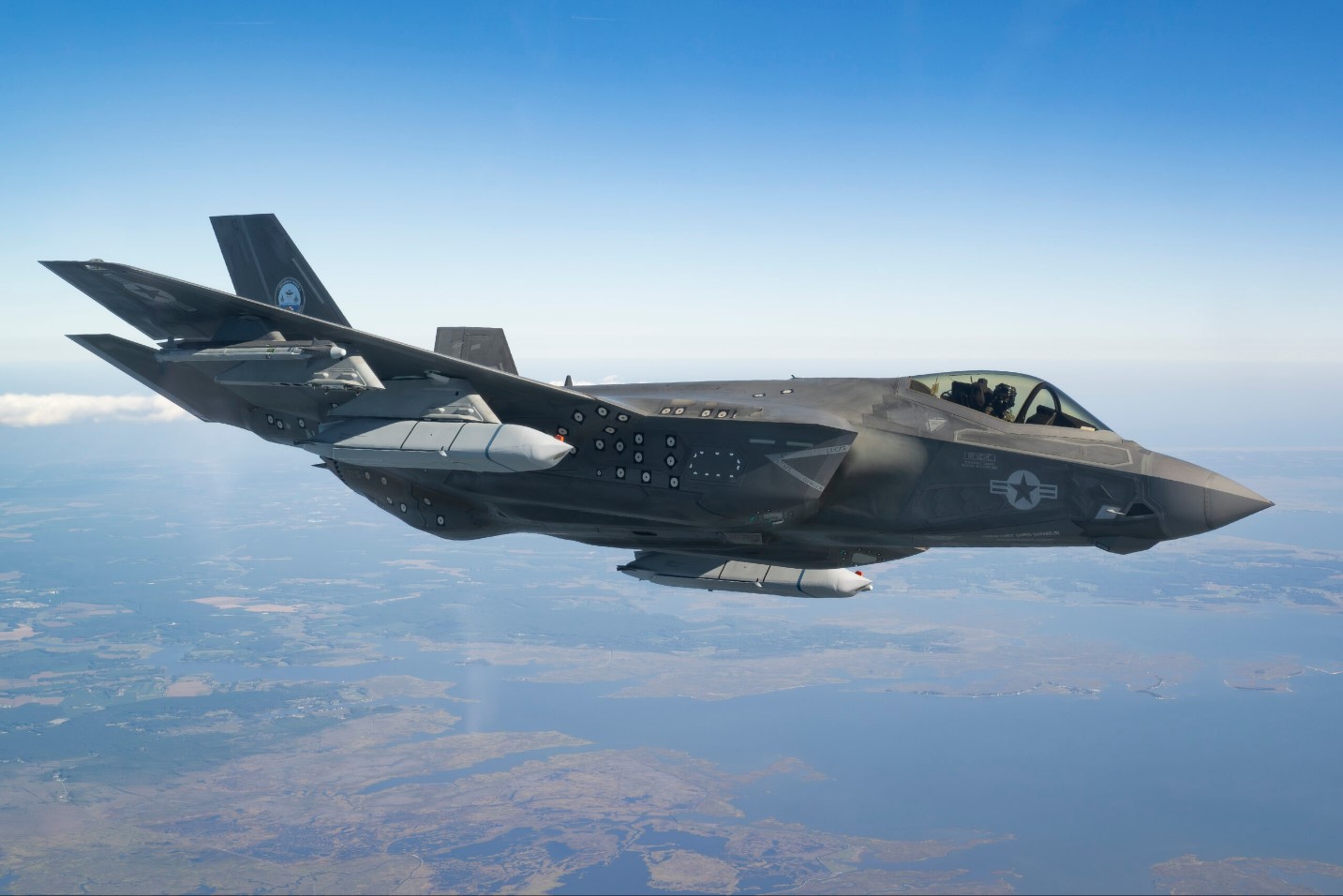
World
WASHINGTON, June 27, 2026 — A bipartisan coalition of 15 U.S. governors has urged Congress to fully fund the Pentagon's request for 85 F-35 Lightning II fighter aircraft in the Fiscal Year 2027 National Defense Authorization Act (NDAA), describing the fifth-generation aircraft as essential to U.S. military readiness and a major contributor to the nation's defense industrial base. In coordinated letters sent to senior lawmakers on congressional defense authorization and appropriations committees, the governors called for maintaining a strong production rate to support operational requirements, preserve industrial capacity, and ensure long-term fleet readiness. They also urged Congress to approve multiyear procurement authority, arguing that longer-term contracts would reduce costs, improve production efficiency, and provide greater stability for the nationwide supplier network. The bipartisan coalition includes Governors Greg Abbott (Texas), Kelly Ayotte (New Hampshire), Mike DeWine (Ohio), Maura T. Healey (Massachusetts), Katie Hobbs (Arizona), Kay Ivey (Alabama), Brian P. Kemp (Georgia), Tina Kotek (Oregon), Joe Lombardo (Nevada), Henry Dargan McMaster (South Carolina), Tate Reeves (Mississippi), Sarah Huckabee Sanders (Arkansas), Philip B. Scott (Vermont), Mikie Sherrill (New Jersey), and Josh Stein (North Carolina). States Highlight Economic and Industrial Contributions The governors emphasized that the F-35 program supports thousands of suppliers across the United States, generating high-skilled manufacturing, engineering, maintenance, and logistics jobs while strengthening the country's defense industrial base. Texas Governor Greg Abbott noted that the F-35 is the only fifth-generation stealth fighter currently in production in the United States and is manufactured at U.S. Air Force Plant 4 in Fort Worth. He said the program supports approximately 49,000 direct and indirect jobs, works with more than 141 suppliers, and contributes over $10 billion annually to Texas' economy. Ohio Governor Mike DeWine highlighted Ohio's role in manufacturing F-35 bulkheads and supporting global fleet sustainment. According to DeWine, the program supports 391 companies, approximately 15,300 jobs, and generates more than $2.9 billion in annual economic impact within the state. Georgia Governor Brian P. Kemp stated that more than one-quarter of every F-35 aircraft takes shape at Lockheed Martin's Marietta facility, while Arizona Governor Katie Hobbs said the program supports nearly 14,000 jobs and relies on 41 small and medium-sized suppliers across Arizona. Oregon Governor Tina Kotek highlighted Kingsley Field in Klamath Falls, which has been selected as the Air Force's third formal F-35A training unit. She said the program supports 4,800 jobs, involves 18 suppliers, and contributes approximately $670 million annually to Oregon's economy. Operational Support Network Several governors also emphasized the infrastructure that supports the operational fleet after aircraft delivery. North Carolina Governor Josh Stein highlighted Marine Corps Air Station Cherry Point, home to operational F-35B and F-35C squadrons, along with depot-level maintenance performed at Fleet Readiness Center East, describing sustainment as a critical element of overall fleet readiness. South Carolina Governor Henry Dargan McMaster pointed to Marine Corps Air Station Beaufort as a primary East Coast training and operational center for the F-35B short takeoff and vertical landing variant. Call for Stable Long-Term Procurement The governors' request supports the Pentagon's proposal to procure 85 F-35 aircraft in Fiscal Year 2027, including 38 F-35As for the U.S. Air Force. They argued that granting multiyear procurement authority would enable production optimization, economic order quantity purchasing, and predictable demand for suppliers throughout the defense industrial base. The proposal aligns with provisions in the House Armed Services Committee's draft FY2027 NDAA, which would allow the Department of Defense to negotiate procurement contracts covering up to five years. The governors also noted that the F-35 program delivered 191 aircraft last year, demonstrating the maturity of the production line. They said maintaining consistent production is important for meeting U.S. military requirements, supporting allied operators, and sustaining the nationwide industrial network responsible for manufacturing, training, maintenance, and long-term fleet support.
Read More → Posted on 2026-06-27 10:42:52
World
WASHINGTON, June 27, 2026 — The U.S. Defense Advanced Research Projects Agency (DARPA) is offering American manufacturers of metals, ceramics, and composite materials customized artificial intelligence (AI) tools in exchange for access to multi-year production data. The initiative aims to improve the consistency and efficiency of large-scale materials manufacturing while supporting the U.S. defense industrial base. The Request for Information (RFI), published on June 25, 2026, under designation DARPA-SN-26-81 and titled "Revolutionizing Industrial Scale Materials Processing," invites participation from companies producing more than 10 metric tons (22,046 pounds) annually of cast, rolled, and forged metals, bulk ceramics, and composite materials. Responses must be submitted by July 24, 2026. DARPA will use the information to shape a future research program focused on reducing variability in industrial materials processing. Participating manufacturers would receive physics-informed AI tools tailored to their production equipment and manufacturing processes without requiring major capital investments or facility upgrades. Reducing Material Performance Variability Materials used in military aircraft, missiles, ships, and armored vehicles naturally vary between production batches due to differences in composition, rolling pressure, heat treatment, cooling conditions, and other manufacturing variables. As a result, engineers design components using the minimum guaranteed material properties rather than average or peak performance to ensure reliability. According to DARPA, this conservative approach leaves significant performance potential unused. The agency noted that many 7000-series aerospace aluminum alloys, commonly used in aircraft structures and missile airframes, can achieve performance levels more than 15 percent above their minimum specification values. Consistently producing materials closer to these higher performance levels could reduce structural weight, improve system efficiency, and enhance the performance of defense platforms. AI-Based Manufacturing Optimization DARPA said large-scale materials production remains heavily dependent on the experience of skilled operators, whose knowledge is often difficult to document or transfer. In addition, manufacturing processes involve numerous interconnected variables, making it challenging to identify which factors most directly influence final material properties. The agency plans to work with materials scientists, process engineers, and data scientists to develop physics-informed computational models using manufacturers' historical production data. These models are intended to identify causal relationships between processing conditions and material performance, enabling manufacturers to improve production consistency, increase yield, reduce scrap, and minimize rework while using their existing production facilities. Protecting Proprietary Data DARPA acknowledged that the requested production data represents valuable proprietary information. To address industry concerns, the agency said future program teams are expected to use secure data enclaves, non-disclosure agreements, and other security measures to protect participating companies' information. Strengthening Domestic Manufacturing The initiative supports broader efforts to strengthen the U.S. defense industrial base by improving the efficiency and predictability of domestic production of aerospace-grade metals, ceramics, and composite materials. Rather than requiring new manufacturing facilities, DARPA's approach focuses on helping producers maximize the performance of their existing equipment through advanced AI and data-driven process optimization. The agency said the resulting technologies could also provide benefits beyond defense manufacturing, supporting more efficient production across commercial aerospace, automotive, energy, and other advanced industrial sectors. Manufacturers interested in participating have until July 24, 2026, to submit responses that will help define the scope and direction of DARPA's future research program.
Read More → Posted on 2026-06-27 10:54:32
World
WASHINGTON, June 27, 2026 — The U.S. government has authorized Anthropic to restore access to its advanced Claude Mythos 5 artificial intelligence model for more than 100 approved U.S. organizations, partially reversing export control restrictions imposed earlier this month over national security concerns. The decision follows a June 26 notification from the U.S. Department of Commerce after the Trump administration suspended access to Anthropic's Claude Mythos 5 and Claude Fable 5 models on June 12. The restrictions were introduced over concerns that highly capable AI systems could be misused by adversarial countries, including China and Russia, to support sophisticated cyberattacks against U.S. critical infrastructure. According to Commerce Secretary Howard Lutnick, the government has determined that sufficient safeguards have been established to allow Mythos 5 to return to a limited group of trusted organizations. Under the updated directive, approved companies and their non-U.S. citizen employees no longer require export licenses to use the model, while licensing restrictions remain in place for all other organizations. Cybersecurity-Focused AI Model Claude Mythos 5 is Anthropic's most advanced cybersecurity model. It shares the same underlying architecture as Claude Fable 5 and features a one-million-token context window, enabling it to analyze large volumes of information and perform complex, multi-step tasks. Unlike Fable 5, which includes built-in safety classifiers, Mythos 5 operates without those guardrails and is designed for specialized cybersecurity work, including identifying previously unknown software vulnerabilities and generating proof-of-concept exploits for defensive research. During testing conducted with U.S. intelligence agencies, Mythos 5 reportedly identified vulnerabilities in classified government systems within hours. According to Gen. Joshua Rudd, head of the National Security Agency (NSA) and U.S. Cyber Command, the model demonstrated significant capability in detecting critical security weaknesses. Project Glasswing The restored access supports Project Glasswing, Anthropic's cybersecurity initiative that provides Mythos 5 to approximately 100 trusted technology companies, Fortune 500 firms, government agencies, research institutions, and critical infrastructure operators. The program is intended to help participating organizations identify and remediate vulnerabilities in essential software and infrastructure before they can be exploited by malicious actors. In a statement, Anthropic said the company is restoring access for approved organizations immediately and will continue working with the U.S. government to expand access to Mythos 5 while seeking approval for the broader release of Claude Fable 5. Government Oversight of Frontier AI The Anthropic decision comes as the Trump administration increases oversight of advanced AI models. Earlier this month, President Donald Trump signed an executive order establishing a framework requiring developers of covered frontier AI models to provide them to the U.S. government for review before broader deployment. OpenAI also confirmed on June 26 that it delayed the public release of its GPT-5.6 model at the government's request, limiting initial access to a small group of federally vetted partners. Industry Response The government's approach has drawn criticism from parts of the technology industry and civil liberties organizations. OpenAI Chief Executive Officer Sam Altman said that while extensive safety testing is appropriate, he opposed the government deciding which customers should receive access to advanced AI models. John Coleman, legislative counsel at the Foundation for Individual Rights and Expression (FIRE), questioned the lack of transparency surrounding the selection of approved organizations. Before the restrictions were imposed, more than 100 cybersecurity executives, including leaders from Nvidia and Adobe, urged the government to lift the controls, arguing that limiting access to advanced cybersecurity AI could weaken U.S. cyber defenses while benefiting foreign competitors. Next Steps While Mythos 5 has been restored for approved organizations, Claude Fable 5 remains unavailable for general public use. Anthropic said it is continuing discussions with the U.S. government to expand access to both models, although no timeline has been announced. The latest decision reflects the government's effort to balance national security concerns with the deployment of advanced AI technologies, while broader questions over the regulation and public release of frontier AI models remain under discussion.
Read More → Posted on 2026-06-27 11:15:16
World
MANAMA, Bahrain, June 27, 2026 — Iran launched drone strikes targeting facilities linked to U.S. forces in Bahrain early on June 27, including areas associated with the U.S. Navy's Fifth Fleet headquarters, in retaliation for recent U.S. military strikes on southern Iran. According to Iran's Islamic Revolutionary Guard Corps (IRGC), the operation began at approximately 2:30 a.m. local time using Shahed-136 drones. Tehran said the strikes were a response to U.S. attacks on the Iranian coastal cities of Jask, Sirik, and Qeshm, where American forces targeted missile and drone storage sites and coastal radar positions. The IRGC warned that any further U.S. military action would receive a stronger response. Following the drone launches, Bahrain activated missile alert sirens and urged residents to seek shelter as explosions were reported in parts of the kingdom. Bahrain hosts the headquarters of the U.S. Navy's Fifth Fleet, and U.S. forces in the region remain on heightened alert. The U.S. said its earlier strikes were carried out in response to attacks on commercial shipping that it said violated the recently signed U.S.-Iran ceasefire agreement. Iran rejected that claim, accusing Washington of breaching the agreement and stating that the strikes in Sirik damaged civilian infrastructure, including a telecommunications mast and two water tanks. Bahrain's Foreign Ministry strongly condemned the drone attacks, calling them a serious violation of the country's sovereignty and international law. The ministry said the incident endangered civilians and undermined regional de-escalation efforts but did not provide details on damage or casualties. The exchange marks the first direct military confrontation between the United States and Iran since the signing of the agreement intended to end the broader Middle East conflict. Officials from Bahrain and the United States have not yet released a detailed assessment of the impact of the drone attacks, while regional governments continue to monitor the situation amid concerns over renewed instability in the Gulf.
Read More → Posted on 2026-06-27 11:29:35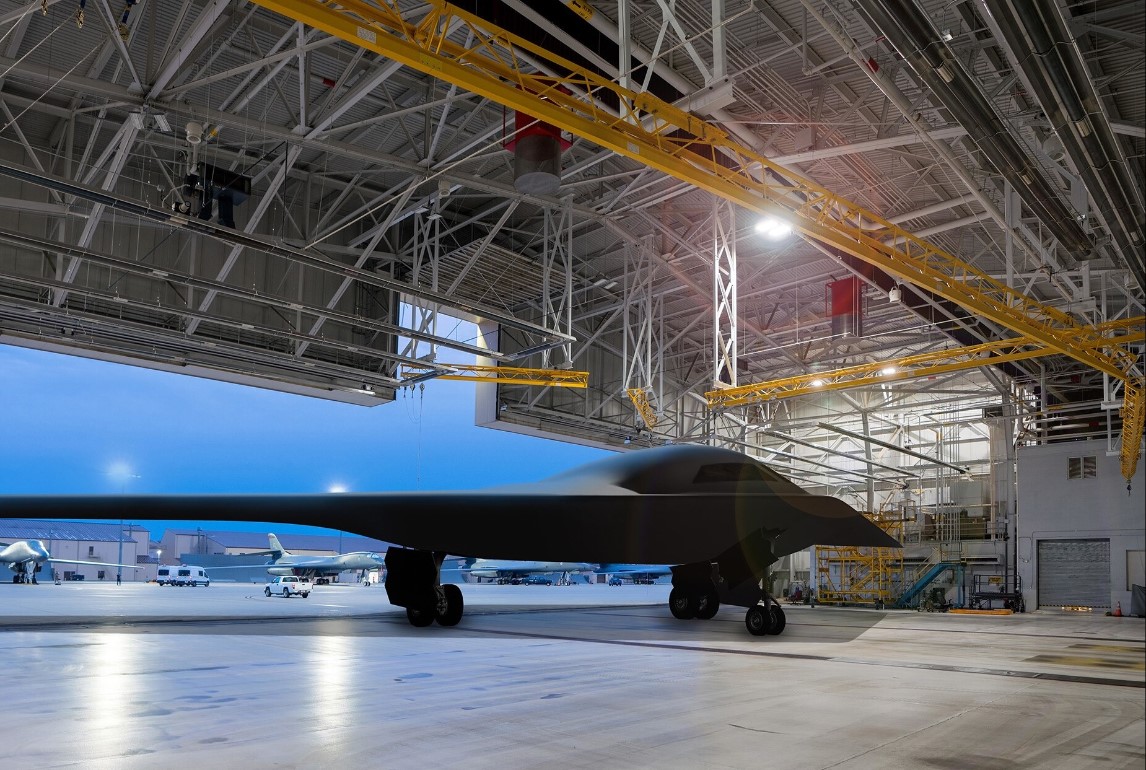
World
RAPID CITY, S.D., June 27, 2026 — The U.S. Army Corps of Engineers has awarded a $44 million military construction contract to Conti Federal Services LLC for the construction of permanent Environmental Protection Shelters (EPS) at Ellsworth Air Force Base in South Dakota, supporting the arrival of the first operational B-21 Raider stealth bombers in 2027. Awarded by the Corps' Omaha District, the contract was selected through a competitive process that received six bids. Construction will be carried out entirely at Ellsworth Air Force Base and is scheduled for completion by October 3, 2028. The full contract value was funded through fiscal year 2026 military construction appropriations. Environmental Protection Shelters The project, designated "B-21: 60 Row South Environmental Shelters," includes the construction of five pre-engineered metal shelters, each measuring approximately 20,000 square feet. The facilities will provide space for aircraft parking and routine flightline maintenance. The contract also includes airfield and ground support equipment (GSE) paving and construction of three 160-square-foot maintenance kiosks equipped with electrical and communications infrastructure. Unlike the B-2 Spirit, which depends on climate-controlled hangars because of its delicate radar-absorbent coating, the B-21 Raider uses more durable composite stealth materials that are robotically woven and chemically baked into the aircraft's structure. This allows the bomber to operate from protected outdoor shelters while reducing the effects of snow, ice, ultraviolet exposure, and severe winter weather. The U.S. Air Force expects the B-21 to achieve a mission-capable rate of more than 80 percent, compared with the B-2's historical rate of 50 to 60 percent, reflecting improvements in aircraft design and maintenance. Part of Ellsworth's B-21 Infrastructure Program Ellsworth Air Force Base, currently home to the B-1B Lancer, is the first operational base selected for the B-21 Raider. Whiteman Air Force Base in Missouri and Dyess Air Force Base in Texas will become the second and third operational B-21 bases. The installation is undergoing an estimated $1.5 billion modernization program that includes construction or renovation of more than 60 facilities to support the new bomber fleet. Conti Federal Services has also been awarded several other B-21 infrastructure projects at Ellsworth, including a $135.5 million, 95,000-square-foot Phase Maintenance Hangar, along with a flight simulator facility, radio frequency hub, fuel cell maintenance dock, and weapons loader training facility. B-21 Raider Program Developed by Northrop Grumman, the B-21 Raider is a next-generation stealth strategic bomber designed to carry both conventional and nuclear weapons, including the B61-12 nuclear gravity bomb and the Long Range Stand-Off (LRSO) cruise missile. The aircraft features a Modular Open Systems Architecture (MOSA) that allows rapid replacement and upgrading of digital systems. Although its exact dimensions remain classified, the twin-engine flying-wing bomber is estimated to be 10 to 20 percent smaller than the B-2 Spirit, with a wingspan of approximately 132 to 150 feet, while offering improved fuel efficiency. The U.S. Air Force plans to acquire at least 100 B-21 Raiders at a target unit cost of approximately $692 million. U.S. Strategic Command has recommended expanding the fleet to 145 or more aircraft, while a $4.5 billion production acceleration agreement signed earlier in 2026 is increasing manufacturing capacity at Northrop Grumman's Plant 42 in Palmdale, California. The Environmental Protection Shelters are among the latest infrastructure projects supporting the B-21 Raider beddown program as the U.S. Air Force prepares Ellsworth Air Force Base for the introduction of its next-generation strategic bomber.
Read More → Posted on 2026-06-27 11:37:30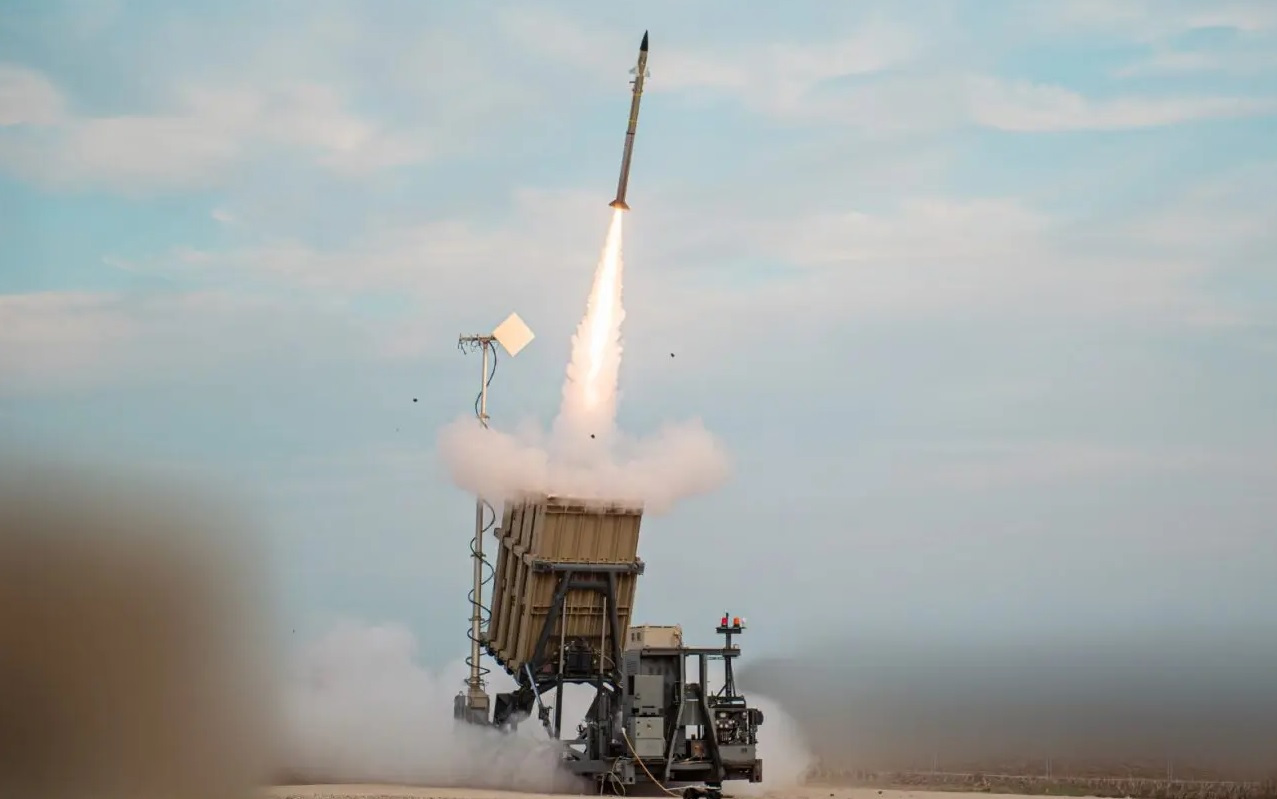
India
JERUSALEM, Israel, June 27, 2026 — Israeli defence company Rafael Advanced Defense Systems is in discussions with several Indian private-sector defence firms to establish local production of Tamir interceptor missiles, the key missile used in the Iron Dome air defence system. The proposed manufacturing facility would primarily support global export markets while strengthening Rafael's international production network. The initiative is part of Rafael's strategy to expand production beyond its existing partnership with Raytheon in the United States as global demand for the Iron Dome system continues to exceed current manufacturing capacity. The company is seeking to diversify its supply chain by creating an additional production base outside Israel and the United States. Rafael and Raytheon currently manufacture Tamir interceptors through their joint venture, R2S, including a $1.25 billion production facility that opened in Arkansas in November 2025. However, growing domestic requirements in Israel, including multi-billion-dollar orders to replenish missile stockpiles, and deliveries to the U.S. Marine Corps for its Medium-Range Intercept Capability (MRIC) system have placed significant demand on existing production lines. India is being considered as a manufacturing hub due to its expanding defence industrial base, competitive production costs, and ability to provide an alternative supply chain during periods of regional conflict. Manufacturing in India could also help improve production capacity for customers in international markets that existing facilities may not be able to serve. The Tamir interceptor is widely recognized for its relatively low cost, with each missile estimated to cost between $40,000 and $100,000, compared with $2 million to $3 million for a Patriot interceptor. Since entering service in 2011, the Iron Dome system has intercepted more than 1,500 aerial threats while maintaining a success rate of over 90 percent, making it one of the world's most widely used short-range air defence systems. The discussions also reflect India's growing role in the global defence manufacturing sector. The country's investments in indigenous air defence technologies, including the Akashteer air defence command and control system, have strengthened its position as a potential manufacturing and technology partner for international defence companies. Rafael has not disclosed the names of the Indian companies involved or the current stage of the negotiations. If finalized, the partnership would expand production capacity for the Tamir interceptor while further strengthening defence industrial cooperation between India and Israel.
Read More → Posted on 2026-06-27 12:24:46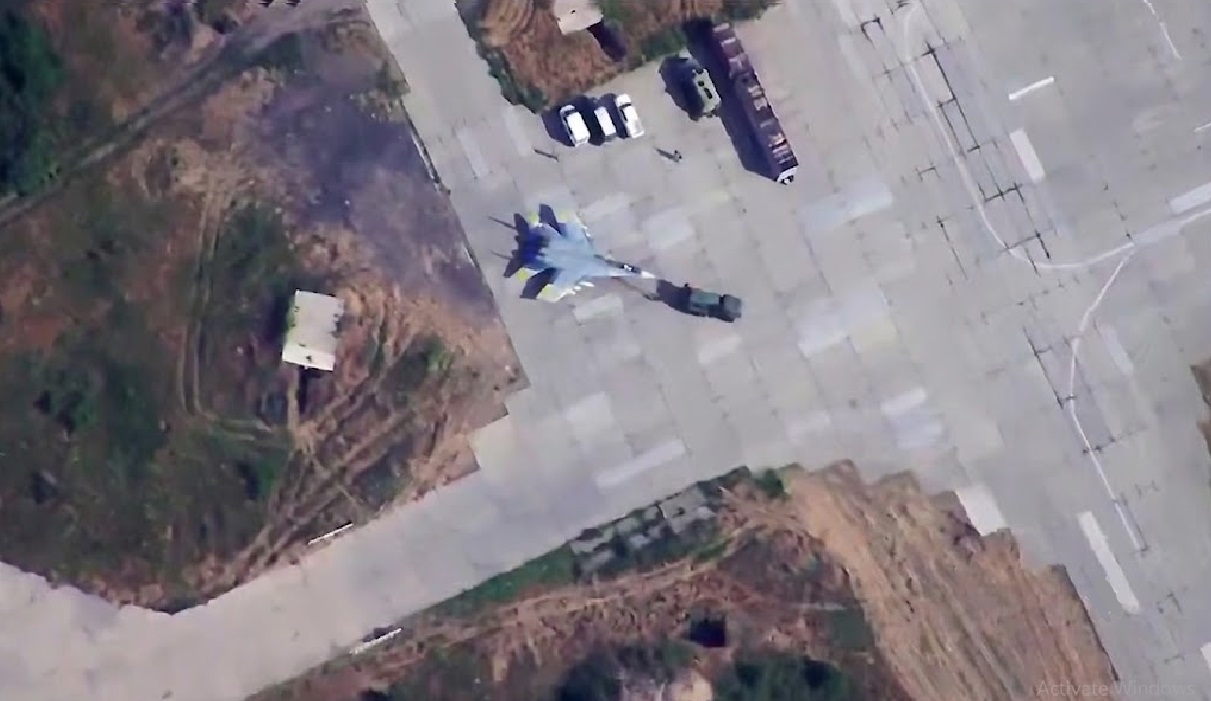
World
KYIV, June 27, 2026 — The Ukrainian Air Force lost two MiG-29 fighter jets in separate incidents over the past 24 hours, highlighting the continuing challenges facing Ukraine's combat aviation as Russia expands the use of high-speed jet-powered Geran-4 attack drones. One MiG-29 was destroyed on the ground by a Russian Geran-4 one-way attack drone while preparing for a combat mission at an airfield in southern Ukraine. The second aircraft was lost during a combat mission over the Poltava region in central Ukraine. Ukrainian authorities confirmed there were no fatalities in either incident. MiG-29 Lost During Combat Mission The Ukrainian Air Force confirmed that contact was lost with a MiG-29 fighter during a combat mission on the night of June 27 in the Poltava region. The pilot successfully ejected, was recovered by search-and-rescue personnel, and transported to a medical facility for examination. The cause of the aircraft's loss remains under investigation, with officials yet to determine whether it resulted from enemy action, a mechanical failure, or another operational factor. Poltava Oblast, about 350 kilometers northeast of Kyiv, regularly serves as an operational area for Ukrainian fighter aircraft conducting interception and ground-attack missions. Geran-4 Destroys MiG-29 at Airfield In a separate incident, Russian media released footage showing a Geran-4 jet-powered kamikaze drone striking a MiG-29 as it was being prepared for a combat mission at an airfield in southern Ukraine. Ukrainian sources confirmed the aircraft was destroyed, while personnel at the site survived the attack. The strike reflects Russia's growing focus on targeting Ukrainian aircraft during ground operations, when they are most vulnerable before takeoff. Geran-4 Introduces New Airfield Threat The Geran-4 entered operational service in May 2026 after completing production preparations and testing at the Primorsk base and the former Donetsk airport, according to Ukraine's Defense Intelligence Directorate. Powered by a Chinese-made Telefly LX-WP-160 or TF-TJ2000A turbojet engine, the Geran-4 cruises at 350–500 km/h, significantly faster than the piston-engine Geran-2. The drone has a reported range of up to 850 km and can carry either a 50 kg high-explosive or thermobaric warhead, or a 90 kg thermobaric payload. It also features fixed wings, a reinforced airframe, and upgraded electronics designed for high-speed operations. Geran-4 vs. Geran-2 Feature Geran-2 Geran-4 Engine Piston engine Chinese Telefly LX-WP-160 or TF-TJ2000A turbojet Cruise Speed ~180 km/h 350–500 km/h Range Up to 2,500 km Up to 850 km Warhead 30–50 kg high explosive 50 kg high explosive/thermobaric or 90 kg thermobaric Dimensions 3.5 m length, 2.5 m wingspan 3.5 m length, 3 m wingspan International Supply Chain According to Ukrainian intelligence, a recovered Geran-4 contained components sourced from multiple countries. Identified parts included memory chips from Micron Technology and transceivers from Texas Instruments in the United States, transistors manufactured by Germany's Infineon Technologies, and a UC9810 GNSS receiver produced by China's Unicore Communications. Additional components were traced to the United Kingdom, Switzerland, Japan, and Taiwan. Ukraine Adapts to Emerging Drone Threat The attack on the southern airfield reflects an increasing Russian emphasis on striking aircraft before they become airborne. Similar tactics were previously observed when a Geran-2 destroyed a Mi-8 helicopter at the Mykhailivka helipad. Ukraine has begun adapting its air defenses to counter the new threat. In early May 2026, the 1020th Anti-Aircraft Missile Regiment recorded the first confirmed interception of a Geran-4 using a Wild Hornets STING interceptor drone. Nevertheless, intercepting jet-powered drones traveling at speeds of up to 500 km/h remains a significant operational challenge. Pressure on Ukraine's MiG-29 Fleet The Soviet-designed MiG-29 remains a key component of Ukraine's fighter fleet. Since 2022, Ukraine has received replacement aircraft from Slovakia and Bulgaria, while a planned transfer of Poland's remaining MiG-29s remains suspended pending the delivery of agreed Ukrainian drone technology. According to the open-source intelligence project Oryx, more than 100 Ukrainian fixed-wing aircraft losses have been visually confirmed since February 2022. Ukraine is gradually transitioning to Western fighter aircraft, with F-16s already in operational service and future deliveries of French Rafale and Swedish Gripen fighters planned. Until those fleets expand, the remaining MiG-29s will continue to play an important role in Ukrainian air operations.
Read More → Posted on 2026-06-27 12:40:44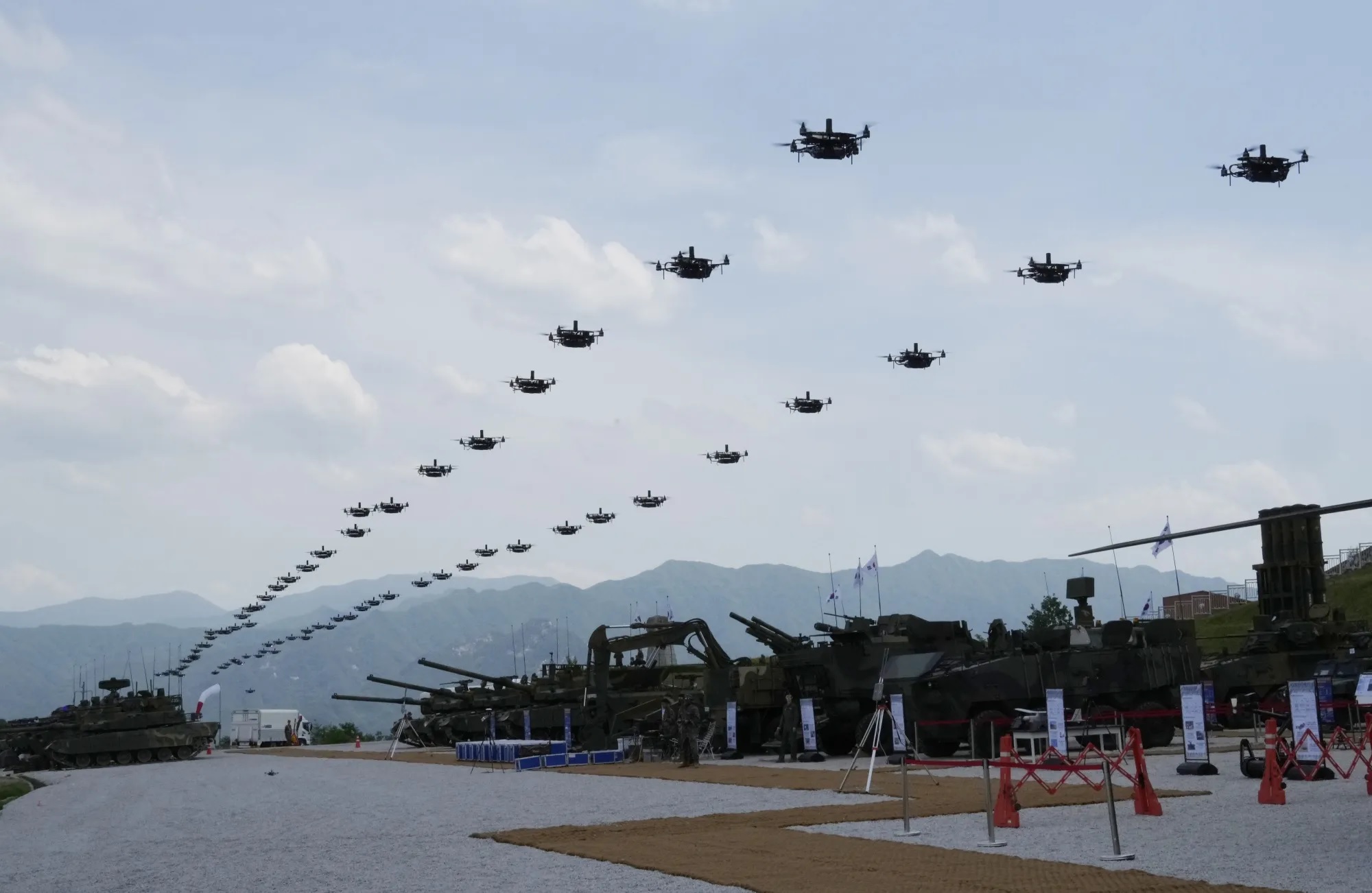
World
SEOUL, June 27, 2026 — South Korea has announced a major expansion of its military drone capabilities as part of a broader armed forces modernization strategy, with plans to train 500,000 personnel as drone operators and significantly increase the deployment of domestically produced unmanned systems over the coming years. Under the Defence Ministry's plan, drone operation will become a basic military skill for all service members rather than being limited to specialized units. Defence Minister Ahn Gyu-back said drones will be treated as a standard combat tool, functioning as a "second personal weapon" for soldiers. The military plans to introduce approximately 11,000 drones in 2026 and expand the inventory to around 60,000 operational unmanned systems by 2029. The program also includes the procurement of more than 20,000 low-cost reconnaissance drones and loitering munitions by 2030 to strengthen frontline capabilities across the army, navy, air force, and marines. The strategy emphasizes decentralized drone operations, enabling platoons and squads to conduct reconnaissance, target acquisition, artillery fire adjustment, and precision strike missions using expendable unmanned systems. South Korea also plans to expand the use of artificial intelligence for drone swarms and battlefield coordination. To counter emerging aerial threats, the Defence Ministry will accelerate the development of advanced counter-drone systems, including laser weapons, high-power microwave technologies, AI-assisted detection networks, electronic warfare systems, and interceptor drones. The expansion is driven by lessons from recent conflicts, including the Russia-Ukraine war and fighting in the Middle East, as well as growing concerns over North Korea's advancing drone capabilities. The initiative also addresses South Korea's declining military-age population by using drones as a force multiplier to enhance operational effectiveness. The government confirmed that all core drone components will be produced domestically to reduce supply chain risks, improve security, and support the country's defense industry while accelerating the integration of civilian drone technologies into military service.
Read More → Posted on 2026-06-27 13:07:54
World
BERLIN, June 27, 2026 — The United States' decision to withdraw approximately 5,000 military personnel from Germany has created economic uncertainty for communities hosting American bases while prompting renewed discussion over Europe's future security responsibilities. The planned reduction, announced by the Pentagon, is expected to take place over the next six to 12 months and forms part of a broader review of the U.S. military posture in Europe. The decision follows recent diplomatic tensions between Washington and Berlin. The disagreement emerged after German Chancellor Friedrich Merz criticized the United States' handling of the ongoing Iran war, stating that U.S. negotiators had been undermined. Shortly afterward, U.S. President Donald Trump directed the Pentagon to begin withdrawing 5,000 American troops from bases across Germany. German Defense Minister Boris Pistorius said the planned reduction was not entirely unexpected. While emphasizing that the long-standing U.S. military presence has benefited both countries and strengthened NATO's collective defense, he said the development highlights the growing need for European nations to invest more heavily in their own defense capabilities and assume greater responsibility for regional security. Germany currently hosts approximately 37,000 permanently stationed U.S. military personnel, making it one of the largest American military deployments outside the United States. The country serves as a critical logistics, command, medical, and training hub for U.S. military operations throughout Europe and Africa. Among the most important installations is Ramstein Air Base, the largest U.S. airbase outside the United States, which supports air mobility, logistics, and operational coordination across multiple theaters. Wiesbaden serves as the headquarters of the U.S. Army in Europe, while Landstuhl Regional Medical Center provides advanced medical treatment for U.S. military personnel. Major training activities are also conducted at facilities near Grafenwoehr and Vilseck in Bavaria. The troop reduction is expected to affect several of these communities, many of which have developed close economic and social ties with American military personnel and their families over several decades. According to regional estimates, the U.S. military presence contributes between €650 million and €700 million annually to local economies through spending on housing, retail, transportation, education, hospitality, and other services. Thousands of local residents are employed directly or indirectly through military-related activities, making the bases an important source of economic stability. One of the communities facing the greatest uncertainty is the Bavarian town of Vilseck, which hosts nearly 5,000 U.S. soldiers from a U.S. Army regiment. Mayor Thorsten Grädler said the departure of a significant number of troops would fundamentally change the town's economic and social structure, affecting businesses and community life that have developed around the military presence. Similar concerns have emerged in Ramstein and neighboring Landstuhl, where local authorities are assessing the possible impact on housing demand, local employment, commercial activity, and municipal services. Officials say the presence of American personnel has supported local businesses for decades, and any substantial reduction could require long-term economic adjustments. The Pentagon has indicated that the withdrawal represents part of a wider restructuring of U.S. force deployment in Europe, which also includes reviewing the positioning of certain strategic defense assets. Military planners are expected to evaluate how the changes will affect operational readiness while maintaining support for NATO missions across the region. The proposal also revives discussions from President Trump's previous administration, when similar plans to reduce the U.S. military presence in Germany were considered but ultimately did not result in large-scale troop withdrawals. NATO officials are reviewing the planned reductions and their potential implications for the alliance's force posture in Europe. German federal authorities continue discussions with U.S. counterparts regarding the implementation timeline and the future role of American military facilities in the country. As preparations for the withdrawal move forward, local governments are developing contingency plans to reduce potential economic disruption while national leaders focus on strengthening Germany's defense capabilities and expanding military cooperation among European allies. Communities hosting U.S. bases remain awaiting further details from the Pentagon regarding the scope, timing, and distribution of the planned troop reductions.
Read More → Posted on 2026-06-27 13:11:04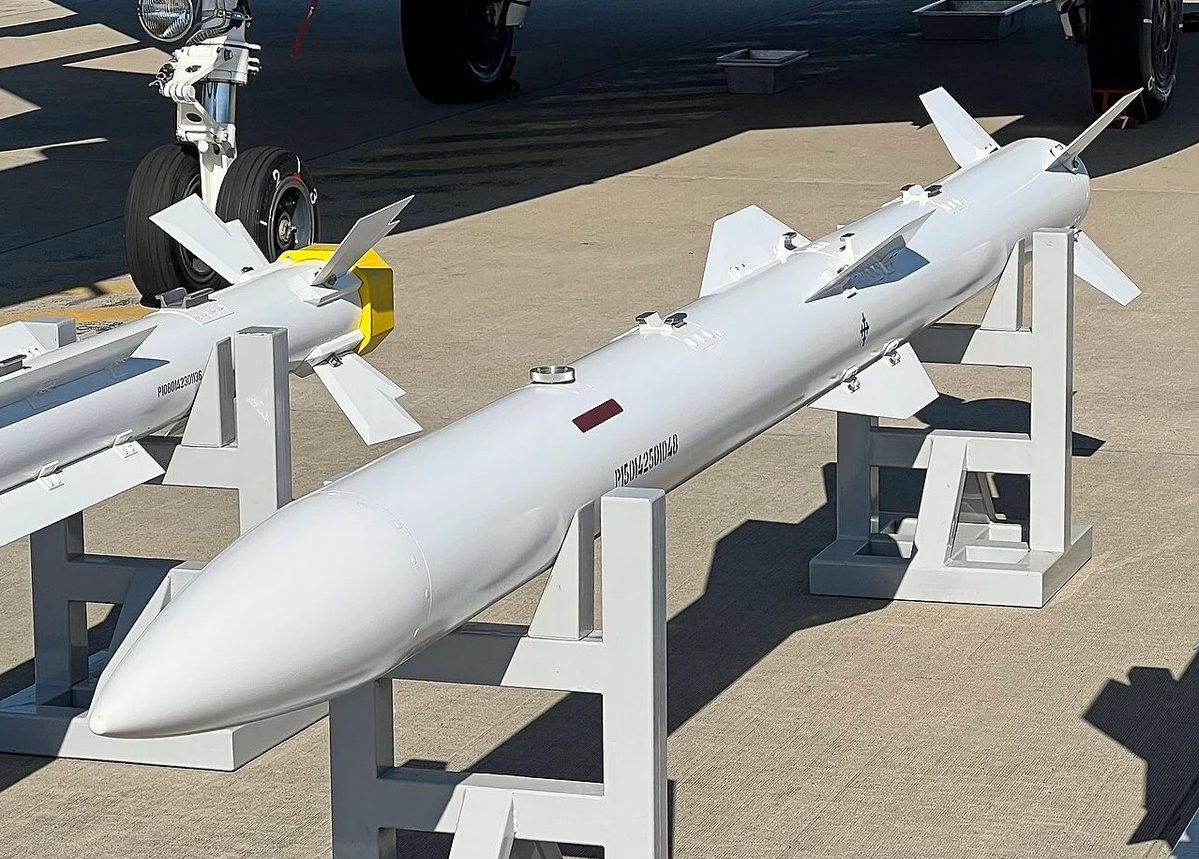
World
BEIJING, June 27, 2026 — China is continuing to expand its long-range air combat and airborne surveillance capabilities with the reported development of the PL-16 beyond-visual-range air-to-air missile and the advanced KJ-3000 airborne early warning and control (AEW&C) aircraft. Defense analysts and recent Pentagon assessments indicate that the two programs are being developed as complementary systems to strengthen the People's Liberation Army Air Force (PLAAF) ability to detect, track, and engage targets across extended distances while improving integrated command and control. The PL-16 is a next-generation long-range air-to-air missile with an estimated engagement range of 200 to 300 kilometers, while some assessments suggest it could reach as far as 350 kilometers under favorable launch conditions. The missile is viewed as China's counterpart to the U.S. AIM-260 Joint Advanced Tactical Missile (JATM), which is being developed to replace the AIM-120 AMRAAM in U.S. service. According to recent technical briefings and defense analyses, the PL-16 incorporates a variable-thrust or dual-pulse solid-rocket motor. Unlike conventional single-burn rocket motors, this propulsion system enables the missile to conserve energy during the cruise phase before initiating a second burst of thrust during the terminal stage of flight. The additional propulsion is intended to improve maneuverability and maintain speed when engaging distant or evasive targets. The missile is designed primarily to engage high-value airborne support assets, including airborne early warning aircraft, aerial refueling tankers, and reconnaissance or maritime patrol aircraft that provide critical support for combat operations. Such platforms generally operate behind frontline fighter formations and play an essential role in extending the operational reach of air forces. Defense analysts believe the PL-16 builds upon the capabilities of the PL-15, which has a reported range of approximately 200 kilometers and is currently China's principal long-range air-to-air missile. The newer missile is also reported to feature compact dimensions that allow it to be carried internally by China's stealth fighters, including the J-20 and the forthcoming J-35, preserving the aircraft's low observable characteristics and aerodynamic performance. Alongside the PL-16 program, China is also advancing development of the KJ-3000 airborne early warning and control aircraft. The platform is based on the domestically developed Y-20B strategic transport aircraft and is powered by four indigenous WS-20 high-bypass turbofan engines. Compared with the older Il-76-based KJ-2000, the new platform is expected to provide greater endurance, higher electrical power generation, and increased payload capacity. Photographs of KJ-3000 prototypes undergoing flight testing have revealed a large rotating dorsal radome mounted above the fuselage. According to Pentagon assessments, the aircraft is expected to become the world's first AEW&C platform designed around a fully digital radar architecture. The advanced Active Electronically Scanned Array (AESA) radar is expected to provide continuous 360-degree coverage while improving resistance to electronic jamming and increasing the ability to detect low-observable or stealth aircraft at extended ranges. The KJ-3000 is also projected to incorporate passive detection capabilities, advanced target identification functions, and significantly enhanced onboard data processing. These features would allow the aircraft to process large volumes of sensor information collected from multiple sources simultaneously and distribute targeting data across connected military platforms. Chinese military commentary describes the KJ-3000 as a central airborne command post within an integrated "kill web" architecture. The aircraft is intended to fuse real-time information received from satellites, fighter aircraft, naval vessels, unmanned aerial systems, and ground-based sensors into a unified operational picture. This network-centric approach would enable commanders to coordinate long-range engagements while directing weapons such as the PL-16 against targets across wide operational areas. The combination of long-range missile capability and advanced airborne surveillance represents an important step in China's ongoing modernization of its air combat network. While the PL-16 extends the engagement range available to Chinese fighter aircraft, the KJ-3000 provides the sensor coverage, command-and-control functions, and data-sharing capabilities required to detect, identify, and assign targets at long distances. Defense experts note that as both systems mature and enter operational service, they could increase the distance at which U.S. and allied airborne support aircraft operate from contested areas. Greater stand-off distances for tankers, airborne early warning platforms, and reconnaissance aircraft could affect the operational planning of long-range fighter and bomber missions in the Indo-Pacific region. The Pentagon has highlighted the KJ-3000's development as part of China's broader effort to strengthen its integrated sensor and command capabilities, while the PL-16 reflects continued investment in extending the reach of Chinese air-to-air weapons. Although official information regarding deployment schedules and detailed performance specifications remains limited, analysts expect additional details to emerge as flight testing, evaluation, and system integration continue. Together, the PL-16 missile and KJ-3000 AEW&C aircraft illustrate China's continued focus on developing an interconnected airborne combat network capable of combining long-range detection, data fusion, and precision engagement across multiple military domains.
Read More → Posted on 2026-06-27 13:17:15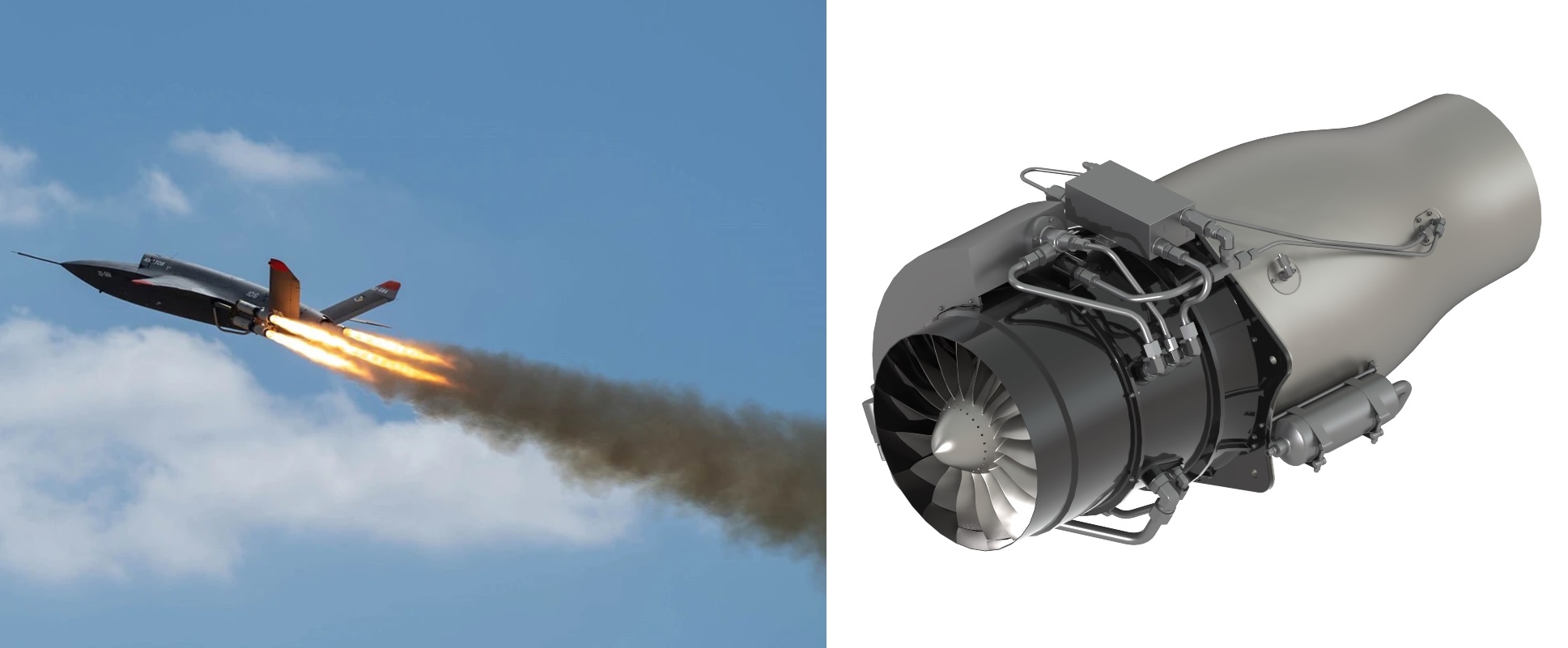
World
SAN DIEGO, June 28, 2026 — Kratos Defense & Security Solutions, Inc. (Nasdaq: KTOS) has announced plans to increase production of its Spartan family of turbojet engines to approximately 3,000 units annually by 2027 as demand grows across missile, loitering munition, and autonomous defense programs. The expansion is intended to support increasing requirements for tactical unmanned aerial systems, cruise missiles, and other precision-strike platforms while improving production capacity and delivery timelines. Kratos has positioned the Spartan engine family as an affordable propulsion solution that combines military-grade performance, reliability, and operational capability with manufacturing costs more commonly associated with commercial products. The engines are currently used by multiple defense customers across a range of missile and unmanned system programs, where demand for scalable, cost-effective propulsion continues to increase. To support the production ramp-up, the company has already begun internally funded procurement of long-lead materials and made strategic investments across its domestic supply chain. These efforts are aimed at improving production readiness, optimizing manufacturing operations, and reducing lead times for customers. In November 2025, Kratos opened a new Propulsion Manufacturing Facility in Auburn Hills, Michigan, which will support higher-rate production alongside the company's existing manufacturing sites. The Spartan family includes the TDI-J45, TDI-J50, TDI-J70, and TDI-J85 turbojet engines, offering thrust ratings ranging from approximately 30 to 200 pounds-force at sea level. The engines feature compact designs, modular exhaust nozzles, multi-fuel capability compatible with JP-8 and Jet-A, and integral generators to power onboard payloads. They also use fuel for cooling and lubrication, eliminating the need for conventional oil systems and simplifying integration into expendable and attritable platforms. A key feature of the Spartan program is its fully domestic manufacturing base. The engines are designed, produced, and supported entirely within the United States, helping strengthen the U.S. defense industrial base while reducing dependence on foreign suppliers for critical propulsion technologies. The manufacturing expansion aligns with ongoing U.S. efforts to replenish missile inventories and increase production capacity for precision-strike weapons. Growing procurement of cruise missiles, loitering munitions, and autonomous systems has increased demand for propulsion systems that can be produced rapidly and at scale. Beyond the Spartan engine family, Kratos continues to expand its propulsion portfolio, which also includes technologies supporting hypersonic vehicles and rocket systems. The company has benefited from growing investment in missile and autonomous defense programs, with its shares rising nearly 40 percent over the past year. By increasing Spartan engine production to approximately 3,000 units annually by 2027, Kratos aims to strengthen its role as a supplier of affordable, mission-ready propulsion systems for U.S. and allied defense programs.
Read More → Posted on 2026-06-28 10:01:52
World
Washington. June 28, 2026 — Lockheed Martin has outlined its strategy to combine the Global Positioning System (GPS) with emerging quantum navigation technologies to deliver more resilient and highly accurate Positioning, Navigation, and Timing (PNT) capabilities. The company said the integrated approach is intended to maintain reliable navigation for civilian and military users even in environments where GPS signals are degraded, jammed, spoofed, or unavailable. As electronic warfare and signal interference become more common, Lockheed Martin is developing a layered navigation framework that combines satellite-based positioning with quantum sensing technologies. The company believes this approach will support future operations across air, land, sea, space, and cyber domains. Enhancing the GPS Constellation Lockheed Martin said GPS remains the foundation of global navigation and continues to support billions of civilian users as well as military operations worldwide. The company manufactures the current GPS III satellites and is developing the next-generation GPS IIIF spacecraft, both designed to improve resilience in contested environments. The satellites are engineered to withstand severe space weather, high-radiation environments, cyberattacks, kinetic threats, and the effects of nuclear detonations. During ground processing, they are also designed to tolerate harsh environmental conditions, including hurricane-force winds. Their modular architecture allows future technologies and capabilities to be integrated as operational requirements evolve. For military users, the satellites provide enhanced M-Code signals with secure anti-jamming and anti-spoofing protection. GPS III delivers up to eight times greater anti-jamming capability than previous generations, while GPS IIIF will introduce Regional Military Protection (RMP), using beam-focusing technology to provide up to 63 times greater anti-jamming capability in designated operational areas. GPS IIIF will also support civilian search and rescue missions through specialized emergency signal processing and carry a nuclear detonation detection payload to support international treaty monitoring. Quantum Navigation Development Alongside GPS modernization, Lockheed Martin is investing in quantum navigation technology to improve positioning where satellite signals cannot be reliably received. Unlike GPS, quantum sensors determine movement by measuring the physical properties of atoms, allowing them to calculate acceleration, rotation, and position without relying on external satellite signals. Because they operate independently of radio-frequency transmissions, quantum sensors are resistant to conventional jamming and spoofing. The company said the technology remains in the beta stage but is moving toward operational deployment through partnerships with Q-CTRL and AOSense. These collaborations aim to transition quantum navigation systems from laboratory research to field-ready defense hardware. Lockheed Martin is also participating in two U.S. Department of Defense-funded programs. The Defense Innovation Unit's Quantum Inertial Navigation System (QuINS) initiative is developing a quantum-enabled inertial navigation system capable of determining a platform's position, speed, and orientation using internal quantum measurements. In addition, DARPA's Robust Quantum Sensors (RoQS) program focuses on advancing next-generation quantum sensors for defense platforms operating in contested environments. Integrated Navigation Approach Lockheed Martin said GPS and quantum navigation are designed to complement each other rather than compete. As an example, the company described a vehicle entering a multi-level parking garage, where concrete and steel structures block GPS signals. In this situation, GPS establishes the vehicle's initial location before signal loss, while an onboard quantum sensor continuously tracks its movement inside the structure, maintaining accurate positioning until satellite signals become available again. According to the company, this layered PNT architecture combines GPS's global coverage with the continuous accuracy of quantum sensors, enabling reliable navigation for military platforms, autonomous systems, and civilian applications operating in challenging environments. Lockheed Martin expects the integration of GPS and quantum navigation technologies to provide a more resilient navigation capability for next-generation operations while strengthening the reliability of positioning and timing services in increasingly contested environments.
Read More → Posted on 2026-06-28 10:14:21
World
TEHRAN, Iran, June 28, 2026 — Iran's Islamic Revolutionary Guard Corps (IRGC) announced on Sunday that it carried out a joint ballistic missile and drone operation targeting United States military installations in Kuwait and Bahrain, describing the action as a response to recent US strikes on Iranian positions. According to a statement issued by the IRGC's Public Relations Department and broadcast by Iranian state media, the operation was conducted by the IRGC's naval and aerospace forces between 2:00 a.m. and 3:00 a.m. local time on Sunday. The IRGC claimed that the attack targeted Ali Al-Salem Air Base in Kuwait and the US Fifth Fleet headquarters at Port Salman in Bahrain. Iranian officials stated that the operation destroyed eight US military infrastructures across the two facilities. The claims have not been independently verified. Iran described the operation as a "decisive response" to what it called continued US aggression. The IRGC accused the United States of violating a 14-point ceasefire agreement outlined in the Islamabad Memorandum of Understanding (MoU), which was intended to reduce regional hostilities and maintain stability in the Strait of Hormuz. According to the Iranian statement, US forces had carried out strikes on five Iranian coastal military positions earlier on Sunday, prompting the latest response. The IRGC also referred to provisions within the MoU that it said authorize Iran to help regulate maritime traffic in the Strait of Hormuz. The statement warned that vessels violating agreed maritime arrangements could face stronger measures and added that any future military action against Iran would receive a firm response. The latest exchange follows a series of US military operations announced by US Central Command (CENTCOM). On June 27, US forces conducted additional strikes against multiple Iranian military facilities under the direction of President Donald Trump. According to CENTCOM, the operation targeted surveillance infrastructure, communication systems, air defense sites, drone storage facilities, and mine-laying capabilities. US officials stated that the June 27 operation was launched in response to an Iranian one-way drone attack on the Panama-flagged tanker M/T Kiku, which was struck near the Strait of Hormuz at approximately 4:30 a.m. Eastern Time. The tanker was carrying more than two million barrels of crude oil. CENTCOM said Iran had previously been given an opportunity to observe the ceasefire following an earlier incident but instead proceeded with the attack. The escalation follows another US military operation conducted on June 26, when US Navy and Air Force aircraft struck 10 Iranian military targets in and around the Strait of Hormuz. According to CENTCOM, that operation was launched after an Iranian drone attack on the Singapore-flagged cargo ship M/V Ever Lovely on June 25 while the vessel was transiting along the Omani coast after exiting the strait. Following Sunday's reported Iranian attack, Kuwaiti authorities stated that the country's air defense systems intercepted incoming missiles and drones. Kuwait's Army General Staff said residents might hear explosions caused by interception operations and urged the public to follow official safety guidance. In Bahrain, the Ministry of Interior activated warning sirens and instructed citizens and residents to remain calm, move to safe locations, and monitor official government updates. CENTCOM stated that commercial shipping through the Strait of Hormuz continues despite the ongoing military exchanges and said US forces remain prepared to respond to any further developments. The command added that it continues coordinating efforts to ensure the security and freedom of navigation for commercial traffic through the strategically important waterway. The reported Iranian operation marks the second consecutive day of military exchanges between the United States and Iran. Both sides have presented their own accounts of the recent events, while the security situation in and around the Strait of Hormuz remains fluid as regional tensions continue to rise.
Read More → Posted on 2026-06-28 10:28:57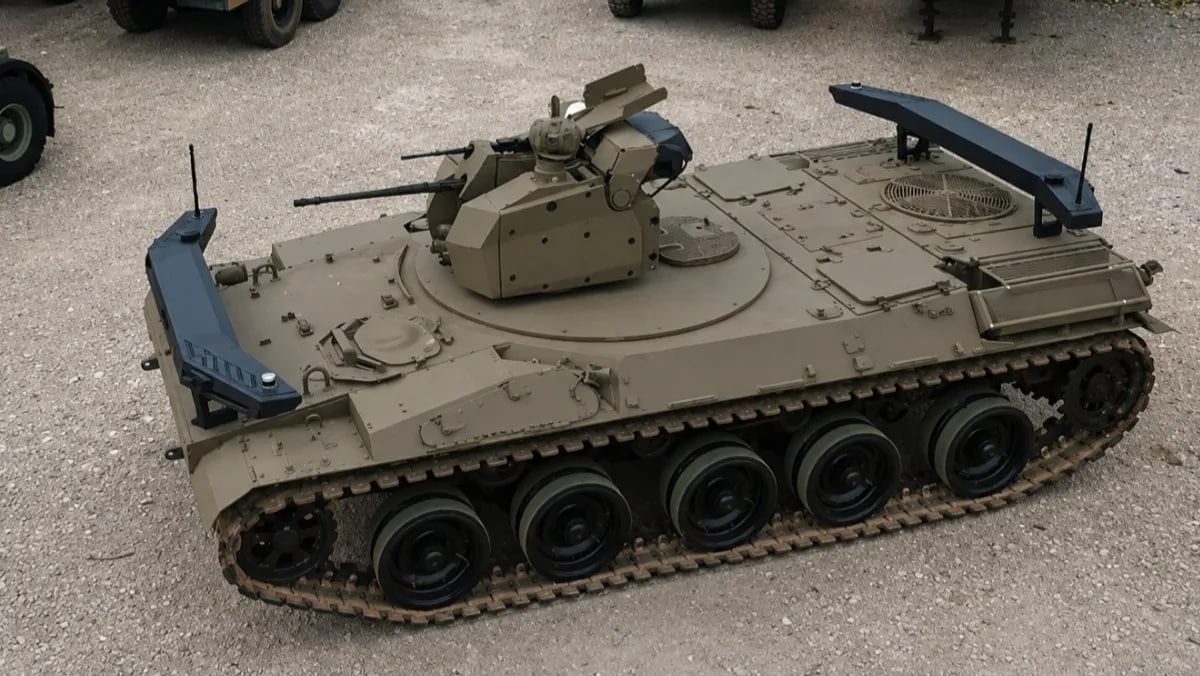
World
PARIS, June 28, 2026 — French defense companies S2M Equipment and KNDS France have unveiled the REFURBOT, a heavy unmanned ground combat vehicle (UGCV) developed by converting retired AMX-30 main battle tanks into remotely operated combat platforms. The system was showcased during Eurosatory 2026, highlighting a practical approach to extending the operational life of Cold War-era armored vehicles through modern robotics and remote weapon technologies. The REFURBOT concept focuses on repurposing surplus AMX-30 tank hulls instead of developing entirely new armored platforms. Thousands of these retired tanks remain in storage across Europe, providing a readily available base for conversion into unmanned combat systems while reducing development costs and making use of existing military infrastructure. AMX-30 Converted into a Heavy Unmanned Combat Vehicle As part of the conversion, the AMX-30's original manned turret and 105 mm main gun have been removed. They are replaced by the ARX-25 remotely operated weapon station, equipped with a 25 mm autocannon and a coaxial machine gun. The ARX-25 is capable of firing both armor-piercing and high-explosive fragmentation ammunition, allowing the vehicle to engage multiple battlefield targets, including: Light armored vehicles Infantry units Unmanned aerial vehicles (UAVs) Low-flying helicopters According to the companies, the weapon system has an effective engagement range of more than 2,500 meters and provides 360-degree fire coverage, enabling the vehicle to respond to threats from any direction. TOXO Robotics Kit Enables Crewless Operations To convert the 36-tonne AMX-30 into an unmanned platform, KNDS France integrated its proprietary TOXO robotics kit. The system enables both full remote control and autonomous mission capabilities, removing the need for an onboard crew. The vehicle has been fitted with sensor modules at both the front and rear, providing the situational awareness required for navigation, obstacle detection, surveillance, and autonomous operations across different battlefield environments. Despite the extensive modifications, the REFURBOT retains the mobility characteristics of the original AMX-30 chassis, including a maximum road speed of approximately 65 km/h. Giving Legacy Tanks a New Operational Role The AMX-30 entered production in 1966, with 3,571 tanks manufactured between 1966 and 1994. Although its approximately 80 mm frontal armor is considered insufficient against many modern anti-tank threats, converting the platform into an unmanned system removes the risk to onboard personnel while preserving the advantages of a tracked armored vehicle. By utilizing existing hulls, maintenance infrastructure, and logistics networks, the REFURBOT offers armed forces a cost-effective alternative to developing entirely new heavy robotic combat vehicles. Addressing Emerging Battlefield Requirements The REFURBOT reflects the growing demand for unmanned ground systems capable of operating in high-risk environments where crewed vehicles face increased threats from mines, loitering munitions, anti-tank weapons, and artillery. Heavy unmanned combat vehicles can provide direct fire support, reconnaissance, perimeter security, and operations in hazardous areas while reducing risks to military personnel. The combination of remote weapon stations, autonomous navigation, and legacy armored platforms demonstrates how existing military equipment can be adapted to meet evolving operational requirements. Displayed at Eurosatory 2026 S2M Equipment and KNDS France presented the REFURBOT demonstrator at the Eurosatory 2026 defense exhibition, held from June 15 to June 19 at Paris-Nord Villepinte. The project represents one of several initiatives within the European defense industry aimed at extending the service life of legacy armored vehicles through robotics and autonomous technologies. At the time of the unveiling, the companies had not announced production plans, procurement contracts, or potential customers. However, the REFURBOT demonstrates a practical method of transforming surplus Cold War-era tank hulls into modern heavy unmanned combat vehicles while leveraging existing military assets and infrastructure.
Read More → Posted on 2026-06-28 10:37:50
World
JERUSALEM, June 28, 2026 — Israeli defense companies Elbit Systems and Israel Aerospace Industries (IAI) have supplied advanced aerospace equipment, aircraft protection systems, and fighter jet components to Qatar and Saudi Arabia under export agreements collectively valued at hundreds of millions of dollars and shekels, according to documents and photographs reviewed by media outlets. The agreements include anti-missile defense systems for Qatar's royal aircraft as well as advanced pilot equipment for the F-15 fighter fleets operated by both Gulf countries. The exports were carried out under the regulatory oversight of the Israeli Defense Ministry, which requires licensing and compliance procedures for the transfer of strategic defense technologies. Advanced Equipment for F-15 Fighter Fleets A major part of the contracts focuses on improving the operational capabilities of Qatar's F-15QA (Qatari Advanced) and Saudi Arabia's F-15SA (Saudi Advanced) fighter aircraft. Israeli companies supplied Joint Helmet Mounted Cueing System (JHMCS) helmets and night vision goggles for pilots operating the aircraft. The JHMCS is an advanced digital helmet that projects essential flight data, targeting information, and sensor imagery directly onto the pilot's visor, allowing pilots to identify and engage targets simply by turning their heads toward them. The system significantly enhances situational awareness and enables faster target acquisition during both daytime and nighttime operations when used with compatible night vision equipment. Each JHMCS helmet is estimated to cost approximately $200,000 and is widely used on several advanced fighter aircraft, including F-15 variants. C-MUSIC Missile Defense System for Qatar's Royal Aircraft In addition to fighter aircraft equipment, Elbit Systems has installed its C-MUSIC (Multi-Spectral Infrared Countermeasure) system on three aircraft belonging to Qatar's royal fleet. The C-MUSIC system is designed to protect large aircraft, including VIP and government transport aircraft, against attacks from heat-seeking surface-to-air missiles. The system uses a directed infrared countermeasure that employs advanced laser technology to detect, track, and disrupt the infrared guidance sensors of incoming missiles before they can reach the aircraft. The installation provides an additional layer of protection for aircraft used by the Emir of Qatar during international travel and official missions. C-MUSIC has previously been integrated onto various military and civilian aircraft platforms for self-protection against missile threats. Financial Scope of the Agreements The combined value of the exports, including missile defense systems, advanced pilot equipment, and F-15 aircraft components, amounts to hundreds of millions of dollars and shekels, although official figures have not been publicly disclosed. Details regarding contract timelines and delivery schedules also remain limited because of the sensitive nature of defense exports. The transactions include specialized aerospace technologies supplied by Elbit Systems and Israel Aerospace Industries, reflecting continued demand for advanced aircraft protection systems and pilot equipment in the modernization programs of Gulf air forces. Regional Defense Modernization The agreements demonstrate the continued role of Israeli defense manufacturers in supplying specialized aerospace and defense technologies to regional partners. Qatar and Saudi Arabia have invested heavily in modernizing their air forces through advanced fighter aircraft, aircraft survivability systems, and next-generation pilot equipment designed to improve operational effectiveness. The deliveries also highlight the expanding use of Israeli-developed aircraft protection technologies, including laser-based missile defense systems and advanced helmet-mounted targeting systems, across modern military aviation platforms in the Middle East. All exports were conducted under the supervision of the Israeli Defense Ministry, which oversees licensing and compliance requirements for international sales of strategic defense equipment.
Read More → Posted on 2026-06-28 10:50:36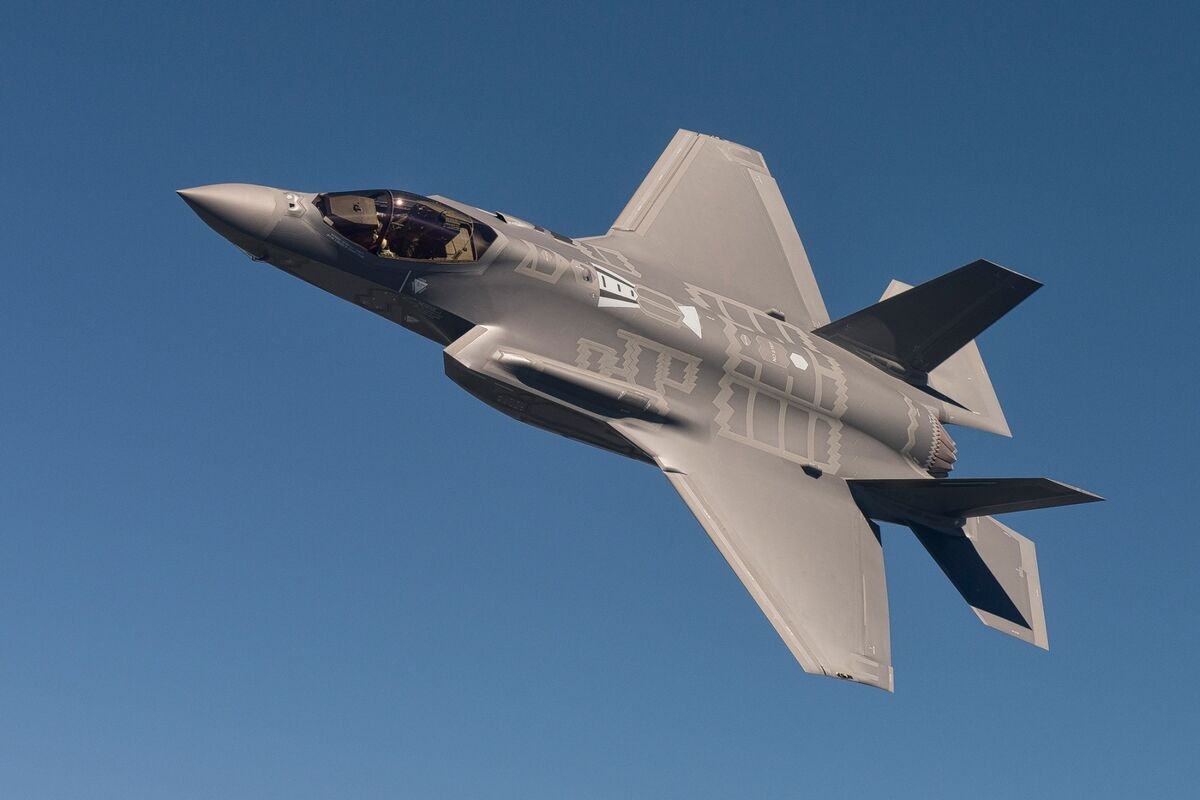
World
WASHINGTON, June 28, 2026 — The U.S. Department of Defense has awarded Lockheed Martin a $74.2 million contract modification to integrate sovereign weapons systems into the F-35 Lightning II fleets operated by the United Kingdom and Italy, expanding the combat capabilities of two key NATO allies under the aircraft's ongoing Block 4 modernization program. The contract, announced on June 26, 2026, supports the integration of nationally selected weapons from the system functional review phase through development and flight testing. Rather than procuring additional aircraft, the agreement focuses on software-driven modernization, enabling existing and future F-35s to employ domestically selected precision-guided munitions while maintaining full interoperability within NATO operations. The work includes systems engineering, software development, avionics integration, weapons certification, flight testing, and aerodynamic separation trials required to validate new weapons on the aircraft. These upgrades are intended to provide greater operational flexibility while allowing partner nations to retain their preferred national weapons inventories. The modernization effort forms part of the broader Block 4 upgrade program, which introduces a significant expansion of the F-35's combat capabilities through new sensors, electronic warfare functions, networking improvements, and support for a wider range of precision-guided weapons. These enhancements are made possible by the Technical Refresh 3 (TR-3) hardware architecture, which provides substantially greater computing power, expanded memory, and improved data processing capacity. For the United Kingdom, the contract supports the Royal Air Force and Royal Navy, both of which operate the short takeoff and vertical landing (STOVL) F-35B variant from land bases and the Queen Elizabeth-class aircraft carriers. Although the Department of Defense did not identify the specific weapons covered under this contract modification, the United Kingdom's established Block 4 roadmap includes integration of the MBDA SPEAR 3 network-enabled precision strike missile and the Meteor beyond-visual-range air-to-air missile. Once integrated, these sovereign weapons are expected to improve the ability of British F-35s to engage heavily defended ground targets and advanced airborne threats while preserving the aircraft's low observable characteristics by carrying weapons internally. Italy will receive similar integration work across its fleet of F-35A conventional takeoff and landing fighters and F-35B STOVL aircraft, providing greater flexibility in selecting weapons tailored to national operational requirements. Italy also continues to play a major industrial role in the multinational Joint Strike Fighter program through the Final Assembly and Check-Out (FACO) facility at Cameri, Novara. The site assembles F-35 aircraft for several European operators and serves as the regional Maintenance, Repair, Overhaul and Upgrade (MRO&U) center, making it a key element of the aircraft's long-term sustainment infrastructure across Europe. In addition to sovereign weapons integration, the contract includes the installation of a common tactical data recorder across all three F-35 variants—the F-35A, F-35B, and F-35C. The upgraded recorder will capture comprehensive mission data, including aircraft performance, sensor activity, electronic warfare events, weapons employment, and pilot inputs. The information collected will support post-mission debriefings, operational analysis, software verification, and the refinement of future combat tactics. It will also provide valuable data for validating future Block 4 software releases and accelerating capability upgrades across the international F-35 fleet. The sovereign weapons integration initiative provides several operational advantages for partner nations. By allowing the United Kingdom and Italy to field domestically selected munitions while maintaining compatibility with NATO combat operations, the program improves mission planning flexibility, reduces reliance on shared U.S. weapons inventories, and strengthens supply chain resilience during sustained military operations. The multinational structure of the Joint Strike Fighter program enables participating nations to share investment in the aircraft's common software architecture while incorporating national capabilities that meet their individual defense requirements. This approach helps control development costs while ensuring standardized coalition operations among F-35 operators. According to the Department of Defense, contract work will be performed primarily in Samlesbury, United Kingdom, Fort Worth, Texas, and other F-35 program locations responsible for software engineering, systems integration, and developmental testing. Although the $74.2 million contract represents a relatively small investment compared with large-scale F-35 production agreements, it marks another step in the aircraft's transition toward a software-defined combat platform. As Block 4 modernization continues, software upgrades, enhanced computing architecture, and sovereign weapons integration are expected to expand the operational capabilities of the F-35 while ensuring the aircraft remains effective against evolving air and missile threats for decades to come.
Read More → Posted on 2026-06-28 11:05:08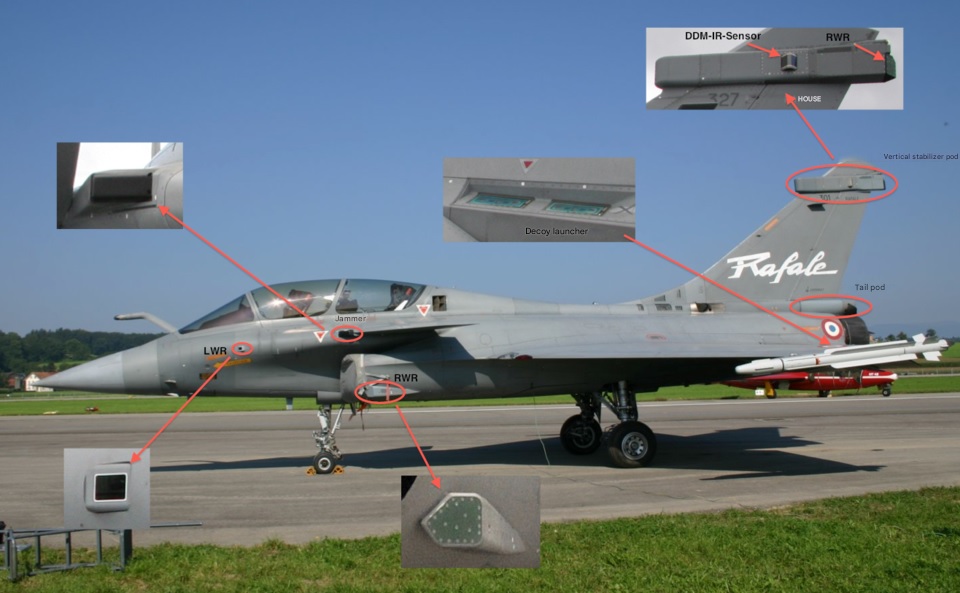
India
BENGALURU, India, June 28, 2026 — Bharat Electronics Limited (BEL) and French defense technology company Thales have expanded their partnership to locally manufacture advanced microwave modules for the SPECTRA electronic warfare (EW) suite installed on Dassault Aviation's Rafale fighter aircraft. The initiative supports India's Make in India program and strengthens the country's capability to produce advanced aerospace and defense electronics. The collaboration builds on BEL's successful production of transmit/receive (T/R) modules for the Rafale's RBE2 Active Electronically Scanned Array (AESA) radar. In February 2025, BEL delivered the 7,000th T/R module to Thales, marking a major milestone in the technology transfer program between the two companies. The partnership is part of the offset commitments linked to India's Rafale fighter acquisition. Technology transfer began in 2017, with BEL engineers receiving specialized training at Thales facilities in France and dedicated production lines being established at BEL's Bengaluru manufacturing facility. In November 2020, Thales delivered the first RBE2 AESA radar featuring a front-end manufactured entirely by BEL in India. The new agreement extends BEL's manufacturing role from radar components to critical electronic warfare hardware. SPECTRA Electronic Warfare Suite SPECTRA is the Rafale's fully integrated electronic warfare and self-protection system, jointly developed by Thales and MBDA. Designed to enhance aircraft survivability, it provides 360-degree threat detection, identification, localization, and response against radar, laser, infrared, and missile threats. The system combines radar warning receivers, laser warning receivers, and the DDM-NG infrared missile approach warning system to continuously monitor the surrounding environment. Data from these sensors is processed by a Modular Data Processing Unit (MDPU), which fuses the information, compares detected signals with an onboard threat library, prioritizes threats in real time, and automatically selects the most effective defensive response. Once a threat is identified, SPECTRA uses active phased-array radar jammers to disrupt or deceive enemy radar systems while automatically deploying radar chaff and infrared flares to counter incoming missiles. The integrated design enables rapid responses without compromising the Rafale's low-observable characteristics and has been combat-proven in operational service with the French Air and Space Force. Role of Microwave Modules The microwave modules to be produced by BEL are critical components for the radio-frequency functions of the SPECTRA system. They process high-frequency signals used for threat detection, signal analysis, and electronic jamming, allowing the system to rapidly intercept hostile radar emissions and generate targeted electronic countermeasures against enemy tracking and targeting systems. Manufacturing these advanced modules in India will increase indigenous content in Rafale systems, strengthen the domestic supply chain for high-end defense electronics, and further enhance BEL's expertise in advanced aerospace manufacturing. Similar Electronic Warfare Systems Integrated electronic warfare and self-protection suites are standard equipment on modern 4.5-generation and fifth-generation fighter aircraft. Comparable systems include: F-35 Lightning II (United States): AN/ASQ-239 Barracuda electronic warfare system providing advanced threat detection, electronic support, and active jamming. Eurofighter Typhoon (Europe): Praetorian Defensive Aids Sub-System (DASS), integrating radar warning, missile warning, electronic jamming, and automated countermeasures. F-22 Raptor (United States): AN/ALR-94 passive electronic warfare system integrated with the aircraft's AESA radar for long-range threat detection and electronic attack. HAL Tejas Mk1A (India): Equipped with an indigenous advanced electronic warfare suite, including the Mayavi system developed by DRDO and BEL, featuring radar warning receivers, electronic support measures, and active jamming capabilities. These systems rely on active electronically scanned arrays, digital signal processing, real-time threat libraries, and integrated countermeasures to improve aircraft survivability in highly contested environments. The expansion of the BEL-Thales partnership further strengthens India's indigenous defense manufacturing ecosystem and positions BEL as an increasingly important supplier of advanced aerospace electronics for the Rafale program. The collaboration also supports future technology transfer, higher indigenous content, and deeper integration of Indian industry into the global defense supply chain.
Read More → Posted on 2026-06-28 11:24:04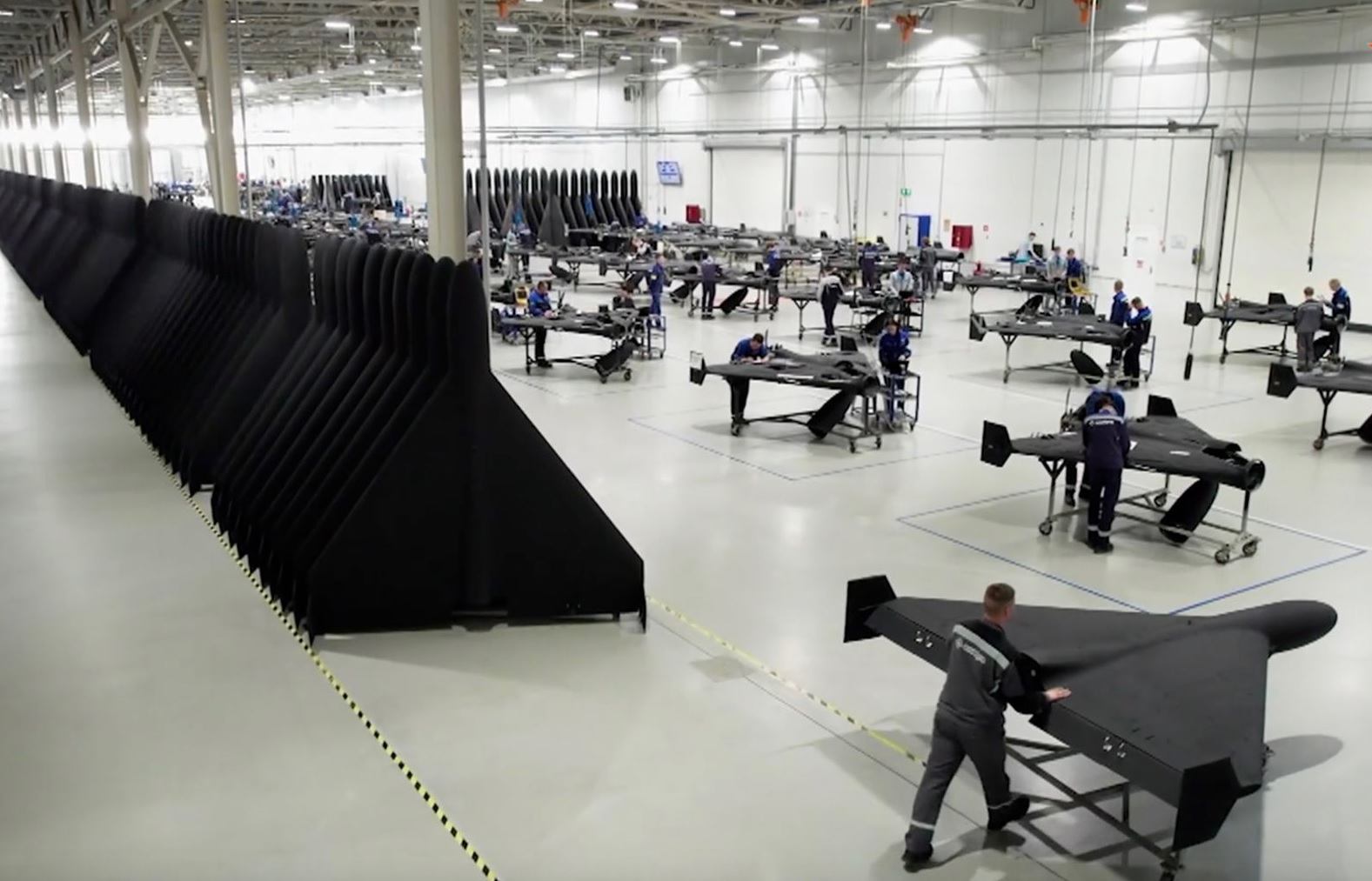
World
YELABUGA, Tatarstan, Russia, June 28, 2026 — The underground resistance movement Black Spark (Chernaya Iskra) has claimed that its members infiltrated Russia's Alabuga Special Economic Zone, where Geran-series kamikaze drones are produced, and carried out an operation involving both the extraction of sensitive data and sabotage of the drone assembly process. In a statement published on its X (formerly Twitter) account, the group said its operatives secured employment at the Alabuga drone production facility and worked undercover for several months before gaining access to the plant's internal computer systems. According to Black Spark, its members downloaded databases containing the identities and personal information of personnel involved in the production and assembly of the Geran-2 and Geran-3 unmanned aerial vehicles. The Geran-series drones are Russian-produced versions of the Iranian-designed Shahed loitering munitions that have been widely used during the conflict in Ukraine. The group also claimed that its operatives introduced undisclosed modifications to drones while they were being assembled. Describing the alterations as hidden "surprises," Black Spark stated that the modifications are intended to cause problems when operators attempt to launch the drones. The resistance movement said the objective of the operation is to disrupt drone deployments and reduce the number of military personnel involved in launching Geran drones against Ukrainian cities. The Alabuga Special Economic Zone, located near the city of Yelabuga in Russia's Republic of Tatarstan, has become one of the country's primary centers for manufacturing Geran-series drones. Production at the facility has expanded significantly in recent years as Russia increased domestic assembly of long-range one-way attack drones using components sourced from multiple suppliers. The facility plays an important role in supporting Russia's growing unmanned aerial vehicle (UAV) production capacity. Black Spark describes itself as an underground resistance movement conducting sabotage operations inside Russia. Information regarding the group's leadership, membership, and organizational structure has not been made public, with the movement stating that confidentiality is necessary to protect its operatives. The group operates in coordination with Ukraine's military intelligence and Special Operations Forces (SOF). The Command of the Ukrainian Special Operations Forces officially acknowledged cooperation with Black Spark representatives in 2025. Since then, the movement has been associated with several operations targeting military and industrial infrastructure inside Russia. Most recently, Black Spark stated that it coordinated with Ukrainian deep strike units during operations conducted on the night of June 23–24, 2026, targeting the Orenburg Gas Processing Plant and the Orenburg Helium Plant. Both facilities are considered important industrial sites that process materials used by Russia's military and aerospace sectors. The reported infiltration of the Alabuga facility represents one of the most significant claims made by the resistance movement regarding Russia's drone production network. However, the details of the operation have not been independently verified. As of June 28, Russian authorities had not issued an official response to the group's claims regarding the alleged infiltration, data extraction, or sabotage at the Alabuga drone production facility.
Read More → Posted on 2026-06-28 12:01:31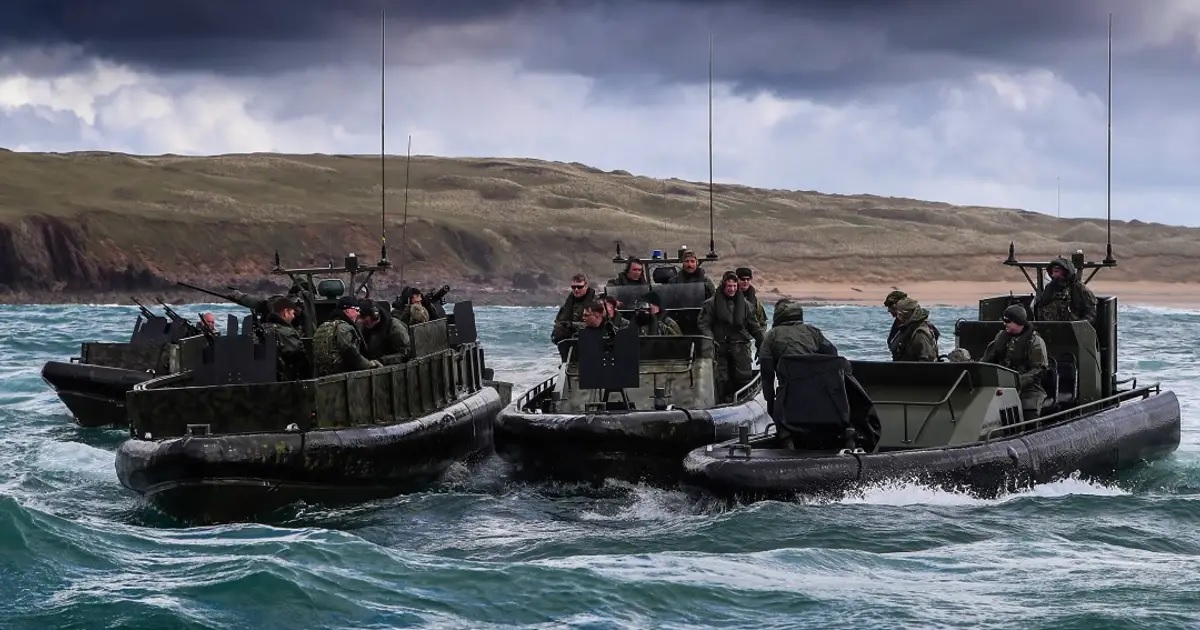
World
LONDON, June 28, 2026 — The United Kingdom will invest more than £500 million to modernize its elite Commando Force under the government's revised Defence Investment Plan (DIP), strengthening frontline capabilities through new maritime platforms, autonomous systems, and advanced communications technologies. The Defence Investment Plan, refocused by Defence Secretary Dan Jarvis, is scheduled to be published ahead of the NATO Summit in Ankara, Türkiye, on July 7–8. The programme aims to improve the operational readiness of the UK Armed Forces while supporting NATO's collective defence objectives. Investment in Advanced Capabilities Around £100 million of the funding has been allocated for advanced technologies that will support the transformation of the Royal Marines into the Future Commando Force. The planned procurement includes: Uncrewed surface vessels and autonomous systems Next-generation military communications Networked targeting systems Lethal strike drones These technologies are intended to improve situational awareness, command and control, and operational effectiveness during missions in contested environments. The investment is also expected to support the UK's defence industry through the development and production of advanced military technologies. New Commando Insertion Craft and Amphibious Fleet A major element of the modernization programme is the acquisition of new Commando Insertion Craft (CIC) under the Joint Commando Craft (JCC) programme with Norway. The two countries are exploring the joint procurement of up to 30 high-speed vessels designed to transport commandos, equipment, and support systems during littoral and coastal operations. The craft will enhance the UK's ability to conduct maritime security missions, rapid troop insertions, boarding operations, and the interception of sanctioned vessels. The Defence Investment Plan also includes funding for new Amphibious Transport Ships, supporting the UK's objective of developing a combined amphibious fleet with the Netherlands. The initiative is intended to improve interoperability and strengthen NATO's amphibious capabilities during joint operations. Increased Focus on the High North The revised investment plan places greater strategic emphasis on the High North, including the Arctic region, reflecting increased Russian military activity such as submarine deployments and the operation of shadow fleet vessels. The new Commando Insertion Craft and autonomous systems will support surveillance, deterrence, reconnaissance, and boarding missions in Arctic conditions, where Royal Marines regularly conduct joint training with Norwegian forces. Supporting Global Operations The Commando Force will continue to serve as the UK's rapid-reaction amphibious force, capable of deploying worldwide on short notice for crisis response, maritime security, and expeditionary operations. Recent missions have included the interception of the sanctioned tanker Smyrtos in the English Channel. The government said the investment will strengthen the Commando Force's ability to operate across maritime and coastal environments while improving overall readiness ahead of the NATO Summit. Additional details on programme funding, procurement schedules, and implementation are expected when the full Defence Investment Plan is published.
Read More → Posted on 2026-06-28 12:12:44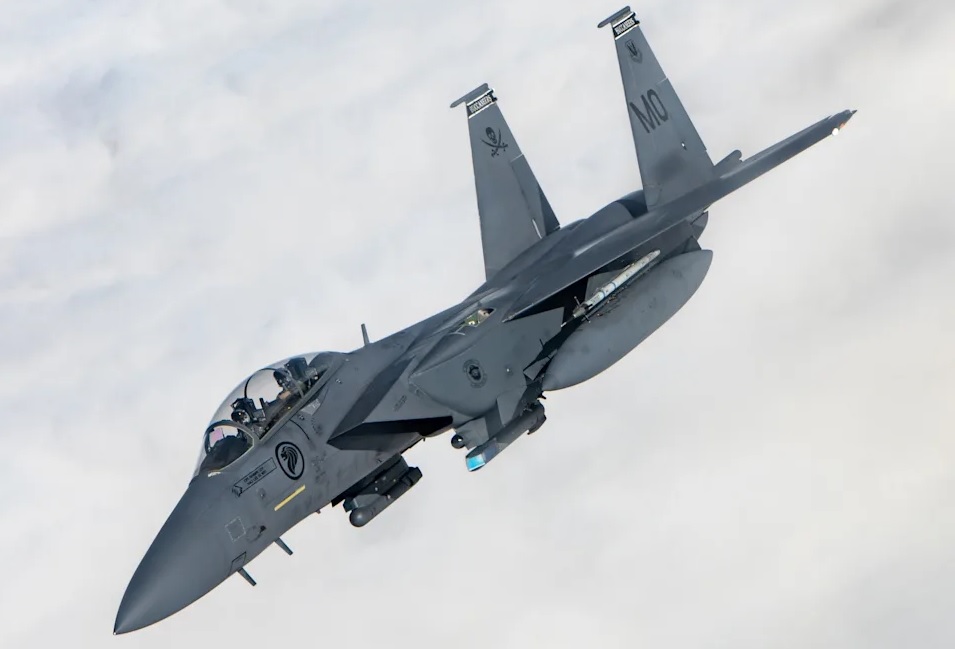
World
DAYTON, Ohio, June 28, 2026 — The U.S. Air Force is seeking industry solutions to modernize the Infrared Search and Track (IRST) capability across its F-15 fighter fleet, aiming to improve passive target detection and tracking in contested electronic warfare environments. On June 26, 2026, the Air Force Life Cycle Management Center (AFLCMC) WAQK F-15 Program Office, based in Dayton, Ohio, issued a sources sought notice on SAM.gov requesting industry input for the F-15 IRST modernization program. Issued under NAICS code 334511 for aeronautical system manufacturing, the notice seeks companies capable of developing, producing, or integrating advanced IRST systems. Responses are due by July 27, 2026. An IRST system detects aircraft by sensing the infrared heat signatures produced by engines and airframes rather than emitting radio waves like conventional radar. Because it operates passively, it allows pilots to detect, track, and engage targets without revealing their position through radar emissions. This capability is particularly valuable in environments where electronic warfare systems and radar jamming reduce the effectiveness of traditional radar. The Air Force's current IRST capability is based on the Eagle Integrated IRST (EI-IRST) program, which uses Lockheed Martin's Legion Pod housing the AN/ASG-34 infrared sensor derived from the F-14D Tomcat. The Air Force procured 38 Legion Pods for the F-15C fleet, and the system reached Initial Operational Capability (IOC) in February 2022. Operational testing, however, identified several limitations. Mounting the Legion Pod on the aircraft's centerline station restricts the F-15's maneuvering envelope during high-angle-of-attack flight, while funding constraints prevented completion of the full flight test program needed to remove those restrictions. The centerline installation also occupies a hardpoint that could otherwise carry an external fuel tank or additional weapons, reducing operational flexibility. The modernization effort comes as potential adversaries continue fielding more advanced passive sensing capabilities. China's J-20 stealth fighter incorporates an integrated IRST with a 360-degree distributed aperture system, while Russia's Su-35S uses the OLS-35 IRST, reportedly capable of detecting non-afterburning aircraft beyond 50 kilometers from the front and more than 90 kilometers from the rear. The Eurofighter Typhoon is equipped with the PIRATE IRST, providing comparable long-range passive detection capability. The Air Force believes the F-15EX Eagle II offers the best opportunity to integrate a next-generation IRST system. As of March 2026, the service expanded its planned F-15EX fleet from 80 to 267 aircraft, strengthening the platform's role alongside the F-35 in future air superiority operations. The F-15EX features a modern digital architecture built around the Advanced Display Core Processor II (ADCP II) mission computer and the AN/APG-82(V)1 Active Electronically Scanned Array (AESA) radar. This open architecture can support a fully integrated IRST as part of the aircraft's sensor fusion and fire-control system instead of relying on an externally mounted pod. Boeing has already demonstrated this concept by installing a nose-mounted IRST sensor ahead of the cockpit on an F-15 Advanced Eagle test aircraft in early 2025. Compared with the current centerline pod, a nose-mounted sensor would provide a wider field of regard while eliminating aerodynamic penalties and preserving the aircraft's centerline station for fuel or weapons. The Air Force said the sources sought notice is intended to identify industry capabilities and potential technical solutions before defining formal program requirements. Feedback received by the July 27 deadline will help shape future acquisition plans as the service works to improve the F-15's passive sensing capabilities and maintain its effectiveness in increasingly contested air combat environments.
Read More → Posted on 2026-06-28 12:32:59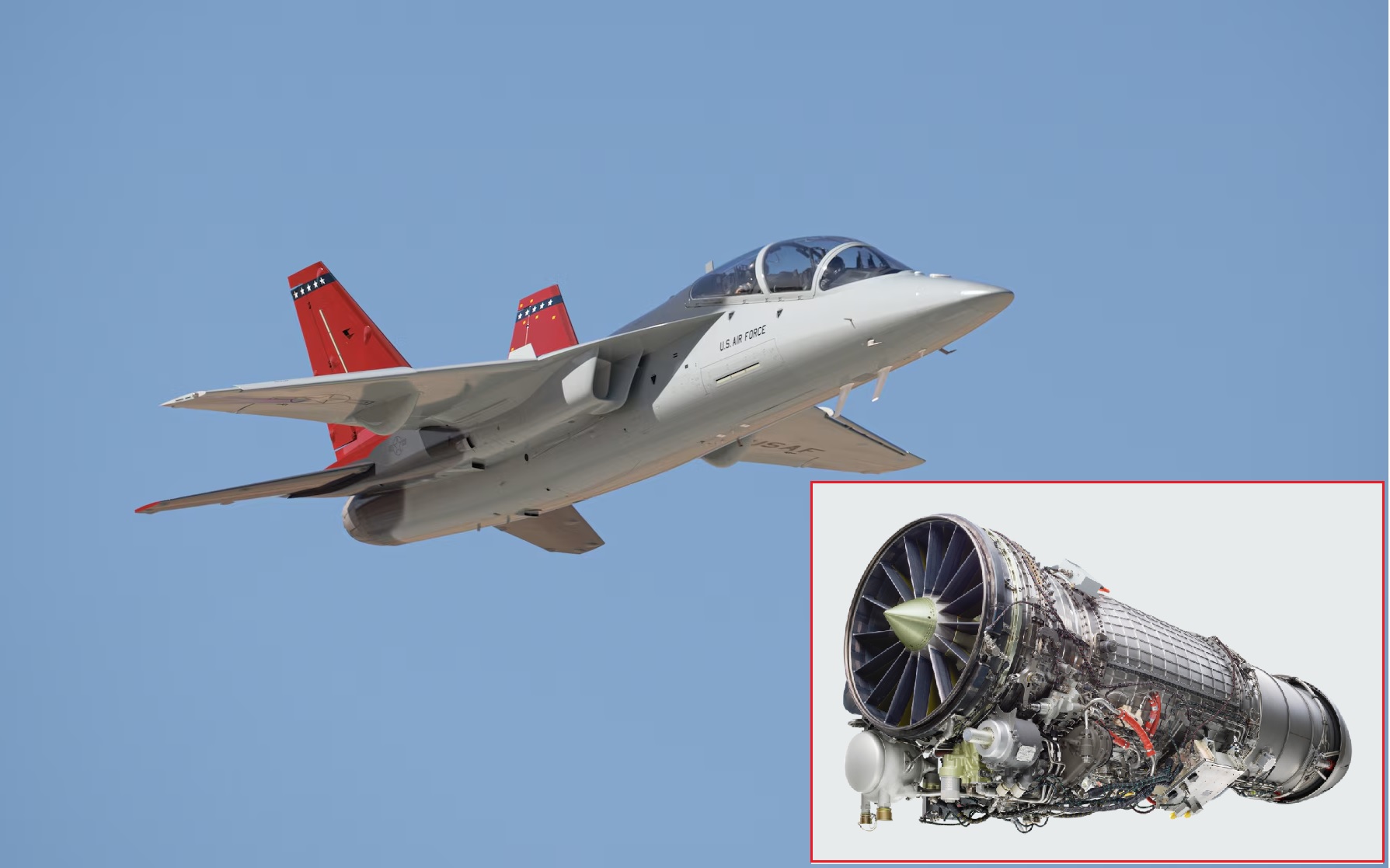
India
WASHINGTON, June 28, 2026 — Production constraints affecting the General Electric (GE) F404 engine family are creating challenges for multiple military aviation programs, with delays already impacting India's Tejas Mk1A fighter and potentially affecting the Boeing T-7A Red Hawk advanced trainer, according to U.S. defense analyst Dr. Michael Harrington. Dr. Harrington said the current situation demonstrates how manufacturing bottlenecks within the F404 production ecosystem can influence defense programs across different countries. Although the F404 is a proven and reliable turbofan engine, increased global demand and supply chain constraints have slowed production. Shortages of specialized castings, forgings, and other critical components, along with the challenges of ramping up production lines, have limited GE Aerospace's manufacturing output. Tejas Mk1A Program Faces Engine Delivery Delays The production slowdown has had a direct impact on India's Tejas Mk1A fighter program. Hindustan Aeronautics Limited (HAL) has continued assembling aircraft, but deliveries of the F404-IN20 engines have remained behind schedule, delaying induction into the Indian Air Force (IAF). Under a 2021 contract, GE Aerospace is supplying 99 F404-IN20 engines for the Tejas Mk1A fleet. Since April 2025, HAL has received only six engines, and in May 2026 the sixth engine developed a technical issue during routine post-delivery quality checks. The issue, reportedly linked to a transshipment or acceptance parameter fault, required inspection by GE engineers before acceptance. The delays have also drawn attention from India's Ministry of Defence. During a review meeting in June 2026, the ministry warned HAL that continued delays in aircraft deliveries could lead to contractual financial penalties because they affect the IAF's planned fighter induction schedule. To strengthen long-term fleet support, GE Aerospace and the Indian Air Force signed an agreement in April 2026 to establish an in-country maintenance, repair, and overhaul (MRO) facility for the F404-IN20 engine. While the depot will reduce dependence on overseas maintenance in the future, it does not immediately address the current production backlog. GE expects engine deliveries to gradually improve during the second half of 2026. T-7A Red Hawk Could Also Be Affected According to Dr. Harrington, the same supply chain challenges affecting Tejas engine deliveries could also influence Boeing's T-7A Red Hawk program because it uses the F404-GE-103 engine variant. The F404-GE-103 incorporates a Full Authority Digital Engine Control (FADEC) system derived from F414 technology, improving engine management and single-engine safety for pilot training. However, the T-7A program has already faced contractual, financial, and logistical challenges, resulting in adjustments to flight testing schedules. Continued engine supply constraints could place additional pressure on the program as production expands. The T-7A is being developed to replace the U.S. Air Force's aging T-38 Talon trainer fleet, with plans for 351 aircraft and potential additional orders. Full-rate production has not yet begun, and engine deliveries remain aligned with the aircraft's phased testing and initial production schedule. Boeing Focuses on Air Force Requirements Boeing recently withdrew the T-7A from the U.S. Navy's Undergraduate Advanced Jet Training System (UJTS) competition after determining that meeting the Navy's carrier-operation requirements would require significant modifications. The Navy required enhanced corrosion resistance, improved throttle response, and other changes needed for carrier operations. Adapting the existing aircraft and engine configuration would have required substantial engineering work, leading Boeing to focus its resources on the U.S. Air Force program. Engine Supply Remains a Key Challenge Dr. Harrington said the current situation illustrates how production constraints affecting a common engine family can influence multiple defense programs simultaneously. As demand for trainer aircraft and light combat fighters continues to increase, expanding manufacturing capacity remains a key challenge for the aerospace industry. GE Aerospace, Boeing, HAL, and military authorities continue working to stabilize engine production and meet contractual commitments. Progress in resolving supply chain bottlenecks over the coming months will be important for maintaining the planned timelines of both the Tejas Mk1A and T-7A Red Hawk programs.
Read More → Posted on 2026-06-28 14:16:52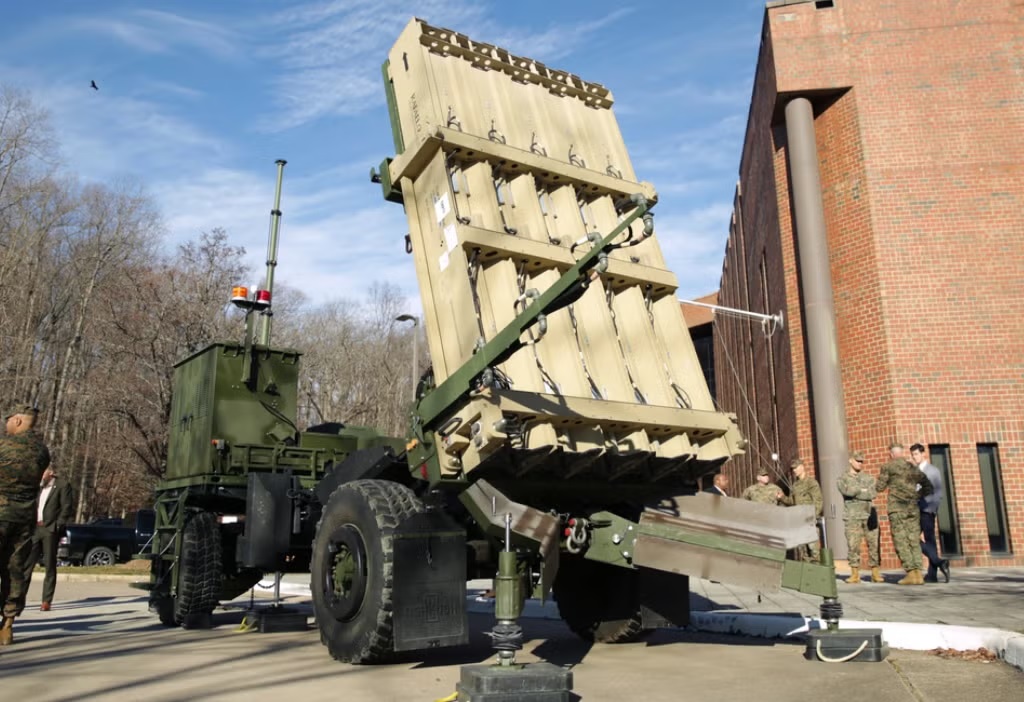
World
GUAM, June 28, 2026 — The U.S. Marine Corps has confirmed the first public deployment of its Medium-Range Intercept Capability (MRIC) air defense system in the Pacific during the ongoing Valiant Shield 2026 military exercise. Marines from the III Marine Expeditionary Force (III MEF) conducted calibration, evaluation, and operational drills with the system at the Mason Live Fire Training Range Complex on Guam between June 24 and June 26. The deployment marks a key step in the Marine Corps' effort to modernize its organic air defense capability for operations in the Indo-Pacific. Valiant Shield 2026, held from June 22 to July 1, is a biennial U.S.-led exercise involving U.S. military services and allied forces across Guam, the Northern Mariana Islands, Japan, and surrounding waters. The exercise focuses on improving joint interoperability and multi-domain operational readiness. Filling a Long-Standing Capability Gap The MRIC restores a medium-range air defense capability the Marine Corps has lacked since retiring its MIM-23 Hawk surface-to-air missile batteries in 1997. Since then, Marines have depended on the U.S. Army's Patriot and THAAD systems for theater-level air defense. Designed to engage aerial threats at ranges between approximately 4 and 70 kilometers (2.5 to 43 miles), the MRIC provides Marine Littoral Regiments with an organic capability to defend against drones, cruise missiles, precision-guided rockets, and fixed-wing aircraft while operating in dispersed expeditionary environments. System Features The MRIC integrates Israeli-developed Iron Dome technology with U.S. Marine Corps command-and-control systems. The trailer-mounted launcher carries up to 20 SkyHunter interceptor missiles, the U.S.-built version of Israel's Tamir interceptor. The SkyHunter features an active radar seeker, a two-way data link for mid-course guidance updates, and a fragmentation warhead with a proximity fuze. The system works with the AN/TPS-80 Ground/Air Task-Oriented Radar (G/ATOR), which provides 360-degree target detection and tracking, while the Common Aviation Command and Control System manages target prioritization and engagement. This integrated architecture enables the system to detect, track, and engage multiple aerial threats simultaneously. Operational Evaluation on Guam The deployment follows the delivery of the first batch of Tamir interceptors from Israel in May 2026, supporting the Marine Corps' first operational MRIC platoon. During the exercise, Marines evaluated radar performance, communications, and engagement procedures under operational conditions. On June 26, engagement control operator Lance Cpl. Billyson Garcia-Almanzar and aviation radar technician Lance Cpl. Caden Hart assessed radar tracking functions. Air defense systems technicians Cpl. Miles Taylor and Lance Cpl. Chris Dorr monitored system diagnostics using specialized SLK devices, while transmissions system operator Lance Cpl. Delano Tracey managed communications through an AN/PRC-117 tactical radio network. The drills expanded on earlier live-fire testing conducted at White Sands Missile Range in New Mexico by evaluating the system in a joint exercise environment. Production and Future Fielding Raytheon received a $380 million full-rate production contract for MRIC hardware in late 2025, increasing the total program value to approximately $412 million. SkyHunter interceptors are produced by Raytheon and Rafael Advanced Defense Systems through their R2S joint venture in East Camden, Arkansas. The Marine Corps plans to field the MRIC to all three Low Altitude Air Defense Battalions between 2026 and 2028. The Guam deployment demonstrates that the first operational platoon is prepared to support joint and expeditionary operations while providing mobile medium-range air defense for forward-deployed Marine forces.
Read More → Posted on 2026-06-28 14:27:35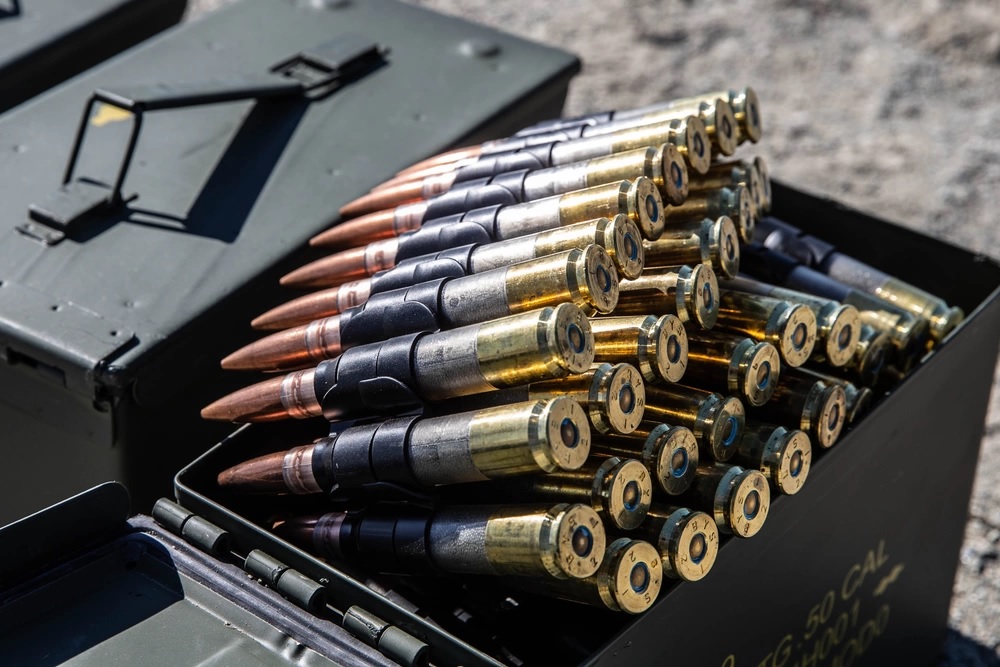
India
PUNE, INDIA , June 28, 2026 — India's Defence Research and Development Organisation (DRDO) has officially initiated the development of two next-generation ammunition technologies—Polymer Cased Ammunition (PCA) and Cased Telescopic Ammunition (CTA)—to modernize infantry weapon systems and improve the operational effectiveness of future small arms. The program is being led by the Armament Research and Development Establishment (ARDE) in Pune. Tenders issued by ARDE in June 2026 invite industry participation for the development of advanced polymer cartridge cases for both ammunition types. The initiative seeks to replace conventional brass and steel cartridge cases with lightweight polymer-based alternatives, reducing ammunition weight while improving weapon performance and manufacturing efficiency. Polymer Cased Ammunition (PCA) Polymer Cased Ammunition (PCA) replaces the traditional metallic cartridge case with a high-strength composite polymer. The lighter material allows soldiers to carry more ammunition without increasing their combat load, improving mobility and endurance during operations. Unlike brass, polymer acts as a thermal insulator rather than a heat conductor. After firing, much of the heat leaves the weapon with the ejected cartridge case, helping reduce chamber temperatures and lowering the risk of heat-related issues during sustained firing. Polymer cases can also be manufactured through injection molding, simplifying production and reducing dependence on strategic metals such as copper and brass. Their corrosion resistance further improves storage life and durability in different operating environments. PCA is intended for use in assault rifles, machine guns, and other standard infantry small arms where weight reduction provides operational benefits. Cased Telescopic Ammunition (CTA) Cased Telescopic Ammunition (CTA) features a redesigned cartridge in which the projectile is fully enclosed within the propellant inside a cylindrical case. This produces a shorter and more compact round while maintaining the same caliber and ballistic performance. Its cylindrical shape improves feeding reliability, reduces the likelihood of weapon jams, and allows engineers to design more compact automatic weapon systems. Uniform ignition of the surrounding propellant can also produce more consistent chamber pressures, contributing to stable ballistic performance. CTA is designed for next-generation infantry rifles, light machine guns, and automated weapon systems where compact ammunition and reliable feeding are important. Benefits for Infantry Operations The adoption of PCA and CTA could significantly improve infantry operations by reducing the weight carried by soldiers, allowing them to carry more ammunition or additional mission equipment without increasing their overall load. Lighter ammunition also improves military logistics by enabling transport aircraft, trucks, and supply vehicles to carry larger quantities of ammunition per shipment. At the same time, improved heat management in PCA and optimized feeding in CTA can reduce wear on weapon components and improve long-term reliability. The technologies also support India's efforts to reduce dependence on imported raw materials and strengthen indigenous ammunition manufacturing capabilities. Future Development The PCA and CTA programs are currently in the industry collaboration phase, with tenders scheduled to close in mid-July 2026. Following material development, the ammunition will undergo testing to evaluate reliability, safety, durability, and compatibility with current and future weapon platforms. Once successfully developed, these technologies are expected to support future Indian Army small arms programs while strengthening India's self-reliant defense manufacturing ecosystem. By focusing on lightweight materials, improved reliability, and efficient cartridge designs, DRDO aims to enhance the effectiveness of India's future infantry weapon systems.
Read More → Posted on 2026-06-28 14:37:11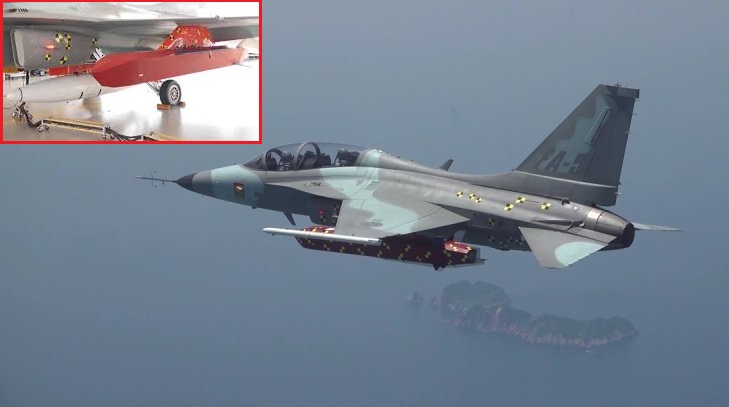
World
SEOUL, June 29, 2026 — South Korea has successfully completed a technical flight test of its domestically developed Cheonryong long-range air-to-ground missile, marking a major milestone in the country's effort to strengthen its long-range precision strike capability. According to the Defense Acquisition Program Administration (DAPA), the missile safely separated from a modified FA-50 light attack aircraft, successfully ignited its engine after release, and maintained a stable powered flight trajectory during the test conducted on June 23 at the Republic of Korea Air Force's 3rd Training and Combat Wing. The flight also confirmed safe separation from the aircraft without interference from the airframe. The successful test follows two unsuccessful attempts in January and March, when the missile failed to ignite its engine after separation. Engineers remotely terminated both flights and safely ditched the prototypes into the Yellow Sea (West Sea). No casualties or property damage were reported. Designed for Hardened Underground Targets Cheonryong, meaning "Heavenly Dragon," is designed to destroy heavily fortified underground military infrastructure, including ballistic missile storage sites, command centers, leadership bunkers, and other strategic facilities built into granite mountains. The missile carries a specialized bunker-busting warhead capable of penetrating up to 6 meters (20 feet) of reinforced concrete before detonation. According to the Seoul Economic Daily, the missile has a range exceeding 600 kilometers (373 miles) and uses a multi-mode guidance system combining terrain contour matching, inertial navigation, and image-based terminal guidance. The guidance package enables a reported circular error probable (CEP) of 1 to 2 meters, even in GPS-denied or jammed environments. Cheonryong also incorporates a stealth-optimized airframe, radar-absorbent materials, and a low-altitude flight profile to reduce its radar signature during penetration missions. Reducing Dependence on Imported Missiles South Korea currently operates around 260 German-built Taurus KEPD 350 cruise missiles, but the Republic of Korea Air Force estimates it requires approximately 600 long-range air-to-ground guided munitions for the initial phase of a potential conflict. The domestically developed Cheonryong is intended to fill this gap while reducing reliance on imported weapons. Compared with the Taurus, the missile is expected to retain about 90 percent of its bunker penetration capability while extending operational range by approximately 20 percent. Another operational advantage is its internal propellant storage system. Unlike the Taurus, which requires fueling before deployment, Cheonryong can remain fully fueled for five to ten years, allowing aircraft to remain on alert and reducing launch preparation time. Integration Across South Korea's Fighter Fleet Cheonryong has been designed for integration with the KF-21 Boramae, FA-50, KF-16, and F-15K, allowing long-range strike capability to be distributed across multiple aircraft types. Its reduced dimensions and weight also support compatibility with the KF-21's carriage requirements. The missile forms part of South Korea's Korean Three-Axis System, supporting the Kill Chain pre-emptive strike capability and the Korea Massive Punishment and Retaliation (KMPR) framework. Developed by the Agency for Defense Development (ADD) in partnership with LIG Nex1 and Hanwha Aerospace, the Cheonryong program is scheduled to complete development by 2028, begin mass production in 2029, and enter operational service aboard the KF-21 Boramae and other Republic of Korea Air Force aircraft in the early 2030s.
Read More → Posted on 2026-06-29 10:09:54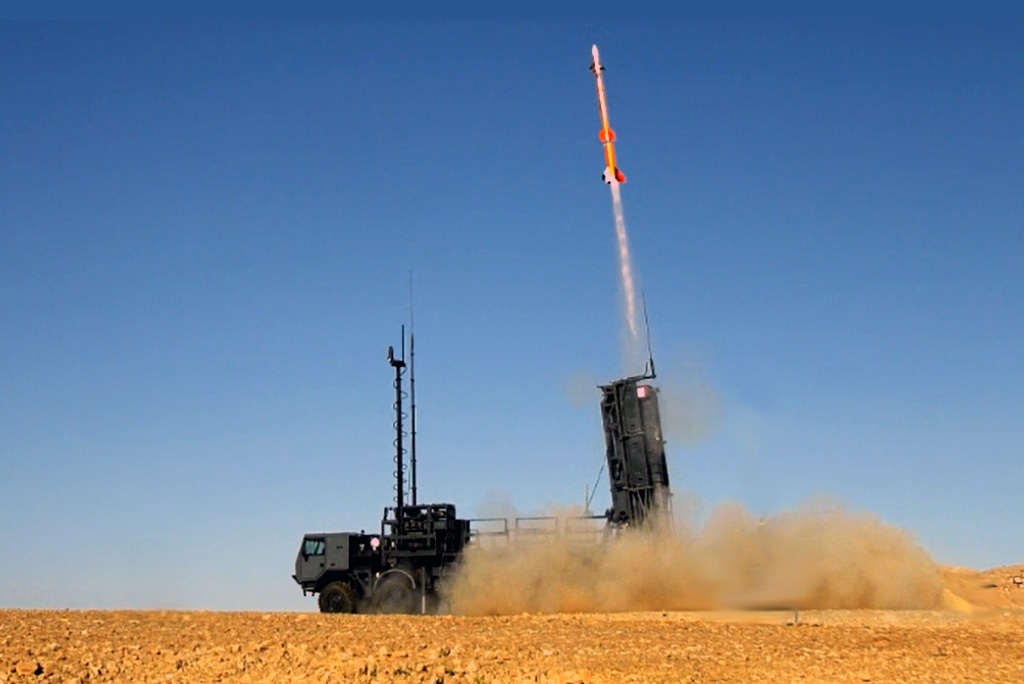
World
BUCHAREST/TEL AVIV, June 29, 2026 — Romania has signed a €2 billion (approximately $2.3 billion) framework agreement with Israel's Rafael Advanced Defense Systems to procure SPYDER short-range and very-short-range air defense (SHORAD-VSHORAD) systems, marking the largest contract in the Israeli defense company's history. The agreement represents a major milestone in Romania's air defense modernization program and forms part of a broader seven-year procurement framework concluded in July 2025. Deliveries of the first systems are expected to begin within 36 months, providing the Romanian Armed Forces with an initial operational capability. Framework Agreement and Procurement The initial contract includes the delivery of multiple integrated SHORAD-VSHORAD air defense batteries, together with launchers, interceptors, radar systems, training and simulation infrastructure, and comprehensive logistics support. Reports indicate that Romania plans to acquire six integrated V/SHORAD units over the seven-year framework period, along with associated ammunition and support services. Further details regarding the delivery schedule and implementation phases are expected as the program moves forward. The agreement also includes an industrial cooperation package that will establish local production capabilities in Romania, supporting the country's defense industrial base and enabling long-term maintenance and sustainment. Romania intends to finance part of the acquisition through European Union defense initiatives, including the Ammunition Production Support Act (ASAP) and the European Defence Industry Reinforcement through Common Procurement Act (EDIRPA). SPYDER Selected Through Competitive Tender Romania selected Rafael's SPYDER system following a competitive procurement process completed earlier in 2025. The Israeli system was chosen over competing offers from MBDA's Mistral 3, Diehl Defence's IRIS-T, and South Korea's LIG Nex1. The selection reflects Romania's effort to strengthen its layered air defense network in response to evolving regional security requirements. SPYDER Air Defense System Capabilities SPYDER is a mobile, quick-reaction air defense system designed to counter a broad range of aerial threats, including aircraft, helicopters, drones, cruise missiles, and precision-guided munitions. The system employs two interceptor missiles: Python-5, an infrared-guided interceptor with a range of approximately 40 kilometers. I-Derby, an active radar-guided interceptor capable of engaging targets at ranges of up to 80 kilometers. Its modular architecture allows deployment for both fixed-site air defense and protection of maneuvering military formations. One of SPYDER's key features is its "All-In-One" configuration, which integrates the radar, electro-optical sensors, command-and-control system, and interceptor launchers onto a single vehicle. This design reduces deployment time, minimizes the operational footprint, and provides 360-degree, all-weather coverage while allowing simultaneous engagement of multiple targets. The new SHORAD-VSHORAD capability will complement Romania's existing Patriot long-range air defense systems, creating a more comprehensive layered air defense architecture. Expanding Romania-Israel Defense Cooperation The agreement further strengthens more than three decades of defense cooperation between Romania and Rafael. The Israeli company has previously supplied the Romanian Air Force, Land Forces, and Navy with SPIKE tactical missile systems, electro-optical equipment, and communications technologies. Romania will also join a growing group of European and NATO members, including the Czech Republic, that have adopted Israeli air defense systems to enhance protection against modern aerial threats. Rafael's Largest Contract According to Rafael, the agreement is the largest contract in the company's history and the second-largest defense export deal ever secured by an Israeli defense company, surpassed only by Israel Aerospace Industries' $3.5 billion Arrow 3 missile defense agreement with Germany in 2023. The procurement is one of Romania's largest recent defense acquisitions and forms part of the country's broader investment strategy to strengthen national air defense capabilities, improve interoperability with NATO allies, and enhance protection of its airspace against evolving aerial threats.
Read More → Posted on 2026-06-29 10:19:08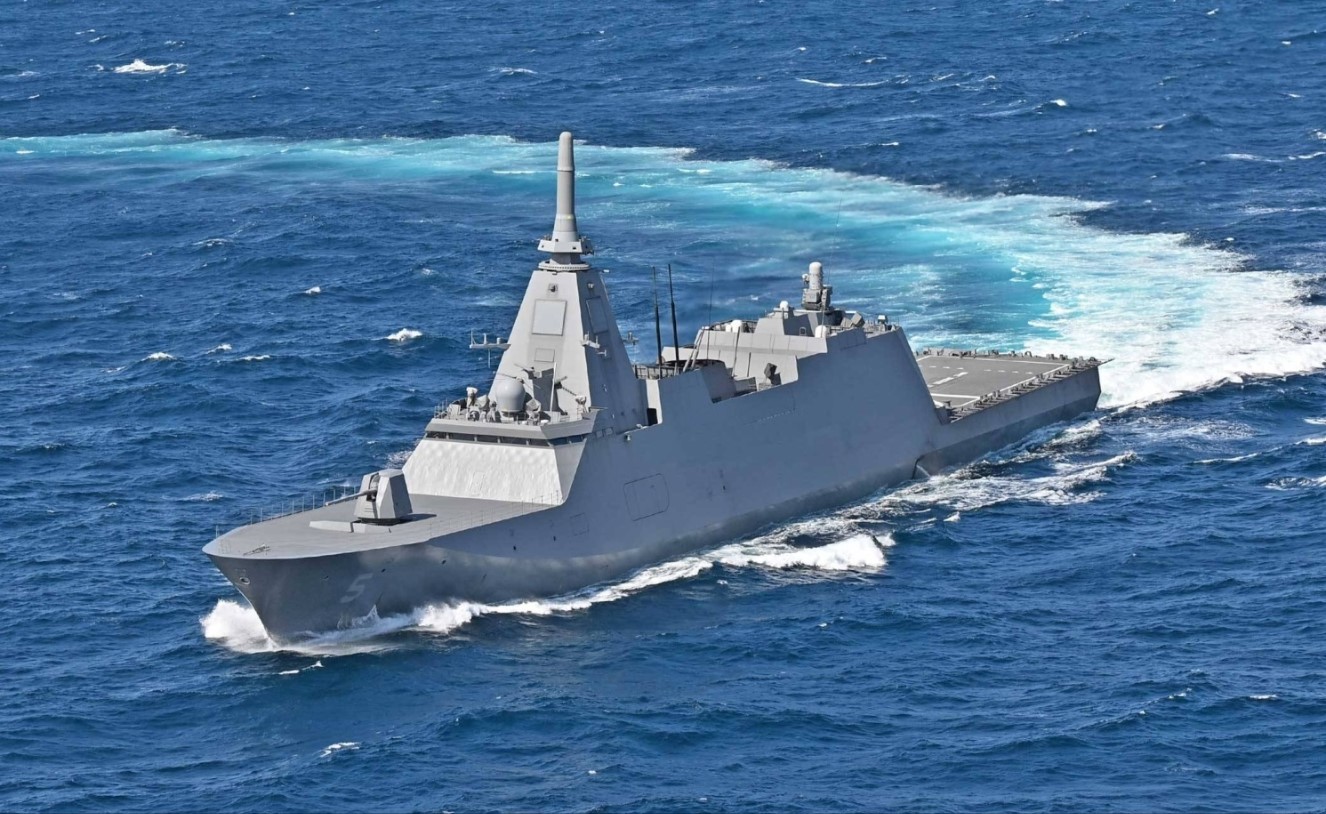
World
NAGASAKI, Japan, June 29, 2026 — The Japan Maritime Self-Defense Force (JMSDF) officially commissioned its 10th Mogami-class frigate, JS Nagara (FFM-10), into active service on Monday during a flag-raising and commissioning ceremony at Mitsubishi Heavy Industries (MHI)'s Nagasaki shipyard. The vessel was formally accepted into the JMSDF fleet during the ceremony, marking another step in Japan's ongoing effort to modernize its surface fleet. Following its commissioning, JS Nagara will be assigned to the 2nd Patrol Division based at Kure Naval Base in Hiroshima Prefecture. Modern Frigate with Reduced Crew Requirements Built by Mitsubishi Heavy Industries at an estimated cost of 52.3 billion yen (approximately $323 million), JS Nagara measures 133 meters in length with a beam of 16.3 meters. The frigate incorporates a stealth-oriented hull design that reduces its radar cross-section while supporting multi-mission naval operations. The ship is powered by a Combined Diesel and Gas (CODAG) propulsion system consisting of two MAN diesel engines and a Rolls-Royce MT30 gas turbine, enabling speeds of more than 30 knots. One of the defining features of the Mogami class is its high level of automation. An advanced Ship Handling System integrates navigation, machinery management, and ship control functions into a centralized system, allowing the frigate to operate with a crew of approximately 90 personnel. The automation also supports one-person maneuvering during certain operations, reducing manpower requirements compared with previous JMSDF surface combatants. Commissioned with Mk.41 Vertical Launching System Unlike earlier Mogami-class frigates, JS Nagara entered service with a fully installed 16-cell Mk.41 Vertical Launching System (VLS) already integrated during construction. Earlier ships in the class were commissioned before receiving the launcher, with VLS installations carried out later through retrofit programs. The delays were caused by supply chain disruptions resulting from the COVID-19 pandemic and the global semiconductor shortage, which affected the production schedule of Mk.41 launch systems manufactured under license in Japan by Mitsubishi Heavy Industries. The Japan Ministry of Defense has since secured contracts for 12 Mk.41 VLS units, which will equip both newly built frigates and earlier vessels that initially entered service without the launcher. Construction Completed in Approximately Three Years Construction of JS Nagara progressed from keel laying to commissioning in approximately three years. The ship's keel was laid at the MHI Nagasaki shipyard on July 6, 2023, before it was launched on December 19, 2024. Following outfitting, sea trials, and final acceptance, the frigate officially entered JMSDF service on June 29, 2026. Designed for Multi-Mission Operations The Mogami-class frigates are designed to perform a wide range of missions, including maritime surveillance, anti-submarine warfare, anti-surface warfare, mine countermeasure support, and maritime security operations. The class has a standard displacement of approximately 3,900 tonnes and a full-load displacement of around 5,500 tonnes. In addition to the Mk.41 VLS, the ships are equipped with a 127 mm Mk.45 Mod 4 naval gun, Type 17 anti-ship missiles, a SeaRAM close-in weapon system, lightweight torpedoes, and facilities to operate one helicopter. Part of Japan's Largest Post-War Frigate Program The Mogami-class program was launched in 2019 to replace the aging Hayabusa-class missile boats and Abukuma-class escort destroyers. It represents Japan's largest naval shipbuilding program since the end of the Second World War. To accelerate production, Mitsubishi Heavy Industries adopted a construction strategy that allowed two hulls to be built simultaneously. The first two ships, JS Mogami and JS Kumano, had their keels laid on October 29 and October 30, 2019, respectively. Although JS Kumano was launched on November 19, 2020, the lead ship JS Mogami was launched later on March 3, 2021, after technical damage occurred to its Rolls-Royce MT30 gas turbine during bench testing because of a faulty test-rig component. Following the resolution of that issue, construction of the subsequent ten frigates proceeded without major interruption. The current procurement phase of 12 Mogami-class frigates is now nearing completion. On December 22, 2025, Mitsubishi Heavy Industries held the naming and launching ceremony for JS Yoshii, the 12th and final ship of the class. With the commissioning of JS Nagara, the JMSDF continues to strengthen its fleet with modern, highly automated multi-mission frigates as Japan advances its long-term naval modernization program.
Read More → Posted on 2026-06-29 10:35:31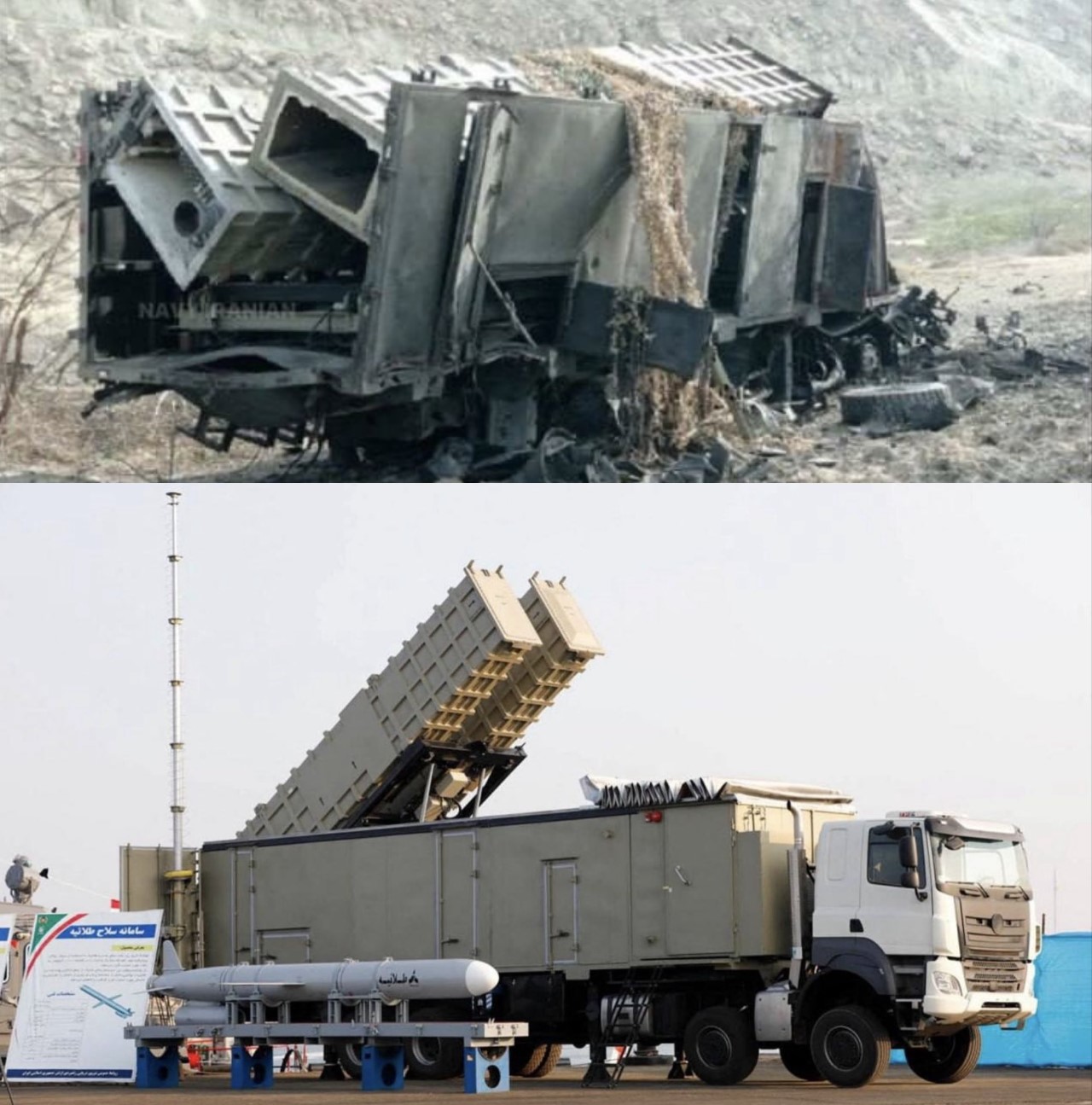
World
SIRIK ISLAND, Iran, June 29, 2026 — The U.S. military carried out a precision airstrike on Sirik Island near the Strait of Hormuz, destroying a mobile launcher belonging to Iran's Talaiyeh anti-ship cruise missile system as part of ongoing operations targeting Iranian military assets in the region. According to battlefield assessments and imagery captured by local sources, the strike targeted a twin-launcher transport vehicle and directly hit the truck cabin. The impact completely neutralized the launcher, destroying one missile launch canister while leaving the second canister intact with a missile still inside. The operation was reportedly conducted by a U.S. Air Force MQ-9 Reaper unmanned aerial vehicle. The strike is part of broader U.S. military operations in response to Iranian activities affecting regional security and commercial shipping routes. In recent days, U.S. Central Command has also announced strikes on Iranian missile and drone storage facilities, launch infrastructure, and related military sites. The Talaiyeh anti-ship cruise missile system was formally unveiled by the Islamic Republic of Iran Navy on December 24, 2023. The missile is based on technology derived from the Soviet-era Kh-55 cruise missile and is powered by an air-breathing jet engine, enabling it to cruise at approximately 900 kilometers per hour (Mach 0.78) while flying at low altitude. Iranian officials state that the missile has an operational range exceeding 1,000 kilometers and carries a 400-kilogram high-explosive warhead designed to engage large naval targets. The Talaiyeh missile is also described as featuring a "smart" guidance system capable of changing its flight path and switching targets during flight, allowing it to engage both maritime and land-based targets. The destroyed launcher was positioned on Sirik Island, located along Iran's southern coastline near the Strait of Hormuz, one of the world's most strategically important maritime chokepoints. Approximately one-fifth of global oil trade passes through the waterway, making security in the area a key concern for international shipping and energy markets. Military analysts say the destruction of the Talaiyeh launcher is expected to reduce Iran's ability to deploy long-range mobile anti-ship missiles from that location. Mobile launchers are considered more difficult to detect and relocate quickly, making them an important component of coastal defense operations. The United States and its allies have repeatedly expressed concerns over the deployment of advanced anti-ship missile systems near major commercial shipping lanes, arguing that such capabilities increase potential risks to international maritime traffic. U.S. operations in the region continue to focus on degrading missile, drone, and coastal strike capabilities that could threaten freedom of navigation through the Strait of Hormuz.
Read More → Posted on 2026-06-29 10:46:18
World
YOKOSUKA, Japan, June 29, 2026 — The U.S. Naval Ship Repair Facility and Japan Regional Maintenance Center (SRF-JRMC) has successfully completed scheduled Chief of Naval Operations (CNO) maintenance availabilities for two major U.S. Navy warships, returning the Arleigh Burke-class guided-missile destroyer USS Shoup (DDG-86) and the Nimitz-class aircraft carrier USS George Washington (CVN-73) to the U.S. 7th Fleet on schedule. USS Shoup completed its maintenance availability and returned to operational service on May 11, while USS George Washington rejoined the fleet on May 13, following the successful completion of planned repair and maintenance work. The maintenance periods included inspections, repairs, system upgrades, and other work required to ensure both vessels remain fully mission-capable for operations in the Indo-Pacific region. The work formed part of the Navy's Chief of Naval Operations maintenance program, which supports the long-term readiness and operational availability of forward-deployed naval forces. According to the U.S. Navy, completing these maintenance periods on schedule highlights SRF-JRMC's role in generating and sustaining combat-ready ships assigned to the U.S. 7th Fleet. Conducting repairs and modernization work in Japan allows the Navy to maintain continuous operational presence in the Indo-Pacific without sending ships back to maintenance facilities in the continental United States, reducing downtime and increasing fleet availability. The maintenance effort required extensive coordination among U.S. Navy sailors, civilian maintenance personnel, Japanese Master Labor Agreement employees, local Yokosuka contractors, and U.S.-based defense companies. Navy officials said this collaborative approach enables the facility to efficiently support forward-deployed vessels while maintaining scheduled maintenance timelines. SRF-JRMC has supported U.S. naval operations in Japan for more than 75 years, providing intermediate and depot-level maintenance, repairs, modernization, and technical support for ships assigned to the U.S. 7th Fleet. The facility serves as one of the Navy's primary maintenance centers for forward-deployed forces in the Indo-Pacific. The U.S. Navy stated that performing ship maintenance in Japan strengthens fleet readiness, maximizes the availability of combat vessels, and supports the United States' long-term commitment to maintaining a free and open Indo-Pacific. The timely return of USS Shoup and USS George Washington, the Navy's forward-deployed aircraft carrier, ensures the 7th Fleet retains essential operational capabilities across the region. Officials also noted that consistent and timely maintenance remains a critical component of regional security by ensuring surface combatants and aircraft carriers remain prepared for operational deployments. During 2026, SRF-JRMC has delivered multiple ships back to the fleet on or ahead of schedule, reinforcing its role in sustaining mission-ready naval forces throughout the Indo-Pacific.
Read More → Posted on 2026-06-29 11:03:27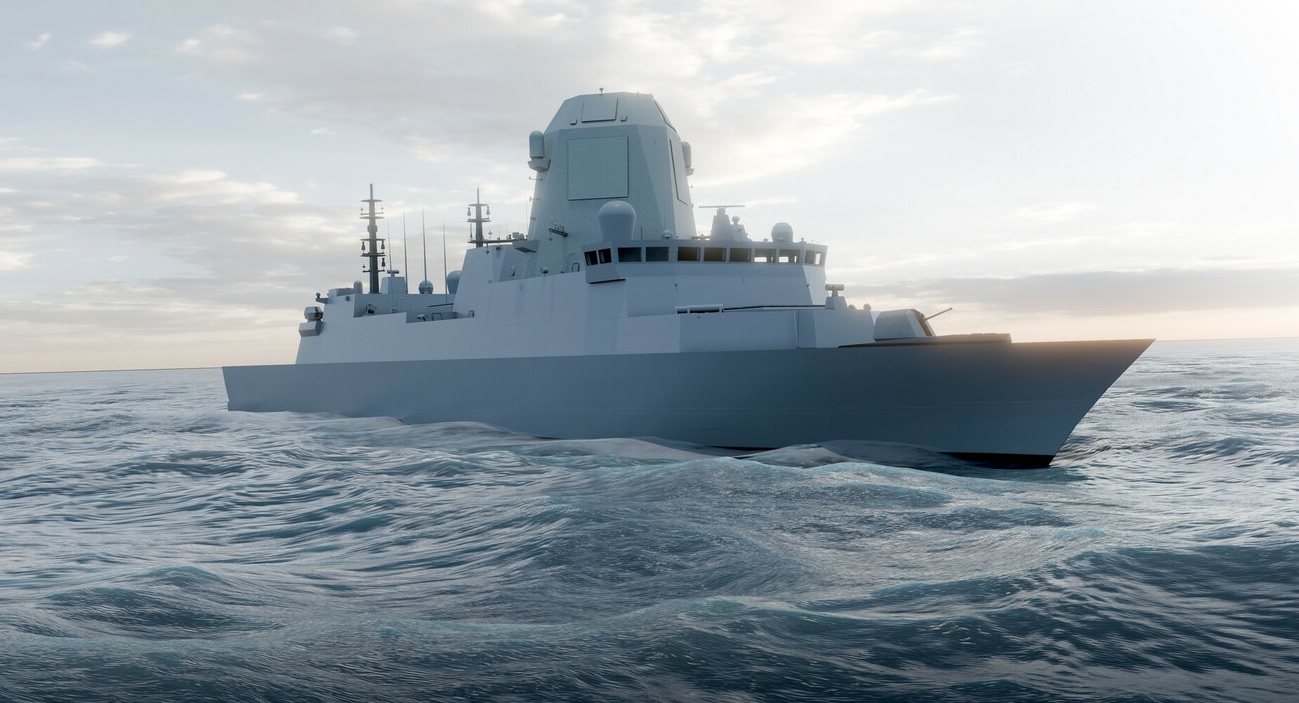
World
LONDON, June 29, 2026 — The British government has officially cancelled the Royal Navy's Type 83 destroyer programme, ending development of the next-generation warship that was intended to replace the fleet's six Type 45 destroyers. The decision, announced in the latest Defence Investment Plan, marks a major change in the UK's naval modernization strategy, with future investment shifting toward Common Combat Vessels (CCVs) designed to coordinate uncrewed systems across multiple domains. The Type 83 programme entered its concept phase in 2025 and was expected to become a key element of the Royal Navy's Future Air Dominance System. The destroyers were planned to enter service during the mid-to-late 2030s as the Type 45 fleet retires by the end of 2038. With no direct replacement currently planned, the Royal Navy is expected to operate without traditional destroyers after that date. Shift to Hybrid and Uncrewed Operations Instead of pursuing a new class of destroyers, the Ministry of Defence plans to procure at least six Common Combat Vessels. These hybrid warships will function as command platforms for uncrewed aerial, surface, and underwater systems, supporting distributed maritime operations rather than serving as heavily armed frontline combatants. Defence Secretary Dan Jarvis said the new vessels will provide sailors with hybrid ships designed to command networks of autonomous systems suited to modern warfare. Housing Secretary Steve Reed added that Britain must prepare for future conflicts rather than continue relying solely on legacy platforms. Financial Pressures End Type 83 Development The cancellation reflects increasing pressure on the UK's defence budget as funding priorities expand across nuclear deterrence, combat aircraft procurement, and wider military modernization programmes. The Type 83 remained in the early concept stage and received limited funding. Defence Minister Luke Pollard recently disclosed that only around £1 million had been allocated for platform-specific design work over three financial years. The planned destroyer would have significantly expanded the Royal Navy's air defence capability, with proposals calling for 70 to 128 Vertical Launch System (VLS) cells, advanced radar and sensor suites, greater electrical power generation, enhanced command facilities, and the potential for minimal or optional crewing. By comparison, the current Type 45 destroyers carry 48 VLS cells. While autonomous systems can extend operational reach and reduce costs, defence analysts continue to caution that current uncrewed technologies cannot fully replace heavily armed destroyers during high-intensity naval warfare. Widening Gap in Surface Combat Capability The UK's decision comes as several major naval powers continue expanding their fleets of large surface combatants. China continues to build destroyers at a rate comparable to the rest of the world combined. Its Type 055 destroyer is equipped with 112 VLS cells. The United States is developing the DDG(X) next-generation destroyer alongside the larger BBG(X) nuclear-powered capital ship, while its Arleigh Burke-class destroyers carry 96 VLS cells. North Korea, after launching its first two destroyers in 2025, plans to commission two destroyers annually. At that pace, its destroyer fleet is projected to exceed the Royal Navy's by 2029 and double it by 2031. Industrial Challenges The decision also reflects ongoing concerns about the UK's ability to deliver and sustain complex naval programmes. The Type 45 destroyers have experienced propulsion reliability issues during their service life, particularly during operations in warm waters. The Queen Elizabeth-class aircraft carriers have also faced mechanical failures and flooding incidents, while maintenance capacity for the Royal Navy's submarine fleet has remained under strain, reducing overall fleet availability. Future Surface Fleet The cancellation of the Type 83 programme represents a significant shift in the Royal Navy's future force structure. Rather than replacing the Type 45 with another class of large destroyers, the UK plans to rely on a mix of frigates, Common Combat Vessels, and autonomous systems for future maritime operations, reflecting both budget realities and the growing role of uncrewed technology in naval warfare.
Read More → Posted on 2026-06-29 11:16:35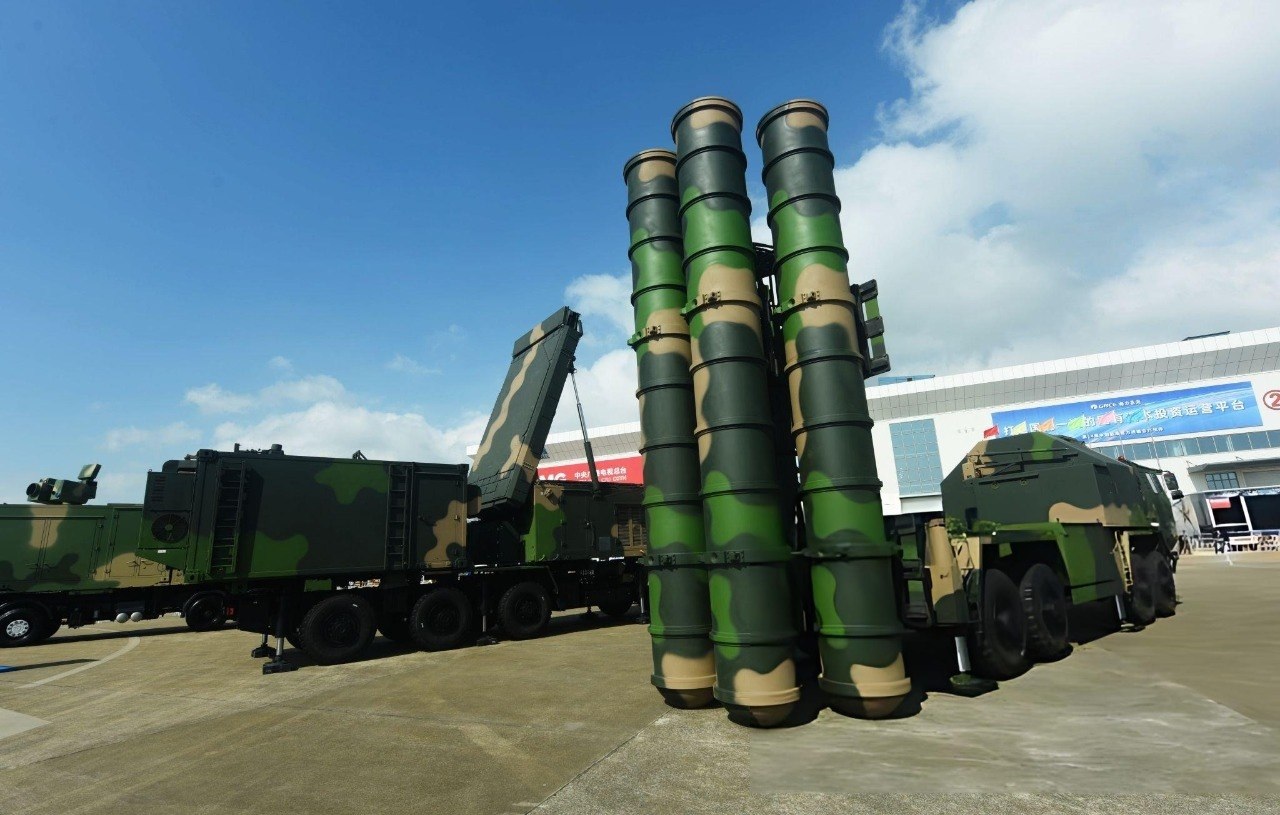
World
BELGRADE, Serbia, June 29, 2026 — Serbia has officially moved forward with the procurement of China's HQ-9 long-range surface-to-air missile (SAM) system as part of a broader military modernization program that also includes plans to acquire new fighter aircraft, President Aleksandar Vučić announced on June 28. The acquisition will complete Serbia's multi-layered Chinese-built air defense network, making it the first European country to field an integrated three-tier Chinese air defense architecture. Completing a Three-Tier Air Defense Network Serbia has steadily expanded its air defense capabilities over the past several years by introducing Chinese missile systems covering short, medium, and long-range engagements. The Serbian Armed Forces currently operate two batteries of the HQ-17AE short-range air defense (SHORAD) system for point defense of critical military facilities and infrastructure. In April 2022, Serbia received four batteries of the FK-3 surface-to-air missile system, the export version of China's HQ-22, providing engagement ranges of around 100 kilometers for area air defense. The planned acquisition of the HQ-9, likely in the FD-2000 export configuration or HQ-9B variant, will add a long-range layer capable of engaging aircraft, AWACS platforms, strategic bombers, cruise missiles, and certain ballistic missile threats at distances of up to 200–250 kilometers. Together, the three systems provide overlapping protection against aerial threats across multiple ranges and altitudes. HQ-9 Capabilities The HQ-9 is China's premier long-range surface-to-air missile system and is widely compared with the Russian S-300PMU2, S-400, and the U.S. MIM-104 Patriot. The system consists of truck-mounted launchers, radar units, and command vehicles, enabling rapid deployment and relocation after firing. Its advanced radar and command network can share target data with Serbia's FK-3 and HQ-17AE batteries, improving overall air defense coordination. New Fighter Aircraft Planned President Vučić also confirmed that Serbia is moving forward with plans to replace its aging MiG-29 fighter fleet with new combat aircraft. Although no aircraft type has been officially selected, defense analysts have identified China's JF-17 Block 3 and France's Dassault Rafale among the aircraft previously considered by Belgrade. Serbia has already expanded the capabilities of its MiG-29 fleet by integrating the Chinese CM-400AKG hypersonic air-to-surface ballistic missile, making it the first European operator of the weapon. Strategic Significance Serbia continues to follow a policy of military non-alignment while purchasing defense equipment from Western, Russian, and Chinese suppliers. The decision to acquire the HQ-9 instead of Russia's S-400 allows Belgrade to avoid sanctions associated with Russian defense exports while benefiting from China's growing role as a supplier of advanced military systems. The Serbian government has not disclosed the number of HQ-9 batteries, the contract value, or the expected delivery schedule.
Read More → Posted on 2026-06-29 11:23:23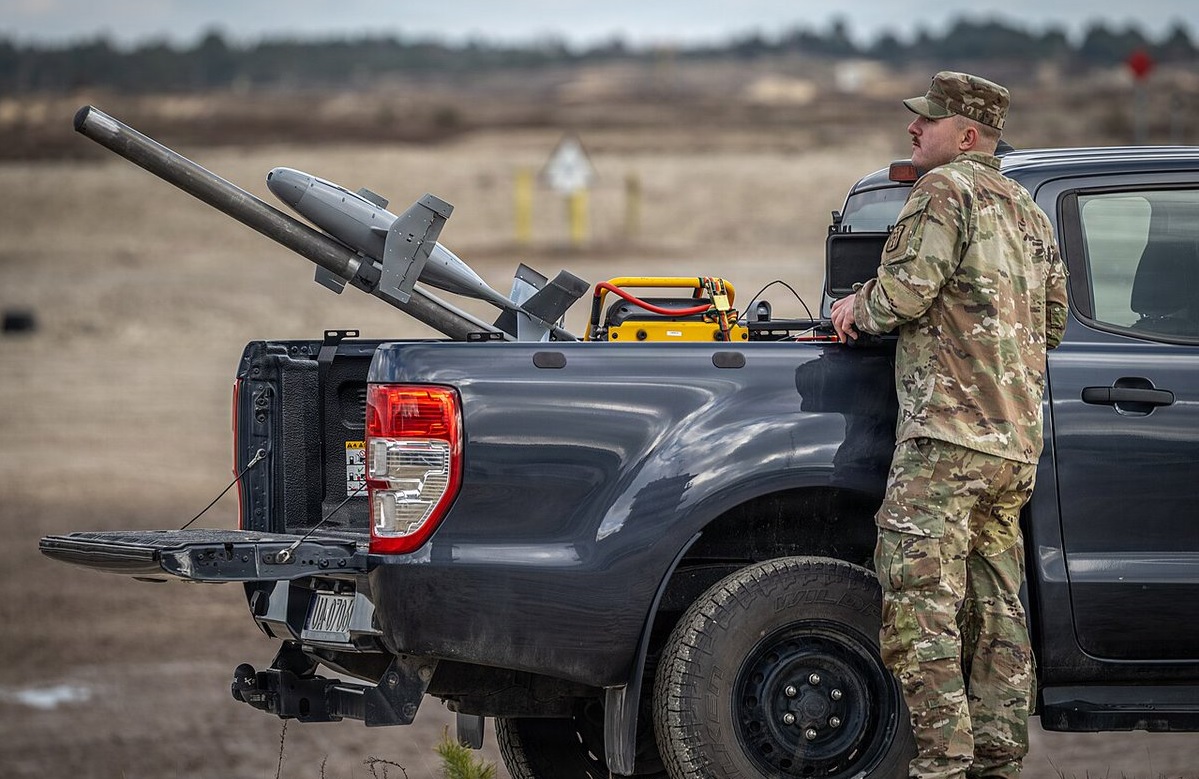
World
BUCHAREST, Romania , June 29, 2026 — Romania has officially integrated the U.S.-supplied Merops counter-unmanned aerial system (C-UAS) into the air defense architecture of the Romanian Armed Forces, the Ministry of National Defence (MApN) announced. The system, provided under the bilateral Strategic Partnership between Romania and the United States, is now fully operational following extensive testing, evaluation, and operational validation. The integration strengthens Romania's ability to detect, track, and neutralize small, low-altitude unmanned aerial threats, reinforcing the country's air defense capabilities along NATO's eastern flank amid the increasing use of drones in regional conflicts. AI-Powered Counter-Drone System Developed by Project Eagle, a defense technology venture founded by former Google CEO Eric Schmidt, the Merops system combines artificial intelligence, radar, electro-optical sensors, and sensor fusion to autonomously detect and engage hostile drones. The system consists of radar and electro-optical sensors, ground control stations, and mobile launch units that deploy a fixed-wing interceptor drone known as the Surveyor. The interceptor reaches speeds of up to 175 mph (282 km/h) and can continue its mission even in GPS- or radio-jammed environments by relying on onboard AI together with thermal, radio-frequency, and radar sensors to autonomously locate and intercept targets. Designed as a cost-effective counter-drone solution, each Surveyor interceptor costs approximately $14,500 to $15,000, significantly less than traditional surface-to-air missiles. It can neutralize hostile drones either through direct impact or by detonating a small onboard warhead. If an interception is unsuccessful, the interceptor deploys a parachute, allowing it to be safely recovered and reused. Operational Validation and Deployment Before entering operational service, the Merops system was validated during field trials at the Capu Midia Air Defence Training Range in April 2026. Overseen by Romanian Defence Minister Radu Miruță, the tests evaluated radar detection, thermal-imaging targeting, and autonomous engagement capabilities against representative drone targets. Romania plans to deploy the system primarily along the Danube River corridor, an area that has experienced repeated security incidents linked to the war in neighboring Ukraine. Romanian authorities have reported several incursions by Russian-made Shahed (Geran-2) drones over the past year, including an incident in late April 2026 in which a drone struck an apartment building in the border city of Galați. Merops has already demonstrated operational effectiveness in Ukraine, where it has been in service since 2024 and has reportedly accounted for approximately 40 percent of intercepted Shahed drones. The system is also currently deployed by the Polish Armed Forces, making Romania one of its early NATO operators. Expanding Romania's Layered Air Defense According to the Romanian Defence General Staff, the modernization of the country's airspace surveillance and defense network remains an ongoing effort to improve response times and strengthen protection for the civilian population and national territory. The Merops system will serve as a dedicated counter-UAS layer alongside Romania's existing air defense assets, including F-16 fighter aircraft, Patriot air defense systems, and Gepard self-propelled anti-aircraft guns. Romania is also expanding its short-range air defense capabilities through a recently signed framework agreement with Rafael Advanced Defense Systems for integrated SHORAD and VSHORAD systems, including the Spyder platform. The Ministry of National Defence said the continued modernization of Romania's air defense network is being carried out in close coordination with NATO allies and international partners to address evolving security challenges while protecting the country's citizens, critical infrastructure, and national territory.
Read More → Posted on 2026-06-29 11:40:37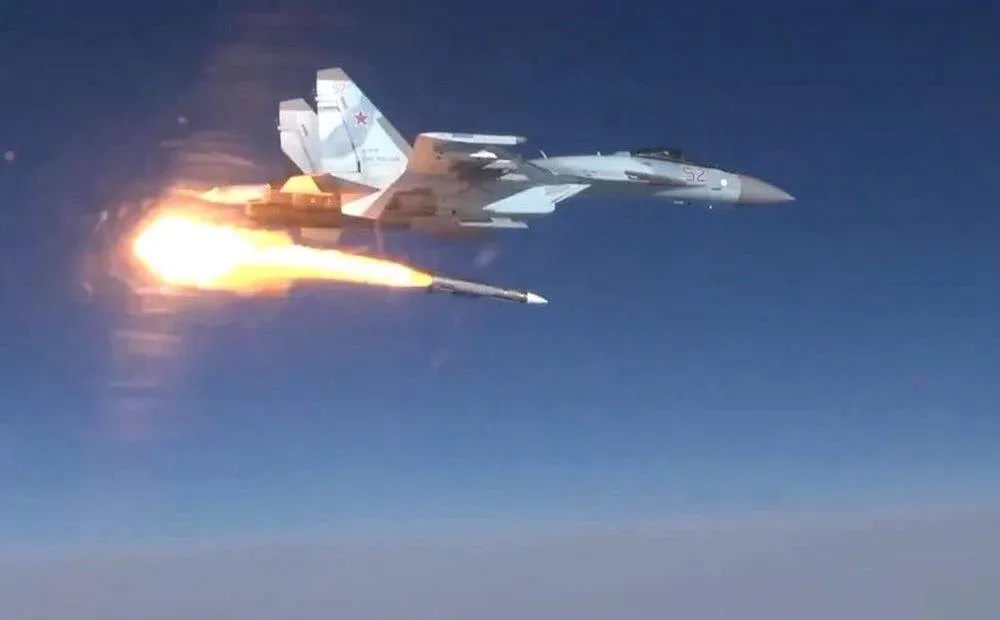
World
KYIV, June 29, 2026 — A Russian Aerospace Forces Su-35S fighter reportedly shot down a Ukrainian MiG-29 during a nighttime combat mission over Ukraine's Poltava Oblast from an estimated distance of 190 kilometers (approximately 118 miles). If confirmed, the interception would rank among the longest-range air-to-air kills recorded in modern combat. The engagement took place during the night of June 26–27, 2026. Ukraine confirmed the loss of the MiG-29, stating that the pilot successfully ejected and survived. The reported shootdown came on the same day that Russian loitering munitions reportedly destroyed two additional Ukrainian MiG-29s on the ground at the Voznesensk airfield in Ukraine's Mykolaiv region, adding further pressure on Ukraine's tactical aviation fleet. Long-Range Engagement According to open-source intelligence assessments and tracking data, the Russian Su-35S launched the missile while operating inside Russian-controlled airspace over the Belgorod region. The Ukrainian MiG-29 was reportedly flying near Velyka Bahachka or Shyshaky in Poltava Oblast when it was engaged. Military analysts say launching from within Russian territory enables Russian fighters to employ long-range stand-off tactics while remaining beyond the reach of many Ukrainian ground-based air defense systems. R-37M Believed to Have Been Used Military observers believe the Su-35S used the R-37M long-range air-to-air missile, known by NATO as the AA-13 Axehead, although independent verification of the missile type remains limited. Originally developed by Vympel for the MiG-31BM interceptor, the R-37M was designed to engage high-value airborne targets such as AWACS aircraft and aerial refueling tankers at extended ranges. It was later integrated onto the Su-35S and Su-30SM multirole fighters. The missile is powered by a dual-pulse solid rocket motor, reaches speeds approaching Mach 6 (around 7,350 km/h), and carries a 60-kilogram high-explosive fragmentation warhead. It has a reported maximum range of up to 400 kilometers when launched from a MiG-31BM and an estimated effective range of about 350 kilometers when fired from a Su-35S due to differences in launch altitude and speed. Shift Toward Network-Centric Air Combat The reported engagement reflects the growing role of beyond-visual-range (BVR) combat, where long-range sensors, data links, and missile performance are increasingly more important than close-range maneuvering. Although equipped with the powerful Irbis-E radar, the Su-35S requires external targeting support to engage targets at its longest ranges. Russian forces reportedly rely on A-50U airborne early warning aircraft and ground-based radar networks to provide target tracking and mid-course guidance updates to the missile. Impact on Ukrainian Operations The continued use of long-range missiles such as the R-37M has forced Ukrainian pilots to adapt their tactics by flying at very low altitudes to reduce radar detection. While terrain masking can improve survivability, it also increases fuel consumption, reduces sensor effectiveness, and limits operational flexibility. Ukraine's MiG-29 fleet, including aircraft upgraded to employ selected Western-supplied weapons, continues to carry out combat missions despite ongoing losses. Open-source analysts have identified flight paths and missile trajectories broadly consistent with reports of the engagement. However, independent confirmation of the exact launch distance, missile type, and full sequence of events remains limited. If confirmed, the reported 190-kilometer interception would be among the longest-range fighter-versus-fighter air combat kills documented in modern military aviation, highlighting the increasing importance of long-range weapons and integrated sensor networks in contemporary air warfare.
Read More → Posted on 2026-06-29 12:00:39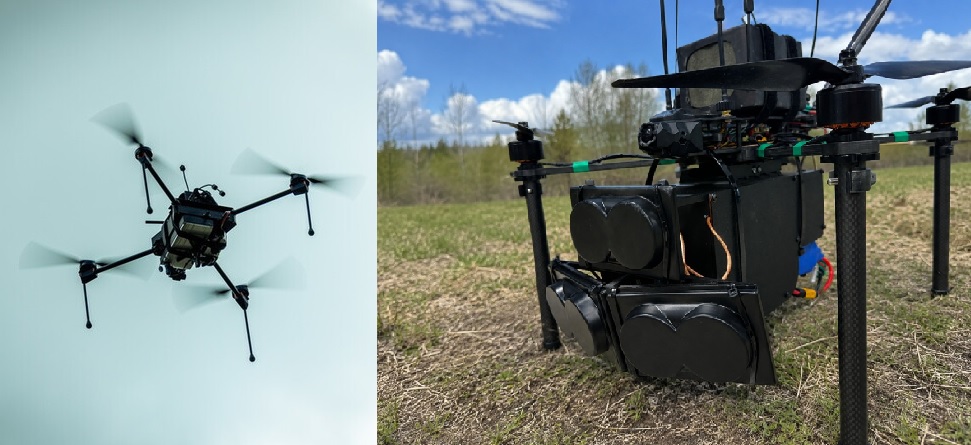
World
TALLINN, Estonia, June 29, 2026 — Estonian soldiers have successfully demonstrated a new portable airborne signals intelligence (SIGINT) capability by integrating an autonomous passive radio frequency (RF) sensor with a lightweight First-Person View (FPV) drone during Exercise Spring Storm, the country's largest annual military exercise. The system detected hostile electronic emitters at distances beyond the reach of conventional ground-based sensors, providing frontline units with improved battlefield intelligence. The demonstration combined the SkyAgent 001 autonomous passive RF sensor, developed by Estonia-based Sky Spy, with the MRM2-10 FPV drone platform built by Croatian drone manufacturer Orqa. The integrated system creates a compact airborne electronic intelligence capability that can be carried, deployed, and operated by a single soldier within minutes. The evaluation was conducted with Estonia's 131st Infantry Battalion in a simulated electromagnetic attack scenario organized by the Estonian Defence Forces' Force Transformation Command. According to the participating companies, it was the first confirmed operational demonstration of the combined system with NATO forces. Airborne SIGINT Extends Detection Range Signals intelligence (SIGINT) involves detecting and analyzing radio frequency emissions from military systems such as radars, electronic warfare equipment, drone control stations, and communication networks. Identifying these electronic emitters enables commanders to locate enemy assets and employ countermeasures, including electronic jamming, artillery, or anti-drone systems. Ground-based SIGINT sensors are often limited by terrain features such as hills, forests, and buildings that obstruct radio signals. Mounting the sensor on a lightweight drone significantly improves line-of-sight, allowing electronic emissions to be detected over greater distances. According to Sky Spy, the test scenario incorporated lessons from the ongoing conflict in Ukraine, where drone-related attacks have become a major battlefield threat. The company said drone-related causes now account for an estimated 85 percent of battlefield casualties, making the rapid detection of drone control stations an increasingly important tactical requirement. "Sky Spy was established to identify the archer, before the arrow is fired," said Arsenii Hurtavtsov, CEO of Sky Spy. Passive Sensor Processes Intelligence Onboard Instead of transmitting signals, the SkyAgent 001 passively monitors the radio frequency spectrum, making it difficult for adversaries to detect. The system autonomously processes and classifies detected signals onboard, identifying emitter types such as radars, jammers, and drone control stations while providing actionable intelligence directly to frontline units without requiring real-time analysis by specialist operators. The MRM2-10 FPV drone was designed for military applications and adapted for intelligence missions by replacing offensive payloads with the passive RF sensor, enabling rapid deployment in contested electromagnetic environments. "Working in partnership with Sky Spy, we've shown that combining passive RF sensing with our lightweight UAVs is a practical solution to the challenge of gathering intelligence in hostile electromagnetic environments," said Srdjan Kovacevic, co-founder and CEO of Orqa. "As the largest drone manufacturer in the EU to build both integrated systems and components, we are proud to support the Estonian Defence Forces," he added. Exercise Spring Storm Supports Technology Evaluation Exercise Spring Storm 2026 was held from May 4 to June 1 across Estonia and parts of northern Latvia, bringing together more than 12,000 NATO personnel from over 20 nations. The exercise focused on realistic multi-domain operations and provided an opportunity to evaluate emerging military technologies under operational conditions. Sky Spy also stated that the SkyAgent 001 uses a modular architecture with a standardized interface, allowing integration with multiple unmanned aerial vehicle (UAV) platforms rather than a single airframe. The company is expanding compatibility with additional drone manufacturers to support broader adoption by allied forces. Estonia, which joined NATO in 2004 and shares a 330-kilometre border with Russia, continues to prioritize defence modernization and the rapid integration of new technologies. While the successful demonstration confirmed the operational capability of the portable airborne SIGINT system, the participating companies did not disclose detailed performance data or detection ranges.
Read More → Posted on 2026-06-29 12:28:24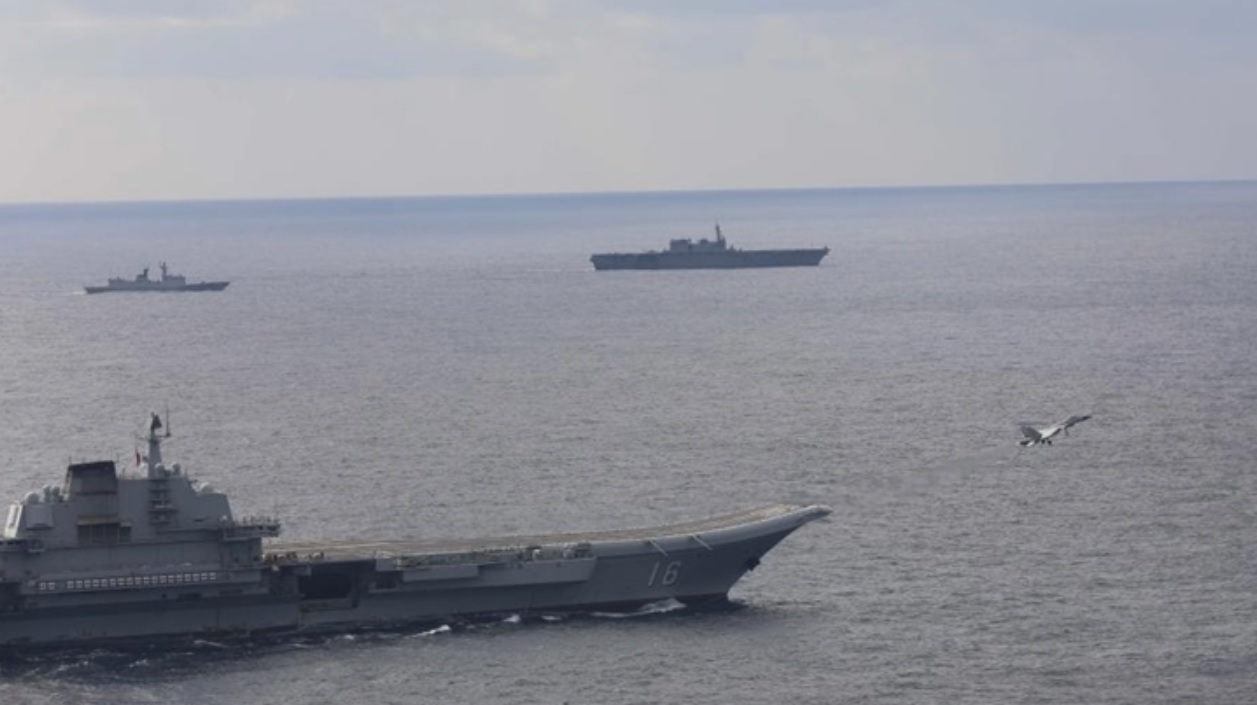 China Accuses Japan of Simulated Attacks During Liaoning Carrier's 40-Day Western Pacific Deployment
World
BEIJING/TOKYO, June 29, 2026 — China and Japan have exchanged conflicting claims over military surveillance activities during the People's Liberation Army Navy (PLAN) aircraft carrier Liaoning's recent 40-day deployment in the Western Pacific and South China Sea, highlighting continuing tensions over naval operations in the region. Chinese state media accused Japanese warships and aircraft of conducting "targeted simulated attacks" while monitoring the carrier strike group. Japan rejected the allegation, stating that its forces carried out only routine vigilance and surveillance operations. Liaoning Completes 40-Day Mission The Liaoning carrier strike group returned to Qingdao on June 22 after a deployment that began on May 19. The five-ship formation comprised the aircraft carrier CNS Liaoning (16), cruiser CNS Wuxi (104), destroyer CNS Kaifeng (124), frigate CNS Luohe (545), and fast combat support ship CNS Hulunhu (901). According to China's Ministry of National Defense, the deployment included integrated shore-sea combat training, carrier-based flight operations, anti-submarine warfare, formation search and rescue exercises, and system-of-systems operational drills. The carrier group also conducted coordinated operations with a Type 075 amphibious assault ship group led by Anhui, expanding the PLAN's experience in large-scale blue-water operations. A key feature of the deployment was the operational use of the J-15T carrier-based fighter. The upgraded aircraft incorporates improved avionics, radar, and weapons systems and successfully demonstrated rolling takeoffs from Liaoning's ski-jump flight deck despite being designed for electromagnetic catapult-equipped carriers such as the Type 003 Fujian, demonstrating operational compatibility across China's carrier fleet. Dispute Over Surveillance Operations The dispute centers on interactions between the Chinese carrier group and Japanese monitoring assets, including the Japan Maritime Self-Defense Force (JMSDF) destroyer JS Asahi. Chinese state broadcaster CCTV and other official media outlets reported that Japanese warships and aircraft conducted "targeted simulated attacks" while closely tracking the Liaoning. Chinese military commentator Teng Jianqun described the monitoring as a significant departure from previous encounters. Chinese media cited Japanese reports in support of the allegation but did not provide independent evidence verifying that simulated attack maneuvers had occurred. On June 26, China's Ministry of National Defense accused Japan of interfering with the carrier group's routine training activities and called for an end to what it described as unsafe monitoring operations. Japan's Joint Staff Office rejected the allegation as inaccurate, maintaining that the JMSDF conducted only routine surveillance and vigilance missions while prioritizing operational safety. Regional Context The latest dispute follows another incident during a December 2025 Liaoning deployment, when two J-15 fighters reportedly locked fire-control radars onto Japanese F-15 aircraft monitoring the carrier group. The incident prompted consultations between Japan and the United States over Chinese naval activity near Japan's southwestern islands. The recent deployment also coincided with significant allied naval activity in the Western Pacific. The USS George Washington Carrier Strike Group conducted anti-submarine warfare exercises near Guam alongside the Japanese helicopter carrier JS Kaga, destroyer JS Fuyuzuki, and the Royal Canadian Navy frigate HMCS Charlottetown. P-8A Poseidon maritime patrol aircraft from the United States, Australia, and New Zealand also participated in anti-submarine training operations. Independent reporting, including by USNI News, confirmed the timeline and composition of the Liaoning carrier strike group's deployment. However, no independent source has verified the Chinese allegation that Japanese forces conducted simulated attack maneuvers during the mission.
Read More → Posted on 2026-06-29 13:37:27
World
MOSCOW / HELSINKI, June 29, 2026 — A Russian State Duma lawmaker has issued a strong warning to Finland following Helsinki's decision to remove its decades-old legal ban on nuclear weapons, claiming Russia could "capture half of Finland in just a few days" if the country allows the deployment of NATO nuclear weapons on its territory. The remarks come after Finland officially approved legislation permitting the deployment, transit, possession, and storage of nuclear weapons on its territory. The law, signed by President Alexander Stubb, will enter into force on July 1 and removes restrictions contained in Finland's 1987 Nuclear Energy Act. The Russian lawmaker warned Finland not to permit NATO nuclear weapons on its territory, saying such a move would pose a direct security threat to Russia. He also claimed Finland was gradually becoming "a second Ukraine" because of its NATO membership and its latest defense policy changes. The statement follows broader warnings from the Kremlin over Finland's closer alignment with NATO's nuclear deterrence framework. Kremlin Warns of Countermeasures Earlier, Kremlin spokesman Dmitry Peskov criticized Finland's decision, saying the removal of the legal ban would increase tensions in Europe and threaten Russia's security. "By placing nuclear weapons on its territory, Finland will begin to pose a threat to us. And if Finland threatens us, we will take appropriate measures," Peskov said during a daily briefing. He said Finland's decision to permit the deployment of nuclear weapons under NATO arrangements would escalate tensions on the European continent and that Russia would respond if its security interests were affected. Finland Says Law Supports NATO Integration Finland's parliament approved the legislation by a 125-61 vote in mid-June, with President Alexander Stubb later signing the bill into law. According to Defense Minister Antti Hakkanen, the amendments are intended to enable Finland to fully participate in NATO's collective defense and nuclear deterrence arrangements following the deterioration of Europe's security environment after Russia's full-scale invasion of Ukraine. Finnish officials have emphasized that the legal changes do not mean NATO nuclear weapons will be permanently stationed in Finland during peacetime. Instead, the legislation removes legal barriers that previously prohibited the transport, possession, and storage of nuclear weapons if required under NATO operations. Russia Strengthens Military Presence Near Finland The exchange of warnings comes as Russia continues expanding its military presence along the 1,340-kilometer (830-mile) border with Finland. Defense analysts report that Moscow has established new military infrastructure, including a base at Novaya Vilga, which security experts say could eventually accommodate tens of thousands of Russian troops. Russian officials have previously stated that any deployment of NATO nuclear weapons in Finland would prompt reciprocal military measures. Background Finland joined NATO in April 2023, ending decades of military non-alignment following Russia's invasion of Ukraine. Since then, Helsinki has expanded defense cooperation with NATO allies and strengthened security along its eastern border. The latest exchange of warnings highlights growing tensions between Russia and Finland over regional security. While Finland says the legislation is intended to improve interoperability within NATO and strengthen collective defense, Russian officials argue that allowing the deployment of nuclear weapons near Russia's border would significantly increase regional security risks.
Read More → Posted on 2026-06-29 13:51:09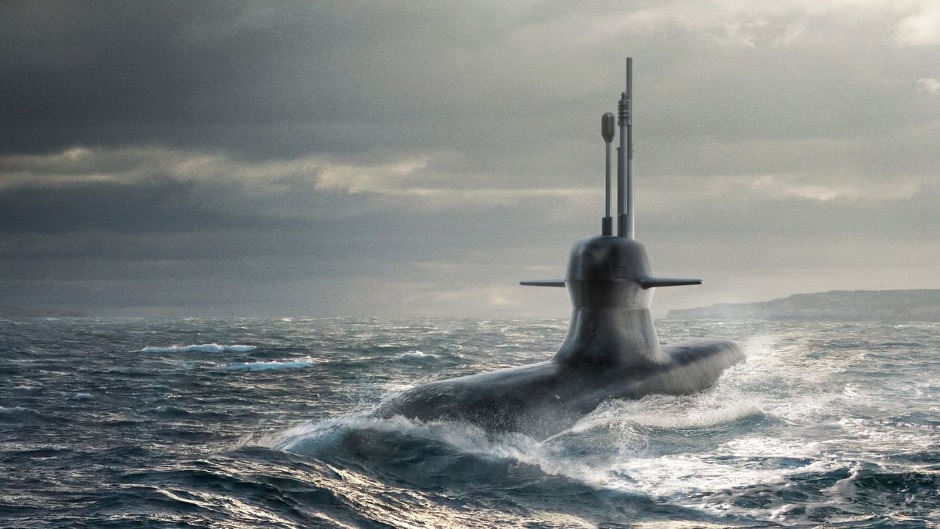
World
GDYNIA, Poland, June 29, 2026 — Poland has signed a landmark agreement with Swedish defense company Saab for the production and delivery of three A26 Blekinge-class submarines, marking one of the country's largest naval modernization programs in decades. The contract, signed on June 29 during intergovernmental consultations between Polish Prime Minister Donald Tusk and Swedish Prime Minister Ulf Kristersson, is valued at approximately SEK 47 billion (€4.5 billion). The agreement covers the construction of three A26 submarines, a comprehensive weapons package, and long-term training, maintenance, and support services. The procurement forms a key part of Poland's Orka submarine program and will replace the Polish Navy's only remaining Soviet-era Kilo-class submarine, which has been in service for around 40 years. The acquisition is intended to significantly strengthen Poland's undersea warfare capabilities while expanding long-term defense cooperation between Sweden and Poland within NATO. Delivery Timeline and Industrial Cooperation Saab will deliver the submarines in stages, with the first vessel expected to enter Polish service in 2031 and the final submarine scheduled for delivery in 2038. As part of the agreement, Saab will establish maintenance, repair, and overhaul (MRO) capabilities in Poland to support the submarines throughout their operational life. The company will work closely with Polish industry and invest up to €100 million in the country, with hundreds of Polish companies expected to participate in the program as subcontractors. The industrial cooperation is expected to strengthen Poland's domestic defense industry while supporting the long-term sustainment of the new submarine fleet. Interim Capability and Training Support To maintain Poland's underwater operational capability before the new submarines enter service, Sweden will lease the HMS Södermanland submarine to Poland until 2032. The leasing arrangement is accompanied by an extensive training and support program that the Swedish Ministry of Defence has described as the largest submarine-related training initiative undertaken by the Swedish Navy. Under the agreement, training for Polish submarine crews will begin in August 2026, earlier than originally planned. Sweden will support Poland's New Type Submarine programme from 2027 through 2038, with options to extend the cooperation. Polish personnel will also participate in testing and evaluation activities involving HMS Blekinge and HMS Skåne A26 submarines to accelerate operational readiness before the delivery of Poland's own fleet. Baltic Sea Pact The submarine agreement was signed alongside the launch of the Baltic Sea Pact, a new strategic cooperation framework established by Sweden and Poland during the June 29 government-level consultations. The initiative focuses on strengthening regional security through cooperation in three key areas: Security and defense policy Military cooperation Defense industry cooperation The pact is intended to reinforce security in the Baltic Sea region, strengthen cooperation between the two NATO allies, and support continued regional stability. The cooperation is also expected to contribute to industrial growth and employment in both countries through expanded defense manufacturing and technology collaboration. A26 Submarine Capabilities The Saab A26 Blekinge-class submarine has been specifically designed for operations in the Baltic Sea, where shallow waters, limited maneuvering space, and complex seabed conditions require advanced underwater capabilities. The submarines feature low acoustic signatures for silent operation and are optimized for stealth, maneuverability, and endurance. They support multi-domain naval operations, including intelligence, surveillance and reconnaissance (ISR), maritime security missions, and precision strike operations. The agreed weapons package includes long-range precision strike torpedoes, while the submarine's modular architecture allows future integration of submarine-launched missile systems. The procurement supports Poland's Orka submarine modernization programme and will enhance NATO's collective undersea capabilities in the Baltic region through expanded operational cooperation, industrial investment, long-term maintenance infrastructure, and comprehensive training support.
Read More → Posted on 2026-06-29 14:06:36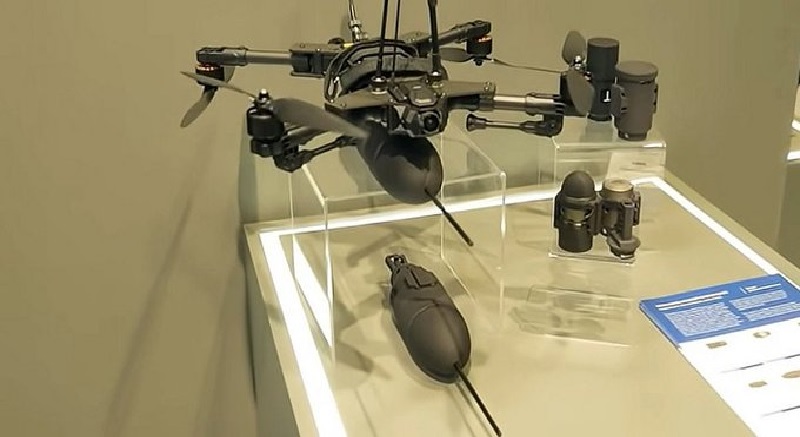
World
OSLO, Norway, June 29, 2026 — Norway has quietly supplied Ukraine with more than 100,000 N7 anti-tank drone munitions manufactured by Norwegian defense company Nammo, with the weapons having been in operational use by Ukrainian forces since at least early 2025. The large-scale transfer remained undisclosed for more than a year before being officially confirmed during the Eurosatory 2026 defense exhibition in Paris. Nammo representatives confirmed that a "six-digit quantity" of N7 anti-armor drone warheads had been delivered to Ukraine and integrated into its expanding fleet of unmanned aerial systems. The disclosure was first reported by Janes and later covered by Defence Express. The N7 is a lightweight 1.5-kilogram shaped-charge munition specifically developed for drone-based operations. It can be deployed either as a bomb dropped from multirotor drones or integrated as the warhead of First-Person View (FPV) attack drones, providing flexibility across different unmanned combat platforms. Despite its compact size, the N7 is designed to engage heavily armored targets. According to Nammo, the munition uses a copper conical liner shaped-charge design capable of penetrating up to 450 millimeters of rolled homogeneous armor, allowing it to destroy armored vehicles, military equipment, and fortified defensive positions. One of the munition's notable features is its electronically controlled fuze system, which enables drone operators to remotely place the warhead into a safe mode. If a mission is aborted or no suitable target is identified, the drone can return with the munition still attached without detonation, reducing the risk of accidental explosions and allowing the payload to be reused. Although the N7 was officially unveiled to the public during SOF Week in the United States in May 2025, deliveries to Ukraine had already begun before its public debut. Ukrainian forces have reportedly employed the munition extensively in combat operations throughout 2025. During Eurosatory 2026, Nammo presented combat footage demonstrating the N7's battlefield performance. The video showed a Ukrainian drone dropping an N7 munition onto a Russian BM-21 Grad multiple launch rocket system. According to the company, the precision strike ignited one of the launcher's rockets, which subsequently penetrated the vehicle's cab and rendered the system inoperable. Nammo also displayed the N7 integrated with the Croatian-developed Orca MRM2-10 FPV drone during the exhibition, highlighting the munition's compatibility with a wide range of unmanned aerial platforms. This flexibility allows operators to employ the warhead across various drone types already in service with the Ukrainian military. The transfer forms part of Norway's broader military assistance program for Ukraine. Oslo has continued to provide advanced defense support, including funding for long-range ammunition, maintenance assistance for Ukraine's F-16 fighter aircraft, and deliveries of NASAMS air defense systems. Norway has also expanded its investment in unmanned warfare capabilities. The Norwegian government recently allocated 1.2 billion Norwegian kroner (approximately $127 million) to support the development and procurement of maritime surface drones for Ukraine. The initiative includes joint production between Norwegian and Ukrainian defense industries and is intended to strengthen Ukraine's ability to employ cost-effective unmanned systems in maritime operations. The disclosure of the N7 deliveries highlights the increasing role of specialized drone munitions in modern warfare. Lightweight precision warheads designed specifically for unmanned aerial systems have become an important component of battlefield operations, enabling small drones to engage armored vehicles and other high-value targets with greater effectiveness while maintaining relatively low operating costs. Neither Norwegian authorities nor Nammo disclosed the exact delivery schedule or the total number of munitions supplied beyond confirming that Ukraine had received a six-figure quantity of the N7 drone warheads.
Read More → Posted on 2026-06-29 14:16:22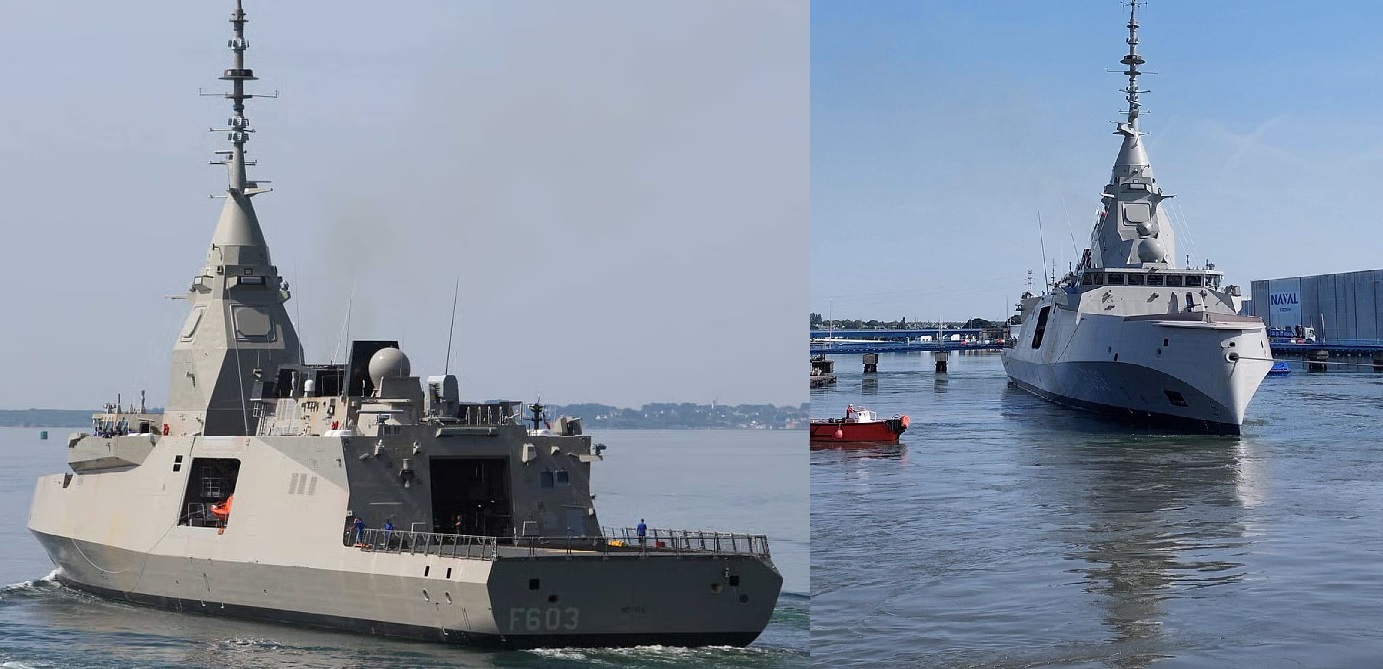 Greece's Third Kimon-Class Frigate HS Formion Starts Sea Trials in France Ahead of the 2026 Delivery
World
LORIENT, France, June 29, 2026 — The Hellenic Navy has reached another milestone in its fleet modernization program as HS Formion (F-603), the third Kimon-class Defence and Intervention Frigate (FDI HN), officially commenced sea trials from Naval Group's shipyard in Lorient, France. The frigate departed the shipyard on June 22, marking its transition from construction to operational testing ahead of its scheduled delivery later this year. The sea trials will verify the vessel's propulsion, navigation, maneuverability, safety systems, communications, power generation, and combat system integration before it enters service. Initial Sea Trials Underway The first phase of testing, lasting approximately two weeks, focuses on validating the ship's core systems and overall performance at sea. As Naval Group builds the hull and the Panoramic Sensor and Intelligence Module (PSIM) in parallel, testing of the frigate's primary combat system sensors has also begun during this stage. HS Formion is the third vessel in Greece's Kimon-class program, which is intended to replace older surface combatants with modern multi-mission frigates capable of anti-air, anti-surface, anti-submarine, and asymmetric warfare operations. Platform and Aviation Capability Based on the French Defence and Intervention Frigate (FDI) design, the Hellenic Navy variant has been adapted for operations in the Aegean Sea and Eastern Mediterranean. The frigate displaces approximately 4,500 tonnes, measures 122 meters in length with an 18-meter beam, and has a top speed of 27 knots. It offers an operational range of approximately 5,000 nautical miles at 15 knots, an endurance of 45 days, and accommodates 125 crew members plus 28 additional personnel. Its flight deck and hangar are designed to support a 10-tonne-class helicopter, including the MH-60R Seahawk, alongside a vertical take-off and landing (VTOL) unmanned aerial vehicle, extending the ship's surveillance and anti-submarine capabilities. Enhanced Weapons Suite Compared with the standard French FDI configuration, the Hellenic Navy version features a larger weapons package designed for regional operational requirements. The frigate is armed with: 32 MBDA Aster 30 surface-to-air missiles for medium- and long-range area air defense. One 21-cell RAM Block 2B launcher for point defense against incoming missiles and other close-range threats. Eight MBDA Exocet MM40 Block 3c anti-ship missiles for long-range maritime strike missions. One 76 mm naval gun for engagements against surface and aerial targets. Four torpedo tubes for MU90 lightweight torpedoes used in anti-submarine warfare. Two CANTO launchers providing anti-torpedo countermeasures. This layered weapons configuration enables the ship to engage threats across air, surface, and underwater domains. Advanced Combat Systems HS Formion is equipped with Naval Group's SETIS Combat Management System and the Thales Sea Fire 4D AESA radar, which uses four fixed antenna panels to provide continuous 360-degree surveillance without mechanical rotation. The radar is designed to rapidly detect, track, and engage multiple threats in complex maritime environments. The frigate also features a native cybersecurity architecture with two independent onboard data centers operating in a virtualized environment, improving redundancy and protecting critical systems against cyber threats. Greek Industrial Participation The program includes significant participation from Greek industry under the Hellenic Industrial Participation (HIP) initiative. Naval Group has signed more than 120 contracts with approximately 70 Greek companies. Salamis Shipyards manufactures pre-outfitted hull blocks, while other domestic firms supply consoles, electrical systems, torpedo doors, and additional ship components, supporting future maintenance and sustainment. Delivery Timeline HS Formion is scheduled for delivery to the Hellenic Navy by the end of 2026 in the Standard 1 configuration. The ship will then remain in France for upgrades to the Standard 2+ standard before sailing to Greece in April 2027. The lead ship, HS Kimon, arrived in Greece earlier in 2026, while the second frigate, HS Nearchos, is expected to be delivered in October 2026 following sea trials that began in February. Construction of the fourth vessel, HS Themistokles, is also progressing, further strengthening the Hellenic Navy's future surface fleet.
Read More → Posted on 2026-06-29 14:23:14
World
WASHINGTON/DOHA/JERUSALEM, June 29, 2026 — The United States and Iran have agreed to suspend recent military strikes and resume technical negotiations in Doha, Qatar, while the Israel Defense Forces (IDF) announced the destruction of a major Hezbollah underground tunnel complex in southern Lebanon. The developments reflect parallel efforts to manage security challenges across the Middle East. U.S. and Iran Resume Talks According to senior U.S. officials, Washington and Tehran have agreed to halt all kinetic military activity and allow commercial shipping to move freely through the Strait of Hormuz. Technical discussions are scheduled to resume on Tuesday in Doha, with Qatar continuing to facilitate indirect negotiations. The talks will focus on resolving disagreements over the administration and security of the Strait of Hormuz, one of the world's most important maritime routes for global energy trade. The latest agreement follows several days of military exchanges that threatened to undermine an 11-day-old Memorandum of Understanding (MoU) aimed at reducing tensions after months of conflict. The escalation began after the United States conducted strikes on Iranian military facilities in southern Iran, citing Iranian drone attacks on commercial shipping. Iran responded by launching ballistic missiles and drones at U.S. military bases in Kuwait and Bahrain. Under the preliminary agreement, Iran committed to making its best efforts to ensure the safe passage of commercial vessels, while the United States agreed to lift its naval blockade of Iranian ports. Disagreements over responsibility for managing maritime traffic in the Strait of Hormuz were cited as the main cause of the recent escalation. IDF Destroys Hezbollah Tunnel Complex In a separate development, the IDF announced that it had dismantled a major Hezbollah underground tunnel complex in the village of Majdal Zoun in southern Lebanon. According to a joint statement by Israeli Prime Minister Benjamin Netanyahu and Defense Minister Israel Katz, the tunnel extended more than 200 meters and reached depths exceeding 25 meters. Israeli forces said they discovered hundreds of weapons inside the complex, along with four launch shafts directed toward Israeli territory. Israeli officials said the United States was informed before the operation. The strike was carried out within the expanded security zone established under a recently agreed U.S.-brokered security framework, which also provides for a phased Israeli withdrawal from parts of southern Lebanon and the deployment of the Lebanese Armed Forces in the area. Hezbollah has rejected the agreement, with its leader Naim Qassem stating that the group will continue its armed resistance. Regional Security Developments The planned U.S.-Iran talks in Doha and Israel's operation against Hezbollah infrastructure highlight separate efforts to address ongoing security challenges in the region. The outcome of the Doha meeting is expected to provide further clarity on implementing the temporary agreement between Washington and Tehran and future arrangements for security and commercial navigation through the Strait of Hormuz.
Read More → Posted on 2026-06-29 14:34:51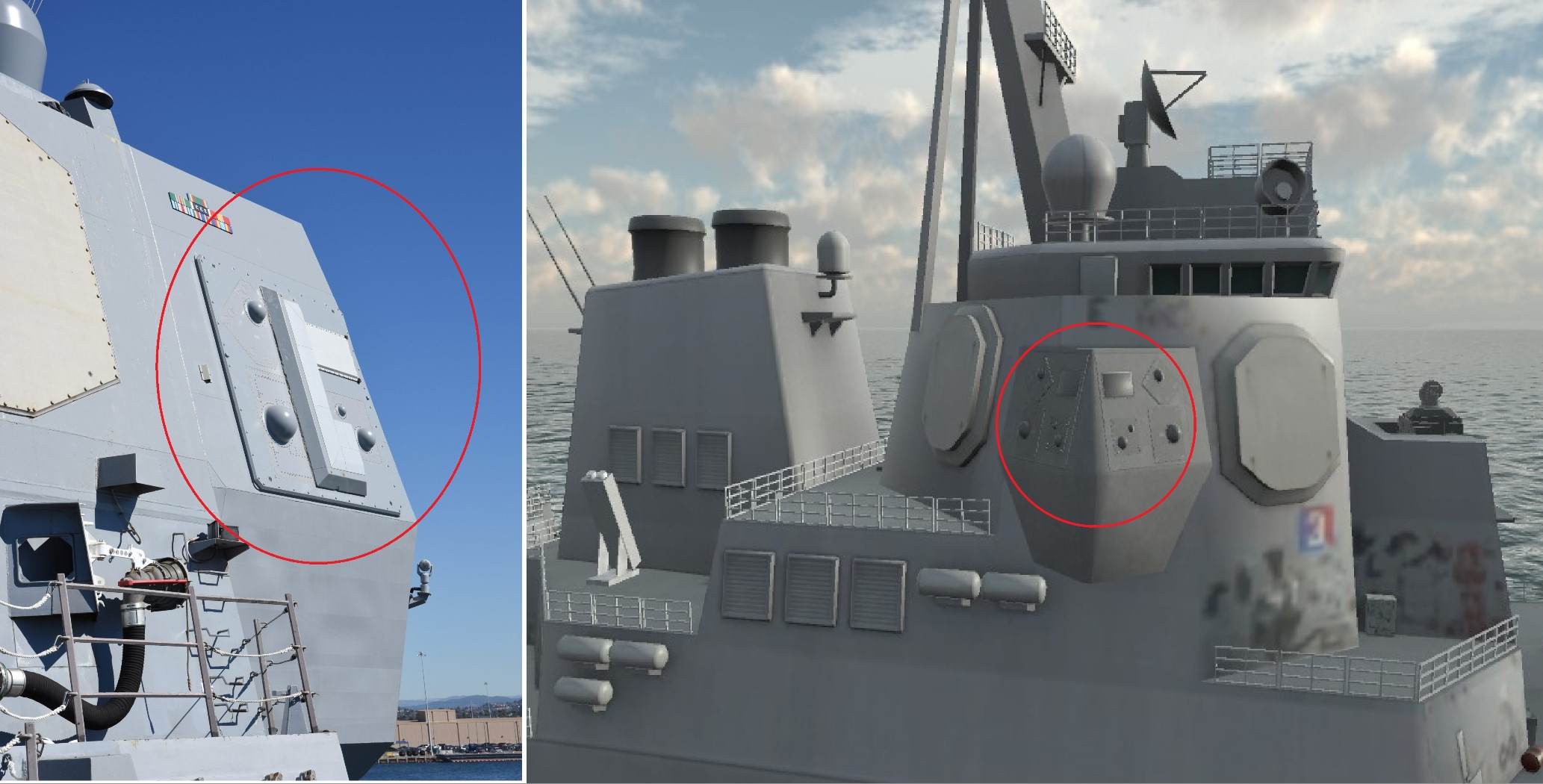
World
WASHINGTON, June 30, 2026 — The U.S. Navy has awarded Northrop Grumman a $312.34 million firm-fixed-price contract modification to expand production of the Surface Electronic Warfare Improvement Program (SEWIP) Block 3, accelerating deployment of advanced electronic warfare systems across the Navy's surface fleet. Awarded on June 24, 2026, the contract is managed by the Naval Sea Systems Command and covers additional AN/SLQ-32(V)7 SEWIP Block 3 systems in both Hemisphere and Quadrant configurations for destroyers, aircraft carriers, and amphibious assault ships. Production will take place across facilities in 15 U.S. states and is scheduled for completion by August 2029. The award is fully funded with fiscal year 2026 shipbuilding and conversion funds. Production Expansion The new contract follows a $334.4 million modification awarded in December 2025, increasing Northrop Grumman's production commitment to up to 24 SEWIP Block 3 systems. If all contract options are exercised, the total program value will approach $783 million. Advanced Electronic Warfare Capability SEWIP Block 3, designated AN/SLQ-32(V)7, is the latest upgrade of the Navy's long-serving AN/SLQ-32 electronic warfare family, originally developed by Raytheon in the 1970s. Unlike earlier versions that primarily detected radar threats and alerted crews, SEWIP Block 3 provides an active electronic attack capability. It can jam and deceive an incoming missile's radar guidance, causing it to lose lock on the target before impact. The system uses 16 Active Electronically Scanned Array (AESA) antennas built with gallium nitride (GaN) transmit/receive modules. Arranged into four quadrants with four antenna faces each, the system provides 360-degree coverage and can engage multiple threats arriving simultaneously from different directions. Hemisphere and Quadrant Configurations SEWIP Block 3 is produced in two configurations that use the same core technology but are adapted for different ship classes. The Hemisphere configuration is designed for Arleigh Burke-class Flight IIA destroyers, using large port and starboard sponsons mounted on the ship's deckhouse to house the antenna arrays. The Quadrant configuration redistributes the arrays to fit ships with different structural layouts. Under this contract, the Navy is procuring the first Quadrant shipset for a nuclear-powered aircraft carrier, marking the system's expansion beyond destroyers. Budget documents indicate the system is expected to be installed aboard USS Harry S. Truman (CVN-75) during its Refueling and Complex Overhaul (RCOH) at Newport News Shipbuilding beginning in mid-2026, although the ship assignment has not been officially confirmed. Soft-Kill Defense Against Missiles SEWIP Block 3 provides a soft-kill defense by electronically disrupting an incoming missile's guidance system instead of relying solely on interceptor missiles. This helps preserve a ship's limited inventory of kinetic interceptors for threats that cannot be defeated through electronic attack, improving defensive endurance during saturation attacks. The system also features an open software-defined architecture, allowing the Navy to update jamming techniques and integrate emerging technologies, including artificial intelligence (AI) and machine learning, without major hardware modifications. An integrated Soft Kill Coordinator automates electronic attack management across the antenna arrays, reducing operator workload during complex engagements involving multiple threats. Fleet Deployment The first operational SEWIP Block 3 system entered service aboard USS Pinckney (DDG-91) in 2023. Additional installations have since been completed aboard USS Chung-Hoon (DDG-93) and USS James E. Williams (DDG-95) during DDG Modernization 2.0 upgrades performed by General Dynamics NASSCO. Northrop Grumman is also developing the Scaled Onboard Electronic Attack (SOEA) system, a smaller variant intended for ships with limited space, weight, and power capacity, extending advanced electronic warfare capabilities across a wider range of surface combatants. The program is managed by the Program Executive Office Integrated Warfare Systems (PEO IWS) as part of the U.S. Navy's ongoing effort to strengthen electronic warfare and improve protection against modern anti-ship missile threats.
Read More → Posted on 2026-06-30 09:53:07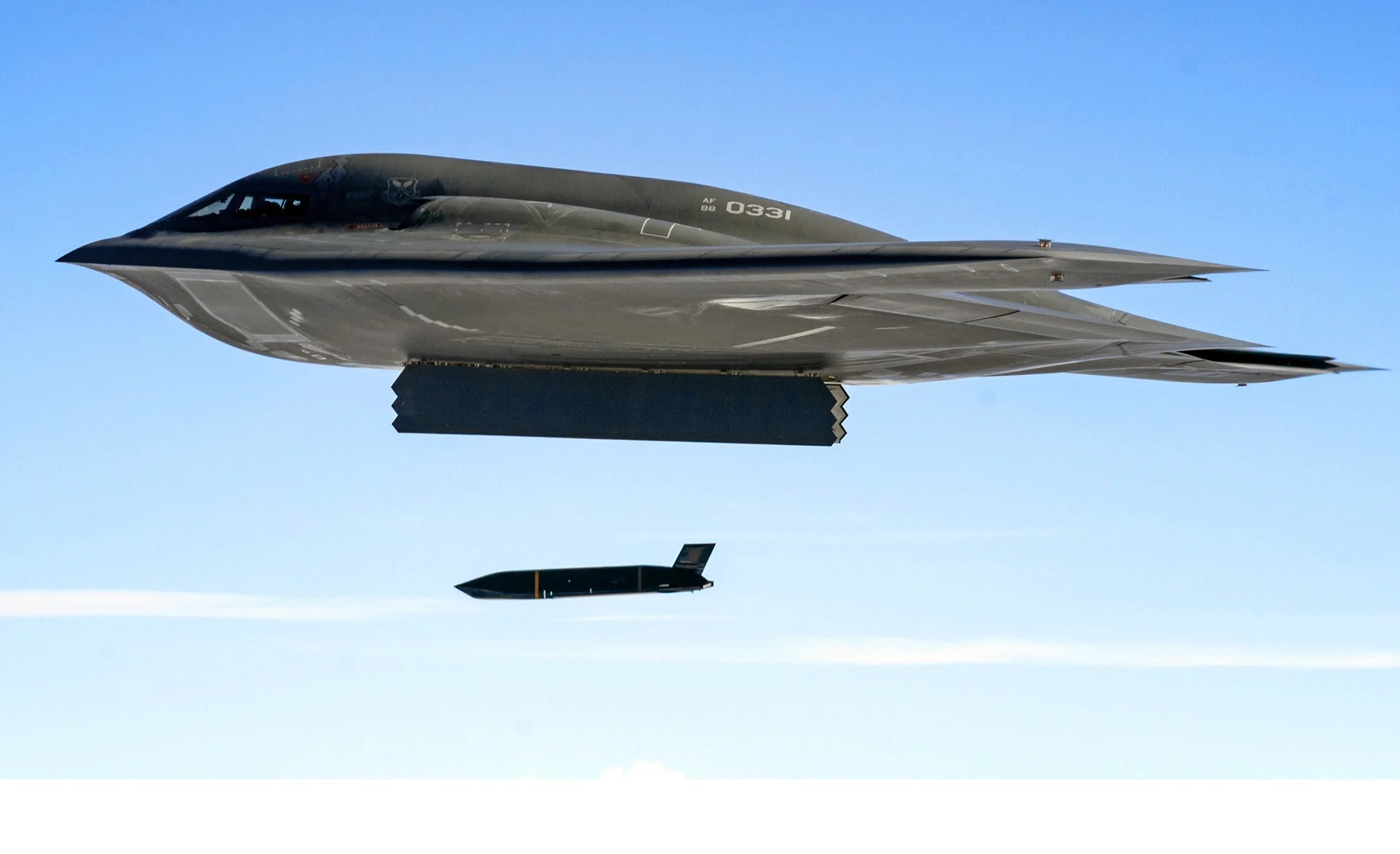
World
ANDERSEN AIR FORCE BASE, Guam, June 30, 2026 — The U.S. Air Force has publicly revealed a new maritime strike capability for the B-2 Spirit stealth bomber following a successful live-fire sinking exercise (SINKEX) conducted during Exercise Valiant Shield 2026. The exercise marked the first publicly disclosed deployment of the AGM-158C Long Range Anti-Ship Missile (LRASM) from the B-2, expanding the bomber's role in long-range counter-maritime operations. The live-fire event took place on June 27 in the Mariana Island Range Complex over the Philippine Sea, approximately 200 nautical miles north of Guam. Organized by U.S. Pacific Air Forces (PACAF), the exercise demonstrated the integration of the stealthy LRASM with the B-2 Spirit, providing the U.S. military with a new long-range precision strike capability against maritime targets. B-2 Conducts LRASM Strike The mission was carried out by a B-2 Spirit assigned to the 509th Bomb Wing at Whiteman Air Force Base, Missouri. The aircraft was loaded with a live AGM-158C LRASM on June 22 before deploying to Andersen Air Force Base, Guam, to participate in Valiant Shield 2026. During the exercise, the B-2 launched the LRASM against the ex-USS Juneau (LPD-10), a decommissioned Austin-class amphibious transport dock that served as the target vessel. The successful strike demonstrated the bomber's ability to employ the advanced anti-ship missile in an operational maritime scenario. The sinking exercise was conducted as a joint and multinational operation involving U.S. and allied forces. Before the vessel sank, it was engaged by multiple weapon systems. A Japan Maritime Self-Defense Force (JMSDF) submarine fired a heavy torpedo that also contributed to the sinking of the ex-USS Juneau, while the aircraft carrier USS George Washington (CVN-73) and other allied naval assets operated in the exercise area. LRASM Expands Long-Range Maritime Strike Capability The AGM-158C Long Range Anti-Ship Missile (LRASM) is a precision-guided, stealthy anti-ship cruise missile developed to detect, track, and engage enemy surface vessels at extended ranges while operating from stand-off distances. The missile uses a GPS-assisted Inertial Navigation System (INS) combined with an onboard infrared seeker to navigate toward its target area and identify enemy warships without relying on active radar emissions, reducing the likelihood of detection by opposing forces. Designed to strike high-value maritime targets in contested environments, LRASM provides autonomous target identification and precision engagement capabilities over ranges extending hundreds of miles. Before this demonstration, the LRASM had only been publicly certified for use on the U.S. Air Force's B-1B Lancer and the U.S. Navy's F/A-18E/F Super Hornet. Its integration with the B-2 Spirit introduces a new combination of stealth, long-range penetration, and precision maritime strike capability, enabling the bomber to operate more effectively in heavily defended areas. Supporting Indo-Pacific Operations Pacific Air Forces said the live-fire event forms part of broader efforts to strengthen long-range counter-maritime capabilities and improve readiness across the Indo-Pacific region. The exercise demonstrated the ability of U.S. and allied forces to conduct coordinated, multi-domain operations while employing advanced precision weapons against maritime targets. "The B-2's impressive performance underscores the U.S. military's commitment to adaptability and flexibility in the face of emerging security challenges," said General Kevin B. Schneider, Commander of Pacific Air Forces. "By prioritizing counter-maritime strike operations, we can maintain a decisive edge over adversaries, protect our national interests and ensure the free and open Pacific that underpin our global security." Valiant Shield 2026 Exercise Valiant Shield 2026 is a joint and multinational military exercise focused on high-end warfighting and integrated operations across the Indo-Pacific. The drills involve U.S. military services working alongside allied and partner nations to enhance interoperability, long-range precision strike capabilities, maritime security, and multi-domain coordination. According to Pacific Air Forces, the successful B-2 LRASM employment highlights the continued evolution of U.S. long-range strike capabilities. By combining the B-2 Spirit's stealth and global reach with the LRASM's autonomous anti-ship capabilities, the U.S. military has added a new penetrating maritime strike option designed to support operations in contested environments and reinforce regional security objectives across the Indo-Pacific.
Read More → Posted on 2026-06-30 10:05:38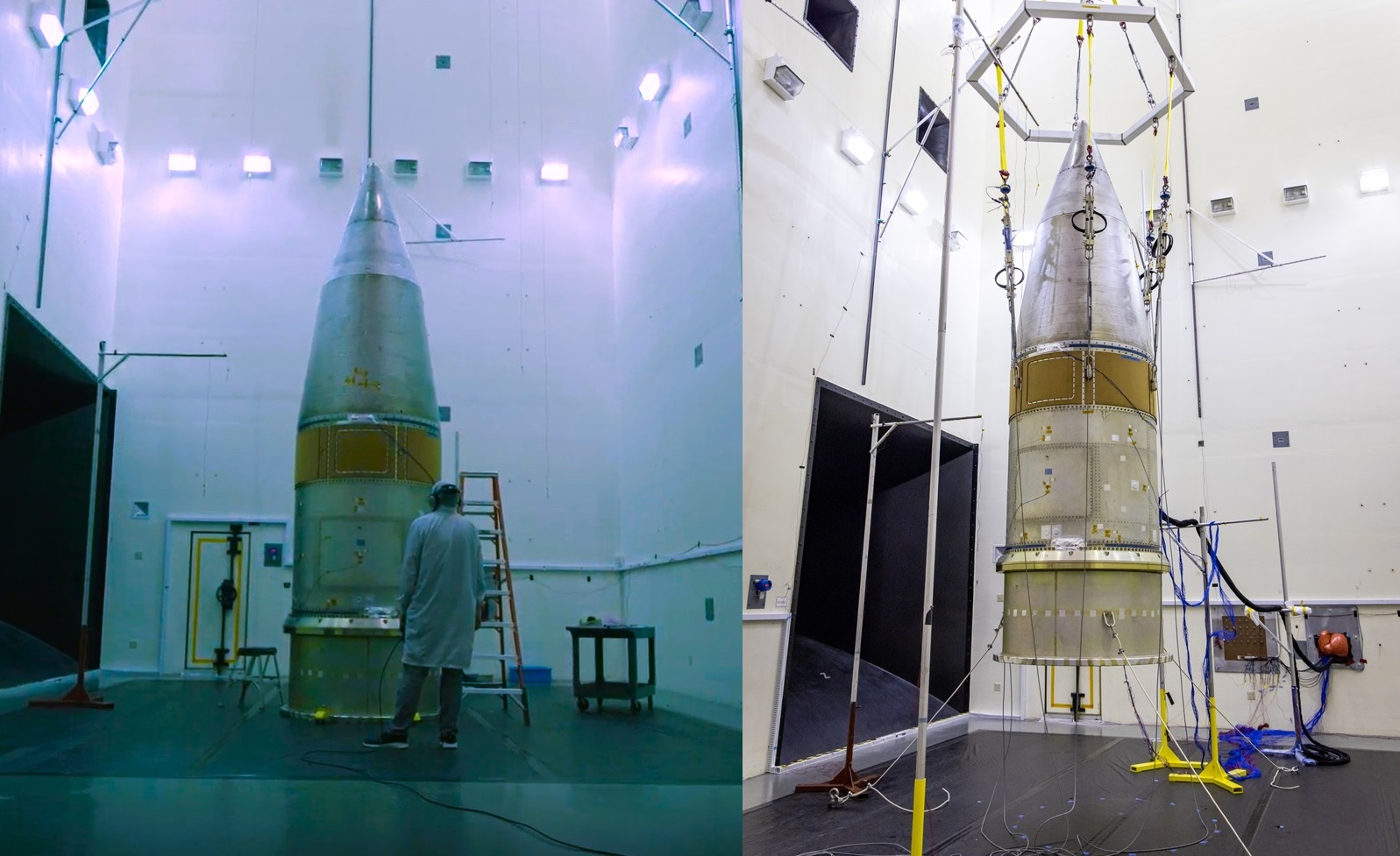
World
REDONDO BEACH, California, June 30, 2026 — Northrop Grumman has released the first public photographs of hardware for the LGM-35A Sentinel intercontinental ballistic missile (ICBM), marking a significant milestone in the U.S. Air Force's next-generation strategic missile program. The images show the missile's nose section, known as the integrated front end, inside the company's Large Acoustic Test Facility in Redondo Beach, California, following the successful completion of structural validation testing. According to Northrop Grumman, the acoustic testing campaign remains on schedule and represents one of the final major engineering milestones before the Sentinel's planned first flight test in 2027. The release of physical hardware images also indicates that the program is moving from digital design and engineering into full-scale manufacturing and hardware qualification. The published photographs show a large cone-shaped metallic structure positioned inside a high-bay test chamber, with an engineer in protective clean-room clothing standing nearby to illustrate the scale of the assembly. Integrated Front End Undergoes Acoustic Qualification The hardware tested is designated as the integrated front end, a critical section of the missile that combines two major components: The Payload Reentry System, which houses the nuclear reentry vehicle. The Post-Boost Attitude Control Module, containing the missile's guidance, navigation, and control systems. After the Sentinel's three-stage solid rocket boosters complete their burn and separate during flight, the integrated front end assumes control of the missile's trajectory. Using onboard computers, sensors, and maneuvering thrusters, it performs precise flight corrections before the reentry vehicle separates for its terminal descent. Because the guidance package contains highly sensitive electronic and mechanical systems, it must withstand the severe acoustic environment generated during missile launch from underground silos. When an ICBM launches, the rocket motor produces extremely high sound pressure levels inside the launch tube, creating powerful vibrations that could damage internal systems if they are not properly protected. To verify the design, engineers subjected the integrated front end to simulated launch conditions inside Northrop Grumman's Large Acoustic Test Facility. The component was surrounded by an array of specialized microphones and acoustic equipment capable of reproducing the intense sound environment expected during an operational silo launch. Lawrence Livermore Supported Test Qualification The acoustic testing was conducted in collaboration with Lawrence Livermore National Laboratory (LLNL), which helped establish the qualification requirements for the reentry vehicle and its internal payload package. LLNL is one of the two U.S. national laboratories responsible for certifying the safety and effectiveness of the nation's nuclear warheads. Its role in the Sentinel program includes supporting qualification of the reentry vehicle to ensure it meets stringent nuclear weapon certification standards. Facility Modernized for Advanced Testing Northrop Grumman's Large Acoustic Test Facility has previously supported qualification testing for several major aerospace programs, including the James Webb Space Telescope, commercial satellites, and national security spacecraft. To improve testing capability, the company recently invested more than $1 million to upgrade the facility's control systems from analog to digital technology. The modernization enables higher measurement accuracy, improved data collection, and more precise generation of high-decibel acoustic environments. Replacing the Minuteman III The Sentinel program is intended to replace the LGM-30G Minuteman III, which has served as the land-based component of the U.S. nuclear triad since 1970. After more than five decades of service and multiple life-extension efforts, the U.S. Air Force determined that the Minuteman III had reached the practical limits of modernization. Unlike previous upgrade programs, Sentinel represents a complete replacement of the ground-based strategic missile system. The program includes new missiles, rebuilt launch silos, modernized launch control centers, upgraded command-and-control systems, and new communication infrastructure. Approximately 400 Sentinel missiles are planned to replace the existing Minuteman III force deployed across Montana, North Dakota, Wyoming, Colorado, and Nebraska. Because current silos were designed specifically for the dimensions and interfaces of the Minuteman III, the U.S. Air Force is rebuilding hundreds of hardened launch facilities while maintaining continuous nuclear alert operations. As part of this effort, construction has begun on a full-scale modular launch silo prototype at Promontory, Utah, to validate more efficient construction methods for future deployment. Program Continues Despite Cost and Schedule Challenges The Sentinel program has faced significant financial and administrative challenges in recent years. Rising infrastructure costs triggered a Nunn-McCurdy breach after program expenses exceeded the original baseline by more than 25 percent, requiring a mandatory review by the U.S. Department of Defense and Congress. Following the review, the U.S. Air Force concluded that no affordable alternative could replace the aging Minuteman III fleet and directed the program to continue under a government-mandated restructuring process. The restructuring is expected to conclude with a new Milestone B certification later in 2026 under the leadership of Gen. Dale White. The Congressional Budget Office (CBO) has estimated that the Sentinel program's total lifecycle cost, including reconstruction of the missile infrastructure across five states, could exceed $140 billion, although both the U.S. Air Force and Northrop Grumman have disputed that projection. Progress Toward First Flight Alongside the successful acoustic qualification, the Sentinel program has continued to complete major propulsion milestones. Full-scale qualification static-fire tests of the missile's first-stage and second-stage solid rocket motors were successfully completed during 2024 and 2025. With structural validation, propulsion testing, and hardware manufacturing continuing to advance, the Sentinel program remains on schedule for its first pad launch test in 2027, with operational deployment planned for the early 2030s as the United States modernizes the land-based leg of its nuclear deterrent.
Read More → Posted on 2026-06-30 10:16:10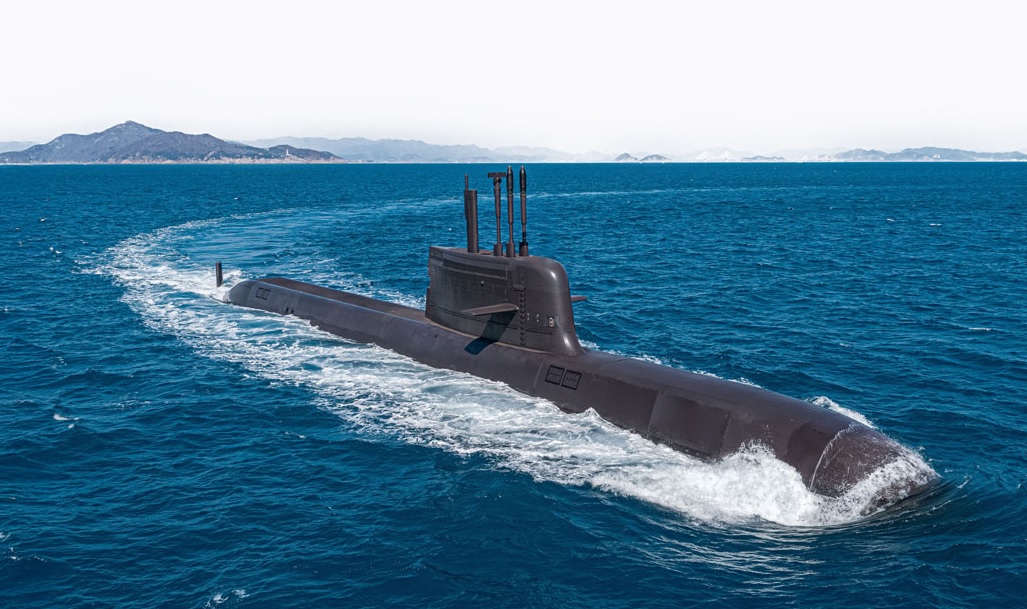
World
TOKYO, June 30, 2026 — Japan's Ministry of Defense has officially begun developing a vertical launch system (VLS) for a future class of non-nuclear diesel-electric submarines, marking a major step in expanding the strike capabilities of its undersea fleet. The program will run from 2026 to 2029 with a budget of approximately 3.9 billion yen (about $24.8 million). The new VLS is being designed to launch multiple missile types, including a submarine-launched version of Japan's Hyper Velocity Gliding Projectile (HVGP) and modern cruise missiles. The land-based HVGP, designated Type 25, has already been deployed for the defense of Japan's remote islands. Its naval variant is expected to provide the Japan Maritime Self-Defense Force (JMSDF) with a long-range stand-off strike capability from submerged platforms. Vertical Launch System Design Official concept renders released by the Ministry of Defense show a modular VLS configuration. Each launcher block is expected to contain seven to eight vertical launch cells, while future submarines are projected to carry two to three blocks, providing a total of 14 to 24 launch cells. The system is designed to accommodate various missile types, including hypersonic glide weapons, ballistic missiles, and cruise missiles, significantly expanding the range of missions future submarines can perform. Engineering Challenges Integrating a vertical launch system into a diesel-electric submarine requires overcoming complex engineering challenges. Developers are focused on preserving the submarine's acoustic stealth, underwater maneuverability, and stability during missile launches. To reduce development costs and accelerate the program, engineers will use advanced virtual simulation technology to evaluate the launcher under realistic maritime conditions before building physical prototypes. Expanding Submarine Strike Capabilities Japan's current submarines primarily launch U.S.-made Harpoon anti-ship missiles through 533-mm torpedo tubes, limiting both payload capacity and strike flexibility. A dedicated VLS will allow future submarines to carry a larger number of long-range weapons while adding dedicated land-attack capability alongside traditional anti-ship missions. Supporting Next-Generation Submarines The VLS program is closely linked to Japan's next-generation submarine development. In December 2023, Kawasaki Heavy Industries (KHI) unveiled a concept for a successor to the Taigei-class featuring a vertical launch system, a larger hull, improved land-attack capability, and an upgraded power plant. Japan is also modernizing its current fleet. On October 15, 2025, KHI launched JS Sogei, the sixth Taigei-class submarine equipped with lithium-ion batteries. The submarine retains six 533-mm torpedo tubes and is scheduled to receive the new 12SSM-ER cruise missile, which has entered production for both surface ships and submarines. Strategic Significance The VLS initiative is part of Japan's broader defense modernization program aimed at strengthening long-range stand-off capabilities in the Indo-Pacific. Defense Ministry advisory panels have also recommended studying next-generation propulsion systems that could support longer submerged operations for future VLS-equipped submarines. With one of the world's most advanced diesel-electric submarine fleets, jointly built by Kawasaki Heavy Industries and Mitsubishi Heavy Industries, Japan's introduction of a submarine-based vertical launch system represents a significant enhancement of its future underwater strike capability.
Read More → Posted on 2026-06-30 10:42:33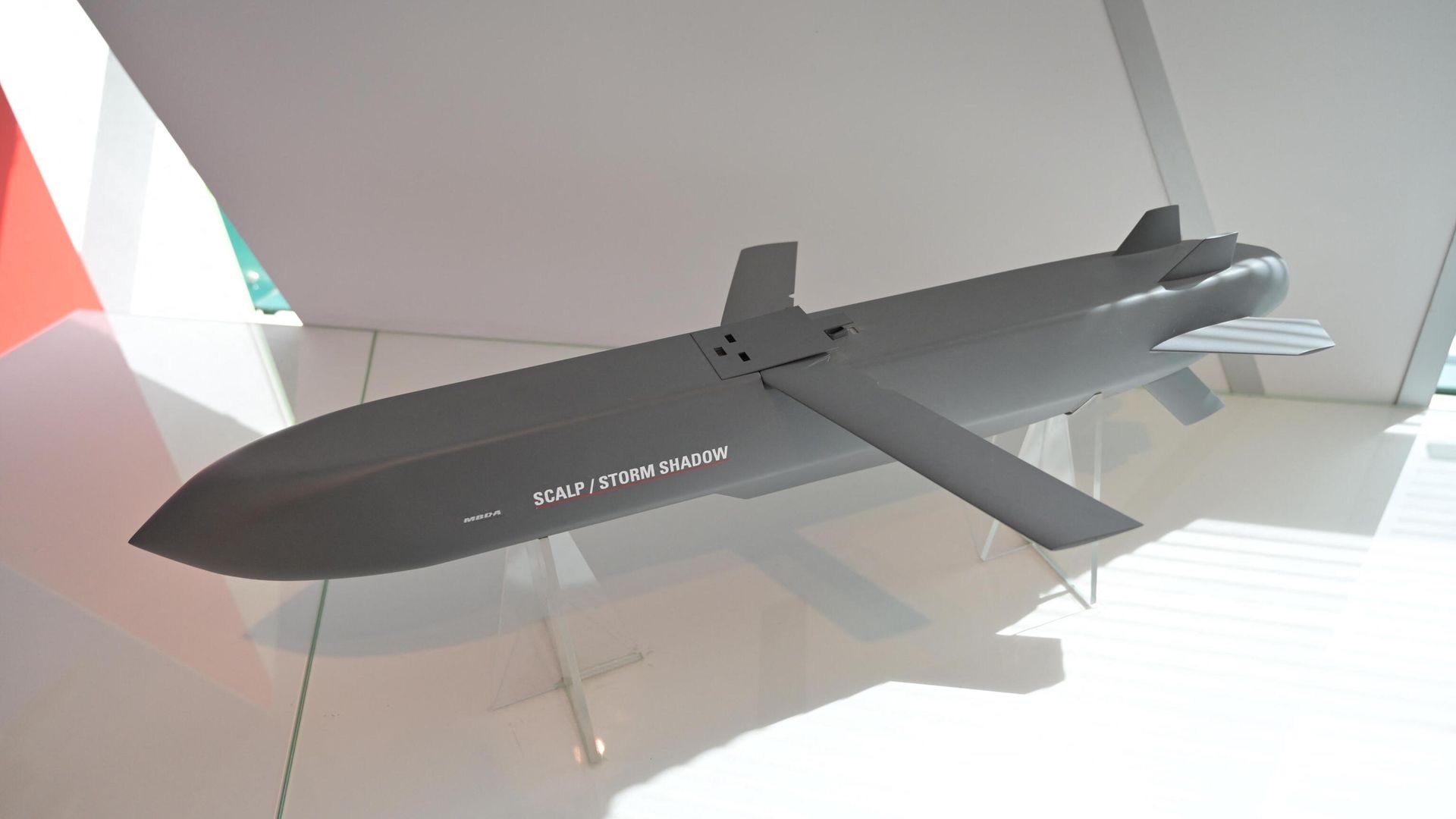
World
KYIV, Ukraine, June 30, 2026 — Ukraine is engaged in advanced negotiations with France to secure a licensing agreement that would allow the domestic production of SCALP long-range cruise missiles, marking a significant step in Kyiv's efforts to expand its defense industrial base and strengthen long-range strike capabilities. Vice Prime Minister for Innovation and Minister of Digital Transformation Mykhailo Fedorov announced the development during a joint briefing with Danish Defense Minister Jeppe Bruus on June 29. He said discussions have made progress but remain in the technical and legal stages due to the complexity of licensing one of the most advanced cruise missile systems currently in service. Negotiations Move to Technical Stage According to Fedorov, the initiative gained momentum following a recent meeting in Paris between Ukrainian President Volodymyr Zelenskyy and French President Emmanuel Macron, where the possibility of local production of the SCALP missile was discussed. Following the political-level discussions, negotiations have continued between the Ukrainian and French governments as well as missile manufacturer MBDA, focusing on intellectual property rights, technology transfer, production arrangements, and regulatory procedures. "There is indeed progress, but it is too early to speak definitively because this is a complex process involving intellectual property, the establishment of production, and certain bureaucracy," Fedorov said. "We are proceeding cautiously and continuing to maintain these channels of communication in order to achieve results." Ukraine Seeks Greater Defense Manufacturing Capacity The proposed agreement forms part of Ukraine's broader strategy to localize the production of advanced military equipment and reduce long-term dependence on foreign deliveries. Ukraine has already received SCALP missiles from France and Storm Shadow cruise missiles—the British version of the same Franco-British missile family—from the United Kingdom and partner nations. The missiles have been integrated onto modified Su-24M tactical bombers and used in precision strikes against military targets. Domestic production would provide Ukraine with a more sustainable supply of long-range precision weapons while supporting the development of its domestic defense industry. SCALP Cruise Missile The SCALP EG (Système de Croisière Autonome à Longue Portée – Emploi Général), known as Storm Shadow in the United Kingdom, is a Franco-British air-launched cruise missile jointly developed for precision strikes against high-value and heavily defended targets. Manufactured by MBDA, the missile is designed to engage command centers, hardened structures, reinforced bridges, and other strategic targets using low-observable characteristics and precision guidance systems. SCALP Cruise Missile Specifications Feature Specification Manufacturer MBDA Type Air-launched long-range cruise missile Range Approximately 250 km (export variant); over 500 km (baseline version) Warhead 450 kg BROACH (Bomb Royal Ordnance Augmented Charge) Primary Targets Hardened structures, command centers, reinforced bridges Guidance Terrain-following navigation with GPS/INS and terminal guidance Production of the missile had remained limited for several years because of low procurement demand. In July 2025, MBDA announced the resumption of SCALP/Storm Shadow production to replenish inventories and support allied requirements, including potential future deliveries to Ukraine. Wider Defense Production Efforts Fedorov said the SCALP project is one element of Ukraine's broader defense manufacturing strategy. Following the recent G7 Summit, Ukraine has also launched consultations with the United States, led by the National Security and Defense Council, regarding licensing agreements for the domestic production of air defense systems and interceptor missiles. At the same time, Ukraine continues to expand indigenous weapons programs, including domestically developed missiles and deep-strike systems. To support these initiatives, Kyiv is relying heavily on the "Danish model," under which allied countries finance the procurement of military equipment produced by Ukrainian defense companies, helping increase domestic production capacity. "We understand how to scale up what is already working effectively, and at this point, we are placing our greatest hope and reliance on our own capabilities," Fedorov said. "We are working to ensure every additional dollar is invested into Ukrainian production." If concluded, the licensing agreement with France would enable Ukrainian facilities to manufacture the SCALP cruise missile under French oversight, potentially including technology transfer and local component integration. Ukrainian officials noted that negotiations remain ongoing, and no final agreement has yet been announced.
Read More → Posted on 2026-06-30 10:54:36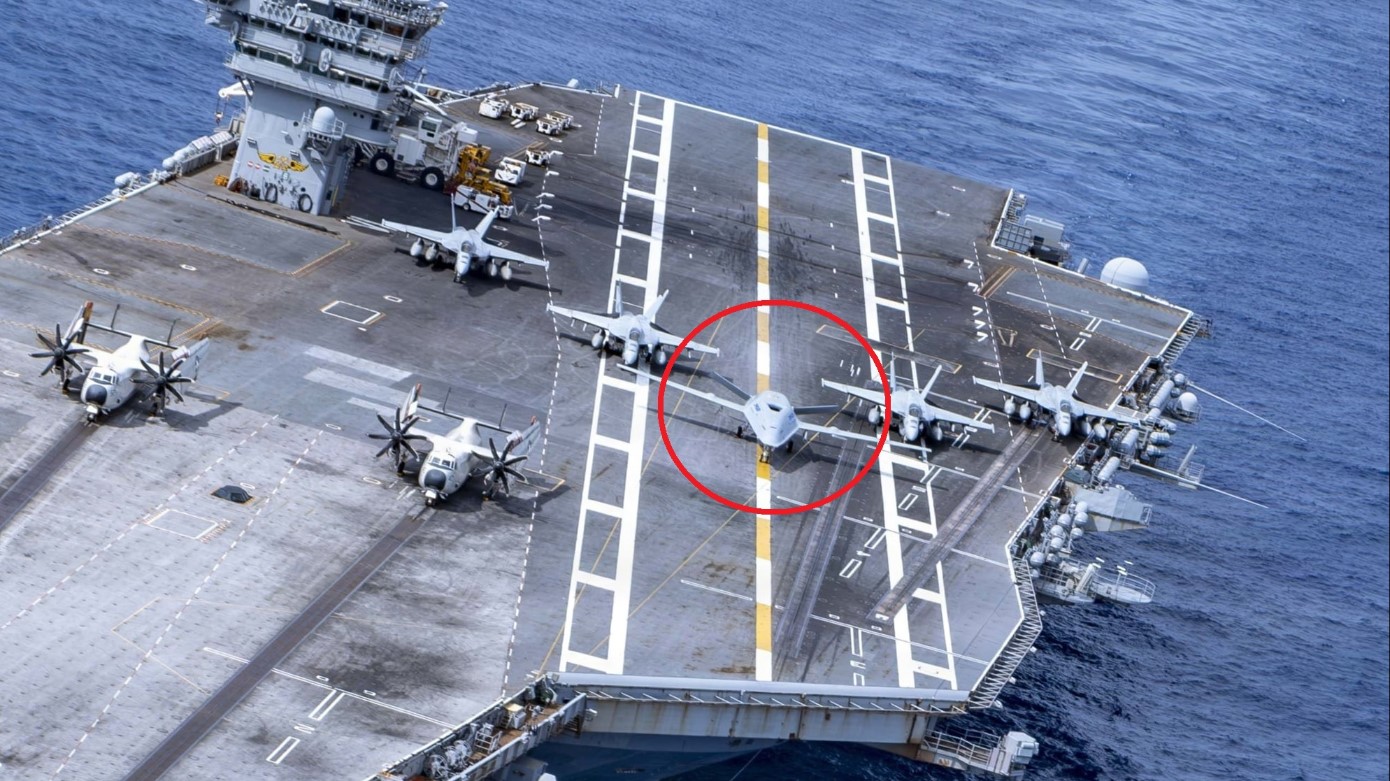
World
ATLANTIC OCEAN, June 30, 2026 — The United States Navy showcased the Boeing MQ-25A Stingray T1 demonstrator aboard the aircraft carrier USS Nimitz (CVN-68) during Fleet Exercise 250 (FLEETEX 250), highlighting progress toward integrating unmanned aerial refueling aircraft into future carrier air wings. Footage and photographs released by the U.S. Navy showed the Boeing-owned T1 demonstrator positioned on the flight deck alongside F/A-18E Super Hornets and other carrier aircraft during the multinational exercise held on June 25, 2026. The MQ-25A is the Navy's first carrier-based unmanned aerial refueling tanker and was featured as part of the service's ongoing carrier aviation modernization efforts. MQ-25 Featured During Multinational Fleet Exercise FLEETEX 250, organized by the U.S. 2nd Fleet, brought together 26 warships from the United States and 13 allied and partner nations in the Atlantic Ocean. The exercise focused on validating tactical procedures, improving maritime cohesiveness, and strengthening interoperability through coordinated at-sea training. The MQ-25A was positioned on the USS Nimitz flight deck during flight deck handling activities and official photo operations. Although the demonstrator did not land aboard the carrier and was craned onto the ship before the exercise, its presence allowed the Navy to evaluate deck handling procedures in an operational carrier environment. The aircraft was lined up on the carrier's catapults next to F/A-18E Super Hornets, providing a comparison of its size. The MQ-25 has a wingspan of approximately 75 feet when unfolded, which folds to about 31.3 feet for carrier storage, and measures approximately 51 feet in length. Updated Appearance For FLEETEX 250, the T1 demonstrator appeared in a tactical gray paint scheme, replacing the bright orange test markings used since its first flight in 2019. The aircraft also carried special "250" tail markings and a "Boeing Backs America" emblem commemorating the United States' 250th anniversary. The aircraft did not carry the Cobham Aerial Refueling Store (ARS) pod beneath its left wing during the exercise. The ARS pod is normally used to perform the MQ-25's aerial refueling mission. Program Advances Toward Production The USS Nimitz embarkation follows several recent milestones for the MQ-25 program. On April 25, 2026, the first production-representative MQ-25A completed a successful two-hour maiden flight over Illinois. The U.S. Navy later approved the program's transition into Low-Rate Initial Production (LRIP). The T1 demonstrator first flew in 2019 and has completed aerial refueling tests with the F/A-18 Super Hornet, E-2D Hawkeye, and F-35C Lightning II. It has also conducted carrier deck handling trials, while current testing continues with ground evaluations, taxi tests, autonomous systems development, and preparations for carrier qualification testing at Naval Air Station Patuxent River later this year. Expanding Carrier Air Wing Capability The MQ-25 Stingray was developed under the Carrier-Based Aerial-Refueling System (CBARS) program to provide dedicated aerial refueling support for carrier-based aircraft. The capability is intended to extend the operational range and endurance of carrier air wings while reducing reliance on manned fighters for tanker missions. According to the U.S. Navy, up to 30 percent of deployed F/A-18 Super Hornets currently perform "buddy tanking" missions by carrying external fuel tanks to refuel other aircraft. The introduction of the MQ-25 will allow those fighters to focus on combat, strike, and fleet defense missions. The U.S. Navy plans to acquire 76 MQ-25 aircraft for deployment aboard both Nimitz-class and Gerald R. Ford-class aircraft carriers. Two dedicated unmanned carrier aviation squadrons—VUQ-11 and VUQ-12—are planned to operate the fleet. The Stingray is also expected to support the Navy's broader strategy of integrating autonomous aircraft with manned carrier operations. Carrier Aviation Transition FLEETEX 250 also marked the final arrested landings and catapult launches of the Grumman C-2A Greyhound aboard USS Nimitz. After 60 years of service as the Navy's primary Carrier Onboard Delivery (COD) aircraft, the C-2A is being replaced by the CMV-22 Osprey. Following the exercise, USS Nimitz is scheduled to sail to New York Harbor to participate in International Naval Review 250 during the Fourth of July celebrations. The MQ-25 program will continue flight testing and carrier qualification activities as the U.S. Navy prepares to introduce its first operational carrier-based unmanned aerial refueling aircraft into fleet service in the coming years.
Read More → Posted on 2026-06-30 11:00:54
India
NEW DELHI, June 30, 2026 — India's Ministry of Defence (MoD) has introduced a revised financial framework for the Defence Research and Development Organisation (DRDO), granting the organisation greater financial autonomy to accelerate research, development, testing, and collaboration on indigenous defence technologies. Defence Minister Rajnath Singh unveiled the Delegation of Financial Powers to DRDO (DFP-2026) on June 29 in the presence of Chief of Defence Staff General NS Raja Subramani and DRDO Chairman Rajesh Kumar Singh. The revised framework expands financial and administrative powers across multiple levels within the Department of Defence R&D, reducing bureaucratic delays and enabling quicker execution of strategic projects. It follows a similar update to the financial powers delegated to the Armed Forces and supports the government's Aatmanirbhar Bharat initiative to strengthen indigenous defence capabilities. Key Reforms Under DFP-2026 The DFP-2026 framework introduces several important changes to improve the management of defence research programmes. Financial authority has been delegated to multiple levels within DRDO, allowing project directors, laboratory heads, and other designated officials to approve expenditures within their authorised limits without requiring repeated approvals from higher authorities. For the first time, dedicated financial provisions have been created for trial campaigns, testing, and evaluation activities, ensuring these critical stages are not delayed by funding constraints. The revised framework also permits DRDO to sanction funding for pre-project research and development, enabling scientists to begin foundational research and proof-of-concept work before a project receives formal approval. In addition, financial powers have been clearly defined for Extra-Mural Research (EMR) projects, Defence Innovation Accelerator–Centres of Excellence (DIA-CoEs), and the Technology Development Fund (TDF), simplifying funding for collaborative research with industry, startups, and academic institutions. How the System Has Changed Before DFP-2026, financial decisions were largely centralized, with many expenditures requiring multiple layers of approval from the Ministry of Defence. Testing and evaluation activities often relied on common research budgets, while pre-project research generally could not begin until formal project approval had been granted. Collaboration with external organisations also involved lengthy administrative procedures. Under the new framework, decision-making has been decentralized, dedicated funding is available for testing and evaluation, pre-project research can begin earlier, and approvals for collaborative programmes have been streamlined. These changes are expected to shorten project timelines and improve the transition of new technologies from research laboratories to the Armed Forces. Expected Impact The Ministry of Defence expects DFP-2026 to reduce administrative bottlenecks, improve project execution, and accelerate the development, testing, production, and induction of indigenous defence technologies. The reforms are also expected to strengthen cooperation between DRDO, private industry, startups, and academic institutions, supporting faster innovation and contributing to India's long-term goal of self-reliance in defence technology. DRDO's budget for the current financial year stands at approximately ₹29,100 crore, providing a substantial financial base for research and development activities under the revised framework. Expert Perspective Former Financial Adviser (Acquisition) in the Ministry of Defence, Amit Cowshish, said the expanded financial powers are a positive administrative reform but noted that their effectiveness will depend on the availability of adequate funding and continued compliance with financial regulations. Defence analysts also believe the reforms will particularly benefit smaller research projects, technology development programmes, and startup collaborations, while larger strategic programmes will continue to depend on overall defence budget allocations. The introduction of DFP-2026 marks another step in modernising India's defence research administration by providing DRDO with greater financial flexibility while maintaining accountability, helping accelerate the development of indigenous technologies for the Armed Forces.
Read More → Posted on 2026-06-30 11:04:41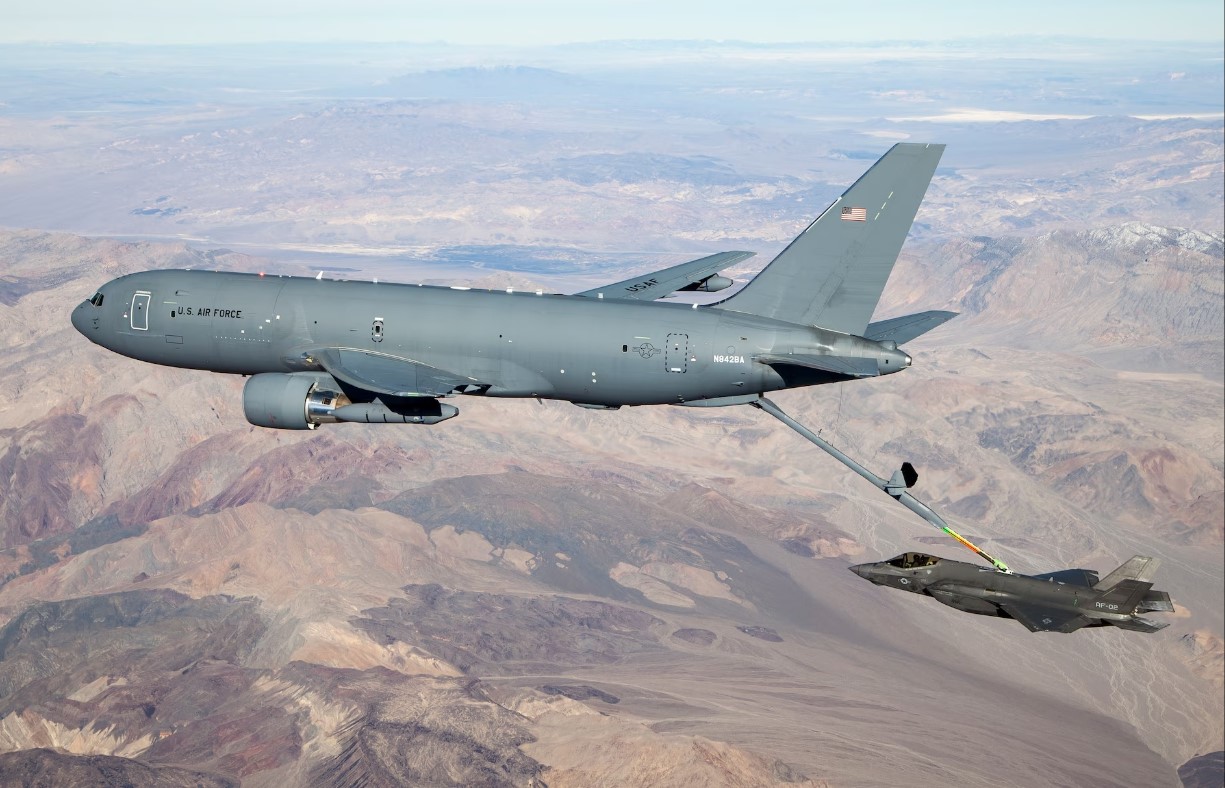
World
WASHINGTON, D.C., June 30, 2026 — The U.S. Air Force has awarded a combined $471 million through 28 separate indefinite-delivery, indefinite-quantity (IDIQ) contracts to strengthen the repair and exchange of aircraft parts for the KC-46 Pegasus aerial refueling fleet. Awarded on June 24, 2026 by the Air Force Sustainment Center at Tinker Air Force Base, Oklahoma, the contracts are intended to improve aircraft availability by addressing persistent shortages of replacement components. Work will be carried out at facilities across more than a dozen U.S. states and Israel through May 2031. The awards followed a competitive procurement process that received 28 offers and cover both commercial and non-commercial aircraft parts. The contracts are intended to strengthen the KC-46 supply chain by expanding the number of qualified repair providers, reducing maintenance delays, shortening repair turnaround times, and limiting the impact of disruptions affecting individual suppliers. Parts Shortages Continue to Affect Fleet Readiness Replacement part shortages remain one of the main factors affecting KC-46 readiness. While many aircraft remain technically serviceable, limited availability of components—including hydraulic actuators, landing gear assemblies, avionics modules, and other critical systems—has delayed maintenance and kept aircraft out of service. By distributing repair work among multiple companies, the Air Force aims to build a more resilient logistics network capable of supporting the expanding tanker fleet while reducing dependence on single suppliers. KC-46 Pegasus and Its Operational Role The KC-46 Pegasus, developed from the Boeing 767 commercial airliner, is the U.S. Air Force's primary replacement for the KC-135 Stratotanker. The aircraft can carry up to 212,000 pounds (96,160 kilograms) of fuel for aerial refueling using both boom and hose-and-drogue systems. It can also transport 65,000 pounds (29,484 kilograms) of cargo across 18 pallet positions and be configured for aeromedical evacuation of up to 58 patients. The Air Force has accepted more than 105 aircraft from a planned fleet of 263 KC-46s, with operations currently based at seven locations and additional bases planned through 2031. Technical and Maintenance Challenges According to a 2026 Government Accountability Office (GAO) report, the KC-46 achieved a 62 percent mission-capable rate during fiscal year 2024, compared with 68 percent for the KC-135. The Pentagon's Director of Operational Test and Evaluation identified two major technical issues that continue to affect full operational capability: the Remote Vision System (RVS), which assists boom operators during aerial refueling, and the Boom Telescope Actuator, which controls extension of the refueling boom. The GAO also reported that approximately 75 percent of maintenance personnel at some dual-aircraft bases lack sufficient experience maintaining the more advanced KC-46, further affecting fleet readiness. Supplier Network Expansion The contracts were awarded to a broad range of aerospace manufacturers, avionics suppliers, repair specialists, and international partners. Recipients include Boeing in Tukwila, Washington; Honeywell International in Tempe, Arizona; Collins Aerospace in Windsor Locks, Connecticut; Crane Aerospace and Electronics; and Eaton Corporation, which received five contract awards across four states. Additional awards went to Davenport Aviation, S&K Aerospace, and TAT Technologies in Kiryat Gat, Israel, expanding repair capacity across multiple facilities. Part of a Broader Readiness Initiative The contracts support a wider readiness initiative announced jointly by the Air Force and Boeing on May 12, 2026. The effort includes installation of the Remote Vision System 2.0 beginning during scheduled depot maintenance in 2028, redistribution of engines, landing gear, and other major components from five early-production aircraft to operational tankers, and a five-year performance-based logistics agreement that makes Boeing responsible for improving support for the aerial refueling subsystem. Air Force officials estimate these combined measures will improve fleet availability by approximately 6 percent in the near term, with overall readiness expected to increase by more than 20 percent by 2030. Expanding Fleet and Operational Role The Air Force's fiscal year 2027 budget request includes funding for 15 additional KC-46 aircraft, with procurement projected to increase to 18 aircraft annually between 2028 and 2031. The KC-46 has become increasingly important for long-range operations, particularly in the Indo-Pacific, where aerial refueling extends the range and endurance of fighters, bombers, and transport aircraft operating over vast distances. The aircraft also demonstrated its operational value during Operation Epic Fury on February 28, 2026, when KC-46 and KC-135 tankers supported a joint U.S.-Israeli operation by providing aerial refueling and transporting personnel and cargo throughout the U.S. Central Command area. With the expanded repair network and ongoing modernization efforts, the Air Force aims to improve the long-term availability and sustainment of the KC-46 fleet while supporting future global operations.
Read More → Posted on 2026-06-30 11:10:13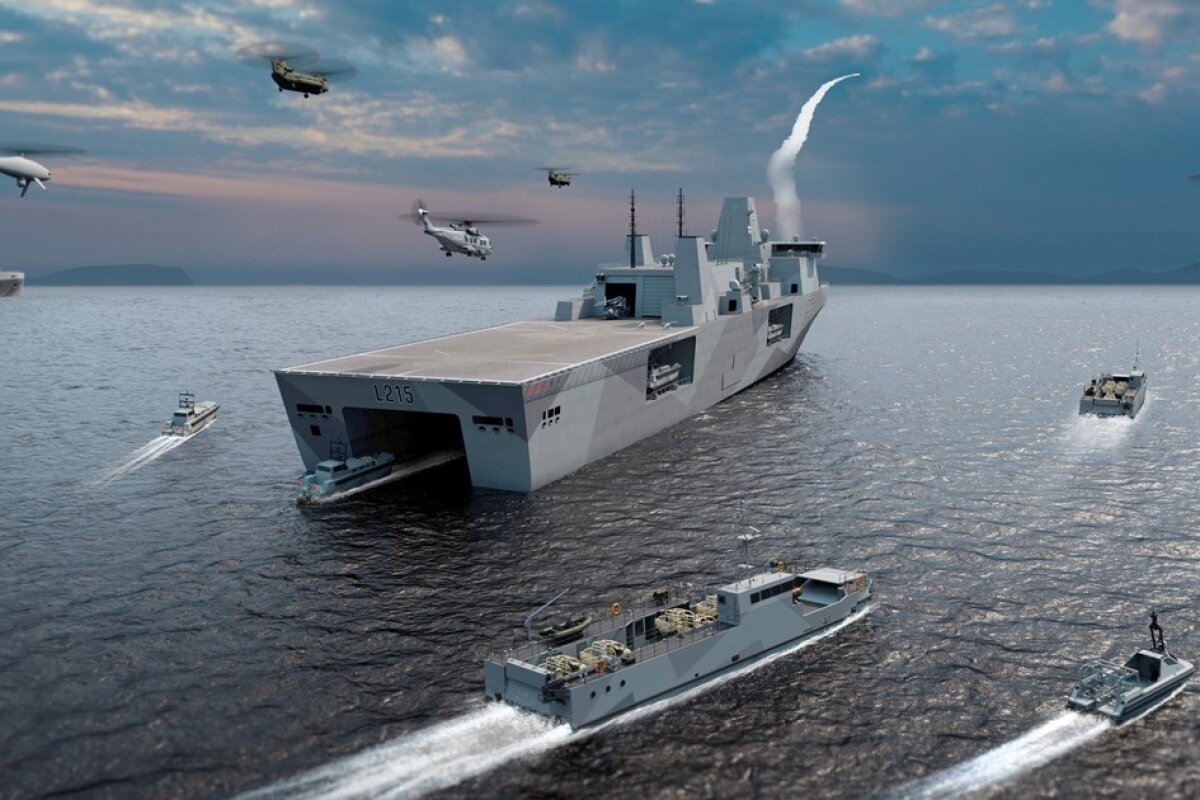 UK Commits £500 Million to Modernize Royal Marines and Build Joint Amphibious Fleet with Netherlands
World
LONDON, June 30, 2026 — The United Kingdom Ministry of Defence (MoD) has announced a £500 million investment to modernize the Royal Marines' Commando Force and restore the country's amphibious assault capabilities through new equipment, autonomous systems, and a future fleet of amphibious transport ships developed in cooperation with the Netherlands. The investment forms part of a refreshed Defence Investment Plan led by newly appointed Defence Secretary Dan Jarvis, who took office in early June 2026. During his first weeks in office, Jarvis reviewed the defence budget and redirected funding toward rapidly equipping frontline forces ahead of the upcoming NATO Summit. The programme is designed to transform the Royal Marines into the Future Commando Force, a highly agile and rapidly deployable force focused on operations in the High North and the Arctic, where the UK has identified increasing Russian military activity as a growing security concern. Investment to Equip the Future Commando Force The £500 million package will strengthen the Royal Marines with new maritime platforms, advanced unmanned systems, and precision strike capabilities. A key element of the programme is the procurement of High-Speed Joint Commando Craft (JCC), specialized insertion vessels designed for rapid troop transport, covert maritime operations, coastal insertions, and maritime security missions, including the interception of illicit or sanctioned vessels. The Ministry of Defence cited the Royal Marines' seizure of the Russian shadow fleet tanker Smyrtos in the English Channel as an example of the type of mission these vessels are intended to support. Nearly £100 million has also been allocated for next-generation technologies, including uncrewed surface vessels (USVs), networked targeting systems, and lethal strike drones to improve operational awareness and precision engagement. Defence Secretary Dan Jarvis said the investment would ensure the Commandos receive the equipment required for future operations. "We're investing in new lethal strike drones, high-speed boats and amphibious transport ships to give our Commandos the equipment they need to stay ahead of adversaries and defend us," Jarvis said. Joint Amphibious Fleet with the Netherlands A central part of the modernization programme is the development of a new class of larger amphibious transport ships that will operate as part of a combined fleet with the Royal Netherlands Navy. The United Kingdom and the Netherlands have cooperated through the UK/NL Amphibious Force for more than 50 years. In 2023, both countries signed a memorandum of understanding to explore a common amphibious ship design. Although the proposal for an identical ship was abandoned in 2024 due to different operational requirements and budget constraints, both nations agreed to pursue interoperability. Under the new approach, their future amphibious ships will incorporate shared subsystems—including standardized landing craft, dock gates, crane systems, and power plants—allowing both navies to operate seamlessly from each other's vessels during joint operations. According to the Ministry of Defence, the ships will form the foundation of a combined amphibious fleet supporting multinational and NATO missions. Restoring Amphibious Capability The investment follows the decommissioning of the Royal Navy's dock landing ships HMS Albion and HMS Bulwark in late 2024 because of cost-saving measures and persistent personnel shortages, leaving the service without dedicated amphibious assault ships. Rather than being scrapped, both vessels were sold to Brazil following a Statement of Intent signed during the LAAD Defence & Security Expo in April 2025. HMS Bulwark is currently completing its final refit in Plymouth before entering Brazilian Navy service in mid-2026 under the name Oiapoque, where it is expected to remain in service for around 20 years. Until the new UK-Netherlands amphibious transport ships enter service, the Royal Navy will continue relying on its Bay-class auxiliary landing ships to support Royal Marine deployments. Supporting Future NATO Operations The investment is intended to maintain the UK's amphibious capability during the transition period by combining existing naval assets with autonomous systems, strike drones, and high-speed insertion craft. The Future Commando Force concept emphasizes lighter, faster, and more technologically advanced expeditionary operations. The planned amphibious transport ships will provide platforms for deploying commandos alongside landing craft, unmanned systems, and other mission equipment while strengthening defence cooperation between the United Kingdom and the Netherlands and supporting NATO operations in the Arctic, High North, and other strategic regions.
Read More → Posted on 2026-06-30 11:17:28
World
QUANTICO, Virginia, June 30, 2026 — The U.S. Marine Corps has awarded Seattle-based Overland AI a production contract worth approximately $20 million to accelerate the fielding of fully autonomous ground vehicles (AGVs) in support of Marine air defense operations. The agreement marks the first time a ground autonomy company has served as the prime contractor for a production contract involving autonomous ground vehicles with the U.S. military. The contract, valued at $19.74 million, was awarded through the Accelerate the Procurement and Fielding of Innovative Technologies (APFIT) program under an Other Transaction Authority (OTA) agreement. The effort is managed by the Office of the Under Secretary of Defense for Research and Engineering in partnership with the Marine Corps' Program Manager for Ground Based Air Defense (PM GBAD). The production contract includes procurement of more than a dozen autonomous military ground vehicles, Overland AI's OverDrive autonomous driving software, OverWatch command-and-control system, spare parts, training, and support services. Initial deliveries are scheduled to begin in early 2027, approximately nine months after the contract award. The award represents an important step in the Department of Defense's broader effort to transition autonomous ground systems from experimental programs into operational military service. Supporting Marine Air Defense Operations The autonomous vehicles will be integrated into the Marine Air Defense Integrated System (MADIS), the Marine Corps' mobile short-range air defense platform designed to counter drones, helicopters, and other low-flying aerial threats. MADIS is currently mounted on Joint Light Tactical Vehicles (JLTVs) and combines surveillance sensors, electronic warfare equipment, 30mm cannons, and Stinger missiles to provide mobile air defense capabilities for Marine units. Rather than replacing the manned JLTV-based systems, the autonomous vehicles will initially serve as force multipliers by providing logistics support, resupply missions, and intelligence, surveillance, and reconnaissance (ISR) capabilities. Future operational roles may expand as the technology is further integrated into Marine Corps air defense formations. The integration of autonomous resupply vehicles is expected to extend the operational reach of Marine air defense units while reducing personnel exposure during support missions. ULTRA Vehicle and Autonomous Technology For the contract, Overland AI will provide its ULTRA unmanned ground vehicle, an attritable off-road tactical platform designed for military operations in challenging environments. The vehicle weighs approximately 2,500 pounds and can carry payloads of up to 1,000 pounds. It features large off-road tires, long-travel suspension, and an open-architecture payload deck that allows different mission equipment to be installed depending on operational requirements. The ULTRA operates using Overland AI's OverDrive autonomy software, which enables the vehicle to navigate difficult terrain without continuous human control. The system uses onboard sensors to perceive its surroundings, plan routes, avoid obstacles, and make real-time driving decisions while a remote operator can supervise missions through the OverWatch command-and-control system. According to the company, the platform is designed to operate across diverse environments and is not limited to any specific geographic region or theater of operations. Military Transition to Operational Deployment The production award reflects the U.S. military's transition from testing autonomous ground vehicles to fielding operational systems for frontline units. The contract demonstrates growing confidence in autonomous technologies for logistics, reconnaissance, and support missions. Uncrewed ground vehicles are intended to reduce the need for personnel to operate close to potential threats while increasing operational flexibility across different mission environments. Demand for autonomous ground systems has grown as the U.S. military continues integrating unmanned technologies into its future operational concepts. The increasing use of uncrewed ground vehicles in recent conflicts has also highlighted their value for logistics, reconnaissance, and force protection missions. Experience Across Multiple Military Programs Overland AI has previously supported several U.S. military modernization programs and field exercises. The company's autonomy software is already integrated into platforms including General Dynamics' Small Multipurpose Equipment Transport (S-MET), Textron's Ripsaw M5, and systems evaluated by the Defense Advanced Research Projects Agency (DARPA). The company has also participated in the Marine Corps' ROGUE Fires program, which focuses on autonomous missile-launching capabilities. During recent multinational exercises, including Agile Spirit and African Lion 2026, Overland AI supplied autonomous vehicles to the U.S. Army's 173rd Airborne Brigade and 7th Engineer Brigade for missions involving coordinated breaching operations, fire support, logistics, and defensive obstacle emplacement. Additionally, the 82nd Airborne Division employed the company's autonomous vehicles for intelligence, surveillance, and reconnaissance (ISR) missions during a six-month training rotation at Fort Polk, Louisiana. Expanding Autonomous Capability The Marine Corps continues to expand its use of autonomous and unmanned systems as part of its modernization strategy for distributed operations, particularly in contested environments such as the Indo-Pacific region. Integrating autonomous ground vehicles into air defense units is expected to improve logistics support, extend operational range, reduce personnel exposure to threats, and enhance overall mission effectiveness. With deliveries beginning in early 2027, the Overland AI contract marks the Marine Corps' transition from evaluating autonomous ground vehicle technology to fielding production systems intended for operational military use.
Read More → Posted on 2026-06-30 11:31:25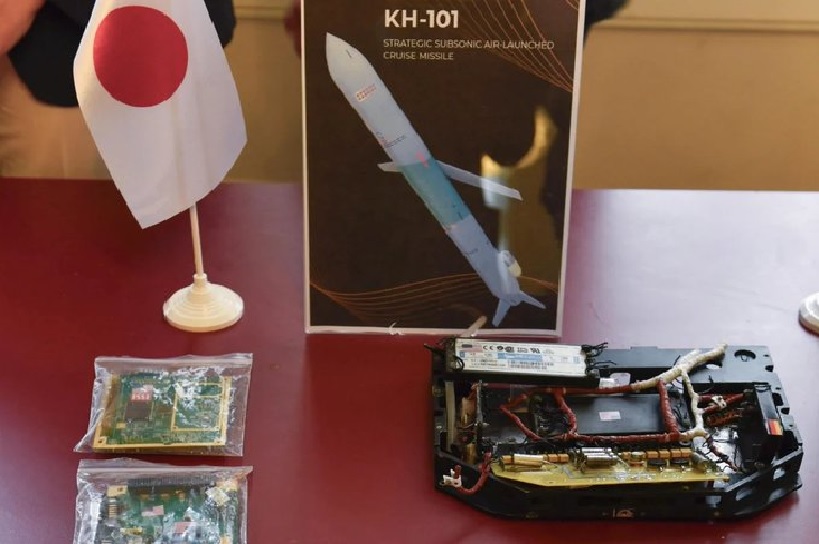
World
KYIV, Ukraine, June 30, 2026 — Ukrainian officials have stated that electronic components manufactured by Japanese companies have been identified in approximately 90% of the ballistic missiles, cruise missiles, and drones used by Russian forces during the ongoing war, according to internal Ukrainian government documents. The findings were presented by Vladyslav Vlasiuk, Ukrainian President Volodymyr Zelenskyy's Commissioner for Sanctions Policy, who said the components are primarily civilian electronic parts that have been diverted into Russia's defense industry through third-country supply networks rather than direct exports from Japan. According to the documents, Ukrainian investigators have identified components from 13 Japanese semiconductor and electronics manufacturers in a range of Russian weapon systems recovered from the battlefield. The parts have been traced in the Kh-101 long-range cruise missile, which reportedly contains more than 100 foreign-made components, as well as Lancet loitering munitions, Iranian-designed Shahed attack drones, and Mohajer-6 reconnaissance drones used by Russian forces. The Ukrainian government said the components involved are standard commercial electronic parts designed for civilian applications rather than military use. Because these products are widely available on the global market, authorities say monitoring their final destination remains a significant challenge for export control agencies. According to Ukrainian officials, Russia is obtaining these dual-use components through a network of intermediaries that re-export commercially available electronics into the country. Investigations indicate that many of the parts are routed through Central Asian countries and China, allowing Russian defense manufacturers to bypass existing international sanctions and export restrictions. The findings have renewed Kyiv's calls for tighter international controls on dual-use technologies. Vlasiuk urged the Japanese government to strengthen export oversight, improve end-user verification, and increase monitoring of indirect exports that could ultimately reach Russia's military-industrial sector. He stated that Russia continues to exploit the complexity of global supply chains and the difficulty of tracking civilian electronic products after export, enabling the country to maintain production of missiles and unmanned aerial systems despite international sanctions. The issue highlights broader challenges facing governments attempting to restrict the transfer of commercially available microelectronics that can serve both civilian and military purposes. While many advanced weapons rely on specialized components, a significant portion of their electronic systems also use standard semiconductors, processors, sensors, and integrated circuits that are commonly available in international markets. Japanese news agency Kyodo News contacted the 13 companies identified in the Ukrainian documents for comment. Their responses varied. Five manufacturers said they were unable to confirm whether the identified components originated from their supply chains because of limited visibility into downstream distribution. One company indicated that a product manufactured by one of its subsidiaries may have been repurposed after sale. Another company stated that the component identified in the report was produced by a different manufacturer. The remaining six companies did not respond to requests for comment. Ukraine has previously documented the presence of foreign-made electronic components from multiple countries in Russian weapons recovered during the conflict. However, Ukrainian officials said the latest assessment indicates that Japanese-made components appear in an estimated 90% of the missiles and drones examined, drawing renewed attention to the role of global commercial supply chains in the production of military equipment. Japan has remained a consistent supporter of Ukraine since the start of Russia's full-scale invasion, imposing sanctions on Russia while providing financial assistance, humanitarian support, and non-lethal defense aid, including drone detection systems and other security-related equipment. Ukrainian officials said the latest findings demonstrate that, despite extensive international sanctions, preventing the diversion of widely available civilian electronics into military supply chains continues to be one of the most difficult aspects of sanctions enforcement. They argue that closer international coordination, stronger export controls, and improved monitoring of intermediary trade routes will be necessary to reduce the flow of dual-use components into Russia's weapons manufacturing sector. Japanese authorities had not issued an immediate public response to Ukraine's latest claims at the time of reporting.
Read More → Posted on 2026-06-30 12:59:39
World
TAMPA, Fla., June 30, 2026 — U.S. Special Operations Command (USSOCOM) has awarded L3Harris Technologies a $614 million indefinite-delivery/indefinite-quantity (IDIQ) contract to provide long-term contractor logistics support for the AN/ALQ-211 Suite of Integrated Radio Frequency Countermeasures (SIRFC), a critical airborne electronic warfare system that protects military aircraft from radar-guided air defense threats. The contract, announced on June 29, 2026, combines firm-fixed-price and cost-reimbursement elements, allowing USSOCOM to order support services as operational requirements evolve. At the time of award, the command obligated approximately $40.7 million using fiscal year 2025 and 2026 procurement funds together with fiscal year 2026 operations and maintenance funding. The contract was awarded on a sole-source basis because L3Harris is the original developer of the AN/ALQ-211 and retains the intellectual property and technical expertise required to sustain and modernize the system. Sustainment Scope The agreement provides comprehensive lifecycle support for the AN/ALQ-211 fleet, including: Program management and technical engineering support. Contractor logistics support and material procurement. System repair, overhaul, and spare parts provisioning. Deployment of field service representatives. Continuous software upgrades and electronic threat library updates. The award represents a significant increase in sustainment funding compared with previous years. In 2024, USSOCOM awarded approximately $48.7 million for SIRFC components and related services. The new $614 million contract ceiling reflects a long-term investment in maintaining the system against evolving electronic warfare threats. AN/ALQ-211 SIRFC Capabilities The AN/ALQ-211 SIRFC functions as an aircraft's integrated electronic warfare management system, providing protection across radio frequency, infrared, and laser threat environments. The system continuously scans for hostile radar emissions and determines whether an aircraft has entered the engagement range of radar-guided surface-to-air missiles or anti-aircraft weapons. When a threat is detected, it automatically initiates defensive measures, including radio frequency jamming and the controlled deployment of chaff and flares to disrupt enemy weapon guidance. SIRFC also fuses information from onboard and off-board sensors to provide aircrews with a consolidated, real-time picture of the threat environment, reducing pilot workload during combat missions. The system is designed to counter multiple radar types, including: Pulse radar Pulse-Doppler radar Continuous wave radar Monopulse radar commonly used by modern surface-to-air missile systems These capabilities enable aircraft to operate more effectively in complex air defense environments where legacy and modern radar systems may operate simultaneously. Aircraft Integration Originally developed in the early 1990s as a U.S. Army electronic warfare modernization program, the AN/ALQ-211 was later focused on Special Operations aviation following development and software integration improvements. Today, the system is integrated on several U.S. Special Operations aircraft, including: CV-22 Osprey tiltrotor aircraft. MH-47G Chinook helicopters. MH-60M Black Hawk helicopters. Internationally, the AN/ALQ-211 has also been integrated on F-16 fighter aircraft operated by Chile, Poland, Pakistan, Turkey, and Oman, as well as NH90 helicopters operated by Norway. Supporting Readiness Against Emerging Threats Modern air defense systems continue to evolve with advanced radar technologies, including frequency-agile, low-probability-of-intercept, and electronic counter-countermeasure capabilities. Maintaining the effectiveness of the AN/ALQ-211 requires regular software updates and revised electronic threat libraries to recognize newly identified radar signatures and counter emerging missile threats. Through long-term logistics support, engineering services, maintenance, repairs, and software modernization, the contract will help ensure USSOCOM aircraft remain equipped with an effective electronic warfare capability throughout future operations.
Read More → Posted on 2026-06-30 13:11:45
World
FORT NOVOSEL, Ala., June 30, 2026 — The U.S. Army and Boeing have successfully completed a 12-month operational maintenance exercise demonstrating that a diagnostic system originally developed for ground combat vehicles can significantly improve maintenance efficiency for the AH-64E Apache attack helicopter. The initiative showed that advanced diagnostics performed directly on the flightline can reduce repair time, improve aircraft readiness, ease supply chain demands, and lower sustainment costs. The exercise introduced the first-ever Aviation Test Program Set on the Next Generation Automatic Test System (NGATS) Pathfinder, expanding the system's capabilities beyond ground combat vehicles and into Army aviation maintenance. Expanding NGATS from Ground Vehicles to Aviation The NGATS Pathfinder is a mobile, modular diagnostic platform used by the U.S. Army to identify faults in electronic line-replaceable units. It has previously supported maintenance for major ground combat platforms, including the M1 Abrams main battle tank, Bradley Fighting Vehicle, and Stryker combat vehicle. Boeing Global Services upgraded NGATS last year by developing its first Aviation Test Program Set, allowing maintainers to perform advanced diagnostics on Army aircraft. The objective was to bring diagnostic capability directly to the point of maintenance, enabling technicians to identify faults without sending components to centralized repair facilities whenever possible. Focus on the Apache Aircraft Interface Unit The operational exercise was conducted at the U.S. Army Aviation Center of Excellence at Fort Novosel, where Army sustainment personnel worked alongside Boeing and onsite maintenance partner M1 to evaluate new fault diagnostic procedures for the Apache's Aircraft Interface Unit (AIU). The AIU is a key electronic component that enables communication between the helicopter's avionics and mission systems. During the exercise, maintainers used the NGATS Pathfinder to diagnose AIU-related issues directly on the flightline rather than removing the unit for depot-level testing. More Than $1 Million in Cost Avoidance The maintenance exercise generated more than $1 million in cost avoidance on the Aircraft Interface Unit alone, exceeding initial projections of several hundred thousand dollars. The savings were primarily achieved by quickly confirming "no fault found" conditions at the point of maintenance. Previously, components suspected of malfunctioning were routinely removed from aircraft and shipped to centralized Army depots for additional testing. In many cases, testing later confirmed that the components were fully functional, resulting in unnecessary transportation, repair processing, and maintenance delays. By performing diagnostics on the flightline, Army maintainers were able to immediately return serviceable components to operation while replacing only those that required repair. This approach reduced unnecessary logistics activity, eased pressure on the global supply chain, and shortened aircraft downtime. Improving Readiness Through Field-Level Diagnostics Conducting diagnostics closer to the aircraft allows maintenance personnel to isolate faults more quickly, reduce unnecessary component replacements, improve aircraft readiness, and lower long-term sustainment costs by reducing repair turnaround times and improving maintenance efficiency. Fort Novosel Provides an Ideal Test Environment The maintenance exercise was carried out at the U.S. Army Aviation Center of Excellence, which operates an aircraft fleet equivalent to five combat aviation brigades and conducts approximately 40% of the Army's total aviation flight hours. Its high operational tempo provided an effective environment for evaluating the new maintenance procedures under operational conditions. The Army expects the maintenance improvements validated at Fort Novosel to be expanded across the wider Army aviation fleet to improve readiness and field-level repair capabilities. Expansion Planned for Other Army Platforms Following the successful Apache demonstration, Boeing and the Army plan to expand NGATS aviation capabilities to additional platforms. Future Aviation Test Program Sets are expected to support the UH-60 Black Hawk utility helicopter and the CH-47 Chinook heavy-lift helicopter. Boeing also plans to extend the technology to unmanned aircraft systems (UAS) and Army watercraft, creating a common diagnostic framework across multiple operational domains. The expanded use of NGATS is expected to further improve maintenance efficiency, reduce sustainment costs, and increase operational readiness across a broader range of Army platforms. Supporting Long-Term Sustainment Efficiency The successful completion of the 12-month exercise demonstrates how adapting an existing diagnostic system from ground combat vehicles to aviation can improve maintenance without requiring entirely new infrastructure. By enabling faster fault isolation, reducing unnecessary depot-level testing, lowering logistics requirements, and improving aircraft availability, the U.S. Army and Boeing aim to strengthen sustainment performance and reduce operational costs across multiple military platforms.
Read More → Posted on 2026-06-30 13:25:35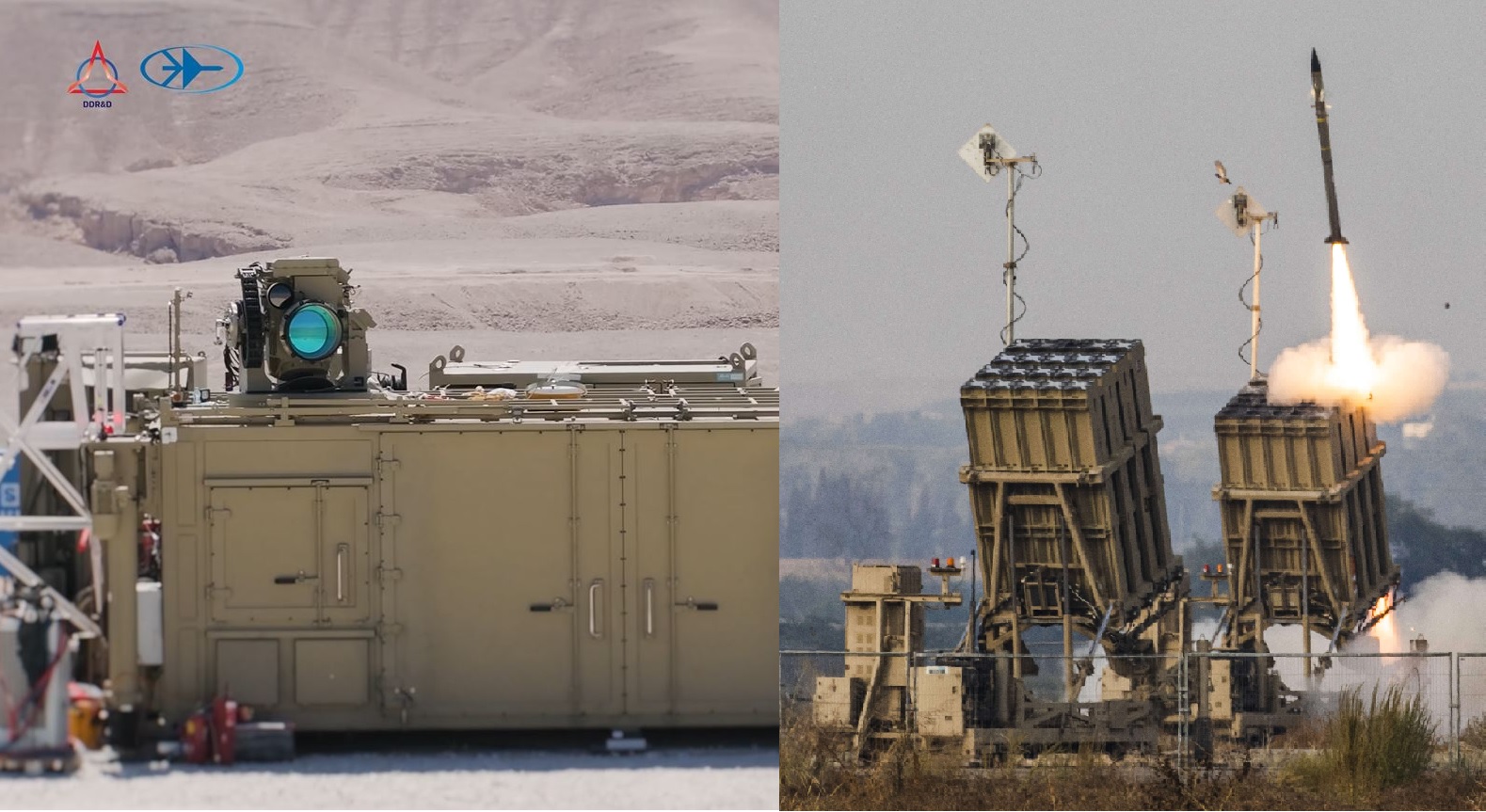
World
TEL AVIV, Israel, June 30, 2026 — The Israel Ministry of Defense (IMOD) and Rafael Advanced Defense Systems have successfully completed an extensive series of integrated tests combining the newly developed Iron Beam high-energy laser weapon system with the operational Iron Dome short-range air defense system. The trials were led by the Ministry's Directorate of Defense Research & Development (DDR&D) in cooperation with Rafael. During the tests, Iron Beam and Iron Dome operated together from the Iron Dome command center, engaging a variety of advanced aerial threats, including rockets, cruise missiles, and unmanned aerial vehicles (UAVs). Operational Upgrades Based on Recent Combat According to the Defense Ministry, the test series incorporated operational lessons learned during recent combat operations, including the ongoing war and recent operations involving Iran. The upgrades were designed to improve the systems' ability to counter evolving threats, including saturation attacks and cluster munitions delivered by ballistic missiles. The integrated command system was able to assess incoming threats in real time and assign the most appropriate and cost-effective interceptor, allowing the two systems to operate as a coordinated air defense network. Iron Beam Complements Iron Dome Iron Beam is a 100-kilowatt-class High Energy Laser Weapon System (HELWS) developed to complement Israel's existing missile defense architecture, which also includes David's Sling and the Arrow systems. Unlike Iron Dome, which intercepts targets using radar-guided kinetic missiles, Iron Beam uses a directed-energy laser supported by adaptive optics to engage targets at ranges of up to 10 kilometers. The combination enables Iron Beam to counter short-range rockets, mortars, and drone threats, while Iron Dome remains focused on heavier rockets, artillery projectiles, cruise missiles, and other more complex targets. The laser system also offers significant operational and economic advantages. While Iron Dome relies on interceptor missiles that cost tens of thousands of dollars per launch and are limited by available missile stocks, Iron Beam uses electrical power, resulting in a negligible cost per intercept and the ability to continue operating as long as power is available. This allows the military to preserve interceptor missiles for higher-priority threats during prolonged conflicts. Strengthening Israel's Air Defense Rafael President and CEO Yoav Tourgeman and Moshe Patel, head of the Israel Missile Defense Organization (IMDO) under the DDR&D, said integrating Iron Beam with the proven Iron Dome system strengthens Israel's ability to counter both existing and emerging aerial threats. The Ministry of Defense described the successful tests as a significant step toward improving readiness for future security challenges while maintaining the Israel Defense Forces' (IDF) qualitative advantage. Following the completion of combat-configuration testing, Iron Beam is continuing its transition into serial production and broader operational deployment within the IDF's air defense units.
Read More → Posted on 2026-06-30 13:45:23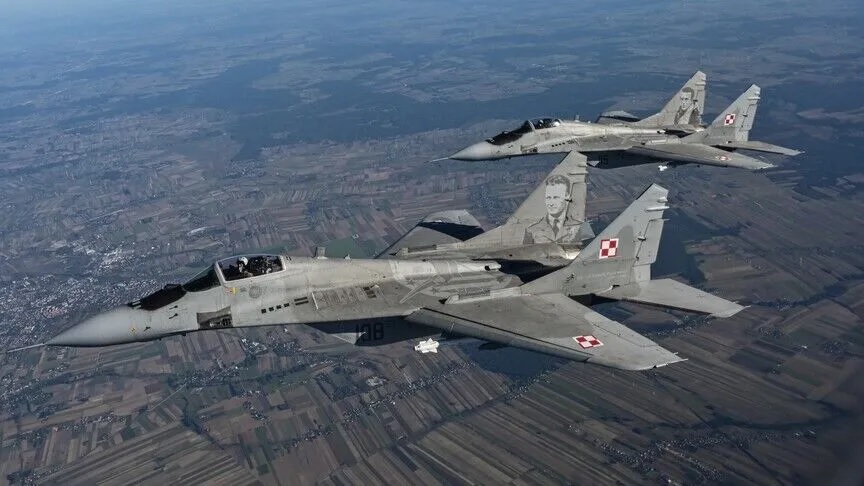
World
WARSAW, June 30, 2026 — Poland has suspended plans to transfer its remaining Soviet-era MiG-29 fighter jets to Ukraine after a proposed agreement to exchange the aircraft for Ukrainian drone technology failed to materialize, Polish Defense Minister Władysław Kosiniak-Kamysz confirmed. The proposal, first outlined under a bilateral security agreement signed in July 2024 and further discussed in late 2025, involved the transfer of at least 14 remaining Polish MiG-29 fighter jets in exchange for access to Ukraine's drone technology, production expertise, and battlefield experience in unmanned systems. According to Polish officials, Ukraine initially agreed to the arrangement but later did not proceed with the reciprocal technology-sharing component. Deputy Defense Minister Cezary Tomczyk had previously stated on June 15 that the aircraft would only be transferred once the drone technology agreement was finalized. Poland has already supplied 14 MiG-29 fighter jets to Ukraine during earlier stages of the conflict. The remaining aircraft are scheduled to be retired as Warsaw continues modernizing its air force with Western platforms, including the F-35 stealth fighter, F-16 multirole fighter, and South Korean FA-50 light combat aircraft. The collapse of the agreement highlights the growing importance of drone capabilities in modern warfare. Ukrainian drone industry representatives have previously noted that unmanned aerial system technology evolves every three to six months, making a one-time transfer of technical documentation insufficient without continuous cooperation and joint production. Earlier discussions on a joint "Drone Armada" manufacturing project between the two countries have also not progressed into an operational program. The suspension of the fighter jet transfer comes amid broader political and historical tensions between Warsaw and Kyiv, despite Poland remaining one of Ukraine's largest military and logistical supporters. Kosiniak-Kamysz has said future defense cooperation should be based on mutual benefits while also linking Ukraine's future European Union membership to the resolution of historical disputes, including issues surrounding the legacy of the Ukrainian Insurgent Army (UPA) and the Volhynian massacres of 1943–1944. For now, Poland will continue retiring its remaining MiG-29 fleet as planned, while the proposed transfer to Ukraine will remain suspended unless both countries reach a new agreement on drone technology cooperation.
Read More → Posted on 2026-06-30 13:58:52
World
WARSAW, Poland, June 30, 2026 — Polish defense company MBF Group S.A., in partnership with Turkey's Shark Aviation Dynamics, has successfully completed live-fire testing of the IRYDA+ X1 autonomous swarm unmanned aerial vehicle (UAV) system, demonstrating approximately one-meter strike accuracy against a designated ground target. According to the company, telemetry and field data confirmed that the IRYDA+ X1 initiated a detonation at a height of five meters above the target, producing an effective coverage area of approximately 30 meters in diameter. The capability is intended for engaging personnel and lightly protected vehicles. MBF Group has also published footage of the precision strike on its official X (formerly Twitter) account. The successful tests mark the transition of the IRYDA+ X1 from the research and development phase to a commercially ready platform. Swarm UAV Capabilities The IRYDA+ X1 is a modular swarm UAV system that enables a single operator to control multiple unmanned aircraft during coordinated missions. It features real-time data sharing, adaptive autonomous behavior, formation keeping, and the ability to operate in contested electromagnetic environments, including GPS-denied areas. Verified performance specifications include an operational speed exceeding 30 km/h, a range of more than 20 kilometers, endurance of over 60 minutes, and a payload capacity of 300 grams. The system is packaged in a compact carrying case for rapid deployment. Leadership Statement and Investment Colonel (Ret.) Janusz Czarnecki, President of the Management Board of MBF Group S.A. and a former Polish Armed Forces officer, said the one-meter precision achieved during live testing demonstrates the system's readiness for evaluation by armed forces and security agencies. He added that the platform's open architecture will support future capability upgrades. The program has also received additional financial backing. Former Polish national football representative Radosław Majdan invested between 910,000 PLN and 1.3 million PLN, supporting the project's commercial development and dual-use applications for military and critical infrastructure protection. International Debut and Commercialization The IRYDA+ X1 will be officially unveiled during the first half of July 2026 in Turkey, where MBF Group and Shark Aviation Dynamics will conduct technical demonstrations of the platform's AI-supported loitering swarm capabilities. Following the event, the first demonstration packages, consisting of eight UAV pairs and their Ground Control Systems (GCS), will be delivered to Warsaw. MBF Group plans to launch commercialization activities with demonstrations for the Polish Armed Forces, the Armaments Agency, the Border Guard, and specialized police units. The company is also open to international partnerships covering technology integration, co-development, licensing, and direct procurement, and plans to showcase the IRYDA+ X1 at major defense exhibitions across Europe in the coming months.
Read More → Posted on 2026-06-30 14:05:28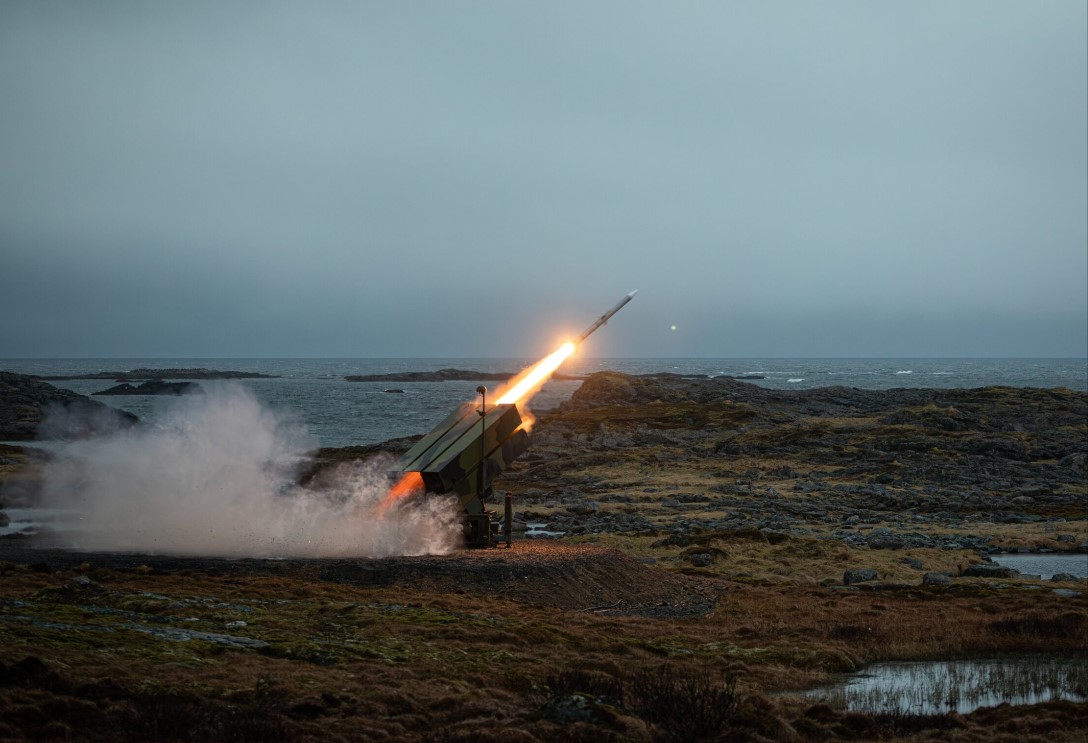
World
OSLO, Norway, June 30, 2026 — Kongsberg Defence & Aerospace has signed a contract valued at approximately $400 million with U.S.-based Raytheon to supply the National Advanced Surface-to-Air Missile System (NASAMS) to Kuwait. The agreement, announced on June 30, forms part of Kuwait's ongoing efforts to modernize its integrated air defense capabilities through the U.S. Foreign Military Sales (FMS) program. The contract represents Kongsberg's share of a broader $1.02 billion NASAMS contract awarded by the U.S. Army to Raytheon in May 2026. Under the agreement, Kongsberg will manufacture and deliver NASAMS fire units, with production and deliveries scheduled to continue through May 2031. Strengthening Kuwait's Layered Air Defense Kuwait is acquiring NASAMS to strengthen its existing layered air defense architecture by providing medium-range protection between short-range and long-range air defense systems. The system is intended to enhance the country's ability to protect its population, critical infrastructure, military facilities, and strategic assets against a broad range of aerial threats, including aircraft, cruise missiles, helicopters, and unmanned aerial vehicles (UAVs). NASAMS System Overview Jointly developed by Kongsberg Defence & Aerospace and Raytheon, NASAMS is a modular short- to medium-range ground-based air defense (GBAD) system designed to detect, track, and engage fixed-wing aircraft, helicopters, cruise missiles, and drones. The system has been adopted by multiple countries and is designed with a network-centric architecture that enables integration with existing air defense systems and command-and-control networks. A standard NASAMS configuration includes: Fire Distribution Center (FDC): Developed by Kongsberg, the command post manages target detection, engagement, and weapon assignment. AN/MPQ-64F1 Sentinel 3D Radar: Manufactured by Raytheon, the radar provides three-dimensional surveillance and target tracking. Passive Electro-Optical and Infrared (EO/IR) Sensors: Used for passive target detection and tracking. Missile Launchers: Modular canister launchers capable of firing interceptor missiles. The primary interceptor used by NASAMS is the AIM-120 Advanced Medium-Range Air-to-Air Missile (AMRAAM). The ground-launched AMRAAM used by NASAMS is the same missile employed by fighter aircraft worldwide, allowing common logistics and support across operators. Modular Architecture NASAMS is built with an open and modular architecture that allows the integration of new sensors, interceptors, and other technologies as operational requirements evolve. This approach enables future capability upgrades while maintaining compatibility with existing air defense networks and supporting flexible deployment in different operational environments. Long-Term Program The contract supports the production and delivery of NASAMS fire units for Kuwait under the U.S. Foreign Military Sales (FMS) framework. Work is scheduled to continue through May 2031. The agreement expands the long-standing cooperation between Kongsberg and Raytheon on NASAMS production and supports Kuwait's ongoing modernization of its national air defense capabilities.
Read More → Posted on 2026-06-30 14:09:49
World
JERUSALEM, Israel, June 30, 2026 — Israel has officially confirmed that it is developing space-based laser capabilities for potential military applications, marking a major expansion of its directed-energy weapons program and its long-term military space strategy. The announcement was made by Israeli Defense Minister Israel Katz during a briefing with military reporters on June 29, representing the first public confirmation by a senior Israeli official that Israel is pursuing space-deployable laser technologies. Katz said Israel aims to become one of the world's top three military space powers by developing advanced offensive and defensive capabilities beyond Earth's atmosphere. "One of the central goals that the prime minister and I set is that we are recruiting the best minds," Katz said. "As of today, no country has the ability to mount attacks in space. We must be the leading country in the world with this capability." Building on Existing Laser Programs Israel has invested in directed-energy technologies for several years. Its Iron Beam high-power laser air defense system is designed to intercept rockets, artillery shells, mortars, and drones, complementing existing missile defense systems including Iron Dome and Arrow 3. Israeli defense company Elbit Systems is also developing laser systems for fighter aircraft. The new initiative extends these efforts into space. According to Katz, the Defense Ministry has allocated significant funding to recruit leading scientists and support research into advanced technologies that are not yet operational anywhere in the world. Driven by Regional Security Concerns The initiative comes amid continued regional tensions, particularly with Iran. During the 2026 conflict, Israeli forces reportedly struck multiple Iranian space-related facilities, including sites linked to anti-satellite capabilities. Israeli defense officials believe maintaining an advantage in space is essential because satellites support intelligence, surveillance, reconnaissance, communications, and navigation. They argue that losing these assets could significantly affect military operations. Katz said space superiority will become an important part of Israel's broader security strategy alongside artificial intelligence, cyber warfare, and multi-layered missile defense. "If we achieve this, it will ensure the advantage of deterrence, of the ability to attack, destroy, and all of the other matters, versus our enemies with large resources," he said. Potential Military Applications Space-based laser weapons are viewed as a potential alternative to kinetic anti-satellite missiles, which destroy targets through direct impacts and create large amounts of orbital debris. Defense analysts note that Russia and China have previously demonstrated anti-satellite capabilities by destroying their own satellites during missile tests, producing debris that continues to threaten spacecraft in orbit. If successfully developed, orbital laser systems could potentially disable, blind, damage, or destroy satellites without generating significant debris. Such systems could also have future applications in intercepting ballistic missiles outside Earth's atmosphere or reducing existing space debris, although these capabilities remain under development. Israel already operates the Arrow 3 missile defense system for exo-atmospheric interceptions, and the development of space-based laser technology reflects the country's broader effort to strengthen its military capabilities in the increasingly important space domain.
Read More → Posted on 2026-06-30 14:14:51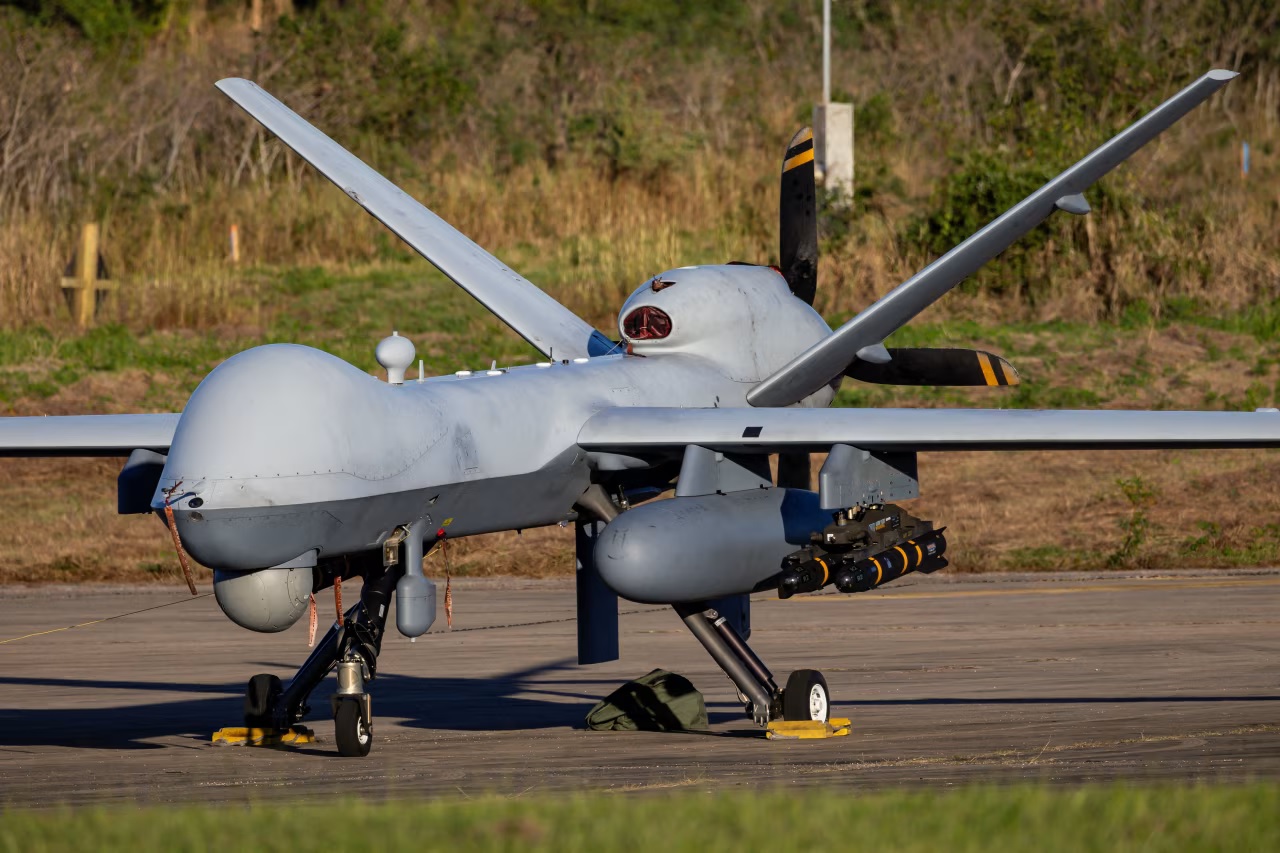
World
PARIS, July 1, 2026 — The French Air and Space Force has expanded the operational role of its MQ-9 Reaper uncrewed aerial vehicles (UAVs) and military helicopters to intercept and destroy hostile strike drones, introducing an interim capability to address the growing threat posed by low-cost, long-range unmanned systems. According to French daily Le Monde, which reported the initiative on June 29, the move is intended to strengthen France's layered air defense by adapting existing aircraft and weapons while dedicated counter-drone systems continue to be developed. The decision follows lessons from recent conflicts in Ukraine and the Middle East, where mass attacks using one-way attack drones, including the Iranian-designed Shahed family, have exposed the limitations of traditional air defense systems and raised security concerns across Europe and the Gulf region. MQ-9 Reaper Assigned Counter-Drone Mission France operates 12 MQ-9 Reaper UAVs with the 33rd Surveillance, Reconnaissance and Attack Wing at Cognac 709 Air Base. Previously used for intelligence, surveillance, reconnaissance, and precision strike missions—including counterterrorism operations in the Sahel—the aircraft are now being assigned to intercept drones at low and medium altitudes. The new capability is based on the AGM-114 Hellfire missile, originally designed for ground targets but adapted for aerial engagements. The integration was completed in approximately three months by the French Defence Procurement Agency (DGA) and the Military Air Expertise Center (CEAM). Initial testing took place in early April 2026 at the Île du Levant firing range, where an MQ-9 Reaper successfully destroyed a Banshee target drone simulating a hostile UAV. The capability was later presented to media representatives on June 12 at Cognac 709 Air Base. The Reaper's long endurance enables extended patrols, while its advanced electro-optical and thermal sensors support the detection and identification of airborne threats. Each aircraft is operated by a four-person ground crew comprising a pilot, sensor operator, intelligence officer, and imagery analyst. Helicopters Also Evaluated for Drone Intercepts The French Air and Space Force has also tested Fennec and Caracal helicopters in counter-drone operations. Trials conducted on June 2, 2026, from Cazaux 120 Air Base evaluated existing helicopter weapons and observation systems against UAV targets. Caracal helicopters, equipped with EOS thermal imaging systems, successfully intercepted two Shahed-class target drones using door-mounted 7.62 mm MAG58 and 12.7 mm M3M machine guns. The Fennec helicopter employed a Trakka electro-optical observation system paired with a fixed 20 mm cannon mounted on a fuselage pylon, demonstrating the effectiveness of integrating existing sensors and weapons for aerial engagements. Interim Layered Air Defense Solution French defense officials describe the adapted MQ-9 Reapers and helicopters as an interim capability that complements ground-based air defense systems such as MAMBA and VL MICA, as well as fighter aircraft. By repurposing existing platforms and munitions, France aims to rapidly field a cost-effective counter-drone capability while purpose-built counter-drone systems continue to enter operational service. The initiative reflects the French military's effort to adapt current assets to the evolving threat posed by large-scale drone attacks.
Read More → Posted on 2026-07-01 09:47:48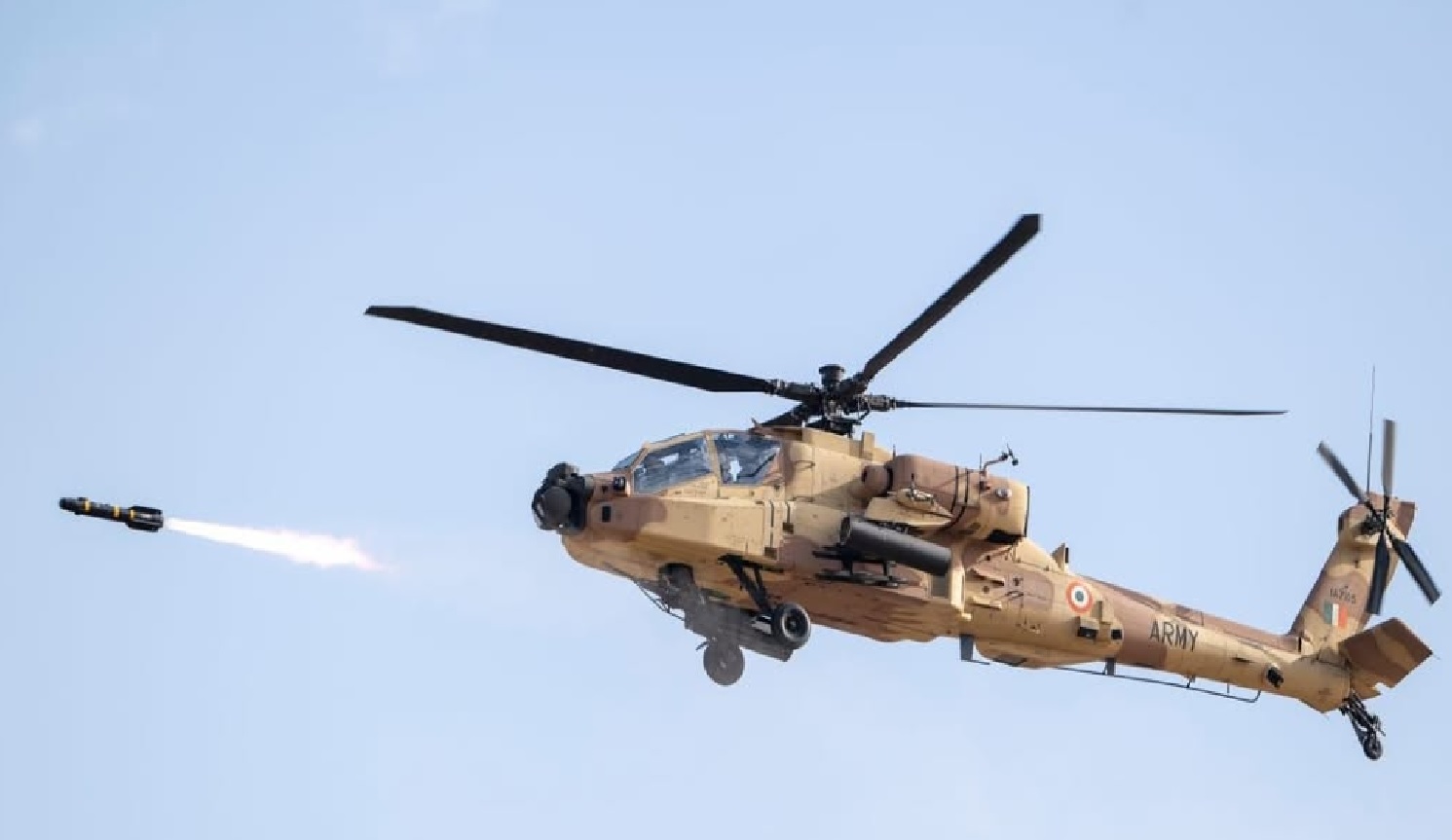
World
WASHINGTON, D.C., July 1, 2026 — The U.S. Department of State has approved a possible Foreign Military Sale (FMS) to Singapore valued at $22.3 million, covering 67 AGM-114R Hellfire II precision-guided missiles and related logistics, technical, and sustainment support for the Republic of Singapore Air Force (RSAF). The approval was announced on June 30, 2026, through a notification by the U.S. Bureau of Political-Military Affairs. According to the notification, the package includes an additional 24 AGM-114R Hellfire missiles added to a previously implemented case, bringing the total covered under the current approval to 67 missiles. The proposed sale is intended to sustain the RSAF's existing precision-strike capability and support the continued operation of its AH-64D Apache Longbow attack helicopters, which are used for close air support and anti-armour missions. Sustainment and Support Package Beyond the missiles, the package includes a range of support measures designed to maintain operational readiness, including: Five years of spare parts Technical and training manuals M299 launcher reprogramming Software verification and calibration Repair and maintenance support Chaff and flare countermeasures U.S. government and contractor engineering, technical, logistics, and program support The principal contractor is Lockheed Martin Corporation of Orlando, Florida. No offset agreement has been proposed. AGM-114R Hellfire II Capability The AGM-114R Hellfire II is a semi-active laser-guided precision missile that combines the capabilities of earlier Hellfire variants into a single multi-purpose configuration. It is designed to engage armored vehicles, fortified positions, air-defense systems, small maritime targets such as patrol boats, and personnel. The missile supports both Lock-On Before Launch (LOBL) and Lock-On After Launch (LOAL) modes and can receive laser designation from either the launching aircraft or an external designator. It also features improved tracking through dust, smoke, water vapor, and sea spray, automatic target reacquisition, and a maximum engagement range of up to 8 kilometers. The missile weighs approximately 49.4 kilograms (109 pounds), measures 163 centimeters in length, and has a 17.8-centimeter diameter. Supporting Singapore's Apache Fleet The RSAF operates the AH-64D Apache Longbow as its primary attack helicopter. Each aircraft can carry up to 16 Hellfire missiles in addition to a 30 mm M230 chain gun and Hydra 70 rockets, while its Fire Control Radar enables target detection and engagement in day, night, and adverse weather conditions. The inclusion of launcher reprogramming, software support, and spare parts indicates the sale is focused on sustaining Singapore's existing Apache fleet rather than introducing new weapon systems or expanding force structure. Strategic Significance Singapore's location along key maritime routes makes precision-guided weapons an important part of its defence posture. The AGM-114R provides operational flexibility by allowing crews to engage different target types with a single missile configuration while reducing the need to change loadouts before missions. According to the U.S. government, the proposed sale supports the security of a key partner in the Indo-Pacific, strengthens interoperability between the U.S. and Singaporean armed forces, and is not expected to alter the regional military balance. The approval allows the sale to proceed through the Foreign Military Sales (FMS) process, with implementation subject to final contractual arrangements between the two governments.
Read More → Posted on 2026-07-01 10:15:35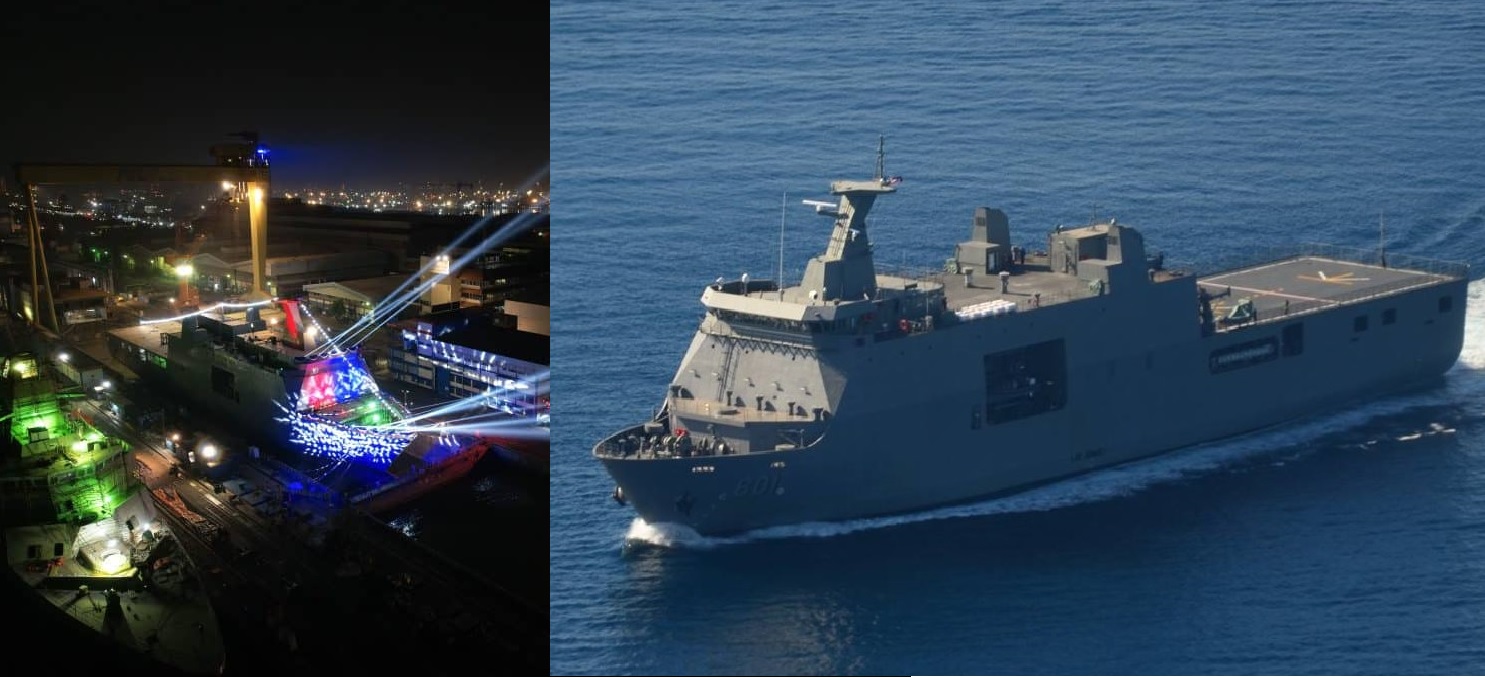
World
SURABAYA, Indonesia, July 1, 2026 — Indonesian state-owned shipbuilder PT PAL Indonesia has launched the Philippine Navy's third Tarlac-class Landing Platform Dock (LPD), marking another milestone in the Armed Forces of the Philippines (AFP) modernization program. The vessel, designated LD-603 and expected to be commissioned as BRP Ilocos Norte, was launched on June 30 at PT PAL's shipyard in Surabaya, East Java. It is the first of two improved Tarlac-class LPDs ordered under a follow-on contract signed between the Philippines and Indonesia in 2022. Construction of the two vessels began during 2023 and 2024, while the fourth ship, expected to be named BRP Leyte (LD-604), is scheduled for launch later this year. The new vessel builds on the design of the original Tarlac-class ships, BRP Tarlac and BRP Davao del Sur, which entered Philippine Navy service in 2016 and 2017. The latest ships incorporate several improvements developed from years of operational experience with the first two vessels. Improved Design for Amphibious Operations LD-603 features structural modifications requested by the Philippine Navy to improve operational efficiency. Compared to the earlier ships, it has a larger side ramp door and an expanded vehicle deck, allowing faster embarkation and disembarkation of troops and equipment while enabling the transport of larger and heavier military vehicles. The ship will also carry two Indonesian-built Landing Craft Utility (LCU) vessels housed in its floodable well deck, providing additional capability for transporting personnel, vehicles, and equipment during amphibious operations. Its flight deck is designed to accommodate two 10-ton helicopters, expanding support for air-to-sea operations, logistics missions, and humanitarian assistance. LD-603 Specifications Length: 124 meters Beam: 21.8 meters Standard displacement: 7,200 tons Maximum speed: 16 knots Operational range: 9,360 nautical miles Endurance: 30 days Personnel capacity: Up to 680 personnel These capabilities allow the vessel to support amphibious warfare, military transport, humanitarian assistance and disaster relief (HA/DR), and logistics operations across the Philippine archipelago and beyond. Supply Chain Challenges During Construction During the launching ceremony, PT PAL President Director and CEO Kaharuddin Djenod said construction of the new LPDs experienced schedule adjustments due to global supply chain disruptions linked to recent geopolitical developments. Despite these challenges, the successful launch keeps the program moving toward delivery and reflects continued defence-industrial cooperation between Indonesia and the Philippines. Philippine Military Highlights Operational Role Senior military officials from both countries attended the ceremony, including Philippine Navy Flag Officer-in-Command Vice Admiral Jose Maria Ambrosio Quiatchon and AFP Vice Chief of Staff Lieutenant General Rommel P. Roldan. Vice Admiral Quiatchon said the improved LPD will significantly strengthen the Philippine Navy's ability to transport troops, military equipment, and logistics while supporting amphibious operations, humanitarian assistance and disaster relief (HA/DR) missions, and power projection, including operations beyond Philippine waters. He also praised the performance of the Philippine Navy's existing Indonesian-built LPDs and expressed interest in expanding future cooperation with PT PAL. Regarding the ship's defensive capabilities, Quiatchon said the Philippine Navy has not yet finalized the selection of sensors and weapon systems. However, the current design includes provisions for the future installation of a 76mm main gun and Close-In Weapon Systems (CIWS) to support the vessel's multi-mission operational requirements. Lieutenant General Roldan described the launch as an important step in the AFP modernization program, noting that the additional landing platform docks will help meet growing operational demands while strengthening defence cooperation between the Philippines and Indonesia and supporting regional peace and stability. Delivery Scheduled Later This Year Following the launch, LD-603 will remain at PT PAL's Surabaya shipyard for final outfitting, harbor acceptance tests, and sea acceptance trials before being delivered to the Philippine Navy later in 2026. Construction of the fourth vessel, BRP Leyte (LD-604), is continuing and is expected to reach its launch milestone in the near future. Once both ships enter service, they will further expand the Philippine Navy's amphibious transport fleet with improved capacity and operational flexibility based on lessons learned from the first two Tarlac-class vessels.
Read More → Posted on 2026-07-01 10:26:55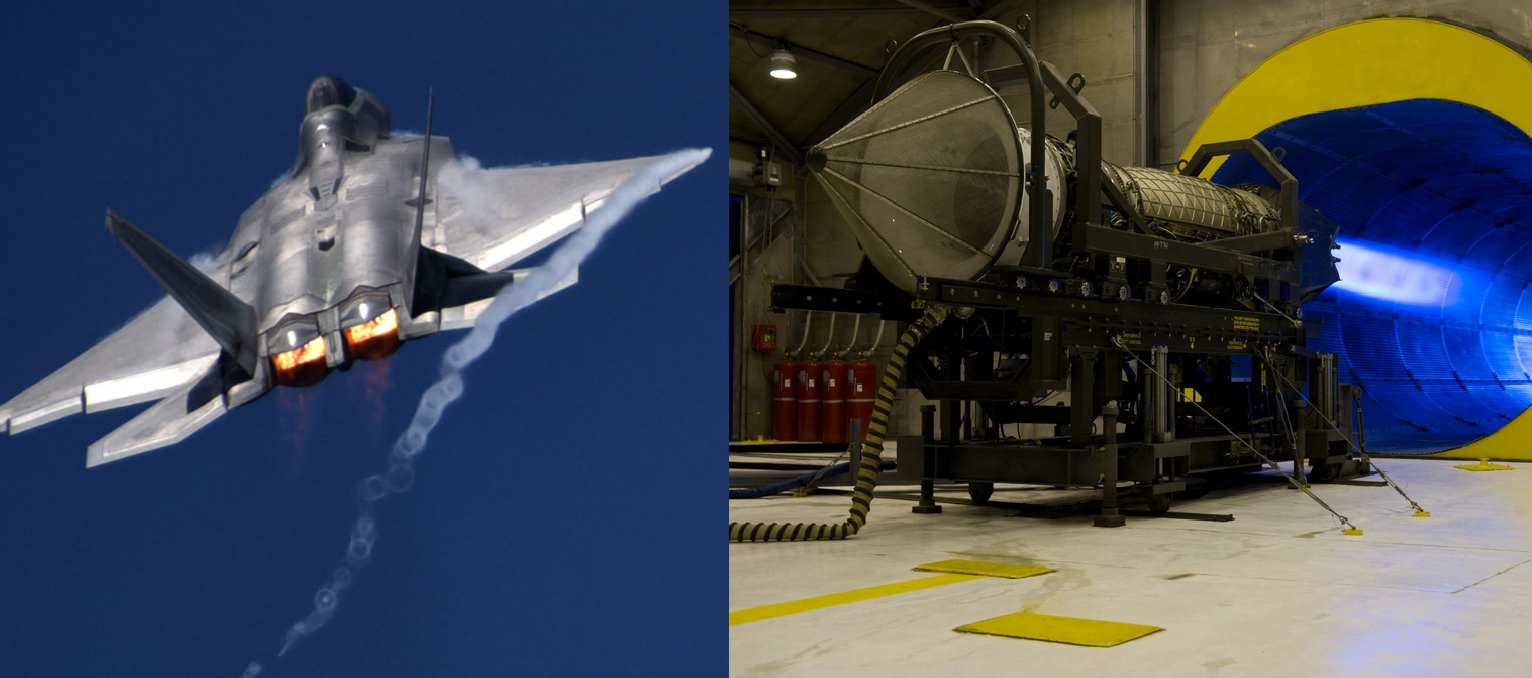
World
EAST HARTFORD, Conn., July 1, 2026 — Pratt & Whitney, an RTX business, has announced that its F119 engine has officially surpassed one million cumulative flight hours while powering the U.S. Air Force's Lockheed Martin F-22 Raptor fleet. The milestone highlights the engine's long-term operational performance and its continued contribution to the Air Force's air superiority mission more than two decades after the F-22 entered service. The F119 is the world's first operational fifth-generation fighter engine. Each F-22 Raptor is powered by two F119-PW-100 engines, providing the aircraft with advanced propulsion capabilities that combine high thrust, stealth integration, and exceptional maneuverability. The engine delivers thrust in the 35,000-pound class and features two-dimensional thrust-vectoring nozzles capable of directing exhaust flow by up to ±20 degrees in the pitch axis. Combined with integrated stealth technologies and a Full-Authority Digital Engine Control (FADEC) system, these features enhance the aircraft's agility, precision, and overall combat performance. A key capability of the F119 is supercruise, which enables the F-22 to sustain supersonic flight at speeds of up to approximately Mach 1.8 without using afterburners. This improves fuel efficiency, extends operational range, and reduces the aircraft's infrared signature. "The F119 engine plays a critical role in maintaining air dominance for the U.S. Air Force, as it enables the F-22 mission," said Jill Albertelli, president of Military Engines at Pratt & Whitney. "Having powered the F-22 Raptor since it launched over 20 years ago, the engine continues to provide unmatched capability, safety and readiness rates. This milestone demonstrates Pratt & Whitney's commitment to delivering for our customers." Sustainment and Fleet Modernization Production of the F119 concluded in 2013 after 507 engines were built. Pratt & Whitney continues to support a global fleet of more than 400 operational engines through depot maintenance, sustainment services, and modernization programs. In February 2025, RTX secured a contract valued at up to $1.5 billion to improve F119 fleet readiness while reducing long-term lifecycle costs. The effort supports the U.S. Air Force's objective of maintaining the F-22 fleet into the 2040s. Current modernization initiatives include Usage-Based Lifing (UBL), which uses real-time flight data and component wear information to optimize maintenance schedules, and Model-Based Systems Engineering (MBSE), which employs digital engineering tools to predict component life and improve long-term durability. Pratt & Whitney is also introducing software updates, including enhancements to the FADEC system, to improve engine performance and operational efficiency. Foundation for Future Fighter Engines The F119 also served as the technological foundation for Pratt & Whitney's F135 engine, which powers the F-35 Lightning II. Technologies and engineering experience gained through the F119 program contributed directly to the development of the next-generation fighter engine. With continued sustainment, modernization, and component upgrades, the F119 remains a key element of the U.S. Air Force's F-22 fleet, supporting operational readiness and long-term combat capability.
Read More → Posted on 2026-07-01 10:46:59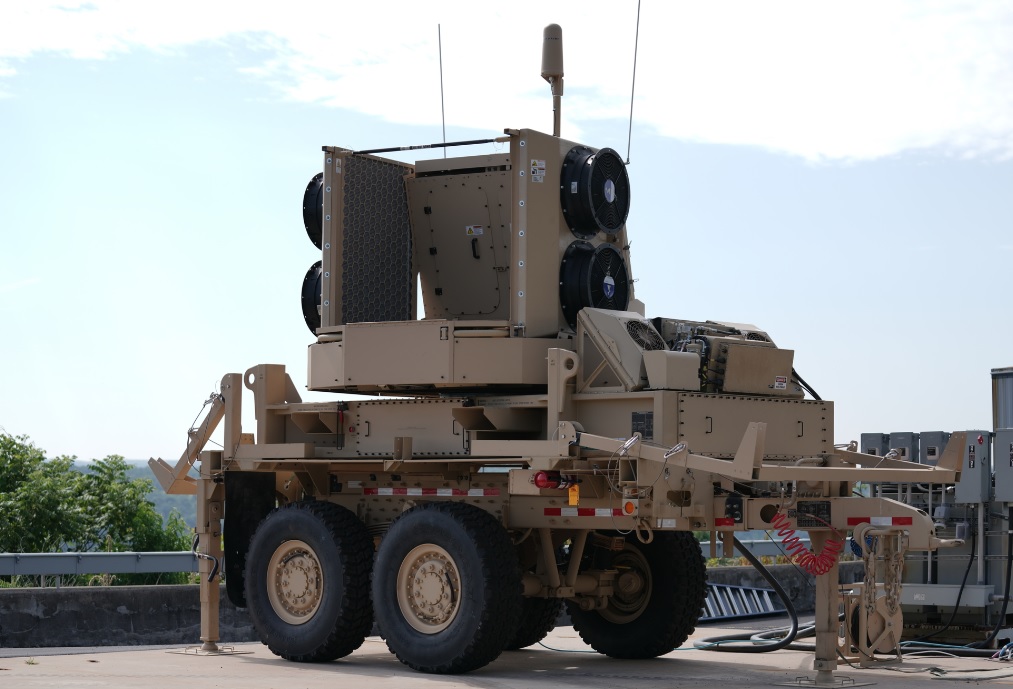 Lockheed Martin Wins $3 Billion U.S. Army Contract for Next-Generation Sentinel A4 Air Defense Radar
World
WASHINGTON, D.C., July 1, 2026 — Lockheed Martin has been awarded a $2.99 billion contract by the U.S. Army to produce the next-generation Sentinel A4 air and missile defense radar and provide associated engineering services. The award supports the Army's ongoing modernization of its air defense capabilities to address an expanding range of aerial threats. The contract, awarded by the Army Contracting Command–Redstone Arsenal in Alabama, includes fixed-price-incentive, cost-plus-fixed-fee, and cost-no-fee elements. Work is scheduled to continue through June 29, 2031, while funding allocations and work locations will be determined through individual task orders. Next-Generation Air Defense Radar The Sentinel A4 is the U.S. Army's next-generation tactical air and missile defense radar, replacing the legacy Sentinel A3 (AN/MPQ-64A3) system previously developed by Raytheon and Thales. Built around a digital Active Electronically Scanned Array (AESA) using Gallium Nitride (GaN) technology, the radar provides greater power efficiency, improved reliability, and more than a 75% increase in detection range compared with its predecessor. It also offers full 360-degree coverage without a "cone of silence," enabling continuous surveillance of the surrounding airspace. The system is capable of detecting and tracking cruise missiles, unmanned aircraft systems (UAS), rotary-wing aircraft, fixed-wing aircraft, and electronic warfare threats. It also detects Rocket, Artillery, and Mortar (RAM) attacks by calculating both the point of origin and projected point of impact, providing early warning to help protect personnel and critical assets. Its open-architecture, software-defined design enables future capability upgrades and integration with the Army's Integrated Battle Command System (IBCS) and the National Advanced Surface-to-Air Missile System (NASAMS). Program Development Lockheed Martin's work on the Sentinel A4 program began in 2019, when it received a $281.1 million contract to develop and produce the first 18 radar systems. The contract was awarded following competition with two other bidders and was primarily performed at the company's facility in Liverpool, New York. The company completed the first Sentinel A4 radar five months ahead of schedule using an agile development approach. In 2021, the Army ordered five additional radar systems for operational testing, which were delivered in June 2022 to evaluate radar performance, mobility, and logistics. In early 2026, Lockheed Martin delivered the first Sentinel A4 radar from the Low-Rate Initial Production (LRIP) 2 phase. The program is now progressing toward full-rate production, planned to begin in 2026 with more than 200 radar units expected to be produced. The first operational deployment is planned for the National Capital Region to strengthen air defense around Washington, D.C. Long-Term Air Defense Modernization The Sentinel A4 will support the Army's short-range air defense mission by improving detection of low-altitude and fast-moving threats while enhancing interoperability with existing air and missile defense networks. The new contract ensures continued production and engineering support for the Sentinel A4 through 2031, making the radar a central component of the U.S. Army's long-term air and missile defense modernization efforts.
Read More → Posted on 2026-07-01 10:54:27
World
KYIV, Ukraine, July 1, 2026 — Ukraine has signed a contract with Swedish defense company Saab for the purchase of 16 Gripen E multirole fighter aircraft in a deal valued at approximately 24.6 billion Swedish kronor ($2.54 billion). The agreement includes the aircraft, spare parts, technical support, training equipment, and related systems as part of Ukraine's ongoing effort to modernize its air force. The procurement represents one of Ukraine's largest recent defense acquisitions and forms part of a broader long-term plan to build a fleet of 100 to 150 Gripen fighter aircraft. The acquisition is also intended to strengthen the country's ability to integrate modern Western combat aircraft alongside other platforms already being introduced into service, including the General Dynamics F-16 Fighting Falcon. Delivery Schedule According to Saab, deliveries of the 16 newly manufactured Gripen E fighters are scheduled for 2029–2030. The aircraft will first be delivered to the Swedish Defence Materiel Administration (FMV) before being transferred to Ukraine. Separately, Ukrainian President Volodymyr Zelenskyy confirmed that Sweden will donate 16 Gripen C/D fighter aircraft under an earlier agreement with Swedish Prime Minister Ulf Kristersson. Deliveries of the donated aircraft are expected to begin in early 2027, providing Ukraine with an interim capability before the arrival of the Gripen E fleet. Contract Includes Training and Support The $2.54 billion contract includes a comprehensive support package covering spare parts, maintenance support, pilot and ground crew training, technical assistance, and associated equipment. Saab President and CEO Micael Johansson said the company remains committed to supporting Ukraine's acquisition while assisting Swedish authorities in replacing aircraft donated from Sweden's existing Gripen fleet. He added that the Gripen E will enhance the operational capabilities of the Ukrainian Air Force and strengthen the country's air defense. Training for Ukrainian pilots and maintenance personnel on the Gripen C/D aircraft is already underway in Sweden and is expected to expand later this year ahead of the 2027 deliveries. Gripen E Capabilities The Saab JAS 39 Gripen E is the latest variant of the Gripen family and is designed to conduct dispersed operations with relatively low logistical requirements. Developed with an emphasis on operating from temporary airfields and road bases, the aircraft can continue missions even when conventional airbases are unavailable. Compared with earlier Gripen variants, the Gripen E features a larger fuselage that carries approximately 30% more internal fuel, increasing its operational range and endurance. The fighter is powered by a General Electric F414 turbofan engine and features 10 external hardpoints capable of carrying a wide range of NATO-standard weapons, including the Meteor, AIM-120 AMRAAM, and IRIS-T air-to-air missiles. The aircraft is also designed for rapid maintenance and rearming by small mobile teams, enabling high sortie generation rates. It incorporates advanced sensors, network-centric warfare capabilities, and high operational availability for missions in contested airspace. Expanding Sweden–Ukraine Defense Cooperation The fighter aircraft agreement forms part of expanding defense cooperation between Ukraine and Sweden. During a meeting in Kyiv, President Zelenskyy and Swedish Defense Minister Pål Jonson discussed implementation of the Gripen deliveries, preparations for a joint drone initiative, and continued cooperation on anti-ballistic missile defense capabilities. The acquisition, combined with Sweden's donation of Gripen C/D aircraft and the associated training and support package, marks another step in Ukraine's long-term air force modernization and its transition to Western combat aircraft.
Read More → Posted on 2026-07-01 10:59:27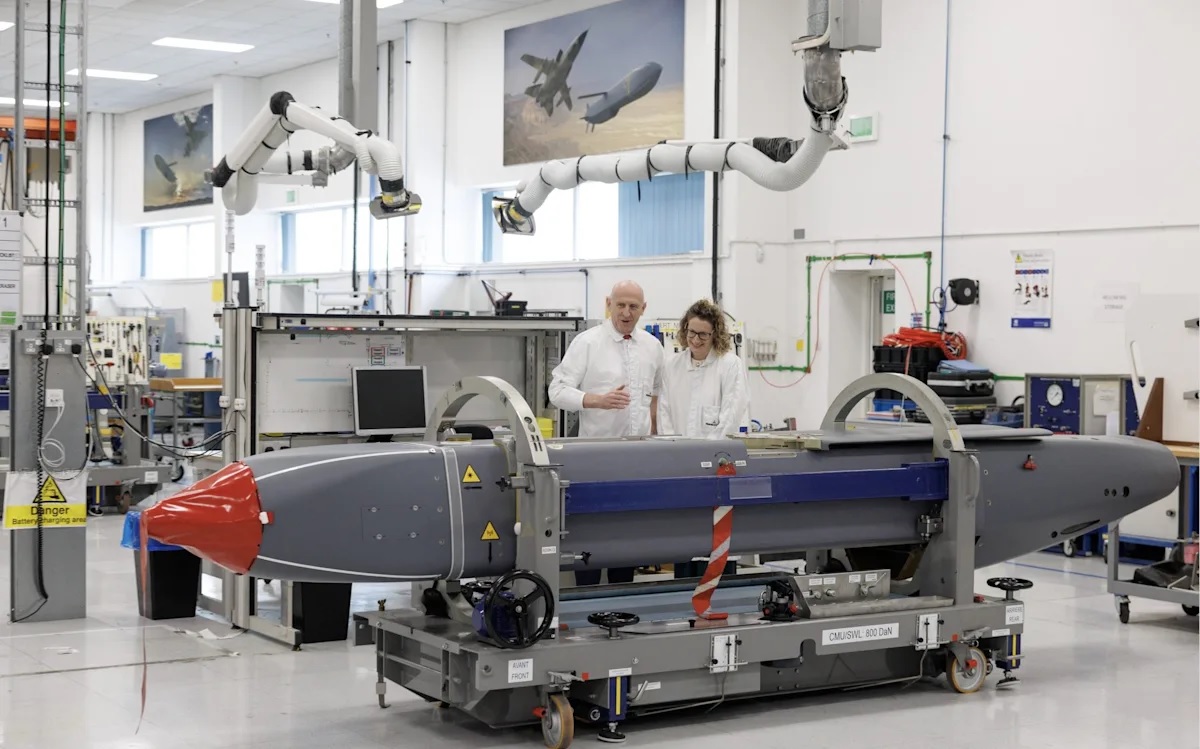
World
LONDON, July 1, 2026 — The UK Ministry of Defence (MoD) has announced plans to gradually end procurement of the Storm Shadow cruise missile under its newly published Defence Investment Plan, shifting its long-range strike strategy toward a combination of advanced complex weapons and lower-cost, mass-produced precision strike systems. The new approach is based on lessons from the war in Ukraine, where large numbers of expensive long-range missiles have been expended at a rapid pace. The strategy aims to increase the UK's stockpile of long-range strike weapons while reducing procurement costs and improving production capacity. To support the transition, the Ministry of Defence has allocated an initial £300 million to develop and procure affordable long-range strike systems. Each new low-cost effector is expected to cost around £400,000 per unit, excluding the warhead, nearly half the cost of a Storm Shadow missile. The systems are also designed for faster production, enabling the UK to replenish inventories more quickly during future conflicts. Project Brakestop Advances with Three British Prototypes A key element of the strategy is Project Brakestop, a rapid-development programme to field an affordable ground-launched long-range strike weapon. Three British companies have completed flight testing of their prototypes in Scotland and have each been awarded £15 million follow-on contracts to continue development. The Ministry of Defence requires candidate systems to strike targets beyond 500 kilometres, carry a minimum 225-kilogram warhead, exceed 600 km/h in speed, and be capable of producing at least 20 missiles per month shortly after a production contract is awarded. The competing designs include: MBDA UK's Crossbow, a modular vehicle-launched missile using commercially available components with a planned range exceeding 800 kilometres. MGI Engineering's TigerShark, which incorporates advanced composite materials and 3D-printed components inspired by the company's Formula 1 engineering experience. It is designed to reach speeds of approximately 750 km/h, strike targets up to 1,000 kilometres away, and carry a payload of up to 300 kilograms. Rotron Aerospace's SkyLance, powered by a Wankel rotary engine driving a propeller. Although slower than jet-powered designs, it offers an operational range of approximately 1,200 kilometres. The Ministry of Defence plans to select the winning Project Brakestop design before the end of 2026. ITAR-Free Design for Greater Export Flexibility Project Brakestop requires the exclusive use of British or other non-U.S. components. By avoiding American parts and navigation technologies, the missiles will not fall under the United States' International Traffic in Arms Regulations (ITAR). This gives the UK full control over production and export decisions, allowing potential transfers to allied countries, including Ukraine, without requiring prior U.S. approval. Stratus to Succeed Storm Shadow Alongside Project Brakestop, the Ministry of Defence is continuing development of the Stratus programme as the long-term replacement for Storm Shadow. Stratus is being designed in multiple variants, including land-attack versions for both aircraft and surface platforms, as well as a dedicated anti-ship variant for the Royal Navy. The programme is intended to provide a next-generation long-range precision strike capability for operations against heavily defended targets while complementing the UK's expanding inventory of lower-cost weapons. Ukraine Seeks SCALP Production Licence As the UK reduces future Storm Shadow procurement, Ukraine is pursuing domestic production of similar long-range cruise missiles. According to recent reports, Kyiv is negotiating with France to obtain a licence to manufacture the SCALP cruise missile—the French equivalent of Storm Shadow—within Ukraine to support its long-term strike capability.
Read More → Posted on 2026-07-01 11:15:38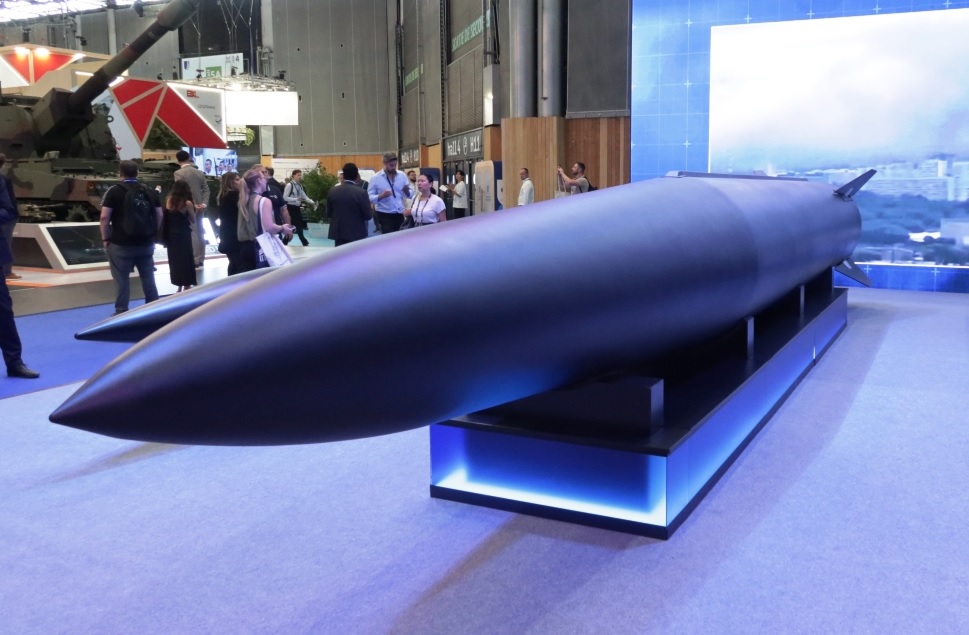
World
KYIV, July 1, 2026 — A large-scale Ukrainian aerial attack targeting Russia's Moscow Oblast on June 30 has prompted speculation that Ukraine may have conducted the first operational launch of its domestically developed FP-9 heavy ballistic missile toward the Russian capital region. While neither Ukrainian nor Russian authorities have officially confirmed the use of a ballistic missile, open-source intelligence (OSINT) analysis and observations from Russian military monitoring channels have fueled discussion about the possibility. According to the Russian Ministry of Defense, air defense forces intercepted 50 Ukrainian drones during the attack, while operations at Domodedovo and Zhukovsky airports were temporarily suspended due to the aerial threat. During the attack, Russian air defense systems reportedly engaged an object flying at an unusually high altitude. Pro-Russian military Telegram channel Voyennyy Osvedomitel reported that S-300 and S-400 air defense systems were activated against a target whose flight profile differed from that of a typical drone or cruise missile. The channel also reported a large crater at the interception site and suggested the object may have been a Ukrainian ballistic missile, while noting that the available information was insufficient for confirmation. Ukrainian OSINT groups also analyzed the incident. Exilenova+ assessed that the crater indicated a much larger warhead than those typically carried by long-range drones, while CyberBoroshno geolocated the impact site near the village of Yudanovka along the Warsaw Highway southwest of Moscow. The reported impact location is more than 800 kilometers (approximately 497 miles) from the Ukrainian border, a distance consistent with the range of a long-range ballistic missile. Analysts note that Ukrainian cruise missiles and attack drones rarely reach this depth into Russian territory without being intercepted earlier. Focus Turns to the FP-9 Ballistic Missile Analysts have pointed to Ukraine's FP-9 heavy ballistic missile, developed by the private defense company Fire Point, as the most likely candidate. Although no official confirmation has been provided, the missile's reported characteristics broadly align with the observed flight profile and crater size. The FP-9 is reported to be 9.5 meters long and 1.1 meters in diameter, making it larger than Russia's Iskander-M ballistic missile. It has a stated maximum range of 855 kilometers (531 miles), carries an 800-kilogram warhead, and reportedly reaches terminal speeds exceeding Mach 7. Fire Point says the missile uses carbon composite materials to reduce its radar cross-section compared with conventional aluminum-bodied ballistic missiles, with an estimated production cost of slightly more than $500,000 per unit. The reported incident also coincides with recent comments by Fire Point co-founder and chief designer Denys Shtilerman, who said testing of the FP-9's solid-fuel engine was nearing completion. He stated that following a successful test flight, a subsequent launch could be directed toward Moscow, identifying early summer 2026 as the expected timeframe. Fire Point develops missiles and drones using domestically produced Ukrainian components, reducing reliance on foreign suppliers. The company has also reportedly reached an estimated valuation of nearly $6 billion. Strategic Implications If the object intercepted near Yudanovka was indeed an FP-9 ballistic missile, it would represent a significant advancement in Ukraine's indigenous long-range strike capability. However, it remains unclear whether the object was successfully intercepted by Russian air defenses or failed to reach its intended target for another reason. Neither Moscow nor Kyiv has officially confirmed a ballistic missile launch, and current assessments remain based on radar observations, crater analysis, geolocated imagery, and information shared by Russian and Ukrainian open-source intelligence communities. If confirmed, the incident could mark the first known operational use of the FP-9 and prompt a reassessment of Russia's air defense posture against emerging long-range Ukrainian ballistic missile capabilities.
Read More → Posted on 2026-07-01 11:27:11
World
WASHINGTON, July 1, 2026 — The Trump administration is considering reducing the U.S. military presence in Saudi Arabia following a dispute over access to Saudi military bases and airspace during Project Freedom, a U.S.-led operation launched earlier this year to secure commercial shipping through the Strait of Hormuz, according to a report by The Wall Street Journal. The discussions follow a period of heightened tensions between Washington and Riyadh, prompting a broader review of military cooperation between the two long-standing security partners. Project Freedom Halted After Saudi Restrictions Project Freedom was launched by President Donald Trump in early May 2026 to ensure the safe passage of commercial vessels through the Strait of Hormuz after Iran's actions disrupted maritime traffic during the ongoing regional conflict. The operation involved more than 100 U.S. military aircraft preparing to operate from bases and warships across the Middle East. Saudi Arabia's military bases and airspace were considered essential to the mission because of their strategic location. According to U.S. officials familiar with the matter, Saudi Arabia temporarily denied the United States access to its military facilities and airspace, forcing the Trump administration to suspend Project Freedom only hours after it began. Officials said only a limited number of commercial vessels were able to transit the Strait of Hormuz before the operation was halted. U.S. Response and Diplomatic Fallout In response, the Trump administration warned that it could suspend deliveries of air-defense interceptors to Saudi Arabia, which relies on the systems to defend against Iranian drone and missile attacks. Following high-level discussions, including phone conversations between President Trump and Saudi Crown Prince Mohammed bin Salman, Riyadh lifted the restrictions and restored U.S. access to its military facilities. Although the immediate dispute was resolved, U.S. officials said the incident exposed challenges in coordinating regional military operations and led the administration to begin reviewing the future size of the American military presence in Saudi Arabia. The disagreement also affected diplomatic engagement. U.S. Secretary of State Marco Rubio did not visit Riyadh during a recent Gulf trip, while Crown Prince Mohammed bin Salman declined to attend the recent G7 summit, reportedly reflecting Saudi dissatisfaction over broader regional issues linked to the conflict with Iran. Review of U.S. Military Presence The administration is now examining options to adjust its force posture in Saudi Arabia as part of a wider assessment of U.S. security arrangements across the Gulf region. Officials said the review will evaluate future troop deployments, logistics support, and military cooperation with regional partners to ensure operational flexibility during future contingencies. Strategic Importance of the Strait of Hormuz The Strait of Hormuz remains one of the world's most important maritime chokepoints, carrying about 20% of global seaborne oil trade. Disruptions to shipping earlier this year affected international energy markets and commercial maritime traffic, prompting the United States and its partners to pursue measures aimed at maintaining freedom of navigation. The dispute surrounding Project Freedom has highlighted the importance of regional cooperation for military operations in the Gulf and has prompted Washington to reassess aspects of its long-term security partnership and force posture in Saudi Arabia.
Read More → Posted on 2026-07-01 11:39:48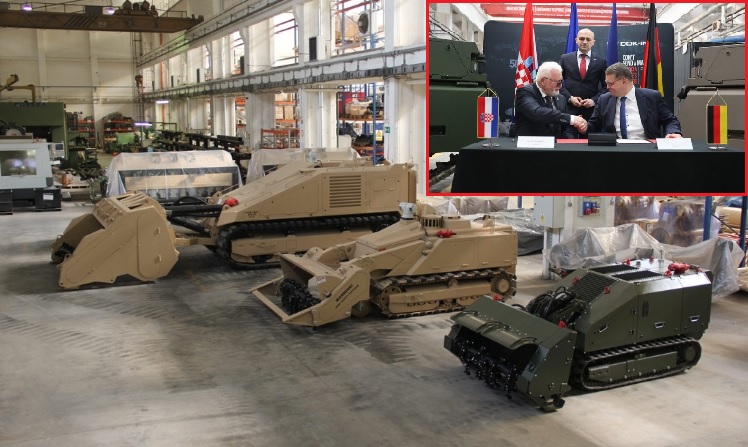
World
ZAGREB, Croatia, July 1, 2026 — German defense company Rheinmetall has completed the acquisition of a 51 percent majority stake in Croatian unmanned ground vehicle (UGV) developer DOK-ING, finalizing a transaction that was originally signed in March 2026 after receiving all required regulatory approvals. The acquisition establishes a new joint venture operating under the name Rheinmetall Unmanned Vehicles d.o.o., strengthening Rheinmetall's position in the rapidly expanding market for autonomous land systems. Under the terms of the agreement, DOK-ING founder Vjekoslav Majetić retains a 49 percent ownership stake in the company, while Rheinmetall holds the majority share. The companies have not disclosed the financial value of the transaction. Following confirmation that the acquisition had been completed, Rheinmetall's shares rose nearly 5.5 percent on the Frankfurt Stock Exchange, reflecting positive investor sentiment toward the company's expansion in autonomous military technologies. The acquisition establishes Croatia as a key center for Rheinmetall's autonomous ground vehicle activities. According to Dr. Björn Bernhard, Chief Executive Officer of Rheinmetall Vehicle Systems Europe, the new joint venture will serve as a competence center for heavy autonomous vehicles while maintaining DOK-ING's engineering and development capabilities in Zagreb. The partnership also provides Rheinmetall with direct access to Croatia's defense industry and engineering expertise. The collaboration combines Rheinmetall's experience in integrating tactical military vehicle systems with DOK-ING's specialization in unmanned ground platforms. At the center of the partnership is DOK-ING's Komodo platform, a modular heavy-duty hybrid unmanned ground vehicle capable of carrying payloads exceeding 8.5 tonnes. Rheinmetall plans to enhance the Komodo platform by integrating advanced mission modules and equipment packages, including autonomous driving capabilities, reconnaissance sensors, logistics support systems, direct and indirect fire modules, as well as mine-clearing and mine-laying equipment. Originally designed for operations in hazardous environments, including nuclear, biological and chemical scenarios, the Komodo platform provides a flexible foundation for a wide range of military and engineering missions. The companies are also jointly developing a new unmanned armed support system known as Wingman, designed to operate alongside main battle tanks (MBTs) and infantry fighting vehicles (IFVs). The system is intended to provide reconnaissance, forward observation, and fire support while reducing risks to personnel during high-threat operations. Rheinmetall plans to integrate the Wingman concept with several of its existing armored vehicle platforms, including the Panther KF51 main battle tank, the Büffel armoured recovery vehicle, and the AEV 3 Kodiak armoured engineer vehicle. The company expects these autonomous support vehicles to expand the operational capabilities of armored formations by conducting reconnaissance, combat support, engineering, and logistics missions. Founded in 1991 and headquartered in Zagreb, DOK-ING has built a strong reputation in robotic mine-clearing systems and unmanned vehicles for hazardous environments. Before joining Rheinmetall, the company had delivered approximately 500 remotely operated platforms to customers in more than 40 countries. Its unmanned demining systems are currently being used in Ukraine, where they have supported mine clearance operations in areas affected by the ongoing conflict. The acquisition follows earlier cooperation between the two companies, including a memorandum of understanding signed in late 2024, and reflects growing European investment in autonomous land systems and robotic combat support technologies. For Rheinmetall, the acquisition supports its broader strategy of expanding its portfolio of uncrewed and autonomous military systems. The company, which generated €9.8 billion in revenue during 2024 and employs approximately 44,000 people worldwide, has increasingly invested in next-generation land warfare technologies to meet evolving defense requirements. Both Rheinmetall and DOK-ING stated that the partnership is based on a fully European supply chain, ensuring that research, development, manufacturing, and key technologies remain within European Union and NATO member states. Majetić said the partnership will provide DOK-ING with greater industrial capacity and global market access while preserving the company's engineering expertise and development activities in Croatia.
Read More → Posted on 2026-07-01 11:51:47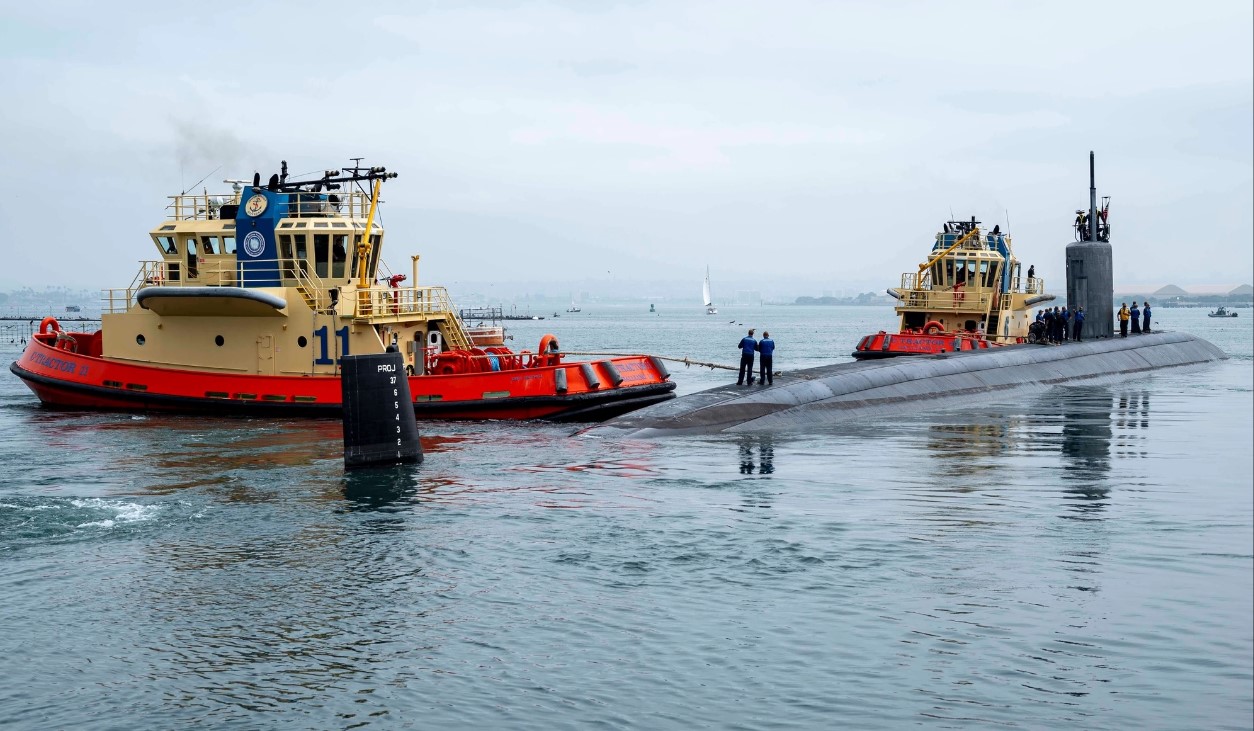
World
SAN DIEGO, July 1, 2026 — The United States Navy has held an inactivation ceremony for the USS Alexandria (SSN-757), marking the end of 35 years of service for the Improved Los Angeles-class fast-attack submarine. The ceremony took place on June 29 at Naval Base Point Loma in San Diego, exactly 35 years after the submarine was commissioned on June 29, 1991. The submarine is scheduled to be formally decommissioned on August 4, 2026, before beginning a multi-year dismantlement and nuclear recycling process at the Puget Sound Naval Shipyard and Intermediate Maintenance Facility in Washington. Navy Honors 35 Years of Service The ceremony brought together current and former crew members, including original "plankowners" from the 1991 commissioning crew. Attendees included Rear Adm. Todd Weeks, Director of In-Service Submarines and Industrial Base and a former commanding officer of Alexandria; Capt. Phillip Sylvia Jr., Commander of Submarine Squadron 11; and Cmdr. Donald Coomes, the submarine's 14th and final commanding officer. Eight former commanding officers and several former Chiefs of the Boat also attended, including retired Capt. Paul Normand, the submarine's first commanding officer, and retired Master Chief Machinist's Mate Douglas Muller, its first Chief of the Boat. Navy officials recognized the submarine's operational readiness and the service of its crews throughout its career. Global Operational History Named after Alexandria, Virginia, and Alexandria, Louisiana, the submarine served under the motto "Twice as Strong." During its career, USS Alexandria traveled more than one million nautical miles, completed 14 overseas deployments, and operated across four geographic combatant command areas. Its first major deployment came in 1993 in support of Operation Sharp Guard, the NATO maritime enforcement mission in the Adriatic Sea during the conflicts in the former Yugoslavia. The submarine later supported Operations Enduring Freedom and Iraqi Freedom, conducting intelligence collection, surveillance, and Tomahawk strike missions in the U.S. Fifth Fleet area. USS Alexandria also conducted extensive Arctic operations through Ice Exercises (ICEX), testing under-ice navigation, acoustic performance, and surfacing procedures in polar conditions. In 2004, it became the first Improved Los Angeles-class submarine to complete a global circumnavigation, sailing through the Arctic, Pacific, U.S. Central Command, and European operating areas. The deployment also included the first visit by a U.S. nuclear-powered submarine to Goa, India. Indo-Pacific Operations In 2015, USS Alexandria shifted its homeport from Naval Submarine Base New London, Connecticut, to Naval Base Point Loma, San Diego, supporting the Navy's growing operational focus on the Indo-Pacific. Operating under Submarine Squadron 11, the submarine participated in exercises with the Republic of Korea Navy, the Japan Maritime Self-Defense Force, and the USS Carl Vinson Carrier Strike Group. Its final seven-month deployment in the Western Pacific concluded on May 15, 2025, followed by local operations off Southern California until early 2026. Submarine Design USS Alexandria was the 46th Los Angeles-class nuclear-powered attack submarine built for the U.S. Navy and one of the 23 Improved Los Angeles (688i) subclass boats. The improved design featured quieter machinery, retractable bow planes, and reinforced structures for under-ice operations. The submarine measured 110.3 meters in length, displaced approximately 6,930 tonnes while submerged, and was powered by a General Electric S6G nuclear reactor driving two steam turbines. It could achieve submerged speeds of more than 25 knots. Decommissioning and Recycling Following its decommissioning, USS Alexandria will move to the Puget Sound Naval Shipyard and Intermediate Maintenance Facility for dismantlement under the Navy's Ship-Submarine Recycling Program. Before reactor defueling begins, personnel will remove operational systems, including Mk 48 ADCAP heavyweight torpedoes, Tomahawk and Harpoon missile systems, mine warfare equipment, classified mission systems, cryptographic equipment, and sonar processors. The submarine's S6G pressurized-water reactor will then be defueled, propulsion systems deactivated, and the reactor compartment separated from the pressure hull in accordance with Naval Reactors procedures. Because nuclear-powered submarines require specialized dismantlement, the process involves radiological controls, dry-dock facilities, regulatory oversight, and skilled shipyard personnel over several years. Fleet Modernization The retirement of USS Alexandria leaves 23 Los Angeles-class submarines in active U.S. Navy service and supports the Navy's ongoing fleet modernization effort. As the Los Angeles-class fleet is gradually retired, it is being replaced by Virginia-class attack submarines equipped with improved stealth, advanced sensors, enhanced strike capabilities, and greater operational flexibility for future undersea missions.
Read More → Posted on 2026-07-01 13:12:37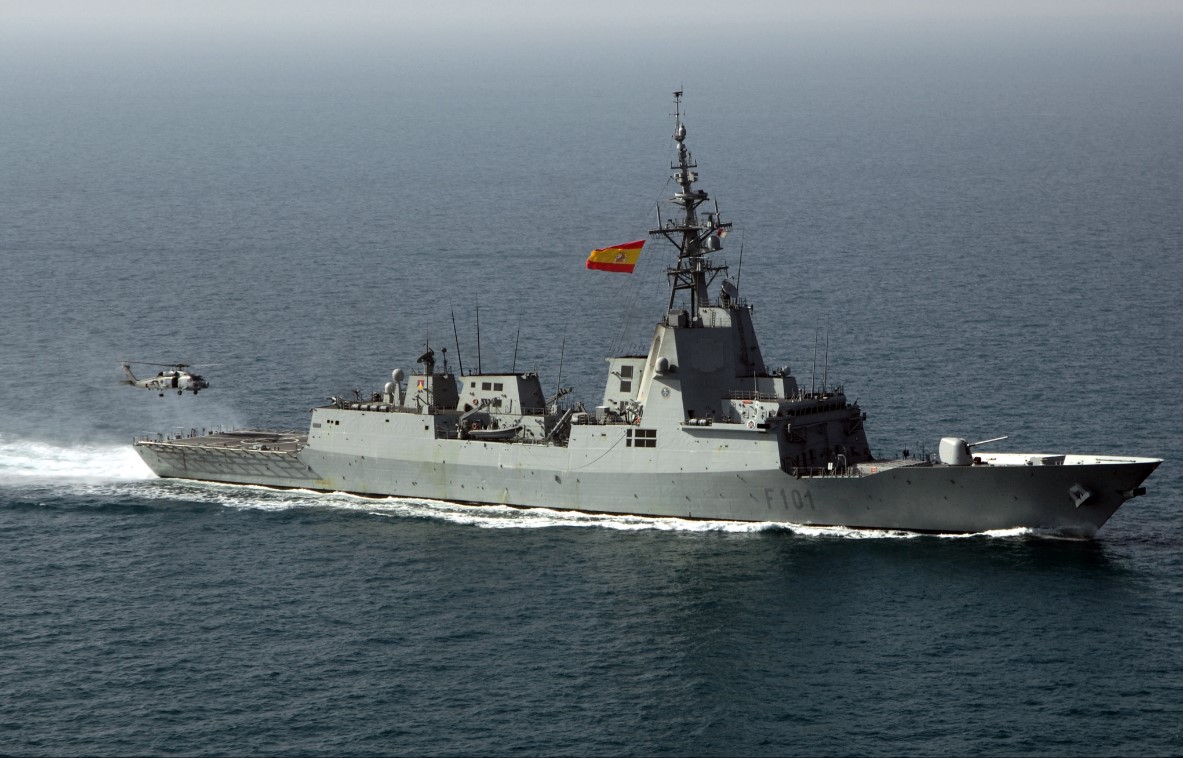
World
MADRID/WASHINGTON, July 1, 2026 — The U.S. Navy has awarded Lockheed Martin a $103.9 million contract to begin the initial phase of the Spanish Navy's Álvaro de Bazán-class (F-100) frigate mid-life modernization program. The contract, awarded on June 26, 2026, marks the first procurement phase of a broader effort to modernize Spain's principal surface combatants and maintain their interoperability within the U.S.-developed Aegis naval defense architecture. The contract is structured as a cost-only undefinitized contract action (UCA), allowing engineering activities to begin while the final scope, pricing, and technical requirements are refined. Of the total award, $51.4 million has been immediately obligated to procure long-lead materials, conduct preliminary engineering work, and establish specialized testing facilities ahead of the physical modernization of the ships. Approximately 90 percent of the engineering and planning work will be carried out at Lockheed Martin's naval combat systems facility in Moorestown, New Jersey, which has served as the company's primary center for Aegis combat system development since the 1970s. Additional work will be performed in Clearwater, Florida, and Madrid, Spain. The contract was awarded on a sole-source, non-competitive basis under international agreement authority because the F-100 frigates are built around Lockheed Martin's proprietary Aegis combat system architecture, making the company the only qualified integrator for the modernization effort. First Phase of $1.7 Billion Modernization Program The contract represents the first active procurement following the January 2026 approval by the U.S. State Department of a Foreign Military Sale (FMS) package for Spain valued at an estimated $1.7 billion. The broader modernization program is expected to include upgraded Aegis Weapon System shipsets, MK 41 Baseline VIII Vertical Launching Systems, and Next Generation Surface Search Radars, along with supporting combat system integration and testing. The mid-life upgrade is intended to extend the operational service life of the frigates while improving their ability to integrate modern weapons, advanced electronic warfare systems, and updated radar technologies required to address evolving air, missile, and surface threats. Spain's Most Capable Surface Combatants Built by Spanish shipbuilder Navantia, the Álvaro de Bazán-class frigates entered service beginning in 2002. Each vessel displaces approximately 6,050 tonnes, measures 147 meters (482 feet) in length, and was designed from the outset around the AN/SPY-1D phased-array radar and the Aegis combat management system. The class was historically significant as the first non-U.S. warship design built from inception with the full Aegis combat system, providing advanced air defense capabilities and allowing the ships to track and engage multiple aerial and missile threats simultaneously. Spain currently operates five F-100 frigates: Álvaro de Bazán (F-101) Almirante Juan de Borbón (F-102) Blas de Lezo (F-103) Méndez Núñez (F-104) Cristóbal Colón (F-105) Over the past two decades, the fleet has participated in NATO operations, maritime security missions, and multinational deployments across the Mediterranean, Atlantic, and other regions. Operational Experience Supports Modernization One of the class's most notable recent deployments occurred in December 2023, when Méndez Núñez (F-104) was deployed to the Red Sea as part of an international maritime security coalition responding to drone and missile attacks launched by Houthi forces against commercial shipping. According to Spanish Defense Minister Margarita Robles, the deployment represented the first time an Álvaro de Bazán-class frigate operated in a contested, live-fire environment. The mission provided valuable operational data on the performance of the Aegis combat system under real combat conditions and helped inform future modernization requirements. Importance for Allied Navies The Spanish Navy's F-100 modernization program is also being closely monitored by allied nations because the frigate's design formed the basis for other Aegis-equipped warships. Norway's Fridtjof Nansen-class frigates and Australia's Hobart-class destroyers both share significant design characteristics and combat system architecture derived from the F-100 program. As a result, engineering solutions, software integration methods, and system upgrades developed during Spain's modernization are expected to provide a reference for future mid-life upgrades in both fleets. Once completed, the modernization program will extend the operational life of Spain's F-100 frigates while ensuring they remain fully compatible with U.S. Navy and NATO naval operations and capable of addressing evolving maritime security requirements.
Read More → Posted on 2026-07-01 13:18:12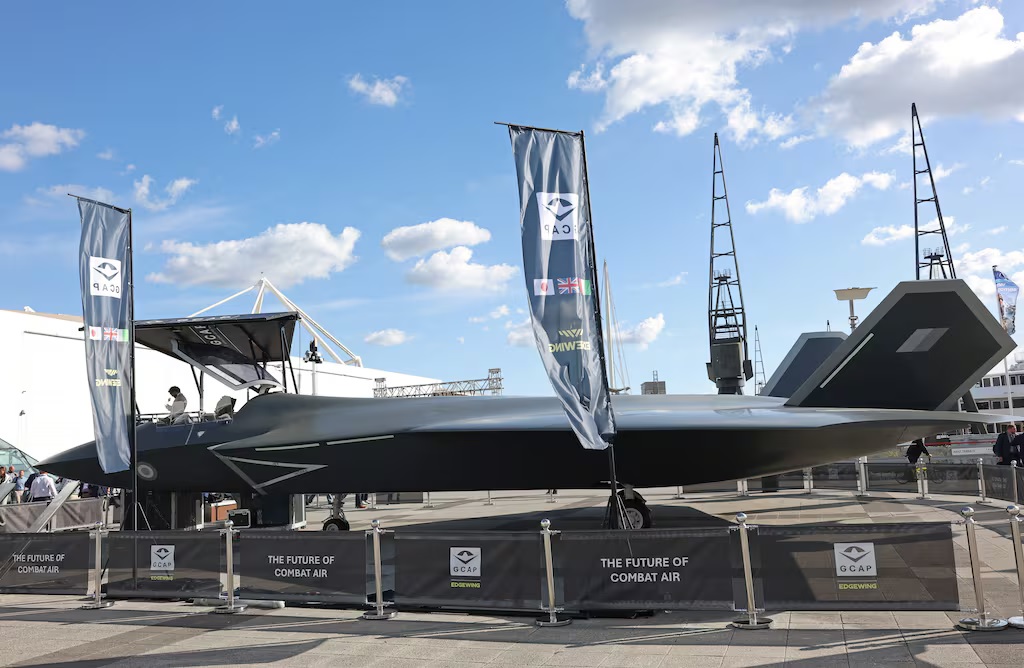
World
LONDON/TOKYO, July 1, 2026 — Japan, the United Kingdom, and Italy have agreed to extend the development contract for the Global Combat Air Programme (GCAP) through the end of 2027, providing long-term funding certainty for the trilateral sixth-generation fighter aircraft project after months of budget-related uncertainty. The 18-month contract extension follows the publication of the United Kingdom's Defence Investment Plan on June 30, 2026, which unlocked the financial commitments needed to keep the multinational programme on schedule. The agreement resolves a funding impasse that had forced the project to operate under temporary bridge funding since April. The extension is expected to be formally signed between the GCAP International Government Organisation (GIGO), which manages the programme on behalf of the three governments, and Edgewing, the joint venture responsible for the aircraft's design and development. UK Budget Approval Resolves Funding Uncertainty Earlier this year, delays in the UK's long-term defence budget created uncertainty for the programme and its industrial partners. Without multi-year funding commitments, the three nations approved a temporary three-month bridge contract worth £686 million (approximately $907 million) beginning on April 2, 2026, allowing development work to continue until the end of June. The temporary arrangement raised concerns about the programme's future. BAE Systems had warned that more than 4,000 UK-based engineers working on GCAP could be reassigned to other defence programmes if long-term funding was not secured. The uncertainty also prompted Italy to revise its programme cost estimates, while Japanese defence officials reportedly evaluated contingency options should the project experience further delays. The situation changed after British Prime Minister Keir Starmer announced the UK's Defence Investment Plan on June 30. The plan allocates more than £8 billion (approximately $10.6 billion) to GCAP over the next four years as part of a broader £15 billion increase in UK defence investment, enabling the programme to move forward with long-term financial stability. The United Kingdom had already committed around £2 billion to the programme since 2021, and the latest budget settlement provides the additional funding required for continued development. Edgewing Continues Development Toward Demonstrator Flight GCAP was formally established by treaty in late 2023 to develop a sixth-generation combat aircraft designed to replace the Eurofighter Typhoon fleets operated by the United Kingdom and Italy, as well as Japan's Mitsubishi F-2 fighter aircraft. Industrial development is led by Edgewing, a joint venture established in June 2025 and headquartered in Reading, England. The company is equally owned by BAE Systems of the United Kingdom, Leonardo of Italy, and Japan Aircraft Industrial Enhancement Co. Ltd., a consortium supported by Mitsubishi Heavy Industries. The contract extension provides Edgewing with the financial certainty needed to retain its workforce and continue development of the programme's demonstrator aircraft. The prototype is expected to make its maiden flight before the end of 2027 and will serve as a platform to evaluate key technologies, including advanced stealth design, next-generation sensors, electronic warfare capabilities, and new propulsion systems. The demonstrator will also be the first British combat-air prototype developed since the Eurofighter programme nearly four decades ago. Service Entry Target Remains 2035 The three partner nations continue to target 2035 for the aircraft's entry into operational service. Japan has repeatedly stated that this schedule is a critical requirement because it coincides with the planned retirement of its aging Mitsubishi F-2 fleet. Japanese officials have maintained that any changes to the programme, including the addition of new partner nations, should not delay the planned 2035 service entry date. International Interest Continues GCAP has attracted growing international attention as development progresses. Canada joined the programme as an observer in March 2026, while Saudi Arabia has continued to express interest in becoming a future participant. Reports that the rival Future Combat Air System (FCAS) programme involving France, Germany, and Spain has encountered significant difficulties have also increased speculation that Germany could consider closer involvement with GCAP as it evaluates future combat aircraft options. Despite this international interest, the existing partners have emphasized that maintaining the programme schedule remains the priority. Japan, in particular, has made clear that expanding membership should not affect the project's 2035 operational deadline. With funding now secured through 2027, the contract extension provides greater stability for the programme's industrial base and allows development to continue toward the demonstrator aircraft's first flight while supporting work on the technologies that will form the foundation of the future sixth-generation combat air system.
Read More → Posted on 2026-07-01 13:25:52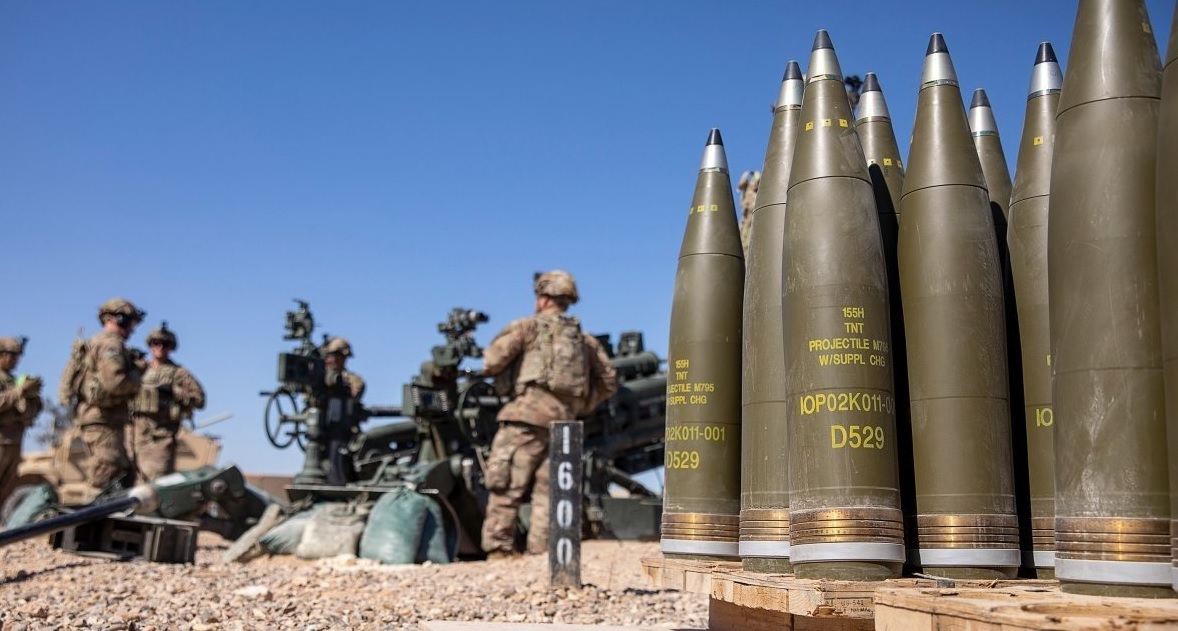
World
DÜSSELDORF, July 1, 2026 — Ukraine has awarded German defense manufacturer Rheinmetall a contract to supply several tens of thousands of 155mm artillery shells and associated propellant charges to support the country's NATO-standard artillery systems. The contract is valued in the high double-digit millions of euros and will be recorded in Rheinmetall's financial results for the second quarter of 2026. Production has already begun at the company's Rheinmetall Expal Munitions facility in Spain, with deliveries scheduled for completion by the first quarter of 2027. The order includes ER02A1 B/B 155mm artillery shells and M203 propellant charges, which are already in service with several NATO member states. The ammunition is compatible with artillery systems operated by Ukraine, including the Archer, Caesar, PzH 2000, and RCH 155. Rheinmetall has significantly expanded its ammunition production capacity since 2022 to meet growing demand from NATO countries and Ukraine. The company acquired Spanish ammunition manufacturer Expal in 2023, followed by the acquisition of Muni Berka GmbH in Germany in 2025 to strengthen its ammunition-related capabilities. In May 2026, Rheinmetall stated it could produce up to 100,000 extended-range 155mm artillery shells annually in response to Ukraine's estimated requirement of 1.2 million rounds per year. The company plans to increase its total annual production capacity to approximately 1.5 million 155mm shells by 2030. The latest agreement further expands defense cooperation between Ukraine and Rheinmetall while supporting the continued supply of NATO-standard artillery ammunition through 2027.
Read More → Posted on 2026-07-01 13:33:46
World
BAGHDAD, July 1, 2026 — Iraq's newly formed government has ordered all pro-Iran armed factions operating in the country to fully disarm and transfer their weapons to state control by September 30, the date scheduled for the conclusion of the US-led international coalition's anti-ISIS mission. The move represents a major step in Baghdad's effort to strengthen state authority and bring all armed forces under government control. Government spokesman Haidar al-Aboudi announced the decision during a weekly press briefing, confirming that all relevant armed groups had been formally notified of the deadline. "After this date, all weapons outside the state framework will be subject to legal redress," al-Aboudi said, adding that the government intends to ensure that all military and security activities operate exclusively within Iraq's official institutions. The deadline has been directly linked to the withdrawal of the US-led coalition, removing one of the principal reasons historically cited by several armed groups for maintaining independent military structures outside government control. Iraqi and US officials have previously coordinated plans to transition security responsibilities to Iraqi forces as the coalition mission comes to an end. Prime Minister Ali al-Zaidi, who took office earlier this year after months of political deadlock, is leading the disarmament initiative as part of a broader effort to reinforce Iraqi sovereignty. The 41-year-old businessman and political newcomer is expected to visit Washington next month, where US officials are anticipated to press Baghdad to reduce the influence of Iran-aligned militias that have repeatedly targeted American military facilities and diplomatic sites in the region. The government's directive has prompted differing responses among factions within the Popular Mobilisation Forces (PMF), an umbrella organization that includes numerous armed groups formed during the fight against the Islamic State. Among the factions indicating compliance, Asaib Ahl al-Haq and Kataeb Imam Ali have announced plans to transfer control of their brigades, personnel, and weapons to Iraqi state authorities. Their decision supports the government's objective of integrating armed formations into the country's official security structure. Other groups have rejected the order. Kataib Hezbollah stated that it will continue what it describes as "resistance work," although it expressed willingness to coordinate with Iraqi state forces. Harakat Hezbollah al-Nujaba also refused to surrender its weapons, arguing that continued foreign military presence and concerns over national sovereignty justify retaining its armed capabilities. The disarmament initiative forms part of a wider state-building agenda pursued by Prime Minister al-Zaidi. Alongside security reforms, his government has launched a nationwide anti-corruption campaign targeting alleged graft within state institutions. Over the past weekend, Iraqi special forces conducted operations in Baghdad's Green Zone that resulted in the arrest of at least 47 government officials and lawmakers on corruption-related charges, according to government officials. The arrests are part of the administration's broader effort to strengthen public institutions and improve governance. By advancing both the anti-corruption campaign and the militia disarmament program, the Iraqi government aims to demonstrate progress in establishing state authority before the prime minister's meetings in Washington. The Popular Mobilisation Forces (PMF) were established in 2014 after a religious decree called on volunteers to help Iraqi security forces fight the Islamic State following the group's rapid territorial gains. While many PMF units were later incorporated into Iraq's security framework, several factions have continued to maintain independent command structures and weapons stockpiles. The success of the September 30 deadline will depend on whether the Iraqi government can enforce its legal measures against factions that refuse to disarm while maintaining stability and avoiding armed confrontation, particularly in Baghdad and other sensitive areas.
Read More → Posted on 2026-07-01 13:43:33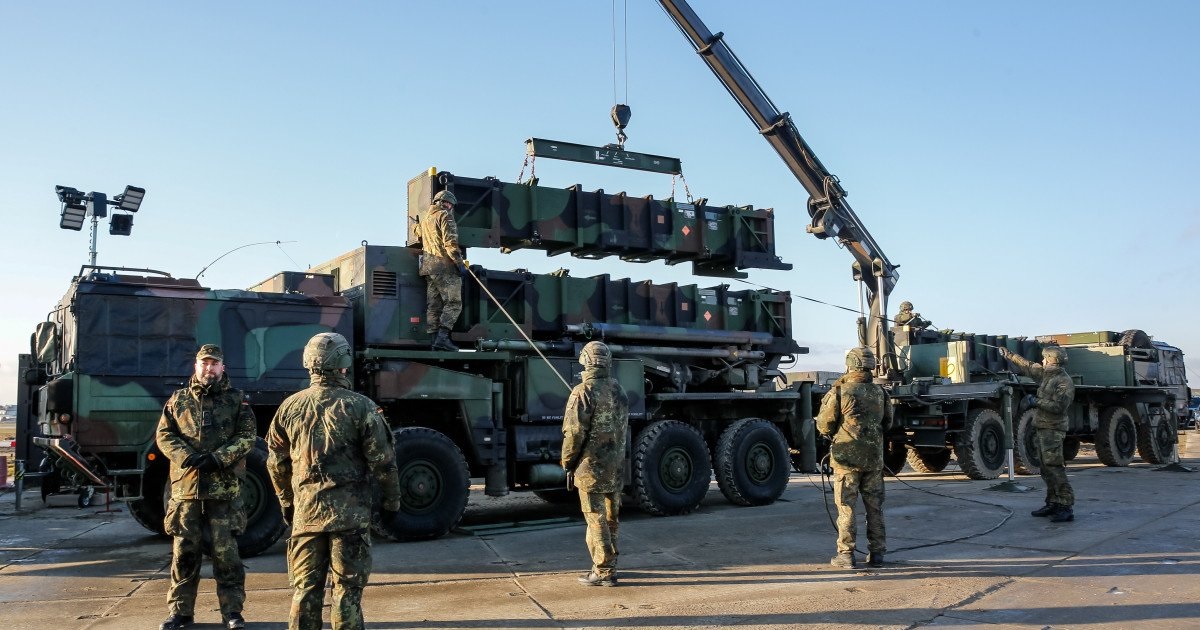
World
BERLIN, July 1, 2026 — Germany is seeking US approval to manufacture selected American weapon systems on German soil as part of a broader effort to strengthen Europe's defense capabilities and reinforce long-term transatlantic cooperation ahead of next week's NATO summit in Ankara. The proposal, currently under discussion between German and US officials, focuses on the joint production of PAC-3 interceptors used in Patriot air defense systems and Tomahawk long-range cruise missiles. German officials believe co-production would help address production bottlenecks, improve the availability of advanced weapons for European allies, and strengthen NATO's overall deterrence. According to officials familiar with the discussions, the initiative aims to address capability gaps exposed by Russia's ongoing war in Ukraine while providing economic and strategic incentives for the United States to remain committed to European security. NATO Secretary-General Mark Rutte recently stated that Europe's rearmament efforts are already supporting approximately 195,000 US defense jobs through around $300 billion in defense orders placed with American companies. German Chancellor Friedrich Merz and Defense Minister Boris Pistorius confirmed the discussions on Wednesday. German officials said the country intends to continue close cooperation with the US defense industry while expanding manufacturing capacity in Europe to meet urgent military requirements over the next five to ten years and help address limited US production capacity. The initiative also supports Europe's broader objective of strengthening its own defense industry while maintaining cooperation with the United States where it serves mutual interests. Focus on Long-Range Strike Capability Germany's interest in long-range strike systems increased after the Pentagon canceled the planned deployment of a US battalion equipped with land-based Tomahawk missile systems to Germany in May. The deployment had been intended to strengthen NATO's deterrence against Russian missile forces based in Kaliningrad. Berlin is exploring domestic production options and has contacted the German branch of MBDA regarding a potential partnership with Raytheon, the manufacturer of the Tomahawk missile, to produce a land-based version of the approximately 2,000-kilometer-range cruise missile. While MBDA and Raytheon have an existing partnership, direct discussions on Tomahawk production have not yet taken place, and MBDA has declined to comment. If negotiations do not progress, Germany is also considering alternatives, including Ukraine's Flamingo cruise missile. German lawmakers have emphasized the need to acquire long-range strike capabilities as quickly as possible, even if alternative systems offer lower performance than the Tomahawk missile. Existing Cooperation and Remaining Challenges Germany and the United States already cooperate on several defense programs. Rheinmetall manufactures fuselage sections for Lockheed Martin's F-35 Lightning II, while a joint MBDA-Raytheon facility producing PAC-2 and GEM-T Patriot missiles is scheduled to begin operations later this year. However, expanding cooperation to include advanced missile production faces significant hurdles. Any transfer of sensitive US defense technology would require Washington's approval, while concerns remain over intellectual property and technology transfer. Some German lawmakers remain skeptical that the United States would permit access to its most sensitive defense technologies, arguing that existing industrial cooperation is unlikely to extend to critical missile technologies. Industrial negotiations have also progressed more slowly than expected. In May, Rheinmetall CEO Armin Papperger said discussions with Lockheed Martin on co-producing rockets and missiles were delayed by negotiations over production quotas, costs, and technology transfer. European officials hope the NATO summit in Ankara will help advance defense-industrial cooperation through memorandums of understanding and joint procurement agreements as allies continue efforts to strengthen Europe's defense capabilities.
Read More → Posted on 2026-07-01 13:54:38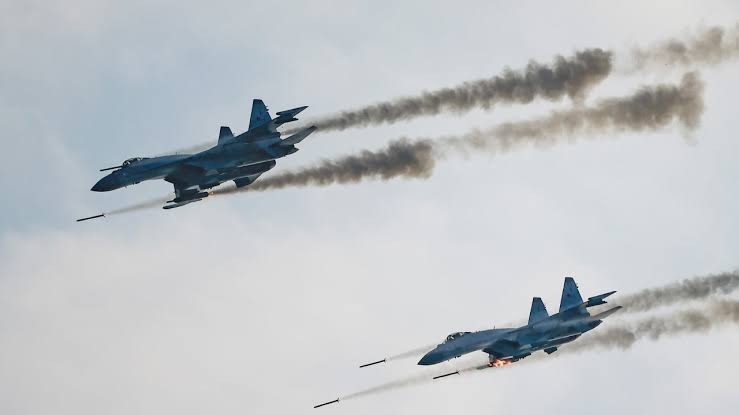
World
TEHRAN, July 1, 2026 — Russia is continuing the production of Sukhoi Su-35 multirole fighter aircraft for the Islamic Republic of Iran Air Force (IRIAF), although deliveries remain delayed until reconstruction work at Iran's Hamadan Airbase is completed. According to sources close to the IRIAF, production is progressing steadily, with a total of 30 aircraft expected to be completed by early 2027. Production has advanced consistently over recent months. By March 2026, Russian manufacturing facilities had completed 16 Su-35 fighters. One additional aircraft was completed in April, bringing the total to 17. As of July, defense estimates indicate that between 19 and 20 aircraft have now been completed and are being stored in Russia pending delivery. The Su-35 acquisition is part of a broader defense agreement between Russia and Iran that was formally initiated in 2021 and is valued at more than $6 billion. The package includes fighter aircraft, pilot training, compatible weapons systems, and reports indicate the wider agreement could eventually include up to 48 Su-35 fighters, with production and deliveries extending into 2027 and 2028. Deliveries Await Hamadan Airbase Upgrades The transfer of the aircraft has been delayed because Hamadan Airbase, also known as Noje Airbase, is undergoing reconstruction and modernization to support the operational requirements of the Su-35 fleet. Military engineering units are reportedly working continuously to restore damaged infrastructure. Recent satellite imagery has shown extensive construction activity, including the development of large hardened aircraft shelters designed for the Su-35. These reinforced shelters are intended to improve protection for the aircraft once they enter service. The completed fighters will remain in Russia until the upgraded facilities at Hamadan Airbase are ready. According to sources, Iran is also bearing the cost of storing and maintaining the completed aircraft during this period. Pilot Training and Weapons Package While awaiting delivery, Iran is continuing preparations for the aircraft's induction into service. The country has purchased three Su-35 flight simulators, which are expected to be delivered shortly. These will complement the Yak-130 advanced trainer aircraft that Iran has operated since 2023 and support pilot transition to the Su-35. The Su-35 is equipped with advanced avionics, a phased-array radar, long-range detection capabilities, and high maneuverability. It is expected to significantly enhance the IRIAF's combat capabilities and gradually supplement its aging fleet of F-14 Tomcat, F-4 Phantom II, and MiG-29 fighters. According to leaked defense documents, the contract includes approximately 327 guided munitions, comprising R-73 and R-77 air-to-air missiles, as well as Kh-31 and Kh-38 precision-guided air-to-surface missiles. The Su-35 acquisition is one of Iran's largest air force modernization programs in recent decades and reflects the continuing defense cooperation between Tehran and Moscow. With production progressing as planned and infrastructure work advancing at Hamadan Airbase, deliveries are expected to begin once the base is fully prepared to receive and operate the new fighters.
Read More → Posted on 2026-07-01 13:58:31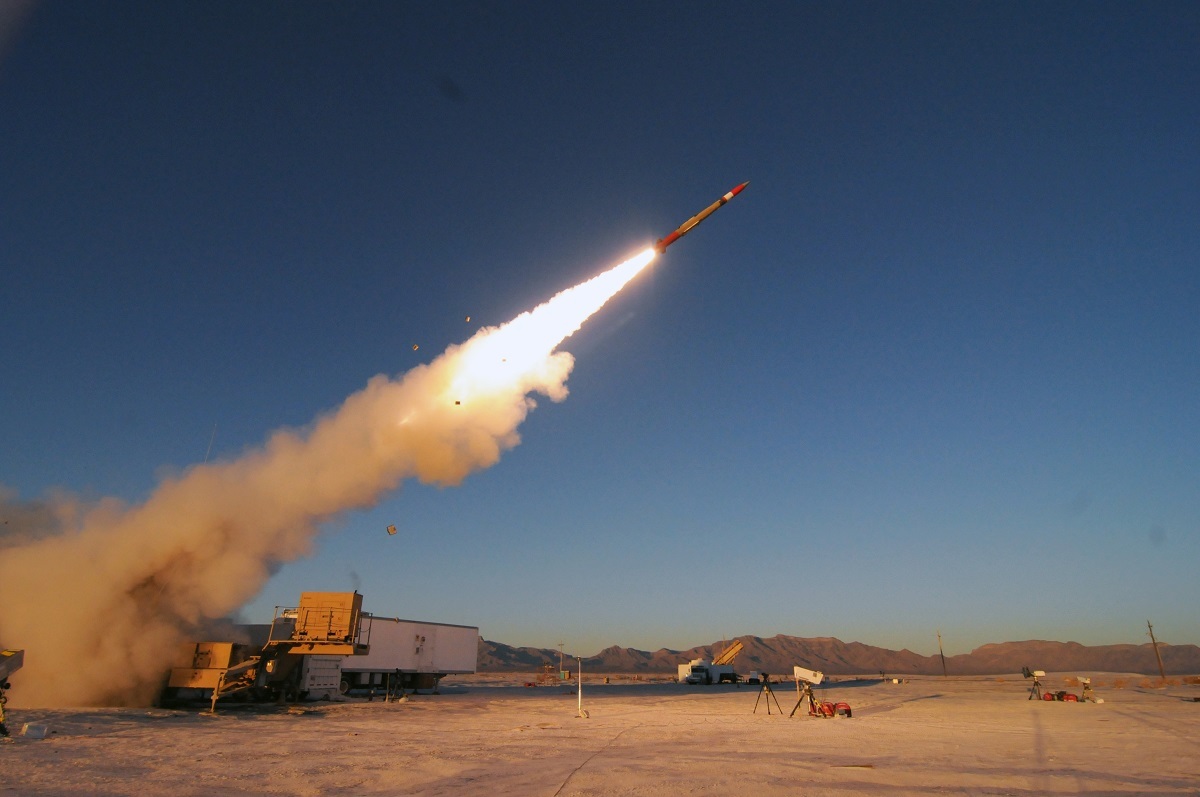
World
GRAND PRAIRIE, Texas, July 2, 2026 — Lockheed Martin has been awarded a $347.5 million cost-plus-incentive-fee contract by the United States Army to develop, fabricate, and test improvements to prototype air and missile defense systems. The contract, announced by the Pentagon on July 1 and managed by the Army Contracting Command at Redstone Arsenal, provides an open-ended framework under which individual task orders will determine specific work locations and funding. The project is scheduled for completion by December 31, 2028. The Pentagon's announcement does not identify a specific interceptor, missile, radar, or air defense system that will receive upgrades. Instead, the agreement is structured to support a range of related prototype technologies, allowing the Army to issue task orders as operational requirements and funding priorities evolve. The contract was awarded after bids were solicited through an online competition, with Lockheed Martin submitting the only proposal. Single-bid awards are not unusual in advanced missile defense programs because only a limited number of companies possess the required security clearances, specialized testing infrastructure, and technical expertise needed to develop and evaluate complex air and missile defense systems. Rapid Prototyping Approach The flexible structure of the agreement aligns with the Pentagon's rapid prototyping model, which is designed to accelerate the development of emerging defense technologies. Rather than committing to detailed technical requirements at the beginning of a program, the Army can issue individual task orders for separate prototype projects as new operational needs arise. Such efforts commonly use the Pentagon's Middle-Tier Acquisition authority, established by the U.S. Congress in 2016. The acquisition pathway is intended to shorten development timelines by allowing prototype systems to move from concept to demonstration more quickly than under traditional defense procurement processes. Redstone Arsenal's Role Redstone Arsenal remains the U.S. Army's principal center for missile procurement and is home to the Program Executive Office for Missiles and Space. During fiscal year 2025, the Army Contracting Command at Redstone oversaw approximately $34 billion in contract awards across multiple defense programs. The new prototype agreement adds to a series of major contracts recently awarded to Lockheed Martin through Redstone Arsenal, reflecting continued investment in air and missile defense capabilities. Among the largest recent awards are: A contract worth up to $35 billion to expand production of the Terminal High Altitude Area Defense (THAAD) interceptor system. A $9.8 billion multi-year contract covering 1,970 Patriot Advanced Capability-3 Missile Segment Enhancement (PAC-3 MSE) interceptors. A $3 billion fixed-price-incentive contract for production of the Sentinel A4 air surveillance radar. An $8.4 billion contract modification to increase procurement and production capacity for Precision Strike Missile (PrSM) Increment One systems. These programs support the Army's efforts to strengthen missile defense, long-range precision strike, and battlefield surveillance capabilities. Broader Missile Defense Modernization The latest contract comes as the United States continues investing in layered missile defense capabilities, including the Trump administration's proposed Golden Dome initiative. The program aims to establish a nationwide defensive architecture capable of detecting and intercepting ballistic, hypersonic, and cruise missile threats. Congress allocated $13.4 billion for related activities in the fiscal year 2026 defense appropriations legislation, adding to funding approved in previous years. The Missile Defense Agency also continues to manage prototype development through its SHIELD contracting vehicle, which had qualified more than 2,440 companies to compete for future task orders as of early 2026. Separately, the United States Space Force selected Lockheed Martin as one of twelve companies eligible to compete for prototype agreements valued at up to $3.2 billion to develop concepts for space-based interceptors designed to counter missile threats traveling at speeds exceeding Mach 20.
Read More → Posted on 2026-07-02 10:02:23
World
KYIV, Ukraine , July 2, 2026 — Russia launched one of its largest combined missile and drone attacks on Kyiv overnight, striking residential neighborhoods and critical infrastructure across the Ukrainian capital. The large-scale aerial assault killed at least 13 people, injured more than 85 others, and caused extensive damage at dozens of locations, according to Ukrainian authorities. Emergency services continued search and rescue operations throughout Thursday after several buildings were severely damaged or destroyed. Among the worst-hit sites was a nine-story residential apartment building that partially collapsed following a direct strike, leaving rescue teams searching for survivors trapped beneath the rubble. The attack lasted for approximately 11 hours and impacted at least 33 locations across Kyiv. Fires broke out in multiple districts as explosions and air-defense interceptions were reported throughout the night. A major fire also engulfed a hotel on central Shevchenko Boulevard, while an ambulance substation and numerous civilian vehicles were destroyed in the strikes. According to the Ukrainian Air Force, Russia launched 74 missiles and 496 attack drones during the operation. The missile salvo included Tsirkon anti-ship missiles, Iskander ballistic missiles, Kh-101 air-launched cruise missiles, and Kalibr cruise missiles. Ukrainian air-defense systems intercepted the majority of the incoming missiles and drones. However, officials said 25 ballistic missiles and 12 drones penetrated the country's air defenses and struck targets across Kyiv, causing widespread destruction to residential buildings and civilian infrastructure. Authorities had received intelligence indicating a large-scale Russian strike was imminent and issued advance air raid warnings. Thousands of Kyiv residents sought shelter in underground metro stations and other protected facilities as air-defense systems engaged incoming threats throughout the night. The casualty toll continued to rise as emergency responders searched damaged buildings. Local authorities confirmed that at least 13 people were killed and more than 85 others were injured, including children and emergency personnel. Officials warned that the number of casualties could increase as rescue operations continue. Ukrainian President Volodymyr Zelenskyy cut short his diplomatic visit to Dublin, Ireland, after receiving intelligence about the expected attack. Zelenskyy had been attending events marking the beginning of Ireland's six-month rotating presidency of the European Union and returned immediately to Ukraine. Following his arrival in Kyiv, Zelenskyy visited the damaged residential areas and inspected the destruction. During his return announcement in Dublin, he urged residents to take shelter and protect themselves and their families as the attack unfolded. After the strikes, Ukrainian Foreign Minister Andrii Sybiha appealed to international partners for the rapid delivery of additional advanced air-defense systems and interceptor missiles, saying stronger air defenses were essential to protect civilians from continued missile and drone attacks. The Russian Defense Ministry confirmed carrying out the operation, stating that its forces used high-precision, long-range weapons to strike military positions, energy infrastructure, and senior military facilities in Kyiv and other regions. Moscow described the attack as retaliation for recent Ukrainian long-range drone strikes against Russian civilian infrastructure, including an attack on the Kstovo oil refinery east of Moscow. Ukrainian officials rejected Russia's justification, stating that the strikes primarily hit civilian neighborhoods and non-military facilities in Kyiv. They reiterated that Ukraine's military actions are conducted under the right to self-defense as recognized by Article 51 of the United Nations Charter. The overnight assault represents one of the largest combined missile and drone attacks on Kyiv in recent months and highlights Russia's continued use of coordinated long-range missile and drone operations against Ukraine. Ukrainian authorities continue to assess the full extent of the damage as rescue and recovery efforts remain underway across the capital.
Read More → Posted on 2026-07-02 10:16:46
World
PASCAGOULA, Miss. , July 2, 2026 — Huntington Ingalls Industries (HII) has officially begun fabrication of the U.S. Navy's future USS John F. Lehman (DDG 137), the latest Flight III Arleigh Burke-class guided-missile destroyer, marking another step in the continued expansion of the Navy's next-generation surface combatant fleet. Construction officially commenced on June 29 at HII's Ingalls Shipbuilding facility in Pascagoula, Mississippi. The vessel is the 87th Arleigh Burke-class destroyer ordered by the U.S. Navy and the seventh Flight III destroyer assigned to Ingalls Shipbuilding. The new destroyer is part of the Navy's long-term plan to sustain its large surface combatant force while replacing aging Ticonderoga-class guided-missile cruisers and maintaining fleet readiness until the future DDG(X) destroyer enters procurement in the early 2030s. Flight III Configuration The Flight III variant retains the proven Arleigh Burke hull design while introducing significant upgrades to radar, combat systems, and electrical power generation to address evolving air and missile threats. The ship measures 155.3 meters (513 feet) in length, has a 20-meter beam, and a full-load displacement of approximately 9,700 tons. Propulsion is provided by four General Electric LM2500 gas turbines, enabling speeds of more than 31 knots. Its primary enhancement is the AN/SPY-6(V)1 Air and Missile Defense Radar, which replaces the legacy AN/SPY-1D(V) system. Equipped with 37 Radar Module Assemblies (RMAs), the SPY-6 radar offers improved target detection, discrimination, tracking capacity, and ballistic missile defense performance against increasingly complex threats. To support these advanced systems, Flight III destroyers feature an upgraded 12-megawatt electrical plant, replacing the previous configuration of three 3-megawatt generators with three 4-megawatt generators. The additional power supports the Aegis Baseline 10 combat system, the SPY-6 radar, and future electronic warfare capabilities. Although the Flight III design maintains the same 96-cell Mk 41 Vertical Launching System (VLS) found on earlier variants, the ship's improved sensors and combat systems significantly enhance its operational effectiveness. The Mk 41 VLS can employ a wide range of weapons, including SM-2, SM-3, SM-6, ESSM Block 2, Tomahawk, and VL-ASROC missiles. Additional armament includes a 127 mm (5-inch) naval gun, 25 mm autocannons, a 20 mm Close-In Weapon System (CIWS), and lightweight torpedoes for anti-submarine warfare. Rather than increasing missile capacity, the Flight III design focuses on improving detection, classification, tracking, and engagement performance while maintaining compatibility with existing Navy missile inventories, logistics, and training systems. Distributed Shipbuilding Strategy HII is continuing to expand its distributed shipbuilding model to support production of DDG 137 and other destroyers. Under this approach, major structural sections of the ship are being fabricated at six partner shipyards located across Texas, Louisiana, Mississippi, and Florida before being transported to Pascagoula for final assembly, outfitting, testing, and combat system integration. The company plans to outsource more than 2.5 million shipbuilding labor hours during 2026 as part of this strategy, helping address skilled labor shortages, supplier constraints, and production capacity challenges while maintaining construction schedules. "Our Ingalls shipbuilders have worked hard to reach fabrication start on DDG 137, and by focusing our teams and facilities on final assembly and integration, our distributed shipbuilding partners are enabling us to grow the Flight III fleet," said Chris Brown, Ingalls Shipbuilding DDG 51 program manager. The distributed production model requires strict quality control, dimensional accuracy, and coordinated scheduling to ensure fabricated modules arrive ready for integration with minimal rework. Arleigh Burke Program Continues to Expand The Arleigh Burke-class remains the U.S. Navy's longest-running and largest surface combatant production program, having entered production in 1988. The class currently includes 75 active destroyers, 10 ships under construction, and 13 on order, with the total fleet expected to approach 99 vessels. The Flight III program is intended to sustain the Navy's guided-missile destroyer force while replacing retiring Ticonderoga-class cruisers and maintaining escort capability for carrier strike groups and amphibious ready groups until the DDG(X) program enters service. Ingalls Shipbuilding has delivered 36 Arleigh Burke-class destroyers to the U.S. Navy and currently has five additional Flight III destroyers under construction: USS Ted Stevens (DDG 128) USS Jeremiah Denton (DDG 129) USS George M. Neal (DDG 131) USS Sam Nunn (DDG 133) USS Thad Cochran (DDG 135) In addition to DDG 137, Ingalls is conducting early planning and material procurement for future destroyers including USS Telesforo Trinidad (DDG 139), USS Ernest E. Evans (DDG 141), USS Charles French (DDG 142), USS Richard J. Danzig (DDG 143), USS Intrepid (DDG 145), and USS Robert Kerrey (DDG 146). Honoring John F. Lehman The future USS John F. Lehman (DDG 137) is named in honor of John F. Lehman, who served as U.S. Secretary of the Navy from 1981 to 1987 during the Reagan administration. Lehman was the principal architect of the Navy's 600-ship fleet initiative, which emphasized fleet expansion, forward deployment, and wartime surge capacity during the latter years of the Cold War. In addition to his civilian leadership role, he also served as a Naval Reserve commander and naval flight officer. The start of fabrication marks the first major construction milestone for DDG 137 as Ingalls Shipbuilding continues production of the Flight III Arleigh Burke-class destroyer program, which remains central to the U.S. Navy's long-term surface fleet modernization efforts.
Read More → Posted on 2026-07-02 10:27:57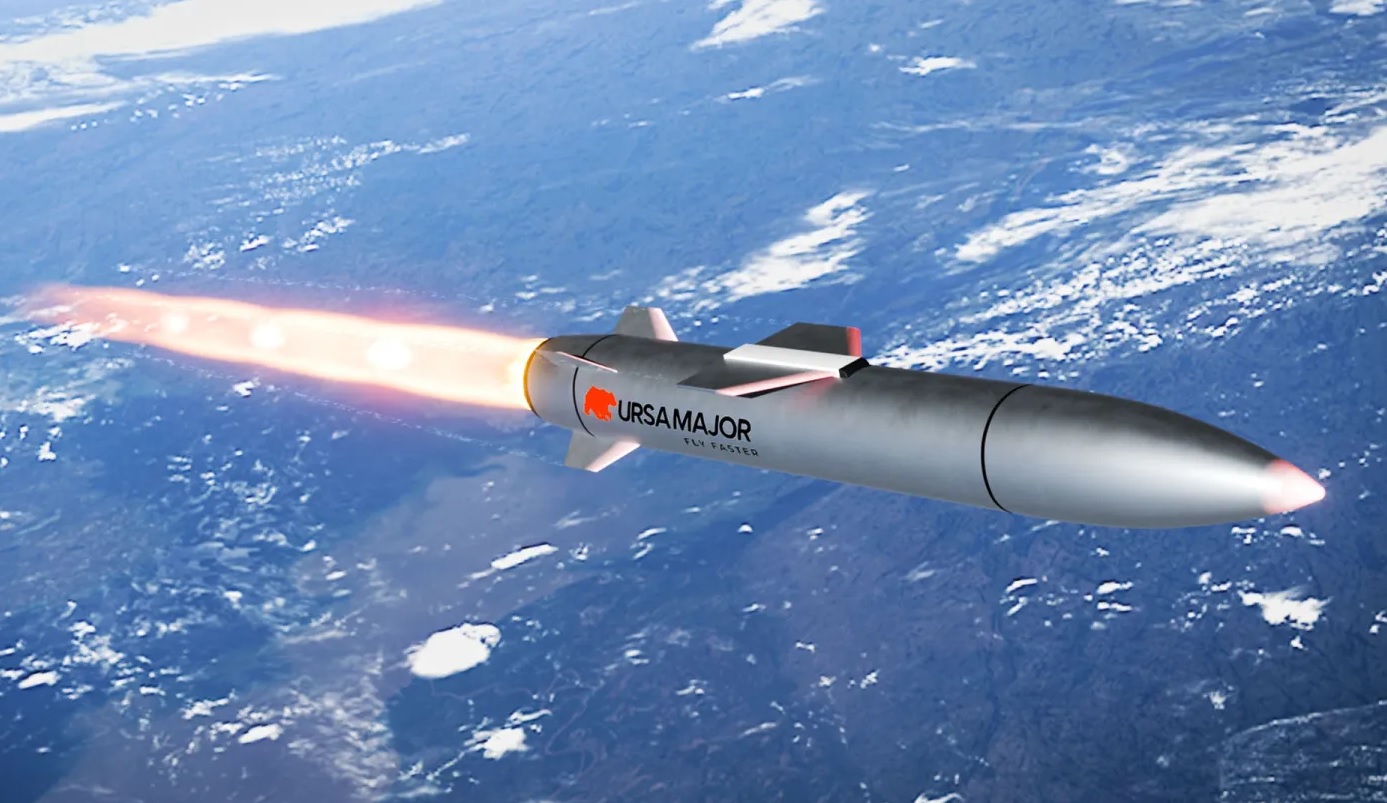
World
WASHINGTON, D.C., July 2, 2026 — The United States is expanding the use of additive manufacturing, commonly known as 3D printing, in its hypersonic weapons programs as the Department of Defense (DoD) seeks to strengthen munitions production following the heavy expenditure of precision weapons during recent military operations. Recent operations involving Iran highlighted the challenge of replenishing advanced munitions after U.S. forces conducted more than 13,000 strikes, consuming large numbers of precision-guided weapons and air defense interceptors. The campaign underscored limitations in the defense industrial base, where conventional manufacturing methods require significant time and cost to produce advanced missile systems. To address these challenges, defense contractors are increasing the use of metal additive manufacturing to produce key hypersonic propulsion components, including scramjet and ramjet engines. The technology is intended to reduce production time, lower costs, and improve manufacturing capacity. 3D Printing Simplifies Hypersonic Engine Production Companies including Aerojet Rocketdyne (now part of L3Harris), Lockheed Martin, and Ursa Major are incorporating additive manufacturing into hypersonic weapon production. Conventional manufacturing of air-breathing hypersonic engines involves numerous individually machined components and complex welding processes capable of withstanding temperatures generated during flight at speeds above Mach 5. Additive manufacturing instead enables complex engine structures to be produced as integrated components using technologies such as laser powder bed fusion and high-temperature metal alloys. Aerojet Rocketdyne has previously demonstrated that 3D printing can reduce the number of parts in a scramjet engine by up to 95%, simplifying production. The company is also advancing 3D-printed propulsion under the Department of Defense's GAMMA-H program. Meanwhile, Velo3D supplies specialized metal printing systems capable of producing complex internal engine geometries that are difficult to manufacture using traditional methods. Industry Accelerates Hypersonic Development Ursa Major has integrated AI-enabled metal printing into its Havoc medium-range hypersonic missile and the Draper liquid rocket engine. The Draper engine, which uses hydrogen peroxide and kerosene in a closed catalyst-cycle design, progressed from contract award to a flight-ready propulsion system in approximately eight months and powers the Affordable Rapid Missile Demonstrator. The company is also expanding production of solid rocket motors (SRMs) using modular tooling and software-driven manufacturing cells that allow different motor variants to be produced on the same production line without extensive retooling. Lockheed Martin is using large-format 3D printing to manufacture components for its Mako hypersonic missile, including guidance housings and tail fins. The company reports that additive manufacturing has reduced production time and costs for these parts by up to tenfold compared with conventional manufacturing. Focus on Expanding Production Capacity The increased adoption of additive manufacturing follows growing emphasis on improving the defense industrial base's ability to replenish advanced weapons inventories after recent operations. The extensive use of systems such as Tomahawk cruise missiles, JASSMs, THAAD, and Patriot interceptors highlighted the importance of scalable production capacity. By reducing dependence on complex supply chains and shortening manufacturing timelines, 3D printing is expected to support faster production of hypersonic propulsion systems while lowering manufacturing costs. As U.S. hypersonic programs continue to mature, additive manufacturing is becoming an increasingly important element in moving advanced weapons from development into operational service while improving long-term munitions production capacity.
Read More → Posted on 2026-07-02 10:38:29
World
PATUXENT RIVER, Md. , July 2, 2026 — The U.S. Navy is developing a new 3D-printed composite repair method designed to reduce maintenance time for the F/A-18 Super Hornet by approximately 50 percent, allowing damaged aircraft to return to service more quickly while improving sustainment capabilities at forward operating locations. The initiative is being led jointly by the Naval Air Warfare Center Aircraft Division (NAWCAD) and Fleet Readiness Center Southwest (FRCSW). The new approach enables maintenance personnel to repair damaged composite structures directly at forward operating bases, reducing dependence on lengthy supply chains and depot-level maintenance in the United States. Reducing Aircraft Downtime Composite components are widely used throughout the F/A-18 Super Hornet to reduce weight while maintaining structural strength. When parts such as engine bay doors sustain damage, the aircraft is typically grounded until repairs are completed, affecting fleet availability and operational readiness. Under the traditional repair process, damaged composite parts often require highly specialized technicians and must be transported to dedicated repair facilities. This can significantly increase maintenance time and place additional demands on military logistics, particularly during deployed operations. The Navy's new repair technique is intended to simplify this process by allowing qualified maintenance crews to complete repairs at the aircraft's operating location. 3D-Printed Composite Patches Engineers from NAWCAD and FRCSW have developed high-performance 3D-printed composite patches that can be produced and applied directly to damaged areas of the aircraft. The team has also established standardized application procedures and quality assurance processes to ensure the repairs meet the safety and structural requirements required for flight operations. The program utilizes the Navy's existing additive manufacturing network, which includes 3D printers deployed at 22 maintenance sites worldwide. This infrastructure enables repair patches to be produced where aircraft are operating, eliminating the need to wait for replacement components to be shipped from the United States. By manufacturing repair materials closer to operational units, the Navy aims to shorten maintenance timelines, improve aircraft availability, and increase flexibility during deployed operations. Flight Testing Planned The repair method has successfully completed laboratory evaluations and ground testing. The next phase of the program will involve flight testing on an operational F/A-18 Super Hornet later this summer to validate the performance, durability, and airworthiness of the 3D-printed repairs under actual flight conditions. Successful flight testing would support the transition of the repair method into broader operational use across the Super Hornet fleet. Supporting Naval Aviation Sustainment The initiative combines NAWCAD's engineering, research, testing, and aircraft sustainment expertise with FRCSW's extensive experience in naval aviation maintenance. NAWCAD, headquartered in Patuxent River, Maryland, with major facilities in St. Inigoes, Maryland, Lakehurst, New Jersey, and Orlando, Florida, supports the research, development, testing, evaluation, and sustainment of U.S. Navy and Marine Corps aviation systems. FRCSW, based in San Diego, California, is one of the Navy's primary aircraft maintenance centers, responsible for depot-level maintenance, repair, and overhaul of naval aviation platforms. The 3D-printing initiative forms part of the U.S. Navy's broader effort to expand the use of additive manufacturing technologies to improve aircraft sustainment, reduce maintenance delays, strengthen logistics resilience, and enable more repairs to be completed at forward operating locations.
Read More → Posted on 2026-07-02 10:48:13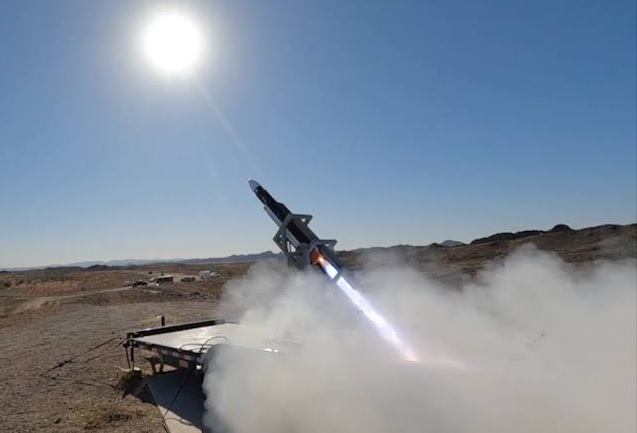
World
WASHINGTON, July 2, 2026 — The U.S. Department of Defense has awarded AeroVironment Inc. a $500 million firm-fixed-price contract to supply the U.S. Army with commercial counter-unmanned aerial systems (C-UAS), strengthening the military's ability to detect, track, and defeat hostile drones. The contract, announced on July 1, was awarded by the U.S. Army Contracting Command at the Detroit Arsenal, Michigan, under contract number W912CH-26-D-A073. The agreement is scheduled to run through June 29, 2029, with work locations and funding allocations to be determined through individual task orders. The procurement covers both counter-unmanned aerial systems (C-UAS) and counter-small unmanned aerial systems (C-sUAS) to address a wide range of aerial threats, including larger unmanned aircraft as well as commercially available quadcopters and fixed-wing drones that have become increasingly common in modern conflicts. Neither the U.S. Army nor AeroVironment has disclosed which specific systems will be ordered or where they will be deployed. The Department of Defense said procurement details will be finalized through future task orders. The firm-fixed-price structure means AeroVironment assumes responsibility for any cost overruns during contract execution, providing the government with predetermined pricing throughout the agreement. Although AeroVironment is headquartered in Arlington, Virginia, the Department of Defense contract announcement lists the company under its Simi Valley, California, operating address. Expanding Counter-Drone Capabilities Known for its Switchblade loitering munition systems, AeroVironment has expanded its counter-drone portfolio in recent years. Its offerings include the Titan family of radio frequency jamming systems, which disrupt the control and navigation signals used by hostile drones, providing a non-kinetic method of defeating unmanned aircraft without relying on conventional interceptors. The company's capabilities grew significantly after completing its $4.1 billion acquisition of BlueHalo in May 2025, adding directed-energy weapons, advanced electronic warfare technologies, and additional counter-drone capabilities. In April 2026, AeroVironment introduced Halo_Shield, a modular counter-UAS platform designed to detect, track, and defeat threats ranging from drone swarms to subsonic cruise missiles. The company has also advanced prototype high-energy laser weapon systems and expanded production of its Freedom Eagle kinetic interceptor missiles. Growing Demand for Counter-Drone Systems The contract reflects the U.S. Army's continued investment in counter-drone technologies as unmanned aircraft become more widely used for reconnaissance, surveillance, targeting, and attack missions. Commercially available drones have become increasingly common on modern battlefields, driving demand for systems capable of detecting and neutralizing these threats. Financial Outlook Following the announcement, AeroVironment shares (NASDAQ: AVAV) rose more than 3% in after-hours trading. The company expects fiscal year 2027 revenue between $2.125 billion and $2.225 billion, supported by growing demand for unmanned and counter-unmanned systems. The award follows an $874 million Foreign Military Sales contract secured in December 2025 to provide unmanned aircraft and counter-drone systems to allied and partner nations. Combined with the new $500 million U.S. Army award, AeroVironment has secured more than $1.3 billion in drone and counter-drone-related contract capacity over the past seven months, reinforcing its position as a key supplier of unmanned and counter-unmanned technologies for U.S. and allied forces.
Read More → Posted on 2026-07-02 10:57:24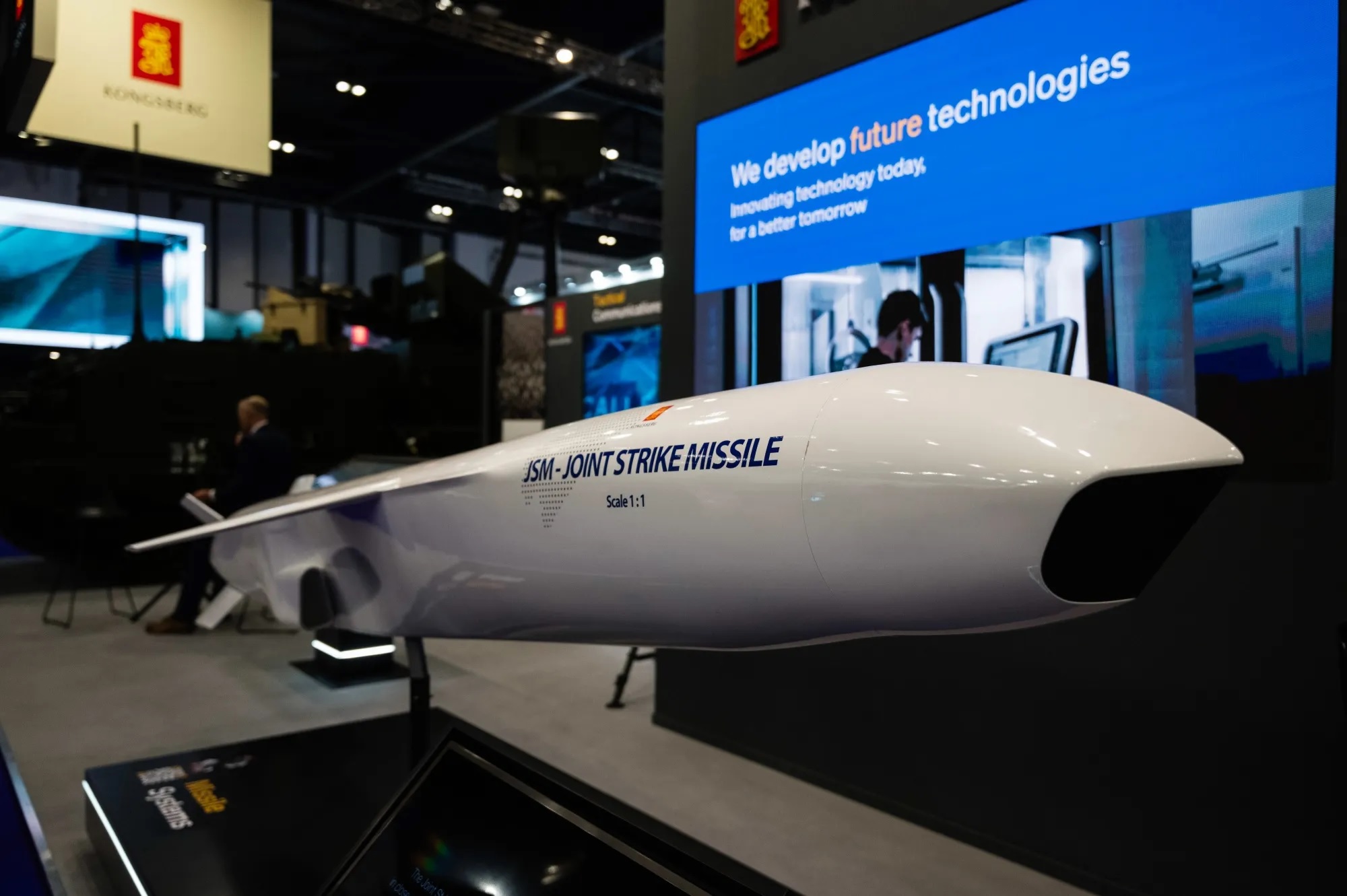
World
OSLO, NORWAY , July 2, 2026 — Kongsberg Defence & Aerospace has secured a NOK 4.7 billion (approximately $474 million) contract to supply its Joint Strike Missile (JSM) to an undisclosed international customer, marking the sixth nation to select the long-range precision weapon for its fighter aircraft fleet. The agreement, announced on June 30, 2026, expands the international adoption of the JSM, although Kongsberg has not disclosed the identity of the customer or the number of missiles included in the order. The Joint Strike Missile has previously been selected by Norway, Japan, Australia, the United States, and Germany, with Germany expected to begin receiving deliveries before the end of 2027. The growing customer base reflects continued demand for long-range precision weapons designed for fifth-generation combat aircraft. Developed by Kongsberg Defence & Aerospace from the Naval Strike Missile (NSM) in cooperation with Raytheon Missiles & Defense, the JSM is a multi-role cruise missile capable of engaging both land and maritime targets. It features a low-observable design, autonomous target recognition, terrain-following and sea-skimming flight profiles, and guidance systems combining INS/GPS navigation, an imaging infrared (IIR) seeker, terrain-reference navigation, and a two-way data link. The missile measures 4.0 meters in length, weighs approximately 416 kilograms, carries a 120-kilogram blast-fragmentation warhead, and has an estimated range of more than 500 kilometers, although the official range remains classified. A key feature of the JSM is its compatibility with the Lockheed Martin F-35 Lightning II, allowing internal carriage on the F-35A and F-35C without affecting the aircraft's stealth characteristics. The missile is also compatible with external carriage on the F-35B, as well as the Boeing F/A-18E/F Super Hornet and Boeing F-15EX Eagle II. The latest contract further strengthens the JSM program as Kongsberg expands missile production capacity through new manufacturing and maintenance facilities in Australia and the United States to support increasing international demand and long-term sustainment of both the JSM and NSM programs.
Read More → Posted on 2026-07-02 11:12:42
World
NAVI MUMBAI, MAHARASHTRA , July 2, 2026 — Paras Defence and Space Technologies Ltd has signed an exclusive Intellectual Property (IP) License Agreement with Tandem Defense LLC, a wholly owned subsidiary of US-based Autonomous Power Corporation (Powerus), securing exclusive rights to manufacture and commercialize the Guardian-1 Interceptor counter-drone system in India. Under the agreement, Paras Defence will locally manufacture, market, and support the Guardian-1 system for the Indian market. The license is non-transferable and non-sublicensable, applies only within India, and is valid for an initial 12 months, with an option for renewal by mutual consent. Paras has also been authorized to appoint domestic partners for specialized manufacturing, IP management, and regional sales operations. The financial value of the agreement has not been disclosed. The Guardian-1 Interceptor is a battery-powered kinetic counter-drone system designed to physically intercept and destroy aerial threats such as commercial quadcopters, swarm drones, and first-person view (FPV) drones. Unlike electronic warfare systems that rely on jamming or GPS spoofing, the Guardian-1 is a hard-kill solution that tracks and neutralizes hostile drones before they can reach protected locations. The interceptor has a cruise speed of around 100 mph, a maximum burst speed of approximately 211 mph, and an operational range of up to 10 miles. The partnership expands Paras Defence's existing anti-drone portfolio, which already includes man-portable drone detectors and handheld jammers through its subsidiary, Paras Anti-Drone Technologies. The addition of the Guardian-1 enables the company to offer a multi-layered counter-drone capability combining both electronic and kinetic interception technologies for military, paramilitary, and critical infrastructure protection. The agreement also supports the Indian government's Aatmanirbhar Bharat initiative by enabling local production, final assembly, and servicing of advanced counter-drone systems, strengthening indigenous defence manufacturing capabilities. Following the announcement, shares of Paras Defence and Space Technologies Ltd rose nearly 9% to close at ₹1,289.25 on the BSE, extending the company's strong market performance with an increase of about 101% from its January 1, 2026, trading price of ₹684.45.
Read More → Posted on 2026-07-02 11:21:36
World
BEIJING, July 2, 2026 — China has publicly demonstrated a truck-mounted Electromagnetic Aircraft Launch System (EMALS) for the first time, successfully launching a fixed-wing unmanned aerial vehicle (UAV) from a modular road-mobile catapult. The demonstration highlights China's continued efforts to expand flexible drone deployment capabilities by enabling aircraft launches without relying on conventional airfields. The newly released footage shows a propeller-driven fixed-wing drone being launched from a modular catapult assembled by connecting multiple specialized heavy trucks. The system is designed to support operations from austere environments, including highways, remote islands, temporary forward operating bases, and converted civilian vessels. Modular Truck-Based Launch System The mobile EMALS consists of three or more specially designed heavy trucks linked together to create a continuous launch rail. According to the system's developer, Tiantao Technology, the launch track can be configured between 20 and 60 meters in length depending on the size and weight of the aircraft being launched. Unlike conventional drone launch systems that rely on rocket-assisted takeoff or compressed air, the truck-mounted EMALS uses a linear electric motor to accelerate the aircraft along the launch rail. The technology is derived from the electromagnetic launch system currently installed aboard China's Type 003 Fujian aircraft carrier. Because the launch force is generated electromagnetically, operators can precisely adjust acceleration according to the drone's weight and airframe characteristics. This reduces mechanical stress on the aircraft during launch while allowing support for different UAV types from the same platform. The specialized launch vehicles are also equipped with an all-wheel steering system, enabling the connected convoy to maneuver with a relatively tight turning radius despite its overall length. This allows operators to align the launch rail into prevailing headwinds, improving aerodynamic performance and launch safety. Designed for Runway-Independent Operations The truck-mounted EMALS is intended for operations where conventional runways are unavailable, damaged, or vulnerable to precision strikes. Its modular architecture allows the launch system to be transported by road or ship, assembled quickly, and relocated as operational requirements change. The system provides military forces with the ability to disperse UAV launch sites across multiple locations rather than relying on fixed airbases. Such distributed operations can increase operational flexibility while reducing dependence on permanent infrastructure. In addition to land deployment, the modular catapult is designed for installation on converted civilian vessels that can serve as drone carriers, extending launch capability into maritime environments. Part of China's Containerized Military Platform Initiative The truck-mounted EMALS forms part of a broader Chinese effort to develop a family of containerized military systems that can be deployed rapidly on land or aboard civilian platforms. The modular ecosystem includes containerized vertical launch systems (VLS) for cruise and anti-ship missiles, radar systems, electronic warfare equipment, command-and-control modules, and other mission systems. These containerized modules are designed to resemble standard commercial shipping containers, allowing them to be transported using existing logistics infrastructure and installed on a wide range of civilian or military platforms. Testing on Zhong Da 79 The modular concept has previously been demonstrated aboard the commercial cargo vessel Zhong Da 79, which was converted into an experimental drone carrier and arsenal ship. The vessel was observed equipped with containerized vertical launch cells, close-in weapon systems (CIWS), and a deck-mounted electromagnetic catapult. Available observations indicated the ship-based EMALS configuration could launch larger unmanned aircraft, including CH-4 medium-altitude long-endurance (MALE) drones and collaborative combat aircraft (CCA) designed for unmanned operations alongside crewed aircraft. Production Plans The truck-mounted electromagnetic catapult first emerged publicly toward the end of 2025 and has since undergone testing in multiple configurations. Chinese sources indicate that production of containerized military modules is planned on a large scale, with an annual output target of up to 2,000 systems. The initiative is intended to expand distributed operational networks and provide flexible deployment options for unmanned aircraft, missile systems, electronic warfare assets, and command infrastructure. The public demonstration of the truck-mounted EMALS represents the latest step in China's development of mobile electromagnetic launch technology, extending carrier-based launch concepts to road-mobile and modular platforms capable of supporting UAV operations in a wide range of environments.
Read More → Posted on 2026-07-02 11:30:08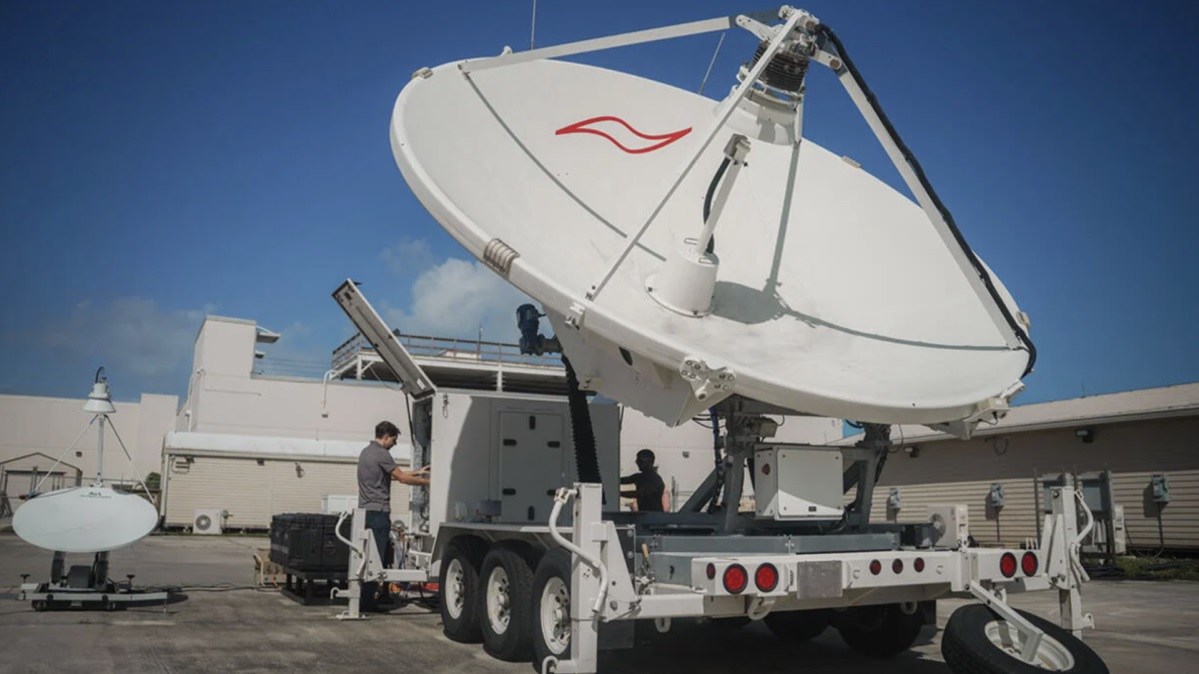
World
WASHINGTON — The U.S. Space Force has formally accepted the Meadowlands electromagnetic warfare system for operational use, expanding its ground-based capability to disrupt adversary satellite communications in support of combatant commands. The system was operationally accepted on June 8, 2026, by the U.S. Space Force Combat Forces Command. Developed by L3Harris Technologies, Meadowlands is built to detect, deny, disrupt and degrade enemy communications in support of joint military operations. It replaces the Counter Communications System (CCS) Block 10.2 with improved reversible and non-reversible electromagnetic warfare capabilities. Meadowlands introduces a much smaller hardware footprint than the previous system. Using an open software architecture and upgraded electronics, the number of transportable equipment cases has been reduced from 23 to seven, making transportation and deployment much easier. The system uses ground-based radio frequency units mounted on wheeled trailers, allowing operators to quickly reposition the equipment if adversaries attempt counter-jamming. Its smaller size allows deployment in forward austere locations as well as secure rear operating areas. The new architecture also supports faster software upgrades and future capability improvements. Meadowlands provides multi-frequency jamming in both the S-band and X-band, allowing operators to disrupt a wider range of satellite communications. The system will be operated by Guardians assigned to Mission Delta 3 (MD 3) – Space Electromagnetic Warfare, the unit responsible for organizing, training and equipping electromagnetic warfare forces supporting combatant commands, including United States Space Command. The Space Force cited the operational use of electromagnetic warfare during Operation Midnight Hammer, where operators established a communications "silence zone" by disrupting adversary communications. The operation supported the secure ingress and egress of bomber aircraft while also providing indications and warnings during the mission. Following delivery of the first production system in December 2025, L3Harris is working toward a production rate of one Meadowlands system per month. The Space Force has requested $450 million for Meadowlands production in its fiscal year 2027 budget and projects another $605 million for procurement between 2028 and 2031. The service also plans to establish five new Space Electronic Warfare Tactical Operations Centers (SEWTOCs) to expand electromagnetic warfare operations worldwide. Mission Delta 3 currently operates one SEWTOC at Peterson Space Force Base. Meadowlands has also completed an International Initial Baseline Review, making the system eligible for potential Foreign Military Sales (FMS). Subject to U.S. government approval, allied nations will be able to acquire and integrate the system into their own defense capabilities.
Read More → Posted on 2026-07-02 11:47:19
World
KOMSOMOLSK-ON-AMUR, Russia — Russia's state-owned United Shipbuilding Corporation (USC) has launched Shtorm (Storm), the third Project 22800 Karakurt-class small missile ship built at the Amur Shipbuilding Plant for the Russian Navy's Pacific Fleet. The ship was moved from the shipyard slipway using the specialized floating pontoon dock "Amurets", completing the primary hull construction phase. Shtorm will now undergo equipment outfitting, installation of onboard systems, harbor acceptance tests, factory sea trials and state trials before entering operational service. Shtorm is part of Russia's ongoing Project 22800 construction program, which is building compact missile-equipped surface combatants for coastal and regional naval operations. The Project 22800 Karakurt-class was developed by the Almaz Central Marine Design Bureau in St. Petersburg. The class was created to provide the Russian Navy with a compact multi-role missile ship capable of operating in littoral and near-shore waters while offering improved seaworthiness compared with the Buyan-M class. The vessel has a stealth-shaped superstructure with faceted surfaces intended to reduce radar reflections. It also features an integrated mast fitted with four phased-array radar panels to improve situational awareness while reducing the ship's radar cross-section. Although the ship has a displacement of about 800 tons, it carries an eight-cell UKSK (3S-14) vertical launch system. The launcher can fire Kalibr-NK cruise missiles for land-attack and anti-submarine missions, with reported land-attack ranges of up to 2,500 kilometers, as well as P-800 Oniks supersonic anti-ship missiles. For air defense, Shtorm is fitted with the Pantsir-M naval air defense system, combining 57E6 short-range surface-to-air missiles with twin 30 mm rotary cannons to engage aircraft, helicopters, unmanned aerial vehicles, anti-ship missiles and other aerial threats. Its additional armament includes an AK-176MA 76.2 mm automatic dual-purpose naval gun capable of firing up to 150 rounds per minute. Close-range defense is provided by two 12.7 mm Kord heavy machine guns. The ship can also operate Orlan-10 unmanned aerial vehicles for reconnaissance, surveillance and target acquisition missions. Shtorm has a standard displacement of about 800 tons, increasing to around 870 tons at full load. The ship measures 67 meters in length, has a beam of 11 meters and a draft of 3.3 meters. Power is provided by a Combined Diesel and Diesel (CODAD) propulsion system using three M-507D-1 diesel engines and three diesel generators, each producing 8,000 horsepower. The propulsion system gives the ship a maximum speed of 30 knots. The vessel has an operational range of about 2,500 nautical miles at an economical speed of 12 knots and an endurance of 15 days at sea. It is operated by a crew of around 50 personnel. The ship is built with domestically produced components for green-water operations. Shtorm is the third Project 22800 Karakurt-class missile ship built at the Amur Shipbuilding Plant, one of several Russian shipyards producing the class for different fleets. Earlier Karakurt-class ships have already entered service with the Russian Navy carrying Kalibr and Oniks missile systems. The modernization of production facilities at the Amur Shipbuilding Plant, including the introduction of the "Amurets" pontoon dock, is expected to improve shipbuilding efficiency and support continued serial production. After completing outfitting and sea trials, Shtorm will join the Russian Navy's Pacific Fleet.
Read More → Posted on 2026-07-02 12:00:39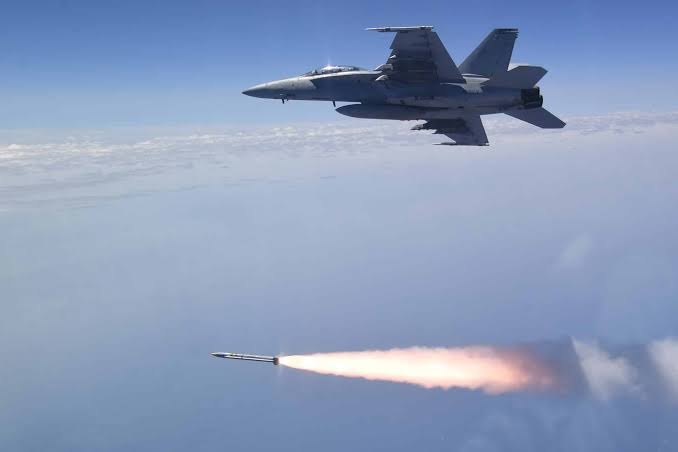
World
WASHINGTON — The U.S. Navy is looking for a second supplier to develop its next-generation anti-radiation missile under the Advanced Emission Suppression Missile (AESM) program, increasing planned production capacity while reducing dependence on a single manufacturer. In a Request for Information (RFI) issued on July 1, 2026, the Naval Air Systems Command (NAVAIR) asked industry for a missile equivalent to the AGM-88G Advanced Anti-Radiation Guided Missile-Extended Range (AARGM-ER), which is currently produced by Northrop Grumman. The latest RFI raises the planned production target to as many as 600 missiles per year, up from the 300 missiles annually outlined in a February 2026 market survey. The AESM effort is managed by the Program Executive Office for Unmanned Aviation and Strike Weapons through its Direct and Time Sensitive Strike Weapons office (PMA-242). The Navy wants the new missile to match or expand the capabilities of the AARGM-ER. Anti-radiation missiles detect and destroy enemy radar systems by tracking their radio-frequency emissions, allowing aircraft to suppress enemy air defenses before they can threaten friendly forces. The current AARGM-ER can fly at speeds of Mach 4 and has an estimated range of about 160 nautical miles (300 kilometers). Under requirements released in the February 2026 RFI, the AESM should also be capable of engaging ground-based radar systems and high-value airborne targets, including Airborne Early Warning and Control (AWACS) aircraft. The higher production objective indicates the Navy is preparing for larger procurement quantities while establishing another production source for the missile. The AARGM-ER received Milestone C approval in 2024, allowing low-rate initial production, and completed a live-fire test in a GPS-denied environment in January 2026. Its Initial Operational Capability (IOC), originally planned for 2024, is now expected later in 2026. NAVAIR requires the AESM to integrate with the F/A-18E/F Super Hornet, EA-18G Growler, and F-35 Lightning II. The missile must be compatible with both the F-35's internal weapons bay and external carriage. The missile must also comply with MIL-STD-1760 and the Universal Armament Interface while using a Modular Open Systems Approach (MOSA) that supports future upgrades using sensors and software from different suppliers. Other requirements include advanced GPS/INS navigation, broad radio-frequency coverage, and Electronic Counter-Counter Measures (ECCM) capable of operating against modern jamming and other electronic warfare threats. The missile is also required to have a 15-year service life, withstand more than 500 hours of captive carriage under aircraft wings, and operate in the demanding maritime environment of carrier-based aviation. NAVAIR also directed that the missile should support Foreign Military Sales (FMS) for future exports to U.S. allies. Companies responding to the RFI must have the required facility certifications and security clearances to handle Secret-level classified information. The July 1 RFI is a market research effort and not a formal contract solicitation. Companies have until July 31, 2026, to submit capability statements along with pricing information for annual production quantities ranging from 50 to 600 missiles. The Navy will use the responses to evaluate industrial capacity and production costs before deciding on a formal competition.
Read More → Posted on 2026-07-02 13:50:02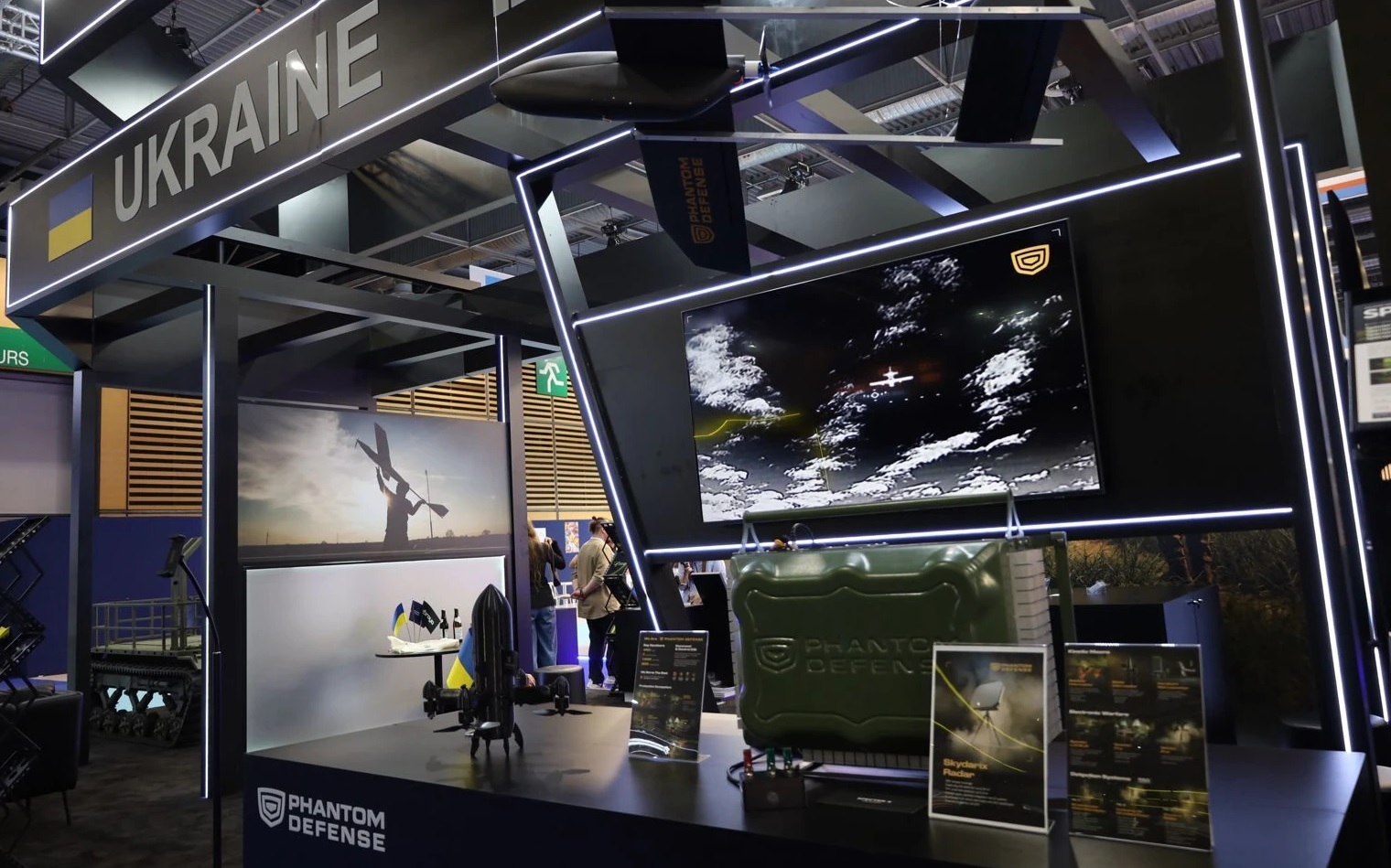
World
KYIV, Ukraine — Ukrainian defense technology company Phantom Defense has unveiled an integrated counter-unmanned aerial system (C-UAS) ecosystem that combines electronic warfare systems, interceptor drones, detection sensors and a centralized command-and-control (C2) platform into a single operational network. The system was presented during the Brave1 Advantage defense technology event in Kyiv after it was previously showcased at the Eurosatory 2026 exhibition in Paris. Rather than offering individual products, Phantom Defense displayed a "Detect-to-Defeat" architecture that detects, tracks, identifies and neutralizes different types of aerial threats through one integrated network. At the center of the ecosystem is a centralized C2 platform that combines data from radars, radio-electronic intelligence sensors and video interceptors to create a single operational picture. The software automatically identifies targets, gives operators real-time engagement recommendations and records the results of every engagement for later operational analysis. The company also introduced several electronic warfare systems under its Specter family. The Specter L, XL and A variants are built to protect both fixed and mobile assets while providing 360-degree coverage. Depending on the configuration, they operate across the 300-900 MHz frequency range and support active jamming at 1.4 GHz, 2.4 GHz and 5.8 GHz. The Specter Pro system provides omnidirectional narrowband signal suppression across frequencies from 250 MHz to 6 GHz. It is supported by the Vector Pro directional jammer, which covers the same 250 MHz to 6 GHz frequency range for targeted electronic suppression. Phantom Defense also displayed several kinetic interception systems. The Balaban fixed-wing interceptor drone has an endurance of up to 2.5 hours, a maximum speed of 260 km/h and can carry a 1.2 kg payload. The Blade Interceptor multirotor drone is intended to engage Shahed-type attack drones. It has a top speed of 310 km/h, an operational range of 15 km and a 0.5 kg payload. The company also presented the Karakurt net-launching module, which can be integrated with different drone platforms to disable aerial targets by deploying nets. Several detection systems were also introduced as part of the ecosystem. The Streamhunter video interceptor is already available and detects signals at ranges of up to 30 km across frequencies from 800 MHz to 8 GHz. It can receive five channels simultaneously and has a detection time of less than one second. The Skydarix all-round radar, planned for release in the fourth quarter of 2026, can detect aircraft-type drones at distances of up to 20 km and FPV drones at up to 5 km. It also supports ASTERIX protocol integration. The Radiotrex direction finder, expected in the second quarter of 2027, has a detection range of 30 km, operates across 300 MHz to 8 GHz, provides directional accuracy of up to 3 degrees, and features a 250 MHz bandwidth. Phantom Defense said the ecosystem has already been tested under operational conditions in Ukraine during a project protecting urban infrastructure in one regional center. The company said the deployment provided more than 90% of a dome protection system covering an area of more than 100 square kilometers. Between June 1, 2025, and June 24, 2026, the company said the system detected 10,821 hostile drones and actively suppressed 7,397 of them. "There is no single answer for all types of threats from drones; each type of UAV requires a special approach," a Phantom Defense representative said. "That is why we do not sell individual devices—we offer an ecosystem of solutions that have already proven their effectiveness in combat conditions." Phantom Defense employs more than 600 personnel and said its production capacity exceeds 100 interceptor drones and 200 electronic warfare units per day to support ongoing operational requirements.
Read More → Posted on 2026-07-02 14:00:45
World
KYIV — Ukraine has launched a new grant program to help local companies develop humanoid robots for military use as it looks to automate more battlefield tasks and reduce the risks faced by frontline soldiers. The announcement was made by Brave1 CEO Andriy Hrytsenyuk during the recent Brave1 Advantage event in Kyiv, according to a Militarnyi reporter who attended the event. Brave1 is a government-backed defense technology group created by Ukraine's Ministry of Digital Transformation and other government agencies to speed up the development, testing, and deployment of new military technologies. The new grant program will support Ukrainian developers building humanoid robots for military operations. Officials said the main goal is to use robots for dangerous frontline missions, reducing the need to expose soldiers to high-risk combat situations. Hrytsenyuk said the project follows similar efforts in countries such as the United States and China, which are also investing in humanoid robot technology. However, Ukraine plans to take a gradual approach by first developing simpler robots before adding more advanced capabilities. The aim is to improve reliability while expanding what the robots can do over time. Unlike many humanoid robot projects around the world that are designed for factories and other commercial uses, Ukraine's program is focused entirely on military operations. The robots are expected to support troops, carry out dangerous tasks, and operate in combat areas where sending soldiers would be more risky. Since the start of the war, Ukraine has become an important testing ground for new defense technologies. Many Western defense companies and startups have used real battlefield conditions to evaluate new equipment. Before the grant program was announced, the Phantom MK-1 humanoid robot, developed by U.S. startup Foundation, was delivered to Ukraine for operational testing to assess how it performs in combat conditions. Although interest in military humanoid robots is growing, the technology still faces several challenges. Current robots are heavy, expensive to build, require frequent battery charging, and often struggle to move across rough terrain. Reports also say a typical humanoid robot uses around 20 motors to control its movements, meaning the failure of just one motor can affect the robot's performance. Military experts also believe more work is needed before humanoid robots can be widely used on the battlefield. Issues such as maintenance, logistics, safety, and reliable autonomous operation must be solved before they can become a practical part of future military operations.
Read More → Posted on 2026-07-02 14:07:07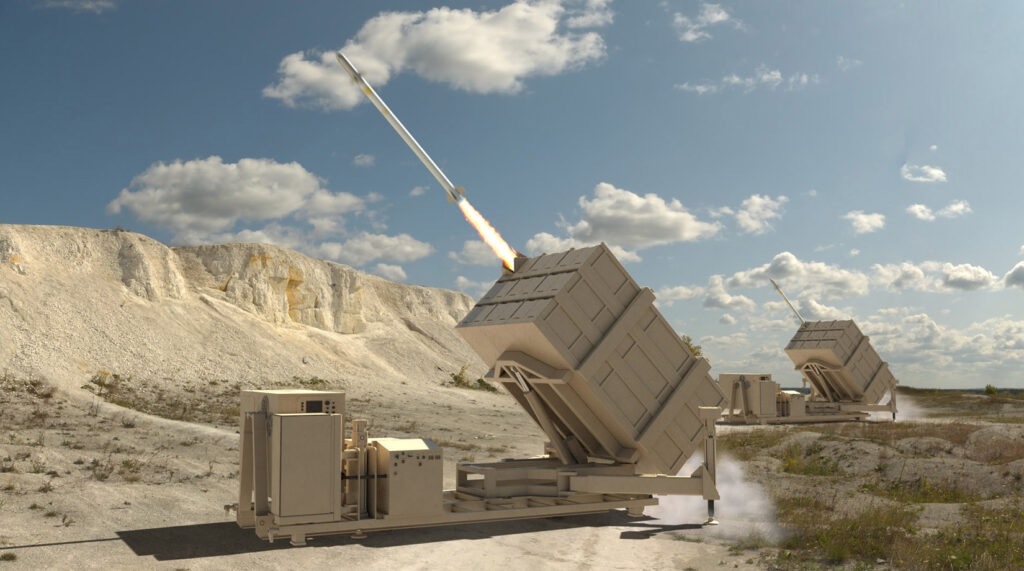
World
WASHINGTON, — The U.S. Air Force has started a new program to build a cheaper, ground-launched supersonic missile aimed at improving air defense while keeping costs low. On July 1, the Air Force Life Cycle Management Center (AFLCMC) released a request under the Counter Air Missile Program (CAMP). The project, called the Ground Launched Counter Air Enterprise Test Vehicle (GLCA ETV), is asking companies to design a new missile that can be launched from the ground to defend military bases and deployed forces. Unlike traditional air-to-air missiles that rely on fighter jets, this missile will be launched from the ground. This means the Air Force can place it wherever needed without depending on aircraft availability, giving more flexibility to protect forward bases and key infrastructure. A big focus of the program is keeping costs low. While the Air Force has not shared exact performance details like range or speed, it previously said it wants each missile to cost around $500,000. This is much cheaper than many current interceptor missiles, which can cost several million dollars each. The move comes after recent conflicts, such as in Ukraine and the Middle East, where expensive missiles were used up quickly and production struggled to keep up. By lowering costs, the Air Force hopes to build larger stockpiles and sustain longer operations. The missile will use a modular design, meaning different parts like sensors and guidance systems can be swapped or upgraded easily. The Air Force also wants companies to use commercial components where possible to save time and money. This approach is expected to speed up development and make future upgrades easier. To move quickly, the Air Force is using a flexible contracting method known as an Other Transaction (OT) agreement. The timeline is tight: companies must submit proposals by August 3, 2026, and selected firms will present their ideas in person the following week. There are also strict security rules. Most technical data is classified as Controlled Unclassified Information (CUI). Companies must be registered under the Joint Certification Program and submit the required authorization forms to access sensitive information. Foreign companies, or U.S. firms under foreign control, are not allowed to participate. If successful, the project could move into full production under a larger program called FAMM-GLCA, part of the Family of Affordable Mass Missiles (FAMM) initiative. This program aims to quickly build large numbers of lower-cost precision weapons. The Air Force plans to spend more than $12.6 billion over the next five years to acquire nearly 28,000 FAMM weapons. For fiscal year 2027, about $355 million is set aside to buy around 1,000 missiles. The FAMM program includes different types of missiles, including ones that can be dropped from cargo planes or carried by fighter jets and bombers. Air Force Chief of Staff Kenneth Wilsbach has said that the first of these weapons could enter production later this year. Several companies are already involved in the broader FAMM effort, including Anduril Industries, CoAspire, Zone 5 Technologies, and Leidos. Engine maker PBS Aerospace is also working on turbine technology to support large-scale missile production. By connecting this new ground-launched missile effort with the larger FAMM program, the Air Force is trying to move quickly from testing to mass production if the system performs as expected.
Read More → Posted on 2026-07-02 14:16:21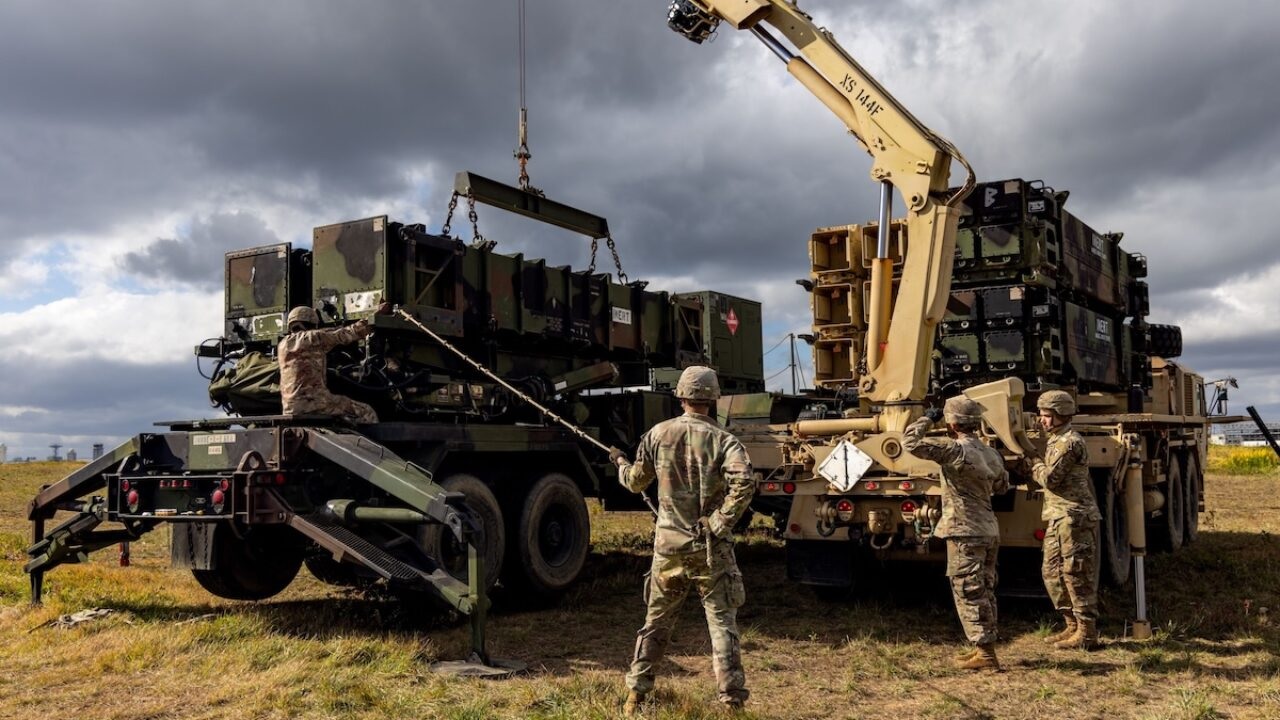
World
WASHINGTON, D.C. — The United States continued training Ukrainian operators of Patriot and HAWK surface-to-air missile systems during the first quarter of 2026, while Washington approved a $108.1 million sustainment package for HAWK equipment and Ukraine moved to secure more Patriot interceptor missiles through European Union funding and allied stockpiles. Details of the training were included in the latest Operation Atlantic Resolve report submitted to the U.S. Congress, covering January through March 2026. Military analyst Jeff21461 highlighted the report's findings on X. 🇺🇦🇺🇸 The USA provided training for Ukrainian Patriot and HAWK operators during Q1 of 2026.Patriot training focused on intermediate and depot-level maintenance training. At the same time, Patriot systems have also been retrograded out of Ukraine for depot-level maintenance.… pic.twitter.com/GQtr4ur9ge — Jeff2146🇧🇪 (@Jeff21461) July 2, 2026 For Ukrainian crews operating the MIM-104 Patriot, the training focused on intermediate- and depot-level maintenance. The report says some Patriot systems deployed by Ukraine were temporarily taken out of the country to undergo scheduled higher-level maintenance before returning to service. It does not disclose how many Ukrainian personnel completed the courses. The Patriot maintenance program is intended to help Ukrainian forces perform more complex repairs and sustain the systems in service after they were transferred by partner nations. Training for the MIM-23 HAWK covered system operation, combat employment, missile handling and routine maintenance. Two platform training courses were conducted through the Joint Multinational Training Group-Ukraine. The report also does not specify the number of Ukrainian personnel trained. HAWK batteries first entered Ukrainian service in late 2022 after deliveries from the United States and other partner countries. Spain supplied launchers, while the United States provided refurbished missiles. Some of those systems are part of the FrankenSAM program, which combines legacy launchers with updated Western components. The U.S. Department of State approved a potential Foreign Military Sale worth $108.1 million for Ukraine in May 2026 to support those HAWK batteries. The package includes erectable mast trailers, spare parts, consumable materials, engineering support, major system modifications, technical assistance, logistics support and repair services provided by the U.S. government and American defense contractors. The sale responds to Ukraine's request for infrastructure and sustainment support for its HAWK air defense systems. Ukraine is also working to increase its stock of Patriot interceptor missiles. The Ministry of Defence announced this week that it is using funds from a European Union loan to purchase about 100 Patriot interceptors. Patriot remains the only air defense system in Ukraine's current inventory capable of intercepting certain types of ballistic missile threats, making interceptor availability a priority as global production remains limited and manufacturing lead times continue to be long. To cover the shortfall, Defence Minister Mykhailo Fedorov has sent letters to nearly 40 partner nations, requesting the immediate transfer of Patriot interceptor missiles from existing national stockpiles during July. Under the proposal, partner countries would provide missiles now, while Ukraine would replace those stocks later with interceptors from its own future contracted deliveries once production becomes available. The Operation Atlantic Resolve report does not identify the total number of Patriot or HAWK systems supported during the reporting period, nor does it provide figures for the number of Ukrainian personnel who completed the maintenance and operational training.
Read More → Posted on 2026-07-03 10:10:08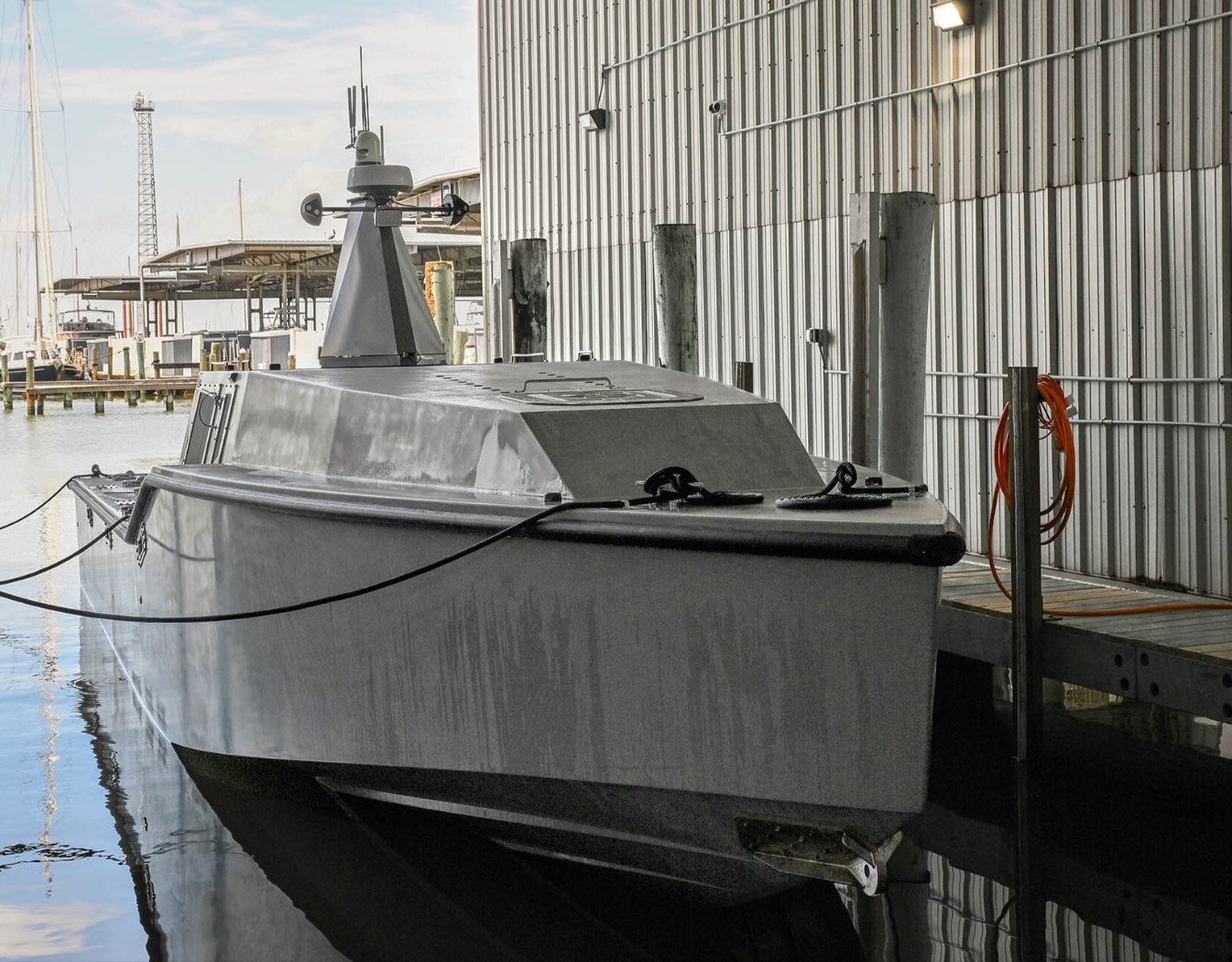
World
AUSTIN, Texas — Saronic has launched the Mirage, a new 52-foot dual-use autonomous surface vessel (ASV), adding a third flagship platform to its growing fleet of uncrewed surface vessels. The company announced the launch on July 2 after taking the vessel from initial design to the water in less than a year. The first Mirage has already started on-water trials at Saronic's privately funded test facility in Galveston, Texas. Production is continuing at the company's Austin headquarters, where a second hull is already moving through the manufacturing line. The Mirage sits between Saronic's 24-foot Corsair and 180-foot Marauder in both size and capability. It has a top speed of more than 35 knots, an operational range exceeding 2,500 nautical miles, and can carry payloads of up to 3,500 pounds. Compared with the Corsair, the new vessel more than doubles both range and payload capacity. The vessel can operate fully autonomously or under remote human supervision through Saronic's Echelon command-and-control platform, which provides a common autonomy software stack across the company's fleet. The software supports mission planning, simulation and real-time oversight, allowing operators to manage multiple vessels, including in communications-limited conditions. Its open, modular architecture allows government and commercial off-the-shelf sensors, payloads and communications systems to be integrated without structural modifications. Saronic said the Mirage is intended for maritime domain awareness, maritime security, and aerial and surface target detection missions. All hardware and software for the Mirage are developed at Saronic's Austin facility. The company said the site has capacity to produce hundreds of Mirage vessels each year while also building thousands of Corsair platforms. The first Mirage hull will undergo performance validation across its full operating envelope at the Galveston site, where Corsair testing is also continuing. "We launched our first Marauder four weeks ago, and today we're putting another vessel in the water. This cadence is what our production model was built to deliver," Saronic co-founder and Chief Executive Officer Dino Mavrookas said. Saronic raised $1.75 billion in Series D funding in April 2026 at a valuation of $9.25 billion. The funding is being used to expand its autonomous vessel portfolio and domestic shipbuilding infrastructure. Last month, a U.S. Navy-operated Saronic Corsair rescued two U.S. Army aviators after their AH-64 Apache helicopter crashed off the coast of Oman. The operation was one of the first publicly disclosed uses of an uncrewed surface vessel in a search-and-rescue mission, beyond its routine surveillance and maritime security roles. With the Mirage now in the water and another hull already under construction, Saronic is continuing production across its autonomous vessel portfolio from its Austin manufacturing facility.
Read More → Posted on 2026-07-03 10:32:58
World
ANKARA, Turkey — According to a Reuters report, NATO will replace its fleet of Boeing E-3A Airborne Warning and Control System (AWACS) aircraft with Sweden's Saab GlobalEye, with the decision set to be announced at the alliance's summit in Ankara on July 7-8. Four sources familiar with the discussions said NATO has selected the Swedish platform after reviewing options to replace the alliance's aging airborne surveillance fleet. A NATO spokesperson confirmed that a decision on the AWACS replacement will be announced during the summit but declined to provide further details. Saab also declined to comment. The alliance operates 14 Boeing E-3A Sentry aircraft based at Geilenkirchen Air Base in Germany. The aircraft entered NATO service in 1982 and have provided airborne surveillance, command and control, and airspace monitoring for more than four decades. In recent years, they have flown surveillance missions along NATO's eastern flank following Russia's invasion of Ukraine. Although the fleet has received upgrades to extend its service life until around 2035, the aircraft are built on Boeing 707 airframes that have become increasingly expensive to maintain. NATO has also been seeking improved capability against low-flying cruise missiles, drone swarms and targets with reduced radar signatures over land and sea. The alliance had previously considered Boeing's E-7 Wedgetail to replace the E-3 fleet. That plan changed after the Pentagon dropped its 2025 proposal to buy 26 E-7 aircraft and shifted its focus toward satellite-based tracking. U.S. Defense Secretary Pete Hegseth later told Congress the Pentagon is seeking to restore funding for the E-7 program, but NATO moved ahead with the Saab option. The GlobalEye is built on the Bombardier Global 6000/6500 business jet platform instead of a large commercial airliner. The smaller aircraft consumes less fuel, requires lower maintenance and operates with a smaller crew because of higher onboard automation. Its primary sensor is Saab's Erieye Extended Range (ER) active electronically scanned array (AESA) radar mounted in a fixed "ski-box" configuration above the fuselage. The radar tracks air, land and maritime targets at the same time, including low-flying threats and objects with smaller radar signatures. Flying at about 35,000 feet, the aircraft can detect targets at ranges exceeding 450 to 550 kilometers. It has an endurance of more than 11 hours and can operate from runways of about 6,500 feet. GlobalEye entered operational service in 2018. NATO has not disclosed how many aircraft it intends to buy. Sources said the final order could depend on whether the alliance chooses a version equipped with aerial refueling capability, allowing the aircraft to remain on station for longer periods during missions similar to those flown near Ukraine. Geilenkirchen Air Base will remain NATO's airborne surveillance hub and could eventually operate what would be the world's largest GlobalEye fleet. The procurement will direct the contract to Sweden's Saab rather than a U.S. defense manufacturer. Reports of the pending agreement pushed Saab shares up 6.3%. The decision follows Canada's recent order for six GlobalEye aircraft as part of its effort to modernize its airborne surveillance capability while reducing reliance on U.S. defense suppliers. NATO is expected to release additional details on the procurement during the Ankara summit. Contract value, delivery schedule and the number of aircraft have not been announced. Source: Reuters.
Read More → Posted on 2026-07-03 10:55:06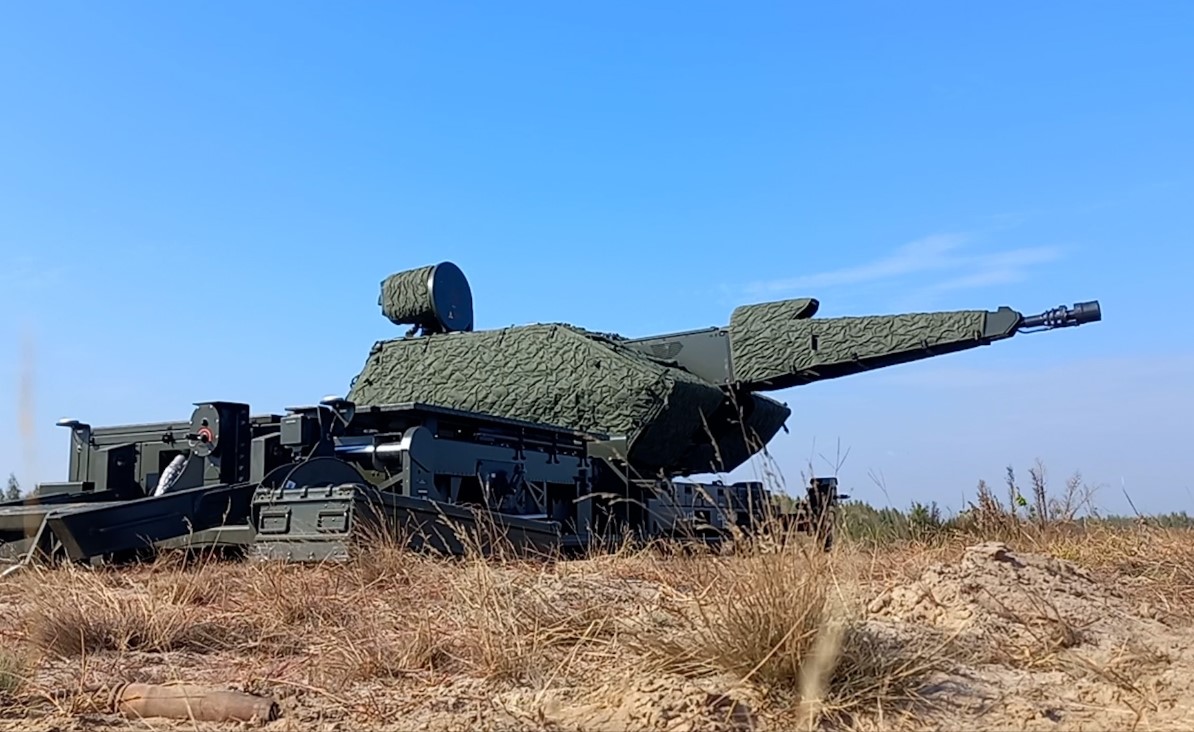 Leaked Ukrainian Report Says Skynex Air Defense System Suffered Failures During Russian Drone Attack
World
BERLIN — A leaked internal Ukrainian military assessment says the German-made Skynex air defense system experienced multiple technical failures during a Russian drone attack on April 1, 2026, allowing a Shahed-type drone to reach and strike an industrial facility in western Ukraine despite being engaged by the air defense network. The assessment, first reported by the German magazine Stern, describes a layered defense made up of two Skynex batteries protecting the site. The deployment included eight 35 mm anti-aircraft gun mounts, two X-TAR3D radar stations and two command posts, providing overlapping coverage against incoming aerial threats. The document says the system had several opportunities to intercept the drone but failed to destroy it before impact. Two independent witnesses cited in the report confirmed the drone passed through the defensive perimeter and hit its intended target. The report attributes the failed interception to a combination of equipment malfunctions and target-tracking problems that developed shortly after the engagement began. Three of the eight gun mounts reportedly went offline within minutes. The assessment lists defects in the hydraulic systems, tracking radar malfunctions and mechanical jams in the ammunition loading mechanism. As those problems spread through the network, only two guns were able to maintain stable tracking of the incoming drone. Ukrainian officials who prepared the assessment described the equipment as having "low operational readiness" and performing "extremely unreliably." The document says the combat performance observed during the April 1 engagement did not match the technical specifications presented by the manufacturer. Rheinmetall, which manufactures the Skynex system, declined to comment on the specific operational details or the date of the engagement, citing security reasons. The company rejected the assessment's conclusions and said Skynex has proven "extremely effective and reliable" during operations in Ukraine. It also said previous feedback received from Ukrainian operators had been positive. German military officials also cautioned against drawing broad conclusions from a single incident. They said the number of Skynex systems currently deployed in Ukraine remains too small to assess the platform's overall operational performance. Officials also said operator error or mistakes during technical maintenance may have contributed to the reported failures, rather than faults in the hardware itself. Skynex is a modular short-range air defense system used to defend critical infrastructure against drones, cruise missiles, helicopters and low-flying aircraft. A standard battery consists of a command post, radar and four automated 35 mm artillery mounts, commonly the Oerlikon Mk3. The guns can fire up to 1,000 rounds per minute and use AHEAD programmable airburst ammunition. Rather than relying on direct hits, the 35 mm rounds detonate near the target and release a cloud of tungsten sub-projectiles intended to destroy incoming aerial threats. The April 1 assessment reflects the findings from that single engagement. Rheinmetall continues to dispute those findings, while German officials say more operational data is needed before judging the system's overall performance. Source: Stern.
Read More → Posted on 2026-07-03 11:05:07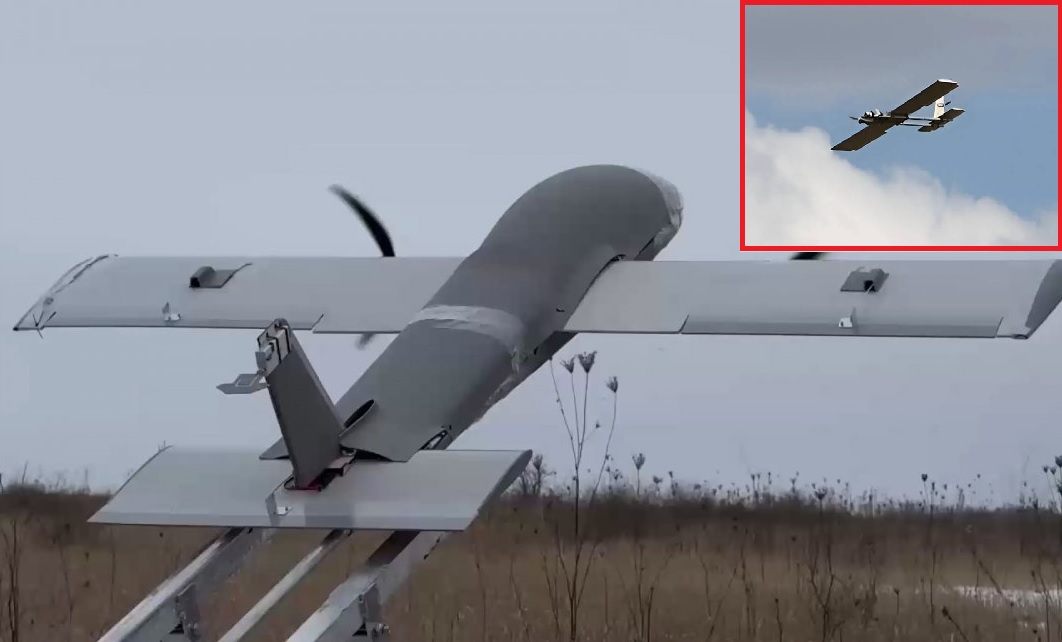
World
KYIV — Russian forces have started using a modified version of the Molniya strike drone in Ukraine that can continue its mission without the control antenna previously required for real-time operator guidance, according to Ukrainian radio technology specialist and Defense Ministry adviser Serhii "Flash" Beskrestnov. One of the drones was recovered after striking a Ukrainian facility. Beskrestnov said the aircraft carried only an onboard computer and a camera, with no antenna for an active control link. "The UAV had only a camera and a computer. This is where everything is heading," Beskrestnov said. "Navigation, target acquisition, and the attack will become fully autonomous." The Molniya is a low-cost fixed-wing strike drone that has been widely used by Russian forces during the war. Built from simple materials including plywood and foam, it has often been described as the "Kalashnikov of drones" because of its low production cost and ability to be produced in large numbers. Earlier Molniya variants depended on a live radio link that allowed operators to steer the drone using a video feed. Ukrainian electronic warfare units could disrupt those attacks by jamming the communication signal before the drone reached its target. The recovered version removes that dependency. With onboard visual processing and computing, the aircraft can continue flying toward its objective even if communication with the operator is lost or electronic jamming blocks the control link. Beskrestnov said Russian forces had previously fielded similar neural network technology on the V2U loitering munition, which was used to develop AI targeting models. The same approach has now appeared on the Molniya. "Today, we found the same solution on the Molniya. This is a bad sign," he said, calling on military personnel and civilians to report any recovered drone components for technical examination. Reports from the battlefield indicate Russian units are employing the autonomous Molniya more frequently in southern Ukraine, including the heavily contested Zaporizhzhia region, where intensive electronic warfare has made radio-controlled drones more difficult to operate. Ukraine is also deploying autonomous strike drones. One example is the Hornet fixed-wing attack drone produced by Perennial Autonomy, a U.S. defense technology company backed by former Google Chief Executive Eric Schmidt. The Hornet follows a similar operating concept by reducing reliance on continuous radio control during the final phase of flight. It costs about $5,000 to produce, carries a 5-kilogram warhead and has an operational range of up to 200 kilometers. Elite Ukrainian formations, including the Azov Corps, have used the Hornet during recent "Middle Strike" operations against Russian logistics vehicles, ammunition storage sites and supply convoys behind the front line using AI-assisted targeting. The appearance of autonomous versions of both the Russian Molniya and the Ukrainian Hornet reflects the increasing use of onboard computing and AI-assisted targeting in low-cost strike drones. Electronic warfare remains widely used across the battlefield, but drones capable of navigating and identifying targets without continuous operator input reduce the dependence on radio links that have traditionally been vulnerable to jamming. Source: Pravda.
Read More → Posted on 2026-07-03 11:20:17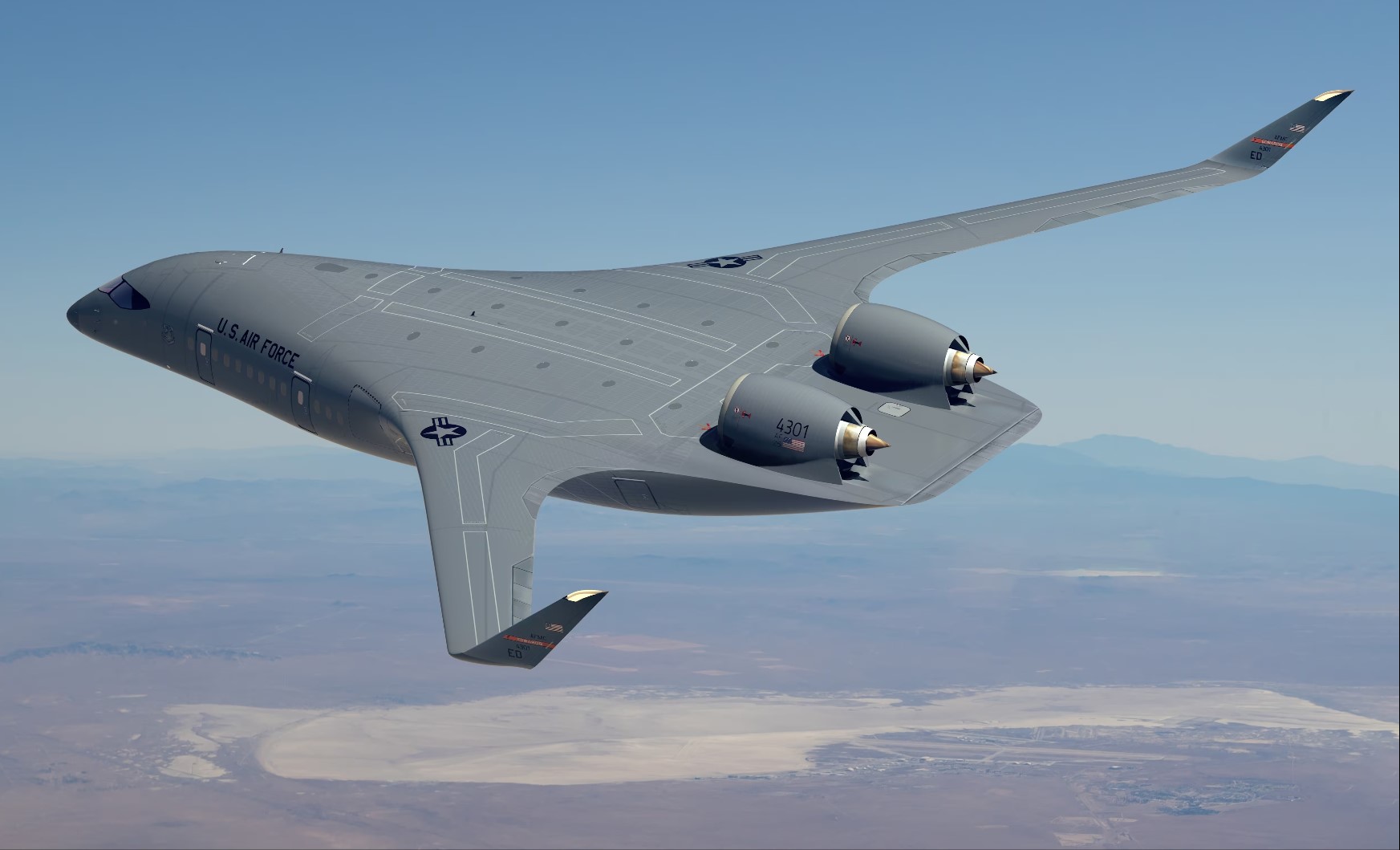 U.S. Air Force Seeks Industry Concepts for Next-Generation Airlifter, Including Pilotless Operations
World
WASHINGTON — The U.S. Air Force has opened industry discussions on a next-generation strategic airlift aircraft that could eventually fly with a traditional crew, operate as an optionally crewed platform, or fly fully autonomously as it replaces both the C-5M Super Galaxy and C-17A Globemaster III fleets. The Air Force Life Cycle Management Center's Mobility Aircraft Directorate released a Request for Information (RFI) for the Next Generation Airlift (NGAL) program on June 12. Companies have until 5:00 p.m. Eastern on July 17 to submit white papers outlining potential concepts. Questions from industry, answered by the Air Force in a public update posted on July 2, show the service is not limiting proposals to conventionally crewed aircraft. It is seeking an unconstrained view of future crew concepts, leaving industry free to propose everything from standard flight decks to fully autonomous operations. The aircraft would replace two of the Air Force's largest transport fleets with a single platform. The service currently operates 222 C-17A Globemaster III aircraft, which entered service in 1995 before production ended in 2015, and 52 C-5M Super Galaxy aircraft based on airframes built between 1968 and 1989 and later modernized. Keeping both fleets in service over the coming decades is becoming more difficult. Air Force budget documents show the C-5M mission-capable rate has fallen to 37 percent, leaving fewer than four out of every 10 aircraft available for missions at any given time. Jessica Ruttenber, a former Air Force pilot and program manager who previously managed both the C-5 and C-17 portfolios, said the readiness figures are consistent with the aircraft's age. "It's a grandfather jet, so it doesn't surprise me one bit," Ruttenber said. The Air Mobility Command's Airlift Recapitalization Strategy, signed by Brig. Gen. David Fazenbaker in November 2025, projects the C-17 fleet remaining in service until around fiscal year 2075. Under that timeline, the youngest aircraft would reach roughly 80 years of service before retirement. The Air Force is planning one replacement aircraft rather than separate successors for the C-5 and C-17. Gen. John Lamontagne, who led Air Mobility Command while the strategy was being developed, outlined that approach during the Air & Space Forces Association's 2025 conference. "When I say two-for-one, we're probably going to procure one aircraft. We won't get a C-5 replacement and a C-17 replacement. There'll be one airplane that does strategic airlift," Lamontagne said. Current planning calls for NGAL to begin replacing the C-5M fleet on a one-for-one basis around fiscal year 2050, about five years later than an earlier 2045 objective. Replacement of the C-17 fleet would follow. The Air Force estimates it will acquire about 274 aircraft over roughly five decades. If funding remains consistent and the acquisition schedule is maintained, the first NGAL aircraft could be produced in fiscal year 2038, with initial operational capability planned for fiscal year 2041. The RFI sets several fixed design limits. NGAL must have a wingspan below 223 feet (68 meters) so it can continue using existing taxiways, hangars and parking ramps worldwide. The limit is only slightly larger than the C-5's 222.7-foot (67.9-meter) wingspan. It must also carry at least 160,000 pounds (72,575 kilograms) of cargo and fly 2,500 nautical miles (4,630 kilometers) without aerial refueling. That exceeds the C-17's unrefueled range of 2,400 nautical miles (4,445 kilometers) while carrying a heavier payload. Industry also asked whether the aircraft would be expected to operate from rough or unpaved airstrips and perform low-level flight profiles. The Air Force said formal requirements will depend on an Analysis of Alternatives scheduled for fiscal year 2027, but early operational assessments indicate low-level flight capability will likely be required. The current RFI is an early step in the acquisition process. Industry responses will help shape the requirements for an aircraft expected to eventually take over the Air Force's long-range strategic airlift mission from both the C-5M and C-17 fleets. Source: Defence-Blog.
Read More → Posted on 2026-07-03 11:49:58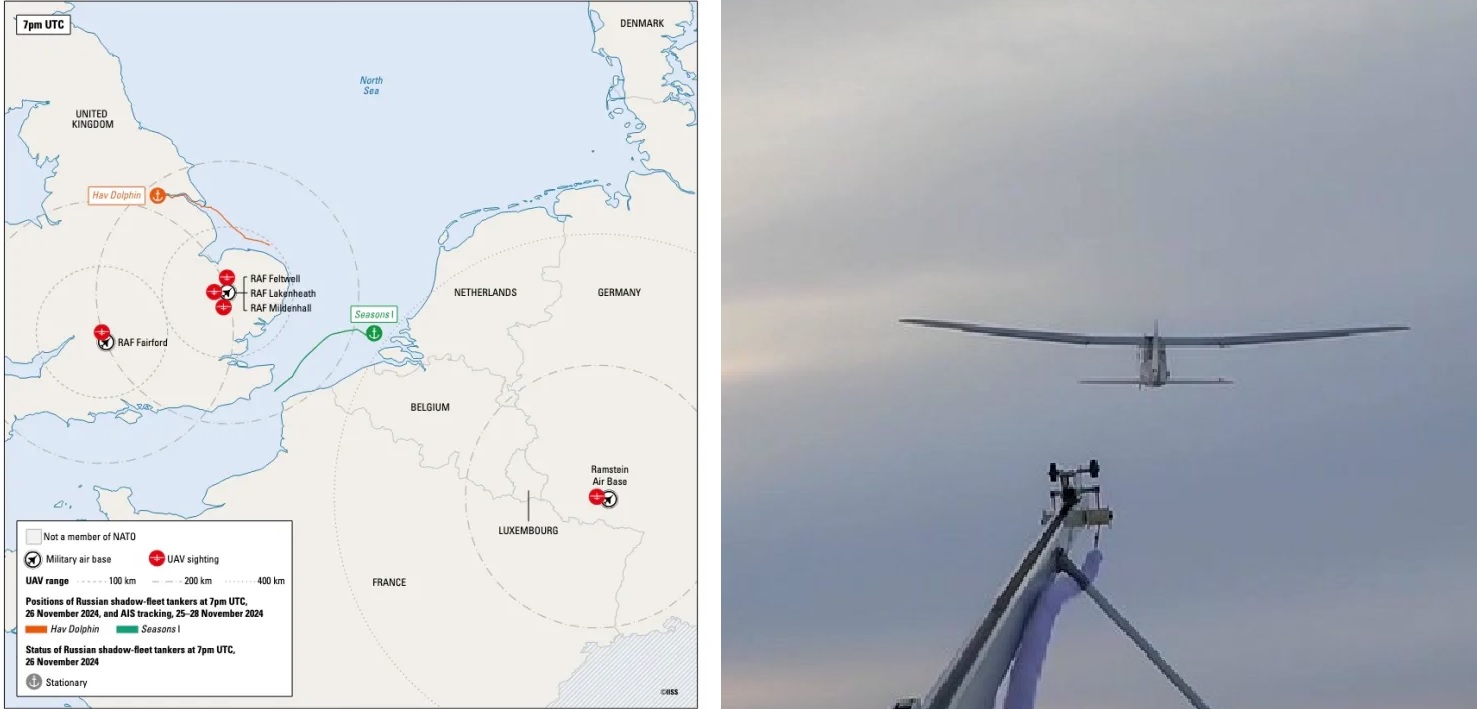
World
LONDON — Russia's so-called shadow fleet was highly likely used as a launch and recovery platform for drones that carried out surveillance missions over military bases across Europe, including U.S. Air Force installations in England and Germany, a new report by the International Institute for Strategic Studies (IISS) said. This report assesses that it is highly likely the Kremlin conducted a coordinated Uninhabited Aerial Vehicle (UAV) campaign over Europe between August 2024 and February 2026, spanning a dozen NATO states and Ireland. It is also likely that Russian-linked vessels and the shadow… pic.twitter.com/pGRtWRHPtE — IISS News (@IISS_org) July 2, 2026 The study examined 144 drone incursions recorded across 13 NATO countries and Ireland between August 2024 and February 2026. The incidents targeted military bases, nuclear facilities and other sensitive defense sites. IISS assessed that the operation was likely coordinated by Russia's Main Directorate of the General Staff (GRU), using commercial vessels operating in coastal and international waters to deploy uncrewed aircraft. The first wave of incidents documented in the report occurred in late November 2024, when unidentified drones repeatedly flew over RAF Lakenheath, RAF Mildenhall, RAF Feltwell and RAF Fairford in England. Around the same period, drones were also reported over Ramstein Air Base in Germany. RAF Lakenheath received particular attention. At the time, infrastructure work was underway to prepare the base for the return of U.S. B61 nuclear gravity bombs. Those weapons were deployed there in July 2025, the report said. Drone activity continued through 2025. In December, at least five drones were detected over France's Île Longue naval base in Brittany, home to the country's sea-based nuclear deterrent. Similar incursions were reported over Kleine-Brogel Air Base in Belgium and Volkel Air Base in the Netherlands, both locations that store U.S. nuclear weapons under NATO arrangements. Investigators combined open-source shipping records, drone performance data and the timing of the incidents to trace possible launch platforms. The report says Russian-linked commercial ships, including sanctioned oil tankers, coastal freighters and civilian vessels operating with disabled tracking transponders, were likely used to launch and recover the aircraft offshore. One vessel identified in the report is the cargo ship Hav Dolphin. Shipping data placed the vessel in Hull during the same period drones appeared over nearby RAF bases in November 2024. German and Dutch authorities later examined the ship in May 2025 after drones were reported over German defense facilities while it was anchored in the Kiel Bight. Another vessel, Seasons 1, was operating in the North Sea near British military installations during several of the reported drone sightings. Using commercial ships allowed operators to remain outside military security perimeters while providing a mobile platform that could launch and recover aircraft from coastal or international waters. Witnesses at RAF Lakenheath said the drones approached at low altitude with visible navigation lights before climbing as they departed. Observers also reported engine noise more consistent with petrol-powered aircraft than the electric motors typically used by consumer drones. The report identifies the Russian-built Orlan-10 as one possible platform. The aircraft uses an internal combustion engine, has an operational range of up to 500 kilometers and an endurance of about 12 hours. It can also carry electronic warfare equipment for signal monitoring and communications interference. Those characteristics fit a maritime launch profile from ships operating well offshore. IISS also said modified commercial drones or custom-built long-range fixed-wing aircraft using cellular communication systems instead of conventional radio links remain a plausible alternative. Using those platforms would make attribution more difficult than deploying a recognizable Russian military drone. None of the drones involved in the 144 recorded incidents were intercepted or recovered, the report found. The flights exposed gaps in NATO's ability to detect and counter small, low-flying surveillance drones operating around military facilities. A February 2025 investigation by the UK-based The i Paper suggested the incursions over British bases may have involved GRU operatives on the ground. The reporting prompted calls from former UK Security Minister Tom Tugendhat for a parliamentary inquiry. A subsequent investigation by the UK Ministry of Defence did not identify any suspects. The UK Ministry of Defence declined to comment on intelligence matters following publication of the IISS report. The ministry said it takes the security of military bases seriously, has invested in counter-drone capabilities and that the Armed Forces Bill will provide defence personnel with greater powers to defeat drones threatening military sites. U.S. Air Forces in Europe confirmed the drone activity over its installations in England during 2024. A spokesperson said the events were monitored and there was no impact on personnel or operations. The command declined to discuss intelligence assessments related to those responsible, citing operational security. European governments have not publicly accused Russia of launching drones from commercial vessels, although the IISS report says officials privately acknowledged the suspected connection between the drone flights and Russian-linked ships. Source: IISS and The War Zone
Read More → Posted on 2026-07-03 12:11:09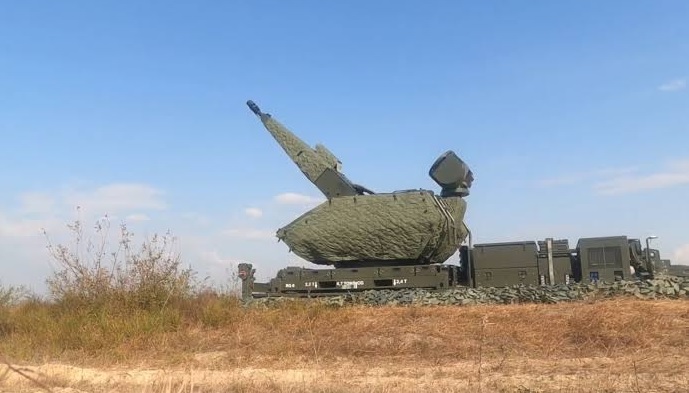
World
DÜSSELDORF, Germany — Rheinmetall has received an international contract worth several hundred million euros to supply four Skynex air defense systems to an undisclosed customer, the company said. The order was booked in the second quarter of 2026 and is the first Skynex purchase by that customer. The contract covers four complete Skynex batteries with deliveries scheduled over 39 months. The first battery will be delivered 21 months after the contract is signed. The remaining three batteries will follow one after another at six-month intervals. The package also includes transport trucks, specialized ammunition and a full Integrated Logistic Support (ILS) package. The support package covers operator and maintenance training, spare parts, special tools and consumables needed to keep the systems operational after delivery. All of those elements are included within the overall contract value. Rheinmetall Italia is the prime contractor for the program. Production and delivery will involve several companies across the Rheinmetall Group, including Rheinmetall Air Defence, Rheinmetall MAN Military Vehicles and Rheinmetall Weapon and Munitions (Switzerland). Skynex is Rheinmetall's gun-based very short-range air defense system. It is used for counter-unmanned aerial system (C-UAS) missions and Counter-Rocket, Artillery and Mortar (C-RAM) operations. The system can engage drones, including drone swarms, as well as rockets, artillery rounds and mortar shells. The system uses 35 mm automatic cannons firing programmable ammunition. Its modular architecture allows it to be integrated into wider air defense networks and configured for different operational requirements. The order follows earlier Skynex deliveries, including systems supplied to Ukraine and Italy. Rheinmetall has continued production of the system as demand for short-range air defense and counter-drone capabilities has increased in recent years. The company did not identify the customer or disclose the exact contract value beyond saying it was in the range of several hundred million euros. The full program will run for 39 months from contract signature. Source: Rheinmetall.
Read More → Posted on 2026-07-03 12:27:05
World
WARSAW, Poland — The United States has warned Poland that Russia may be preparing a series of armed provocations on Polish territory designed to test NATO's response while avoiding a wider military conflict, according to Polish and allied security sources. The intelligence was shared directly with the administration of Polish President Karol Nawrocki. Sources familiar with the matter told Polish news outlet Onet and The Telegraph that the alleged operation could take place within the coming months. According to the reported intelligence, Russia is examining several possible scenarios that range from hybrid operations to limited military actions intended to increase pressure on NATO without triggering a full-scale war. Among the options being discussed are simulated air attacks that would force Poland to activate its air defense systems, as well as drone or missile strikes targeting critical infrastructure, including power stations and other key facilities. Security officials believe such actions would be intended to create instability while remaining below the threshold of a large conventional attack. Polish intelligence sources also warned that Moscow is considering a limited ground incursion involving a small number of Russian or Belarusian troops crossing into Polish territory. Rather than seeking military gains, such an operation would reportedly be aimed at creating a political crisis within the alliance. According to the intelligence assessment, Russia could attempt to portray any border crossing as an accident. Possible explanations discussed by officials include troops allegedly losing their way because of a GPS malfunction or crossing the border during what would be described as a rescue mission to recover a disabled helicopter. Security officials believe the objective would be to force a political response instead of a military one. Russian planners reportedly calculate that if a small force entered Polish territory, Washington could urge Warsaw to avoid opening fire and instead pursue negotiations to prevent the situation from escalating into a broader confrontation involving NATO's Article 5 collective defense commitment. Sources said Moscow could then use the withdrawal of its forces as leverage during negotiations, potentially demanding that Western countries suspend or reduce military assistance to Ukraine in exchange for ending the incident. A Baltic security source also told reporters that such scenarios are actively being discussed in Moscow. The source added that Russia could attempt a false flag operation in which it carries out a provocation but publicly blames the Ukrainian military in an effort to weaken support for Kyiv among NATO allies. The reported intelligence has been corroborated by multiple officials, including a source close to President Karol Nawrocki, a Polish Defense Ministry official and a NATO ambassador, according to the reports. Officials said any ground-based operation would most likely originate from Belarus, which has become increasingly integrated with Russia's military, or from Russia's heavily militarized Kaliningrad exclave on Poland's northern border. Kaliningrad hosts Russia's Baltic Fleet and is widely believed to contain nuclear-capable military assets. Military planners have long viewed the Suwalki Gap, the narrow land corridor between Kaliningrad and Belarus connecting Poland with the Baltic states, as one of NATO's most strategically sensitive areas because it represents the alliance's primary land link to Estonia, Latvia and Lithuania. The latest warnings are consistent with previous assessments by regional intelligence agencies, including Latvia, which have cautioned that Russia could attempt hybrid operations targeting Poland or the Baltic states as part of broader efforts to test NATO's unity and resolve. Poland has continued to strengthen its military posture in recent years through increased defense spending, expanded border security measures and regular participation in NATO exercises along the alliance's eastern flank. Polish authorities remain in close coordination with the United States and other allies as they monitor developments. The reported intelligence comes as Russia's war in Ukraine continues and both sides maintain long-range strikes against military targets. Western governments have repeatedly warned that hybrid activities, including cyberattacks, sabotage, disinformation campaigns and limited cross-border incidents, remain part of the broader security challenge facing NATO's eastern members. No official Russian response to the reported intelligence has been issued. The reports are based on unnamed Polish, NATO and allied security sources, who also noted that there is no indication the Kremlin has made a final decision to carry out any of the scenarios under discussion. Polish and U.S. authorities continue to assess the intelligence while preparing contingency plans for potential developments along NATO's eastern border. Our Analysis The reported intelligence outlines scenarios that officials say are being discussed, not a confirmed Russian decision to carry out an operation. The reports themselves note there is no indication the Kremlin has approved any of the proposed actions. Russia is also dealing with continuing Ukrainian long-range drone attacks on military and energy infrastructure. The strikes have hit multiple oil refineries across the country. At their peak, they are estimated to have disrupted 17% to 20% of Russia's total oil refining capacity, with daily fuel output falling by roughly 13%. Repair work is still underway at several facilities, while Ukrainian drones continue to reach targets deep inside Russian territory, keeping pressure on both Russia's air defense network and its energy sector. Reuters has reported that Russia has started importing gasoline to help stabilize domestic fuel supplies. Industry sources said the country has already received at least 60,000 metric tons of gasoline from India and is planning to import around 400,000 metric tons per month from several suppliers, including Belarus, as refinery repairs continue. Taken together, these developments show that Russia remains heavily engaged in managing the war in Ukraine while also dealing with the impact of repeated attacks on its energy infrastructure. Given those ongoing military and energy pressures, Russia appears unlikely to risk a direct incident with a NATO member before stabilizing its domestic fuel situation and reducing the pressure created by continuing Ukrainian long-range drone attacks. At the same time, there is no publicly available evidence that Moscow has decided to carry out any of the scenarios described in the reported U.S. intelligence. For now, the warnings should be viewed as intelligence assessments rather than confirmation that an operation has been approved. Source: The Telegraph.
Read More → Posted on 2026-07-03 12:42:49
World
ORANGE COUNTY, Va. — L3Harris Technologies has completed the first full-scale ground test of a newly developed solid fuel ramjet propulsion system at its Orange County, Virginia, facility, validating a new fuel formulation intended to lower production costs while supporting longer-range, high-speed missile programs. The company announced the successful test on July 1. It was the first full-scale evaluation of a newly formulated solid fuel ramjet grain, with engineers operating the propulsion system in a direct-connect, flight-representative test environment that simulated actual flight conditions. The test campaign covered a broad portion of the engine's expected flight envelope. L3Harris said the propulsion system generated thrust levels consistent with flight expectations, providing data that will be used before the technology advances into tactical missile flight demonstrations. The new fuel chemistry was developed to reduce manufacturing costs compared with historical industry standards, addressing production challenges identified across the defense industrial base. The company said the work supports U.S. military requirements for weapons that combine extended range, sustained speed and lower production cost at larger manufacturing volumes. "This test is an important step in proving solid fuel ramjet propulsion can deliver the speed, range, and affordability our customers need," Scott Alexander, President of Missile Propulsion at L3Harris, said. "We are reducing risk now so we can move faster toward a scalable capability for the warfighter." Unlike conventional solid rocket motors, a ramjet uses oxygen from the atmosphere instead of carrying an onboard oxidizer. That reduces propulsion system weight and allows sustained supersonic flight, typically above Mach 2, over longer distances. Solid fuel ramjets also have fewer moving parts than liquid-fueled ramjets and do not require complex fuel plumbing, simplifying manufacturing, handling and long-term storage. "We are designing for manufacturing, performance, and production capacity with a straightforward goal of more speed, more range at a cost point that supports affordable mass," Joel Warhurst, L3Harris Director of Business Development, said. L3Harris said it is applying advanced manufacturing methods, including high-temperature 3D printing, to shorten production time and simplify component designs. The company has invested internal funding over the past several years to mature its ramjet and advanced propulsion technologies. The propulsion system was tested at the company's Orange County site, which is being expanded under the Virginia Advanced Propulsion Facilities program. In April 2026, L3Harris announced a $1.5 billion investment to increase solid rocket motor production capacity at the location. The 2,000-acre campus includes 256,000 square feet of manufacturing space, a static test facility, an aerothermal propulsion laboratory and an altitude test site. L3Harris said additional ground testing will be completed before the propulsion system moves into live tactical missile flight demonstrations. Source: L3Harris.
Read More → Posted on 2026-07-03 13:10:41
World
New Delhi — On July 03, 2026, India's Defence Acquisition Council (DAC) has approved capital acquisition proposals worth about ₹52,000 crore, clearing a broad package of military procurement for the Indian Army, Navy and Air Force under the Acceptance of Necessity (AoN) process. The approvals were granted during a DAC meeting chaired by Defence Minister Rajnath Singh on Friday. AoN is the first stage in India's defence procurement process before tendering and contract negotiations begin. The Indian Army received the largest share of the approvals, with procurement covering electronic warfare, air defence, armoured vehicle protection and precision strike systems. Among them is the Akash Tarang Electronic Warfare System, which will provide anti-UAV capability for frontline formations by jamming and neutralising hostile drone signals. The council also cleared jet-based kamikaze drones, giving the Army loitering munitions equipped with electronic warfare features for precision strike missions. The DAC also approved an Active Protection System (APS) for Army tanks. The system intercepts incoming anti-tank projectiles before impact, increasing vehicle survivability. Infantry units will receive the Man-Portable Anti-Tank Guided Missile (MPATGM), a shoulder-fired missile intended for engaging enemy armoured and mechanised formations across different terrain. Air defence approvals include the Medium Range Surface-to-Air Missile (MRSAM) system for engaging aircraft and missile threats at medium range. The Very Short Range Air Defence System (V-SHORADS), fitted with multi-spectral sensing technology, was also cleared. The portable system is intended for low-altitude aerial threats while improving resistance against enemy countermeasures. For the Indian Navy, the council approved the Naval Shipborne Unmanned Aerial System (NSUAS), allowing warships to launch sensor-equipped unmanned aircraft for maritime surveillance and situational awareness during operations at sea. The Navy's procurement package also includes the Multi Influence Ground Mine (MIGM), which will be used to restrict an adversary's freedom of manoeuvre in maritime areas. The DAC also cleared the establishment of a Land-Based Testing Facility (LBTF) to evaluate electric motors and propulsion systems for future naval warships. The facility will support testing before those systems are integrated into operational platforms. For the Indian Air Force, the council approved procurement of the Fixed-Wing High Altitude Pseudo Satellite (FW-HAPS). The solar-powered unmanned platform operates in the stratosphere for extended periods and will provide intelligence, surveillance and reconnaissance (ISR), telecommunications and remote sensing capability over wide areas. It can remain airborne for months, depending on mission requirements. The procurement package places emphasis on indigenous technology alongside unmanned systems and electronic warfare capabilities. Several of the approved systems are intended to support domestic defence manufacturing as India continues reducing dependence on foreign military imports. The approvals issued on July 3 cover only the Acceptance of Necessity (AoN) stage. The programmes will now move into the next phases of the procurement process, including preparation of tenders, technical evaluation and contract award before production and induction into service. Source: PIB Delhi.
Read More → Posted on 2026-07-03 14:02:36
World
MOSCOW — Russia's Zhukov Order Combined Arms Academy has patented a mechanical protection system that uses a rotating, umbrella-like net launcher to defend armored vehicles against loitering munitions and FPV drones through physical interception rather than electronic jamming. The patent describes a device that can be mounted on the rear, side, or armor shielding of a vehicle. It consists of a base connected to a tube-shaped holder carrying a cartridge with a protective covering. The base also houses a drive mechanism linked to the holder, allowing it to rotate. An ejection mechanism mounted on the holder releases the cartridge after receiving a remote control signal. Inside the cartridge is a circular washer fitted with attachment points around its perimeter. Each attachment point is connected to a cable ending in a weight, while protective fabric panels are stretched between adjacent cables. Once the cartridge is ejected, the rotating mechanism spins the assembly and centrifugal force deploys the cables, weights and fabric into a wide net intended to catch an incoming drone before it reaches the vehicle. The academy states the invention provides an additional method of protecting military equipment from loitering munitions, expanding the range of countermeasures available against unmanned aerial vehicles (UAVs) used in attack roles. An experimental prototype with part of the patented features was built in 2024. Engineers mounted it on the rear of a pickup truck and used a DJI Mavic quadcopter to simulate a loitering munition. The drone approached from behind, following what the patent describes as a "hunter-like" attack profile. The launcher activated when the drone was about 3.5 meters from the vehicle. The protective net intercepted the quadcopter, with the simulated detonation taking place roughly 3 meters away from the truck instead of directly on it. The patent states this increased the vehicle's protection by moving the explosion farther from the target. The filing notes that the test used an unarmed commercial quadcopter. It does not state whether the same stand-off distance would provide equivalent protection against military drones carrying larger explosive payloads. Loitering munitions, particularly first-person-view (FPV) drones, have become a common threat to armored vehicles in the war in Ukraine. Russian forces have introduced several physical protection measures in response, including welded metal grilles, commonly known as "cope cages," fitted to tanks and other armored vehicles. The rotating umbrella launcher joins other anti-drone concepts patented by Russian military institutions. These include the Oduvanchik ("Dandelion") system, which uses flexible fiberglass rods to intercept drones, and a net-launching turret for the BTR-82A armored personnel carrier developed by the Karbyshev Military Engineering Academy that deploys perimeter netting with radar support. Unlike electronic warfare systems that attempt to disrupt radio links, the patented launcher relies on direct physical interception. That approach can also be used against drones operating with autonomous guidance or fiber-optic control, where radio-frequency jamming is ineffective. The Zhukov Order Combined Arms Academy is one of Russia's military education and research institutions. The patent documents the concept and prototype testing, but do not indicate that the system has entered serial production or operational service. Source: Btvt.
Read More → Posted on 2026-07-03 14:32:22
World
BRUSSELS — Belgium is preparing a €3.1 billion procurement of 20 Skyranger short-range air defense systems and 10 National Advanced Surface-to-Air Missile System (NASAMS) launchers, with the proposal expected to be announced during the NATO summit in Ankara on July 7-8, pending approval by the Belgian council of ministers. A Belgian official confirmed the plan to Reuters on July 2. The package restores a mobile ground-based air defense capability Belgium has lacked since the early 2010s. It also follows Defence Minister Theo Francken's earlier confirmation that the Skyranger platform would be part of the country's Strategic Vision 2025 modernization plan covering 2026-2034. Belgium intends to procure the systems through existing Dutch framework contracts instead of launching a separate tender. The Netherlands signed its agreement with Rheinmetall on Dec. 11, 2025, covering Skyranger 30 systems, tracked vehicles, static mounts and logistical support, with deliveries scheduled from 2028. Using the same framework makes the Skyranger 30 variant the expected choice for Belgium, although the government has not confirmed the final configuration. The arrangement would allow common training, shared spare parts, software updates and aligned operational procedures with the Dutch armed forces. Belgium has also not confirmed which carrier platform will be selected. The Dutch use the ACSV Gen 5 tracked support vehicle, a choice that would increase commonality but also require Belgium to operate a new tracked fleet. Static firing units remain another option for fixed-site protection, though they would not provide mobile cover for maneuvering brigades. The Skyranger 30 carries an unmanned turret fitted with a 30×173 mm Oerlikon KCE revolver cannon capable of firing about 1,200 rounds per minute at targets up to 3 kilometers away. It uses programmable AHEAD airburst ammunition, including the PMC308 round and the developing PMC455 round, which disperses around 500 tungsten fragments against drones, loitering munitions and other low-altitude threats. The system can also be equipped with short-range missiles including Stinger, Mistral 3, MBDA DefendAir or SkyKnight, extending engagement range to about 10 kilometers. Detection is provided by the Hensoldt Spexer 2000M 3D MkIII X-band AESA radar. The radar can detect small drones at 9 kilometers and low-flying helicopters at 36 kilometers. Thermal imaging and electro-optical tracking systems are integrated for target tracking and engagement. Rheinmetall displayed a layered air defense configuration at the BEDEX 2026 exhibition pairing static Skyranger 30 units with NASAMS batteries through Thales Ground Master 200 multi-mission radars. In that configuration, NASAMS engages medium-range aerial threats while Skyranger protects the missile batteries from drones and cruise missiles at close range. Belgium plans to use the systems to protect both deployed forces and critical infrastructure. Earlier reports said NASAMS batteries would also be deployed around the Port of Antwerp after several incidents involving unidentified drones over sensitive facilities. The procurement enters a European market where demand for ground-based air defense systems continues to increase. Rheinmetall plans to expand Skyranger production from about 70 turrets annually to as many as 400, but existing orders and planned acquisitions from Germany, Austria, Denmark, the Netherlands, Romania and Hungary have already filled much of the production pipeline. If approved, the procurement will provide Belgium with 20 Skyranger systems and 10 NASAMS launchers under a single €3.1 billion package while rebuilding the country's inner layer of ground-based air defense through a procurement process aligned with the Netherlands. Source: Reuters.
Read More → Posted on 2026-07-03 14:39:52
World
MOSCOW — Russia's T-14 Armata main battle tank underwent major design changes during development after engineering constraints forced the program to move away from its original compact configuration, resulting in the larger seven-road-wheel vehicle now associated with the platform. Early concept presentations showed the Armata on a six-road-wheel chassis with a smaller hull. During development, engineers incorporated the Motor-Transmission Unit (MTU) from the canceled T-95 (Object 195) program into the new platform. The size of that powerpack required a larger hull, and the final design shifted to a seven-road-wheel chassis to accommodate the internal components. The T-95 project had been canceled before the Armata program moved forward. UKBTM, the Ural Design Bureau of Transport Machine-Building, carried over elements from the earlier project while developing the new tank under its parent company, Uralvagonzavod (UVZ). Reports on the program say the preliminary images shown during the approval stage differed from the final vehicle that entered prototype production. Once physical prototypes were built, the original compact layout could no longer accommodate the large MTU and the chassis had to be redesigned. Engine selection became another issue during development. One option was the 6TD opposed-piston diesel engine. After the breakup of the Soviet Union, production facilities for the engine remained in Ukraine, leaving Russia without direct access to it for the Armata program. Another alternative was the gas turbine engine used in the T-80 series. Development priorities inside Russia's armored vehicle industry favored other programs, while competition between different tank designs affected decisions on future powerplant selection. The production vehicle uses the A-85-3, also known as the 12N360, an X-shaped 12-cylinder multi-fuel diesel engine. The complete Motor-Transmission Unit weighs about 5,150 kg, while the engine itself weighs roughly 1,550 kg. The engine is rated at about 1,500 horsepower, although part of that output is consumed by onboard systems including cooling fans, compressors and auxiliary pumps required to operate the powerpack. Its size had a direct effect on the overall dimensions of the tank. The larger engine compartment increased the vehicle's length and contributed to the adoption of the seven-road-wheel chassis instead of the six-wheel layout shown in early concepts. The T-14 also introduced an unmanned turret, with the crew placed inside a protected armored compartment in the hull rather than beneath the turret. The tank remains the only Russian main battle tank built around that configuration. Production of the Armata has remained limited, and public information on the number of tanks in operational service is still limited. Development of the platform has involved repeated changes from its original concept as engineering requirements, engine availability and internal design decisions evolved during the program. Source: Btvt.
Read More → Posted on 2026-07-03 14:55:52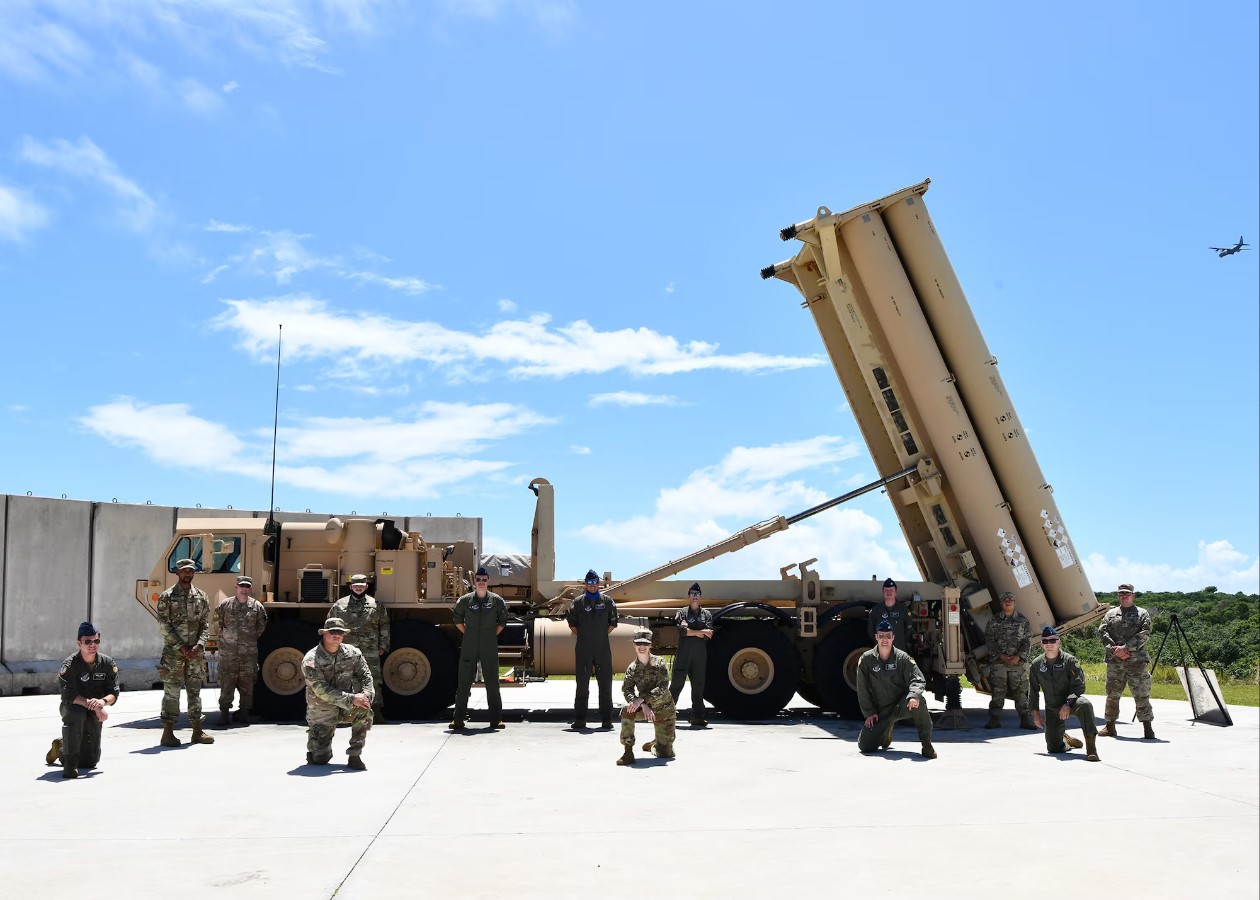
World
WASHINGTON — The U.S. Army has opened competition for a new command-and-control software package that will integrate Guam's air and missile defence network, issuing a Request for Solutions Brief to industry for a prototype known as the Battle Manager Suite. The solicitation, released on June 25 by the Army's Portfolio Acquisition Executive for Fires, seeks software capable of connecting more than 20 existing defence programs and prototypes operated by the Army, Navy, Air Force, Marine Corps and the Missile Defense Agency into a single operational network. The Battle Manager Suite will combine data from multiple radars and sensors to provide commanders with a common operating picture in real time. It must detect and track ballistic missiles, cruise missiles and drones, then recommend the most appropriate interceptor or weapon available for each threat. Guam remains one of the U.S. military's most important positions in the western Pacific. The island hosts Andersen Air Force Base and Naval Base Guam and lies closer to Beijing than Hawaii. It is considered a likely target in any future conflict involving Taiwan and is also within range of Chinese and North Korean missile systems. The effort supports the Fiscal Year 2022 National Defense Authorization Act, which directed the Pentagon to establish a 360-degree Enhanced Integrated Air and Missile Defense capability for Guam. The Army created the Guam Defense System Joint Project Office in February 2024 to manage the program, under the leadership of Lt. Gen. Robert A. Rasch Jr. The Pentagon is using an Other Transaction Agreement (OTA) under 10 U.S. Code Section 4022 rather than a traditional acquisition process. Under the terms of the solicitation, proposals must include substantial participation from non-traditional defence companies, nonprofit research institutions, or provide outside investment covering at least one-third of the prototype's development cost. Competition is limited to U.S. companies cleared to handle SECRET-level information. Initial submissions are due by 4:00 p.m. Eastern on July 15. Selected companies will be invited to demonstrate their systems in mid-August before the Army issues a formal Request for Prototype Proposal. A contract award is scheduled for the first quarter of fiscal year 2027, between October and December 2026. The contract includes a one-year base period with four one-year option periods, allowing work to continue for as long as five years if all options are exercised. The solicitation also tells companies not to rely heavily on artificial intelligence when preparing proposals. The government said submissions will be screened using AI-detection tools, and extensive AI-generated content may be treated as evidence that the bidder does not have sufficient technical understanding of the requirement. The Battle Manager Suite is also expected to support work beyond Guam. Defense Secretary Pete Hegseth has identified the Guam Defense System as a proving ground for the Golden Dome homeland missile defence initiative announced by the Trump administration in May 2025. The program is intended to defend the United States against ballistic, hypersonic and cruise missile threats using layered defences, including space-based tracking sensors and interceptors. The Congressional Budget Office has estimated Golden Dome could cost as much as $1.2 trillion. Program officials have said the joint engagement coordination and sensor fusion architecture developed through Guam's Battle Manager Suite could be transferred to the larger national missile defence program. The wider Guam Defense System is still dealing with management issues. A Government Accountability Office report published in May 2025 found the Pentagon had not established a clear plan for transferring operational responsibilities between military services. The report also said the Guam Defense System Joint Project Office was staffed at only 45% of its required level by mid-2025, contributing to delays from the program's original 2024 schedule. Hardware testing continues while the software competition moves forward. During Exercise Valiant Shield 2026, U.S. forces are conducting live-fire tests of the Army's Patriot air defence system and the Marine Corps' Medium-Range Intercept Capability on Guam as work continues to integrate the island's air and missile defence architecture. Source: Defence-Blog.
Read More → Posted on 2026-07-03 15:04:34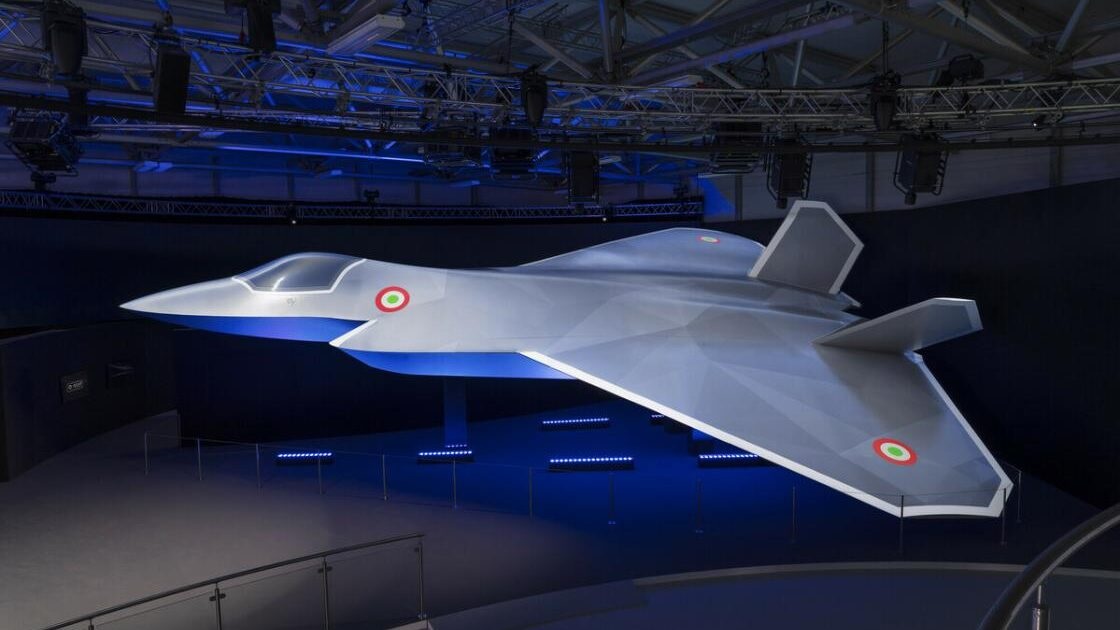
World
LONDON — The governments of the United Kingdom, Italy and Japan have awarded a £4.6 billion ($6.14 billion) development contract to Edgewing, advancing the next phase of the Global Combat Air Programme (GCAP) and funding work on the three nations' planned sixth-generation fighter aircraft through the end of 2027. The 18-month contract, which began on July 1, 2026, was placed by the GCAP Agency, the trinational organisation overseeing the programme. It covers completion of the advanced concept and assessment phase, establishes the aircraft's final capability requirements and funds detailed engineering, design and testing activities. The award follows a £686 million bridging contract issued to Edgewing in April 2026, allowing development work to continue while the larger agreement was being finalised. Funding for the latest contract is provided jointly by the UK, Italy and Japan. Edgewing serves as the programme's prime contractor and design authority. The company is headquartered in Britain and was created by BAE Systems, Leonardo, and Japan Aircraft Industrial Enhancement Co. Ltd. (JAIEC), a consortium involving Mitsubishi Heavy Industries, to manage development of the future combat aircraft. "This contract represents the trust placed in us by all three nations and our GCAP Agency partners," Edgewing Chief Executive Marco Zoff said. He described the company as the first engineering prime formed by three countries to work on behalf of their national defence industries under a single customer. GCAP Agency Chief Executive Masami Oka said the agreement enables the agency and Edgewing to continue work across all areas of the programme. He said the project supports shared development costs, technology cooperation and highly skilled jobs across the three partner nations, adding that the long-term funding provides greater certainty for the programme. The announcement coincides with the UK government's new Defence Investment Plan, which commits an additional £8.6 billion to GCAP over the next four years, resolving earlier questions over Britain's long-term funding profile for the project. The aircraft under development will replace the Eurofighter Typhoon in UK and Italian service and the Mitsubishi F-2 in Japan. Entry into service remains planned for 2035. Preliminary specifications released by BAE Systems indicate the aircraft will be three to four metres longer than the Typhoon, giving it greater internal fuel capacity, longer range and the ability to carry a larger payload. The platform will integrate digital engineering, artificial intelligence and data fusion technologies. It is also being developed to operate alongside autonomous drones during combat missions. Work on the aircraft's mission systems is being carried out by the GCAP Electronics Evolution (G2E) consortium, which is responsible for advanced sensors, secure communications and electronic warfare systems. A separate propulsion consortium, including Rolls-Royce and Japan's IHI Corporation, is developing the next-generation engine. GCAP was formally launched in 2022, with the international government organisation established in late 2023. The latest contract moves the programme through its concept phase and into more detailed design work. The award also follows the reported collapse of the rival Franco-German Future Combat Air System (FCAS) programme in June 2026 after prolonged industrial disagreements between its partners. Saudi Arabia and Canada have expressed interest in joining or observing GCAP, while executives from Leonardo have said Germany could also become a future partner. Any expansion of the programme would require unanimous approval from the United Kingdom, Italy and Japan. Source: Gov.uk.
Read More → Posted on 2026-07-04 10:54:58
World
Singapore / Tokyo — Russia is preparing to import at least 200,000 barrels of jet fuel originating from Japan through a network of intermediary traders, as domestic fuel supplies remain under pressure after repeated Ukrainian strikes on Russian energy infrastructure. The cargo is scheduled to load at the Japanese port of Chiba during the first half of July. Rather than sailing directly to Russia, the shipment will first head to South Korea, where it is expected to be transferred to another tanker, likely through a ship-to-ship operation off Yeosu, before continuing to Russia. The final destination inside Russia has not been disclosed. Three sources familiar with the arrangement told Reuters the transaction is being handled through intermediary traders. Russia's Energy Ministry did not respond to requests for comment. South Korea's Ministry of Trade, Industry and Energy declined to comment, while Japan's Ministry of Economy, Trade and Industry did not immediately respond. The import follows months of disruption to Russia's refining sector after Ukrainian drone strikes targeted oil refineries, storage sites and other energy facilities across the country. Reports indicate about one-third of Russia's refining capacity has been knocked out, reducing domestic fuel production and tightening supplies. The fuel shortage has already led Moscow to impose restrictions on some fuel purchases. Russian farmers have also warned that limited fuel availability could affect harvesting operations if supplies do not improve. Among the facilities struck over the past year were the Moscow Oil Refinery, energy infrastructure in the Rostov region, and the Kristall oil storage facility in Engels, part of the Rosrezerv system. The Engels site stores aviation fuel used by Russia's strategic aviation, including aircraft based at the nearby Engels-2 air base. Russia has traditionally exported refined petroleum products, but export volumes have fallen sharply this year. Data from Kpler shows Russian jet fuel exports are averaging about 13,000 barrels per day in 2026, with most cargoes shipped to Turkey. That compares with roughly 30,000 barrels per day exported during 2025. Ship-tracking data from Kpler shows a similar route was used in February 2022, when about 22,000 barrels of jet fuel were shipped from Yeosu to Vladivostok in Russia's Far East. The planned shipment from Japan reflects Russia's effort to supplement domestic aviation fuel supplies while parts of its refining sector remain offline. Officials in Moscow have not publicly commented on the reported cargo. Source: Reuters.
Read More → Posted on 2026-07-04 11:03:27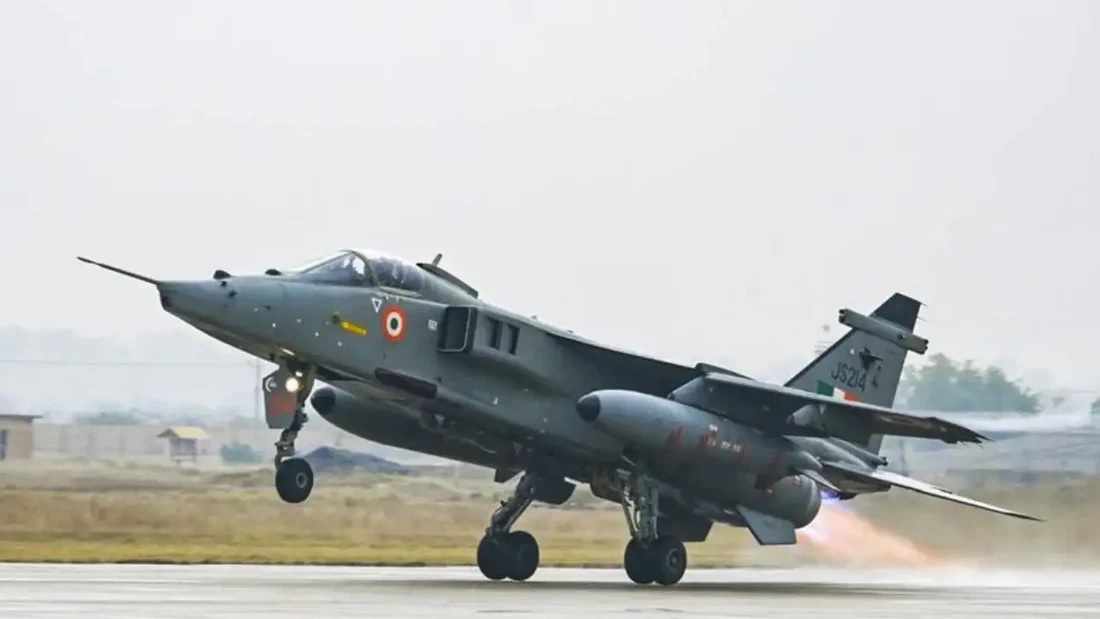
World
LONDON — The United Kingdom has transferred nine retired SEPECAT Jaguar aircraft to the Indian Air Force (IAF), while Britain's Ministry of Defence (MoD) continues to hold 42 retired Jaguars nearly 20 years after the Royal Air Force (RAF) withdrew the type from service. The figures were disclosed in a written parliamentary answer released on July 3 by UK Minister for Defence Readiness and Industry Luke Pollard, responding to a question from Conservative MP Ben Obese-Jecty on the remaining Jaguar GR1 and T2 aircraft in the MoD inventory. Pollard said nine Jaguars had already been transferred to India, including five GR1 variants and four T2 variants. He also confirmed the Ministry of Defence still holds 42 Jaguar airframes. Of those, 13 are GR1 aircraft and none are T2s. The parliamentary response did not identify the remaining 29 aircraft by variant, though they are understood to include later GR3 models and T4 trainers. None of the aircraft retained by the UK are flight-capable. Most of those airframes are used as ground instructional aircraft at RAF Cosford, where engineering technicians train on aircraft maintenance and systems after the Jaguar's retirement from RAF service in 2007. India is now the only country operating the Jaguar. Built under licence by Hindustan Aeronautics Limited since the early 1980s, the aircraft, known as the Shamsher, remains in service with about 120 aircraft across six IAF squadrons based at Ambala, Gorakhpur and Jamnagar. The fleet continues to perform the deep-penetration strike role as the Indian Air Force operates with 29 fighter squadrons, below its authorised strength of 42. With Jaguar production and component manufacturing closed for years, India has relied on retired aircraft from former operators to maintain the fleet. The latest transfer follows reports in mid-June that former RAF Jaguars were prepared for shipment from a British port. The consignment included the nine aircraft along with more than 150 categories of spare parts and components. India has sourced retired Jaguars before. France transferred 31 aircraft free of charge in 2018, while Oman supplied retired airframes, Rolls-Royce Adour engines and thousands of spare parts after withdrawing the type from service. A proposal to replace the Jaguars' engines with Honeywell powerplants was later dropped after costs were estimated at nearly $16 million per aircraft. The aircraft transferred from the UK will be dismantled for serviceable components, including avionics, landing gear and hydraulic systems. Those parts will support the IAF's DARIN-III upgrade programme, which adds updated cockpit displays and improved weapons integration to the remaining operational fleet. Indian defence officials plan to begin retiring the Jaguar fleet around 2029. The upgraded DARIN-III aircraft are expected to remain in service into the mid-2030s while indigenous fighters, including the Tejas Mk1A, gradually replace them in the deep-strike role. Source: ukdefencejournal.org.uk.
Read More → Posted on 2026-07-04 11:18:17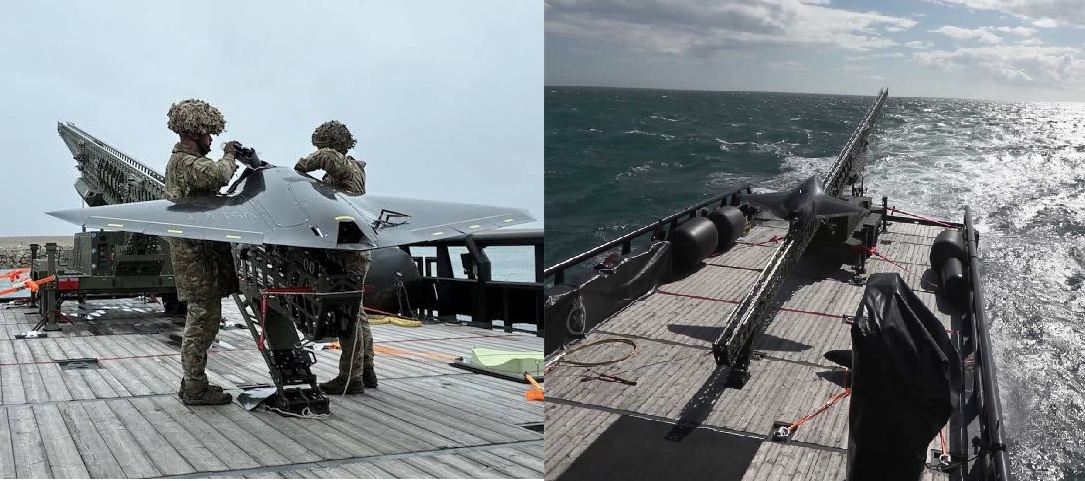
World
London — The Royal Navy has completed the first at-sea launch of the British-built Nyan One-Way Effector (OWE) autonomous strike drone from the experimental vessel XV Patrick Blackett, during trials off the south coast of England. The launch was carried out while the ship was underway as part of Exercise Neptune Reach under Project VANTAGE, a tri-service programme bringing together the Royal Navy, British Army and Royal Air Force to evaluate maritime strike drones for operational use. A catapult launcher was fitted to the deck of XV Patrick Blackett for the trial. The launcher accelerated the drone to speeds of up to 55 metres per second, after which the aircraft flew autonomously to a pre-programmed target area. Personnel from 26 Regiment Royal Artillery, 744 Naval Air Squadron, and the ship's crew supported the launch. UK Tests Indigenous Nyan One-Way Effector Drone The Royal Navy and British Army have successfully conducted the first extensive trials of the Nyan One-Way Effector (OWE) Uncrewed Air System, a domestically developed precision-strike drone designed for both maritime and land… pic.twitter.com/LsHU1PxEp6 — Global Defense Insight (@Defense_Talks) July 4, 2026 The Royal Navy said flight data from the test is now being reviewed. Further trials could be conducted from the aircraft carrier HMS Queen Elizabeth. The Nyan One-Way Effector is built by Callen-Lenz, a subsidiary of BAE Systems. The autonomous strike drone has a 2.9-metre wingspan, is powered by a small turbojet engine, and has an estimated range of more than 150 kilometres. It is built mainly from carbon fibre and includes a low-observable exhaust nozzle intended to reduce detection by air defence systems. The estimated unit cost is under £100,000. Callen-Lenz Chief Executive Matt Foster said the company has already produced more than 1,000 Nyan drones. The system provides a lower-cost precision strike option than traditional naval missiles and has a range exceeding several legacy anti-ship weapons. The drone had already completed land-based trials before the maritime launch. During Exercise Spring Storm in Estonia in May 2026, British Army units from the Royal Artillery used the system alongside NATO forces to demonstrate deep-fire support during field exercises. The sea trial forms part of the UK's Hybrid Navy programme, which combines crewed warships with autonomous vessels and drone systems. The concept is included in the UK's Defence Investment Plan, which allocates more than £5 billion over the next four years for autonomous systems and drone technologies. Minister for Defence Readiness and Industry Luke Pollard said Britain is moving forward with the Hybrid Navy concept by bringing Army and Navy expertise together to field ship-launched strike drones. Lieutenant Commander David Burton, the Royal Navy's Maritime One-Way Effectors capability sponsor, said the trial moves the programme from land-based experimentation into maritime operations. Under Project VANTAGE, the service is working to integrate one-way strike drones with crewed naval platforms to expand operational reach and increase the tempo of operations. The Nyan builds on one-way effector technology already fielded by the British Army. Project VANTAGE is focused on adapting those capabilities for use at sea through a common approach across the Royal Navy, British Army and Royal Air Force. Source: forcesnews.
Read More → Posted on 2026-07-04 11:28:42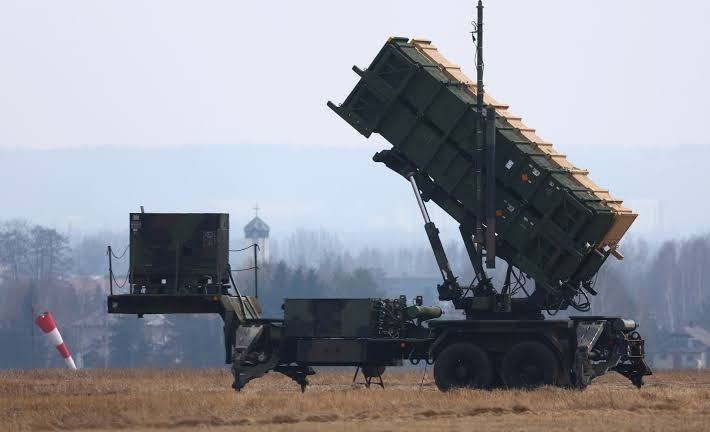
World
KYIV — Ukraine has begun the process of purchasing about 100 U.S.-made Patriot interceptor missiles through a European Union-backed loan worth around $1 billion, the Ministry of Defence said on July 2, as Kyiv works to replenish stocks used against continuing Russian missile attacks. The purchase will be financed through an EU loan mechanism and forms part of Ukraine's effort to secure a longer-term supply of Patriot interceptors instead of relying only on emergency transfers from partner countries. Officials said maintaining stocks of anti-ballistic missiles has become increasingly difficult after repeated large-scale Russian strikes. The issue became more pressing following the overnight attack on July 1-2, when Russian forces launched nearly 500 strike drones and 77 missiles, including 25 ballistic or hypersonic missiles, at targets across Ukraine. Ukrainian air defence units intercepted more than 90% of the cruise missiles and Shahed-type drones, the ministry said, but added that shortages of Patriot interceptors continue to limit the country's ability to engage ballistic missiles. Ukraine is also seeking immediate deliveries while the new procurement moves forward. Defence Minister Mykhailo Fedorov has sent official letters to nearly 40 partner nations requesting transfers of Patriot missiles from their active inventories this month. Under the proposal, countries providing missiles now would later receive replacements through future deliveries already contracted by Kyiv. "The protection of Ukrainian skies depends on fast decisions," the ministry said, urging partners to use existing international procurement and financing mechanisms, including the Prioritized Ukraine Requirements List (PURL) and JUMPSTART, to speed up deliveries. The planned purchase adds to agreements signed earlier this year. In April, Ukraine concluded what the ministry described as a record contract for hundreds of PAC-2 Patriot missiles with German support. Deliveries under that agreement are scheduled over the coming years. Ukraine has also started receiving Patriot missiles directly from European partner stockpiles for the first time this year, rather than depending only on U.S. deliveries. The ministry said operational changes based on NATO's "After Action Review" standard have more than doubled the effectiveness of Patriot batteries against highly manoeuvrable Russian Iskander ballistic missiles, though it did not provide further operational details. President Volodymyr Zelenskyy has said Ukraine is seeking licences to manufacture Patriot systems domestically or through joint ventures with European defence companies. Discussions with the United States on local production have continued, while Ukrainian officials are also seeking decisions on air-defence financing, additional system allocations and production arrangements ahead of the upcoming NATO summit. No delivery timeline for the new batch of roughly 100 Patriot interceptors has been announced. Source: businessinsider.
Read More → Posted on 2026-07-04 11:43:19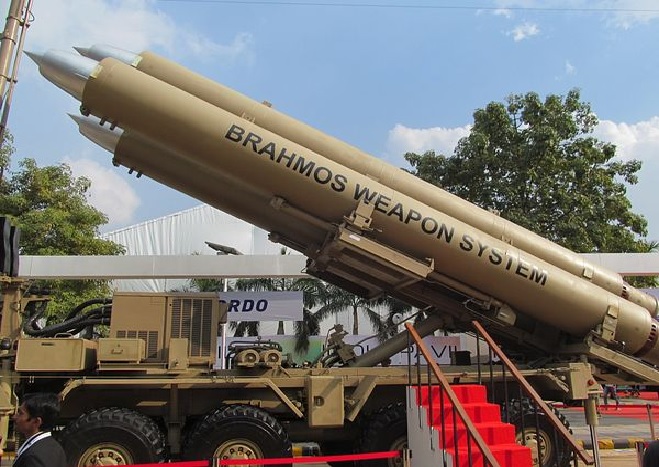
World
NEW DELHI — Indonesia has approached India to procure a second battery of the BrahMos supersonic cruise missile system, expanding on the agreement reached earlier this year for the purchase of one battery. Jakarta has also requested a favourable line of credit from New Delhi to support the proposed acquisition. According to reports, the potential defence deal is estimated to be worth around $300 million (approximately ₹2,500 crore) and is expected to be one of the key issues discussed during Prime Minister Narendra Modi's visit to Indonesia from July 6 to 8. The visit will be Modi's first bilateral trip to Indonesia since the two countries upgraded their relationship to a Comprehensive Strategic Partnership in 2018. After holding talks with Indonesian President Prabowo Subianto in Jakarta, the Prime Minister will continue his three-nation tour with visits to Australia and New Zealand, concluding on July 11. During a media briefing in New Delhi, Rudrendra Tandon, Secretary (East) in India's Ministry of External Affairs (MEA), said defence cooperation remains an important part of bilateral relations but declined to comment on the status of the proposed missile deal. "Defence cooperation is an important part of the relationship with Indonesia. But I don't think we need to get into the details of this at this juncture, particularly because we have not departed from here and all these are at preparatory stages," Tandon said. Indonesia confirmed its first BrahMos missile agreement with India in March 2026 as part of its military modernisation programme aimed at strengthening maritime defence. The initial contract covered one missile battery, including launchers, radars and missiles, with estimates placing its value between $200 million and $350 million, depending on the final configuration. The agreement made Indonesia the second export customer for the BrahMos missile after the Philippines. The BrahMos missile is jointly developed by India's Defence Research and Development Organisation (DRDO) and Russia's NPO Mashinostroyeniya under a partnership established in 1998. The export version has a range of about 290 kilometres and travels at Mach 3, making it the world's only operational supersonic cruise missile available for export. It is designed for coastal defence, anti-ship missions and ground attack operations, and can be launched from land, sea, air and submarine platforms. In May 2026, Defence Secretary Rajesh Kumar Singh said the BrahMos agreement with Indonesia was in its final stages, while India had already signed a separate BrahMos export deal with Vietnam. These developments reflect increasing interest among Southeast Asian countries in strengthening their defence capabilities through the Indian missile system. Apart from defence, economic cooperation is expected to feature prominently during Prime Minister Modi's visit. Government sources said both countries are likely to sign several Memorandums of Understanding (MoUs) covering healthcare, pharmaceuticals, education, space cooperation, critical minerals and natural resources. One of India's main priorities is securing long-term access to critical minerals by establishing joint ventures with Indonesian companies to develop nickel processing facilities. Indonesia holds some of the world's largest nickel reserves, making it an important supplier for stainless steel production and electric vehicle (EV) battery manufacturing. India currently imports more than 80% of its ferronickel requirements from Indonesia and relies entirely on imports for EV battery-grade materials. Securing additional supplies has become increasingly important as India expands its clean energy and electric mobility sectors. At present, Chinese companies control around 75% of Indonesia's nickel refining capacity, making diversification of supply chains a strategic priority for New Delhi. According to the International Energy Agency's Global Minerals Outlook 2024, global nickel demand is expected to increase from around 3 million metric tonnes in 2023 to 5–6 million metric tonnes by 2040, driven by growing demand for electric vehicles and clean energy technologies. Indonesia is projected to account for 44% of global refined nickel production by 2040, further strengthening its importance in global supply chains. India and Indonesia currently have bilateral trade worth around $23 billion, and both governments are working to expand trade and investment through stronger economic cooperation and discussions on a preferential trade agreement. Officials are also expected to discuss maritime security and broader strategic cooperation in the Indo-Pacific region during the upcoming meetings. The proposed acquisition of a second BrahMos missile battery, along with planned agreements on critical minerals and technology cooperation, reflects the continued expansion of India-Indonesia strategic and economic ties. Source: theprint
Read More → Posted on 2026-07-04 12:12:42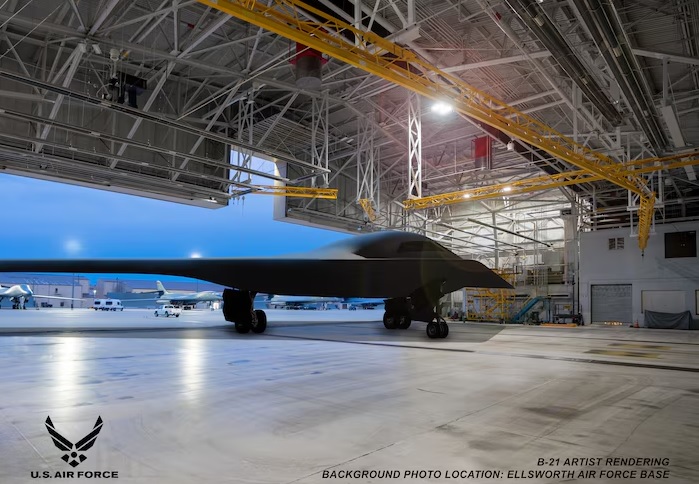
World
ELLSWORTH AIR FORCE BASE, S.D. — The U.S. Air Force has taken another step toward introducing the B-21 Raider into operational service after formally accepting the first two facilities built specifically for the next-generation stealth bomber at Ellsworth Air Force Base during a visit by Secretary of the Air Force Troy Meink on June 30 and July 1, 2026. During the visit, Meink reviewed the 28th Bomb Wing's ongoing B-1B Lancer operations and inspected progress on the base's transition to the B-21 Raider. Ellsworth has been selected as the Air Force's first main operating base and formal training unit for the new bomber and is undergoing an infrastructure modernization program valued at approximately $2 billion while continuing to support active B-1B missions. A key milestone during the visit was the official acceptance of the first completed B-21 support facilities: the $161 million Low Observable Restoration Facility and the $81 million Wash Rack and General Maintenance Hangar. These are the first completed projects in the larger construction effort designed to support future B-21 operations. "Taking ownership of these facilities is a step toward fielding advanced capabilities at scale," Meink said. "The infrastructure completed today is truly innovative, allowing us to preserve the technological edge and deliver the long-range deterrence our nation depends on." The Low Observable Restoration Facility has been designed to maintain the B-21 Raider's stealth characteristics. The climate-controlled building allows maintenance personnel to inspect, clean and repair the aircraft's radar-absorbent materials in a controlled indoor environment, helping reduce maintenance downtime while preserving its low-observable capabilities. The adjacent Wash Rack and General Maintenance Hangar will support routine inspections, aircraft washing, servicing and general maintenance required to keep the bomber ready for operations. Following the formal handover, teams from the 28th Bomb Wing began fitting out both facilities by installing secure information technology systems, communications equipment, furnishings and mission support equipment needed before the arrival of the first production B-21 aircraft. While preparing for the new bomber, Ellsworth continues to operate its fleet of B-1B Lancer aircraft. During the visit, Meink received updates on current B-1B operations and the challenges of maintaining today's long-range strike missions while building the infrastructure for the Air Force's future bomber force. Col. Jonathan Keller, commander of the 28th Bomb Wing, said the base is managing both missions simultaneously. "The base is actively flying the B-1 globally while simultaneously building the infrastructure for the next generation of airpower," Keller said. "Accepting the keys to our first B-21 facilities is exciting for our Airmen, our civil engineer teams and the community partners who support our long-range strike mission." Continuing B-1B operations during the transition is part of the Air Force's effort to avoid any gap in long-range strike capability as the B-21's infrastructure, training and sustainment systems are established. Developed by Northrop Grumman under the Long Range Strike Bomber program, the B-21 Raider is the Air Force's next-generation strategic stealth bomber. The engineering and manufacturing development contract, valued at $21.4 billion, was awarded in October 2015. The program uses digital engineering and advanced manufacturing techniques intended to reduce development risks and simplify future software and hardware upgrades. The Air Force plans to acquire at least 100 B-21 Raiders, which will gradually replace the B-1B Lancer and B-2 Spirit fleets while operating alongside the modernized B-52J Stratofortress. The aircraft is designed to penetrate heavily defended airspace and features open mission systems architecture, secure network connectivity and the ability to integrate with other military platforms, including fifth-generation fighters, collaborative combat aircraft and space-based systems. According to recent program updates, the first B-21 aircraft is expected to arrive at Ellsworth in 2027, with one of the test aircraft currently flying at Edwards Air Force Base planned to relocate there to support testing and early operational activities. Ellsworth is the first installation in the Air Force's phased B-21 basing plan. After South Dakota, future main operating bases are planned at Whiteman Air Force Base, Missouri, and Dyess Air Force Base, Texas. The completion of the first dedicated B-21 facilities marks an important stage in preparing Ellsworth for the aircraft's arrival while ensuring the Air Force can continue current B-1B operations during the transition to its next-generation strategic bomber fleet. Source: af.mil
Read More → Posted on 2026-07-04 12:39:25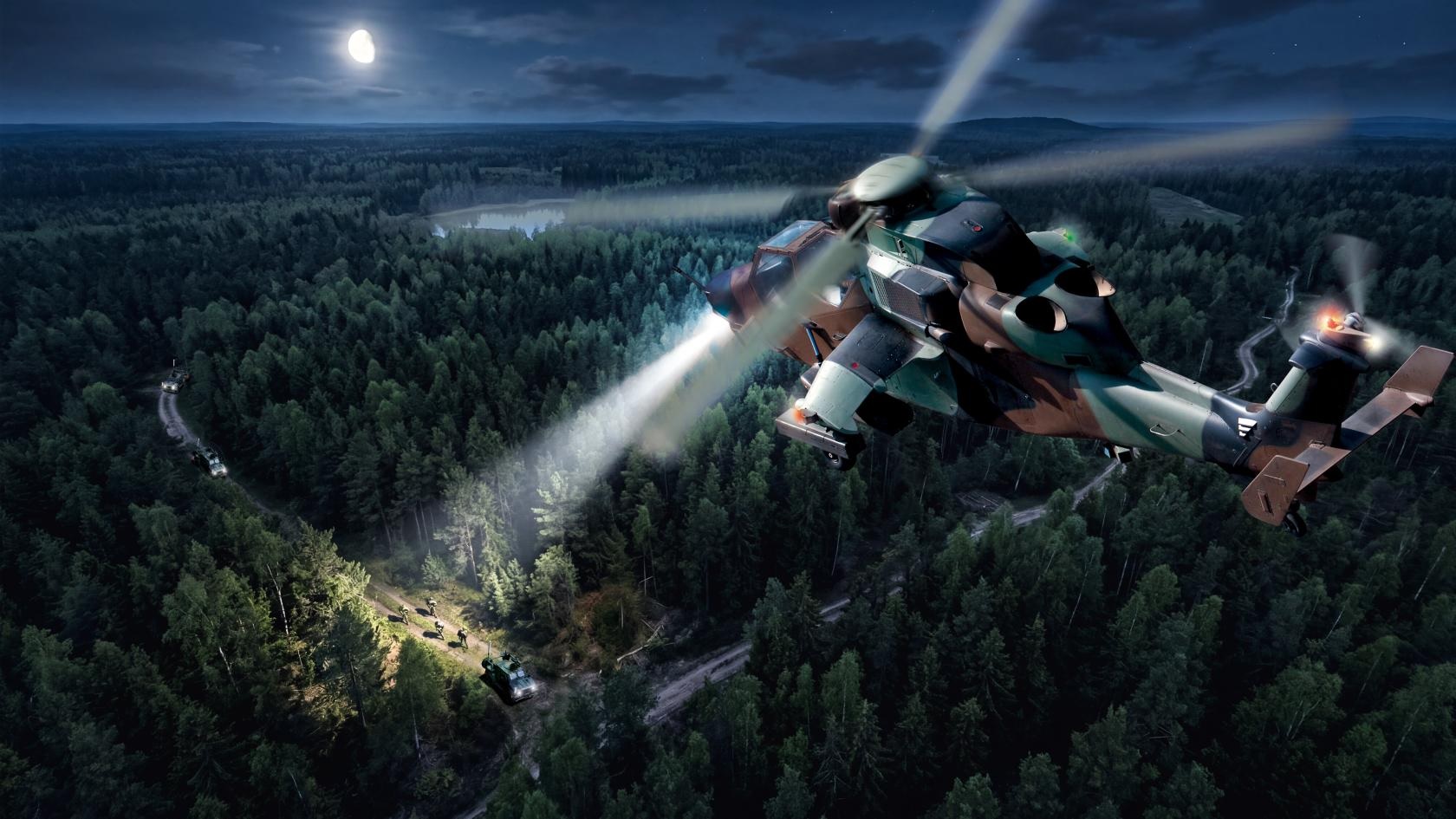
World
DOURDAN, France — Thales has introduced a new generation Search & Landing Light (SLL) for helicopters, designed to improve visibility and crew coordination during military, security, civil aviation, and search-and-rescue (SAR) operations. The new onboard illumination system uses a high-power LED optical unit and provides continuous 360-degree swiveling coverage while maintaining a compact, flush-mounted design that minimizes aerodynamic drag. According to Thales, the design allows helicopter crews to maintain full illumination around the aircraft without creating blind spots. The SLL features a software-defined, connected architecture that allows operators to configure the system for different mission requirements. It is designed to integrate with existing onboard avionics, including Forward-Looking Infrared (FLIR) sensors, multifunction displays, and helmet-mounted displays, helping improve situational awareness during complex operations. The lighting system can be controlled by the pilot, co-pilot, or hoist operator, depending on the phase of the mission. This flexible control arrangement allows different crew members to manage the lighting as operational needs change. For search-and-rescue (SAR) missions, particularly at night or in difficult terrain such as mountains, forests, or snow-covered areas, the SLL's 360-degree coverage allows crews to continuously illuminate survivors, rescue personnel, and landing zones without repeatedly repositioning the helicopter. This can help crews maintain visual contact throughout the rescue operation. During hoist operations, including maritime recovery and medical evacuation missions, the system provides stable and focused lighting over the rescue area. The hoist operator can independently adjust the light in real time to follow the movement of personnel or equipment, supporting operations in degraded visual conditions. For military night operations, including infiltration, exfiltration, and special operations, the SLL includes a dedicated covert mode. This operating mode is designed to reduce the helicopter's visual and infrared signature while still providing sufficient illumination for the crew to carry out the mission. Thales said the system has been developed to support a broad range of helicopter platforms used by military, security, emergency response, and civil aviation operators. Its software-based architecture also allows operators to tailor system functions to specific mission profiles without requiring major hardware changes. The company manages the complete development and production process for the SLL at its facility in Dourdan, France, including the design of the high-power LED optical unit, system integration, assembly, and final testing. "Helicopter crews operate in some of the most demanding environments, often making critical decisions in seconds and under extremely challenging conditions. Our new Search & Landing Light was developed with those operators in mind, giving them greater flexibility, enhanced mission effectiveness and the ability to adapt to a wide range of operational scenarios from a single system. It illustrates our commitment to delivering solutions that evolve with our customers' missions." said Nicolas Bonleux, Vice President of Aerospace Communications at Thales. According to Thales, the new Search & Landing Light (SLL) combines compact installation, full 360-degree illumination, integration with modern cockpit systems, and multiple operating modes in a single system intended to support demanding helicopter missions across military, emergency response, security, and civil aviation sectors. Source: thalesgroup
Read More → Posted on 2026-07-04 12:46:55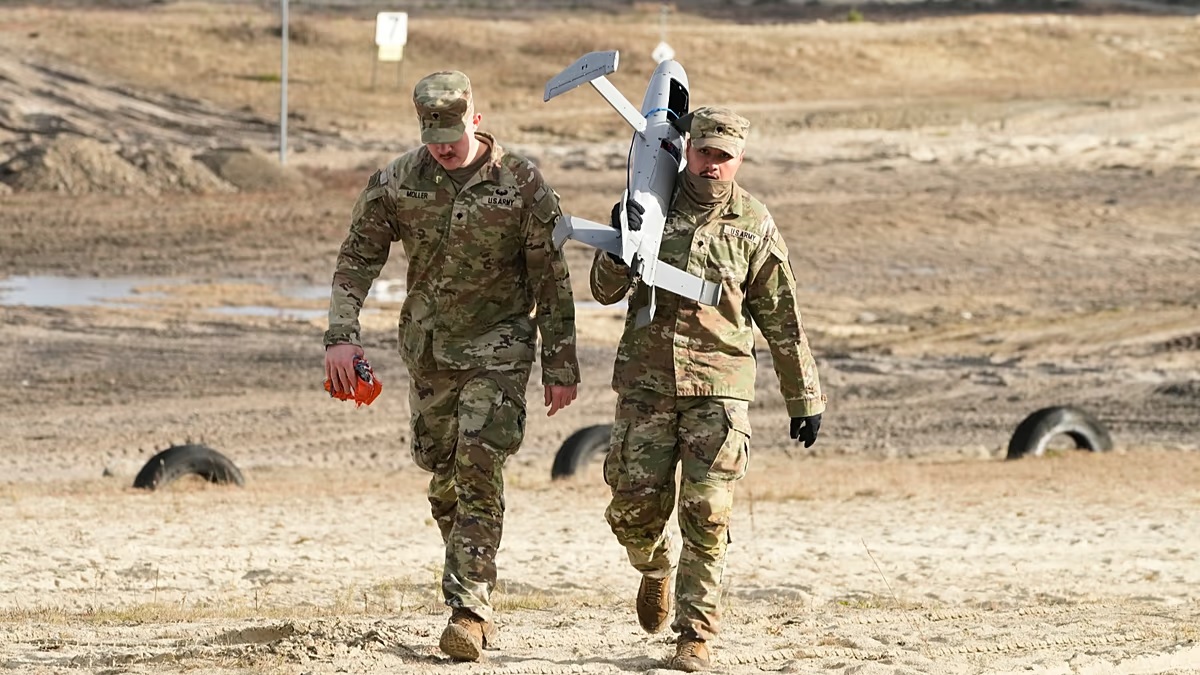
World
Ramstein Air Base, Germany — NATO is stepping up efforts to develop more affordable and effective ways to defend its airspace against the growing threat of uncrewed aerial systems (UAS). The issue was a key focus at the second AIRCOM Industry Day, held at Ramstein Air Base in Germany on June 30 and July 1, where military officials met with representatives from around 35 defence companies to discuss new counter-drone technologies. The discussions reflected NATO's growing concern over the increasing use of low-cost drones in modern warfare and the need to counter them without relying on expensive air defence measures. The event aimed to strengthen cooperation between the military and the defence industry to accelerate the development of practical and affordable counter-UAS capabilities. Recent incidents have highlighted the challenge. A drone crashed into a house in Romania, another entered Lithuanian airspace, and suspected drone activity temporarily disrupted operations at Munich Airport. These incidents have increased the alliance's focus on improving its counter-UAS capabilities. When a drone enters NATO airspace, the alliance activates Operation Eastern Sentry, which can involve scrambling fighter aircraft to identify, monitor and, if necessary, intercept the threat. While the response is operationally effective, it is also expensive. Many attack drones can be produced for less than €100,000, whereas a typical interception mission involving two fighter jets can cost more than €85,000 before any missiles are launched. Opening the event, Lieutenant General Guillaume Thomas, Deputy Commander of NATO's Allied Air Command (AIRCOM), said the large-scale use of drones in Russia's war against Ukraine has created new collective challenges for the alliance. He said NATO must stay ahead in three key areas: cost, by developing interceptors that are cheaper than the targets they destroy; production, by expanding manufacturing capacity to match large-scale drone deployments; and innovation, by speeding up the development and acquisition of new technologies. A major theme throughout the event was learning from Ukraine's battlefield experience. Dr. Ulrike Franke, Senior Policy Fellow at the European Council on Foreign Relations, said drones have fundamentally changed modern warfare by bringing mass to the battlefield. She said NATO must focus on affordable, large-scale solutions instead of relying on expensive systems to defeat low-cost drones. Franke also described close cooperation with Ukraine as a requirement for improving NATO's counter-drone capabilities. Providing frontline experience, Senior Lieutenant Oleksandr Vorobiov, deputy chief of air defence for Ukraine's 3rd Army Corps, identified radar detection as one of the biggest operational challenges. He said most radar systems currently used in Ukraine were designed to detect aircraft or monitor weather rather than identify small drones. As a result, small unmanned aircraft can disappear from radar screens for several seconds, making fully autonomous interceptor drones unreliable and requiring operators to take manual control during those periods. Vorobiov said improving reliable radar detection remains one of the most important requirements for future counter-drone systems. Although only defence companies from NATO member countries participated in the exhibition, Ukraine's combat experience remained a central reference throughout the event. Around 35 companies showcased technologies ranging from advanced radar systems and interceptor drones to artificial intelligence software and specialised counter-drone missiles. Among the exhibitors were MBDA, Hensoldt, Alta Ares, and Aselsan. MBDA presented a cost-effective counter-drone missile designed to defend against mass attacks by Shahed- and Geran-type drones. The missile is being integrated into Rheinmetall's Skyranger 30 air defence system, with the first systems planned for Germany's brigade in Lithuania. Deliveries are expected between 2027 and 2028. The Skyranger 30 uses a layered defence approach. Each vehicle carries nine interceptor missiles, allowing a six-vehicle battery to field 54 ready-to-fire interceptors. Smaller Class 1 drones, including quadcopters, are engaged using the system's 30 mm cannon, while the interceptor missile is designed to defeat larger threats such as Shahed-type drones. French company Alta Ares demonstrated AI-powered intelligence software together with two interceptor systems. One version is designed for short- and medium-range engagements with a range of up to 15 kilometres, while the second can engage targets at distances of up to 40 kilometres. Company representatives said their founders worked closely with Ukrainian military units during the early stages of the war to better understand operational requirements and develop AI-based solutions for drone operations. Alta Ares recently signed a memorandum of understanding with German drone manufacturer Quantum Systems to further develop these capabilities. Turkish defence company Aselsan highlighted reliability and the use of artificial intelligence as key lessons from the war in Ukraine. Company representatives said modern drone attacks leave only a few seconds for operators to react, making AI-assisted systems important for shortening decision-making time and improving response speed. Lieutenant Colonel Steffen Bott, project manager for the event, said the purpose of AIRCOM Industry Day is to connect military operational requirements with rapidly evolving technologies. He noted that while NATO and the military do not directly establish contracts with defence companies during the event, the military identifies operational needs and shares them with industry. He added that counter-UAS technologies are evolving much faster than traditional defence procurement processes, making closer cooperation between armed forces, start-ups and established defence companies increasingly important. The discussions at Ramstein Air Base reflected NATO's broader effort to work more closely with industry to develop affordable, reliable and effective counter-drone technologies. Military officials said faster cooperation between frontline operators and defence companies will be essential as drone threats continue to evolve and become more widespread. Source: euronews
Read More → Posted on 2026-07-04 13:42:45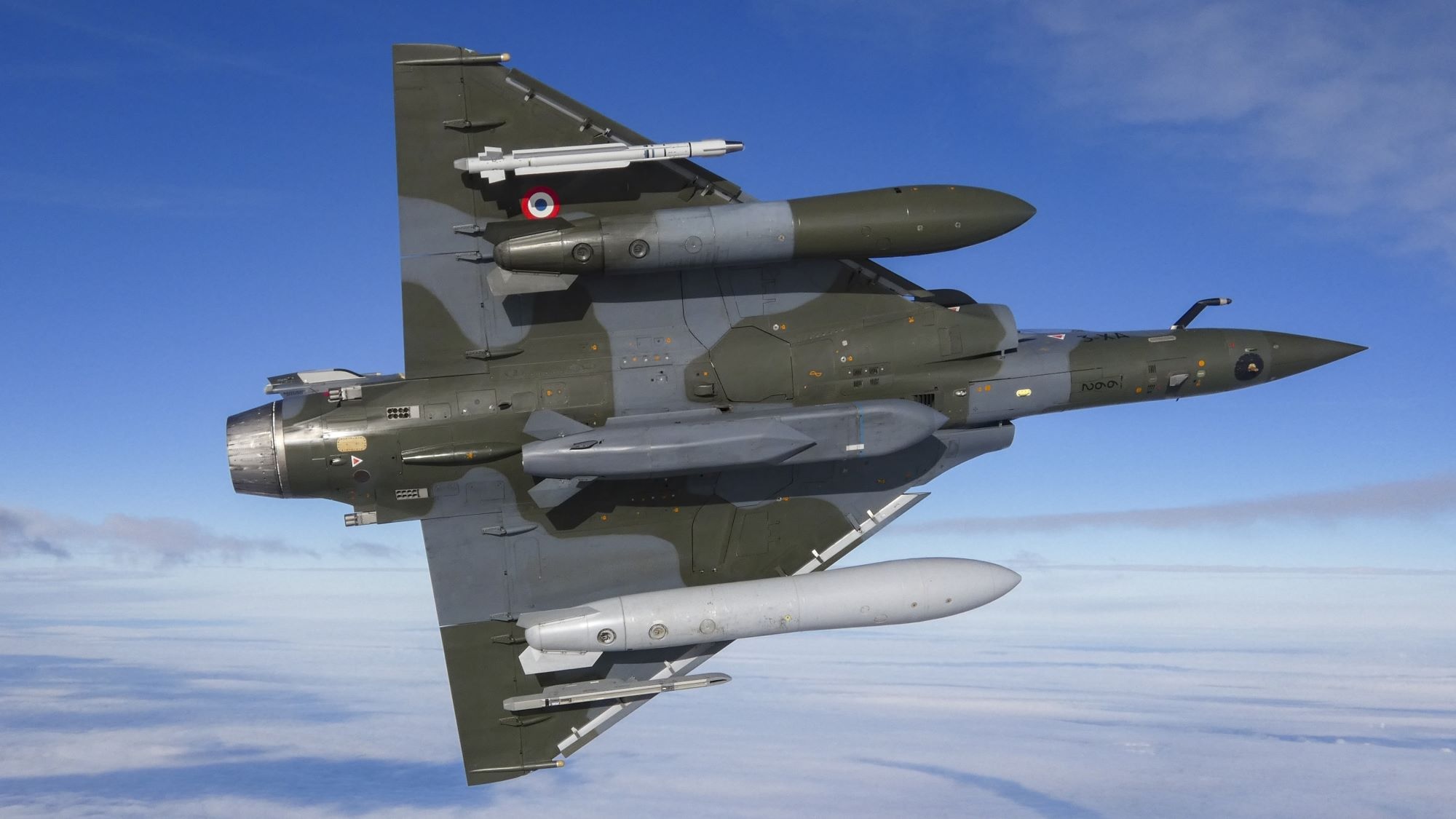
World
Paris — France has completed the mid-life modernization of its Mirage 2000D fighter-bomber fleet after the Directorate General of Armaments (DGA) delivered the 50th and final upgraded aircraft to the French Air and Space Force on June 16. The delivery marks the completion of the RMV (Rénovation Mi-Vie) program, which was launched in 2015 to extend the operational life of the strike aircraft until at least the mid-2030s. The RMV program upgraded 50 operational Mirage 2000D aircraft, while two additional aircraft were modernized as test platforms for the DGA Flight Test Centre. The program was designed to ensure the Mirage 2000D remains an effective strike platform as France continues expanding its Rafale fighter fleet. Dassault Aviation developed the upgrade kits and carried out the modernization of the first two prototype aircraft. The remaining aircraft were upgraded by the French Air Force's Industrial Aeronautics Service (SIAé) at the Clermont-Ferrand Aeronautical Industrial Workshop (AIA). The modernization work was coordinated with scheduled maintenance periods to reduce aircraft downtime and maintain fleet availability. The Mirage 2000D entered French service in the 1990s as a dedicated ground-attack aircraft and has supported operations in Afghanistan, Libya, the Sahel, and the Middle East. The RMV upgrade introduces several improvements to enhance its performance in modern operational environments. One of the main changes is a new digital cockpit equipped with multifunction displays, providing pilots with improved situational awareness and easier access to mission information. The aircraft's onboard electronics have also been upgraded to an open-architecture system, increasing computing power, improving data processing, and allowing better integration with command and control networks. Older equipment that had become difficult to maintain has also been replaced. The aircraft's self-defense capability has been strengthened through the replacement of the legacy MAGIC II air-to-air missiles with the newer MICA IR infrared-guided missiles. For ground attack missions, the upgraded Mirage 2000D can carry the CC422 gun pod fitted with a 30 mm DEFA 550 F3 cannon, providing additional capability for close air support and operations against lightly protected targets. The modernization also expands the aircraft's precision-strike options with the integration of GBU-48 and GBU-50 guided bombs, while retaining compatibility with the SCALP cruise missile. These additions provide greater flexibility across a wider range of strike missions. For targeting and reconnaissance, the upgraded aircraft now operates with the TALIOS targeting pod, replacing the older DAMOCLES system, and can also carry the ASTAC electronic reconnaissance pod for intelligence collection. Improvements have also been made to communications, mission planning, and data exchange systems. Following completion of the RMV program, all 50 upgraded Mirage 2000D aircraft are being based at Air Base 133 Nancy-Ochey. Consolidating the fleet at a single operating base is intended to simplify maintenance and operational management while supporting France's strike capabilities during the continued transition to the Rafale. In addition to upgrading the aircraft, the RMV program included modernization of simulators and mission planning tools used for pilot training and operational preparation. Although the RMV modernization program has now been completed, the French Air and Space Force is studying additional software and hardware improvements to address emerging threats, including drone swarms and loitering munitions. Future upgrades under consideration include the integration of low-cost precision weapons and artificial intelligence-assisted systems to maintain the Mirage 2000D's operational effectiveness through the remainder of its planned service life. With the completion of the RMV program, France has modernized its entire operational Mirage 2000D fleet, ensuring the aircraft will continue to provide strike and support capabilities alongside the growing Rafale fleet for years to come. Source: zona-militar
Read More → Posted on 2026-07-04 14:03:02
World
Moscow — Russia's state-owned defense conglomerate Rostec has announced that its subsidiary, High Precision Systems (Vysokotochnie Kompleksy), has started delivering a new anti-drone cartridge known as Mnogotochie to frontline military units. The announcement was made on July 3, with the company confirming that the first experimental batches are already being used by troops while full-scale serial production is now underway. The new ammunition is designed to improve the ability of infantry soldiers to engage small, fast-moving unmanned aerial vehicles (UAVs), including first-person view (FPV) drones, using standard-issue rifles already in service. According to Rostec, the project was developed to provide troops with an anti-drone capability without requiring dedicated interceptor weapons or changes to existing firearms. Mnogotochie is produced in two standard Russian military calibers. The SC 226 cartridge is chambered in 5.45×39mm for standard assault rifles, while the SC 228 version uses 7.62×54mm ammunition for machine guns and sniper rifles. Both cartridges are compatible with existing AK-pattern weapons and other standard platforms without modifications. They also function with rifles fitted with muzzle brakes and suppressors. The defining feature of the cartridge is its three-element projectile. Made from a special bronze-like alloy, the stacked elements separate evenly after leaving the barrel while continuing to spin due to the rifle's rifling. This provides greater aerodynamic stability than conventional shotgun buckshot, allowing the projectiles to spread in a controlled pattern while maintaining accuracy. According to Rostec, the multi-element design increases the probability of hitting an FPV drone by approximately 2.5 times compared with a conventional single-projectile rifle cartridge. The company states that the 5.45mm SC 226 is effective at distances between 100 and 150 meters, while the 7.62mm SC 228 can engage targets at ranges of up to 300 meters. To evaluate its effectiveness, the manufacturer carried out penetration tests intended to simulate the structure of commercial drones. Rostec said the 5.45mm cartridge penetrated a 25-millimeter pine board backed by a 0.8-millimeter steel plate at 50 meters, while the 7.62mm version achieved the same result at 100 meters. Bekhan Ozdoev, Industrial Director of the Rostec Armaments Cluster, said the ammunition received positive feedback following combat use and that production has now entered the serial manufacturing stage. One of the project's main objectives was to simplify production and military logistics. The cartridges use standard cartridge cases and conventional propellant, allowing them to be manufactured on existing ammunition production lines without significant retooling. This enables large-scale production while remaining compatible with weapons already issued to Russian forces. Rostec also said the ammunition was designed with urban operations in mind. Because each projectile separates into three lighter elements, they lose energy more quickly than a standard rifle bullet after traveling long distances. According to the company, the elements lose most of their damaging capability beyond 500 meters, reducing the potential risk to people and infrastructure when engaging drones over populated areas. By comparison, a conventional 7.62mm rifle round can retain dangerous kinetic energy for two to three kilometers. The introduction of Mnogotochie reflects the growing focus on countering small drones that have become a common feature of modern battlefields. Rather than relying solely on specialized air defense systems, militaries are increasingly developing ammunition that allows individual soldiers to engage low-flying UAVs with their standard service rifles. Russia is not the only country pursuing this approach. The U.S. Army has also developed and tested comparable multi-projectile anti-drone ammunition for 5.56mm and 7.62×51mm NATO rifles. In April 2026, soldiers from the XVIII Airborne Corps trained with the ammunition using unmodified M4 carbines, highlighting a similar effort to improve infantry protection against small drones without introducing new weapon systems. With serial production now underway, the Mnogotochie cartridge is expected to provide Russian frontline units with an additional option for countering low-flying UAVs while continuing to use their existing rifles and ammunition infrastructure. Source: sputniknews
Read More → Posted on 2026-07-04 14:35:50
World
ANKARA — Turkish defense company Roketsan has successfully tested its Tayfun Block-3 ballistic missile against a moving unmanned surface vessel (USV) in the Black Sea, marking a significant milestone in Türkiye's missile development program. According to Türkiye's Presidency of Defense Industries (SSB) and Roketsan, the live-fire test demonstrated the missile's ability to detect, track and destroy a freely maneuvering maritime target using an integrated seeker head. Defense officials said the achievement represents the first successful engagement of a moving sea target by a Turkish ballistic missile. The test involved a seven-meter unmanned surface vessel designed to simulate a small, fast-moving fishing boat. Equipped with a live warhead, the Tayfun Block-3 locked onto the target during the terminal phase of flight and struck it directly after reaching hypersonic speed, destroying the vessel. The SSB said the trial marked the first time a Turkish ballistic missile had engaged and destroyed a freely maneuvering target at sea. It also confirmed the first successful integration of a seeker head into a Turkish ballistic missile, allowing it to track and engage moving maritime targets rather than relying only on pre-programmed land coordinates. Defense officials noted that only a limited number of countries have demonstrated similar ballistic missile seeker technology capable of engaging moving ships at sea. SSB President Haluk Görgün said the Block-3 version of the domestically developed Tayfun missile had expanded Türkiye's long-range precision strike capability. "The Block-3 version of the domestically developed Tayfun missile once again proved its success in the field by hitting a moving target with pinpoint accuracy. The Tayfun missile will make important contributions to our security architecture as one of the strategic capabilities strengthening our country's deterrence," Görgün said. Roketsan Chief Executive Murat İkinci said the successful test highlighted the company's progress in missile guidance technology. "Our Tayfun Block-3 missile, which hit a moving target at long range with a direct hit, once again showed the level our engineering capabilities have reached with seeker head integration. I thank all my colleagues who contributed to this critical success, which is a first in our country and has only a handful of examples in the world," İkinci said. In a statement posted on X, Roketsan said the Tayfun Block-3 combines hypersonic terminal speed with high strike precision and that the company will continue improving the capabilities of its missile systems to strengthen Türkiye's strategic deterrence. The Tayfun missile system is designed for long-range precision strikes against strategic targets. According to Roketsan, the system features a short launch preparation time, allowing rapid deployment and relocation of launch units to improve survivability on the battlefield. The company also said the missile has strong resistance to electronic warfare, including GPS jamming, and is capable of operating day and night in all weather conditions due to its low environmental sensitivity. Because the Tayfun Block-3 maintains hypersonic speed during the final phase of its flight while using an advanced seeker to track moving targets, it presents a more challenging target for conventional naval air defense systems. The successful Black Sea trial represents another step in Türkiye's effort to expand its indigenous missile capabilities and enhance the operational performance of the Tayfun missile family. Officials said the test validates both the missile's seeker integration and its ability to engage moving maritime targets under realistic operational conditions. Source: turkiyetoday
Read More → Posted on 2026-07-04 15:50:24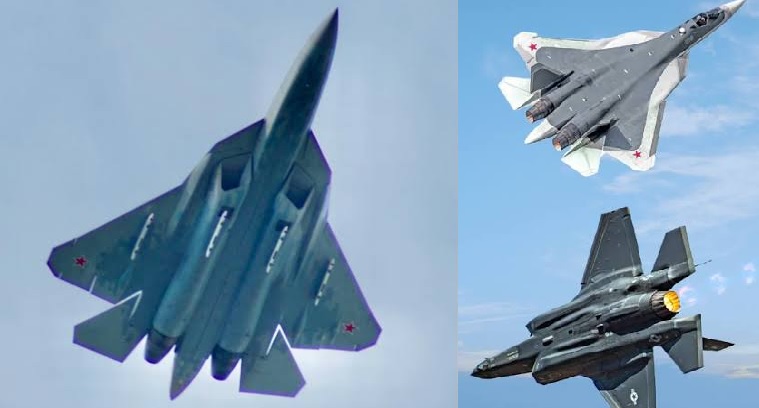
World
Moscow — Newly released footage from July 3 shows a Russian Aerospace Forces Su-57 fifth-generation fighter operating with an expanded air-to-air missile load, carrying four externally mounted R-77 series beyond-visual-range (BVR) missiles. The configuration indicates a shift toward homeland air defence missions, where increased firepower is prioritised over maintaining the aircraft's full stealth characteristics. The Su-57 is designed to carry weapons inside its internal weapons bays to preserve its low radar signature. It is estimated to accommodate up to six R-77M air-to-air missiles internally. With four additional R-77 missiles mounted externally, the aircraft's total BVR missile load reaches ten. Using external weapon stations increases the aircraft's missile capacity but also reduces its stealth advantage by increasing its radar signature. Military analysts say this configuration is more suitable for operations over Russian-controlled territory, where the aircraft is less likely to face long-range air-to-air threats and can focus on defending Russian airspace. The aircraft is considered well suited for intercepting cruise missiles and one-way attack drones because of its advanced sensor suite and long endurance. The Su-57 is equipped with the N036 Belka radar system, which includes five distributed Active Electronically Scanned Array (AESA) radars, along with an infrared search-and-track (IRST) system. These systems allow the fighter to detect and track low-observable aerial targets while remaining on patrol for extended periods. The footage does not clearly identify which version of the R-77 missile is being carried externally. Russia currently operates both the newer R-77M and the older R-77-1 variants. The R-77M was developed specifically for the Su-57 and features cropped control fins that allow it to fit inside the aircraft's internal weapons bays. It has a reported engagement range of up to 200 kilometres, supported by a dual-pulse solid rocket motor and aerodynamic improvements. The missile also incorporates an AESA radar seeker with an active phased-array antenna, improving resistance to electronic jamming. The older R-77-1 has a shorter reported range of about 110 kilometres and is generally carried externally on the Su-57 because its larger fin design is not compatible with the internal weapons bay. Although it offers lower performance than the R-77M, it is believed to be less expensive to produce, making it a practical option for external carriage during missions where stealth is not the primary requirement. The Su-57 has gradually expanded its operational role since entering combat-related service. According to a January 2023 assessment by the British Ministry of Defence, the aircraft had been launching long-range stand-off missiles into Ukraine since at least June 2022. Reports have also indicated that Su-57 fighters, together with MiG-31 interceptors, have employed the R-37M long-range air-to-air missile against Ukrainian aircraft while remaining inside Russian airspace. The latest configuration comes as Russia continues to strengthen its homeland air defence against long-range strike threats, including cruise missiles and drones targeting military facilities deep inside the country. Over the past three years, the Russian Aerospace Forces have increased the number of production-standard Su-57 fighters in service and continued to develop new operational concepts for the aircraft. The latest sighting suggests that, alongside its traditional stealth role, the Su-57 is also being employed as a heavily armed air defence platform capable of carrying a significantly larger beyond-visual-range missile load when mission requirements allow. Source: militarywatchmagazine
Read More → Posted on 2026-07-04 16:01:22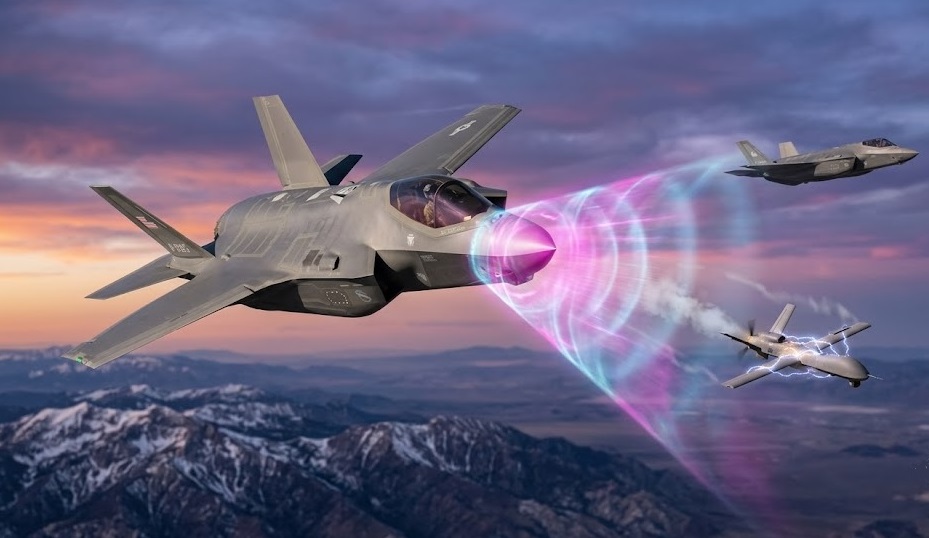
World
WASHINGTON — The U.S. military's F-35 Lightning II is set to receive a major sensor upgrade under the aircraft's Block 4 modernization program, with the introduction of the AN/APG-85 active electronically scanned array (AESA) radar. Developed by Northrop Grumman, the new radar is expected to improve detection range, target tracking, processing power, and electronic warfare capabilities compared with the current AN/APG-81. Recent discussions surrounding the radar have also raised the possibility that it could support high-power microwave (HPM) functions, allowing it to perform more than traditional radar missions. While U.S. officials have not confirmed such a capability, several defense analysts say the system's unusually high power and cooling requirements could indicate the potential for directed-energy applications. Analysts Point to High-Power Microwave Potential The AN/APG-85 uses gallium nitride (GaN) semiconductor technology, which is more efficient than previous radar technologies and allows operation across a wider range of frequencies while generating greater power output. These characteristics improve radar performance but could also support advanced electronic warfare functions. According to analysts, including assessments published by the Australian Strategic Policy Institute (ASPI), the radar may be capable of operating in a high-power microwave (HPM) mode. In such a role, the system could direct concentrated bursts of radio-frequency energy toward enemy systems. Instead of relying on kinetic weapons, high-power microwave energy could be used to jam, disrupt, or potentially damage electronic components in aircraft, air-defense systems, communications equipment, or missile seekers by overwhelming sensitive circuits. Such effects would occur at the speed of light and could provide an additional non-kinetic option during combat operations. Although similar concepts have previously been discussed regarding the existing APG-81 radar, analysts believe the APG-85's increased power output and GaN-based design could significantly expand those capabilities. How GaN-Based AESA Radars Could Support High-Power Microwave Functions The AN/APG-85 is built using gallium nitride (GaN) technology, which offers higher power output, greater efficiency and better heat tolerance than older gallium arsenide (GaAs)-based radar systems. These characteristics allow modern Active Electronically Scanned Array (AESA) radars to generate stronger and more flexible radio-frequency signals. Defense analysts note that a GaN-based AESA radar could, in theory, support high-power microwave (HPM) functions if designed for that role. Rather than simply scanning for targets, thousands of individual transmit/receive modules within the radar can electronically coordinate their output and direct concentrated radio-frequency energy toward a specific target. In such a mode, the radar could perform electronic attack by transmitting powerful microwave energy to interfere with or overwhelm enemy radar, communications equipment, or missile seekers. Some analysts also suggest that, at relatively short distances and with sufficient power, concentrated microwave energy could potentially damage unprotected electronic circuits in drones, missiles or other military systems. However, there has been no official confirmation that the AN/APG-85 includes this capability. Potential Capabilities and Operational Limits Analysts emphasize that even if the APG-85 supports a high-power microwave mode, it would differ significantly from dedicated directed-energy weapons such as high-energy lasers (HELs). High-power microwave systems are designed to disrupt or damage electronic components, rather than physically destroying a target. Unlike lasers, they do not burn through aircraft structures, armor or other materials. Range is another important limitation. While an AESA radar can detect and track targets at long distances, the microwave energy needed to permanently damage electronics is generally effective only over much shorter ranges. At greater distances, the energy is more likely to provide electronic attack effects such as jamming or disrupting sensors rather than causing permanent damage. Power generation and heat management also remain major engineering challenges. Operating a GaN-based AESA radar at very high power levels produces substantial heat, requiring advanced cooling systems to prevent overheating. This is consistent with the significantly higher cooling requirements identified for the AN/APG-85 during recent U.S. Senate hearings, where officials said the radar will require between 62 kW and 80 kW of cooling capacity, compared with approximately 30 kW in the current F-35 configuration. Although analysts believe these requirements could support future high-power microwave functions, the U.S. Department of Defense and the F-35 Joint Program Office have not publicly confirmed that the AN/APG-85 is intended to operate as a directed-energy weapon. Most technical details of the radar remain classified. Power and Cooling Requirements Raise Questions Much of the speculation about the radar's possible directed-energy role comes from its power and thermal management requirements. During recent hearings before the U.S. Senate Armed Services Committee, officials outlined the engineering challenges associated with integrating the APG-85 into the F-35 fleet. The current F-35 cooling system is designed to manage approximately 30 kilowatts (kW) of heat. However, officials said the APG-85 will require between 62 kW and 80 kW of cooling capacity to operate at full capability. Defense analysts note that this represents a substantial increase over existing requirements. They argue that such a large jump appears greater than what would normally be expected for radar sensing alone, leading to suggestions that the additional power could support high-power microwave functions alongside conventional radar operations. Despite these assessments, the U.S. military has not officially confirmed that the APG-85 includes an operational HPM attack mode, and many of the radar's performance details remain classified. Radar Delays Affect F-35 Deliveries The rollout of the AN/APG-85 has also faced development and production delays. During a June 2026 Senate hearing, Marine Corps Lt. Gen. Gregory Masiello, Executive Officer of the F-35 Joint Program Office, confirmed that the U.S. military had accepted at least six F-35B aircraft for the Marine Corps without radar systems installed. Because the APG-85 uses different mounting hardware than the older APG-81, the aircraft cannot simply be fitted with the previous radar as a temporary solution. Instead, the radar compartment is fitted with ballast to maintain the aircraft's balance until the new radar becomes available. Officials also indicated that similar radar-less deliveries are expected for Air Force and Navy variants. These aircraft remain flyable and can receive information through networked data links from other platforms, but they do not have their full onboard sensor capability and are not considered fully mission-capable in that configuration. The first production batch of the AN/APG-85 is currently expected to be delivered in April 2028. Additional Aircraft Upgrades Required Installing the new radar is only one part of the Block 4 modernization effort. To fully support the APG-85's electrical and thermal demands, the F-35 will also require the Engine Core Upgrade (ECU) and an upgraded Power and Thermal Management System (PTMS). These improvements are intended to provide the additional electrical power and cooling needed not only for the radar but also for future avionics, mission computers, sensors, and electronic warfare systems. Current plans place these upgrades in the early 2030s. The F-35's cooling capacity has long been identified as one of the aircraft's technical limitations, making thermal management a key element of the Block 4 program. Part of a Broader Shift in Military Aviation Modern combat aircraft increasingly require greater electrical power to support advanced sensors, electronic warfare equipment, secure communications, and onboard data processing. As a result, power generation and heat management have become major design priorities for next-generation fighter aircraft. The APG-85 is expected to strengthen the F-35's sensor and electronic warfare capabilities as part of this broader trend. U.S. officials have described it as an advanced multifunction radar designed to address current and future air and surface threats. While analysts believe the radar's technical characteristics could support high-power microwave operations, there has been no official confirmation that the AN/APG-85 will function as a directed-energy weapon. Its full capabilities are expected to become clearer as the Block 4 modernization program progresses and supporting aircraft modifications are introduced over the coming years. Source: militarywatchmagazine / scmp
Read More → Posted on 2026-07-05 04:23:32
Space & Technology
Hong Kong — Hong Kong has become the primary gateway for semiconductor shipments entering China, with the city handling more than half of the mainland's chip imports during the first five months of 2026 as demand for artificial intelligence (AI) infrastructure continues to reshape regional trade. A review of official trade data by Bloomberg found that Hong Kong accounted for over half of China's $239 billion in semiconductor imports between January and May 2026. The city re-exported about $124 billion worth of chips to mainland China, representing around 52% of the country's total semiconductor imports during the period. A decade ago, Hong Kong handled only about one-third of China's chip imports, highlighting its growing role in the regional technology supply chain. Official figures released in late June also showed that trade between Hong Kong and mainland China increased by nearly 50% in May compared with the same month last year. According to Bloomberg, this marked the fastest annual growth since 1992, excluding the pandemic period. Hong Kong's position is supported by its free-port status, where imports are not subject to tariffs and capital controls are less restrictive than on the mainland. Combined with one of the world's busiest air cargo networks, the city has become an important transit point for semiconductors, which are high-value, lightweight, and time-sensitive products. Gary Ng, Senior Economist at Natixis, said Hong Kong's logistics network allows semiconductor companies to transport chips on frequent and reliable schedules while also providing flexibility to store products before re-exporting them. The city's growing importance reflects a broader expansion in AI-related trade across Asia. Economists at HSBC estimate that AI trade within the region nearly doubled from pre-pandemic levels to almost $2 trillion in 2025, driven by increased investment in semiconductors, data centres, and AI infrastructure. According to Oxford Economics, Hong Kong exported nearly $159 billion worth of AI-related products in 2025, making it the fifth-largest exporter of such goods in Asia and placing it ahead of Japan. Oxford Economics economist Yongshi Mai said Hong Kong's strength lies in facilitating the movement of AI-related products rather than manufacturing them. Research from the Hong Kong Trade Development Council (HKTDC) shows AI-related electronic products accounted for 57% of the city's exports, up from 44% in 2024, while Barclays estimates the share could be as high as 70%. Citing continued demand for AI technologies, the HKTDC more than doubled its 2026 export growth forecast for Hong Kong to over 20%. The increase in technology exports contributed to Hong Kong's economy expanding 5.9% in the first quarter of 2026, its fastest pace in nearly five years. Despite the growth, Hong Kong's position also places it at the center of ongoing U.S.-China technology tensions. During President Donald Trump's first administration, the United States ended Hong Kong's special customs treatment and began treating the city as part of China for trade purposes. Since Trump's return to office, Washington has introduced additional restrictions on China's access to advanced U.S. semiconductor technology. Although trade data does not identify specific chip models, Bloomberg reported that Hong Kong has increased imports of U.S.-made semiconductors sourced through third countries. Authorities in the United States and Taiwan have also increased scrutiny of Asian transshipment routes following investigations into the alleged smuggling of Nvidia chips through the region. Financial services also contribute to Hong Kong's role in semiconductor trade. Stanford University research scholar and former Hong Kong lawmaker Charles Mok said mainland companies often use Hong Kong intermediaries because payments and foreign currency transactions are easier to manage than dealing directly with overseas suppliers. The geopolitical environment has encouraged Hong Kong to expand trade with other regions. Chief Executive John Lee has led trade missions to the Middle East, Central Asia, and Southeast Asia. During his June visit to Kazakhstan and Uzbekistan, Hong Kong signed 96 agreements valued at more than $1.65 billion. Supply chain data indicates that around 40% of the semiconductors passing through Hong Kong originate from mainland China, while approximately 20% come from Taiwan, with Singapore and South Korea also serving as major suppliers. Bloomberg's analysis suggests Hong Kong has now become Taiwan's largest export market for semiconductors. China's semiconductor exports also recorded strong growth, rising 111% year-on-year in May to $36 billion, the fastest increase since 2013. In the same month, Hong Kong imported more than $40 billion worth of Chinese goods, the highest monthly value since 2015. Chinese customs data showed semiconductors accounted for more than one-third of those exports. While mainland ports such as Shanghai, Ningbo, and Shenzhen now handle much of China's direct ocean freight, Hong Kong continues to play an important role in high-value technology trade. Industry experts say the city's legal system, financial services, and established logistics infrastructure continue to make it an attractive location for handling products with significant intellectual property value. University of Hong Kong economics professor Heiwai Tang said Hong Kong continues to offer institutional advantages, including quality assurance, standards verification, and intellectual property protection for technology products. Michael Li Chi Fung, vice chairman of the Nam Pak Hong Association, added that Hong Kong's aviation hub provides advantages for moving electronic products that face stricter air transport controls on the mainland. Hong Kong continues to play an important role as a semiconductor trading and logistics hub in Asia's technology supply chain. Source: bloomberg
Read More → Posted on 2026-07-05 04:44:20
World
Brussels — France has secured approval for €15.1 billion in loans from the European Union's €150 billion Security Action for Europe (SAFE) defense fund, falling €1.1 billion short of the €16.2 billion it requested after several projects involving British participation failed to meet the program's eligibility requirements. The SAFE lending mechanism, adopted by the European Union in 2025 under the ReArm Europe initiative, is designed to strengthen Europe's defense industrial base by providing low-cost, long-term loans for joint defense procurement and capability development. The program aims to help EU member states increase defense production and address capability gaps through cooperative investments. The funding shortfall is linked to eligibility rules that France strongly supported during negotiations over the SAFE program. Under those rules, at least 65% of the value of a funded defense project must originate from the EU single market, Norway, Iceland, or Ukraine. Companies from other countries can contribute up to 35% unless their home country has both a security and defense partnership with the EU and has agreed to make a financial contribution to the SAFE program. At present, Canada is the only non-EU country that satisfies both conditions. The rules significantly affected projects involving the United Kingdom. Although London signed a security and defense partnership agreement with the EU last year, negotiations over a financial contribution to the SAFE program failed. France had initially pushed for the UK to contribute more than €6 billion to participate fully in the scheme. The proposed contribution was later reduced to around €2 billion, but no agreement was reached, leaving the UK outside the program's full eligibility framework. As a result, the European Commission excluded several UK-linked projects from France's approved funding package. Among the affected programs are projects involving MBDA, the European missile manufacturer jointly owned by Airbus, the UK's BAE Systems, and Italy's Leonardo. The company jointly produces the Storm Shadow/SCALP long-range cruise missile through its British and French operations. The missile has been supplied to Ukraine and remains one of Europe's key jointly developed precision-strike weapons. Defense companies including MBDA and Thales had previously argued for greater flexibility in the SAFE rules, noting that many advanced European defense programs rely on integrated supply chains that include British technology and industrial expertise. British officials also proposed that pan-European defense companies be treated as EU entities for the purposes of SAFE eligibility, but the proposal was not adopted. Despite the reduction in approved funding, French officials have maintained support for the procurement criteria. According to officials, the SAFE program was created to strengthen Europe's defense industry by prioritizing European manufacturers and production within the eligible countries. A senior EU diplomat said the outcome demonstrates the challenge of balancing the EU's goal of strengthening its strategic industrial base with the practical realities of multinational defense manufacturing, where many major programs depend on long-established cross-border partnerships. The case highlights the interconnected nature of Europe's defense industry, particularly in projects developed jointly by EU and UK companies following Brexit. It also underscores the policy trade-offs involved in applying strict local-content requirements while maintaining collaboration on major defense programs. France remains one of the largest beneficiaries of the SAFE program despite the €1.1 billion reduction, with its approved €15.1 billion allocation representing a significant share of the defense fund. More broadly, 18 EU member states initially expressed interest in SAFE loans totaling approximately €127 billion, reflecting growing European efforts to expand defense investment, increase industrial capacity, and improve military readiness through joint procurement. Source: Financial Times
Read More → Posted on 2026-07-05 10:53:45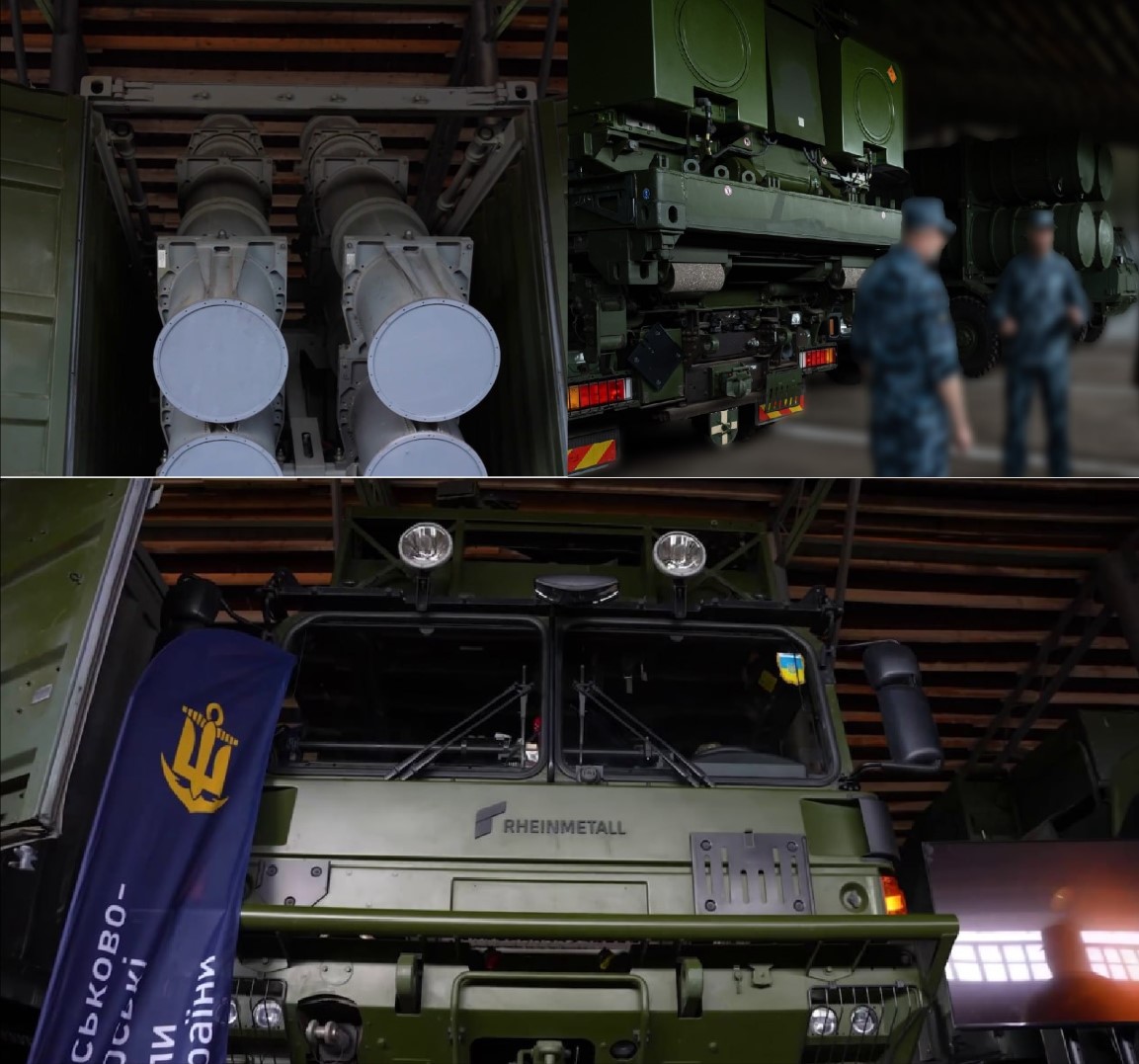 Ukraine Displays Harpoon and NSM Coastal Missile Launchers for First Time During Navy Event in Odesa
World
Odesa, Ukraine — Ukraine has publicly displayed its Harpoon, Naval Strike Missile (NSM), RBS-15, and domestically produced Neptune coastal missile systems during President Volodymyr Zelenskyy's working visit to Odesa Oblast, providing the first official visual confirmation of several Western-supplied launchers in Ukrainian service. The missile systems appeared in official photos and video released following Zelenskyy's coordination meeting with the command of the Ukrainian Navy on July 4. During the meeting, Zelenskyy and senior Navy commanders discussed regional security, protection against Russian missile and drone attacks, maritime threats in the Black Sea, and Ukraine's long-range strike capabilities. Harpoon Coastal Launcher Displayed Publicly Ukraine publicly revealed its land-based Harpoon coastal defense launcher for the first time. The footage shows a containerized launcher configuration with four transport-launch canisters mounted inside a standard shipping container on a truck chassis. The United States and Denmark announced the transfer of Harpoon anti-ship missiles to Ukraine in the spring of 2022, and the system entered operational service later that year. However, the launcher configuration had not previously been shown publicly. The Harpoon, developed by Boeing, continues to receive upgrades. In 2025, Boeing completed testing of the Harpoon Block II Update, designed to extend the missile's service life and improve its operational capabilities. NSM Makes First Official Appearance The official footage also showed the Naval Strike Missile (NSM) coastal defense launcher for the first time. Developed by Norway's Kongsberg Defence & Aerospace, the NSM had been the subject of media reports since 2022, but Ukrainian authorities had not officially confirmed receiving or operating the system before its appearance during the Odesa visit. The launcher shown in the footage is painted solid green and mounted on a truck equipped with a multilift hook-loading system. This differs from the camouflaged Jelcz truck chassis used by the Polish Navy, which operates the only other NSM Coastal Defense System in Europe. Ukrainian officials have not confirmed which country supplied the system. The NSM is a precision-guided subsonic cruise missile with a reported range of 200 to 300 kilometers. It uses an inertial navigation system with GPS updates and an imaging infrared seeker to engage both naval and land targets. RBS-15 and Neptune Also Shown The display also included the RBS-15 coastal anti-ship missile system, marking its first public appearance in Ukrainian service. The launcher identified in the footage is mounted on a Sisu SK242 truck chassis previously used by the Finnish Navy. Earlier this year, the Ukrainian Navy confirmed that the RBS-15 was used during an April 2026 strike against the Russian Syvash offshore drilling platform, marking the missile system's combat debut. Launchers for Ukraine's domestically developed Neptune anti-ship missile were also displayed. The Neptune has a reported range of 280 kilometers and remains part of Ukraine's coastal defense force. Diverse Coastal Defense Arsenal The public display confirms that the Ukrainian Navy is operating a range of coastal anti-ship missile systems, including the Harpoon, NSM, RBS-15, and Neptune. The systems include both Western-supplied and domestically developed weapons used for coastal defense operations in the Black Sea region. Ukrainian authorities did not disclose the number of launchers or missiles in service. However, the official footage provided the first public view of several coastal missile launchers that had not previously been shown by Ukraine. Source: militarnyi
Read More → Posted on 2026-07-05 11:22:55
World
Kyiv — Ukraine's Main Directorate of Intelligence (GUR) says its Unmanned Systems Department carried out a drone strike on Belbek Airfield near Sevastopol in occupied Crimea during the night of June 25–26, 2026. According to the agency, the operation destroyed a MiG-29 fighter jet and a ground support vehicle that was servicing the aircraft at the time. The GUR released video footage of the strike and estimated the damage at tens of millions of dollars. The reported losses have not been independently verified, and Russia has not publicly commented on the incident. Aircraft Reportedly Originated From Ukraine's Pre-2014 Fleet While the GUR identified the destroyed aircraft as a Russian MiG-29, information from historical records indicates the fighter was originally part of the Ukrainian Air Force before Russia's annexation of Crimea in 2014. The aircraft was identified as a MiG-29 Izdeliye 9-13 that had served with Ukraine's 204th Tactical Aviation Brigade, which was based in Crimea before the peninsula came under Russian control. According to available information, the fighter was among several aircraft seized by Russian forces after the annexation. The aircraft, along with three L-39 trainer aircraft, was never returned to Ukraine. Reports indicate the MiG-29 had remained grounded for approximately 12 years. At the time it was seized in 2014, the aircraft had reportedly been on Quick Reaction Alert duty and was still armed with two R-27ER1 air-to-air missiles. Some reports have suggested that many of the Ukrainian drone operators involved in today's Unmanned Systems Forces were children when Crimea was annexed in 2014 and therefore may not have known the aircraft had originally belonged to Ukraine's own air force. Belbek Remains a Key Russian Air Base Belbek Airfield is one of Russia's main military aviation bases in Crimea. It is home to the 38th Fighter Aviation Regiment, which primarily operates Su-27SM and Su-27SM3 fighter aircraft. Since late 2023, the base has also hosted MiG-31 interceptor aircraft. Located about 300 kilometers (186 miles) from Ukraine's mainland coast, the airfield has repeatedly been targeted by Ukrainian long-range drone and missile strikes despite Russian efforts to strengthen its defenses through hardened aircraft shelters and camouflage. The MiG-29, known by NATO as the Fulcrum, is a Soviet-designed twin-engine fighter that remains in Russian service for air defense and patrol missions. BREAKING: Due to a strategic mistake, the Ukrainian Unmanned Systems Forces targeted and destroyed the MiG-29s of the Ukrainian Air Force's 204th Tactical Aviation Brigade at Belbek AB, Crimea. These MiG-29s alongside three L-39s had been seized by Russians after take-over of… pic.twitter.com/k617GsEXW4 — Babak Taghvaee - The Crisis Watch (@BabakTaghvaee1) July 4, 2026 Part of a Continuing Campaign Against Military Targets in Crimea The latest strike is part of Ukraine's continuing campaign targeting Russian military infrastructure across occupied Crimea. Previous reported attacks on Belbek include: December 17–18, 2025: Ukraine's Security Service (SBU) said it destroyed a weapons-loaded MiG-31, two Nebo-SVU early-warning radars, a 92N6 radar, and a Pantsir-S2 air defense system. Ukraine estimated the damage at around $300 million, although the figures were not independently verified. December 19–20, 2025: The SBU reported another strike on Belbek that damaged two Su-27 fighters and destroyed one aircraft that was fully armed while positioned on a taxiway before a planned combat sortie. Other Operations Across Crimea Belbek is one of several military sites targeted by Ukrainian forces in Crimea. In December 2025, the GUR reported striking a MiG-29 at Kacha Airfield together with an Irtysh radar complex near Simferopol. However, independent aviation analysts questioned that claim, noting that Kacha has historically operated helicopters and amphibious aircraft rather than MiG-29 fighters. Some analysts suggested the aircraft may have been a decoy placed to attract attacks, although this has not been confirmed. Unlike Kacha, Belbek has long served as an operational fighter base, although the exact extent of damage from the June 2026 strike has not been independently verified. Continued Pressure on Russian Military Infrastructure Ukraine has continued targeting military facilities across Crimea throughout 2026. Satellite imagery released in early July showed damage to six of seven hardened aircraft shelters at Saky Airfield. Ukrainian strikes have also targeted bridges linking Crimea with mainland Russia and fuel infrastructure, contributing to reported fuel supply disruptions on the peninsula. Russian forces have responded by conducting military exercises that simulated a possible Ukrainian amphibious landing in Crimea. However, many military analysts consider a large-scale amphibious assault unlikely because of the significant personnel, equipment, and logistical support such an operation would require. The latest operation at Belbek reflects Ukraine's continuing effort to target aircraft, radar systems, air defense assets, and support infrastructure at Russian military bases in Crimea. Ukrainian officials say these operations are intended to reduce Russia's ability to conduct air operations from the peninsula, while independent verification of specific battlefield damage remains limited. Source: defence-blog / pravda
Read More → Posted on 2026-07-05 11:42:18
India
CANBERRA — Australia is set to conclude two major international agreements this week as Prime Minister Anthony Albanese advances the country's strategic and economic engagement across the Indo-Pacific. The agreements include a new security pact with Fiji and the finalization of a commercial uranium export arrangement with India. The initiatives are expected to strengthen Australia's regional security partnerships while expanding cooperation in the energy sector with one of its key Indo-Pacific partners. Australia and Fiji to Sign 'Vuvale Union' Security Pact Prime Minister Albanese is scheduled to travel to Fiji on Monday for talks with Fijian Prime Minister Sitiveni Rabuka, where the two leaders are expected to formally sign the Vuvale Union security agreement. The treaty builds on the bilateral partnership launched in 2019 and follows a preliminary framework agreed by both countries in May 2026. Australian officials have described the agreement as one of the most comprehensive security arrangements between the two nations and comparable in scope to Australia's recently implemented mutual defence treaty with Papua New Guinea. The Vuvale Union is designed to expand cooperation across several areas, including regional security, economic resilience and people-to-people ties. Under the agreement, Australia and Fiji will work together on addressing transnational organised crime, strengthening cybersecurity, improving policing cooperation, enhancing maritime interdiction capabilities, and protecting critical infrastructure. The pact also includes cooperation in health, trade, labour mobility and economic security. The agreement supports Fiji's "Ocean of Peace" vision, promoted by Prime Minister Rabuka and endorsed by Pacific leaders in 2025, which seeks to strengthen regional stability through Pacific-led partnerships and cooperation. Australia has also expanded defence and policing partnerships in recent years with several Pacific neighbours, including Tuvalu, Nauru and Indonesia, as part of its broader engagement across the region. Australia and India to Finalize Uranium Export Deal Later this week, Albanese is expected to return to Melbourne to host Indian Prime Minister Narendra Modi, where both leaders are expected to finalize an agreement allowing the commercial export of Australian uranium to India. Although Australia and India signed a civil nuclear cooperation agreement in 2014, commercial uranium exports have been delayed for years because of technical safeguards related to nuclear non-proliferation. Officials from both countries have now reportedly resolved the remaining technical issues, clearing the way for exports to begin. The agreement will allow Australian uranium producers to supply fuel for India's civilian nuclear power programme under strict safeguards ensuring the material is used only for peaceful energy generation. India is expanding its civilian nuclear energy capacity to help meet growing electricity demand while reducing carbon emissions. The country is also seeking to diversify its nuclear fuel supply, making Australia—home to some of the world's largest known uranium reserves—a significant long-term supplier. Indian officials have also expressed interest in securing reliable uranium supplies as part of broader economic and defence cooperation between the two countries. Strengthening Australia's Indo-Pacific Strategy The two agreements reflect Australia's broader strategy of strengthening partnerships across the Indo-Pacific through both security cooperation and economic engagement. The Vuvale Union is expected to deepen Australia's long-term relationship with Fiji by enhancing cooperation on security, law enforcement, infrastructure and regional stability. At the same time, the uranium export agreement with India is expected to expand bilateral energy cooperation while supporting India's civilian nuclear power programme under agreed international safeguards. Prime Minister Albanese's meetings with Prime Minister Rabuka and Prime Minister Narendra Modi this week are expected to mark important steps in advancing Australia's regional partnerships and foreign policy priorities across the Pacific and Asia. Source: bloomberg
Read More → Posted on 2026-07-05 12:06:55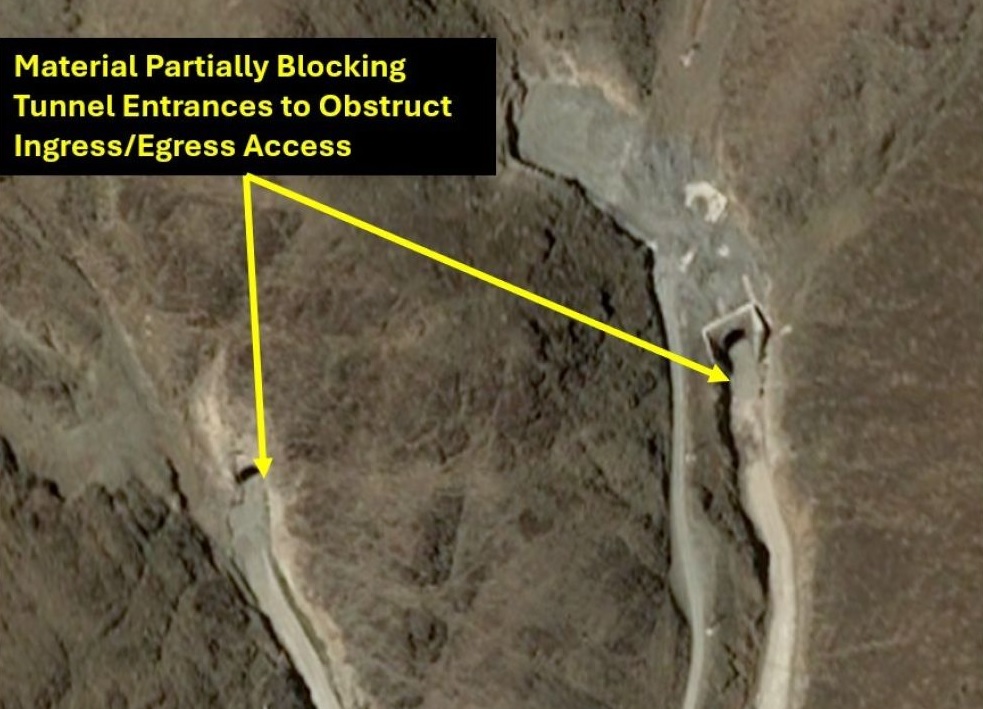
World
WASHINGTON — New satellite imagery indicates that construction activity has resumed at Iran's underground Pickaxe Mountain tunnel complex near the Natanz nuclear facility, while no major repair work has been observed at the country's main nuclear sites damaged during U.S. and Israeli strikes last year, according to a report by the Washington-based Institute for Science and International Security (ISIS). The latest imagery, provided by Vantor Tech in late June and analyzed by the institute, shows vehicles and construction crews working to reinforce tunnel entrances at the site, also known as Kuh-e Kolang Gaz La, located about one mile south of the main Natanz nuclear facility. According to the institute, the ongoing work appears inconsistent with the terms of the June 17 U.S.-Iran memorandum of understanding (MOU), which requires Iran to maintain the status quo of its nuclear program and refrain from construction at nuclear-related sites while negotiations continue. Recent satellite imagery from late June 2026, of the Natanz Nuclear Complex and the nearby Pickaxe Mountain facility, Fordow, and Esfahan, were provided to the Institute by @vantortech. At Natanz, little activity can be seen. The access points to the below ground enrichment… pic.twitter.com/on6isIGhNA — Inst for Science (@TheGoodISIS) July 2, 2026 No Major Repairs at Natanz, Fordo or Isfahan Despite the renewed activity at Pickaxe Mountain, the report found no evidence that Iran has started major repairs at the country's three principal nuclear facilities—Natanz, Fordo and Isfahan—which sustained heavy damage during the June 2025 conflict involving the United States and Israel. At Natanz, underground uranium enrichment halls remain inaccessible. Satellite images show damaged tunnel entrances, destroyed electrical infrastructure and cooling systems that have not yet been repaired. The report also found no significant reconstruction work at the Fordo uranium enrichment plant or the Isfahan Nuclear Technology Center. Tunnel entrances at both sites remain sealed with earth, indicating that large-scale restoration has not yet begun. Activity Continues at Pickaxe Mountain The Pickaxe Mountain complex has been under construction since at least 2020 and is built deep inside a granite mountain near Natanz. The International Atomic Energy Agency (IAEA) has never been granted access to the site, and its exact purpose has not been officially confirmed. ISIS analysts, including senior fellow Spencer Faragasso, assess that the underground complex is large enough to potentially house a new uranium enrichment facility, although no independent verification has confirmed that assessment. Satellite imagery indicates that construction activity has continued since the April ceasefire that halted the U.S.-Israeli conflict with Iran. Recent images show workers reinforcing tunnel entrances, while some portals have been partially filled with dirt to restrict vehicle access. A smaller internal tunnel complex has also been completely sealed. The institute said the contents of the sealed tunnels remain unknown, noting they could potentially contain equipment or material relocated from other nuclear facilities, although there is no public confirmation of what is stored inside. Most of the Pickaxe Mountain complex does not appear to be operational, according to the analysis. Defensive Measures at Fordo The report also noted that Iran has introduced additional defensive measures at the Fordo facility. Satellite images taken in May show earthen and rocky barriers constructed near blocked tunnel entrances. Defense analysts believe these obstacles are intended to make potential ground operations against the site more difficult. According to the IAEA's previous assessments, most of Iran's approximately 440-kilogram stockpile of uranium enriched to 60% is believed to be stored at the Isfahan facility, with smaller quantities located at Natanz and Fordo. Missile Infrastructure Also Being Restored Alongside activity at nuclear-related sites, Iran has continued rebuilding parts of its underground missile infrastructure damaged during the 2025 conflict. According to previous defense assessments cited in the report, Iran has restored access to 50 of 69 tunnel entrances across 18 underground missile facilities since the April ceasefire. Damaged access roads have also been repaired to restore logistical movement. Peace Talks Continue The latest satellite findings come as the United States and Iran continue negotiations under the June 2026 memorandum of understanding aimed at reducing regional tensions and maintaining the current status of Iran's nuclear program. Israel is not a party to the agreement and has publicly criticized the diplomatic framework, arguing that it does not provide sufficient guarantees regarding the permanent dismantling of Iran's nuclear program. The Institute for Science and International Security said continued satellite monitoring remains an important tool for assessing developments at Iran's nuclear facilities, particularly at locations where international inspectors have not been granted access. Source: timesofisrael / isis
Read More → Posted on 2026-07-05 12:23:30
World
CAIRO — Egypt has officially inaugurated its new State Strategic Command Headquarters, known as "The Octagon," in the country's New Administrative Capital, with President Abdel Fattah el-Sisi leading the opening ceremony on Saturday. The ceremony was attended by senior military and civilian officials, including Defense Minister Lieutenant General Ashraf Salem Zaher and Chief of Staff Ahmed Khalifa. Wearing a military uniform, President Sisi signed the official charter and raised the Armed Forces flag to formally commission the new headquarters. The inauguration also featured an 11-gun salute, a motorcycle procession, and aerial demonstrations by the Egyptian Air Force. Defense Headquarters Compared With the Pentagon Egyptian officials describe The Octagon as the world's largest defense headquarters complex. According to official figures, the facility covers 22,000 acres with a total floor area of approximately 50.5 million square feet, making it substantially larger than the United States Pentagon, which occupies about 583 acres with approximately 6.5 million square feet of floor space. Feature The Octagon (Egypt) The Pentagon (United States) Land Area 22,000 acres 583 acres Floor Area 50.5 million sq ft 6.5 million sq ft Staff Capacity Significantly larger capacity across 13 integrated strategic and logistical zones Approximately 23,000 employees Located east of Cairo in the New Administrative Capital, the complex serves as the central headquarters for Egypt's Ministry of Defense and the country's strategic military command. Egypt UNVEILS WORLD’S LARGEST DEFENSE HQTHE OCTAGON bigger than the US PENTAGONPresident Abdel Fattah el-Sisi PERSONALLY inaugurates Strategic Command Center in military uniform pic.twitter.com/N8p0xsivdY — RT (@RT_com) July 4, 2026 Eight-Octagon Design The headquarters derives its name from its architectural layout, which consists of eight interconnected octagonal buildings surrounding two central ministerial structures. The outer buildings represent different branches of the Egyptian Armed Forces and sovereign state institutions, while the two central buildings serve as the main political leadership and strategic command centers. The complex is connected through secure corridors and fortified underground networks designed to support protected movement and uninterrupted operations. The architecture also incorporates Pharaonic-inspired pillars, reflecting elements of ancient Egyptian design. Integrated Strategic Command Center According to Egyptian officials, The Octagon is designed as a centralized strategic command center that coordinates military operations, government ministries, intelligence organizations, and other state institutions during national emergencies. The headquarters includes: Encrypted high-speed fiber-optic communications and secure fifth- and sixth-generation communication technologies. Artificial intelligence and cloud-enabled data systems for real-time operational information management. Independent power generation, water supply, cooling systems, and residential facilities designed to maintain operations during exceptional circumstances. Six specialized operational centers, including a unified strategic data center, a telecommunications network control center, and an emergencies and safety center. According to officials, the integrated design is intended to improve coordination between civilian and military institutions while supporting faster decision-making during security and crisis situations. Part of the New Administrative Capital Project During the inauguration, President Sisi said the new headquarters strengthens the state's ability to manage national challenges and exceptional circumstances while supporting stability. Defense Minister Lieutenant General Ashraf Salem Zaher said the headquarters integrates civilian governance, intelligence, and military command functions under a unified strategic framework to improve coordination on national security matters. The opening of The Octagon is part of Egypt's broader plan to relocate key government institutions and strategic facilities to the New Administrative Capital, a major development project east of Cairo that is intended to serve as the country's new administrative and governmental center.
Read More → Posted on 2026-07-05 13:37:02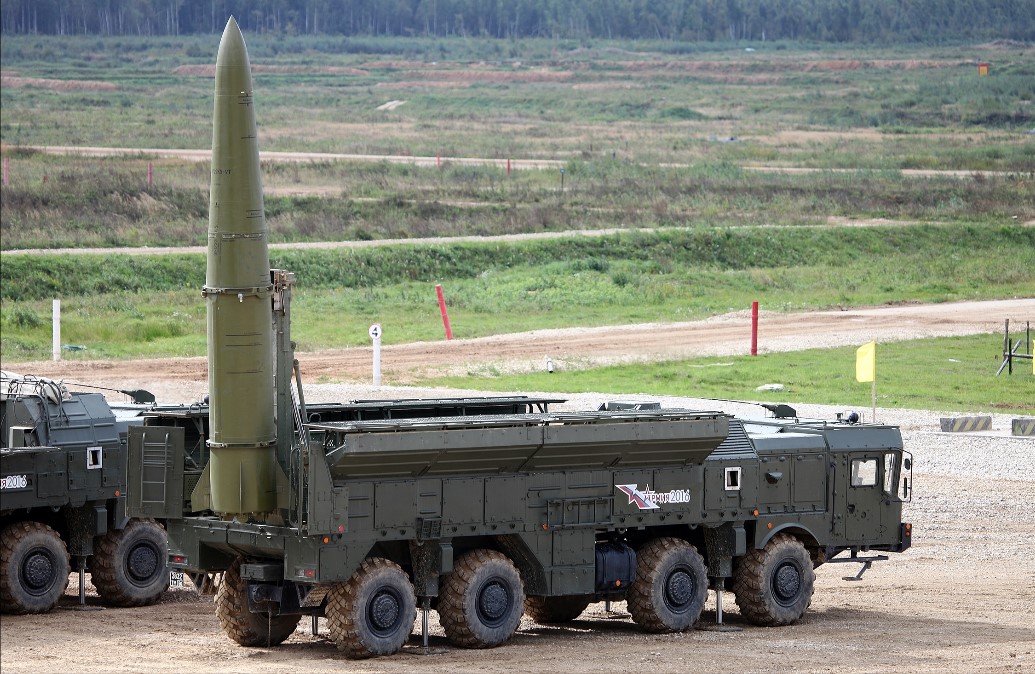
World
Moscow — Russia has equipped the 9M723 short-range ballistic missile used by the Iskander-M missile system with a new autonomous guidance system known as Kometa-M12R-VT, according to the Russian military monitoring Telegram channel "Colonel of the General Staff." The main upgrade is a 12-element multi-channel digital Controlled Reception Pattern Antenna (CRPA) installed in the missile's nose section. According to the report, the antenna receives satellite navigation data during the initial and mid-course stages of flight, improving navigation accuracy and increasing resistance to electronic warfare (EW) interference. Components of the Kometa-M12R-VT 12-element antenna system used on the 9M723 Iskander-M ballistic missile. Photo: Telegram/"Colonel of the General Staff". During the terminal phase of flight, the missile switches to the Kometa-R8 tail guidance system. This unit is fitted with two four-element heat-resistant ARP-4T antenna arrays designed to operate under the high-temperature conditions encountered during the final stage of the missile's flight. The report states that the previous version of the guidance system was designated Kometa-MP12, where "M" stands for "modernized" and "P" refers to "rocket." According to the author of the Telegram post, the new "VT" designation likely indicates a high-temperature or heat-resistant modification. The author also states that effectivealy suppressing the 12-element antenna system within its operating frequency range could require the simultaneous operation of more than 11 high-power electronic warfare systems, although this assessment has not been independently verified. Kometa Guidance Technology Used Across Multiple Weapons The Kometa guidance system is also used on several other Russian precision-guided weapons. In April 2024, reports indicated that Russia began upgrading Unified Planning and Correction Modules (UMPK) used on aerial glide bombs by fitting them with 12-channel Kometa CRPA antennas to improve resistance to Ukrainian electronic warfare. By March 2025, Russia had reportedly equipped domestically assembled Shahed-type kamikaze drones with larger 16-element CRPA antennas. The report also notes that Russian forces had previously used Chinese-made eight-element round CRPA antennas, which were identified in January 2025, as part of efforts to improve navigation performance in electronically contested environments. Ukraine Targets Kometa Production Facilities According to the report, Ukrainian Defense Forces have sought to counter these guidance systems not only by improving their own electronic warfare capabilities but also by targeting facilities involved in their production. One of those facilities is VNIIR-Progress in Cheboksary, located in Russia's Chuvash Republic. The plant manufactures GNSS receivers and antennas that support GLONASS, GPS and Galileo satellite navigation systems used by the Russian military. The report states that on June 10, 2026, Ukrainian forces launched an attack on the facility using FP-5 Flamingo cruise missiles. The continued introduction of Kometa guidance systems on ballistic missiles, glide bombs and drones reflects Russia's ongoing efforts to improve the resistance of its precision-guided weapons to electronic warfare, while Ukraine continues targeting the industrial facilities involved in producing these navigation components. Source: militarnyi
Read More → Posted on 2026-07-05 13:53:40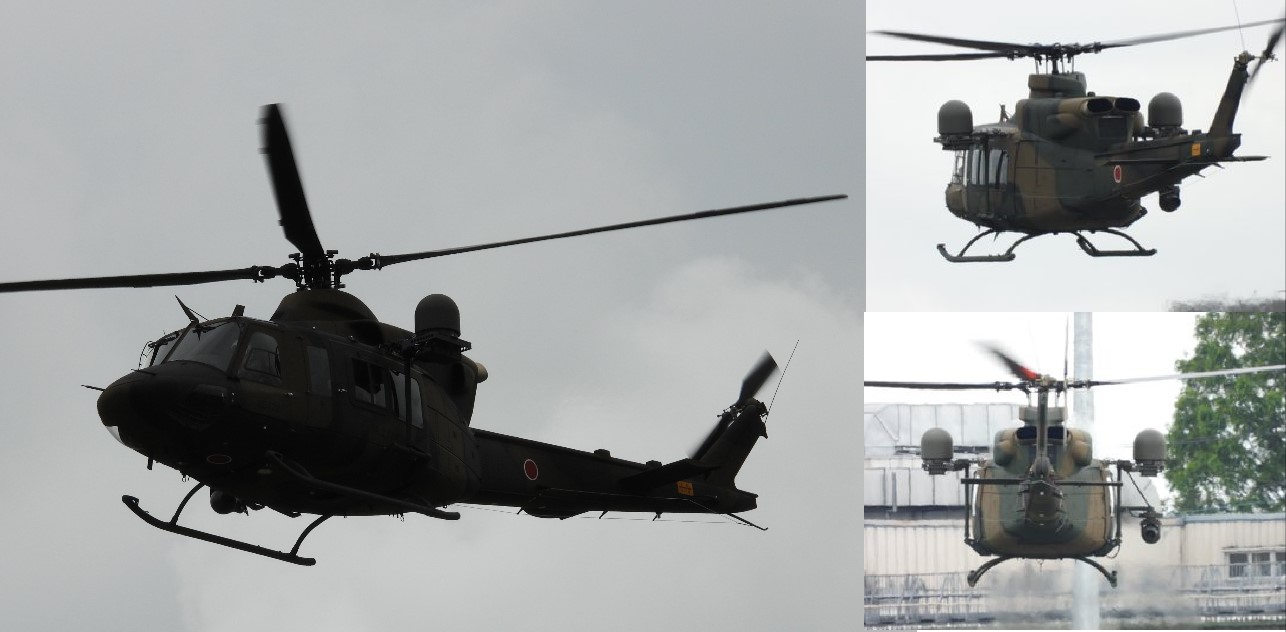
World
TOKYO — A Japan Ground Self-Defense Force (JGSDF) UH-2 utility helicopter has been photographed in flight with a previously unseen roof-mounted antenna configuration, drawing attention from military aviation observers and open-source analysts. The images, shared on the social media platform X by aviation photographer nobita0114, show the helicopter fitted with two large dome-shaped antennas mounted on top of the cabin. The configuration has not previously been seen on publicly photographed UH-2 flights, leading to discussion over the possible purpose of the modification. The exact role of the antenna system has not been confirmed. Aviation observers have suggested two possible explanations based on the aircraft's external appearance, but no official information has been released by Japanese authorities. One assessment is that the paired dome antennas could support a signals intelligence (SIGINT) role. Similar twin-antenna arrangements are used on some military aircraft to detect, locate and triangulate radar or radio transmissions by comparing signals received through antennas mounted at separate positions. Another view, shared within the Japanese aviation community, is that the modification is more likely intended for satellite communications or high-speed data relay rather than intelligence collection. Users posting under the X handles asura0998822 and chageimgur provided additional context after examining the photographs on July 4 and 5, 2026. According to asura0998822, the same UH-2 airframe had been photographed on the ground with the antenna installation in January 2026. The approximately six-month period between the initial ground sighting and the recent flight photographs suggests the equipment underwent an extended testing and certification process before airborne evaluation. chageimgur suggested the antenna domes could be part of a satellite communications and data relay system referred to as HeliSAT. According to the analysis, such a system could improve the transmission of aerial information collected during disaster response operations. The JGSDF currently operates a system known as HeliTele, which uses a stabilized sensor turret mounted beneath helicopters to capture live video over disaster areas. The footage can be transmitted to military commanders and, during major national emergencies, shared with civilian television broadcasters. If the newly observed antenna system is related to satellite communications, it could improve the range and reliability of those data links, although this has not been officially confirmed. The same analysis also noted that as unmanned aerial systems continue to mature, drones could increasingly perform aerial observation missions, allowing helicopters such as the UH-2 and UH-60JA to focus on transport, rescue and other missions requiring crewed aircraft. This remains an opinion expressed by the analyst and has not been announced as JGSDF policy. The UH-2 is the JGSDF's newest utility helicopter and is a military version of the Subaru Bell 412EPX, developed jointly by Subaru Corporation and Bell Textron. The aircraft is intended to replace Japan's aging fleet of UH-1J helicopters, which had an average service age of about 22 years when UH-2 deliveries began in 2022. Compared with the older UH-1J, the UH-2 features a four-blade composite main rotor instead of a two-blade rotor and is powered by twin Pratt & Whitney Canada PT6T-9 engines, providing improved payload capacity and flight performance. The helicopter is designed for utility transport, disaster relief and operations across Japan's mountainous terrain and remote islands. As of now, Japan's Ministry of Defense, the Japan Ground Self-Defense Force, and Subaru Corporation have not issued any official statement explaining the purpose of the newly installed antenna system. Because externally similar antenna housings can support different types of equipment, the function of the modification cannot be confirmed from photographs alone. The helicopter remains under observation by aviation analysts, and the purpose of the new antenna installation is expected to become clearer only if official information is released or additional details emerge during future testing. Source: defence-blog
Read More → Posted on 2026-07-05 15:05:27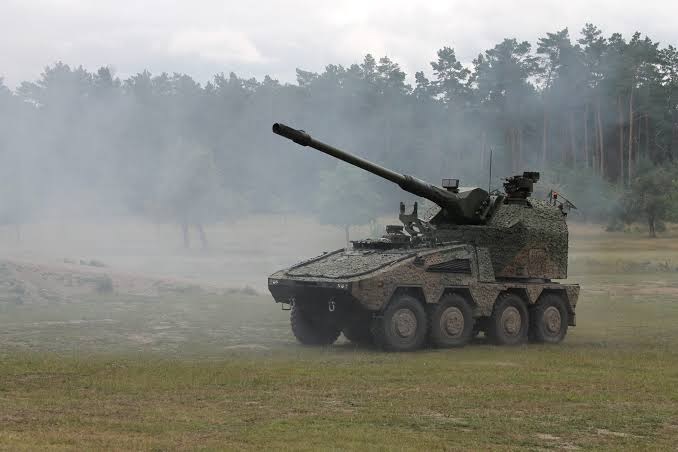
World
Berlin — The German-made RCH 155 self-propelled artillery system has officially achieved "combat proven" status following its operational use in Ukraine, according to Nicholas Drummond, an advisor to defense manufacturer KNDS. Drummond announced the milestone on the social media platform X, confirming that the system has successfully completed combat testing. I’m pleased to announce that two new words can now be used to describe the Boxer RCH155: “combat proven.” pic.twitter.com/isCWBlMjOk — Nicholas Drummond (@nicholadrummond) July 5, 2026 Although Drummond did not disclose where the testing took place, Ukraine is currently the only country operating the RCH 155 in an active conflict. Other customers, including Germany, the United Kingdom, Switzerland and Qatar, have placed orders for the system but are still awaiting deliveries. Ukraine first announced plans to acquire the RCH 155 in September 2022 with an initial order for 18 systems. The order was later expanded to 54 units, and production began in January 2023. While deliveries took longer than originally expected, KNDS used the additional time to introduce improvements based on operational feedback from Ukrainian forces using other Western artillery systems on the battlefield. Following these refinements, Germany officially handed over the first RCH 155 to Ukraine in January 2025, making Ukraine the launch operator of the system. The RCH 155 combines the GTK Boxer 8×8 wheeled armored vehicle with the fully automated Artillery Gun Module (AGM), which uses the same 155mm/L52 gun technology as the German PzH 2000 self-propelled howitzer. The unmanned turret significantly reduces crew requirements, allowing the system to operate with just two personnel—a commander and a driver/operator. The automated module carries 30 fused artillery rounds and 144 modular propellant charges. One of the RCH 155's key features is its ability to fire while moving. According to KNDS, it is the only artillery system currently capable of engaging targets without stopping, allowing crews to conduct rapid "shoot-and-scoot" operations and quickly change position to reduce the risk of counter-battery fire. The vehicle weighs just under 40 tonnes, including the 12.5-ton AGM module, and is powered by an 815-horsepower MTU diesel engine. It can exceed road speeds of 100 km/h, providing high operational mobility. The system can fire up to nine rounds per minute with a standard firing range of around 40 kilometers. Using Very Long Range Artillery Projectiles (V-LAP), its maximum range extends to approximately 54 kilometers. The RCH 155 is also compatible with precision-guided munitions such as VULCANO and EXCALIBUR, enabling more accurate engagement of long-range targets. The howitzer also supports Multiple Round Simultaneous Impact (MRSI), allowing up to five projectiles fired along different trajectories to strike the target at nearly the same time. This capability increases effectiveness against fortified positions and time-sensitive targets. The system's operational experience in Ukraine comes as several European countries move forward with large procurement programs. In late 2025, the German parliament approved a framework agreement for up to 500 RCH 155 systems, including a firm order for 80 units. In May 2026, the United Kingdom signed a contract worth nearly £1 billion to acquire 72 RCH 155 systems to replace older artillery platforms and strengthen the British Army's long-range fire support capabilities. The combat experience gained in Ukraine is expected to provide valuable operational data for KNDS as production continues for international customers. The company has stated that lessons learned from battlefield use have already been incorporated into the system's design, supporting further improvements before additional deliveries begin. Source: X
Read More → Posted on 2026-07-05 15:34:32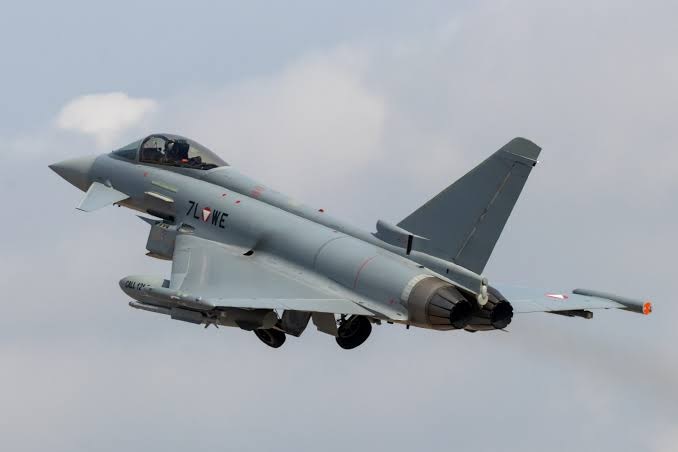
World
LONDON — The Eurofighter Typhoon program is facing a range of production, logistics and competitive challenges as partner nations work to sustain the aircraft while also investing in next-generation fighter programs. Developed through a partnership between the United Kingdom, Germany, Italy and Spain, the Eurofighter was designed to share development costs, manufacturing work and industrial benefits among the four countries. While that approach helped secure long-term political and industrial support, it has also created a complex production and maintenance structure that is becoming more difficult to manage as demand increases. The aircraft's manufacturing and supply chain are spread across the four partner nations. As a result, disruptions such as budget delays, export restrictions or industrial issues in one country can affect production and maintenance across the entire program. Industry observers note that these supply chain constraints have contributed to delays in spare parts availability, affecting fleet readiness for several operators. The program also faces challenges because the Eurofighter fleet consists of multiple production standards. Tranche 1, Tranche 2 and Tranche 3 aircraft differ in avionics, sensor integration and weapons compatibility, creating a mixed fleet that requires different maintenance, software support and upgrade paths. This has increased sustainment costs and made long-term fleet management more complex. Modernization efforts have also progressed at different speeds among partner nations. The United Kingdom's integration of the ECRS Mk2 radar and Germany's specialized Eurofighters equipped with the Saab Arexis electronic warfare system have experienced delays. Analysts attribute these delays primarily to differences in national funding decisions, procurement schedules and changing defense priorities rather than technical limitations. Unlike some newer fighter programs that operate through a unified digital logistics network, Eurofighter support is managed through separate national systems. Defense analysts say this approach increases lifecycle costs and reduces efficiency because maintenance, software management and logistics are coordinated through multiple national frameworks instead of a single integrated system. Despite these challenges, production is expanding to meet new requirements. Germany recently ordered 20 Tranche 5 Eurofighters to strengthen its combat fleet while maintaining domestic production lines. The program has also secured new export business after Türkiye signed an agreement in late 2025 to acquire 20 newly built Eurofighters along with second-hand aircraft. However, experts note that each new operator introduces additional maintenance requirements, software configurations and logistics demands, placing further pressure on an already complex support network. The Eurofighter has also faced increasing competition in the international fighter market from the U.S. F-35. In several recent procurement competitions, countries selected the fifth-generation aircraft over the Typhoon, citing its stealth capabilities and broader future growth potential despite comparable acquisition costs. The shift in procurement priorities is also visible among Eurofighter partner nations. The United Kingdom has decided not to purchase additional Eurofighters and plans to retire older Typhoon aircraft earlier than originally scheduled while expanding its F-35A fleet. Germany has also adjusted its acquisition strategy. Alongside new Eurofighter orders, Berlin has committed to purchasing 35 F-35 aircraft to support its NATO nuclear-sharing mission. Following the end of the Franco-German Future Combat Air System (FCAS) project in June 2026, reports indicate Germany is evaluating the possibility of expanding its F-35 fleet further while continuing to operate upgraded Eurofighters. The aircraft's international profile was also affected by developments in the Middle East. In 2025, the Qatar Emiri Air Force confirmed plans to phase out its fleet of 24 Eurofighters, which had entered service beginning in 2022. Several of those aircraft are expected to be transferred to Türkiye. Attention also focused on the 2024 "Zilzal-II" multinational air exercise held in Qatar, where reports indicated Eurofighters performed below expectations during simulated engagements against Pakistan Air Force-operated Chinese-built J-10CE fighters. Defense analysts note that military exercises are conducted under specific rules of engagement and do not necessarily represent actual combat performance, but the reported results prompted discussion about the Typhoon's competitiveness against modern fighter platforms. Looking ahead, Eurofighter partner nations are increasingly focusing on sixth-generation aircraft development. The United Kingdom, Italy and Japan are jointly developing the Global Combat Air Programme (GCAP), while Germany is exploring the possibility of joining the initiative following the termination of the FCAS project. Analysts say future multinational defense programs could benefit from lessons learned during the Eurofighter program, particularly in areas such as supply chain integration, common logistics systems, upgrade coordination and long-term sustainment planning. The Eurofighter Typhoon remains a key combat aircraft for several European air forces, but the program's experience illustrates the operational and industrial challenges involved in managing a large multinational defense project while adapting to changing military requirements and growing competition from newer fighter platforms. Source: militarywatchmagazine
Read More → Posted on 2026-07-05 15:44:14
World
KYIV — Ukrainian forces launched five FP-5 "Flamingo" cruise missiles during the night of July 4 in an apparent strike targeting the Votkinsk Machine Building Plant in Russia's Udmurtia region, according to open-source monitoring reports and defense analysts. The Votkinsk Machine Building Plant is a state-owned defense facility that manufactures missiles for Russia's Iskander operational-tactical missile system, making it an important part of the country's missile production infrastructure. According to Russian-linked monitoring reports and subsequent open-source analysis, all five cruise missiles were intercepted before reaching the facility. A-50U Airborne Early Warning Aircraft Played Key Role An after-action review published by the OSINT community CyberBoroshno, based on data processed by the OCHI AI system, concluded that the successful interceptions were enabled primarily by the timely deployment of a Russian A-50U airborne early warning and control (AWACS) aircraft rather than by ground-based air defense systems alone. According to the analysis, the Russian Aerospace Forces launched the A-50U at approximately 12:40 a.m. local time. The aircraft reportedly conducted patrols over the Ulyanovsk, Samara and Bashkortostan regions, providing radar coverage across areas where ground-based radar systems have limited visibility. Military analysts note that airborne early warning aircraft are designed to detect low-flying aircraft and cruise missiles over long distances, particularly in areas where rivers, forests and uneven terrain reduce the effectiveness of ground-based radar networks. Missile Flight Path and Interceptions Data reconstructed by the OCHI AI system indicates the FP-5 Flamingo missiles were airborne from approximately 1:10 a.m. until around 3:00 a.m. According to the analysis, the missiles followed a route commonly associated with previous long-range Ukrainian strikes. They initially traveled through a corridor toward the Volgograd region before continuing along the Volga River. The first interceptions reportedly occurred near the Engels-Balakovo area. The remaining missiles continued toward Ulyanovsk before turning through the Chuvashia region, using the surrounding terrain in an apparent effort to reduce the likelihood of radar detection. As the missiles returned toward the Volga River valley near Kazan, Russian fighter aircraft reportedly intercepted additional targets. The final missile, which reached the vicinity of the Votkinsk Machine Building Plant, was reportedly destroyed by a ground-based surface-to-air missile system. OCHI AI Analysis According to CyberBoroshno, the OCHI AI system reconstructed the attack using more than 32,145 open-source reports. After filtering duplicate and inaccurate information, analysts used 688 verified data points to determine the reported missile routes and interception locations. The analysis states that the route through the Volga River corridor and the Chuvashia region has been used previously because the terrain can reduce the effectiveness of ground-based radar coverage. However, analysts noted that repeated use of the same approach may have made the route more predictable for Russian air defense planning. Strategic Assessment The assessment concludes that the July 4 operation highlighted the importance of Russia's airborne early warning capability in defending against long-range cruise missile attacks. The A-50U's radar reportedly enabled Russian forces to detect low-flying missiles over areas where ground radar coverage is less effective, allowing interceptors to engage the targets before they reached their intended destination. The report also notes that airborne early warning aircraft remain an important component of Russia's integrated air defense network for detecting and tracking long-range threats. According to estimates cited by the monitoring group In Factum, the Russian Aerospace Forces currently operate about five combat-ready A-50 and A-50U aircraft. The group estimates that Russia's original fleet consisted of approximately 10 aircraft, with three reportedly destroyed by Ukrainian forces and two others believed to be undergoing long-term maintenance or otherwise non-operational. These estimates have not been independently verified. Neither the Ukrainian government nor the Russian Ministry of Defense has released a detailed official operational account confirming all aspects of the reported missile routes, interception sequence or aircraft deployment. The reported timeline and analysis are based on open-source intelligence assessments published by CyberBoroshno using data from the OCHI AI system.
Read More → Posted on 2026-07-05 16:10:09
World
Brussels — The NATO Communications and Information Agency (NCIA) has awarded a contract to a consortium led by European defense companies Thales and Leonardo to provide a next-generation secure deployable communication and information system for the Allied Special Operations Forces Command (SOFCOM). The contract marks the first phase of a wider NATO program aimed at modernizing communication capabilities for Special Operations Forces and improving the alliance's ability to operate in demanding environments. Following the announcement on Monday, Thales shares rose 1.6% on the Paris stock exchange, while Leonardo gained 3.9% in Milan trading. Six Deployable Headquarters to Receive New Systems Under the agreement, the consortium will deliver equipment and training for six Deployable Points of Presence for Special Operations Component Commands (DPOP SOCC). The deployable headquarters are designed specifically for NATO Special Operations Forces and will provide secure communication and information systems that can be rapidly deployed during operations. Built on classified and resilient networks, the systems are intended to maintain reliable connectivity and support command and control in challenging operational environments. The DPOP SOCC units will also serve as the foundation of NATO's future secure communication and information architecture for special operations missions. New Capabilities for Deployed Forces The systems will include deployable IT infrastructure, resilient communications and high-performance computing capabilities to support operations in the field. According to Thales and Leonardo, the equipment has been designed with a reduced physical and electromagnetic footprint, helping lower its detectability during deployment. One of the main additions is the ability to share Full Motion Video (FMV) in real time between deployable systems. The companies said this is the first time such a capability will be introduced in a NATO deployable communications program. The new communication architecture will also provide a secure multi-domain environment for exchanging mission data while meeting NATO requirements for cybersecurity, interoperability and network resilience. Long-Term Support and Upgrades Thales and Leonardo will manage the systems throughout their operational life, allowing future upgrades as technology and operational requirements evolve. The consortium will also provide training and technical support to help ensure the systems are successfully introduced into service under NCIA's leadership. The project is being delivered through a wider European industrial partnership. While Thales and Leonardo lead the program, it also includes technologies and industrial contributions from the United Kingdom and Germany. Company Executives Welcome the Agreement Alexandre Bottero, Vice President of Networks and Infrastructure Systems at Thales, said the project combines the expertise of both companies to deliver a modular and upgradeable solution for NATO Special Operations Forces. "Thales brings end-to-end expertise in secure information and communication systems, deep knowledge of NATO's reference architecture, and a long track record of delivering projects to the Alliance," Bottero said. "By combining this expertise with Leonardo's capabilities, we are harnessing the best of European industry in a modular, upgradable, and field-proven system." Antonio Levato, Senior Vice President of Air and Land Systems at Leonardo Electronics, said the company's experience in delivering regimental and divisional command post capabilities in Italy supports the development of modular NATO-ready systems based on fixed and expandable shelters. He added that close cooperation with operational users has helped shape the design, combining Leonardo's deployable command post expertise with Thales' experience in NATO secure communications. Strengthening NATO Special Operations The contract forms part of NATO's broader effort to improve secure communications and command capabilities for Special Operations Forces, which often operate in dispersed locations and complex environments. By introducing deployable, secure and interoperable communication systems, the program is expected to improve information sharing, situational awareness and operational coordination across NATO special operations units while providing a platform that can be upgraded as future requirements emerge. Source: thalesgroup
Read More → Posted on 2026-07-06 11:34:00 Ukraine Tests VATAG Heavy Unmanned Ground Vehicle in Rough Terrain, Highlights Autonomous Operations
World
KYIV— Ukrainian robotics company VATAG has released new field-test footage showing its heavy unmanned ground vehicle (H-UGV) operating across rough, plowed terrain, providing one of the clearest demonstrations of the platform's real-world mobility and autonomous capabilities since its public debut in 2025. The video, published on the company's official Facebook page, shows the 8×8 wheeled vehicle traveling over uneven off-road terrain while using onboard optical tracking systems. According to the company, the platform can reach speeds of up to 47 km/h (29 mph), while the newly released footage shows the vehicle operating at speeds of around 42 km/h (26 mph) during testing. The VATAG heavy UGV was first introduced at the Brave1 Defense Tech Valley summit in Kyiv on September 16, 2025. The latest trials demonstrate the system in operational conditions rather than as a static exhibition vehicle, highlighting its ability to transport cargo across terrain where conventional trucks may face significant difficulties or increased risk. Heavy Logistics Platform VATAG is designed primarily as a heavy robotic logistics platform intended to reduce risks to personnel operating in frontline environments. The vehicle is capable of carrying more than 2,000 kilograms (4,410 pounds) of cargo, including ammunition, equipment, supplies, or wounded personnel. The platform features armor protection for its hull and chassis designed to withstand shrapnel and mine threats. Its hybrid propulsion system combines fuel-efficient operation with a near-silent electric drive mode, allowing the vehicle to operate with a reduced acoustic signature during missions. In addition to transportation, the hybrid power system enables the vehicle to function as a mobile power source capable of recharging frontline communications and electronic equipment. Modular Combat Configuration Although developed primarily for logistics, the VATAG platform also serves as the basis for armed variants using the same 8×8 chassis and control architecture. This approach allows different mission configurations without requiring separate vehicle designs or operator training systems. The combat version is equipped with a proprietary remote-controlled weapon station (RCWS). The standard configuration mounts a 25mm automatic cannon, comparable to the M242 Bushmaster, while the universal weapon module can also be configured with: A cannon of up to 30mm A 40mm Mk19 automatic grenade launcher A 12.7mm heavy machine gun Anti-tank guided missile (ATGM) systems For surveillance and engagement, the vehicle uses a multispectral optical targeting system capable of automatic target detection and tracking, supported by fire planning and fire-control algorithms. Autonomous Navigation in GPS-Denied Environments Autonomous operation is a central feature of the VATAG platform. Since satellite navigation can be disrupted by electronic warfare, the vehicle is designed to operate in GPS-denied environments. Using machine vision, lidar, and onboard sensor arrays, the vehicle can independently navigate routes, detect and avoid obstacles, and maneuver without continuous operator input. The system also supports convoy mode, allowing multiple VATAG vehicles to operate in a follow-the-leader configuration to transport supplies with minimal human supervision. To improve reliability during electronic warfare, the platform uses redundant multi-channel communications that can automatically switch frequencies if interference or jamming is detected. Civilian Applications Beyond defense use, VATAG has also demonstrated the platform's commercial potential. Earlier this year, the company displayed a civilian transport version at the Ukrainian Pavilion during CES 2026 in Las Vegas. The civilian configuration is intended for industries including mining, forestry, and emergency response, where autonomous cargo transport across difficult terrain can reduce risks to human operators. The project reflects a broader trend among Ukrainian defense technology companies to adapt battlefield-developed robotic systems for commercial applications while continuing to expand unmanned capabilities for military logistics and support missions. The newly released field-test footage provides further evidence of the VATAG platform's operational performance, demonstrating its mobility, autonomous navigation, and modular design in realistic off-road conditions.
Read More → Posted on 2026-07-06 11:49:06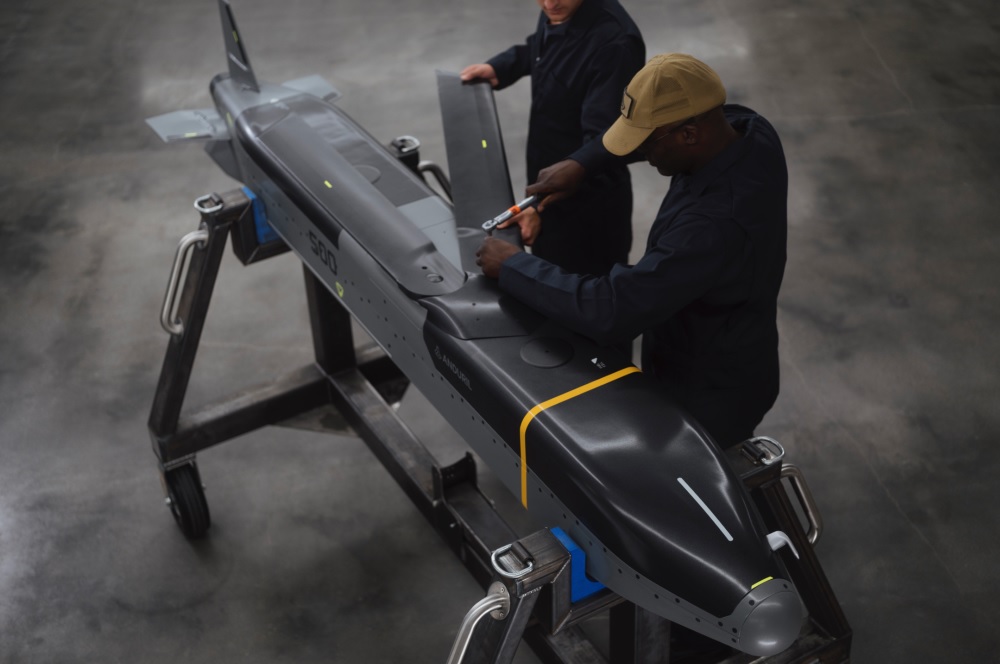
World
BYDGOSZCZ, Poland — Poland has taken another step toward expanding its domestic missile production capabilities after Polska Grupa Zbrojeniowa (PGZ) signed an agreement with U.S. defense technology company Anduril Industries to manufacture the Barracuda cruise missile at Military Aviation Works No. 2 (WZL Nr. 2) in Bydgoszcz. The agreement was signed on Monday in the presence of Prime Minister Donald Tusk and Deputy Prime Minister and Minister of National Defence Władysław Kosiniak-Kamysz. It builds on a memorandum of understanding signed by PGZ and Anduril in October 2025, under which the two companies agreed to cooperate on autonomous air systems and prepare for the production of the Barracuda missile in Poland. According to Poland's Ministry of National Defence, the new agreement will enable PGZ companies to carry out the assembly, production and operational support of the Barracuda cruise missile. The partners also plan to develop a Polish version of the missile in a later stage of the program using components supplied by companies within the PGZ group. The production program marks a significant change for WZL Nr. 2, a facility that has traditionally specialized in the maintenance, repair and overhaul of military aircraft and helicopters, including Soviet-designed platforms operated by the Polish Armed Forces. The transition to cruise missile manufacturing will require new production equipment, workforce training and updated quality assurance processes as the plant expands into advanced weapons production. Introduced by Anduril in 2024, the Barracuda family of autonomous cruise missiles was designed to support affordable, high-volume manufacturing. The company says the missiles use a simplified design that allows faster production while reducing manufacturing costs compared with conventional cruise missiles. The Barracuda-500, the largest version in the family, carries a warhead weighing more than 45 kilograms and has a range exceeding 926 kilometers (575 miles). Approximately 70 percent of the missile is made from commercially available off-the-shelf components, and Anduril says it can be assembled in around 30 hours using only 10 common hand tools. The company estimates the design reduces production costs by about 30 percent while cutting manufacturing time by around 50 percent compared with similar cruise missiles. The Barracuda family includes the 100, 250 and 500 variants, which share more than 90 percent of their components. This common design allows different variants to be produced on the same assembly lines by the same workforce, simplifying manufacturing and logistics. The missile is designed for launch from a wide range of platforms, including F-16, F-35, F-15 and F/A-18 fighter aircraft, bombers and helicopters. It can also be deployed from C-130 and C-17 transport aircraft using the Rapid Dragon palletized launch system. For ground operations, the missile can be fired from standard 20-foot shipping containers capable of carrying up to 16 missiles, with launch operations integrated through Anduril's Lattice software. Speaking during the signing ceremony, Prime Minister Donald Tusk said Poland is well prepared to strengthen defense cooperation with the United States and other NATO allies. He said the partnership demonstrates mutual trust and reinforces the long-term Polish-American alliance while supporting efforts to improve the defense capabilities of Poland, Europe and the North Atlantic Alliance. Defence Minister Władysław Kosiniak-Kamysz said the agreement strengthens Poland's growing defense industry and confirmed that the rotation of U.S. troops in Poland will resume after a temporary pause. He said the process would continue over the coming weeks following confirmation from U.S. Deputy Ambassador to Poland Stephanie Holmes and the U.S. military attaché. The Barracuda program forms part of Poland's wider defense modernization strategy. The country plans to spend 5 percent of its gross domestic product on defense by 2030, one of the highest targets within NATO. Alongside investments in systems such as HIMARS, F-35 fighter aircraft, South Korean tanks and artillery, and the domestically developed Borsuk infantry fighting vehicle, Warsaw is also seeking to expand its own defense manufacturing capabilities. The program also reflects a broader effort by NATO countries to increase missile production capacity. In May 2026, the U.S. Department of Defense signed a framework agreement with Anduril under the Low-Cost Containerized Missiles program for the delivery of at least 3,000 surface-launched Barracuda-500M missiles over three years, with the first deliveries expected in the first half of 2027. With production set to begin at WZL Nr. 2, Poland is expanding its role in the manufacture of advanced precision weapons while strengthening cooperation with the United States and supporting the long-term development of its domestic defense industry. Source: xyz.pl
Read More → Posted on 2026-07-06 11:58:58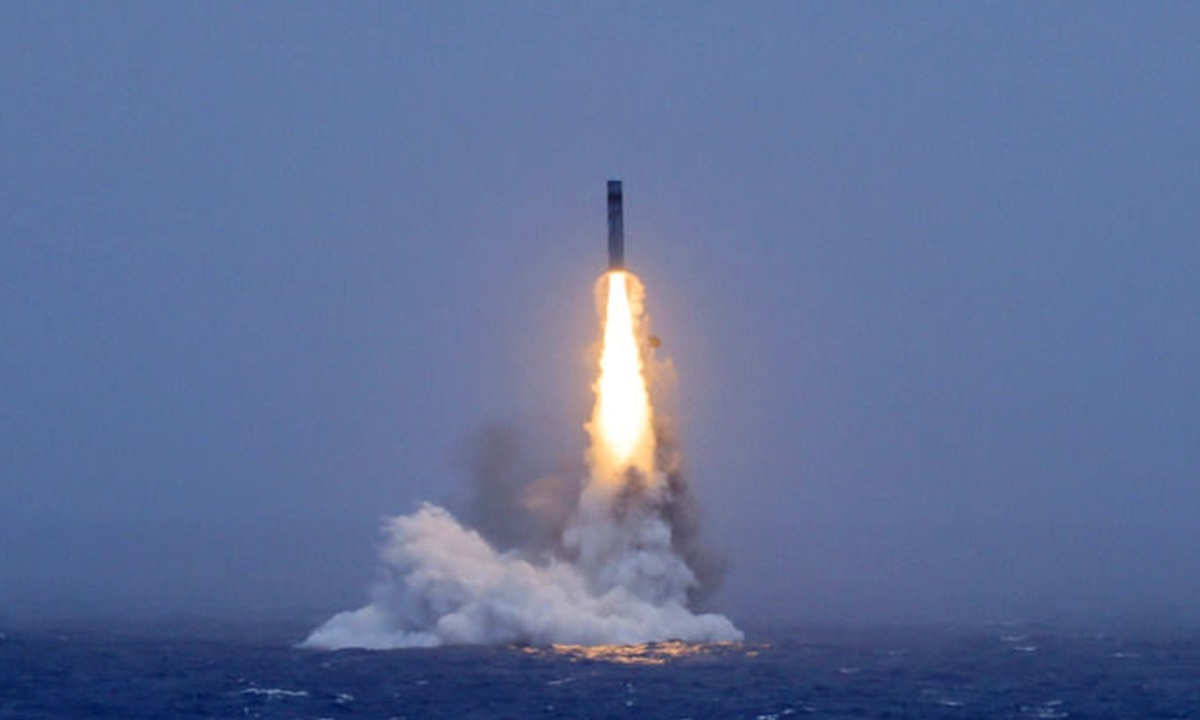
World
Beijing — China has conducted its first publicly acknowledged submarine-launched ballistic missile (SLBM) test into the Pacific Ocean, marking a significant step in the operational development of the sea-based component of its nuclear deterrent. According to Reuters, the launch was carried out on July 6 at 12:01 p.m. (0401 GMT) using a nuclear-powered ballistic missile submarine (SSBN). The missile carried a non-nuclear dummy warhead and struck a designated impact area in international waters after China provided advance notification to relevant regional governments. China said the launch was part of routine military training and did not involve a nuclear payload. The test follows China's September 2024 launch of a land-based intercontinental ballistic missile (ICBM), when a DF-31-class missile traveled approximately 11,000 kilometers from Hainan to an impact area near French Polynesia. Together, the two long-range missile launches demonstrate China's continued efforts to strengthen different elements of its strategic deterrent. Focus on Sea-Based Operational Readiness The July 2026 launch primarily assessed the operational procedures required for a sea-based strategic deterrent rather than testing a nuclear warhead. A submarine-launched ballistic missile operation requires coordination across multiple stages, including secure transmission and authentication of launch orders, precise underwater navigation, missile launch procedures, and long-range flight tracking. Successfully completing the exercise demonstrated China's ability to conduct an end-to-end submarine-launched ballistic missile operation under realistic conditions. Ballistic missile submarines play an important role in nuclear deterrence because they can remain concealed at sea, providing a potential retaliatory capability even if land-based missile forces are attacked. Type 094 Submarines Form the Core of China's Sea-Based Deterrent China's current sea-based nuclear force is built around six operational Type 094 Jin-class nuclear-powered ballistic missile submarines. International defense analysts and the U.S. government have identified the Type 094 fleet as China's first credible sea-based nuclear deterrent. Each submarine is assessed to carry JL-2 or the newer JL-3 submarine-launched ballistic missiles. China is also developing the next-generation Type 096 ballistic missile submarine, which is expected to feature improved stealth characteristics, longer patrol endurance, and the ability to carry future multiple independently targetable reentry vehicle (MIRV)-capable submarine-launched missiles. The introduction of the JL-3 missile has expanded the operational flexibility of China's submarine fleet. With a reported range exceeding 10,000 kilometers, the missile allows submarines to remain in waters closer to China while still being capable of reaching distant targets. Earlier generations of Chinese submarine-launched ballistic missiles required submarines to patrol much farther into the Pacific Ocean, increasing their exposure to anti-submarine warfare (ASW) networks operated by countries including the United States, Japan, and Australia. The longer-range JL-3 reduces that requirement by allowing launches from protected waters closer to China's coastline. This supports what defense analysts commonly describe as a "bastion" strategy, in which ballistic missile submarines operate within protected patrol areas covered by surface warships, maritime patrol aircraft, underwater sensor networks, and land-based air defense systems. Regional Reactions The missile launch occurred on the same day Australian Prime Minister Anthony Albanese and Fijian Prime Minister Sitiveni Rabuka signed the Ocean of Peace Alliance in Suva, a mutual defense agreement aimed at strengthening security cooperation between Australia and Fiji. Several regional governments responded to China's missile test. Australia described the launch as destabilizing and expressed concern about China's expanding military capabilities and limited transparency surrounding its strategic modernization. New Zealand noted that the missile's impact area was located within the South Pacific Nuclear Free Zone established under the 1986 Treaty of Rarotonga. Japan also expressed concern over China's growing strategic military activities and warned against ballistic missile operations that could affect regional security. Although China notified several governments before the launch, helping reduce the risk of misunderstandings during the exercise, the test nevertheless generated political concern across the Pacific region. Part of China's Broader Nuclear Modernization China continues to maintain its official No First Use nuclear policy, under which it states it will not be the first to use nuclear weapons in a conflict. At the same time, the country is modernizing all three components of its nuclear forces. China was estimated to possess more than 600 operational nuclear warheads in 2024, with projections indicating the stockpile could exceed 1,000 warheads by 2030. Its modernization program includes expanded solid-fuel intercontinental ballistic missile silo fields, additional road-mobile missile units, theatre nuclear-capable delivery systems, and enhanced missile warning capabilities supported by TJS/Huoyan-1 infrared satellites and large phased-array radar systems. Following a series of land-based ICBM launches conducted during 2024, the July 2026 submarine-launched ballistic missile test adds an important maritime element to China's strategic readiness exercises. The launch demonstrates China's continued efforts to improve the operational capability of its sea-based nuclear force while expanding the survivability and flexibility of its overall nuclear deterrent through land, sea, and air-based delivery systems. Source: Reuters
Read More → Posted on 2026-07-06 12:16:57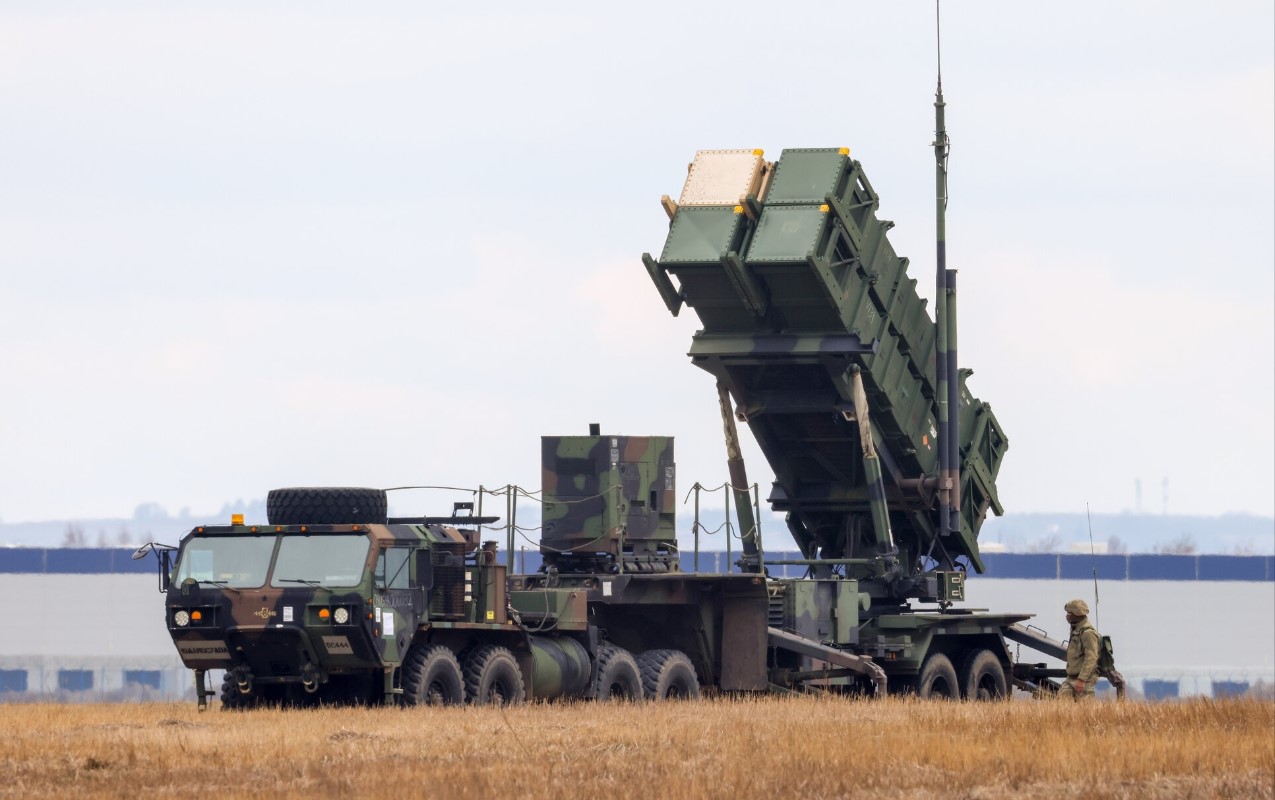 Ukraine Unable to Intercept Russian Ballistic Missiles During Massive Attack Due to Patriot Shortage
World
KYIV — During the night of July 6, beginning at 6:00 p.m. local time on July 5, Ukraine's air defenses were unable to intercept any Russian ballistic missiles during a large-scale Russian missile and drone attack due to a shortage of Patriot interceptor missiles for its Patriot air defense systems, according to the Ukrainian Air Force report. Russia launched a total of 419 aerial weapons during the coordinated overnight attack, with Kyiv as the primary target. The strike was one of the largest combined attacks reported in recent months. Ukrainian authorities said the attack killed at least 11 people and injured approximately 60 others. According to the Ukrainian Air Force, Russian forces launched 351 attack drones and 68 missiles from multiple directions, including Russia's Bryansk, Kursk, Oryol, and Vologda regions, the city of Novorossiysk, and Russian-occupied parts of Ukraine's Donetsk region. The drone wave included Shahed/Geran attack drones along with Gerbera, Italmas, and Parodiya decoy drones. The missile salvo consisted of 33 Kh-101 cruise missiles, 23 Iskander-M ballistic missiles and S-400 surface-to-air missiles used in a ground-attack role, six 3M22 Zircon/Onyx anti-ship missiles, and six Kalibr cruise missiles. Despite the scale of the attack, Ukrainian air defense units, supported by electronic warfare systems, intercepted or neutralized 363 incoming aerial targets, including 326 drones and 37 missiles. The Air Force reported that it destroyed 31 of the 33 Kh-101 cruise missiles and all six Kalibr cruise missiles, demonstrating a high interception rate against cruise missile threats. However, none of the ballistic missiles or anti-ship missiles were intercepted. As of the morning of July 6, officials confirmed that 29 ballistic and anti-ship missiles, along with 18 drones, had struck 34 locations across Ukraine. Air Force spokesperson Yurii Ihnat said the inability to intercept the ballistic missiles was caused by a shortage of Patriot interceptor missiles. He explained that ballistic missiles travel at much higher speeds and follow trajectories that require advanced air defense systems such as the U.S.-made Patriot to intercept. According to Ihnat, Russia has increasingly relied on ballistic missiles to exploit this gap in Ukraine's air defense network. He added that while Ukrainian forces achieved an almost 100% interception rate against cruise missiles, the shortage of Patriot interceptors significantly reduced their ability to counter ballistic missile attacks. Ihnat also noted that the shortage of Patriot interceptor missiles is not limited to Ukraine, describing it as part of a broader global supply challenge. The impact of the attack was felt most heavily in Kyiv, where residential buildings in the Podilskyi and Darnytskyi districts were damaged by missile strikes. In the capital's suburb of Vyshneve, emergency services evacuated around 600 residents because of the risk posed by unexploded ordnance. The shortage of Patriot interceptors has prompted renewed efforts by Ukraine to secure additional air defense ammunition from its international partners. Defence Minister Mykhailo Fedorov said Ukraine has already signed, and continues to sign, contracts for additional Patriot interceptor missiles. However, he said deliveries under those agreements are not expected to begin until next year. To address the immediate shortage, Ukraine has appealed to partner countries to urgently transfer Patriot interceptor missiles from their existing military stockpiles. Under the proposal, Ukraine would later replenish those countries' inventories using interceptor missiles delivered through its future procurement contracts. The overnight attack highlighted the continuing challenge posed by ballistic missile threats despite Ukraine's high interception rate against cruise missiles and drones. Ukrainian officials continue to emphasize the need for additional Patriot interceptor missiles to strengthen the country's ability to defend major cities and critical infrastructure against future ballistic missile attacks. Source: militarnyi
Read More → Posted on 2026-07-06 12:31:44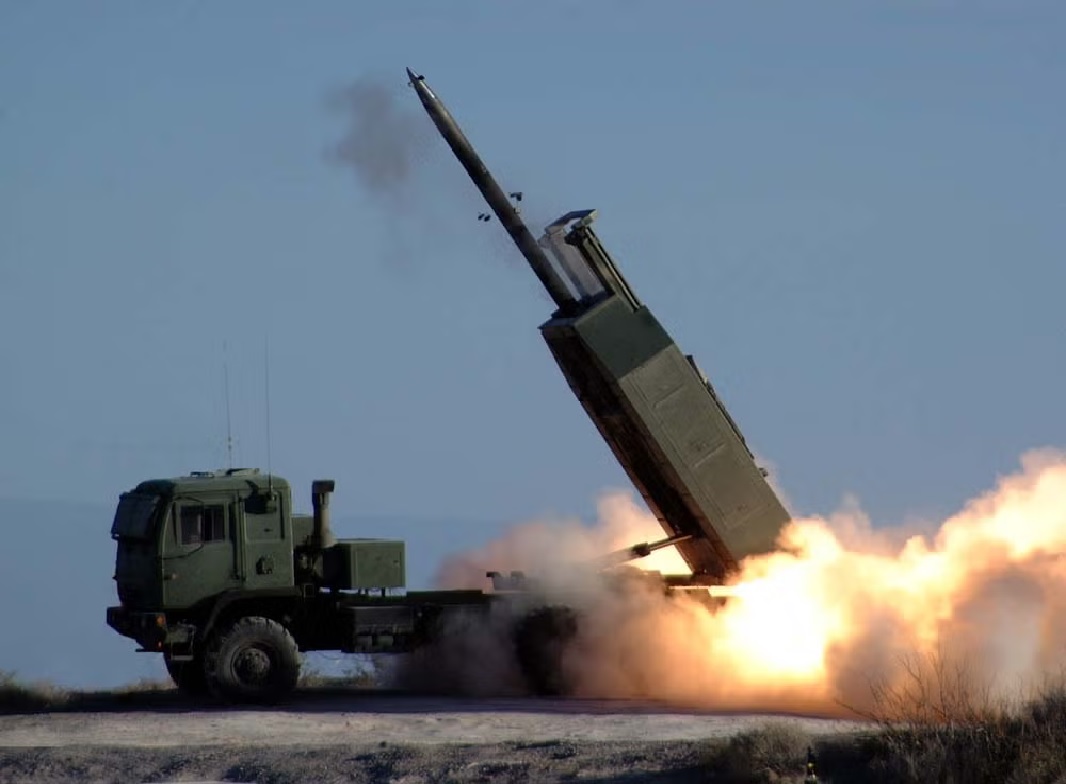
World
LONDON — The UK Ministry of Defence has announced plans to invest £190 million in the Precision Strike Missile (PrSM) programme as part of its 2026 Defence Investment Plan, providing the British Army with a new short-range ballistic missile capability and significantly expanding its long-range precision strike capacity. The investment will see the UK join the Precision Strike Missile programme alongside the United States and Australia. Developed by Lockheed Martin, the PrSM is intended to strengthen the British Army's ability to conduct precision strikes at greater distances and forms part of a broader effort to modernise the Army's long-range firepower. The missile procurement is included in the Defence Investment Plan's weapons and munitions programme, alongside other projects designed to increase stockpiles and provide the Armed Forces with a balanced mix of advanced and lower-cost strike capabilities. The 2026 Defence Investment Plan outlines £298 billion in defence funding over the next four years to implement the 2025 Strategic Defence Review. The plan is backed by an additional £15 billion in spending over the period and is intended to improve the Armed Forces' warfighting readiness while supporting the UK's long-term defence modernisation goals. PrSM to Expand British Army's Strike Range According to the Ministry of Defence, the Precision Strike Missile investment is expected to triple the British Army's ground-based strike range compared with existing capabilities. The PrSM is a next-generation surface-to-surface ballistic missile developed by Lockheed Martin. It is designed to replace older missile systems and will provide the British Army with a modern long-range precision strike capability as part of future land operations. The investment is included within an £11.1 billion allocation for munitions and weapons over the next four years. The Ministry of Defence said the funding will replenish stockpiles while creating a "high-low" mix of capabilities, combining advanced weapons with lower-cost systems to engage a wide range of targets more efficiently. Wider Investment in Land Warfare The Defence Investment Plan outlines a broader transformation of the British Army's land capabilities. Between 2030 and 2035, the Ministry of Defence plans to invest at least £36 billion in new land-domain capabilities. The funding will support long-range precision fires, autonomous systems, distributed surveillance, digital connectivity and networked military operations. The plan states that future land forces will expand long-range sense-and-fires systems by integrating rockets, missiles and drones to improve the Army's ability to conduct operations in the deep battlespace. Other major strike programmes included in the investment plan are: £1.4 billion for the Stratus missile programme. £770 million for the Deep Precision Strike programme in partnership with Germany. Funding for low-cost cruise missiles and one-way effectors, including the DART 250 drone, which is designed to strike infrastructure at significantly greater distances than current UK land-based rocket systems. Project ASGARD and Digital Targeting The Precision Strike Missile is also expected to become part of the Army's evolving digital targeting architecture through Project ASGARD, the British Army's digital targeting initiative. The programme is designed to combine surveillance systems, sensors, artificial intelligence, communications networks and precision weapons to reduce the time needed to identify, decide upon and engage targets. According to the Ministry of Defence, Project ASGARD aims to shorten the targeting process from hours to minutes by improving the speed at which battlefield information is shared and acted upon. Earlier this year, a prototype of ASGARD's Dismounted Data System (DDS) was tested during NATO Exercise Hedgehog in Estonia. The trial enabled tactical units to share targeting information and coordinate strikes more rapidly through digital networks. Project ASGARD will eventually become part of the Ministry of Defence's Digital Targeting Web, a programme backed by more than £1 billion and expected to be fully delivered by 2027. The network will integrate cyber, space and conventional surveillance capabilities with joint firepower across the British Army, Royal Navy and Royal Air Force. International Cooperation The UK's participation in the Precision Strike Missile programme strengthens defence cooperation with the United States and Australia in long-range ground-launched strike capabilities. The Ministry of Defence said the investment supports closer interoperability with allied forces while enhancing the British Army's future precision strike capability. Wider Defence Modernisation The Defence Investment Plan also includes major investments across other parts of the UK's armed forces. Key allocations include: £64 billion for the UK's nuclear enterprise, including the Dreadnought submarine programme, SSN-AUKUS submarines and a new sovereign nuclear warhead. £26 billion for upgrades to naval bases at Faslane, Portsmouth and Devonport. £5 billion for drone warfare and autonomous systems across all military services. The Ministry of Defence is also introducing a new defence offsets framework alongside its "Backing British" procurement strategy. Under the policy, overseas defence purchases are expected to generate industrial benefits for the UK. Officials estimate the four-year investment programme could support nearly 60,000 additional UK jobs by 2030. Overall, the £190 million investment in the Precision Strike Missile programme represents one element of the UK's wider defence modernisation strategy. Alongside new digital targeting systems, expanded long-range firepower and increased investment in munitions production, the programme is intended to strengthen the British Army's future precision strike capability while improving interoperability with key allies. Source: defence-industry
Read More → Posted on 2026-07-06 12:51:00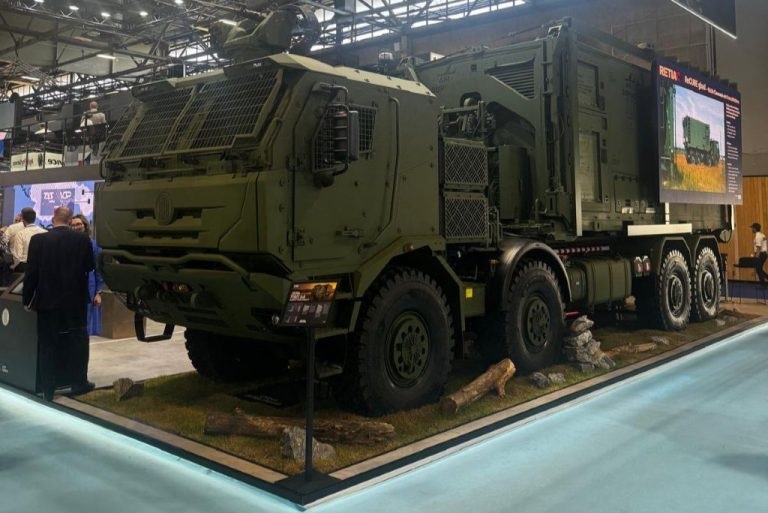
World
PRAGUE, Czech Republic — Israeli defense technology company Axon Vision has successfully integrated its AI-powered EDGE ClearSky system with RETIA's radar and the TSG command-and-control (C2) system, demonstrating a unified multi-sensor capability for detecting and tracking drone threats during trials in the Czech Republic. The demonstration brought together thermal imaging, artificial intelligence, radar detection, and command-and-control technologies into a single operational network. The integrated system is designed to provide operators with a unified real-time view of aerial threats instead of requiring them to monitor separate sensor displays. EDGE ClearSky is part of Axon Vision's EDGE AI family of computer vision and situational awareness solutions for defense and security applications. The system uses thermal sensing and onboard AI-powered real-time image processing to rapidly detect and identify aerial threats from armored platforms or fixed positions. By combining its visual intelligence with RETIA's radar data and the TSG command-and-control platform, the system creates a single operational picture for drone detection and tracking. The integration was demonstrated under open-field conditions designed to simulate operational environments. During the activity, the connected systems exchanged information in real time while operators evaluated the integrated setup against representative drone scenarios, including initial detection, continuous tracking, and dynamically moving targets. According to the companies, the integrated system operated in sync throughout the testing and maintained stable performance during the evaluation. The demonstration also highlighted the operational benefits of combining radar with electro-optical sensing for counter-unmanned aerial system (C-UAS) missions, where relying on a single sensor type may leave gaps in coverage. The demonstration reflects the growing demand for interoperable defense architectures capable of integrating data from multiple third-party sensors into a common operational picture. Such multi-sensor approaches are increasingly being adopted as military and security forces face a wider range of low-altitude drone threats, including first-person view (FPV) drones that have become more common in modern conflicts. Neri Zin, CEO of Axon Vision, said drone threats continue to present new operational challenges that require faster detection, improved situational awareness, and the ability to combine multiple sensing capabilities into a single operational picture. "The successful integration in the Czech Republic demonstrates the flexibility of our EDGE ClearSky system and its ability to work seamlessly with radar and command-and-control systems. Together with RETIA and TSG, we were able to show how multi-sensor fusion can enhance counter-drone capabilities," Zin said. The Czech demonstration also marks another step in Axon Vision's efforts to expand the integration of its AI-powered visual intelligence technology with third-party radar and command-and-control systems. Earlier in 2026, the company completed operational evaluations of EDGE ClearSky with a leading defense force, where the system was assessed against first-person view drone threats targeting maneuvering forces. Those evaluations demonstrated the system's ability to detect, track, and support AI-assisted analysis of drone flight paths, contributing to an automated detect-to-intercept process when connected with onboard weapon systems. The latest trials further strengthen cooperation between Axon Vision, Czech defense company RETIA, and TSG. The companies said they will continue developing layered, multi-sensor counter-drone solutions designed to improve situational awareness and support defense and security missions as drone threats continue to evolve. Source: edrmagazine
Read More → Posted on 2026-07-06 13:25:15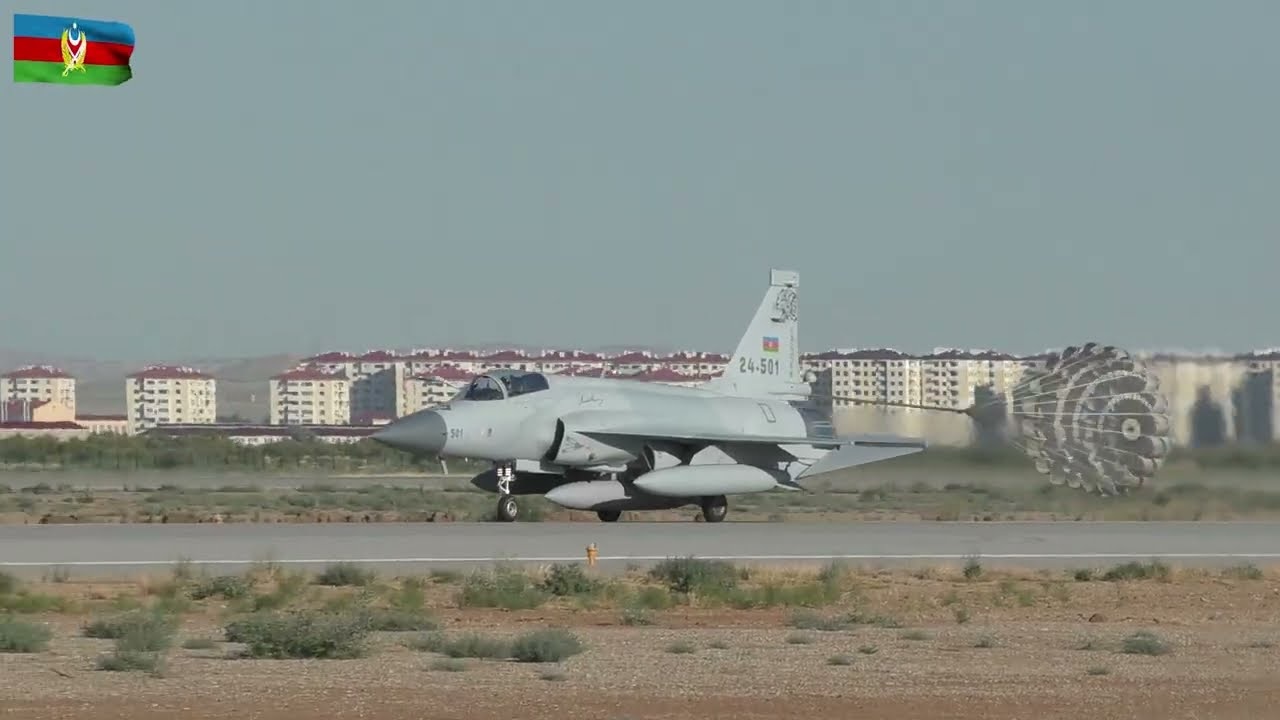
World
BAKU, Azerbaijan — Azerbaijan has deployed its newly inducted JF-17 Block III multirole fighter aircraft to Türkiye for the first overseas exercise involving the country's new fighter fleet. The aircraft are taking part in the multinational "Guardians of the Skies" air exercise alongside Azerbaijani Su-25 ground attack aircraft, marking an important step in the operational integration of the country's latest combat jets. The deployment was confirmed by Azerbaijan's Ministry of Defence (MoD) on July 6, which also released video footage showing the JF-17 Block III fighters in active service. The aircraft shown in the footage were two single-seat JF-17C Block III fighters carrying tactical numbers 24-501 and 24-502. They were seen taking off with three external fuel tanks and without carrying weapons. Analysis of the footage indicates the aircraft were operating from Nasosnaya Air Base, which has recently undergone infrastructure improvements, including the construction of 16 new aircraft shelters. The video also showed additional JF-17 fighters parked nearby, along with Su-25 attack aircraft that are normally based at Kyurdamir Air Base. 🇦🇿 Azerbaijan Deploys JF-17 Block III Fighters to Türkiye for First Overseas ExerciseAzerbaijan has officially deployed its JF-17 Block III multirole fighter jets, alongside Su-25 ground attack aircraft, to Türkiye to participate in the "Guardians of the Skies" air exercise.… pic.twitter.com/ppIhBwqSTY — Global Defense Insight (@Defense_Talks) July 6, 2026 The pilots' flight patches identified the aircraft as the JF-17C Block III variant. The fighters were painted in a two-tone grey camouflage scheme and carried Azerbaijan's standard national markings. Visible external features included an in-flight refuelling probe and a zigzag lightning bolt painted below the cockpit. The aircraft also displayed a "Jaguar" emblem and the word "Jaguar" in Latin script on their vertical tails, identifying the newly established squadron operating the fighters. The accompanying Su-25 aircraft carried a wolf graphic on their noses, representing the Su-25 Squadron. According to the Ministry of Defence, the "Guardians of the Skies" exercise began with medical examinations for flight crews, followed by safety briefings and technical inspections of the participating aircraft before flight operations commenced. The flying programme includes the JF-17C Block III, Su-25ML, Su-25, and L-39 training aircraft. During the exercise, pilots are conducting individual and formation flights, coordinated air operations, simulated combat missions, tactical manoeuvres, target identification and engagement, and missions designed to improve combat readiness and decision-making under different weather and tactical conditions. The deployment represents the first international operational activity for Azerbaijan's JF-17 Block III fleet since the aircraft entered service. The fighters were first publicly displayed during Azerbaijan's Victory Day parade in November 2025, with training continuing as part of the country's air force modernization programme. Azerbaijan became the fourth operator of the JF-17 Thunder after Pakistan, Myanmar, and Nigeria. The country signed a contract for up to 40 JF-17 Block III fighters in a deal reportedly valued at approximately $4.6 billion, with deliveries beginning in late 2025. The JF-17 Thunder is jointly developed by the Pakistan Aeronautical Complex (PAC) and China's Chengdu Aircraft Corporation (CAC). The Block III variant is the most advanced version of the aircraft and features an Active Electronically Scanned Array (AESA) radar, upgraded avionics, an advanced infrared missile warning system, and other capability improvements over earlier variants. For Azerbaijan, the Block III is currently the most advanced combat aircraft in its inventory and forms a key part of the country's ongoing air force modernization efforts. The exercise also reflects expanding defence cooperation between Azerbaijan, Türkiye, and Pakistan. Joint training provides participating air forces with an opportunity to improve interoperability, evaluate new equipment in multinational operations, and strengthen coordination during combined missions. As Azerbaijan continues to integrate the JF-17 Block III into operational service, the deployment to Türkiye marks the aircraft's first international exercise and an important milestone in the development of the country's modern fighter capability. Source: azernews
Read More → Posted on 2026-07-06 13:36:10 Russia's Kalashnikov Develops New Hemostatic Bandage That Stops Arterial Bleeding in Under 3 Minutes
Science
MOSCOW — Russian defence manufacturer Kalashnikov Concern has developed a new kaolin-based hemostatic bandage designed to stop severe arterial bleeding within two to three minutes. According to the company, the product achieved a 91% success rate during medical testing, making it one of the highest-performing hemostatic products currently available on the Russian market. The new medical products include kaolin-based Z-fold hemostatic gauze and QuikMed field dressing kits. They were recently presented at the Second All-Russian Scientific Conference of the People's Experimental Design Bureau, held at the Skolkovo Technopark in Moscow, where they attracted interest from medical professionals working in trauma and emergency care. Designed for Rapid Bleeding Control The new bandage is intended for use in situations where rapid control of severe bleeding is critical, including battlefield injuries, emergency response, accidents, and trauma care. Uncontrolled bleeding remains one of the leading causes of preventable death after serious injuries, making fast hemostasis an important part of emergency treatment. The dressing uses kaolin, a naturally occurring white clay, as its active ingredient. When the kaolin-impregnated gauze comes into contact with blood, it activates clotting Factor XII, helping the body's natural clotting process begin quickly. The material also absorbs water from the blood, concentrating clotting factors directly at the wound site. This helps form a stable clot and control bleeding, including from major arteries, without affecting the body's overall blood-clotting system. Safety Features According to the developers, the kaolin-based composition is non-toxic and does not produce heat during use, unlike some earlier chemical hemostatic agents that could generate exothermic reactions and increase the risk of tissue burns. The dressing also maintains the wound's natural pH level. Medical testing highlighted several additional features of the product. Besides stopping bleeding within two to three minutes, the dressing was reported to reduce the likelihood of recurrent bleeding during the first 30 minutes after application. Researchers also observed lower levels of localized inflammation, which may help reduce complications once patients receive hospital treatment. The Z-fold gauze can remain safely inside a wound for more than 24 hours if necessary. It also contains a radiopaque thread, allowing surgeons to detect and remove any remaining gauze during treatment using X-ray imaging. Current Use Kalashnikov Concern is already supplying the QuikMed field dressing kits and kaolin-based hemostatic gauze to Russian uniformed agencies for inclusion in standard first-aid kits. In addition to field and emergency applications, the company said the products are seeing increasing use in hospitals. Clinical reports indicate that the dressing has also been effective in controlling bleeding during gynecological surgeries, expanding its use beyond military and emergency medicine. The development reflects ongoing efforts to improve trauma care by providing medical personnel with faster and more effective tools to manage life-threatening bleeding in both military and civilian healthcare settings. Source: kalashnikovgroup
Read More → Posted on 2026-07-06 13:44:28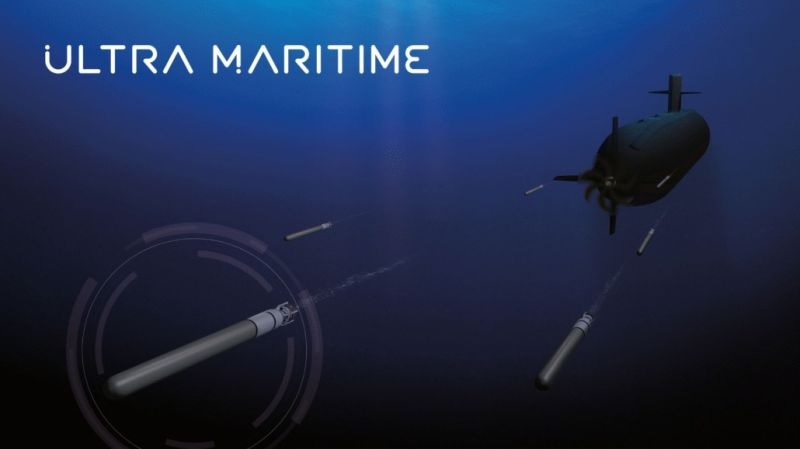
World
BETHESDA, Md. — Lockheed Martin has signed a definitive agreement to acquire Ultra Maritime from private equity firm Advent International in a transaction valued at $3.45 billion, marking a significant expansion of the company's undersea warfare and anti-submarine warfare (ASW) capabilities. The acquisition will bring Ultra Maritime into Lockheed Martin's Rotary and Mission Systems business area once the transaction receives regulatory approvals and meets customary closing conditions. Ultra Maritime is a defense company specializing in advanced technologies for naval forces. Its products are used by the navies of the United States, the United Kingdom, Canada, and Australia, and include sonobuoys, towed sonar arrays, hull-mounted sonar systems, torpedo defense systems, radar solutions, and autonomous maritime sensing platforms designed to detect and counter underwater threats. Strengthening Maritime Defense Portfolio Lockheed Martin said the acquisition will strengthen its portfolio of undersea and anti-submarine warfare technologies by combining Ultra Maritime's specialized capabilities with its existing defense systems. The company plans to use Ultra Maritime's international presence and exportable ASW products to expand its offerings for current and next-generation naval platforms. The combination is expected to provide customers with a broader range of sonar and maritime sensing solutions. Stephanie C. Hill, president of Lockheed Martin Rotary and Mission Systems, said the acquisition reinforces the company's commitment to supporting the United States and allied nations with advanced undersea defense technologies. "Undersea superiority belongs to those who move fastest and work together best," Hill said. "By joining forces with Ultra Maritime, we're accelerating our commitment to deliver the most advanced undersea and anti-submarine warfare capabilities to our U.S. and allied partners across the globe." The agreement comes as many countries continue to invest in naval modernization and underwater defense capabilities, with increased focus on anti-submarine warfare and maritime security. Ultra Maritime's Growth Under Advent The transaction also marks the exit of Advent International after several years of investment in the business. Advent acquired British aerospace company Cobham in 2019 and later purchased Ultra Electronics in 2022. The businesses were combined to form the Cobham Ultra group, with Ultra Maritime becoming a key part of the maritime defense portfolio. According to Advent, Ultra Maritime underwent operational improvements, expanded manufacturing capacity, and advanced the development of autonomous maritime technologies during its ownership. Shonnel Malani, managing partner at Advent International and chairman of the board at Ultra Electronics, said the company has made significant progress since 2022. "When we invested in Ultra Maritime in 2022, we saw a business with mission-critical technology and a vital role in protecting allied nations from undersea threats, but one that had been underinvested and was not yet fully delivering for its customers," Malani said. "Over the past four years, we have changed that. Ultra Maritime is now a stronger, more innovative partner to allied navies, with improved execution, greater industrial capacity, and next-generation autonomous solutions that position it well for future warfare." Advent also said Ultra Maritime's revenue is expected to reach approximately $784 million in 2026, compared with $494 million in 2023, reflecting growth during its ownership. Transaction Details The $3.45 billion acquisition represents approximately 2.7% of Lockheed Martin's market capitalization, which is currently about $126 billion. The agreement follows a competitive sale process in which Lockheed Martin emerged as the leading bidder. Citi is serving as financial advisor for the transaction, while Hogan Lovells and Cadwalader are acting as legal counsel. The acquisition remains subject to regulatory approvals and customary closing conditions before it is completed. Once finalized, Ultra Maritime will be integrated into Lockheed Martin's Rotary and Mission Systems business, expanding the company's capabilities in undersea warfare and providing a broader range of solutions for allied naval customers. Source: lockheedmartin
Read More → Posted on 2026-07-06 13:54:14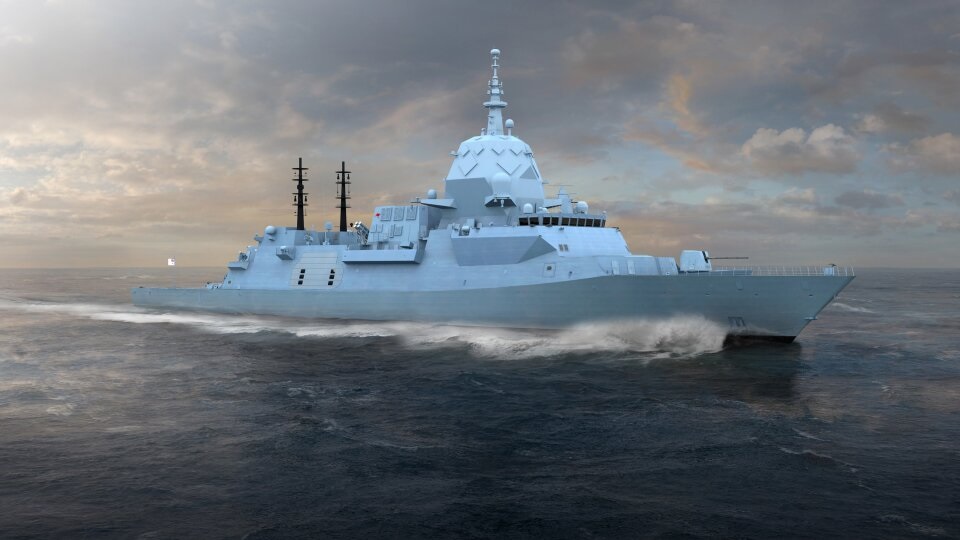 Rohde & Schwarz Australia Completes Key Design Review for Hunter Class Frigate Communications System
World
SYDNEY – Rohde & Schwarz Australia and BAE Systems Maritime Australia (BAESMA) have successfully completed the Preliminary Design Review (PDR) for the NAVICS Integrated Communications System (ICS) being developed for the Royal Australian Navy’s Hunter Class Frigate Program, marking an important milestone in the project's progress. The Preliminary Design Review confirms that the communications system design has reached a level of maturity where program requirements have been allocated to individual sub-systems and the overall system architecture has been established. The review also verified the design of internal and external interfaces that will enable the communications system to operate across the frigates. Rohde & Schwarz Australia and BAE Systems Maritime Australia are jointly delivering a multi-domain suite of internal and external communications for the first three Hunter class frigates. At the center of this capability is the NAVICS Integrated Communications System, which will act as the primary communications management system for the ships. NAVICS is designed to provide integrated and reliable communications while securely processing classified information within a multi-level security environment. The system supports coordination between onboard communications equipment and external communication networks, helping ensure secure information exchange during naval operations. Paul Chisholm, Head of Programs (Navy) at Rohde & Schwarz Australia, said the design package received positive feedback during the review process. "I’m proud to say the design deliverables were very well received, and good discussions were held with BAESMA and the Commonwealth on design direction for the next phase," Chisholm said. He added that completing the Preliminary Design Review reflects the company's commitment to meeting program requirements through close cooperation with BAE Systems Maritime Australia and successful integration planning. The next major milestone for the communications system will be the Critical Design Review (CDR), which is scheduled to take place during the second and fourth quarters of 2026. To support engineering, design and manufacturing activities for the Integrated Communications System, Rohde & Schwarz Australia has already doubled its workforce. The company expects additional recruitment as work on the Hunter Class Frigate Program continues. The program's industrial base has also expanded through additional supply contracts. Australian companies including STS Defence will supply configurable communication masts, while Sitep Australia will provide advanced UHF military satellite communications (UHF-MILSATCOM) antenna technology for the fleet. Gareth Evans, Managing Director of Rohde & Schwarz Australia, said the successful review reflected the long-standing partnership between Rohde & Schwarz Australia, BAE Systems Maritime Australia and the Australian Commonwealth. "This is an important step in the delivery of our Integrated Communications System for the Hunter Class Frigate Program," Evans said. "The working relationship between Rohde & Schwarz, BAESMA, and the Commonwealth has been extremely positive as we work together to achieve our common objectives for the Royal Australian Navy." The Hunter Class Frigate Program is one of Australia's largest naval modernization projects. It will deliver six advanced anti-submarine warfare frigates for the Royal Australian Navy based on the Type 26 Global Combat Ship design, adapted to meet Australian operational requirements. The vessels are being constructed by BAE Systems Maritime Australia at the Osborne Naval Shipyard in South Australia. David Shepherd, Managing Director of BAE Systems Maritime Australia, said the program extends beyond delivering new warships by supporting Australia's long-term naval shipbuilding capability. "Hunter is not only about delivering a Tier 1 warship optimised for Anti-Submarine Warfare to the Royal Australian Navy – it is also about regenerating Australia's sovereign shipbuilding capability," Shepherd said. He added that collaboration with suppliers, including Rohde & Schwarz Australia, plays an important role in supporting Australia's continuous naval shipbuilding and sustainment program. The Hunter class frigates are expected to begin entering service from 2032, providing the Royal Australian Navy with enhanced anti-submarine warfare capabilities while strengthening Australia's domestic defence industry and industrial workforce. Source: rohde-schwarz
Read More → Posted on 2026-07-06 14:35:35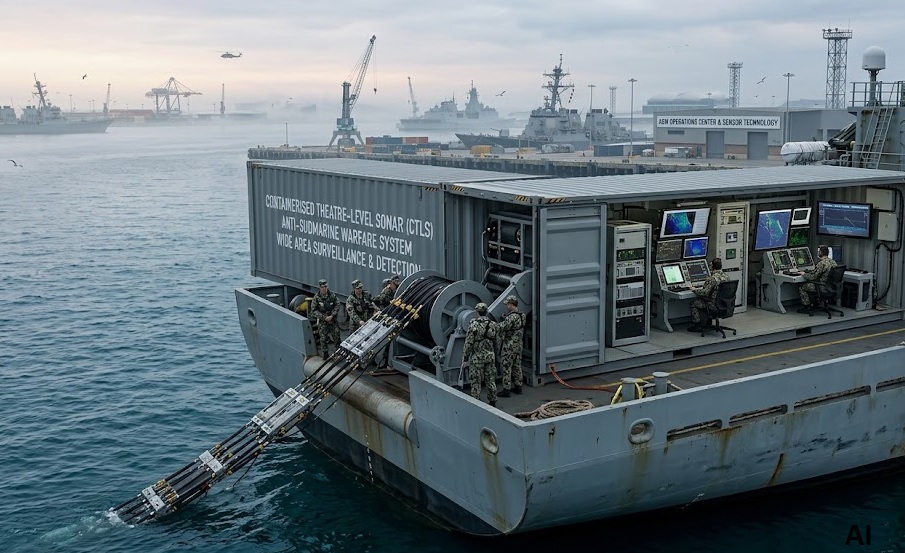
India
NEW DELHI — The Indian Navy has issued a Request for Information (RFI) for the procurement of a Containerised Theatre Level Sonar (CTLS), marking a significant step toward strengthening underwater surveillance and anti-submarine warfare (ASW) capabilities across its fleet. The proposed system is intended to provide persistent Underwater Domain Awareness (UDA) and enable a wider range of naval vessels to carry advanced sonar capabilities without requiring permanent modifications. The move reflects the Navy's focus on improving operational flexibility as submarine activity in the Indian Ocean Region continues to grow. The RFI has been issued by the Integrated Headquarters, Ministry of Defence (Navy) as part of efforts to develop a modular sonar system that can be rapidly deployed on suitable ships. Containerised Design for Rapid Deployment Unlike conventional hull-mounted sonar systems that are permanently integrated into warships during construction, the CTLS is designed as a self-contained system housed inside standard 20-foot or 40-foot ISO containers. The containerised package will include a Variable Depth Sonar (VDS) and twin thin-line receiver arrays. According to the RFI, the host vessel will only require a certified A-frame and winch for deployment, while the remaining equipment will remain inside the containerised module. This approach allows the sonar package to be installed on different platforms, including offshore patrol vessels, auxiliary ships and other naval vessels with sufficient deck space, providing greater operational flexibility compared with dedicated ASW warships. Expanding Anti-Submarine Coverage The CTLS is expected to serve as a force multiplier by allowing the Indian Navy to expand anti-submarine coverage without waiting for new frigates and corvettes to enter service. Warship construction typically takes several years, while a containerised sonar system can be deployed on existing vessels capable of supporting the equipment. This allows additional ships to function as temporary anti-submarine warfare platforms whenever operational requirements demand. The Navy's concept also supports the development of a ship-agnostic underwater sensor network, where multiple vessels equipped with CTLS can operate together to detect, classify and track underwater contacts over larger areas. The system will support mono-static, bi-static and multi-static sonar operations, enabling ships to work together by transmitting and receiving sonar signals in different configurations to improve submarine detection and tracking over longer distances. Technical Requirements According to the RFI, the CTLS is expected to operate effectively in deep-water, shallow-water and littoral environments. The Variable Depth Sonar will be capable of operating at depths of at least 200 metres, allowing operators to position the sonar below challenging acoustic layers where underwater sound propagation is more favourable. The system will operate in both active and passive modes. In active mode, the sonar will transmit low-frequency acoustic signals designed for long-range detection of submarines and underwater targets. In passive mode, it will monitor underwater noise and detect acoustic signatures generated by submarines without transmitting signals. The passive detection system will use twin thin-line receiver arrays, each containing at least 180 acoustic elements capable of monitoring frequencies ranging from 10 Hz to 2 kHz. The Navy has specified advanced digital signal processing, adaptive noise suppression and target motion analysis to improve detection performance in environments with high ambient noise and reverberation. The RFI also calls for the integration of Artificial Intelligence (AI) to assist operators in target identification and tracking, helping improve the speed and accuracy of operational decisions. In addition, the system is expected to include predictive modelling software that analyses environmental conditions before deployment. The software will evaluate factors such as water depth, temperature, sound velocity profiles, seabed characteristics and ambient noise to estimate expected sonar performance and detection probability. The CTLS has been specified with a minimum service life of 15 years and is expected to feature a modular architecture that allows future hardware and software upgrades as sonar technologies evolve. Integration with Existing Naval Systems The Navy has stated that the containerised sonar should integrate with existing combat management and navigation systems, allowing it to operate alongside current fleet assets while remaining portable between platforms. The modular design is intended to simplify transportation, storage and installation while reducing the need for extensive ship modifications. Strategic Context The procurement comes as regional underwater capabilities continue to expand. Pakistan has recently inducted the first of its Chinese-built Hangor-class submarines, part of an order for eight boats, while China operates one of the world's largest submarine fleets, with around 60 submarines. The Indian Navy is seeking to strengthen underwater surveillance by increasing the number of platforms capable of contributing to anti-submarine operations, rather than relying solely on dedicated ASW ships. The Navy currently operates the Hull Mounted Sonar Array (HUMSA), developed by the Naval Physical and Oceanographic Laboratory, which has been in service since 2016. Separately, the Defence Acquisition Council has approved the procurement of six additional Boeing P-8I maritime patrol aircraft. The Indian Navy currently operates 12 P-8I aircraft, which are used for long-range maritime surveillance and anti-submarine warfare missions. The CTLS RFI represents an early stage of the procurement process. Industry responses will help the Indian Navy refine technical requirements and shape the programme before moving toward future acquisition decisions. Source: timesofindia
Read More → Posted on 2026-07-06 15:42:31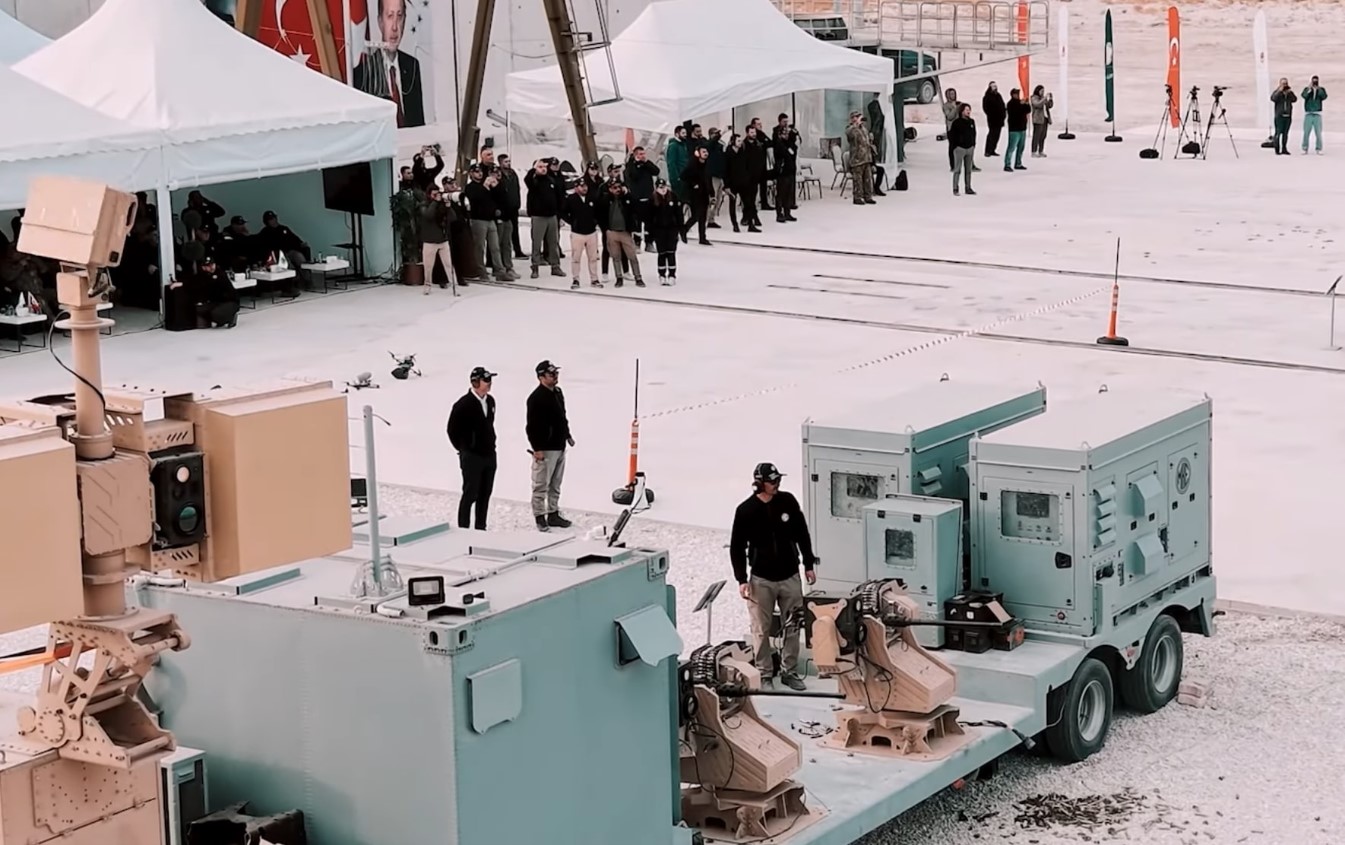
World
KONYA, Türkiye — Turkish defense company Makine ve Kimya Endüstrisi (MKE) has demonstrated its TOLGA Short-Range Air Defence (SHORAD) System during a live-fire event attended by an international delegation of 64 military attachés, government representatives, and civilian participants from 24 countries. The demonstration was held on July 3 at the Turkish Ministry of National Defense's Karapınar Firing Test and Evaluation Group Command in Konya. Representatives from NATO members and Gulf states, including the United States, Lithuania, Egypt, Qatar, and Romania, attended the event to observe the system's operational performance. During the live-fire demonstration, the TOLGA system was tested in seven operational scenarios designed to reflect modern aerial threats. The exercises included engagements against loitering munitions, drone swarms, and fixed-wing unmanned aerial vehicles (UAVs). According to MKE, the system successfully neutralized all designated targets, achieving a 100% success rate throughout the demonstration. The event also highlighted TOLGA's role as an inner-layer air defense system within larger integrated air defense networks, including Türkiye's planned "Steel Dome" architecture. The demonstration allowed international observers to assess the system's layered defense capabilities under realistic operational conditions. MKE General Manager İlhami Keleş said the infrastructure required for serial production of the TOLGA system has been completed. He stated that the system strengthens Türkiye's defense capabilities while also providing a competitive option for international customers. Modular Short-Range Air Defense System Developed under MKE's "Effective – Simple – Affordable" design philosophy, TOLGA is a modular short-range air defense system designed to counter drones, loitering munitions, cruise missiles, and other asymmetric aerial threats. Its modular architecture allows different sensors, weapons, and electronic warfare systems to operate together through a centralized command and control unit. The system integrates several domestically developed components, including the GÖKBÖRÜ AESA radar, electro-optical and infrared sensors, an Acoustic Detection System, electronic countermeasure (jammer) equipment, and 12.7 mm, 20 mm, and 35 mm weapon systems. These components are coordinated through a single command and control infrastructure that supports manual, semi-autonomous, fully autonomous, and remote operating modes. The sensor suite can detect and track aerial threats at ranges of up to 10 kilometers, enabling operators to respond to different types of airborne targets. Soft-Kill and Hard-Kill Defense Layers TOLGA uses a layered defense approach that combines electronic warfare with kinetic weapons. The first layer relies on the Electronic Countermeasure (Jammer) System to disrupt an incoming drone's command, telemetry, or satellite navigation links. This soft-kill capability can neutralize threats at distances of up to 10 kilometers without using ammunition. If electronic countermeasures are ineffective, such as against autonomous or fiber-optic-guided drones, the system switches to its hard-kill layer. This layer uses programmable fragmentation ammunition designed to release a dense cloud of metal fragments around the target to improve the probability of interception. The 35 mm weapon system provides engagements at ranges of up to 3,000 meters, while the 20 mm system is effective up to 1,000 meters. The 12.7 mm weapon system is intended for very short-range threats at distances of up to 300 meters. The hard-kill capability is further strengthened by the Dual PMT-76 Platform Machine Gun System mounted on the Mobile Vehicle Platform (MAP DUAL). MKE has also developed new 7.62 mm fragmented anti-drone ammunition that enables infantry personnel to engage low-altitude drones using standard service rifles without requiring additional weapon platforms. Future Capability Development MKE stated that future upgrades to the TOLGA system will include the integration of a Laser Weapon System and the ENFAL-17 missile, adding further engagement options against emerging aerial threats. The command and control unit, available in both mobile and fixed configurations, enables all sensors and weapon systems to be managed from a single command center, allowing the system to adapt to different operational environments and mission requirements. Source: edrmagazine
Read More → Posted on 2026-07-06 15:57:51
World
TALLINN, Estonia — The United States has significantly reduced its rotational military presence in Estonia, with the number of American troops in the country dropping from around 500–700 personnel to fewer than 100, according to Estonian broadcaster ETV. Estonian officials said a new U.S. rotational contingent is expected to arrive later this summer and remain until the end of the year, but there are currently no confirmed plans for a continued American military presence in Estonia beyond 2026. The reduction comes as the Pentagon conducts a six-month review of U.S. defense policy and force posture in Europe. The outcome of the review is expected to determine future deployments of American forces across the continent, including in the Baltic region. Current Troop Reduction The departing U.S. troops were stationed mainly at Tapa military base in northern Estonia, along with other military locations, including Camp Reedo in Võru. ETV reported that fewer than 100 American personnel remain in the country following the latest rotation. The U.S. military presence in Estonia is based on a bilateral defense agreement between Washington and Tallinn. Estonian Defence Minister Hanno Pevkur said the agreement remains unchanged despite the current reduction in troop numbers. Pevkur said he was informed during discussions with NATO's Supreme Allied Commander Europe and the Commander of U.S. Army Europe that the next U.S. rotational unit is expected to arrive during the summer and remain in Estonia until the end of the year. However, the size and composition of the upcoming deployment have not yet been decided, and no decisions have been made regarding the long-term presence of U.S. forces beyond this year. "The next rotation should still move to Estonia during the summer," Pevkur said, adding that future decisions will depend on the Pentagon's ongoing six-month review. Future Deployment Still Under Review According to ETV, the next U.S. rotation is also linked to the deployment of a new U.S. brigade to Poland, although the timeline for that deployment remains unclear. Previous U.S. rotations to Estonia have generally come from American brigades stationed in Poland or Romania. Pevkur noted that deploying a new brigade to Poland and establishing future rotations would be a longer process rather than something that could happen within a year. As a result, it remains unclear whether future U.S. rotations to Estonia would come from that brigade or another American unit. Estonian Officials Await Pentagon Decision Kalev Stoicescu, chairman of the Estonian Parliament's National Defence Committee, said decisions on the future of U.S. forces in Europe ultimately rest with the White House and are based on Washington's strategic interests. Stoicescu said that if the United States maintains military forces in Europe, they should continue to be positioned on NATO's eastern flank. No Major Announcement Expected at NATO Summit Pevkur said he does not expect any major announcements regarding the future of the U.S. military presence in Estonia during the upcoming NATO summit in Ankara. Until long-term decisions are made, Estonia will continue relying on its own defense capabilities and the NATO battlegroups rotating through the Baltic states. U.S. Rotational Presence in Estonia Under the current bilateral defense agreement between the United States and Estonia, U.S. troops have been stationed in the country on a rotational basis since 2022. Rotational deployments have typically consisted of between 500 and 700 personnel, with fewer than 100 American troops currently remaining in Estonia following the latest rotation. Part of Wider U.S. Force Adjustments in Europe The changes in Estonia are part of broader adjustments to U.S. military deployments across Europe. Lithuania has recently completed the withdrawal of more than 1,000 U.S. troops and their equipment after a scheduled rotational deployment. Meanwhile, the United States is planning to reduce its military presence in Germany by approximately 5,000 troops over the next six to twelve months, including a combat brigade and a missile unit previously planned for deployment in Europe. The Pentagon's ongoing defense review is expected to determine the future structure and distribution of U.S. forces across Europe, including decisions affecting NATO's eastern flank. Source: err.ee
Read More → Posted on 2026-07-06 16:20:48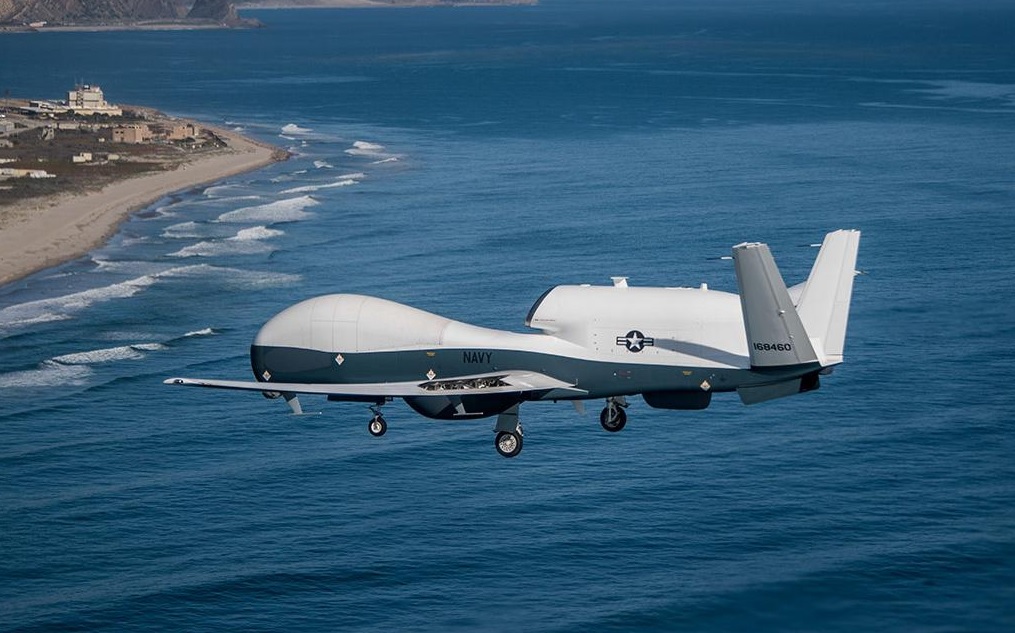
World
ANKARA, Turkey — Denmark, Finland, Germany, and Norway have signed a letter of intent to jointly procure up to five Northrop Grumman MQ-4C Triton high-altitude, long-endurance (HALE) unmanned aircraft to strengthen NATO's Intelligence, Surveillance and Reconnaissance (ISR) capabilities. The announcement was made on Tuesday during the NATO Summit Defence Industry Forum in Ankara. The new aircraft will become part of NATO's ISR Force and will complement the alliance's existing Alliance Ground Surveillance (AGS) fleet, which operates from Sigonella Air Base in Sicily, Italy. According to NATO Secretary General Mark Rutte, the agreement is part of a broader package of defence industry initiatives announced during the summit. The joint procurement is valued at approximately $2.7 billion and marks the first time NATO, as an alliance, is acquiring the MQ-4C Triton system. Designed for Long-Range Maritime Surveillance The MQ-4C Triton is a maritime surveillance aircraft developed from the RQ-4 Global Hawk. It is specifically designed for persistent intelligence, surveillance, and reconnaissance missions over large ocean areas. Unlike the standard Global Hawk, the Triton is built to operate in demanding maritime environments. It features a reinforced airframe, lightning protection, and advanced de-icing systems, allowing it to safely fly through harsh weather conditions and descend to lower altitudes when required to identify surface targets. The aircraft is capable of flying for more than 24 hours on a single mission while operating at altitudes of over 50,000 feet (15.2 kilometres). This allows it to monitor large maritime regions while remaining above most commercial air traffic and adverse weather. Advanced ISR Capabilities The MQ-4C Triton is equipped with the AN/ZPY-3 Multi-Function Active Sensor (MFAS) radar, providing 360-degree maritime surveillance and surface target tracking. It also carries high-definition electro-optical and infrared (EO/IR) sensors for day-and-night imaging. In addition to its imaging systems, the aircraft includes signals intelligence (SIGINT) capabilities that can detect and analyse electronic emissions. It can also serve as a secure communications relay, enabling information sharing between naval units operating across long distances. According to NATO, these capabilities will improve early threat detection, enhance maritime domain awareness, and help protect critical sea lines of communication. Focus on the Arctic and High North NATO said the new Triton fleet will play an important role in supporting operations in the Arctic and the High North, where long-range surveillance is essential because of the vast maritime areas and challenging operating conditions. The aircraft are expected to provide persistent monitoring of maritime activity and strengthen the alliance's ability to respond to security challenges in northern regions. Transatlantic Industrial Partnership The programme will be delivered through a transatlantic industrial consortium. Northrop Grumman will manufacture the MQ-4C Triton aircraft in the United States, while Airbus Defence and Space, together with other European defence companies, will provide the ground segment. Their responsibilities include command and control systems, data management services, infrastructure, and mission support. NATO said the arrangement builds on transatlantic industrial cooperation developed over the past decade to support a modern and integrated ISR capability. Existing Operational Service The MQ-4C Triton is already in operational service with the U.S. Navy, where it works alongside the P-8 Poseidon maritime patrol aircraft. The Navy's Unmanned Patrol Squadron 19 (VUP-19) achieved initial operational capability with the Triton in September 2023 during a deployment to Guam. The aircraft was later deployed to Sigonella Air Base in Italy for the first time in March 2024. Outside NATO, Australia is also procuring four MQ-4C Triton aircraft for its defence forces. NATO has not announced a delivery schedule or confirmed the final number of aircraft beyond the planned procurement of up to five systems. Once operational, the new fleet is expected to expand the alliance's maritime surveillance capability and strengthen intelligence sharing across member nations. Source: nato.int
Read More → Posted on 2026-07-07 10:56:53
India
JAKARTA, Indonesia — India and Indonesia signed a series of defence and strategic cooperation agreements on Tuesday following bilateral talks between Prime Minister Narendra Modi and Indonesian President Prabowo Subianto at the Istana Merdeka in Jakarta. The agreements were announced as part of efforts to deepen the India-Indonesia Comprehensive Strategic Partnership, established in 2018. Along with expanding defence cooperation, both countries signed agreements covering maritime security, critical minerals, education, digital connectivity, space cooperation and emerging technologies. Addressing a joint press conference after the talks, Prime Minister Modi said the agreements marked the beginning of a "golden chapter" in bilateral relations. "Today marks the beginning of a golden chapter in the India-Indonesia partnership. The growing trust between our countries is strengthening our defence, security and maritime cooperation," Modi said. BrahMos and Astra Mk-1 Discussions Continue Defence cooperation featured prominently during the talks, with both sides discussing potential cooperation on India's BrahMos supersonic cruise missile and Astra Mk-1 beyond-visual-range (BVR) air-to-air missile. According to officials, Indonesia selected the BrahMos missile after evaluating its operational performance during India's Operation Sindoor. However, no final purchase agreement for the BrahMos missile was signed during the visit, and discussions between the two sides are continuing. Officials also discussed the possible export of the Astra Mk-1 missile. If approved in the future, Indonesia would become the first foreign operator of the indigenous Indian air-to-air missile. However, no final procurement agreement for the Astra Mk-1 was announced during the visit. If a BrahMos agreement is concluded in the future, Indonesia would become the third Southeast Asian country to procure the missile after the Philippines and Vietnam. The proposed acquisition is expected to strengthen Indonesia's coastal defence and anti-access/area-denial capabilities in key maritime areas. The discussions represent another step in India's efforts to expand exports of domestically developed defence systems and strengthen defence-industrial cooperation with partner countries. Maritime Cooperation Strengthened The two leaders also finalized a framework on maritime safety and security cooperation. As maritime neighbours located along important sea routes, India and Indonesia agreed to increase cooperation between their coast guards to enhance security in the Indian Ocean and surrounding waters. Both sides also agreed to jointly develop Sabang Port, located near the Strait of Malacca, one of the world's busiest shipping lanes. The port is situated about 100 miles from India's Great Nicobar port project and is expected to support maritime connectivity and regional cooperation. Agreements Beyond Defence In addition to defence cooperation, the two countries exchanged nearly a dozen Memorandums of Understanding (MoUs) covering several sectors. India announced plans to invest in Indonesia's critical mineral supply chain, including projects related to stainless steel, nickel and rare-earth permanent magnets. Prime Minister Modi also announced that the Indian Institute of Management (IIM) Bangalore will establish a campus in Indonesia to serve students from Indonesia and across the ASEAN region. To improve economic and travel connectivity, both countries agreed to integrate India's Unified Payments Interface (UPI) with Indonesia's digital payment system. In the space sector, India and Indonesia decided to expand their long-standing cooperation. The Indian Space Research Organisation (ISRO) will assist Indonesia in the peaceful exploration of outer space and support capacity building for Indonesia's space sector through joint research and cooperation. The two sides also signed agreements to strengthen collaboration in artificial intelligence, telecommunications, digital public infrastructure and startup development. Long-Standing Defence Partnership India and Indonesia established formal defence relations in 1951. The two countries signed a Defence Cooperation Agreement in 2001, which was renewed in 2006. Defence ties were further strengthened during Prime Minister Modi's visit to Indonesia in 2018, when both sides upgraded their relationship to a Comprehensive Strategic Partnership and signed a Memorandum of Understanding on defence cooperation. Since then, military engagement has expanded through bilateral and multilateral exercises, coordinated maritime patrols, defence dialogues, training exchanges and cooperation between defence industries. External Affairs Ministry spokesperson Randhir Jaiswal said the two leaders reviewed the full spectrum of bilateral relations during the meeting, after which multiple agreements were exchanged in their presence. PM Modi Receives Indonesia's Highest Civilian Honour Earlier on Tuesday, President Prabowo Subianto conferred Prime Minister Narendra Modi with the Bintang Adipurna, Indonesia's highest civilian honour, in recognition of his contribution to strengthening relations between the two countries. Accepting the honour, Modi dedicated the award to the people of India and the longstanding historical and cultural ties shared by India and Indonesia. The Indonesia visit is the first leg of Prime Minister Modi's three-nation Indo-Pacific tour, which will also include visits to Australia and New Zealand. Following the official engagements in Jakarta, the two leaders are scheduled to visit the UNESCO World Heritage Site of Prambanan Temple in Yogyakarta on Wednesday. Source: ANI
Read More → Posted on 2026-07-07 11:09:17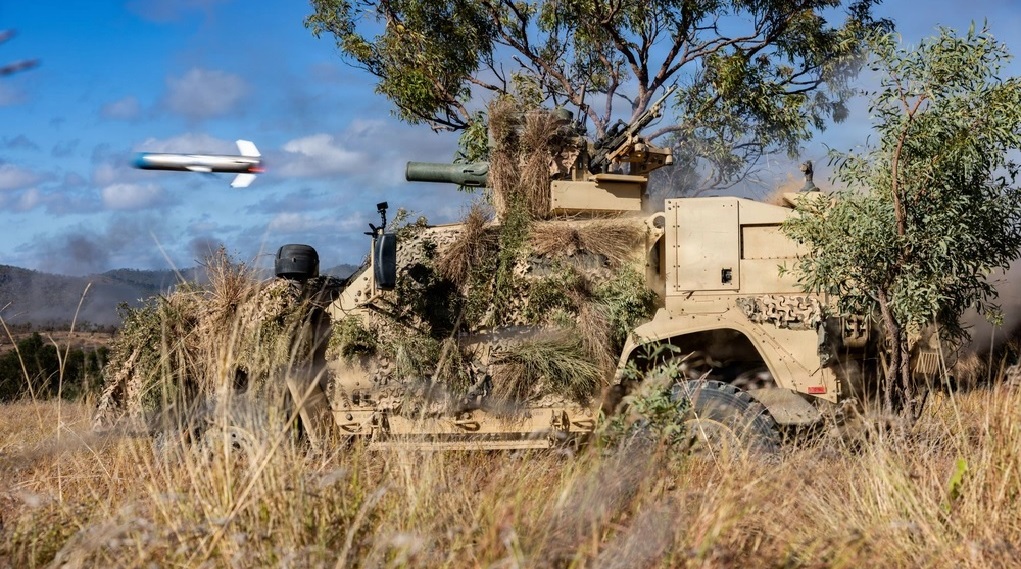
World
TOWNSVILLE, Australia — U.S. Marines tested mobile anti-armor capabilities during the multinational Exercise Southern Jackaroo 2026, carrying out a live-fire BGM-71 TOW anti-tank missile launch from a concealed position at the Townsville Field Training Area in Queensland on July 2, 2026. The live-fire event involved Marines from Weapons Company, 1st Battalion, 5th Marine Regiment, assigned to Marine Rotational Force-Darwin (MRF-D) 26. The missile fired was the BGM-71 TOW (Tube-launched, Optically-tracked, Wire-guided) anti-tank missile, a combat-proven precision-guided weapon designed to engage armored vehicles, fortified positions, and other hardened targets. Exercise Southern Jackaroo 2026, held from May 29 to July 3, 2026, brings together forces from the United States, the Australian Defence Force (ADF), and the Japan Self-Defense Force (JSDF). The exercise is focused on improving interoperability, combined arms integration, and coordination between allied militaries during joint operations. During the exercise, Marines mounted the TOW missile launcher on an Oshkosh Joint Light Tactical Vehicle (JLTV) to improve battlefield mobility. The vehicle operated from a concealed firing position using camouflage netting and natural vegetation to reduce its visual signature. Modern battlefields are increasingly monitored by drones, thermal sensors, and persistent surveillance systems, making concealment an important part of operational planning. The JLTV-mounted TOW system provides Marines with a mobile "shoot-and-scoot" capability. Instead of remaining at a fixed firing location, the vehicle can move across difficult terrain, establish a firing position, engage targets at stand-off range, and relocate quickly before potential counterfire. This approach supports infantry units operating in dispersed formations where mobility, protection, and rapid movement are key requirements. Southern Jackaroo 2026 includes a broad range of multinational training activities designed to improve cooperation between participating forces. U.S. Marines and Sailors from the 1st Battalion, 5th Marine Regiment and Combat Logistics Battalion 5 are training alongside the Australian Army's 3rd Brigade, as well as maneuver elements from the U.S. Army and the Japan Self-Defense Force. Throughout the month-long exercise, participating units have conducted force-on-force offensive and defensive operations, mortar live-fire training, mounted machine-gun gunnery, and simulated nighttime air assault missions using U.S. Army CH-47 Chinook helicopters. The exercise concludes with a Combined Arms Live Fire Exercise (CALFX), bringing together ground maneuver and supporting firepower in a coordinated training scenario. The integration of the JLTV-mounted TOW system reflects the U.S. Marine Corps' emphasis on highly mobile and low-signature combat capabilities under operational concepts such as Expeditionary Advanced Base Operations (EABO) and stand-in forces. These concepts focus on deploying small, agile units capable of operating in contested environments, supporting sea control, gathering battlefield information, and providing precision direct-fire support. Northern Australia continues to serve as an important training location for multinational exercises in the Indo-Pacific. Through the rotational deployment of Marine Rotational Force-Darwin 26, the United States maintains a regular military presence in the region while expanding cooperation with Australian and Japanese forces. By conducting complex live-fire training and combined operations from dispersed locations, the three countries continue to strengthen their ability to operate together across a range of military scenarios. Source: dvidshub
Read More → Posted on 2026-07-07 11:20:51
World
HALIFAX, Nova Scotia — Canadian Prime Minister Mark Carney has announced that Germany's ThyssenKrupp Marine Systems (TKMS) has been selected as the preferred bidder for the Canadian Patrol Submarine Project (CPSP), marking a major milestone in Canada's effort to replace its aging submarine fleet. The project, expected to cost up to $100 billion over its full lifecycle, is the largest defence procurement program in Canadian history. Under the plan, Canada intends to acquire up to 12 Type 212CD diesel-electric submarines for the Royal Canadian Navy (RCN). TKMS was selected over South Korea's Hanwha Ocean, which had offered its KSS-III Batch-II submarine design following a competitive evaluation process. First Deliveries Planned by 2034 The announcement was made during Prime Minister Mark Carney's visit to Canadian Forces Base Halifax. To speed up the delivery schedule, TKMS, together with the governments of Germany and Norway, has agreed to defer some of their own submarine production slots. This arrangement is intended to allow Canada to receive its first four Type 212CD submarines by 2034, reducing the risk of a capability gap as the current fleet approaches retirement. Germany and Norway have already ordered the Type 212CD submarines. If Canada completes the purchase of all 12 vessels, the three NATO allies would operate a combined fleet of up to 24 submarines based on the same design. A common platform is expected to simplify training, maintenance, logistics, and operational cooperation. Replacing the Victoria-Class Fleet The Canadian Patrol Submarine Project was launched in 2021 to replace Canada's fleet of four Victoria-class submarines. Canada acquired the Victoria-class boats from the United Kingdom in 1998 after they had previously served as the Royal Navy's Upholder-class submarines. Over the years, the fleet has experienced technical problems and extended maintenance periods. According to the government, only one of the four submarines is currently operationally available for deployment. The new submarines are expected to strengthen Canada's underwater capabilities across the Atlantic, Pacific, and Arctic oceans. Type 212CD Capabilities The Type 212CD submarine is designed for long-endurance underwater operations and includes several features intended for modern naval missions. Its diesel-electric propulsion system is combined with a hydrogen fuel cell-based Air-Independent Propulsion (AIP) system, allowing the submarine to remain submerged for longer periods without surfacing. The design also incorporates a diamond-shaped hull that helps reduce acoustic and active sonar signatures, improving stealth during operations. The submarines are built to operate in under-ice Arctic conditions, including movement through first-year sea ice, supporting Canada's increasing focus on Arctic security. They are also designed to be fully compatible with NATO systems, allowing seamless integration with allied naval operations. Contract Negotiations Continue Although TKMS has been selected as the preferred supplier, a final contract has not yet been signed. The Canadian government and TKMS will now begin detailed negotiations covering areas such as contract terms, technology transfer, industrial participation, and overall project costs. The government has set a target to complete the negotiations and sign binding agreements by the end of 2027. Prime Minister Mark Carney said Hanwha Ocean's proposal was also highly competitive. If negotiations with TKMS do not produce an acceptable agreement on cost, technology transfer, or industrial benefits, Canada retains the option of selecting Hanwha Ocean as the reserve supplier. Support for Canadian Industry The submarine program will be carried out under Canada's Industrial and Technological Benefits Policy, which requires major defence projects to generate economic benefits within the country. The government expects a significant share of the project's long-term investment to support Canadian shipyards, technology companies, suppliers, and skilled jobs throughout the construction, maintenance, and operational life of the new fleet. Source: theguardian
Read More → Posted on 2026-07-07 11:38:48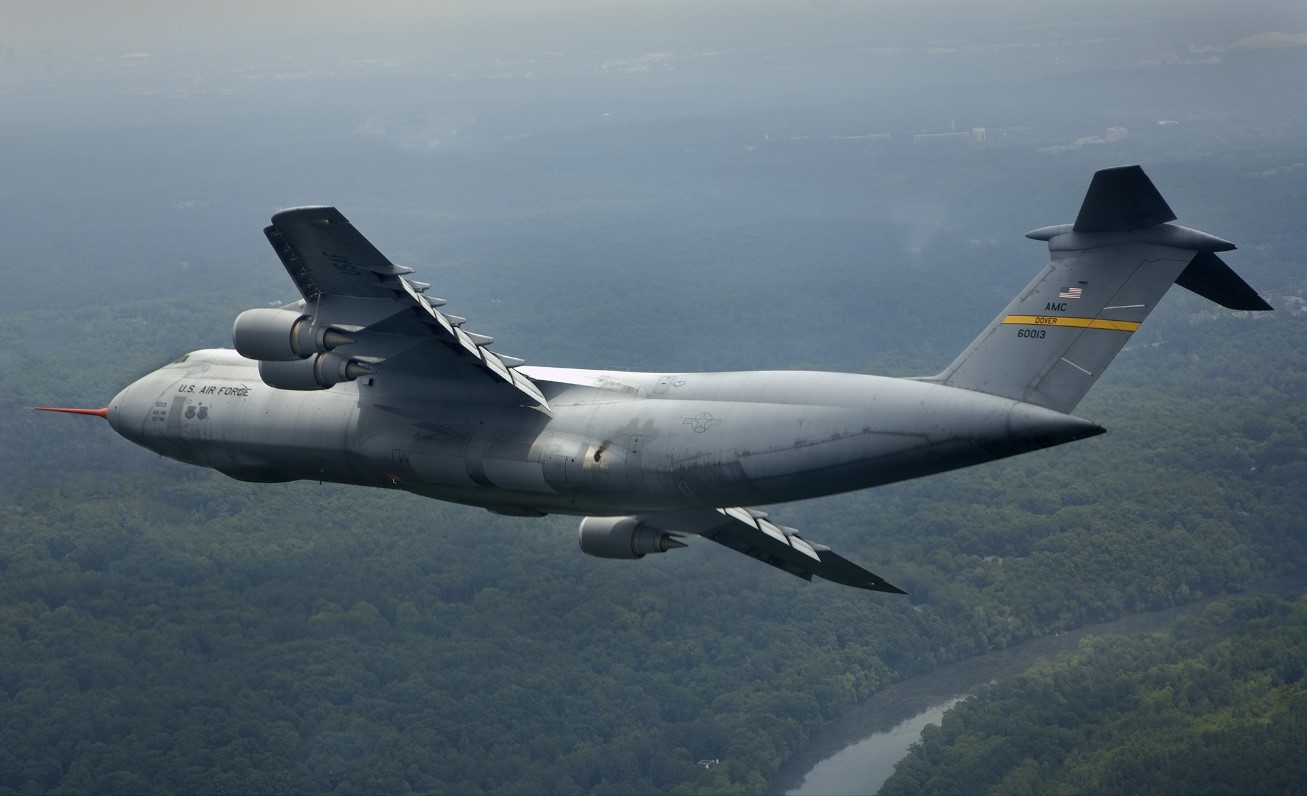
World
Marietta, Georgia — The U.S. Air Force has awarded Lockheed Martin a $142.9 million contract to maintain and update the software systems of the C-5M Super Galaxy, ensuring the Air Force's largest transport aircraft continues to operate safely and effectively in the coming years. Announced on July 6, 2026, the contract focuses on the aircraft's digital systems rather than physical upgrades. While the C-5M fleet has already received modernization improvements, including new General Electric engines and updated avionics hardware, the new agreement is aimed at sustaining the software that supports navigation, communications, flight instruments, and other mission-critical systems. The contract is structured as an indefinite-delivery, indefinite-quantity (IDIQ) agreement, allowing the Air Force to order software support services as required instead of committing to a fixed schedule of work. The contract has a maximum value of $142.9 million, with $19.3 million in fiscal year 2026 operations and maintenance funding initially obligated to begin the program. Software sustainment work will be carried out at Lockheed Martin facilities in Marietta, Georgia, and Greenville, South Carolina, with performance scheduled to continue through May 20, 2032. The contract is being managed by the C-5 Contracting Branch at Robins Air Force Base, Georgia. The Air Force awarded the contract to Lockheed Martin through a sole-source acquisition. As the original manufacturer of the C-5 aircraft and the company responsible for its modernization program, Lockheed Martin possesses the proprietary technical knowledge required to maintain and update the aircraft's software architecture. Software Sustainment Scope Under the agreement, Lockheed Martin will provide software sustainment services for the Air Force's fleet of 52 C-5M Super Galaxy aircraft. The work includes: Delivering routine software patches, updates, and cybersecurity improvements. Maintaining certification records to ensure the aircraft continues to meet current safety and performance requirements. Operating ground-based systems integration laboratories where software changes are tested before being installed on operational aircraft. Providing engineering and technical support to identify and resolve software issues before they affect flight operations. These updates help ensure the aircraft remains compatible with modern air traffic management systems, satellite navigation services, and military communication networks. Strategic Heavy Airlift Capability The C-5M Super Galaxy is the largest aircraft in the U.S. Air Force inventory and serves as one of its primary strategic airlifters. It is designed to transport oversized military equipment, vehicles, troops, and humanitarian cargo over intercontinental distances. Each aircraft can carry up to 281,000 pounds (127,460 kilograms) of cargo, enough to transport two M1 Abrams main battle tanks, three CH-47 Chinook helicopters, or 36 standard cargo pallets in a single mission. With its maximum payload, the aircraft has an unrefueled range of approximately 2,150 nautical miles. The current fleet of 52 C-5M aircraft is based at Dover Air Force Base, Delaware; Travis Air Force Base, California; Lackland Air Force Base, Texas; and Westover Air Reserve Base, Massachusetts. The aircraft has supported U.S. military operations since entering service in the 1970s, including strategic airlift missions during the 1973 Yom Kippur War and the 1991 Gulf War. It also continues to support humanitarian relief operations and global logistics missions. Today, the C-5M plays an important role in the Air Force's Agile Combat Employment (ACE) concept, which emphasizes dispersing personnel and equipment across multiple smaller and remote airfields to improve operational flexibility, particularly in the Indo-Pacific region. Service Life Through the 2040s The Air Force plans to keep the C-5M Super Galaxy in service into the 2040s. Although planning is underway for a Next-Generation Airlifter that will eventually replace both the C-5M Super Galaxy and the C-17 Globemaster III, procurement of the future aircraft is not expected to begin before 2038. Until that replacement program moves forward, maintaining the C-5M's software and avionics will remain essential for preserving the U.S. military's heavy airlift capability. The latest contract ensures the aircraft's digital systems continue to support safe, reliable, and efficient operations as the fleet remains a key part of the Air Force's global transportation network. Source: intellectia
Read More → Posted on 2026-07-07 12:46:03
World
ANKARA, Turkey — NATO has announced plans to begin formal negotiations with Swedish defense company Saab for the acquisition of up to 10 GlobalEye Airborne Early Warning and Control (AEW&C) aircraft as part of the alliance's efforts to modernize its airborne surveillance capabilities. The announcement was made by NATO Secretary General Mark Rutte on July 7, 2026, during the NATO Summit Defence Industry Forum in Ankara. The proposed acquisition is intended to replace NATO's fleet of 14 Boeing E-3A Sentry Airborne Warning and Control System (AWACS) aircraft, which have been in service since the early 1980s and are based at Geilenkirchen Air Base. The procurement is part of NATO's initial Allied Future Surveillance and Control (iAFSC) project, which aims to provide the alliance with a next-generation airborne surveillance and command platform. Although NATO allies have signed a joint procurement agreement, Saab has confirmed that it has not yet received a signed contract or a formal purchase order. The next phase will focus on negotiations covering acquisition terms, delivery schedules, and industrial arrangements with the NATO Support and Procurement Agency. GlobalEye Selected After E-7 Wedgetail Plan Ended The selection of the GlobalEye follows NATO's earlier plan to acquire Boeing E-7A Wedgetail aircraft. The alliance had previously intended to purchase six E-7 aircraft, but several NATO member states withdrew from the program in late 2025 after the project lost its financial and strategic basis following indications that the previous U.S. administration planned to cancel the program. According to Saab President and CEO Micael Johansson, NATO's Supreme Headquarters Allied Powers Europe (SHAPE) evaluated available alternatives and concluded that the GlobalEye could address the alliance's future surveillance requirements. Johansson said the aircraft was selected based on affordability, operational capability, and the ability to deliver the platform within NATO's required timeframe. Swedish Prime Minister Ulf Kristersson described the decision as an important achievement for Sweden and confirmed that a letter of intent has already been signed by 11 participating NATO countries. GlobalEye Capabilities The Saab GlobalEye is based on the Bombardier Global 6000/6500 business jet platform and combines airborne surveillance, command, and control capabilities in a single aircraft. Unlike the E-3 Sentry, which uses a rotating radar dome mounted on a modified commercial airliner, the GlobalEye uses Saab's Erieye Extended Range (ER) active electronically scanned array (AESA) radar installed above the aircraft's fuselage. The aircraft is designed to conduct simultaneous surveillance across air, maritime, and land domains from a single platform. According to Saab, the Erieye ER radar offers long-range detection of up to approximately 550 kilometers and is capable of tracking low-observable targets, drones, and missiles while operating in environments affected by electronic jamming and ground clutter. The radar provides high update rates to improve situational awareness during operations. The platform also integrates additional sensors and a multi-domain command-and-control system, allowing operators to monitor multiple types of targets over large areas. Powered by the fuel-efficient Bombardier Global business jet, the GlobalEye can remain on station for missions lasting up to 11 hours. The aircraft can also operate from shorter runways and is expected to offer lower operating costs than larger legacy AWACS platforms. Production and Delivery Timeline NATO officials said the procurement supports the alliance's long-term modernization of its airborne early warning capability. Prime Minister Kristersson stated that GlobalEye aircraft will begin operating from Swedish bases by 2027. Saab is expanding production capacity at its Gothenburg facility to support future deliveries. Johansson said the company is investing in manufacturing to meet NATO's operational requirements. Saab has indicated that the first aircraft could be integrated into NATO's wider surveillance network around 2030, although final delivery schedules will depend on the outcome of contract negotiations. Growing International Interest The NATO procurement follows increasing international demand for the GlobalEye platform. France finalized a $1.3 billion agreement in December 2025 for two aircraft with options for additional units, while Canada opened negotiations in May 2026 for its own acquisition. Other NATO members, including Germany and Poland, have also expressed interest in the system. The joint procurement approach allows participating allies to share costs while developing a common airborne surveillance capability across the alliance. The proposed NATO fleet acquisition is estimated to be worth nearly $5 billion. However, the final number of aircraft, contract value, production schedule, and delivery timeline will be confirmed after negotiations between Saab and the NATO Support and Procurement Agency are completed. Source: saab.
Read More → Posted on 2026-07-07 13:02:22
World
CHANGWON, South Korea — South Korea has unveiled its first domestically developed aviation engine prototypes for unmanned aircraft, marking a major milestone in the country's efforts to build an independent aircraft engine industry. The prototypes were revealed on July 6 during a ground test launch ceremony at Hanwha Aerospace's Changwon Plant 1 in South Gyeongsang Province. The event was attended by around 300 officials from the Defense Acquisition Program Administration (DAPA), the Agency for Defense Development (ADD), the Republic of Korea Air Force, and Hanwha Aerospace. Developed jointly by DAPA, ADD, and Hanwha Aerospace with support from domestic companies, the new engines include the 5,500-pound-force (lbf) class KTF5500 turbofan and the 1,400-horsepower class KTP1400 turboprop. Two Engines for Different Unmanned Aircraft The KTF5500 turbofan has been designed for low-observable unmanned combat aircraft, commonly referred to as loyal wingmen. These aircraft are intended to operate alongside manned fighter aircraft, including South Korea's KF-21 fighter, as part of manned-unmanned teaming operations. The KTP1400 turboprop is intended for medium-altitude unmanned reconnaissance aircraft, including platforms such as the MQ-105K. It is designed to support long-endurance surveillance missions and replaces previously imported Canadian-made engine components used in similar systems. Both engines have completed assembly and are now undergoing ground testing at Hanwha Aerospace's Changwon facility. During testing, specialized equipment and digital sensors are collecting real-time data on engine acceleration, deceleration, performance, and durability. First Long-Life Domestic Aviation Engines The new prototypes represent South Korea's first domestically developed long-life aviation engines capable of operating continuously for thousands of hours. Until now, the country's engine manufacturing experience had largely been limited to short-life, single-use missile engines. Hanwha Aerospace said it has invested nearly 2 trillion won over the past decade to establish the infrastructure and technologies required for aircraft engine development. Kim Jin-hyung, principal researcher at ADD, said the completion of the first domestic aircraft engine prototypes and the start of ground testing mark the beginning of South Korea's effort to secure indigenous aircraft engine technology. Reducing Dependence on Foreign Engine Suppliers South Korea has traditionally relied on foreign manufacturers to supply engines for many of its advanced aircraft, including the FA-50 light attack aircraft and the KF-21 fighter, which currently uses engines produced by General Electric. While imported engines provide proven performance, they can also affect defense exports because engine-producing countries often require approval before aircraft equipped with their engines can be sold to third-party nations. These controls are governed through export regulations and international frameworks such as the International Traffic in Arms Regulations (ITAR) and the Missile Technology Control Regime (MTCR). By developing domestic aircraft engines, South Korea aims to reduce reliance on foreign suppliers, increase flexibility in defense exports, and strengthen long-term maintenance, repair, and overhaul (MRO) capabilities. Domestic Development of Key Engine Technologies The program has also enabled South Korean engineers to develop several critical aircraft engine technologies domestically. These include precision casting techniques for heat-resistant turbine blades, advanced thermal barrier coating technologies that protect engine components from high operating temperatures, and other materials designed to improve engine durability and fuel efficiency. The localization of propulsion systems also supports the integration of domestically developed airframes, flight control systems, mission equipment, and engines into future unmanned aircraft. Future Engine Development Plans The newly unveiled prototypes form the first stage of South Korea's broader aircraft engine development roadmap. Later this year, the government and Hanwha Aerospace are expected to begin work on a 10,000-lbf-class turbofan engine for long-endurance unmanned aircraft and small passenger aircraft. The longer-term objective is to develop a 24,000-lbf-class aircraft engine for future advanced variants of the KF-21 fighter and other applications, including naval platforms. Between August this year and early 2027, the South Korean government is expected to review a 5.5 trillion won investment plan for the larger engine program. The plan aims to produce at least 1,500 engines by 2060. Kim Jong-ho, head of Hanwha Aerospace's Advanced Engine Business Team, said the company will use the experience and technologies it has accumulated to continue narrowing the technology gap with leading aviation engine manufacturers while advancing South Korea's goal of achieving self-reliance in aircraft engine development. The successful development of the KTF5500 and KTP1400 prototypes represents an important step in South Korea's efforts to strengthen its domestic aerospace industry and expand indigenous capabilities for future unmanned and manned aircraft programs. Source: asiae.co.kr
Read More → Posted on 2026-07-07 13:15:45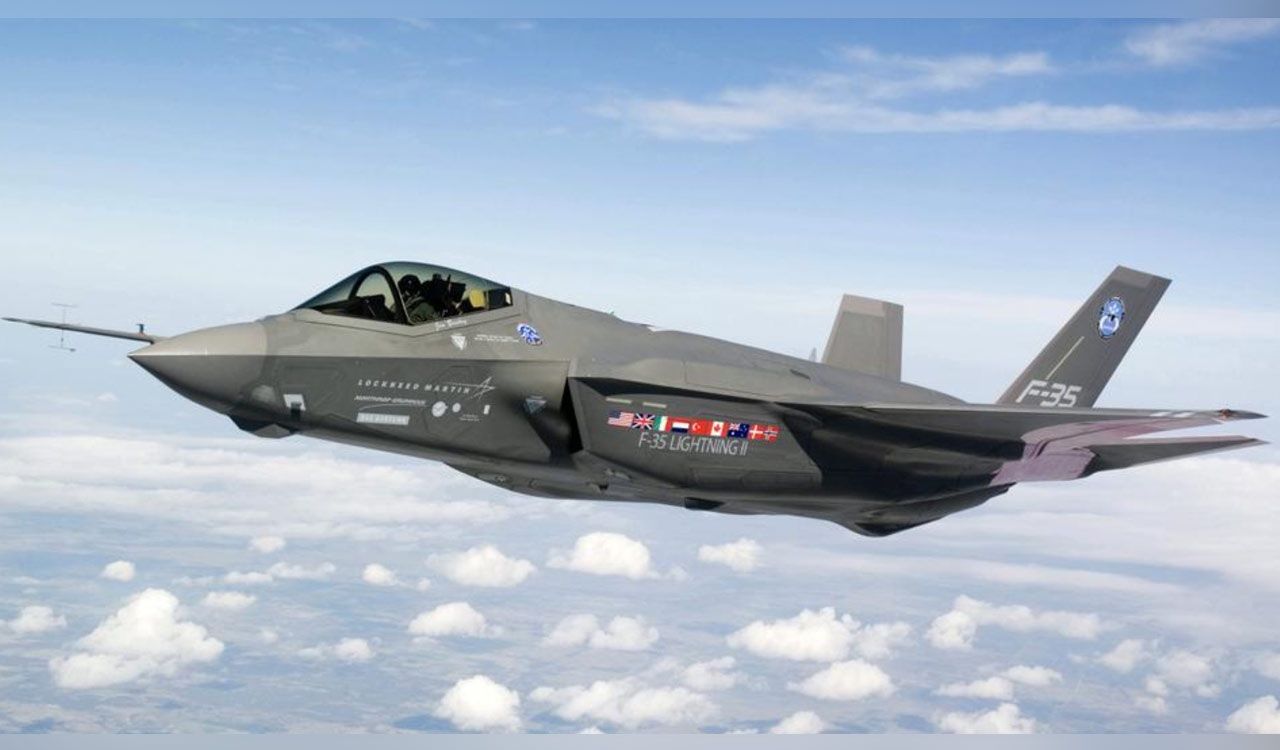
World
Washington — U.S. President Donald Trump is preparing to restore Turkey's access to the F-35 fighter jet program, reversing the decision his administration made in 2019 to remove Ankara from the multinational project, according to multiple reports and U.S. administration officials. The issue is expected to be discussed during Trump's meeting with Turkish President Recep Tayyip Erdogan on the sidelines of the NATO Heads of State and Government Summit in Ankara. Speaking to reporters after arriving in Turkey, Trump confirmed that his administration is reviewing the possibility of moving forward with the sale. "It's a decision we're going to make," Trump said. "We have a better relationship with Turkey, and Turkey has been in many ways much more loyal than other countries." Erdogan also expressed confidence before the bilateral meeting, saying Trump had previously promised to deliver five F-35 fighter jets and adding that he believes the U.S. president "always keeps his promises." Reversal of 2019 Decision Turkey was removed from the F-35 program in 2019 after purchasing the Russian-made S-400 air defense system. At the time, Washington argued that operating the S-400 alongside the F-35 could allow Russia to collect intelligence on the aircraft's advanced stealth and sensor capabilities, making the two systems incompatible. The United States also suspended Turkey's participation in the program and halted delivery of aircraft that Ankara had already paid for. Turkey had planned to acquire more than 100 F-35s and was also a manufacturing partner producing components for the fighter aircraft. The F-35 aircraft purchased by Turkey but never delivered remain in storage in the United States. Trump has repeatedly said he was dissatisfied with Turkey's removal from the program and has previously blamed earlier U.S. policies for contributing to Ankara's decision to purchase the Russian air defense system. Legal and Congressional Challenges Any effort to restore Turkey's participation would face significant legal and political hurdles. A U.S. law passed by Congress in 2020 prohibits the transfer of F-35 fighter jets to Turkey unless the administration certifies that Ankara no longer possesses the Russian S-400 air defense system. According to U.S. officials, national security teams led by Defense Secretary Pete Hegseth have spent several weeks examining legal options that could allow the administration to comply with U.S. law while moving forward with the sale. Vice President JD Vance recently confirmed that the administration is reviewing possible legal pathways after Trump directed officials to examine the issue. Officials said several options have been discussed to address the S-400 requirement. These include transferring the systems to a third party or rendering them permanently inoperable by removing essential components. Previous discussions about transferring the systems to Ukraine did not move forward. Administration officials also indicated that an initial agreement could begin with an exchange of letters between Trump and Erdogan to start the technical process, although they cautioned that no final decision has yet been made and the president's plans could still change. Israel Opposes the Move The reported policy shift has drawn opposition from Israeli Prime Minister Benjamin Netanyahu, who has urged the White House not to proceed with the sale. Netanyahu said supplying Turkey with F-35 fighter jets could affect the regional military balance, arguing that Israel's air superiority plays an important role in maintaining security in the Middle East. He also criticized Erdogan's statements toward Israel and raised concerns about Turkey's regional policies, including its positions regarding Greece and Cyprus. NATO Summit Context The F-35 discussions are taking place during the NATO summit in Ankara, where alliance members are addressing defense spending, support for Ukraine and broader security issues. Trump has continued to criticize European NATO members over defense spending, arguing that allies should increase their military contributions more quickly. He also expressed disappointment over what he described as limited NATO support during the recent U.S. conflict with Iran. Trump is expected to hold meetings with several leaders during the summit, including Ukrainian President Volodymyr Zelensky, as NATO continues discussions on the war in Ukraine and the alliance's future security priorities. While the administration appears to be moving toward restoring Turkey's access to the F-35 program, officials say the proposal must still overcome legal requirements, congressional restrictions and diplomatic concerns before any aircraft can be delivered. Source: nytimes
Read More → Posted on 2026-07-07 13:48:35
World
Researchers identify a new Iran-linked cyber espionage group using a modular malware framework to target Israeli government and IT organizations through trusted service providers. Researchers at Check Point Research (CPR) have identified a new Iran-linked cyber threat group named "Cavern Manticore", which has been conducting espionage operations against Israeli government agencies and information technology organizations. According to the company's latest research, the group has been active since early 2026 and is primarily focused on cyber intelligence gathering rather than destructive attacks. The report states that Cavern Manticore has technical overlaps with other Iranian threat groups linked to Iran's Ministry of Intelligence and Security (MOIS), including MuddyWater and Lyceum. Researchers say the group's operations mainly target Israeli government and IT sectors, with a strong emphasis on exploiting trusted IT service providers to gain access to their intended victims. IT Supply Chain Used as an Entry Point According to Check Point Research, Cavern Manticore frequently gains initial access by abusing existing Remote Monitoring and Management (RMM) software already deployed within targeted organizations. Instead of directly attacking government networks, the group compromises IT service providers and then uses those trusted connections to reach government systems. Researchers documented cases in which the attackers moved through multiple organizations before reaching their final targets. In several intrusions, the attackers first compromised one IT provider, then moved to another service provider before accessing a government environment. One observed incident involved the misuse of a legitimate software deployment feature in SysAid, an IT service management platform. Researchers emphasized that SysAid itself was not compromised, and no SysAid vulnerability was exploited. Instead, the attackers had already gained access to the victim's environment and abused an existing software deployment capability to install malware on another system. The deployment process included a compromised version of the legitimate disk usage utility WinDirStat, which was used to load malicious code through a technique known as DLL side-loading. Modular "Cavern" Framework At the center of the campaign is a modular command-and-control (C2) framework called Cavern. According to Check Point, every observed component of the framework is built using Microsoft's .NET platform but compiled into different output formats. Researchers identified three compilation methods: Standard .NET Framework (IL-only) Mixed-Mode C++/CLI Native AOT The report says this uncommon combination makes malware analysis significantly more difficult because investigators must use different analysis tools and metadata reconstruction techniques depending on the sample. The framework consists of two main components: Cavern Agent, which acts as a persistent backdoor and manages communication with attacker-controlled servers. Cavern Modules, which are downloaded only when required to perform specific tasks. Researchers said each module runs inside a separate AppDomain, allowing it to be removed from memory after completing its task, reducing forensic evidence on compromised systems. Wide Range of Post-Exploitation Capabilities Once inside a network, Cavern Manticore can deploy additional modules that expand its access and intelligence-gathering capabilities. According to the report, these modules allow attackers to: Browse local file systems. Access SQL databases. Perform LDAP and Active Directory queries. Conduct network reconnaissance. Establish SOCKS5 and WebSocket tunnels for lateral movement within compromised networks. Researchers also observed the attackers adapting to restricted environments by using legitimate Windows features when standard file transfer methods were unavailable. These included browser-based remote desktop technologies and remote printing functions to move sensitive information outside victim networks. Low Detection Rates Check Point said many of the observed malware samples recorded zero or very low detection rates on VirusTotal, highlighting the framework's ability to avoid traditional malware detection. Rather than relying on heavy code obfuscation, the malware uses different .NET compilation formats as an anti-analysis technique, making reverse engineering more complex while remaining difficult for security tools to classify. Links to Other Iranian Threat Groups Based on infrastructure usage, technical characteristics, and targeting patterns, Check Point Research assesses that Cavern Manticore shares technical similarities with other Iranian MOIS-linked cyber groups, including MuddyWater and Lyceum. The researchers said the operation reflects an ongoing focus on cyber espionage targeting Israeli government and technology organizations through trusted third-party IT providers. Security Implications According to Check Point, the campaign highlights the importance of protecting IT supply chains and closely monitoring the use of remote management software within enterprise environments. The researchers recommend organizations strengthen monitoring of Remote Monitoring and Management (RMM) tools, review software deployment processes, and improve segmentation between service providers and sensitive internal systems to reduce the risk of similar supply chain attacks. Check Point Research said it continues to monitor Cavern Manticore's activity and has published technical indicators of compromise (IOCs) to help organizations identify and respond to related threats. Source: checkpoint
Read More → Posted on 2026-07-07 14:04:28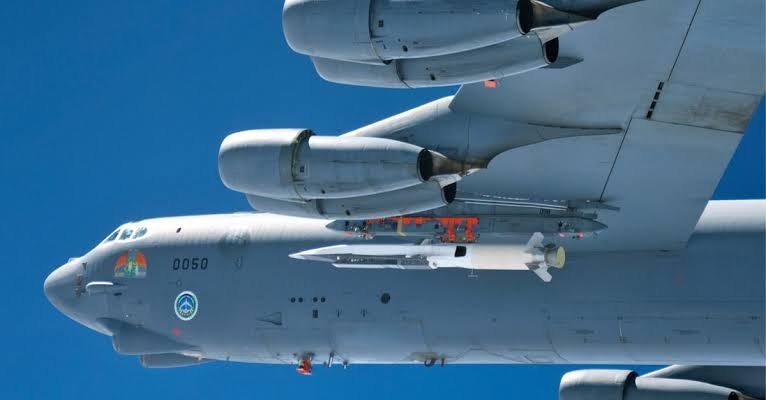
World
WASHINGTON, D.C. — The U.S. Missile Defense Agency (MDA) has awarded L3Harris Technologies Integrated Systems L.P., doing business as Aeromet, an indefinite-delivery/indefinite-quantity (IDIQ) contract worth up to $499.57 million to continue operating and maintaining the specialized aircraft and airborne sensor systems used during U.S. missile defense flight tests. The contract, announced on July 6, 2026, will support the agency's Flight Test Airborne Sensors (ABS) program from September 15, 2026, through September 14, 2036. The work will be performed by L3Harris' Aeromet division in Tulsa, Oklahoma, which specializes in aircraft equipped with advanced tracking and imaging sensors for missile testing missions. Under the agreement, Aeromet will provide aircraft operations and maintenance, sustain airborne sensor systems, conduct mission planning and execution, and carry out engineering upgrades to keep the aircraft and equipment ready for future missile defense test campaigns. Supporting U.S. Missile Defense Flight Tests The aircraft supported under the program are known as HALO (High Altitude Observatory) aircraft. These specialized platforms operate at high altitudes during missile defense tests and carry electro-optical and infrared sensors designed to collect detailed imagery and tracking data throughout an interceptor engagement. During a missile defense test, engineers require more than confirmation that an interceptor reached its target. The HALO aircraft record high-quality visual and infrared data, track missile flight paths, and capture information needed to determine whether an interceptor successfully struck its target and how the system performed during each phase of the engagement. The aircraft function as airborne observation platforms and flying laboratories, providing information that complements data collected by ground-based radars and other tracking systems. Critical Data for System Evaluation The information collected during flight tests plays an important role in evaluating missile defense systems. Engineers use the data to assess interceptor performance, identify technical issues, validate test results, and support decisions on future upgrades and development. According to the Missile Defense Agency, airborne observations provide details that cannot always be obtained through ground-based sensors or satellites alone. The combination of optical imagery, infrared recordings, and precision tracking data helps provide a more complete understanding of each missile interception test. The data also contributes to decisions regarding continued development, modernization, and operational readiness of U.S. missile defense capabilities designed to protect the homeland, deployed forces, and allied partners against ballistic missile threats. Follow-On to Earlier Contract The new agreement succeeds a previous 2021 Airborne Sensors contract awarded to Aeromet, which was valued at approximately $172.7 million and runs through September 2026. While covering largely the same mission, the new contract significantly increases both the funding ceiling and the performance period, extending support for another ten years. The Missile Defense Agency has already issued an initial task order worth $22.17 million, with $5 million in fiscal year 2026 research, development, test and evaluation funding obligated at the time of award. The contract was awarded through a competitive procurement process, with L3Harris serving as the sole bidder. Flexible Long-Term Support The IDIQ contract structure allows the Missile Defense Agency to issue task orders as future missile defense testing requirements evolve rather than funding all work at once. This approach provides flexibility to schedule aircraft operations, sensor maintenance, modernization efforts, and engineering upgrades based on upcoming flight test campaigns. The long-term agreement indicates the agency expects continued demand for airborne flight-test support as missile defense testing and system development continue into the 2030s. L3Harris Technologies, formed through the 2019 merger of L3 Technologies and Harris Corporation, is one of the largest U.S. defense contractors. Its Aeromet division has provided specialized airborne sensor support for the Missile Defense Agency for several years, supporting the collection of technical data used to evaluate and improve U.S. missile defense systems. Source: defence-blog
Read More → Posted on 2026-07-07 14:22:18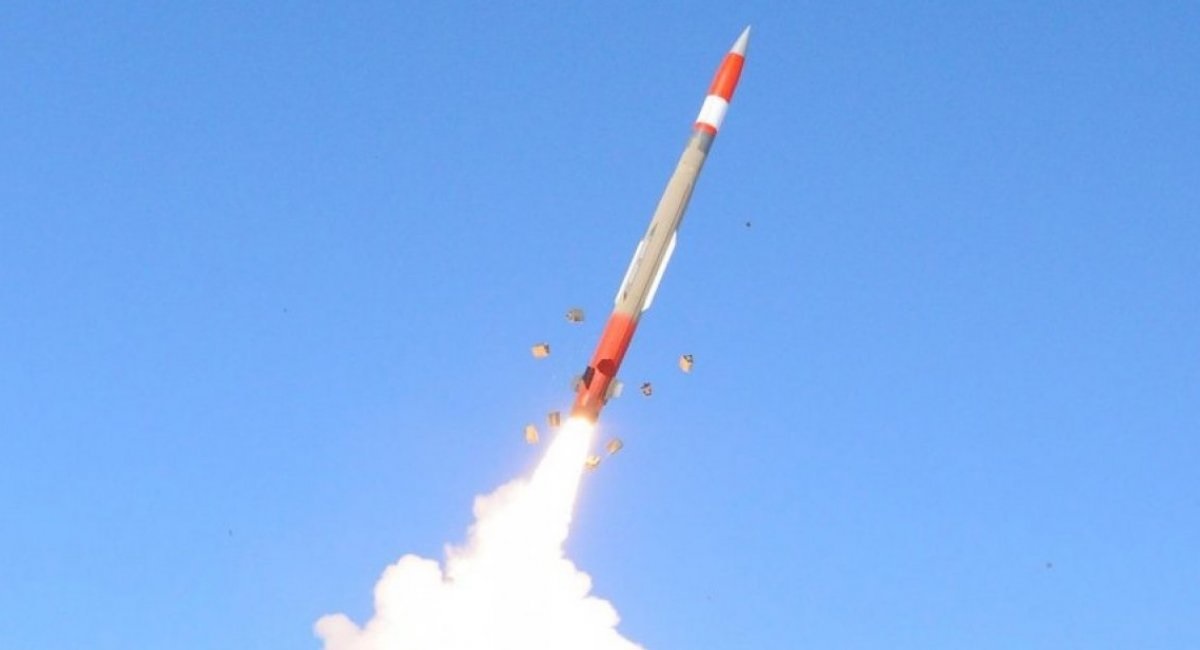
World
ANKARA, Türkiye — The United States, Germany, the Netherlands, Poland and Sweden have signed a joint agreement to explore the establishment of a dedicated maintenance facility in Europe for Lockheed Martin's PAC-3 air defense missiles, marking a new step in expanding NATO's regional missile support infrastructure. The agreement was announced on Tuesday during a defense industry event held alongside the NATO summit in Ankara. U.S. Undersecretary of Defense for Acquisition and Sustainment Michael Duffey said the proposed facility is intended to improve the availability of PAC-3 missiles, reduce repair times and strengthen operational readiness for NATO allies. The host country for the maintenance facility has not yet been selected. According to Duffey, the project is being developed in partnership with Lockheed Martin and the participating European nations. Speaking to reporters, Duffey also said the United States is not ruling out future production of PAC-3 missiles outside its borders. "We leave open the opportunity for production beyond the U.S. borders, absolutely," Duffey said when asked whether PAC-3 interceptors could eventually be manufactured outside the U.S. PAC-3 missiles are the most advanced interceptor used in the Patriot air defense system and require regular maintenance to remain operational. Demand for Patriot systems has increased significantly in recent years, particularly in Ukraine, where they have been used to intercept Russian tactical ballistic missiles since the start of Russia's full-scale invasion in 2022. The maintenance initiative forms part of broader efforts by the United States and European allies to expand defense industrial capacity in Europe while easing pressure on U.S. defense manufacturers. Europe Expanding Patriot Missile Production Efforts to increase missile production in Europe are already underway for other Patriot interceptors. In 2024, Germany, the Netherlands and Spain signed a €5.1 billion (approximately $5.98 billion) contract to procure up to 1,000 PAC-2 missiles. The missiles will be produced at a new MBDA facility in Schrobenhausen, southern Germany, through COMLOG, a joint venture between MBDA and Raytheon. The new production facility is expected to double global manufacturing capacity for PAC-2 interceptors, which are designed to counter tactical ballistic missile threats. Production is scheduled to begin at the end of 2026, with the first deliveries expected in early 2027. MBDA will also provide maintenance support for the PAC-2 missile inventory. AMRAAM Co-Production Plans Progress At the same time, the United States and several NATO members are moving closer to establishing co-production of Raytheon's AIM-120 AMRAAM missiles in Europe. The initiative involves Belgium, Canada, Finland, Germany, the Netherlands, Norway and Britain. Participating countries are funding feasibility studies to qualify European suppliers for key missile components. The AIM-120 AMRAAM is used by NASAMS air defense systems and F-16 fighter aircraft and remains in high demand, including by Ukraine. However, officials have not announced which European country could host a future AMRAAM production facility or when a final agreement may be reached. Supporting NATO Supply Chains The new maintenance and production initiatives are intended to strengthen NATO's defense industrial base by improving regional support for critical air defense systems. They also align with U.S. President Donald Trump's call for European allies to assume a greater role in their own defense by increasing defense spending and expanding industrial capabilities within Europe. The projects come as the United States faces growing pressure on its defense manufacturing sector. In June, President Trump invoked the Defense Production Act to address constraints affecting munitions production and defense supply chains after concerns that ongoing military support for Ukraine and operations related to the conflict with Iran had placed significant demands on U.S. weapons stockpiles. Defense officials say expanding maintenance and production capabilities in Europe could reduce pressure on Lockheed Martin and Raytheon facilities in the United States, allowing the companies to increase domestic production while helping European allies maintain more resilient and reliable missile supply chains. Source: reuters
Read More → Posted on 2026-07-07 14:41:32
World
ANKARA, Turkey — Finland, Norway and Latvia have signed a Statement of Intent to cooperate on the development and potential joint procurement of the Patria TRACKX armoured tracked vehicle during the 2026 NATO Summit in Ankara, marking a new step in multinational defence cooperation aimed at improving land mobility and interoperability among European allies. The agreement establishes a framework for the three countries to share information on the ongoing development of the TRACKX platform and the results of field trials. It also allows the participating nations to explore future joint procurement opportunities and coordinate additional product development. Finnish Minister of Defence Antti Häkkänen signed the agreement on behalf of Finland. Focus on Arctic and All-Terrain Mobility Patria TRACKX is a next-generation armoured tracked vehicle developed to operate in demanding environments, including deep snow, marshlands and Arctic terrain. The vehicle has been developed under the multinational Future Highly Mobile Augmented Armoured Systems (FAMOUS) programme, which is co-funded by the European Defence Fund (EDF). The TRACKX programme is intended to provide European armed forces with a modern replacement for ageing tracked vehicle fleets such as the M113 and MT-LB. Designed for the 13-to-18-ton weight class, the vehicle has an empty weight of 12 tonnes and can carry a payload of up to 3.5 tonnes. It accommodates a crew of up to 10 soldiers in a protected compartment fitted with blast-attenuating seats and can be equipped with a 12.7 mm machine gun. The vehicle also features wide rubber tracks, a low centre of gravity and an independent adjustable hydropneumatic suspension for each road wheel, providing improved mobility across difficult terrain while maintaining stability and crew protection. Based on the CAVS Cooperation Model The TRACKX initiative follows the cooperation model used in the Common Armoured Vehicle System (CAVS) programme based on the Patria 6×6 wheeled armoured vehicle. According to Patria, the CAVS programme has demonstrated that jointly defining military requirements, coordinating procurement and sharing life-cycle support can accelerate vehicle deliveries, improve interoperability and strengthen supply security among NATO and European partner nations. The TRACKX cooperation is expected to apply the same approach by allowing participating countries to coordinate development, testing and future procurement while reducing long-term support costs. Officials Highlight Multinational Cooperation Patria President and CEO Panu Routila said Europe and allied nations require a new level of mobility that cannot be delivered by individual countries acting alone. He said multinational cooperation and joint procurement provide an effective way to transform shared operational requirements into deployable capability while improving interoperability. Routila also said the agreement demonstrates that all-terrain mobility has become a strategic capability area for both NATO and European defence, supporting the renewal of ageing armoured vehicle fleets with a European-developed platform. Jussi Järvinen, Executive Vice President of Patria's Protected Mobility business area, said the success of the CAVS programme has shown the benefits of multinational cooperation. He said the Statement of Intent reflects strong interest in establishing a common tracked vehicle platform to improve interoperability, joint operational capability and life-cycle efficiency. Järvinen added that TRACKX is designed to provide high mobility, protection, situational awareness and operational range across a wide range of operating environments. Serial Production Planned From 2027 Patria expects TRACKX to enter serial production between 2027 and 2028, with the goal of enabling national procurement programmes from 2027 onward as participating countries finalize their requirements. Alongside the trilateral agreement, Sweden continues to participate in TRACKX technology development and pre-series procurement activities through a separate cooperation agreement with Finland. Patria said this parallel effort supports technology development and helps prepare the vehicle for future procurement. Supporting NATO and European Defence A broader multinational programme led by Finland is currently being organized around the TRACKX platform. According to the Finnish Ministry of Defence, improving protected operational mobility in Arctic regions remains a key national security priority. The programme is also expected to support the Eastern Flank Watch (EWF) initiative, which focuses on strengthening security, readiness and operational mobility for the easternmost member states of the European Union. The Statement of Intent reflects continuing efforts by Finland, Norway and Latvia to enhance defence cooperation through common capability development, coordinated procurement and improved interoperability across NATO and European partner forces. Source: patriagroup
Read More → Posted on 2026-07-07 15:10:17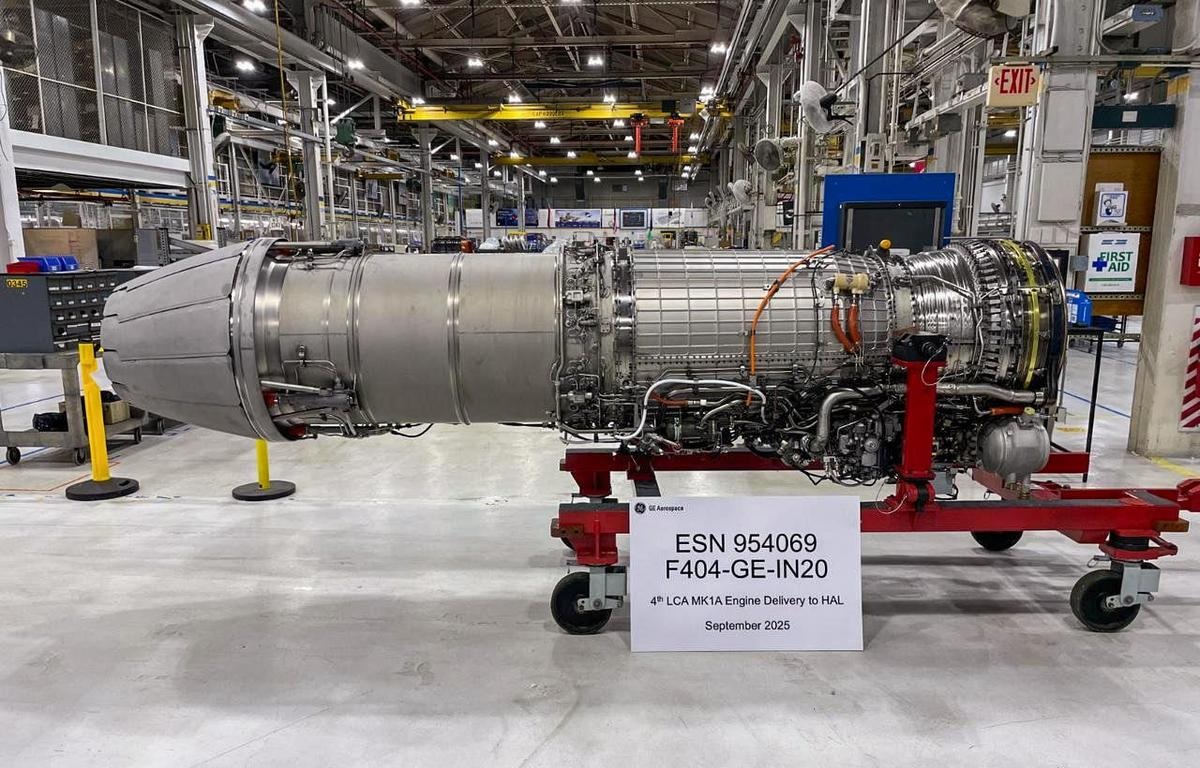
India
Bengaluru, India — GE Aerospace has delivered the seventh F404-IN20 turbofan engine to Hindustan Aeronautics Limited (HAL) for the Light Combat Aircraft (LCA) Tejas Mk1A programme, continuing engine deliveries that remain slower than the company's earlier production plans. The F404-IN20 powers both the Tejas Mk1 and Tejas Mk1A. Engine availability remains the primary factor determining the pace of aircraft completion, as propulsion systems must be installed before final integration, ground testing, flight testing, and delivery to the Indian Air Force (IAF). GE delivered the first F404-IN20 engine on March 26, 2025. The second, third and fourth engines were delivered between July and September 2025, followed by the fifth engine in December 2025. The sixth engine was delivered on April 2, 2026, while the seventh engine has now been handed over around three months later. The delivery timeline shows that GE supplied five engines during 2025, but only two additional engines during the first half of 2026. Earlier, the company had indicated that it planned to deliver 20 F404-IN20 engines by the end of 2026. Based on the current delivery pace, reaching that target would require a substantial increase in engine shipments during the remaining months of the year. Even matching the five engines delivered in 2025 would require a significantly faster delivery rate than seen so far in 2026. The slow supply of engines has remained the main constraint on the Tejas Mk1A programme. HAL has already manufactured and flown nearly 30 Tejas Mk1A airframes, with several aircraft awaiting engine installation before they can proceed to final integration, certification, and delivery to the Indian Air Force. To minimise delays once engines become available, HAL has established multiple production lines and continues manufacturing airframes, avionics, radar, and electronic warfare systems in parallel so that engine integration can begin immediately after delivery and post-delivery quality checks. The Tejas Mk1A is one of the Indian Air Force's key fighter modernisation programmes. HAL is producing 83 aircraft under a contract worth around ₹48,000 crore, while the Government of India has approved a follow-on order for 97 additional fighters, increasing the planned Tejas Mk1A fleet to 180 aircraft. To support long-term production, HAL and GE Aerospace signed a follow-on agreement in late 2025 for the supply of 113 additional F404-IN20 engines, with deliveries scheduled between 2027 and 2032. The pace of future engine deliveries will remain a key factor in determining how quickly HAL can complete and deliver Tejas Mk1A fighters to the Indian Air Force. Source: NewX
Read More → Posted on 2026-07-07 15:33:07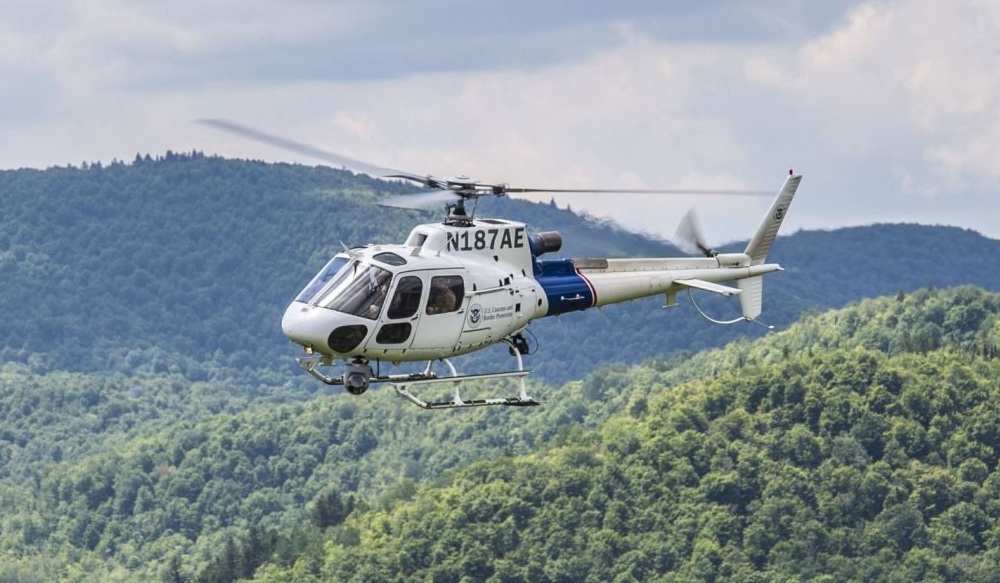
World
COLUMBUS, Mississippi — Airbus has signed a contract with U.S. Customs and Border Protection (CBP) Air and Marine Operations (AMO) to supply 10 H125 light single-engine helicopters, expanding the agency's aviation fleet for homeland security, law enforcement, border security, and public safety missions across the United States. The acquisition is part of CBP's ongoing fleet modernization program, which aims to provide aircrews with modern, reliable, and multi-role aircraft capable of operating in demanding environments. The new helicopters will strengthen the agency's rotary-wing fleet and support rapid response operations along U.S. borders and at ports of entry. The Airbus H125 is one of the most widely used light single-engine helicopters in the world and has an established role in airborne law enforcement operations across North America. The aircraft is designed to perform in a wide range of weather and environmental conditions, making it suitable for homeland security missions that require reliable performance in challenging operating environments. For CBP Air and Marine Operations, the H125 provides good external visibility and multi-mission flexibility, allowing crews to carry out routine aerial patrols, surveillance, and more complex tactical operations using the same platform. The helicopter is also designed to deliver these capabilities while maintaining relatively low operating costs. The 10 helicopters will be equipped with several standard safety systems, including a dual-channel Full Authority Digital Engine Control (FADEC) system, an onboard engine data recorder, and a dual hydraulic flight control system. These features are intended to reduce pilot workload and improve operational safety during demanding missions. The aircraft will be manufactured at Airbus' helicopter production facility in Columbus, Mississippi, supporting domestic production for the U.S. government order. Commenting on the agreement, Bart Reijnen, Head of the North America Region for Airbus Helicopters, said the expansion of the H125 fleet reflects the long-standing collaboration between Airbus and U.S. Customs and Border Protection. He said the selection demonstrates the agency's confidence in the H125 for critical public safety missions and added that Airbus will continue providing aircraft support and services to help maintain mission readiness. Air and Marine Operations, the aviation and maritime law enforcement branch of CBP, uses helicopters and fixed-wing aircraft to support border security, law enforcement, surveillance, search operations, and emergency response missions throughout the United States. The addition of the new H125 helicopters will increase the agency's operational capacity while supporting its long-term goal of maintaining a modern and effective aviation fleet. The H125 continues to be widely used by government agencies, law enforcement organizations, emergency medical services, utility operators, and commercial customers worldwide due to its versatility and ability to operate in diverse environments. The latest order further expands its role within CBP's airborne operations as the agency continues to modernize its aviation capabilities. Airbus has not announced a delivery timeline for the helicopters. The final delivery schedule and aircraft configuration will be coordinated with U.S. Customs and Border Protection as part of the contract implementation. Source: m.in.investing
Read More → Posted on 2026-07-07 15:54:23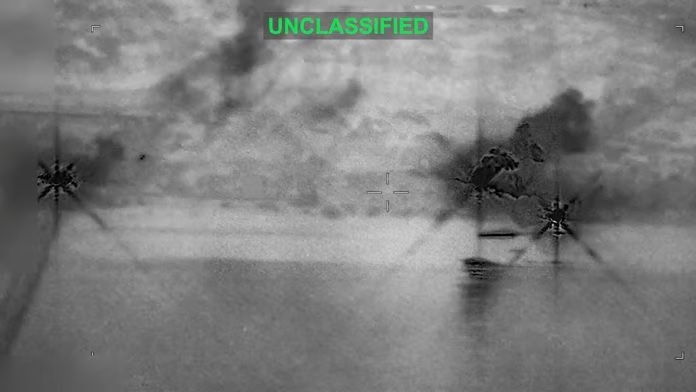
World
WASHINGTON — The United States carried out a new round of airstrikes against Iran late on July 7 and into the early hours of July 8, 2026, targeting more than 80 military sites in response to Iranian attacks on commercial vessels in the Strait of Hormuz, according to the U.S. Central Command (CENTCOM). The operation represents one of the largest U.S. military actions since the current conflict began and comes amid renewed tensions over maritime security in the Gulf. Background The latest military action followed attacks on three commercial vessels transiting the Strait of Hormuz. U.S. officials said the attacks violated the existing ceasefire arrangements and endangered civilian shipping in one of the world's most important maritime trade routes. Washington said the operation was intended to protect international commerce and preserve freedom of navigation through the strategic waterway. More Than 80 Military Targets Struck CENTCOM said U.S. forces targeted more than 80 Iranian military sites using precision-guided weapons. According to the military, the targets included: Air-defense systems Command-and-control centers Coastal radar installations Anti-ship missile batteries Drone launch facilities More than 60 Islamic Revolutionary Guard Corps (IRGC) naval boats operating in and around the Strait of Hormuz The U.S. military said the strikes were designed to degrade Iran's ability to threaten commercial shipping and regional maritime security rather than target civilian infrastructure. Why the United States Responded Washington said the strikes were launched after Iranian forces attacked three commercial ships sailing through the Strait of Hormuz, including a Qatari liquefied natural gas (LNG) tanker. U.S. officials described the incidents as a direct threat to international shipping and said the response was intended to deter further attacks on civilian maritime traffic. The Strait of Hormuz carries a significant share of the world's seaborne crude oil and liquefied natural gas exports, making security in the waterway critical for global energy markets. Additional U.S. Measures Alongside the military operation, Washington announced additional economic measures by revoking a license that had allowed limited Iranian oil sales. U.S. officials said the decision was taken in response to the shipping attacks and was intended to increase economic pressure on Tehran while limiting revenue that could support further military operations. Iran Condemns the Strikes Iran condemned the U.S. operation, accusing Washington of violating previous understandings and escalating the conflict. Iranian military leaders warned that the country would deliver what they described as a "crushing response" and rejected U.S. military actions in and around the Strait of Hormuz. Iranian media reported explosions in southern parts of the country, including areas near Bandar Abbas, Qeshm Island and Sirik, although authorities did not immediately release verified casualty or damage figures. Iranian Retaliatory Action Following the U.S. operation, Iran announced missile and drone attacks against U.S. military facilities in Bahrain and Kuwait. Authorities in both Gulf states activated air-defense systems after the attacks were detected. Officials continued to assess the situation, and no independently verified casualty figures were immediately available. Regional and Global Impact The latest exchange has renewed concerns about security in the Gulf and the future of shipping through the Strait of Hormuz. Oil prices rose as markets reacted to the renewed military confrontation and the possibility of further disruption to global energy supplies. Shipping companies also reviewed transit plans through the region amid heightened security concerns. Current Situation According to CENTCOM, the latest round of strikes has concluded, but U.S. forces remain prepared to respond to any further threats against commercial shipping or regional security. Iran has vowed further retaliation, while governments across the Middle East continue to monitor the situation closely. The latest exchange has raised fresh doubts over the durability of the ceasefire and the prospects for renewed diplomatic negotiations between Washington and Tehran.
Read More → Posted on 2026-07-08 10:50:42
World
ANKARA, Türkiye — NATO allies announced a series of new multinational space initiatives during the NATO Summit Defence Industry Forum held in Ankara on July 7, marking a significant step in the alliance's efforts to strengthen military space capabilities, improve satellite integration, and enhance resilience against emerging threats. The announcements included the launch of the Hybrid Alliance Layered Operations in Space (HALO) initiative, Canada's entry into the STARLIFT program, Spain's participation in the Alliance Persistent Surveillance from Space (APSS) initiative, and Türkiye's plans to expand its national satellite and military space capabilities. Eight NATO Allies Launch HALO Initiative Eight NATO member countries—Canada, Denmark, Finland, Germany, the Netherlands, Norway, Sweden, and Türkiye—officially launched HALO (Hybrid Alliance Layered Operations in Space). The multinational project is designed to improve the connectivity and integration of sovereign, nationally owned and controlled military satellites into a networked mega-constellation. Rather than relying on separate national satellite fleets, HALO aims to create a connected architecture that allows allied satellites to operate together while remaining under national ownership. According to NATO, the initiative is intended to strengthen alliance resilience in space while improving military capabilities through faster communications, intelligence sharing, and missile tracking. The planned network is expected to support: High-speed military communications Enhanced intelligence collection and sharing Improved missile tracking capabilities NATO Deputy Secretary General Radmila Šekerinska said individual satellite constellations operated independently by member states face challenges such as cyberattacks, electronic jamming, physical attacks, higher development costs, limited coverage, and slower transmission of large volumes of data. HALO is intended to address these limitations through a more integrated multinational approach. Canada Becomes 15th Member of STARLIFT Canada formally joined NATO's STARLIFT multinational initiative, becoming its 15th participating nation. STARLIFT is exploring the development of a network of launch capabilities across allied spaceports to enable NATO members to launch space assets at short notice when operational requirements arise. According to NATO, expanding launch options across the alliance will improve the ability to respond more quickly to developments affecting space operations. Isar Aerospace Secures Access to Canadian Launch Infrastructure During the forum, German launch company Isar Aerospace signed a contract with Maritime Launch Services of Canada. The agreement provides Isar Aerospace with access to launch infrastructure and services at Spaceport Nova Scotia, supporting the company's preparations for future orbital launches and improving launch readiness for European and allied payloads. Spain Joins NATO's APSS Program Spain became the 19th country to join NATO's Alliance Persistent Surveillance from Space (APSS) initiative. NATO describes APSS as the largest multinational investment in space-based capabilities in the alliance's history. The initiative combines satellite data from participating nations to improve persistent surveillance and intelligence support. As part of its contribution, Spain will provide imagery from its Atlantic Constellation satellites to strengthen coastal surveillance and expand the alliance's shared space-based monitoring capabilities. Türkiye Announces Expansion of National Space Capabilities As host of the 2026 NATO Summit Defence Industry Forum, Türkiye announced several new investments aimed at expanding its national space infrastructure. Following the operational success of the IMECE Earth observation satellite, Türkiye plans to develop two additional high-resolution Earth observation satellites to strengthen regional surveillance capabilities. The country also announced investments in: Low Earth Orbit (LEO) satellites for secure military communications Early Warning Radar Systems to enhance battlefield connectivity and situational awareness According to NATO, these developments are intended to support Türkiye's national defence capabilities while contributing to broader alliance security objectives. Strengthening NATO's Space Cooperation The announcements made during the Defence Industry Forum reflect NATO's continued focus on expanding cooperation in space through multinational programs. Initiatives such as HALO, STARLIFT, and APSS are designed to improve interoperability among allied nations by integrating national capabilities, expanding launch options, and increasing access to space-based communications, surveillance, intelligence, and missile tracking. By combining national resources through joint programs, NATO aims to improve operational resilience while reducing the limitations associated with independently operated satellite systems. The alliance expects these initiatives to progress through further development and implementation in the coming months. Source: nato.int
Read More → Posted on 2026-07-08 10:58:39
World
ANKARA — The United Kingdom and the Netherlands have signed a £2.4 billion ($3.2 billion) agreement to jointly build eight next-generation amphibious transport ships, marking a significant step in defence and naval cooperation between the two NATO allies. The agreement was signed on July 7 by UK Prime Minister Keir Starmer and Dutch Prime Minister Rob Jetten during a meeting of NATO leaders in Ankara. Under the agreement, the new ships will be based on a Dutch design and built in UK shipyards with participation from Dutch industry. Each country will receive four vessels, creating a common platform for the Royal Navy and the Royal Netherlands Navy to strengthen their combined amphibious operations. New Ships Designed for Modern Operations The new amphibious transport ships will each measure 160 metres in length and displace around 15,000 tonnes. They are designed to transport troops, military vehicles, equipment, and drones for a wide range of military operations. The vessels will feature flight decks capable of operating both current and future long-range drones and autonomous systems, supporting the Royal Navy's transition toward a hybrid fleet that combines conventional warships with uncrewed technologies. The design is understood to be derived from Damen Naval's Enforcer Landing Platform Dock (LPD) family. The ships are also expected to replace the Royal Navy's aging Albion-class landing platform dock vessels. Strengthening UK-Netherlands Military Cooperation The programme builds on more than 50 years of cooperation through the UK-Netherlands Amphibious Force, Europe's longest-running integrated military force. With both navies operating the same class of ships, British and Dutch forces will be able to train, deploy and operate together more effectively. The partnership is also intended to improve NATO's ability to respond rapidly to future crises while supporting joint development of autonomous and uncrewed technologies. Prime Minister Keir Starmer said the agreement goes beyond shipbuilding. "This partnership is not just about building ships, it is also about delivering long-term security for both the UK and The Netherlands, ensuring we are able to stay ahead of the threats of tomorrow." He added that combining Britain's shipbuilding expertise with Dutch naval design and maritime experience would deliver advanced platforms for both countries' amphibious forces while strengthening NATO. Starmer also said the programme would create and sustain skilled jobs in UK shipyards. UK Defence Secretary Dan Jarvis said the common fleet would strengthen defence cooperation between the two countries. "Our forces will operate the same equipment and deploy on exercises together, so if they need to, we can fight and win together. In close partnership, we are responding to the threats we face to make our nations and Europe safer." Support for UK Shipbuilding Industry The £2.4 billion programme is expected to support hundreds of highly skilled jobs across the UK shipbuilding industry. Navantia UK, which owns the Harland & Wolff shipyard, has indicated it is prepared to support construction of the new vessels. Chief Executive Donato Martinez said the Belfast shipyard provides the UK with a sovereign capability to build amphibious ships. He noted that the facility has received more than £98.5 million in investment and is now among Europe's most advanced shipbuilding sites. He added that the company is fully committed to supporting the programme. Part of the UK's Wider Naval Modernisation The agreement forms part of the UK's broader Defence Investment Plan, which aims to transform the Royal Navy into a more technologically advanced hybrid force by integrating traditional warships with autonomous surface and undersea systems. The partnership also follows the recent UK-Norway agreement to build five Type 26 frigate vessels in British shipyards. Beyond amphibious operations, the UK and the Netherlands plan to use the new ships to help protect critical undersea infrastructure and strengthen deterrence in the North Atlantic and High North regions as NATO and Joint Expeditionary Force (JEF) partners. Construction and delivery schedules for the eight amphibious transport ships have not yet been announced. The agreement establishes a common fleet for both navies while expanding long-term industrial cooperation and interoperability between the two countries. Source: gov.uk
Read More → Posted on 2026-07-08 11:13:18
Space & Technology
BERLIN — Germany is moving ahead with a major expansion of its military space capabilities, with plans to deploy up to 1,200 satellites in Low Earth Orbit (LEO) by 2030. The initiative is intended to provide the Bundeswehr with sovereign satellite communications and persistent space-based reconnaissance, reducing reliance on foreign commercial infrastructure for critical military operations. The planned constellation consists of two major programs: SATCOMBw Stufe 4, a secure military communications network of around 200 satellites, and SPOCK 2 (Spacesystem for Persistent Operational Tracking), a reconnaissance constellation that could include up to 1,000 satellites. Together, the projects represent one of Germany's largest defence space investments and a significant expansion of its defence space architecture. Lessons from Recent Conflicts German defence planners have cited recent conflicts, particularly the war in Ukraine, as an important factor in shaping the country's space strategy. Commercial satellite internet services, including SpaceX's Starlink, played a key role in supporting Ukrainian military operations by maintaining communications, enabling drone operations, and sharing intelligence after conventional communication networks were disrupted. However, because the network is commercially owned, access has remained dependent on the decisions of the service provider. German officials concluded that critical military communications should not depend on external commercial infrastructure. SATCOMBw Stufe 4 is intended to provide the Bundeswehr with its own secure communications network capable of connecting ground forces, naval vessels, aircraft, and command centres worldwide through German-controlled satellite infrastructure. SATCOMBw Stufe 4 to Replace Current Architecture Germany's existing military satellite communications system, SATCOMBw Stufe 3, relies on two large geostationary satellites positioned approximately 36,000 kilometres above Earth. Airbus received the contract for that system in 2024, valued at around $2.4 billion, covering satellites and associated services. The new system adopts a different approach by using hundreds of smaller satellites operating between approximately 500 and 1,200 kilometres above Earth in Low Earth Orbit. LEO satellites provide significantly lower communication latency and wider global coverage. However, they also have shorter operational lifespans because of atmospheric drag, requiring continuous replacement launches to maintain the constellation. The German Defence Ministry plans for an initial operational capability of approximately 40 satellites by 2029, with full deployment targeted for 2030. European Defence Companies Form Consortium Several major European defence and aerospace companies are working together to compete for the SATCOMBw Stufe 4 contract. OHB and Rheinmetall have established OHB Rheinmetall Space Networks GmbH, headquartered in Bremen, to jointly pursue the program. Industry reports also indicate that Airbus Defence and Space is cooperating with the consortium. The partnership is offering an integrated solution covering satellite design, production, system integration, operations, and cybersecurity. The SATCOMBw Stufe 4 contract is estimated to be worth between €8 billion and €10 billion, with the German Defence Ministry expected to make its contract award around the turn of 2026 and 2027. For Rheinmetall, traditionally known for producing armoured vehicles, artillery, and ammunition, the project represents a major expansion into military space systems. Timo Haas, Chief Executive of Rheinmetall's Digital Systems division, emphasized the growing importance of secure satellite communications, stating that modern military operations increasingly depend on reliable space-based communication networks. SPOCK 2 Expands Germany's Reconnaissance Capability Alongside the communications program, Germany is also expanding its space-based surveillance capability through SPOCK 2. The project is expected to include up to 1,000 reconnaissance satellites, making it the larger of the two planned constellations. SPOCK 2 builds upon SPOCK 1, which was awarded in late 2025 to Rheinmetall ICEYE Space Solutions, a joint venture between Rheinmetall and Finnish satellite operator ICEYE. The contract was valued at approximately €1.7 billion (about $1.94 billion). The satellites use Synthetic Aperture Radar (SAR) technology, allowing them to capture images regardless of cloud cover, smoke, rain, or darkness. According to project information, the SAR satellites are capable of producing imagery with resolutions of up to 16 centimetres. Production for SPOCK 1 satellites is scheduled to begin during the third quarter of 2026 at a converted former automobile factory in Neuss, Germany. The initial mission is to support surveillance along NATO's eastern flank, including the protection of the Bundeswehr's permanently deployed Lithuania Brigade. SPOCK 2 is expected to expand this capability substantially by providing near-continuous monitoring of military activities, including troop movements, armoured formations, and other operational targets. Former German astronaut and aerospace professor Ulrich Walter has noted that achieving near real-time tracking of moving military targets requires a large number of satellites operating simultaneously, making a dense LEO constellation necessary. Long-Term Investment in Military Space Germany's broader military space strategy is expected to require significant long-term investment. Reports indicate that the Defence Ministry is planning to allocate at least $40 billion for overall military space capabilities. Once the full satellite constellations become operational, annual operating costs are estimated at approximately $1.14 billion. Much of these recurring expenses will support regular replacement launches needed to maintain the Low Earth Orbit constellations as satellites gradually re-enter the atmosphere at the end of their operational lives. While technical details of the final SPOCK 2 architecture are still being discussed between the Bundeswehr and industry partners, Germany's overall objective is to establish an independent military satellite infrastructure that provides secure communications, continuous reconnaissance, and greater operational resilience for future defence missions. Source: suv.report
Read More → Posted on 2026-07-08 11:35:26
World
A Russian-linked recruitment network operating through Telegram has expanded its sabotage recruitment campaign beyond Ukraine into several European Union countries, according to an investigation by independent news outlet Vot Tak. The investigation found that recruiters are offering payments ranging from $1,500 to $3,000 for attacks targeting NATO-related assets, Ukrainian organizations, transportation infrastructure, and other facilities across Europe. The investigation indicates that what initially focused on recruiting individuals for sabotage inside Ukraine has increasingly shifted toward operations in EU member states during the spring of 2026. Recruiters Present Illegal Tasks as Part-Time Jobs According to Vot Tak, recruiters advertise what appear to be legitimate part-time jobs, describing them as "easy work," "simple technical work," or flexible side jobs with stable payments. After establishing contact, recruiters reportedly inform applicants that the assignments involve illegal activities. They then provide detailed price lists outlining payments for different sabotage missions and explain the methods required to complete them. One recruiter using the Telegram alias "Jan Pol" allegedly told an undercover journalist that the work was "illegal" before sending instructions and payment offers for various assignments. The investigation also identified other recruiter aliases, including "Sasha," "Smitt," "Moroz," and "Maks," who allegedly coordinated assignments in different countries. Poland Among Primary Targets According to the investigation, Poland became one of the main countries targeted after the network expanded its activities into the European Union. Recruiters allegedly offered payments of up to $3,000 to carry out arson attacks against: Locomotives Mobile communication base stations Vehicles with Ukrainian license plates Humanitarian aid collection points Ukrainian organizations and volunteer centres Before approving an attack, recruiters instructed recruits to conduct reconnaissance by collecting addresses, filming potential targets, and submitting the footage for approval. If the target was accepted, recruits were instructed to record the attack using the Timestamp Camera application, which embeds time and location data into videos. Payment was reportedly made through cryptocurrency or bank transfer after handlers verified the footage. Latvia: Ukrainian Community Office Targeted In Latvia, investigators found that recruiters offered $3,000 to attack the headquarters of the Viche Confederation of Ukrainian Communities in Riga. According to Vot Tak, recruiters supplied photographs of the building and previously recorded reconnaissance footage. They instructed recruits to carry out an arson attack and submit video evidence before receiving payment. Lithuania: NATO Equipment and Disinformation Assignment The investigation found that recruits in Lithuania were offered $1,500 to set fire to a NATO military vehicle. An additional $500 was reportedly offered for obtaining or staging video material claiming that Ukrainian drones were being launched from Lithuanian territory. According to Vot Tak, this proposal was made only days before Russia's Foreign Intelligence Service publicly claimed that Ukraine was preparing drone launches from the Baltic states. Czech Republic Operations In the Czech Republic, recruiters allegedly sought individuals willing to purchase electric igniters, devices commonly used in pyrotechnics but also capable of serving as components in improvised explosive devices. Approximately one month after these communications, an arson attack occurred at a defence facility in Pardubice that manufactures drones for Ukraine. While investigators have not confirmed a direct connection between the Telegram communications and the incident, Vot Tak noted that the timing has drawn attention from investigators examining possible Russian intelligence involvement. Recruitment Network Uses Layered Structure The investigation describes a structured recruitment system designed to reduce exposure for organizers. Initial advertisements are distributed through thousands of Telegram job-search groups by temporary accounts that often remain active for only a few days before being deleted. After initial contact, potential recruits are transferred to handlers who explain the assignments, approve targets, and arrange payments. To verify completed operations, recruits are instructed to: Conduct reconnaissance before the attack. Record the entire operation using the Timestamp Camera app. Submit the footage to handlers. Receive payment, typically in cryptocurrency, after verification. Massive Online Recruitment Campaign Researchers cited by Vot Tak estimate that more than 20 million recruitment advertisements linked to sabotage have appeared on Telegram since the beginning of 2026. On May 12 alone, approximately 10,000 nearly identical advertisements in Russian and Ukrainian were identified across Telegram channels and job groups. Most advertisements promoted flexible, well-paid work before directing interested users to recruiters. According to the investigation, these advertisements appeared not only in Eastern Europe but also in Russian-language Telegram groups serving users in Germany, Poland, the United States, the United Arab Emirates, Thailand, and more than 20 other countries. Foreign Phone Numbers and Older Telegram Accounts The investigation found that many of the accounts distributing recruitment advertisements were registered using foreign phone numbers rather than Russian or Ukrainian numbers. Most were linked to numbers from India, Iran, and several Arab countries. Researchers also found evidence that another branch of the network purchases older Telegram accounts, sometimes more than ten years old, to bypass platform spam filters and increase the credibility of recruitment messages. According to Vot Tak, recruiters were willing to purchase established Telegram accounts for relatively small amounts before repurposing them for recruitment activities. Recruitment Previously Focused on Ukraine The investigation notes that until late 2025, most sabotage assignments targeted locations inside Ukraine. However, by the spring of 2026, standard recruitment materials had expanded to include operations across several European countries. The Security Service of Ukraine (SBU) told Vot Tak that it considers the recruitment effort part of what it describes as the Russian intelligence operation known as "Sabotage Noise," which Ukrainian authorities say has been active since 2023. According to the SBU, more than 1,400 Russia-directed sabotage-related crimes have been documented in Ukraine since the operation began, including approximately 800 cases during 2025. Recent Arrest Highlights Ongoing Threat The investigation comes as European security agencies continue monitoring suspected sabotage activities linked to Russian intelligence. On July 7, 2026, two individuals were detained at the Serbia-Hungary border after intelligence shared by German security services and allied agencies. According to intelligence officials and German newspaper BILD, authorities discovered an explosive device during a search of their luggage. Investigators believe the suspects were travelling to Germany to carry out a sabotage attack against a defence-industry facility involved in military assistance to Ukraine. Officials described the pair as suspected "disposable agents" allegedly recruited for a single operation. Investigation Highlights Growing Cross-Border Recruitment The Vot Tak investigation concludes that Telegram has become a significant platform for recruiting individuals willing to conduct sabotage operations through offers of quick payments and anonymous communication. While Ukrainian authorities have documented numerous cases of Telegram-based recruitment inside Ukraine, the investigation suggests that similar methods are now increasingly being directed toward targets across the European Union. At the time of publication, Vot Tak reported that official requests for comment sent to intelligence agencies in Poland, Lithuania, Latvia, the Czech Republic, and the United States had not received detailed responses regarding the scale of the recruitment activity in their respective countries. Source: vot-tak.tv
Read More → Posted on 2026-07-08 11:53:07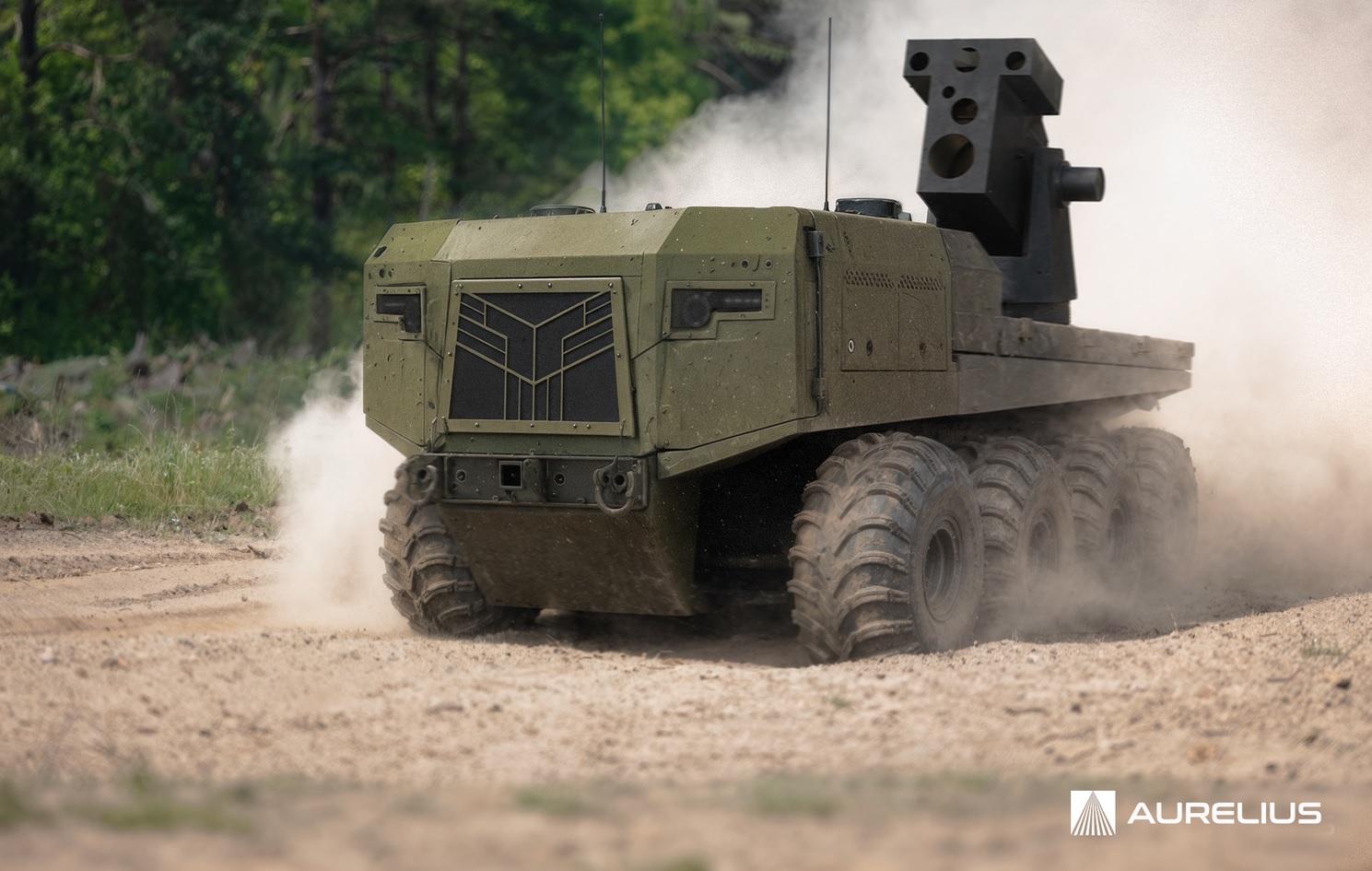
World
San Francisco — Aurelius Systems has announced a strategic partnership with American Rheinmetall to integrate its Archimedes directed-energy platform onto robotic combat vehicles, aiming to provide mobile and autonomous protection against the growing threat of battlefield drones. The collaboration combines Aurelius Systems' AI-enabled laser-based counter-unmanned aerial system (C-UAS) technology with American Rheinmetall's unmanned ground vehicle (UGV) platforms used for automated supply distribution. The integrated system is intended to protect logistics convoys and forward supply missions while reducing the need to expose personnel to high-risk environments. The companies said the partnership is focused on accelerating the deployment of counter-drone capabilities that can operate alongside robotic vehicles delivering ammunition, fuel, medical supplies, and other critical equipment to troops operating at the tactical edge. Archimedes Directed-Energy Platform At the center of the partnership is Archimedes, Aurelius Systems' autonomous directed-energy platform designed to detect, track, identify, and defeat unmanned aerial systems using a high-power laser. The system combines advanced sensors, artificial intelligence, and directed-energy technology to autonomously detect, track, and engage aerial threats. It is built as a compact low-SWaP-C (Size, Weight, Power and Cost) platform, allowing integration onto mobile vehicles while reducing the logistical burden compared with traditional missile-based air defense systems. Unlike interceptor-based systems that require reloads, directed-energy systems can repeatedly engage drone targets as long as sufficient electrical power is available, making them suitable for countering multiple small drones. Integration With American Rheinmetall Robotic Vehicles American Rheinmetall will integrate the Archimedes system onto its robotic combat vehicle platforms developed for autonomous logistics missions. These unmanned ground vehicles are designed to transport supplies to frontline units, operate in contested environments, and support autonomous or remotely controlled missions. By integrating the Archimedes laser system, the vehicles are expected to gain organic counter-drone protection while continuing supply operations in areas where unmanned aerial threats are increasingly common. The integrated capability is intended to help maintain operational freedom of movement and keep supply routes open during military operations. Demonstrations and Testing The announcement follows several recent demonstrations of the Archimedes platform. Last month, Aurelius displayed the integrated system during the Reindustrialize 2026 conference in Detroit, where the laser platform was mounted on a robotic combat vehicle developed in partnership with American Rheinmetall and Harbinger. Earlier, Archimedes participated in the Technology Readiness Experimentation (T-REX) 26-2 event at Camp Atterbury, Indiana, hosted by the Office of the Under Secretary of War for Research and Engineering. During the trials, Aurelius stated that the system successfully tracked and engaged more than 20 quadcopter drones, including over five previously unseen drone models supplied by the U.S. Army to evaluate its autonomous tracking and targeting capabilities. Addressing Battlefield Drone Threats The partnership comes as military forces increasingly face attacks from low-cost commercial and military drones targeting personnel, logistics convoys, and critical infrastructure. Mobile counter-drone systems integrated directly onto unmanned logistics vehicles allow supply platforms to defend themselves without relying solely on external air-defense assets. Directed-energy weapons also reduce the need to carry large numbers of interceptor missiles, helping lower operating costs and logistical requirements. Neither Aurelius Systems nor American Rheinmetall announced a deployment schedule or production timeline for the integrated system. However, the partnership represents another step toward integrating autonomous ground vehicles with directed-energy counter-drone technology for future battlefield logistics operations. Source: aureliussystems
Read More → Posted on 2026-07-08 12:03:44
World
TEHRAN — Iran's Islamic Revolutionary Guard Corps (IRGC) said on Wednesday that its air defence systems shot down a US MQ-9 Reaper drone over Khormoj in Bushehr province, following a new round of military exchanges between Iran and the United States. According to Iranian state media, including Press TV, the drone was intercepted after approaching the southern province. Earlier Iranian reports also claimed that US drones were brought down over Isfahan and Jam County during the same period. The United States has not confirmed the claims, and US officials had not commented at the time of writing. The announcement came hours after the US Central Command (CENTCOM) said American forces carried out precision strikes against more than 80 Iranian military targets. According to CENTCOM, the operation targeted air defence systems, command-and-control facilities, coastal surveillance radars, surface-to-air missile sites, and more than 60 IRGC fast attack boats in response to recent Iranian attacks on commercial vessels in the Strait of Hormuz. Iran also announced retaliatory missile and drone strikes against around 85 US military sites across the region. Iran's semi-official Tasnim news agency reported that the targets included Salman Port, the US Navy's Fifth Fleet headquarters in Bahrain, and Ali Al-Salem Air Base in Kuwait. Following the reported attacks, authorities in Bahrain and Kuwait activated air raid sirens and issued public safety advisories. The latest developments mark a further escalation in tensions between the two countries over security in the Strait of Hormuz, a strategically important shipping route for global oil trade. No independent verification has confirmed Iran's claim of downing the US MQ-9 Reaper drone or the reported scale of the retaliatory strikes. The situation remains fluid as both sides continue to issue statements. Source: economictimes
Read More → Posted on 2026-07-08 12:42:46
World
BELFORT, France — The Bourgogne–Franche-Comté region is strengthening its role in France's defence industry by helping local companies connect with national defence supply chains. On July 2, the third edition of the "Defence Market Opportunities Discovery Day" was held at the 1st Artillery Regiment military base in Bourogne, near Belfort, bringing together around 400 participants from across the defence and industrial sectors. The event was organised by the Bourgogne–Franche-Comté Region and the Grand Belfort Agglomeration in partnership with the French Senate's Committee on Foreign Affairs, Defence and Armed Forces. It was also supported by regional organisations including AER BFC, ADNFC, and French Tech BFC. The initiative focused on helping regional start-ups, small and medium-sized enterprises (SMEs), and mid-sized companies establish direct links with major defence contractors, procurement officials from the French Ministry of Armed Forces, and the Directorate General of Armaments (DGA). A major feature of this year's event was the expansion of business engagement. More than 600 targeted business-to-business (B2B) meetings were organised, allowing participating companies to present their expertise directly to defence buyers. The companies showcased capabilities in areas including advanced manufacturing, maintenance services, and dual-use technologies that can support both civilian and military applications. Alongside the B2B meetings, the programme included expert-led roundtable discussions and workshops covering defence market opportunities, financing options, procurement processes, and the operational requirements of the French armed forces. To provide participants with a better understanding of military needs, the 1st Artillery Regiment and the 35th Infantry Regiment conducted live equipment demonstrations. The event comes as France continues to expand its defence industrial base under the Military Programming Law (LPM) 2024–2030, which allocates €413 billion for defence spending over the period. The programme aims to strengthen military capabilities while increasing industrial production capacity across the country. For Bourgogne–Franche-Comté, which has a strong manufacturing tradition, the defence sector is being viewed as an opportunity to diversify industrial activity as other sectors, including automotive manufacturing, face changing market conditions. Regional authorities see greater participation in defence programmes as a way to support long-term business growth, employment, and innovation. Jérôme Durain, President of the Bourgogne–Franche-Comté Region, said local industries have an important role in supporting France's defence capabilities. "At a time when the global context demands a collective effort towards sovereignty, it is here — in our factories and workshops — that it is built. Our companies possess the expertise and agility required to meet the needs of our armed forces." Damien Meslot, President of the Grand Belfort Agglomeration and Mayor of Belfort, said the defence sector offers long-term opportunities for regional businesses. "We see defence as a concrete and sustainable diversification opportunity for local businesses. Our role is to connect them directly with prime contractors and ensure they can position themselves within strategic value chains." Cédric Perrin, Senator for the Belfort territory and Chairman of the French Senate's Defence Committee, said the defence industry can contribute to regional economic development. "The defence economy must serve as a lever for diversification, innovation, and employment across Bourgogne–Franche-Comté." The Discovery Day reflects France's broader effort to strengthen its defence industrial ecosystem by increasing the participation of regional manufacturers and technology companies. As defence production requirements continue to grow, initiatives that connect local businesses with national procurement programmes are expected to play an increasingly important role in supporting industrial capacity, innovation, and supply chain resilience. Source: edrmagazine
Read More → Posted on 2026-07-08 13:06:16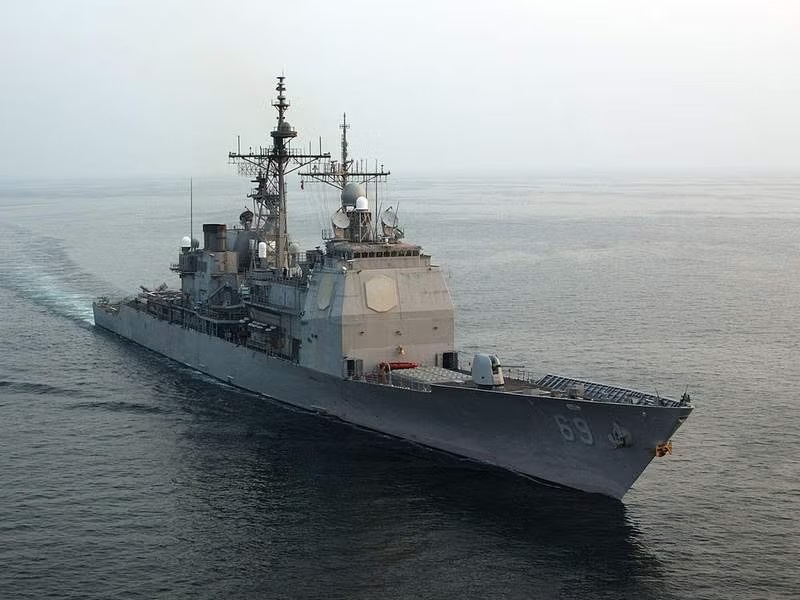
World
WASHINGTON — The U.S. Navy is moving ahead with the retirement of its remaining Ticonderoga-class guided-missile cruisers, ending the service of the Navy's only cruiser class after more than four decades. Built between 1980 and 1994, the ships have served as a key component of U.S. carrier strike groups, providing long-range air defence and precision strike capabilities. The Navy originally commissioned 27 Ticonderoga-class cruisers, but 20 have already been retired. The remaining seven ships are scheduled to leave service by 2030, with USS Gettysburg, USS Chosin, and USS Cape St. George receiving service-life extensions through 2029 to support the transition. The retirement marks a major change in the composition of the U.S. surface fleet, as the Navy shifts toward a force centred on Arleigh Burke-class destroyers while it continues development of future large surface combatants. Key Role in Carrier Strike Groups The Ticonderoga-class cruisers have long served as the primary air-defence ships for U.S. carrier strike groups. Each vessel is equipped with 122 Mk 41 Vertical Launch System (VLS) cells, allowing them to carry a large mix of missiles for different missions. The launch cells can fire Tomahawk land-attack cruise missiles as well as SM-2, SM-3, and SM-6 surface-to-air missiles, enabling the ships to conduct long-range strike missions while also providing layered air and missile defence for the fleet. With the retirement of the entire class, the Navy will lose more than 1,200 VLS cells from its surface fleet. Their primary replacement, the Arleigh Burke Flight III destroyer, carries 96 Mk 41 VLS cells, resulting in lower missile capacity per ship. The reduction in missile capacity comes as the Navy continues to support high operational demands. Recent operations, including Red Sea missions against Houthi forces and the opening phase of Operation Epic Fury in early 2026, required the launch of hundreds of Tomahawk missiles, increasing pressure on available missile inventories. The Navy is also preparing for the future retirement of its Ohio-class guided-missile submarines (SSGNs), each capable of carrying 154 Tomahawk missiles, which will further reduce overall long-range strike capacity. Aging Fleet and Modernization Challenges The decision to retire the cruisers follows years of growing maintenance challenges as the ships aged beyond three decades of service. Many vessels have experienced corrosion, structural fatigue, hull cracks, mechanical wear, and increasing maintenance requirements. Navy officials have also identified aging radar systems approaching obsolescence against modern missile threats. Another factor has been the ships' relatively low level of automation. Each cruiser typically requires a crew of 300 to 400 sailors, making them more expensive to operate than newer warships with comparable capabilities. $3.7 Billion Modernization Program Fell Short The future of the Ticonderoga-class was debated for more than a decade. In 2010, the Navy proposed retiring several cruisers early, but Congress rejected the plan because of concerns that removing them would reduce air-defence protection for carrier strike groups. Congress instead directed the Navy to implement the Cruiser Modernization Program, which aimed to extend the service lives of 11 selected cruisers through upgrades to structural components, electronics, and combat systems. However, the program experienced major delays and cost overruns. According to the Government Accountability Office (GAO), modernization costs reached approximately $3.7 billion, around 200 percent above initial estimates. The GAO also reported that about $1.84 billion was spent modernizing four cruisers, including USS Vicksburg and USS Cowpens, that were later decommissioned or scrapped before returning to operational deployment. Former Chief of Naval Operations Admiral Michael Gilday said the aging cruisers were showing significant material deterioration, including structural cracks and increasing maintenance issues, while older radar systems were becoming less suitable against evolving missile threats. Final Ships and Disposal Plans As the remaining cruisers leave service, several retired ships are being used in fleet training. During RIMPAC 2026, the former USS Mobile Bay is scheduled to participate in a SINKEX (sinking exercise), where it will be targeted by friendly forces to evaluate weapons systems and operational tactics. Other retired cruisers, including the former USS Vella Gulf and USS Antietam, are also expected to be disposed of through similar exercises. Future Surface Combatants The retirement of the Ticonderoga class leaves the U.S. Navy without a dedicated cruiser class for the first time in decades. Earlier plans to replace the cruisers through the CG(X) next-generation cruiser program were cancelled in 2010. The Navy has since shifted its focus to the DDG(X) program, which is intended to develop a future large surface combatant. However, the program is expected to face development delays and high costs, with the first ships unlikely to enter service until the 2030s. Until then, Arleigh Burke-class destroyers will continue to perform the Navy's primary air-defence and long-range strike missions. The transition also comes as other navies continue expanding their large surface combatant fleets, including China's Type 055 destroyers, while North Korea has indicated plans to develop heavily armed destroyers later this decade. Source: militarywatchmagazine
Read More → Posted on 2026-07-08 13:28:42
Europe
ANKARA, Turkey — The United Kingdom has announced a new multinational initiative to develop advanced long-range precision strike weapons, with around a dozen NATO allies expected to invest more than $50 billion (£37 billion) over the next decade. The announcement was made ahead of the NATO summit in Ankara, where European leaders are meeting to discuss the alliance's future defence priorities. The programme, known as the Deep Precision Strike (DPS) initiative, aims to strengthen NATO's long-range strike capabilities by developing a new family of precision weapons capable of engaging targets deep behind enemy lines. British Prime Minister Keir Starmer is leading discussions on the project with European allies at the summit. Long-Range Strike Capability According to the UK government, the Deep Precision Strike programme will initially focus on ground-launched weapons with a minimum range of 300 kilometres. Future variants, including stealth and hypersonic systems, are expected to exceed 2,000 kilometres while maintaining high levels of precision. The programme will later expand to include air-launched and sea-launched systems, providing NATO members with long-range strike capabilities across land, air and maritime domains. British officials said the initiative is intended to improve NATO's deterrence capability by developing weapons capable of targeting high-value military infrastructure and logistics networks at extended ranges. UK Defence Investment The Deep Precision Strike initiative complements the UK's broader Defence Investment Plan, under which the government has allocated £3 billion by 2030 specifically for deep precision strike capabilities as part of its wider £300 billion defence investment programme. The UK is already pursuing several major missile development programmes that will form part of this broader capability. UK-Germany Deep Precision Strike Programme The United Kingdom and Germany are jointly developing a new generation of stealth and hypersonic long-range weapons under the Trinity House Agreement, signed in 2024. The UK plans to invest approximately £770 million over the next four years in the programme. The weapons are expected to have ranges exceeding 2,000 kilometres and are planned to enter service during the 2030s. Stratus Cruise Missile Programme Britain is also working with France and Italy on the Stratus programme, which will replace the Storm Shadow/SCALP cruise missile. The UK government will invest £1.4 billion in the programme over the next four years. According to the UK Ministry of Defence, the project will support more than 1,300 jobs at MBDA UK. Stratus will include two missile variants: Stratus LO – a subsonic low-observable stealth cruise missile. Stratus RS – a highly manoeuvrable supersonic missile designed to engage critical military infrastructure, enemy warships and air defence systems. The UK Ministry of Defence described Stratus as the successor to one of Britain's most battle-proven missile systems. Stratus is the UK's trilateral programme with France and Italy to develop the successor of Storm Shadow — one of our most battle-proven missiles.The UK will put £1.4 billion into Stratus over the next four years. The project sustains more than 1,300 UK jobs at @MBDA_UK. pic.twitter.com/sSZrDl04I9 — Ministry of Defence 🇬🇧 (@DefenceHQ) July 8, 2026 Precision Strike Missile (PrSM) The UK is also joining the Precision Strike Missile (PrSM) programme alongside the United States and Australia. Britain has committed £190 million (about $252 million) to the programme, which will equip the British Army with a supersonic ballistic missile capable of striking targets at ranges of up to 500 kilometres. Together, these programmes are expected to provide the UK with a family of long-range strike weapons deployable from land, sea and air. Lessons from the Ukraine War British officials said the Deep Precision Strike initiative has been shaped by lessons from the war in Ukraine, where long-range precision strikes against logistics hubs, command centres and military infrastructure have played an important role in disrupting Russian operations. The UK and its European partners believe similar capabilities will be increasingly important in future conflicts and will strengthen NATO's overall deterrence posture. Starmer Calls for a "Stronger, More European NATO" Speaking ahead of the summit, Prime Minister Keir Starmer said the initiative would help build a "stronger, more European NATO" by increasing cooperation on advanced defence technologies and expanding Europe's defence industrial base. He said the UK is already investing heavily in long-range strike capabilities and that cooperation with allied nations would accelerate technology development and industrial collaboration. Security Environment The announcement comes as European NATO members increase defence cooperation amid continued concerns over Russia's military activities and ongoing calls from the United States for European allies to assume a greater share of the alliance's security responsibilities. According to the UK government, NATO fighter aircraft have intercepted Russian military aircraft more than 700 times near allied airspace during the past two years. The government also said Russian military activity around UK waters has increased by 30 percent. UK Foreign Secretary Yvette Cooper said the new capability would enable the UK and its allies to strike high-value military targets and critical logistics networks deep behind enemy lines, strengthening NATO's collective deterrence. Defence Spending Targets The launch of the Deep Precision Strike initiative comes as NATO members continue working toward the alliance's defence spending goals. Following an agreement reached at last year's NATO summit, member states are aiming to spend 5 percent of GDP on defence and security by 2035, including an interim target of 3.5 percent of GDP for core defence spending. Starmer is expected to face questions during the summit regarding the UK's timetable for meeting that interim target. Source: gov.uk
Read More → Posted on 2026-07-08 13:54:29
World
ANKARA — U.S. President Donald Trump privately assured NATO leaders that the United States intends to remain a member of the alliance during a closed-door meeting at the NATO summit in Ankara on Wednesday, according to a source familiar with the discussions. The private remarks contrasted with several public statements Trump made earlier in the day regarding defense spending, Spain, Iran, and Greenland. According to the source, who spoke to Reuters on condition of anonymity, Trump told NATO leaders, "We want to remain with you." The source also said Trump told allied leaders that the United States is prepared to continue selling weapons to NATO member countries regardless of how those weapons are ultimately used. The White House did not immediately comment on Trump's remarks during the private meeting. Different Tone Behind Closed Doors During the closed-door session, Trump did not repeat several issues that had featured prominently in his public comments earlier on Wednesday. According to the source, he did not renew his criticism of NATO member Spain, did not discuss the termination of an interim ceasefire arrangement with Iran, and did not raise the issue of Greenland, which has previously caused disagreements within the alliance. The meeting brought together leaders of NATO member states as part of the NATO summit in Ankara, where discussions focused on collective security, defense spending, and other strategic issues. Public Remarks Earlier in the Day Before the private leaders' session, Trump publicly criticized Spain over its defense spending and its position on the conflict involving Iran. He described Spain as a "terrible partner" and said he had instructed U.S. Treasury Secretary Scott Bessent to halt trade ties with the country. Trump also said earlier that an interim ceasefire understanding with Iran was "over" and indicated that additional U.S. military strikes could take place later on Wednesday. In separate remarks, he again stated that Greenland should be under U.S. control because of its strategic importance, an issue that has previously created tensions between the United States and Denmark, a NATO ally. Defense Spending Remains a Key Summit Issue Defense spending remained one of the central topics at the Ankara summit. Trump has repeatedly argued that the United States carries a disproportionate share of NATO's defense burden and has called on European allies to increase their military spending. NATO leaders have continued discussions on strengthening the alliance's defense capabilities and increasing investment in military readiness as member states work to address shared security challenges. The summit continues with further meetings among alliance leaders on regional security, defense cooperation, and future NATO priorities. Source: reuters
Read More → Posted on 2026-07-08 14:06:20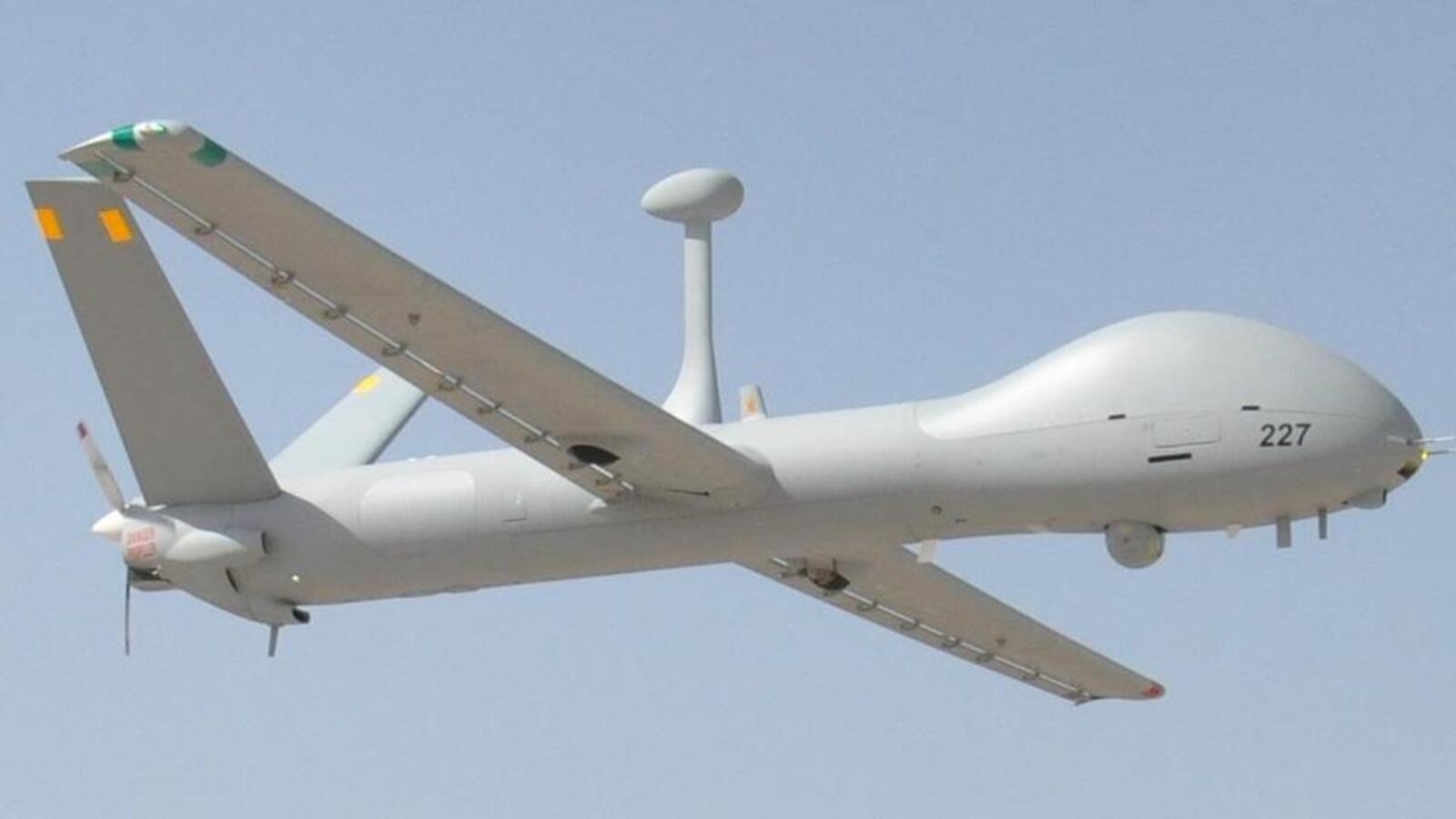
India
PORBANDAR, Gujarat — An Indian Navy Drishti-10 Uncrewed Aerial Vehicle (UAV) crashed off the Porbandar airfield in Gujarat on Wednesday afternoon during a routine training sortie, the Navy confirmed. According to the Indian Navy, the drone went down in a coastal area near the airfield. No injuries, loss of life, or damage to civilian infrastructure were reported. Authorities have secured the site, and an investigation has been launched to determine the cause of the incident. "Uncrewed Aerial Vehicle Drishti-10 crashed off Porbandar airfield during a training sortie this afternoon. No injury or loss of life has been reported on ground. The cause of the incident is being investigated," the Navy said in a statement. The Drishti-10, India's version of the Hermes 900 Starliner, is a medium-altitude long-endurance (MALE) UAV assembled by Adani Defence and Aerospace in Hyderabad under a technology transfer agreement with Israel's Elbit Systems. The platform is used for intelligence, surveillance, and reconnaissance (ISR) missions, particularly over maritime areas. This is the second Drishti-10 crash linked to the Indian Navy. In January 2025, another Drishti-10 crashed into the Arabian Sea off the Porbandar coast during pre-acceptance trials before it was formally inducted into service. The Drishti-10 can remain airborne for up to 36 hours, operate at altitudes of around 30,000 feet, and carry a payload of up to 450 kilograms. The Indian Army and Indian Navy each ordered two UAVs under emergency procurement to strengthen long-range surveillance capabilities. Recovery efforts are underway, and the Navy's investigation will examine the circumstances that led to the loss of the aircraft.
Read More → Posted on 2026-07-08 14:18:59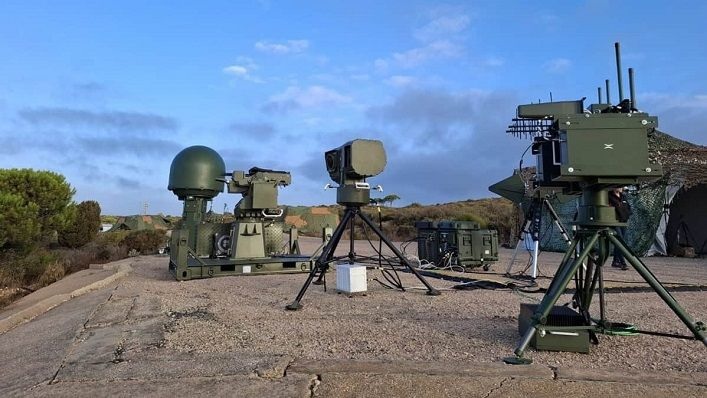
World
KYIV, Ukraine — Ukraine's nationwide Pokrova electronic warfare (EW) network is now powered predominantly by the domestically developed Lima electronic warfare system, according to a senior commander from the country's Night Watch EW unit. In an interview with the Ukrainian defense publication Militarnyi, the commander, known by the call sign "Alkhimik," said the integration of Lima systems into the Pokrova network has increased rapidly over the past two years. "By the end of 2024, Lima accounted for 85%. By the beginning of 2025 — 95%," Alkhimik said. He added that in some frontline sectors facing heavy Russian unmanned aerial vehicle (UAV) activity, Lima systems now represent as much as 98% of the electronic warfare coverage. Pokrova Electronic Warfare Network Pokrova is Ukraine's nationwide strategic electronic warfare system, which became operational in early 2024. The network supports all branches of the Ukrainian Armed Forces and is designed to counter aerial threats using electronic warfare rather than relying solely on conventional air defense interceptors. The system primarily operates through GPS and GLONASS spoofing, interfering with the satellite navigation signals used by Russian drones and missiles. By transmitting false navigation data, Pokrova causes incoming weapons to lose accurate positioning, deviate from their intended flight paths, crash in open areas, or turn back before reaching their targets. This electronic warfare layer complements traditional air defense systems by disrupting threats before kinetic interception becomes necessary. Lima Forms the Core of the Network The Lima electronic warfare system, developed by Ukrainian defense company Cascade Systems, serves as the primary component of the Pokrova network. According to the manufacturer, Lima differs from conventional electronic warfare stations that rely mainly on broad radio-frequency jamming. Instead, it combines multiple digital techniques, including: Active signal jamming GPS and GLONASS spoofing Targeted cyberattacks against navigation receivers These methods are intended to interfere with the guidance systems used by drones, cruise missiles, and other precision-guided weapons. When Lima successfully disrupts a weapon's satellite navigation, the munition is supplied with false coordinate data, causing it to calculate an incorrect position and steer away from its intended target. Response to Russian Navigation Upgrades Ukraine has continued upgrading Lima as Russian forces introduced more resistant navigation systems. In early 2025, Russian forces began equipping drones and UMPK-guided glide bombs with 12-element Kometa Controlled Reception Pattern Antenna (CRPA) systems designed to reduce the effects of conventional jamming by filtering interference. Images of the antenna were published in April 2025 by the Colonel GSh Telegram channel. According to Ukrainian sources, Cascade Systems responded by developing Lima Quant, an upgraded version that combines standard spoofing techniques with additional high-frequency signals intended to disrupt the newer Kometa antennas. Deployment of Lima systems began in July 2024, while expansion to help protect civilian infrastructure started in October 2025. Cascade Systems has delivered more than 400 Lima units, according to the company. Reported Operational Performance Cascade Systems reported that during the first quarter of 2026, Lima systems diverted 33 cruise missiles and more than 10,000 drones. Alkhimik also stated that in areas protected by Lima, the system has successfully neutralized 58 of 59 Russian Kh-47M2 Kinzhal aeroballistic missiles launched at those locations since deployment. He further said that Lima has neutralized more than 98% of Russian guided aerial bombs entering its protected coverage areas. These figures are based on statements from Ukrainian military officials and the system's manufacturer and have not been independently verified. How GPS Spoofing Reduces Accuracy Weapons that rely on satellite navigation continuously receive GPS or GLONASS updates to maintain flight accuracy. When those satellite signals are disrupted or replaced with false coordinates, the weapon must rely on its internal Inertial Navigation System (INS). While INS allows continued flight, its accuracy gradually decreases without satellite corrections, causing navigation errors to accumulate over longer distances. As a result, drones or missiles may miss their intended targets by significant margins. Lower-Cost Layer of Air Defense According to Ukrainian officials, each Lima unit costs approximately 3 million hryvnia (around €58,000, or about US$68,000, depending on exchange rates and system configuration). Protecting a major city may require 30 to 100 units, a cost significantly lower than maintaining comparable coverage using interceptor missiles alone. Ukrainian military officials describe the Pokrova network as an additional defensive layer that allows expensive air defense interceptors to be reserved for threats that cannot be disrupted electronically. Alkhimik's latest comments indicate that Lima has become the dominant electronic warfare system within Ukraine's Pokrova network, making up more than 90% of the nationwide capability and forming a central part of the country's approach to countering Russian drones and precision-guided weapons through electronic warfare. Source: militarnyi
Read More → Posted on 2026-07-08 14:36:42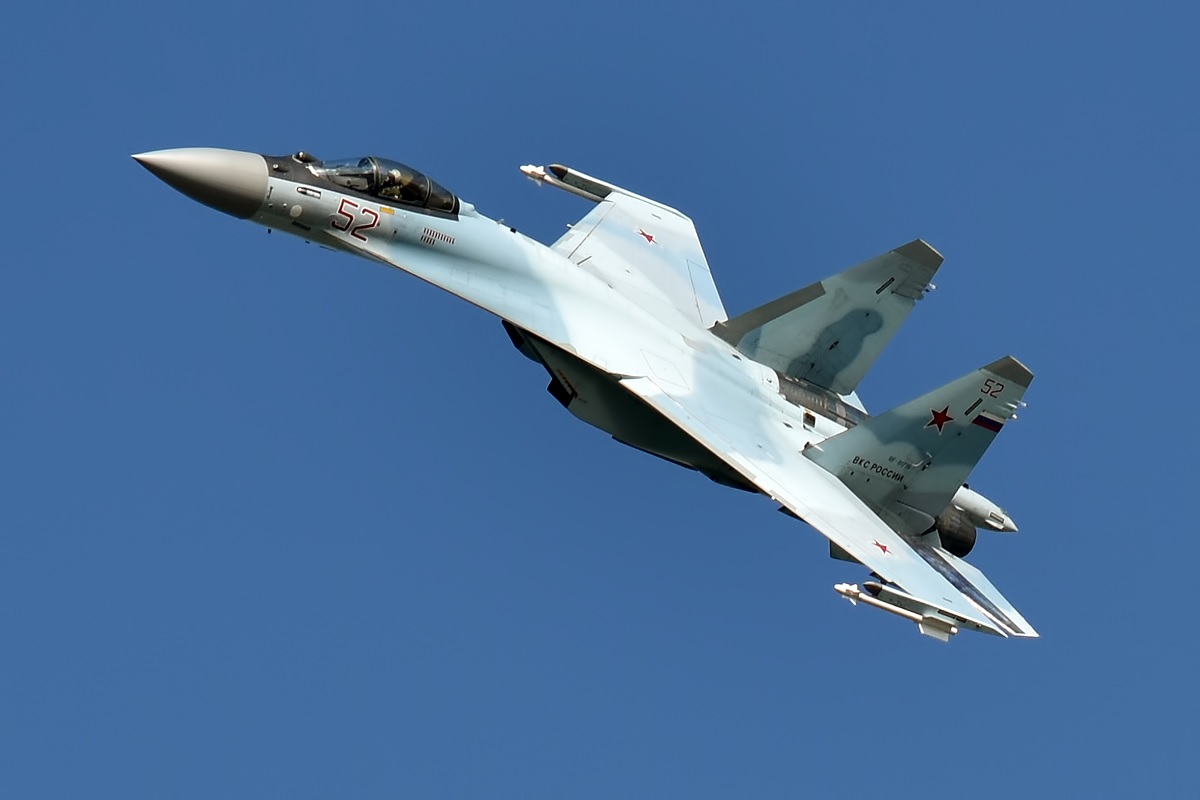
World
KYIV, Ukraine — The Ukrainian Air Force said Ukrainian defenders shot down a Russian Su-35 multirole fighter jet on Tuesday, July 8. The announcement was made on the Ukrainian Air Force's official X account, which posted: "Today we took down yet another russian air terrorist! Glory to Ukraine! Stay tuned!" The Air Force did not disclose the location of the incident or provide additional operational details. Following the Ukrainian announcement, Russian military commentators also acknowledged the reported loss. Oleksii Zemtsov, who runs the Voevoda Veshchaet Telegram channel, identified the downed aircraft as a Su-35. He claimed the pilot survived, evaded capture, and returned to Russian-held positions. According to Zemtsov, the pilot is expected to receive a new Su-35. Some open-source intelligence (OSINT) monitoring channels initially debated whether the downed aircraft was a Su-34 fighter-bomber. However, subsequent reports aligned with the Ukrainian Air Force's assessment that the aircraft was a Su-35. The Sonyashnyk Telegram community, which is closely associated with Ukrainian military aviators, described the downed pilot as a "persistent thorn" in Ukraine's defense operations. The Su-35 is a Russian 4++ generation multirole fighter developed as an advanced modernization of the Su-27 family. It is designed for air superiority, escort missions, and strikes against ground and naval targets. The aircraft is equipped with thrust-vectoring engines for high maneuverability and can reach speeds of up to Mach 2.25 (about 2,400 km/h). It is capable of carrying air-to-air missiles, air-to-surface missiles, and guided aerial bombs. Russia has regularly used Su-35 fighters during its full-scale invasion of Ukraine, including for missile and guided bomb strikes. Ukraine has previously reported downing Su-35 aircraft, including one in Russia's Kursk region on June 7 last year.
Read More → Posted on 2026-07-08 16:14:42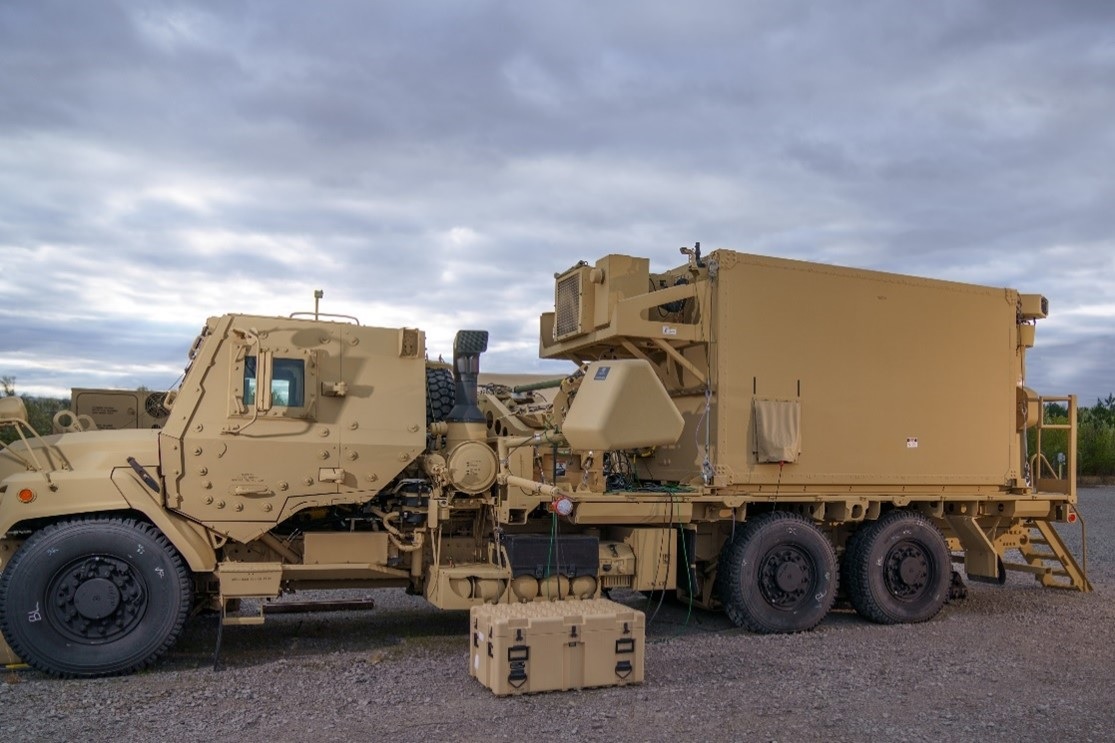
U.S
White Sands Missile Range, New Mexico — The U.S. Army, in partnership with Northrop Grumman, has successfully completed the 34th consecutive missile flight test and the 44th successful target intercept of the Integrated Battle Command System (IBCS), further demonstrating the system's ability to support integrated air and missile defense operations. The live-fire events were conducted in late April 2026 at White Sands Missile Range, New Mexico. The demonstrations evaluated IBCS' ability to operate with multiple air and missile defense systems, including the Indirect Fire Protection Capability (IFPC) and the Lower Tier Air and Missile Defense Sensor (LTAMDS) radar. Successful Integration with IFPC and LTAMDS During the IFPC demonstration, IBCS successfully connected with the Sentinel A4 high-performance surveillance radar to detect and track incoming targets. The IFPC is a ground-based air defense system designed to defeat threats such as cruise missiles, uncrewed aircraft systems (UAS), and other airborne targets. In a separate live-fire event, IBCS integrated with the LTAMDS radar. During the test, the system successfully detected, classified, engaged, and intercepted the designated target, demonstrating reliable coordination between the radar and the battle management network. The tests validated IBCS' ability to integrate different sensors and weapon systems into a unified command-and-control network, allowing operators to respond more effectively to complex air and missile threats. Networked Air and Missile Defense IBCS is designed to connect existing and future air and missile defense systems regardless of manufacturer, military service, or operational domain. Its network-enabled, modular, open, and scalable architecture combines data from multiple sensors into a single, real-time picture of the battlespace. By providing fire-control quality data, the system enables accurate target engagement while helping preserve interceptor inventory and reducing the risk of friendly fire incidents. The integrated battlespace picture also gives military operators more time to assess threats and coordinate defensive responses. The latest demonstrations further confirmed the system's ability to integrate multiple sensors and effectors into a single operational network, supporting coordinated air and missile defense operations. Operational Deployment IBCS has entered full-rate production and is being fielded as part of the U.S. Army's integrated air and missile defense modernization program. The system is already operational in Poland, where it supports the WISŁA medium-range air defense program. Poland became the first NATO ally to declare an IBCS-equipped WISŁA air defense system fully combat-ready in late 2025. The U.S. Army has also fielded IBCS to U.S. Combatant Commands in Europe and the Indo-Pacific, expanding its role in integrated air and missile defense missions alongside allied forces. Production and Manufacturing To support increasing production demand, Northrop Grumman manufactures IBCS at its Enhanced Production and Integration Center (EPIC) in Madison, Alabama. The facility uses advanced manufacturing technologies, including additive manufacturing and precision laser systems, to increase production capacity and support deliveries for the U.S. Army and allied customers. Expanding Integrated Air and Missile Defense IBCS has undergone years of development and testing, including successful integration with Patriot missile systems, LTAMDS, Sentinel radars, IFPC, and other air defense assets. Its open architecture allows additional sensors, radars, and interceptor systems to be integrated as operational requirements evolve. The latest successful flight tests continue to demonstrate the U.S. Army's transition toward a networked air and missile defense architecture, enabling multiple sensors and weapon systems to operate together through a single battle management system. Source: defence-industry
Read More → Posted on 2026-07-09 10:04:26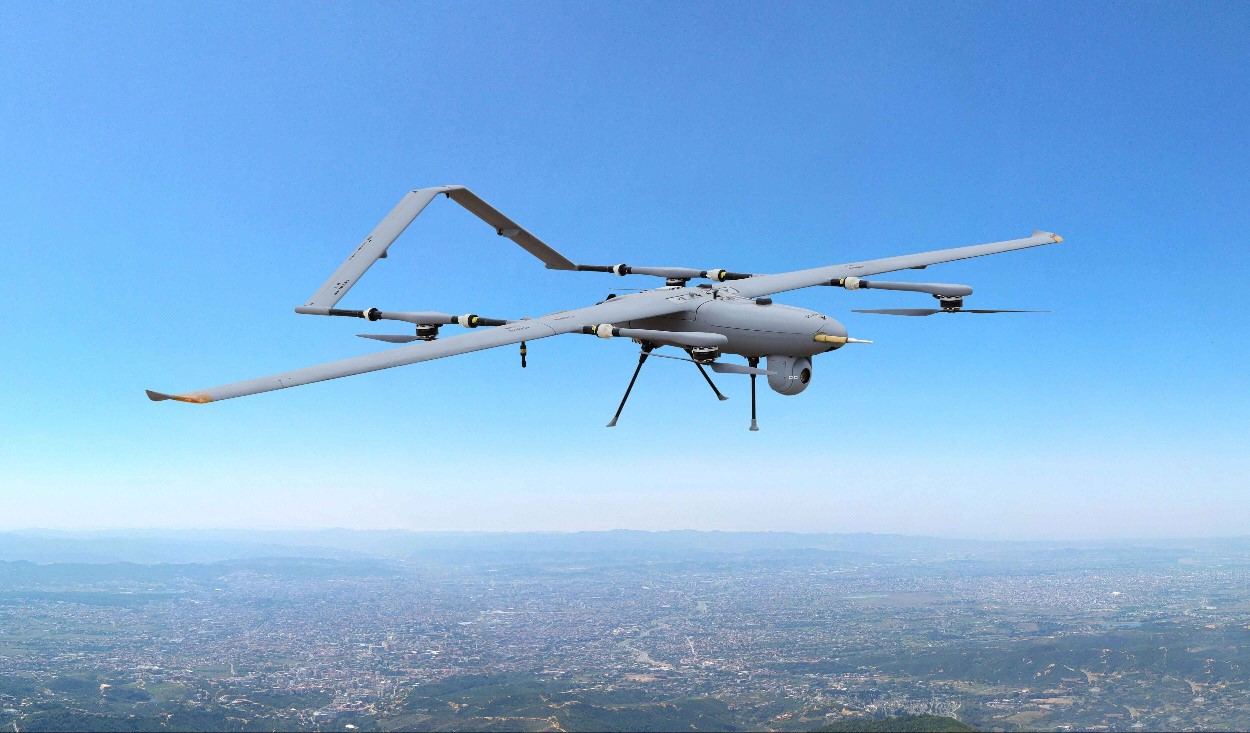
India
New Delhi — Tata Advanced Systems Limited (TASL) and Nibe Defence have emerged as the lowest bidders for the Indian Army's ₹1,600 crore procurement of 840 long-range loitering munitions under a fast-track acquisition process. Following the completion of technical evaluations, commercial bids were opened recently. TASL secured the lowest bidder (L-1) position, while Pune-based Nibe Defence was ranked as the second-lowest bidder (L-2). Out of all participating companies, only TASL, Nibe Defence, and A-Vision successfully cleared the technical trials. Under the procurement plan, Tata Advanced Systems will supply 64% of the total order, valued at around ₹1,000 crore, while Nibe Defence will deliver the remaining 36%, worth approximately ₹600 crore. The Indian Army will now begin price negotiations with both companies before finalizing the contract. Deliveries are expected to begin within six months of contract signing. The loitering munitions are designed to strike targets at ranges exceeding 100 km and are required to operate in electronically contested environments with resistance to jamming and spoofing. During technical trials conducted earlier this year, Nibe Defence's Vayuastra-1 demonstrated the ability to hit targets 100 km away with a 10 kg warhead. The system also achieved over 90 minutes of endurance, operated at altitudes above 14,000 feet, and demonstrated anti-armour night strike capability using infrared guidance. The procurement forms part of the Indian Army's ongoing artillery modernization programme, which includes raising dedicated drone units for precision strike operations. The Army also plans additional drone procurements across different range categories over the next 12 to 18 months, including a separate ₹1,500 crore tender for 36 jet-powered drones, while continuing to expand the use of indigenous unmanned systems. Source: ANI
Read More → Posted on 2026-07-09 10:17:45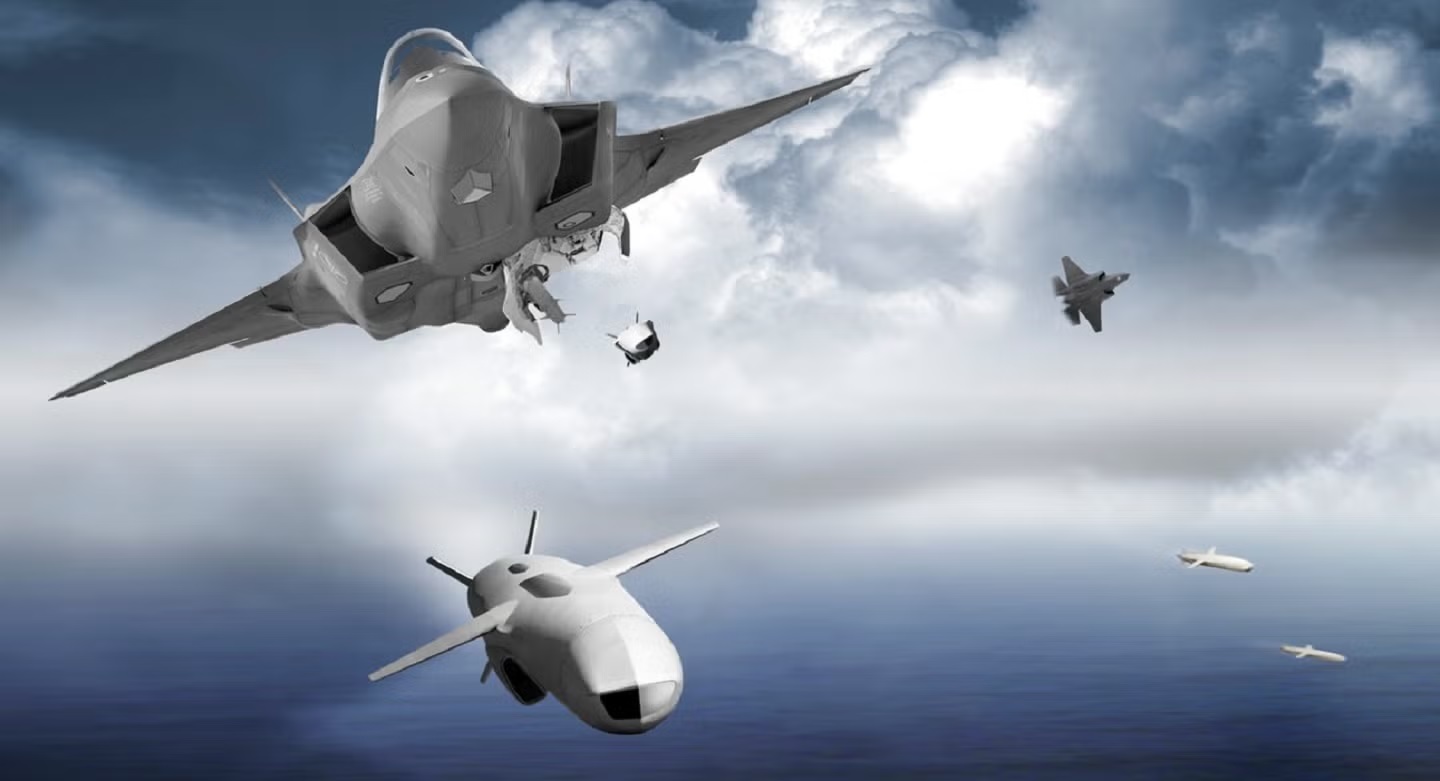
World
OTTAWA — On July 8, 2026, Canada has officially confirmed the acquisition of Kongsberg Defence & Aerospace's Joint Strike Missile (JSM) under an approximately CAD 800 million contract, making it the sixth country to select the advanced air-to-surface missile for its fighter fleet. Prime Minister Mark Carney announced the procurement during the 2026 NATO Summit in Ankara, Türkiye, stating that the long-range missiles will be integrated into the Royal Canadian Air Force's (RCAF) future F-35A Lightning II fighter aircraft as part of Canada's ongoing air force modernization program. Canada Confirmed as Previously Undisclosed Customer The announcement resolves the identity of the customer behind a NOK 4.7 billion (approximately USD 480 million / CAD 680 million) contract that Kongsberg announced on June 30, 2026. At that time, the Norwegian company revealed it had signed an agreement with a new sixth international customer, but did not disclose the country's name or the number of missiles included in the order. With Canada's confirmation, the Joint Strike Missile (JSM) has now been selected by Norway, Japan, Australia, Germany, the United States, and Canada. Designed for the F-35A The Joint Strike Missile (JSM) is a long-range, stealth air-to-surface precision-guided missile developed by Kongsberg Defence & Aerospace. It is specifically designed to fit inside the internal weapons bay of the F-35A Lightning II, allowing the aircraft to retain its low-observable characteristics during missions. The missile is derived from Kongsberg's Naval Strike Missile (NSM) and is designed to engage both land and maritime targets while providing extended stand-off strike capability in contested environments. Internal carriage allows F-35 operators to carry the missile without increasing the aircraft's radar signature. Supporting Canada's Future Fighter Fleet Canada is acquiring the JSM to equip its future F-35A fleet under the Future Fighter Capability Project, strengthening the Royal Canadian Air Force's (RCAF) long-range precision strike capability. In a statement released by Kongsberg, Eirik Lie, Chief Executive Officer of KONGSBERG, said: "We are pleased to welcome Canada as the sixth country to select the JSM. The acquisition of the Joint Strike Missile can fundamentally improve the operational range and effectiveness of Canada's fighter fleet. In addition to delivering world-class defence technology, KONGSBERG is committed to contributing to industrial growth in the country." Industrial Benefits for Canada Alongside the missile procurement, Kongsberg announced that it will make investments in Canada under the country's Industrial and Technological Benefits (ITB) Policy. According to the company, these investments are intended to build long-term industrial capacity by supporting job creation, developing dual-use technologies, and strengthening Canada's defence industry through collaboration between industry and academic institutions. Part of Broader Defence Modernization The missile purchase forms part of Canada's wider defence modernization efforts announced during the NATO Summit. Along with the JSM acquisition, the Canadian government outlined several new defence initiatives, including progress on its future submarine program and additional investments aimed at strengthening Canada's military capabilities and meeting NATO commitments. Prime Minister Carney stated that the JSM contract will provide the Royal Canadian Air Force with a modern long-range strike capability for its future fighter fleet while supporting Canada's broader defence objectives within NATO. Delivery Details Yet to Be Announced While Canada has confirmed the acquisition, neither the Canadian government nor Kongsberg has disclosed the number of Joint Strike Missiles (JSMs) included in the contract or the delivery schedule. Kongsberg has already begun serial deliveries of the missile to earlier customers, including Norway and Japan, while Canada's missiles are expected to be integrated as the Royal Canadian Air Force receives its future F-35A aircraft. Source: pm.gc.ca / kongsberg
Read More → Posted on 2026-07-09 10:32:42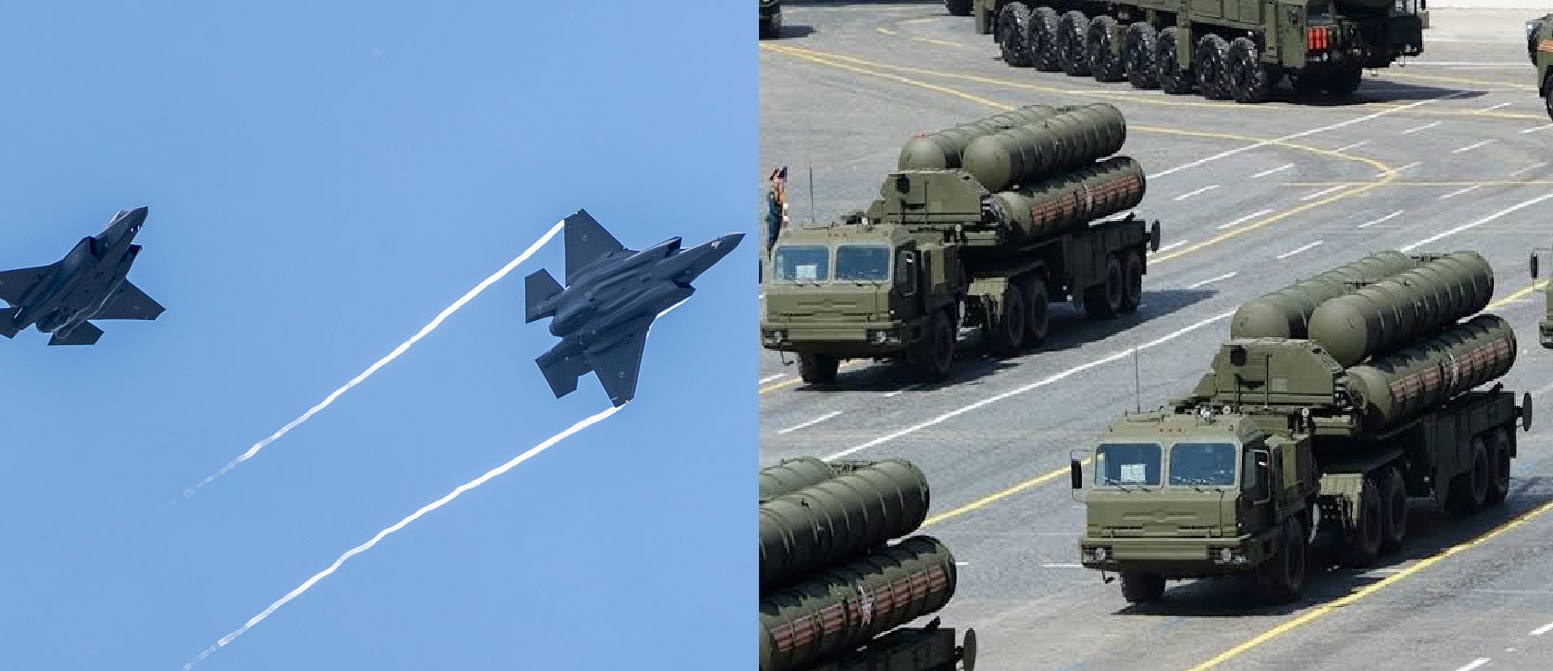
World
ANKARA — Turkish President Recep Tayyip Erdoğan has dismissed objections from Israel and Greece over Turkey's possible return to the F-35 fighter jet program, saying such concerns will not influence Ankara's defense decisions as negotiations with the United States continue. Speaking to reporters after the NATO summit, Erdoğan said opposition from Israeli Prime Minister Benjamin Netanyahu and Greek Prime Minister Kyriakos Mitsotakis "has no place in my world," making clear that Turkey's defense policies will be determined by its own national interests. His remarks come as Turkey is in line to receive an initial batch of six F-35A stealth fighter jets if U.S. President Donald Trump approves lifting the 2019 ban on F-35 sales to Ankara. The aircraft are the same six jets that were originally built for Turkey before the country was removed from the F-35 program. Turkey was suspended from the multinational F-35 program in 2019 after acquiring Russia's S-400 air defense system. The United States argued that operating the S-400 alongside the F-35 could pose risks to the aircraft's sensitive technology, leading to Turkey's removal from the program and the suspension of aircraft deliveries. A key issue in the ongoing negotiations remains the future of Turkey's S-400 system. Asked whether Ankara would give up the Russian-made air defense system to secure the F-35 deal, Erdoğan declined to provide a direct answer. Instead, he told reporters to "keep watching" as discussions with Washington continue. The proposed transfer would mark Turkey's return to the F-35 program if approved. During the NATO summit, Trump said he was taking a positive approach toward reconsidering the sale and indicated that the United States was prepared to review the restrictions imposed on Turkey. However, the deal still faces significant legal and political hurdles in Washington. U.S. officials, including Vice President JD Vance and Defense Secretary Pete Hegseth, are reviewing the proposed sale to ensure it complies with U.S. law. Even if the White House supports the move, the proposal is expected to face opposition in Congress, where lawmakers have previously raised national security concerns over Turkey's defense relationship with Russia. Israel has also continued to oppose Turkey's return to the F-35 program. Israeli officials have argued that supplying advanced stealth fighters to Turkey could affect the regional military balance. Turkey has rejected those concerns, with its Foreign Ministry describing Israel's campaign against the proposed sale as disinformation. Turkey was originally one of the international partners in the F-35 program and had planned to acquire more than 100 aircraft. Its participation ended after the S-400 purchase triggered U.S. sanctions and its removal from the program. Despite the remaining obstacles, Erdoğan expressed confidence that the negotiations could lead to an agreement. He said he hopes that once the F-35s are delivered to Turkey, it will demonstrate that the United States has fulfilled its commitment. For now, no final decision has been announced on lifting the restrictions or completing the transfer of the six aircraft, and the outcome will depend on the ongoing negotiations and the required approvals in Washington. Source: saudigazette / timesofisrael
Read More → Posted on 2026-07-09 10:49:01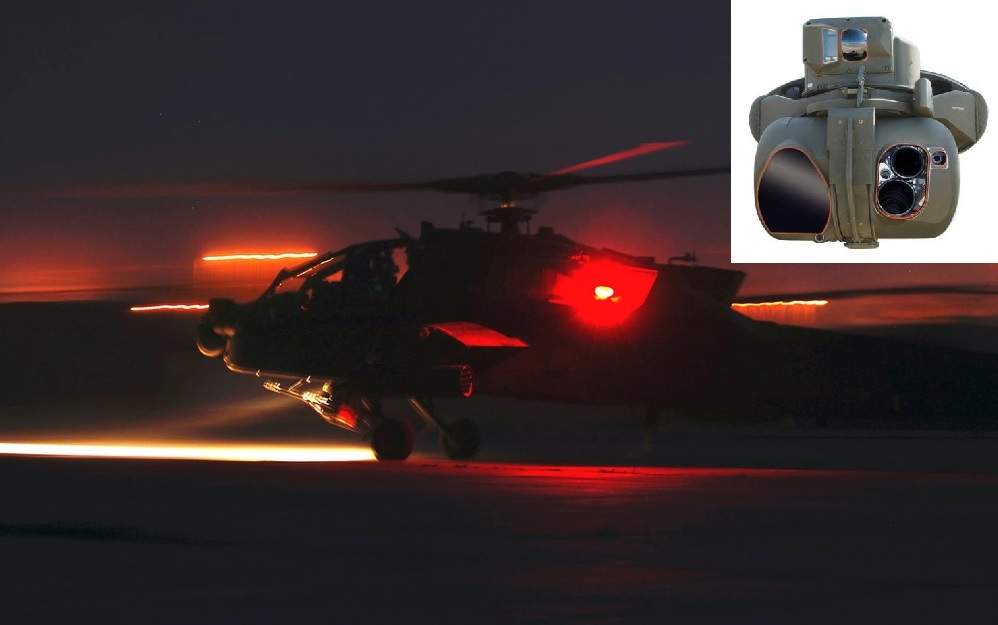
U.S
ORLANDO — The U.S. Army has awarded Lockheed Martin a $502.38 million contract to provide long-term sustainment and support for the Modernized Target Acquisition Designation Sight/Pilot Night Vision Sight (M-TADS/PNVS) system used on the AH-64 Apache attack helicopter fleet. The contract, managed by the Army Contracting Command at Redstone Arsenal, Alabama, provides up to five years of post-production support for the M-TADS/PNVS system, commonly known as Arrowhead. The agreement runs through July 5, 2031, and covers both U.S. Army Apache helicopters and international Apache fleets operating under the U.S. Foreign Military Sales (FMS) program. Rather than funding new production, the contract focuses on maintaining, repairing, refurbishing, and updating systems already in service to ensure they remain operational throughout their service life. Arrowhead Sensor System The M-TADS/PNVS is the Apache helicopter's primary targeting and night vision system. It enables crews to detect, identify, track, and engage targets during day and night operations and in adverse weather conditions such as smoke, rain, or low visibility by using forward-looking infrared (FLIR) technology that detects heat signatures instead of visible light. The system consists of two major components. The upper section contains the Pilot Night Vision Sight (PNVS), which links an infrared camera to the pilot's helmet movements. As the pilot turns their head, the camera follows the same direction, providing a natural view of the surroundings during night operations. The lower section houses the Target Acquisition Designation Sight (TADS). It includes high-resolution sensors, a laser rangefinder, and a laser designator that allow Apache crews to accurately identify and designate targets for the helicopter's onboard weapons or for other friendly aircraft. Contract Details The Army awarded the contract as a sole-source acquisition, with Lockheed Martin submitting the only bid. The company originally developed the Arrowhead system and has supported its upgrades and sustainment since its introduction. The agreement uses a combination of cost-no-fee, cost-plus-fixed-fee, and firm-fixed-price contract structures under contract number W58RGZ-26-D-0052. Individual task orders issued during the contract period will determine specific funding amounts and work locations. Long Service History The original Target Acquisition Designation Sight/Pilot Night Vision Sight system entered service with the Apache in 1983. Lockheed Martin later developed the modernized Arrowhead version to improve performance, reliability, and maintainability. By 2011, the Army had completed fleet integration of the upgraded system and marked the delivery of its 1,000th Arrowhead unit. The system equips approximately 700 AH-64 Apache helicopters, and since 2005, more than 1,240 Arrowhead systems have been delivered to U.S. and international customers. Upgrades and Sustainment Over the years, the Arrowhead system has received several upgrades aimed at improving operational capability and reducing maintenance requirements. The modernized design introduced modular, quick-replace components that allow faster repairs in the field. The Army has previously estimated that these improvements could reduce maintenance time and generate nearly $1 billion in savings over the system's planned service life. Additional upgrades have included replacing monochrome cockpit displays with high-resolution color displays to improve long-range target identification, as well as replacing older spinning-mass gyroscopes with modern inertial measurement units to improve reliability and extend system life. Lockheed Martin also continues to support the fleet through refurbishment of electro-optical components and other system enhancements as required. Supporting Apache Readiness The AH-64 Apache has served as the U.S. Army's primary attack helicopter since the 1991 Gulf War and remains a key platform for precision attack and reconnaissance missions. Its effectiveness during day and night operations depends heavily on the performance of the M-TADS/PNVS system. By funding continued maintenance, repairs, and modernization of these sensors, the new contract is intended to help keep Apache helicopters mission-ready for U.S. and allied operators through the end of the decade. Source: defence-blog / lockheedmartin
Read More → Posted on 2026-07-09 11:30:55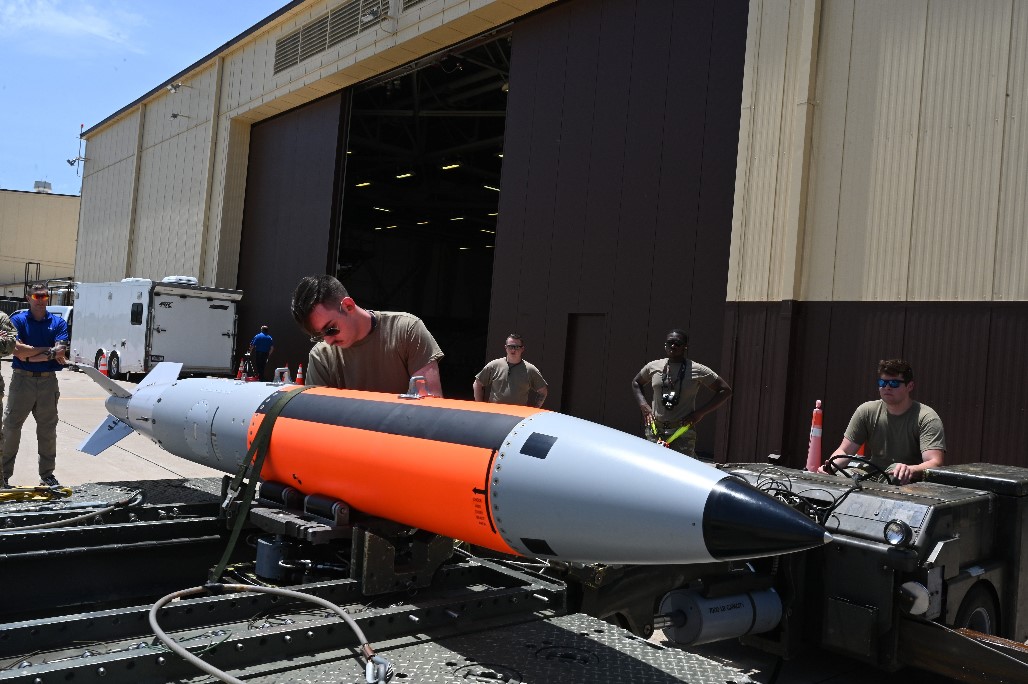
U.S
WASHINGTON — The U.S. Department of Energy's National Nuclear Security Administration (NNSA) has completed a key manufacturing milestone for the B61-13 nuclear gravity bomb, finishing production of all planned canned subassemblies (CSAs) for the current fiscal year three months ahead of schedule at the Y-12 National Security Complex in Oak Ridge, Tennessee. The completed components have undergone the NNSA's "diamond stamping" certification process, which confirms they meet all technical, safety, and quality requirements for "war reserve" status. This certification allows the components to be integrated into the U.S. nuclear stockpile for operational use. The B61-13 is the latest version of the B61 nuclear gravity bomb, the longest-serving and one of the most versatile nuclear weapons in the U.S. arsenal. It is being developed as part of a joint effort between the NNSA and the U.S. Department of Defense to provide an updated capability against hardened and deeply buried military targets. The weapon is planned for delivery by U.S. strategic bomber aircraft, including the B-2 Spirit and the future B-21 Raider. Early Production Milestone The latest achievement follows another major milestone reached in May 2025, when the NNSA completed the first production unit of the B61-13 nearly a year earlier than originally planned. The program reached that point less than two years after it was publicly announced in late 2023, making it one of the fastest-developed U.S. nuclear weapon programs since the end of the Cold War. NNSA Administrator Brandon Williams said the program reflects the agency's ability to deliver modernization efforts on an accelerated timeline. "The progress on the B61-13 program demonstrates the Nuclear Security Enterprise's ability to respond to evolving geopolitical requirements with speed and precision," Williams said. He added that completing the 2026 baseline deliverables ahead of schedule demonstrates operational discipline and supports the modernization of the United States' nuclear deterrent. What Diamond Stamping Means In a modern two-stage thermonuclear weapon, the nuclear explosive package consists of a primary stage and a secondary stage. The canned subassembly contains the secondary stage capsule and related components sealed inside a thin stainless steel or aluminum alloy container. The "diamond stamping" process certifies that each component has successfully passed the NNSA's inspection and certification standards. Components receiving this designation are approved as "war reserve" quality and are authorized for deployment within the U.S. nuclear stockpile. B61-13 Builds on the B61-12 The B61-13 incorporates the same modern safety, security, and precision guidance features introduced under the B61-12 Life Extension Program, which the NNSA completed in January 2025. Unlike the B61-12, however, the B61-13 has a higher nuclear yield designed for use against certain hardened, deeply buried, and larger-area military targets. According to the NNSA, the weapon is intended to provide the U.S. President with additional nuclear response options while using existing production capabilities developed for the B61-12 program. Officials have also stated that production of the B61-13 will involve a limited number of weapons, with adjustments to B61-12 production to maintain the overall size of the U.S. nuclear stockpile rather than increase it. Part of Broader Nuclear Modernization The B61-13 is one of six active warhead modernization programs currently managed by the NNSA to maintain the long-term safety, security, reliability, and effectiveness of the U.S. nuclear deterrent. According to the agency, all six modernization programs are currently meeting or exceeding their planned schedules, continuing the NNSA's record of delivering warhead modernization projects on time or ahead of schedule throughout this decade. The latest milestone at the Y-12 National Security Complex represents another step in the ongoing modernization of the U.S. nuclear stockpile through coordinated work across the Nuclear Security Enterprise, including facilities such as Y-12, Pantex Plant, Los Alamos National Laboratory, Sandia National Laboratories, and the Kansas City National Security Campus. Source: energy.gov
Read More → Posted on 2026-07-09 11:43:03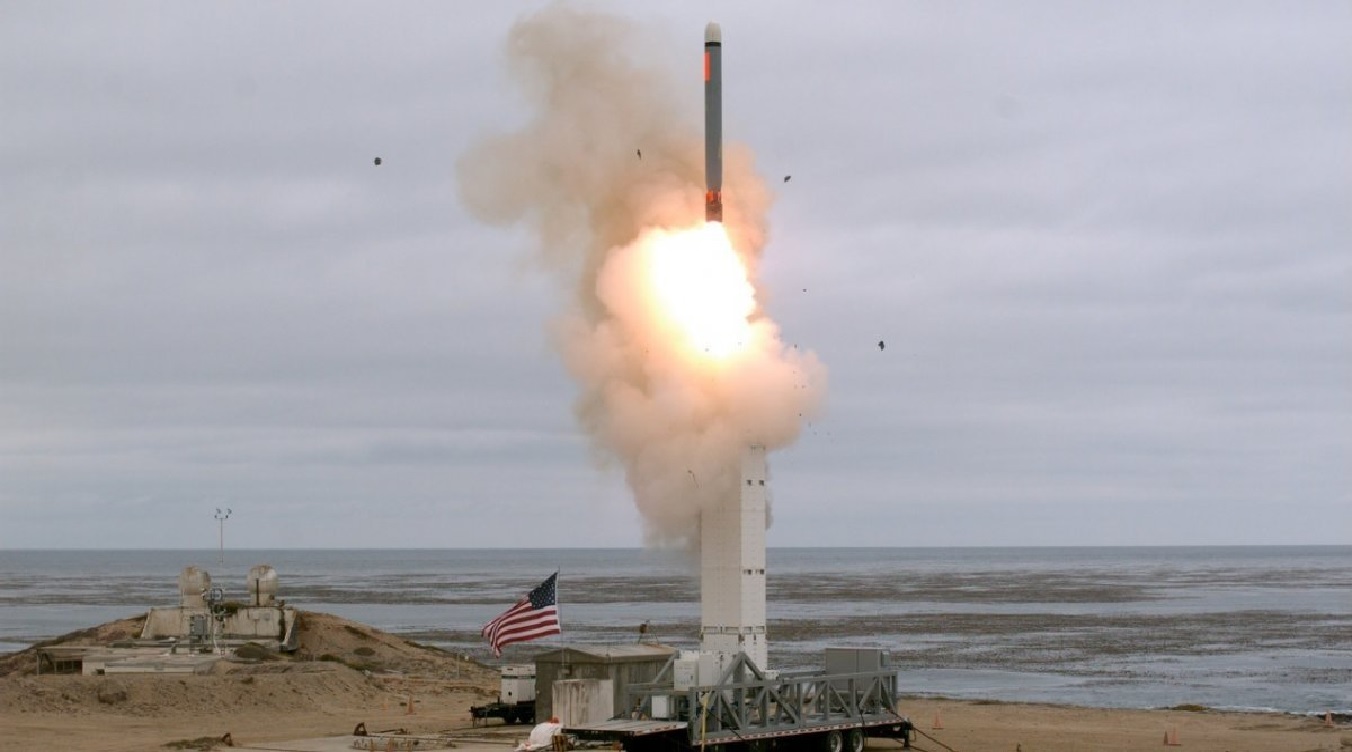
Europe
BERLIN — Germany has finalized an agreement with the United States to purchase Tomahawk long-range cruise missiles and Typhon ground-based launchers, Chancellor Friedrich Merz announced on Thursday, marking a significant step in strengthening the country's long-range defense capabilities. Merz said the agreement was concluded with the U.S. government during bilateral meetings held on the sidelines of this week's NATO summit in Ankara, Turkey. Addressing lawmakers in the Bundestag, he said the discussions with U.S. officials on Tuesday and Wednesday had exceeded his expectations. "We are closing a critical strategic gap in our defence, while simultaneously working to develop our own European systems and station them in Europe," Merz told lawmakers. Germany to Station Tomahawk Missiles on Its Own Territory Under the agreement, Germany will station the Tomahawk missile systems on German territory. The acquisition marks a change in Germany's defense approach, shifting from relying on planned U.S. deployments toward building its own long-range strike capability. The procurement follows changes to an earlier plan announced in 2024 under which the United States intended to temporarily deploy a battalion equipped with Tomahawk missiles in Germany beginning in 2026. That plan was largely abandoned after U.S. President Donald Trump announced in May that the United States would reduce its military presence in Germany. Instead of relying on a U.S.-operated deployment, Germany has now chosen to purchase the systems directly. According to German government sources, Washington signed a letter of intent on Tuesday committing to approve Germany's procurement of the Tomahawk missiles and Typhon launchers in August. The number of missiles and launchers to be acquired has not been disclosed because the information is classified. Typhon Launchers Provide Ground-Based Capability The Tomahawk missiles will be paired with the Typhon launcher system, a mobile ground-based platform capable of launching both Tomahawk cruise missiles and SM-6 missiles. The acquisition will provide Germany with a ground-based long-range strike capability that currently does not exist elsewhere in Europe. While the United Kingdom operates Tomahawk missiles launched from submarines and France fields sea-based long-range cruise missiles while developing a ground-based version, no European country currently operates a comparable ground-based Tomahawk system. Longer Range Than Germany's Taurus Missile Germany currently manufactures the Taurus cruise missile, which has an operational range of approximately 500 kilometers (311 miles). The U.S.-made Tomahawk has a range of up to 2,500 kilometers, providing Germany with a strike capability roughly three to five times greater than that of the Taurus. German officials consider the Tomahawk and Typhon combination an interim capability while Europe develops its own next-generation long-range weapons. Part of Broader European Defense Plans Merz said Germany has significantly increased defense spending since the start of the war in Ukraine, with €124 billion allocated for defense in 2026. At the same time, Germany continues to invest in developing an independent European long-range strike capability. Berlin is working with the United Kingdom and other partners through the European Long-Range Strike Approach (ELSA) initiative, which aims to develop a European cruise missile with a range exceeding 2,000 kilometers. The planned U.S. purchase is expected to provide Germany with an immediate long-range strike capability while European partners continue development of indigenous systems. The agreement also aligns with the U.S. administration's policy of encouraging European NATO members to strengthen their own defense capabilities, including through the purchase of American military equipment. The final U.S. approval for the sale is expected in August, while details of the procurement remain classified. Source: Reuters
Read More → Posted on 2026-07-09 12:42:15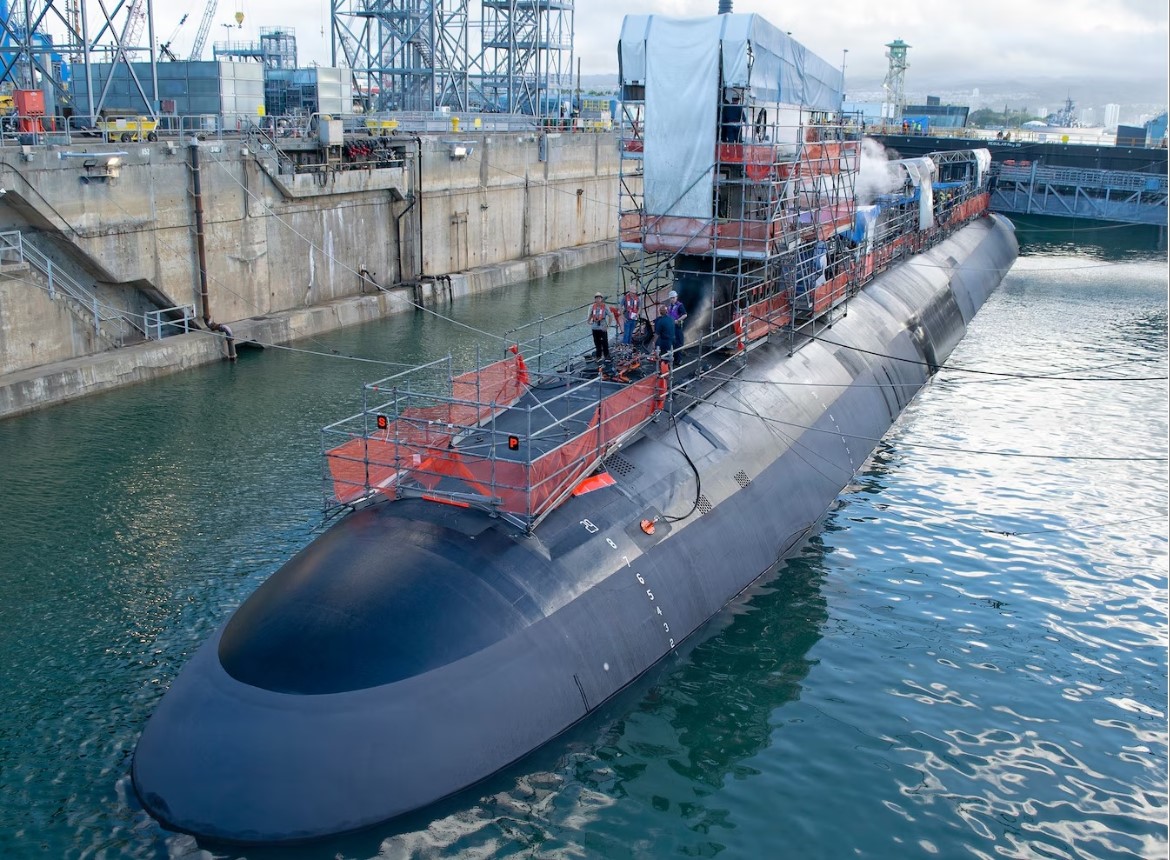
U.S
PEARL HARBOR, Hawaii — The U.S. Navy's Virginia-class fast-attack submarine USS Illinois (SSN-786) has completed an extended scheduled maintenance period at the Pearl Harbor Naval Shipyard and Intermediate Maintenance Facility, undocking from Dry Dock 2 on June 24, 2026, and moving into the next phase of testing before returning to operational service. Photographs released by the U.S. Navy show the submarine leaving the dry dock after the overhaul. According to open-source analysis, USS Illinois has become the second confirmed Virginia-class submarine equipped with the Large Vertical Array (LVA), an advanced hull-mounted sonar system developed under the Navy's long-running Acoustic Superiority program. Although the U.S. Navy has not officially confirmed the installation of the LVA on USS Illinois, open-source analysts have linked the submarine's maintenance timeline with the documented rollout of the sonar upgrade. Large Vertical Array Improves Underwater Detection The Large Vertical Array (LVA) is a hull-mounted acoustic sensor designed to improve a submarine's ability to detect and track other vessels at greater distances. It complements the six Lightweight Wide Aperture Arrays already installed along the sides of every Virginia-class submarine. By combining data from multiple sonar arrays, the system helps the crew develop a clearer picture of surrounding underwater contacts. This improves situational awareness and supports operational decisions such as maneuvering, avoiding threats, or tracking other submarines and surface ships. The LVA has been under development for nearly two decades as part of the U.S. Navy's effort to maintain an advantage in undersea warfare against increasingly quieter submarines operated by potential adversaries, including Russia and China. Developed Through Navy and Industry Cooperation The sonar system was developed through joint work between the U.S. Navy and General Dynamics Electric Boat, with production beginning in 2017 at RTX's Jacksonville, Florida, facility. RTX was previously known as United Technologies Aerospace Systems before becoming part of the company's current structure. The LVA forms one element of the Navy's broader Acoustic Superiority program, which combines improved sonar technology with submarine quieting measures to enhance both detection capability and survivability. First Demonstrated on USS South Dakota The first submarine publicly associated with the LVA was USS South Dakota (SSN-790) under the Navy's South Dakota Insertion Program. During its post-shakedown availability beginning in 2018, USS South Dakota received the new sonar array along with upgraded hull coatings and machinery quieting improvements. The submarine completed at-sea testing of these systems in 2019. According to publicly available Navy briefing materials, the program represented the most significant upgrade to Virginia-class sonar arrays and hull treatments since the class entered service. Expansion Across the Fleet Open-source reporting indicates the U.S. Navy plans to install the Large Vertical Array (LVA) as standard equipment on Block V Virginia-class submarines currently under construction. Earlier Block III and Block IV submarines, including USS Illinois, can receive the system during extended maintenance periods through retrofit programs. Naval analyst H.I. Sutton has also reported that at least one Ohio-class ballistic missile submarine, USS Tennessee (SSBN-734), has received the LVA, suggesting the technology is gradually being introduced across different submarine classes. However, the U.S. Navy has not publicly confirmed the full scope of deployment. About USS Illinois USS Illinois was commissioned on October 29, 2016, becoming the 13th Virginia-class submarine and the third U.S. Navy vessel to bear the name of the state of Illinois. As a Block III submarine, it features a redesigned bow equipped with two large-diameter Virginia Payload Tubes, replacing the earlier arrangement of individual vertical launch tubes. The design retained the submarine's Tomahawk land-attack missile capacity while reducing construction costs by an estimated $400 million per submarine. USS Illinois is designed to perform a wide range of missions, including anti-submarine warfare, anti-surface warfare, land-attack strike operations, intelligence, surveillance and reconnaissance (ISR), and support for special operations forces. Improved sonar capability directly supports these missions by enhancing underwater detection and contact tracking. Pearl Harbor's Strategic Role The maintenance work was carried out at the Pearl Harbor Naval Shipyard and Intermediate Maintenance Facility, one of the U.S. Navy's primary repair centers in the Indo-Pacific region. Located roughly midway between the U.S. West Coast and the Western Pacific, the shipyard enables forward-deployed submarines and surface ships to undergo major repairs and modernization without returning to the continental United States. This reduces transit time and helps maintain operational availability in the Pacific. According to the U.S. Navy, the undocking operation required approximately 10 to 12 hours and involved coordinated efforts by shipyard personnel, engineers, tugboat crews, and the submarine's crew. Following the undocking, USS Illinois will complete final testing and certification before returning to the Pacific Fleet. Capt. Ryan McCrillis, commander of the Pearl Harbor Naval Shipyard and Intermediate Maintenance Facility, described the completion of the maintenance period as an important step in supporting fleet readiness. While the U.S. Navy continues to keep detailed information about submarine sensor systems classified, open-source analysis strongly indicates that USS Illinois has joined a small group of U.S. submarines equipped with the Large Vertical Array (LVA), further expanding the Navy's Acoustic Superiority modernization program. Source: defence-blog / navsea.navy.mil / navalnews
Read More → Posted on 2026-07-09 13:52:42
India
BENGALURU — Bengaluru-based aerospace startup Vayuvya Defence has signed two Memorandums of Understanding (MoUs) to integrate its indigenous micro jet engines into unmanned aerial vehicles (UAVs), expanding both domestic collaboration and international opportunities for Indian aerospace technology. The agreements were signed with Bengaluru-based Kshatra Labs and California-based Avalonch. The partnerships focus on integrating Vayuvya Defence's micro jet engines into UAV platforms for future applications. Under the agreement with Kshatra Labs, the two companies will collaborate on the co-development, customization, and integration of indigenous micro jet engines into advanced UAV platforms. Kshatra Labs develops autonomous defence systems, including high-speed interceptor UAVs, and the partnership aims to develop propulsion solutions tailored to mission requirements. The second MoU was signed with California-based Avalonch to integrate Vayuvya Defence's micro jet engines into next-generation UAVs and other advanced unmanned systems. If the collaboration progresses to commercial deliveries, it would mark India's first export of domestically developed micro jet engines to the United States. Recognized as a startup by the Department for Promotion of Industry and Internal Trade (DPIIT), Vayuvya Defence develops small turbine engines with high thrust-to-weight ratios for UAVs and other tactical aerospace platforms. The company says its propulsion systems are designed and manufactured in India to reduce dependence on foreign technologies. Vayuvya Defence has also completed the full assembly of its 4kN-class single-spool axial-flow turbojet prototype. The 40-kg engine features a four-stage axial compressor and is intended for integration into drones, UAVs, and other defence systems. The company has previously introduced the Vayu-500N, a 3D-printed micro jet engine developed for lightweight unmanned platforms. According to the company, its propulsion systems have been presented to the Defence Research and Development Organisation (DRDO), while technical validation activities have been carried out by the Gas Turbine Research Establishment (GTRE). Vayuvya Defence has also reported that its Vayu-500 series engines have been cleared for UAV integration, with deliveries for Indian applications beginning in 2026. The two MoUs are currently in the early stages of collaboration. Details regarding project timelines, specific engine variants, and commercial terms have not been disclosed. The agreements represent another step in India's efforts to strengthen indigenous aerospace propulsion capabilities while creating opportunities for both domestic UAV programs and future defence exports. Source: IADN
Read More → Posted on 2026-07-09 14:17:36
Europe
ZAKYNTHOS, Greece — A Hellenic Air Force F-16C Fighting Falcon made a successful emergency belly landing at Zakynthos International Airport on Thursday after experiencing a technical malfunction during a routine training flight. The pilot was uninjured and exited the aircraft safely. The aircraft belonged to the 335th Squadron of the 116th Combat Wing and had taken off from Araxos Air Base in the northwestern Peloponnese for a scheduled training mission. During the flight, the pilot reported an unspecified technical problem and diverted the aircraft to Zakynthos International Airport, located about 100 kilometers south of Araxos. According to the Hellenic Air Force, the emergency landing took place at around 1:45 p.m. local time. Initial reports suggested a possible engine fire or fuel leak, but visual evidence indicated that the aircraft's landing gear failed to deploy, forcing the pilot to carry out a wheels-up belly landing. The F-16 landed directly on its fuselage and slid along the runway. Friction between the aircraft and the runway caused a fire beneath the fuselage. Airport firefighters, who had been positioned along the runway in preparation for the emergency, responded immediately and used water and firefighting foam to extinguish the flames within seconds. The rapid response prevented the fire from spreading to the fuel tanks or causing further structural damage. The pilot did not use the ejection seat and left the aircraft normally after it came to a stop. Hellenic Air Force spokesperson Lieutenant Colonel Konstantinos Gravalos confirmed that the pilot was "in good health." The incident led to the temporary closure of Zakynthos International Airport, which operates a single runway. Emergency crews secured the area and removed the damaged aircraft before flight operations resumed. The closure disrupted commercial air traffic, with several incoming flights, including services operated by British Airways, TUI, and easyJet, diverted to airports in Athens, Corfu, and Thessaloniki, while some departing flights were delayed. The Hellenic Air Force has launched an official investigation to determine the cause of the mechanical failure. The F-16 Fighting Falcon remains one of the main combat aircraft of the Hellenic Air Force. Greece operates one of the largest F-16 fleets in Europe and has continued to modernize the aircraft through upgrade programs to maintain its operational capabilities. Source: OSINTdefender
Read More → Posted on 2026-07-09 14:41:36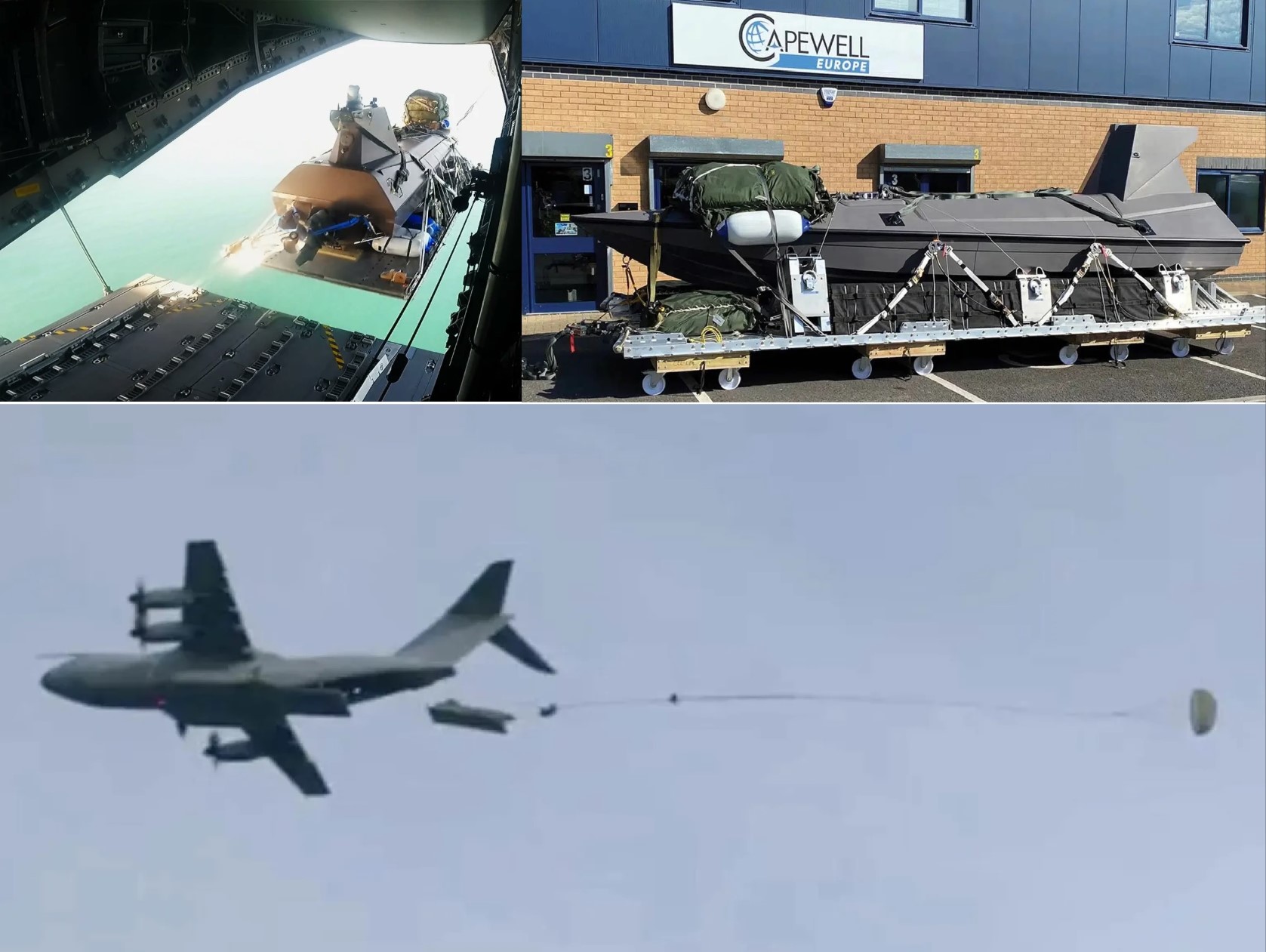
Europe
LONDON — The United Kingdom has successfully completed the world's first extracted-load airdrop of an uncrewed surface vessel (USV) from a military transport aircraft, demonstrating a new method of rapidly deploying autonomous maritime systems directly into operational waters. The trials were conducted over the North Sea by the Royal Navy in partnership with British maritime autonomy company Kraken Technology Group and aerial delivery specialist Capewell under the Royal Navy's Project Beehive. During the six-day trial campaign, a Project Beehive-configured K3 SCOUT USV was successfully deployed four times from an Airbus A400M Atlas transport aircraft flying at an altitude of 1,300 feet. The vessel was dropped into Sea State 4 conditions, where waves can reach up to approximately 2.5 metres (8 feet), and successfully transitioned into operational mode after entering the water. The demonstration validated a new capability that allows autonomous maritime systems to be deployed directly into contested or difficult-to-access waters without relying on nearby ports, naval vessels, or other supporting infrastructure. New Aerial Delivery System Validated For the trials, the K3 SCOUT was equipped with Kraken Technology Group's optional airdrop kit and mounted on Capewell's Universal Maritime Craft Aerial Delivery System (UMCADS), a reconfigurable Type V parachute-based platform designed to deliver maritime craft into military operating areas. The extracted-load process involves pushing the USV, mounted on the UMCADS platform, from the aircraft's cargo bay before parachutes slow its descent into the sea. The campaign also successfully tested the new electro-mechanical IN-Release system, which synchronizes the separation of the delivery platform and the vessel immediately before water entry. According to the companies, the configurable mechanism can support a range of aerial and maritime deployment applications. The trials demonstrated that the K3 SCOUT could withstand the impact of the airdrop, remain operational in rough sea conditions, and begin its mission shortly after landing in the water. Supporting Rapid Maritime Operations The new deployment method provides military forces with the ability to position autonomous surface vessels hundreds of miles from friendly bases using strategic airlift aircraft such as the Airbus A400M. According to the Royal Navy, this capability offers commanders an additional option for rapidly deploying uncrewed systems in areas where conventional naval access may be delayed, denied, or considered too high risk. Potential missions include intelligence gathering, surveillance, force protection, and precision strike operations. Captain Adam Ballard, who is involved with Project Beehive, said the capability represents a change in how maritime power can be deployed. While navies have traditionally launched air power from ships, he noted that autonomous maritime capability can now also be delivered directly from the air. Project Beehive and the Hybrid Navy The trials form part of the Royal Navy's Project Beehive, which is supporting the integration of autonomous systems into the UK's future "Hybrid Navy" concept that combines crewed and uncrewed platforms within the Surface Flotilla. Earlier this year, the UK Ministry of Defence awarded Kraken Technology Group a £12.3 million contract to deliver 20 K3 SCOUT uncrewed surface vessels over a 12-month period. The vessels will support operational deployments, tactical development, and training activities. K3 SCOUT Specifications The K3 SCOUT is an approximately 8.4-metre composite-hulled autonomous surface vessel featuring a low-signature design. It has a maximum speed of 55 knots, can carry payloads of up to 600 kilograms, and offers an endurance of up to 30 days, depending on mission requirements. The platform is designed for missions including surveillance, reconnaissance, force protection, precision strike, and casualty evacuation. Company Expansion The successful trials come as Kraken Technology Group continues to expand its operations. Founded in 2020 by Mal Crease, the company recently completed a $175 million Series B funding round backed by investors including the NATO Innovation Fund and the British Business Bank. According to the company, the investment values Kraken at more than $1 billion and will support international manufacturing expansion and the further development of its autonomous platforms. Commenting on the trials, Mal Crease, Founder and CEO of Kraken Technology Group, said the partnership with Capewell and the Royal Navy demonstrated that the K3 SCOUT could be rapidly deployed from a military transport aircraft into contested or difficult-to-access waters ready for operation. He added that the company will continue working with its partners to develop modular autonomous systems for future operational requirements. Mark Lavender, Director of Business Development and Training at Capewell, said the campaign validated the integration of the K3 SCOUT with the UMCADS platform and demonstrated the flexibility of the delivery system. He noted that the team completed four live airdrops in six working days using the same boat and delivery platform, highlighting the system's ability to support different mission requirements. The successful demonstration marks a practical step in expanding the Royal Navy's ability to deploy autonomous maritime systems rapidly from the air while reducing dependence on conventional naval deployment methods. Source: navylookout
Read More → Posted on 2026-07-09 14:48:45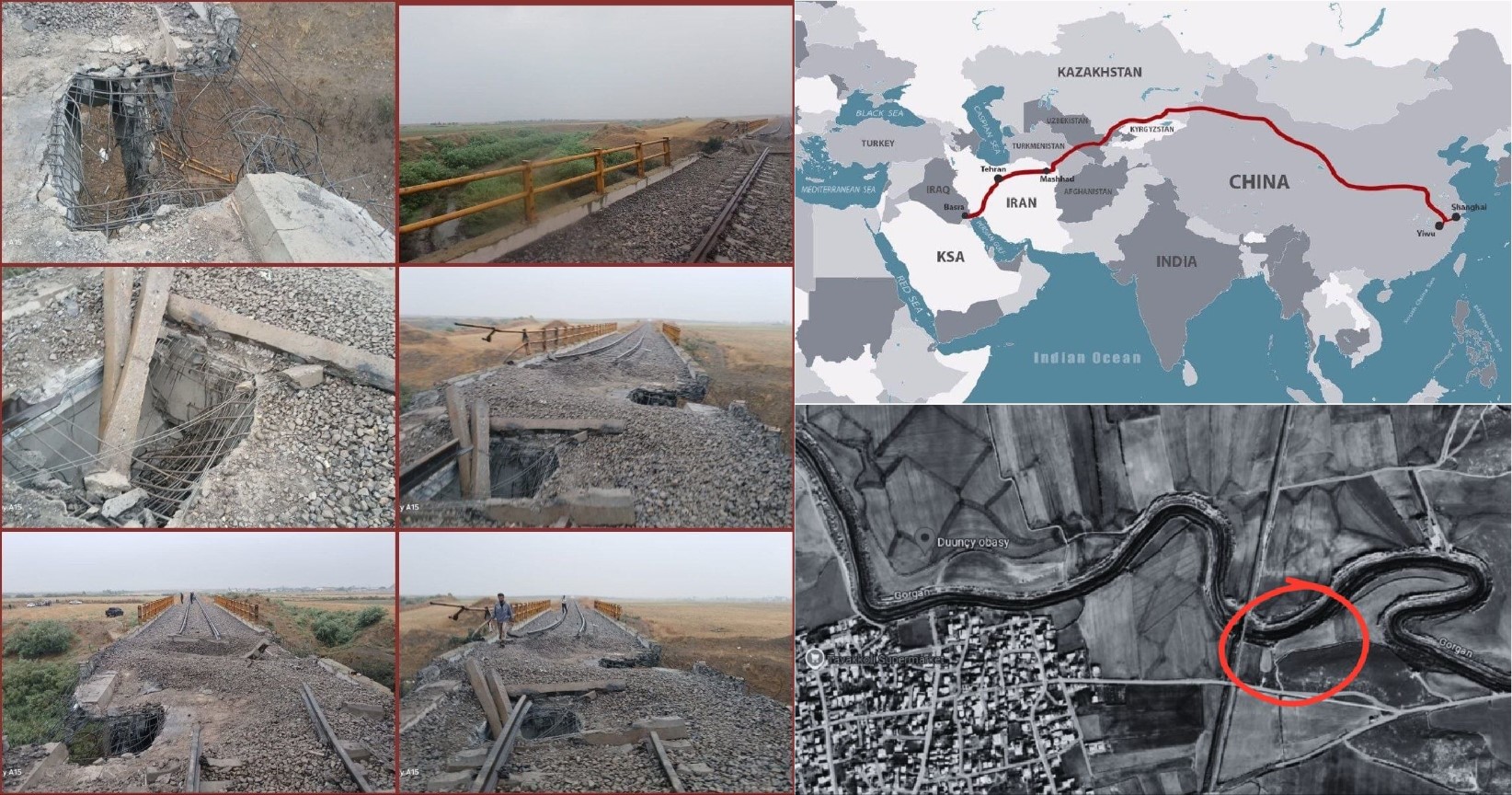
World
GORGAN, Iran — United States forces carried out an overnight cruise missile strike on the Aq Tekeh Khan railway bridge in Iran's northeastern Golestan province, targeting a key section of the country's overland transport network connecting Iran with China and Russia. According to Iranian state media and the Islamic Revolutionary Guard Corps (IRGC) Neynava Corps, the bridge in the Aqqala district was hit by a US cruise missile. Iranian officials reported no casualties, while emergency teams were deployed to assess the damage. The strike marks a notable change in the current US military campaign against Iran. Since the collapse of the recent ceasefire, most US operations had focused on military facilities in southern Iran near the Strait of Hormuz. The attack on the Aq Tekeh Khan bridge, located close to the Turkmenistan border, extends operations deep into northern Iran and targets infrastructure with significant logistics and transportation value. Key Transport Link for China and Russia The Aq Tekeh Khan railway bridge is part of the China–Kazakhstan–Turkmenistan–Incheh Borun railway corridor, an important overland route linking the Chinese city of Xi'an with Tehran. The railway also forms part of the broader International North-South Transport Corridor (INSTC) and supports China's Belt and Road Initiative. The corridor has become increasingly important for trade between Iran, China, and Russia. Over the past year, at least 65 freight trains traveled from China to Iran along this route. Rail traffic increased significantly after the US Navy blockade of Iranian Gulf ports earlier this year, with Iranian authorities relying more heavily on land transportation to reduce dependence on maritime routes through the Strait of Hormuz. Russia has also used the same railway corridor for cargo shipments to Iran since late October 2025, making the route strategically important for regional trade and logistics. Passenger Rail Services Affected Following the strike, passenger rail services between Tehran and the northeastern city of Mashhad were disrupted. Iranian authorities redirected stranded passengers to road transportation while damage assessments and recovery work continued. The IRGC's Neynava Corps confirmed the attack and stated that no deaths or injuries were reported. Change in US Military Operations The attack represents one of the deepest reported US strikes inside Iranian territory during the current conflict. Before this operation, US Central Command had stated that its military actions were aimed at reducing Iran's ability to threaten maritime navigation around the Strait of Hormuz by targeting military facilities in southern Iran. The latest strike, however, focused on transportation infrastructure that plays a major role in Iran's international trade network. The renewed fighting follows the collapse of a ceasefire agreement reached last month. After the ceasefire ended, US President Donald Trump announced that the agreement was over, while the United States revoked a license that had allowed Iranian oil sales. US Central Command has since reported conducting strikes against more than 90 Iranian targets. In response, Iran's IRGC said it carried out retaliatory attacks against US military bases in Kuwait and Bahrain. Previous Railway Infrastructure Strikes Iran's railway network has faced similar attacks in recent months. During strikes on April 7, US and Israeli forces targeted six railway bridges across Tehran, Alborz, Qom, Isfahan, Zanjan, and East Azerbaijan provinces. Iranian authorities restored several of those damaged crossings within days. The Yahyaabad railway bridge in Kashan reopened three days after the attack, while another railway bridge near Qom was repaired in less than 40 hours. Iranian officials have indicated that repair work on the Aq Tekeh Khan bridge is expected to begin quickly based on previous restoration efforts. Strategic Importance The Aq Tekeh Khan bridge serves as a critical connection for rail freight moving between Iran, China, Russia, and Central Asia. As maritime routes have faced increasing disruption during the conflict, the railway has become an important alternative for international cargo transport. Damage to the bridge is expected to affect rail logistics on one of Iran's main overland trade corridors while authorities continue to assess the full impact on freight operations and passenger services. Source: timesofisrael
Read More → Posted on 2026-07-09 15:33:32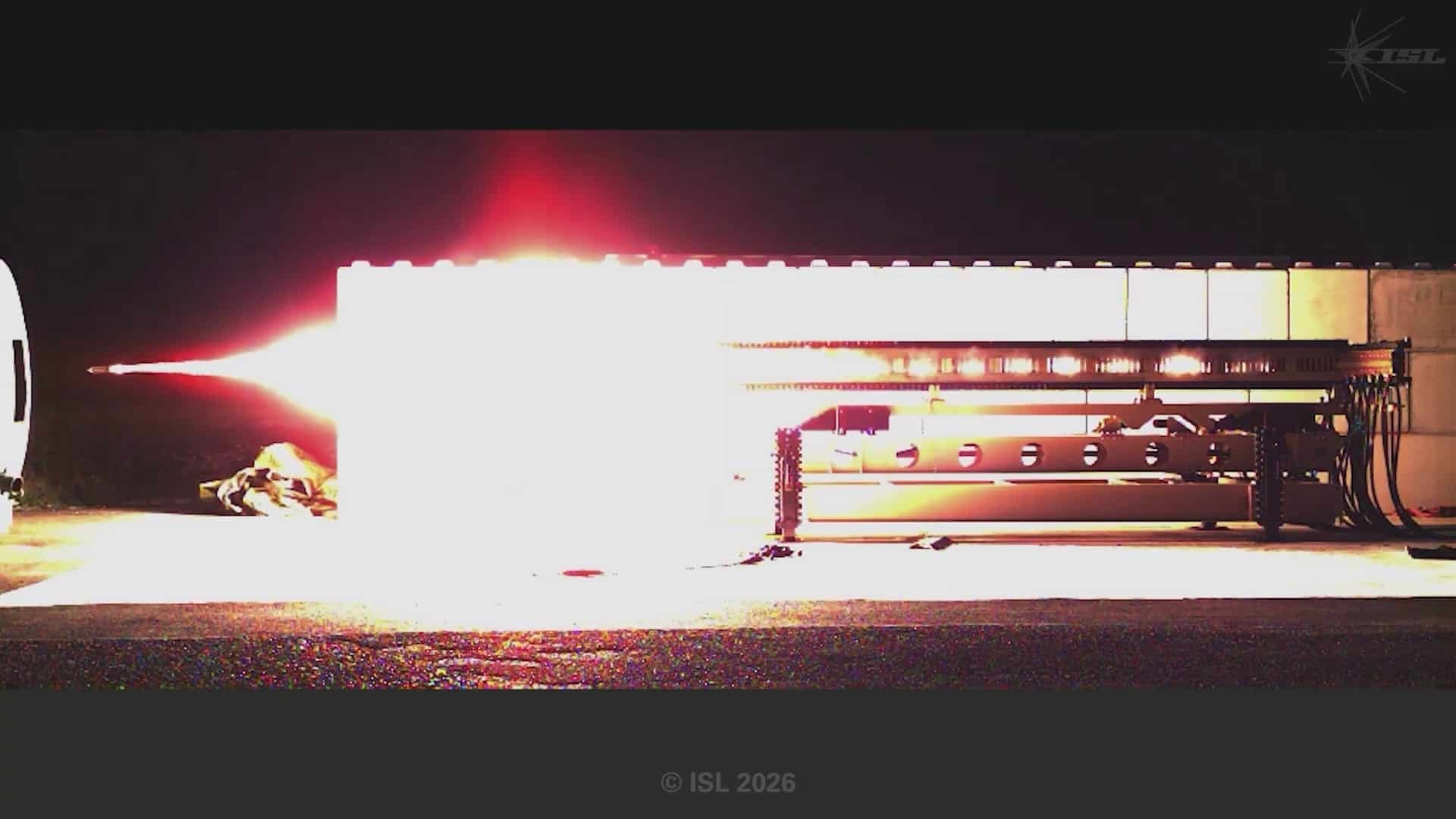
Europe
Saint-Louis, France — The French-German Research Institute of Saint-Louis (ISL) has successfully conducted the first outdoor firing test of its domestically developed electromagnetic railgun. The test took place on June 29, 2026, at the institute's proving ground in Baldersheim, France, marking an important step in moving the technology from laboratory research to open-range testing. The firing was carried out under ISL's Railgun Free Flight Facility programme, which was launched two years ago to advance electromagnetic launcher research beyond controlled laboratory conditions. The programme brings together specialists from different scientific fields within the institute to support the development and testing of the technology. A railgun uses electrical energy, rather than chemical propellants, to accelerate a projectile along two parallel rails. Conducting tests in an open-range environment allows researchers to study projectile performance and flight behaviour under conditions that are closer to real-world use than laboratory experiments. According to ISL, the new facility enables gradual increases in launch energy across multiple firing tests, studies of projectile behaviour over longer distances, research on launcher integration, and the development of munitions specifically designed for electromagnetic launch. These capabilities represent the next stage in the institute's long-running electromagnetic acceleration research. The railgun is designed to propel projectiles using electricity, eliminating the need for propellant powder. According to ISL, the system is designed to achieve a muzzle velocity of more than 2,000 metres per second (m/s) while offering the potential for lower mission costs compared with conventional gun systems. ISL also highlighted several potential operational advantages of the technology, including an extended firing range of more than 200 kilometres, reduced flight time that could improve air defence response, enhanced lethality due to the projectile's high impact speed, and increased ammunition storage capacity because the system does not require propellant charges. ISL has been conducting research on electromagnetic launchers for decades, with previous work focused on laboratory-scale testing. The new outdoor facility expands those capabilities and strengthens European research in advanced electromagnetic launcher technology. The technology has attracted long-term interest for possible future defence applications, including countering hypersonic threats. However, ISL said significant additional research, higher-energy testing, system integration, and qualification will be required before the technology could be considered for operational use. ISL is a joint French-German defence research institute funded by the French Agency for Defence Innovation (AID) and the German Ministry of Defence. The institute plans to continue testing by increasing energy levels, extending firing distances, and carrying out further integration studies as part of its long-term research programme. Source: navalnews / defense.gouv.fr
Read More → Posted on 2026-07-09 16:04:39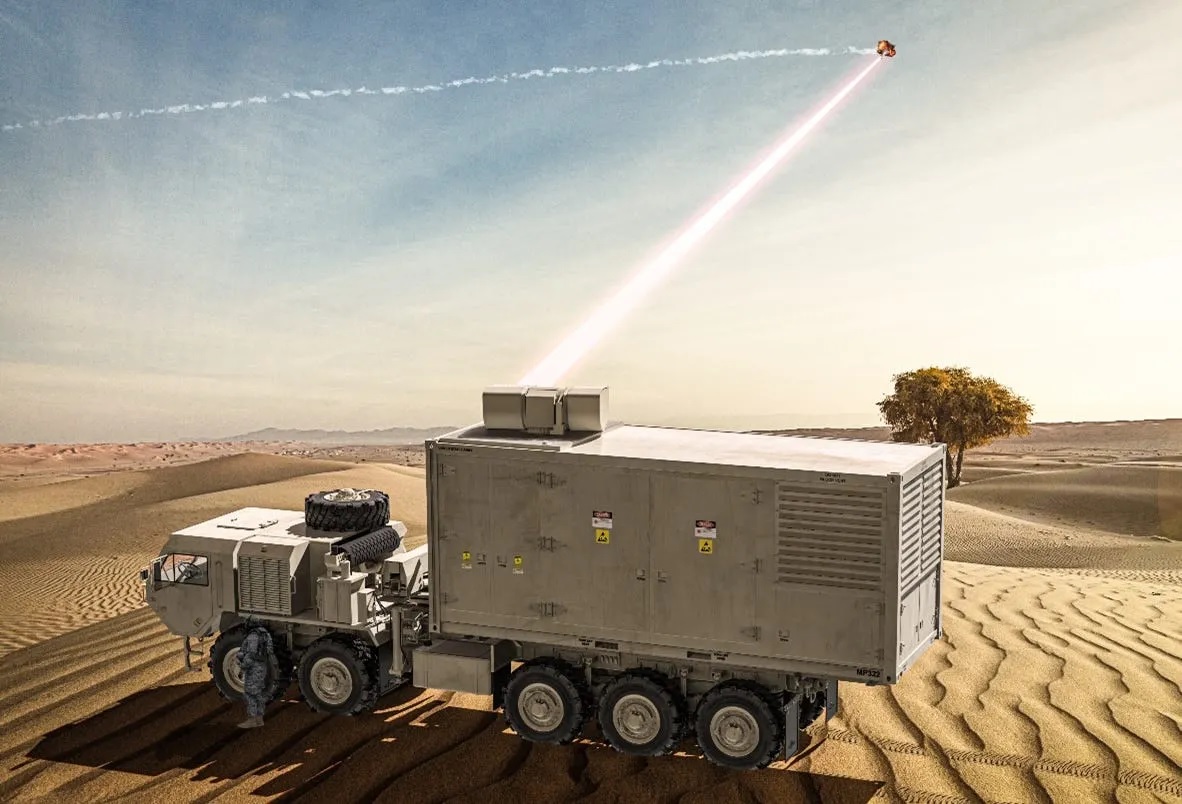
U.S
WASHINGTON — The U.S. Department of War has awarded two Other Transaction Authority (OTA) agreements worth a combined $86 million to nLIGHT Defense and Lockheed Martin Aculight under the Joint Laser Weapon System (JLWS) program. The initiative is intended to accelerate the development of high-energy laser weapons designed to counter cruise missiles and unmanned aerial systems (UAS). The agreements are being managed through the Scaled Directed Energy (SCADE) Critical Technology Area (CTA) under the Office of the Under Secretary of War for Research and Engineering (OUSW(R&E)). While the initial award totals $86 million, the overall JLWS program has a ceiling value of $847 million, reflecting the Department's long-term investment in directed energy technologies. Developing Field-Ready Laser Weapons The JLWS program is focused on transitioning directed energy systems from demonstration prototypes into production-oriented, operational platforms. The Department plans to develop containerized high-energy laser weapons that can be rapidly deployed and integrated across multiple military platforms. According to the Department, these laser systems are intended to provide several operational advantages over conventional missile-based interceptors. They can engage threats at the speed of light, support repeated engagements without carrying large numbers of interceptor missiles, and significantly reduce the cost per engagement. These characteristics are considered particularly valuable for defending against large drone swarms and increasingly capable cruise missile threats. Initial 150 kW Systems to Scale Up The first JLWS prototypes will be built with an output of approximately 150 kilowatts (kW). Future versions are planned to increase power into the 300–500 kW range, which the Department considers necessary for effective cruise missile defense. In parallel, the program will also develop a 500 kW integrated laser weapon system using a laser source developed through the High Energy Laser Scaling Initiative (HELSI). Both the scalable laser systems and the 500 kW integrated system will use a containerized design, allowing modular installation on both ground vehicles and naval platforms. This approach is intended to simplify deployment across different geographic combatant commands. Accelerated Development Through OTA Agreements The Department said it selected the Other Transaction Authority (OTA) acquisition model to speed development by avoiding some of the longer timelines associated with traditional defense procurement. The OTA framework allows rapid prototyping, closer collaboration with industry, and iterative development based on changing operational requirements, helping move promising technologies toward production more quickly. "We must actively defend the homeland against emerging threats," said Emil Michael, Under Secretary of War for Research and Engineering. "We are partnering with industry to rapidly deliver deep magazine directed energy capabilities to the Joint Force that can be seamlessly deployed across multiple domains." Building on Earlier Directed Energy Programs The JLWS program will build on technologies and lessons learned from previous U.S. directed energy efforts. Among them is the U.S. Navy's High Energy Laser with Integrated Optical-Dazzler and Surveillance (HELIOS) system, currently installed aboard the USS Preble, an Arleigh Burke-class guided missile destroyer. The program also draws on experience from the U.S. Army's Indirect Fire Protection Capability–High Energy Laser (IFPC-HEL) prototype. Lockheed Martin has served as the prime contractor for both HELIOS and IFPC-HEL. Industry Experience Both companies selected for JLWS bring previous experience in high-energy laser development. nLIGHT Defense has been a key participant in the HELSI program. The company previously developed a 300 kW laser weapon using its coherent beam combining (CBC) architecture and later received expanded funding to advance laser source technology beyond the megawatt-class level. Lockheed Martin Aculight has contributed to multiple U.S. Army and U.S. Navy directed energy programs, including earlier laser weapon demonstrations and operational prototypes. Role in Future Air and Missile Defense The Department said the JLWS program is intended to provide combatant commanders with scalable and cost-effective options for defeating both asymmetric threats, such as drone swarms, and more advanced threats, including cruise missiles. The effort also supports broader U.S. homeland defense initiatives, including the "Golden Dome for America" missile defense concept, which aims to strengthen protection against evolving aerial threats through advanced technologies. Budget documents previously submitted by the Department include approximately $675.93 million in planned research and development funding for JLWS over the next five years, indicating continued investment in expanding directed energy capabilities across the U.S. military. The award of the OTA agreements marks the next phase of the JLWS program as the Department moves toward testing, integration, and eventual fielding of high-energy laser systems for operational use. Source: war.gov
Read More → Posted on 2026-07-09 16:13:51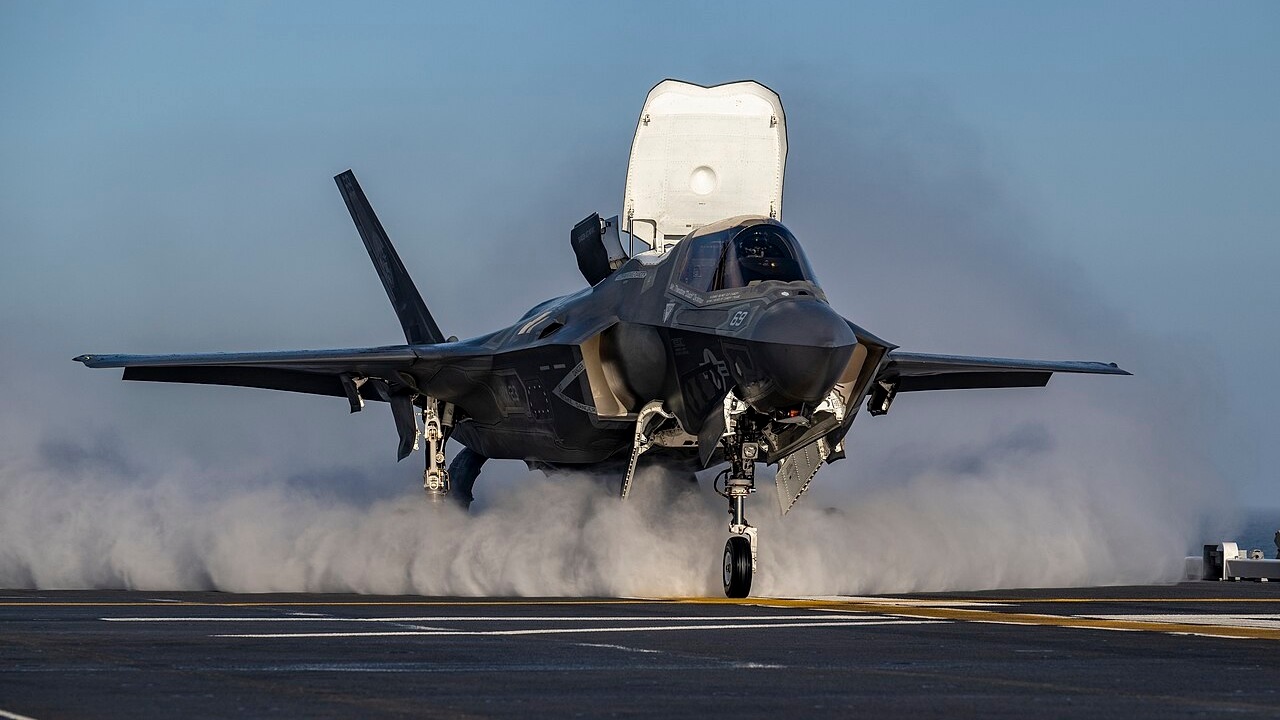
U.S
WASHINGTON — The U.S. Navy is seeking a field-deployable cleaning system to address a recurring maintenance issue affecting the U.S. Marine Corps' F-35B Lightning II fighter jets. On July 9, the U.S. Naval Air Warfare Center Aircraft Division (NAWCAD) issued a sources sought notice requesting information from industry on commercial off-the-shelf (COTS) cleaning equipment that can be adapted to remove hardened deposits known as "clutch sludge" from the aircraft's lift fan clutch cooling system. The notice, identified as N6833526RFI0521, requests responses by July 16, 2026, giving industry seven business days to submit information. The short response period indicates the priority the F-35 Joint Program Office (JPO) is placing on finding a practical maintenance solution. Clutch Sludge in the F-35B Lift System The F-35B is the short takeoff and vertical landing (STOVL) version of the F-35 Lightning II, designed to operate from short runways and amphibious assault ships. Its vertical landing capability is provided by the Rolls-Royce LiftSystem, which works with the Pratt & Whitney F135 engine. The LiftSystem includes a vertically mounted LiftFan positioned behind the cockpit that produces approximately 20,000 pounds of upward thrust. During vertical landings and short takeoffs, a mechanical clutch connects the LiftFan to the engine's driveshaft, allowing the fan to operate alongside the engine's downward-vectoring exhaust nozzle. According to the Navy's notice, a mixture of carbon fiber dust from the clutch system and synthetic oil gradually builds up inside the clutch cooling exhaust ductwork and vent panel screens. Over time, this material hardens into what is referred to as clutch sludge, creating a maintenance challenge that requires periodic removal. Issue Dates Back to Early Development The clutch system has been monitored since the F-35B's early testing phase. In 2011, Pratt & Whitney identified that clutch plates within the LiftFan system were making unexpected contact during normal forward flight. The additional contact generated more heat than the clutch had originally been designed to handle. To manage the issue, Lockheed Martin introduced additional temperature sensors and operating procedures requiring pilots to descend below 10,000 feet if clutch temperatures exceeded specified limits, allowing cooler air to reduce temperatures. These operational measures have remained in use, while maintenance personnel continue dealing with sludge accumulation inside the cooling system. Navy Looking for Existing Commercial Technology Rather than developing an entirely new cleaning system, the F-35 Joint Program Office's Propulsion Support Equipment Sustainment Manager is looking for existing commercial equipment that can be modified for the F-35B. According to the notice, the requested system must: Precisely control water temperature, pressure, and water quality to remove hardened sludge without damaging nearby aircraft components. Safely collect and recover wastewater and removed contaminants to meet environmental requirements. Include a custom connection that fits the F-35B clutch cooling hardware. Be portable enough for maintenance crews to transport and operate at Marine Corps air stations and other operating locations. Technical evaluation of proposed systems will be conducted by the F-35 JPO Propulsion LST In-Service Engineering Team. Focus on Field-Level Maintenance The Navy's requirement for a deployable cleaning system is intended to improve maintenance efficiency and aircraft availability. Currently, extensive maintenance on propulsion components often requires aircraft or major assemblies to be sent to depot-level maintenance facilities. A portable cleaning system would allow maintainers to remove clutch sludge directly at the squadron level, reducing maintenance time and minimizing the period aircraft remain unavailable for training or operational missions. The notice emphasizes finding a solution that can be used wherever Marine Corps F-35Bs are deployed, supporting expeditionary operations as well as routine maintenance. Previous Sustainment Improvements The F-35B sustainment network has continued to expand in recent years. In 2023, Fleet Readiness Center East (FRCE) became the first U.S. Department of Defense facility outside Rolls-Royce's LiftWorks facility in Indianapolis to assemble an F-35B LiftFan clutch. The additional repair capability increased in-house maintenance capacity as the Marine Corps' F-35B fleet continued to grow. Information Request Only The July 9 notice is a sources sought request, not a formal procurement solicitation. Companies responding are asked to provide information on their existing products, cleaning methods, system specifications, and whether their solutions are commercial, modified-commercial, or another type of capability. The Navy has limited submissions to five pages, and the information will be used to evaluate available technologies that could support future maintenance requirements for the F-35B fleet. As the Marine Corps continues expanding its fleet of F-35B aircraft, maintaining the reliability of the LiftSystem and its clutch assembly remains an important part of sustaining aircraft readiness for training, shipboard operations, and expeditionary missions. Source: highergov
Read More → Posted on 2026-07-10 11:40:00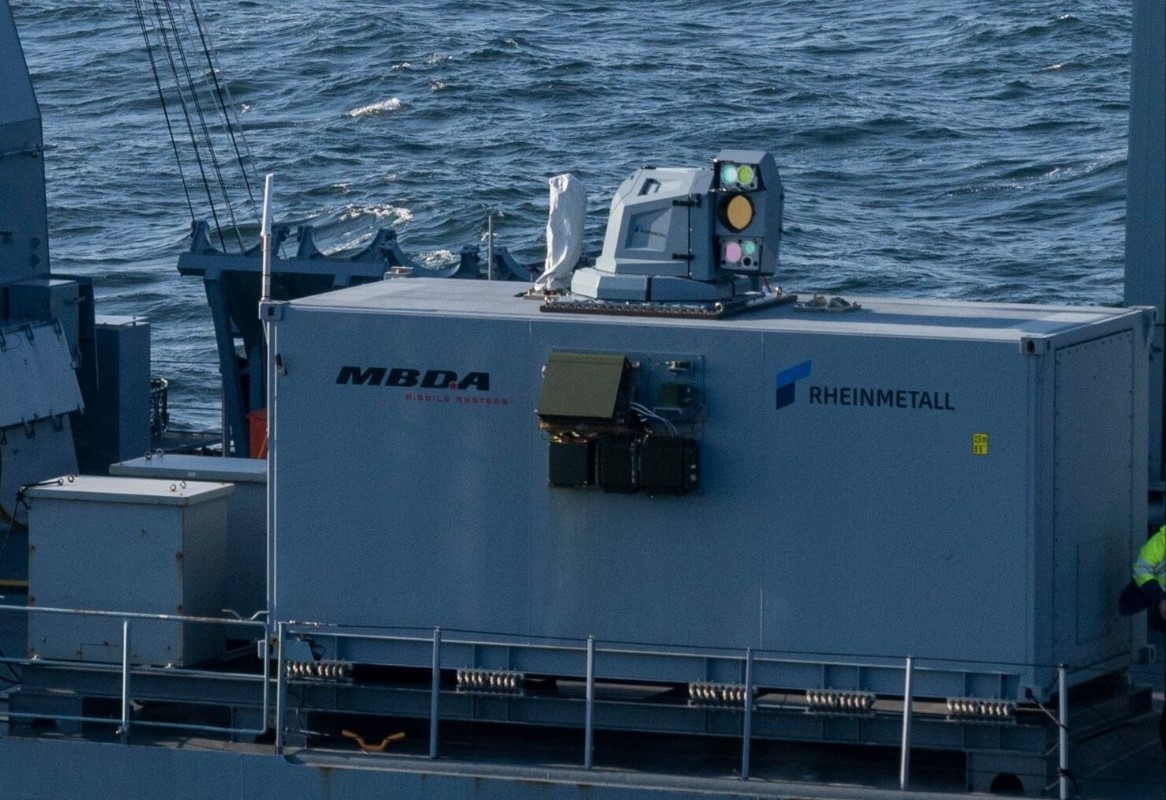
Europe
BERLIN — Germany has awarded a contract to MBDA Deutschland and Rheinmetall Waffe Munition to develop a high-energy laser weapon system for the German Navy, marking a major step in the country's efforts to strengthen its future naval defense capabilities with directed-energy technology. Germany's Federal Office of Bundeswehr Equipment, Information Technology and In-Service Support (BAAINBw) signed the contract on July 9, 2026, with the High-Energy Laser Naval Demonstrator Working Group (ARGE HEL). The ARGE HEL consists of MBDA Deutschland and Rheinmetall Waffe Munition, with the two companies currently establishing a joint venture to carry out the program. The laser weapon system is expected to become operational by 2029. The contract is valued in the mid three-digit million-euro range and covers the development of a complete maritime laser weapon system, including the entire operational chain from reconnaissance and target tracking to engagement. According to the companies, the joint venture will place particular emphasis on German supply chains and domestic systems expertise during development to help secure Germany's national sovereignty in this key technology. Complete System for the German Navy The laser weapon system is being developed to meet the operational requirements of the Bundeswehr and strengthen the German Navy's defense capabilities against airborne, maritime, and land-based targets. Roman Koehne, Head of Rheinmetall's Weapon and Ammunition Division, said the project demonstrates the technological maturity achieved by combining the complementary capabilities of Rheinmetall and MBDA into a complete system. He said the laser weapon system will provide significantly greater protection for personnel deployed aboard German naval vessels, particularly against drone threats. Koehne added that series production will largely take place in Germany, creating new training and employment opportunities. Demonstrator Successfully Completed Extensive Trials The development program builds on the successful High-Energy Laser Naval Demonstrator jointly developed by MBDA and Rheinmetall. In March 2026, the demonstrator repeatedly showcased its capabilities to senior German military delegations at the Bundeswehr Technical Centre for Weapons and Ammunition (WTD 91) in Meppen. Before those demonstrations, the system had already spent more than one year aboard the German Navy frigate SACHSEN, covering approximately 28,000 nautical miles across the North Sea, Baltic Sea, and Mediterranean Sea while demonstrating its effectiveness under operational conditions, including adverse weather. During more than a year of testing and operational use at sea and at WTD 91, the demonstrator successfully fired more than 1,000 shots against airborne, maritime, and land-based targets while also completing numerous target-tracking activities. Precision Laser Technology According to Rheinmetall, the system's refined beam quality and tracking capability allow the laser power to be focused with extreme precision, including against moving targets. The laser can concentrate its energy onto an area measuring just a few centimetres, creating a very high energy density that enables targets to be engaged more quickly, more precisely, and more effectively while using less laser power. Rheinmetall is responsible for the laser weapon station, beam guidance system, cooling system, and the integration of the complete system into its containerized platform. Domestic Production and Future Applications The companies said series production will largely take place in Germany, supporting domestic supply chains while strengthening national expertise in directed-energy technology. Thomas Gottschild, Managing Director of MBDA Deutschland and Executive Vice President Strategy & Future Growth at MBDA, said the laser weapon system is a flagship technology project designed specifically to meet the Bundeswehr's operational requirements. He said the system will significantly strengthen the German Navy's defense capabilities against airborne, maritime, and land-based targets. He also noted that the containerized laser effector could provide a cost-efficient solution for port security as well as other stationary and mobile land-based applications. Operational Goal by 2029 MBDA Deutschland and Rheinmetall have been cooperating on high-energy laser technology for several years, and the new contract moves the program from the demonstrator phase toward an operational capability. With development now underway, the German Navy is expected to receive the high-energy laser weapon system by 2029, providing a new directed-energy capability for maritime operations while supporting Germany's domestic defense industrial base. Source: rheinmetall
Read More → Posted on 2026-07-10 12:06:24
World
STOCKHOLM — Swedish satellite communications company Ovzon has completed three High North Expeditions during 2025 and 2026, validating the performance of its Ovzon 3 satellite and mobile satellite terminals nearly 1,300 kilometers (800 miles) inside the Arctic Circle. The tests demonstrated reliable satellite communications in extreme northern environments on both land and at sea. The Arctic has become an increasingly important region for the Nordic countries, Europe, the United States, Canada, and NATO due to its growing strategic and operational significance. To evaluate the capabilities of its satellite network in these demanding conditions, Ovzon carried out a series of progressively more challenging expeditions beyond the coverage range typically associated with many geostationary satellite systems. During the expeditions, the company tested the Ovzon 3 satellite together with its Ovzon T6 and Ovzon T7 mobile satellite terminals across multiple operational scenarios. According to Ovzon, the trials confirmed consistent functionality and high-speed connectivity at extreme northern latitudes, where satellite communications often become more difficult because of satellite viewing angles and harsh environmental conditions. The testing showed that the satellite system maintained reliable communications throughout the expeditions, supporting operations in remote Arctic locations where conventional satellite services can face limitations. Tom Hopkins, Chief Operating Officer at Ovzon, said each expedition extended the company's operational reach farther into the Arctic while providing additional confidence in the satellite's capabilities. "Each expedition has taken us further north and given us greater confidence in what Ovzon 3 can do in the Arctic. The results speak for themselves – reliable, high-speed connectivity at latitudes where most satellite systems simply cannot deliver. This is exactly what NATO forces operating in the High North need. We intend to keep pushing the boundaries," Hopkins said. Ovzon Chief Executive Officer Per Norén said the company views the Arctic as an important long-term operational focus. "The Arctic matters – strategically, operationally, and for Ovzon as a company. What we have demonstrated across these three expeditions is not just that our technology works here, but that we are committed to the High North for the long term. We see significant demand from NATO nations for resilient communications in this region, and we are ready to deliver," Norén said. Ovzon's satellite communications offering is provided through its SATCOM-as-a-Service platform, which combines high-throughput satellite capacity, mobile satellite terminals, gateway services, and operational support. The services are designed for customers that require secure, reliable, and mobile communications, including defense, national security, and public safety organizations. The company's Ovzon T6 terminal is a rugged, laptop-sized broadband system, while the Ovzon T7 is an ultra-small, lightweight terminal designed for low-power operation. According to the company, both terminals performed successfully during the Arctic expeditions under demanding environmental conditions. The latest testing builds on earlier demonstrations, including a December 2024 trial that showed low-latency control of unmanned platforms using the Ovzon 3 satellite, as well as a 2025 overland expedition conducted more than 480 kilometers (300 miles) inside the Arctic Circle. Commercial operations for the Ovzon 3 satellite began in July 2024. Ovzon is headquartered in Sweden, operates offices in both Sweden and the United States, and is listed on Nasdaq Stockholm. The completion of the three High North Expeditions provides additional operational validation of the Ovzon 3 satellite system and its mobile terminals for communications in remote Arctic environments, where NATO members continue to increase their focus on resilient connectivity and operations.
Read More → Posted on 2026-07-10 12:18:02
Space & Technology
HAINAN, China — China has successfully completed the first controlled recovery of an orbital-class rocket booster with the maiden flight of the Long March 10B, marking a major milestone in the country's reusable launch vehicle program. The mission also became the world's first orbital-class rocket recovery to use a net-and-hook capture system instead of traditional landing legs. The Long March 10B lifted off at 12:15 p.m. local time (0415 UTC) from the Hainan Commercial Space Launch Site, carrying its payload into low Earth orbit. After successfully completing the primary mission, the rocket's first stage separated from the second stage and began a controlled return to Earth. About six minutes after stage separation, the booster performed a powered vertical descent and landed on the Linghangzhe recovery vessel in the South China Sea. Instead of deploying landing legs, the booster used four specially designed landing hooks that engaged with a tensioned cable net installed on the offshore recovery platform, allowing the stage to be secured safely. The recovery method differs from the approach used by SpaceX's Falcon 9 rockets. While SpaceX lands boosters vertically using deployable landing legs on ground pads or drone ships, the Long March 10B relies on a net-and-hook capture system without landing legs. According to Chinese developers, removing landing legs reduces the rocket's structural weight and can increase payload capacity. During its return, the booster used grid fins and reaction control systems to guide its trajectory before reigniting its engines to slow the descent. As it approached the recovery platform, the landing hooks connected with the platform's cable system. The Linghangzhe recovery vessel is equipped with tracking technology designed to guide the capture process and stabilize the booster during recovery at sea. The China Aerospace Science and Technology Corporation (CASC) confirmed that both the launch and first-stage recovery were completed successfully. The organization described the mission as China's first successful controlled recovery of an orbital-class launch vehicle's first stage. The Long March 10B is a commercial member of the Long March 10 rocket family and shares its first-stage design with the crew-rated Long March 10A, which is being developed to support China's Mengzhou crewed lunar program. The successful recovery provides important data for future reusable launch operations and supports China's plans for crewed lunar missions before 2030. CASC has stated that it plans to reuse the recovered first stage before the end of 2026 as development of reusable launch technology continues. With this achievement, China becomes the second country after the United States to demonstrate recovery of an orbital-class launch vehicle's first stage through controlled reentry and powered landing. While the United States pioneered reusable orbital boosters with SpaceX's Falcon 9 program, China's Long March 10B introduces a different recovery concept based on a net-and-hook capture system. The successful demonstration represents another step in China's efforts to develop reusable launch vehicles aimed at reducing launch costs and improving the efficiency of future space missions. It also provides a foundation for further development of reusable technologies across the Long March 10 rocket family, including vehicles intended to support future lunar exploration. Source: spacechina
Read More → Posted on 2026-07-10 12:27:41
World
A joint investigation by The Insider, Der Spiegel, and Le Monde has revealed classified documents outlining an extensive military-technical cooperation program between Russia and China, including a proposed multi-layered strategy to counter SpaceX's Starlink satellite communications network. The investigation is based on documents obtained by journalists, including four presentations delivered at the Third China-Russia Forum on Military-Technical Cooperation held in Guangzhou, China, in November 2023, and a signed bilateral working protocol following negotiations in Moscow in June 2023. According to the report, the Guangzhou forum was a regularly scheduled bilateral meeting that had never been publicly disclosed. Five Areas of Military Cooperation According to the leaked documents, Russia and China discussed cooperation across five major defense sectors: Space weapons and satellite destruction capabilities Integrated air and missile defense systems Autonomous loitering munitions operating in swarm mode Next-generation combat armored vehicles Military aviation The documents suggest that both countries are seeking to expand cooperation by combining Russian operational experience with Chinese industrial and technological capabilities. Presentation Focused on Countering Starlink One of the presentations obtained by investigators was dedicated entirely to measures aimed at countering Starlink, the satellite communications network operated by SpaceX. The presentation was delivered by Huang Hui and Ren Jie, researchers from the China Aerospace Science and Technology Corporation (CASC), China's primary state-owned space contractor responsible for the Long March launch vehicle family and a significant portion of the country's military satellite infrastructure. The document, classified for internal use, describes Starlink as having evolved beyond a commercial broadband system into communications infrastructure supporting military operations. It highlights the constellation's distributed architecture, arguing that the absence of a central relay node makes it difficult to disable through conventional means. According to the presentation, Starlink's large number of satellites in low Earth orbit and its use of radio spectrum create what the authors describe as a "space blockade," which they argue limits opportunities for competing satellite systems. Three-Level Proposal Against Starlink The presentation outlines a three-level approach for Russia and China to counter the Starlink network. Legal and Diplomatic Measures The first level proposes coordinated legal and diplomatic efforts aimed at slowing Starlink's expansion. According to the documents, Russia and China would argue that the growing number of satellites in low Earth orbit increases the risk of orbital collisions. The proposal recommends forming an international coalition to seek regulatory restrictions on further deployment of the Starlink constellation through international regulatory organizations. Frequency Competition and Electronic Countermeasures The second level focuses on radio spectrum and orbital resources. The documents propose that Russia and China jointly apply for frequency bands and orbital slots required for future Starlink expansion in an effort to complicate further deployment through international regulatory processes. The presentation also recommends creating a joint electronic countermeasure architecture using power suppression and adaptive interference technologies to selectively disrupt Starlink communications in specific geographic areas. It proposes integrating Chinese and Russian counter-satellite programs under common technical standards. Cyber Operations and Physical Countermeasures The third level combines cyber and physical measures. According to the presentation, researchers propose cyber operations targeting civilian Starlink user terminals through methods including spoofed access, malware infection, and exploitation of software vulnerabilities. The stated objective is to spread malicious code through the network and cause what the document describes as "network paralysis." The presentation also discusses developing low-cost interceptor systems based on a "one-against-many" concept. According to the authors, the goal would be to create weapons inexpensive enough to destroy satellites faster than SpaceX could replenish the constellation through continued launches. The document further recommends expanding cooperation with other interested countries in what it describes as a technical alliance against Starlink. Secret Military Negotiations in Moscow The investigation also reveals previously undisclosed negotiations held in Moscow in June 2023. According to the signed working protocol, a Chinese military delegation led by Colonel Tong Xiaofeng, Deputy Director of the Bureau of Technical Cooperation under China's Central Military Commission, met with representatives from Rosoboronexport, Almaz-Antey, and NPO Almaz. The Russian delegation included senior officials such as Andrey Kovalev, Deputy Director of Rosoboronexport's Research and Technology Department, and Pavel Sozinov, General Designer of Almaz-Antey. During the visit, the Chinese delegation also toured the Tikhomirov Research Institute of Instrument Making (NIIP) in Zhukovsky, which develops radar systems including the Belka radar used on Russia's Su-57 fighter aircraft. Joint Air and Missile Defense Program According to the protocol, both countries agreed to cooperate on the development of an integrated low-altitude air defense and terminal-phase ballistic missile defense system. The proposed system is intended to intercept medium-range ballistic missiles, maneuvering warheads, and hypersonic missiles. The technical objectives outlined in the documents include intercepting ballistic missiles with ranges of up to 4,000 kilometers, engaging maneuvering targets capable of 25g lateral acceleration, and intercepting hypersonic threats at altitudes of up to 40 kilometers. The protocol also calls for joint research into cross-domain missile defense technologies, coordinated use of ground, air, and electronic warfare assets, and automated control of multi-role missile systems. It states that Russia would provide a draft contract and commercial proposal to China by August 2023, with negotiations continuing later that year in Beijing. Exchange of Battlefield Experience and Technology The investigation also describes discussions held during the Fourth China-Russia Forum on Military-Technical Cooperation, which took place in Yekaterinburg in December 2024. According to a presentation by Li Rong of the PLA Academy of Military Sciences, China proposed a structured exchange in which Russia would provide battlefield data and operational experience gained during the war in Ukraine. The documents state that China has developed approximately 160 types of loitering munitions produced by more than 50 manufacturers, but lacks large-scale combat experience in their operational use. In return, China proposed providing artificial intelligence technologies and mass-production capabilities to jointly develop a new generation of autonomous swarm drones. The documents also discuss expanding cooperation on supply chains affected by international sanctions. According to the presentation, China would provide microchips and electronic components, while Russia would supply raw materials and other components that are more difficult for China to obtain. Additional Areas of Cooperation Other presentations reviewed during the investigation examined lessons from the war in Ukraine for future armored vehicle development. According to the documents, Chinese researchers analyzed the destruction of Russian armored vehicles using anti-tank guided weapons, drones, and precision strike systems. The findings were presented as a basis for developing future armored combat vehicles equipped with artificial intelligence, active protection systems, unmanned turrets, and integrated drone swarm capabilities. A separate presentation from the Aviation Industry Corporation of China (AVIC) outlined proposals for expanding cooperation in military aviation through joint laboratories, technology sharing, intellectual property cooperation, and collaborative research. The findings, published by The Insider in partnership with Der Spiegel and Le Monde, describe a structured and expanding military partnership between Russia and China spanning space, missile defense, drones, armored vehicles, aviation, and advanced military technologies. Source: Insider
Read More → Posted on 2026-07-10 12:42:12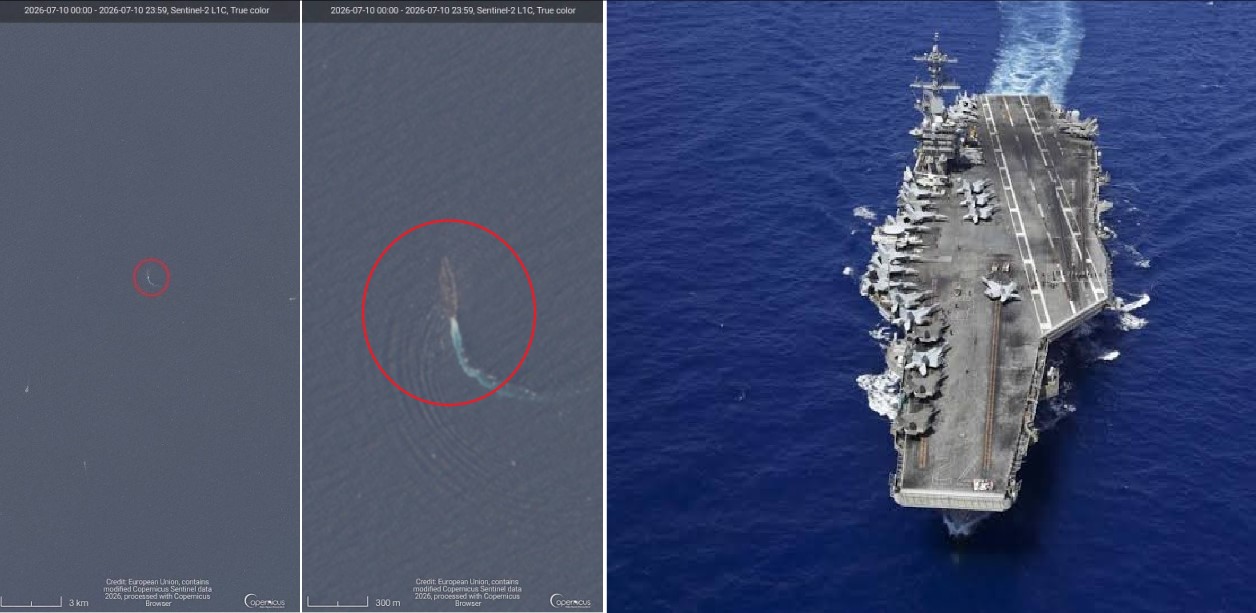
World
Open-source satellite imagery shared by MoloMonitor on Friday morning shows the U.S. Navy aircraft carrier USS Abraham Lincoln (CVN-72) sailing north in the Gulf of Oman, with no escort vessels visible in the immediate area of the image. According to MoloMonitor, the carrier's approximate location was 23°00′59.7″N 60°04′07.3″E. The position places the vessel in waters where analysts note it is within range of certain Iranian coastal missile systems. The latest imagery marks a change from earlier satellite observations. Images from July 5 had indicated that the carrier had moved into the Arabian Sea, roughly 207 kilometers south of its current reported position. The new imagery suggests the ship has since returned to the Gulf of Oman. The USS Abraham Lincoln is a Nimitz-class nuclear-powered aircraft carrier and has been deployed in the Middle East for more than 200 consecutive days. It was redirected from the South China Sea to the U.S. Central Command (CENTCOM) area of responsibility in late January 2026. During the deployment, it has supported Operation Epic Fury and served as the flagship of Carrier Strike Group 3 (CSG-3). The carrier is capable of displacing about 104,300 long tons, measures more than 1,090 feet (332 meters) in length, and can operate up to 90 fixed-wing and rotary-wing aircraft. It is currently embarked with Carrier Air Wing 9 (CVW-9), including F-35C Joint Strike Fighters assigned to Marine Fighter Attack Squadron 314. The absence of escort ships in the satellite image has drawn attention because U.S. Navy aircraft carriers typically operate as part of a carrier strike group that includes guided-missile destroyers and other support vessels. However, satellite imagery provides only a snapshot of a specific location and time, and escort ships may be operating beyond the captured frame or at a greater distance. The U.S. Navy has not issued an official statement regarding the carrier's precise location or its current escort configuration.
Read More → Posted on 2026-07-10 13:49:58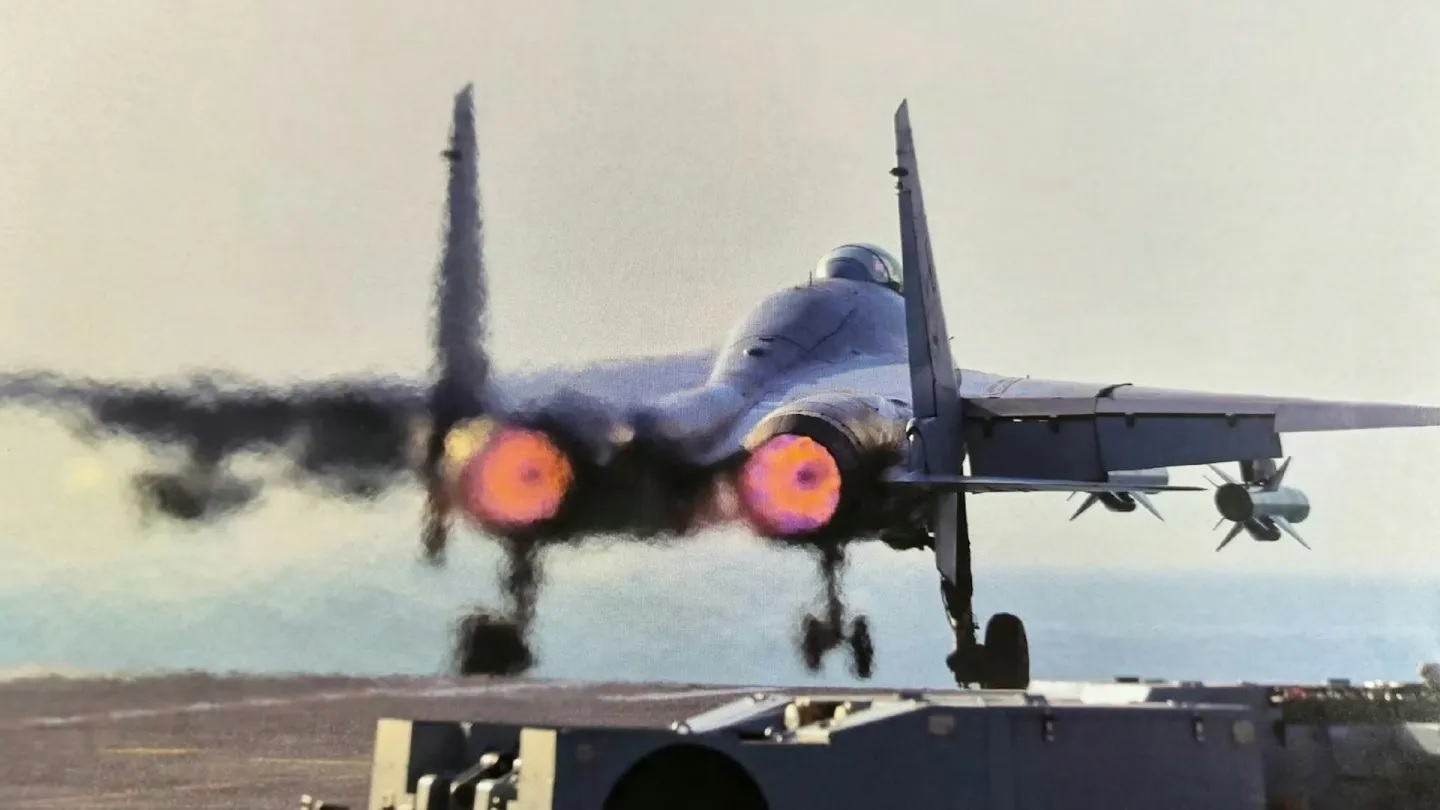
World
SHANGHAI, China — A newly released image has provided the clearest evidence so far of a Chinese J-15T carrier-based fighter launching from the aircraft carrier Fujian while carrying four YJ-83K anti-ship missiles. The photograph shows the aircraft in full afterburner moments before leaving the flight deck, highlighting the increased payload capability made possible by China's first aircraft carrier equipped with an electromagnetic aircraft launch system (EMALS). The image marks the first known visual confirmation of a J-15T taking off with four heavy anti-ship missiles. The four YJ-83K missiles together weigh approximately 6,400 pounds (around 2,900 kilograms), excluding any additional stores that may not be visible in the image. Earlier images of the J-15T prototype had shown the aircraft carrying only a single YJ-83K training round. Heavier Payload Made Possible by EMALS The J-15T was developed to operate from the Fujian, the People's Liberation Army Navy (PLAN) first aircraft carrier equipped with catapult-assisted takeoff but arrested recovery (CATOBAR) operations using an electromagnetic aircraft launch system (EMALS). China's previous aircraft carriers, Liaoning and Shandong, use short takeoff but arrested recovery (STOBAR) operations with ski-jump ramps. While effective, the ski-jump launch method limits the maximum takeoff weight of carrier-based aircraft, restricting the amount of fuel and weapons they can carry. With EMALS, the J-15T can launch with significantly heavier payloads, allowing the aircraft to make better use of its full carrying capacity. Besides carrying more weapons, the additional launch weight could also be used for extra fuel, increasing operational range, or for different mission-specific weapon configurations. Previously, the heaviest strike load publicly observed on STOBAR-operated J-15 fighters consisted of two YJ-83K anti-ship missiles along with four air-to-air missiles. Air-defense configurations typically included four PL-12 medium-range and two PL-8B short-range air-to-air missiles. The newly observed four-missile configuration represents a notable increase in strike payload compared with previous J-15 operations from ski-jump carriers. 空母福建のカタパルト発進するJ-15Tと空母山東のスキージャンプ発進するJ-15の比較 pic.twitter.com/2SrUkIZdU8 — OedoSoldier (@OedoSoldier) September 22, 2025 Comparison of a STOBAR J-15 carrier launch and a CATOBAR J-15T launch from Fujian YJ-83K Anti-Ship Missile The YJ-83K is a radar-guided, turbojet-powered, subsonic anti-ship missile widely used by China. It is broadly comparable in role to the U.S. AGM-84 Harpoon. According to available specifications, the missile has: An estimated range of about 112 miles (180 kilometers) A 360-pound (163-kilogram) semi-armor-piercing high-explosive warhead A sea-skimming flight profile, cruising at approximately 65 to 100 feet before descending to around 16 to 24 feet during the terminal attack phase A launch weight of roughly 1,600 pounds (725 kilograms) per missile With four YJ-83K missiles onboard, the J-15T carries a substantial anti-ship strike load during catapult-assisted launches. Upgraded J-15T Variant The J-15T is an upgraded version of China's carrier-based J-15 fighter, designed specifically for CATOBAR operations while retaining compatibility with STOBAR operations when required. One of the major changes in production aircraft is the introduction of domestically produced WS-10H turbofan engines, replacing the Russian-built AL-31F engines used on earlier J-15 variants. The aircraft is also capable of carrying other weapons, including PL-10 short-range and PL-15 medium-range air-to-air missiles, depending on mission requirements. Reports have also shown the J-15T carrying a buddy refueling pod and, in some images, larger anti-ship missile configurations during testing. Benefits for Other Carrier Aircraft The increased launch capability provided by Fujian's electromagnetic catapults is expected to benefit more than just the standard J-15T strike fighter. The J-15DT, a two-seat electronic warfare variant designed for a mission similar to the U.S. Navy's EA-18G Growler, requires higher takeoff weights because it carries multiple external electronic warfare and jamming pods. CATOBAR operations allow the aircraft to launch with heavier mission equipment and fuel loads. Reports have also suggested that a CATOBAR version of the two-seat J-15S may be developed as either a carrier trainer or a multirole strike aircraft. If introduced, it would also benefit from the increased launch performance provided by the Fujian's EMALS. Expanding China's Carrier Aviation Capabilities The newly released image highlights how the combination of the J-15T and the Fujian's electromagnetic catapult system is expanding the operational capabilities of China's carrier aviation. By allowing carrier-based fighters to launch with heavier fuel and weapon loads than was possible from ski-jump carriers, the CATOBAR system provides greater flexibility for strike, air-defense, and electronic warfare missions. The image offers the strongest visual evidence to date that the J-15T is beginning to operate with substantially heavier combat payloads from China's newest aircraft carrier. Source: The War Zone
Read More → Posted on 2026-07-10 14:02:10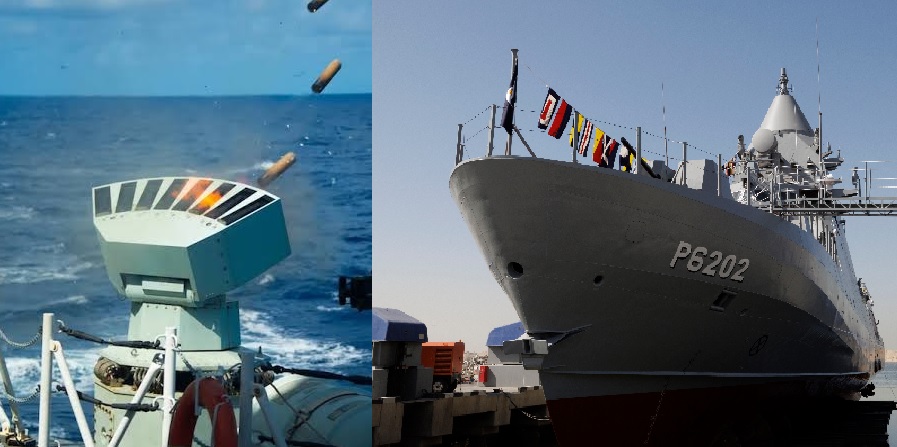
World
DÜSSELDORF, Germany — German defense company Rheinmetall has received its first order from the Kuwaiti Naval Forces to supply its Multi Ammunition Softkill System (MASS), marking the first delivery of the naval decoy launcher system to Kuwait. The systems will be installed on eight new Al Dorra-class guided-missile boats as part of Kuwait's largest naval shipbuilding program in more than 15 years. According to Rheinmetall, the order for the MASS launchers is valued in the low double-digit million-euro range, while the accompanying contract for Omnitrap decoy ammunition is worth a high single-digit million-euro range. The total contract value was booked in the second quarter of 2026. The contract also includes system integration and verification activities. Deliveries are scheduled to begin in the second quarter of 2026 upon receipt of the order and are expected to be completed in the second quarter of 2029. MASS to Equip Eight Al Dorra-Class Vessels Under the agreement, Rheinmetall will equip all eight Al Dorra-class guided-missile boats with the MASS decoy launcher system. The vessels are described by the company as versatile open-sea stealth patrol vessels. The Al Dorra-class boats are being built by Abu Dhabi Ship Building (ADSB) on behalf of the United Arab Emirates-based EDGE Group, which serves as the prime contractor for the project. The procurement represents Rheinmetall's first delivery of the MASS system to Kuwait and supports the country's ongoing naval modernization efforts. Omnitrap-ER Decoy Ammunition Included In addition to the launcher systems, the Kuwaiti Armed Forces have ordered Omnitrap-ER decoy ammunition. According to Rheinmetall, the latest generation of Omnitrap decoys features an extended range and an improved trajectory, enabling the precise deployment of decoys against state-of-the-art imaging radar and infrared-guided threats. Designed to Counter Modern Naval Threats Rheinmetall states that the Multi Ammunition Softkill System (MASS) is designed to protect ships and boats against a wide range of threats, including anti-ship missiles and laser-guided weapons. The system deploys multispectral decoys from a single fully computerized, trainable launcher. These decoys provide protection across multiple wavelength ranges, including: Radar Ultraviolet Electro-optical sensors Lasers Infrared According to the company, the system is designed for operations on the high seas, coastal waters, and rivers. Modular System for Different Naval Platforms Rheinmetall says the modular design of MASS allows it to be installed on a wide range of naval platforms, from offshore patrol vessels to frigates. The system can be integrated into existing command and weapon control systems with minimal effort or operated as a standalone solution, providing flexibility for different vessel types. The contract marks Rheinmetall's first supply of the MASS decoy launcher system to Kuwait and expands the deployment of the company's naval soft-kill protection system as the Kuwaiti Naval Forces prepare to introduce their new Al Dorra-class guided-missile boats into service. Source: rheinmetall
Read More → Posted on 2026-07-10 14:24:38
U.S
ROCHESTER, N.Y. — L3Harris Technologies has received $84 million in orders from the U.S. Army to supply Next Generation Command and Control (NGC2) AN/PRC-158C Falcon manpack systems, expanding the Army's efforts to modernize tactical communications. The AN/PRC-158C systems are equipped with high-throughput Mobile Ad hoc NETworks (MANET) and highly resilient waveforms designed to provide reliable communications across a wide range of operational conditions. The latest award marks L3Harris' second contract supporting the Army's NGC2 program. It follows an initial $24 million order awarded in October 2025, bringing the company's recent NGC2 awards to a combined $108 million. Supporting the NGC2 Transport Layer The AN/PRC-158C manpack systems will become part of the transport layer within the Army's Next Generation Command and Control (NGC2) architecture. The transport layer consists of networks, communication pathways, and data-delivery technologies that move information between sensors, shooters, and command-and-control systems, enabling faster and more secure information sharing during military operations. The communication systems are designed to support multi-transport gateways, which are required to enable the broader NGC2 network. Key Capabilities According to L3Harris, the AN/PRC-158C systems provide several communication capabilities, including: High-throughput Mobile Ad hoc NETworks (MANET) Highly resilient communication waveforms Air-to-ground networking Advanced routing In Line Encryption Sensitive But Unclassified (SBU) Encrypted waveforms These capabilities are intended to improve secure connectivity across multiple operational environments while supporting the Army's evolving command-and-control requirements. L3Harris Statement Chris Aebli, President of Mission Critical Communications, Communications & Spectrum Dominance at L3Harris, said the company's Falcon Advanced Data Node gateways have been fielded worldwide and are designed to adapt to changing operational requirements through their software-defined architecture. "Our Falcon Advanced Data Node gateways are battle-tested, fielded around the world and, with their software-defined architectures, ready for the constantly evolving challenges and threats facing soldiers," Aebli said. He added that L3Harris continues to invest in system capabilities and production capacity to meet customer requirements while supporting the U.S. Department of Defense's commercial-first acquisition approach. Strengthening Army Communications The Next Generation Command and Control (NGC2) program is intended to improve how the U.S. Army shares information across operational networks by connecting sensors, shooters, and command elements through secure and resilient communications. The latest contract continues L3Harris' role in supporting the Army's tactical communications modernization as it develops a more connected and adaptable command-and-control network. Source: l3harris
Read More → Posted on 2026-07-10 14:55:28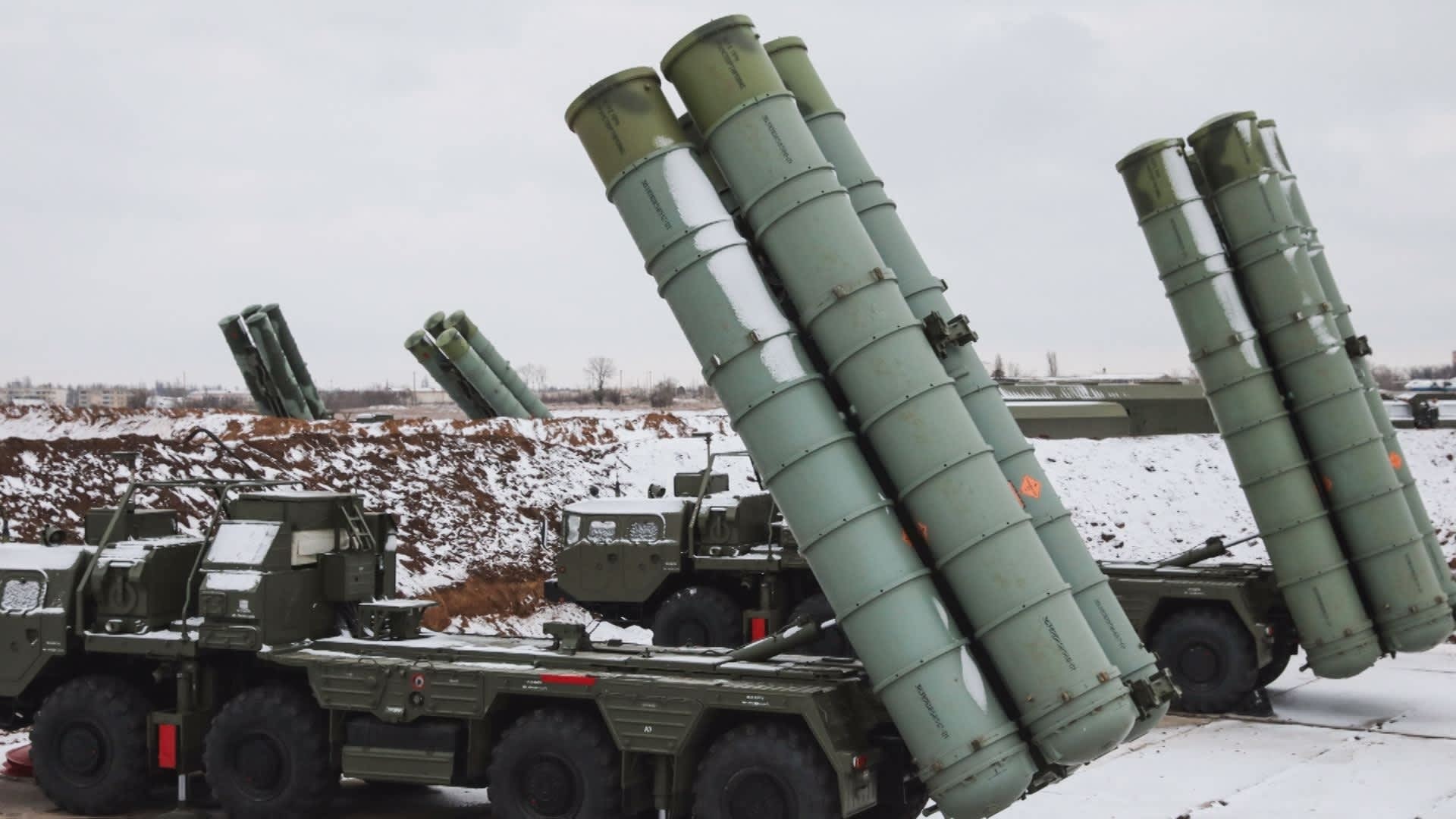
World
ANKARA, Türkiye — Türkiye has asked Russia for permission to transfer its Russian-made S-400 air defense missile systems to a third country, according to Turkish officials and media reports, in a move aimed at helping resolve a long-running dispute with the United States over the Russian weapons system. The request was made in recent weeks, just months after President Recep Tayyip Erdoğan proposed returning the S-400 systems to Russia, an idea that did not gain support, according to Turkish officials familiar with the discussions. Turkish newspaper Hürriyet reported that Türkiye could announce plans to resell the S-400 systems to an unnamed Gulf country as early as Friday. The report said the proposed transfer is intended to encourage the United States to lift sanctions imposed on Ankara and support efforts to restore defense cooperation, including a possible return to the F-35 fighter jet program. Kremlin Confirms Contacts With Türkiye MOSCOW confirmed on Friday that it is in contact with Türkiye regarding the future of the S-400 systems. Asked whether Türkiye had requested Russia's permission to transfer the missile systems to another country, Kremlin spokesperson Dmitry Peskov said: "I can say one thing here: this is an extremely sensitive issue. However, we have been in contact with the Turkish side on this matter, and we will continue to maintain contact with them on this issue." Peskov did not comment further on the reported proposal or whether Russia would approve such a transfer. Background to the Dispute Türkiye purchased the Russian S-400 air defense system despite objections from the United States and other NATO allies. In 2020, Washington imposed sanctions on Türkiye under the Countering America's Adversaries Through Sanctions Act (CAATSA) and removed the country from the multinational F-35 fighter jet procurement and manufacturing program, citing concerns over the deployment of the Russian-made air defense system. The S-400 issue has remained one of the main points of disagreement between Ankara and Washington in recent years. Report Says Transfer Could Support F-35 Talks According to Hürriyet, transferring the S-400 systems to a third country could help address U.S. concerns that led to the sanctions and Türkiye's removal from the F-35 program. The newspaper reported that the potential buyer would be an unnamed Gulf nation but did not identify the country. Neither Turkish authorities nor the Kremlin have confirmed the identity of any prospective buyer. Russia's approval would likely be required before any transfer could proceed, although neither Moscow nor Ankara has publicly discussed the terms of any possible agreement. No agreement has been announced, and discussions between the two countries remain ongoing. Source: bloomberg
Read More → Posted on 2026-07-10 15:11:27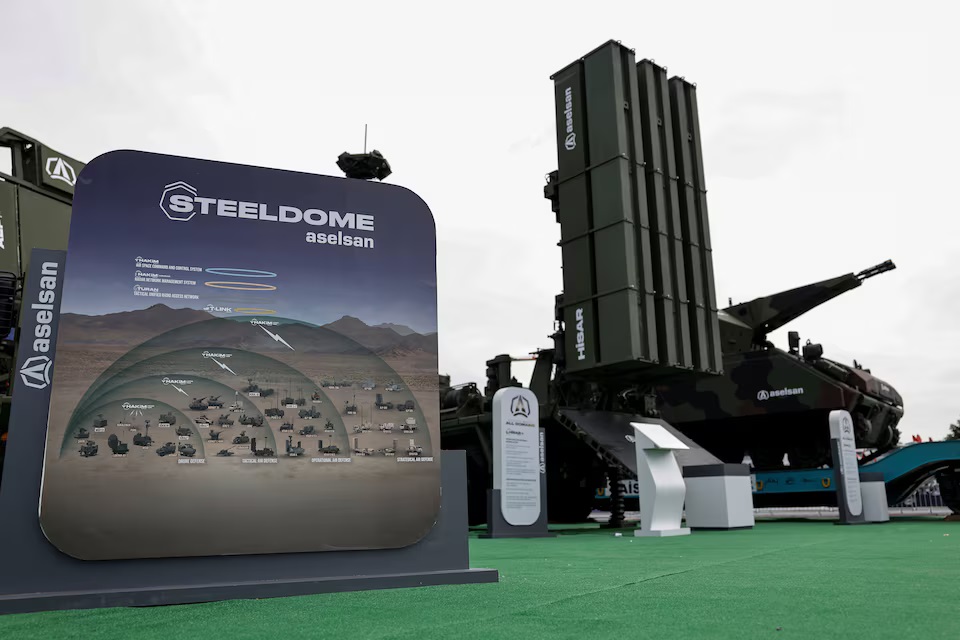
World
ISTANBUL — Turkish defense company ASELSAN has signed a contract worth approximately €1.47 billion ($1.68 billion) with Türkiye's Presidency of Defense Industries (SSB) to expand the serial production of the country's national air defense systems under the Steel Dome (Çelik Kubbe) program. The agreement, announced on Friday, July 10, is an addition to ASELSAN's ongoing serial production projects for air defense systems. According to the company's disclosure to Türkiye's Public Disclosure Platform (KAP), the contract is valued at €1,470,500,012.38. The new production agreement is expected to further strengthen Türkiye's multi-layered Steel Dome air defense architecture by increasing the manufacturing capacity of key air defense systems. ASELSAN CEO Highlights Steel Dome Expansion ASELSAN CEO Ahmet Akyol said the agreement will support the continued expansion of Türkiye's national air defense network. "We continue to strengthen the Steel Dome. With the support of our state, we will continue producing in high volumes and working resolutely for the security of our country," Akyol said. The contract follows Türkiye's continued investment in domestic defense production as the country expands its indigenous air and missile defense capabilities. Steel Dome Air Defense Architecture Steel Dome is Türkiye's integrated, multi-layered air defense system designed to detect, assess, and intercept a wide range of aerial threats across different altitudes and engagement ranges. The architecture combines multiple air defense systems into a single coordinated network. Its layered structure includes: Low-altitude defense: Systems such as Korkut, Hisar-A, Goker, and Gokberk are designed to counter threats including drone swarms and loitering munitions. Medium-altitude defense: Hisar-O provides protection against conventional aerial threats. Long-range defense: The Siper air defense missile system forms the upper layer of the architecture. The Steel Dome architecture reached its planned layered configuration after the long-range Siper air defense system entered service with the Turkish Armed Forces (TAF). Integrated Network and AI-Supported Command System Steel Dome connects air defense weapons, radar systems, electro-optical sensors, communications modules, and command-and-control centers through a unified network. This allows operational data to be shared in real time, creating a common air picture for military operators. The network is coordinated through Hakim, Türkiye's first domestically developed upper-level air command-and-control system, supplied by ASELSAN. Hakim processes real-time operational data and uses artificial intelligence-supported software to assist commanders in evaluating threats and coordinating responses. The system is designed to ensure that existing sensors, interceptor systems, and future air defense platforms operate together within a fully integrated command structure. ASELSAN Shares Rise After Contract Announcement Following the announcement, ASELSAN shares, traded on Borsa Istanbul under the ticker ASELS, rose on strong trading volume. The stock opened Friday's session near the previous closing price of ₺358.75 before initially declining to around ₺357.50. After the contract was disclosed, the shares moved higher as investor activity increased. The €1.47 billion agreement represents one of ASELSAN's largest recent production contracts and supports the continued expansion of Türkiye's domestically developed air defense capabilities through the Steel Dome program. Source: turkiyetoday
Read More → Posted on 2026-07-10 15:39:25
U.S
WASHINGTON — The U.S. Navy has issued two Requests for Information (RFIs) to major South Korean shipbuilders to assess their ability to build destroyers and medium-sized fleet replenishment tankers, marking a significant step in exploring allied shipbuilding capacity to support future naval requirements. According to Naval News, citing initial reporting by South Korea's Yonhap News, the RFIs were issued last month as part of an information-gathering process and do not represent a contract award or procurement decision. One RFI covers destroyer-sized surface combatants, while the second seeks information on medium-sized fuel tankers intended for fleet replenishment. The U.S. government is seeking details on shipbuilding capabilities, including design expertise, production capacity, pricing, delivery schedules, and other market information, to evaluate whether South Korean shipbuilders could support future U.S. Navy programs. Three Shipbuilders Submit Responses Three of South Korea's largest shipbuilders have responded to the U.S. Navy's requests. Hanwha Ocean and HD Hyundai Heavy Industries (HD HHI) submitted responses for both the destroyer and fleet tanker RFIs, while Samsung Heavy Industries responded only to the request for medium-sized fleet replenishment tankers. According to industry officials cited by Yonhap News, the companies provided comprehensive information covering their shipbuilding track record, design workforce, engineering expertise, and annual shipbuilding capacity. Media reports indicate that Hanwha Ocean and HD Hyundai Heavy Industries were asked to provide information related to eight proposed destroyers, while the separate tanker RFI was also sent to Samsung Heavy Industries. Experience Building Modern Naval Warships Hanwha Ocean and HD Hyundai Heavy Industries have extensive experience constructing advanced surface combatants for the Republic of Korea Navy. Both companies have built the approximately 8,500-ton Sejong the Great-class Aegis destroyers, which use the Aegis combat system and are similar in size and capability to the U.S. Navy's Arleigh Burke-class destroyers. The shipyards have also produced Chungmugong Yi Sun-sin-class destroyers and exported frigates to countries including Peru and the Philippines. The U.S. Navy's RFI process is intended to evaluate these existing shipbuilding capabilities as it considers options for future fleet expansion. Part of Broader U.S.-South Korea Shipbuilding Cooperation The RFIs follow growing cooperation between the United States and South Korea in the shipbuilding sector. According to South Korean media reports, President Donald Trump asked South Korean President Lee Jae Myung during the G7 Summit whether South Korea could quickly build 10 U.S. warships. Reports also stated that the two leaders later agreed to begin working-level consultations on shipbuilding cooperation during meetings held alongside the NATO Summit. South Korea has committed $150 billion toward the U.S. shipbuilding sector as part of a broader $350 billion investment package in the United States. South Korea's government-backed policy banks have also begun steps to implement the financing plan supporting the initiative. South Korean shipbuilders have already expanded their presence in the United States. Hanwha Ocean acquired Philly Shipyard in Pennsylvania and has partnered with Vard U.S. Marine as a subcontractor for design work on the U.S. Navy's Next Generation Logistics Ship program. HD Hyundai Heavy Industries has established a strategic partnership with Huntington Ingalls Industries, while Samsung Heavy Industries has partnered with General Dynamics NASSCO to expand cooperation in U.S. shipbuilding projects. Supporting Long-Term Fleet Expansion According to South Korean estimates cited by Yonhap News, the U.S. Navy plans to expand its fleet from approximately 300 ships today to 381 ships by 2054. Achieving that goal would require building an average of 12 ships per year, or approximately 364 vessels over the next 30 years. The RFIs are viewed as part of broader efforts to identify additional shipbuilding capacity that could help meet future fleet requirements. Congressional Approval Still Required If the current RFI process eventually results in shipbuilding contracts, it could mark the first time since 1947 that foreign-built or foreign-designed combat ships enter service with the U.S. Navy. For nearly 80 years, U.S. Navy combat ships have been designed and constructed in domestic shipyards under long-standing U.S. legal and procurement requirements. Recent policy documents—including the National Defense Authorization Act (NDAA) for Fiscal Year 2027, the Navy's five-year shipbuilding plan, and the FY2027 budget proposal—include references to allowing greater flexibility for foreign-built ships. However, any move beyond the current RFI stage would require Congress to approve a national security waiver and provide the necessary funding before overseas construction of U.S. Navy combat ships could proceed. At this stage, the RFIs remain an initial market assessment rather than a procurement decision, and the U.S. Navy has not announced any contract awards or selected any shipbuilder for future programs. Source: maritime-executive
Read More → Posted on 2026-07-10 16:36:37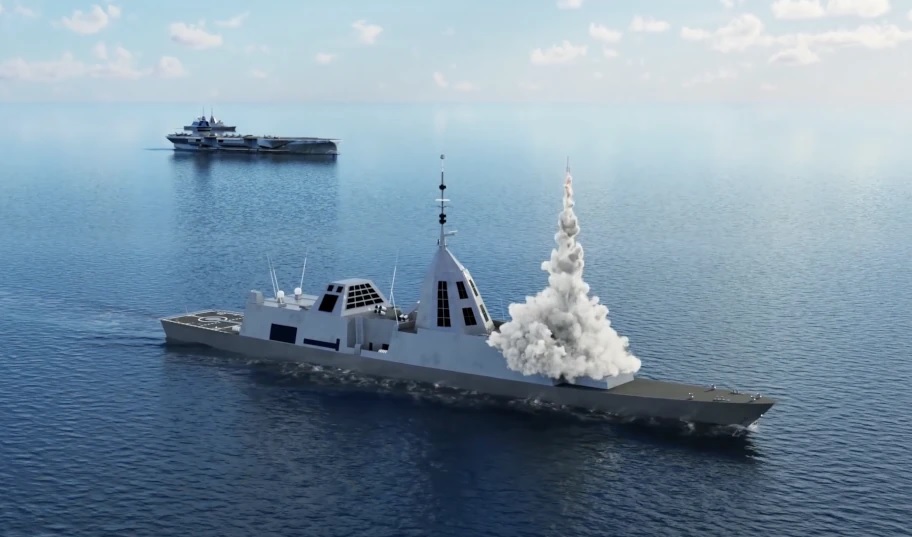
Europe
BRUSSELS, Belgium — The European Commission and MBDA have advanced the European Hypersonic Defence Interceptor System (HYDIS) program after the successful completion of the project's Final Concept Review on July 10, marking a significant milestone in Europe's effort to develop a future interceptor capable of countering hypersonic and advanced ballistic missile threats. Following the review, the four participating nations—France, Germany, Italy, and the Netherlands—selected a single interceptor concept, known as AQUILA, from two concepts that had been evaluated during the earlier Initial Concept Review. The decision allows the MBDA-led consortium to focus its work on refining AQUILA through the remainder of the three-year Concept Phase, which is scheduled to conclude in May 2027. The HYDIS program is intended to develop a European endo-atmospheric interceptor designed to counter hypersonic and ballistic threats while integrating with existing air and missile defense networks. Source: mbda-systems AQUILA Selected as the Preferred Interceptor Concept Over the past several months, the HYDIS consortium, led by MBDA, has carried out detailed work on solid rocket motor-based interceptor concepts with support from industrial partners, research organizations, academic institutions, and technology companies. The project team conducted extensive performance assessments using simulations that modeled different stages of the interceptor's flight. These studies evaluated interception capability, flight performance, and the system's ability to provide area protection against high-speed threats. The selected AQUILA concept combines technologies developed by several European defense companies. Italian propulsion specialist AVIO is responsible for the interceptor's solid rocket motor architecture, while ArianeGroup and ROXEL are developing the final-stage control mechanism. LYNRED is supplying the terminal infrared (IR) sensor used during the final engagement phase. MBDA is integrating these technologies into a complete interceptor system while drawing on experience gained from the ASTER family of air and missile defense interceptors. Integration with Existing Air Defense Systems Alongside interceptor development, the consortium has continued work on integrating AQUILA into wider air and missile defense architectures. Thales Netherlands has provided updated performance data for both naval and ground-based sensor systems, supporting the interceptor's integration into future defense networks. Meanwhile, GKN Fokker has advanced studies on compatibility with the Mk 41 Vertical Launching System (Mk 41 VLS), one of the most widely used naval missile launch systems. According to the consortium, AQUILA is being developed as a dedicated counter-hypersonic interceptor capable of operating alongside existing naval and land-based air defense systems. Technical Review Completed The technical studies completed during the concept phase were examined over a six-week review period by the Organisation for Joint Armament Cooperation (OCCAR) and representatives from France, Germany, Italy, and the Netherlands. The review process included technical discussions and a convergence week during which the participating nations and the consortium addressed outstanding questions before presenting the final results to the HYDIS Steering Committee on July 10. The successful completion of the Final Concept Review formally confirmed AQUILA as the concept that will move forward into the final stage of the current development phase. €140 Million European Defence Project HYDIS, officially contracted as HYDIS² in May 2024, has a total budget of approximately €140 million. The project receives €80 million in co-funding from the European Union through the European Defence Fund (EDF), while the participating member states provide the remaining funding. OCCAR serves as the Contracting Authority, managing the program on behalf of the European Commission and the participating countries. The consortium includes 19 industrial partners and more than 30 subcontractors from 14 European countries, bringing together expertise in propulsion, guidance, aerodynamics, sensors, weapon integration, and missile technologies. Major participants include MBDA, AVIO, ArianeGroup, ROXEL, LYNRED, ONERA, Bayern Chemie, TDW, DLR, OHB System, C.I.R.A., GKN Fokker, Thales Netherlands, and TNO. Competition with Europe's HYDEF Program HYDIS is one of two major European initiatives focused on developing future hypersonic defense interceptors. Its primary competitor is the HYDEF (Hypersonic Defence Interceptor) program, led by Spain's SMS with technical architecture developed by Germany's Diehl Defence. While MBDA's AQUILA concept builds on experience gained from the ASTER interceptor family, the HYDEF program draws on technologies associated with Diehl Defence's IRIS-T air defense systems. Both projects are preparing for future pre-development activities, with the European Defence Fund expected to support the selection of a single architecture for Europe's future endo-atmospheric hypersonic interceptor capability. Next Phase Through 2027 With AQUILA now selected, the MBDA-led consortium will concentrate its efforts on refining the interceptor's design until the completion of the Concept Phase in May 2027. The work will focus on strengthening the technical foundation required for future manufacturing and development phases while supporting Europe's long-term objective of establishing an indigenous capability to defend against emerging hypersonic and advanced ballistic missile threats through a collaborative multinational program.
Read More → Posted on 2026-07-11 11:01:59
World
COLORADO SPRINGS, Colo. — Kratos Defense and Security Solutions has reported that its KnownSpace global sensor network detected a new wave of radio frequency (RF) jamming activity originating from Tehran early Wednesday morning, marking the first recorded Iranian electromagnetic interference (EMI) since such activity went quiet earlier this month. According to Kratos, the interference began at approximately 4:00 a.m. local time. The detection came shortly after the announcement that the recent regional ceasefire had ended, a development that analysts say could lead to increased electromagnetic interference (EMI) activity as regional tensions rise. The company said the latest jamming event had a limited immediate impact. The interference affected one satellite transponder and lasted for about one hour before the signal ended. Despite its short duration, Kratos said the event indicates that Iranian RF jamming infrastructure remains operational. The company assessed that the interference patterns are consistent with efforts to disrupt satellite communications (SATCOM) used by U.S., Israeli, and other allied military and civilian operators. How the Jamming Was Detected The activity was detected through the KnownSpace Global Sensor Network, a commercially operated space domain awareness system designed to monitor the radio frequency environment around satellites. Kratos operates more than 190 passive RF sensors across over 19 locations worldwide. Because satellite coverage over the Middle East also extends to these sensor sites, the network can monitor uplink and downlink radio frequency activity occurring within Iran without requiring sensors inside the country. To determine the source of the interference, Kratos analyzes signal spillover between adjacent satellites. When a jammer transmits energy toward a satellite's uplink frequency, a small portion of that signal spreads to nearby satellites. By measuring differences in signal arrival time and frequency across multiple satellites, analysts can geolocate the origin of the transmission, allowing Kratos to identify Tehran as the source of the jamming activity. RF jamming generally works by transmitting noise or unmodulated tones on the same frequency used by legitimate satellite communications. This interference can reduce signal quality or prevent receivers from processing the intended communications. Previous Monitoring of Iranian RF Activity KnownSpace provides continuous monitoring of geostationary satellite communications and is used to detect, locate, and analyze interference events. Kratos has previously used the network to monitor Iranian RF jamming campaigns affecting commercial communications satellites, with earlier geolocation results frequently pointing to areas near Tehran. Earlier in 2026, the company reported multiple RF interference events linked to Iranian sources. Those incidents involved several jamming techniques, including high-power modulated transmissions, bandwidth-matched interference, and sweeping signal patterns that affected multiple satellites. Continued Monitoring Kratos said it is continuing to monitor the electromagnetic spectrum to determine whether the latest one-hour interference was an isolated event or the beginning of a broader jamming campaign. The company noted that systems such as KnownSpace support both commercial and defense users by providing independent space domain awareness and tracking satellite communication interference without relying solely on classified monitoring systems. Source: Kratos Defense and Security Solutions
Read More → Posted on 2026-07-11 11:15:01
Europe
A new report by defense analyst Florian Hoffmann, published on the Missile Matters blog, suggests that Ukraine's FP-5 Flamingo cruise missile is showing improved operational performance following a series of recent long-range strikes inside Russia. While the latest operational record appears encouraging, Hoffmann says important questions remain about the missile's production capacity, accuracy, and its long-term impact on Russia's military-industrial base. The report focuses on Ukraine's overnight June 26–27 strike against the Titan-Barrikady Research and Production Center in Volgograd, which Hoffmann describes as arguably one of Ukraine's most successful individual long-range strikes inside Russia since the war began. According to Ukrainian sources cited in the report, five FP-5 Flamingo cruise missiles were launched during the attack, with three reportedly striking the Titan-Barrikady facility. The fate of the remaining two missiles has not been disclosed, although Hoffmann said interception by Russian air defenses or a technical failure is the most likely explanation. Volgograd Governor Andrey Bocharov acknowledged that a production facility had been damaged during the strike and said at least 10 people were injured. Hoffmann said ground-level imagery showed collapsed girders, flattened walls, and damaged industrial machinery, which he assessed to be consistent with the detonation of warheads carrying approximately half a ton of high explosive. According to the report, one missile struck Workshop 38, described as the plant's primary production building containing machine tools, cranes, and assembly equipment. A second missile reportedly hit Workshop 2, while a third impacted another workshop whose function has not been publicly identified. Production Impact Remains Unclear According to Hoffmann's analysis, the Titan-Barrikady facility plays an important role in Russia's missile industry. The report says the plant is involved in assembling launchers for the Iskander-M short-range ballistic missile and also contributes to Russian strategic missile programs, including the RS-24 Yars road-mobile intercontinental ballistic missile. Hoffmann said damage to Workshop 38 and other affected buildings could potentially delay production if critical machine tools or specialized manufacturing equipment were destroyed. However, he emphasized that the currently available evidence does not support a confident battle damage assessment, making it difficult to determine the strike's long-term effect on Russian production. The report also notes that previous Ukrainian strikes against major Russian defense-industrial facilities have generally caused localized disruption rather than lasting production bottlenecks. As an example, Hoffmann pointed to Ukraine's earlier Flamingo strike on the Votkinsk missile production plant. According to the analysis, Russian ballistic missile launch activity declined for roughly two months after that attack before returning to previous levels. Hoffmann said the continued frequency of Russian ballistic missile attacks suggests overall production capacity may currently remain largely intact. Even so, he noted that if Ukraine is able to increase both the scale and frequency of Flamingo strikes against Russian industrial targets, the cumulative impact on Russia's defense industry could become more significant. Ten Confirmed Flamingo Strikes Since 2025 Hoffmann's report identifies ten confirmed operational uses of the FP-5 Flamingo since the missile was first announced in August 2025, including the recent strike on Titan-Barrikady. He said the actual number is almost certainly higher because unsuccessful strikes often receive little or no open-source coverage or official confirmation. According to the analysis, the Titan-Barrikady attack marks the first confirmed case in which multiple Flamingo missiles clearly reached and struck within the intended target area. In most previously confirmed strikes, only one missile successfully hit its target. The report identifies the September 2025 strike on the Skif-M production plant as the main possible exception, where Ukraine may have achieved multiple hits. However, Hoffmann noted that the incident remains contested and has received limited public reporting. Targeting Appears to Be Focusing on Missile Production The report also suggests that Ukraine's targeting priorities have evolved since the Flamingo entered service. Early Flamingo strikes targeted an FSB security outpost, a thermal power plant, and a munitions depot. More recent operations have focused on facilities linked to Russia's missile production base, including the Votkinsk, VNIIR-Progress, and Titan-Barrikady plants. According to Hoffmann, this trend suggests the Flamingo's primary operational role is increasingly centered on disrupting Russia's missile manufacturing capability. He also noted that Ukraine appears to rely mainly on long-range drones rather than Flamingo missiles for strikes against Russian oil and gas infrastructure. Production Capacity and Accuracy Still Raise Questions Despite what Hoffmann describes as encouraging operational progress, the report says several uncertainties remain. Available data indicates Ukraine has launched no more than six Flamingo missiles in a single strike, while the three most recent confirmed attacks reportedly involved five missiles each. Hoffmann said these relatively small salvo sizes do not match manufacturer FirePoint's earlier claim that it could produce three missiles per day, suggesting actual production remains below the company's stated ambitions. The report also notes that confirmed Flamingo strikes have occurred on average every 4.5 weeks since August 2025. The last four confirmed attacks averaged approximately 3.5 weeks apart, while the most recent three took place within an eight-week period. According to Hoffmann, it remains unclear whether this reflects higher production capacity, reduced Russian air defense effectiveness, improved strike success, or a combination of those factors. Another question highlighted in the report concerns engine availability. Hoffmann said the current missile reportedly uses repurposed AI-25TL turbofan engines, but it remains unclear how many are still available for production. While FirePoint is reportedly establishing an in-house engine production facility, open-source information has not confirmed how far that effort has progressed. The report also identifies accuracy as an area requiring further improvement. Hoffmann said that in two of the last four confirmed Flamingo operations, the missiles reached the target area but failed to inflict significant damage because they likely missed their intended aimpoints. According to the analysis, future improvements could come through better guidance and sensor systems that reduce circular error probable (CEP) or through increased production, allowing Ukraine to launch larger missile volleys and improve the probability of hitting intended targets. Hoffmann's Overall Assessment While emphasizing that available evidence remains limited, Hoffmann concludes that the FP-5 Flamingo's recent operational record suggests the gap between the manufacturer's claims and the missile's actual battlefield performance may be narrowing. He describes the FP-5 Flamingo as Ukraine's most promising heavy cruise missile program currently in service and says it could become an increasingly important capability if Kyiv seeks to place larger Russian defense-industrial facilities and military supply chains under sustained pressure through long-range precision strikes. Source: Missile Matters — with Fabian Hoffmann
Read More → Posted on 2026-07-11 12:39:45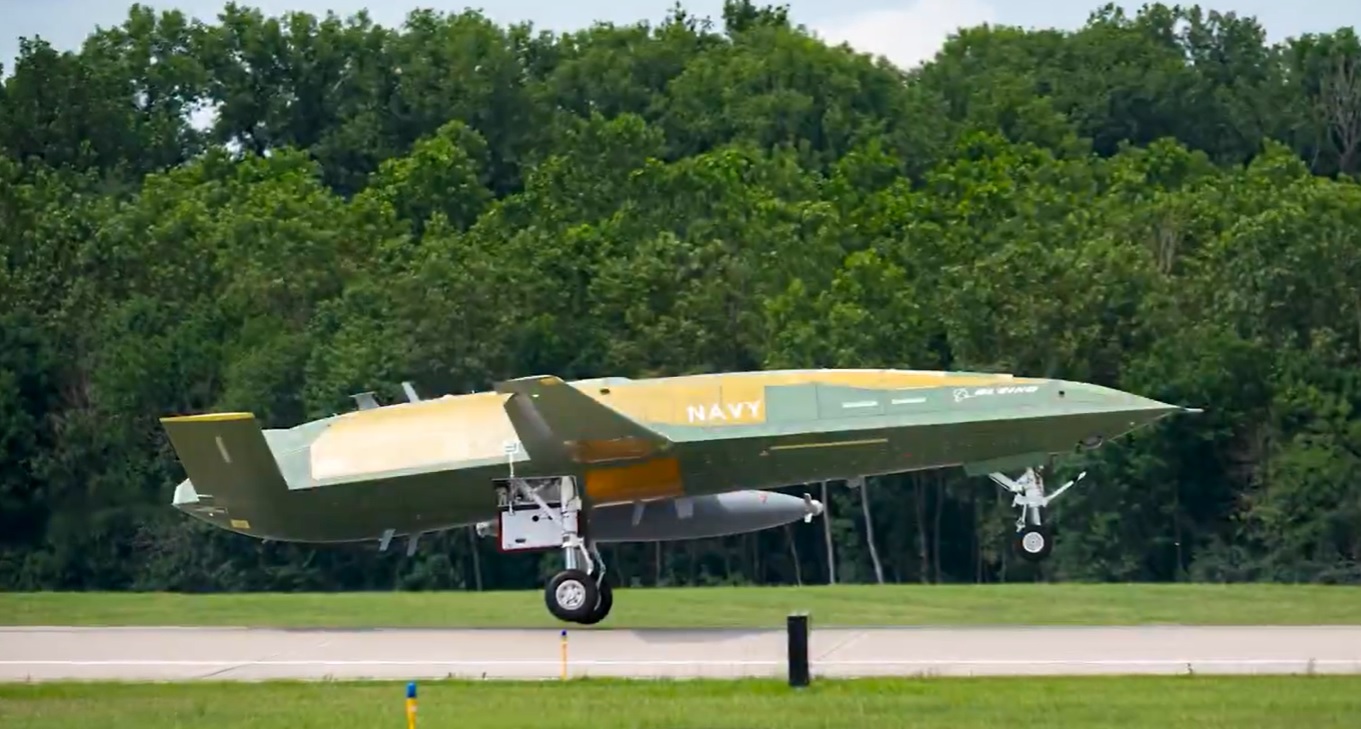
U.S
ST. LOUIS, Missouri — The U.S. Navy's first production Boeing MQ-25A Stingray uncrewed aerial refueling aircraft has successfully completed its second test flight, marking another milestone in the development of the Navy's first operational carrier-based unmanned aircraft. The flight, conducted on July 10, included the aircraft's first airborne landing gear cycles, during which the landing gear was extended and retracted while in flight. According to Boeing, the test confirmed the performance of the aircraft's autonomous flight control system and provided additional data needed as the MQ-25A moves closer to future carrier operations. The test was carried out from the Unmanned Carrier Aviation Mission Control System (MD-5) ground control station at MidAmerica St. Louis Airport in Mascoutah, Illinois. During the mission, Navy air vehicle pilots issued flight commands from the ground station while the MQ-25A autonomously managed its propulsion, onboard systems, navigation, guidance, and flight controls throughout the planned mission. Before the flight, Boeing and U.S. Navy teams installed a new software package that upgraded the aircraft's vehicle management system and mission computers. During the mission, Boeing engineers and Navy pilots monitored the aircraft's performance and collected data from the landing gear tests. Boeing said the successful airborne landing gear cycles helped verify the interoperability between the aircraft's mechanical systems and its autonomous flight control software. The MQ-25A Stingray is designed primarily to provide uncrewed aerial refueling for carrier-based aircraft. By taking over the aerial tanker mission, the aircraft will extend the operational range of the carrier air wing while allowing manned fighter aircraft, including the F/A-18 Super Hornet, to return to their primary combat missions instead of performing refueling duties. The production MQ-25A builds on experience gained from the earlier MQ-25 T1 test aircraft. During previous flight testing, the T1 demonstrator successfully refueled three different carrier-based aircraft using the Navy's hose-and-drogue system: the F/A-18 Super Hornet, E-2D Hawkeye, and F-35C Lightning II. Those demonstrations validated the aircraft's ability to safely refuel multiple types of naval aircraft in flight. Powered by a Rolls-Royce AE 3007N turbofan engine, the MQ-25A is designed to deliver up to 15,000 pounds of fuel at a distance of 500 nautical miles from the carrier. In addition to aerial refueling, the aircraft is designed to autonomously perform carrier deck operations, including taxiing, takeoff, and landing, while operating alongside manned aircraft in the demanding carrier environment. The MQ-25A program has continued to progress through a series of developmental milestones. The first production aircraft completed its initial taxi test in January 2026, followed by its first flight in April 2026. The latest second flight further expands the flight-test program by validating additional aircraft systems and software. Known as the Carrier-Based Aerial Refueling System (CBARS) program, the MQ-25A was developed to provide dedicated aerial refueling support for carrier air wings while introducing autonomous aircraft into routine carrier operations. The U.S. Navy is continuing flight testing with Boeing as it works toward achieving the aircraft's planned initial operational capability around February 2029. The successful completion of the second test flight adds new flight data that will support further testing and certification as the MQ-25A progresses toward operational service aboard U.S. Navy aircraft carriers. Source: Boeing
Read More → Posted on 2026-07-11 12:50:09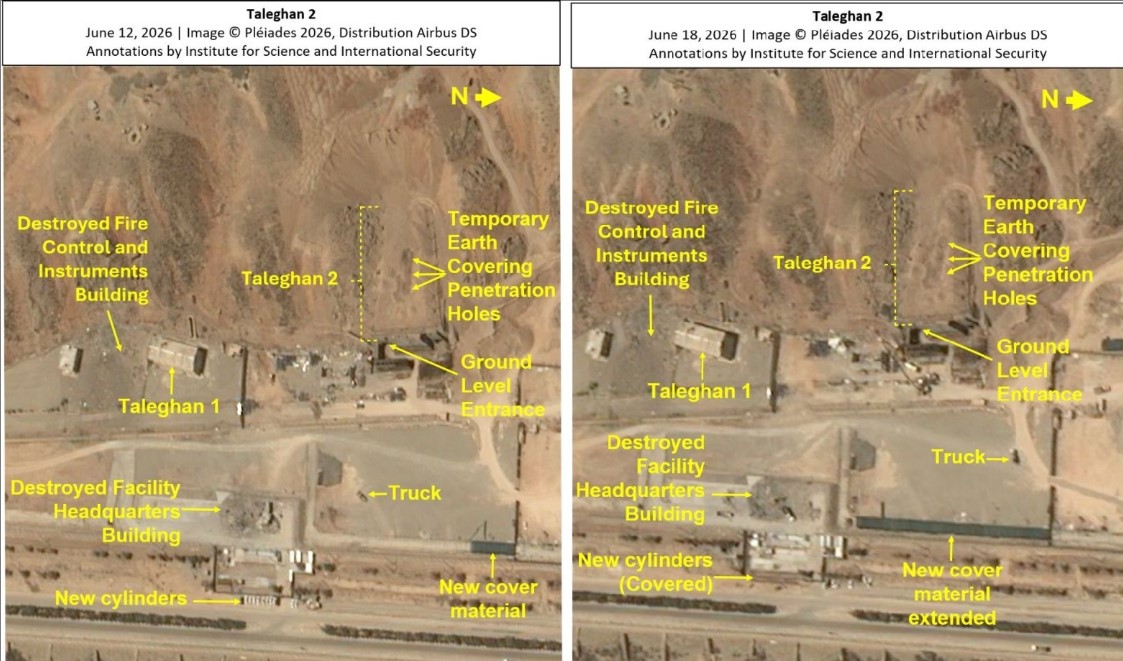
World
TEHRAN/WASHINGTON — Newly released commercial satellite imagery analyzed by CNN in collaboration with the Institute for Science and International Security (ISIS) indicates that Iran may have begun repairing and rebuilding several nuclear-related facilities damaged during U.S. and Israeli airstrikes earlier this year. The imagery, captured between June and early July 2026, has raised questions about whether the observed reconstruction work is consistent with a 14-point Memorandum of Understanding (MoU) signed between the United States and Iran in late June. Repair Activity Seen at Parchin and Pickaxe Mountain According to the analysis, one of the most significant developments has been observed at the Taleghan 2 facility inside the Parchin military complex, southeast of Tehran. The site has long been associated by Western analysts with nuclear weapons-related research, although Iran has consistently denied pursuing nuclear weapons. Satellite images show workers excavating around three bomb impact points created during earlier airstrikes. Initial cleanup involved placing temporary dirt coverings and protective screening over the damaged areas. Later images show steel reinforcing mesh installed before fresh concrete was poured to strengthen the hardened roof. Construction equipment, including cranes and concrete mixing trucks, was also visible operating at the site. Another location showing increased activity is Pickaxe Mountain, an underground facility located near Iran's Natanz uranium enrichment complex. The imagery shows construction vehicles regularly entering and leaving tunnel entrances. Analysts also identified a newly built security wall around the site, while tunnel portals appear to have been extended and covered with gravel and sand as part of ongoing engineering work. Military Bases Also Show Signs of Repairs Beyond nuclear-related locations, the satellite imagery also indicates repair work at several Iranian military facilities affected during previous strikes. At Tabriz Air Base, analysts observed that a runway crater caused by earlier attacks had been filled with concrete. Additional repair work has also been reported at several missile storage facilities and military bases. However, the latest available imagery does not show visible reconstruction work at Iran's major uranium enrichment facilities, including Natanz, Fordow, and Isfahan, which were also targeted during the conflict. Questions Over Compliance With U.S.-Iran Memorandum The reconstruction activity has drawn attention because it appears to have taken place while a 14-point Memorandum of Understanding (MoU) between Washington and Tehran was still in effect. The agreement, signed in late June 2026 following weeks of military tensions, reportedly included Iranian commitments not to develop or acquire nuclear weapons and to maintain the status quo at its nuclear facilities during the negotiation period. According to the CNN and Institute for Science and International Security analysis, repair work at locations such as Taleghan 2 appears to have started while the agreement remained active. Analysts cited in the report said such activity could raise questions about whether the work was consistent with the commitments outlined in the memorandum. The diplomatic arrangement later broke down after U.S. President Donald Trump stated that the agreement was no longer in effect, followed by additional U.S. military strikes against Iran earlier this week. Satellite Analysis Highlights Ongoing Recovery Efforts The imagery suggests that while earlier strikes disrupted operations at several nuclear-related facilities, Iran has begun clearing debris and restoring damaged infrastructure at selected locations. The Institute for Science and International Security said its assessment of the commercial satellite images points to substantial reconstruction work, particularly at the Taleghan 2 facility, including repairs to damaged structures and reinforcement of impacted areas. Experts also note that commercial satellite imagery provides valuable insight into activity at restricted sites, but it cannot by itself determine the exact purpose of construction work. They say independent verification by inspectors from the International Atomic Energy Agency (IAEA) would be necessary to fully assess the condition of Iran's nuclear facilities and any implications for its nuclear program. Iran continues to maintain that its nuclear program is intended solely for peaceful purposes, while several Western governments have expressed concerns over activities they believe could support nuclear weapons development. The latest satellite imagery adds new information to ongoing international discussions about Iran's nuclear activities and compliance with previous agreements. Source: CNN / isis-online
Read More → Posted on 2026-07-11 13:46:12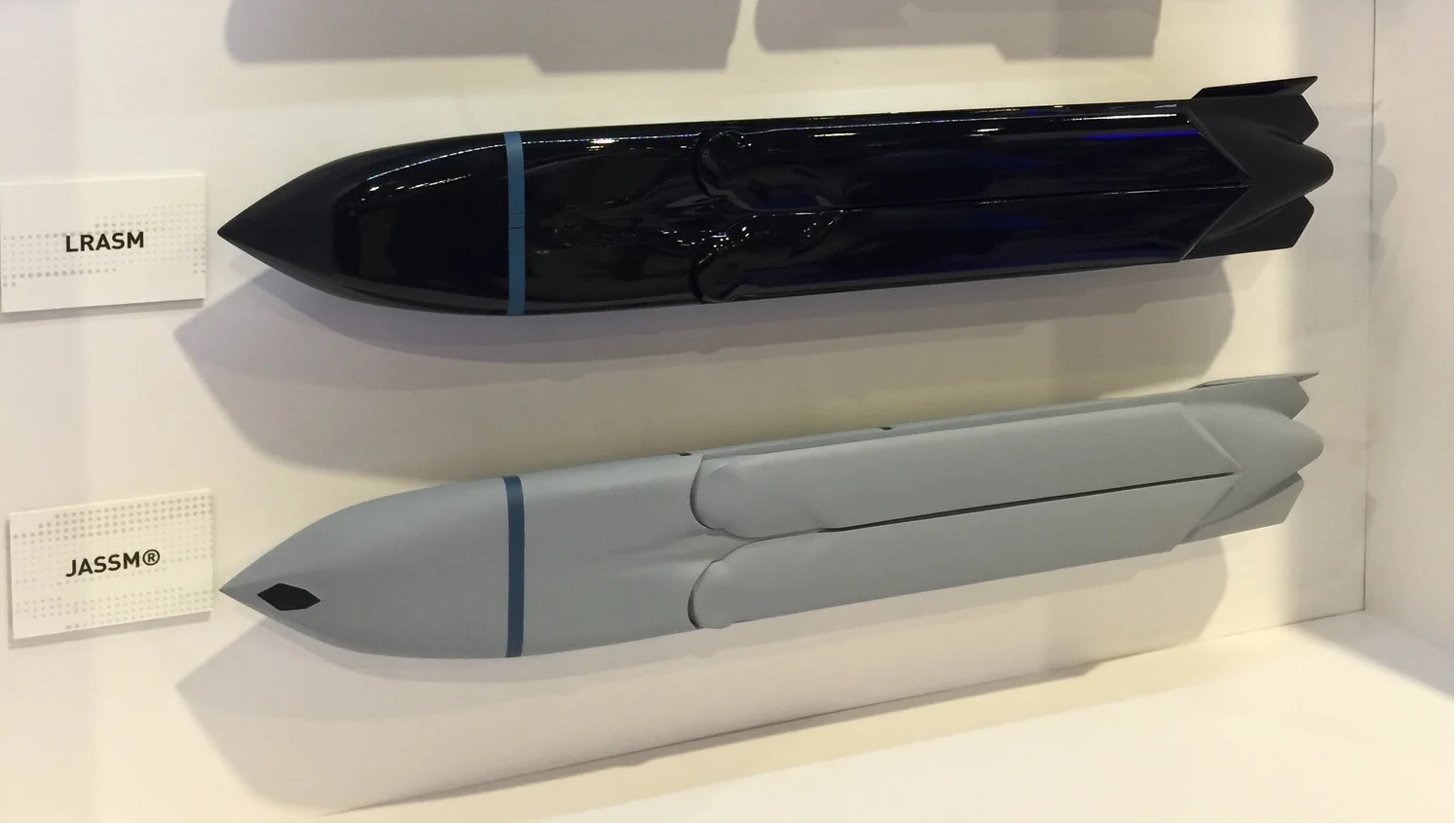
U.S
WASHINGTON — The U.S. Air Force has announced plans to acquire up to 11,200 Joint Air-to-Surface Standoff Missiles (JASSM) and Long-Range Anti-Ship Missiles (LRASM) over the next five to seven years, marking one of the largest planned procurements of these long-range precision weapons to date. The plan was outlined in a notice of intent published on Friday. It covers JASSM Lots 27 through 33 and LRASM Lots 13 through 19 and represents a significant increase in the Pentagon's planned inventory of both missile families compared with previous publicly disclosed targets. According to the notice, the procurement is part of broader efforts to rebuild missile inventories following recent military operations and to strengthen production capacity for future operational requirements, particularly in the Indo-Pacific region. The Pentagon is also encouraging defense suppliers to increase investments and expand manufacturing capacity to support higher production rates. Procurement Includes Production, Sustainment and Software Support The planned acquisition extends beyond missile production and includes several supporting elements designed to sustain the growing inventory. These include: Expanded missile sustainment and repair capacity Increased software support Higher production output at Lockheed Martin's manufacturing facilities in Orlando, Florida, and Troy, Alabama Deliveries are expected to begin approximately 27 months after the contract is awarded. Air Force officials stated that achieving the larger procurement targets will require a gradual manufacturing ramp-up and significant upfront investment. Government-owned production equipment is currently dedicated to fulfilling existing JASSM and LRASM contracts while Lockheed Martin continues expanding its supply chain and manufacturing capabilities. Lockheed Martin Expands Manufacturing Capacity Lockheed Martin said it has already invested heavily to increase production capacity for priority defense programs. According to the company, it has invested more than $7 billion since the first Trump administration to expand production capacity across key systems. Of that amount, approximately $2 billion has been dedicated specifically to increasing munitions production. The company said these investments include new facilities, production tooling, supplier expansion, and workforce development to support higher manufacturing rates. Contract Covers Current and Future Missile Variants The planned contract includes both current and future variants of the JASSM and LRASM missile families. Among the newest versions are: Variant Key Improvements Primary Role JASSM-XR Advanced anti-spoofing technology and improved survivability Long-range land strike LRASM-ER Extended range and upgraded sensor package Long-range maritime strike LRASM C-3 Updated sensors and secured data link U.S. Navy anti-surface warfare The JASSM-XR and LRASM-ER incorporate Lockheed Martin's latest anti-spoofing technology and enhanced survivability features designed to improve performance in contested environments. For the U.S. Navy, the LRASM C-3 introduces upgraded sensors, increased range capabilities, and a secure data link intended to improve anti-surface warfare operations. Recent Testing Demonstrates Expanding Capabilities The JASSM family continues to serve as one of the Pentagon's primary long-range precision strike systems and features prominently in planning for potential large-scale operations. Recent testing has demonstrated the missiles' integration across multiple aircraft platforms. On June 2, 2026, U.S. Airmen at Dyess Air Force Base, Texas, conducted a live validation test connecting an AGM-158C LRASM to a B-1B Lancer bomber. The event successfully verified communication between the missile and the aircraft's mission systems. During the Valiant Shield 2026 exercise, a B-2A Spirit stealth bomber launched an AGM-158C LRASM against the decommissioned amphibious ship ex-USS Juneau during a sinking exercise (SINKEX), demonstrating another operational employment scenario for the missile. Focus on Long-Range Precision Strike The AGM-158 JASSM is designed to strike heavily defended land targets from long stand-off ranges using low-observable characteristics and precision guidance. The LRASM is derived from the JASSM design and is optimized for engaging maritime targets using advanced autonomous targeting and seeker technology. Because both missiles share a common airframe and many components, they simplify production, maintenance, and logistics while providing the U.S. military with long-range strike options against both land and naval targets. The planned acquisition of up to 11,200 missiles significantly exceeds previous inventory objectives and reflects the Pentagon's broader effort to increase production of critical precision-guided munitions while expanding long-term readiness for potential high-intensity operations. Source: highergov
Read More → Posted on 2026-07-11 13:58:06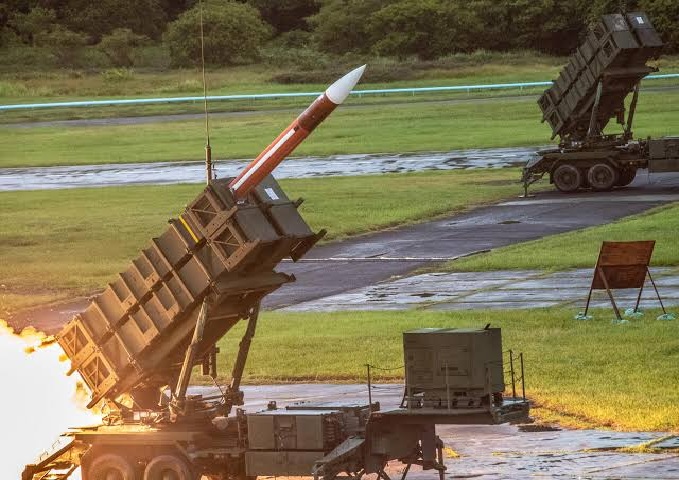
World
WASHINGTON — Ukraine is unlikely to establish domestic production of Patriot air defense missiles for several years, even if the United States grants permission to manufacture them, according to Charles Freeman, a retired American diplomat and former Assistant to the U.S. Secretary of Defense. Speaking to Russian state news agency RIA Novosti, Freeman said the complexity of the Patriot program and the time required to build production capacity mean that local manufacturing would not provide a near-term solution for Ukraine's air defense needs. Freeman noted that even in the United States, where the Patriot system is already in full-scale production, manufacturing a single Patriot system can take about two years. He said this illustrates the significant industrial, technical, and logistical challenges involved in establishing similar production capabilities in another country. According to the report, the United States also currently has no spare Patriot systems available for transfer to Ukraine, and that situation is not expected to improve in the coming years due to existing production commitments and global demand. The discussion comes after recent political talks during the NATO summit, where the possibility of allowing Ukraine to manufacture Patriot interceptors under a U.S. license received attention. U.S. President Donald Trump has indicated support for the idea of licensing domestic production, but defense experts say obtaining a license would be only the first step in a lengthy process. Ukrainian lawmaker Yehor Chernev has said that while legal and administrative work could begin relatively quickly, building a functioning production line would likely require at least 18 to 24 months for an initial pilot phase, with additional time needed before complete missiles could be produced. Even if major components were supplied from abroad, assembling and certifying the production process would remain a complex undertaking. Freeman also pointed to intellectual property and technology transfer as major challenges. The Patriot system is manufactured by RTX (formerly Raytheon) together with Lockheed Martin. Any domestic production in Ukraine would require agreements covering proprietary technologies, manufacturing rights, and technical standards, and it remains unclear under what conditions such approvals could be granted. Production of Patriot interceptors, including the PAC-3 Missile Segment Enhancement (PAC-3 MSE) variant, depends on a highly specialized global supply chain. Industry data shows that manufacturing a PAC-3 MSE interceptor takes around 24 months, while production of its solid-fuel rocket motor can require approximately 30 months because of limited manufacturing capacity and specialized components. Defense analysts also note that establishing Patriot production in Ukraine would require construction of certified manufacturing facilities, training a skilled workforce, integrating secure supply chains, and importing highly specialized components. Any production facility would also require significant air defense protection because it could become a potential target during the ongoing conflict. Germany's experience highlights the long timelines involved in Patriot-related manufacturing. After receiving political approval for a Patriot production line in 2024, manufacturing is not expected to begin until 2027. The Patriot air defense system has become one of Ukraine's most important assets for intercepting Russian ballistic missiles, cruise missiles, and drones. However, available systems remain limited, while demand from the United States and allied countries continues to exceed current production capacity. Although domestic Patriot production could strengthen Ukraine's defense industry over the long term, defense officials and analysts agree that it would not address the country's immediate air defense requirements. For the foreseeable future, Ukraine is expected to remain dependent on Patriot systems and interceptor supplies provided by its Western partners. Source: bostonherald
Read More → Posted on 2026-07-11 14:24:56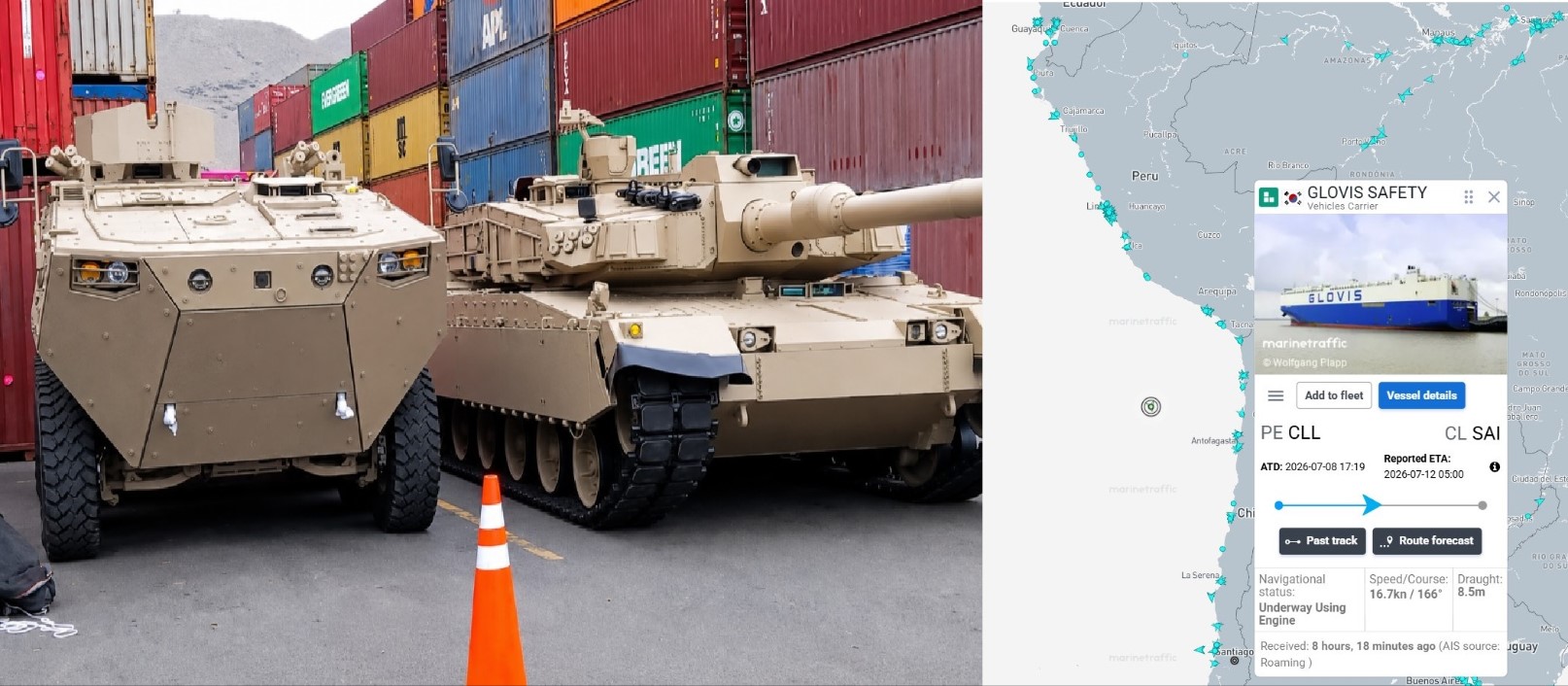
World
LIMA, Peru — The first batch of South Korean K2 Black Panther main battle tanks and K808 8×8 armored personnel carriers has arrived in Peru, marking a significant step in the country's armored force modernization program. The shipment reached the Port of Callao this week aboard the South Korean vehicle carrier GLOVIS SAFETY, according to vessel-tracking data and images shared by defense observers. The cargo includes at least two K2 Black Panther main battle tanks and six K808 armored personnel carriers (APCs). The delivery comes before the signing of the final implementation contract between Peru and South Korea and is intended to support testing and evaluation of the vehicles under local operating conditions. Early Delivery Ahead of Final Contract The arrival follows a strategic framework agreement signed on December 9, 2025, between South Korean defense manufacturer Hyundai Rotem and Peru's state-owned defense company FAME S.A.C. The agreement, valued at more than $1.4 billion, outlines Peru's planned acquisition of 54 K2 Black Panther tanks and 141 K808 armored personnel carriers, making it South Korea's largest land defense export to Latin America. While the framework agreement defines the scope of the program, the final implementation contract—which will establish delivery schedules, pricing, and legal terms—remains under negotiation. Reports previously indicated that the agreement was expected to be finalized between June and July 2026. Sending a limited number of vehicles before the full contract is a common practice in international defense procurement. It allows the customer to conduct operational trials before proceeding with larger deliveries. Testing in Peru's Operational Environment The newly delivered vehicles will undergo a series of field evaluations by the Peruvian Army. Planned testing includes cold-start trials, crew training, maintenance assessments, and high-altitude mobility tests in the Andes Mountains. The evaluations are intended to determine how the vehicles perform in Peru's diverse terrain and climate while allowing military personnel to gain experience operating and maintaining the platforms. The K2 Black Panther is expected to replace Peru's aging fleet of Soviet-era T-54 and T-55 tanks, which have been in service since the 1970s. K2 Black Panther Capabilities Developed by South Korea's Agency for Defense Development and manufactured by Hyundai Rotem, the K2 Black Panther is powered by a 1,500-horsepower diesel engine. The tank is equipped with an advanced hydropneumatic suspension system that allows the hull height to be adjusted to suit different terrain conditions. It can reach road speeds of up to 70 km/h. Its primary armament is a 120 mm smoothbore gun fitted with a domestically developed automatic loader, enabling the tank to maintain a high rate of fire while moving over uneven terrain and reducing crew workload during combat operations. The combination of high mobility and adjustable suspension is designed to support operations in challenging environments, including mountainous regions such as those found in Peru. K808 Armored Personnel Carriers Alongside the tanks, Peru received six K808 8×8 armored personnel carriers, which are designed for infantry transport and battlefield mobility. The standard K808 can travel at speeds of up to 100 km/h on roads and approximately 8 km/h in water during amphibious operations. Images of the newly arrived vehicles indicate possible design changes compared with standard K808s used by the South Korean Army. Defense observers have referred to the vehicles as a possible K808-PE configuration, citing differences in the front hull design and turret arrangement. The modifications may have been made to meet the Peruvian Army's operational requirements, climate, and equipment standards. However, Hyundai Rotem and the Peruvian Army have not officially confirmed the specifications or designation of the vehicles. Technology Transfer and Local Production A key element of the Peru-South Korea defense partnership is technology transfer and local industrial participation. Under the broader program, South Korean partners plan to invest approximately $270 million to establish a specialized armored vehicle assembly facility in Peru. According to the planned production schedule, fully assembled vehicles will be imported for training and operational use between 2026 and 2028. Beginning in 2029, production is expected to transition to licensed assembly in Peru. The long-term objective is to achieve 30 percent local content in the manufacturing process, strengthening Peru's domestic defense industry while supporting maintenance and future production capabilities. Part of Peru's Armored Modernization Peru has relied on older armored platforms, including the T-54, T-55, and M113 armored personnel carriers, for decades. The introduction of the K2 and K808 is intended to improve the army's mobility, protection, and operational capability. The current shipment provides Peru with the opportunity to evaluate the South Korean platforms under local conditions before the full acquisition program moves forward. As of now, neither the Peruvian government nor Hyundai Rotem has announced the signing date for the final implementation contract or confirmed the timeline for future deliveries. However, the arrival of the first K2 tanks and K808 armored vehicles represents an important milestone in the defense partnership between Peru and South Korea. Source: X
Read More → Posted on 2026-07-11 15:46:55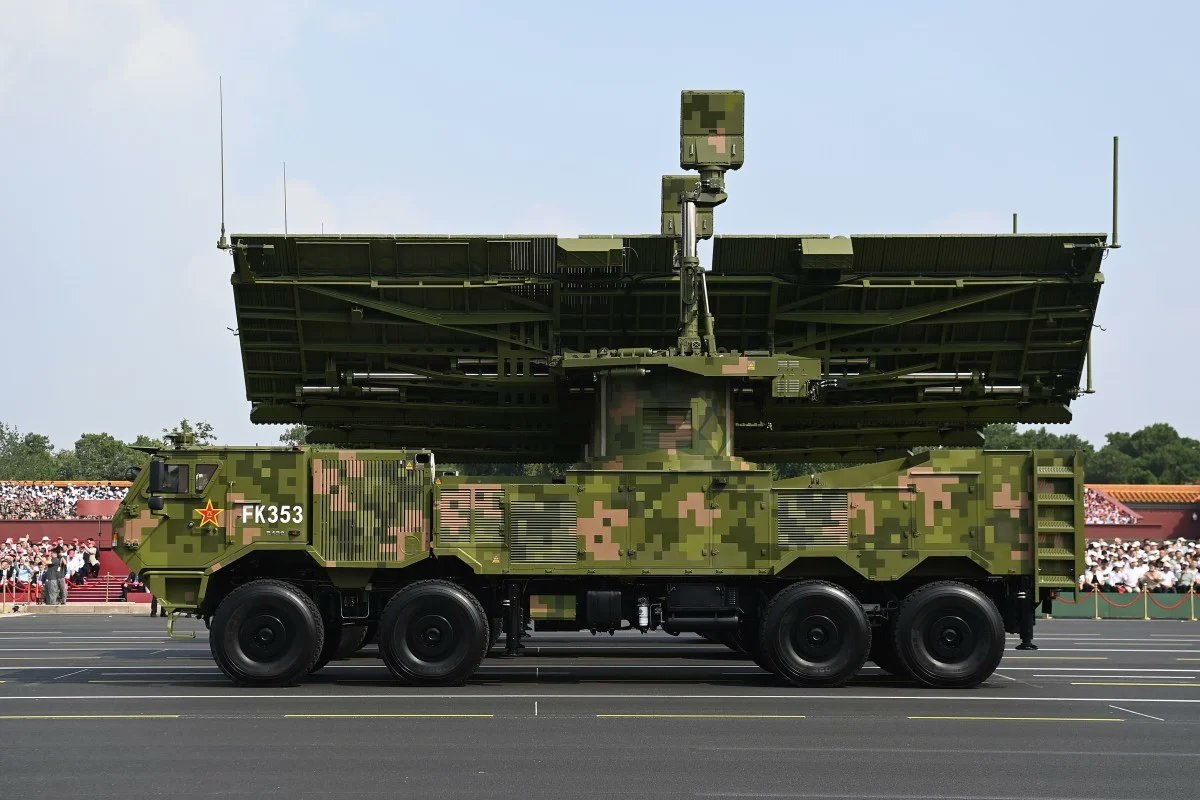
World
BEIJING — Chinese defense scientists have published new research outlining advances in high-power microwave (HPM) technology, including a system capable of generating up to 100 gigawatts (GW) of output. According to the study, the technology could provide a lower-cost method of disrupting or damaging low Earth orbit (LEO) satellite networks compared with conventional anti-satellite (ASAT) weapons. The findings were published this month in the peer-reviewed journal High Power Laser and Particle Beams. The paper was authored by a research team led by Zhang Jun from the College of Advanced Interdisciplinary Studies at the National University of Defense Technology (NUDT), offering a rare public look at China's military research in pulsed-power systems. The researchers wrote that China's pulsed-power technology has advanced rapidly in recent years due to sustained national strategic requirements. "Pulsed-power drivers for HPM generation have transitioned from laboratory prototypes to practical applications, evolving progressively from 'functional' to 'high-performance' and 'durable' systems," the paper states. 100-Gigawatt High-Power Microwave System According to the study, a single pulsed-power driver cannot independently produce sufficient energy because of insulation and engineering limitations. To address this, the NUDT team developed a system that synchronizes multiple compact pulsed-power modules into one integrated platform. The researchers said this approach allows each module to operate at maximum efficiency while improving the overall power-to-weight ratio. "Synchronizing multiple compact pulsed-power modules enables each unit to operate at peak efficiency while maximizing its power-to-weight ratio," the team wrote. Using this design, the researchers said they developed a 100GW-class ultra-high-power pulsed-power system capable of producing tens of gigawatts while remaining within practical size and weight limits. The paper also notes that the system could be further scaled to higher output levels in the future. New Power System for Extreme Conditions The study also describes supporting technologies developed alongside the HPM system. Among them is a lithium-ion capacitor hybrid power system, which the researchers say allows rapid activation while providing stable electrical output. According to the paper, the system can operate in temperatures as low as minus 40 degrees Celsius, making it suitable for use in cold-weather and polar environments. The publication also describes all-solid-state pulsed-power systems designed for different operational requirements. According to the researchers, Chinese institutions have developed multiple gigawatt-class HPM systems, and some have already been delivered to military users. Potential Impact on Low Earth Orbit Satellites High-power microwave weapons generate intense electromagnetic pulses that can interfere with or damage electronic systems. According to the paper, microwave pulses of around 1 gigawatt are generally considered capable of causing severe electronic interference or permanent hardware damage to satellites operating in low Earth orbit. The researchers state that a 100GW-class system could pose a significant threat to large satellite constellations, including SpaceX's Starlink, particularly if such networks are being used for military purposes. The paper also notes that using directed microwave energy for anti-satellite missions could offer a lower-cost alternative to traditional kinetic anti-satellite missiles while avoiding the creation of orbital debris. Broader Research in High-Power Microwave Technology The publication also references other Chinese developments in the field. Earlier in 2026, researchers at the Northwest Institute of Nuclear Technology in Xi'an reported the development of the TPG1000C system, which they said can continuously generate 20 gigawatts of output for up to one minute. The reported system weighs about five tonnes and is approximately four meters long. China has also displayed mobile ground-based HPM systems, including the Hurricane 2000 and Hurricane 3000, at the Zhuhai Air Show. These systems are designed primarily for shorter-range missions such as counter-drone operations. Future Development The NUDT researchers said future work will focus on improving beam control precision while reducing the size, weight, and manufacturing cost of HPM systems. The paper also states that China's research in pulsed-power technology has expanded significantly in recent years, with the researchers describing the country's work in the field as being among the world's leading efforts. The publication provides one of the most detailed public descriptions to date of China's ongoing research into high-power microwave technology and its potential military applications, particularly in electronic warfare and operations involving low Earth orbit satellite systems. Source: scmp
Read More → Posted on 2026-07-11 15:58:45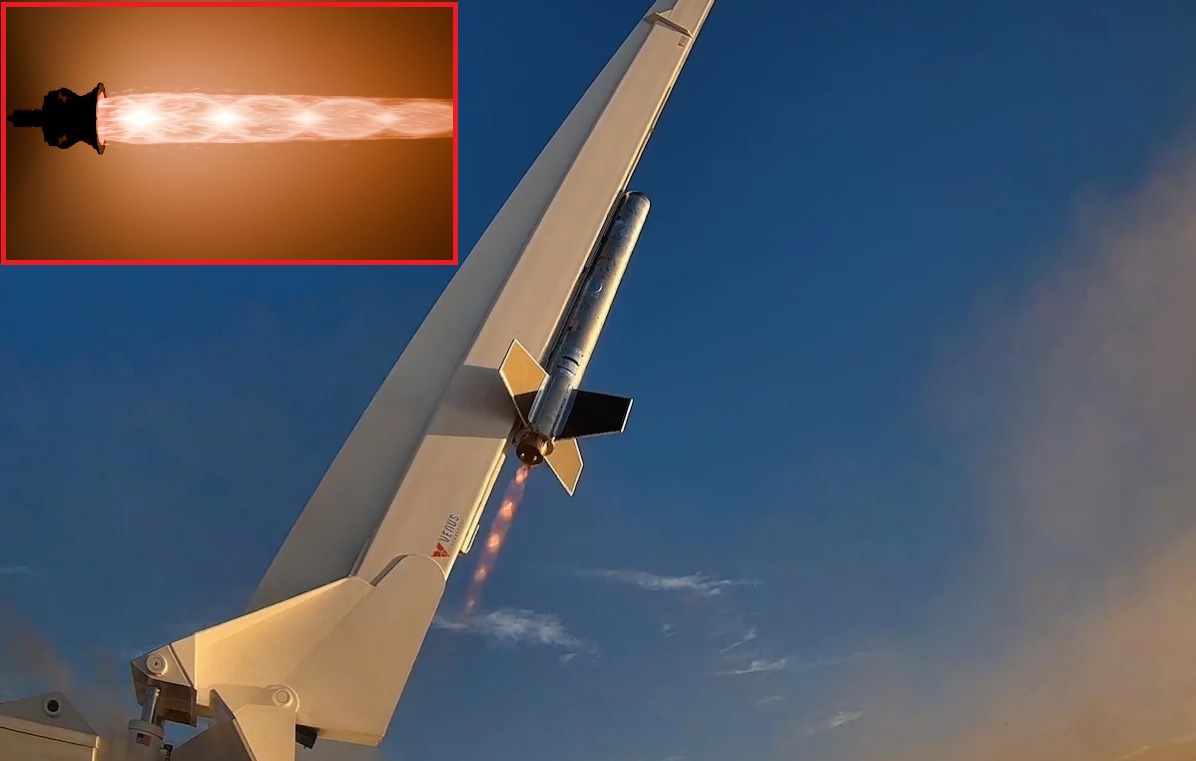
Space & Technology
HOUSTON, Texas — Venus Aerospace has secured $91 million in Series B funding to accelerate the development and production of its Rotating Detonation Rocket Engine (RDRE), a propulsion technology the company is developing for defense and space applications. The funding round was led by Mercury Fund, with participation from Lockheed Martin Ventures, MESH, PEAK6, Draper Associates, Starboard Star Venture Capital, Green Sands Equity, and other new and existing investors. The Houston-based company said the investment will help transition its flight-tested high-thrust RDRE from demonstration programs to operational propulsion systems for military and space customers. Focus Shifts Toward Defense and Space Venus Aerospace was founded in 2020 by Sassie Duggleby and Andrew Duggleby, who serves as the company's Chief Technology Officer (CTO). The company initially focused on developing propulsion systems for commercial hypersonic passenger travel. Following the successful flight demonstration of its engine in May 2025, the company said it received increased interest from defense and aerospace organizations seeking operational propulsion systems. As a result, Venus Aerospace shifted its primary focus toward near-term defense programs, including replacing traditional solid rocket motors in weapons and powering high-speed space vehicles. How the RDRE Works The Rotating Detonation Rocket Engine (RDRE) operates differently from conventional rocket engines. Instead of using subsonic combustion, the RDRE generates a continuous supersonic detonation wave that travels around a ring-shaped combustion chamber. According to the company, this design improves propulsion efficiency by approximately 15 percent compared with conventional rocket engine systems. Higher efficiency can provide longer range, increased payload capacity, and improved overall performance for defense and space missions. The engine is built using standard engineering materials along with 3D-printed components, which the company says helps simplify manufacturing and reduces dependence on constrained foreign supply chains. Unlike many solid rocket motors currently used in missile systems, the liquid-fueled RDRE is designed to support throttling and potential reusability, offering greater operational flexibility. Built on a Successful Flight Test The new investment follows a major milestone achieved on May 14, 2025, when Venus Aerospace completed what the company described as the world's first successful flight test of a high-thrust Rotating Detonation Rocket Engine. The demonstration was completed after just over four years of development using approximately $80 million in earlier funding. During the test, the engine generated around 2,000 pounds of thrust during a seven-second flight, powering a test vehicle to an altitude of about 4,400 feet and speeds of approximately 383 miles per hour before it landed safely using a parachute recovery system. Next Phase Focuses on Manufacturing and Longer-Duration Testing With fresh funding secured, Venus Aerospace plans to expand testing, manufacturing, and production capabilities as it works toward operational deployment. The company has completed approximately 600 ground tests, with its longest continuous engine burn lasting 32 seconds. Engineers are now working to increase that burn time to between 6 and 15 minutes, a key requirement for future defense and space missions. To support this effort, the Texas Space Commission has awarded Venus Aerospace a grant of up to $3.9 million to design, build and activate a larger RDRE testing facility in Houston. The facility is expected to be completed by November 2026. The company has also strengthened its leadership team by appointing former NASA Deputy Administrator Pam Melroy to its board of directors. The new funding is expected to support the company's efforts to scale production and deliver propulsion systems for defense, hypersonic, and space applications while expanding its manufacturing capabilities in the United States. Source: venusaero
Read More → Posted on 2026-07-11 16:12:33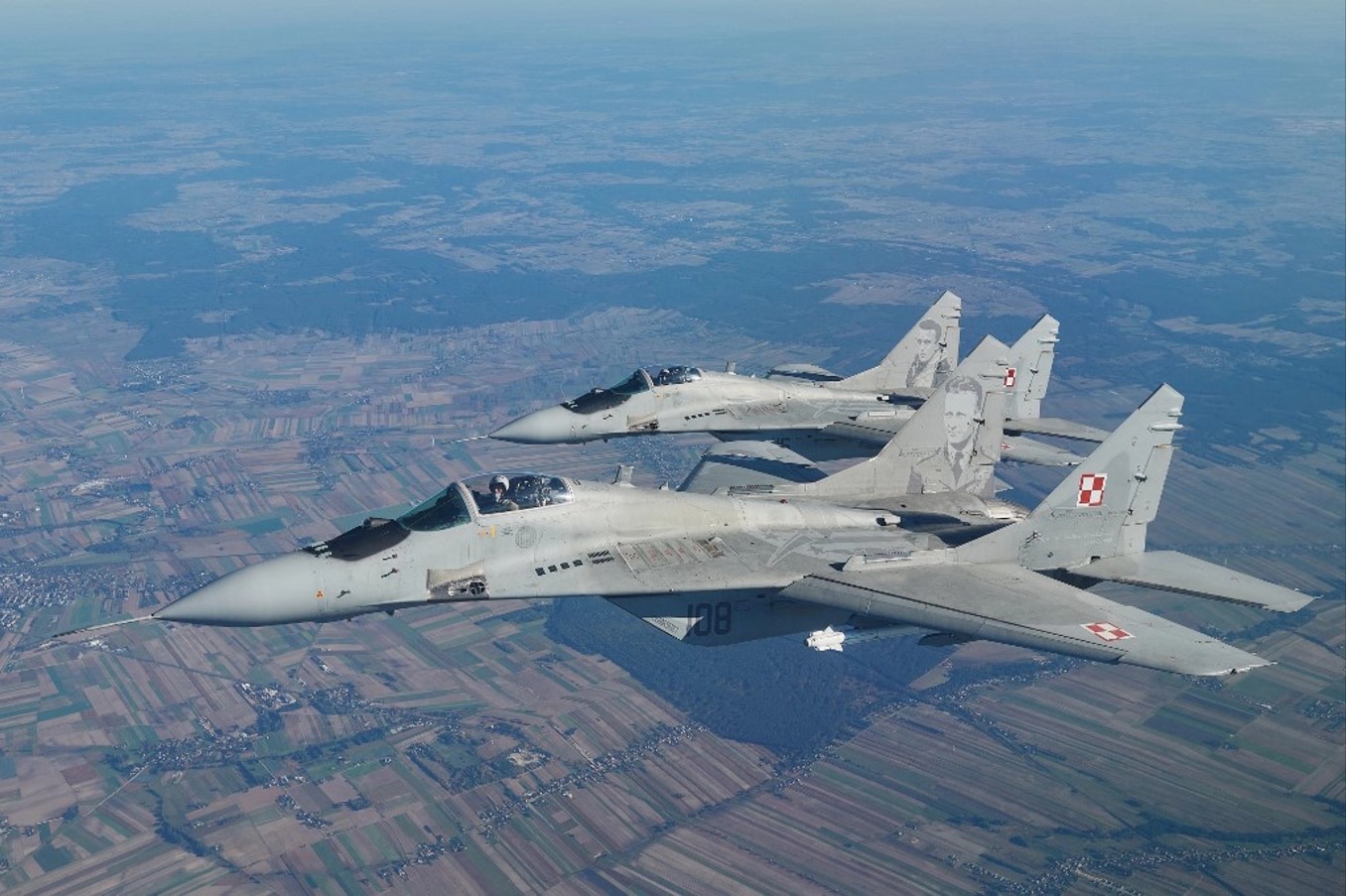
Europe
WARSAW — Poland has confirmed it is ready to help modernize and repair MiG-29 fighter jets for Ukraine, but said the cost of the work must be covered by the Ukrainian government or international partners. The announcement comes as Warsaw and Kyiv have resumed negotiations over the transfer of Poland's remaining Soviet-era MiG-29 aircraft. Speaking during a briefing in Olyka in Ukraine's Volyn region, Polish Minister of National Defence Władysław Kosiniak-Kamysz said Poland is willing to provide technical assistance but cannot finance the refurbishment of the aircraft. "We can help as much as possible here, but the funding must come from the Ukrainian government or allied countries willing to cover these costs," Kosiniak-Kamysz said. Repairs Required Before Delivery The modernization issue gained attention after a Ukrainian delegation inspected Poland's remaining MiG-29 fleet at the 22nd Tactical Air Base in Malbork, where the aircraft are currently stationed. According to the inspection, the fighters are in poor technical condition after years without comprehensive maintenance. The aircraft, which have served with the Polish Air Force since 1989, would require significant repairs before they could be safely returned to operational service. Aviation specialists reportedly identified the landing gear as one of the key areas requiring attention. Ukraine had requested that Poland carry out a complete overhaul of the aircraft at the military aviation maintenance facility Wojskowe Zakłady Lotnicze Nr. 2 before delivery. However, Warsaw declined, stating that financing such extensive refurbishment was not included in Poland's current defense budget. PGZ Assessing Support for Ukrainian Aircraft Poland's state-owned defense company Polska Grupa Zbrojeniowa (PGZ) is evaluating its ability to support the repair and maintenance of Ukrainian military aircraft. The assessment includes both MiG-29 fighters and Ukraine's growing fleet of F-16 aircraft, potentially expanding long-term defense-industrial cooperation between the two countries. Transfer Linked to Technology Cooperation Discussions over the transfer of Poland's remaining MiG-29s began late last year after Poland's Ministry of National Defence and the General Staff announced plans to retire the aircraft as the country transitions to newer Western fighters, including the F-35 and South Korean FA-50. As part of the initial proposal, Poland offered to transfer the MiG-29s in exchange for access to Ukrainian combat drone technologies and operational experience gained during the war. The negotiations stalled in June 2026 after Ukraine expressed reservations about sharing its unmanned systems technology. At the time, Polish Deputy Minister of Defence Cezary Tomczyk said the aircraft would only be transferred once the technology-sharing issue was resolved. Talks Resume on Remaining MiG-29s Negotiations resumed in July 2026 over the possible transfer of up to nine remaining MiG-29 fighter jets. Kosiniak-Kamysz said discussions have returned to the table and expressed hope that an agreement can be finalized. "A clear proposal is being discussed: MiGs in exchange for drones. The Ukrainians said yes, then began having second thoughts. Now they are back in negotiations – and that is good. I hope this proposal will be successfully finalised," he said. Reports from diplomatic sources have also indicated that the two sides have reached an agreement in principle, although no final deal has been officially announced. Importance for Ukraine For Ukraine, the Polish MiG-29s remain valuable because they can be integrated into the Ukrainian Air Force without the lengthy pilot conversion process required for many Western aircraft. Ukrainian President Volodymyr Zelensky has previously emphasized that Ukrainian pilots are already trained to operate the MiG-29. He has also noted that Ukraine's challenge is not simply obtaining more aircraft but ensuring enough trained pilots are available to fly them. Poland previously transferred 14 MiG-29 fighter jets to Ukraine in 2023, becoming one of the first countries to provide fighter aircraft following Russia's full-scale invasion. The current negotiations focus on Poland's remaining MiG-29 fleet, which is scheduled for retirement as newer aircraft enter service. While both countries continue discussions, the future transfer will depend on resolving issues related to funding for aircraft repairs, the technical condition of the jets, and the broader technology cooperation framework between Warsaw and Kyiv. Source: defence24
Read More → Posted on 2026-07-11 16:20:29
World
WASHINGTON — U.S. Central Command (CENTCOM) announced that American forces carried out a third round of military strikes against Iranian military targets on the night of July 11, following an attack by Iran's Islamic Revolutionary Guard Corps (IRGC) on the Cyprus-flagged commercial container ship M/V GFS Galaxy in the Strait of Hormuz. According to CENTCOM, U.S. forces struck approximately 140 Iranian military targets during the latest operation. The strikes were conducted using precision-guided munitions launched from land- and sea-based fighter aircraft, uncrewed aerial systems, and U.S. naval vessels. CENTCOM said the operation was intended to hold Iranian forces accountable for the attack on the commercial vessel and reduce Iran's ability to target civilian mariners and merchant ships operating in the Strait of Hormuz. M/V GFS Galaxy Attacked in Strait of Hormuz The M/V GFS Galaxy, a Cyprus-flagged container ship, was attacked while transiting the Strait of Hormuz. According to CENTCOM, the vessel suffered an onboard fire and sustained significant damage to its engine room, leaving it unable to continue its scheduled voyage. India's Ministry of External Affairs said the ship had 11 Indian crew members on board. Ten of them were rescued in a joint operation coordinated with Omani authorities, while one civilian crew member remains missing. Iranian state media said the IRGC targeted the vessel because it allegedly traveled through an unapproved route and switched off its tracking systems, which Iran claimed endangered maritime security. Following the incident, Iran announced that the Strait of Hormuz was closed until further notice and warned against further retaliation. Military Targets Hit CENTCOM said the latest operation targeted military infrastructure linked to Iran's capability to conduct attacks against commercial shipping. According to the command, the strikes hit: Missile and drone launch sites Naval capabilities and military assets Ammunition storage facilities Military communication networks Coastal surveillance locations The U.S. military said the strikes were limited to military targets and were intended to degrade capabilities used in attacks against civilian shipping in the Strait of Hormuz. More Than 300 Targets Struck This Week The July 11 operation marked the third round of U.S. strikes against Iranian military infrastructure this week. CENTCOM stated that across the three nights of operations, more than 300 Iranian military targets have been struck at the direction of the Commander in Chief. The command said the operations were aimed at reducing Iran's ability to threaten commercial vessels and civilian mariners navigating the strategic waterway. CENTCOM also noted that Iran had been given another opportunity to comply with a previously established Memorandum of Understanding but did not do so. Commercial Shipping Continues Despite the recent military exchanges and Iran's declaration regarding the Strait of Hormuz, CENTCOM said commercial shipping through the international maritime corridor is continuing. According to the command, U.S. forces have supported the safe transit of more than 800 commercial vessels through the strait since early May. Those transits included the movement of approximately 400 million barrels of crude oil. The Strait of Hormuz remains one of the world's most important maritime routes, with roughly one-fifth of globally traded oil and natural gas passing through the waterway. Diplomatic Efforts Continue The latest military actions came shortly after diplomatic discussions between the foreign ministers of Iran and Oman, who met on Saturday to discuss the administration and security of the Strait of Hormuz. As of CENTCOM's latest update, no information has been released regarding Iranian casualties from the strikes. The command said commercial vessel transits are continuing and that U.S. forces remain engaged in supporting the safe movement of international shipping through the region. Source: Centcom.mil / Centcom on x
Read More → Posted on 2026-07-12 11:20:54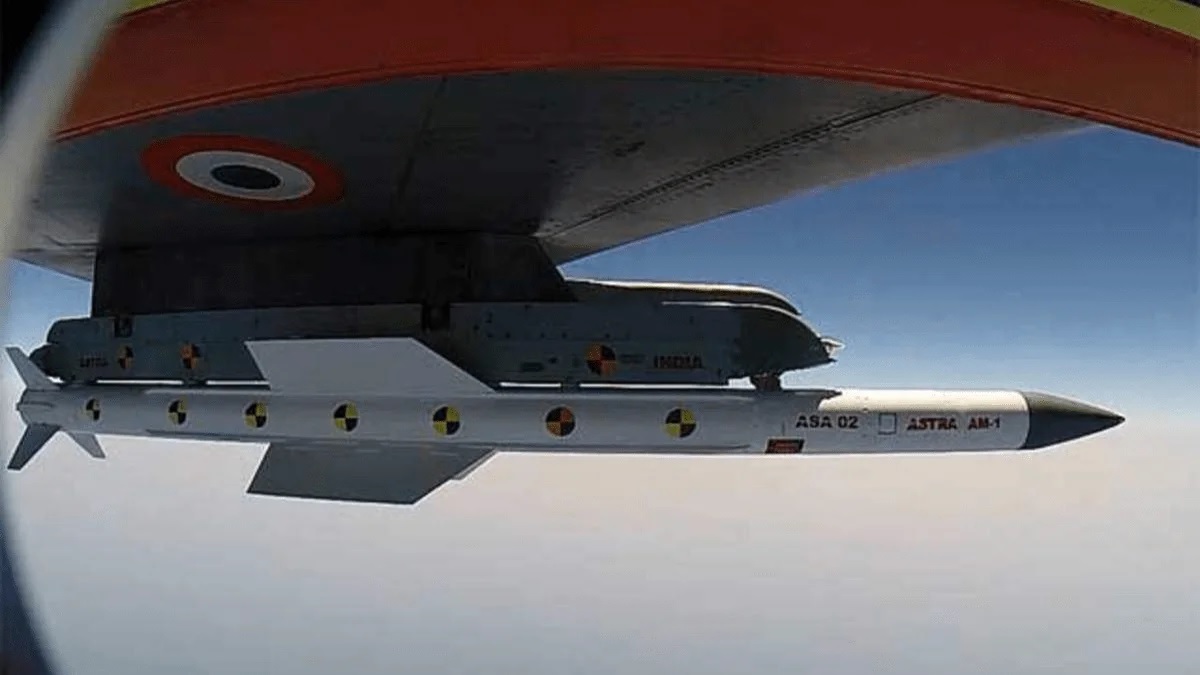
India
New Delhi — The Indian government is preparing to introduce one of the biggest policy changes in the country's defence manufacturing sector by allowing private Indian companies to develop and manufacture advanced missile systems. The first programme expected to be opened under this initiative is the Defence Research and Development Organisation (DRDO)'s Astra Mk-2 beyond-visual-range (BVR) air-to-air missile. According to reports, the Ministry of Defence is expected to issue a Request for Proposal (RFP) in the coming weeks, inviting eligible domestic private companies to participate in the production of the Astra Mk-2 missile. The move marks a major shift from India's long-standing approach, where strategic missile production has largely been handled by state-owned defence companies. Major Indian defence manufacturers expected to participate in the bidding process include Tata Group, Mahindra Group, Adani Defence, Bharat Forge, and ICOMM. Expanding India's Missile Production Capacity For decades, strategic missile manufacturing in India has been dominated by Bharat Dynamics Limited (BDL), which has produced several missile systems developed by DRDO. However, increasing procurement requirements from the Indian Armed Forces and growing international interest in Indian-made missile systems have created additional pressure on existing production capacity. By opening missile manufacturing to the private sector, the government aims to expand production capacity, reduce delivery timelines, strengthen the domestic defence industrial base, and improve the country's ability to meet both military requirements and export commitments. The policy also supports the government's broader objective of increasing indigenous defence manufacturing under the "Aatmanirbhar Bharat" initiative. Astra Mk-2 to Lead the Initiative The Astra Mk-2 is an indigenous beyond-visual-range air-to-air missile developed by DRDO. The missile is reported to have a strike range of approximately 180–200 kilometres and is intended to provide the Indian Air Force with an advanced long-range air combat capability. The missile has been designed to counter modern beyond-visual-range threats, including China's PL-15E missile. Once inducted, the Astra Mk-2 is planned for integration with several fighter aircraft, including: Tejas Mk-1A MiG-29 Su-30MKI Rafale Marine The missile has also attracted interest from friendly foreign countries. Indonesia has been reported as one of the nations interested in procuring the Astra missile, reflecting growing export opportunities for India's indigenous defence products. Pralay Missile Could Be Next According to the report, the Pralay tactical ballistic missile could become the next indigenous missile programme to be opened for private-sector manufacturing and development. Pralay has an operational range of around 500 kilometres and can reportedly travel at speeds approaching Mach 6. The missile is expected to form part of India's Integrated Rocket Force alongside other indigenous long-range strike systems, including the Long-Range Land Attack Cruise Missile (LRLACM), the next-generation BrahMos missile, and the extended-range Pinaka rocket system. Lessons from Operation Sindoor The policy shift is also linked to operational lessons from Operation Sindoor, which highlighted the increasing importance of stand-off precision strike weapons and maintaining adequate missile inventories. The government is now focused on expanding domestic production of missiles and rockets to ensure that future operational requirements can be met more rapidly while strengthening India's long-term defence preparedness. Strengthening India's Air Defence Network Alongside efforts to increase missile production, India is continuing to strengthen its air defence architecture. Current initiatives include the development of a long-range naval surface-to-air missile jointly with Israel and the expansion of a multi-layered anti-drone and anti-missile defence network. The report also states that the fifth S-400 air defence system is expected to be delivered in November. In addition, the government is reportedly considering the procurement of five more S-400 systems from Russia as part of its ongoing efforts to enhance the country's air defence capabilities. The planned opening of strategic missile manufacturing to private industry represents a significant change in India's defence production policy. If implemented, the initiative is expected to broaden the country's manufacturing base, support faster production of indigenous missile systems, and help meet increasing domestic as well as export demand. Source: Economictimes
Read More → Posted on 2026-07-12 11:30:43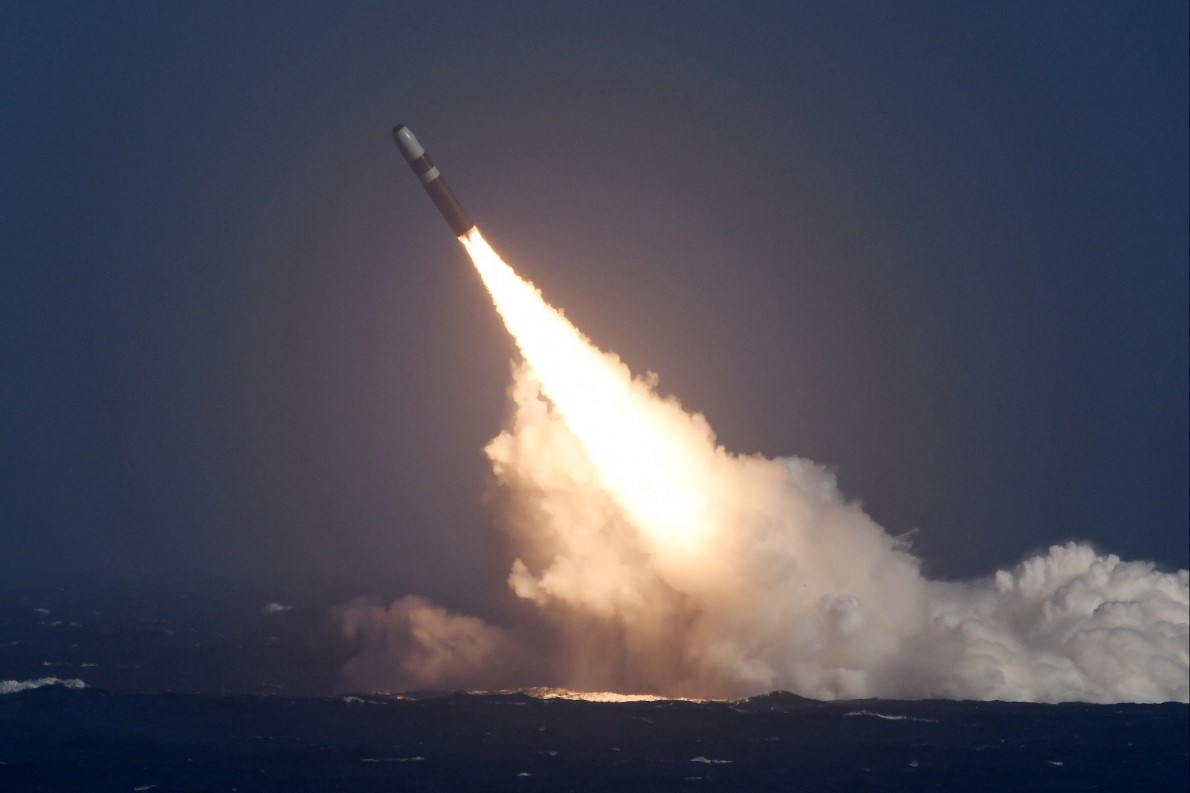
U.S
TITUSVILLE, Fla. — Lockheed Martin has received an $850 million contract modification from the U.S. Navy to continue the design and development of the Trident II D5 Life Extension 2 (D5LE2) program. The award, which was originally announced by the U.S. Department of War in April 2026, supports the long-term modernization of one of the United States' most important strategic missile systems. The Trident II D5 is a three-stage, solid-fueled submarine-launched ballistic missile (SLBM) that serves as the sea-based leg of the U.S. nuclear triad. According to Lockheed Martin, this component accounts for approximately 70 percent of the United States' deployed strategic deterrent capability, alongside land-based intercontinental ballistic missiles (ICBMs) and nuclear-capable bombers. Originally developed in the 1980s, the Trident II D5 is designed for long-range strategic missions. The missile has an operational range of approximately 2,500 to 11,500 kilometers and can carry up to eight multiple independently targetable reentry vehicles (MIRVs). It has remained in service for decades due to its accuracy, reliability, and operational performance. The missile previously underwent a major life extension program that was completed in 2017. The new D5LE2 effort focuses on replacing aging components, incorporating updated technologies, and ensuring the system remains operational and effective into the 2040s and beyond. The Trident II D5 is deployed aboard the U.S. Navy's Ohio-class ballistic missile submarines and the United Kingdom's Vanguard-class submarines. Because these submarines operate while concealed at sea, the sea-based deterrent provides high survivability, continuous global presence, and operational flexibility. The system's reliability has continued to be demonstrated through regular testing. Most recently, the Trident II D5 completed its 197th successful test launch during a flight conducted off the coast of Florida. Commenting on the contract award, Eric Scherff, Vice President of Lockheed Martin's Fleet Ballistic Missile Program, said the company remains committed to supporting the mission as the program enters its next phase. "Lockheed Martin is fully committed to the mission as we move forward into this next phase. This award marks another important step along the way as we continue delivering a credible and resilient deterrent for the American forces and allies." The D5LE2 program is also intended to ensure the missile system remains compatible with the U.S. Navy's future Columbia-class ballistic missile submarines, which are being developed to replace the current Ohio-class fleet over the coming decades. Work under the $850 million contract modification will be carried out at Lockheed Martin facilities in Colorado, Florida, Utah, Washington, Georgia, and the National Capital Region. To support the long-term requirements of the program, the company is expanding its workforce and recruiting engineers, technicians, and other skilled professionals for positions related to national security and advanced defense technologies. The latest contract continues the long-running partnership between the U.S. Navy and Lockheed Martin on the Fleet Ballistic Missile program. By modernizing the Trident II D5 through the D5LE2 program, the Navy aims to maintain a reliable sea-based strategic deterrent while supporting future submarine platforms and extending the missile system's operational life well into the next two decades. Source: Lockheedmartin
Read More → Posted on 2026-07-12 11:40:10
Space & Technology
AKITA, Japan — The Japan Aerospace Exploration Agency (JAXA), in partnership with Mitsubishi Heavy Industries, has successfully completed the first flight test of its experimental RV-X reusable rocket at the Noshiro Rocket Testing Center in Akita Prefecture. The low-altitude test marks an important step in Japan's effort to develop reusable launch technology aimed at reducing future space launch costs. The test took place on Saturday, July 11, with the prototype completing a controlled flight lasting approximately 40 seconds. During the demonstration, the rocket lifted off vertically, reached an altitude of 11 meters (36 feet), moved 16 meters (52 feet) horizontally while maintaining an upright position, and then safely returned to the landing pad under controlled descent. According to JAXA, the primary objective of the flight was to verify the vehicle's ability to perform vertical takeoff, controlled flight, and precision landing while collecting engineering data for future development. JAXA Confirms Successful Test Speaking during an online press briefing after the flight, Takashi Ito, JAXA's reusable rocket project manager, said the mission achieved its planned objectives. "The flight test went well. I feel relieved. We completed the test flight properly and obtained data that we had wanted." JAXA officials said the collected flight data will be analyzed and used to improve future test flights and support the development of larger reusable launch systems. RV-X Designed for Reusable Launch Technology The Reusable Vehicle eXperiment (RV-X) is an experimental rocket developed to demonstrate technologies required for reusable launch vehicles. The prototype measures 7.3 meters in length and 1.8 meters in diameter. It is powered by a liquid hydrogen engine and is equipped with four shock-absorbing landing legs designed to withstand the impact of vertical landings. Before the first flight, JAXA carried out extensive ground qualification testing. The rocket engine successfully completed 165 combustion tests, helping engineers verify its durability and performance before flight operations. Next Goal: 100-Meter Flight Following the successful hop test, JAXA's next objective is to increase the rocket's flight altitude to 100 meters in future demonstrations. The agency also plans to use data gathered during the RV-X program to support the development of Callisto, a larger reusable rocket demonstrator being jointly developed by Japan, France, and Germany. The Callisto vehicle is currently scheduled for a launch campaign in French Guiana during fiscal year 2026. Reusability Seen as Key to Lower Launch Costs The RV-X program forms part of Japan's broader strategy to develop reusable launch technology as the global space industry increasingly shifts toward rockets capable of multiple flights. Japan currently relies on the H3 rocket for orbital missions. While the H3 provides modern launch capability, it is an expendable launch vehicle, meaning each rocket is used only once. Developing reusable systems is expected to reduce the cost per launch and improve the competitiveness of Japan's commercial launch services. Regional Developments in Reusable Rockets Japan's successful test comes as reusable launch technology continues to gain attention across Asia. One day before the RV-X flight, Chinese state media reported that China had successfully recovered the first stage of a rocket after launch, reflecting ongoing efforts to expand reusable launch capabilities. In contrast, South Korea's Nuri rocket remains an expendable launch vehicle, while research on reusable rocket technology is still in the early stages. Japan's successful RV-X flight places it among the countries actively conducting physical flight demonstrations of reusable launch systems. JAXA said additional flight tests are planned as engineers continue refining the technology and evaluating the data collected during the successful first flight. Source: japannews.yomiuri
Read More → Posted on 2026-07-12 11:58:34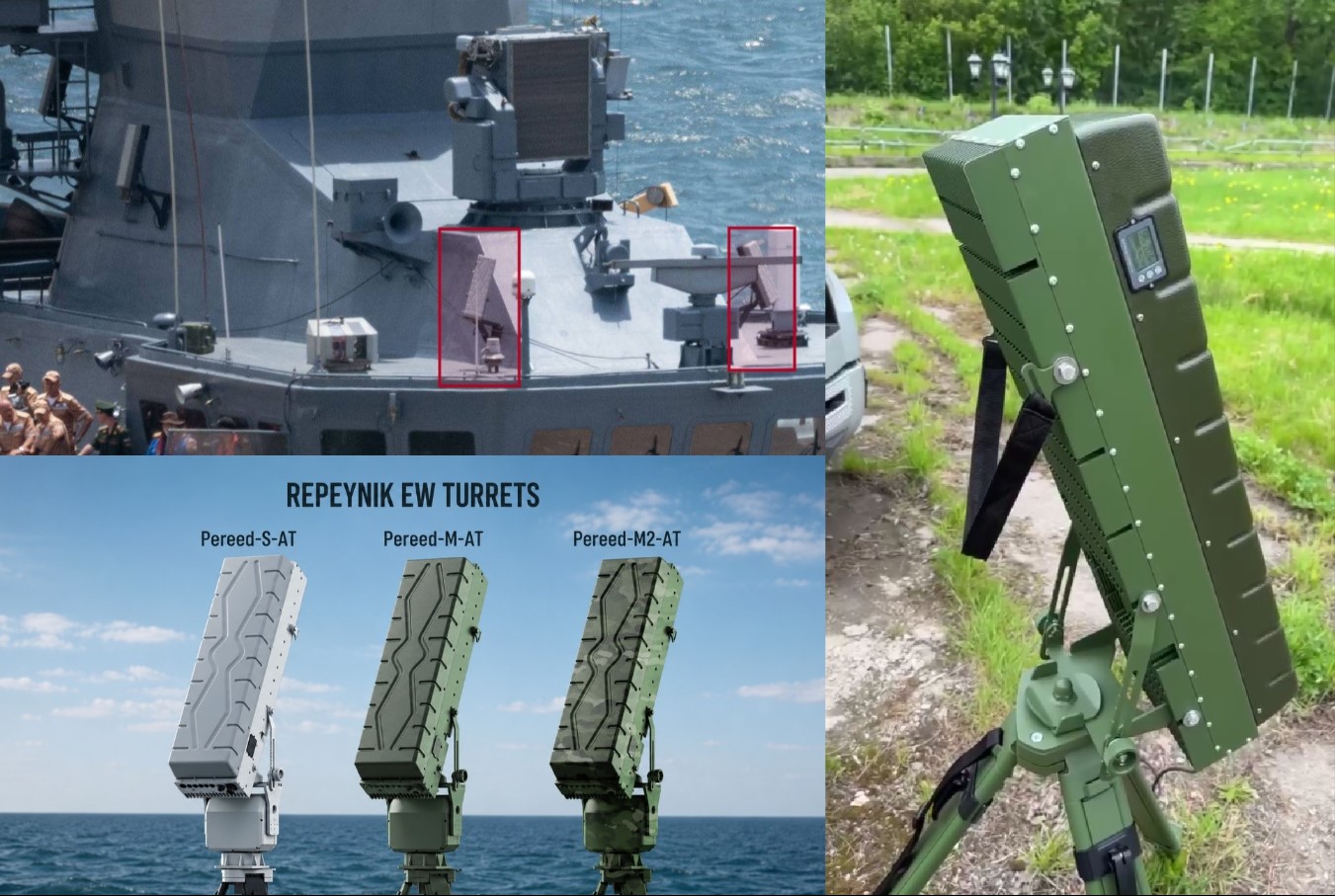
World
Moscow — The Russian Navy has started equipping several surface warships with the Pereyed-M electronic warfare (EW) system as part of efforts to strengthen protection against the growing threat posed by small unmanned aerial vehicles (UAVs). Recent images shared on Russian military-affiliated social media channels show the Pereyed-M system installed on four warships: the Project 1164 guided-missile cruiser Varyag, the Project 20380 corvette Steregushchiy, the Project 1155 large anti-submarine ship Udaloy, and the Project 11540 guard ship Neustrashimy. The installations indicate that the Russian Navy is expanding the use of dedicated counter-drone electronic warfare systems across different classes of surface combatants. Designed to Counter Small UAV Threats The Pereyed-M complex is designed to defend ships against small drones, including first-person view (FPV) drones and reconnaissance quadcopters. The system combines target detection with automated electronic jamming to disrupt incoming UAVs before they can reach a vessel. At the center of the system is the Repeynik radar, a compact radar that was first introduced in 2022. According to available technical information, the radar can detect small radar cross-section targets, including commercial quadcopters, at ranges of up to 15 kilometers and altitudes of up to 5,000 meters. The radar provides 360-degree coverage and can track targets moving at speeds of up to 200 kilometers per hour. Once a drone is detected, the system automatically directs a self-aiming electronic warfare turret toward the target. The turret jams the drone's control and video transmission links at ranges of approximately 2.5 kilometers. The jammer operates across a broad range of frequencies, including bands that have reportedly been used to avoid standard electronic countermeasures. Adaptation for Naval Operations The Repeynik radar was originally developed as a portable system for ground forces. Earlier descriptions of the equipment stated that it could be carried by a single soldier in modular sections and assembled in about five minutes using battery power. The installations on Russian warships suggest that the system has been adapted for naval use. While the exact modifications have not been publicly detailed, the shipboard version appears to be integrated into the vessels' superstructures and is likely connected to onboard power systems rather than relying on portable batteries. Response to Increasing Drone Threats The deployment of the Pereyed-M system comes as Russia continues to adapt its naval defenses to counter the increasing use of drones in maritime operations. During 2026, Ukrainian forces have expanded the use of both airborne UAVs and unmanned surface vessels in long-range attacks against Russian naval assets, including operations conducted far from the front line. One reported incident involved a drone strike on the Project 20380 corvette Boiky while the vessel was undergoing repairs near St. Petersburg, highlighting the vulnerability of ships to small drone attacks. Conventional naval air-defense systems are primarily designed to intercept aircraft and missiles, making smaller, low-flying drones more difficult to engage. Electronic warfare systems such as Pereyed-M are intended to complement existing defenses by detecting and disrupting these smaller aerial threats. The appearance of the Pereyed-M system on multiple ship classes suggests that the Russian Navy is introducing dedicated counter-drone electronic warfare capability as part of a broader effort to improve the protection of its surface fleet against unmanned aerial threats. Source: defence-blog
Read More → Posted on 2026-07-12 12:12:43
U.S
Washington, D.C. — The Boeing 747-8 Business Jet currently serving as the interim C-25B Bridge aircraft for President Donald Trump does not have sufficient self-protection systems against air-to-air and surface-to-air missile threats, according to an Israeli government source. The aircraft, tail number 25-3300, is a former Qatari government Boeing 747-8 BBJ that was gifted to the United States and modified to serve as a temporary presidential transport until the new VC-25B aircraft enter service. According to the Israeli source, the absence of complete defensive systems was one of the main reasons Israel advised against using the aircraft for President Trump's return flight from Ankara, Turkey, to Washington, D.C., following a recent NATO summit. Instead, President Trump returned aboard an older VC-25A aircraft that is equipped with the full range of presidential defensive systems. The Israeli government has also offered to help equip the interim aircraft with appropriate self-protection systems to improve its security during international missions. Aircraft Serving as a Temporary Presidential Transport The Boeing 747-8 BBJ was originally built for the Qatar Amiri Flight in 2012. In 2025, Qatar's royal family gifted the aircraft to the U.S. government to serve as an interim presidential aircraft while the U.S. Air Force continues work on the next-generation VC-25B fleet. The aircraft underwent a rapid retrofit carried out by defense contractor L3Harris. The modifications were intended to prepare the aircraft for presidential missions while the permanent VC-25B replacements remain under development. Despite the retrofit, the aircraft has not yet received all of the defensive equipment normally found on Air Force One aircraft. Defensive Systems Still Incomplete Presidential aircraft are typically equipped with advanced self-protection systems designed to defend against missile threats. These systems can include radar jamming equipment, chaff dispensers that interfere with radar-guided missiles, and flare systems designed to counter infrared-guided missiles. They also feature hardened communications and other mission-specific security capabilities. According to the Israeli government source, the interim C-25B Bridge aircraft currently lacks adequate protection against both air-to-air and surface-to-air missile threats. As a result, the aircraft is considered unsuitable for certain international missions in its current configuration. The source said this security concern led to the recommendation that President Trump use a different aircraft for the flight from Ankara back to Washington. Security Concerns During Ankara Trip The issue became significant during President Trump's return from the NATO summit in Ankara. Intelligence and security officials reportedly recommended using the older VC-25A because of the interim aircraft's incomplete defensive capabilities. Journalists traveling aboard the replacement VC-25A were reportedly instructed to keep their window shades closed during departure, a security measure sometimes used during flights from areas considered to have elevated security risks. Questions Over Retrofit Program The aircraft's modification program has also attracted political attention in Washington. The interim C-25B Bridge has undergone upgrades funded by millions of dollars in U.S. taxpayer money. However, despite those expenditures, the aircraft still lacks the complete defensive systems required for presidential international travel, according to the Israeli government source. The aircraft was intended to provide a temporary solution until two purpose-built VC-25B presidential aircraft are delivered later this decade. Senate Democrats have requested information from the U.S. Air Force and L3Harris regarding the retrofit program, raising questions about the project's cost and whether security capabilities received sufficient priority during the conversion process. The U.S. Air Force has previously stated that the modifications focused on essential mission requirements and that no unacceptable security risks were taken. However, former military officials have noted that converting a civilian aircraft into a presidential transport presents significant challenges and may not fully match the capabilities of aircraft designed from the outset for the Air Force One mission. For now, the interim C-25B Bridge continues to serve as a temporary presidential aircraft, while additional work remains necessary before it can provide the same level of protection as the U.S. Air Force's fully equipped presidential fleet. Source: X
Read More → Posted on 2026-07-12 12:24:14
Space & Technology
WASHINGTON — The U.S. Federal Communications Commission (FCC) has approved the launch of Eärendil-1, the first satellite designed to test the ability to reflect sunlight onto selected areas of Earth during nighttime. The demonstration mission is being developed by California-based startup Reflect Orbital and is scheduled to launch later in 2026. The FCC's authorization allows Reflect Orbital to operate the satellite's radio communications for a two-year period as part of the technology demonstration. The approval covers a single test satellite and does not authorize the company's proposed future constellation. Demonstration Satellite to Test Space-Based Sunlight Reflection Eärendil-1 is a 142-kilogram spacecraft, about the size of a dormitory refrigerator. Once in low Earth orbit at an altitude of about 600 to 650 kilometers, it will deploy a thin-film square reflector measuring approximately 18 meters by 18 meters. The satellite's steerable mirror is designed to redirect sunlight toward specific locations on Earth for several minutes at a time. During the demonstration, the reflected light is expected to illuminate a targeted area roughly 5 kilometers (3 miles) wide, allowing the company to evaluate the performance and control of the system in orbit. Reflect Orbital previously tested the concept using a balloon-based mirror and says the orbital mission will provide real-world data on the technology's effectiveness. Company Plans Larger Satellite Network Although Eärendil-1 is only a demonstration mission, Reflect Orbital has outlined long-term plans to significantly expand the system. The company has proposed launching up to 1,000 larger satellites between 2026 and 2028, increasing the constellation to around 5,000 satellites by 2030, and eventually deploying up to 50,000 satellites by 2035. Future versions of the reflectors could be substantially larger than the first test satellite. According to the company, the system is intended to provide temporary illumination where it is needed rather than continuously lighting large regions. SpaceX has been selected as the launch provider for the company's initial missions. Proposed Applications Reflect Orbital says the technology could provide temporary lighting for several civilian and commercial uses. One proposed application is extending operating hours for solar farms by reflecting sunlight before sunrise or after sunset to increase electricity generation. The company also sees potential uses for search-and-rescue operations, disaster response, construction projects, agriculture, and other outdoor activities conducted at night. The company has stated that customers could eventually request temporary illumination for approved locations through an application-based service. Concerns Raised by Scientists and Environmental Groups The project has drawn criticism from astronomers, environmental researchers, and environmental organizations. Astronomers have warned that reflected sunlight from a large constellation of mirror-equipped satellites could interfere with telescope observations by increasing sky brightness and creating unwanted reflections in astronomical images. Researchers associated with observatories, including the Vera C. Rubin Observatory, have expressed concerns that such systems could make it more difficult to observe faint celestial objects. The European Southern Observatory (ESO) has also warned that a full constellation of tens of thousands of reflective satellites could significantly increase background sky brightness at its observatories. Environmental experts have raised additional concerns that artificial nighttime illumination could affect the natural day-night cycles of plants, animals, and ecosystems. Some critics have also questioned whether bright reflections could create visibility issues for pilots or others observing the sky. The FCC received nearly 1,900 public comments on Reflect Orbital's application, with many expressing concerns about the project's potential impacts. FCC Says Approval Covers Communications License Only In its approval order, the FCC said its review was limited to authorizing the satellite's use of radiofrequency spectrum and communications systems. The agency stated that broader questions regarding impacts on astronomy and the environment fall outside the scope of its licensing authority. The commission said authorizing the single demonstration satellite supports testing of new space technologies while limiting the approval to one spacecraft. Reflect Orbital has also said it plans to work with NASA, the National Science Foundation, and the wider astronomical community to address concerns and develop operational safeguards. The Eärendil-1 mission is expected to provide data on whether controlled reflection of sunlight from orbit can be used for practical nighttime applications while helping regulators, scientists, and industry better understand the technology's potential benefits and challenges. Source: spacenews
Read More → Posted on 2026-07-12 13:18:05
World
Russian forces have begun painting military logistics vehicles with bold black-and-white zebra-like patterns in an effort to reduce detection by artificial intelligence-assisted Ukrainian strike drones, reflecting the growing role of AI and counter-AI technologies in the war. Recent images shared on social media show Ural and KAMAZ military trucks operating in Russian-held areas of Ukraine with high-contrast striped and swirling paint schemes. The vehicles have been seen as Ukraine continues to expand drone strikes against Russian logistics targets located as far as 200 kilometers behind the front line. The camouflage is based on the concept of "dazzle camouflage," a technique designed to interfere with visual recognition rather than conceal an object completely. Designed to Confuse AI Target Recognition According to defense experts, many AI-assisted drone targeting systems rely on computer vision models trained using large databases of labeled images of military equipment. These systems identify vehicles by recognizing common visual features such as shape, color, markings, and structural details. The unusual black-and-white patterns are intended to alter the vehicle's visual appearance enough that it no longer matches the images the AI was trained to recognize. Todd E. Humphreys, an aerospace and AI expert at the University of Texas at Austin, said the camouflage pushes the vehicle "out of distribution," meaning its appearance falls outside the data used to train the AI model. Branka Marijan of the Centre for International Governance Innovation explained that the contrasting paint breaks up the vehicle's outline and edges, making it more difficult for computer vision systems to classify it correctly. Geert De Cubber, an autonomous systems specialist at the Military Academy of Belgium, also noted that if the camouflage pattern is unfamiliar to the AI system, it can reduce recognition performance until the software is updated with new training data. Ukrainian Drones Continue to Target Logistics Routes Ukraine has increasingly targeted Russian logistics vehicles using long-range attack drones, including the U.S.-made Hornet loitering munition. The drone reportedly costs around $6,000 per unit and uses an AI-assisted targeting system during the final stage of flight. Under its operating process, a human operator selects the target before launch, after which the onboard AI helps maintain target lock during the terminal attack phase. Ukrainian officials have emphasized that human operators remain responsible for authorizing final strikes. James Patton Rogers, a drone warfare researcher at Cornell University, said logistics vehicles remain among the most important targets in the conflict because they transport ammunition, fuel, and other supplies needed to support frontline operations. Experts Say the Benefit May Be Temporary While the new camouflage may initially affect AI recognition systems, experts believe its effectiveness could decline as drone software is updated. Humphreys said human operators can still recognize the disguised vehicles without much difficulty, while AI systems can be retrained using thousands of new images of zebra-painted trucks. Once those images become part of the training database, the camouflage is likely to lose much of its advantage. Experts also note that the paint scheme mainly affects optical recognition. Nick Reynolds, a research fellow in land warfare at the Royal United Services Institute, said the camouflage offers little protection against drones equipped with thermal imaging because it does not hide the vehicle's engine heat signature. A spokesperson for Ukraine's Brave1 defense technology initiative said Russian forces continue testing new camouflage methods, but Ukrainian developers are adapting their systems in response to maintain targeting effectiveness. A Century-Old Camouflage Technique The concept behind dazzle camouflage dates back to 1917 during World War I. British artist Norman Wilkinson developed the technique for naval ships, using bold geometric patterns to make it harder for German submarine commanders to estimate a vessel's speed, direction, and distance through periscopes. Unlike traditional camouflage, the purpose was not to hide ships but to confuse observers. Today, the same principle is being adapted to challenge machine-learning algorithms instead of human vision. Part of Russia's Broader Deception Efforts The zebra-style paint is the latest example of Russia using low-cost visual deception during the conflict. In 2023, satellite imagery showed Russian strategic bombers at Engels-2 Air Base covered with automobile tires. Former U.S. Central Command Chief Technology Officer Schuyler Moore said the altered appearance could affect computer vision systems used by autonomous weapons. Russia has also painted two-dimensional outlines of aircraft and submarines on airfield surfaces in an effort to mislead image-recognition systems and draw attacks away from actual military assets. Experts say the continued use of such methods reflects the ongoing competition between AI-enabled targeting systems and countermeasures designed to reduce their effectiveness. As both sides introduce new technologies and update existing systems, visual camouflage is expected to remain one element of a broader effort to improve survivability on the battlefield. Source : twz / rferl
Read More → Posted on 2026-07-12 14:05:13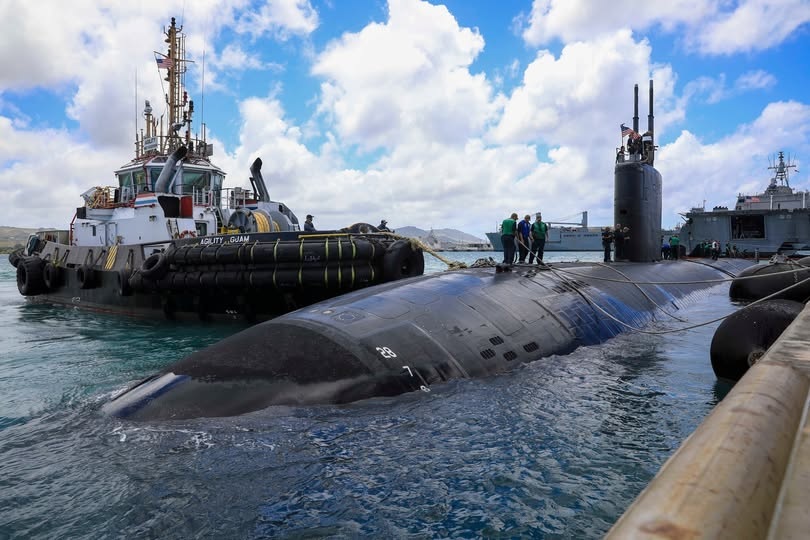
U.S
NAVAL BASE GUAM — The Los Angeles-class fast-attack submarine USS Tucson (SSN 770) officially arrived at Naval Base Guam on July 10, 2026, completing its homeport shift as part of the U.S. Navy’s ongoing effort to strengthen its forward-deployed submarine presence in the Indo-Pacific region. The arrival of USS Tucson adds another mission-ready fast-attack submarine to Guam, a key U.S. military hub in the Western Pacific that supports undersea operations across the region. The move is part of the Navy’s Strategic Laydown Plan, which positions advanced naval assets closer to areas of operation while balancing maintenance, modernization, and future fleet requirements. Following its arrival, USS Tucson was assigned to Commander, Submarine Squadron 15, headquartered at Polaris Point, Naval Base Guam. With Tucson joining the command, the squadron now oversees four forward-deployed fast-attack submarines operating from the island. The submarine's crew completed mooring operations after reaching its new homeport. "The entire crew is honored and excited to arrive in Guam," said Cmdr. Vince Bove, commanding officer of USS Tucson. "Tucson brings an exceptional crew of Sailors who represent the very best of our submarine force. We are proud to join the forward-deployed team, strengthen warfighting readiness, and support U.S. strategic objectives across the region. We also look forward to becoming part of the Guam community that plays such a vital role in enabling our mission." The Navy's Strategic Laydown Plan is designed to improve the readiness of forward-deployed forces while ensuring long-term sustainment of the fleet. By stationing attack submarines closer to operational areas, the Navy provides combatant commanders with rapidly available assets capable of supporting maritime security, deterrence, and regional stability throughout the Western Pacific and the broader Indo-Pacific. Capt. Christopher Carter, commander of Submarine Squadron 15, welcomed the submarine and its crew to Guam, highlighting the island's strategic importance. "I would like to extend a warm welcome and Hafa Adai to the Sailors and families of Tucson," Carter said. "Naval Base Guam remains a strategic outpost in the Western Pacific and plays a vital role in maintaining regional stability and deterrence. Tucson brings a proud legacy of strength, resilience, and warfighting excellence to our forward-deployed undersea force and arrives at a time when forward presence and readiness matter. Their service will strengthen our posture and enhance deterrence across the region. We are excited to welcome the crew to the team and look forward to the impact they will have while serving at the tip of the spear." USS Tucson's arrival follows several recent changes to the Navy's submarine force in Guam. In 2024, USS Minnesota became the first Virginia-class fast-attack submarine to be forward-deployed to the island. More recently, USS Jefferson City shifted its homeport from Guam to Pearl Harbor, Hawaii, with USS Tucson now taking its place as part of the forward-deployed force. The U.S. Navy describes its fast-attack submarines stationed in Guam as critical assets for undersea operations in the Indo-Pacific. These submarines are valued for their speed, endurance, stealth, and mobility, enabling them to conduct a wide range of missions, including intelligence gathering, surveillance, anti-submarine warfare, anti-surface warfare, strike operations, and support for joint and allied naval forces. Their forward deployment helps maintain a continuous undersea presence in the region and supports the Navy's objective of promoting a free and open Indo-Pacific. Commissioned on September 19, 1995, USS Tucson is the 59th Los Angeles-class fast-attack submarine to enter U.S. Navy service and the 20th submarine of the Improved 688 (688i) variant. It is also the second U.S. Navy ship named after the city of Tucson, Arizona. With its homeport now established at Naval Base Guam, USS Tucson becomes part of the Navy's permanently forward-deployed submarine force supporting operations across the Western Pacific. Source: dvidshub
Read More → Posted on 2026-07-12 14:19:25
World
MOSCOW, Russia — A Russian mobile air defense training exercise involving a repurposed YakB-12.7 heavy machine gun ended with the operator losing control of the weapon after it was fired from an improvised rotating mount, according to recently circulated video footage. The footage shows the YakB-12.7, originally designed for the Mi-24 "Hind" attack helicopter, being used in a ground-based anti-drone role. Moments after firing begins, the weapon and its mount rotate violently, causing the operator to lose control while nearby personnel move away from the area. There has been no official confirmation of fatalities or injuries resulting from the incident. Aircraft Weapon Repurposed for Ground Defense The Yakushev-Borzov YakB-12.7 is a four-barreled, gas-operated rotary heavy machine gun chambered in 12.7×108mm ammunition. Developed by the Soviet Union in 1973, it was designed specifically for the Mi-24 attack helicopter and is capable of firing between 4,000 and 5,000 rounds per minute. The weapon forms the primary armament of the USPU-24 (Unified Machine Gun Installation) mounted beneath the nose of the Mi-24. In helicopter service, it is installed in the specially engineered VSPU-24 turret, which is designed to absorb the weapon's significant recoil and firing forces while maintaining stability during operation. Russian mobile air defense groups have increasingly adapted helicopter-mounted weapons such as the YakB-12.7 for use on trucks and static firing positions as part of efforts to counter Ukrainian FPV and kamikaze drones. Improvised Mount Lost Stability During Firing Analysis of the training footage indicates that the machine gun was installed on a rotating turret with the weapon positioned offset from the turret's axis of rotation. Such a configuration left the firing platform unable to properly counter the forces generated by the weapon. The YakB-12.7 produces extremely high recoil and torque because of its high cyclic firing rate. Once the trigger was pulled, the uneven distribution of force caused the entire mount to rotate rapidly, pulling the weapon out of the operator's control. The improvised mounting system lacked several features normally required for weapons of this class, including: A heavily stabilized base A locking mechanism to prevent rotation Recoil dampening equipment Proper counterweights to balance the system Without these engineering measures, the rotating stand acted as a pivot instead of a stable firing platform. Frontline Adaptation Reflects Equipment Challenges The incident highlights the engineering difficulties involved in adapting aircraft weapons for ground combat roles. Military analysts have noted that Russian frontline units have increasingly relied on locally produced or improvised equipment to meet operational requirements. Reported shortages of standardized machine gun mounts have led mechanics, engineers and military personnel to assemble field-built solutions designed to fill immediate tactical needs. While such adaptations can provide additional capabilities against drone threats, they may not always incorporate the engineering standards required to safely manage high-recoil weapon systems. Historical Examples Show Importance of Stabilization Military engineering has previously demonstrated that off-center weapon placement can be successful when supported by dedicated stabilization systems. One Cold War-era West German experimental tank project featured an off-center main gun, but engineers incorporated a turret locking mechanism that secured the turret before firing. The vehicle's crew was also positioned in a separate protected capsule isolated from the rotating components. By comparison, the improvised Russian mounting system shown in the training exercise did not include comparable locking mechanisms, stabilizers or counterbalancing measures, resulting in the loss of control when the YakB-12.7 was fired. The incident highlights the importance of proper mounting design, recoil management, and stabilization when adapting high-rate-of-fire aircraft weapons for ground-based anti-drone operations. Source : Btvt
Read More → Posted on 2026-07-12 14:28:41
Europe
KYIV — Russia appears to have begun equipping its Kh-101 long-range cruise missiles with a new propulsion system that includes components produced using single-crystal 3D metal printing technology, according to recent analysis of recovered missile fragments. The latest findings are based on an engine fragment reportedly manufactured in late 2025. A video overview of the component was recently published by facebook user Zampotekh Omelyanovich. Specialists are expected to examine the recovered turbine blades to determine the manufacturing process used and assess how the technology was implemented. Advanced Engine Technology The reported engine incorporates single-crystal turbine blades produced through advanced metal 3D printing. Unlike conventional turbine blades, single-crystal components eliminate grain boundaries within the metal, improving structural strength, heat resistance, and corrosion resistance. These properties allow jet engines to operate at higher temperatures and with greater efficiency, extending service life and improving overall performance. Historically, single-crystal turbine blade technology has been associated with a limited number of aircraft engine manufacturers, including U.S.-based General Electric and the UK's Rolls-Royce. Analysts cited in the assessment suggest that the upgraded propulsion system could allow the Kh-101 to regain a maximum flight range of up to 5,500 kilometers while continuing to carry a heavier warhead. Engine Upgrade Linked to Heavier Warhead The reported engine upgrade follows significant modifications made to the Kh-101 missile since early 2024. Russia has been equipping some Kh-101 missiles with a dual tandem warhead, increasing the explosive payload from approximately 450 kilograms to around 800 kilograms. The larger warhead required engineers to reduce the missile's internal fuel capacity, lowering its estimated operational range from about 5,500 kilometers to roughly 2,500 kilometers. The additional weight also affected the missile's speed and flight performance. The new propulsion system is therefore viewed as an effort to offset these performance losses by providing greater engine efficiency and restoring long-range strike capability while accommodating the increased payload. Development Dates Back to 2017 Russia's interest in applying single-crystal technology to cruise missile engines is not new. Reports published in 2017 indicated that Russian industry planned to introduce the technology into the TRDD-50 family of small turbofan engines, including the TRDD-50A and TRDD-50AT variants used in the Kh-55, Kh-555, and Kh-101 cruise missiles. The research and development work has been linked to NPO Salyut and the All-Russian Institute of Aviation Materials (VIAM). Previous Production Challenges The reported introduction of the new engine also follows earlier indications of production difficulties. During 2024, analysts reported that some Kh-101 missiles had been fitted with older Soviet-era R-95-300 engines instead of the standard Russian-built TRDD-50A engines. The first documented case was recorded following a missile strike on November 17, 2024, when recovered debris showed a modern Kh-101 equipped with the legacy Soviet engine. The use of older engines was viewed by analysts as a possible indication of temporary production shortages affecting standard missile propulsion systems. Other Recent Kh-101 Upgrades Recovered missile debris from 2024 through 2026 indicates that the Kh-101 has undergone several additional upgrades alongside the reported engine changes. According to available analyses, newer missiles feature an updated radar-absorbing coating on the fuselage intended to reduce radar detection range. They have also been fitted with the SP-504 active protection system, which automatically deploys thermal decoys and dipole reflectors when the missile detects approaching air defense threats. In addition, the missile is reported to use an improved passive optoelectronic navigation system that relies on satellite imagery, helping maintain navigation accuracy in environments affected by electronic warfare and satellite navigation interference. The reported engine development, together with the heavier warhead and other system upgrades, reflects continued modifications to the Kh-101 cruise missile based on analyses of recovered missile components and publicly available information. Independent technical examination of the newly recovered engine parts is expected to provide further insight into the manufacturing methods used. Source : militarnyi
Read More → Posted on 2026-07-12 14:49:00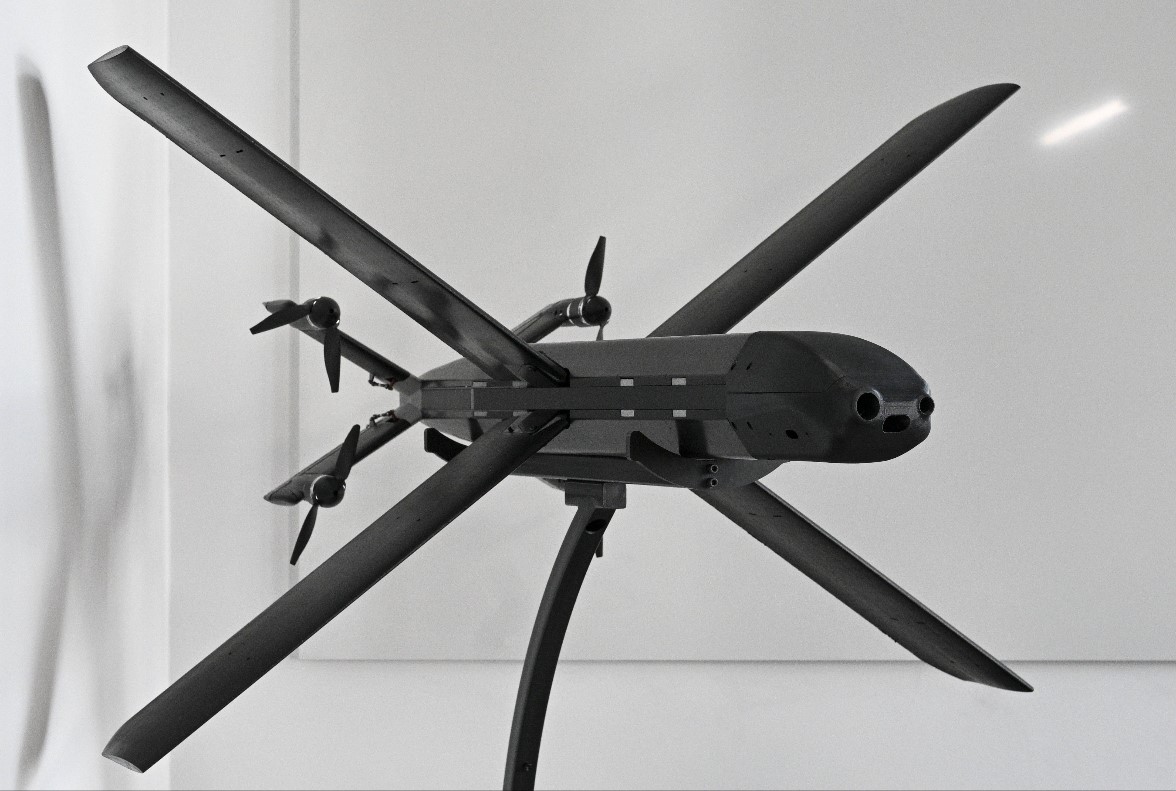
World
MUNICH — German defense technology company Helsing SE is mass-producing artificial intelligence-powered strike drones for Ukraine at a highly secured and undisclosed manufacturing facility in southern Germany, reflecting Europe's growing focus on software-driven and autonomous defense systems. According to a report published by The New York Times on July 11, the factory operates under strict security due to concerns over potential sabotage. The exact location has not been made public, and the site carries no company branding. Employees undergo extensive background checks, sign non-disclosure agreements (NDAs), and many previously worked in Germany's automotive industry. The facility is designed as a "Resilience Factory," allowing production to continue even under security threats. Helsing says the factory can be dismantled and relocated within 24 hours if necessary. HX-2 AI Strike Drone The factory's primary product is the HX-2 loitering munition, also known as the HX-2 Karma. The lightweight drone weighs about 12 kilograms (26 pounds) and is built using rigid black foam and composite materials. Designed for precision strikes, the HX-2 carries an armor-penetrating warhead capable of engaging heavy artillery, armored vehicles, and other military targets. Each drone costs approximately €17,500, making it significantly less expensive than many traditional precision-guided weapons. The HX-2 can travel at speeds exceeding 200 km/h and has an operational range of up to 100 kilometers. AI Navigation Designed for Electronic Warfare A key feature of the HX-2 is its onboard artificial intelligence system. Integrated with Helsing's Altra reconnaissance-strike software, the drone uses machine vision, visual image recognition, and stored terrain maps to navigate without relying on GPS. This enables the drone to continue operating in environments where GPS signals and communications are disrupted by electronic warfare systems. Although the drone can independently navigate toward its target, a human operator remains responsible for authorizing the final strike. Helsing says soldiers typically require about one week of training to operate the system. The Altra software also supports coordinated swarm operations, allowing a single operator to manage multiple drones during a mission. Production Expanding for Ukraine The Resilience Factory has an initial production capacity of more than 1,000 HX-2 drones per month. Thousands of Helsing drones have already been delivered to Ukraine and have reportedly been used in combat since late 2024. In addition to earlier deliveries, Helsing agreed in early 2025 to supply 6,000 additional HX-2 drones to Ukraine. The agreement followed previous deliveries of around 4,000 HF-1 loitering munitions, a related lower-cost drone developed in cooperation with Ukrainian manufacturers. Germany has funded many of these systems. Helsing co-founder and co-CEO Gundbert Scherf, a former adviser to Germany's Defense Ministry, said the HX-2 has achieved a mission success rate of around 70% during operations in Ukraine. Battlefield video collected after missions is used by engineers to improve the drone's software and adapt it to evolving battlefield conditions. A Different Approach to Defense Manufacturing Founded in Munich in 2021, Helsing was established by Torsten Reil, Gundbert Scherf, and Niklas Köhler. The company initially focused on artificial intelligence software for military applications before expanding into the design and production of autonomous defense systems. Helsing states that it supplies its products only to democratic governments. The company has expanded rapidly with venture capital backing. It raised a major funding round led by Prima Materia, the investment firm founded by Spotify co-founder Daniel Ek, and has since been reported to be valued at around $18 billion following a $1.2 billion funding round. Its workforce includes engineers and specialists recruited from technology companies including Apple, Tesla, and Palantir. Shift Toward AI and Autonomous Systems Helsing's production model reflects a broader change in defense procurement, where governments are increasingly investing in lower-cost, software-defined autonomous systems alongside traditional military platforms. Instead of relying solely on long development programs for expensive aircraft, tanks, and other major weapons, companies such as Helsing are focusing on rapidly produced systems that can be continuously updated using operational data. The Russia-Ukraine war has accelerated demand for these technologies, with battlefield feedback helping developers improve software performance through regular updates. The trend is also reflected in government spending. The United States has proposed significant funding for AI-enabled and unmanned military capabilities as part of its future defense planning, while the European Union has launched programs supporting artificial intelligence defense technologies. Future Development Beyond the HX-2, Helsing is developing the CA-1 Europa, an autonomous unmanned combat aerial vehicle (UCAV) intended to operate as an AI-enabled combat aircraft. The carbon-fiber aircraft is expected to have an operational range of up to 1,800 kilometers, with deployment targeted around 2029. The company also plans to establish additional production facilities across Europe as demand for autonomous defense systems continues to grow. Source : nytimes
Read More → Posted on 2026-07-12 15:31:53
World
Haifa, Israel — Israeli infrared technology company Semi Conductor Devices (SCD) has secured three multi-million-dollar contracts from international defense customers for the supply of its High Operating Temperature (HOT) High-Definition (HD) Mid-Wave Infrared (MWIR) detectors. The detectors will be integrated into a range of defense and security systems, including next-generation counter-unmanned aerial systems (C-UAS), long-range surveillance platforms, border protection networks, homeland security systems, armored fighting vehicles (AFVs), and critical infrastructure protection. The new contracts reflect growing demand for advanced infrared sensing technologies that support continuous operation, long-range target detection, and reliable performance in demanding environments. HOT MWIR Technology Reduces Cooling Requirements SCD's fourth-generation HOT MWIR technology enables infrared detectors to operate at higher temperatures while maintaining high thermal sensitivity and image quality. Operating at higher temperatures reduces the cooling requirements of the detector, allowing system designers to develop lighter and more efficient payloads while improving overall reliability and operational availability. When combined with long-life cooling systems and integrated detector assemblies, the technology provides a longer mean time between failures and lowers maintenance requirements. These advantages are particularly important for platforms that require continuous operation, such as counter-drone systems, armored vehicles, border surveillance networks, and infrastructure protection systems. The high-definition MWIR detectors also provide improved capability to detect, classify, and track small or distant targets under challenging operating conditions, supporting faster and more accurate situational awareness. Vertically Integrated Manufacturing Supports Large Programs SCD manufactures its infrared detectors through a fully integrated production process that includes semiconductor manufacturing, detector fabrication, Dewar packaging, optical integration, cooled detector assembly, and long-life cooling technologies. According to the company, this manufacturing approach enables it to produce and deliver thousands of cooled MWIR detectors every month, providing the production capacity required for large-scale defense programs while maintaining supply continuity. SCD, headquartered at Leshem Industrial Park near Misgav in northern Israel, has more than four decades of experience in infrared detector technology and serves defense, homeland security, and industrial customers worldwide. The company also operates a U.S. subsidiary in Colorado Springs. CEO Highlights Demand for Reliable Production Kobi Zaushnizer, Chief Executive Officer of SCD, said customers are increasingly evaluating manufacturers not only on technical performance but also on their ability to provide stable, long-term production. "These orders reflect the growing demand for mature, production-ready HOT MWIR technology. Today's customers are looking beyond detector performance. They need a trusted partner with the proven ability to deliver advanced technology at scale, while maintaining the quality, reliability, and supply continuity required for long-term defense programs." Zaushnizer added that the new contracts strengthen SCD's position as a technology and manufacturing leader in the global infrared detector market. Recent Business Activity The latest contracts follow several recent developments for the company. Earlier this month, SCD signed a separate multi-million-dollar agreement with an Asian government space agency to supply space-qualified short-wave infrared (SWIR) and MWIR detectors for satellite imaging payloads. In June 2026, the company also expanded its infrared sensing portfolio with new modules designed for guided weapons, autonomous systems, and loitering munitions operating in highly dynamic environments. The latest orders further expand SCD's role in supplying infrared detector technologies for defense, surveillance, border security, and homeland security applications worldwide. Source : edrmagazine
Read More → Posted on 2026-07-13 11:25:48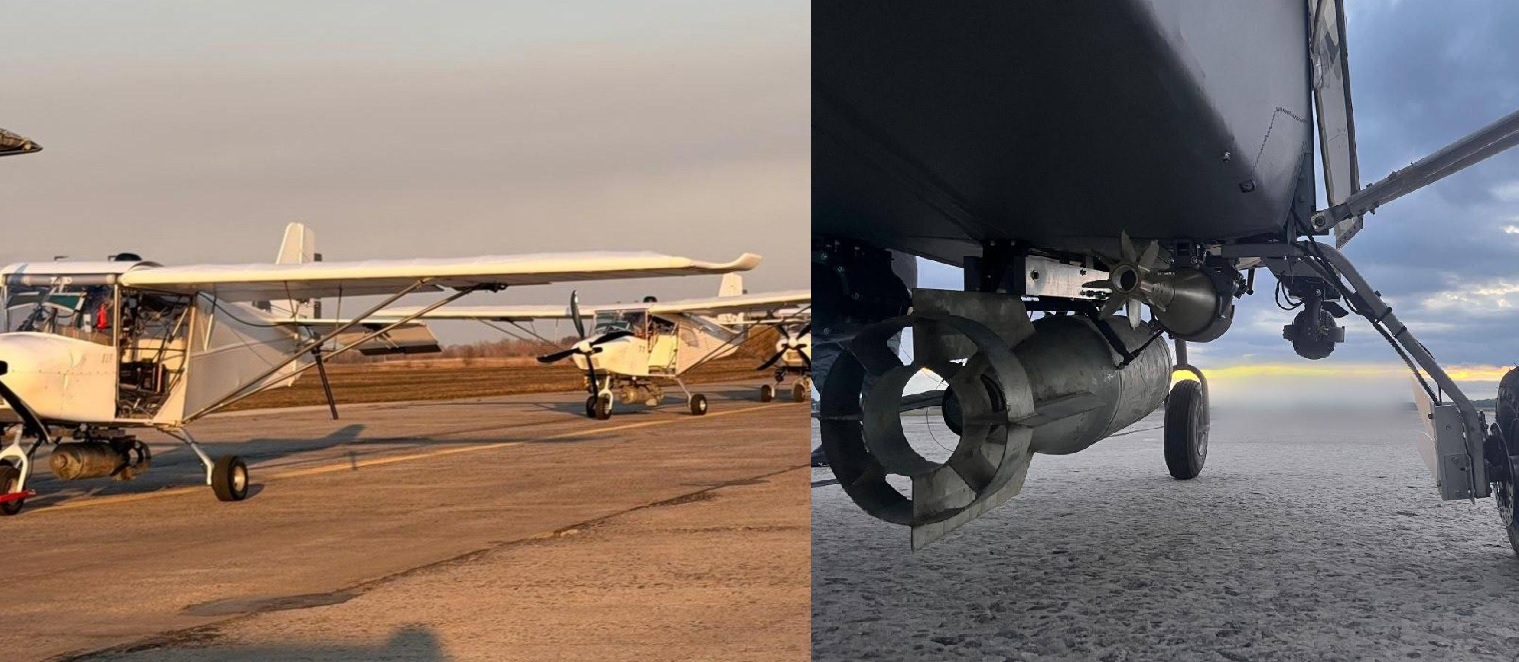
World
KYIV — Ukraine has reportedly carried out its first coordinated mass strike using a squadron of converted civilian light aircraft operating as remotely piloted bombers, targeting an underground Russian logistics facility in the occupied Crimean city of Armyansk. The operation was disclosed by Serhii Sternenko, a Ukrainian civil activist who advises Ukraine's Defense Ministry on drone warfare. Sternenko shared photographs showing at least ten modified aircraft equipped with Soviet-designed high-explosive bombs and described the images as historic. "Tonight the planes flew and bombed an underground logistics hub in Armyansk, that is, Crimea," Sternenko wrote while posting the photographs. Neither Ukraine's military nor the Defense Ministry has officially confirmed the operation, the number of aircraft involved, or the extent of the reported damage. Independent battle damage assessments have also not been released. Underground Logistics Hub Targeted The reported strike targeted an underground logistics facility in Armyansk, a city located near the Perekop Isthmus, the narrow land corridor connecting Crimea with mainland territory controlled by Russian forces. The area plays an important role in Russian military logistics, serving as a key route for transporting troops, fuel, ammunition, and military equipment into Crimea. Its importance has increased after repeated Ukrainian strikes damaged other transport links, including the Kerch Bridge. Underground logistics sites are designed to protect military supplies from aerial surveillance and conventional air attacks by placing storage and distribution facilities below ground. Civilian Aircraft Converted Into Remote-Controlled Bombers The aircraft used in the reported operation are based on the Skyranger Swift and Nynja ultralight aircraft, both of which are normally sold as commercial kits for recreational aviation. To convert them for military use, Ukrainian engineers remove the cockpit controls and install camera systems, communication equipment, and remote-control electronics. The modifications allow operators on the ground to fly the aircraft remotely while carrying aerial bombs beneath the fuselage. Unlike smaller commercial drones, these aircraft can transport much heavier payloads over longer distances while remaining significantly cheaper than purpose-built military strike drones. Aircraft Capabilities The Skyranger family is typically powered by Rotax 912 engines producing either 80 or 100 horsepower. Depending on configuration, the aircraft can carry payloads of up to approximately 330 kilograms (730 pounds). Models fitted with larger fuel tanks are capable of flying for around three hours at speeds approaching 160 kilometers per hour (100 mph). Commercial kits for these aircraft cost tens of thousands of dollars, making them a relatively low-cost platform compared with military unmanned aircraft systems that can cost several million dollars. Program Expanded From Individual Missions Ukraine has been using converted civilian light aircraft for long-range strike missions since at least April 2024. During that period, images emerged showing a downed Skyranger-based aircraft carrying an OFAB-100-120 bomb, a Soviet-designed 100-kilogram aerial bomb originally developed for combat aircraft such as the Su-25 and MiG-29. The weapon contains approximately 42 kilograms of high explosive. Around the same time, a modified Aeroprakt A-22 Foxbat light aircraft configured for one-way attack missions was reportedly used to strike a military production facility in Russia's Tatarstan region. Over the following two years, the program evolved from one-way attack aircraft into reusable remotely piloted bombers. By early 2025, Ukrainian units were reportedly using the aircraft for nighttime strikes, dropping payloads of up to 250 kilograms against Russian infrastructure, including oil pumping facilities in the Bryansk region. According to reports from Ukrainian units, some aircraft are capable of carrying combinations of aerial bombs and mortar shells on multiple hardpoints before returning to base after completing their missions. Larger Coordinated Operations Previous confirmed sightings of these converted bomber aircraft generally involved a single aircraft operating independently. The appearance of at least ten modified aircraft in photographs shared after the reported Armyansk strike suggests Ukraine has expanded production and assembly of the platforms and may now be capable of conducting coordinated squadron-level operations using converted civilian aircraft. While Ukrainian authorities have not officially confirmed operational details, the reported strike reflects Ukraine's continued use of commercially available technology adapted for military purposes. The approach aims to provide long-range strike capability at significantly lower cost than conventional military aircraft or advanced unmanned systems. Source : Valhalla / defence-blog
Read More → Posted on 2026-07-13 11:43:12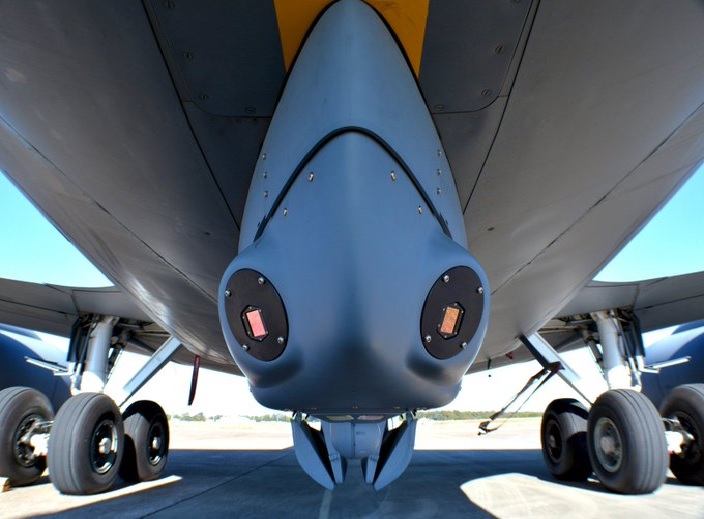 U.S. Air Force Awards Northrop Grumman $60.4 Million Contract to Develop Advanced LAIRCM ODIN Sensor
U.S
ROLLING MEADOWS, Ill. — Northrop Grumman Systems Corporation has received a $60.4 million U.S. Air Force contract to develop an advanced sensor for the Large Aircraft Infrared Countermeasures (LAIRCM) system, expanding the defensive capabilities of military aircraft against evolving airborne and battlefield threats. The $60,438,241 cost-plus-fixed-fee task order was awarded by the Air Force Life Cycle Management Center (AFLCMC) at Wright-Patterson Air Force Base, Ohio. Under the contract, Northrop Grumman will develop the Optical Detection and Identification Node (ODIN), an upgraded sensor designed for the AN/AAQ-24(V) LAIRCM system. The development, integration, and testing work will be carried out at the company's facility in Rolling Meadows, Illinois, with the project scheduled for completion by April 30, 2029. ODIN to Expand LAIRCM Defensive Capabilities The AN/AAQ-24(V) LAIRCM is a Directional Infrared Countermeasure (DIRCM) system used on large transport aircraft and rotary-wing platforms. It combines an Infrared Missile Warning System (MWS) with an infrared laser jammer to automatically detect, track, and defeat incoming infrared-guided missiles, improving aircraft survivability in hostile environments. Under the new contract, Northrop Grumman will upgrade the existing infrared missile warning sensor into the production-ready Optical Detection and Identification Node (ODIN). The upgraded sensor will add three new capabilities to the current system: Hostile Fire Indication (HFI): Detects and alerts aircrews to incoming small-arms fire and anti-aircraft artillery. Laser Warning (LW): Detects when an aircraft is being illuminated or targeted by laser-guided weapon systems. Counter Small Unmanned Aerial Systems (C-SUAS) Detection: Identifies and tracks small unmanned aerial systems, including drone threats. These additions are intended to improve situational awareness and provide aircrews with earlier warning against a broader range of threats beyond infrared-guided missiles. Cost-Type Contract Selected for Development Work The U.S. Air Force awarded the program as a cost-plus-fixed-fee contract because of the engineering complexity involved in integrating the new capabilities into the existing LAIRCM sensor architecture. Government contracting documents stated that uncertainties associated with the development process made it difficult to accurately estimate costs under a fixed-price arrangement. The award was issued as a sole-source acquisition, reflecting Northrop Grumman's long-standing role as the developer and manufacturer of the LAIRCM system. At the time of contract award, the U.S. Air Force obligated $11.2 million in Fiscal Year 2026 Research, Development, Test and Evaluation (RDT&E) funding to begin the project. Long-Service Aircraft Protection System Northrop Grumman has supported the LAIRCM program for many years. According to the company, its DIRCM systems protect more than 1,500 aircraft across fixed-wing, rotary-wing, and tilt-rotor platforms. The LAIRCM system is installed on several U.S. military aircraft, including the C-17 Globemaster III, C-130 Hercules, C-5 Galaxy, and various military helicopters. Its modular design allows integration across different aircraft types while providing protection against infrared-guided missile threats. In many configurations, the system uses directed infrared laser energy to defeat incoming missiles without relying on pyrotechnic flares. The new ODIN sensor development is expected to further strengthen the LAIRCM system by expanding its ability to detect missile launches, hostile gunfire, laser targeting, and small unmanned aerial threats, supporting aircraft survivability in increasingly complex operational environments. Source : highergov
Read More → Posted on 2026-07-13 11:51:07
U.S
RESTON, Va. — SES Space & Defense has been awarded a five-year Blanket Purchase Agreement (BPA) by the U.S. Space Force's Space Systems Command to provide managed Ku-band satellite communications services for the U.S. Department of Defense. The agreement is intended to simplify and speed up the procurement of secure satellite connectivity for military operations worldwide. Under the BPA, all branches of the U.S. military will be able to access managed Ku-band satellite communications for operations in remote and challenging environments where traditional cellular or terrestrial communication networks are unavailable. The agreement enables military users to obtain secure, high-speed satellite connectivity through a streamlined purchasing process. The services will operate over Ku-band satellites, which are widely used for broadband communications because of their broad geographic coverage, reliable performance, and ability to support high-speed data transmission across long distances. Managed Services Included Under the Agreement The contract provides military customers access to SES Space & Defense's managed Flex portfolio, which includes services designed for different operational requirements. FlexMove provides satellite connectivity for personnel operating on the move as well as those working from temporary or fixed locations in areas without conventional communications infrastructure. FlexGovSecure delivers protected government communications by incorporating Transmission Security (TRANSEC) technology. TRANSEC is designed to conceal communication signals, reducing the risk of signal detection, tracking, interception, or unauthorized access during sensitive operations. FlexAir is an aviation-focused satellite communications service developed in partnership with Satcom Direct Government (SDG), a Gogo company. Under the agreement, SDG will provide inflight connectivity using its proprietary Gogo Plane Simple Ku-band antenna terminals for military aircraft. Supporting Military Communications The BPA reflects the U.S. government's continued use of commercially managed satellite communication services to support defense operations. Instead of building and maintaining dedicated satellite communication infrastructure, military organizations can access commercial satellite networks that are already operational. This approach allows the Department of Defense to obtain satellite connectivity more quickly while reducing the costs and complexity associated with operating proprietary communication systems. David Broadbent, President and CEO of SES Space & Defense, said managed services such as Flex give military customers access to advanced SATCOM capabilities without the expense and operational burden of maintaining their own infrastructure. "Managed services like Flex provide access to advanced SATCOM capabilities without the cost and complexity of maintaining proprietary infrastructure," Broadbent said. "The managed service allows our customers to focus on mission objectives while leveraging industry speed, innovation, and efficiency." Hayden Olson, Head of SDG, said the partnership will support reliable communications for military aviation missions. "Our Plane Simple Ku-band antennas and extensive understanding of military expectations and requirements position us to support SES in delivering seamless, resilient, high-speed global connectivity to support mission-driven solutions," Olson said. SES Space & Defense's Role SES Space & Defense is a wholly owned subsidiary of global satellite operator SES and operates under a proxy board that enables it to manage classified projects and develop secure satellite network solutions for the U.S. government. The company has supported U.S. government satellite communications programs for nearly 60 years. Its parent company, SES, is headquartered in Luxembourg and operates a fleet of more than 70 satellites in geostationary (GEO) and medium Earth orbit (MEO), providing data connectivity and video services worldwide. The newly awarded five-year BPA positions SES Space & Defense to continue supplying secure, resilient, and high-speed satellite communications for U.S. military personnel conducting operations in remote locations and during mobile deployments around the world. Source : satellitetoday
Read More → Posted on 2026-07-13 12:02:42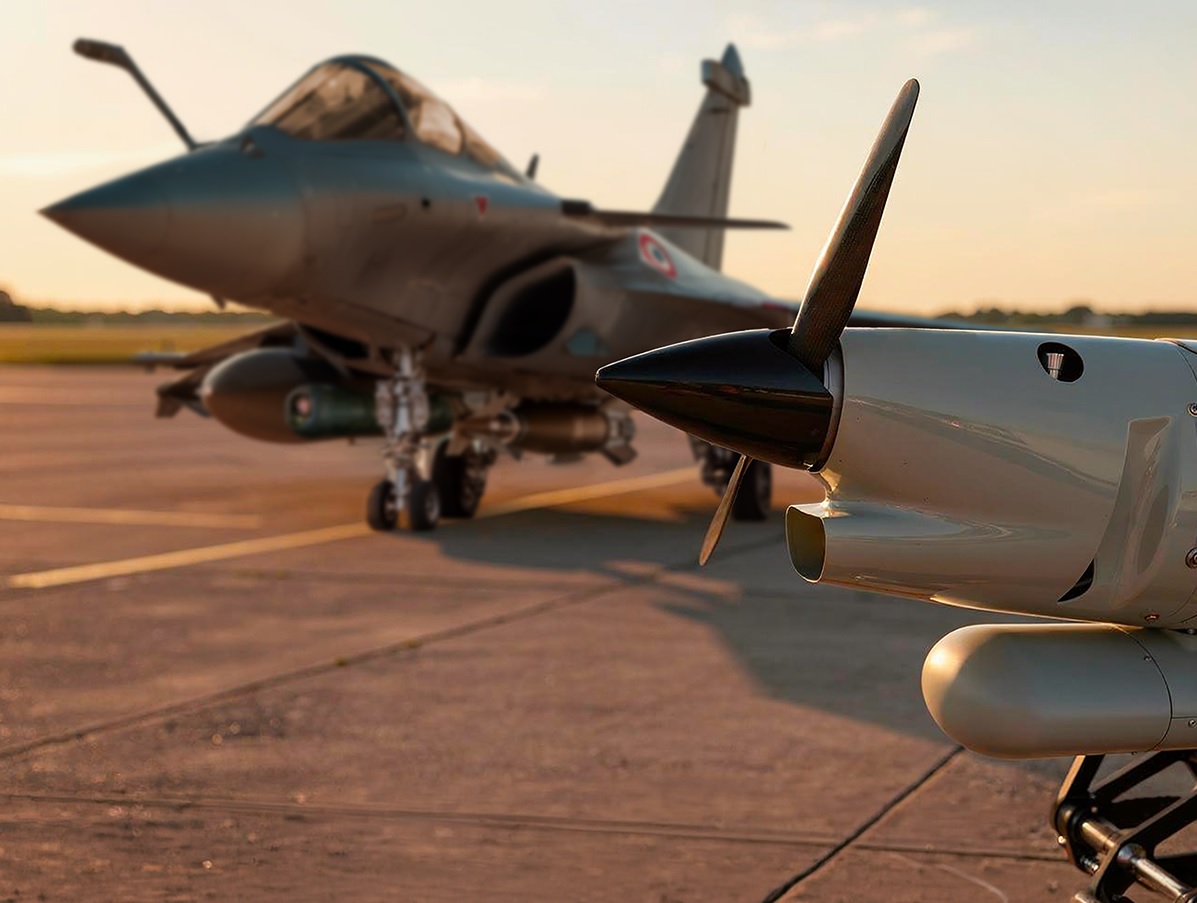
Europe
PARIS — Dassault Aviation and Harmattan AI have successfully completed an in-flight demonstration of the new NAMIB electronic warfare payload, showing how an unmanned aerial system (UAS) can work alongside a Rafale F4 fighter during a collaborative combat mission. The flight test, announced by the two French companies on Monday, demonstrated the integration of the jointly developed NAMIB payload with the Rafale F4. The system is designed to detect, identify, and geolocate electromagnetic emissions, particularly those generated by enemy air defense systems. During the demonstration, a drone equipped with the NAMIB payload detected and accurately geolocated a radar located several dozen kilometers away without revealing its position. The unmanned system then transmitted the target's coordinates to the Rafale F4, which used the information to carry out a simulated strike on the radar site. The test demonstrated how unmanned systems can provide electronic warfare and targeting support to crewed combat aircraft during military operations. NAMIB has been designed for use on multiple drone platforms, including lightweight tactical quadcopters and longer-endurance fixed-wing unmanned aircraft. This flexibility allows the payload to be deployed across different mission profiles depending on operational requirements. Development of the NAMIB payload began in January 2026 as part of a strategic partnership between Dassault Aviation and Harmattan AI. The collaboration focuses on integrating advanced autonomy and artificial intelligence into future air combat systems while improving cooperation between crewed and uncrewed platforms. Eric Trappier, Chairman and CEO of Dassault Aviation, said the demonstration confirmed the Rafale F4's collaborative combat capabilities across multiple operational domains. "This flight demonstrates the Rafale's real and tangible multi-domain collaborative combat capabilities. The F4 standard architecture enables seamless communication with a very broad range of operational assets, including ground forces, allowing it to effectively leverage new capabilities, such as NAMIB's electromagnetic detection and geolocation functions," Trappier said. He added that the demonstration also showed the Rafale's continued adaptation to changing operational requirements through a "high-low mix," combining advanced combat aircraft with autonomous and expendable systems. Mouad M'Ghari, Co-Founder and CEO of Harmattan AI, said electronic warfare has become increasingly important in modern military operations. "Electronic warfare has become a decisive factor in achieving operational superiority. Through NAMIB, we are demonstrating that these capabilities can now be deployed on lightweight autonomous systems operating close to the threat. This achievement highlights the complementary strengths of Dassault Aviation and Harmattan AI, combining decades of experience in air combat systems with our expertise in autonomy and embedded intelligence. Together, we are demonstrating that it is possible to accelerate the integration of disruptive technologies for the benefit of the armed forces and lay the groundwork for the collaborative combat architectures of tomorrow." The NAMIB program is part of broader efforts to enhance cooperation between manned fighters and autonomous systems in future military operations. Such collaborative concepts are intended to improve situational awareness, electronic warfare capabilities, and targeting efficiency while reducing risk to crewed aircraft. Founded in 2024, Harmattan AI develops autonomous robotic defense systems for missions including air defense, intelligence, surveillance and reconnaissance (ISR), strike, electronic warfare, and command and control. The company develops technologies for operations in contested environments and works with partners in the United States, Europe, the Middle East, and Africa. Dassault Aviation has more than 110 years of aerospace experience and has delivered over 10,000 military and civil aircraft to customers in more than 90 countries. Its product portfolio includes the Rafale fighter aircraft, Falcon business jets, military unmanned systems, and space programs. In 2025, the company employed approximately 15,000 people and reported €7.4 billion in revenue. The successful demonstration marks another step in integrating unmanned electronic warfare systems with crewed combat aircraft, supporting the development of collaborative combat capabilities for future air forces. Source : harmattan
Read More → Posted on 2026-07-13 12:11:33Search
Top Trending in 24 Hours
-
 US Army Reserve Assessing Support Units for Southern Command Amid Cuba-Focused Planning
-
 Northrop Grumman’s Cygnus XL Raises International Space Station Altitude by 1.5 Miles Ahead of Crew-13
-
 Ukraine’s MAUL Evacuation Robot Gets Key Upgrades From Frontline Feedback, Not AI
-
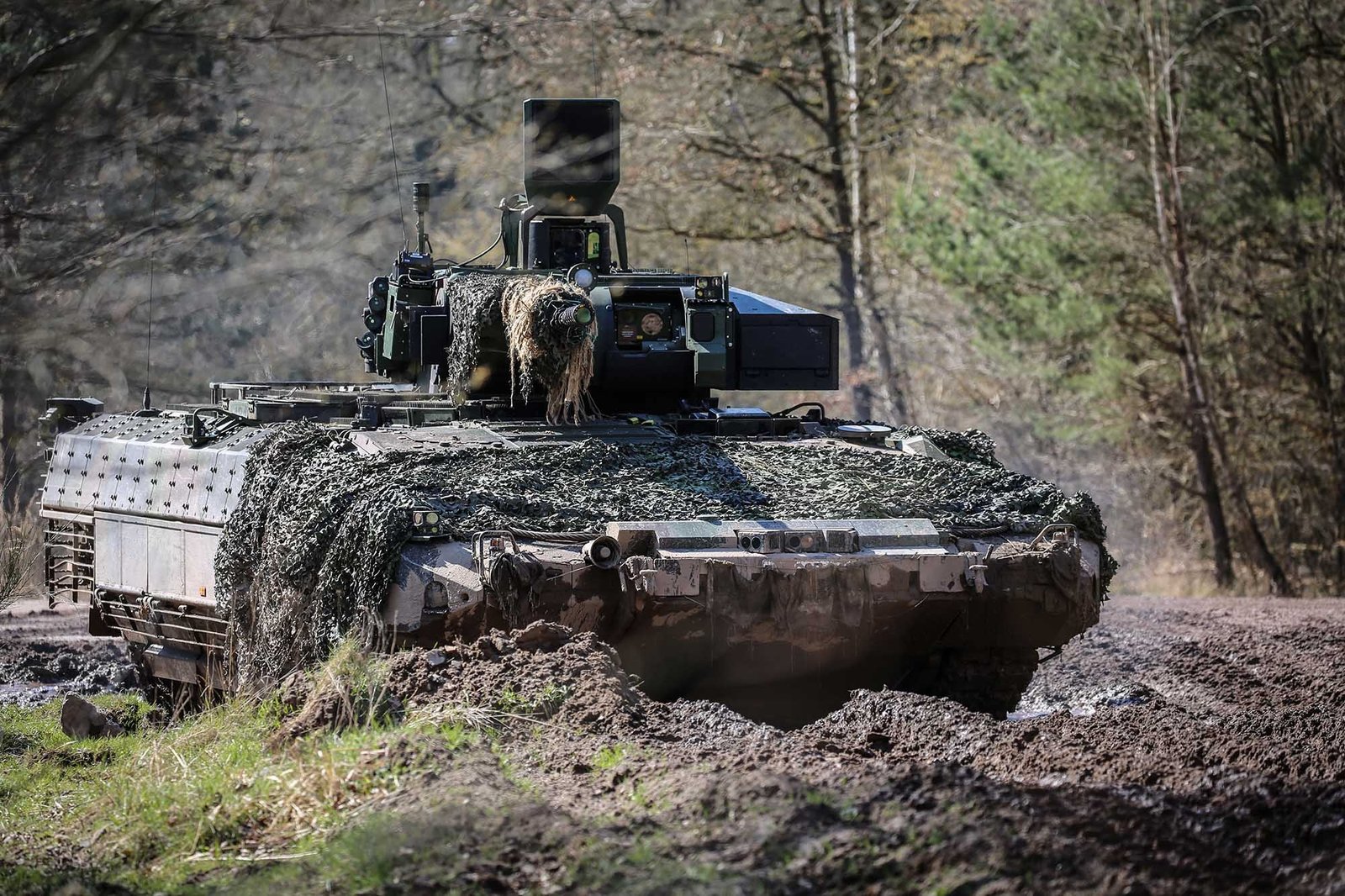 Germany’s Bundeswehr Receives First S1 Puma Infantry Fighting Vehicle from Second Production Batch
-
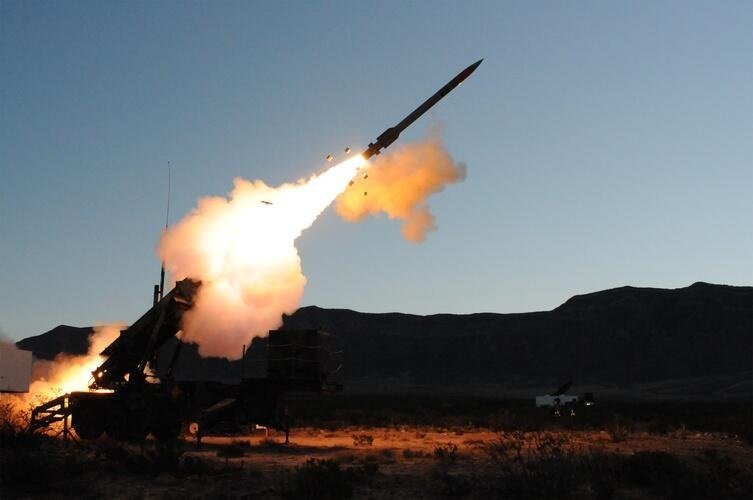 U.S. Army Selects 30 Finalists in $8 Million Competition for Low-Cost Patriot Interceptor Technologies
Top Trending in 4 Days
-
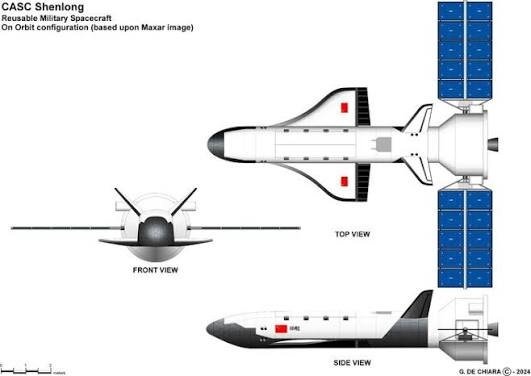 China’s Secretive Shenlong Spaceplane Repeatedly Releases and Recaptures Satellite
-
 From Lab to Battlefield: U.S. Military Confirms Use of Laser Weapons Against Drones in the Strait of Hormuz and Along Southern Border
-
 UK Air Force Hawk T2 Trainer Aircraft Crashes Near Valley After Takeoff, Both Pilots Eject Safely
-
 U.S. Space Force Awards Impulse Space $28 Million Contract for 2029 Orbital Surveillance Mission
-
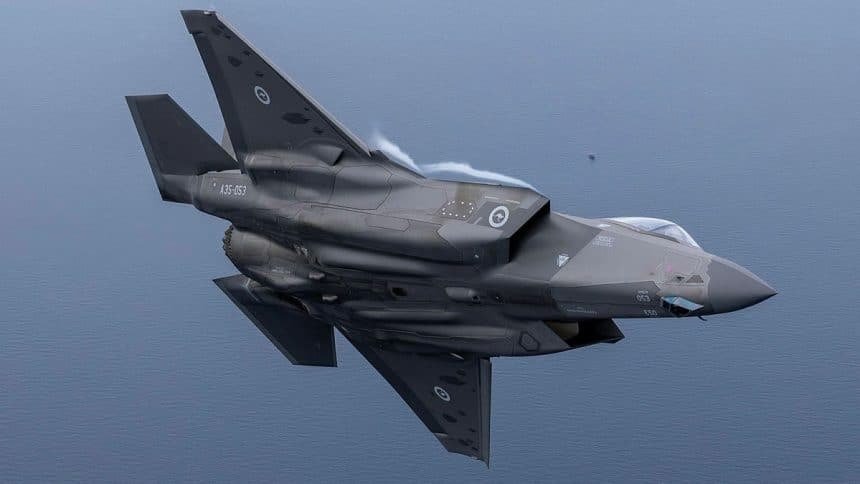 US and Australia Investigate F-35 Components Diverted to Hong Kong
-
 France to Send Troops, Radars and Defence Systems to Protect Saudi Arabia’s Yanbu Oil Terminal
-
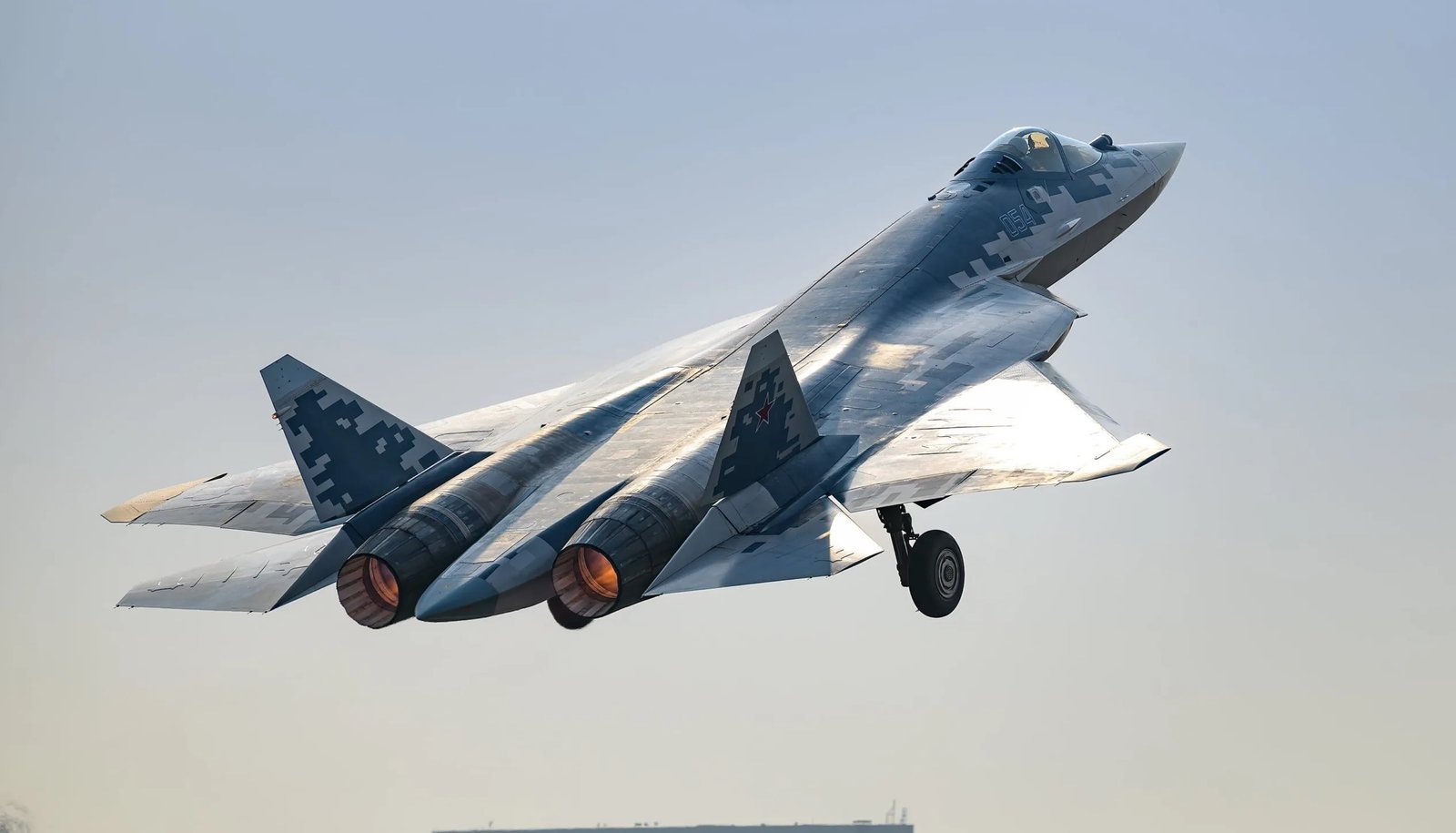 Russia Aerospace Forces Receives New Batch of Su-57 Fighters With Updated Technical Configuration
-
 U.S. Approves Patriot Missile Production License for Ukraine Following Trump-Zelensky Meeting