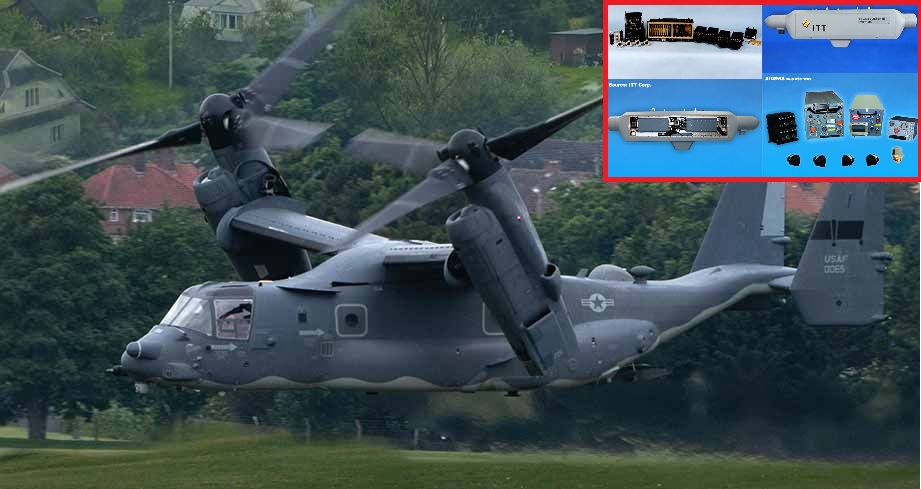
TAMPA, Fla., June 30, 2026 — U.S. Special Operations Command (USSOCOM) has awarded L3Harris Technologies a $614 million indefinite-delivery/indefinite-quantity (IDIQ) contract to provide long-term contractor logistics support for the AN/ALQ-211 Suite of Integrated Radio Frequency Countermeasures (SIRFC), a critical airborne electronic warfare system that protects military aircraft from radar-guided air defense threats.
The contract, announced on June 29, 2026, combines firm-fixed-price and cost-reimbursement elements, allowing USSOCOM to order support services as operational requirements evolve. At the time of award, the command obligated approximately $40.7 million using fiscal year 2025 and 2026 procurement funds together with fiscal year 2026 operations and maintenance funding.
The contract was awarded on a sole-source basis because L3Harris is the original developer of the AN/ALQ-211 and retains the intellectual property and technical expertise required to sustain and modernize the system.
Sustainment Scope
The agreement provides comprehensive lifecycle support for the AN/ALQ-211 fleet, including:
- Program management and technical engineering support.
- Contractor logistics support and material procurement.
- System repair, overhaul, and spare parts provisioning.
- Deployment of field service representatives.
- Continuous software upgrades and electronic threat library updates.
The award represents a significant increase in sustainment funding compared with previous years. In 2024, USSOCOM awarded approximately $48.7 million for SIRFC components and related services. The new $614 million contract ceiling reflects a long-term investment in maintaining the system against evolving electronic warfare threats.
AN/ALQ-211 SIRFC Capabilities
The AN/ALQ-211 SIRFC functions as an aircraft's integrated electronic warfare management system, providing protection across radio frequency, infrared, and laser threat environments.
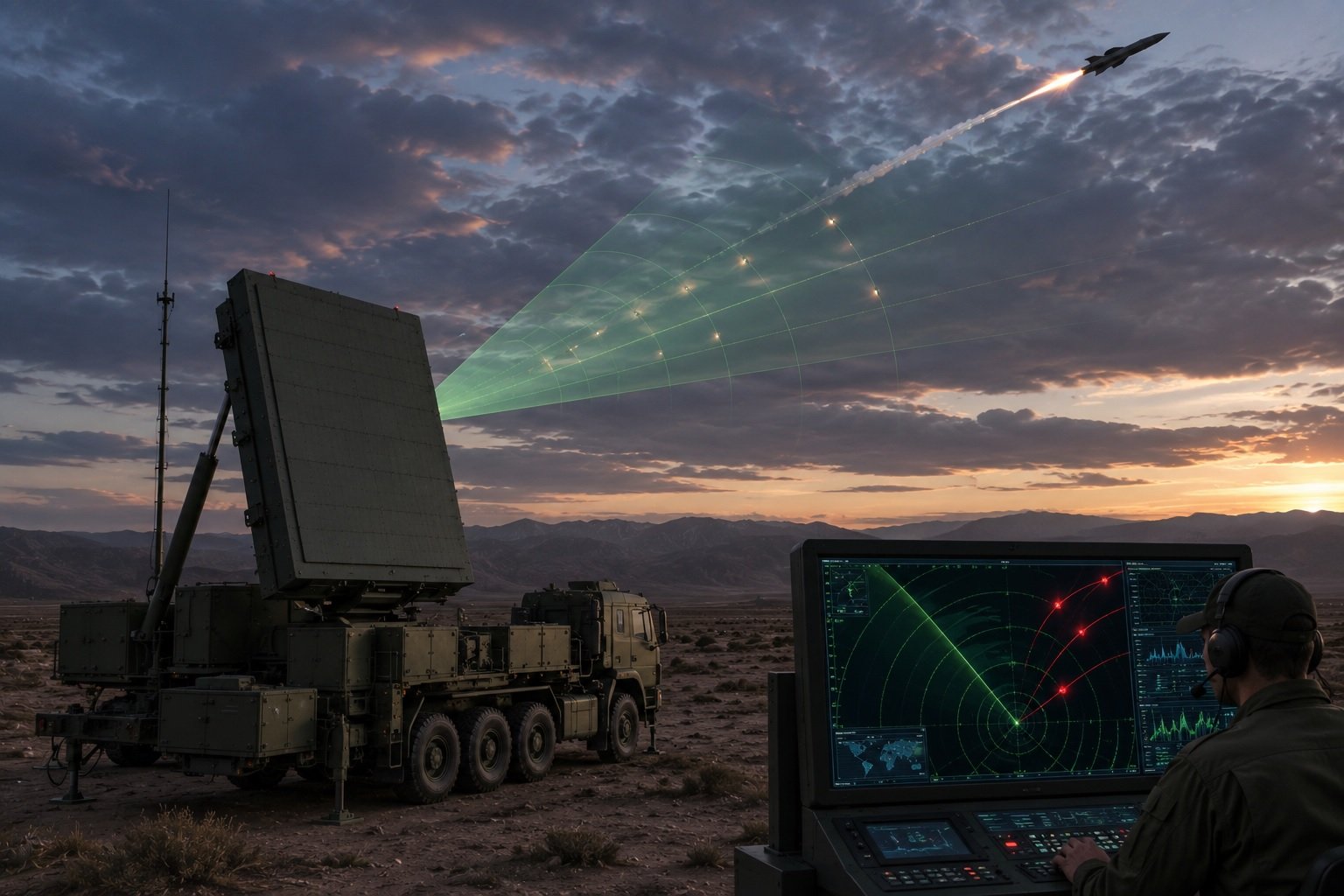
The system continuously scans for hostile radar emissions and determines whether an aircraft has entered the engagement range of radar-guided surface-to-air missiles or anti-aircraft weapons. When a threat is detected, it automatically initiates defensive measures, including radio frequency jamming and the controlled deployment of chaff and flares to disrupt enemy weapon guidance.
SIRFC also fuses information from onboard and off-board sensors to provide aircrews with a consolidated, real-time picture of the threat environment, reducing pilot workload during combat missions.
The system is designed to counter multiple radar types, including:
- Pulse radar
- Pulse-Doppler radar
- Continuous wave radar
- Monopulse radar commonly used by modern surface-to-air missile systems
These capabilities enable aircraft to operate more effectively in complex air defense environments where legacy and modern radar systems may operate simultaneously.
Aircraft Integration
Originally developed in the early 1990s as a U.S. Army electronic warfare modernization program, the AN/ALQ-211 was later focused on Special Operations aviation following development and software integration improvements.
Today, the system is integrated on several U.S. Special Operations aircraft, including:
- CV-22 Osprey tiltrotor aircraft.
- MH-47G Chinook helicopters.
- MH-60M Black Hawk helicopters.
Internationally, the AN/ALQ-211 has also been integrated on F-16 fighter aircraft operated by Chile, Poland, Pakistan, Turkey, and Oman, as well as NH90 helicopters operated by Norway.
Supporting Readiness Against Emerging Threats
Modern air defense systems continue to evolve with advanced radar technologies, including frequency-agile, low-probability-of-intercept, and electronic counter-countermeasure capabilities. Maintaining the effectiveness of the AN/ALQ-211 requires regular software updates and revised electronic threat libraries to recognize newly identified radar signatures and counter emerging missile threats.
Through long-term logistics support, engineering services, maintenance, repairs, and software modernization, the contract will help ensure USSOCOM aircraft remain equipped with an effective electronic warfare capability throughout future operations.
——— End of Article ———