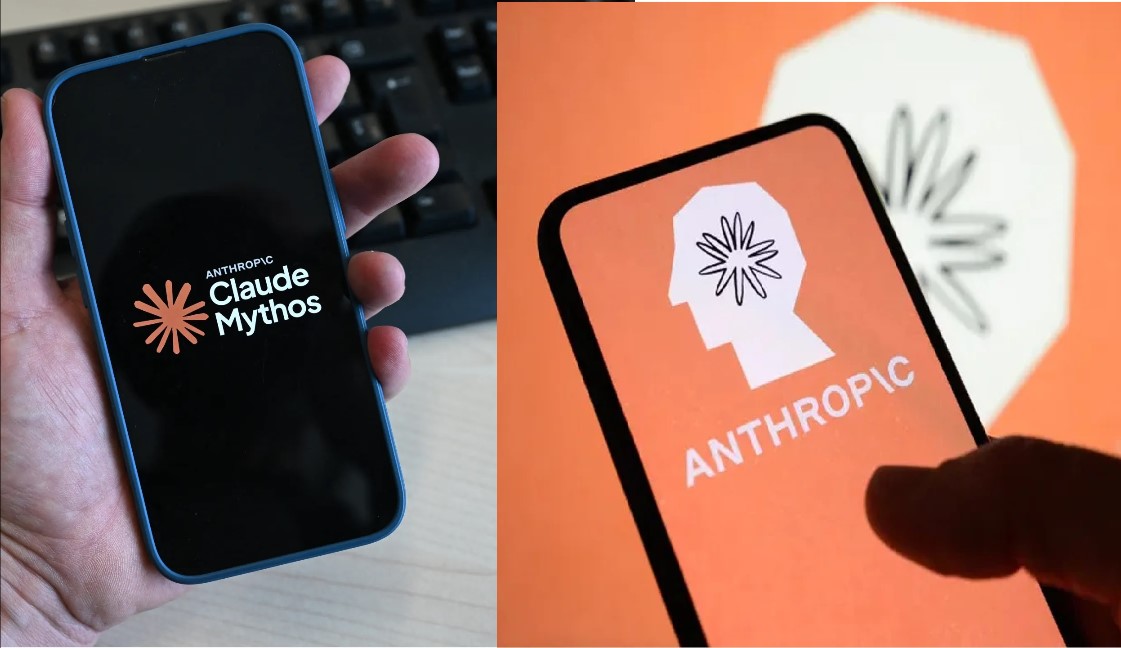
WASHINGTON, June 27, 2026 — The U.S. government has authorized Anthropic to restore access to its advanced Claude Mythos 5 artificial intelligence model for more than 100 approved U.S. organizations, partially reversing export control restrictions imposed earlier this month over national security concerns.
The decision follows a June 26 notification from the U.S. Department of Commerce after the Trump administration suspended access to Anthropic's Claude Mythos 5 and Claude Fable 5 models on June 12. The restrictions were introduced over concerns that highly capable AI systems could be misused by adversarial countries, including China and Russia, to support sophisticated cyberattacks against U.S. critical infrastructure.
According to Commerce Secretary Howard Lutnick, the government has determined that sufficient safeguards have been established to allow Mythos 5 to return to a limited group of trusted organizations. Under the updated directive, approved companies and their non-U.S. citizen employees no longer require export licenses to use the model, while licensing restrictions remain in place for all other organizations.
Cybersecurity-Focused AI Model
Claude Mythos 5 is Anthropic's most advanced cybersecurity model. It shares the same underlying architecture as Claude Fable 5 and features a one-million-token context window, enabling it to analyze large volumes of information and perform complex, multi-step tasks.
Unlike Fable 5, which includes built-in safety classifiers, Mythos 5 operates without those guardrails and is designed for specialized cybersecurity work, including identifying previously unknown software vulnerabilities and generating proof-of-concept exploits for defensive research.
During testing conducted with U.S. intelligence agencies, Mythos 5 reportedly identified vulnerabilities in classified government systems within hours. According to Gen. Joshua Rudd, head of the National Security Agency (NSA) and U.S. Cyber Command, the model demonstrated significant capability in detecting critical security weaknesses.
Project Glasswing
The restored access supports Project Glasswing, Anthropic's cybersecurity initiative that provides Mythos 5 to approximately 100 trusted technology companies, Fortune 500 firms, government agencies, research institutions, and critical infrastructure operators.
The program is intended to help participating organizations identify and remediate vulnerabilities in essential software and infrastructure before they can be exploited by malicious actors.
In a statement, Anthropic said the company is restoring access for approved organizations immediately and will continue working with the U.S. government to expand access to Mythos 5 while seeking approval for the broader release of Claude Fable 5.
Government Oversight of Frontier AI
The Anthropic decision comes as the Trump administration increases oversight of advanced AI models.
Earlier this month, President Donald Trump signed an executive order establishing a framework requiring developers of covered frontier AI models to provide them to the U.S. government for review before broader deployment.
OpenAI also confirmed on June 26 that it delayed the public release of its GPT-5.6 model at the government's request, limiting initial access to a small group of federally vetted partners.
Industry Response
The government's approach has drawn criticism from parts of the technology industry and civil liberties organizations.
OpenAI Chief Executive Officer Sam Altman said that while extensive safety testing is appropriate, he opposed the government deciding which customers should receive access to advanced AI models.
John Coleman, legislative counsel at the Foundation for Individual Rights and Expression (FIRE), questioned the lack of transparency surrounding the selection of approved organizations.
Before the restrictions were imposed, more than 100 cybersecurity executives, including leaders from Nvidia and Adobe, urged the government to lift the controls, arguing that limiting access to advanced cybersecurity AI could weaken U.S. cyber defenses while benefiting foreign competitors.
Next Steps
While Mythos 5 has been restored for approved organizations, Claude Fable 5 remains unavailable for general public use. Anthropic said it is continuing discussions with the U.S. government to expand access to both models, although no timeline has been announced.
The latest decision reflects the government's effort to balance national security concerns with the deployment of advanced AI technologies, while broader questions over the regulation and public release of frontier AI models remain under discussion.
——— End of Article ———