WASHINGTON, — June 13, 2026 : The U.S. Navy has awarded defense technology startup Castelion Corp. a $23.4 million contract to produce 50 early operational capability pre-production prototypes of its Blackbeard hypersonic strike missile, along with 50 dedicated storage and shipping containers. The contract was officially awarded on June 12, 2026, marking another step in the Pentagon’s efforts to accelerate the fielding of affordable and scalable hypersonic weapons.
The contract falls under a Small Business Innovation Research (SBIR) Phase III initiative titled “Low Cost Highly Manufacturable Long Range Strike Weapon Production.” The effort is intended to demonstrate that hypersonic weapons can be produced at significantly lower costs and in larger quantities than traditional programs.
Approximately 75 percent of the work will be carried out at Castelion’s Project Ranger manufacturing campus in Rio Rancho, New Mexico, while the remaining 25 percent will take place at the company’s headquarters in Torrance, California. The contract is scheduled for completion by December 2027.
Program Builds on Earlier Navy Investments
The latest contract expands on a series of previous agreements between the U.S. military and Castelion under the same basic ordering framework.
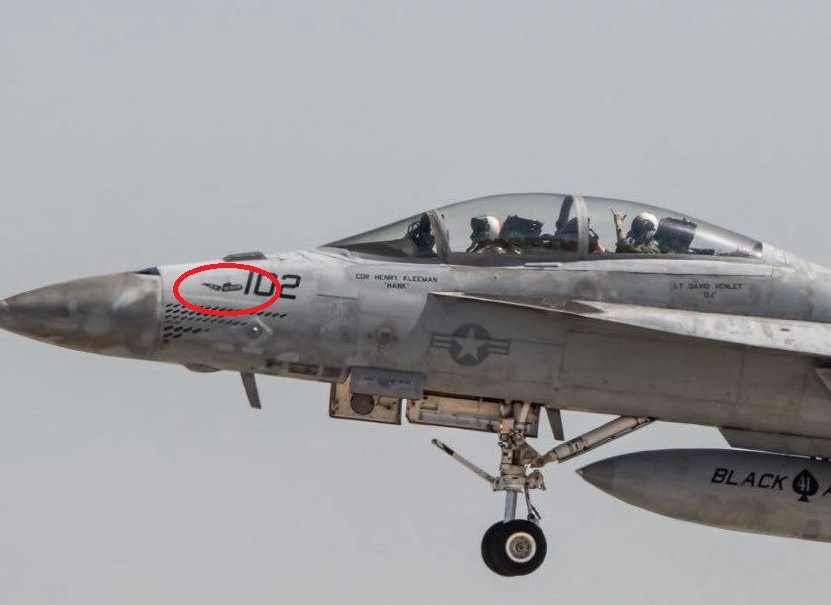
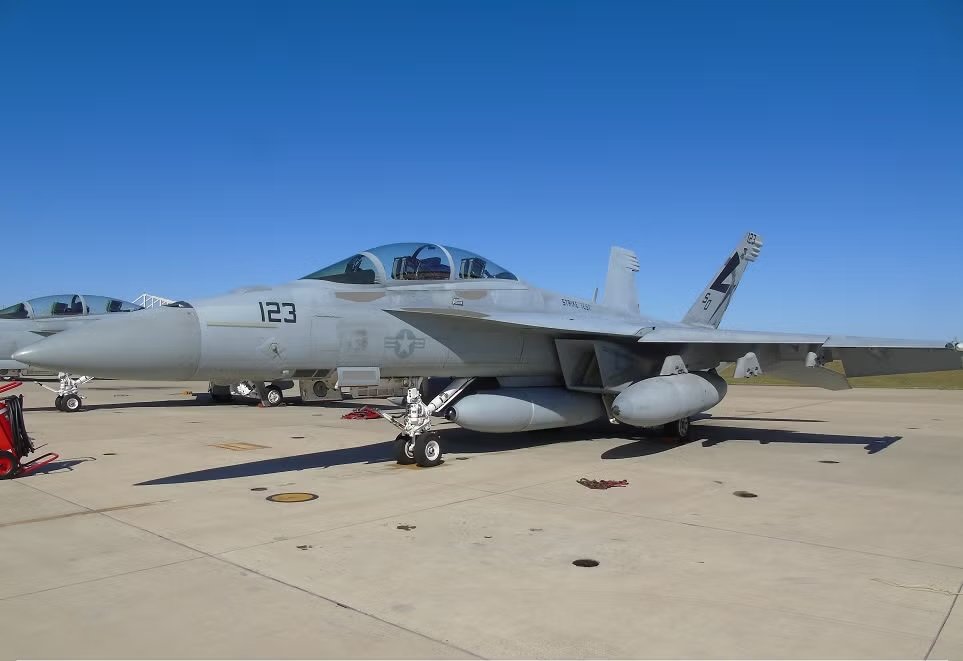
In February 2026, the company received a contract worth nearly $50 million to support full-scale Blackbeard prototypes and flight-testing activities. This was followed in April 2026 by a $105 million contract modification to integrate the missile onto the Navy’s F/A-18E/F Super Hornet fleet for live-fire testing in the Indo-Pacific region.
The successive awards reflect growing confidence in the Blackbeard program as the Department of Defense seeks to expand its inventory of long-range precision strike weapons capable of surviving modern air-defense environments.
Blackbeard Designed for Affordable Hypersonic Strike Capability
The Blackbeard missile has been designed from the outset with manufacturability and affordability as key priorities. Unlike many existing hypersonic weapon programs that require lengthy development cycles and high production costs, Castelion aims to deliver a system that can be manufactured at scale.
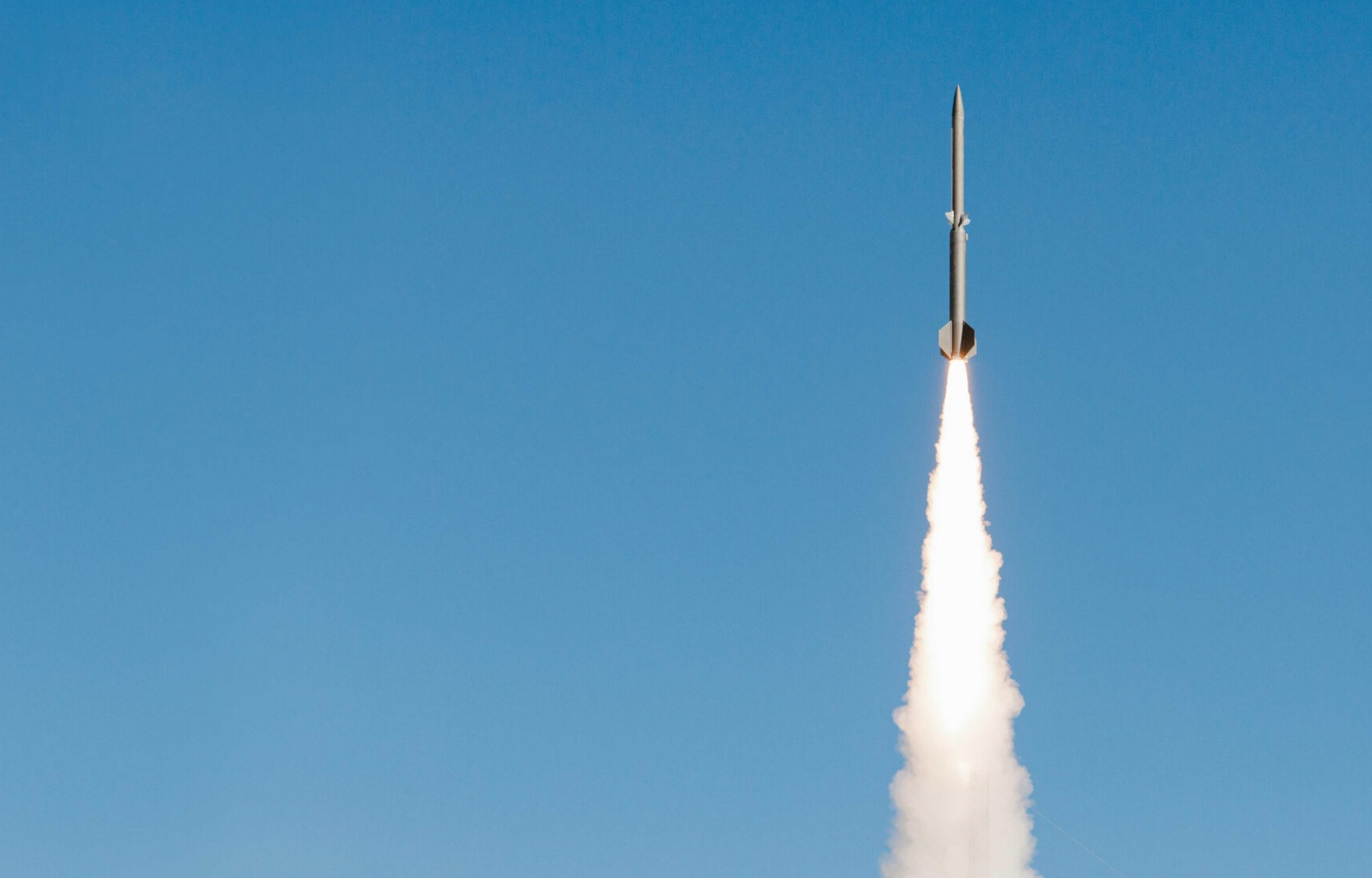
The missile is designed to travel at speeds exceeding Mach 5, or roughly 6,100 kilometers per hour, placing it within the hypersonic category. Such speeds, combined with its flight profile, make interception by modern air-defense systems significantly more difficult than conventional subsonic missiles.
Blackbeard is expected to have a projected range approaching 800 kilometers, positioning it between traditional rocket artillery systems and larger strategic hypersonic weapons. According to program information, it is intended to provide nearly 80 percent of the planned capability of the Precision Strike Missile Increment 4 at a substantially lower unit cost.
Castelion has also emphasized rapid development. Since its founding in 2022, the company has progressed from an initial design concept to conducting more than 25 flight tests in less than two and a half years, supported by vertically integrated propulsion and guidance-system development.
Project Ranger Aims for Large-Scale Production
To support future production requirements, Castelion has invested heavily in its Project Ranger manufacturing complex in Sandoval County, New Mexico.
The company has committed more than $250 million in private capital to the project, which is being developed on a 1,000-acre site. Once completed, it is expected to become the largest dedicated hypersonic missile production facility in the United States.
The campus will incorporate vertically integrated manufacturing capabilities, including production of solid rocket motors, guidance systems, and final missile assembly. A total of 21 structures are planned, with completion targeted by the end of 2026.
The facility is also expected to generate approximately 300 high-paying jobs and contribute to the region’s growing defense-industrial base.
Production Agreement Supports Future Procurement
Castelion’s manufacturing readiness contributed to a production framework agreement signed with the Department of War in May 2026.
Under the agreement, the government committed to purchasing a minimum of 500 Blackbeard missiles annually once testing and validation requirements are met. The framework also provides a pathway for the acquisition of more than 12,000 missiles over a five-year period, highlighting the military’s interest in large-scale procurement of lower-cost hypersonic weapons.
The agreement reflects a broader shift in U.S. defense procurement strategy toward systems that can be produced rapidly and in significant quantities during sustained military operations.
Expansion Into Maritime Operations
The Blackbeard program is also expanding beyond traditional air-launched applications.
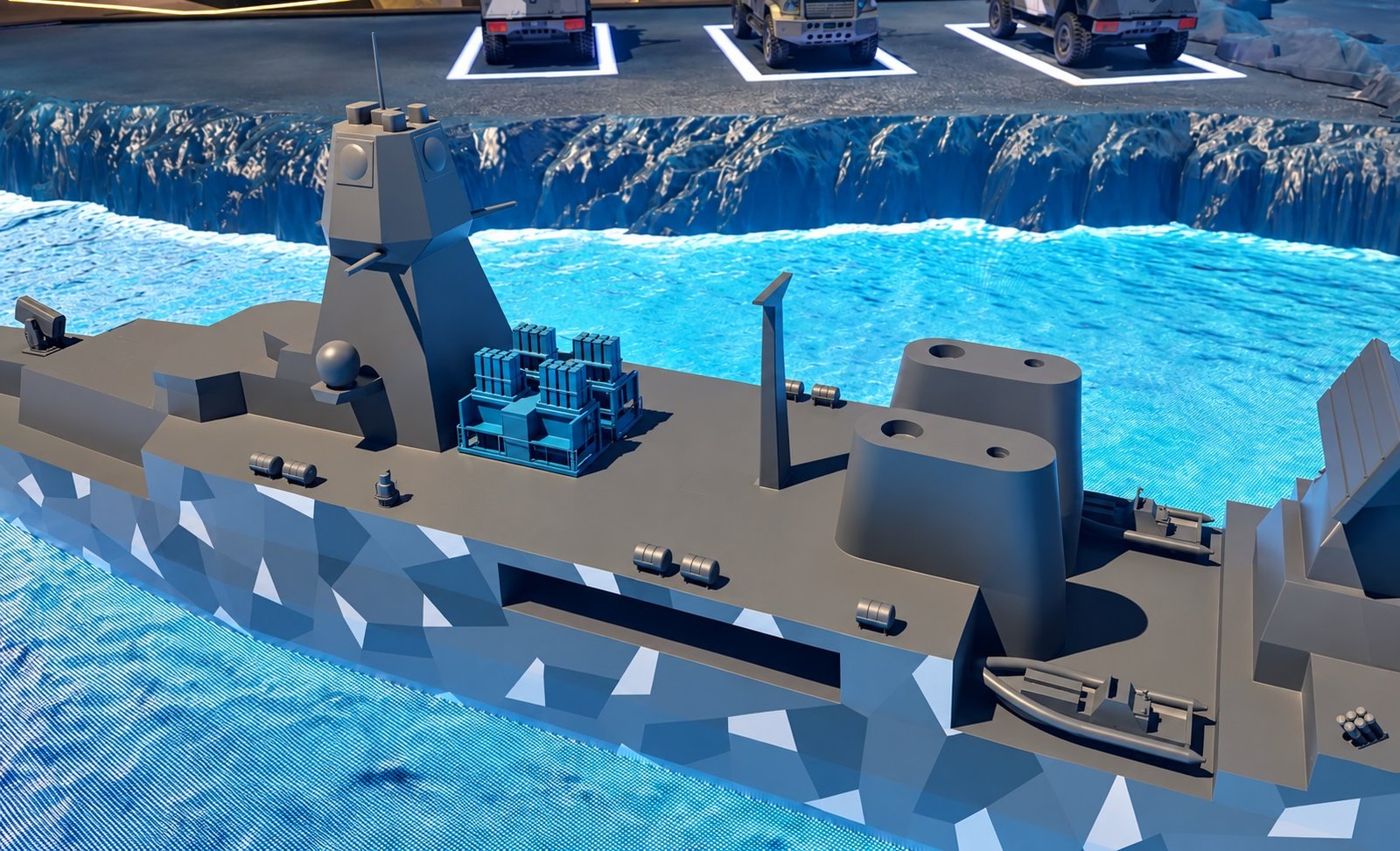
On June 11, 2026, Castelion announced a partnership with Saronic Technologies to integrate the missile onto the Marauder Medium Unmanned Surface Vessel (MUSV).
The companies plan to conduct a maritime launch demonstration in 2027, introducing a new sea-based launch option alongside integration efforts on carrier-based aircraft and Army M142 HIMARS platforms.
The Marauder is an approximately 180-foot (55-meter) autonomous vessel developed by Saronic. The company advanced the platform from design to on-water trials in less than a year and is currently investing $300 million to expand its shipyard in Franklin, Louisiana. The expansion is expected to support production of up to 20 Marauder vessels annually by the end of 2026.
Commenting on the partnership, Saronic Co-Founder and CEO Dino Mavrookas said that launching a Castelion hypersonic missile from a Marauder MUSV would significantly alter how potential adversaries assess U.S. strike options.
Castelion Co-Founder and CEO Bryon Hargis stated that the combination of Blackbeard and Marauder would provide warfighters with more strike opportunities from a wider range of locations while reducing operational constraints.
Broader Defense Significance
The Blackbeard program represents part of a wider U.S. effort to accelerate deployment of hypersonic capabilities across air, land, and maritime domains while reducing procurement costs and increasing production capacity.
Historically, hypersonic weapons have been among the most expensive precision-strike systems, often requiring decades of development and costing tens of millions of dollars per missile. Castelion’s approach focuses on producing highly manufacturable systems that can be acquired in large numbers.
With multiple contracts awarded in 2026, expanding production infrastructure, and ongoing integration across several military platforms, the Blackbeard program is emerging as a significant component of the U.S. military’s effort to build more scalable and survivable long-range strike capabilities for future operations.
——— End of Article ———