BEIRUT, — June 19, 2026 : A memorandum of understanding signed between the United States and Iran aimed at reducing regional tensions has faced immediate challenges following expanded Israeli military operations in southern Lebanon and Iran's decision to suspend negotiations and close the Strait of Hormuz.
The agreement, electronically signed on June 17 by US President Donald Trump and Iranian President Masoud Pezeshkian, was intended to support a 60-day ceasefire period and facilitate discussions on regional security and Iran’s nuclear program.
Israeli Operations in Southern Lebanon
Israeli forces intensified operations in southern Lebanon with airstrikes and a ground advance deeper into Lebanese territory. The Israeli military released an updated map showing an expanded operations zone extending up to 10 kilometers (6.2 miles) inside Lebanon.
According to the Lebanese Health Ministry, airstrikes on at least 10 towns and villages in southern Lebanon resulted in 18 fatalities and 33 injuries. Areas targeted included the southern outskirts of Kfartebnit and the Ali al-Taher area.
The Israeli military also confirmed the deaths of four soldiers, including a battalion commander, during the fighting. Hezbollah stated it used drones, rockets, and artillery to repel advancing Israeli forces over the past four days.
Iran Suspends Negotiations
The escalation in Lebanon disrupted the next phase of the US-Iran diplomatic process, which included a 60-day period of technical discussions on nuclear stockpiles, sanctions relief, and regional security.
Iranian officials said Tehran would not implement commitments outlined in the memorandum until Israeli military operations, particularly in Lebanon, are halted.
Planned negotiations in Switzerland were subsequently suspended. Iranian authorities confirmed their delegation would not attend the talks, while US Vice President JD Vance also canceled his planned visit. The White House cited logistical issues for the postponement, while Iranian state media linked Tehran’s decision directly to Israel’s ongoing operations.
Prior to the cancellation, Vance stated that future economic relief for Iran would depend on compliance with the agreement.
IRGC Closes Strait of Hormuz
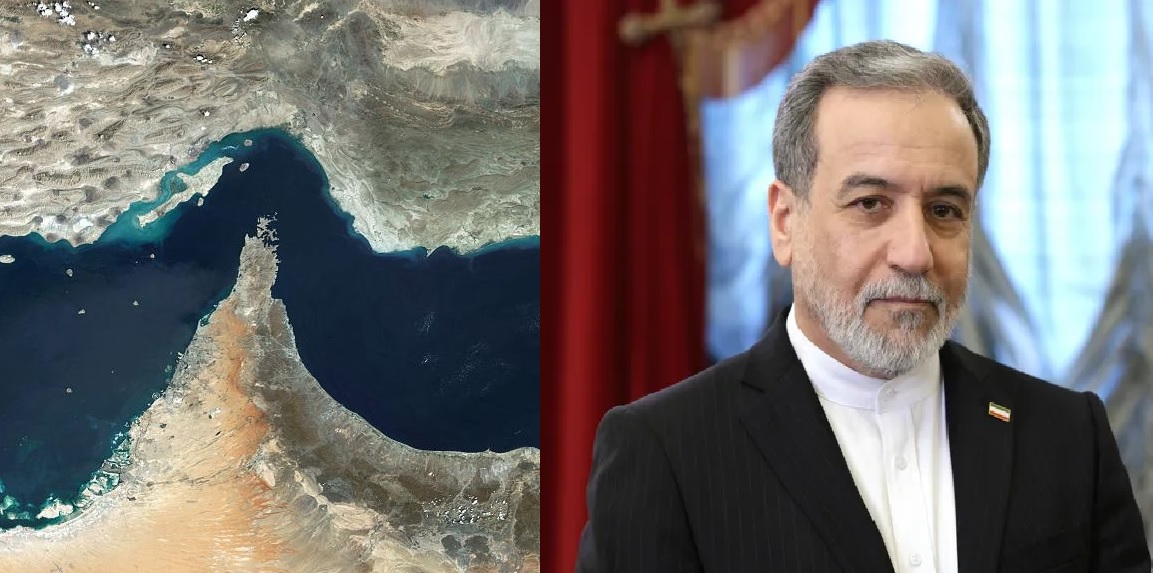
Iran’s Islamic Revolutionary Guard Corps (IRGC) announced the closure of the Strait of Hormuz to all maritime traffic, citing regional security concerns and Israeli military actions in Lebanon.
The IRGC stated that the waterway would be closed to all vessels, including oil tankers and commercial ships. The move threatens to disrupt global energy shipments through one of the world's most important maritime routes.
Maritime tracking companies had reported that major shipping operators had begun resuming movements through the strait following the signing of the US-Iran agreement.
US Response
US Central Command (CENTCOM) said American naval forces would remain in the region to monitor developments. The United States stated it had fulfilled early military-related commitments under the memorandum, including beginning the process of lifting its naval blockade on Iranian ports.
Uncertainty Over Agreement
The memorandum followed months of regional conflict and sought to reduce tensions, address sanctions issues, ensure freedom of navigation, and establish a framework for further nuclear discussions.
As of June 19, the suspension of Switzerland talks and the closure of the Strait of Hormuz have created uncertainty over the next phase of US-Iran engagement, while international shipping and energy markets continue to monitor developments closely.
——— End of Article ———