WASHINGTON, D.C., July 1, 2026 — Lockheed Martin has been awarded a $2.99 billion contract by the U.S. Army to produce the next-generation Sentinel A4 air and missile defense radar and provide associated engineering services. The award supports the Army's ongoing modernization of its air defense capabilities to address an expanding range of aerial threats.
The contract, awarded by the Army Contracting Command–Redstone Arsenal in Alabama, includes fixed-price-incentive, cost-plus-fixed-fee, and cost-no-fee elements. Work is scheduled to continue through June 29, 2031, while funding allocations and work locations will be determined through individual task orders.
Next-Generation Air Defense Radar
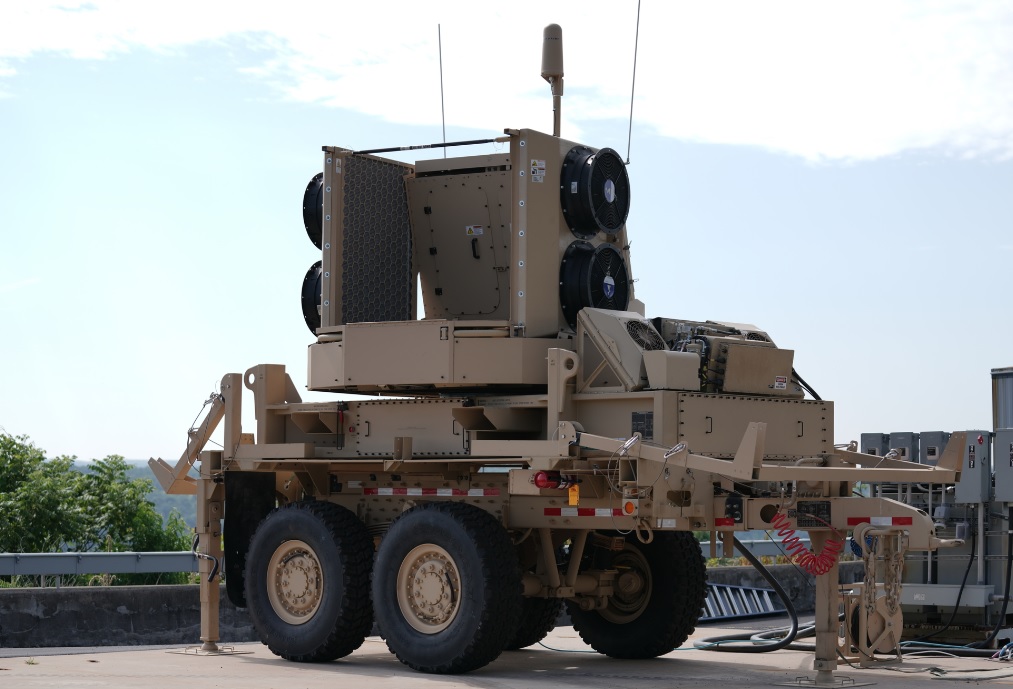
The Sentinel A4 is the U.S. Army's next-generation tactical air and missile defense radar, replacing the legacy Sentinel A3 (AN/MPQ-64A3) system previously developed by Raytheon and Thales.
Built around a digital Active Electronically Scanned Array (AESA) using Gallium Nitride (GaN) technology, the radar provides greater power efficiency, improved reliability, and more than a 75% increase in detection range compared with its predecessor. It also offers full 360-degree coverage without a "cone of silence," enabling continuous surveillance of the surrounding airspace.
The system is capable of detecting and tracking cruise missiles, unmanned aircraft systems (UAS), rotary-wing aircraft, fixed-wing aircraft, and electronic warfare threats. It also detects Rocket, Artillery, and Mortar (RAM) attacks by calculating both the point of origin and projected point of impact, providing early warning to help protect personnel and critical assets.
Its open-architecture, software-defined design enables future capability upgrades and integration with the Army's Integrated Battle Command System (IBCS) and the National Advanced Surface-to-Air Missile System (NASAMS).
Program Development
Lockheed Martin's work on the Sentinel A4 program began in 2019, when it received a $281.1 million contract to develop and produce the first 18 radar systems. The contract was awarded following competition with two other bidders and was primarily performed at the company's facility in Liverpool, New York.
The company completed the first Sentinel A4 radar five months ahead of schedule using an agile development approach. In 2021, the Army ordered five additional radar systems for operational testing, which were delivered in June 2022 to evaluate radar performance, mobility, and logistics.
In early 2026, Lockheed Martin delivered the first Sentinel A4 radar from the Low-Rate Initial Production (LRIP) 2 phase. The program is now progressing toward full-rate production, planned to begin in 2026 with more than 200 radar units expected to be produced. The first operational deployment is planned for the National Capital Region to strengthen air defense around Washington, D.C.
Long-Term Air Defense Modernization
The Sentinel A4 will support the Army's short-range air defense mission by improving detection of low-altitude and fast-moving threats while enhancing interoperability with existing air and missile defense networks.
The new contract ensures continued production and engineering support for the Sentinel A4 through 2031, making the radar a central component of the U.S. Army's long-term air and missile defense modernization efforts.
——— End of Article ———