BELGRADE, Serbia, June 29, 2026 — Serbia has officially moved forward with the procurement of China's HQ-9 long-range surface-to-air missile (SAM) system as part of a broader military modernization program that also includes plans to acquire new fighter aircraft, President Aleksandar Vučić announced on June 28.
The acquisition will complete Serbia's multi-layered Chinese-built air defense network, making it the first European country to field an integrated three-tier Chinese air defense architecture.
Completing a Three-Tier Air Defense Network
Serbia has steadily expanded its air defense capabilities over the past several years by introducing Chinese missile systems covering short, medium, and long-range engagements.
The Serbian Armed Forces currently operate two batteries of the HQ-17AE short-range air defense (SHORAD) system for point defense of critical military facilities and infrastructure.
In April 2022, Serbia received four batteries of the FK-3 surface-to-air missile system, the export version of China's HQ-22, providing engagement ranges of around 100 kilometers for area air defense.
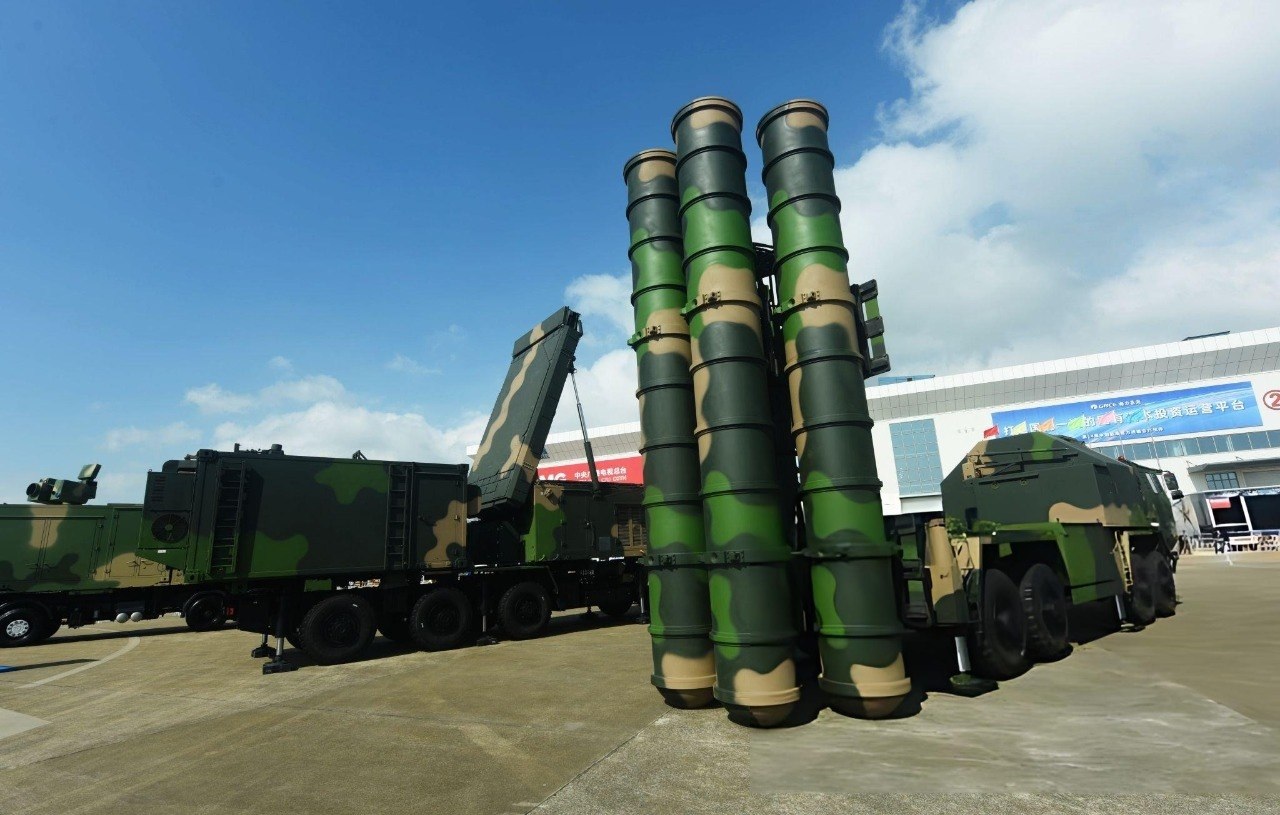
The planned acquisition of the HQ-9, likely in the FD-2000 export configuration or HQ-9B variant, will add a long-range layer capable of engaging aircraft, AWACS platforms, strategic bombers, cruise missiles, and certain ballistic missile threats at distances of up to 200–250 kilometers.
Together, the three systems provide overlapping protection against aerial threats across multiple ranges and altitudes.
HQ-9 Capabilities
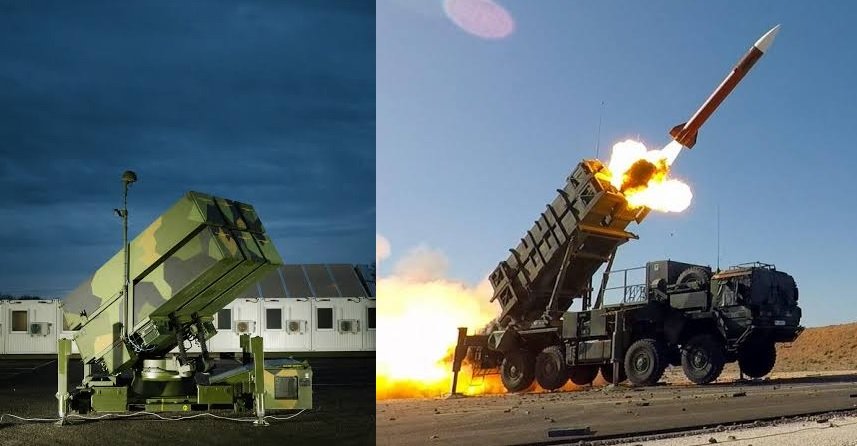
The HQ-9 is China's premier long-range surface-to-air missile system and is widely compared with the Russian S-300PMU2, S-400, and the U.S. MIM-104 Patriot.
The system consists of truck-mounted launchers, radar units, and command vehicles, enabling rapid deployment and relocation after firing. Its advanced radar and command network can share target data with Serbia's FK-3 and HQ-17AE batteries, improving overall air defense coordination.
New Fighter Aircraft Planned
President Vučić also confirmed that Serbia is moving forward with plans to replace its aging MiG-29 fighter fleet with new combat aircraft.
Although no aircraft type has been officially selected, defense analysts have identified China's JF-17 Block 3 and France's Dassault Rafale among the aircraft previously considered by Belgrade.
Serbia has already expanded the capabilities of its MiG-29 fleet by integrating the Chinese CM-400AKG hypersonic air-to-surface ballistic missile, making it the first European operator of the weapon.
Strategic Significance
Serbia continues to follow a policy of military non-alignment while purchasing defense equipment from Western, Russian, and Chinese suppliers.
The decision to acquire the HQ-9 instead of Russia's S-400 allows Belgrade to avoid sanctions associated with Russian defense exports while benefiting from China's growing role as a supplier of advanced military systems.
The Serbian government has not disclosed the number of HQ-9 batteries, the contract value, or the expected delivery schedule.
——— End of Article ———