ATHENS, — June 12, 2026 : The Greek Special Permanent Committee on Armament Programs and Contracts of the Hellenic Parliament has approved eight defense procurement programs valued between €1 billion and €1.2 billion, marking a significant step in Greece’s long-term military modernization effort. The approvals, granted on June 11, form part of the country’s broader €28 billion defense modernization plan extending through 2036, aimed at strengthening operational capabilities across the armed forces and addressing evolving regional security requirements.
The approved package includes investments in special operations maritime platforms, unmanned aerial systems, tactical airlift aircraft, and naval modernization programs, supporting multiple branches of the Hellenic Armed Forces.
VICTA Submersibles Selected for Special Operations Forces
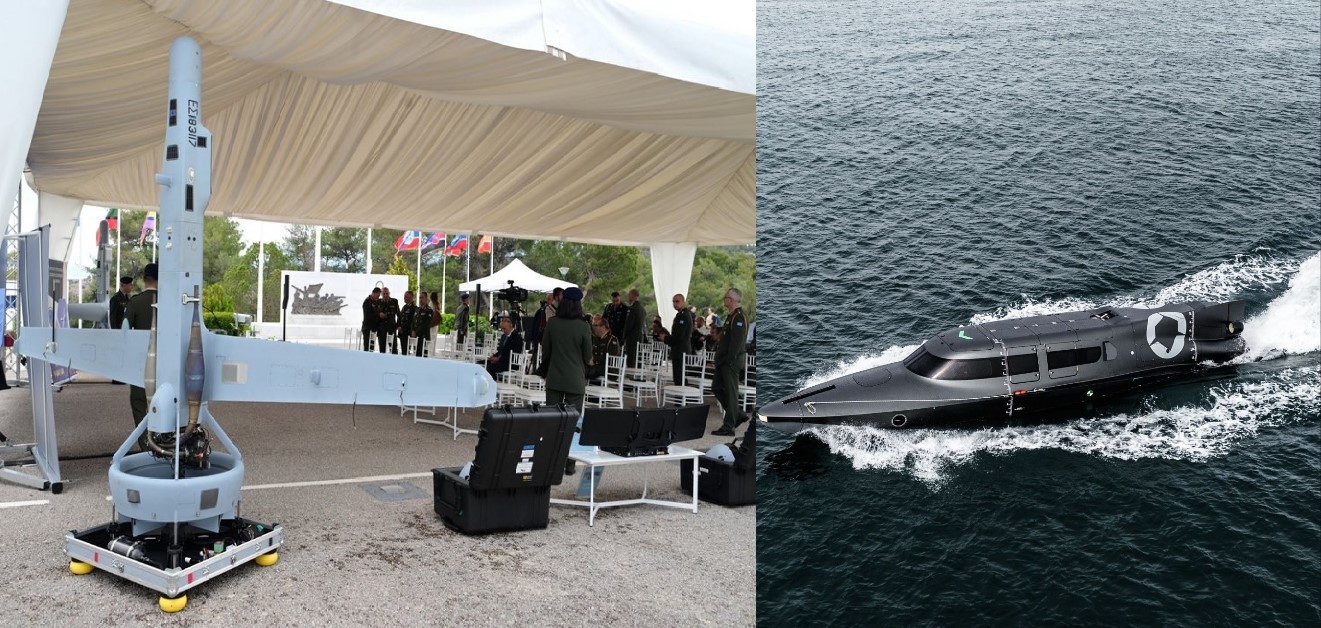
One of the largest individual programs approved is a €145 million acquisition of ten VICTA Diver Delivery Units (DDUs) from British defense company SubSea Craft. The contract includes a comprehensive Follow-On Support (FOS) package and will equip Greece’s special operations forces with advanced maritime infiltration capabilities.
Under the procurement plan, six VICTA units will be assigned to the Special Warfare Command (SWC), while the remaining four units will be delivered to the Underwater Demolition Command (UDC) of the Hellenic Navy.
The VICTA platform combines the characteristics of a high-speed surface craft with the ability to operate in a submerged mode. The vessel can travel on the surface at speeds of up to 40 knots and has an operational range of 250 nautical miles before transitioning underwater through its fly-by-wire controlled submersible system. Once submerged, the platform can operate for approximately four hours, transporting two crew members and six divers over distances of up to 25 nautical miles for covert insertion missions.
The system’s modular design allows rapid reconfiguration for a variety of operational requirements, including the transport of personnel, combat supplies, intelligence-gathering equipment, and specialized mission payloads. The platform is also compatible with standard 40-foot ISO shipping containers, simplifying transportation and deployment.
A significant portion of the program will benefit Greece’s domestic defense industry. More than 25 percent of the contract value is expected to be directed to the Greek industrial base, with all VICTA units planned for construction at Skaramangas Shipyards under a partnership established with SubSea Craft in early 2025.
Industry officials are also examining plans to manufacture an additional ten VICTA systems in Greece for another NATO member navy, a development that could strengthen Skaramangas Shipyards’ role as a regional production and support center for the platform.
Expansion of Unmanned Aerial Surveillance Capabilities
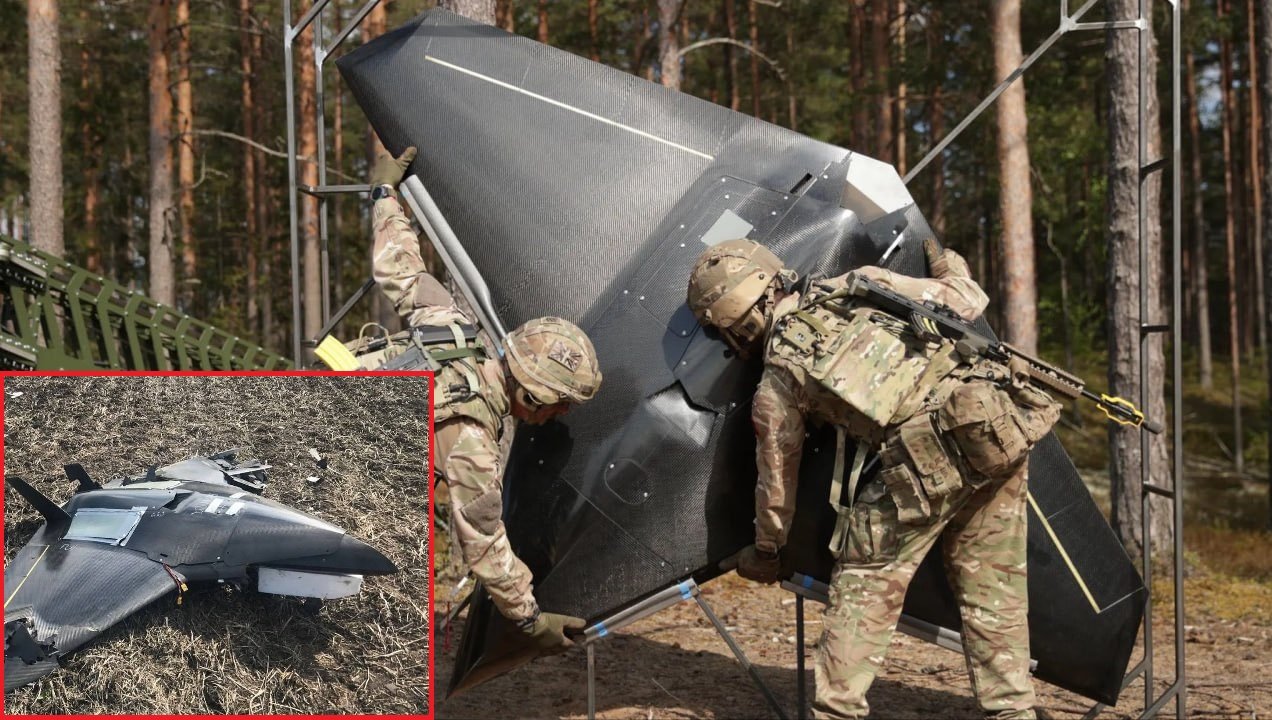
The parliamentary committee also approved a €71 million program for the acquisition of ten V-BAT (MQ-35A) Vertical Takeoff and Landing (VTOL) Unmanned Aerial Systems from U.S.-based defense company Shield AI.
The procurement will be carried out through the NATO Support and Procurement Agency (NSPA) over a four-year period and includes a two-year Follow-On Support package.
Under the acquisition plan, the Hellenic Army will receive six systems, consisting of 12 aircraft and associated mission payloads, while the Hellenic Navy will receive four systems, comprising eight aircraft and mission equipment.
The V-BAT is a Group 3 intelligence, surveillance, and reconnaissance (ISR) platform designed to operate without conventional runways. Its vertical takeoff and landing capability makes it particularly suitable for Greece’s geography, which includes numerous islands, rugged coastlines, mountainous terrain, and remote maritime areas.
The system has demonstrated effectiveness in GPS-denied and communications-denied environments, including operational use during the conflict in Ukraine. These characteristics are considered particularly valuable for maritime surveillance, border monitoring, and intelligence collection missions across the Aegean and Eastern Mediterranean regions.
Greece already operates the V-BAT platform. In May 2025, two systems consisting of four aircraft entered service following a €5.75 million donation from the Athanasios C. Laskaridis Charitable Foundation. The newly approved procurement will significantly expand the country’s unmanned surveillance fleet and enhance persistent maritime domain awareness.
Shield AI has also indicated plans to deepen its presence in Greece through further cooperation with the Hellenic Armed Forces and potential future integration of the company’s Hivemind autonomy software into defense programs.
Additional Drone Acquisitions Approved
Alongside the V-BAT procurement, lawmakers approved the acquisition of one Israeli-made Heron unmanned aerial system, further expanding Greece’s ISR capabilities.
The approval follows recent efforts by the Hellenic Navy to integrate unmanned systems into its surface fleet. The navy has already contracted four Schiebel CAMCOPTER S-100 systems for deployment aboard its three Kimon-class frigates and at a dedicated training center in Marathon.
Defense sources have also indicated plans to procure a fifth CAMCOPTER S-100 for the fourth FDI HN frigate, Themistocles (F-600), which is currently under construction.
C-390 Airlifters to Modernize Transport Fleet
Approximately half of the approved defense package, estimated at around €600 million, has been allocated for the acquisition and support of three Embraer C-390 military transport aircraft from Brazil.
The aircraft will strengthen Greece’s tactical airlift capabilities and gradually replace portions of the country’s aging C-130 transport fleet, which has served as the backbone of military transport operations for decades.
The C-390 Millennium is capable of carrying troops, cargo, vehicles, and humanitarian aid while supporting a variety of missions, including medical evacuation, disaster relief, aerial resupply, and military logistics. The platform has been selected by several NATO and allied nations in recent years due to its modern avionics, high payload capacity, and operational flexibility.
MEKO-200 Frigates Set for Mid-Life Upgrade
The remaining funds from the approved package will be directed toward a long-planned mid-life modernization program for the Hellenic Navy’s four MEKO-200 frigates.
The German-built warships form an important component of Greece’s naval fleet, and the upgrade program is expected to improve combat management systems, sensors, electronic warfare equipment, and overall operational readiness. The modernization effort will help ensure the vessels remain effective alongside the navy’s newer surface combatants in service over the coming decades.
Part of Broader Military Modernization Strategy
The newly approved procurements reflect Greece’s ongoing effort to modernize its armed forces through investments in advanced technologies, enhanced mobility, maritime security, intelligence gathering, and special operations capabilities. The acquisitions are intended to improve interoperability with NATO allies while strengthening the country's ability to operate across its extensive maritime and island territories.
The procurement package now moves to the Government Council for Foreign Affairs and Defense (KYSEA), Greece’s highest decision-making body on defense and foreign policy matters, for final authorization. The programs are widely expected to receive approval, allowing implementation to proceed in the coming years as part of the country’s broader defense modernization roadmap through 2036.
——— End of Article ———