WASHINGTON, D.C., July 2, 2026 — The United States is expanding the use of additive manufacturing, commonly known as 3D printing, in its hypersonic weapons programs as the Department of Defense (DoD) seeks to strengthen munitions production following the heavy expenditure of precision weapons during recent military operations.
Recent operations involving Iran highlighted the challenge of replenishing advanced munitions after U.S. forces conducted more than 13,000 strikes, consuming large numbers of precision-guided weapons and air defense interceptors. The campaign underscored limitations in the defense industrial base, where conventional manufacturing methods require significant time and cost to produce advanced missile systems.
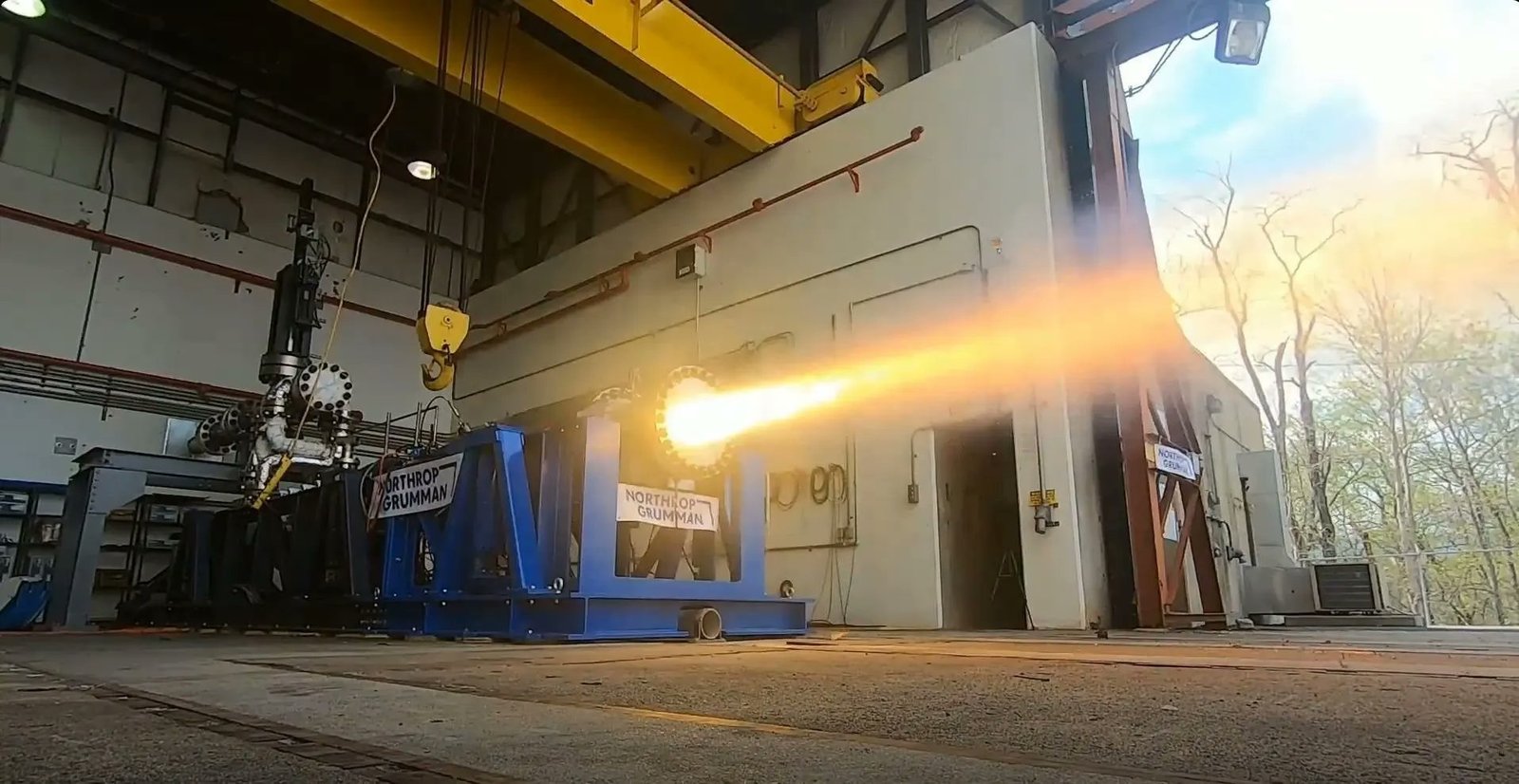
To address these challenges, defense contractors are increasing the use of metal additive manufacturing to produce key hypersonic propulsion components, including scramjet and ramjet engines. The technology is intended to reduce production time, lower costs, and improve manufacturing capacity.
3D Printing Simplifies Hypersonic Engine Production
Companies including Aerojet Rocketdyne (now part of L3Harris), Lockheed Martin, and Ursa Major are incorporating additive manufacturing into hypersonic weapon production.
Conventional manufacturing of air-breathing hypersonic engines involves numerous individually machined components and complex welding processes capable of withstanding temperatures generated during flight at speeds above Mach 5. Additive manufacturing instead enables complex engine structures to be produced as integrated components using technologies such as laser powder bed fusion and high-temperature metal alloys.
Aerojet Rocketdyne has previously demonstrated that 3D printing can reduce the number of parts in a scramjet engine by up to 95%, simplifying production. The company is also advancing 3D-printed propulsion under the Department of Defense's GAMMA-H program. Meanwhile, Velo3D supplies specialized metal printing systems capable of producing complex internal engine geometries that are difficult to manufacture using traditional methods.
Industry Accelerates Hypersonic Development
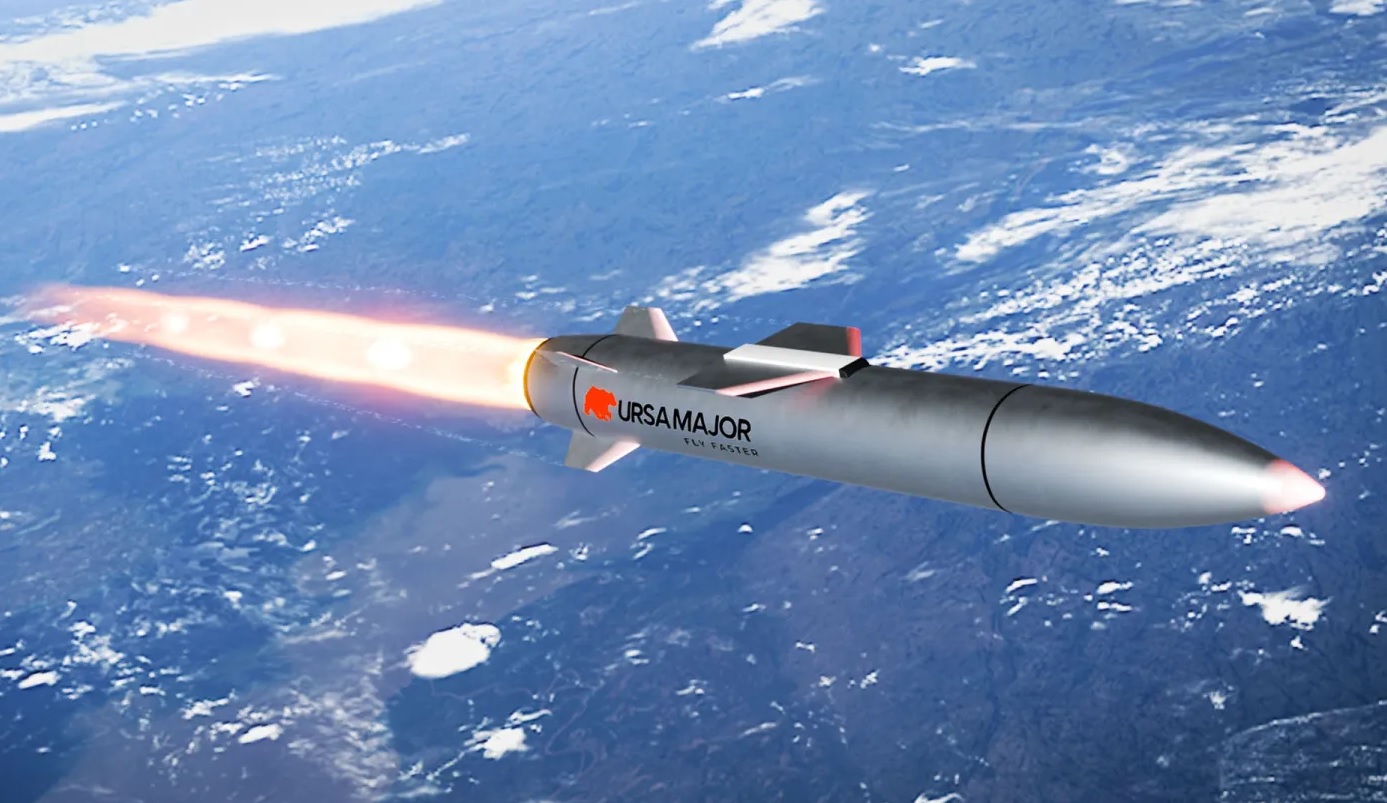
Ursa Major has integrated AI-enabled metal printing into its Havoc medium-range hypersonic missile and the Draper liquid rocket engine. The Draper engine, which uses hydrogen peroxide and kerosene in a closed catalyst-cycle design, progressed from contract award to a flight-ready propulsion system in approximately eight months and powers the Affordable Rapid Missile Demonstrator.
The company is also expanding production of solid rocket motors (SRMs) using modular tooling and software-driven manufacturing cells that allow different motor variants to be produced on the same production line without extensive retooling.
Lockheed Martin is using large-format 3D printing to manufacture components for its Mako hypersonic missile, including guidance housings and tail fins. The company reports that additive manufacturing has reduced production time and costs for these parts by up to tenfold compared with conventional manufacturing.
Focus on Expanding Production Capacity
The increased adoption of additive manufacturing follows growing emphasis on improving the defense industrial base's ability to replenish advanced weapons inventories after recent operations. The extensive use of systems such as Tomahawk cruise missiles, JASSMs, THAAD, and Patriot interceptors highlighted the importance of scalable production capacity.
By reducing dependence on complex supply chains and shortening manufacturing timelines, 3D printing is expected to support faster production of hypersonic propulsion systems while lowering manufacturing costs. As U.S. hypersonic programs continue to mature, additive manufacturing is becoming an increasingly important element in moving advanced weapons from development into operational service while improving long-term munitions production capacity.
——— End of Article ———