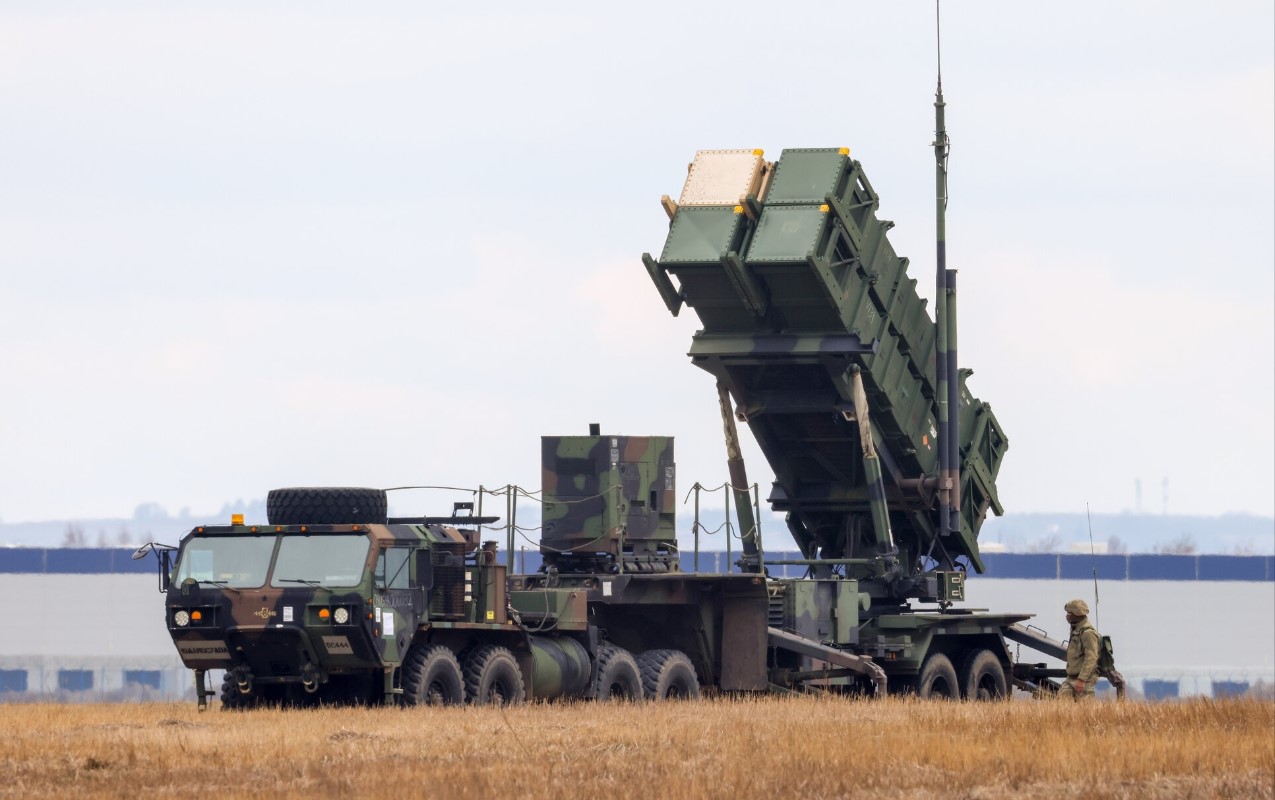
KYIV — During the night of July 6, beginning at 6:00 p.m. local time on July 5, Ukraine's air defenses were unable to intercept any Russian ballistic missiles during a large-scale Russian missile and drone attack due to a shortage of Patriot interceptor missiles for its Patriot air defense systems, according to the Ukrainian Air Force report.
Russia launched a total of 419 aerial weapons during the coordinated overnight attack, with Kyiv as the primary target. The strike was one of the largest combined attacks reported in recent months. Ukrainian authorities said the attack killed at least 11 people and injured approximately 60 others.
According to the Ukrainian Air Force, Russian forces launched 351 attack drones and 68 missiles from multiple directions, including Russia's Bryansk, Kursk, Oryol, and Vologda regions, the city of Novorossiysk, and Russian-occupied parts of Ukraine's Donetsk region.
The drone wave included Shahed/Geran attack drones along with Gerbera, Italmas, and Parodiya decoy drones. The missile salvo consisted of 33 Kh-101 cruise missiles, 23 Iskander-M ballistic missiles and S-400 surface-to-air missiles used in a ground-attack role, six 3M22 Zircon/Onyx anti-ship missiles, and six Kalibr cruise missiles.
Despite the scale of the attack, Ukrainian air defense units, supported by electronic warfare systems, intercepted or neutralized 363 incoming aerial targets, including 326 drones and 37 missiles.
The Air Force reported that it destroyed 31 of the 33 Kh-101 cruise missiles and all six Kalibr cruise missiles, demonstrating a high interception rate against cruise missile threats. However, none of the ballistic missiles or anti-ship missiles were intercepted. As of the morning of July 6, officials confirmed that 29 ballistic and anti-ship missiles, along with 18 drones, had struck 34 locations across Ukraine.
Air Force spokesperson Yurii Ihnat said the inability to intercept the ballistic missiles was caused by a shortage of Patriot interceptor missiles. He explained that ballistic missiles travel at much higher speeds and follow trajectories that require advanced air defense systems such as the U.S.-made Patriot to intercept.
According to Ihnat, Russia has increasingly relied on ballistic missiles to exploit this gap in Ukraine's air defense network. He added that while Ukrainian forces achieved an almost 100% interception rate against cruise missiles, the shortage of Patriot interceptors significantly reduced their ability to counter ballistic missile attacks.
Ihnat also noted that the shortage of Patriot interceptor missiles is not limited to Ukraine, describing it as part of a broader global supply challenge.
The impact of the attack was felt most heavily in Kyiv, where residential buildings in the Podilskyi and Darnytskyi districts were damaged by missile strikes. In the capital's suburb of Vyshneve, emergency services evacuated around 600 residents because of the risk posed by unexploded ordnance.
The shortage of Patriot interceptors has prompted renewed efforts by Ukraine to secure additional air defense ammunition from its international partners.
Defence Minister Mykhailo Fedorov said Ukraine has already signed, and continues to sign, contracts for additional Patriot interceptor missiles. However, he said deliveries under those agreements are not expected to begin until next year.
To address the immediate shortage, Ukraine has appealed to partner countries to urgently transfer Patriot interceptor missiles from their existing military stockpiles. Under the proposal, Ukraine would later replenish those countries' inventories using interceptor missiles delivered through its future procurement contracts.
The overnight attack highlighted the continuing challenge posed by ballistic missile threats despite Ukraine's high interception rate against cruise missiles and drones. Ukrainian officials continue to emphasize the need for additional Patriot interceptor missiles to strengthen the country's ability to defend major cities and critical infrastructure against future ballistic missile attacks.
Source: militarnyi
——— End of Article ———