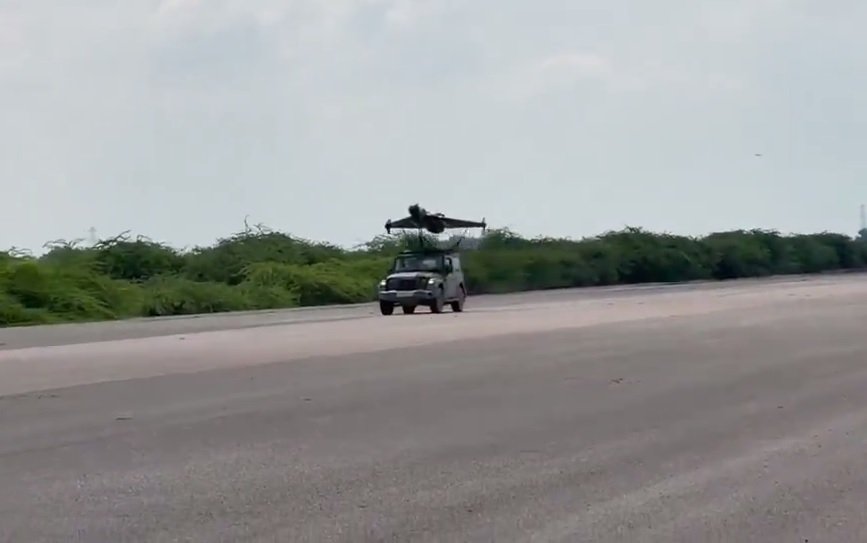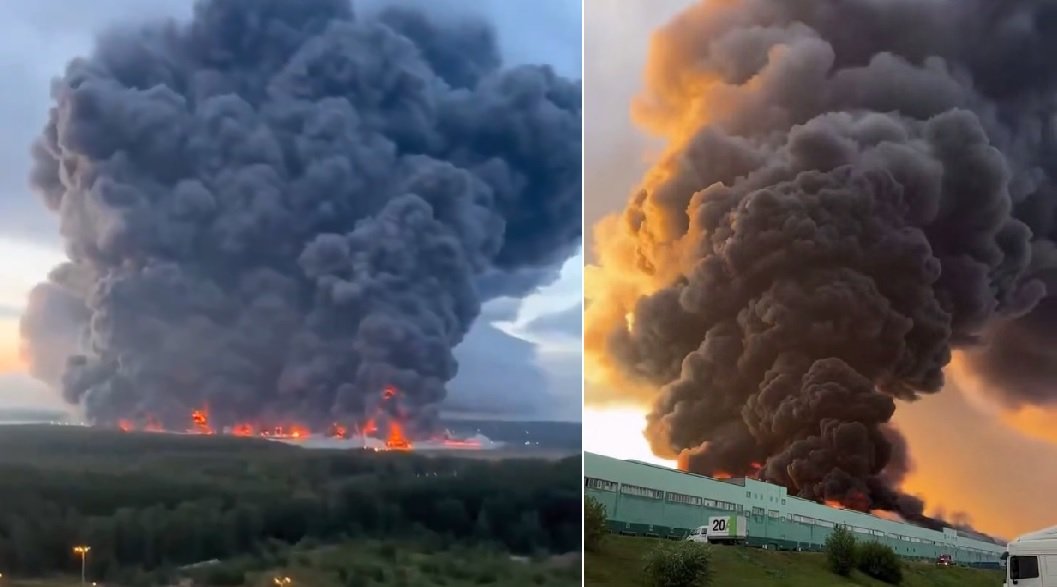
KYIV, Ukraine — June 13, 2026 : Russia has significantly increased the use of jet-powered strike drones in its attacks against Ukraine, marking a notable shift in aerial warfare tactics as Moscow seeks to overcome evolving Ukrainian air defense capabilities.
According to information presented by Colonel Alexander Zaruba, Chief Researcher at Ukraine’s State Research Institute for Testing and Certification of Weapons and Military Equipment, Russian forces are increasingly relying on a new generation of high-speed unmanned aerial vehicles (UAVs), including the Geran-3, Geran-4, and Geran-5. Zaruba discussed the growing threat during a presentation titled “The Russian Federation’s Use of Air Attack Weapons Against Civilian Infrastructure: Technical and Humanitarian Aspects,” which was reported by Ukrainian defense outlet Militarnyi.
Official statistics indicate a substantial increase in the deployment of these drones. Since the beginning of 2026, Russian forces have launched approximately 1,400 jet-powered UAVs, compared with only 180 recorded incidents during the entirety of 2025. The figures highlight a rapid expansion in the use of high-speed drones as part of Russia’s long-range strike campaign against Ukraine.
Shift Toward High-Speed Strike Drones
Ukrainian defense officials say the increased use of jet-powered drones reflects Russia’s efforts to counter Ukraine’s increasingly effective and cost-efficient interceptor drones. Traditional propeller-driven interceptor systems have achieved notable success against slower attack drones, prompting Russia to introduce platforms capable of operating at significantly higher speeds.
The new jet-powered drones are designed to penetrate airspace protected by mobile fire groups and drone interceptors by reducing reaction times for defenders. Their higher velocity allows them to reach targets more quickly and complicates interception efforts, particularly when deployed in coordinated attack waves.
Military analysts note that Russia has gradually adapted its long-range strike strategy throughout the conflict, combining cruise missiles, ballistic missiles, and various drone types to saturate Ukrainian air defenses. The introduction of larger numbers of jet-powered UAVs represents the latest phase of that evolution.
Geran-3: Foundation of the Jet Drone Fleet
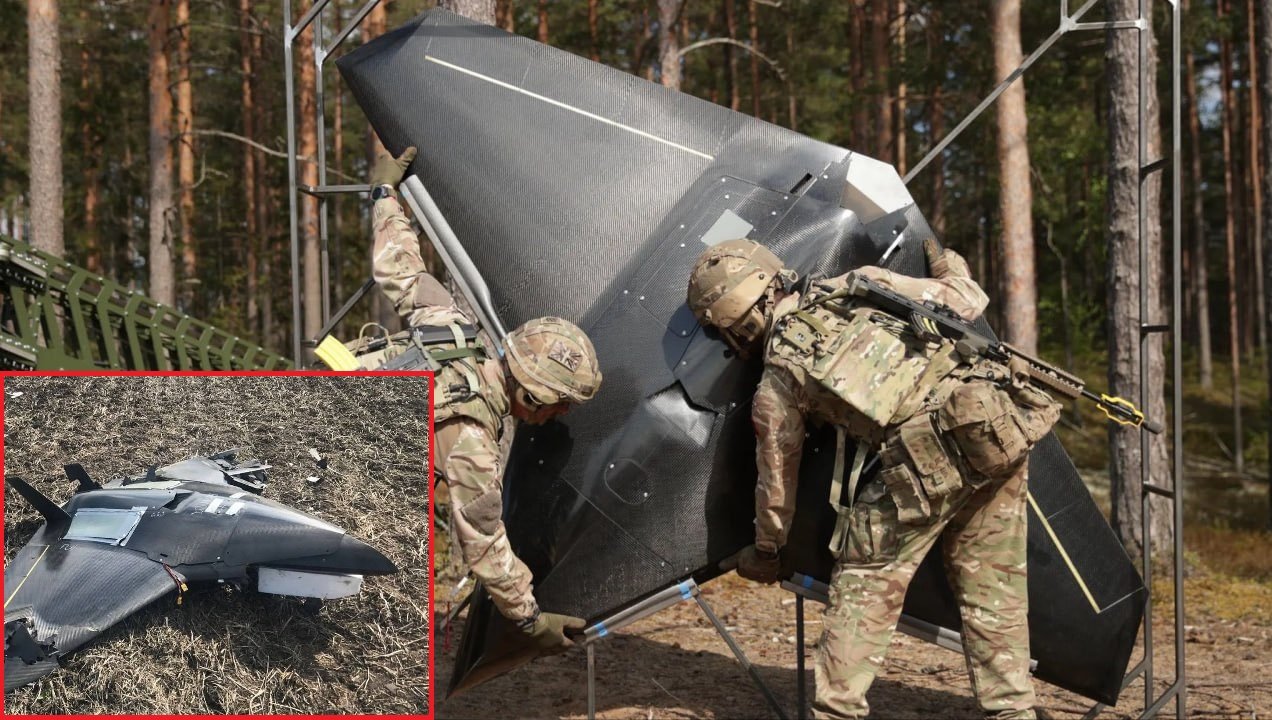
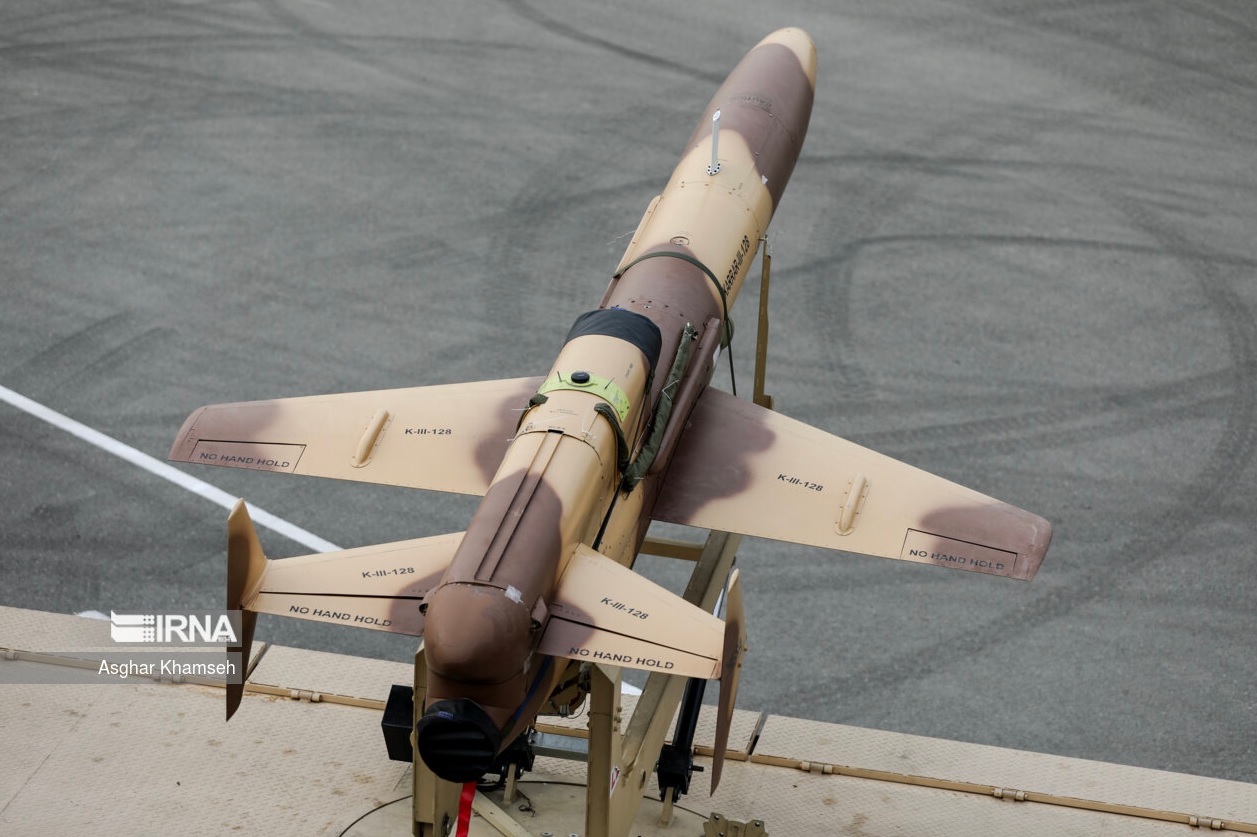
The Geran-3, reportedly based on the Iranian-designed Shahed-238, serves as the foundational jet-powered platform within Russia’s expanding drone arsenal.
The drone operates at a cruising speed between 350 and 550 kilometers per hour and has a maximum operational range of up to 1,500 kilometers, depending on configuration and payload. Standard variants are reported to carry a warhead weighing approximately 50 kilograms.
Its combination of speed and long-range capability enables attacks against targets deep inside Ukrainian territory while reducing the time available for air defense systems to respond.
Geran-4 Designed for Evasive Maneuvering
The Geran-4 represents a more advanced development aimed specifically at improving survivability against interception attempts.
Unlike earlier adaptations of existing drone designs, the Geran-4 features a redesigned and reinforced airframe capable of enduring substantial aerodynamic stress during evasive maneuvers. Its wings are permanently integrated into the fuselage, while the number of maintenance access panels has been reduced to improve aerodynamic efficiency and lower drag.
The drone is powered by Chinese-manufactured turbojet engines, including either the Telefly LX-WP-160 or the more powerful TF-TJ2000A. These engines allow the aircraft to maneuver actively at speeds between 300 and 400 km/h, achieve maximum speeds of up to 500 km/h, and operate at altitudes reaching 5,000 meters.
The Geran-4 has a maximum range of approximately 850 kilometers, although variants equipped with a heavier 90-kilogram thermobaric warhead are reported to have an operational range of around 450 kilometers. Standard configurations carry a 50-kilogram payload.
Ukrainian officials report that the drone entered combat use in 2026 and has been increasingly employed in strike operations due to its enhanced maneuverability and improved ability to evade interception.
Geran-5 Emerges as Largest Variant
The Geran-5 is currently the largest drone in Russia’s jet-powered strike drone series.
Featuring an elongated fuselage measuring approximately 6.5 meters, the drone is powered by the TeleFly TF-TJ2000A turbojet engine, which generates around 200 kilograms-force of thrust. The propulsion system allows the aircraft to maintain sustained high-speed flight throughout its mission profile.
Defense analysts describe the Geran-5 as operating in a role that increasingly resembles that of a small cruise missile, combining extended range with a larger airframe capable of carrying heavier payloads. Production and deployment efforts for the system are continuing, with launch facilities reportedly identified in Russia’s Oryol region.
Growing Challenge for Ukrainian Air Defenses
The expanding use of jet-powered drones is creating new challenges for Ukraine’s air defense network. Ukrainian Commander-in-Chief Oleksandr Syrskyi recently stated that Russia intends to further increase the proportion of jet-powered UAVs used in strike operations, potentially accounting for up to 50 percent of all aerial attacks in the future.
According to Syrskyi, Russian forces are continuously refining drone tactics, increasing the size of attack swarms, and introducing improved technologies that complicate interception efforts. These developments require corresponding adjustments by Ukrainian defenders.
To address the threat, Syrskyi recently convened a dedicated working meeting focused on countering enemy strike drones. Discussions centered on measures to improve the effectiveness of Ukraine’s air defense systems and accelerate the modernization of domestic interceptor drones designed specifically to engage high-speed jet-powered targets.
Ukrainian military officials say the rapid growth in the use of jet-powered drones underscores the changing nature of aerial warfare in the conflict. As both sides continue to adapt their technologies and tactics, counter-drone capabilities are becoming an increasingly important component of Ukraine’s broader air defense strategy.
——— End of Article ———