WASHINGTON — The United States carried out a new round of airstrikes against Iran late on July 7 and into the early hours of July 8, 2026, targeting more than 80 military sites in response to Iranian attacks on commercial vessels in the Strait of Hormuz, according to the U.S. Central Command (CENTCOM). The operation represents one of the largest U.S. military actions since the current conflict began and comes amid renewed tensions over maritime security in the Gulf.
Background
The latest military action followed attacks on three commercial vessels transiting the Strait of Hormuz. U.S. officials said the attacks violated the existing ceasefire arrangements and endangered civilian shipping in one of the world's most important maritime trade routes. Washington said the operation was intended to protect international commerce and preserve freedom of navigation through the strategic waterway.
More Than 80 Military Targets Struck
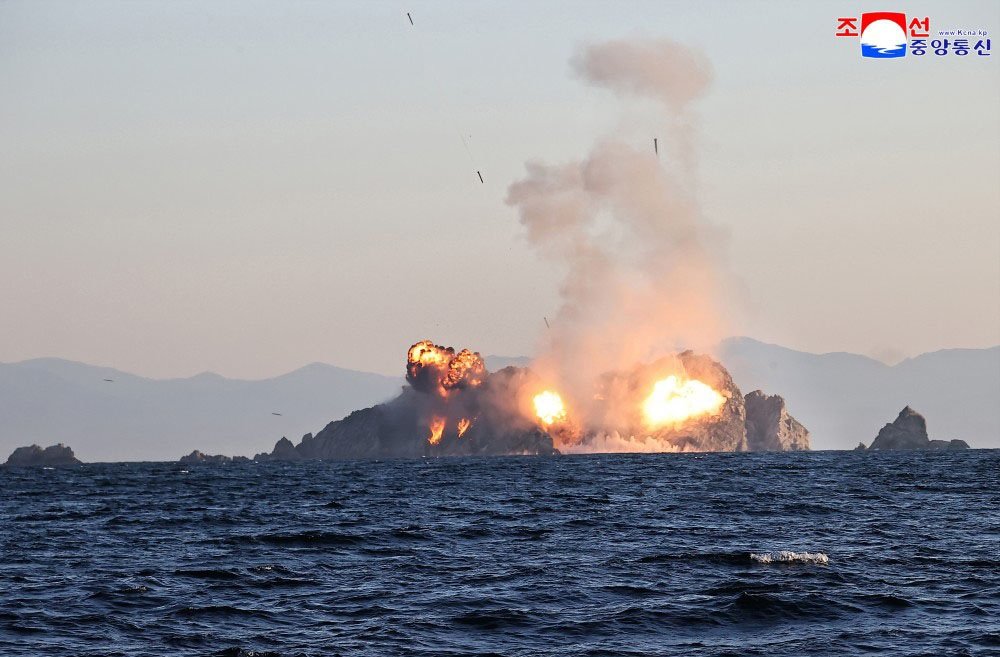
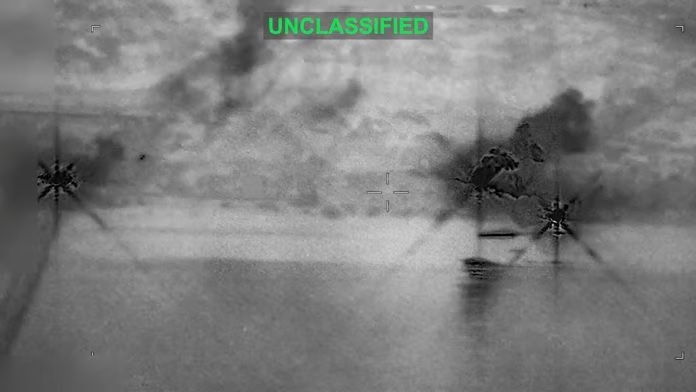
CENTCOM said U.S. forces targeted more than 80 Iranian military sites using precision-guided weapons.
According to the military, the targets included:
- Air-defense systems
- Command-and-control centers
- Coastal radar installations
- Anti-ship missile batteries
- Drone launch facilities
- More than 60 Islamic Revolutionary Guard Corps (IRGC) naval boats operating in and around the Strait of Hormuz
The U.S. military said the strikes were designed to degrade Iran's ability to threaten commercial shipping and regional maritime security rather than target civilian infrastructure.
Why the United States Responded
Washington said the strikes were launched after Iranian forces attacked three commercial ships sailing through the Strait of Hormuz, including a Qatari liquefied natural gas (LNG) tanker. U.S. officials described the incidents as a direct threat to international shipping and said the response was intended to deter further attacks on civilian maritime traffic.
The Strait of Hormuz carries a significant share of the world's seaborne crude oil and liquefied natural gas exports, making security in the waterway critical for global energy markets.
Additional U.S. Measures
Alongside the military operation, Washington announced additional economic measures by revoking a license that had allowed limited Iranian oil sales.
U.S. officials said the decision was taken in response to the shipping attacks and was intended to increase economic pressure on Tehran while limiting revenue that could support further military operations.
Iran Condemns the Strikes
Iran condemned the U.S. operation, accusing Washington of violating previous understandings and escalating the conflict.
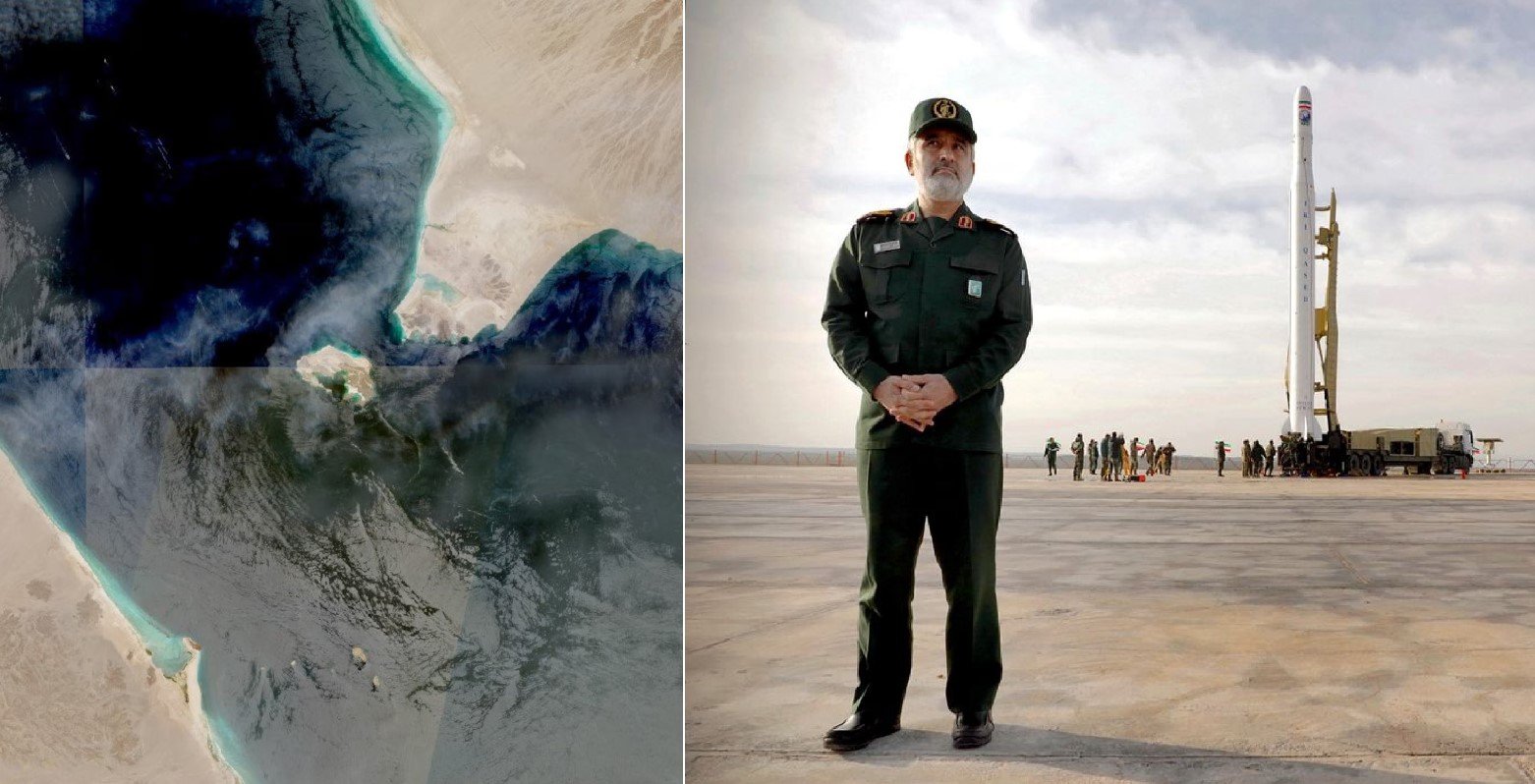
Iranian military leaders warned that the country would deliver what they described as a "crushing response" and rejected U.S. military actions in and around the Strait of Hormuz. Iranian media reported explosions in southern parts of the country, including areas near Bandar Abbas, Qeshm Island and Sirik, although authorities did not immediately release verified casualty or damage figures.
Iranian Retaliatory Action
Following the U.S. operation, Iran announced missile and drone attacks against U.S. military facilities in Bahrain and Kuwait.
Authorities in both Gulf states activated air-defense systems after the attacks were detected. Officials continued to assess the situation, and no independently verified casualty figures were immediately available.
Regional and Global Impact
The latest exchange has renewed concerns about security in the Gulf and the future of shipping through the Strait of Hormuz.
Oil prices rose as markets reacted to the renewed military confrontation and the possibility of further disruption to global energy supplies. Shipping companies also reviewed transit plans through the region amid heightened security concerns.
Current Situation
According to CENTCOM, the latest round of strikes has concluded, but U.S. forces remain prepared to respond to any further threats against commercial shipping or regional security.
Iran has vowed further retaliation, while governments across the Middle East continue to monitor the situation closely. The latest exchange has raised fresh doubts over the durability of the ceasefire and the prospects for renewed diplomatic negotiations between Washington and Tehran.
——— End of Article ———