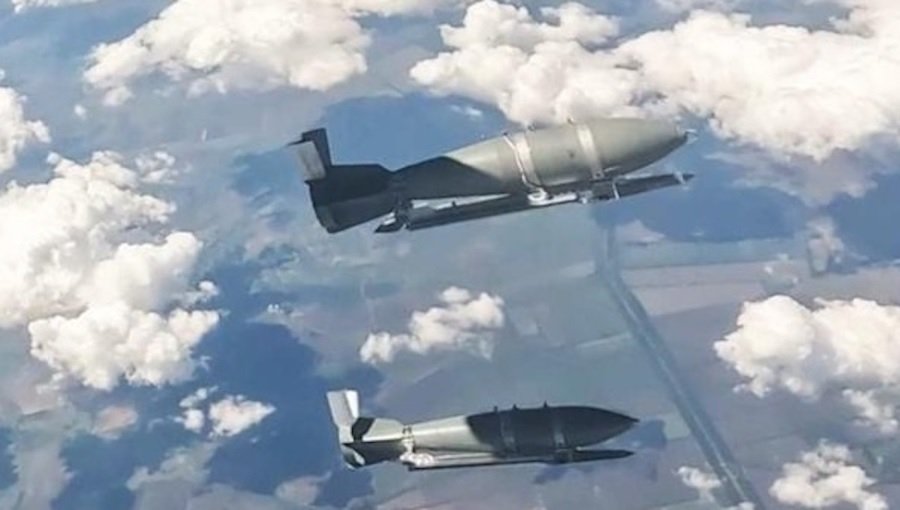
KYIV, — June 22, 2026 : Ukrainian forces carried out a cruise missile strike on the Voronezh Semiconductor Devices Plant (VZPP-S) in Voronezh, Russia, on June 22, causing significant damage to a facility that supplies electronic components for several Russian missile and air defense systems.
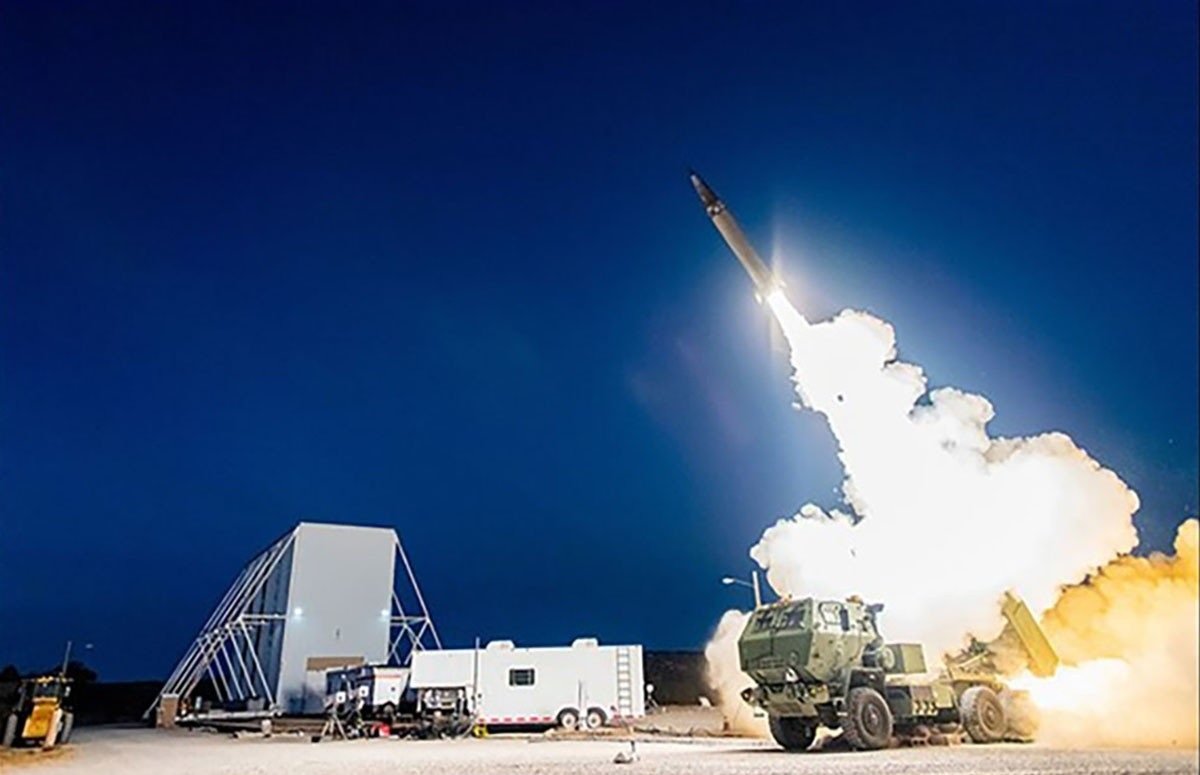
According to the Ukrainian General Staff, the attack targeted a critical microelectronics enterprise involved in Russia's defense industry. Preliminary reports indicate that British-supplied Storm Shadow cruise missiles were used in the operation. Local residents reported multiple explosions followed by a large fire and heavy smoke rising from the industrial site.
Voronezh Region Governor Alexander Gusev confirmed that air defense systems engaged several aerial targets over the region. He stated that an industrial enterprise was damaged during the attack and that three people were injured.
The Voronezh Semiconductor Devices Plant manufactures semiconductor devices, integrated microchips, power modules, and other electronic components used in Russian military systems. Ukrainian military officials said the facility supplied components for the Kh-101 cruise missile, Iskander-K missile complex, Pantsir-S1 air defense system, Kalibr cruise missiles, and radar systems associated with the S-400 air defense network. The plant also contributes electronic components used in S-300 and S-400 air defense systems.
The strike is part of Ukraine's broader campaign targeting Russian defense-industrial facilities involved in the production of precision-guided weapons and air defense equipment. Military analysts note that damage to the plant could disrupt the supply of critical electronic components required for missile production and maintenance, potentially slowing the replenishment of Russian missile stockpiles.
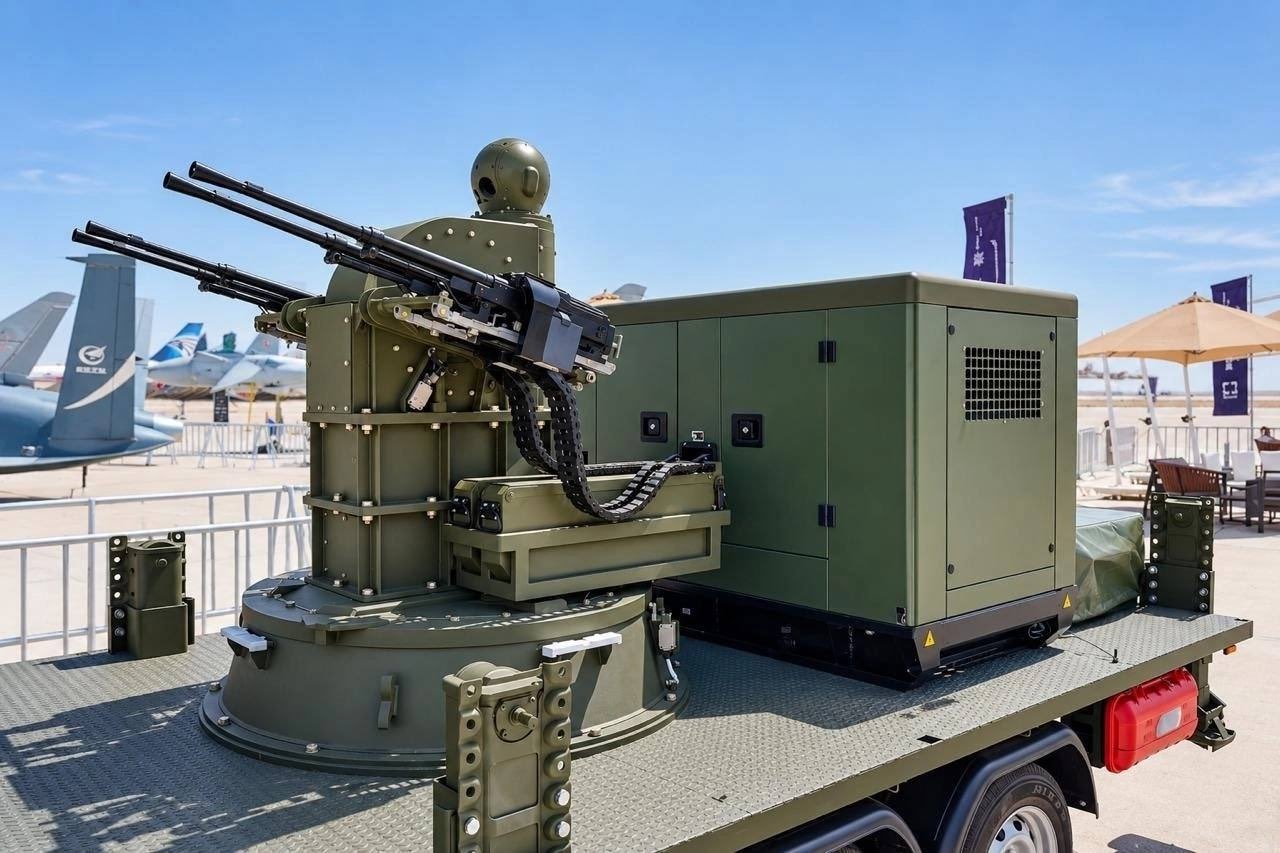
The weapons supported by components from the Voronezh facility play important roles in Russia's military capabilities. The Kh-101 and Kalibr missiles are used for long-range precision strikes, the Iskander-K provides tactical strike capability, while the Pantsir-S1, S-300, and S-400 systems are designed to defend military and strategic assets against aircraft, drones, and missile threats.
Damage assessments at the facility are ongoing, and the full impact on production remains unclear.
——— End of Article ———