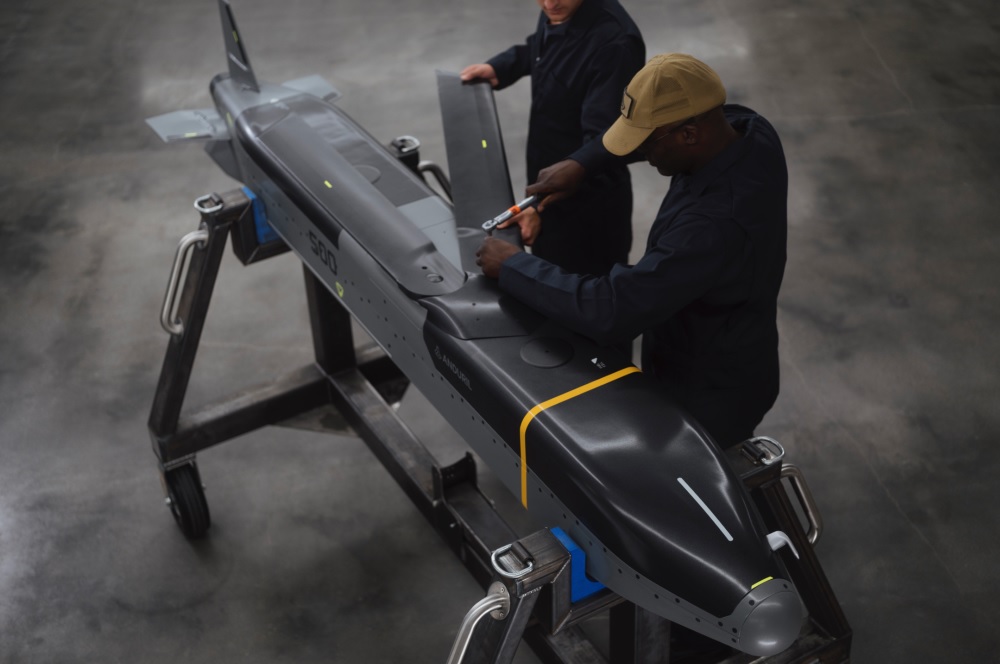
BYDGOSZCZ, Poland — Poland has taken another step toward expanding its domestic missile production capabilities after Polska Grupa Zbrojeniowa (PGZ) signed an agreement with U.S. defense technology company Anduril Industries to manufacture the Barracuda cruise missile at Military Aviation Works No. 2 (WZL Nr. 2) in Bydgoszcz.
The agreement was signed on Monday in the presence of Prime Minister Donald Tusk and Deputy Prime Minister and Minister of National Defence Władysław Kosiniak-Kamysz. It builds on a memorandum of understanding signed by PGZ and Anduril in October 2025, under which the two companies agreed to cooperate on autonomous air systems and prepare for the production of the Barracuda missile in Poland.
According to Poland's Ministry of National Defence, the new agreement will enable PGZ companies to carry out the assembly, production and operational support of the Barracuda cruise missile. The partners also plan to develop a Polish version of the missile in a later stage of the program using components supplied by companies within the PGZ group.
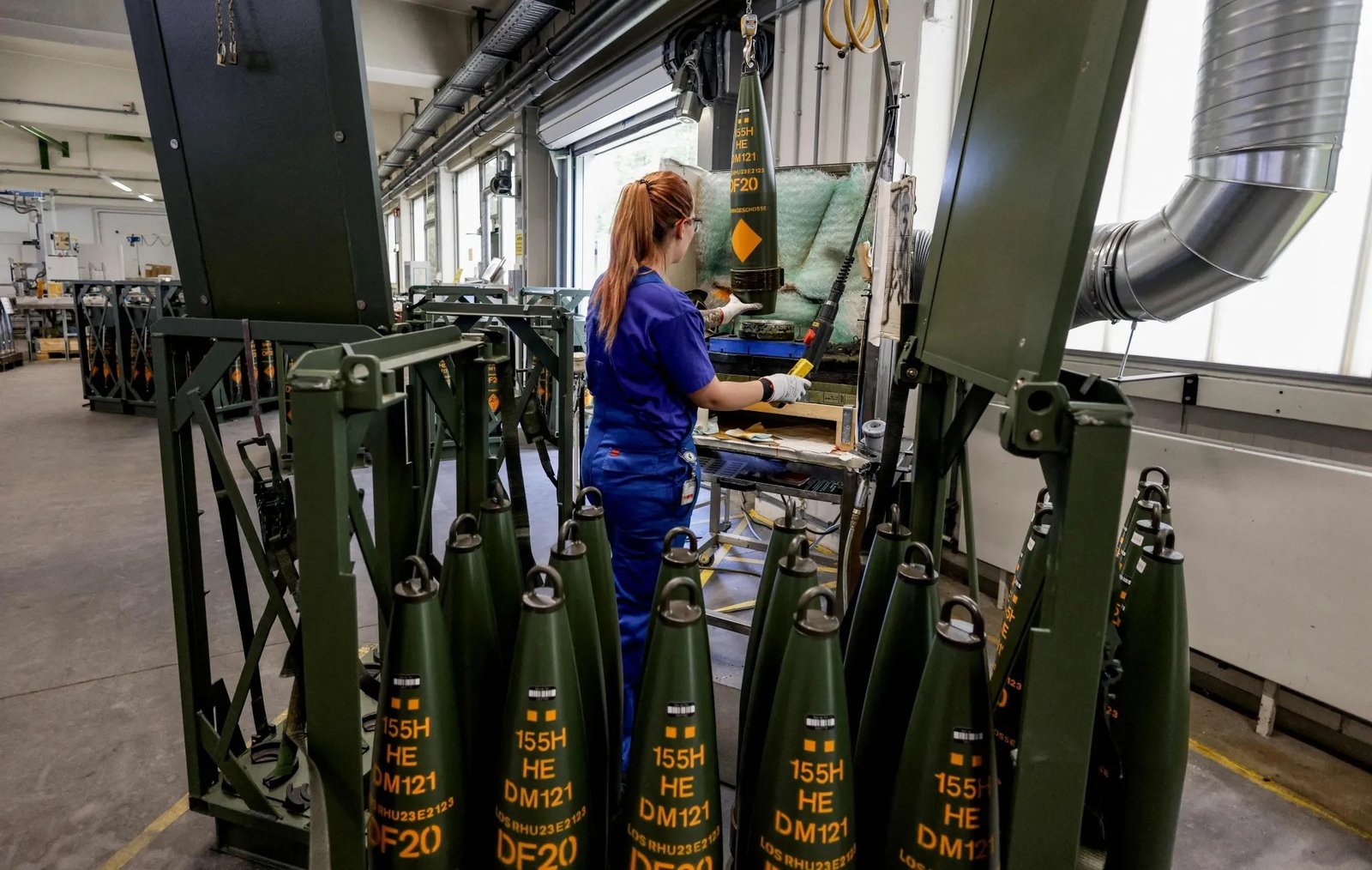
The production program marks a significant change for WZL Nr. 2, a facility that has traditionally specialized in the maintenance, repair and overhaul of military aircraft and helicopters, including Soviet-designed platforms operated by the Polish Armed Forces. The transition to cruise missile manufacturing will require new production equipment, workforce training and updated quality assurance processes as the plant expands into advanced weapons production.
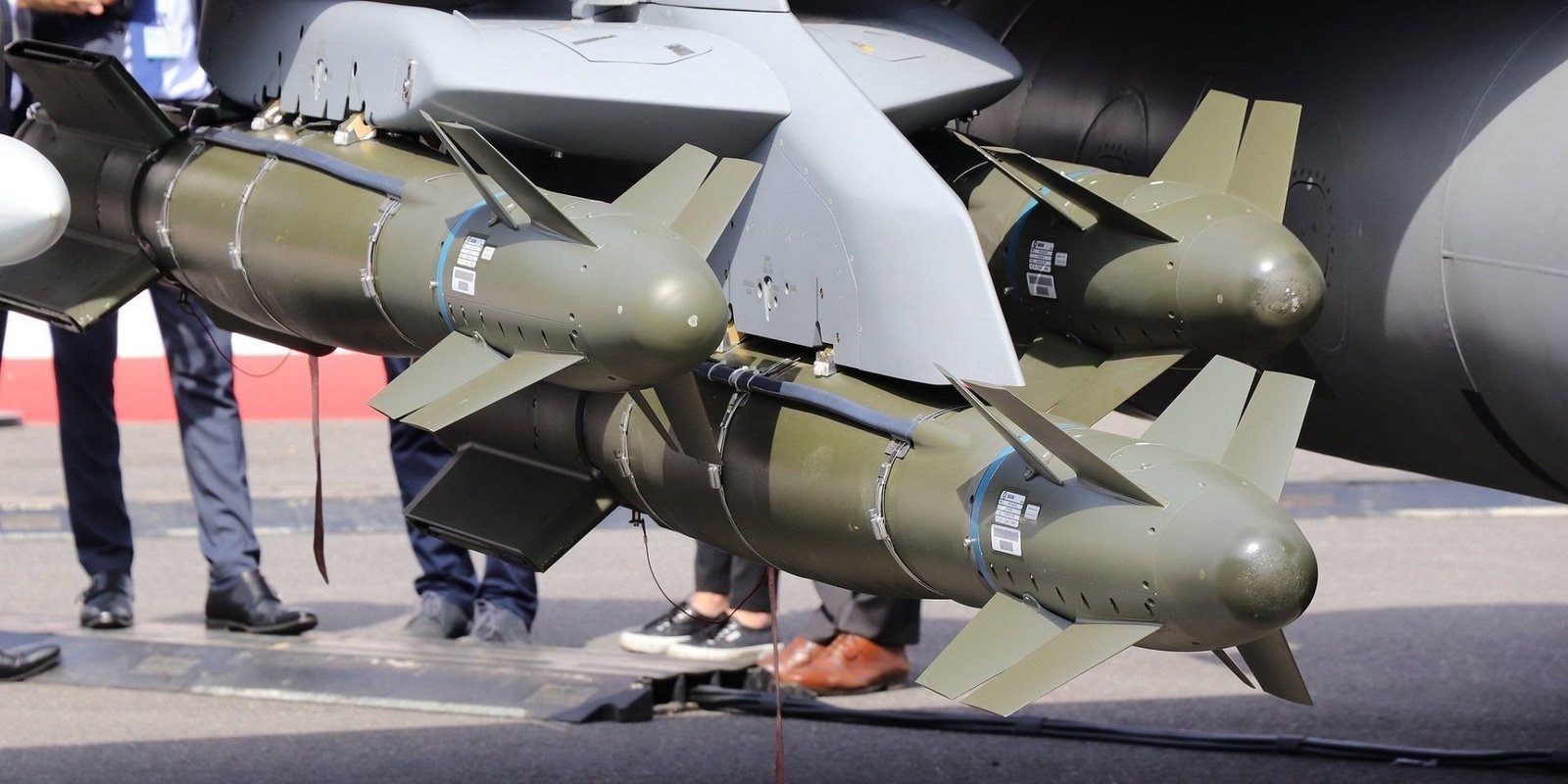
Introduced by Anduril in 2024, the Barracuda family of autonomous cruise missiles was designed to support affordable, high-volume manufacturing. The company says the missiles use a simplified design that allows faster production while reducing manufacturing costs compared with conventional cruise missiles.
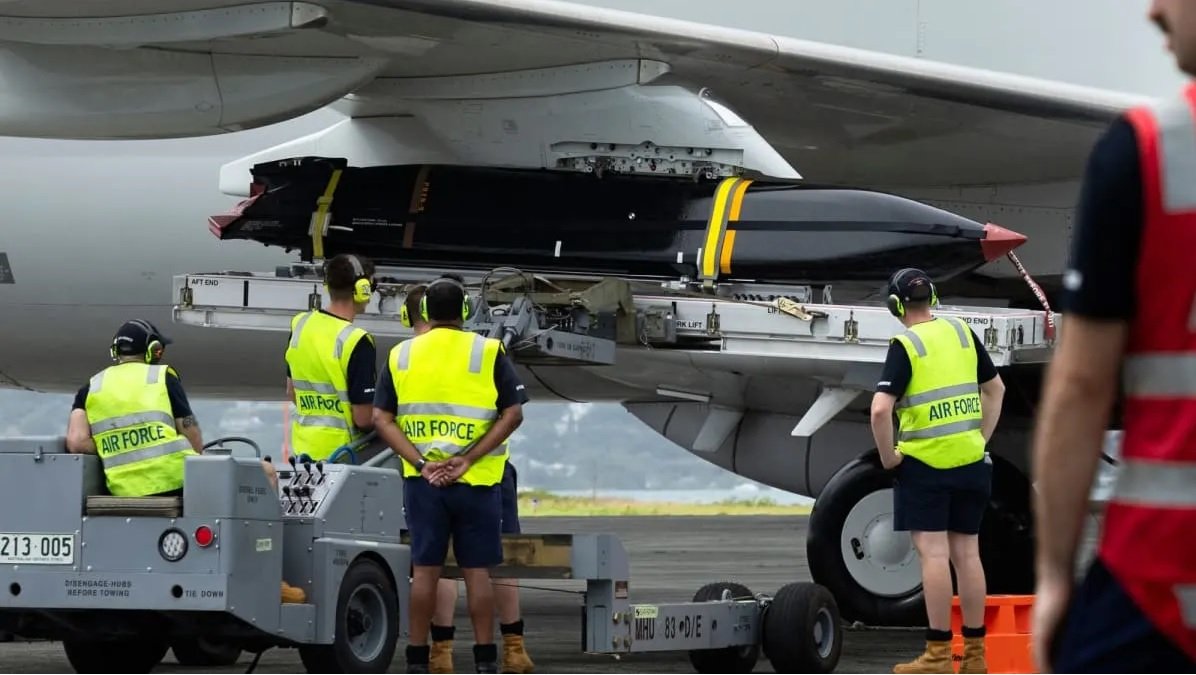
The Barracuda-500, the largest version in the family, carries a warhead weighing more than 45 kilograms and has a range exceeding 926 kilometers (575 miles). Approximately 70 percent of the missile is made from commercially available off-the-shelf components, and Anduril says it can be assembled in around 30 hours using only 10 common hand tools. The company estimates the design reduces production costs by about 30 percent while cutting manufacturing time by around 50 percent compared with similar cruise missiles.
The Barracuda family includes the 100, 250 and 500 variants, which share more than 90 percent of their components. This common design allows different variants to be produced on the same assembly lines by the same workforce, simplifying manufacturing and logistics.
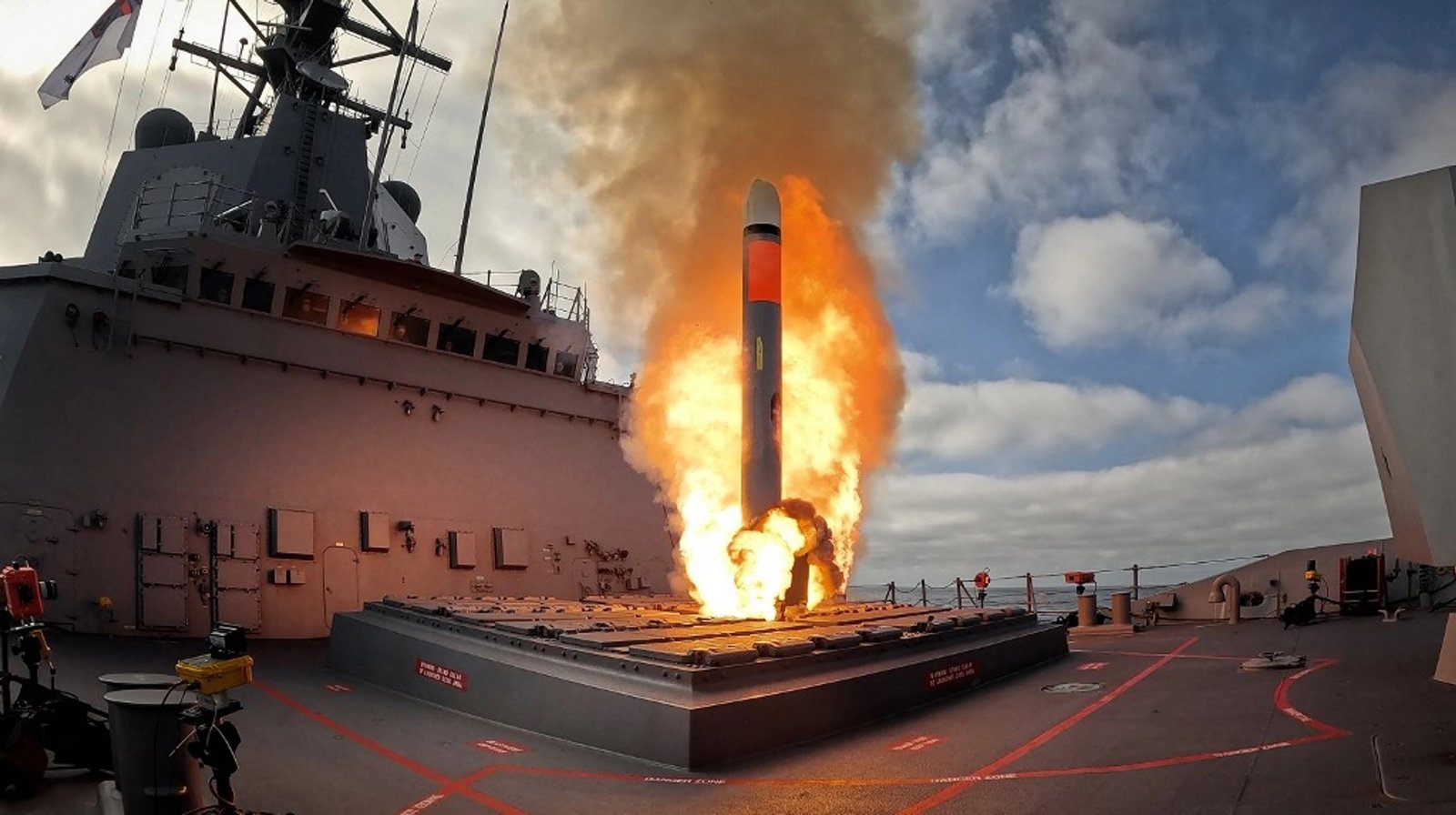
The missile is designed for launch from a wide range of platforms, including F-16, F-35, F-15 and F/A-18 fighter aircraft, bombers and helicopters. It can also be deployed from C-130 and C-17 transport aircraft using the Rapid Dragon palletized launch system. For ground operations, the missile can be fired from standard 20-foot shipping containers capable of carrying up to 16 missiles, with launch operations integrated through Anduril's Lattice software.
Speaking during the signing ceremony, Prime Minister Donald Tusk said Poland is well prepared to strengthen defense cooperation with the United States and other NATO allies. He said the partnership demonstrates mutual trust and reinforces the long-term Polish-American alliance while supporting efforts to improve the defense capabilities of Poland, Europe and the North Atlantic Alliance.
Defence Minister Władysław Kosiniak-Kamysz said the agreement strengthens Poland's growing defense industry and confirmed that the rotation of U.S. troops in Poland will resume after a temporary pause. He said the process would continue over the coming weeks following confirmation from U.S. Deputy Ambassador to Poland Stephanie Holmes and the U.S. military attaché.
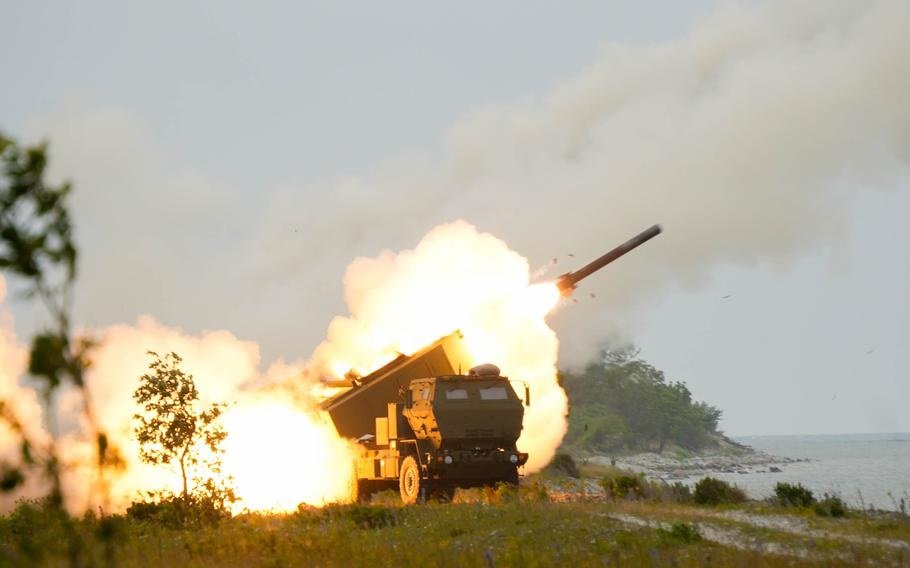
The Barracuda program forms part of Poland's wider defense modernization strategy. The country plans to spend 5 percent of its gross domestic product on defense by 2030, one of the highest targets within NATO. Alongside investments in systems such as HIMARS, F-35 fighter aircraft, South Korean tanks and artillery, and the domestically developed Borsuk infantry fighting vehicle, Warsaw is also seeking to expand its own defense manufacturing capabilities.
The program also reflects a broader effort by NATO countries to increase missile production capacity. In May 2026, the U.S. Department of Defense signed a framework agreement with Anduril under the Low-Cost Containerized Missiles program for the delivery of at least 3,000 surface-launched Barracuda-500M missiles over three years, with the first deliveries expected in the first half of 2027.
With production set to begin at WZL Nr. 2, Poland is expanding its role in the manufacture of advanced precision weapons while strengthening cooperation with the United States and supporting the long-term development of its domestic defense industry.
Source: xyz.pl
——— End of Article ———