BERLIN, June 25, 2026 — Germany has officially cancelled its F126 frigate program, ending what was planned to be the country's largest surface warship procurement since World War II. The German Federal Ministry of Defense (BMVg) announced the decision after determining that continued delays, rising costs, and the financial risks associated with changing the project's main contractor made the program no longer viable.
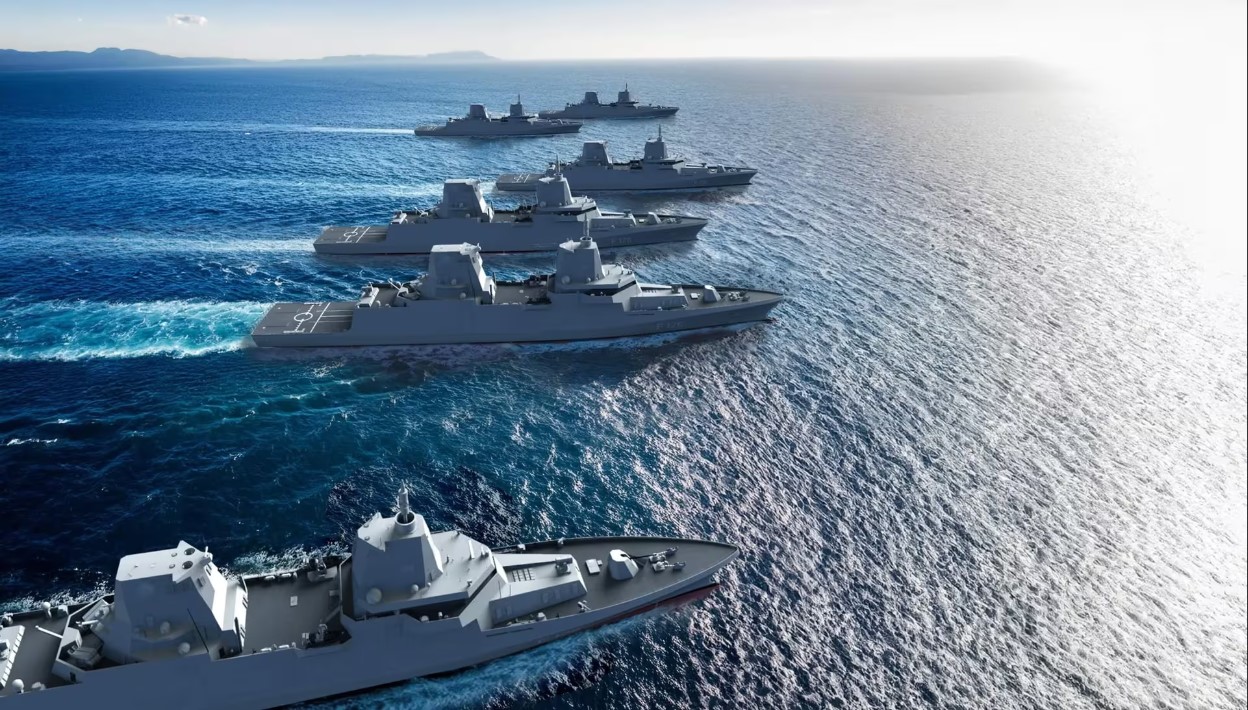
Subject to approval by the Bundestag's Budget Committee, Germany will instead procure up to eight MEKO A-200 DEU frigates from ThyssenKrupp Marine Systems (TKMS). Designated F128, the new vessels will primarily strengthen the German Navy's anti-submarine warfare (ASW) capabilities, a key requirement for national defense and NATO operations.
F126 Program Cancelled After Delays and Rising Costs
The F126 program was awarded in 2020 to Dutch shipbuilder Damen Schelde Naval Shipbuilding (DSNS) with an estimated value of around €10 billion. The six 10,000-tonne frigates were designed as modular, multi-purpose warships capable of long-duration deployments through rotating crews.
However, the project faced persistent delays caused by complex procurement requirements, software integration challenges, and slower-than-expected construction. DSNS informed the Ministry of Defense that it could not deliver the first ship by the agreed mid-2028 deadline, while industry estimates suggested delivery could slip to 2032.
The government also examined transferring the prime contractor role to Naval Vessels Lürssen BV & Co. KG (NVL), now part of the Rheinmetall Group. However, the review found that continuing the project under a new contractor would raise total costs beyond €18 billion, including a proposed €15.2 billion contract with NVL and previously incurred expenditures.
The ministry further concluded that such a transfer would require Germany to waive potential legal claims against DSNS for failing to meet contractual obligations, a condition it considered an inappropriate use of public funds. Approximately €2.3 billion has already been spent on the program, and a legal review of possible claims against DSNS is ongoing.
Construction of the lead ship, Niedersachsen, began with its keel laying in Wolgast in June 2024, although its future has not yet been decided.
Germany Chooses MEKO A-200 Alternative
To replace the cancelled program, Germany plans to acquire up to eight MEKO A-200 DEU frigates from TKMS. Vice Admiral Jan Christian Kaack, Inspector of the German Navy, said the approximately 4,000-tonne vessels will fully meet the Navy's core anti-submarine warfare mission.
The first four frigates are expected to cost approximately €6.3 billion, while an option for four additional ships, valued at €5.3 billion, can be exercised before the end of 2026. Together, the procurement could reach €11.6 billion.
The Ministry noted that Navy-requested modifications represent only about five percent of the overall cost, allowing the procurement to remain largely based on an existing design rather than requiring extensive redevelopment.
The lead ship is expected to enter service in late 2029, with subsequent deliveries scheduled every nine months. The new frigates will operate alongside three F123 Brandenburg-class frigates currently undergoing anti-submarine warfare upgrades, which are also expected to be completed by 2029.
Equipment Changes
The change in platform will also reshape Germany's naval supply chain. The MEKO A-200 will use sensor and weapon packages derived from TKMS's previous Australian frigate proposal, resulting in Swedish radar and combat management technologies replacing some systems originally planned from German suppliers, affecting companies including Hensoldt and Thales.
Current plans indicate the ships will carry Naval Strike Missiles (NSM) instead of the Swedish RBS 15 anti-ship missile. They are also expected to receive the CMS 330 combat management system from Lockheed Martin Canada, replacing the Swedish 9LV system.
Both the new MEKO frigates and the upgraded F123 vessels will use the same Atlas Elektronik towed sonar system originally selected for the F126 program, helping standardize anti-submarine warfare equipment across the fleet. The Ministry is also reviewing how subcontractors involved in the F126 project can continue participating in the new program.
Political and Industry Response
The decision has received political support across Germany. Bastian Ernst, the CDU/CSU parliamentary group's spokesperson on naval affairs, welcomed the move, saying the proven MEKO A-200 design would strengthen Germany's anti-submarine warfare capability more quickly while supporting domestic defense industry suppliers.
The cancellation also affected financial markets, with Rheinmetall shares falling after NVL lost the opportunity to lead the F126 program, while TKMS shares rose following its selection as the preferred supplier for Germany's future frigate fleet.
The Ministry of Defense is expected to present the procurement proposal to the Bundestag's Budget Committee in the coming weeks. If approved, the MEKO A-200 acquisition will become Germany's next major naval modernization program, focusing on faster delivery, lower procurement risk, and strengthened anti-submarine warfare capabilities.
——— End of Article ———