PATUXENT RIVER, Md. , July 2, 2026 — The U.S. Navy is developing a new 3D-printed composite repair method designed to reduce maintenance time for the F/A-18 Super Hornet by approximately 50 percent, allowing damaged aircraft to return to service more quickly while improving sustainment capabilities at forward operating locations.
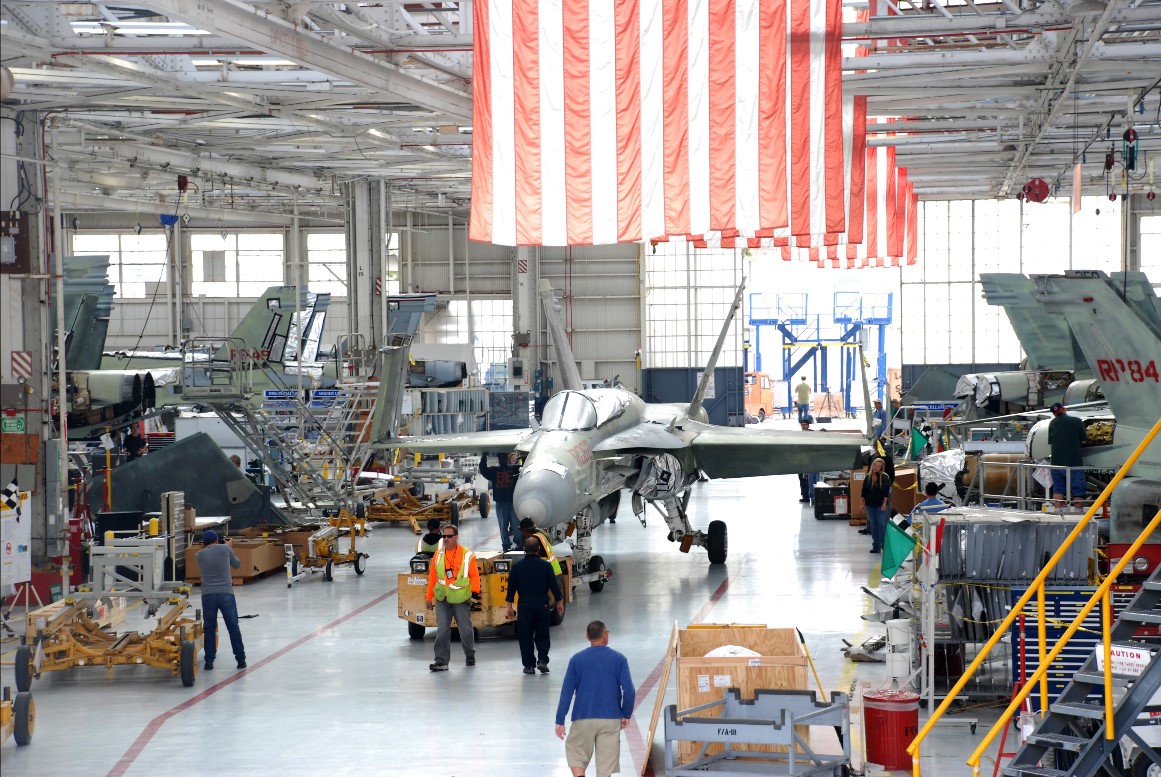
The initiative is being led jointly by the Naval Air Warfare Center Aircraft Division (NAWCAD) and Fleet Readiness Center Southwest (FRCSW). The new approach enables maintenance personnel to repair damaged composite structures directly at forward operating bases, reducing dependence on lengthy supply chains and depot-level maintenance in the United States.
Reducing Aircraft Downtime
Composite components are widely used throughout the F/A-18 Super Hornet to reduce weight while maintaining structural strength. When parts such as engine bay doors sustain damage, the aircraft is typically grounded until repairs are completed, affecting fleet availability and operational readiness.
Under the traditional repair process, damaged composite parts often require highly specialized technicians and must be transported to dedicated repair facilities. This can significantly increase maintenance time and place additional demands on military logistics, particularly during deployed operations.
The Navy's new repair technique is intended to simplify this process by allowing qualified maintenance crews to complete repairs at the aircraft's operating location.
3D-Printed Composite Patches
Engineers from NAWCAD and FRCSW have developed high-performance 3D-printed composite patches that can be produced and applied directly to damaged areas of the aircraft. The team has also established standardized application procedures and quality assurance processes to ensure the repairs meet the safety and structural requirements required for flight operations.
The program utilizes the Navy's existing additive manufacturing network, which includes 3D printers deployed at 22 maintenance sites worldwide. This infrastructure enables repair patches to be produced where aircraft are operating, eliminating the need to wait for replacement components to be shipped from the United States.
By manufacturing repair materials closer to operational units, the Navy aims to shorten maintenance timelines, improve aircraft availability, and increase flexibility during deployed operations.
Flight Testing Planned
The repair method has successfully completed laboratory evaluations and ground testing. The next phase of the program will involve flight testing on an operational F/A-18 Super Hornet later this summer to validate the performance, durability, and airworthiness of the 3D-printed repairs under actual flight conditions.
Successful flight testing would support the transition of the repair method into broader operational use across the Super Hornet fleet.
Supporting Naval Aviation Sustainment
The initiative combines NAWCAD's engineering, research, testing, and aircraft sustainment expertise with FRCSW's extensive experience in naval aviation maintenance.
NAWCAD, headquartered in Patuxent River, Maryland, with major facilities in St. Inigoes, Maryland, Lakehurst, New Jersey, and Orlando, Florida, supports the research, development, testing, evaluation, and sustainment of U.S. Navy and Marine Corps aviation systems.
FRCSW, based in San Diego, California, is one of the Navy's primary aircraft maintenance centers, responsible for depot-level maintenance, repair, and overhaul of naval aviation platforms.
The 3D-printing initiative forms part of the U.S. Navy's broader effort to expand the use of additive manufacturing technologies to improve aircraft sustainment, reduce maintenance delays, strengthen logistics resilience, and enable more repairs to be completed at forward operating locations.
——— End of Article ———