WASHINGTON — The U.S. Space Force has formally accepted the Meadowlands electromagnetic warfare system for operational use, expanding its ground-based capability to disrupt adversary satellite communications in support of combatant commands.
The system was operationally accepted on June 8, 2026, by the U.S. Space Force Combat Forces Command. Developed by L3Harris Technologies, Meadowlands is built to detect, deny, disrupt and degrade enemy communications in support of joint military operations. It replaces the Counter Communications System (CCS) Block 10.2 with improved reversible and non-reversible electromagnetic warfare capabilities.
Meadowlands introduces a much smaller hardware footprint than the previous system. Using an open software architecture and upgraded electronics, the number of transportable equipment cases has been reduced from 23 to seven, making transportation and deployment much easier.
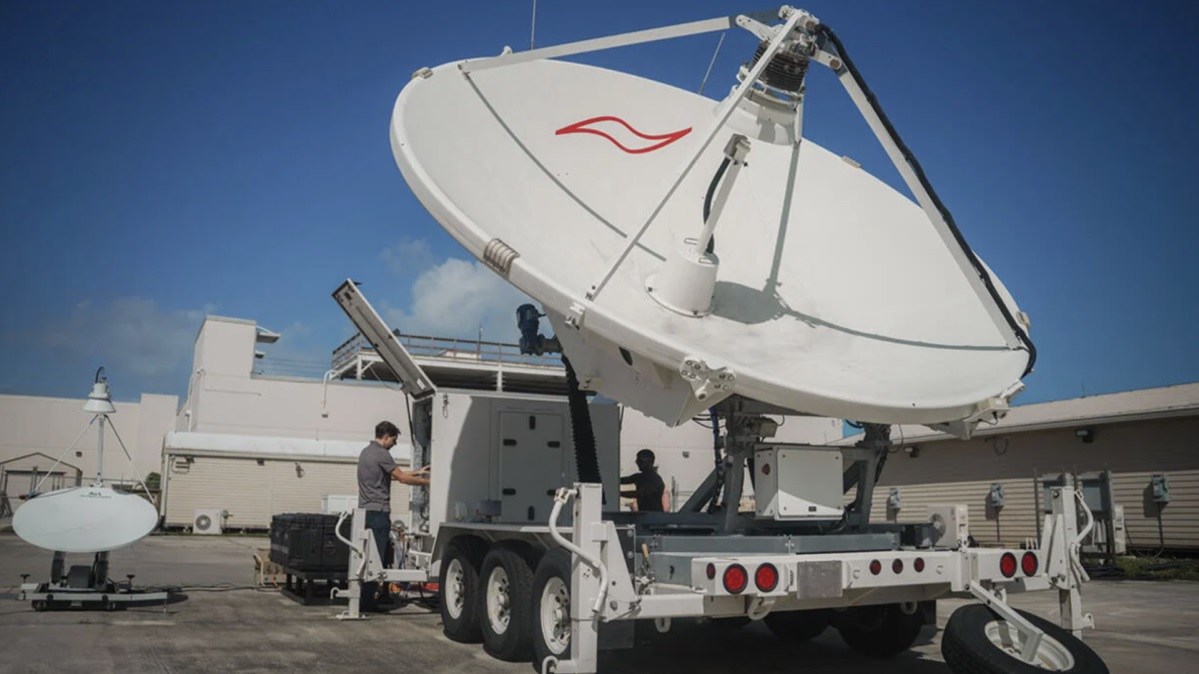
The system uses ground-based radio frequency units mounted on wheeled trailers, allowing operators to quickly reposition the equipment if adversaries attempt counter-jamming. Its smaller size allows deployment in forward austere locations as well as secure rear operating areas.
The new architecture also supports faster software upgrades and future capability improvements. Meadowlands provides multi-frequency jamming in both the S-band and X-band, allowing operators to disrupt a wider range of satellite communications.
The system will be operated by Guardians assigned to Mission Delta 3 (MD 3) – Space Electromagnetic Warfare, the unit responsible for organizing, training and equipping electromagnetic warfare forces supporting combatant commands, including United States Space Command.
The Space Force cited the operational use of electromagnetic warfare during Operation Midnight Hammer, where operators established a communications "silence zone" by disrupting adversary communications. The operation supported the secure ingress and egress of bomber aircraft while also providing indications and warnings during the mission.
Following delivery of the first production system in December 2025, L3Harris is working toward a production rate of one Meadowlands system per month.
The Space Force has requested $450 million for Meadowlands production in its fiscal year 2027 budget and projects another $605 million for procurement between 2028 and 2031.
The service also plans to establish five new Space Electronic Warfare Tactical Operations Centers (SEWTOCs) to expand electromagnetic warfare operations worldwide. Mission Delta 3 currently operates one SEWTOC at Peterson Space Force Base.
Meadowlands has also completed an International Initial Baseline Review, making the system eligible for potential Foreign Military Sales (FMS). Subject to U.S. government approval, allied nations will be able to acquire and integrate the system into their own defense capabilities.
——— End of Article ———