
India
BENGALURU, — Bengaluru-based aerospace startup Aspera Industries has unveiled ‘Eureka’, an autonomous amphibious aircraft designed to transport cargo faster than sea freight while targeting costs lower than conventional air freight. Founder and CEO Khushi Mittal announced the aircraft publicly on August 29. Eureka is designed to take off and land on water as well as flat land without a pilot onboard. It has a stated payload capacity of 1,000 kg, a range of 2,000 km and a planned operating altitude of 6,500 feet above mean sea level. Aspera was founded in 2025 by Mittal and focuses on purpose-built, long-range aircraft for aerial logistics. The company has raised $750,000 in seed funding from Inuka Capital and aims to manufacture aircraft in India that can compete with boats on cost while delivering cargo much faster. Designed to Use Water as a Runway Aspera's concept is based on using water as a natural runway, reducing dependence on conventional airport infrastructure. Mittal noted that 150 of the world's 193 countries have a coastline, while many cities, ports and industrial centres have developed around water. The company also points to the fact that about 71% of Earth's surface is covered by water. The aircraft uses a carbon-fibre body and replaces the traditional stepped hull used by older seaplanes with retractable hydrofoils. Aspera says stepped hulls created aerodynamic drag during flight, while the retractable hydrofoils are designed to assist water operations and retract during flight. Targeting Lower Cargo Costs Around 80% of world trade is transported by sea, according to figures cited by Mittal. Sea freight can take weeks, leading factories and supply chains to maintain three to six weeks of buffer stock. Mittal said flying a tonne of cargo currently costs about 20 times more than shipping it by sea. Aspera is targeting a delivery cost of less than $1 per tonne-kilometre for the initial aircraft and expects the figure to fall below 50 cents per tonne-kilometre at larger fleet scale. The company's longer-term goal is to manufacture large numbers of efficient aircraft in India and reduce the cost of air cargo to a level where flying becomes a practical option for urgent, perishable and high-value goods. Eureka is the company's first publicly announced aircraft under this plan and is intended to reduce cargo delivery times from several weeks to hours.
Read More → Posted on 2026-08-30 14:59:17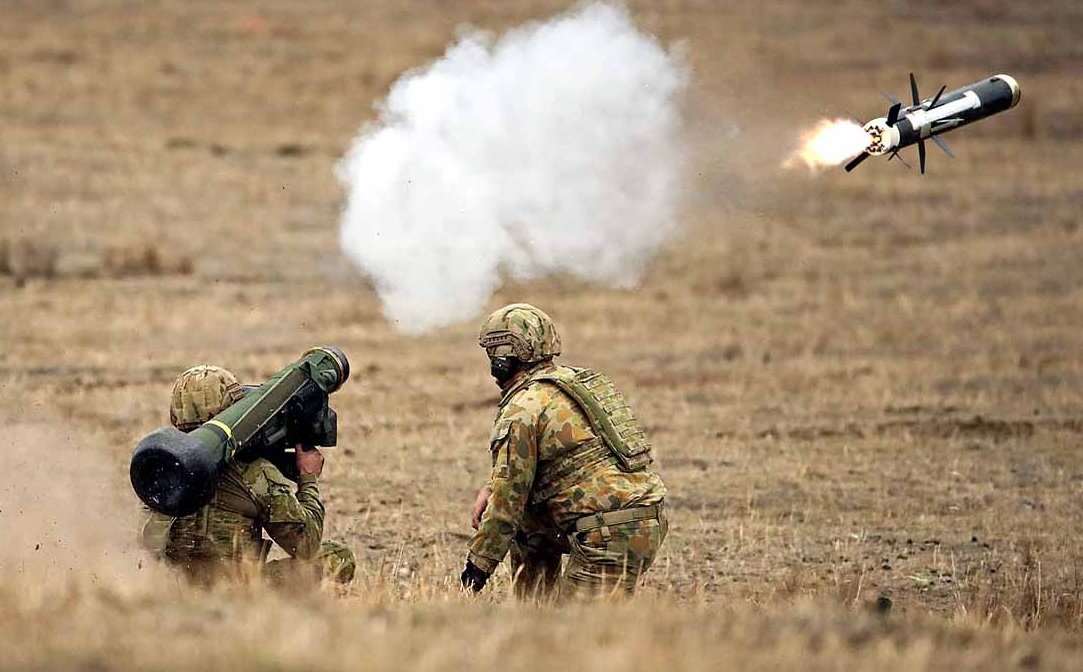
India
NEW DELHI, — India has signed a Letter of Offer and Acceptance (LOA) with the United States to procure the Javelin anti-tank guided missile system through the U.S. Foreign Military Sales (FMS) route. The initial agreement is valued at an estimated $45.7 million. The package includes 100 FGM-148 Javelin missiles, one additional “fly-to-buy” evaluation missile and 25 Javelin Lightweight Command Launch Units (LwCLU). It also covers support equipment, simulation rounds, training materials, technical manuals, spare parts and lifecycle support. The U.S. Embassy in New Delhi welcomed the signing, saying the agreement reflects the growing U.S.-India Major Defense Partnership and creates opportunities for greater cooperation between the two countries' defence industries. U.S. Ambassador to India Sergio Gor said the agreement demonstrates U.S. support for the Indian Army and creates opportunities for the two defence industries to work together. He also highlighted the potential for cooperation to strengthen the defence industrial bases of both countries. The Javelin, produced by the Javelin Joint Venture between RTX and Lockheed Martin, is a man-portable, medium-range, fire-and-forget anti-tank guided missile. It uses an imaging infrared seeker and can operate in top-attack and direct-attack modes. The system is designed to engage armoured vehicles and fortified positions. The signing also opens the possibility of future co-production in India. Bharat Dynamics Limited (BDL) has previously signed an agreement with the Javelin Joint Venture to explore opportunities for manufacturing the missile system in India. The U.S. State Department had earlier approved a possible sale covering the same core Javelin package and associated equipment. With the LOA now signed, India becomes a customer of the Javelin system, while discussions on broader industrial cooperation can continue.
Read More → Posted on 2026-08-28 14:17:22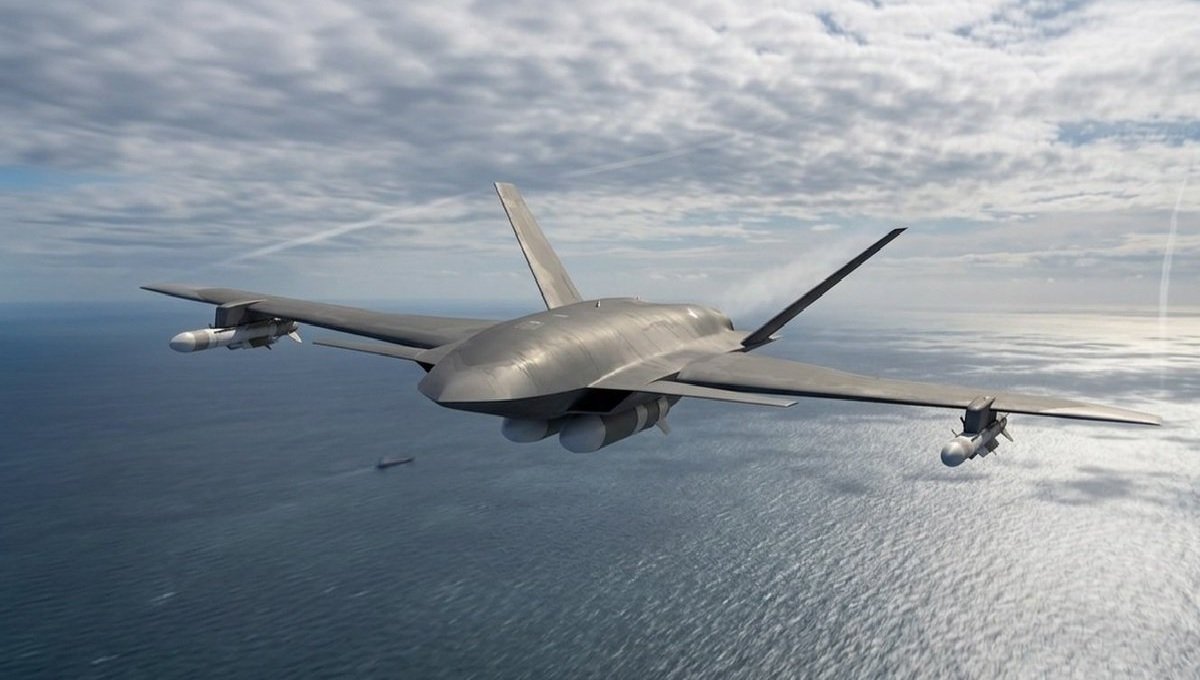
India
KOLKATA, — Kolkata-based aerospace and defence technology company AvionX Aerospace has unveiled Vajra, a Naval Collaborative Combat Air Vehicle (N-CCAV) designed as a loyal wingman drone for the Indian Navy. The platform is intended to operate alongside manned fighter aircraft, extending operational reach while reducing the exposure and workload of pilots in high-threat environments. AI-Based Manned-Unmanned Teaming Vajra is designed for Manned-Unmanned Teaming (MUM-T) and can perform air-to-air, air-to-ground and intelligence, surveillance and reconnaissance (ISR) missions. According to AvionX, it can provide ISR, electronic warfare support and precision-strike capabilities while operating with manned fighters. The drone uses an AI-driven autonomous system capable of handling complex missions with limited human intervention. Its sensor-fusion system combines data from an AESA radar, EO/IR pod and onboard electronic warfare systems for navigation, target detection and engagement. AvionX lists an AI pilot decision latency of less than 10 milliseconds and an autonomous operation time of 12 to 18 hours. Stealth and Electronic Warfare Vajra features a low-observable airframe and radar-absorbing materials. AvionX claims these features reduce its radar cross-section by approximately 70 percent, supporting operations in anti-access/area-denial (A2/AD) environments. Its electronic warfare suite includes active jamming, chaff and flare dispensers, and electronic intelligence (ELINT). The company states that the system provides more than 90 percent counter-electronic-warfare effectiveness in A2/AD conditions. Performance and Weapons The platform is powered by a 25 kN turbofan engine and has a listed maximum speed of 1,255 km/h. AvionX gives it an operational range of 3,700 km, a combat radius of 1,850 km, and 12–18 hours of endurance. Vajra is designed to carry air-to-air missiles, air-to-surface missiles and laser-guided bombs. The company says it can be launched from aircraft carriers as well as smaller naval vessels. AvionX says Vajra uses domestically developed engines, avionics and sensor systems and is being developed in line with the Atmanirbhar Bharat initiative. The company focuses on AI-enabled unmanned systems and defence command software and lists experience in UAV research, development and test flights. Vajra remains a development-stage naval loyal wingman concept, and the specifications currently available are based on information provided by AvionX.
Read More → Posted on 2026-08-27 14:16:38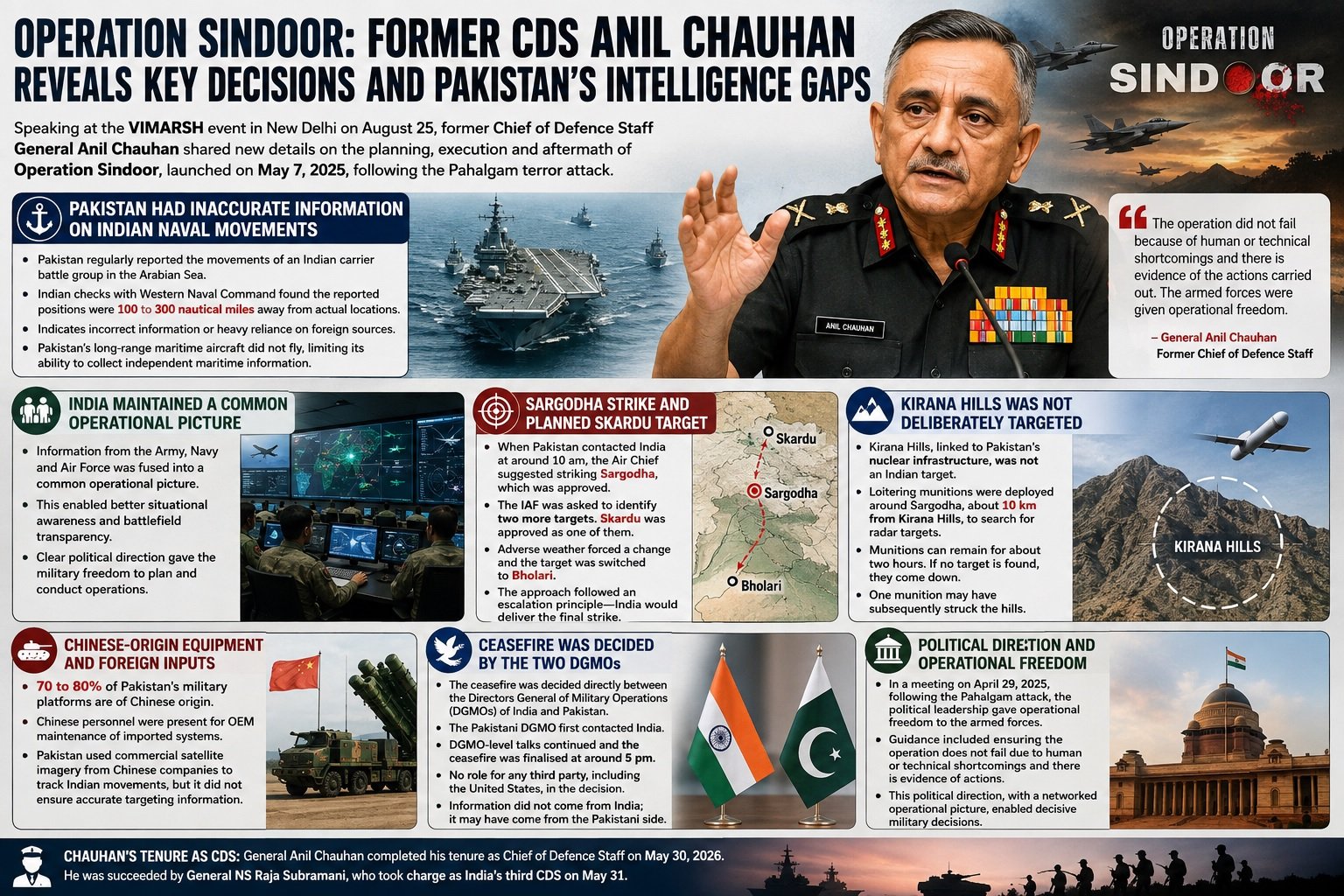
India
NEW DELHI — India Former Chief of Defence Staff General Anil Chauhan has provided new details about the planning and execution of Operation Sindoor, including Pakistan’s intelligence gaps, India’s decision-making during the escalation and the circumstances surrounding reported activity near Kirana Hills. Chauhan, who was serving as CDS during the operation, spoke at the VIMARSH event on Operation Sindoor and its aftermath organised by the Vivekananda International Foundation in New Delhi on August 25. Operation Sindoor was launched by India on May 7, 2025, following the April 22, 2025, Pahalgam terror attack, in which 26 people were killed. Indian forces targeted terrorist infrastructure in Pakistan and Pakistan-occupied Jammu and Kashmir. The military confrontation later ended with a ceasefire agreement between the two countries. Pakistan had inaccurate information on Indian naval movements Chauhan said Pakistan’s understanding of the battlefield was poor, including in the maritime domain. He said Pakistani military briefings regularly reported the movements of an Indian carrier battle group in the Arabian Sea. However, when Indian assessments were checked with the Western Naval Command, the reported positions were found to be 100 to 300 nautical miles away from the actual locations. Chauhan said this indicated that Pakistan was either receiving incorrect information or relying heavily on foreign sources. He also said Pakistan’s long-range maritime aircraft did not fly during the operation, limiting its ability to independently collect maritime information. India maintained a common operational picture Chauhan attributed India’s performance during the operation partly to better situational awareness and battlefield transparency. According to him, information from the Army, Navy and Air Force was available through a common operational picture. This allowed commanders to make decisions using information from across the three services rather than operating with separate assessments. He also identified clear political direction as another factor. Chauhan said the military was given freedom to plan and conduct operations within the political objectives set for the mission. Sargodha strike and planned Skardu target Chauhan also described a decision taken after Pakistan indicated that it wanted to open talks. He said that when Pakistan contacted India at around 10 am, the Air Chief asked whether the Indian Air Force should strike Sargodha. Chauhan said he authorised the strike. He then asked the Air Force to identify two additional targets. Skardu was selected as one of them and received approval. However, adverse weather conditions later forced a change in the plan, and the target was switched to Bholari. Chauhan said the approach was linked to an escalation principle under which India would deliver the final strike rather than leave the last action to Pakistan. Kirana Hills was not deliberately targeted Chauhan also addressed reports about activity around Kirana Hills, an area associated with Pakistan’s nuclear infrastructure. He said Kirana Hills was not a deliberate Indian target. According to his explanation, loitering munitions were deployed around Sargodha, approximately 10 km from Kirana Hills, to search for radar targets. Chauhan said the munitions could remain in the area for about two hours. If they failed to locate a target during that period, they would eventually come down. He said one of the munitions may have subsequently struck the hills. His explanation is consistent with earlier comments by Air Marshal A.K. Bharti, who had denied that Kirana Hills was deliberately targeted during Operation Sindoor. Chinese-origin equipment and foreign inputs Chauhan also discussed Pakistan’s military equipment and its dependence on external sources. He said around 70 to 80 percent of Pakistan’s military platforms are of Chinese origin. He acknowledged that Chinese personnel were present in Pakistan during the conflict but linked their presence to normal original equipment manufacturer maintenance arrangements for imported military systems. He also said Pakistan attempted to use commercial satellite imagery from Chinese companies to track Indian movements, but this did not necessarily translate into accurate targeting information. Ceasefire was decided by the two DGMOs Chauhan disputed claims that the United States had brokered the India-Pakistan ceasefire. He said the ceasefire was decided directly between the Directors General of Military Operations (DGMOs) of India and Pakistan. According to his account, the Pakistani side initially contacted India and the DGMO-level discussions continued before the ceasefire was finalised at around 5 pm. Chauhan said he did not see a role for any third party in the military-level ceasefire decision. He also said he was confident that India had not leaked the ceasefire information to the United States before the announcement and suggested that the information may have come from the Pakistani side. Political direction and operational freedom Chauhan also referred to a meeting on April 29, 2025, following the Pahalgam attack. He said the political leadership provided the armed forces with operational freedom to determine the timing and manner of the response. According to his account, the guidance included ensuring that the operation did not fail because of human or technical shortcomings and that there should be evidence of the actions carried out. Chauhan said this political direction, combined with the military’s networked operational picture, contributed to India’s ability to make decisions during the operation. Chauhan’s tenure as CDS Chauhan completed his tenure as Chief of Defence Staff on May 30, 2026, after serving as CDS during Operation Sindoor. He was succeeded by General NS Raja Subramani, who took charge as India’s third CDS on May 31. His latest remarks provide additional details on how Indian military commanders assessed the battlefield, selected targets and managed escalation during Operation Sindoor, while also highlighting gaps that he said affected Pakistan’s understanding of Indian military movements.
Read More → Posted on 2026-08-26 14:52:38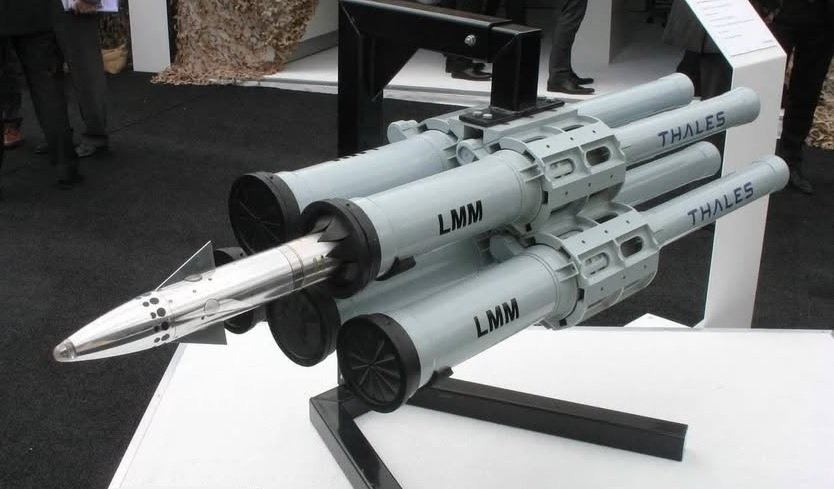
India
New Delhi/London — India and the United Kingdom are in the final stages of signing an Inter-Governmental Agreement (IGA) for the procurement of British Lightweight Multirole Missiles (LMMs), also known as Martlet, for the Indian Army’s tactical units. The planned agreement is valued at £350 million ($468 million) and was announced during UK Prime Minister Keir Starmer’s visit to India in October 2025. An initial emergency procurement is already underway, while the formal IGA will expand the purchase into a larger order running into the hundreds of missiles. British officials have indicated that the numbers have increased significantly. The LMMs are manufactured by Thales at its facility in Belfast, Northern Ireland. Once signed, the Indian order is expected to become the company’s second-largest global LMM order, after the larger Ukrainian order for more than 5,000 missiles under a £1.6 billion arrangement announced in 2025. The Indian deal is also expected to support jobs at the Belfast facility. The missile weighs approximately 13 kilograms, measures 1.3 metres in length and has a 76 mm diameter. It uses laser beam-riding guidance, reaches about Mach 1.5 and has a range of more than 6 kilometres. The LMM can be launched from the shoulder, tripod and vehicle-mounted platforms, and can also be used from helicopters and naval vessels. It is designed to engage low-flying aerial threats, including drones and unmanned aerial systems, as well as light armoured, wheeled and tracked targets. The missile has been in service with the British military since 2019 and has also been used by Ukrainian forces. The procurement forms part of wider India-UK efforts to strengthen defence cooperation and establish reliable defence supply chains. After the missile agreement is concluded, the two countries plan to discuss the co-design and co-creation of future complex weapon systems. The cooperation also includes a maritime electric propulsion partnership for future Indian Navy warships. An Implementing Arrangement for electric-powered naval engines, with an initial value of £250 million, was signed in October 2025.
Read More → Posted on 2026-08-26 14:05:21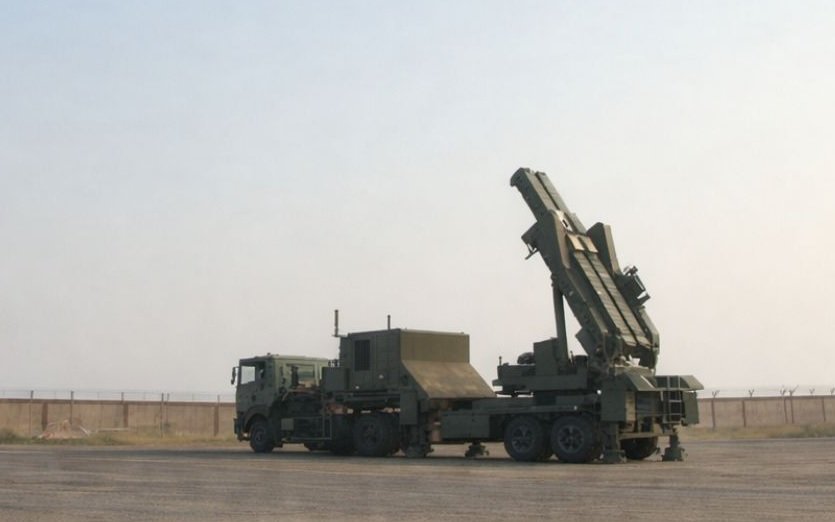
India
New Delhi — India is moving toward large-scale production of indigenous surface-to-air missiles, with around 2,000 QRSAM and Akash-NG missiles potentially entering domestic production if both proposed procurements proceed. The Indian Armed Forces could order around 1,000 QRSAM missiles from Bharat Dynamics Limited (BDL) under a contract estimated at ₹11,000–12,000 crore, forming part of a wider QRSAM programme worth around ₹30,000 crore. Bharat Electronics Limited (BEL) is the lead integrator, while L&T is involved with 8x8 launchers and Apollo Micro Systems supplies several subsystems. The DAC granted Acceptance of Necessity on July 3, 2025, while final CCS clearance remains pending. BEL expects a decision by September 2026. QRSAM has a reported range of 25–30 km and altitude coverage of around 6–10 km. Initial deliveries are expected over seven to eight years, with subsequent orders potentially taking three to four years once production is established. BEL is also preparing a 75-hectare production complex at Chitrakoot in the Uttar Pradesh Defence Industrial Corridor. The Ministry of Defence is also examining a requirement for around 1,000 Akash-NG missiles. Akash-NG completed final user evaluation trials in December 2025 and features a dual-pulse motor, active radar seeker, canisterised launch system and smaller ground footprint. Its demonstrated range is around 30 km, with further extensions reported toward 50–70/80 km depending on configuration. A major order could still be at least three years away. Meanwhile, Apollo Micro Systems is expanding into complete defence-system development. It agreed in July 2026 to acquire a 41.33% controlling stake in Premier Explosives for about ₹1,550 crore, while SEBI approved an open offer for another 26% stake at ₹698 per share. On August 21, AMS also subscribed to a 34% stake in ShauryAstra Defence Systems, which will focus on indigenous weapon systems, long-range strike platforms, unmanned systems, GNC, seekers, sensors, datalinks and mission software under the guidance of Dr. V. K. Saraswat. The developments could expand India's domestic air-defence manufacturing capacity, while export orders could help sustain production lines after domestic requirements are met.
Read More → Posted on 2026-08-23 13:57:06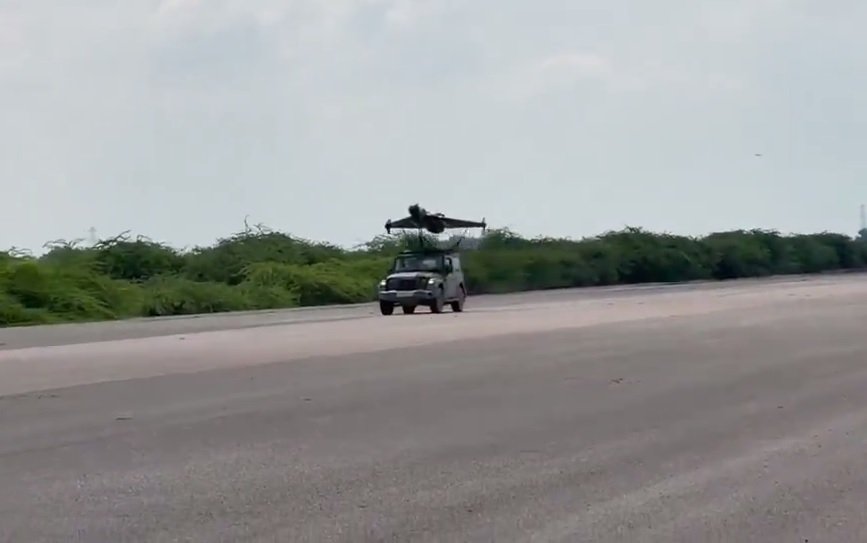
India
Lucknow, August 16, 2026: Kawa UAV Pvt. Ltd., operating under the brand HoverIt, has successfully conducted the maiden flight of the Divyastra Mk3, a jet-powered loitering munition developed and manufactured in India. The flight took place on August 11, 2026, at a designated testing airstrip in Uttar Pradesh. According to the company, the Divyastra Mk3 is the first indigenously designed, developed and manufactured jet-powered loitering munition to fly with a fully Indian-made jet engine. The system is powered by a turbojet engine developed by DG Propulsion, an Indian propulsion technology company. During the trial, the engine met all pre-defined operational parameters. Kawa UAV said the platform uses no imported jet engine or foreign critical subsystems. The Divyastra Mk3 programme began at the start of 2026. Kawa UAV said the system progressed from concept to its successful maiden flight within the same calendar year, with some reports placing the development timeline at under eight months. A loitering munition is an unmanned system designed to remain airborne over an area, search for targets and strike when required. The jet-powered configuration of the Divyastra Mk3 is intended to provide higher speed than comparable propeller-driven systems. DG Propulsion has developed microjet engines in the 40 kgf and 100 kgf classes for applications including loitering munitions and high-speed unmanned aerial vehicles. The Divyastra Mk3 flight provides an airborne demonstration of the company’s engine technology on an Indian-designed platform. The co-founders of HoverIt said the achievement demonstrates India’s ability to develop a jet-powered precision-strike system domestically and described the Divyastra Mk3 as an example of “Atmanirbhar Bharat in action.” The maiden flight adds to India’s wider efforts to develop indigenous unmanned and precision-strike capabilities, with both private companies and government defence organisations working on autonomous weapon systems.
Read More → Posted on 2026-08-16 15:24:42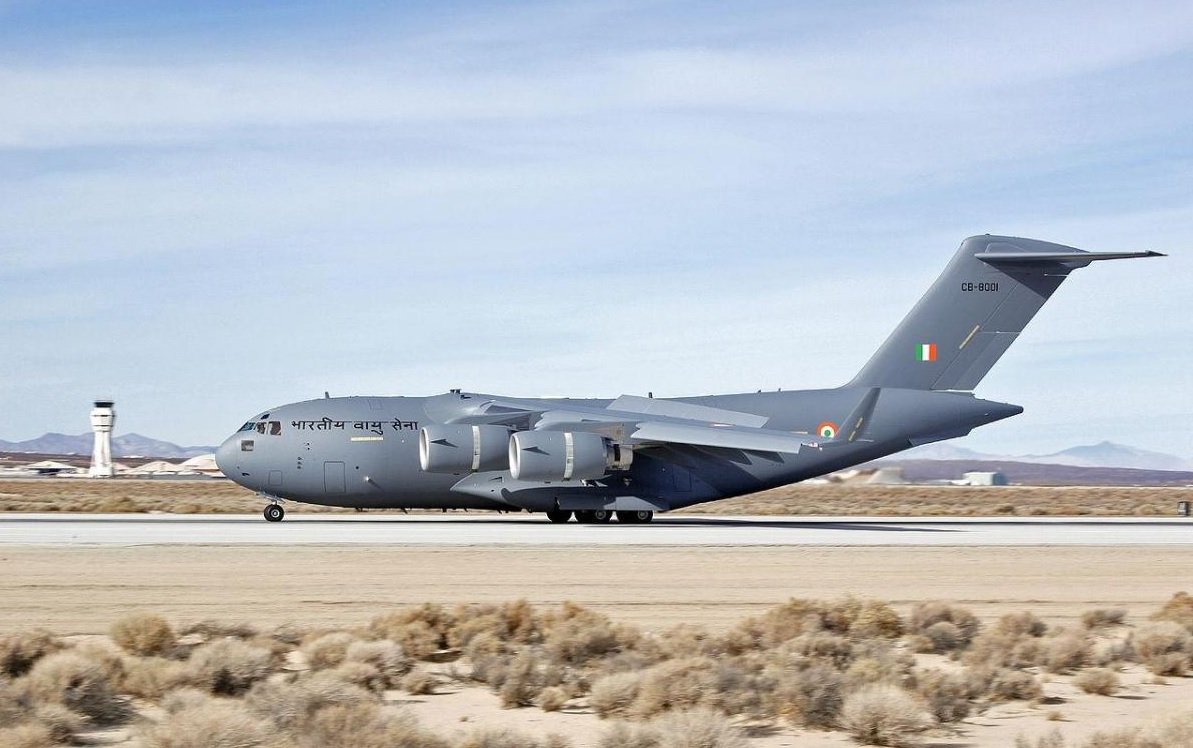
India
New Delhi : The Ministry of Defence has issued a tender worth around Rs 1 lakh crore for the purchase of 60 multirole transport aircraft (MTA) for the Indian Air Force. The move aims to replace the ageing Soviet-era Antonov An-32 cargo fleet and strengthen the IAF’s logistics and airlift capabilities. The tender documents have been given to multiple Indian companies, including Hindustan Aeronautics Limited (HAL), Tata Advanced Systems Limited and Mahindra. Defence officials said Indian companies will play the lead role in the programme. Mahindra Defence has partnered with Brazil’s Embraer to offer the C-390 transport aircraft. Tata has tied up with Lockheed Martin of the United States to offer the C-130, a platform already used by the Indian Air Force for special operations. The IAF currently operates 12 C-130J Super Hercules aircraft. Under the programme, about 20 per cent of the aircraft (around 12) will be delivered in fly-away condition. The remaining aircraft will be manufactured in India with more than 60 per cent indigenous content. Production will take place through joint ventures between the Indian companies and the original equipment manufacturer. HAL is also in the race to take on a major role as the prime manufacturing and integration lead for the domestic assembly phase. The Acceptance of Necessity for the Medium Transport Aircraft programme was cleared by the Defence Acquisition Council in March 2026. The new aircraft are intended to replace the ageing An-32 fleet, which has served as a key tactical airlift platform for decades, and to supplement the IAF’s overall logistics network. The MTA is expected to fill the gap between lighter transport aircraft such as the C-295 and heavier platforms like the C-17. The Indian Air Force is already inducting around 70 C-295 transport aircraft in partnership with Airbus, with the majority being manufactured in India. The MTA aircraft may also be configured for roles such as aerial refuelling tankers and rapid transport of troops and equipment. Separately, the IAF has issued a tender for 114 Rafale fighter jets as part of its modernisation plans. It is also looking to induct more than 100 trainer aircraft to replace the Hawk jet trainers and expand pilot training capacity as fighter squadron numbers grow. The tender forms part of ongoing efforts to modernise the IAF’s transport fleet under the Make in India initiative while ensuring greater domestic manufacturing and industrial participation.
Read More → Posted on 2026-08-12 16:13:53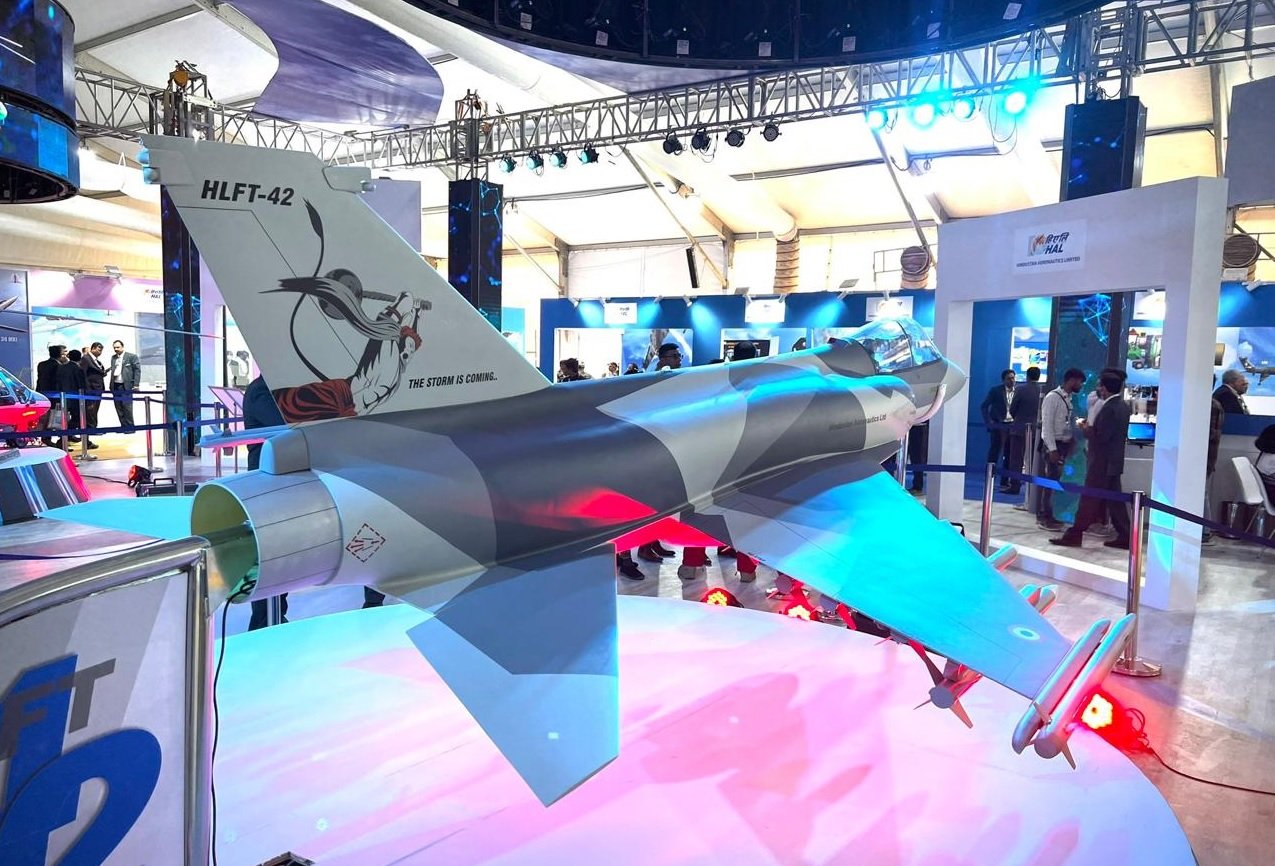
Indian Air Force Issues Request for Information for 150 Advanced Jet Trainers to Replace Hawk Mk-132
India
NEW DELHI — The Indian Air Force (IAF) has started the process to find a new advanced jet trainer to replace its Hawk Mk-132 fleet, issuing a Request for Information (RFI) for approximately 150 Stage-III (F) training aircraft. The new trainers will be used during the final stage of fighter pilot training, before pilots move to operational fighter squadrons. The requirement is aimed at providing trainees with experience on systems and capabilities relevant to modern combat aircraft, including airborne radars, electronic warfare systems and beyond-visual-range (BVR) missiles. The training will prepare pilots for aircraft such as the Dassault Rafale and indigenous Light Combat Aircraft (LCA) Tejas, and eventually the Advanced Medium Combat Aircraft (AMCA). Foreign and Indian Aircraft in the Competition The RFI has been issued to Indian and global aerospace manufacturers. Among the foreign aircraft expected to compete are Leonardo's M-346 Master and Korea Aerospace Industries' T-50 family. India's main domestic option is Hindustan Aeronautics Limited's (HAL) Hindustan Lead-in Fighter Trainer (HLFT-42). HAL first displayed a scale model of the aircraft in 2023. The proposed trainer has been designed with the aim of replicating advanced avionics and systems associated with modern fighter aircraft. The competition will allow the IAF to assess available aircraft and their technical capabilities, as well as areas such as indigenous content, technology transfer and delivery schedules. Procurement Timeline The current RFI is the market-sounding stage of the procurement process. Responses from the original equipment manufacturers are expected by October 5. The IAF is tentatively scheduled to issue the formal Request for Proposal (RFP) in December 2027. The RFP would begin the actual bidding stage of the programme. After the RFP stage, the aircraft competing for the requirement are expected to undergo trials in India on a no-cost, no-commitment basis. These trials will allow the IAF to evaluate the aircraft under its required operating and training conditions. According to defence sources, deliveries are expected to be completed within 60 months of the final contract signing. Based on the current procurement timeline, the first aircraft could therefore arrive at an IAF flying training base only in the mid-2030s. Replacing the Hawk Mk-132 The Hawk Mk-132 has been the backbone of the IAF's Stage-III fighter pilot training at Air Force Station Bidar. The aircraft entered Indian service in 2008, with the majority of India's fleet produced under licence by HAL. The Hawk has also been used by the Surya Kiran aerobatic team. The new procurement reflects the IAF's requirement for a more advanced training platform as pilots transition to increasingly capable fighter aircraft. The proposed fleet of around 150 trainers would provide the IAF with a new platform for the final stage of fighter pilot training while the service continues to introduce newer combat aircraft. The selection process will now determine which aircraft best meets the IAF's requirements for the next generation of advanced fighter pilot training.
Read More → Posted on 2026-08-12 14:08:47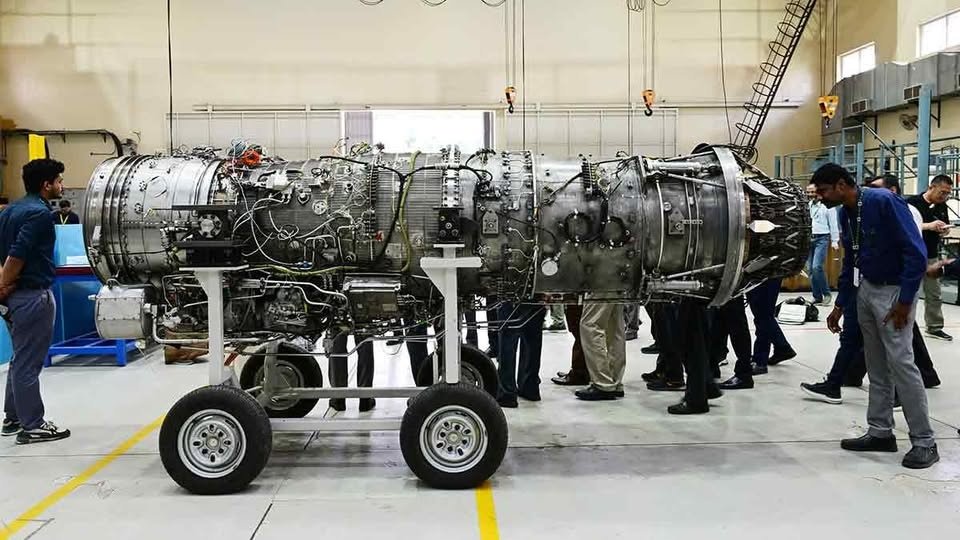
India
NEW DELHI — The Defence Research and Development Organisation’s (DRDO) Gas Turbine Research Establishment (GTRE) is pursuing a new Kaveri 2.0 engine programme centred on a redesigned core in the 90 kN thrust class. The effort is aimed at developing an indigenous engine option for the Tejas Mk1A, particularly for mid-life upgrades expected in the 2030s. Kaveri 2.0 is being developed separately from the higher-thrust engine programme intended for the Advanced Medium Combat Aircraft (AMCA). The AMCA effort targets the 120–140 kN class, while Kaveri 2.0 is focused on medium-thrust requirements. The new Kaveri design involves a major redesign rather than a simple upgrade of the existing core. GTRE is focusing on a new high-pressure compressor (HPC) to improve pressure ratios and fuel efficiency. The core is also planned to use single-piece blisks made from advanced titanium alloys to reduce weight and air leakage, along with single-crystal turbine blades designed to withstand higher operating temperatures. The reported targets are 55–60 kN of dry thrust and 90–100 kN of thrust with afterburner. The earlier Kaveri Derivative Engine was in the roughly 49–52 kN thrust range. The new targets are intended to provide a power level suitable for a future Tejas Mk1A re-engining programme. The programme builds on technology developed through the original Kaveri project, which was separated from the Tejas programme after the engine failed to meet the required thrust level. A dry derivative of the Kaveri has also been developed for unmanned applications. For the Tejas Mk1A, the proposed Kaveri 2.0 would not be an immediate replacement for the GE F404. Instead, the plan is to develop and qualify the new engine so it could potentially be introduced during future mid-life upgrades, once the required testing, integration and certification are completed. The programme is therefore intended to provide India with a future indigenous medium-thrust fighter engine option while reducing dependence on foreign powerplants.
Read More → Posted on 2026-08-10 13:40:24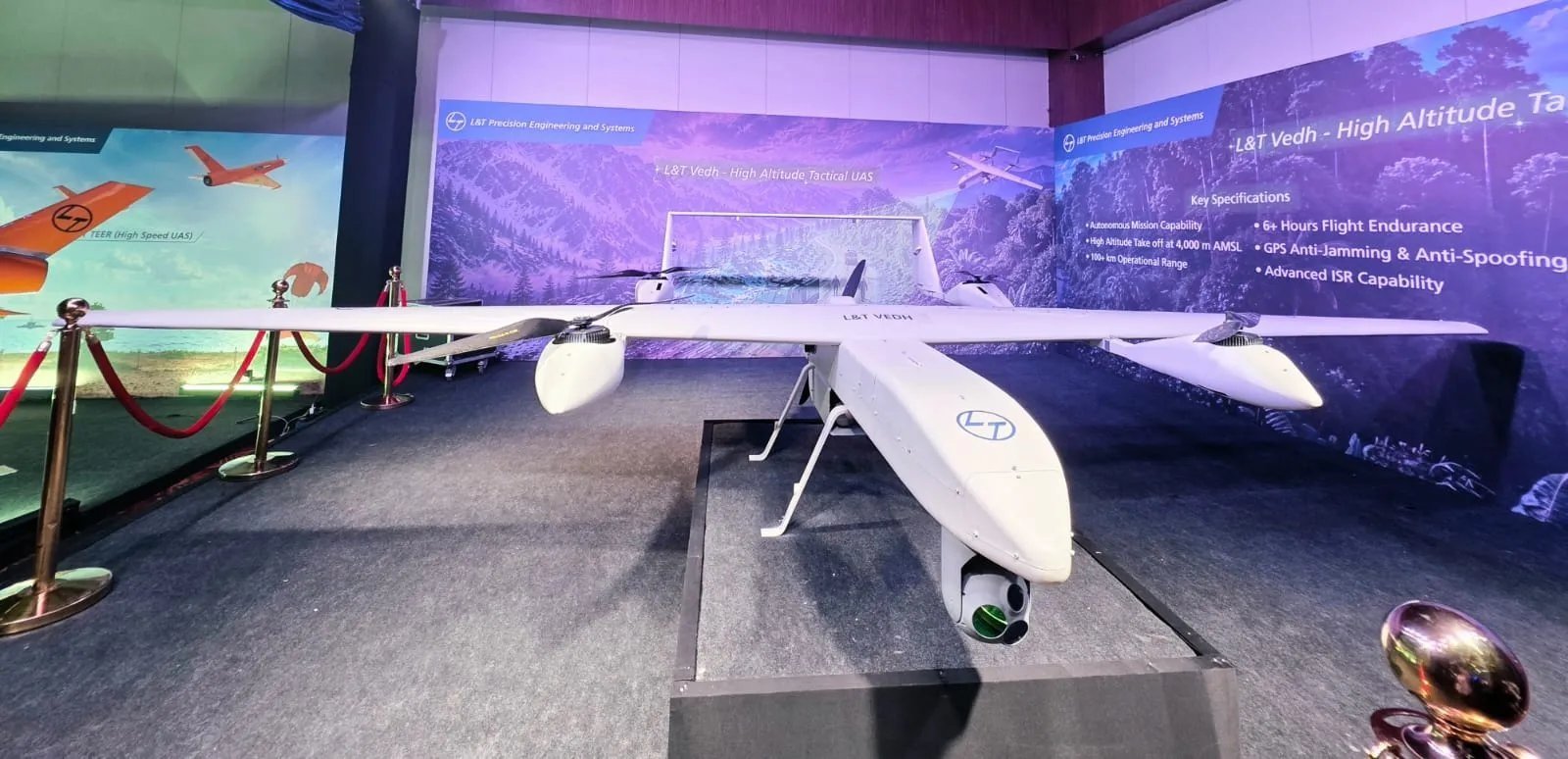
India
BENGALURU — Larsen & Toubro’s Precision Engineering and Systems (PES) division unveiled two indigenous unmanned systems technologies, the VEDH Mk1 remotely piloted aircraft system (RPAS) and the CHANAKYA collaborative mission autonomy framework, during its Manthan: Drone Demo Day in Bengaluru on August 7. Organised under the L&T Innovation Fund, the event brought together 21 drone and uncrewed systems startups working on technologies for defence, infrastructure, logistics and public services. L&T said its focus is on developing and manufacturing components and related technologies and working with emerging companies rather than independently manufacturing complete drone platforms. VEDH Mk1 designed for high-altitude operations The VEDH Mk1 is a hybrid vertical take-off and landing (VTOL) RPAS designed to operate without a conventional runway. Its configuration allows deployment from confined or unprepared locations, including forward areas, high-altitude terrain and temporary operating bases. The aircraft is equipped with an electro-optical and infrared payload and a laser range finder for day-and-night intelligence, surveillance and reconnaissance missions. It can also support artillery observation and fire correction. L&T is offering the system with a containerised ground control station, command and data links, and transport and maintenance infrastructure. Its stated specifications include: Endurance: 6 hours or more Launch altitude: More than 4,000 metres above mean sea level Ceiling altitude: Up to 5,000 metres above mean sea level CHANAKYA enables coordinated unmanned operations L&T also introduced CHANAKYA, a decentralised collaborative mission autonomy framework designed to coordinate heterogeneous unmanned platforms, including aerial, ground, surface and underwater systems. The framework uses onboard intelligence to support coordinated missions without relying entirely on a central control system. Its functions include flocking, mission-level autonomy, inter-agent collision avoidance and coordinated area surveillance. CHANAKYA can allocate and reassign tasks between platforms during missions. Its video analytics capabilities can also combine target detection and tracking information from multiple platforms into a common operational picture. L&T has previously demonstrated the framework using multiple fixed-wing UAVs. During the trials, the aircraft took off, synchronised in flight, followed waypoints and operated as a coordinated group. The company said CHANAKYA has progressed beyond hardware-in-the-loop simulations and is now undergoing field validation in complex operational scenarios. L&T signs MoUs with technology startups The event also saw L&T sign several memorandums of understanding (MoUs) with startups and technology partners working in areas including drone autonomy, AI-enabled navigation, propulsion, geospatial intelligence and energy systems. The partnerships are aimed at identifying deployment-ready technologies and supporting their integration across L&T’s businesses. Arun T. Ramchandani, Senior Vice President and Head of Precision Engineering & Systems at L&T, said the division is targeting approximately threefold revenue growth over the next five years. PES currently contributes around 3 per cent of L&T’s overall revenue. L&T reported revenue from operations of ₹2.86 trillion for the year ended March 31, 2026. The company is increasing its focus on high-value electronics, autonomous systems and advanced engineering solutions, with increased capital expenditure directed mainly toward new electronics manufacturing facilities. L&T also stated that production of 100 Teer drones for the Indian Air Force is underway. The company said the Manthan initiative is part of its broader effort to strengthen indigenous capabilities in unmanned systems by working with startups and technology developers.
Read More → Posted on 2026-08-08 16:24:51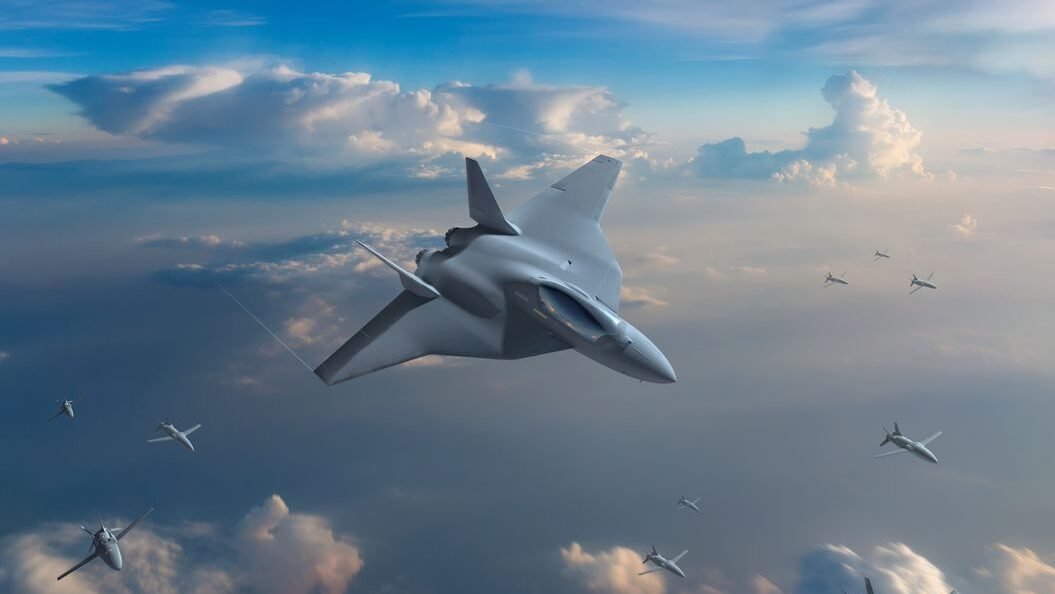
India
NEW DELHI — India has begun concerted efforts to join the French-led Future Combat Air System (FCAS) sixth-generation fighter aircraft programme, according to the Ministry of Defence's response cited by the Parliamentary Standing Committee on Defence. The committee presented its report in Parliament on August 7, 2026, and asked the government to provide a detailed status report, roadmap and tentative timeline for India's plans to develop or acquire sixth-generation combat aircraft. The Ministry of Defence told the panel that it has “initiated efforts in a concerted manner to co-join” the sixth-generation fighter aircraft development programme, identified as FCAS and spearheaded by the French government. India Exploring International Sixth-Generation Programme The committee was informed that two international groupings are developing sixth-generation combat aircraft. One involves the United Kingdom, Italy and Japan, while the other involves France and Germany. The Indian Air Force has indicated that it would seek to join one of these groupings and consider a sixth-generation fighter at the earliest. The committee said advance planning is required as the role of air power continues to grow in modern warfare. The report does not provide details of any final agreement, participation terms, work-share arrangement, funding commitment or acquisition contract between India and the FCAS programme. FCAS and AMCA to Progress in Parallel India's efforts to explore participation in FCAS will continue alongside the indigenous Advanced Medium Combat Aircraft (AMCA) programme. The committee noted that the AMCA design has been developed and discussions on its production are under way. It asked the Ministry of Defence to provide an update on the programme's development and production in its next action-taken statement. The Light Combat Aircraft (LCA) Mk-II programme is also in the design and development stage. The committee noted that efforts to strengthen self-reliance in defence manufacturing include the LCA programme and the Multi Role Fighter Aircraft (MRFA) programme. The panel also identified technical upgrades to the existing Indian Air Force fleet as a top priority for maintaining its combat capability. Air Force Funding and Near-Space Operations The committee recommended adequate financial resources and support for the Indian Air Force's near-space operations, citing the growing importance of space-related military capabilities. Ministry of Defence data showed that the Air Force's share of the Defence Services Estimates (DSE) increased from 8.83 per cent in 2021-22 to 10.80 per cent in 2026-27. The committee recommended a further increase, citing the geopolitical environment and growing importance of air power. It also called for future defence budgets to prioritise state-of-the-art weapon systems and the infrastructure needed to support them. The panel recommended continued investment in defence preparedness and said defence spending should keep pace with neighbouring countries. The committee also commended the Army's role in safeguarding national security during Operation Sindoor and called for an adequate capital budget for the Army. Naval Modernisation The report also outlined major naval modernisation programmes, including the procurement of 26 Rafale-M fighter aircraft, follow-on support for MH-60R helicopters, and heavyweight torpedoes for the Navy's submarine fleet. The Navy has been allocated Rs 47,748.31 crore for committed liabilities and Rs 17,146.28 crore for new schemes. India's sixth-generation fighter planning is therefore being pursued alongside ongoing domestic fighter development and broader military modernisation. The parliamentary committee has asked the government to provide further details on the sixth-generation fighter roadmap and the development and production status of AMCA in its next action-taken statement.
Read More → Posted on 2026-08-08 11:58:08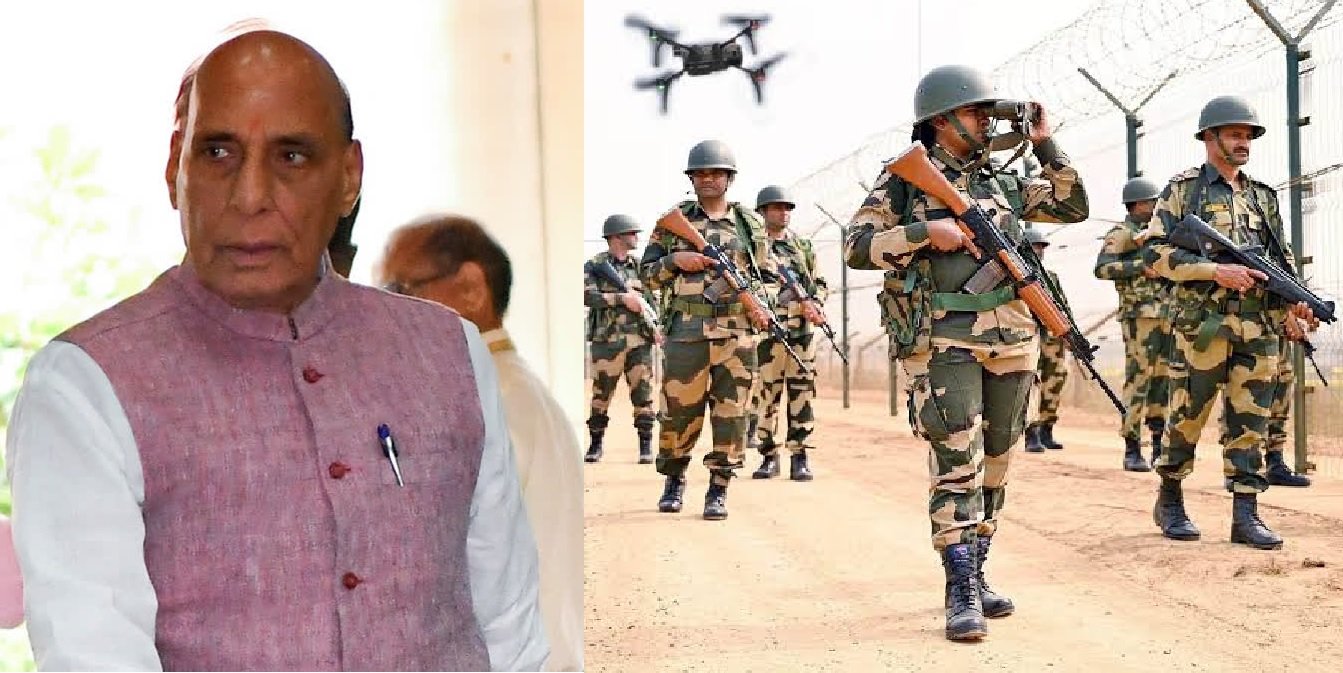
India
NEW DELHI — Raksha Mantri Rajnath Singh on Thursday chaired a meeting of the Parliamentary Consultative Committee for the Ministry of Defence in New Delhi, where discussions focused on the role, mandate and future strengthening of the Territorial Army. During the meeting, senior officials presented a detailed briefing on the force's responsibilities, operational role and key achievements, while committee members offered suggestions aimed at further enhancing its effectiveness. Addressing the meeting, Rajnath Singh described the Territorial Army's contribution as "significant" in supporting Prime Minister Narendra Modi-led Government's vision of 'Viksit Bharat'. He said that while the regular armed forces are primarily responsible for national defence and security, the Territorial Army also makes important contributions in areas such as environmental conservation, disaster response and social service. The Defence Minister said the Territorial Army is a living embodiment of the "Citizen-Soldier" concept. Under this concept, volunteers continue their civilian professions during normal times but undergo military training and wear the uniform whenever they are called upon for national service. They can be mobilised to support the regular armed forces in protecting the country's borders, maintaining internal security and assisting civil authorities during emergencies and natural disasters. He noted that the Citizen-Soldier model enables the country to maintain a trained reserve force without keeping all personnel on full-time active military duty. According to Rajnath Singh, Territorial Army personnel not only strengthen national security when deployed but also serve as a link between the armed forces and society after returning to civilian life, encouraging young people to consider careers in the defence services. The Defence Minister said the Territorial Army creates additional operational capacity for the armed forces by maintaining a reserve of trained personnel who can be deployed whenever required. He added that after completing their tenure, these personnel continue contributing to society while promoting awareness about the armed forces within their communities. The Territorial Army currently comprises approximately 44,400 personnel organised into 59 diverse units, making it an important reserve component of India's defence structure. Its personnel are trained to undertake a wide range of duties whenever the need arises. Highlighting the force's role in disaster management, Rajnath Singh described the Territorial Army as one of the country's first responders during natural calamities. He acknowledged its contribution in relief and rescue operations as well as medical assistance during the Kerala floods, Odisha cyclone, and the recent floods in Assam, where its personnel supported civil authorities and assisted affected communities. The Defence Minister also praised the Territorial Army's contribution to environmental conservation through its Ecological Task Forces. He said these specialised units have planted approximately 10 crore saplings across the country, with a reported survival rate of 80–85 percent. According to him, the initiative supports the Prime Minister's Mission LiFE and Panchamrit goals by promoting environmental protection and climate change mitigation through on-ground action. Rajnath Singh further appreciated the efforts of Territorial Army units deployed in Jammu and Kashmir, particularly for supporting and expanding the reach of the Har Ghar Tiranga campaign. The meeting was attended by Raksha Rajya Mantri Sanjay Seth, Chief of Defence Staff General NS Raja Subramani, Chief of the Army Staff General Dhiraj Seth, Defence Secretary Rajesh Kumar Singh, Secretary (Defence Production) Sanjeev Kumar, Secretary (Defence Finance) Vishvajit Sahay, along with other senior officials from the Ministry of Defence. Territorial Army and India's Security The Territorial Army is a voluntary reserve force that supports the regular Indian Army whenever additional manpower is required. Its personnel continue their civilian occupations during peacetime and undergo military training before being called for active service when needed. This allows the armed forces to quickly increase their operational strength during national emergencies, security requirements, disaster response operations and other assigned duties. According to the Defence Minister, the force plays an important role in supporting border security, maintaining internal security, assisting civil administration during emergencies, participating in disaster relief operations and contributing to environmental conservation through its specialised Ecological Task Forces. Citizen-Soldier Concept The Citizen-Soldier concept is based on trained volunteers who balance civilian careers with military responsibilities. Rather than serving as full-time soldiers throughout the year, members remain part of the civilian workforce but can be mobilised after training whenever the nation requires their service. This model provides countries with a trained reserve force that can reinforce regular military units during emergencies while allowing members to continue contributing to the economy and society in their civilian professions. Territorial Army Concept in Other Democracies The Citizen-Soldier model is used by several democratic countries as part of their defence systems. Nations such as the United States through the National Guard and Reserve components, the United Kingdom through the Army Reserve, Australia through the Army Reserve, Canada through the Primary Reserve, France through its operational reserve system, and several other democracies maintain reserve military forces that supplement their regular armed forces when required. These reserve organisations are designed to provide additional trained manpower for national defence, homeland security, disaster response and support to civil authorities while allowing members to pursue civilian careers during normal times. India's Territorial Army follows the same broad Citizen-Soldier principle while carrying out responsibilities assigned under the country's defence framework.
Read More → Posted on 2026-08-06 16:06:07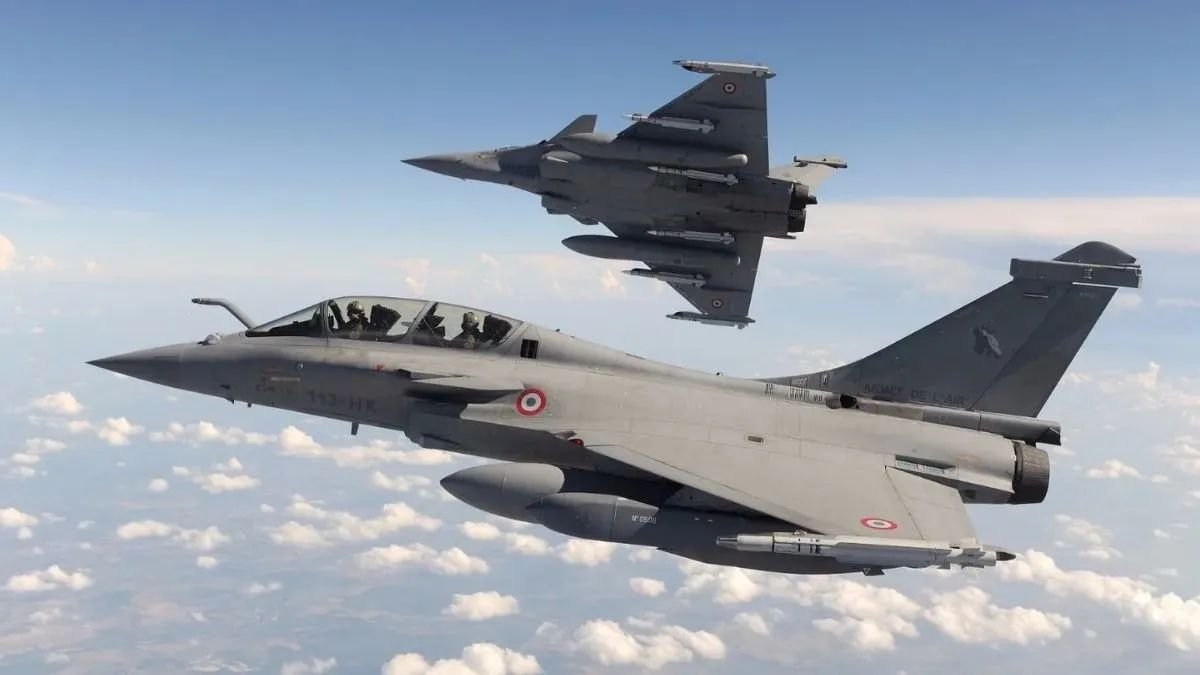
India
New Delhi — France has officially submitted its detailed technical and commercial proposal to India for the acquisition of 114 Rafale multirole fighter aircraft under a government-to-government (G2G) agreement, marking a significant step forward in one of the Indian Air Force's (IAF) largest fighter procurement programmes. The proposal was submitted to the Acquisition Wing of the Ministry of Defence and the Indian Air Force after India issued a Letter of Request (LoR) to France in May this year. Defence officials are now evaluating the proposal before the programme advances to formal commercial and technical negotiations. Deal Estimated at Around Rs 3.25 Lakh Crore The proposed acquisition is estimated to be worth around Rs 3.25 lakh crore (approximately $39 billion). A key feature of the French offer is its emphasis on manufacturing the majority of the aircraft in India. According to defence sources, 94 of the 114 Rafale fighter jets are proposed to be produced in India through a partnership with a local industry partner, while the remaining aircraft would be supplied in fully built condition. The production programme will involve Dassault Aviation along with its major partners, including Safran for engines, Thales for avionics and electronics, and MBDA for missile systems. Focus on Indigenous Manufacturing The proposal places strong emphasis on increasing indigenous manufacturing and expanding India's aerospace industrial base. Indian officials are closely examining the French offer, particularly the provisions related to integrating indigenous weapons such as variants of the Astra air-to-air missile into the aircraft. The level of indigenous content and local manufacturing commitments is also a major part of the ongoing evaluation. If implemented, the programme is expected to generate business opportunities worth around Rs 1.6 lakh crore for Indian companies, including Tata Advanced Systems, Larsen & Toubro, and several other domestic defence suppliers. Addressing IAF's Fighter Shortfall The procurement is intended to help address the Indian Air Force's declining fighter squadron strength. The IAF is gradually retiring older aircraft, including Russian-origin MiG variants, while the induction of indigenous fighter programmes such as the LCA Mark 1A and LCA Mark 2 has faced delays. The Air Force currently operates around 32 fighter squadrons, compared with an assessed requirement of about 40 squadrons for a two-front operational scenario. According to the proposal, aircraft delivered under this programme are expected to begin entering service from 2029–30. Rafale to Remain a Key Part of Future Fleet The Rafale was selected by the Ministry of Defence in 2012 following a global competition and is expected to remain a major part of the Indian Air Force's future combat fleet. The Defence Acquisition Council (DAC) approved the proposal for the procurement of 114 Rafale aircraft about five months ago. The acquisition forms part of broader efforts by the Ministry of Defence to strengthen the Air Force following a capability study initiated under Defence Secretary Rajesh Kumar Singh after he assumed office in 2024. India's Rafale Fleet Could Exceed 200 Aircraft India has already placed orders for 62 Rafale aircraft, including 36 aircraft for the Indian Air Force and 26 Rafale Marine fighters for the Indian Navy. If the proposed purchase of 114 additional aircraft is approved, India's Rafale fleet would increase to 176 aircraft. The Indian Navy has also indicated its interest in acquiring 31 additional Rafale Marine aircraft for maritime operations. If that requirement is approved in the future, India's total Rafale inventory could exceed 200 aircraft. First Rafale Production Line Outside France The proposed programme would also mark the first time Rafale fighter aircraft are manufactured outside France. Earlier Indian contracts for 36 Rafale fighters for the Air Force and 26 Rafale Marine aircraft for the Navy involved fully built aircraft manufactured and delivered from France. With France's detailed proposal now submitted, the process will move toward formal commercial and technical negotiations as India continues its evaluation of the offer. If approved, the programme would combine a large-scale fighter acquisition with expanded domestic manufacturing involving both French and Indian defence industries.
Read More → Posted on 2026-08-06 15:55:35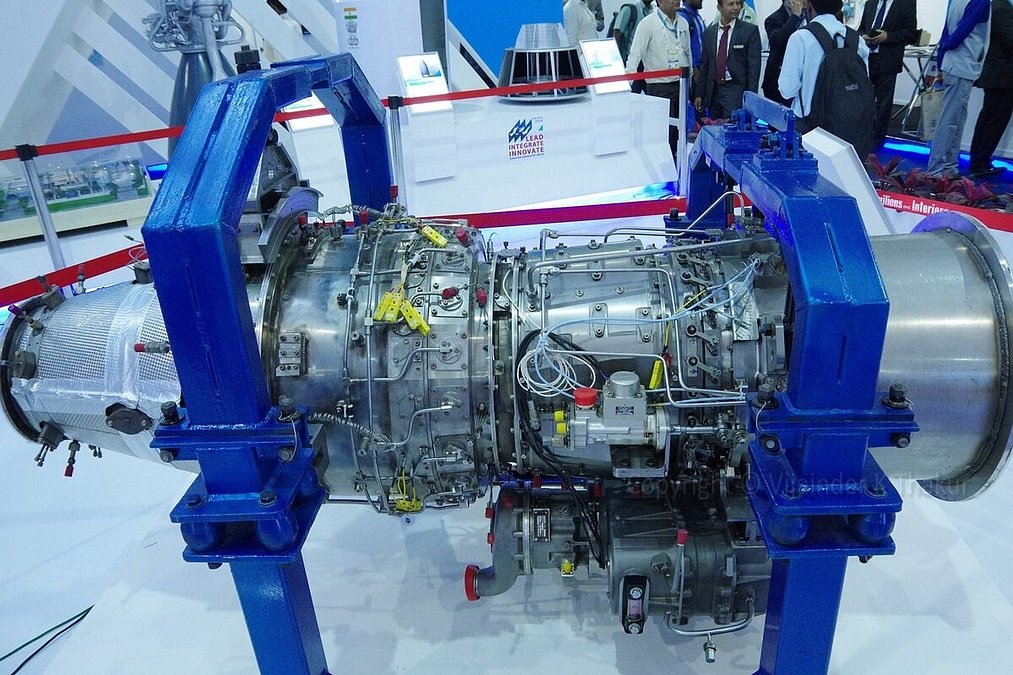
India
BENGALURU — Hindustan Aeronautics Limited (HAL) has achieved a new development milestone in its indigenous HTFE-25 (Hindustan Turbo Fan Engine) programme, with the engine's core successfully reaching 99.5% of its maximum speed during acceleration trials. The achievement marks further progress in the development of India's 25 kN thrust-class turbofan engine, which is being designed for military and civil aviation applications. According to HAL's latest Directors' Report, the company has so far built two core engines and one full-engine technology demonstrator under the programme. The core engine has completed light-up, acceleration, and speed trials up to 99.5%, while additional development trials are continuing. The HTFE-25 is a low-bypass turbofan engine being designed and developed by HAL's Aero Engine Research and Design Centre (AERDC) in Bengaluru. The engine is intended to power basic and advanced military trainer aircraft, small business jets, and large unmanned aerial vehicles (UAVs). HAL states that the engine can be used in two different aircraft configurations. In a single-engine configuration, it is designed for aircraft in the 5-ton weight class, while a twin-engine configuration is intended for aircraft weighing up to the 9-ton class. The HTFE-25 has a length of 1,730 mm, a diameter of 590 mm, and a dry weight of approximately 350 kg. It is designed to produce 25 kN of dry thrust and features a bypass ratio of 0.5, an air mass flow of 43 kg/s, and a thrust-to-weight ratio of around 7.27. As part of its development, HAL has incorporated 3D-printed Ti-6Al-4V components, a titanium alloy commonly used in aerospace applications because of its high strength and low weight. The engine programme has undergone several stages of testing since the first successful core engine run on December 14, 2015. Development activities have included sea-level performance trials, cold-weather starting tests, and hot-weather high-altitude trials at Leh. HAL has also built and successfully operated a full-engine technology demonstrator. Earlier acceleration trials had reached about 55% of the engine's rated speed. The latest achievement of 99.5% speed represents a significant advance in the core engine evaluation process. HAL stated that sea-level performance trials on the core engine have also been completed satisfactorily, while further testing remains in progress. The company has also explored afterburner integration, with basic afterburner tests conducted during earlier stages of development. HAL estimates the potential market for the HTFE-25 at 200 to 250 engines, based on its technical feasibility assessment. The programme is supported by a dedicated design and testing facility at AERDC, inaugurated in late 2023, which includes specialised test beds for accelerated engine development and evaluation. The HTFE-25 programme is part of HAL's wider indigenous aero-engine development efforts, alongside projects such as the HTSE-1200 turboshaft engine. According to HAL, development and certification work on the HTFE-25 is continuing. Based on the company's latest updates, flight-worthiness testing and final certification are currently targeted within the next four to five years. The successful progress of the HTFE-25 programme is expected to strengthen India's indigenous aero-engine development capability and provide a domestically developed propulsion option in the 25 kN thrust class for future aviation platforms.
Read More → Posted on 2026-08-04 13:46:37Search
Top Trending in 24 Hours
-
 Senior US Military Leaders Warn Hegseth Iran Operations Are Becoming Unsustainable
-
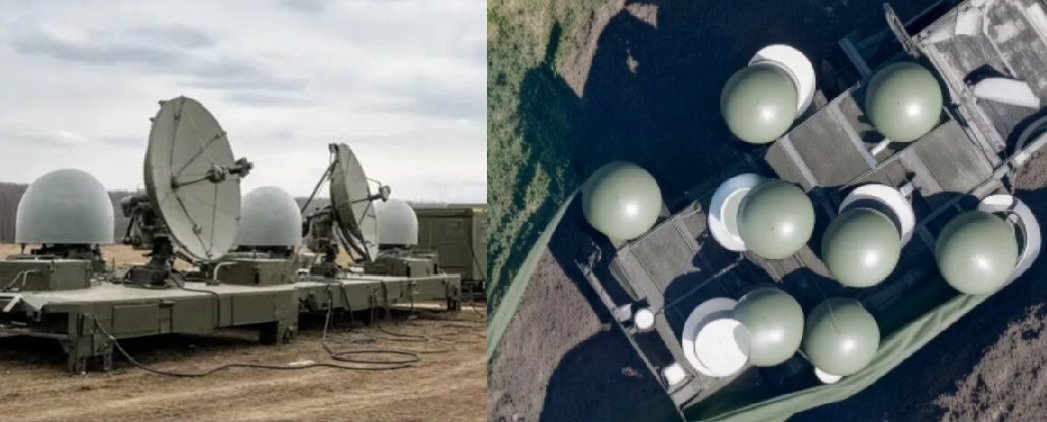 Russia Begins Serial Production of Volna Kupol Garant Electronic Warfare System Targeting Starlink
-
 Aspera Industries Unveils ‘Eureka’ Autonomous Aircraft for Water-Based Cargo Operations With 2,000-Km Range and 1,000-Kg Payload
-
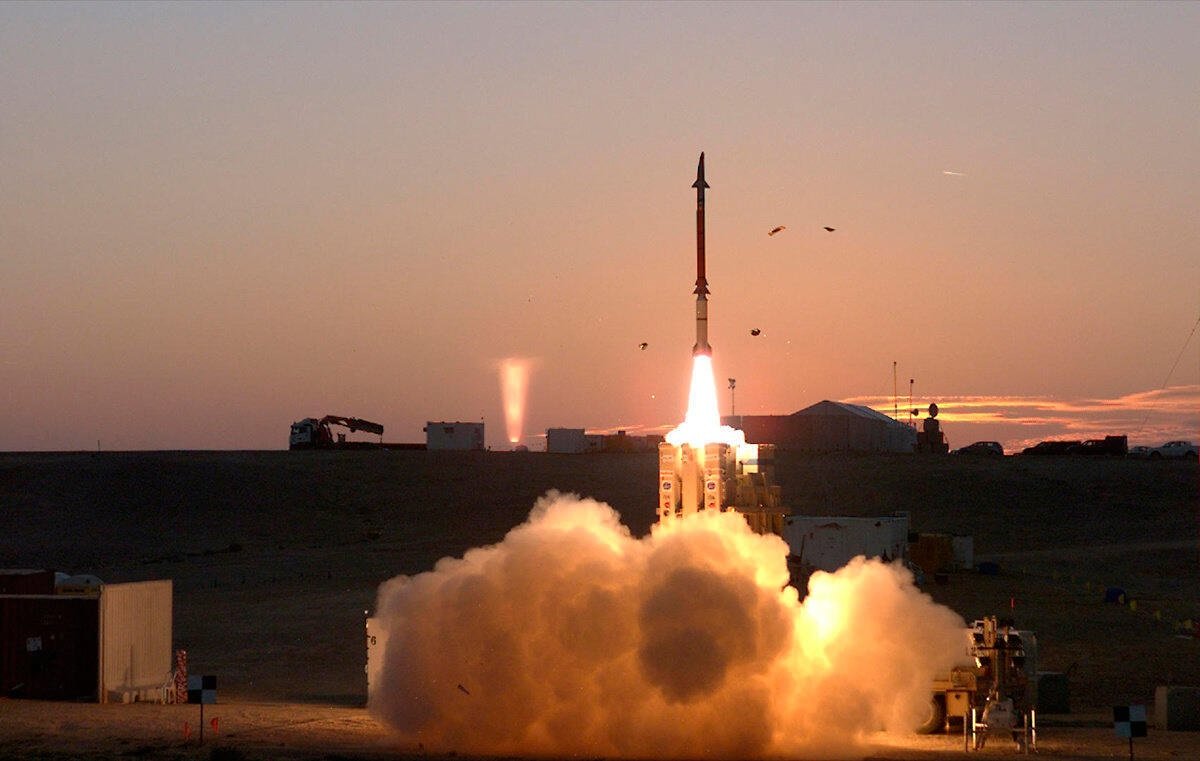 Greece and Israel Set to Sign $3.6 Billion ‘Achilles Shield’ Air Defense Deal
-
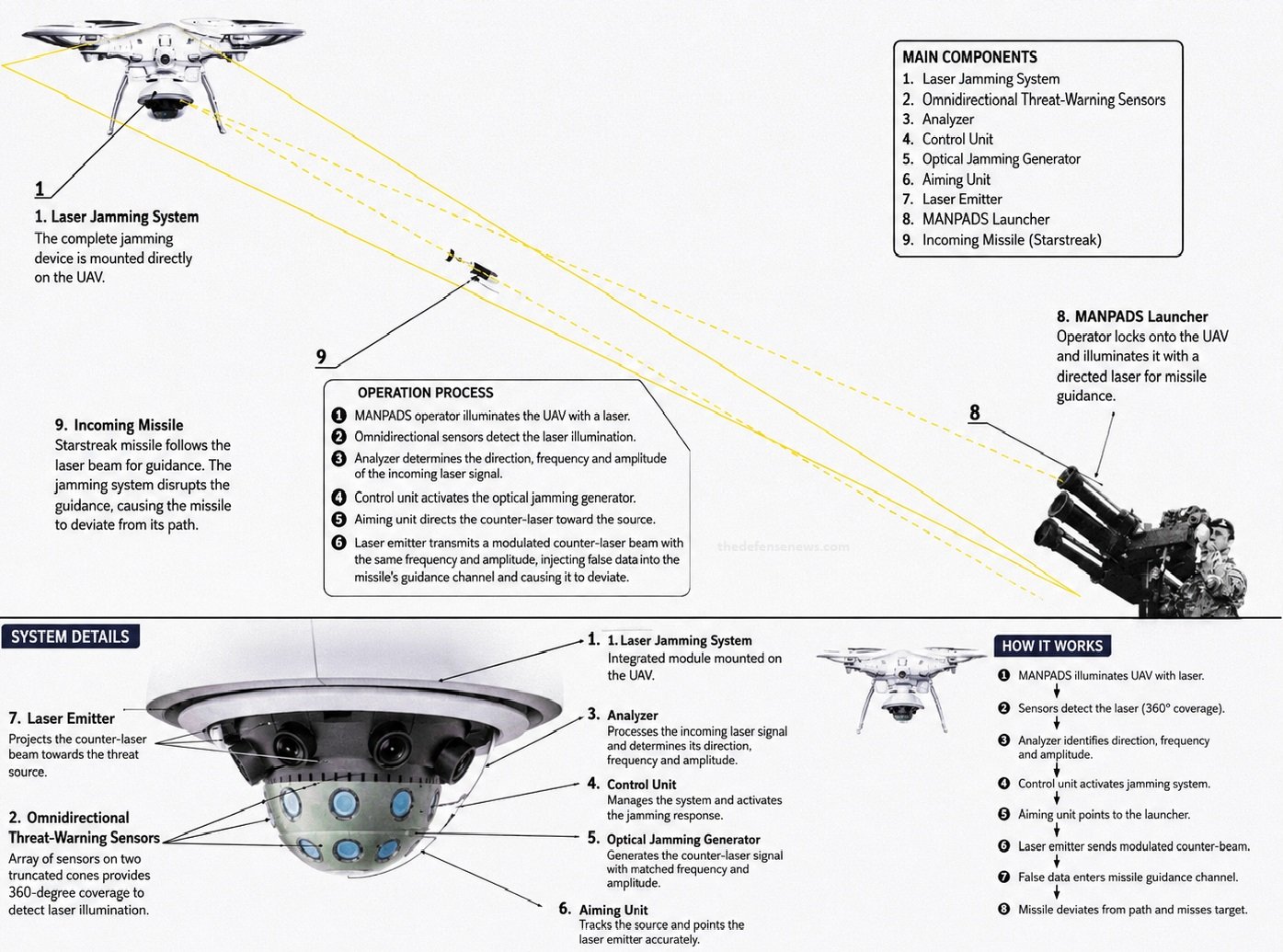 Russia Patents Reusable Laser Jammer to Protect UAVs From Starstreak-Type MANPADS
-
 Ukraine Formally Petitions ITU to Exclude Its Territory From Russian Rassvet Satellite Coverage
-
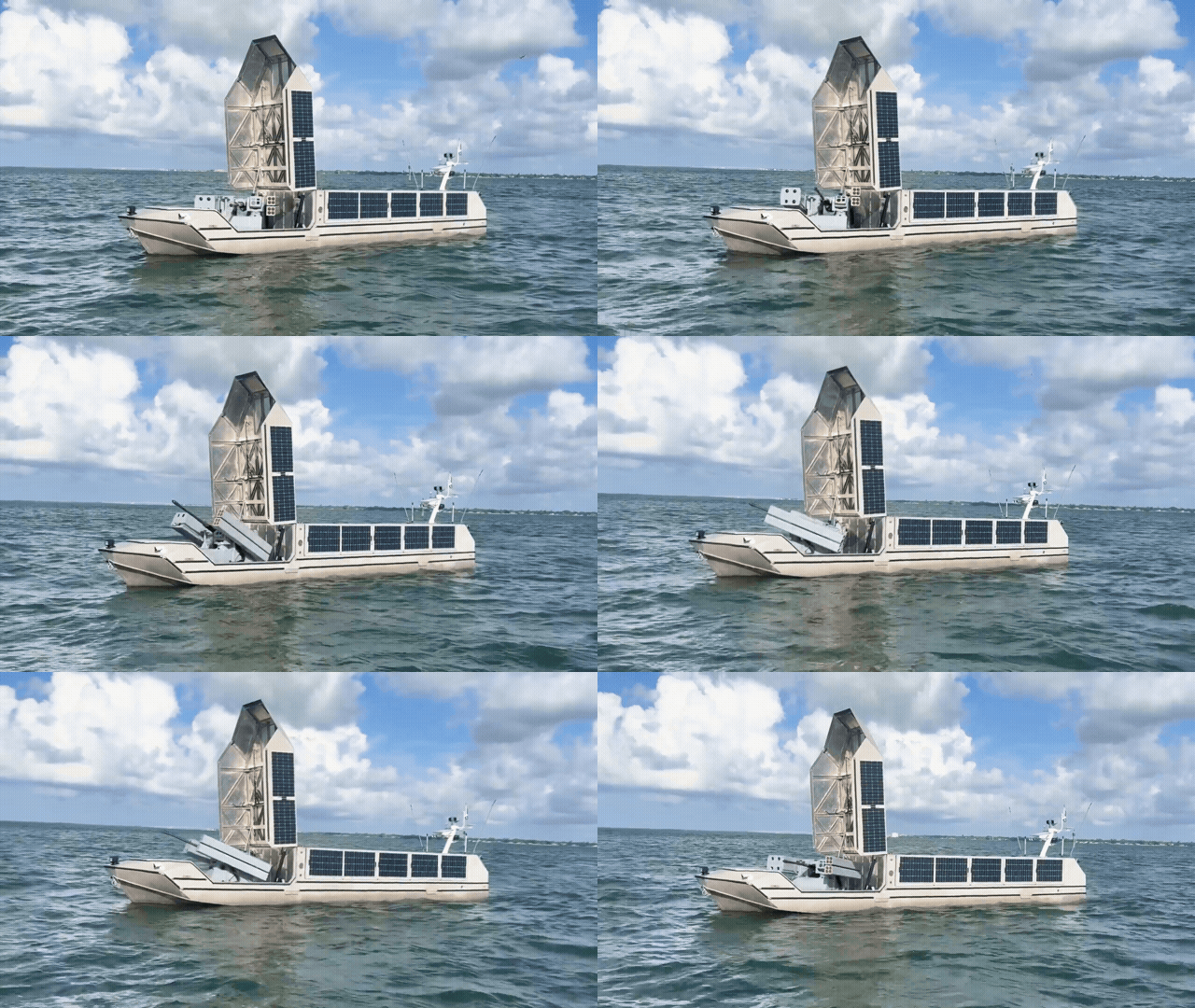 Voltaic Marine and Moog Complete RIwP Weapon Turret Trials on AEU39 Uncrewed Vessel
-
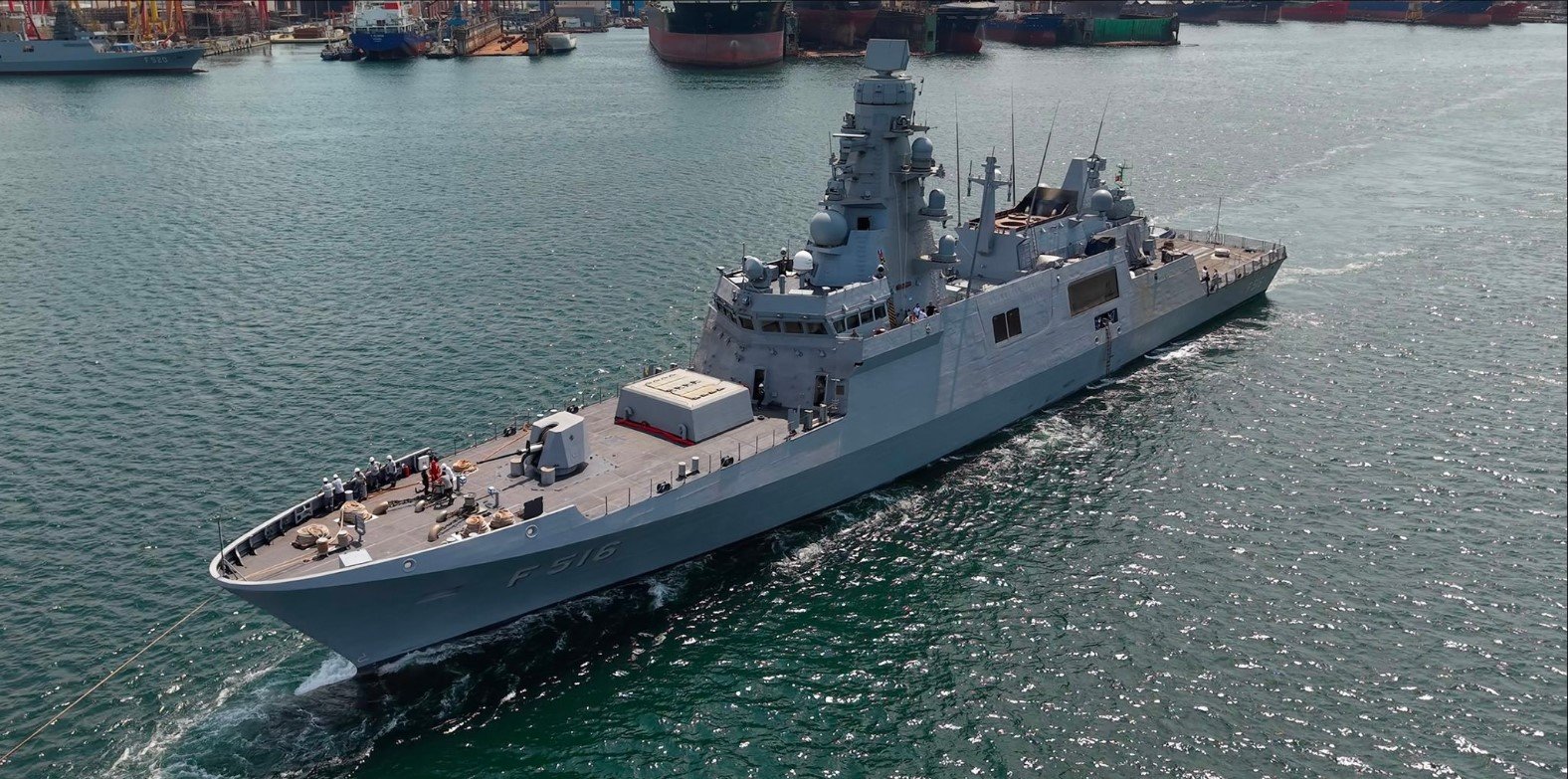 Turkiye’s Second I-Class Frigate TCG İzmir Begins Sea Trials With Enlarged MIDLAS VLS
Top Trending in 4 Days
-
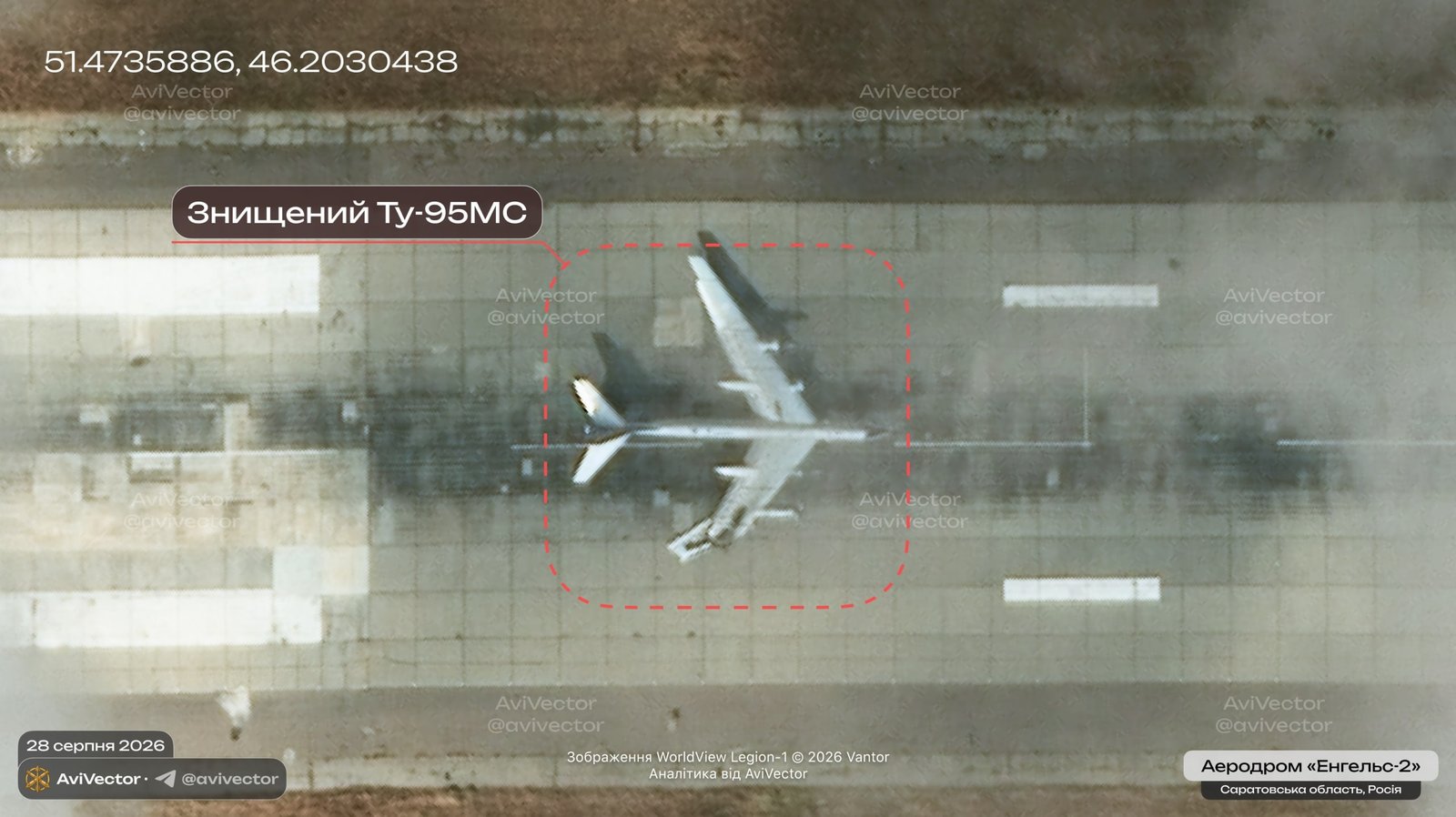 Satellite Imagery Confirms Ukraine’s SBU Struck Second Russian Tu-95MS Bomber at Engels Airbase
-
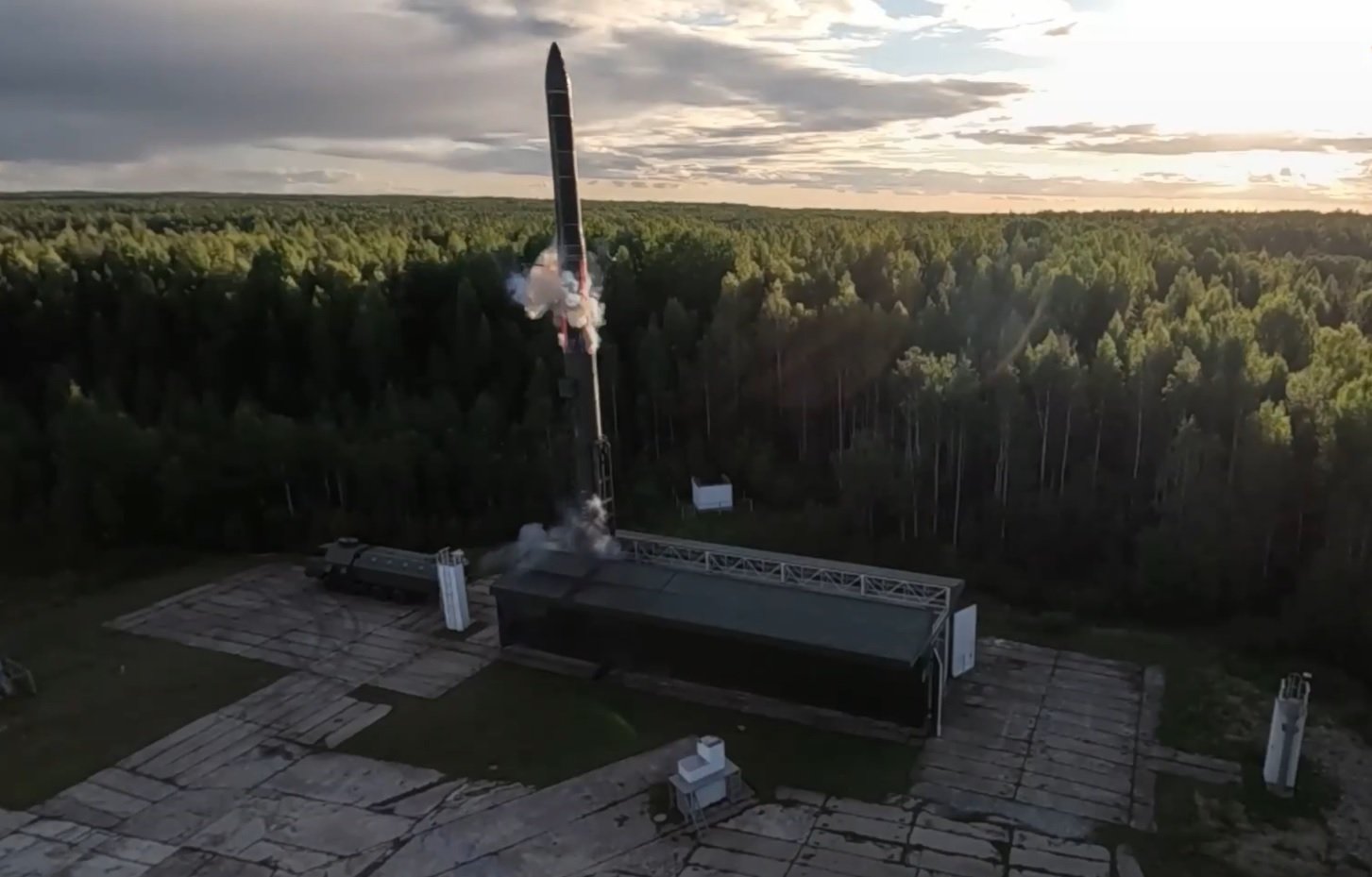 Russia Conducts Training Launch of Mobile Solid-Fuel ICBM From Plesetsk
-
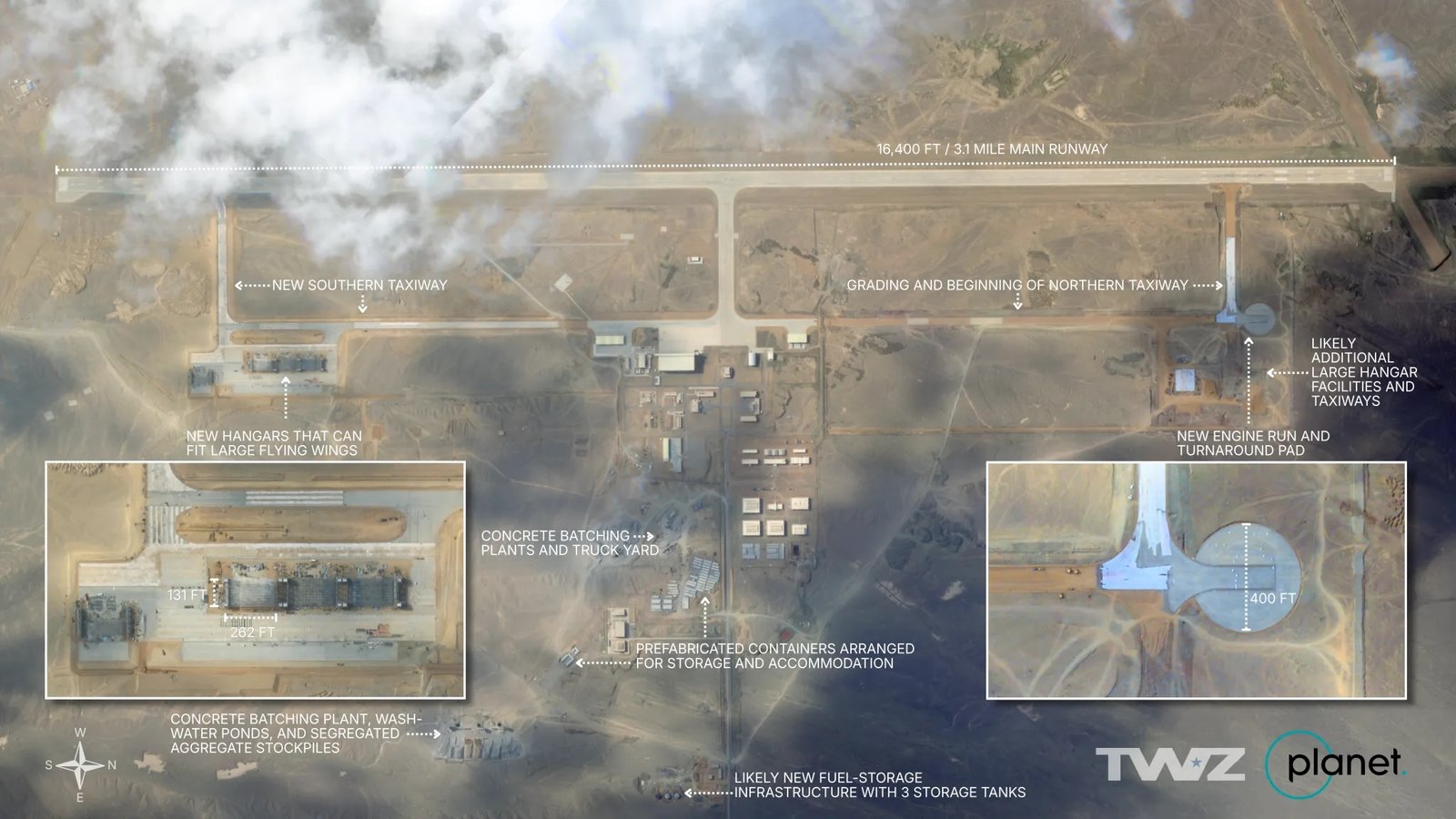 Satellite Images Show China Expanding Secretive Flight-Test Base Near Lop Nur for Advanced Aircraft Programs, Like U.S. Area 51
-
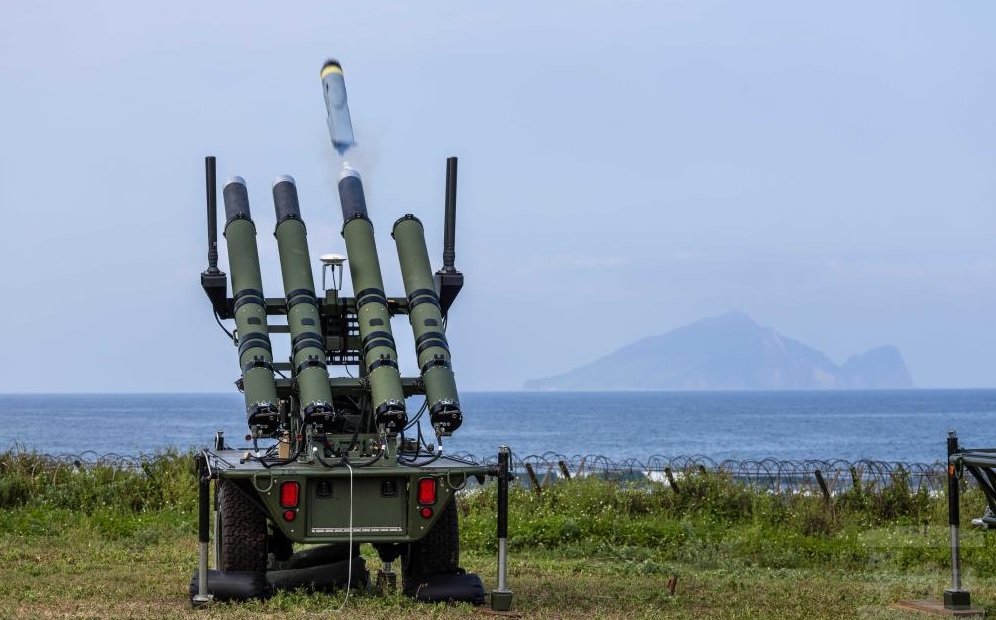 Taiwan Signs NT$26.9 Billion Contract for 2,032 U.S. ALTIUS Drones
-
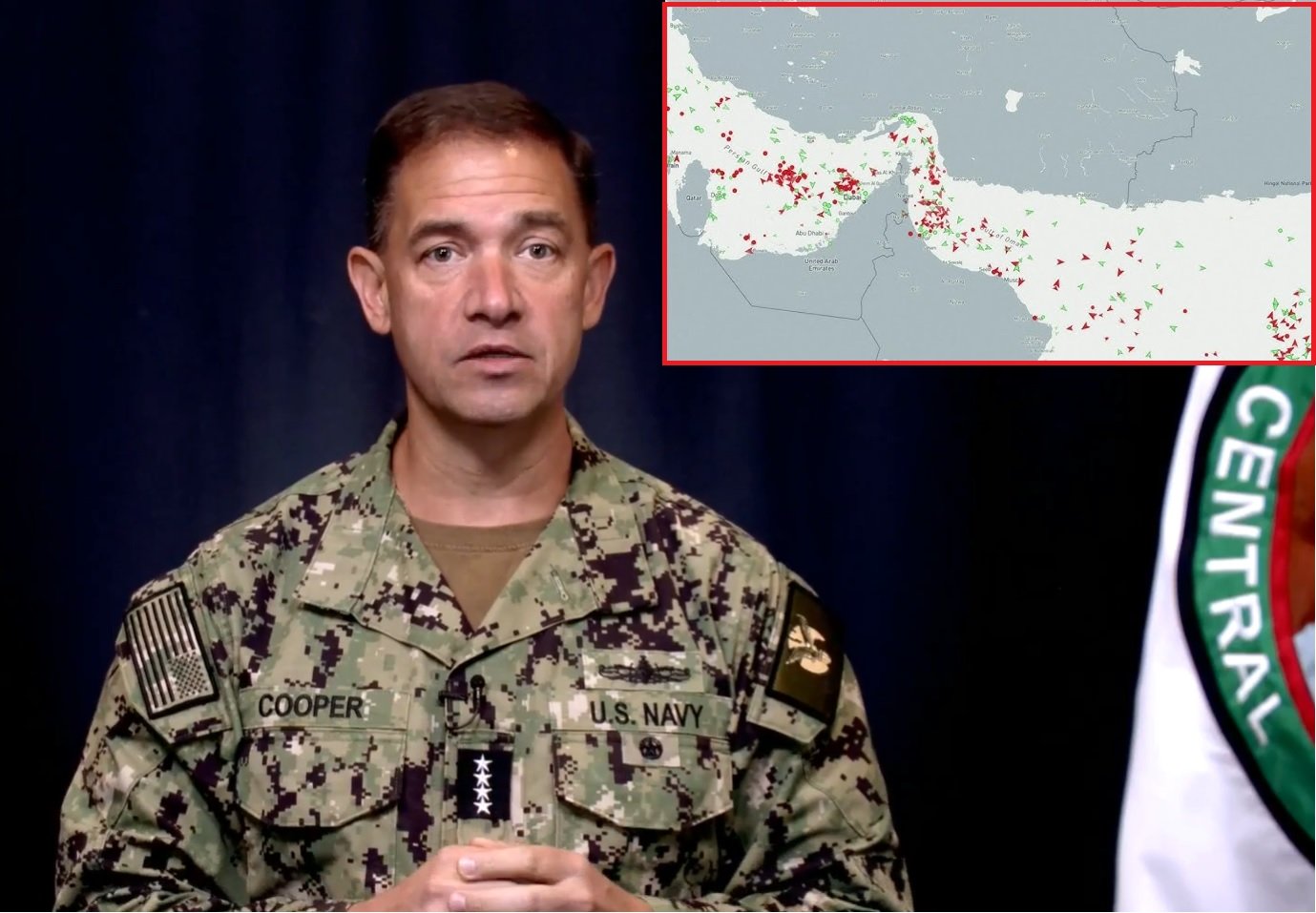 U.S. CENTCOM Declares Strait of Hormuz Cleared of Mines, International Shipping Lanes Open
-
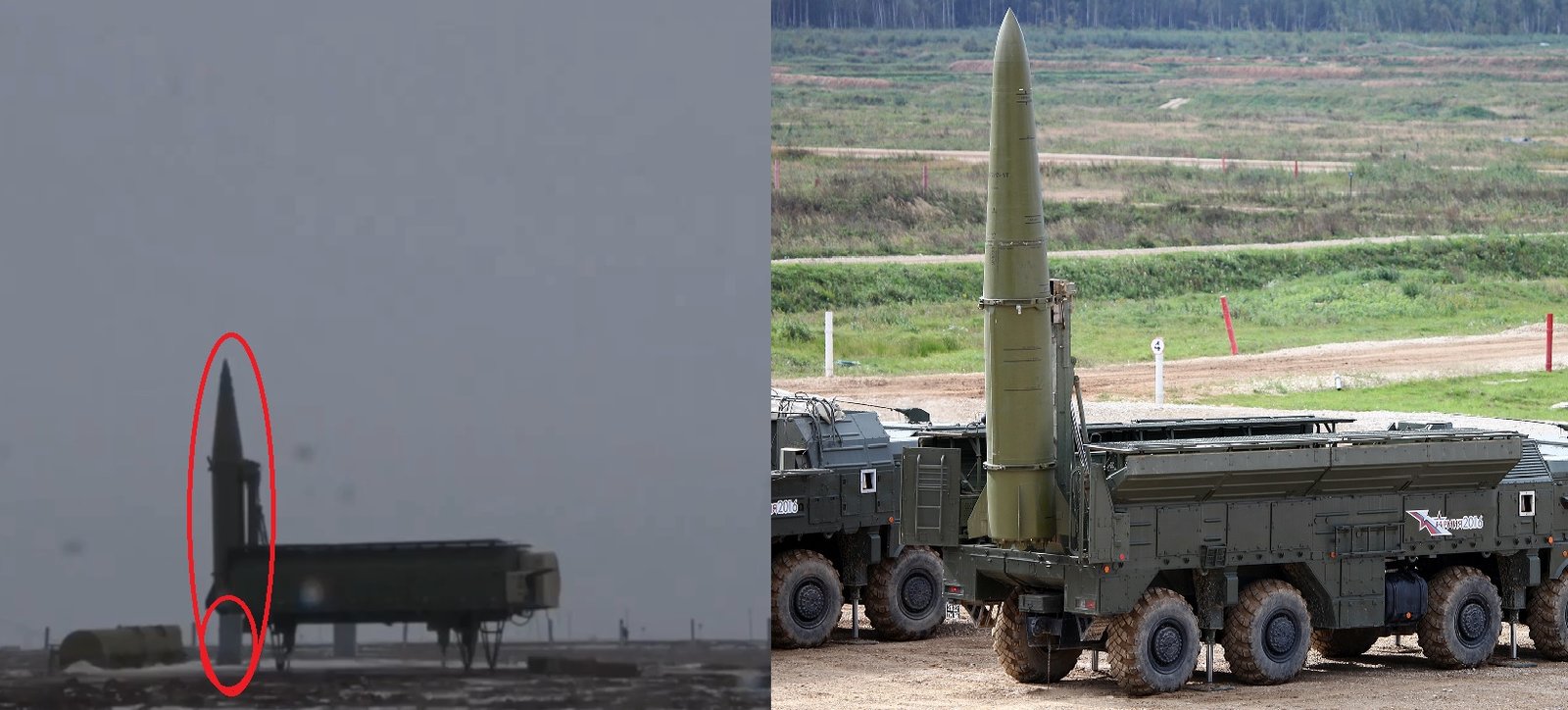 Russia Uses Upgraded Iskander-1000 Ballistic Missile Against Kyiv for First Time, Ukraine Says
-
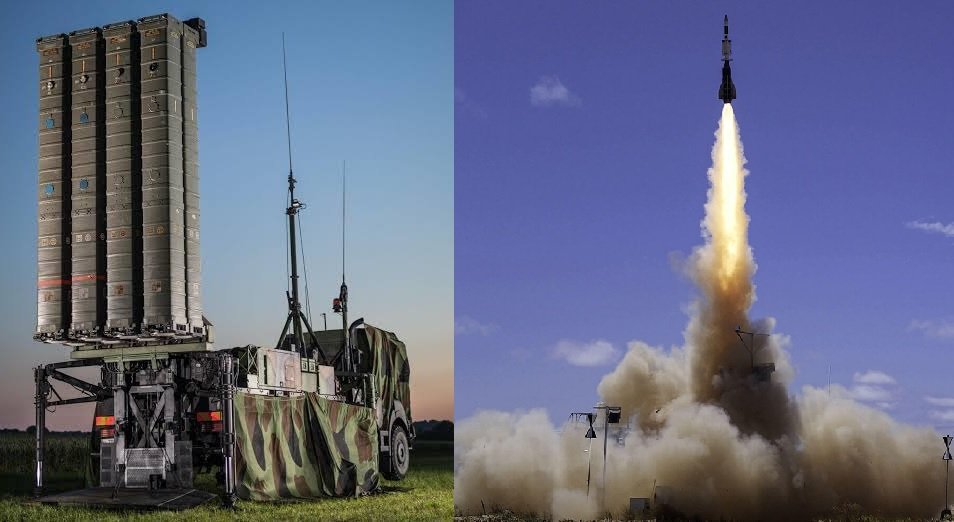 Italy Prepares 13th Military Aid Package for Ukraine Including SAMP/T NG Systems and Aster 30 Missiles
-
 Rostec Begins Production of SOKOL-08 Mobile Radar for Small Drone and Swarm Detection