Washington, June 25, 2026 — The Trump administration is preparing to move ahead with a $750 million sale of General Electric (GE) F110 jet engines to Turkey, overriding an informal congressional hold in a move aimed at supporting a key NATO ally ahead of the alliance's summit in Ankara next month.
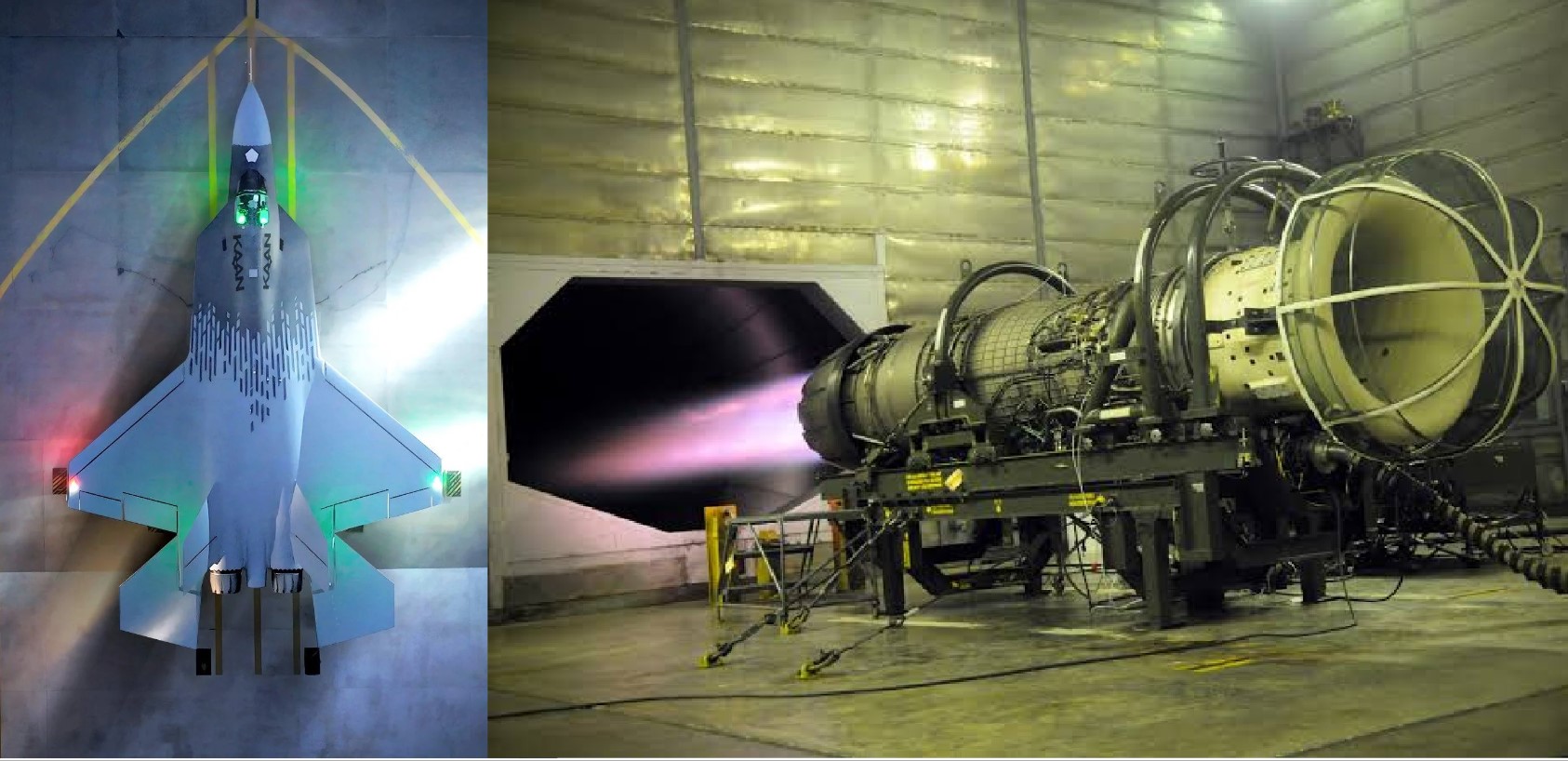
The proposed package includes approximately 80 GE F110 turbofan engines that will power the early production models of Turkey's domestically developed KAAN fifth-generation fighter aircraft. Administration officials have informed Congress that they intend to proceed with the sale despite objections raised during the congressional review process.
The decision marks the latest chapter in the complex defense relationship between Washington and Ankara, balancing longstanding security concerns over Turkey's acquisition of the Russian S-400 air defense system against broader strategic interests within NATO.
Congress Objects to Engine Sale
Representative Gregory Meeks (D-N.Y.), Ranking Member of the House Foreign Affairs Committee, placed an informal hold on the proposed sale during the congressional review process. He cited Turkey's continued operation of the Russian-made S-400 air defense system, as well as broader regional concerns involving Syria and tensions with Greece.
According to officials familiar with the matter, the State Department is expected to formally notify Congress of the sale in the coming days. Although lawmakers can raise objections during the informal review process, the executive branch retains the authority to move forward with foreign military sales.
In a statement released on June 24, Meeks criticized the administration's decision.
"The administration informed me it would once again bypass congressional review for more than $700 million in defense articles to the Turkish military."
Meeks also said the administration failed to provide a detailed briefing on the sale's implications for U.S.-Turkey relations, Turkey's continued possession of the S-400 system, or other regional security issues. He added that the State Department neither invoked emergency authority nor submitted a written justification for bypassing congressional concerns despite repeated requests for clarification over several months.
White House Cites Strategic Importance
Administration officials have defended the decision by emphasizing Turkey's strategic role within NATO and its importance on the alliance's southern flank.
One administration official described Turkey as a "great partner in the region" and highlighted President Donald Trump's close relationship with Turkish President Recep Tayyip Erdoğan as an important factor in strengthening bilateral defense cooperation.
President Trump also hinted at the upcoming decision while speaking to reporters before his planned visit to Turkey for the NATO Summit.
"I'm going to probably do something that will make them very happy," Trump said when asked about the proposed engine sale.
S-400 Dispute Continues to Shape Relations
The planned engine sale comes despite years of tension between Washington and Ankara over Turkey's purchase of the Russian S-400 air defense system.
Turkey acquired the S-400 in 2019, prompting the United States to remove the country from the F-35 Joint Strike Fighter program and impose sanctions, arguing that operating the Russian system alongside advanced NATO aircraft posed a security risk.
Under current U.S. law, Turkey cannot return to the F-35 program while the S-400 system remains operational. As a result, lawmakers have argued that approving the GE engine sale without addressing the S-400 issue weakens congressional oversight and existing security policy.
GE Engines Critical for KAAN Fighter Program
The engine package is considered essential for Turkey's indigenous KAAN fighter program, one of Ankara's largest defense modernization projects since its launch in 2016.
Turkey is developing its own TF35000 indigenous turbofan engine through a joint venture involving Turkish Aerospace Industries (TAI) and GE Aerospace. However, the engine is still under development and will not be available for the aircraft's initial production phase.
The expected delivery of approximately 80 GE F110 engines will bridge that capability gap by powering prototype aircraft as well as the early Block 10 and Block 20 production variants. Those aircraft are scheduled to enter service between 2028 and 2030.
Without the U.S.-built engines, analysts say the KAAN program could face significant production delays while Turkey continues developing its indigenous powerplant.
Last year, Turkish Foreign Minister Hakan Fidan publicly criticized the prolonged congressional review process, describing the delay in approving the GE engines as politically motivated.
Timing Linked to NATO Summit
The administration's decision comes less than two weeks before NATO leaders gather in Ankara on July 7–8 for the alliance's annual summit.
The meeting is expected to focus on European security, defense modernization, alliance readiness, and regional challenges. Turkey last hosted a NATO summit in Istanbul in 2004, while the previous summit took place in The Hague in 2025.
Defense analysts view the engine sale as a diplomatic gesture intended to strengthen ties with an important NATO ally ahead of the summit. However, they note that the approval does not represent a broader reset in U.S.-Turkey defense relations.
Gonul Tol, director of the Turkish Program at the Middle East Institute in Washington, said the engine agreement is the "lowest-hanging fruit" available to the administration.
According to Tol, while securing the GE engines is critical for the KAAN program, larger issues—including Turkey's potential return to the F-35 program—remain unresolved.
Executive Branch and Congress Remain at Odds
The planned sale also highlights the continuing debate between the executive branch and Congress over oversight of major U.S. arms transfers.
While the administration argues that supporting Turkey serves broader NATO interests, lawmakers continue to press for greater transparency regarding defense exports involving countries facing U.S. sanctions or ongoing regional security concerns.
If finalized, the GE F110 engine package will help sustain production of Turkey's first indigenous fifth-generation fighter aircraft while underscoring the ongoing balance between strategic alliance priorities and congressional oversight of U.S. defense exports.
——— End of Article ———