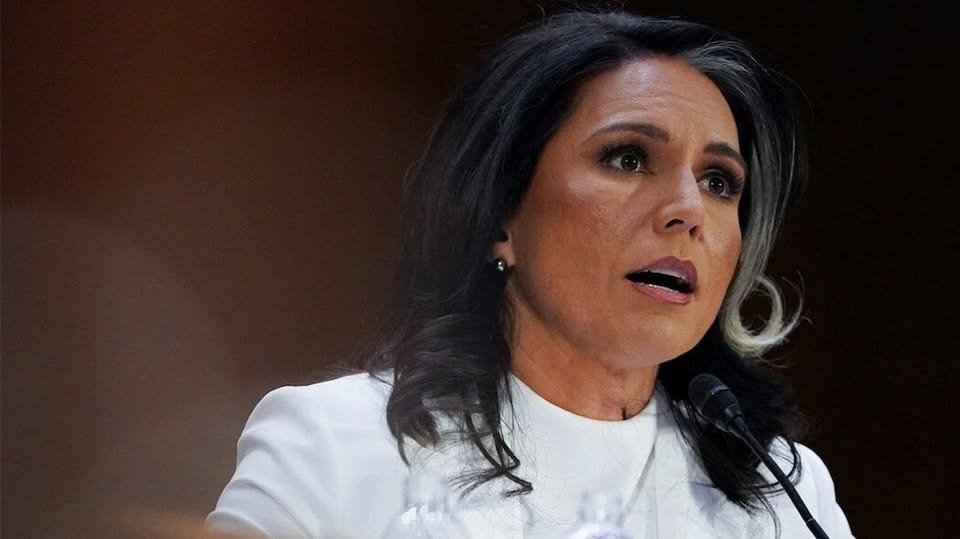
WASHINGTON, D.C., — June 14, 2026 : Outgoing Director of National Intelligence (DNI) Tulsi Gabbard has released newly declassified intelligence documents detailing decades of U.S. government funding for more than 120 biological laboratories across over 30 countries. The disclosure is part of a broader effort by the administration of Donald Trump to increase transparency regarding overseas biological research programs and to restrict federal support for certain high-risk pathogen studies abroad.
According to the Office of the Director of National Intelligence (ODNI), the declassified materials show that many of the laboratories supported by U.S. funding have conducted research involving hazardous and highly contagious pathogens. The documents also indicate that some facilities participated in gain-of-function research, a field of study that involves modifying pathogens to better understand how diseases evolve, spread, or become more severe.
More Than 40 U.S.-Supported Laboratories Identified in Ukraine
The declassified records reveal that over 40 of the U.S.-funded laboratories were located in Ukraine. These facilities were involved in a range of biological research, biosafety, and pathogen management activities.
According to the documents, the laboratories served as repositories for disease-causing organisms and biological agents, including anthrax, tularemia, tuberculosis, African swine fever, Ebola, Middle East Respiratory Syndrome (MERS), Severe Acute Respiratory Syndrome (SARS), Marburg virus, and plague pathogens.
The records further state that some facilities handled and stored biological materials dating back to the Soviet era, including pathogens associated with former Soviet biological weapons programs. The laboratories also reportedly provided specialized training for Ukrainian scientists working alongside U.S. experts in biological defense and biosafety procedures. In addition, several sites were responsible for certifying and handling especially dangerous pathogens.
The facilities were located across multiple regions of Ukraine, including Lviv, Ternopil, Vinnytsia, Kharkiv, Dnipro, Luhansk, Donetsk, Kherson, Odesa, Zaporizhzhia, Chernihiv, Kyiv, Zakarpattia, and Crimea.
One laboratory specifically highlighted in the intelligence release was the Kherson Diagnostic Laboratory. According to the documents, the facility received approximately $1.73 million in U.S. funding while official authorization for work involving certain pathogens remained listed as “in progress.”
Biological Threat Reduction Programs
The declassified materials indicate that many of the laboratories were supported through programs designed to strengthen biosafety, disease surveillance, public health monitoring, and the protection of dangerous biological materials. The documents reference initiatives such as the U.S. Department of Defense’s Biological Threat Reduction Program, which has supported laboratory modernization and pathogen security projects in various countries.
The records state that U.S. support for biological laboratories in Ukraine began around 2005 and totaled approximately $200 million across dozens of facilities. Many of the laboratories were owned and operated by Ukrainian institutions while receiving technical, financial, or scientific assistance through cooperative programs.
The intelligence documents also note that some facilities maintained collections of pathogens for research, surveillance, and diagnostic purposes, while others focused on monitoring infectious disease outbreaks affecting both human and animal populations.
Oversight of Gain-of-Function Research
The ODNI stated that several of the laboratories included in the disclosure have conducted, or are currently conducting, research involving dangerous pathogens. In some cases, this research included gain-of-function studies, which involve altering microorganisms to better understand characteristics such as transmissibility, pathogenicity, or resistance.
Gabbard said the Intelligence Community is expanding efforts to monitor foreign biological laboratories receiving U.S. support.
“ODNI will continue working with partners across the Administration to identify where these labs are, what pathogens they contain, and what research is being conducted,” she said in the statement accompanying the release.
The disclosure aligns with Executive Order 14292, signed by President Trump in May 2025, which prohibits federal funding for gain-of-function research in designated countries of concern and directs federal agencies to strengthen oversight of overseas biological research programs.
Debate Over Transparency and Public Disclosure
In her statement, Gabbard criticized previous administrations and some public health officials, arguing that information regarding U.S.-supported biological laboratories had not been fully disclosed to the public.
She specifically accused officials within previous administrations and members of the national security and public health establishment of downplaying the existence and scope of U.S.-funded biological research facilities overseas.
The issue became a subject of public debate during the early stages of the Russia-Ukraine conflict in 2022, when Gabbard raised concerns about the security of biological laboratories operating in Ukraine. At the time, critics rejected those concerns and argued that the facilities were part of publicly acknowledged biosafety and public health cooperation programs.
The newly released documents have renewed discussion regarding the extent of U.S. involvement in international biological research initiatives, with supporters describing the release as a transparency measure and others noting that many of the programs had previously been acknowledged through international health and security partnerships.
Ukraine’s Position and International Context
Ukrainian officials have consistently rejected claims that the laboratories functioned as biological weapons facilities. Ukraine’s Foreign Ministry has previously stated that the sites were engaged in public health, disease surveillance, biosafety, and research activities conducted in cooperation with international partners.
The declassified intelligence also references previous assessments that warned some laboratories could be vulnerable to damage, seizure, or disruption due to the ongoing conflict in Ukraine. Such concerns were tied to the presence of dangerous pathogens stored for research and diagnostic purposes.
Leadership Transition at ODNI
The disclosure comes as Gabbard prepares to leave her position as Director of National Intelligence following her husband's recent cancer diagnosis. Before departing, she has issued a directive instructing the Intelligence Community to prioritize information gathering related to overseas biological laboratories receiving U.S. support.
According to her office, increased scrutiny is already uncovering additional information concerning ongoing clinical trials, research activities, funding arrangements, and oversight practices that may warrant further review from national security, financial, and ethical perspectives.
President Trump has endorsed Jay Clayton, former chairman of the U.S. Securities and Exchange Commission, to serve as the next Director of National Intelligence.
The ODNI stated that reviews of the laboratories, their pathogen inventories, and associated research programs will continue, with additional findings and policy updates expected in the coming weeks.
——— End of Article ———