WASHINGTON, July 1, 2026 — The Trump administration is considering reducing the U.S. military presence in Saudi Arabia following a dispute over access to Saudi military bases and airspace during Project Freedom, a U.S.-led operation launched earlier this year to secure commercial shipping through the Strait of Hormuz, according to a report by The Wall Street Journal.
The discussions follow a period of heightened tensions between Washington and Riyadh, prompting a broader review of military cooperation between the two long-standing security partners.
Project Freedom Halted After Saudi Restrictions
Project Freedom was launched by President Donald Trump in early May 2026 to ensure the safe passage of commercial vessels through the Strait of Hormuz after Iran's actions disrupted maritime traffic during the ongoing regional conflict.
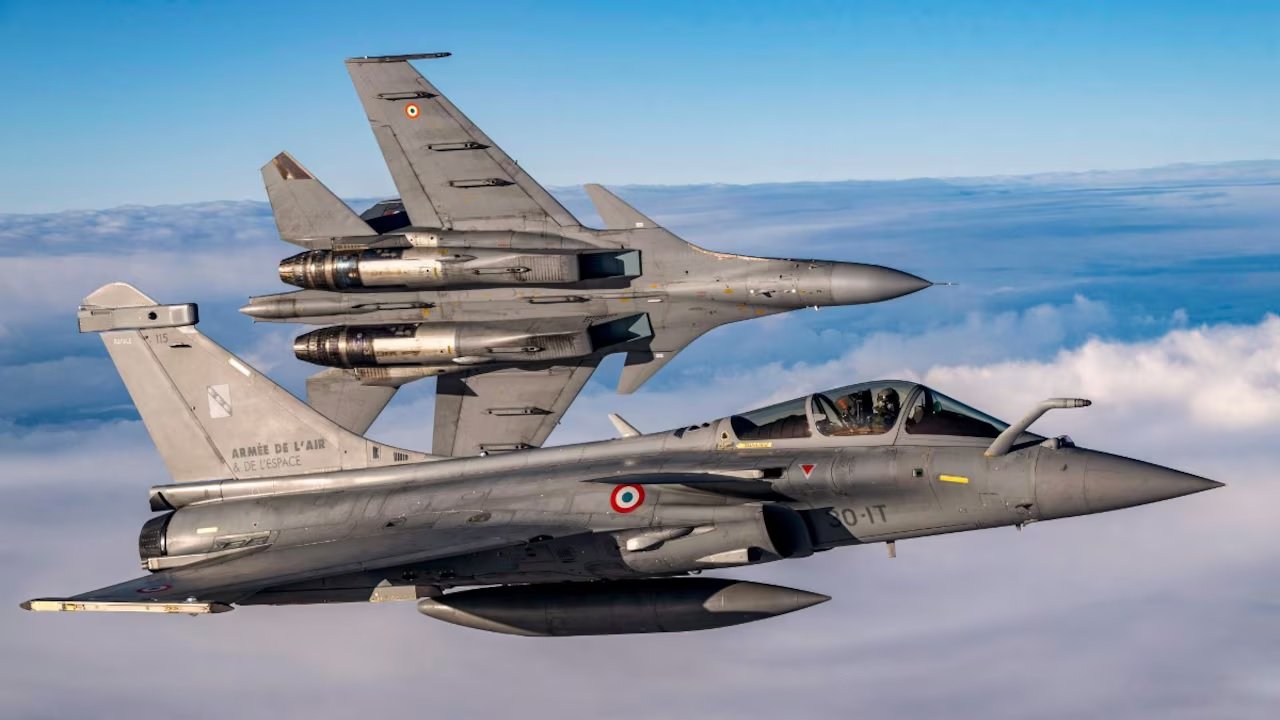
The operation involved more than 100 U.S. military aircraft preparing to operate from bases and warships across the Middle East. Saudi Arabia's military bases and airspace were considered essential to the mission because of their strategic location.
According to U.S. officials familiar with the matter, Saudi Arabia temporarily denied the United States access to its military facilities and airspace, forcing the Trump administration to suspend Project Freedom only hours after it began. Officials said only a limited number of commercial vessels were able to transit the Strait of Hormuz before the operation was halted.
U.S. Response and Diplomatic Fallout
In response, the Trump administration warned that it could suspend deliveries of air-defense interceptors to Saudi Arabia, which relies on the systems to defend against Iranian drone and missile attacks.
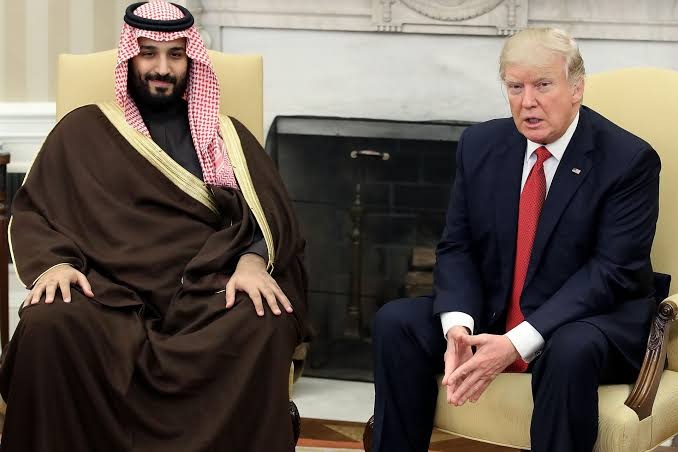
Following high-level discussions, including phone conversations between President Trump and Saudi Crown Prince Mohammed bin Salman, Riyadh lifted the restrictions and restored U.S. access to its military facilities.
Although the immediate dispute was resolved, U.S. officials said the incident exposed challenges in coordinating regional military operations and led the administration to begin reviewing the future size of the American military presence in Saudi Arabia.
The disagreement also affected diplomatic engagement. U.S. Secretary of State Marco Rubio did not visit Riyadh during a recent Gulf trip, while Crown Prince Mohammed bin Salman declined to attend the recent G7 summit, reportedly reflecting Saudi dissatisfaction over broader regional issues linked to the conflict with Iran.
Review of U.S. Military Presence
The administration is now examining options to adjust its force posture in Saudi Arabia as part of a wider assessment of U.S. security arrangements across the Gulf region.
Officials said the review will evaluate future troop deployments, logistics support, and military cooperation with regional partners to ensure operational flexibility during future contingencies.
Strategic Importance of the Strait of Hormuz
The Strait of Hormuz remains one of the world's most important maritime chokepoints, carrying about 20% of global seaborne oil trade. Disruptions to shipping earlier this year affected international energy markets and commercial maritime traffic, prompting the United States and its partners to pursue measures aimed at maintaining freedom of navigation.
The dispute surrounding Project Freedom has highlighted the importance of regional cooperation for military operations in the Gulf and has prompted Washington to reassess aspects of its long-term security partnership and force posture in Saudi Arabia.
——— End of Article ———