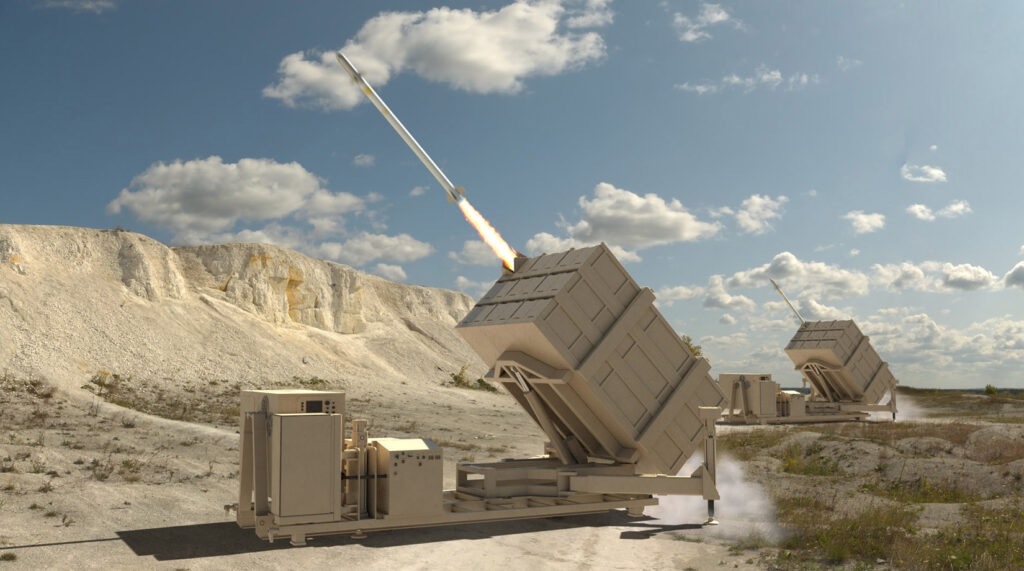
WASHINGTON, — The U.S. Air Force has started a new program to build a cheaper, ground-launched supersonic missile aimed at improving air defense while keeping costs low.
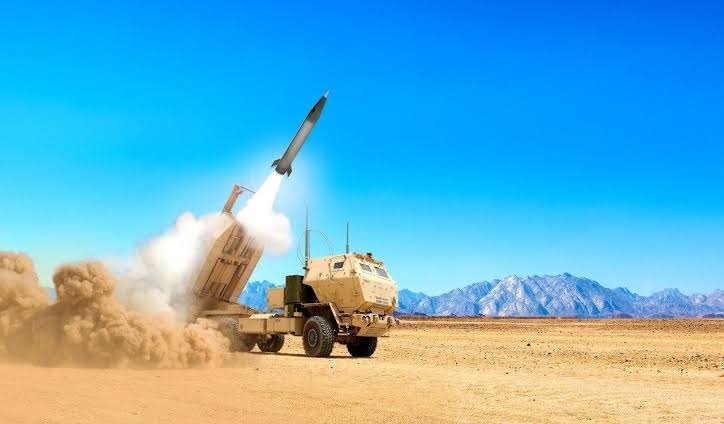
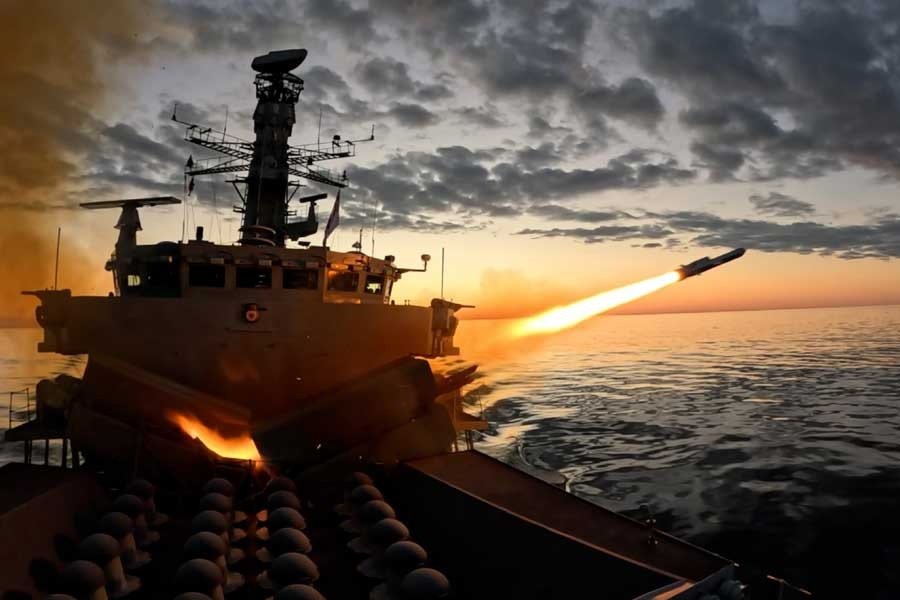
On July 1, the Air Force Life Cycle Management Center (AFLCMC) released a request under the Counter Air Missile Program (CAMP). The project, called the Ground Launched Counter Air Enterprise Test Vehicle (GLCA ETV), is asking companies to design a new missile that can be launched from the ground to defend military bases and deployed forces.
Unlike traditional air-to-air missiles that rely on fighter jets, this missile will be launched from the ground. This means the Air Force can place it wherever needed without depending on aircraft availability, giving more flexibility to protect forward bases and key infrastructure.
A big focus of the program is keeping costs low. While the Air Force has not shared exact performance details like range or speed, it previously said it wants each missile to cost around $500,000. This is much cheaper than many current interceptor missiles, which can cost several million dollars each.
The move comes after recent conflicts, such as in Ukraine and the Middle East, where expensive missiles were used up quickly and production struggled to keep up. By lowering costs, the Air Force hopes to build larger stockpiles and sustain longer operations.
The missile will use a modular design, meaning different parts like sensors and guidance systems can be swapped or upgraded easily. The Air Force also wants companies to use commercial components where possible to save time and money. This approach is expected to speed up development and make future upgrades easier.
To move quickly, the Air Force is using a flexible contracting method known as an Other Transaction (OT) agreement. The timeline is tight: companies must submit proposals by August 3, 2026, and selected firms will present their ideas in person the following week.
There are also strict security rules. Most technical data is classified as Controlled Unclassified Information (CUI). Companies must be registered under the Joint Certification Program and submit the required authorization forms to access sensitive information. Foreign companies, or U.S. firms under foreign control, are not allowed to participate.
If successful, the project could move into full production under a larger program called FAMM-GLCA, part of the Family of Affordable Mass Missiles (FAMM) initiative. This program aims to quickly build large numbers of lower-cost precision weapons.
The Air Force plans to spend more than $12.6 billion over the next five years to acquire nearly 28,000 FAMM weapons. For fiscal year 2027, about $355 million is set aside to buy around 1,000 missiles.
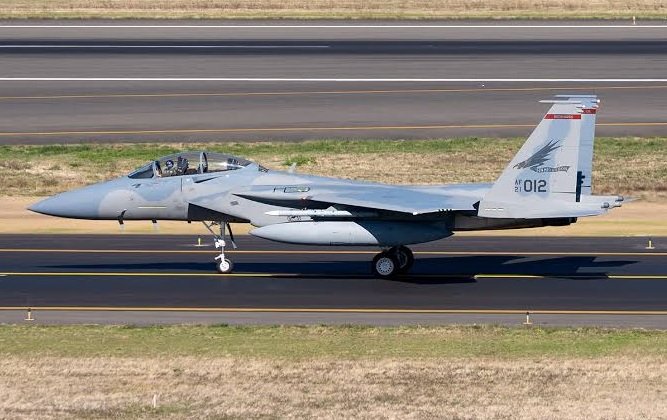
The FAMM program includes different types of missiles, including ones that can be dropped from cargo planes or carried by fighter jets and bombers. Air Force Chief of Staff Kenneth Wilsbach has said that the first of these weapons could enter production later this year.
Several companies are already involved in the broader FAMM effort, including Anduril Industries, CoAspire, Zone 5 Technologies, and Leidos. Engine maker PBS Aerospace is also working on turbine technology to support large-scale missile production.
By connecting this new ground-launched missile effort with the larger FAMM program, the Air Force is trying to move quickly from testing to mass production if the system performs as expected.
——— End of Article ———