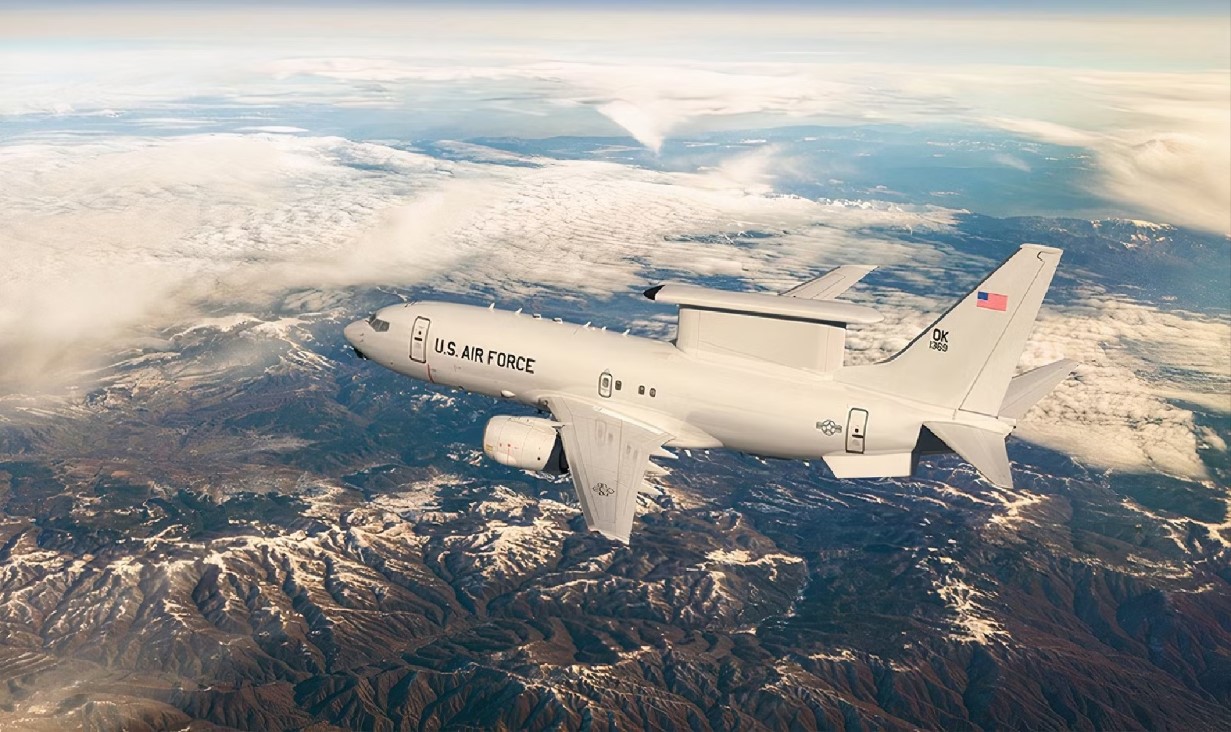
WASHINGTON, June 24, 2026 — The U.S. Department of Defense has submitted a budget amendment to Congress requesting a $1.55 billion realignment of fiscal year 2027 funds to continue development of the Boeing E-7A Wedgetail airborne early warning and control (AEW&C) aircraft. The move is aimed at sustaining a program that the Pentagon had proposed terminating in previous budget plans and is intended to support the replacement of the aging E-3 Sentry Airborne Warning and Control System (AWACS) fleet.
The funding request was outlined in a June 17 letter from the White House Office of Management and Budget (OMB) to House Speaker Mike Johnson. The proposal reallocates $899 million from the Air Force’s “Other Procurement” account and $651 million from the Navy’s Aircraft Procurement account.
According to a report from the House Appropriations Committee’s defense subcommittee, the Air Force portion of the transfer will come from the Special Update Program, which funds classified Special Access Programs. The transfer represents approximately 17.6 percent of that budget line. An Air Force spokesperson stated that budget decisions continue to involve ongoing evaluations and prioritization of defense requirements.
The remaining $651 million would be redirected from funds originally allocated to the Navy’s Northrop Grumman E-2D Advanced Hawkeye program. The Navy had requested $2.08 billion in fiscal year 2027 funding to procure six E-2D aircraft for carrier strike group operations.
The proposed $1.55 billion funding shift will not finance the purchase of additional E-7 aircraft. Instead, it will support continued development and modification work on seven previously contracted aircraft, including two prototype platforms and five Engineering, Manufacturing, and Development (EMD) aircraft.
Boeing is currently modifying two Boeing 737-based prototype airframes in the United Kingdom. The aircraft are being equipped with the E-7’s Multi-role Electronically Scanned Array (MESA) radar, an advanced Active Electronically Scanned Array (AESA) system capable of simultaneously conducting air and maritime surveillance. The radar is reported to provide detection ranges exceeding 400 kilometers while supporting battle management, command and control, and target tracking missions. The status of work on the five EMD aircraft has not been publicly disclosed.
The E-7 Wedgetail is designed to replace the Air Force’s E-3 Sentry fleet, which is based on the Boeing 707 airframe. The E-3 has faced increasing maintenance challenges due to its age, and a significant portion of the fleet has already been retired. The newer E-7 offers improved reliability, lower sustainment costs, greater operational availability, and enhanced integration with modern combat aircraft such as the F-22 Raptor and F-35 Lightning II.
Unlike the E-3’s rotating radar dome, the E-7 employs a fixed MESA radar mounted on top of the fuselage. The system provides continuous surveillance coverage and improved performance in complex and contested operational environments.
The funding transfer has also renewed debate over the future of the Navy’s E-2D Advanced Hawkeye program. The E-2D serves as the primary airborne early warning platform for U.S. aircraft carrier strike groups and provides command-and-control functions, air defense coordination, and battle management capabilities. While the aircraft can perform aerial refueling and advanced surveillance missions, it has a smaller crew, shorter operational range, and more limited theater-wide command capabilities than the larger E-7 platform.
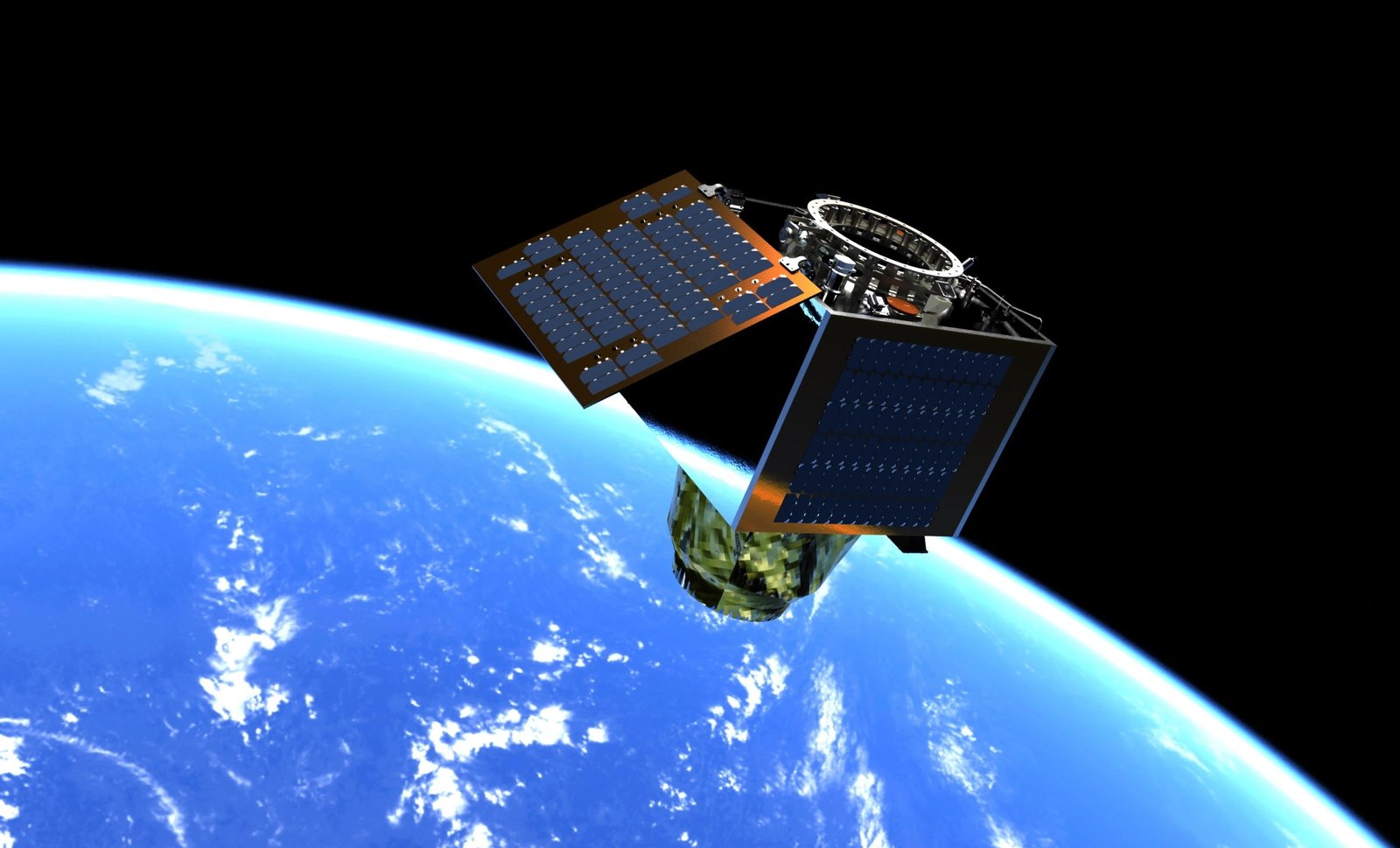
In earlier budget discussions, Pentagon officials proposed relying on additional E-2D aircraft as an interim solution while pursuing future space-based moving target indicator technologies. However, lawmakers have argued that the E-2D and E-7 perform complementary missions and should both remain part of the U.S. military’s airborne surveillance architecture.
House appropriators opposed reducing E-2D funding to support the Wedgetail program and restored the $651 million cut in their defense spending legislation, preserving the Navy’s plan to acquire all six E-2D aircraft requested for fiscal year 2027.
In accompanying budget documents, lawmakers stated that they support both the E-7 funding realignment and the continued procurement of E-2D aircraft, emphasizing that additional airborne surveillance and command-and-control assets are needed to meet future operational requirements.
The E-7 program’s long-term future, however, remains uncertain. The Air Force originally planned to acquire a fleet of 26 Wedgetail aircraft before the Pentagon moved to cancel the program in favor of future space-based sensing capabilities. Although the latest funding request keeps development efforts moving forward, Congress has expressed concern over the absence of a detailed acquisition roadmap.
As a result, House lawmakers have directed the Secretary of the Air Force to provide a comprehensive E-7 acquisition strategy alongside the President’s fiscal year 2028 budget request. The report is expected to include the total number of aircraft required, future funding requirements, development milestones, production schedules, and the timeline for full operational deployment.
The E-7 Wedgetail is already in service with several allied nations, including Australia, and has been selected by multiple countries as a modern airborne early warning platform. U.S. officials view the aircraft as a critical capability for maintaining airborne command-and-control operations while next-generation space-based surveillance systems continue to mature.
The proposed $1.55 billion funding realignment highlights the Pentagon’s efforts to preserve near-term airborne surveillance and battle management capabilities while balancing broader modernization priorities across the U.S. military.
——— End of Article ———