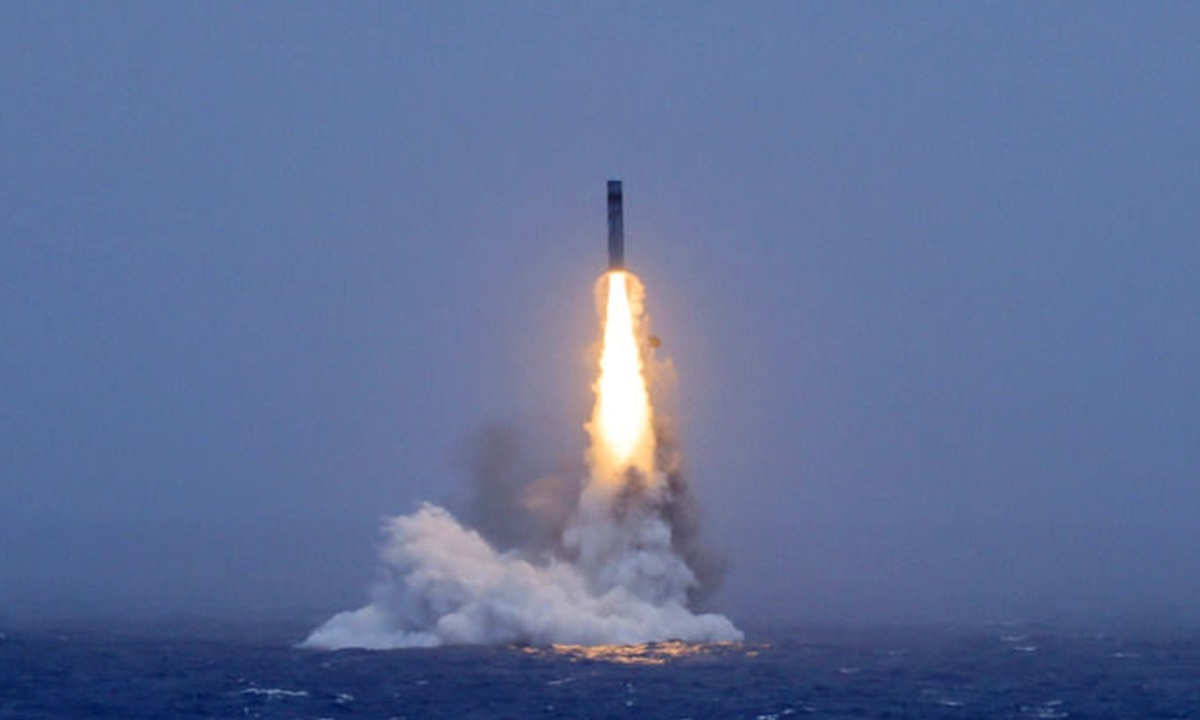
Beijing — China has conducted its first publicly acknowledged submarine-launched ballistic missile (SLBM) test into the Pacific Ocean, marking a significant step in the operational development of the sea-based component of its nuclear deterrent.
According to Reuters, the launch was carried out on July 6 at 12:01 p.m. (0401 GMT) using a nuclear-powered ballistic missile submarine (SSBN). The missile carried a non-nuclear dummy warhead and struck a designated impact area in international waters after China provided advance notification to relevant regional governments. China said the launch was part of routine military training and did not involve a nuclear payload.
The test follows China's September 2024 launch of a land-based intercontinental ballistic missile (ICBM), when a DF-31-class missile traveled approximately 11,000 kilometers from Hainan to an impact area near French Polynesia. Together, the two long-range missile launches demonstrate China's continued efforts to strengthen different elements of its strategic deterrent.
Focus on Sea-Based Operational Readiness
The July 2026 launch primarily assessed the operational procedures required for a sea-based strategic deterrent rather than testing a nuclear warhead. A submarine-launched ballistic missile operation requires coordination across multiple stages, including secure transmission and authentication of launch orders, precise underwater navigation, missile launch procedures, and long-range flight tracking.
Successfully completing the exercise demonstrated China's ability to conduct an end-to-end submarine-launched ballistic missile operation under realistic conditions. Ballistic missile submarines play an important role in nuclear deterrence because they can remain concealed at sea, providing a potential retaliatory capability even if land-based missile forces are attacked.
Type 094 Submarines Form the Core of China's Sea-Based Deterrent
China's current sea-based nuclear force is built around six operational Type 094 Jin-class nuclear-powered ballistic missile submarines. International defense analysts and the U.S. government have identified the Type 094 fleet as China's first credible sea-based nuclear deterrent.
Each submarine is assessed to carry JL-2 or the newer JL-3 submarine-launched ballistic missiles. China is also developing the next-generation Type 096 ballistic missile submarine, which is expected to feature improved stealth characteristics, longer patrol endurance, and the ability to carry future multiple independently targetable reentry vehicle (MIRV)-capable submarine-launched missiles.
The introduction of the JL-3 missile has expanded the operational flexibility of China's submarine fleet. With a reported range exceeding 10,000 kilometers, the missile allows submarines to remain in waters closer to China while still being capable of reaching distant targets.
Earlier generations of Chinese submarine-launched ballistic missiles required submarines to patrol much farther into the Pacific Ocean, increasing their exposure to anti-submarine warfare (ASW) networks operated by countries including the United States, Japan, and Australia. The longer-range JL-3 reduces that requirement by allowing launches from protected waters closer to China's coastline.
This supports what defense analysts commonly describe as a "bastion" strategy, in which ballistic missile submarines operate within protected patrol areas covered by surface warships, maritime patrol aircraft, underwater sensor networks, and land-based air defense systems.
Regional Reactions
The missile launch occurred on the same day Australian Prime Minister Anthony Albanese and Fijian Prime Minister Sitiveni Rabuka signed the Ocean of Peace Alliance in Suva, a mutual defense agreement aimed at strengthening security cooperation between Australia and Fiji.
Several regional governments responded to China's missile test.
Australia described the launch as destabilizing and expressed concern about China's expanding military capabilities and limited transparency surrounding its strategic modernization.
New Zealand noted that the missile's impact area was located within the South Pacific Nuclear Free Zone established under the 1986 Treaty of Rarotonga.
Japan also expressed concern over China's growing strategic military activities and warned against ballistic missile operations that could affect regional security.
Although China notified several governments before the launch, helping reduce the risk of misunderstandings during the exercise, the test nevertheless generated political concern across the Pacific region.
Part of China's Broader Nuclear Modernization
China continues to maintain its official No First Use nuclear policy, under which it states it will not be the first to use nuclear weapons in a conflict. At the same time, the country is modernizing all three components of its nuclear forces.
China was estimated to possess more than 600 operational nuclear warheads in 2024, with projections indicating the stockpile could exceed 1,000 warheads by 2030.
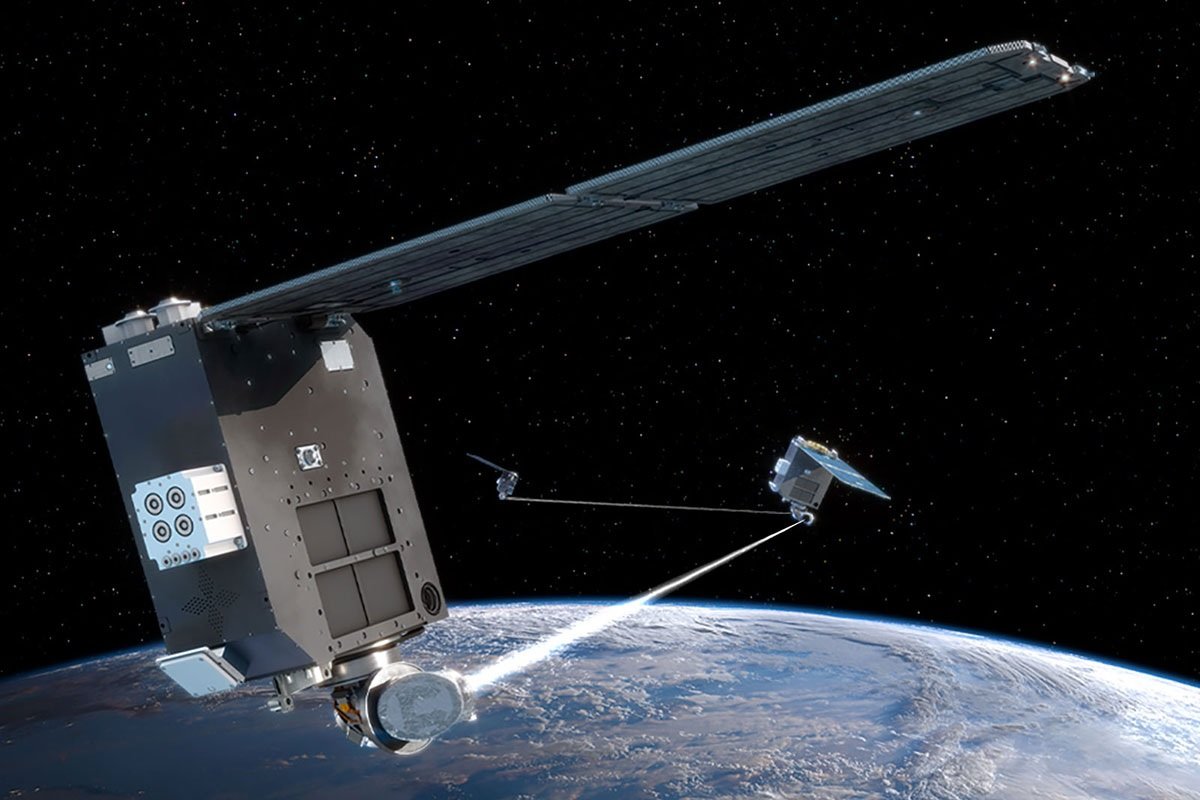
Its modernization program includes expanded solid-fuel intercontinental ballistic missile silo fields, additional road-mobile missile units, theatre nuclear-capable delivery systems, and enhanced missile warning capabilities supported by TJS/Huoyan-1 infrared satellites and large phased-array radar systems.
Following a series of land-based ICBM launches conducted during 2024, the July 2026 submarine-launched ballistic missile test adds an important maritime element to China's strategic readiness exercises.
The launch demonstrates China's continued efforts to improve the operational capability of its sea-based nuclear force while expanding the survivability and flexibility of its overall nuclear deterrent through land, sea, and air-based delivery systems.
——— End of Article ———