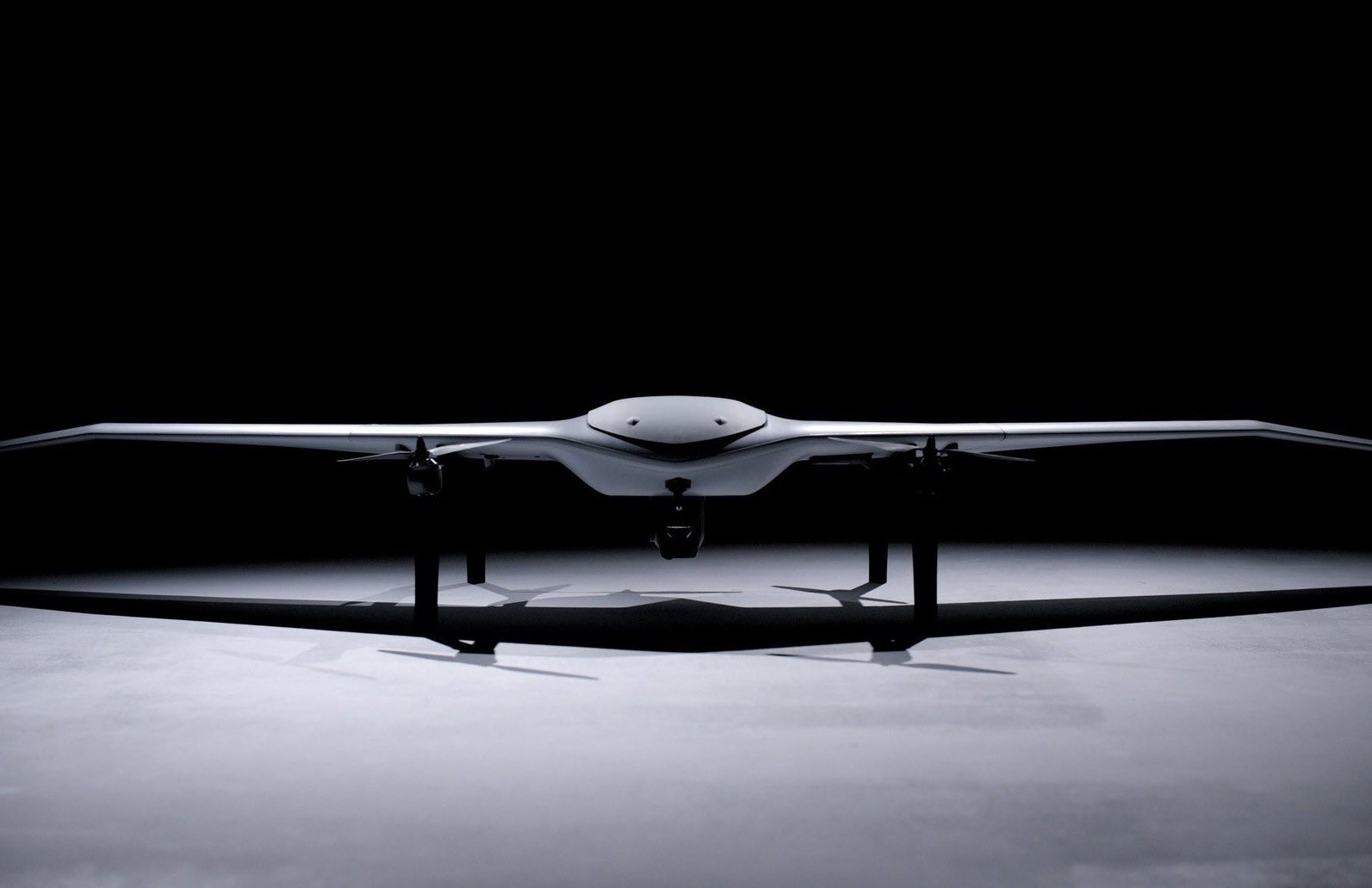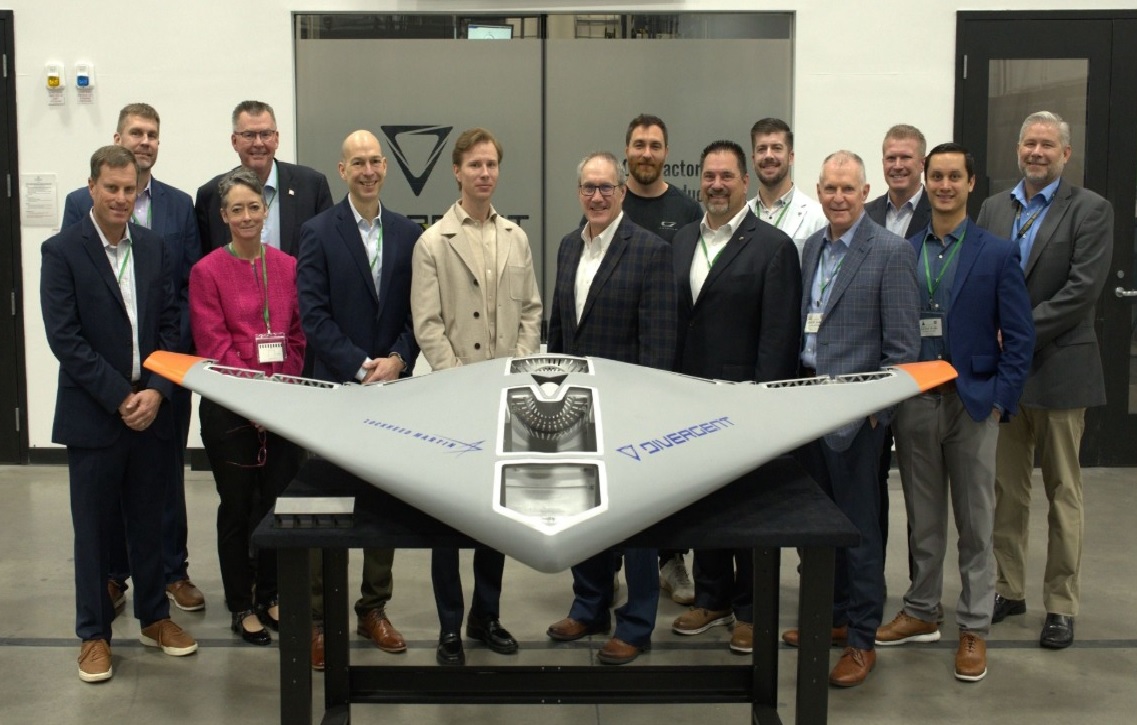
PALMDALE, California — June 10, 2026 : Lockheed Martin’s Skunk Works division, working in partnership with Divergent Technologies, has successfully designed and built a new unmanned aerial system (UAS) prototype known as Replicator in less than 12 months, demonstrating a manufacturing approach that could significantly reduce the time required to develop future military aircraft.
The project combines advanced digital engineering with additive manufacturing, commonly known as 3D printing, allowing engineers to move from an initial concept to a flight-ready prototype far faster than traditional aerospace development programs. The Replicator drone features a 2.7-meter (9-foot) wingspan and serves as a proof of concept for a new generation of digitally manufactured defense systems.
Rapid Development Through Digital Manufacturing
The accelerated timeline was made possible through Divergent Technologies’ Adaptive Production System (DAPS), an integrated digital manufacturing platform that combines design, structural analysis, production planning, assembly, and quality control within a single workflow.
Traditional aircraft programs typically involve multiple teams using separate software systems, often creating delays as data moves between design, engineering, and manufacturing stages. DAPS eliminates many of these bottlenecks by allowing changes made during the design phase to automatically update throughout the production process.
This digital-first approach enables engineers to quickly evaluate design modifications and move directly into manufacturing without lengthy manual adjustments or data transfers.
Role of 3D Printing
A central feature of the Replicator program is the extensive use of additive manufacturing. Instead of machining components from metal blocks or relying on specialized casting tools, parts are produced directly from digital files using industrial 3D-printing systems.
This process allows the creation of lightweight and structurally optimized components that would be difficult or expensive to manufacture through conventional methods. Engineers can rapidly test a component, revise the design based on results, and produce an updated version within days.
The ability to quickly iterate designs helps reduce development timelines while improving performance, strength, and manufacturing efficiency.
Lockheed Martin’s Investment in Divergent
The collaboration stems from a $25 million strategic investment made by Lockheed Martin in Divergent Technologies in 2024. The investment was intended to explore how Divergent’s digital manufacturing technology could be applied across multiple defense programs, including advanced munitions, unmanned systems, and future vehicle concepts.
Since the investment, both companies have worked to evaluate how digitally integrated production methods can accelerate the delivery of defense capabilities while reducing manufacturing complexity.
Pentagon Interest in the Program
The Replicator project has attracted attention from senior U.S. defense officials. Pete Hegseth, recently viewed the prototype during a visit to Divergent’s California facility as part of his nationwide “Arsenal of Freedom” tour, which focuses on assessing the modernization and capacity of the U.S. defense industrial base.
Earlier this year, Lockheed Martin Chief Operating Officer Frank St. John also toured the facility. Commenting on the partnership, St. John said the combination of digital engineering, additive manufacturing, and commercial production processes can help strengthen the resilience of the American defense industrial base while delivering capabilities more quickly.
Skunk Works Continues Its Rapid Development Tradition
The Replicator program reflects the long-standing development philosophy of Lockheed Martin Skunk Works, which was established in 1943 by aerospace engineer Kelly Johnson.
For decades, Skunk Works has been responsible for some of the most significant aircraft programs in U.S. aviation history, including the U-2, SR-71 Blackbird, F-117 Nighthawk, and F-22 Raptor.
The division is known for using small, highly specialized teams and streamlined management structures to accelerate development timelines. The Replicator project extends that philosophy by incorporating modern digital manufacturing technologies.
Potential Impact on Defense Production
Although Lockheed Martin has emphasized that Replicator remains an early-stage prototype and has not been selected for production, the project demonstrates how digital manufacturing could support future defense acquisition programs.
One of the most significant advantages of the DAPS approach is its potential to reduce dependence on traditional supply chains. Because components can be produced without specialized tooling, large casting facilities, or extensive machining operations, production can be scaled more quickly when required.
Defense analysts have increasingly highlighted supply chain resilience as a critical factor in maintaining military readiness, particularly during periods of increased demand or potential conflict.
Part of a Broader Innovation Strategy
The Divergent partnership is part of Lockheed Martin’s wider effort to integrate emerging commercial technologies into defense applications. The company has also invested in Saildrone, which develops autonomous surface vessels used for maritime surveillance, and Fortem Technologies, a company specializing in counter-unmanned aircraft systems.
By combining the innovation speed of technology startups with the engineering, integration, and production capabilities of a major defense contractor, Lockheed Martin aims to accelerate the delivery of operational systems to military customers.
The Replicator drone serves as an early example of this strategy and demonstrates how digital engineering and advanced manufacturing technologies could reshape the future development of unmanned aircraft and other defense platforms.
——— End of Article ———