BERLIN, June 27, 2026 — The United States' decision to withdraw approximately 5,000 military personnel from Germany has created economic uncertainty for communities hosting American bases while prompting renewed discussion over Europe's future security responsibilities. The planned reduction, announced by the Pentagon, is expected to take place over the next six to 12 months and forms part of a broader review of the U.S. military posture in Europe.
The decision follows recent diplomatic tensions between Washington and Berlin. The disagreement emerged after German Chancellor Friedrich Merz criticized the United States' handling of the ongoing Iran war, stating that U.S. negotiators had been undermined. Shortly afterward, U.S. President Donald Trump directed the Pentagon to begin withdrawing 5,000 American troops from bases across Germany.
German Defense Minister Boris Pistorius said the planned reduction was not entirely unexpected. While emphasizing that the long-standing U.S. military presence has benefited both countries and strengthened NATO's collective defense, he said the development highlights the growing need for European nations to invest more heavily in their own defense capabilities and assume greater responsibility for regional security.
Germany currently hosts approximately 37,000 permanently stationed U.S. military personnel, making it one of the largest American military deployments outside the United States. The country serves as a critical logistics, command, medical, and training hub for U.S. military operations throughout Europe and Africa.
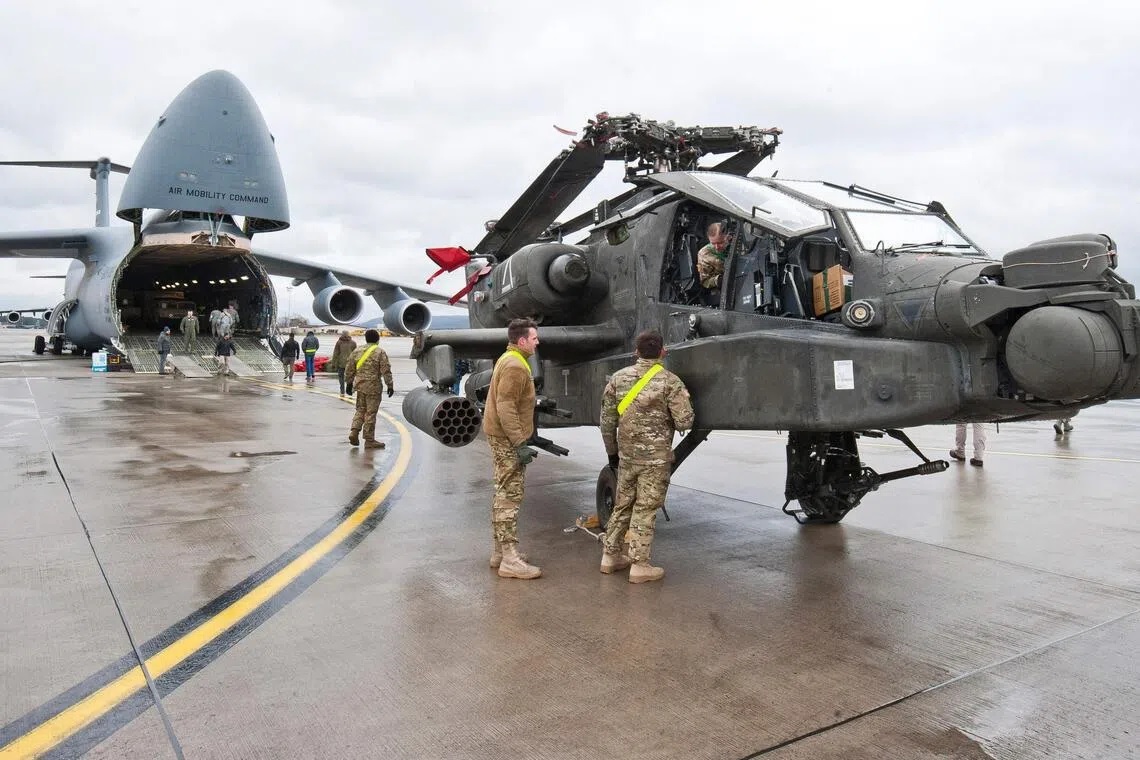
Among the most important installations is Ramstein Air Base, the largest U.S. airbase outside the United States, which supports air mobility, logistics, and operational coordination across multiple theaters. Wiesbaden serves as the headquarters of the U.S. Army in Europe, while Landstuhl Regional Medical Center provides advanced medical treatment for U.S. military personnel. Major training activities are also conducted at facilities near Grafenwoehr and Vilseck in Bavaria.
The troop reduction is expected to affect several of these communities, many of which have developed close economic and social ties with American military personnel and their families over several decades.
According to regional estimates, the U.S. military presence contributes between €650 million and €700 million annually to local economies through spending on housing, retail, transportation, education, hospitality, and other services. Thousands of local residents are employed directly or indirectly through military-related activities, making the bases an important source of economic stability.
One of the communities facing the greatest uncertainty is the Bavarian town of Vilseck, which hosts nearly 5,000 U.S. soldiers from a U.S. Army regiment. Mayor Thorsten Grädler said the departure of a significant number of troops would fundamentally change the town's economic and social structure, affecting businesses and community life that have developed around the military presence.
Similar concerns have emerged in Ramstein and neighboring Landstuhl, where local authorities are assessing the possible impact on housing demand, local employment, commercial activity, and municipal services. Officials say the presence of American personnel has supported local businesses for decades, and any substantial reduction could require long-term economic adjustments.
The Pentagon has indicated that the withdrawal represents part of a wider restructuring of U.S. force deployment in Europe, which also includes reviewing the positioning of certain strategic defense assets. Military planners are expected to evaluate how the changes will affect operational readiness while maintaining support for NATO missions across the region.
The proposal also revives discussions from President Trump's previous administration, when similar plans to reduce the U.S. military presence in Germany were considered but ultimately did not result in large-scale troop withdrawals.
NATO officials are reviewing the planned reductions and their potential implications for the alliance's force posture in Europe. German federal authorities continue discussions with U.S. counterparts regarding the implementation timeline and the future role of American military facilities in the country.
As preparations for the withdrawal move forward, local governments are developing contingency plans to reduce potential economic disruption while national leaders focus on strengthening Germany's defense capabilities and expanding military cooperation among European allies. Communities hosting U.S. bases remain awaiting further details from the Pentagon regarding the scope, timing, and distribution of the planned troop reductions.
——— End of Article ———