WASHINGTON, June 23, 2026 — The U.S. Army has officially activated the 7th Infantry Division (Multi-Domain Command – Pacific) (MDC-PAC) following the merger of the 7th Infantry Division and the 1st Multi-Domain Task Force (MDTF), creating a new theater-level formation designed for operations across the Indo-Pacific region.
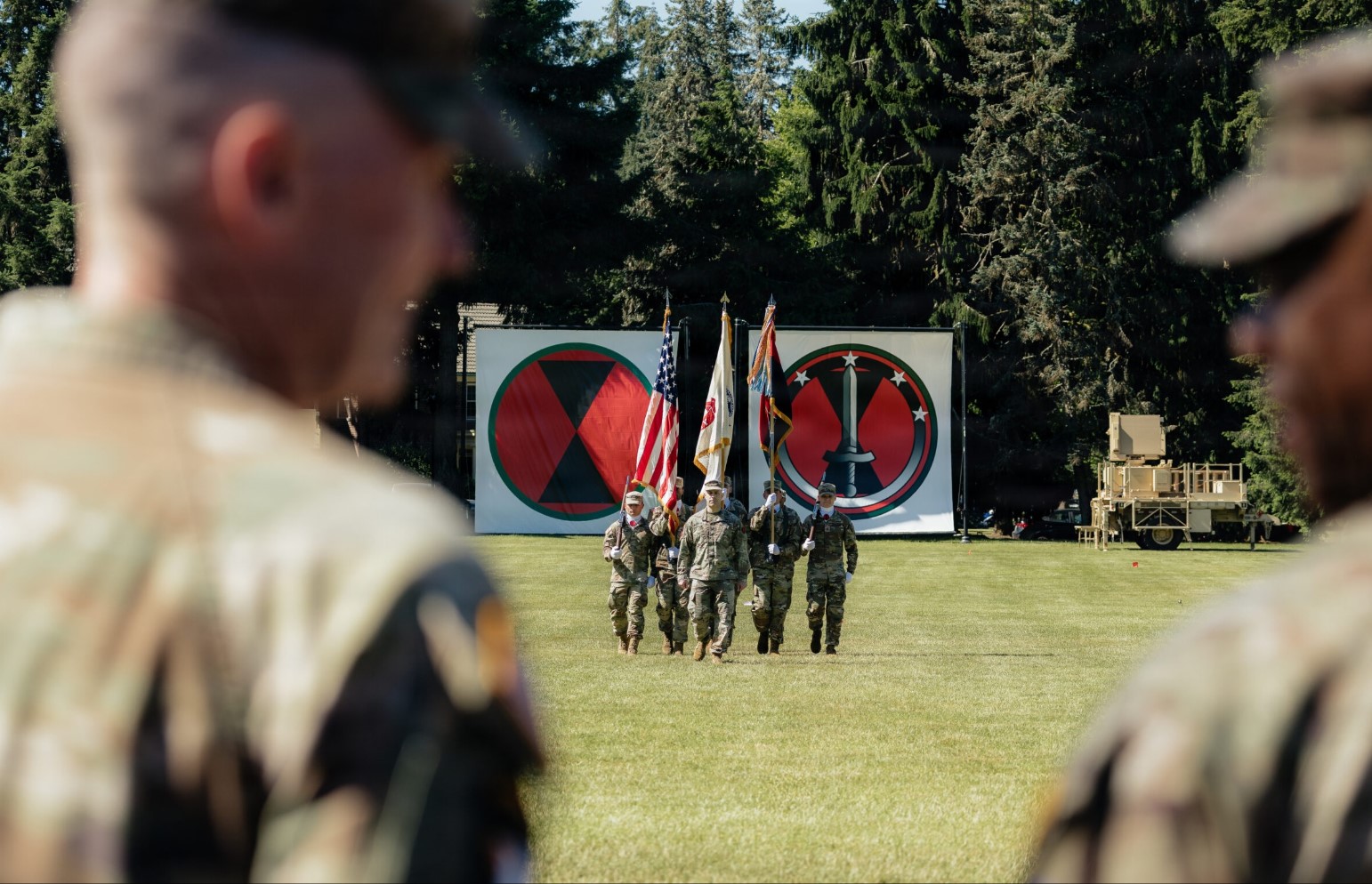
The redesignation ceremony took place on June 18 at Joint Base Lewis-McChord, Washington, establishing the Army’s first two-star command that combines conventional ground maneuver forces with advanced cyber, space, electronic warfare, intelligence, long-range fires, and unmanned systems capabilities.
New Multi-Domain Formation
The newly established 7th ID MDC-PAC comprises approximately 12,000 personnel and is designed to function as a highly mobile and self-sustaining force capable of operating independently across large distances in the Pacific theater.
The command integrates the operational strength of the 7th Infantry Division’s two Stryker Brigade Combat Teams and Combat Aviation Brigade with the long-range sensing, intelligence, and precision-strike capabilities of the 1st Multi-Domain Task Force.
Army officials describe the formation as a modern "covering force" capable of bridging traditional mechanized warfare and emerging multi-domain operations.
Maj. Gen. Bernard J. Harrington, commanding general of the 7th ID MDC-PAC, said the restructuring is intended to improve mission command and operational effectiveness.
“We are merging the operational endurance, flexibility, and protection of our proven Stryker formations with the long-range sensing and precision fires of our multi-domain task force,” Harrington said.
Cross Domain Contact Layer
A central element of the new command is the Army’s Cross Domain Contact Layer (CDCL) concept, which connects intelligence gathering, artificial intelligence, electronic warfare, cyber operations, and precision fires into a continuous operational network.
The framework is designed to penetrate and disrupt adversary anti-access/area-denial (A2/AD) networks while providing commanders with enhanced situational awareness and targeting capabilities.
Under this concept, the division will coordinate conventional ground forces with a range of advanced systems, including:
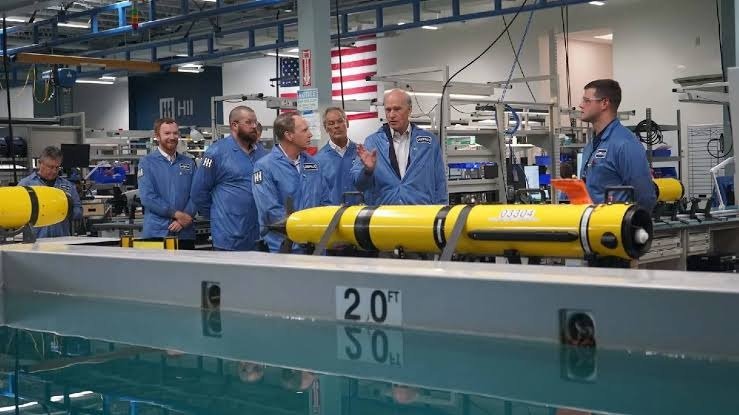
- Unmanned surface vessels (USVs)
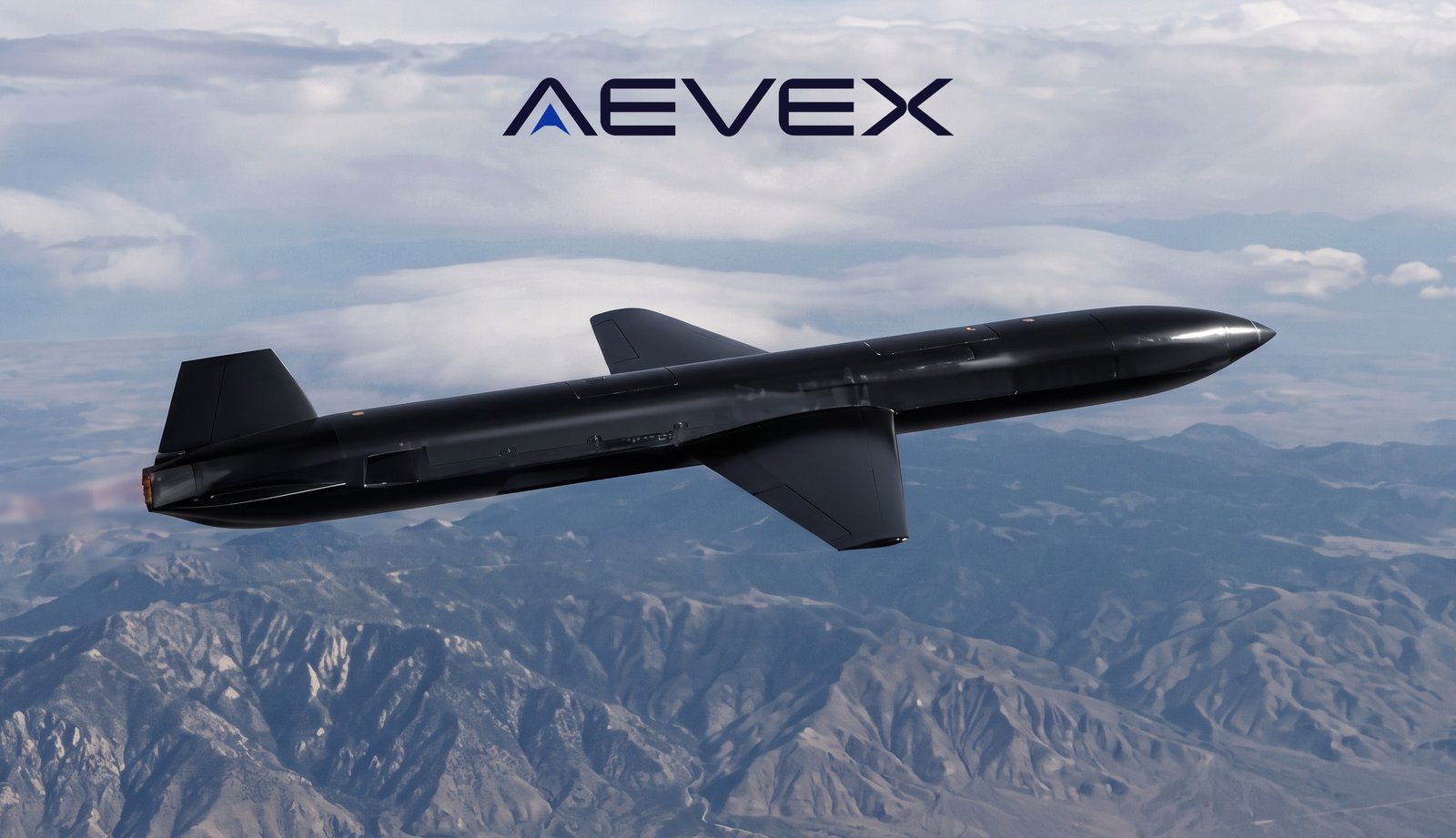
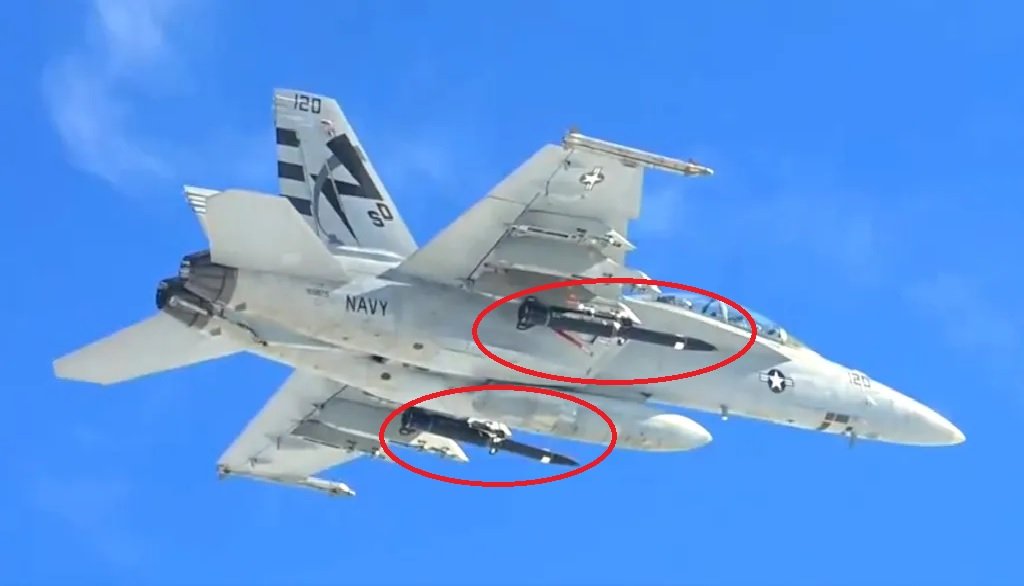
- Long-range one-way attack drones
- Cyber warfare capabilities
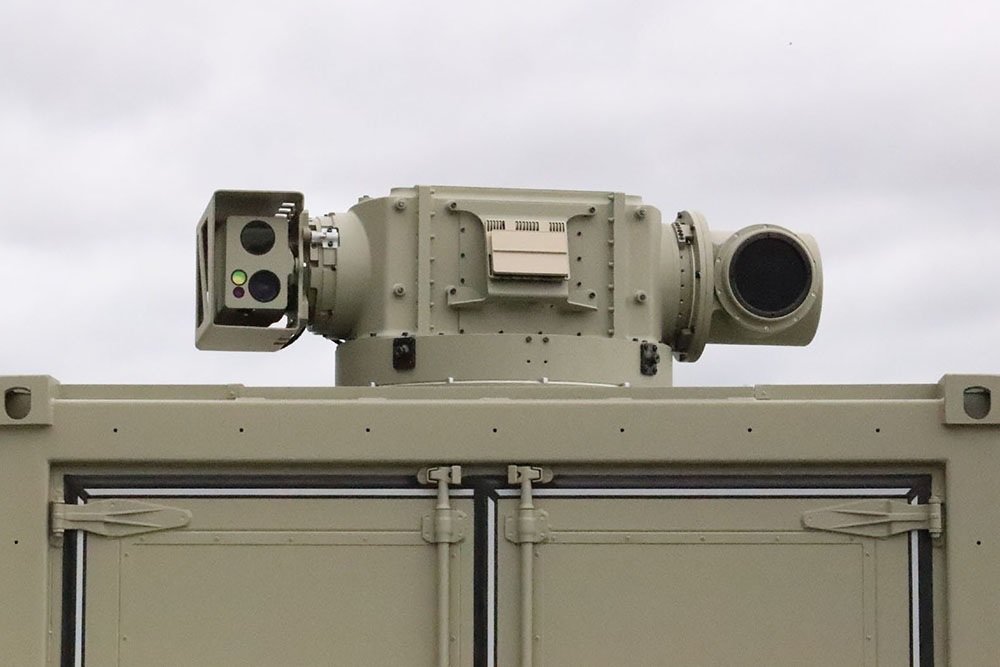
- Electronic warfare systems
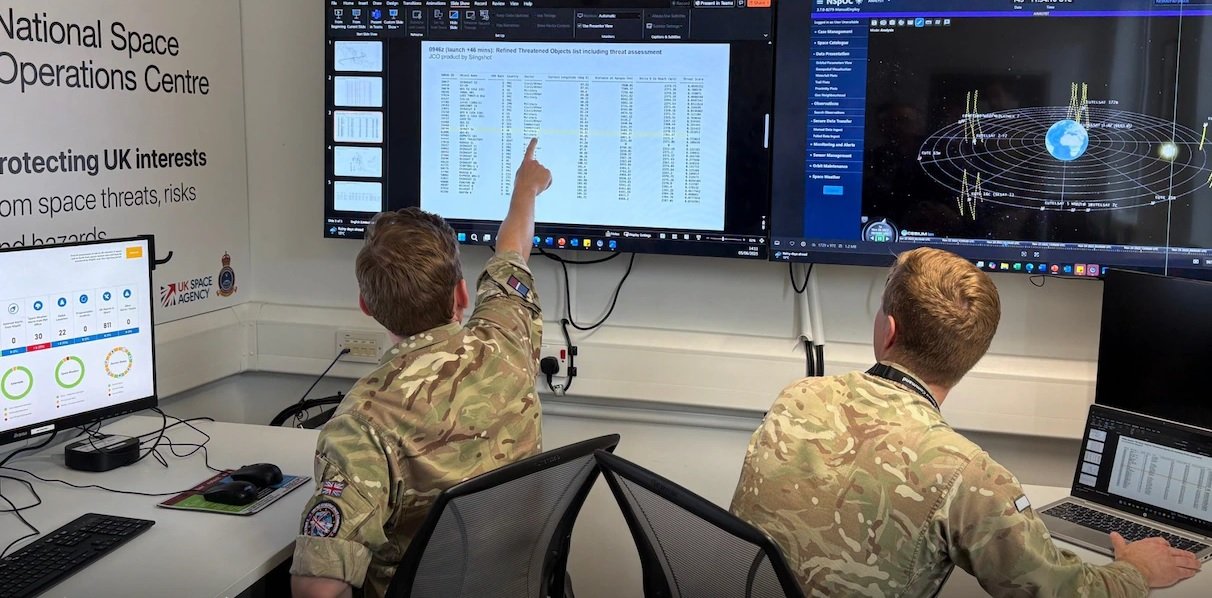
- Space-based sensing assets
- Long-range precision fires
According to Harrington, the command aims to continuously identify and hold at risk key adversary assets such as radars, communications nodes, and command headquarters through coordinated operations with joint and allied forces.
Indo-Pacific Focus
The establishment of MDC-PAC forms part of the Army’s broader transformation initiative aimed at strengthening U.S. military capabilities in the Indo-Pacific.
The effort includes force realignments, infrastructure improvements on Guam, expanded deployment options, and the rapid fielding of long-range weapons and advanced technologies.
The command is expected to support U.S. efforts to address evolving security challenges in the region, particularly in environments where access may be contested by advanced military capabilities.
Concepts Tested During Balikatan 2026
Army officials said many of the concepts behind the new formation were validated during Balikatan 2026, the annual multinational military exercise held in the Philippines.
During the exercise, conventional units provided security and maneuver capabilities while multi-domain elements employed systems such as the High Mobility Artillery Rocket System (HIMARS) to detect, track, and engage targets at extended ranges.
The drills demonstrated how traditional combat formations can be integrated with long-range sensing, intelligence, and precision-strike capabilities in support of joint operations.
Evolution of the Multi-Domain Task Force
The 1st Multi-Domain Task Force was originally established in 2017 as an experimental unit focused on integrating capabilities across land, air, maritime, cyber, and space domains.
Its development led to the activation of additional Multi-Domain Task Forces in Europe and other regions, providing the Army with new operational concepts for future conflicts.
With the creation of the 7th ID MDC-PAC, those capabilities are now being incorporated into a permanent theater-level command structure, enabling closer integration of emerging technologies with established maneuver forces.
Supporting Future Operations
Army leaders said the new organization preserves the heritage of the 7th Infantry Division, known as the “Bayonet Division,” while adapting the force to the demands of modern warfare.
By combining traditional combat formations with cyber, electronic warfare, space, intelligence, and unmanned capabilities, the 7th ID MDC-PAC is expected to provide the U.S. Army with a more agile and integrated force capable of supporting joint operations and broader strategic objectives throughout the Indo-Pacific region.
——— End of Article ———