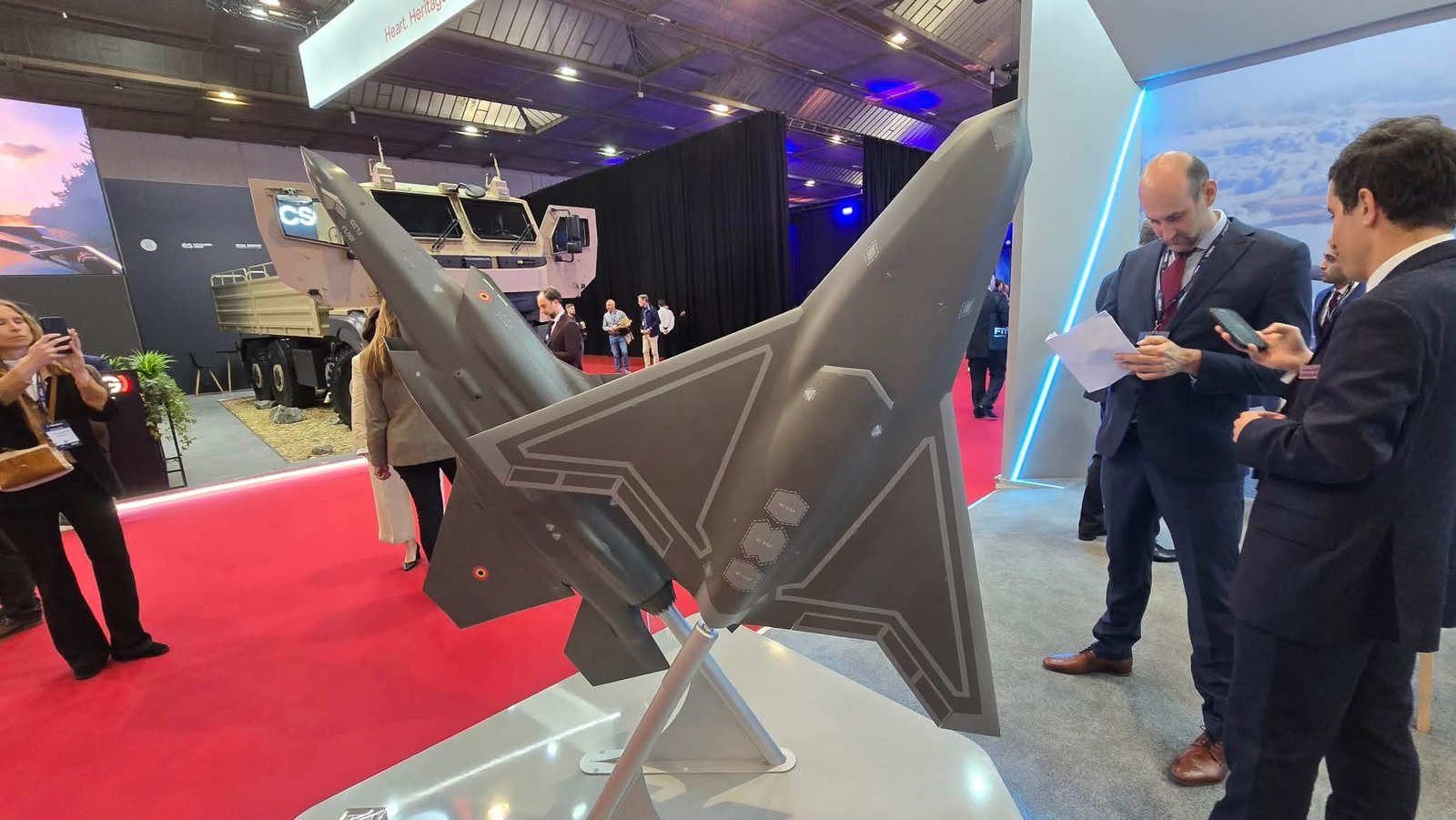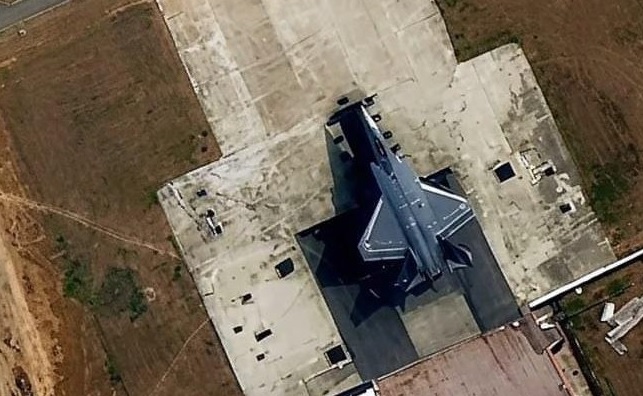
HYDERABAD, — June 10, 2026 : An airframe associated with India’s Advanced Medium Combat Aircraft (AMCA) program has been spotted at the Outdoor Radar Cross Section Test Measurement (ORANGE) facility in Dundigal, Hyderabad, indicating continued progress in the development of India’s indigenous fifth-generation stealth fighter aircraft.
The ORANGE facility, operated by the Defence Research and Development Organisation (DRDO) through its Research Centre Imarat (RCI), is a specialized test site used to evaluate the radar cross-section (RCS) characteristics of military platforms. Located near the Air Force Academy in Dundigal, the facility plays a key role in validating stealth features and electromagnetic signatures before aircraft designs move into advanced development stages.
Defence analysts indicate that the airframe currently at the facility is a full-scale engineering test model rather than a flyable prototype. Such models are used for radar signature assessments, allowing engineers to study how radar waves interact with the aircraft’s shape, structural features, and radar-absorbent materials. The testing helps verify whether the platform meets low-observability requirements.
Developed by the Aeronautical Development Agency (ADA) in partnership with DRDO, the AMCA is a twin-engine, multirole stealth fighter being designed primarily for the Indian Air Force. The aircraft is expected to incorporate advanced stealth technologies, internal weapons bays, sensor fusion, electronic warfare systems, and next-generation avionics.
The AMCA’s low-observable design includes extensive use of composite materials, accounting for approximately 38–40 percent of the airframe. The aircraft also features diverterless supersonic intakes with S-shaped ducts to conceal engine fan blades from radar, while internal weapons bays help maintain both stealth characteristics and aerodynamic performance. Its twin-tail configuration and carefully aligned structural edges are designed to reduce radar reflections.
The radar cross-section testing in Hyderabad is taking place alongside broader infrastructure development for the AMCA program. On May 15, 2026, the Ministry of Defence laid the foundation stone for a ₹16,000-crore Aircraft Integration and Flight Testing Complex at Puttaparthi in Andhra Pradesh. The facility is expected to become the primary center for assembly, integration, validation, and flight testing of future AMCA prototypes.
The AMCA program received approval from the Cabinet Committee on Security in March 2024, while the government approved the programme execution model in 2025, enabling participation from both public and private sector companies.
According to current timelines, the first AMCA prototype is expected to roll out in 2028, followed by flight testing and certification activities. Induction into the Indian Air Force is currently targeted for 2034–35.
The sighting of the AMCA airframe at the ORANGE facility marks another development milestone as India continues to validate critical stealth technologies for its first indigenous fifth-generation fighter aircraft.
——— End of Article ———