BAGHDAD, July 1, 2026 — Iraq's newly formed government has ordered all pro-Iran armed factions operating in the country to fully disarm and transfer their weapons to state control by September 30, the date scheduled for the conclusion of the US-led international coalition's anti-ISIS mission. The move represents a major step in Baghdad's effort to strengthen state authority and bring all armed forces under government control.
Government spokesman Haidar al-Aboudi announced the decision during a weekly press briefing, confirming that all relevant armed groups had been formally notified of the deadline.
"After this date, all weapons outside the state framework will be subject to legal redress," al-Aboudi said, adding that the government intends to ensure that all military and security activities operate exclusively within Iraq's official institutions.
The deadline has been directly linked to the withdrawal of the US-led coalition, removing one of the principal reasons historically cited by several armed groups for maintaining independent military structures outside government control. Iraqi and US officials have previously coordinated plans to transition security responsibilities to Iraqi forces as the coalition mission comes to an end.
Prime Minister Ali al-Zaidi, who took office earlier this year after months of political deadlock, is leading the disarmament initiative as part of a broader effort to reinforce Iraqi sovereignty. The 41-year-old businessman and political newcomer is expected to visit Washington next month, where US officials are anticipated to press Baghdad to reduce the influence of Iran-aligned militias that have repeatedly targeted American military facilities and diplomatic sites in the region.
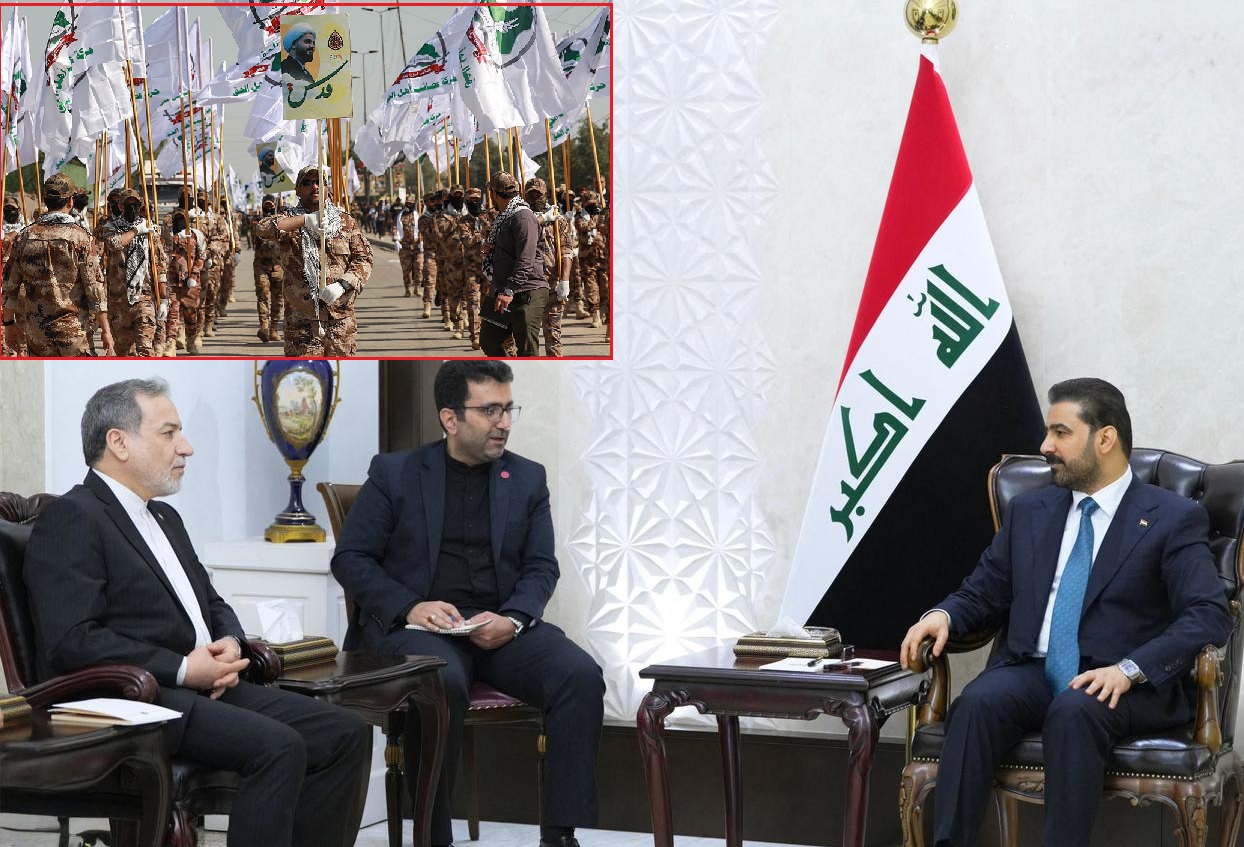
The government's directive has prompted differing responses among factions within the Popular Mobilisation Forces (PMF), an umbrella organization that includes numerous armed groups formed during the fight against the Islamic State.
Among the factions indicating compliance, Asaib Ahl al-Haq and Kataeb Imam Ali have announced plans to transfer control of their brigades, personnel, and weapons to Iraqi state authorities. Their decision supports the government's objective of integrating armed formations into the country's official security structure.
Other groups have rejected the order. Kataib Hezbollah stated that it will continue what it describes as "resistance work," although it expressed willingness to coordinate with Iraqi state forces. Harakat Hezbollah al-Nujaba also refused to surrender its weapons, arguing that continued foreign military presence and concerns over national sovereignty justify retaining its armed capabilities.
The disarmament initiative forms part of a wider state-building agenda pursued by Prime Minister al-Zaidi. Alongside security reforms, his government has launched a nationwide anti-corruption campaign targeting alleged graft within state institutions.
Over the past weekend, Iraqi special forces conducted operations in Baghdad's Green Zone that resulted in the arrest of at least 47 government officials and lawmakers on corruption-related charges, according to government officials. The arrests are part of the administration's broader effort to strengthen public institutions and improve governance.
By advancing both the anti-corruption campaign and the militia disarmament program, the Iraqi government aims to demonstrate progress in establishing state authority before the prime minister's meetings in Washington.
The Popular Mobilisation Forces (PMF) were established in 2014 after a religious decree called on volunteers to help Iraqi security forces fight the Islamic State following the group's rapid territorial gains. While many PMF units were later incorporated into Iraq's security framework, several factions have continued to maintain independent command structures and weapons stockpiles.
The success of the September 30 deadline will depend on whether the Iraqi government can enforce its legal measures against factions that refuse to disarm while maintaining stability and avoiding armed confrontation, particularly in Baghdad and other sensitive areas.
——— End of Article ———