BERLIN, July 1, 2026 — Germany is seeking US approval to manufacture selected American weapon systems on German soil as part of a broader effort to strengthen Europe's defense capabilities and reinforce long-term transatlantic cooperation ahead of next week's NATO summit in Ankara.
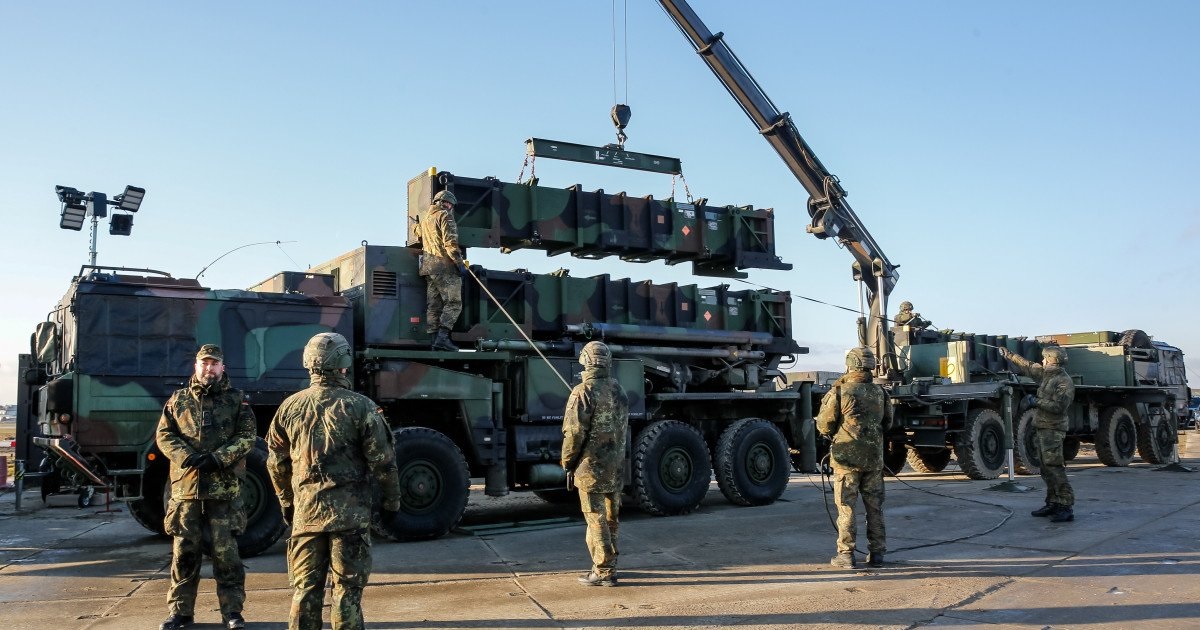
The proposal, currently under discussion between German and US officials, focuses on the joint production of PAC-3 interceptors used in Patriot air defense systems and Tomahawk long-range cruise missiles. German officials believe co-production would help address production bottlenecks, improve the availability of advanced weapons for European allies, and strengthen NATO's overall deterrence.
According to officials familiar with the discussions, the initiative aims to address capability gaps exposed by Russia's ongoing war in Ukraine while providing economic and strategic incentives for the United States to remain committed to European security. NATO Secretary-General Mark Rutte recently stated that Europe's rearmament efforts are already supporting approximately 195,000 US defense jobs through around $300 billion in defense orders placed with American companies.
German Chancellor Friedrich Merz and Defense Minister Boris Pistorius confirmed the discussions on Wednesday.
German officials said the country intends to continue close cooperation with the US defense industry while expanding manufacturing capacity in Europe to meet urgent military requirements over the next five to ten years and help address limited US production capacity.
The initiative also supports Europe's broader objective of strengthening its own defense industry while maintaining cooperation with the United States where it serves mutual interests.
Focus on Long-Range Strike Capability
Germany's interest in long-range strike systems increased after the Pentagon canceled the planned deployment of a US battalion equipped with land-based Tomahawk missile systems to Germany in May. The deployment had been intended to strengthen NATO's deterrence against Russian missile forces based in Kaliningrad.
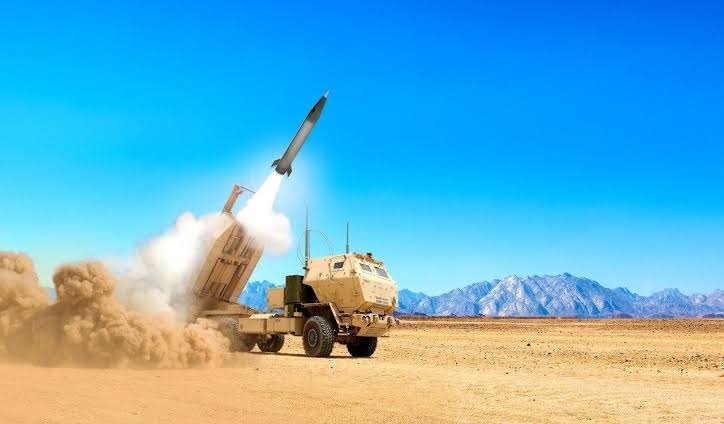
Berlin is exploring domestic production options and has contacted the German branch of MBDA regarding a potential partnership with Raytheon, the manufacturer of the Tomahawk missile, to produce a land-based version of the approximately 2,000-kilometer-range cruise missile.
While MBDA and Raytheon have an existing partnership, direct discussions on Tomahawk production have not yet taken place, and MBDA has declined to comment. If negotiations do not progress, Germany is also considering alternatives, including Ukraine's Flamingo cruise missile.
German lawmakers have emphasized the need to acquire long-range strike capabilities as quickly as possible, even if alternative systems offer lower performance than the Tomahawk missile.
Existing Cooperation and Remaining Challenges
Germany and the United States already cooperate on several defense programs. Rheinmetall manufactures fuselage sections for Lockheed Martin's F-35 Lightning II, while a joint MBDA-Raytheon facility producing PAC-2 and GEM-T Patriot missiles is scheduled to begin operations later this year.
However, expanding cooperation to include advanced missile production faces significant hurdles. Any transfer of sensitive US defense technology would require Washington's approval, while concerns remain over intellectual property and technology transfer.
Some German lawmakers remain skeptical that the United States would permit access to its most sensitive defense technologies, arguing that existing industrial cooperation is unlikely to extend to critical missile technologies.
Industrial negotiations have also progressed more slowly than expected. In May, Rheinmetall CEO Armin Papperger said discussions with Lockheed Martin on co-producing rockets and missiles were delayed by negotiations over production quotas, costs, and technology transfer.
European officials hope the NATO summit in Ankara will help advance defense-industrial cooperation through memorandums of understanding and joint procurement agreements as allies continue efforts to strengthen Europe's defense capabilities.
——— End of Article ———