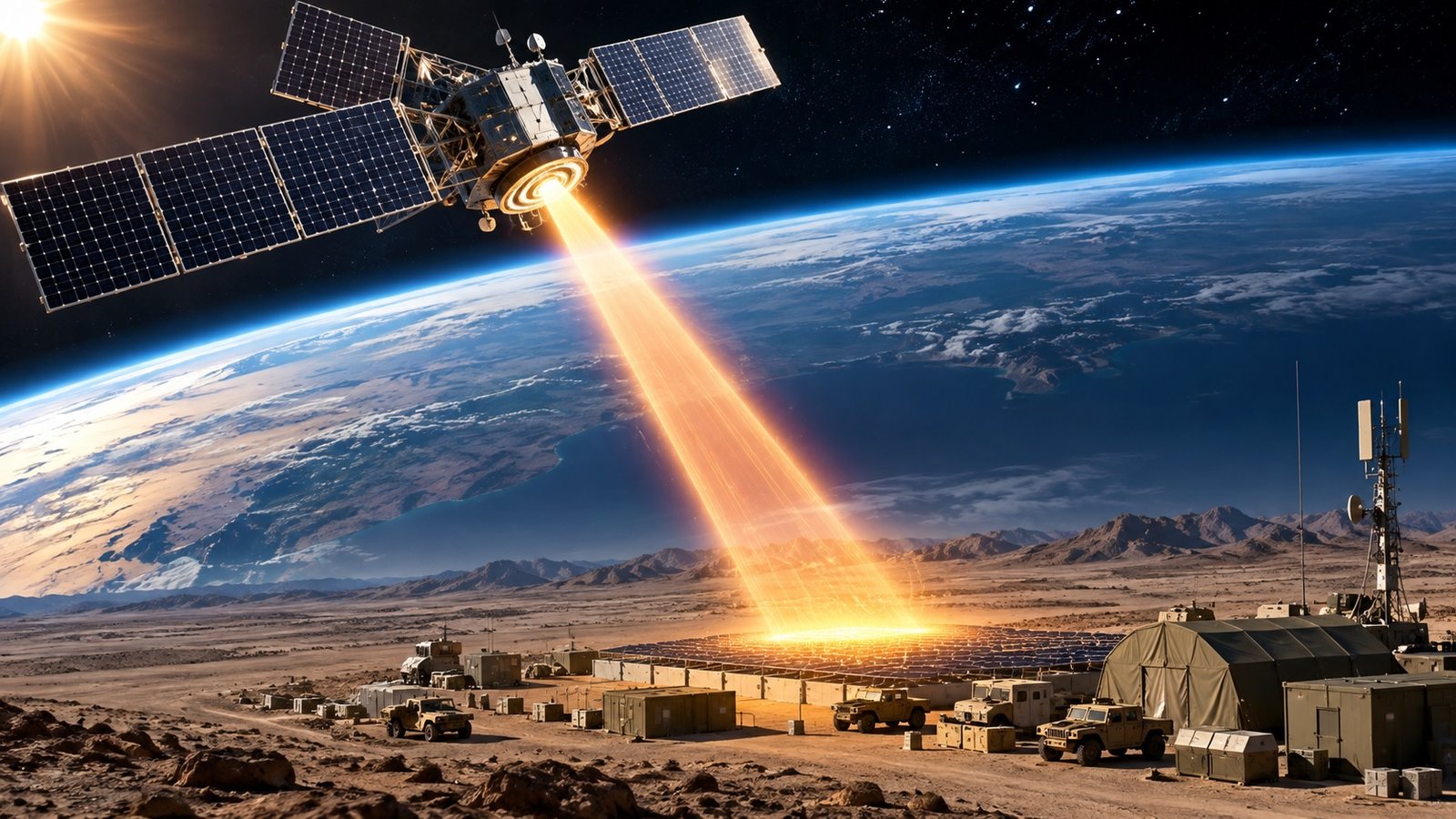
JERUSALEM, Israel, June 30, 2026 — Israel has officially confirmed that it is developing space-based laser capabilities for potential military applications, marking a major expansion of its directed-energy weapons program and its long-term military space strategy.
The announcement was made by Israeli Defense Minister Israel Katz during a briefing with military reporters on June 29, representing the first public confirmation by a senior Israeli official that Israel is pursuing space-deployable laser technologies.
Katz said Israel aims to become one of the world's top three military space powers by developing advanced offensive and defensive capabilities beyond Earth's atmosphere.
"One of the central goals that the prime minister and I set is that we are recruiting the best minds," Katz said. "As of today, no country has the ability to mount attacks in space. We must be the leading country in the world with this capability."
Building on Existing Laser Programs
Israel has invested in directed-energy technologies for several years. Its Iron Beam high-power laser air defense system is designed to intercept rockets, artillery shells, mortars, and drones, complementing existing missile defense systems including Iron Dome and Arrow 3. Israeli defense company Elbit Systems is also developing laser systems for fighter aircraft.
The new initiative extends these efforts into space. According to Katz, the Defense Ministry has allocated significant funding to recruit leading scientists and support research into advanced technologies that are not yet operational anywhere in the world.
Driven by Regional Security Concerns
The initiative comes amid continued regional tensions, particularly with Iran. During the 2026 conflict, Israeli forces reportedly struck multiple Iranian space-related facilities, including sites linked to anti-satellite capabilities.
Israeli defense officials believe maintaining an advantage in space is essential because satellites support intelligence, surveillance, reconnaissance, communications, and navigation. They argue that losing these assets could significantly affect military operations.
Katz said space superiority will become an important part of Israel's broader security strategy alongside artificial intelligence, cyber warfare, and multi-layered missile defense.
"If we achieve this, it will ensure the advantage of deterrence, of the ability to attack, destroy, and all of the other matters, versus our enemies with large resources," he said.
Potential Military Applications
Space-based laser weapons are viewed as a potential alternative to kinetic anti-satellite missiles, which destroy targets through direct impacts and create large amounts of orbital debris.
Defense analysts note that Russia and China have previously demonstrated anti-satellite capabilities by destroying their own satellites during missile tests, producing debris that continues to threaten spacecraft in orbit.
If successfully developed, orbital laser systems could potentially disable, blind, damage, or destroy satellites without generating significant debris. Such systems could also have future applications in intercepting ballistic missiles outside Earth's atmosphere or reducing existing space debris, although these capabilities remain under development.
Israel already operates the Arrow 3 missile defense system for exo-atmospheric interceptions, and the development of space-based laser technology reflects the country's broader effort to strengthen its military capabilities in the increasingly important space domain.
——— End of Article ———