TOKYO, — June 09, 2026 : Japan is considering equipping its MQ-9B SeaGuardian unmanned aerial vehicles (UAVs) with airborne early warning (AEW) radar systems to strengthen surveillance coverage over the Pacific Ocean and address gaps in its maritime defense network.
The initiative, first reported by the Yomiuri Shimbun on May 18, 2026, is linked to the Japanese government's planned revision of the country's three key security documents later this year, including the National Security Strategy and Defense Buildup Program.
Growing Focus on Pacific Monitoring
Japan's Ministry of Defense has increased its focus on surveillance in the Pacific amid growing regional military activity. Since 2017, Chinese bombers have regularly operated through the Bashi Channel between Taiwan and the Philippines and into the Pacific Ocean.
Concerns have also grown following extended deployments by two Chinese aircraft carriers in the Western Pacific during 2025. Japanese defense planners have traditionally viewed the Pacific side of the country as a relative surveillance gap compared with the East China Sea, prompting efforts to improve monitoring capabilities across the region.
To strengthen coverage, Japan is also planning to deploy mobile air-defense radar systems on remote islands, including Iwo Jima (Iwoto) and Chichijima in the Ogasawara Islands.
MQ-9B Selected for Expanded Role
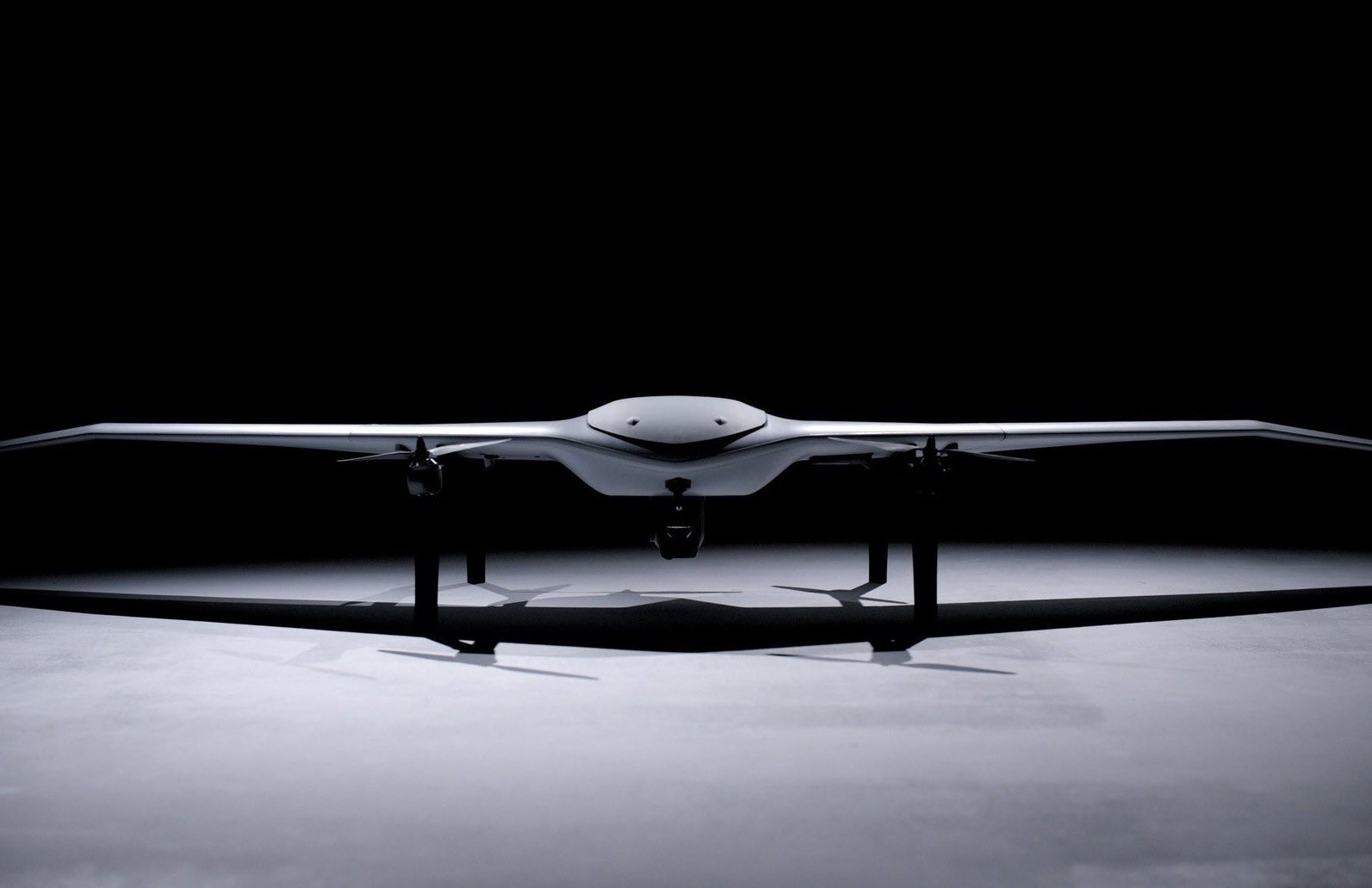
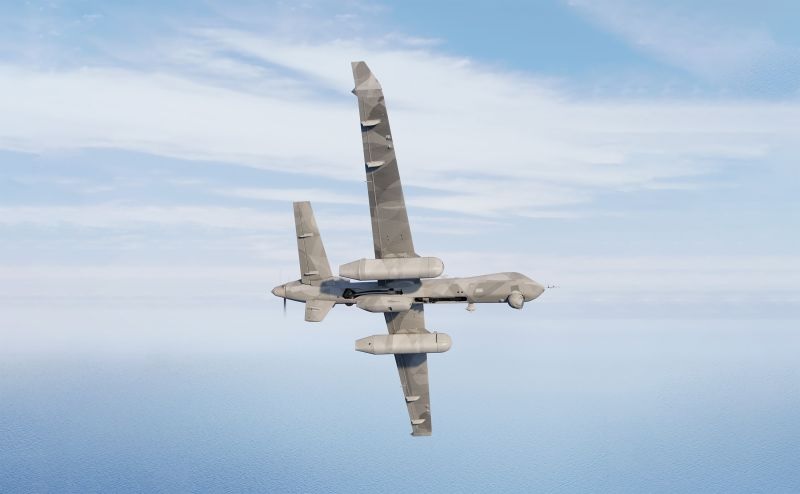
The MQ-9B SeaGuardian, developed by General Atomics Aeronautical Systems Inc. (GA-ASI), is the primary platform being considered for the new AEW mission.
The Japan Maritime Self-Defense Force (JMSDF) selected the MQ-9B in late 2024 to support and partially replace peacetime surveillance missions currently performed by the Kawasaki P-1 maritime patrol aircraft.
Under current plans, two MQ-9B drones will be deployed to Kanoya Air Base in Kagoshima Prefecture in fiscal year 2027 and initially operated by a civilian contractor. Two additional aircraft will be stationed at Hachinohe Air Base in Aomori Prefecture from fiscal year 2028, with direct JMSDF operation.
Japan plans to acquire a total of 23 MQ-9B aircraft in the long term.
The drone is equipped with electro-optical sensors, signals intelligence systems, maritime surveillance radar, and satellite communications, allowing it to remain airborne for more than 24 hours during surveillance missions.
LoyalEye Radar Under Evaluation
The AEW system under consideration is believed to be the LoyalEye radar developed jointly by Saab and GA-ASI.
The system consists of two underwing Active Electronically Scanned Array (AESA) radar pods that provide near-360-degree coverage. The radar can detect aircraft, missiles, and drones at ranges exceeding 300 kilometers.
Information collected by the radar can be transmitted in real time to command centers and military assets through satellite communications and the Link 16 tactical datalink network.
On May 19, 2026, an MQ-9B equipped with the LoyalEye radar completed its first validation flight in Southern California, marking a key step in the development of the capability.
Potential Benefits and Future Missions
Japanese defense officials view AEW-equipped MQ-9Bs as a cost-effective way to expand early warning coverage compared with traditional manned AEW aircraft. However, carrying radar pods could reduce endurance or limit the drone's ability to carry other surveillance equipment, which may influence future procurement plans.
The MQ-9B is also being considered for anti-submarine warfare (ASW) missions. GA-ASI has developed a Sonobuoy Dispensing System that allows the drone to deploy sonobuoys and transmit acoustic data for submarine tracking.
With lower manpower requirements than manned patrol aircraft and the ability to remain airborne for extended periods, the MQ-9B is expected to play an increasingly important role in Japan's future surveillance and maritime security operations.
Part of Broader Defense Modernization
The proposed integration of AEW radar systems reflects Japan's broader effort to strengthen monitoring capabilities across the Pacific and adapt to evolving regional security challenges. As Tokyo updates its key security policies later this year, unmanned systems such as the MQ-9B SeaGuardian are expected to become a more prominent part of the country's defense strategy.
——— End of Article ———