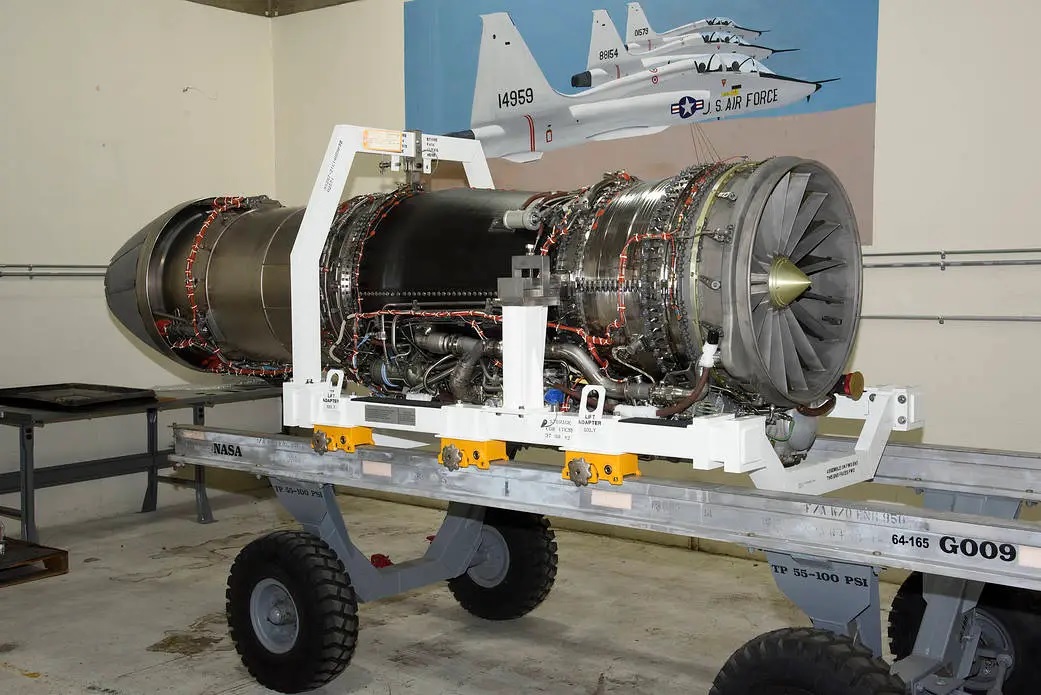
New Delhi, June 25, 2026 — Negotiations between Hindustan Aeronautics Ltd. (HAL) and U.S. defense manufacturer GE Aerospace for the co-production of the F414 fighter jet engine are progressing as planned, with sources familiar with the discussions dismissing recent reports suggesting that the talks had reached a deadlock.
According to sources, the negotiations between HAL and GE Aerospace remain on track and continue without disruption. Reports indicating that disagreements over pricing, technology transfer, and local manufacturing investments had slowed the programme do not accurately reflect the current status of the HAL-GE discussions.
Pricing Concerns Linked to Separate AMCA Discussions
Sources clarified that the commercial concerns reported in recent weeks are related to separate negotiations involving the Defence Research and Development Organisation (DRDO) and the Aeronautical Development Agency (ADA) for the Advanced Medium Combat Aircraft (AMCA) prototype programme, and not to the ongoing HAL-GE co-production agreement.
In those discussions, the estimated cost of the F414 engine for the AMCA programme reportedly increased from an initial estimate of approximately Rs 70–80 crore per engine to more than Rs 200 crore per unit. The sharp rise has raised concerns over the cost of the AMCA prototype programme, but it has not affected the negotiations between HAL and GE Aerospace.
HAL and GE Continue Commercial Negotiations
Sources familiar with the matter said HAL and GE Aerospace are continuing discussions on the commercial framework of the programme after both sides achieved significant progress on technical issues earlier this year.
In April 2026, HAL and GE Aerospace announced that they had reached agreement on the technical aspects of the F414 co-production programme, marking an important milestone in the project. The current phase of negotiations is focused on finalising commercial arrangements necessary for long-term production in India.
The ongoing discussions cover several key areas, including manufacturing and supply arrangements, long-term production planning, implementation of technology transfer, future operational support, and maintenance of spare parts throughout the engine's service life.
Officials familiar with the programme said these discussions are progressing steadily, with no immediate disruption expected.
Critical Engine for India's Future Fighter Fleet
The GE F414 engine is a key component of India's next-generation combat aircraft programmes and is expected to play a central role in the country's future fighter aircraft production.
The engine has been selected to power the Tejas Mk-2 Light Combat Aircraft, the initial squadrons of the AMCA Mk-1 stealth fighter, and the Indian Navy's Twin Engine Deck-Based Fighter (TEDBF).
The F414 produces approximately 98 kN of thrust with afterburner, providing significantly greater performance than the F404 engine currently powering earlier variants of the Tejas fighter aircraft.
The AMCA prototype programme alone is expected to require 15 F414 engines to support five flying prototypes. Over the coming years, India's combined requirement is projected to exceed 200 engines across the Tejas Mk-2, AMCA, and TEDBF programmes.
Supporting India's Defence Manufacturing Goals
The F414 co-production programme is regarded as a major step toward strengthening India's indigenous defence manufacturing capabilities. The agreement builds upon the long-standing partnership between HAL and GE Aerospace, which already supplies F404 engines for the Tejas Mk-1A programme.
The proposed co-production arrangement includes significant technology transfer, enabling greater domestic manufacturing capability while supporting long-term maintenance, repair, and sustainment of future fighter fleets.
Reliable engine availability has become increasingly important for HAL's production schedule. Earlier delays in deliveries of GE F404 engines affected production timelines for the Tejas Mk-1A. HAL has stated that deliveries of the Tejas Mk-1A will commence after the completion of final aircraft integration and testing.
——— End of Article ———