MUNICH — German defense technology company Helsing SE is mass-producing artificial intelligence-powered strike drones for Ukraine at a highly secured and undisclosed manufacturing facility in southern Germany, reflecting Europe's growing focus on software-driven and autonomous defense systems.
According to a report published by The New York Times on July 11, the factory operates under strict security due to concerns over potential sabotage. The exact location has not been made public, and the site carries no company branding. Employees undergo extensive background checks, sign non-disclosure agreements (NDAs), and many previously worked in Germany's automotive industry.
The facility is designed as a "Resilience Factory," allowing production to continue even under security threats. Helsing says the factory can be dismantled and relocated within 24 hours if necessary.
HX-2 AI Strike Drone
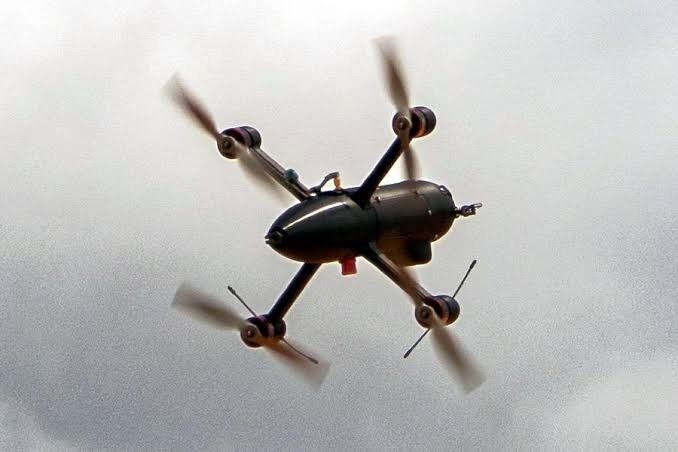
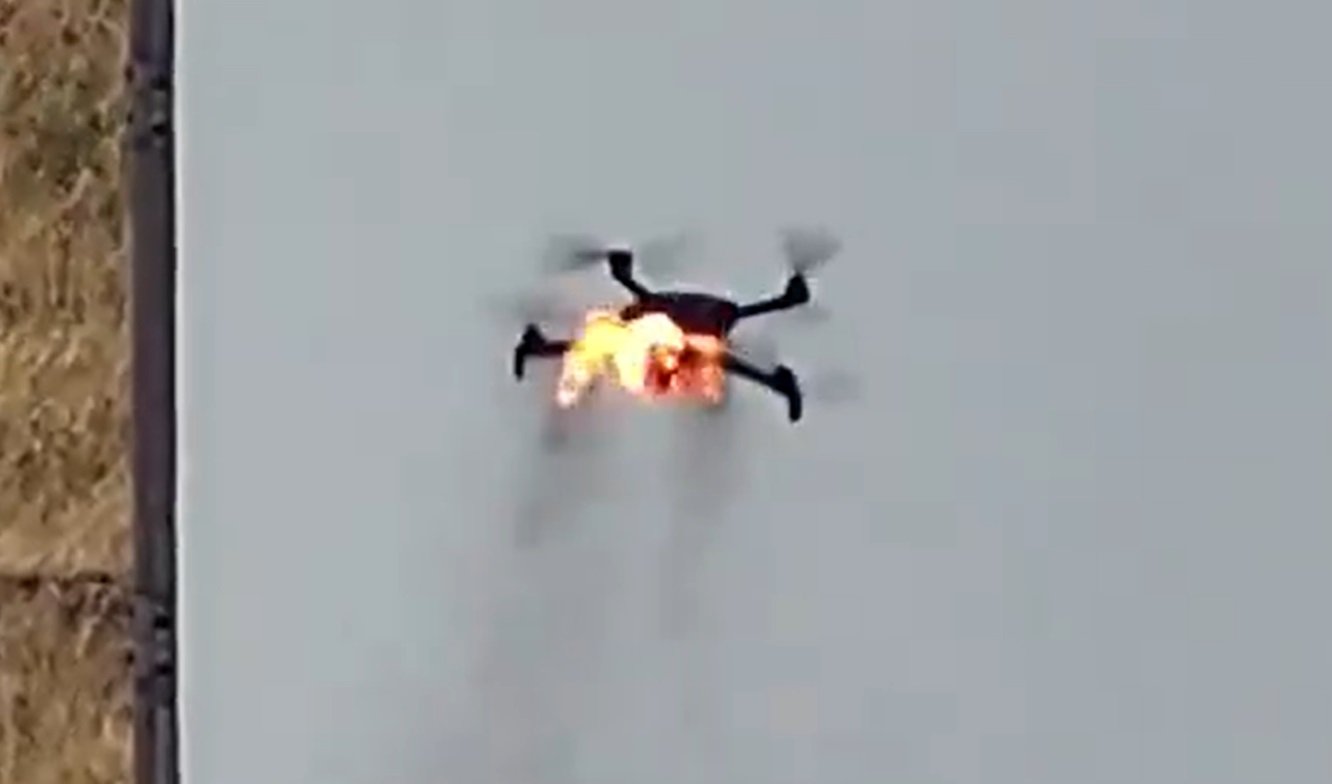
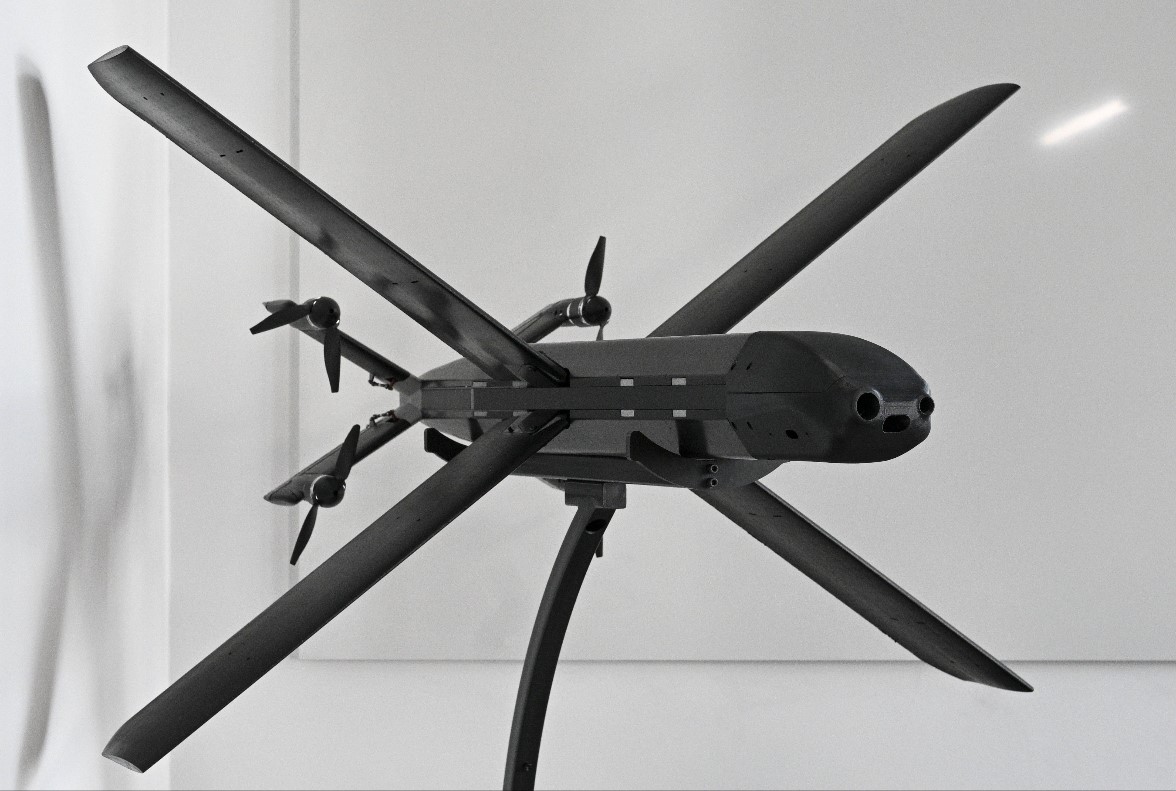
The factory's primary product is the HX-2 loitering munition, also known as the HX-2 Karma. The lightweight drone weighs about 12 kilograms (26 pounds) and is built using rigid black foam and composite materials.
Designed for precision strikes, the HX-2 carries an armor-penetrating warhead capable of engaging heavy artillery, armored vehicles, and other military targets. Each drone costs approximately €17,500, making it significantly less expensive than many traditional precision-guided weapons.
The HX-2 can travel at speeds exceeding 200 km/h and has an operational range of up to 100 kilometers.
AI Navigation Designed for Electronic Warfare
A key feature of the HX-2 is its onboard artificial intelligence system. Integrated with Helsing's Altra reconnaissance-strike software, the drone uses machine vision, visual image recognition, and stored terrain maps to navigate without relying on GPS.
This enables the drone to continue operating in environments where GPS signals and communications are disrupted by electronic warfare systems.
Although the drone can independently navigate toward its target, a human operator remains responsible for authorizing the final strike. Helsing says soldiers typically require about one week of training to operate the system.
The Altra software also supports coordinated swarm operations, allowing a single operator to manage multiple drones during a mission.
Production Expanding for Ukraine
The Resilience Factory has an initial production capacity of more than 1,000 HX-2 drones per month.
Thousands of Helsing drones have already been delivered to Ukraine and have reportedly been used in combat since late 2024.
In addition to earlier deliveries, Helsing agreed in early 2025 to supply 6,000 additional HX-2 drones to Ukraine. The agreement followed previous deliveries of around 4,000 HF-1 loitering munitions, a related lower-cost drone developed in cooperation with Ukrainian manufacturers. Germany has funded many of these systems.
Helsing co-founder and co-CEO Gundbert Scherf, a former adviser to Germany's Defense Ministry, said the HX-2 has achieved a mission success rate of around 70% during operations in Ukraine. Battlefield video collected after missions is used by engineers to improve the drone's software and adapt it to evolving battlefield conditions.
A Different Approach to Defense Manufacturing
Founded in Munich in 2021, Helsing was established by Torsten Reil, Gundbert Scherf, and Niklas Köhler. The company initially focused on artificial intelligence software for military applications before expanding into the design and production of autonomous defense systems.
Helsing states that it supplies its products only to democratic governments.
The company has expanded rapidly with venture capital backing. It raised a major funding round led by Prima Materia, the investment firm founded by Spotify co-founder Daniel Ek, and has since been reported to be valued at around $18 billion following a $1.2 billion funding round.
Its workforce includes engineers and specialists recruited from technology companies including Apple, Tesla, and Palantir.
Shift Toward AI and Autonomous Systems
Helsing's production model reflects a broader change in defense procurement, where governments are increasingly investing in lower-cost, software-defined autonomous systems alongside traditional military platforms.
Instead of relying solely on long development programs for expensive aircraft, tanks, and other major weapons, companies such as Helsing are focusing on rapidly produced systems that can be continuously updated using operational data.
The Russia-Ukraine war has accelerated demand for these technologies, with battlefield feedback helping developers improve software performance through regular updates.
The trend is also reflected in government spending. The United States has proposed significant funding for AI-enabled and unmanned military capabilities as part of its future defense planning, while the European Union has launched programs supporting artificial intelligence defense technologies.
Future Development
Beyond the HX-2, Helsing is developing the CA-1 Europa, an autonomous unmanned combat aerial vehicle (UCAV) intended to operate as an AI-enabled combat aircraft.
The carbon-fiber aircraft is expected to have an operational range of up to 1,800 kilometers, with deployment targeted around 2029. The company also plans to establish additional production facilities across Europe as demand for autonomous defense systems continues to grow.
Source : nytimes
——— End of Article ———