ISLAMABAD, — June 14, 2026 : Pakistan’s federal government has proposed a defence budget of Rs 3 trillion (approximately $10.8 billion) for fiscal year 2026-27, representing an increase of around 17.65 percent from the previous year’s allocation of Rs 2.55 trillion ($9 billion). The increase reflects Islamabad’s continued focus on military modernisation, procurement of advanced defence systems, and strengthening conventional deterrence amid evolving regional security challenges.
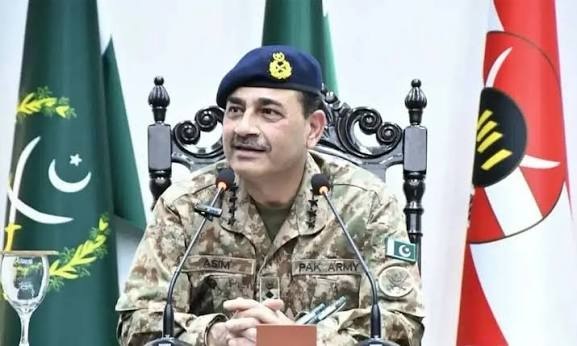
Finance Minister Muhammad Aurangzeb presented the federal budget in the National Assembly on June 12, outlining total federal expenditures of Rs 18.77 trillion ($67.5 billion). Defence spending accounts for roughly 16 percent of the total federal budget and is equivalent to approximately 2.08 percent of Pakistan’s projected GDP of Rs 143.6 trillion.
A notable feature of the proposed allocation is the increased emphasis on acquiring military equipment and other physical assets. Nearly Rs 925.83 billion has been earmarked for physical assets, including arms, ammunition, military hardware, and related procurement activities. The shift indicates a move away from traditional personnel-heavy spending patterns toward investment in modern military capabilities and force enhancement.
During his budget speech, Aurangzeb stated that defence spending had been increased “considerably to make the country invincible due to the uncertainty in the region.” He also praised the armed forces for their response during the 2025 India-Pakistan military confrontation, suggesting that lessons learned from recent security developments have influenced defence planning and procurement priorities.
Defence Modernisation Takes Priority
The increased allocation is expected to accelerate several ongoing modernisation programmes across Pakistan’s armed forces. Government officials have linked the spending increase to efforts aimed at maintaining operational readiness, improving conventional deterrence, and addressing security challenges on both eastern and western fronts.
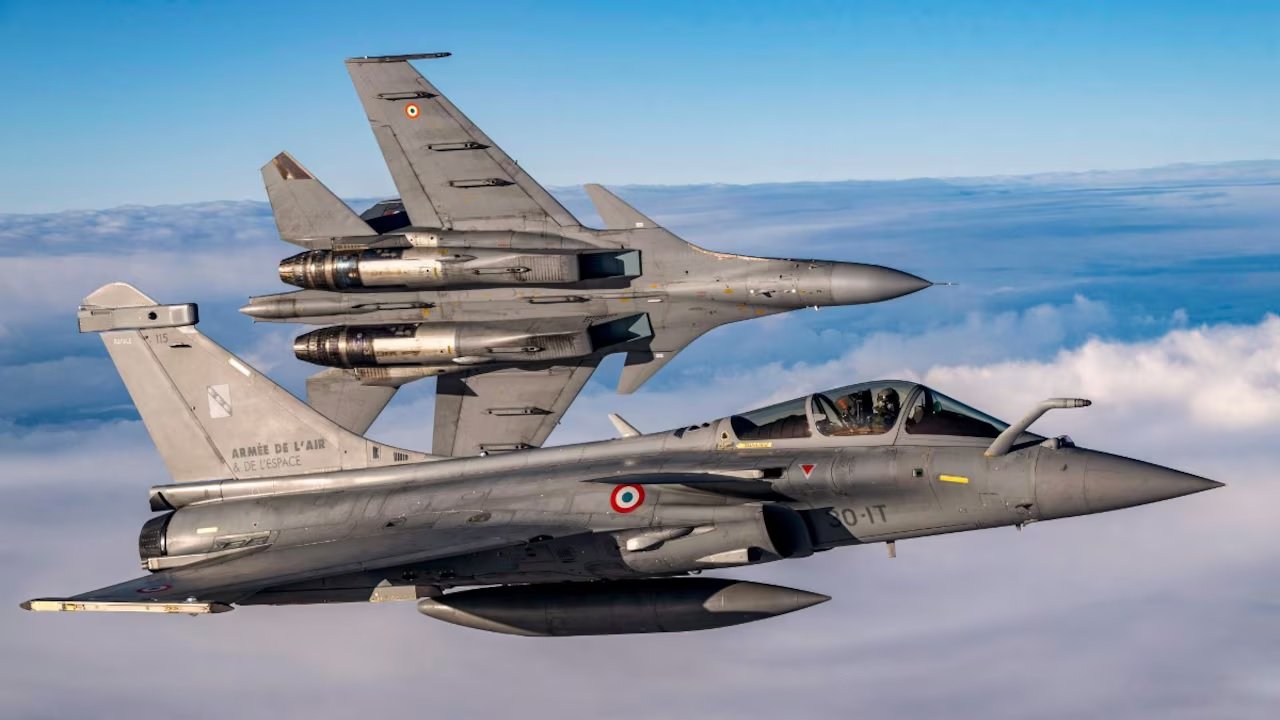
Pakistan continues to monitor India’s expanding military capabilities, including the induction of Rafale fighter aircraft, advancements in ballistic missile defence systems, and growing naval power projection capabilities. At the same time, Islamabad faces persistent security concerns along the Afghan border, where militant activity and cross-border instability continue to require significant military resources.
Defence planners have also identified emerging challenges such as unmanned aerial systems, electronic warfare, integrated air defence requirements, and maritime security as areas requiring further investment.
Chinese Defence Cooperation Drives Procurement Efforts
A significant portion of the enhanced procurement funding is expected to support programmes involving China, Pakistan’s largest defence supplier. Between 2021 and 2025, China accounted for approximately 80 percent of Pakistan’s major arms imports, providing not only military hardware but also technology transfer arrangements, industrial cooperation, and financing support.
Among the most significant projects is the Hangor-class submarine programme, valued at an estimated $4 billion to $5 billion. Based on China’s Type 039A Yuan-class submarine design, the programme includes the construction of eight submarines, with four being built in China and four assembled domestically at Karachi Shipyard and Engineering Works.
The first submarine, PNS Hangor, was commissioned in Sanya, China, on April 30, 2026, during a ceremony attended by President Asif Ali Zardari. The vessel arrived in Karachi on June 11, 2026, marking a major milestone in Pakistan Navy modernisation efforts.
The Hangor-class submarines are equipped with air-independent propulsion (AIP) technology, enabling longer underwater endurance and improved operational flexibility. The vessels are designed to enhance Pakistan’s anti-surface and anti-submarine warfare capabilities in the Arabian Sea and strengthen maritime deterrence.
Air Force Expansion Continues
Pakistan’s air force modernisation programme is also progressing through the acquisition of advanced Chinese fighter aircraft. The country has ordered 36 J-10C multirole fighters, equipped with PL-15 beyond-visual-range air-to-air missiles.
Approximately 20 aircraft had been delivered by mid-2025, while the remaining deliveries are expected to continue through 2026. Pakistani military officials have cited the aircraft’s operational performance during the 2025 confrontation with India as an important factor in validating the platform’s role within the air force.
In addition to the J-10C programme, defence analysts expect future procurement planning to include continued investment in next-generation capabilities, including reports of interest in the Chinese J-35 stealth fighter programme, although no official acquisition announcement has been made.
Economic Challenges Remain
The defence expansion comes as Pakistan continues to face significant economic pressures. The government remains engaged in an ongoing $7 billion International Monetary Fund (IMF) economic stabilisation programme, which requires fiscal discipline and a primary budget surplus target of approximately 2 percent.
To meet these obligations, Islamabad has set an ambitious tax collection target of Rs 15.26 trillion. At the same time, citizens continue to face challenges related to inflation, rising living costs, energy prices, and access to essential resources.
The contrast between increased defence spending and broader economic constraints has generated public discussion regarding national spending priorities. However, analysts note that successive civilian governments have generally supported defence allocations proposed by military leadership, reflecting the armed forces’ central role in Pakistan’s national security planning.
Local Production and Long-Term Capability Development
Beyond direct procurement, Pakistan’s defence establishment is increasingly focused on technology transfer and domestic manufacturing. The Hangor submarine programme, which includes local assembly and industrial participation, is viewed as a key step toward expanding Pakistan’s indigenous defence production capabilities.
Officials have stated that future modernisation efforts will continue to emphasize local industrial development where feasible, while maintaining strategic partnerships with foreign suppliers to meet operational requirements.
The proposed Rs 3 trillion defence budget remains subject to approval by the National Assembly as part of the broader federal budget process. If approved, it will represent one of Pakistan’s largest defence allocations in recent years, supporting ongoing military modernisation programmes while the government simultaneously seeks to manage economic reforms and fiscal targets.
——— End of Article ———