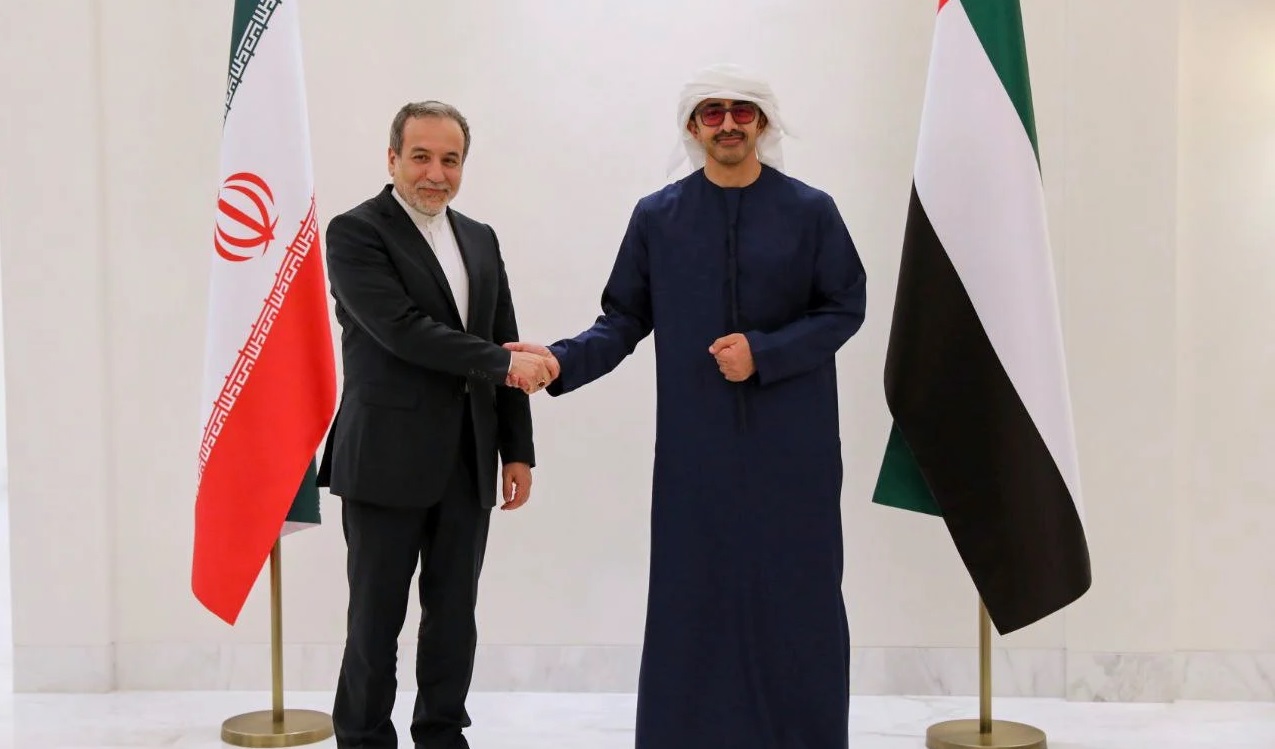
DUBAI, — June 13, 2026 : The United Arab Emirates has denied reports that it agreed to release billions of dollars in funds to Iran as part of an arrangement aimed at halting Iranian missile and drone attacks on the Gulf state, following claims by multiple sources that such an agreement had been reached during ongoing regional peace efforts.
According to information provided by four sources familiar with the matter, the reported arrangement involved the release of substantial Iranian-linked funds in exchange for security guarantees and a reduction in regional tensions. The development reportedly came as the United States and Iran moved closer to a broader peace agreement intended to end the ongoing conflict and address wider regional security concerns.
Reported Financial Arrangement
Sources cited in the reports provided differing estimates regarding the total value of the funds involved. Two regional sources stated that the UAE had agreed to release approximately $10 billion, while two other sources with knowledge of the discussions estimated that the total amount could reach $20 billion.
One source said that an initial tranche of more than $3 billion had already been made available to Tehran. However, it remains unclear whether the funds originated directly from the UAE or represented Iranian assets that had been frozen under international sanctions and were being held through financial channels connected to the Gulf state.
The reported arrangement was described as a tactical effort to reduce tensions following months of conflict that saw Iran conduct missile and drone attacks against the UAE.
Security and Economic Conditions
According to the sources, Iran agreed to halt missile and drone strikes targeting the UAE in exchange for the release of funds.
The reported understanding also extended beyond security matters. Sources indicated that both sides discussed rebuilding bilateral relations through increased economic cooperation, intelligence-sharing mechanisms, and efforts to restore diplomatic engagement.
The unfreezing of assets was also reportedly linked to maintaining secure maritime navigation through the Strait of Hormuz, one of the world's most important energy transit routes. Ensuring uninterrupted shipping through the waterway has become a central objective for regional governments and international stakeholders amid recent tensions.
IRGC Visit to Abu Dhabi
Sources said discussions intensified last week following a visit by officials from the Islamic Revolutionary Guard Corps (IRGC) to Abu Dhabi.
During the visit, Iranian officials reportedly met with Sheikh Tahnoun bin Zayed Al Nahyan, the UAE's national security adviser, as negotiations accelerated alongside broader diplomatic efforts taking place across the region.
UAE Issues Strong Denial
Following publication of the reports, the UAE Ministry of Foreign Affairs issued a firm denial.
In a statement released early Saturday, the ministry described allegations regarding the transfer of funds, including claims that more than $3 billion had already been delivered, as "entirely false and unfounded."
The ministry stated that "no frozen Iranian funds have been released, transferred or facilitated through the UAE" and called on media organizations to rely on official sources when reporting on such matters.
Before the denial was issued, a UAE official responding to inquiries did not explicitly reject the claims. Instead, the official emphasized that the UAE's foreign policy remains focused on promoting de-escalation, reducing regional tensions, and supporting long-term peace and stability.
Shift in UAE-Iran Relations
If confirmed, the reported arrangement would represent a significant shift in relations between the UAE and Iran following a period of heightened confrontation during the recent U.S.-Israeli conflict with Iran.
During the conflict, the UAE was among the Gulf countries most heavily affected by Iranian attacks. Missile and drone strikes targeted multiple locations and raised concerns about regional security and economic stability.
The attacks also affected the UAE's image as a secure destination for international business and tourism, with some expatriates leaving the country and hotel occupancy levels in Dubai reportedly declining during the peak of the conflict.
The last publicly known direct Iranian strike against the UAE occurred on May 4, when the Port of Fujairah on the Gulf of Oman was targeted.
Sources noted that Iranian attacks against the UAE stopped after that incident, while Tehran subsequently redirected military operations toward other Gulf states, including Kuwait and Bahrain.
One source also indicated that Iran has approached at least two other Gulf Arab countries regarding similar financial arrangements.
Connection to Wider U.S.-Iran Peace Talks
The reported UAE-Iran understanding comes amid broader diplomatic negotiations between the United States and Iran aimed at ending the ongoing conflict and establishing a long-term framework for regional stability.
On Friday, Shehbaz Sharif confirmed that negotiators had reached a final agreed text for a peace agreement between Washington and Tehran. Pakistan has played a role in mediation efforts during the negotiations.
The emerging agreement is expected to include provisions related to the dismantling of Iran's nuclear program, the lifting of U.S. restrictions on Iranian ports, and the reopening of the Strait of Hormuz for normal commercial activity.
The talks have also reportedly included discussions regarding the release of additional frozen Iranian oil revenues held in foreign financial institutions.
Statements From Washington and Tehran
Addressing the financial aspects of the negotiations, JD Vance stated on Friday that funds would not be released to Iran solely in exchange for signing an agreement.
Vance said any arrangement would ensure that Iran receives economic benefits only after fully complying with its commitments under the agreement.
Meanwhile, Mohammad-Bagher Ghalibaf emphasized that implementation of any deal would depend on both sides honoring their obligations without delay or exceptions.
Uncertainty Remains
While multiple sources have described the reported arrangement as part of a broader effort to reduce regional tensions, no independent public verification of the alleged fund transfers has been provided.
The UAE continues to reject claims that any Iranian assets have been released through its financial system. As diplomatic negotiations continue between Washington and Tehran, the reported agreement remains the subject of competing accounts from official authorities and sources familiar with the discussions.
For now, the existence, scale, and implementation of any UAE-Iran financial arrangement remain unconfirmed, pending further official clarification from the parties involved.
——— End of Article ———