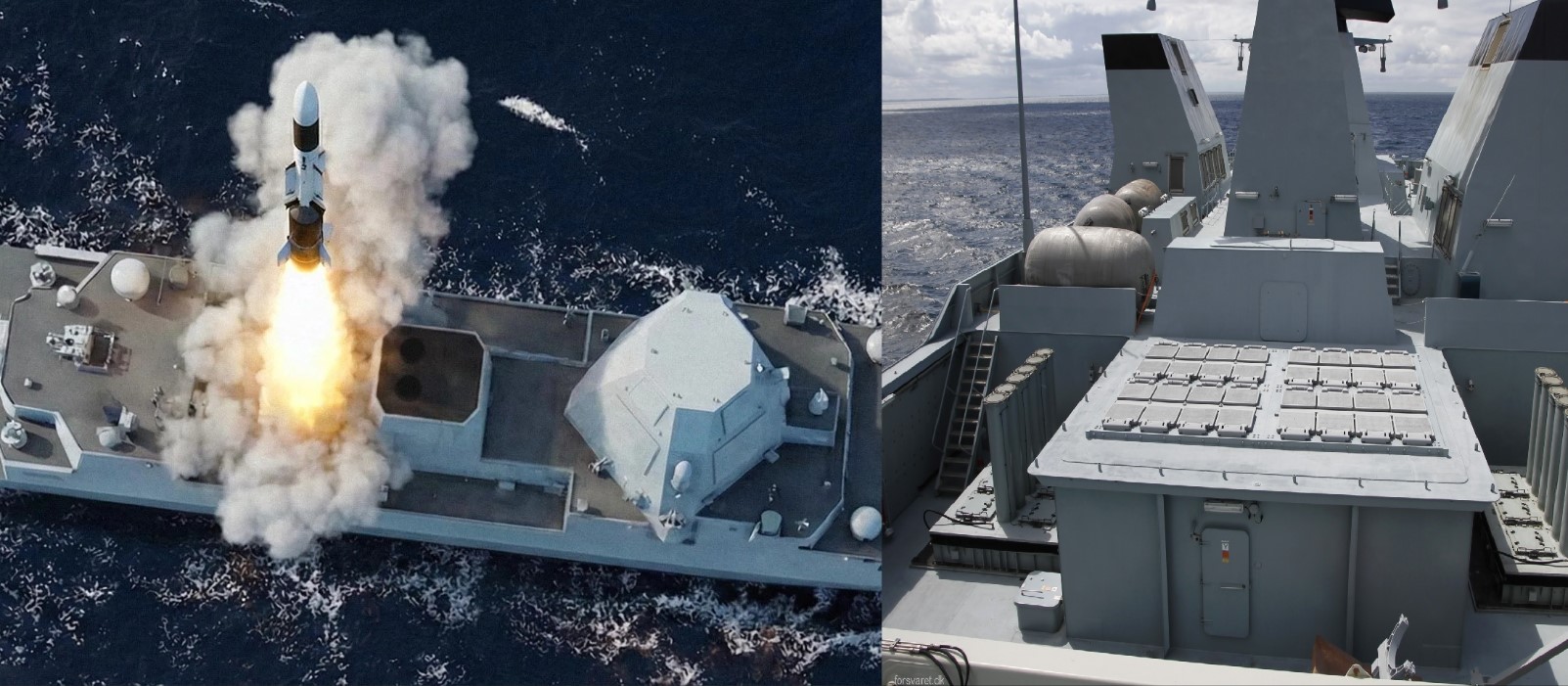
WASHINGTON, — June 12, 2026 : The U.S. Navy has decided not to install the MK41 Vertical Launch System (VLS) on the first flight, or Flight I, of its new FF(X) guided-missile frigate program, opting instead to prioritize construction timelines and reduce design complexity. The decision reflects the Navy’s effort to accelerate delivery of new surface combatants while avoiding the engineering challenges associated with integrating a full-scale vertical launch system into the vessel's baseline design.
The FF(X) program, announced in late 2025 after the cancellation of the Constellation-class (FFG-62) frigate effort, is based on Huntington Ingalls Industries' (HII) Legend-class National Security Cutter design. By leveraging an existing and proven hull, the Navy aims to reduce development risks and deliver ships more quickly to support fleet expansion requirements.
Engineering Challenges Behind the Decision
According to defense procurement information and engineering assessments, incorporating the MK41 VLS into the Flight I frigates would require extensive modifications to the ship’s infrastructure and support systems. The launcher depends on a range of integrated ship services, including:
- Advanced cooling and heating systems
- Fresh water supplies
- Dedicated air pressure lines
- Specialized exhaust gas deluge systems designed for missile safety and emergency response
These requirements would necessitate substantial redesign work within the hull structure, increasing both complexity and construction time. Navy planners concluded that integrating the system during the initial production phase could create significant schedule delays for a program intended to rapidly deliver operational warships.
Defense analysts also note that installing the MK41 system on Flight I ships after construction is completed would be difficult. Such a retrofit would involve considerable costs, major structural modifications, and access to limited drydock capacity across U.S. shipyards, making future installation unlikely.
Initial Armament Configuration
Instead of the MK41 VLS, the Navy's baseline Flight I configuration will rely on a combination of existing and modular weapon systems to provide combat capability.
The frigates are expected to carry armament comparable to upgraded Littoral Combat Ships, including a 57mm naval gun, 30mm gun systems, a Mk 49 Rolling Airframe Missile (RAM) launcher, electronic countermeasure systems, and facilities for embarked helicopters and unmanned systems.
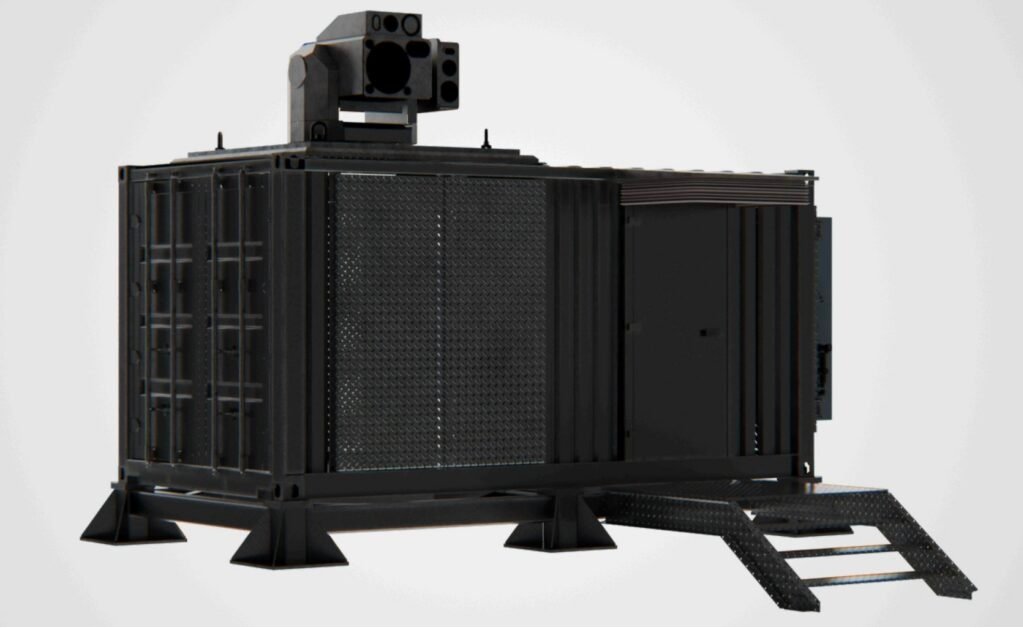
For offensive strike missions, the ships will be equipped with Naval Strike Missile (NSM) launchers and the MK70 Payload Delivery System (PDS). The MK70 is a containerized launcher derived from MK41 technology and can deploy missiles such as the SM-6 and Tomahawk, providing distributed strike capability without requiring a permanently installed vertical launch system.
MK56 VLS Emerges as Potential Alternative
As the Navy seeks ways to strengthen the defensive capabilities of the Flight I frigates without affecting production schedules, industry analysts have identified the Raytheon-developed MK56 Vertical Launch System as a possible alternative.
Unlike the MK41, the MK56 is designed as a lightweight and highly modular launcher focused primarily on the deployment of Evolved SeaSparrow Missiles (ESSM) for medium-range air defense.
One of the key advantages of the MK56 is its minimal infrastructure requirements. The system does not require dedicated cooling, heating, fresh water, air pressure, or deluge support systems, relying mainly on standard electrical connections for operation.
For the 12-cell configuration, published specifications indicate power requirements of:
- 60 Hz, 115 VAC, single phase: 11 KVA
- 400 Hz, 440 VAC, three phase: 4 KVA
Because of its reduced weight and limited support requirements, the MK56 could potentially be integrated into the existing FF(X) design without major structural modifications or production delays.
ESSM-Based Air Defense Capability
If adopted, the MK56 would provide the frigates with a dedicated medium-range air defense capability through the use of ESSM interceptors. The concept has previously been demonstrated by Huntington Ingalls Industries in its proposed FF4921 frigate variant, which featured a 12-cell MK56 launcher integrated into a compact combatant design.
The system has also been employed by several international naval operators and is viewed as a practical solution for ships that require enhanced defensive capabilities without the complexity associated with larger launch systems.
Future Growth Potential
While the U.S. Navy has not announced plans to incorporate the MK56 into Flight I vessels, analysts view the launcher as a potential option for future upgrades. The service remains focused on delivering the first batch of FF(X) frigates on schedule and ensuring the platform reaches operational maturity before considering more extensive weapon system additions.
Future variants of the FF(X) program could incorporate a built-in vertical launch system as operational requirements evolve and lessons are learned from the initial ships. Such an approach would allow the Navy to balance capability, cost, and production efficiency while expanding the fleet's small surface combatant force.
For now, the Navy's decision to omit the MK41 VLS from the initial FF(X) configuration underscores its emphasis on timely delivery, modular weapon integration, and reduced development risk, while preserving opportunities for future capability enhancements.
——— End of Article ———