WASHINGTON — The U.S. Army has opened competition for a new command-and-control software package that will integrate Guam's air and missile defence network, issuing a Request for Solutions Brief to industry for a prototype known as the Battle Manager Suite.
The solicitation, released on June 25 by the Army's Portfolio Acquisition Executive for Fires, seeks software capable of connecting more than 20 existing defence programs and prototypes operated by the Army, Navy, Air Force, Marine Corps and the Missile Defense Agency into a single operational network.
The Battle Manager Suite will combine data from multiple radars and sensors to provide commanders with a common operating picture in real time. It must detect and track ballistic missiles, cruise missiles and drones, then recommend the most appropriate interceptor or weapon available for each threat.
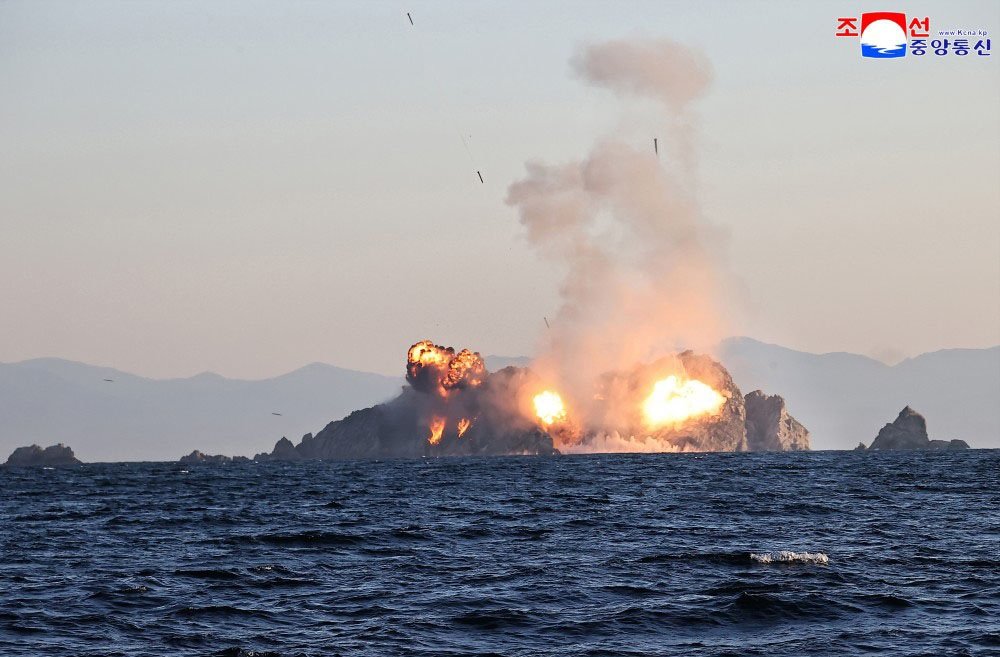
Guam remains one of the U.S. military's most important positions in the western Pacific. The island hosts Andersen Air Force Base and Naval Base Guam and lies closer to Beijing than Hawaii. It is considered a likely target in any future conflict involving Taiwan and is also within range of Chinese and North Korean missile systems.
The effort supports the Fiscal Year 2022 National Defense Authorization Act, which directed the Pentagon to establish a 360-degree Enhanced Integrated Air and Missile Defense capability for Guam. The Army created the Guam Defense System Joint Project Office in February 2024 to manage the program, under the leadership of Lt. Gen. Robert A. Rasch Jr.
The Pentagon is using an Other Transaction Agreement (OTA) under 10 U.S. Code Section 4022 rather than a traditional acquisition process. Under the terms of the solicitation, proposals must include substantial participation from non-traditional defence companies, nonprofit research institutions, or provide outside investment covering at least one-third of the prototype's development cost.
Competition is limited to U.S. companies cleared to handle SECRET-level information.
Initial submissions are due by 4:00 p.m. Eastern on July 15. Selected companies will be invited to demonstrate their systems in mid-August before the Army issues a formal Request for Prototype Proposal. A contract award is scheduled for the first quarter of fiscal year 2027, between October and December 2026.
The contract includes a one-year base period with four one-year option periods, allowing work to continue for as long as five years if all options are exercised.
The solicitation also tells companies not to rely heavily on artificial intelligence when preparing proposals. The government said submissions will be screened using AI-detection tools, and extensive AI-generated content may be treated as evidence that the bidder does not have sufficient technical understanding of the requirement.
The Battle Manager Suite is also expected to support work beyond Guam. Defense Secretary Pete Hegseth has identified the Guam Defense System as a proving ground for the Golden Dome homeland missile defence initiative announced by the Trump administration in May 2025. The program is intended to defend the United States against ballistic, hypersonic and cruise missile threats using layered defences, including space-based tracking sensors and interceptors.
The Congressional Budget Office has estimated Golden Dome could cost as much as $1.2 trillion. Program officials have said the joint engagement coordination and sensor fusion architecture developed through Guam's Battle Manager Suite could be transferred to the larger national missile defence program.
The wider Guam Defense System is still dealing with management issues. A Government Accountability Office report published in May 2025 found the Pentagon had not established a clear plan for transferring operational responsibilities between military services. The report also said the Guam Defense System Joint Project Office was staffed at only 45% of its required level by mid-2025, contributing to delays from the program's original 2024 schedule.
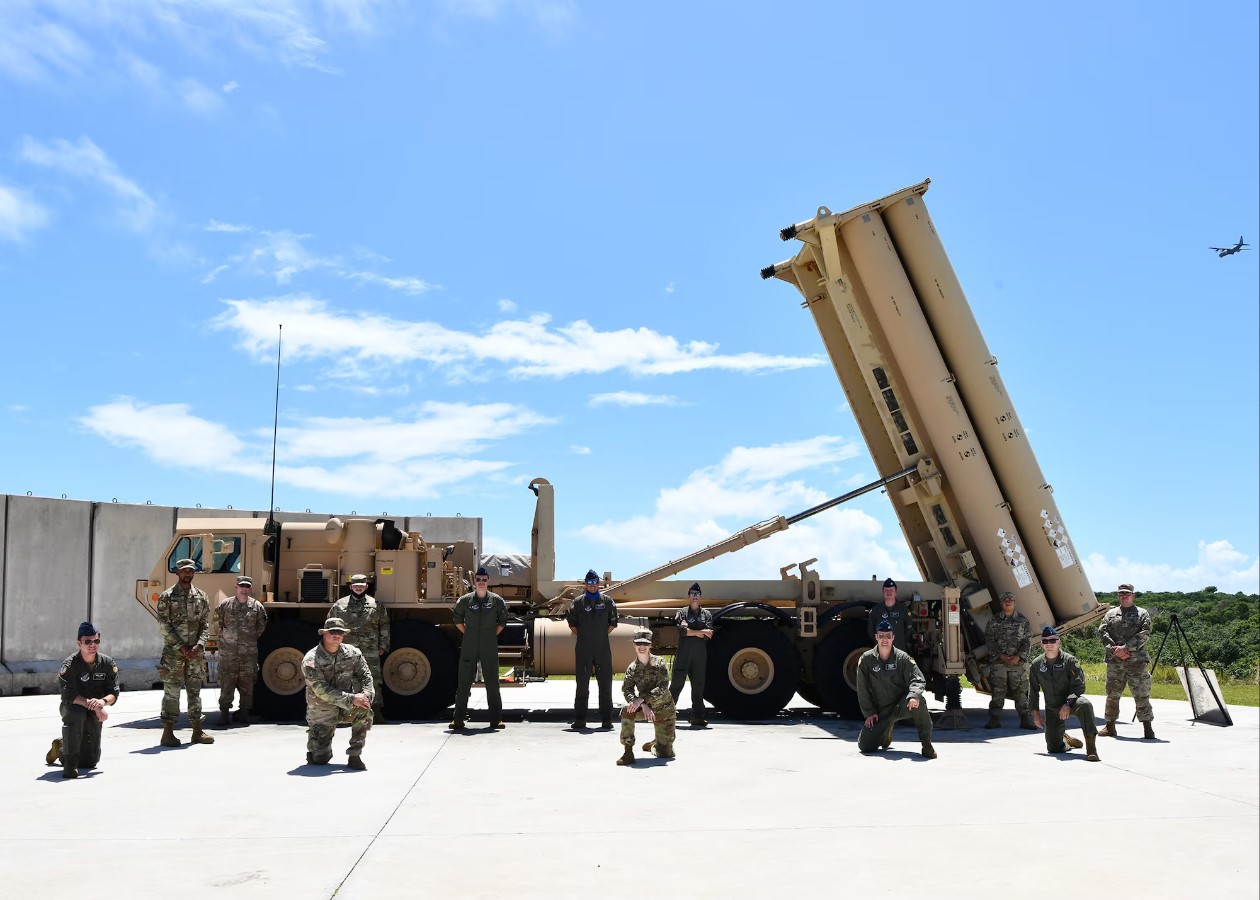
Hardware testing continues while the software competition moves forward. During Exercise Valiant Shield 2026, U.S. forces are conducting live-fire tests of the Army's Patriot air defence system and the Marine Corps' Medium-Range Intercept Capability on Guam as work continues to integrate the island's air and missile defence architecture.
——— End of Article ———