Brussels — France has secured approval for €15.1 billion in loans from the European Union's €150 billion Security Action for Europe (SAFE) defense fund, falling €1.1 billion short of the €16.2 billion it requested after several projects involving British participation failed to meet the program's eligibility requirements.
The SAFE lending mechanism, adopted by the European Union in 2025 under the ReArm Europe initiative, is designed to strengthen Europe's defense industrial base by providing low-cost, long-term loans for joint defense procurement and capability development. The program aims to help EU member states increase defense production and address capability gaps through cooperative investments.
The funding shortfall is linked to eligibility rules that France strongly supported during negotiations over the SAFE program. Under those rules, at least 65% of the value of a funded defense project must originate from the EU single market, Norway, Iceland, or Ukraine. Companies from other countries can contribute up to 35% unless their home country has both a security and defense partnership with the EU and has agreed to make a financial contribution to the SAFE program.
At present, Canada is the only non-EU country that satisfies both conditions.
The rules significantly affected projects involving the United Kingdom. Although London signed a security and defense partnership agreement with the EU last year, negotiations over a financial contribution to the SAFE program failed. France had initially pushed for the UK to contribute more than €6 billion to participate fully in the scheme. The proposed contribution was later reduced to around €2 billion, but no agreement was reached, leaving the UK outside the program's full eligibility framework.
As a result, the European Commission excluded several UK-linked projects from France's approved funding package.
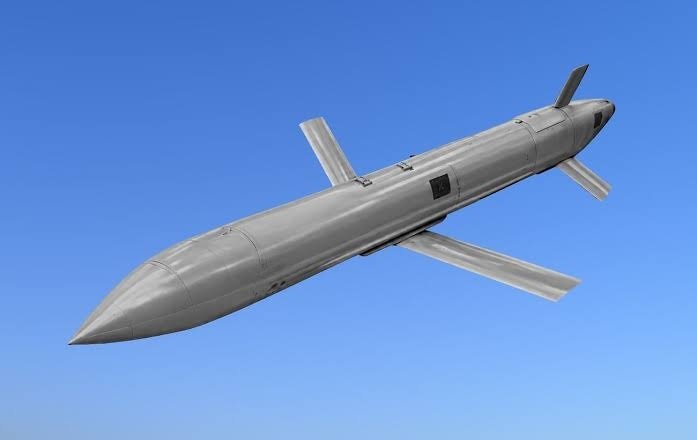
Among the affected programs are projects involving MBDA, the European missile manufacturer jointly owned by Airbus, the UK's BAE Systems, and Italy's Leonardo. The company jointly produces the Storm Shadow/SCALP long-range cruise missile through its British and French operations. The missile has been supplied to Ukraine and remains one of Europe's key jointly developed precision-strike weapons.
Defense companies including MBDA and Thales had previously argued for greater flexibility in the SAFE rules, noting that many advanced European defense programs rely on integrated supply chains that include British technology and industrial expertise. British officials also proposed that pan-European defense companies be treated as EU entities for the purposes of SAFE eligibility, but the proposal was not adopted.
Despite the reduction in approved funding, French officials have maintained support for the procurement criteria. According to officials, the SAFE program was created to strengthen Europe's defense industry by prioritizing European manufacturers and production within the eligible countries.
A senior EU diplomat said the outcome demonstrates the challenge of balancing the EU's goal of strengthening its strategic industrial base with the practical realities of multinational defense manufacturing, where many major programs depend on long-established cross-border partnerships.
The case highlights the interconnected nature of Europe's defense industry, particularly in projects developed jointly by EU and UK companies following Brexit. It also underscores the policy trade-offs involved in applying strict local-content requirements while maintaining collaboration on major defense programs.
France remains one of the largest beneficiaries of the SAFE program despite the €1.1 billion reduction, with its approved €15.1 billion allocation representing a significant share of the defense fund. More broadly, 18 EU member states initially expressed interest in SAFE loans totaling approximately €127 billion, reflecting growing European efforts to expand defense investment, increase industrial capacity, and improve military readiness through joint procurement.
Source: Financial Times
——— End of Article ———