KYIV, July 1, 2026 — A large-scale Ukrainian aerial attack targeting Russia's Moscow Oblast on June 30 has prompted speculation that Ukraine may have conducted the first operational launch of its domestically developed FP-9 heavy ballistic missile toward the Russian capital region. While neither Ukrainian nor Russian authorities have officially confirmed the use of a ballistic missile, open-source intelligence (OSINT) analysis and observations from Russian military monitoring channels have fueled discussion about the possibility.
According to the Russian Ministry of Defense, air defense forces intercepted 50 Ukrainian drones during the attack, while operations at Domodedovo and Zhukovsky airports were temporarily suspended due to the aerial threat.
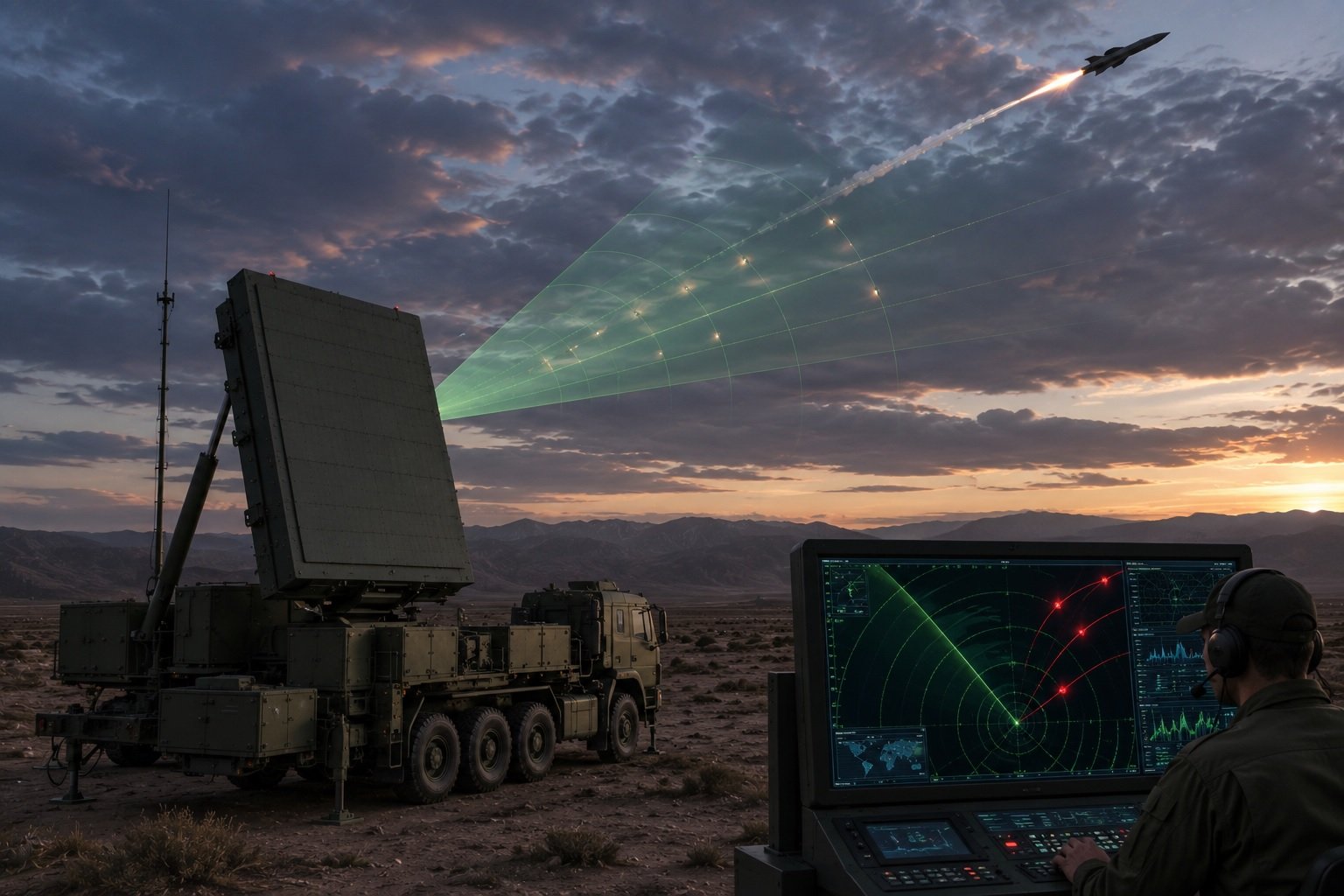
During the attack, Russian air defense systems reportedly engaged an object flying at an unusually high altitude. Pro-Russian military Telegram channel Voyennyy Osvedomitel reported that S-300 and S-400 air defense systems were activated against a target whose flight profile differed from that of a typical drone or cruise missile. The channel also reported a large crater at the interception site and suggested the object may have been a Ukrainian ballistic missile, while noting that the available information was insufficient for confirmation.
Ukrainian OSINT groups also analyzed the incident. Exilenova+ assessed that the crater indicated a much larger warhead than those typically carried by long-range drones, while CyberBoroshno geolocated the impact site near the village of Yudanovka along the Warsaw Highway southwest of Moscow.
The reported impact location is more than 800 kilometers (approximately 497 miles) from the Ukrainian border, a distance consistent with the range of a long-range ballistic missile. Analysts note that Ukrainian cruise missiles and attack drones rarely reach this depth into Russian territory without being intercepted earlier.
Focus Turns to the FP-9 Ballistic Missile
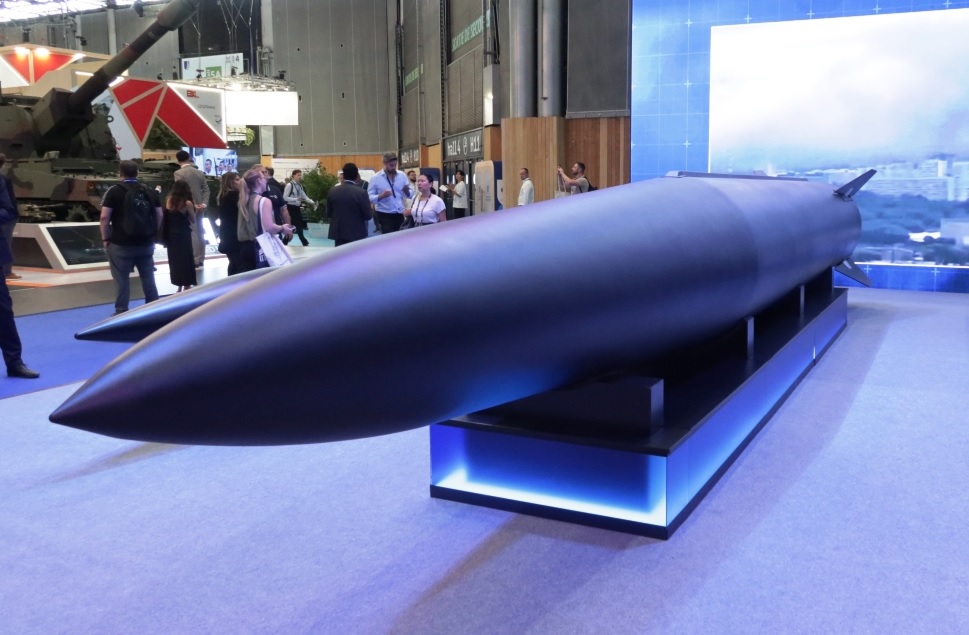
Analysts have pointed to Ukraine's FP-9 heavy ballistic missile, developed by the private defense company Fire Point, as the most likely candidate. Although no official confirmation has been provided, the missile's reported characteristics broadly align with the observed flight profile and crater size.
The FP-9 is reported to be 9.5 meters long and 1.1 meters in diameter, making it larger than Russia's Iskander-M ballistic missile. It has a stated maximum range of 855 kilometers (531 miles), carries an 800-kilogram warhead, and reportedly reaches terminal speeds exceeding Mach 7.
Fire Point says the missile uses carbon composite materials to reduce its radar cross-section compared with conventional aluminum-bodied ballistic missiles, with an estimated production cost of slightly more than $500,000 per unit.
The reported incident also coincides with recent comments by Fire Point co-founder and chief designer Denys Shtilerman, who said testing of the FP-9's solid-fuel engine was nearing completion. He stated that following a successful test flight, a subsequent launch could be directed toward Moscow, identifying early summer 2026 as the expected timeframe.
Fire Point develops missiles and drones using domestically produced Ukrainian components, reducing reliance on foreign suppliers. The company has also reportedly reached an estimated valuation of nearly $6 billion.
Strategic Implications
If the object intercepted near Yudanovka was indeed an FP-9 ballistic missile, it would represent a significant advancement in Ukraine's indigenous long-range strike capability.
However, it remains unclear whether the object was successfully intercepted by Russian air defenses or failed to reach its intended target for another reason. Neither Moscow nor Kyiv has officially confirmed a ballistic missile launch, and current assessments remain based on radar observations, crater analysis, geolocated imagery, and information shared by Russian and Ukrainian open-source intelligence communities.
If confirmed, the incident could mark the first known operational use of the FP-9 and prompt a reassessment of Russia's air defense posture against emerging long-range Ukrainian ballistic missile capabilities.
——— End of Article ———