WASHINGTON — U.S. Central Command (CENTCOM) announced that American forces carried out a third round of military strikes against Iranian military targets on the night of July 11, following an attack by Iran's Islamic Revolutionary Guard Corps (IRGC) on the Cyprus-flagged commercial container ship M/V GFS Galaxy in the Strait of Hormuz.
According to CENTCOM, U.S. forces struck approximately 140 Iranian military targets during the latest operation. The strikes were conducted using precision-guided munitions launched from land- and sea-based fighter aircraft, uncrewed aerial systems, and U.S. naval vessels.
CENTCOM said the operation was intended to hold Iranian forces accountable for the attack on the commercial vessel and reduce Iran's ability to target civilian mariners and merchant ships operating in the Strait of Hormuz.
M/V GFS Galaxy Attacked in Strait of Hormuz
The M/V GFS Galaxy, a Cyprus-flagged container ship, was attacked while transiting the Strait of Hormuz. According to CENTCOM, the vessel suffered an onboard fire and sustained significant damage to its engine room, leaving it unable to continue its scheduled voyage.
India's Ministry of External Affairs said the ship had 11 Indian crew members on board. Ten of them were rescued in a joint operation coordinated with Omani authorities, while one civilian crew member remains missing.
Iranian state media said the IRGC targeted the vessel because it allegedly traveled through an unapproved route and switched off its tracking systems, which Iran claimed endangered maritime security. Following the incident, Iran announced that the Strait of Hormuz was closed until further notice and warned against further retaliation.
Military Targets Hit
CENTCOM said the latest operation targeted military infrastructure linked to Iran's capability to conduct attacks against commercial shipping.
According to the command, the strikes hit:
- Missile and drone launch sites
- Naval capabilities and military assets
- Ammunition storage facilities
- Military communication networks
- Coastal surveillance locations
The U.S. military said the strikes were limited to military targets and were intended to degrade capabilities used in attacks against civilian shipping in the Strait of Hormuz.
More Than 300 Targets Struck This Week
The July 11 operation marked the third round of U.S. strikes against Iranian military infrastructure this week.
CENTCOM stated that across the three nights of operations, more than 300 Iranian military targets have been struck at the direction of the Commander in Chief. The command said the operations were aimed at reducing Iran's ability to threaten commercial vessels and civilian mariners navigating the strategic waterway.
CENTCOM also noted that Iran had been given another opportunity to comply with a previously established Memorandum of Understanding but did not do so.
Commercial Shipping Continues
Despite the recent military exchanges and Iran's declaration regarding the Strait of Hormuz, CENTCOM said commercial shipping through the international maritime corridor is continuing.
According to the command, U.S. forces have supported the safe transit of more than 800 commercial vessels through the strait since early May. Those transits included the movement of approximately 400 million barrels of crude oil.
The Strait of Hormuz remains one of the world's most important maritime routes, with roughly one-fifth of globally traded oil and natural gas passing through the waterway.
Diplomatic Efforts Continue
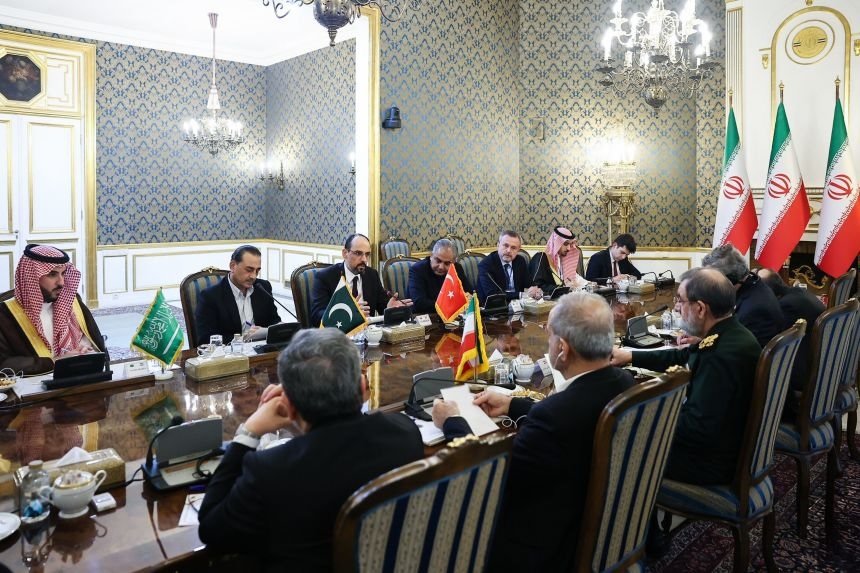
The latest military actions came shortly after diplomatic discussions between the foreign ministers of Iran and Oman, who met on Saturday to discuss the administration and security of the Strait of Hormuz.
As of CENTCOM's latest update, no information has been released regarding Iranian casualties from the strikes. The command said commercial vessel transits are continuing and that U.S. forces remain engaged in supporting the safe movement of international shipping through the region.
Source: Centcom.mil / Centcom on x
——— End of Article ———