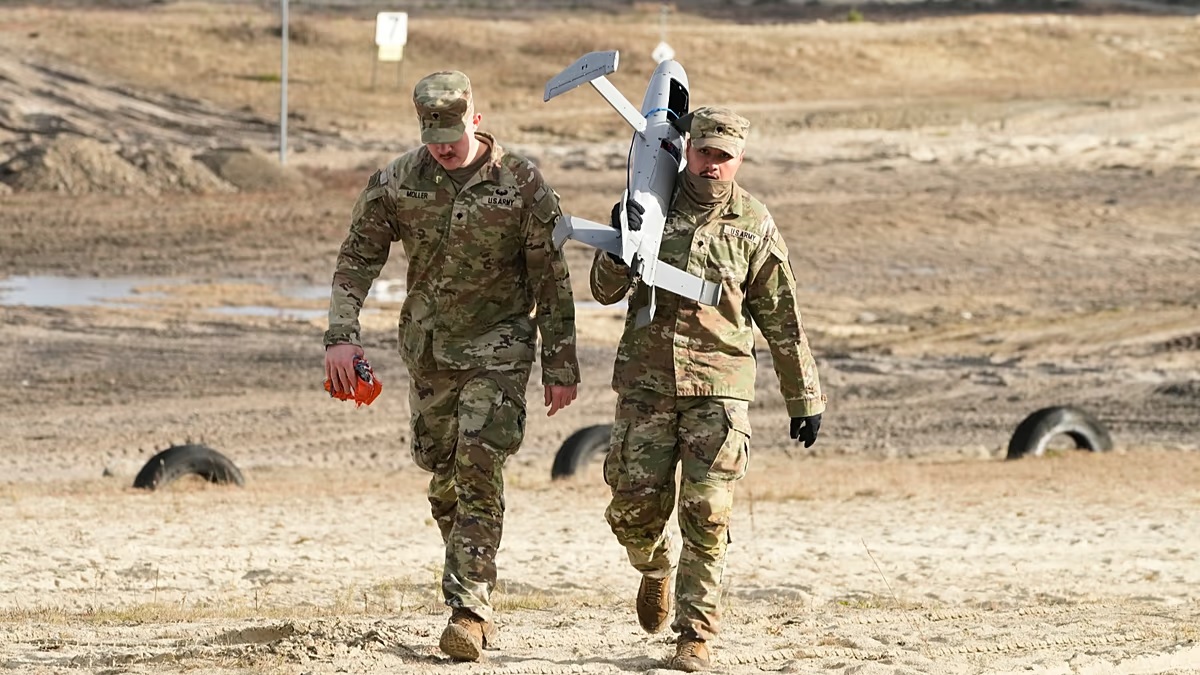
Ramstein Air Base, Germany — NATO is stepping up efforts to develop more affordable and effective ways to defend its airspace against the growing threat of uncrewed aerial systems (UAS). The issue was a key focus at the second AIRCOM Industry Day, held at Ramstein Air Base in Germany on June 30 and July 1, where military officials met with representatives from around 35 defence companies to discuss new counter-drone technologies.
The discussions reflected NATO's growing concern over the increasing use of low-cost drones in modern warfare and the need to counter them without relying on expensive air defence measures. The event aimed to strengthen cooperation between the military and the defence industry to accelerate the development of practical and affordable counter-UAS capabilities.
Recent incidents have highlighted the challenge. A drone crashed into a house in Romania, another entered Lithuanian airspace, and suspected drone activity temporarily disrupted operations at Munich Airport. These incidents have increased the alliance's focus on improving its counter-UAS capabilities.
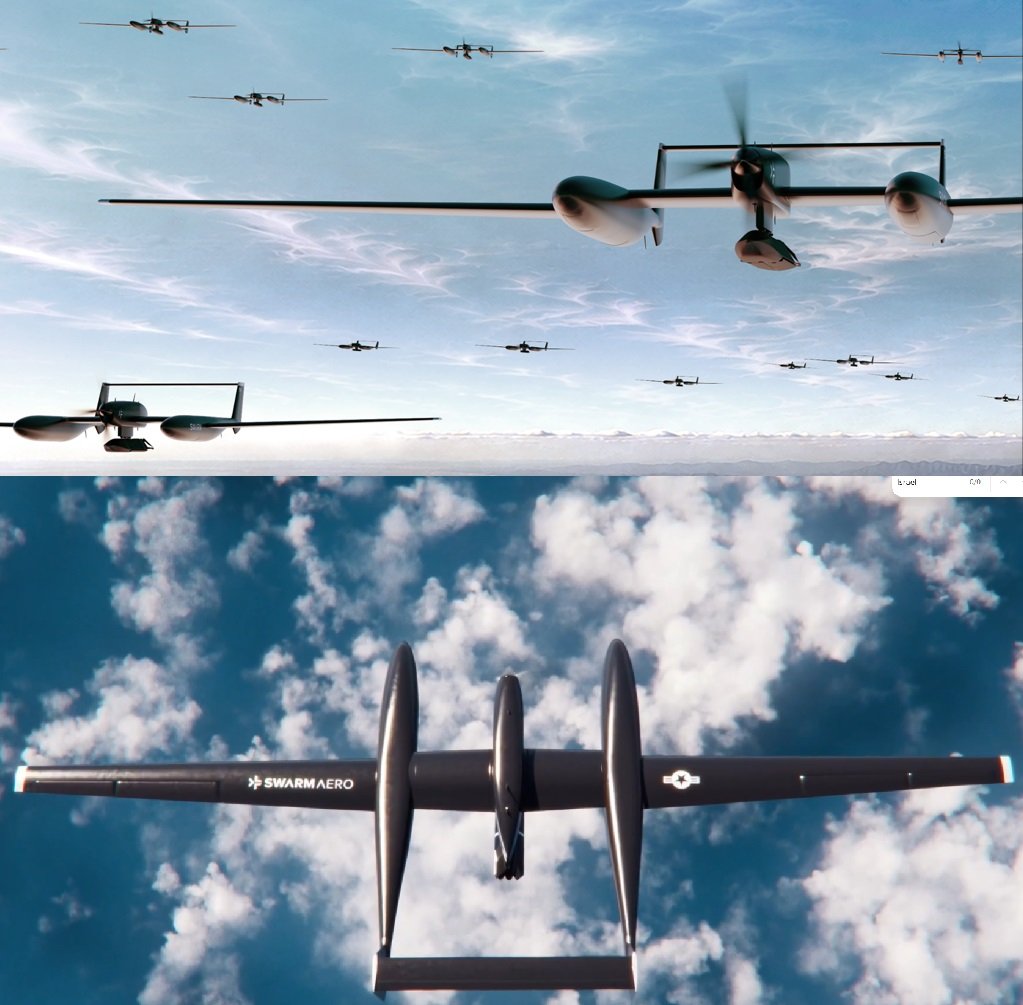
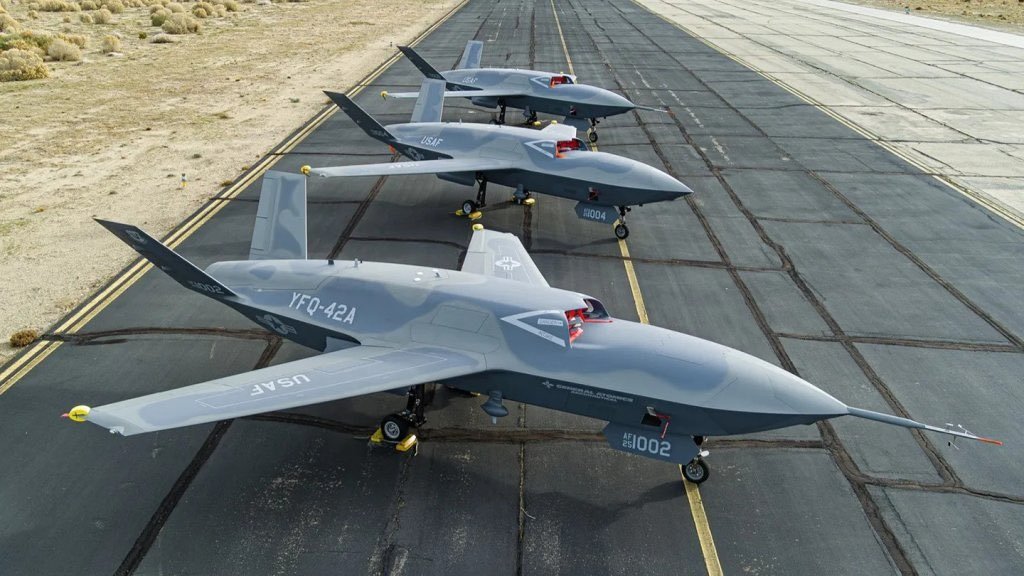
When a drone enters NATO airspace, the alliance activates Operation Eastern Sentry, which can involve scrambling fighter aircraft to identify, monitor and, if necessary, intercept the threat. While the response is operationally effective, it is also expensive. Many attack drones can be produced for less than €100,000, whereas a typical interception mission involving two fighter jets can cost more than €85,000 before any missiles are launched.
Opening the event, Lieutenant General Guillaume Thomas, Deputy Commander of NATO's Allied Air Command (AIRCOM), said the large-scale use of drones in Russia's war against Ukraine has created new collective challenges for the alliance. He said NATO must stay ahead in three key areas: cost, by developing interceptors that are cheaper than the targets they destroy; production, by expanding manufacturing capacity to match large-scale drone deployments; and innovation, by speeding up the development and acquisition of new technologies.
A major theme throughout the event was learning from Ukraine's battlefield experience.
Dr. Ulrike Franke, Senior Policy Fellow at the European Council on Foreign Relations, said drones have fundamentally changed modern warfare by bringing mass to the battlefield. She said NATO must focus on affordable, large-scale solutions instead of relying on expensive systems to defeat low-cost drones. Franke also described close cooperation with Ukraine as a requirement for improving NATO's counter-drone capabilities.
Providing frontline experience, Senior Lieutenant Oleksandr Vorobiov, deputy chief of air defence for Ukraine's 3rd Army Corps, identified radar detection as one of the biggest operational challenges.
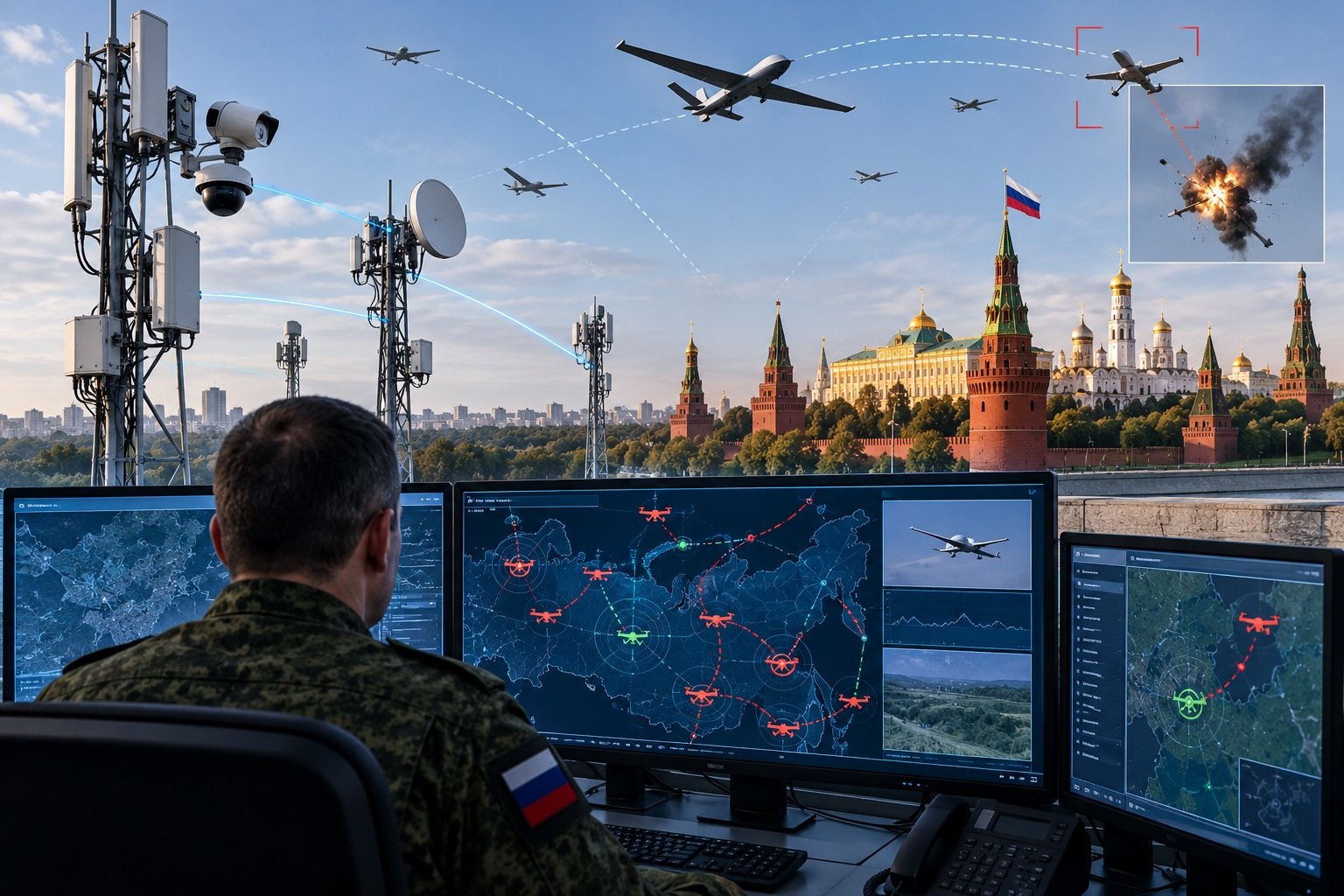
He said most radar systems currently used in Ukraine were designed to detect aircraft or monitor weather rather than identify small drones. As a result, small unmanned aircraft can disappear from radar screens for several seconds, making fully autonomous interceptor drones unreliable and requiring operators to take manual control during those periods. Vorobiov said improving reliable radar detection remains one of the most important requirements for future counter-drone systems.
Although only defence companies from NATO member countries participated in the exhibition, Ukraine's combat experience remained a central reference throughout the event.
Around 35 companies showcased technologies ranging from advanced radar systems and interceptor drones to artificial intelligence software and specialised counter-drone missiles. Among the exhibitors were MBDA, Hensoldt, Alta Ares, and Aselsan.
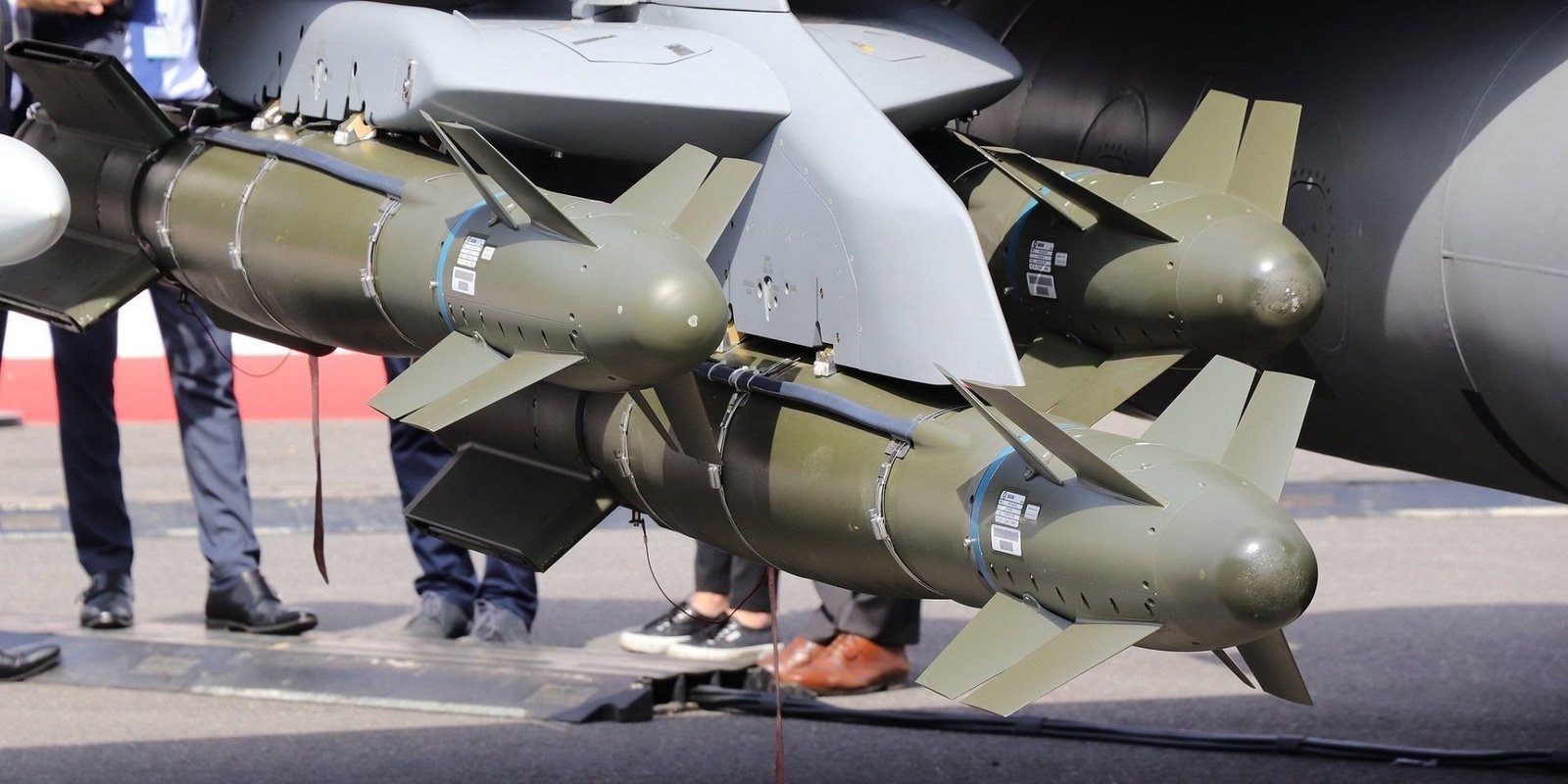
MBDA presented a cost-effective counter-drone missile designed to defend against mass attacks by Shahed- and Geran-type drones. The missile is being integrated into Rheinmetall's Skyranger 30 air defence system, with the first systems planned for Germany's brigade in Lithuania. Deliveries are expected between 2027 and 2028.
The Skyranger 30 uses a layered defence approach. Each vehicle carries nine interceptor missiles, allowing a six-vehicle battery to field 54 ready-to-fire interceptors. Smaller Class 1 drones, including quadcopters, are engaged using the system's 30 mm cannon, while the interceptor missile is designed to defeat larger threats such as Shahed-type drones.
French company Alta Ares demonstrated AI-powered intelligence software together with two interceptor systems. One version is designed for short- and medium-range engagements with a range of up to 15 kilometres, while the second can engage targets at distances of up to 40 kilometres. Company representatives said their founders worked closely with Ukrainian military units during the early stages of the war to better understand operational requirements and develop AI-based solutions for drone operations. Alta Ares recently signed a memorandum of understanding with German drone manufacturer Quantum Systems to further develop these capabilities.
Turkish defence company Aselsan highlighted reliability and the use of artificial intelligence as key lessons from the war in Ukraine. Company representatives said modern drone attacks leave only a few seconds for operators to react, making AI-assisted systems important for shortening decision-making time and improving response speed.
Lieutenant Colonel Steffen Bott, project manager for the event, said the purpose of AIRCOM Industry Day is to connect military operational requirements with rapidly evolving technologies. He noted that while NATO and the military do not directly establish contracts with defence companies during the event, the military identifies operational needs and shares them with industry. He added that counter-UAS technologies are evolving much faster than traditional defence procurement processes, making closer cooperation between armed forces, start-ups and established defence companies increasingly important.
The discussions at Ramstein Air Base reflected NATO's broader effort to work more closely with industry to develop affordable, reliable and effective counter-drone technologies. Military officials said faster cooperation between frontline operators and defence companies will be essential as drone threats continue to evolve and become more widespread.
Source: euronews
——— End of Article ———