LONG BEACH, Calif., June 23, 2026 — Rocket Lab has successfully launched its Electron rocket and deployed the Pioneer spacecraft for the U.S. Space Force’s (USSF) VICTUS HAZE mission, establishing a new benchmark for tactically responsive space operations.
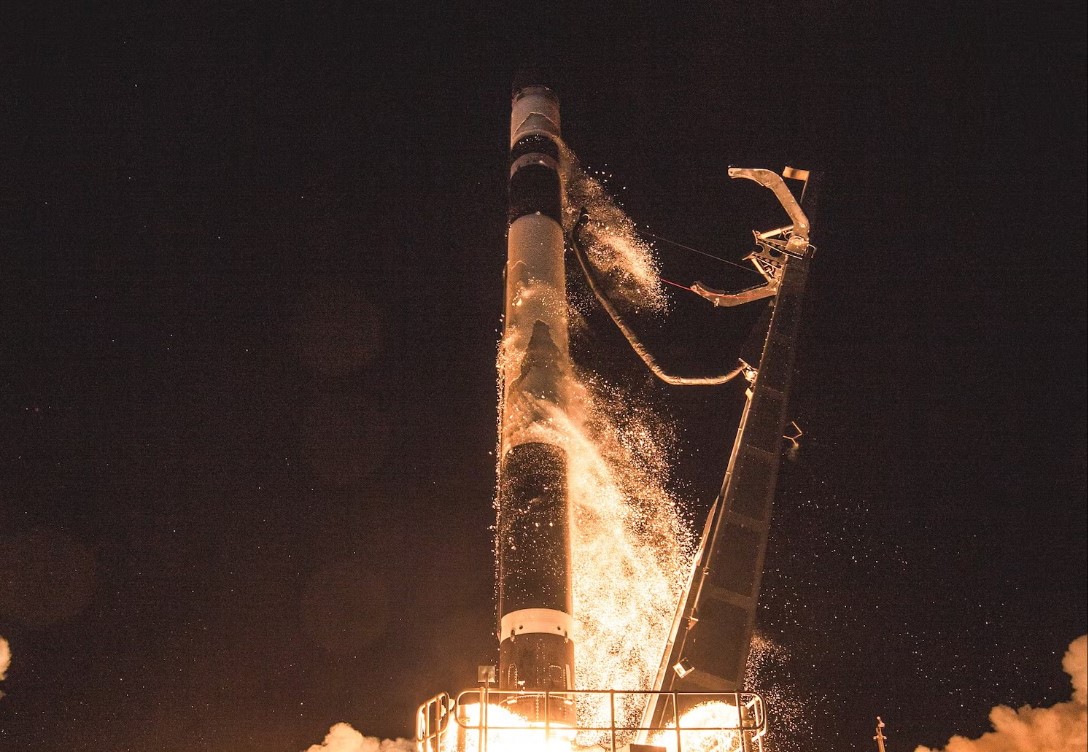
The mission lifted off from Launch Complex 1 on New Zealand’s Mahia Peninsula at 10:19 p.m. NZT on June 19, just 16 hours and 42 minutes after Rocket Lab received a formal Notice to Launch from the U.S. Space Force. The turnaround time surpassed the previous VICTUS NOX record by more than 10 hours.
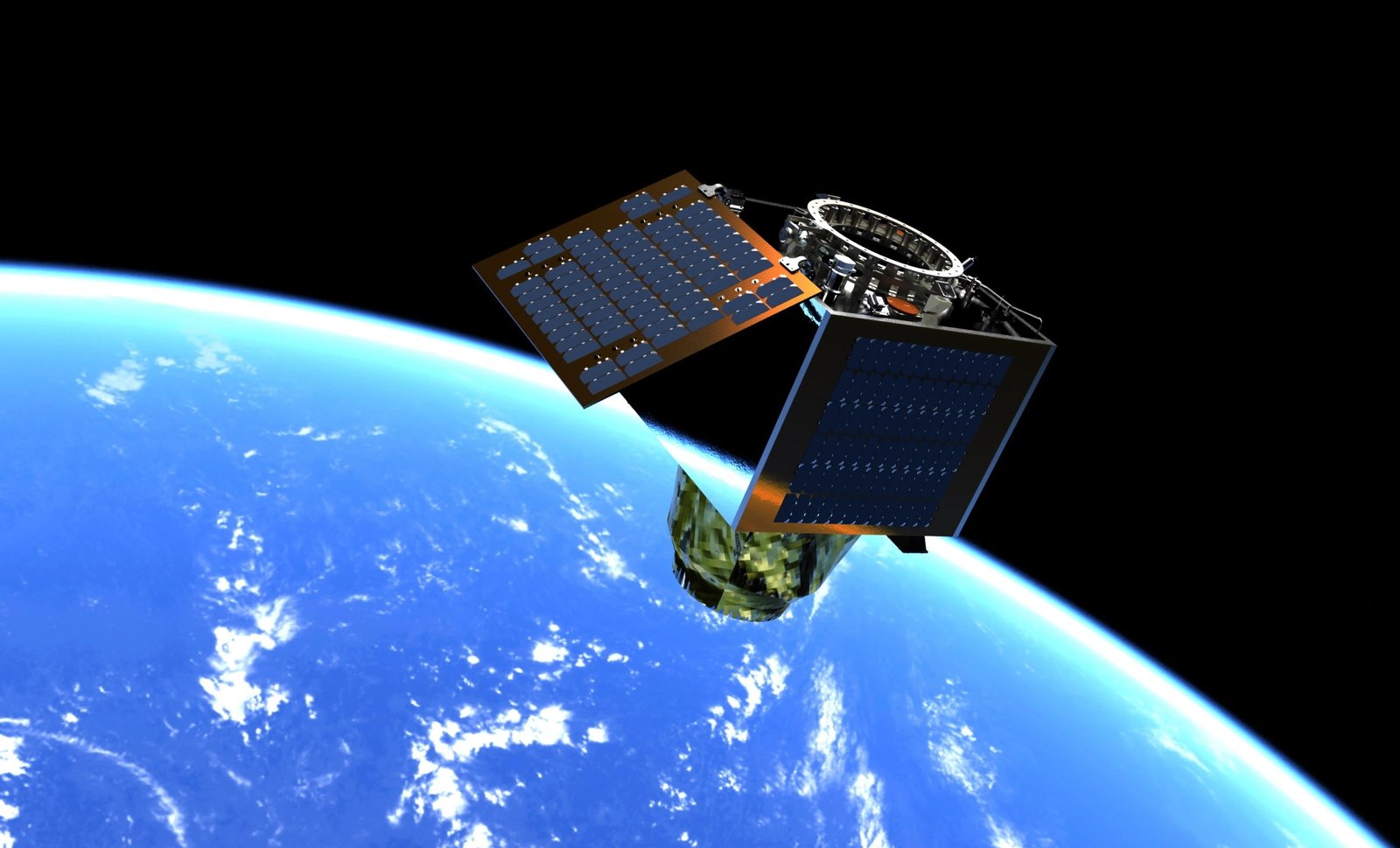
VICTUS HAZE is a Tactically Responsive Space (TacRS) mission managed by the U.S. Space Force Space Systems Command’s (SSC) Space Safari Program Office. It is the first TacRS mission in which a single prime contractor managed the complete mission, with Rocket Lab responsible for designing, manufacturing, testing, launching, and operating the Pioneer spacecraft, which carries a payload known as PUMA.
The mission achieved several key milestones. Rocket Lab’s Guidance, Navigation, and Control team completed trajectory calculations, software updates, and global ground station coordination in approximately four hours. The Pioneer spacecraft was fully commissioned and prepared for its first orbital maneuver within 37 hours and 36 minutes, well ahead of the military’s 72-hour requirement.
Rocket Lab said its vertically integrated manufacturing model helped support the accelerated timeline. The company produces critical spacecraft and launch vehicle subsystems in-house, including propulsion systems, solar arrays, reaction wheels, star trackers, and flight software, reducing reliance on external suppliers.
Following deployment into low Earth orbit, the Pioneer spacecraft began conducting Rendezvous and Proximity Operations (RPO). The spacecraft is currently performing maneuvers with the Jackal spacecraft developed by True Anomaly, simulating responses to potential on-orbit threats and supporting Space Domain Awareness objectives.
Lt. Col. Lincoln Miller, Space Safari system program manager, said the mission represents the “run” phase of the TacRS program and demonstrates the ability to rapidly commission a spacecraft and begin on-orbit operations within operational timelines.
Rocket Lab founder and CEO Sir Peter Beck said the mission demonstrates the effectiveness of combining spacecraft production, launch services, and mission operations under a single provider to support rapid deployment requirements for national security space missions.
The successful VICTUS HAZE mission advances the U.S. Space Force’s responsive space capabilities and highlights the growing role of commercial industry in supporting national security operations in orbit.
——— End of Article ———