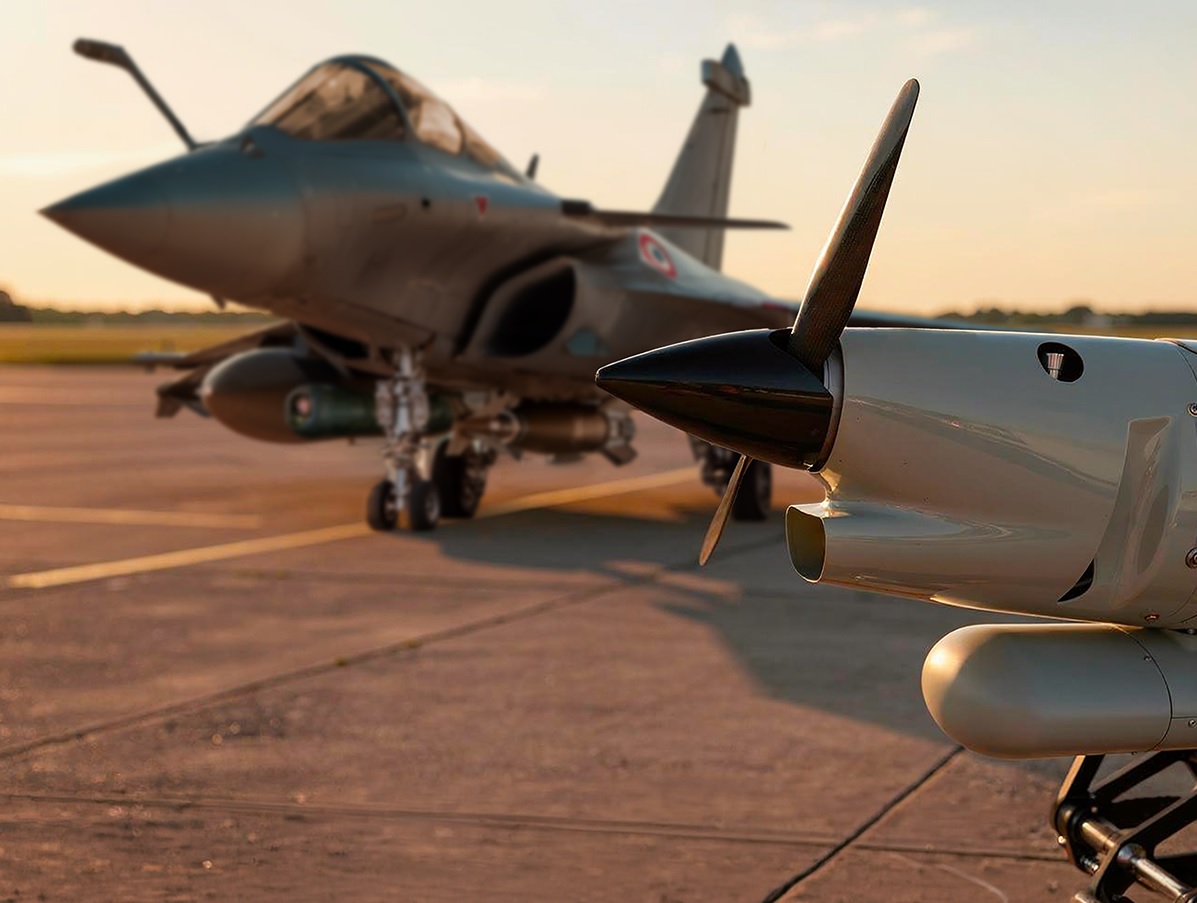
PARIS — Dassault Aviation and Harmattan AI have successfully completed an in-flight demonstration of the new NAMIB electronic warfare payload, showing how an unmanned aerial system (UAS) can work alongside a Rafale F4 fighter during a collaborative combat mission.
The flight test, announced by the two French companies on Monday, demonstrated the integration of the jointly developed NAMIB payload with the Rafale F4. The system is designed to detect, identify, and geolocate electromagnetic emissions, particularly those generated by enemy air defense systems.
During the demonstration, a drone equipped with the NAMIB payload detected and accurately geolocated a radar located several dozen kilometers away without revealing its position. The unmanned system then transmitted the target's coordinates to the Rafale F4, which used the information to carry out a simulated strike on the radar site.
The test demonstrated how unmanned systems can provide electronic warfare and targeting support to crewed combat aircraft during military operations.
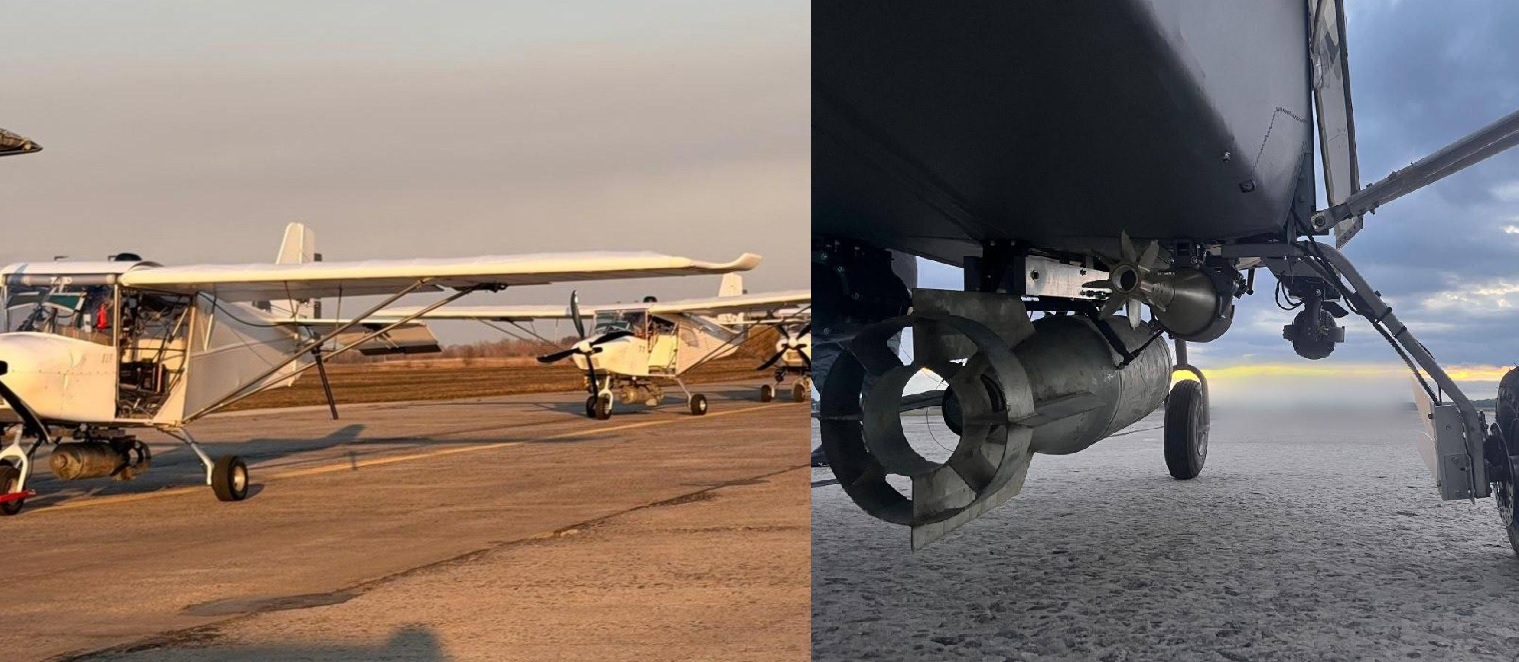
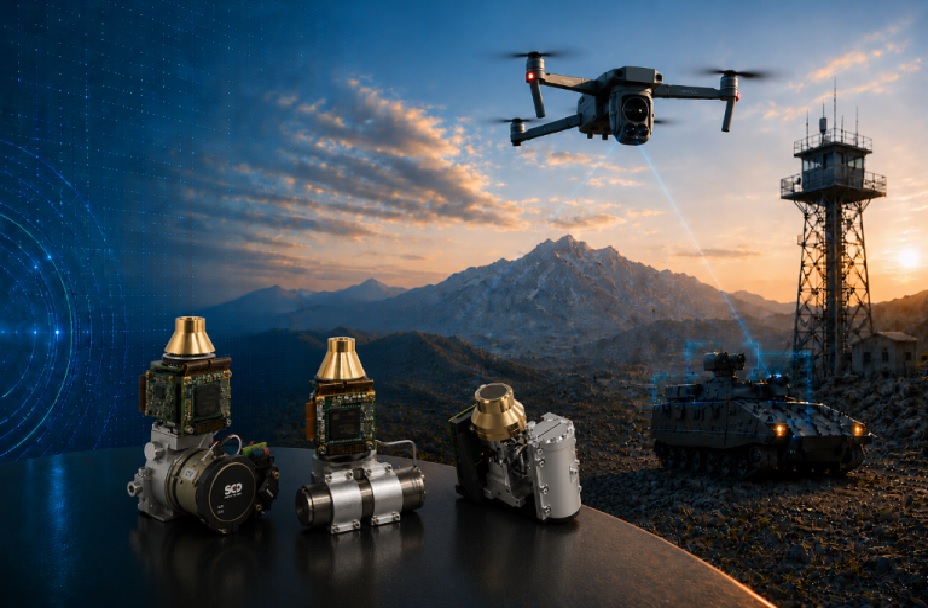
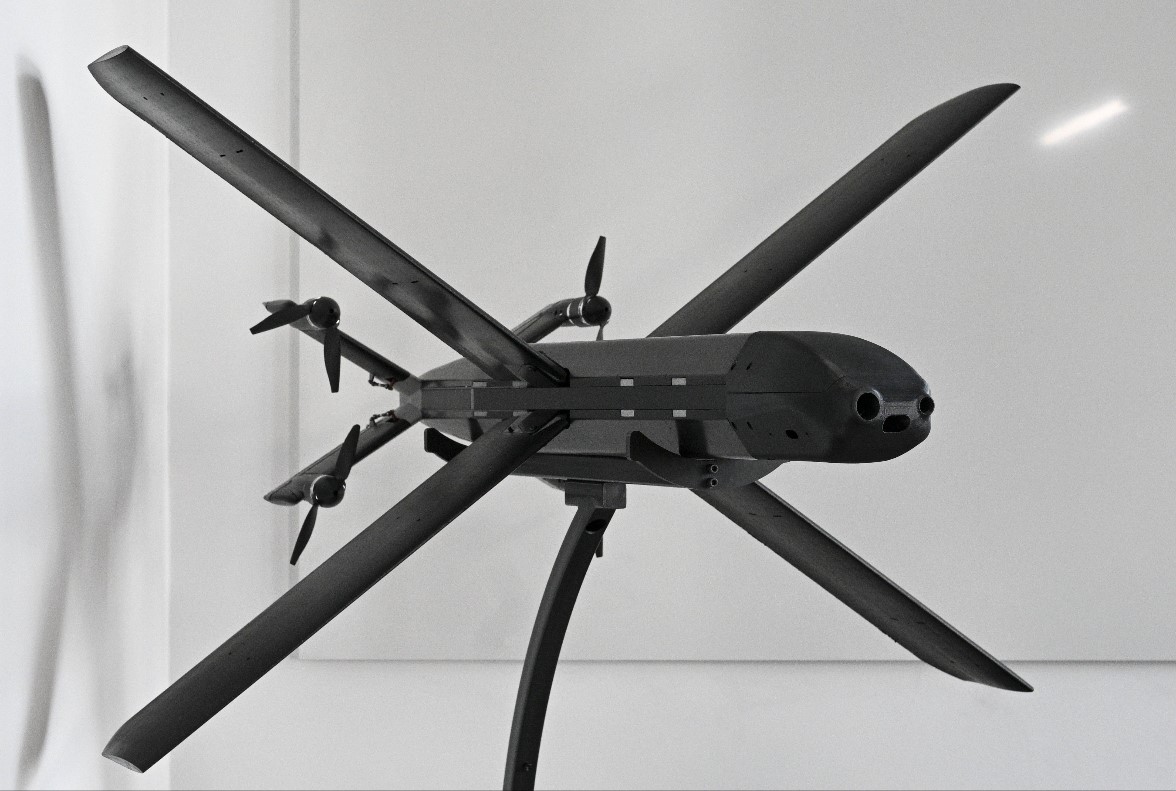
NAMIB has been designed for use on multiple drone platforms, including lightweight tactical quadcopters and longer-endurance fixed-wing unmanned aircraft. This flexibility allows the payload to be deployed across different mission profiles depending on operational requirements.
Development of the NAMIB payload began in January 2026 as part of a strategic partnership between Dassault Aviation and Harmattan AI. The collaboration focuses on integrating advanced autonomy and artificial intelligence into future air combat systems while improving cooperation between crewed and uncrewed platforms.
Eric Trappier, Chairman and CEO of Dassault Aviation, said the demonstration confirmed the Rafale F4's collaborative combat capabilities across multiple operational domains.
"This flight demonstrates the Rafale's real and tangible multi-domain collaborative combat capabilities. The F4 standard architecture enables seamless communication with a very broad range of operational assets, including ground forces, allowing it to effectively leverage new capabilities, such as NAMIB's electromagnetic detection and geolocation functions," Trappier said.
He added that the demonstration also showed the Rafale's continued adaptation to changing operational requirements through a "high-low mix," combining advanced combat aircraft with autonomous and expendable systems.
Mouad M'Ghari, Co-Founder and CEO of Harmattan AI, said electronic warfare has become increasingly important in modern military operations.
"Electronic warfare has become a decisive factor in achieving operational superiority. Through NAMIB, we are demonstrating that these capabilities can now be deployed on lightweight autonomous systems operating close to the threat. This achievement highlights the complementary strengths of Dassault Aviation and Harmattan AI, combining decades of experience in air combat systems with our expertise in autonomy and embedded intelligence. Together, we are demonstrating that it is possible to accelerate the integration of disruptive technologies for the benefit of the armed forces and lay the groundwork for the collaborative combat architectures of tomorrow."
The NAMIB program is part of broader efforts to enhance cooperation between manned fighters and autonomous systems in future military operations. Such collaborative concepts are intended to improve situational awareness, electronic warfare capabilities, and targeting efficiency while reducing risk to crewed aircraft.
Founded in 2024, Harmattan AI develops autonomous robotic defense systems for missions including air defense, intelligence, surveillance and reconnaissance (ISR), strike, electronic warfare, and command and control. The company develops technologies for operations in contested environments and works with partners in the United States, Europe, the Middle East, and Africa.
Dassault Aviation has more than 110 years of aerospace experience and has delivered over 10,000 military and civil aircraft to customers in more than 90 countries. Its product portfolio includes the Rafale fighter aircraft, Falcon business jets, military unmanned systems, and space programs. In 2025, the company employed approximately 15,000 people and reported €7.4 billion in revenue.
The successful demonstration marks another step in integrating unmanned electronic warfare systems with crewed combat aircraft, supporting the development of collaborative combat capabilities for future air forces.
Source : harmattan
——— End of Article ———