OSLO, NORWAY , July 2, 2026 — Kongsberg Defence & Aerospace has secured a NOK 4.7 billion (approximately $474 million) contract to supply its Joint Strike Missile (JSM) to an undisclosed international customer, marking the sixth nation to select the long-range precision weapon for its fighter aircraft fleet.
The agreement, announced on June 30, 2026, expands the international adoption of the JSM, although Kongsberg has not disclosed the identity of the customer or the number of missiles included in the order.
The Joint Strike Missile has previously been selected by Norway, Japan, Australia, the United States, and Germany, with Germany expected to begin receiving deliveries before the end of 2027. The growing customer base reflects continued demand for long-range precision weapons designed for fifth-generation combat aircraft.
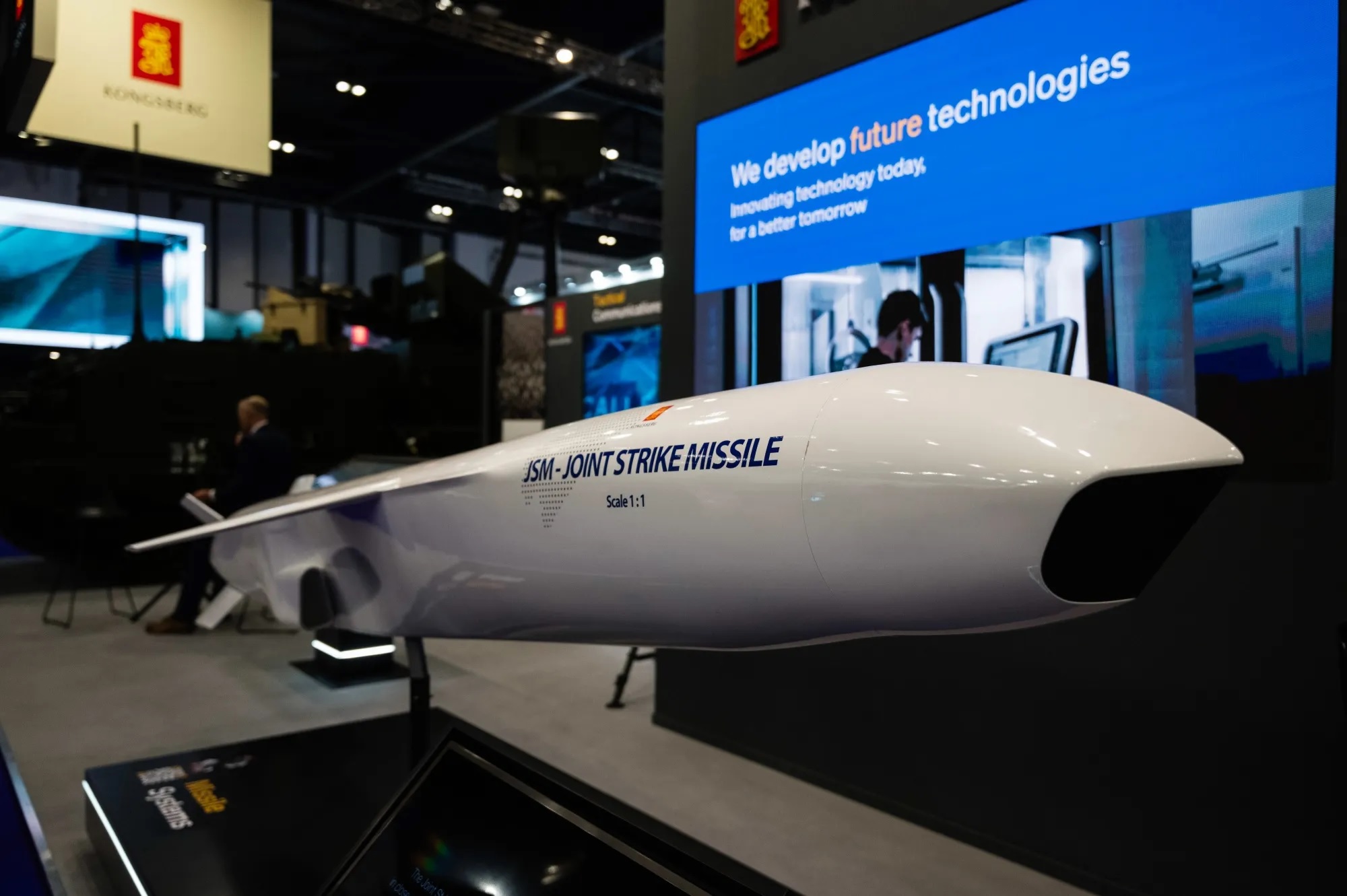
Developed by Kongsberg Defence & Aerospace from the Naval Strike Missile (NSM) in cooperation with Raytheon Missiles & Defense, the JSM is a multi-role cruise missile capable of engaging both land and maritime targets. It features a low-observable design, autonomous target recognition, terrain-following and sea-skimming flight profiles, and guidance systems combining INS/GPS navigation, an imaging infrared (IIR) seeker, terrain-reference navigation, and a two-way data link.
The missile measures 4.0 meters in length, weighs approximately 416 kilograms, carries a 120-kilogram blast-fragmentation warhead, and has an estimated range of more than 500 kilometers, although the official range remains classified.
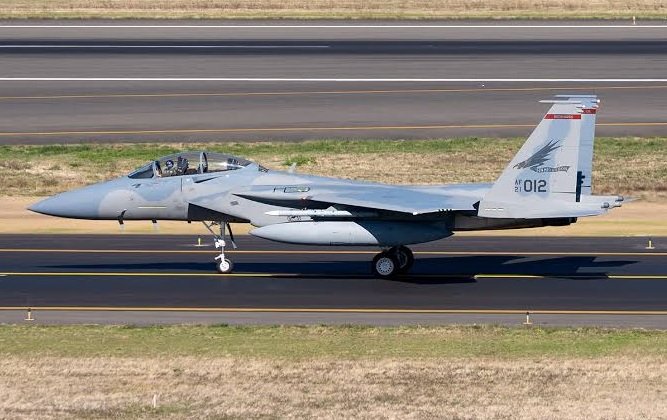
A key feature of the JSM is its compatibility with the Lockheed Martin F-35 Lightning II, allowing internal carriage on the F-35A and F-35C without affecting the aircraft's stealth characteristics. The missile is also compatible with external carriage on the F-35B, as well as the Boeing F/A-18E/F Super Hornet and Boeing F-15EX Eagle II.
The latest contract further strengthens the JSM program as Kongsberg expands missile production capacity through new manufacturing and maintenance facilities in Australia and the United States to support increasing international demand and long-term sustainment of both the JSM and NSM programs.
——— End of Article ———