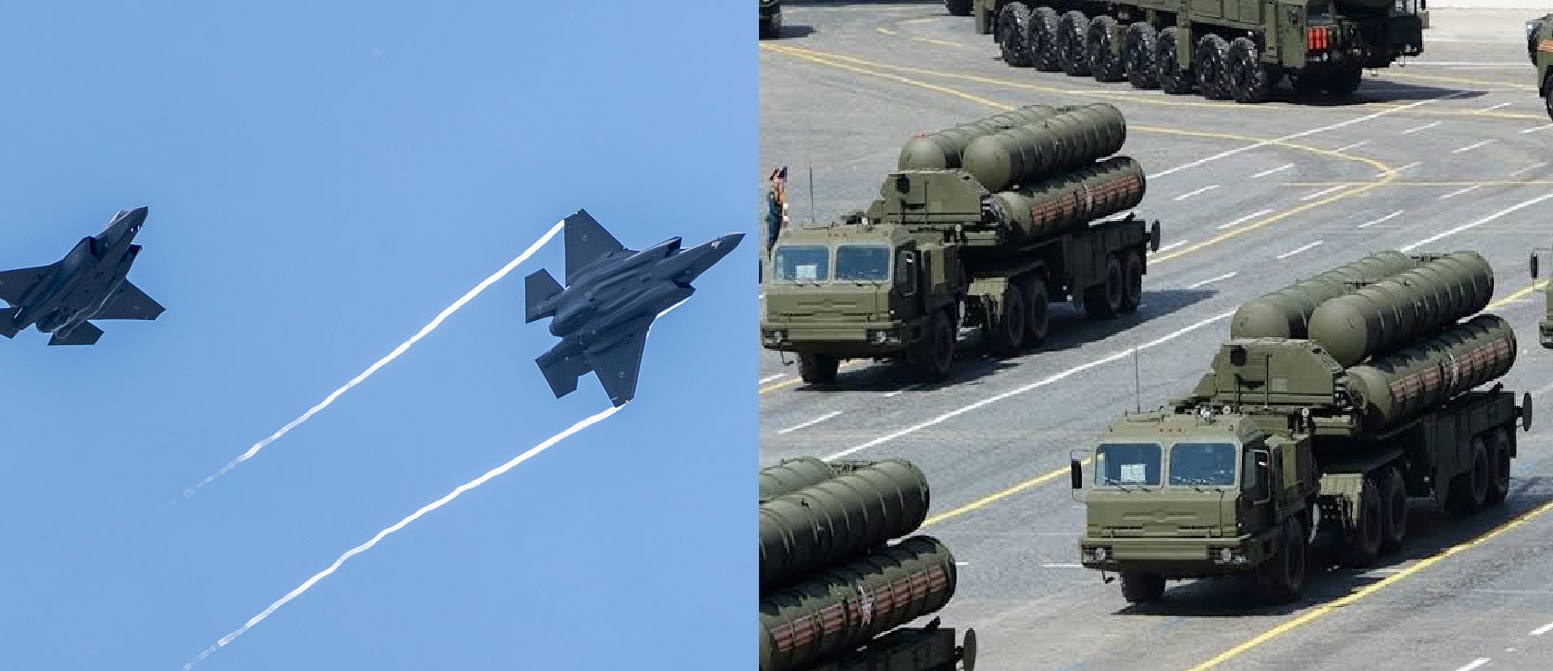
ANKARA — Turkish President Recep Tayyip Erdoğan has dismissed objections from Israel and Greece over Turkey's possible return to the F-35 fighter jet program, saying such concerns will not influence Ankara's defense decisions as negotiations with the United States continue.
Speaking to reporters after the NATO summit, Erdoğan said opposition from Israeli Prime Minister Benjamin Netanyahu and Greek Prime Minister Kyriakos Mitsotakis "has no place in my world," making clear that Turkey's defense policies will be determined by its own national interests.
His remarks come as Turkey is in line to receive an initial batch of six F-35A stealth fighter jets if U.S. President Donald Trump approves lifting the 2019 ban on F-35 sales to Ankara. The aircraft are the same six jets that were originally built for Turkey before the country was removed from the F-35 program.
Turkey was suspended from the multinational F-35 program in 2019 after acquiring Russia's S-400 air defense system. The United States argued that operating the S-400 alongside the F-35 could pose risks to the aircraft's sensitive technology, leading to Turkey's removal from the program and the suspension of aircraft deliveries.
A key issue in the ongoing negotiations remains the future of Turkey's S-400 system. Asked whether Ankara would give up the Russian-made air defense system to secure the F-35 deal, Erdoğan declined to provide a direct answer. Instead, he told reporters to "keep watching" as discussions with Washington continue.
The proposed transfer would mark Turkey's return to the F-35 program if approved. During the NATO summit, Trump said he was taking a positive approach toward reconsidering the sale and indicated that the United States was prepared to review the restrictions imposed on Turkey.
However, the deal still faces significant legal and political hurdles in Washington. U.S. officials, including Vice President JD Vance and Defense Secretary Pete Hegseth, are reviewing the proposed sale to ensure it complies with U.S. law. Even if the White House supports the move, the proposal is expected to face opposition in Congress, where lawmakers have previously raised national security concerns over Turkey's defense relationship with Russia.
Israel has also continued to oppose Turkey's return to the F-35 program. Israeli officials have argued that supplying advanced stealth fighters to Turkey could affect the regional military balance. Turkey has rejected those concerns, with its Foreign Ministry describing Israel's campaign against the proposed sale as disinformation.
Turkey was originally one of the international partners in the F-35 program and had planned to acquire more than 100 aircraft. Its participation ended after the S-400 purchase triggered U.S. sanctions and its removal from the program.
Despite the remaining obstacles, Erdoğan expressed confidence that the negotiations could lead to an agreement. He said he hopes that once the F-35s are delivered to Turkey, it will demonstrate that the United States has fulfilled its commitment.
For now, no final decision has been announced on lifting the restrictions or completing the transfer of the six aircraft, and the outcome will depend on the ongoing negotiations and the required approvals in Washington.
Source: saudigazette / timesofisrael
——— End of Article ———