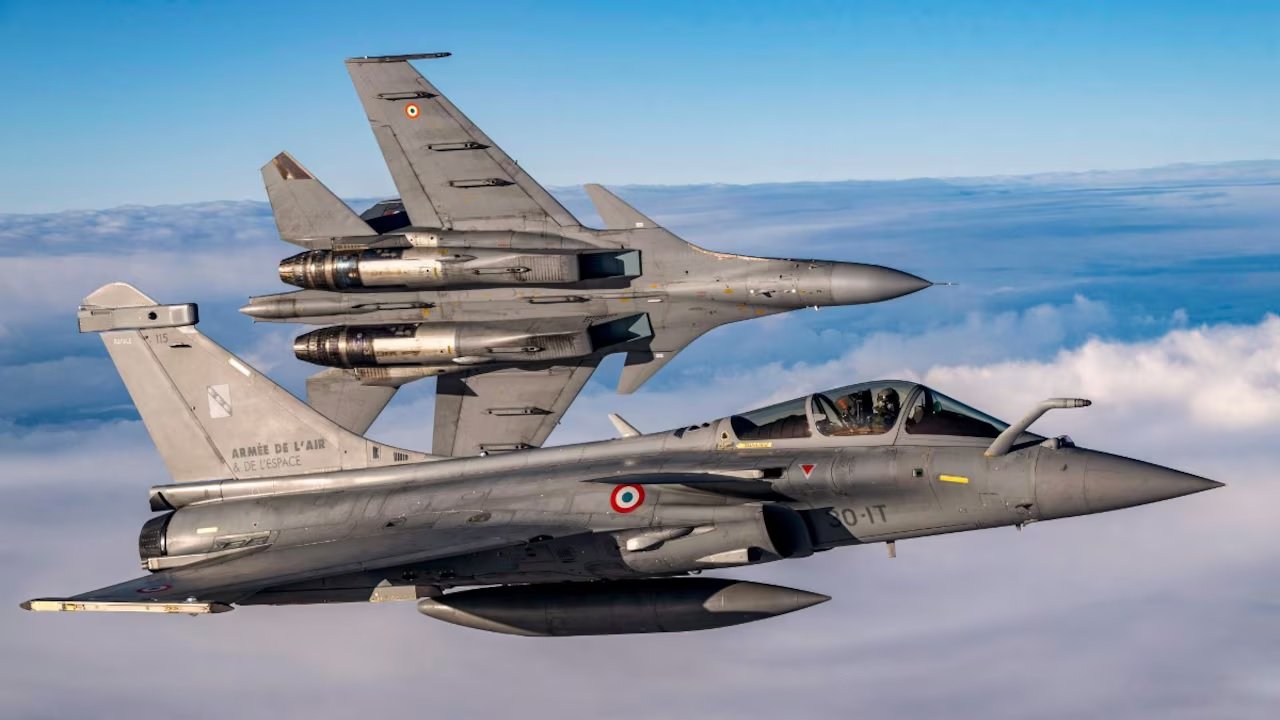
NEW DELHI, — June 14, 2026 : France has agreed to integrate advanced artificial intelligence (AI) capabilities and upgraded secure satellite communication systems into future Rafale fighter jets destined for India, marking a significant step in the modernization of the Indian Air Force (IAF) combat aviation fleet. The enhancements form part of the upcoming Rafale F5 standard, which is being developed as the next major evolution of the multirole fighter.
The agreement comes as India and France continue negotiations for the Indian Air Force's proposed acquisition of 114 Multi-Role Fighter Aircraft (MRFA), a deal estimated to be worth up to $40 billion. The future aircraft are expected to incorporate a range of advanced technologies designed to improve operational effectiveness, connectivity, and pilot decision-making in modern combat environments.
Advanced AI and Secure Connectivity
A central feature of the Rafale F5 standard is the introduction of onboard AI-powered decision-support systems. The technology is designed to process and fuse large volumes of information collected from the aircraft's sensors, automatically identifying threats, filtering unnecessary data, and presenting pilots with a clear and prioritized operational picture.
By automating routine tasks and assisting with threat analysis, the AI system is expected to reduce pilot workload and enable faster decision-making during high-intensity missions. The technology will support human operators while maintaining pilot control over mission execution.
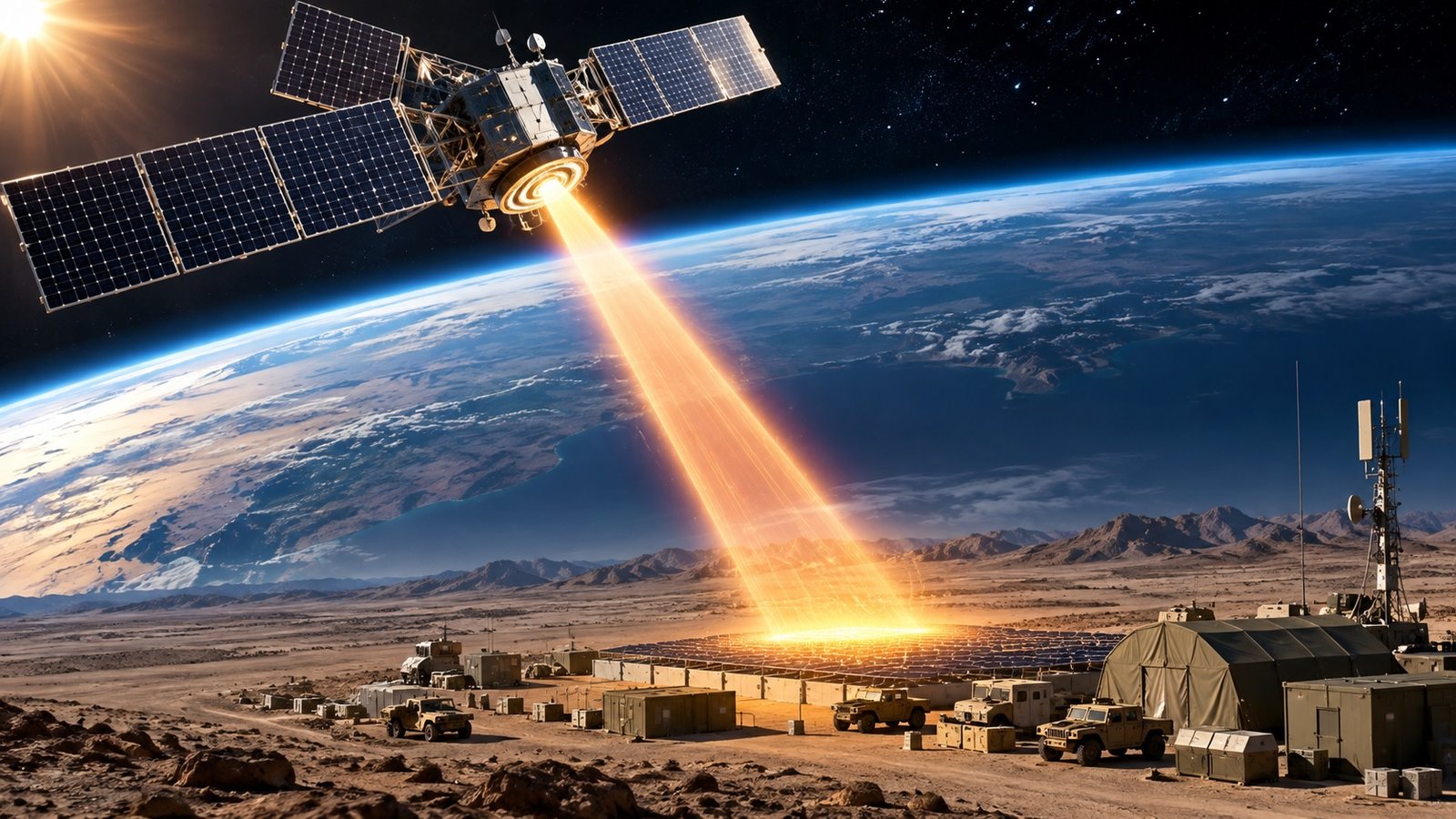
The upgraded Rafales will also receive secure, high-bandwidth satellite communication links, allowing continuous encrypted data exchange with ground-based radars, naval assets, airborne platforms, and command-and-control centers. The enhanced connectivity will strengthen the aircraft's role within a network-centric warfare environment and improve real-time battlefield awareness.
Manned-Unmanned Teaming Capability
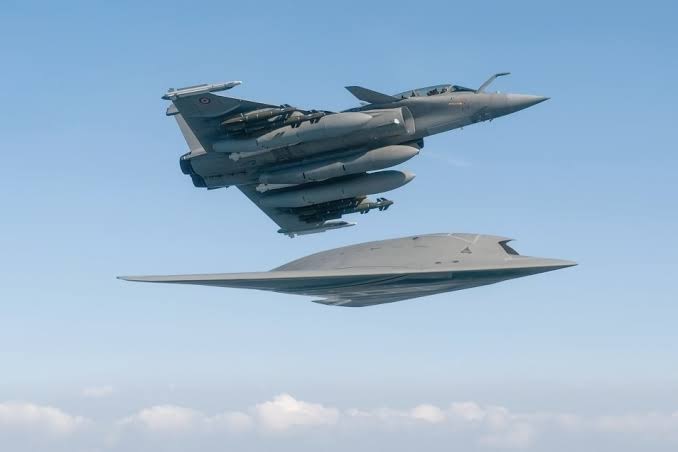
The Rafale F5 will introduce advanced Manned-Unmanned Teaming (MUM-T) capabilities, enabling pilots to operate alongside autonomous or semi-autonomous unmanned systems.
Supporting this effort, Dassault Aviation recently invested $200 million in Harmattan AI, a company specializing in autonomous combat technologies. The investment is linked to the Rafale F5 program and the development of a future "loyal wingman" unmanned combat aerial vehicle (UCAV).
Under this concept, a single Rafale pilot will be able to direct stealth drones to conduct reconnaissance missions, suppress enemy air defenses, gather intelligence, or carry out strike operations. The capability is intended to extend the aircraft's operational reach while reducing risk to the manned platform.
Technology Transfer and Indigenous Integration
French diplomatic sources have indicated that the proposed 114-aircraft package is being structured to meet India's "Make in India" requirements. France has agreed to substantial technology transfers covering key areas including engines, airframes, avionics, and maintenance support.
The proposal also includes the integration of Indian-developed weapons, missiles, and ammunition across the future Rafale fleet. Aircraft manufacturer Dassault Aviation, together with partners Thales and Safran, will work to ensure seamless compatibility between indigenous weapon systems and the Rafale's upgraded mission computers and sensor suite.
The integration effort will allow Indian weapons to operate effectively with the aircraft's modernized Active Electronically Scanned Array (AESA) radar, advanced electronic warfare systems, and future mission-management architecture.
Future F5 Enhancements
Beyond AI and satellite communications, the Rafale F5 standard is expected to introduce several additional upgrades aimed at maintaining the fighter's operational relevance for decades.
Planned improvements include an enhanced RBE2 XG Gallium Nitride AESA radar with improved detection capabilities, particularly against low-observable targets, as well as upgrades to the SPECTRA electronic warfare suite for improved survivability and self-protection.
The aircraft may also receive powerplant improvements through the proposed Safran M88 T-REX engine upgrade program, which is expected to provide increased performance and growth potential for future systems.
Expanding India's Rafale Fleet
The Indian Air Force currently operates 36 Rafale fighters in the F3R configuration, acquired under a government-to-government agreement signed with France in 2016. Separately, the Indian Navy has ordered 26 Rafale-M carrier-capable fighters for deployment aboard its aircraft carriers.
If the MRFA procurement is finalized, India could acquire a combination of Rafale F4 and future F5 variants, increasing the country's total Rafale fleet to more than 150 aircraft across the Air Force and Navy.
India has already established dedicated Maintenance, Repair, and Overhaul (MRO) infrastructure at Ambala Air Force Station, while future manufacturing and assembly activities are expected to involve joint ventures between Dassault and Indian aerospace companies.
Strengthening India-France Defence Cooperation
The planned integration of Rafale F5 technologies highlights the expanding strategic defence partnership between India and France. By combining advanced French aerospace technologies with local manufacturing, technology transfer, and indigenous weapons integration, the proposed program is expected to support both India's military modernization goals and the growth of its domestic defence industry.
Further details regarding aircraft numbers, production arrangements, and delivery timelines are expected as negotiations between the two countries continue.
——— End of Article ———