WASHINGTON/DUBAI, — June 11, 2026 : The United States military carried out a series of precision strikes against Iranian military infrastructure late on June 10 and into the early hours of June 11, launching 49 Tomahawk Land Attack Missiles (TLAMs) and conducting fighter jet operations targeting facilities linked to Iran’s Islamic Revolutionary Guard Corps (IRGC).
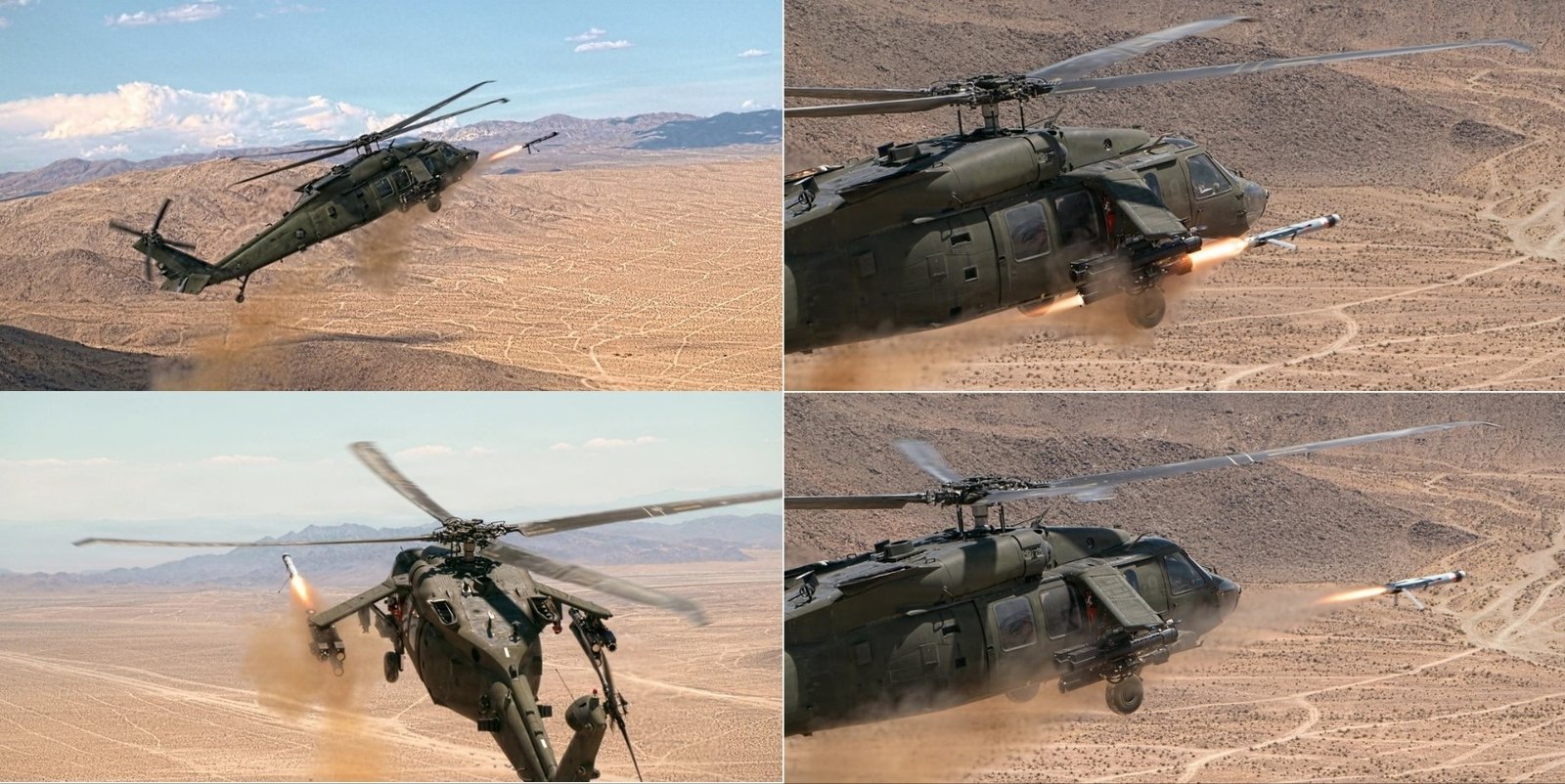
According to U.S. Central Command (CENTCOM), the operation began shortly after midnight and lasted approximately four hours. The strikes were launched in response to what U.S. officials described as continued Iranian aggression following the downing of a U.S. Apache helicopter near the Strait of Hormuz earlier this week.
CENTCOM said the operation targeted command-and-control centers, air defense systems, radar installations, military communications networks, surveillance capabilities, and missile storage facilities. The strikes hit locations in southern Iran near the Persian Gulf, as well as sites reported to be within 40 miles of Tehran.
The Arleigh Burke-class guided-missile destroyer USS Michael Murphy (DDG-112) was among the assets involved in the operation, launching several Tomahawk missiles from an undisclosed location. U.S. Air Force and Marine Corps assets also participated in the coordinated attack.
President Donald Trump confirmed during a televised interview that exactly 49 Tomahawk missiles were used in the strikes. He warned that further military action could follow if Tehran does not agree to a peace proposal put forward by U.S. negotiators.
U.S. Defense Secretary Pete Hegseth said the strikes were intended to protect U.S. interests and increase pressure on Iran to return to negotiations. CENTCOM described the operation as a precision strike aimed at degrading military capabilities that pose threats to U.S. forces and regional stability.
The strikes marked the second consecutive day of U.S. military action against Iran and came amid a fragile ceasefire established in April following the broader conflict that began on February 28 with major U.S. and Israeli operations against Iranian military targets under Operation Epic Fury.
Iran responded quickly to the operation. The IRGC announced that its aerospace force and navy had launched a two-wave retaliatory strike against 18 U.S. military targets, including bases hosting American troops in Kuwait, Bahrain, and Jordan.
The IRGC also claimed that the Strait of Hormuz had been closed to all vessels due to regional insecurity. However, CENTCOM disputed the claim, stating that commercial shipping continues to transit the waterway under U.S. protection.
The renewed hostilities have also affected maritime traffic in the region. In a separate incident, three Indian crew members were reported killed after a U.S. strike on the tanker MT Settebello in the Gulf of Oman. U.S. authorities stated that the vessel was attempting to transport Iranian oil in violation of an ongoing blockade.
Iranian officials further accused the United States of striking water reservoirs in Hormozgan Province, disrupting drinking water supplies for approximately 20,000 people. Tehran described the attacks as a violation of international law and said civilian infrastructure had been damaged.
The latest escalation has raised concerns over regional stability and global energy markets due to the strategic importance of the Strait of Hormuz, a key route for international oil shipments. Diplomatic efforts involving Iran, the United States, and regional partners continue as tensions remain high following the exchange of military strikes.
——— End of Article ———