BERLIN, Germany — June 10, 2026 : Airbus Helicopters and Quantum Systems have signed a strategic cooperation agreement to integrate advanced counter-unmanned aerial system (C-UAS) interceptor capabilities onto Airbus military helicopters, while also showcasing the technology on the newly unveiled U145 autonomous helicopter at the ILA Berlin 2026 aerospace exhibition.
The partnership combines Airbus Helicopters' expertise in military rotorcraft with Quantum Systems' capabilities in autonomous systems, artificial intelligence, and counter-drone technologies. The companies said the cooperation is intended to provide armed forces with enhanced capabilities to detect, track, intercept, and neutralize hostile unmanned aerial systems while supporting future concepts of crewed-uncrewed teaming and integrated airspace protection.
U145 Showcases Future Counter-Drone Operations
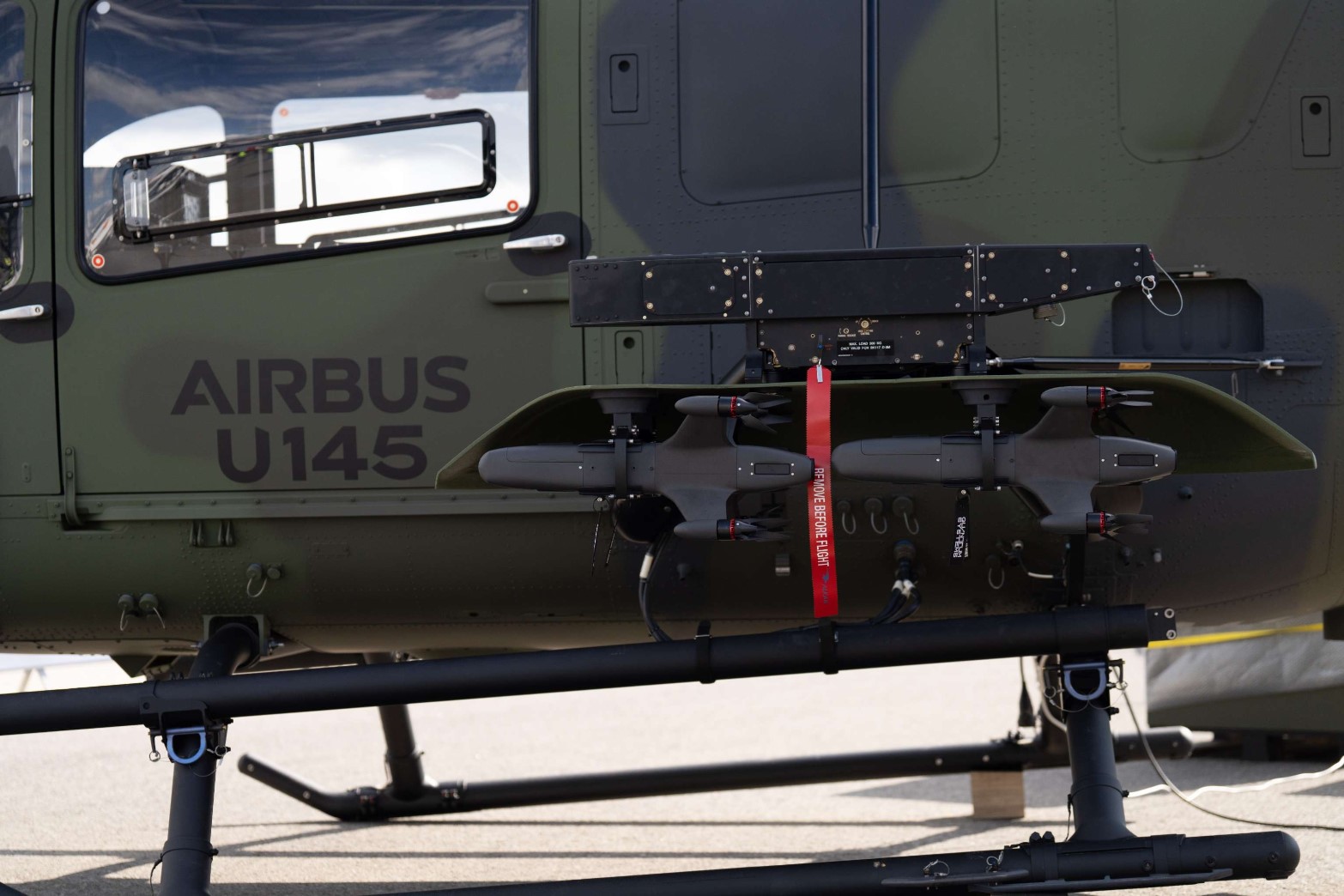
A major highlight of the collaboration at ILA Berlin 2026 was the presentation of Airbus Helicopters' new U145, a fully autonomous and uncrewed variant of the H145 helicopter family. A full-scale mock-up of the aircraft was displayed with Quantum Systems' advanced C-UAS interceptor solution integrated into the platform.
The demonstration illustrated how future autonomous helicopters could play a role in defending military forces against drone threats while simultaneously conducting logistics, reconnaissance, and support missions. According to Airbus and Quantum Systems, the integration showcases the potential for autonomous rotorcraft to contribute to force protection and airspace security in increasingly complex operational environments.
The companies stated that the system is designed to provide operators with the ability to identify and engage hostile drones while maintaining mission effectiveness. The capability reflects growing demand for dedicated counter-UAS solutions as unmanned aerial threats continue to evolve across modern battlefields.
Strategic Cooperation for Military Helicopter Integration
Under the newly announced agreement, Airbus Helicopters and Quantum Systems will work together to integrate C-UAS interceptor capabilities across Airbus military helicopter platforms.
The first operational integration is planned for the H145M, Airbus' multi-role military helicopter. Airbus stated that the aircraft's open system architecture and growth potential make it an ideal platform for incorporating advanced mission systems and emerging technologies.
Once integrated, the counter-drone capability will allow helicopter crews to actively monitor and defend airspace against hostile unmanned aerial systems while conducting their primary operational missions.
Stefan Thomé, Executive Vice President of Programmes at Airbus Helicopters, said the agreement represents an important step in expanding the mission capabilities of Airbus military rotorcraft.
"At Airbus Helicopters, we are constantly exploring new frontiers in mission capabilities to bring real, decisive value to our customers. This agreement with Quantum Systems marks a crucial step forward in further expanding the operational spectrum of our military helicopters, ensuring that crews can effectively control the airspace against uncrewed threats," Thomé said.
He added that the H145M's advanced open architecture and future growth potential provide a strong foundation for integrating next-generation capabilities while supporting European defense innovation and technological sovereignty.
Addressing the Growing Drone Threat
The cooperation comes at a time when armed forces worldwide are increasingly confronting threats posed by unmanned aerial systems. Drones are now routinely used for reconnaissance, surveillance, targeting, electronic warfare, and strike missions, creating demand for flexible and effective counter-UAS solutions.
Martin Karkour, Chief Revenue Officer at Quantum Systems, said the partnership demonstrates how European defense companies can combine complementary technologies to address emerging operational challenges.
"This cooperation demonstrates how Europe's defence industry can combine complementary strengths to address emerging operational challenges. Together, Airbus and Quantum Systems are advancing the integration of crewed and uncrewed capabilities to build a more resilient and effective defence ecosystem," Karkour said.
He noted that modern military operations increasingly require integrated solutions capable of detecting and countering sophisticated unmanned threats while supporting broader airspace control objectives.
U145 Designed for Autonomous Missions
The U145 represents a significant evolution of Airbus' H145 helicopter platform. Unlike the crewed version, the autonomous aircraft eliminates the traditional cockpit and introduces a redesigned forward fuselage featuring an integrated nose-loading door, a foldable loading table, and a dedicated cargo floor optimized for logistics missions.
The platform retains the proven H145 airframe and twin Safran Arriel 2E turboshaft engines while maintaining a maximum take-off weight of approximately 3,800 kilograms.
Airbus has equipped the aircraft with a dedicated sensor suite and embedded artificial intelligence technologies that enable fully autonomous flight operations. The company describes the platform as mission-agnostic, allowing it to support both military and civilian operators.
Potential missions include cargo transport, resupply operations, disaster response, reconnaissance, armed overwatch, and acting as a mothership capable of deploying air-launched effects and unmanned systems.
Airbus plans to conduct the U145's maiden flight with a safety pilot onboard before the end of 2026 and expects the platform to enter operational service in the early 2030s.
H145M to Receive Initial Operational Integration
While the U145 served as the showcase platform for the counter-drone technology at ILA Berlin 2026, Airbus confirmed that the first operational integration of Quantum Systems' interceptor capability will take place on the H145M.
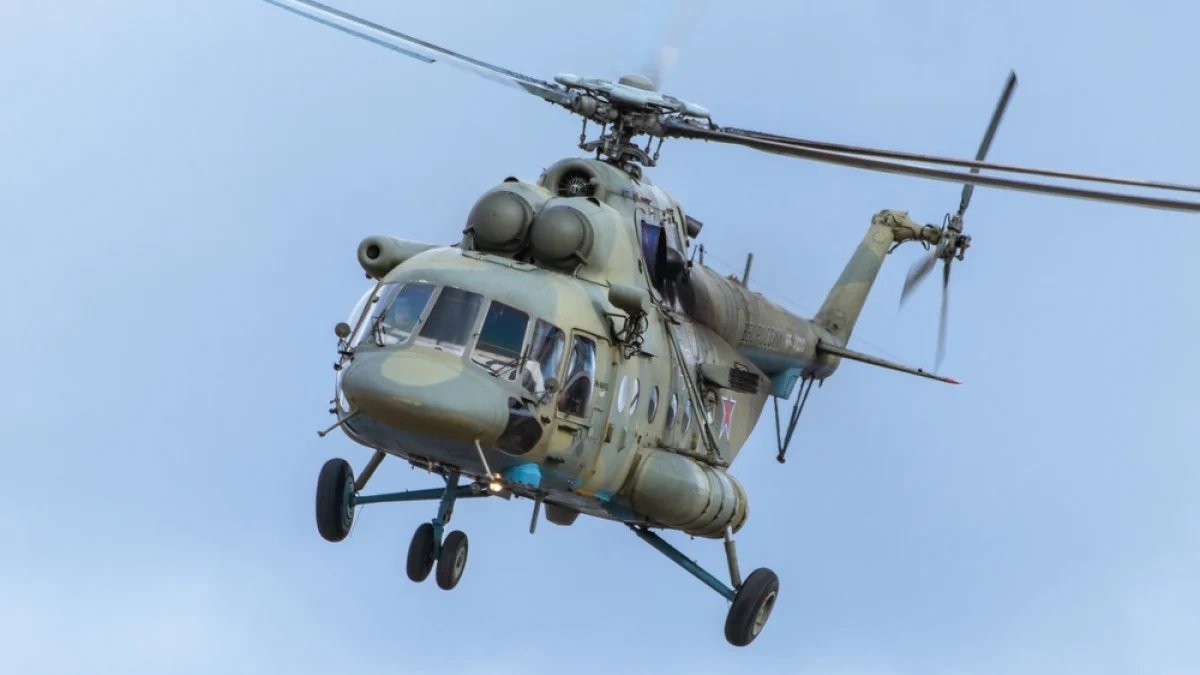
The H145M is a twin-engine light utility military helicopter derived from the H145 family and is currently employed for troop transport, reconnaissance, special operations support, medical evacuation, search and rescue, and light attack missions.
Powered by two Safran Arriel 2E engines, the helicopter has a maximum take-off weight of 3,800 kilograms, a useful load of approximately 1,893 kilograms, a range of around 637 kilometers, and an endurance of roughly three and a half hours. The aircraft is equipped with Airbus' Helionix avionics suite and can be configured with a range of mission equipment and weapon systems through the modular HForce architecture.
According to Airbus and Quantum Systems, the integration of counter-drone capabilities will further expand the operational flexibility of the platform and improve force protection in contested environments.
Strengthening European Defence Capabilities
The Airbus-Quantum Systems partnership reflects broader efforts across Europe to strengthen indigenous defense technologies and accelerate the integration of autonomous and counter-drone capabilities into military operations.
Quantum Systems has expanded its activities in autonomous aerial systems, artificial intelligence, and counter-UAS technologies in recent years, focusing on integrating interceptor systems, unmanned platforms, and command-and-control networks.
According to both companies, integration activities will begin with the H145M before potentially expanding to additional crewed and uncrewed Airbus platforms in the future.
The agreement and the U145 demonstration at ILA Berlin 2026 mark a significant step toward combining crewed aviation, autonomous systems, and advanced counter-drone technologies to provide armed forces with enhanced capabilities to protect personnel, critical infrastructure, and operational airspace from emerging unmanned threats.
——— End of Article ———