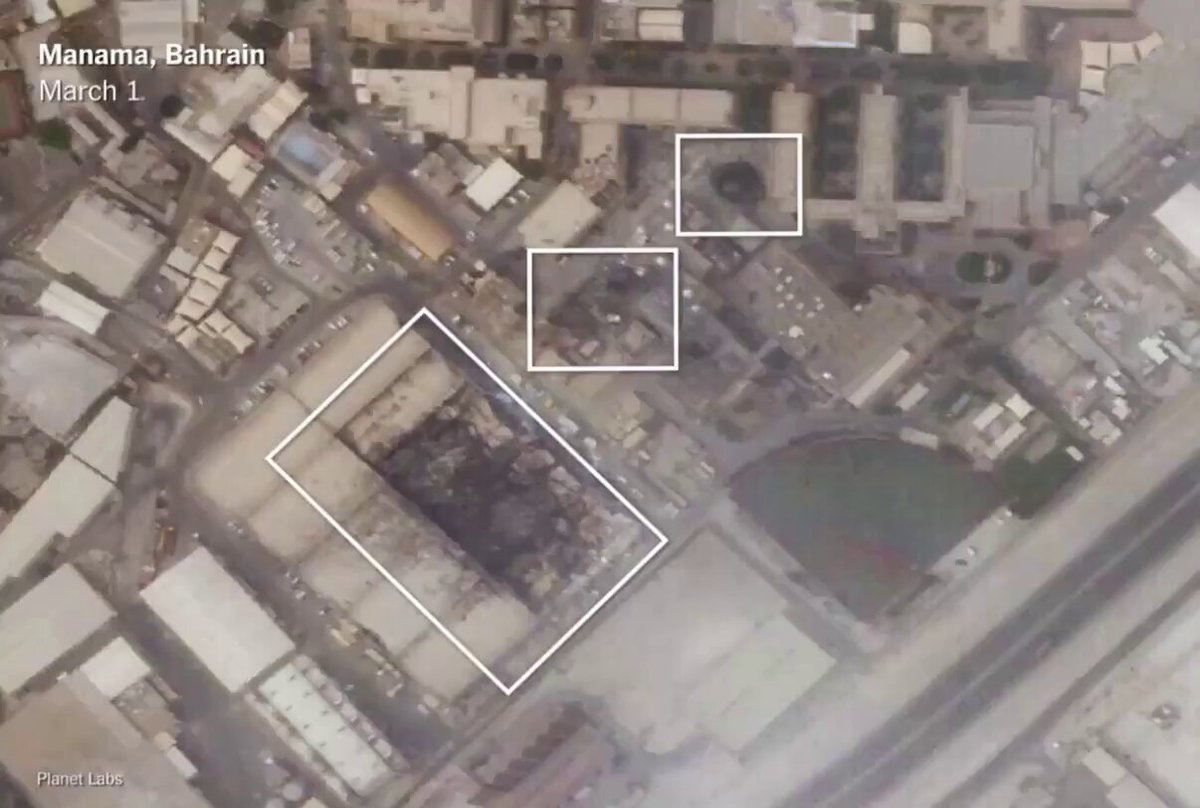
MANAMA, Bahrain, June 26, 2026 — Damage to the United States Navy's main military base in Bahrain caused by Iranian missile and drone attacks during the recent conflict is significantly more extensive than previously acknowledged, according to recent assessments. Reconstruction of the damaged facilities at Naval Support Activity (NSA) Bahrain is now estimated to cost approximately $400 million, prompting the Pentagon to reassess the long-term deployment of U.S. forces across the Middle East.
Naval Support Activity Bahrain serves as the headquarters of the U.S. Fifth Fleet and U.S. Naval Forces Central Command, making it one of the most important American military installations in the Gulf region. The base has supported U.S. naval operations, maritime security missions, counter-piracy efforts, and regional partnerships for decades.
Between late February and mid-June 2026, Iranian forces repeatedly targeted the base using waves of ballistic missiles and Shahed-136 loitering munitions. The attacks formed part of a broader campaign against U.S. military facilities across the region during the four-month conflict.
According to procurement data and Department of Defense construction models cited in a recent Wall Street Journal report, the estimated $400 million rebuilding cost covers only the reconstruction of damaged buildings and infrastructure. The estimate does not include expenses related to debris removal, replacement of destroyed equipment, or future improvements to strengthen the base against similar attacks.
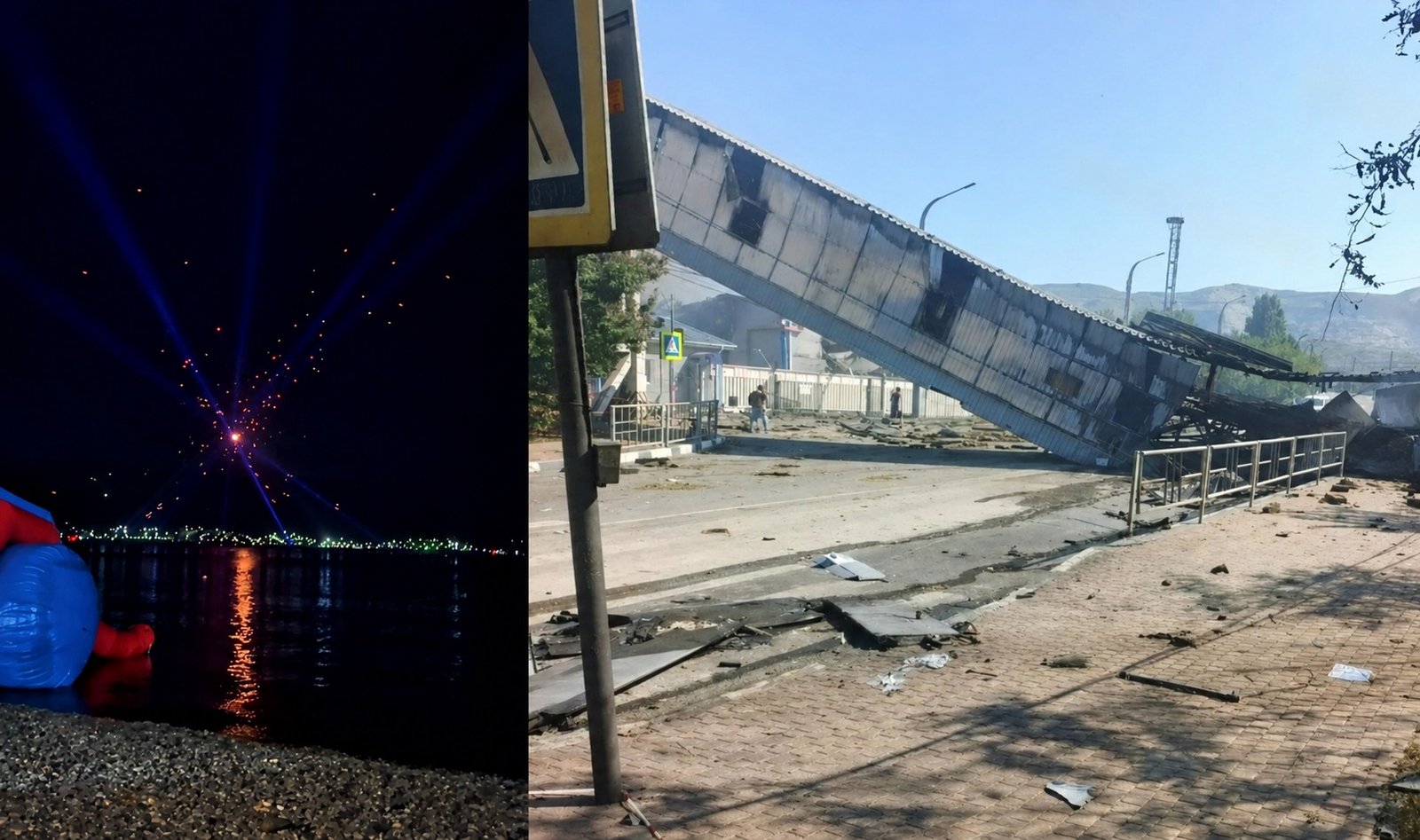
The strikes penetrated the base's defensive systems on multiple occasions, causing substantial structural damage across several key operational areas.
The U.S. Fifth Fleet's central command headquarters sustained direct hits, leaving the building no longer fully operational. Two satellite communications terminals were destroyed, while additional communications and networking facilities suffered severe damage, affecting command and information systems.
Logistics infrastructure was also heavily impacted. Warehouses containing military equipment, operational supplies, and support materials were destroyed during the attacks. Damage assessments also identified impacts on communications management facilities, support buildings, piers, and other operational infrastructure across the installation.
Residential buildings and personnel support facilities were among the structures affected. Several housing areas and general base infrastructure sustained varying levels of damage, while nearby residential areas also experienced impacts.
Despite the extensive structural destruction, U.S. military officials stated that operational activities in the region continued throughout the conflict. Most personnel had been evacuated from the installation shortly after hostilities began, and officials confirmed that no U.S. service members were killed at the Bahrain facility during the attacks.
The attacks on NSA Bahrain, together with Iranian strikes on at least 20 additional American military and diplomatic facilities across the Middle East, have prompted a comprehensive Pentagon review of the U.S. military footprint in the region.
Defense planners are evaluating several options aimed at reducing the vulnerability of forward-deployed forces. These include reducing troop numbers and military equipment stationed in Kuwait and Saudi Arabia, relocating critical operational assets farther west to place them beyond the effective range of Iranian ballistic missiles, and transferring selected operational capabilities to Israel.
Military planners are also considering redesigning Naval Support Activity Bahrain by dispersing key assets across multiple locations instead of maintaining a centralized operational hub. Discussions reportedly include relocating command functions to hardened or underground facilities to improve survivability during future conflicts.
The Bahrain base, located approximately 120 miles from the Iranian coast, was among the most heavily targeted U.S. military installations due to its strategic role in overseeing naval operations throughout the Persian Gulf, Arabian Sea, Red Sea, and surrounding waters.
The strikes were part of a wider Iranian retaliation campaign that also affected U.S. military sites in Qatar, Kuwait, Saudi Arabia, and the United Arab Emirates, with varying levels of damage reported across those installations.
The broader financial impact of the conflict has also been significant. According to estimates from the Center for Strategic and International Studies (CSIS), the total cost of the 2026 conflict reached approximately $40 billion. Of that amount, between $2.2 billion and $5.1 billion is attributed to damage sustained by U.S. military bases throughout the region.
The Pentagon has not released a detailed public assessment covering total damage across all affected Middle Eastern installations. Defense Secretary Pete Hegseth has also declined to discuss the specific extent of the damage during congressional testimony.
While reconstruction work is expected to continue over an extended period, the U.S. Navy continues to operate from Bahrain as repairs progress. The attacks have highlighted vulnerabilities at forward-deployed military bases and accelerated Pentagon efforts to review force posture, strengthen air and missile defenses, improve infrastructure resilience, and evaluate future basing strategies across the Middle East.
Long-term decisions regarding reconstruction, force distribution, and possible relocation of critical military capabilities are expected to play an important role in shaping the future U.S. military presence in the Gulf region.
——— End of Article ———